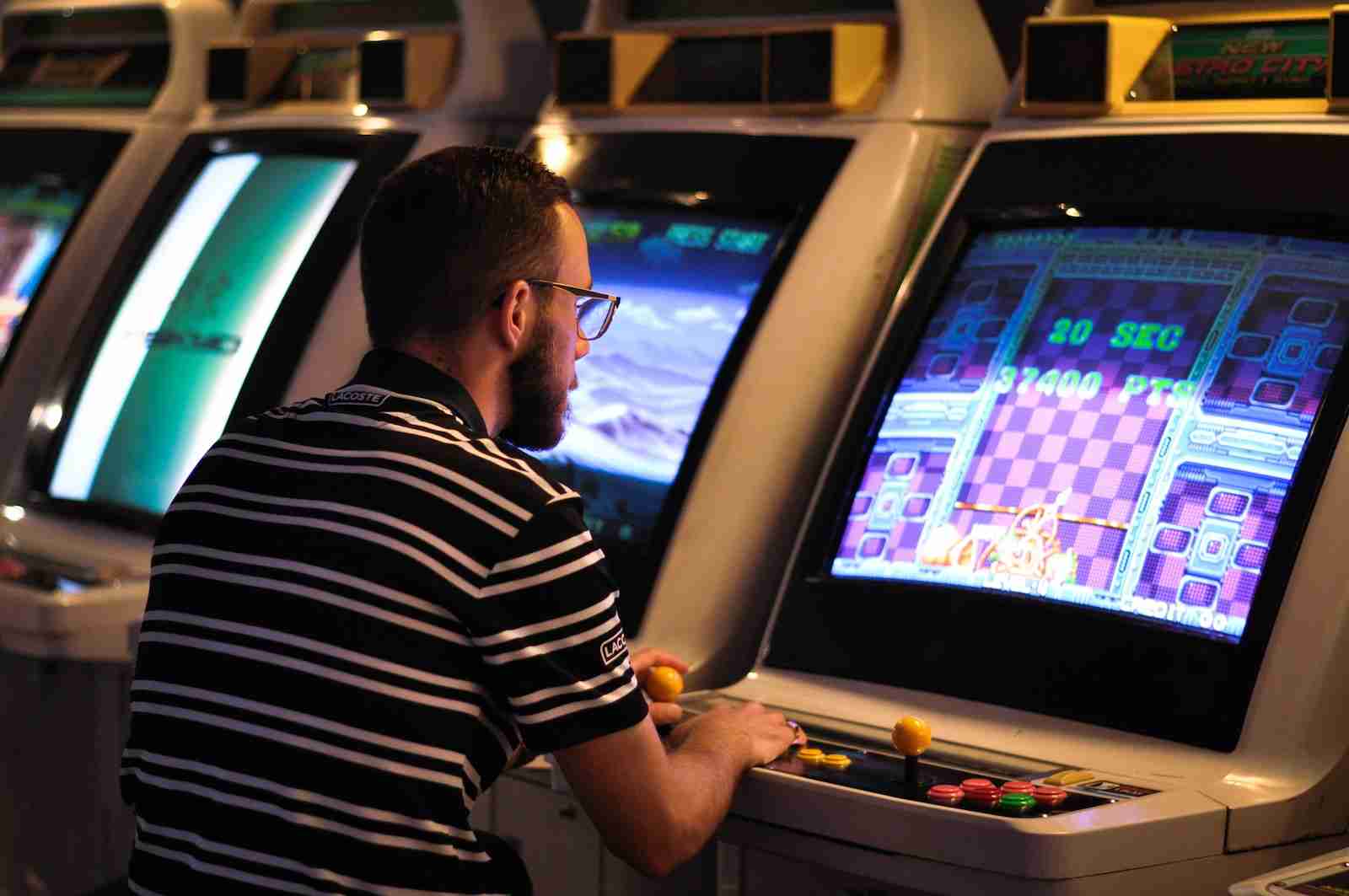
Unlocking The Potential Of Gaming For Kids
By Tom Seest
At HowDoYouGame, we help people who love board games by collating information and news about games.
Be sure to read our other related stories at HowDoYouGame to learn more about games.
Is Playing Games an Essential Tool for Problem Solving In Kids?
Let’s take a moment to think about the last time you sat down to play a game—whether it was a board game with family, a video game with friends, or even a simple puzzle. Remember that rush of excitement when a clever strategy paid off, or that moment of triumph when a seemingly insurmountable challenge was conquered? It’s exhilarating, isn’t it? These experiences aren’t just leisure activities; they’re powerful exercises for the developing minds of children.
Now, if you haven’t heard of “Gamification,” let’s break it down a bit. This is a fancy term that essentially means applying game-like elements to learning. Think of it as transforming mundane tasks into epic quests, complete with rewards, levels, and skill-building challenges. When kids engage in gamified environments, they are not just playing; they are navigating complex problem-solving scenarios. The stakes may not be real, but the skills they’re honing are incredibly valuable.
When children play games, they’re put through a series of challenges that require creativity, critical thinking, and perseverance. Imagine a group of kids huddled around a table, working together to solve a mystery in a board game. Each child brings something to the table—maybe one has a knack for strategy, while another excels in thinking outside the box. They’re learning to collaborate, negotiate, and respect diverse perspectives, all while having a blast. It’s this combination of play and learning that builds confidence and encourages resilience.
Moreover, the beauty of games lies in their ability to create safe spaces for failure. Kids can experiment, take risks, and even stumble without the fear of serious repercussions. When a child learns to navigate a setback in a game, they’re internalizing lessons that apply to real-life situations. They start to understand that failure is not the end; it’s merely a step on the path to success.
So the next time you spot your child engrossed in a game, don’t dismiss it as mere playtime. Instead, take a moment to appreciate the subtle but powerful lessons happening right before your eyes. Embrace the gamified world around them and watch as they become adept problem-solvers, equipped with skills that will serve them well beyond their childhood. Encouraging this playful exploration can lead not just to a happier child, but to a more innovative and resilient adult.

Is Playing Games an Essential Tool for Problem Solving In Kids?
Is Playing Games an Essential Tool for Problem Solving In Kids?
- Playing games, whether board or video, offers children excitement and triumph, enhancing their development.
- Gamification applies game-like elements to learning, transforming mundane tasks into engaging quests.
- Children gain valuable skills through gamified experiences that involve problem-solving and creativity.
- Games encourage collaboration, negotiation, and respect for diverse perspectives among children.
- Games provide a safe space for failure, allowing kids to experiment and learn from setbacks without severe consequences.
- Engaging in games helps children understand that failure is part of the path to success.
- Encouraging playful exploration leads to happier, more innovative, and resilient adults.

Is Playing Games an Essential Tool for Problem Solving In Kids?
Table Of Contents
- Is Playing Games an Essential Tool for Problem Solving In Kids?
- How Do Games Enhance Critical Thinking In Children?
- Can Video Games Improve Cognitive Abilities In Kids?
- What Types Of Games Are Most Effective For Learning Problem Solving?
- How Does Teamwork In Games Teach Kids To Solve Problems Together?
- How Can Parents Choose Games That Promote Problem-Solving?
- Do Competitive Games Encourage Better Problem-Solving In Kids?
- How Can Game-Based Learning Be Integrated Into Education?
- Conclusion
- Other Resources
- Glossary Of Terms
- Other Questions
- Haiku
- Poem
- Checklist
How Do Games Enhance Critical Thinking In Children?
Games, my friends, have a way of sneaking up on us, blending fun and learning in a delightful concoction that no lecture hall or textbook can replicate. You see, gamification is far from just a trendy buzzword; it’s an engaging platform that turns mundane tasks into thrilling challenges. Imagine your child, eyes wide, fully engrossed in a quest—perhaps they’re battling dragons, solving ancient puzzles, or strategizing with friends. At first glance, it looks like just another video game, but underneath that surface lies a complex world where critical thinking prevails.
Now, let’s break it down simply. When children immerse themselves in a game, they’re not just pressing buttons or clicking a mouse; they’re faced with problems that require thoughtful solutions. Take a puzzle game, for instance. Each level poses a new challenge, asking players to analyze their surroundings, identify patterns, and devise creative strategies to overcome obstacles. This isn’t just about winning; it’s about thinking on their feet and learning to anticipate outcomes. Kids learn that every decision matters, and that’s a lesson that echoes far beyond the screen.
But it’s not only about individual gameplay. Many games encourage collaboration and teamwork, which can ignite even more critical thinking sparks. Picture a group of kids huddled together, strategizing to defeat a common enemy or build a virtual city. They’re not just having fun—they’re negotiating roles, weighing options, and learning the value of compromise. In these moments, they’re problem-solving in real-time, fostering interpersonal skills that textbooks never quite cover.
It’s vital for parents to recognize the tremendous potential embedded in gaming. Instead of viewing it as merely a distraction, see it as a tool—an interactive experience that bridges play and education. Encourage your child to explore games that challenge their intellect, engage their creativity, and offer them the rich, immersive storylines that cultivate their imagination.
So, the next time you hear a ruckus of excitement from the living room, don’t rush in to shut it down. Take a moment to see what they’re engaged with. You might just find that behind the laughter and competition, there’s a world of critical thinking taking shape, one game at a time. Embrace the notion that through play, your child is not just having fun—they’re learning skills that will serve them for years ahead.

How Do Games Enhance Critical Thinking In Children?
How Do Games Enhance Critical Thinking In Children?
- Games combine fun and learning in a way that traditional education cannot match.
- Gamification transforms mundane tasks into engaging challenges, enhancing interest and engagement.
- While playing, children develop critical thinking skills by solving problems and making strategic decisions.
- Games often require players to analyze situations, recognize patterns, and create strategies to succeed.
- Team-based games promote collaboration, fostering interpersonal skills and negotiation among peers.
- Parents should view gaming as a valuable educational tool rather than a simple distraction.
- Encouraging challenging and creative games can help children cultivate imagination and critical thinking abilities.

How Do Games Enhance Critical Thinking In Children?
Can Video Games Improve Cognitive Abilities In Kids?
Now, let’s dive into a question that’s been on the minds of many parents: Can video games truly enhance cognitive abilities in our kids? You might be picturing a typical Saturday morning, kids glued to screens, the light reflecting off their faces like they’re on some digital treasure hunt. But hold on a second before we dismiss gaming as a mere distraction.
It turns out that the world of video games is more than just pixels and soundtracks. At its core, many games utilize a concept called gamification, which turns everyday tasks into engaging challenges. Think about how enticing a reward system can be! Those shiny trophies in a game? They do more than just look good; they spark motivation and encourage learning through play. What’s more, video games require problem-solving and strategic thinking, helping kids sharpen their cognitive skills without them even realizing it.
Imagine a child navigating a labyrinth of challenges, each level presenting a new puzzle to crack. It’s not just mindless clicking; it’s a mental workout! From coordinating movements to processing information in real-time, these gaming experiences turn kids into mini Einsteins, honing their attention, spatial awareness, and critical thinking. They might be racing cars or building empires, but the skills they’re developing are undeniably real and transferable to the classroom and beyond.
Of course, moderation is key. Just like anything else, too much of a good thing can be, well, not so good. Encouraging balance is essential, so that time spent gaming doesn’t overshadow other vital activities, like reading a book or playing outside. As a parent, consider integrating video games as part of a broader mix of learning tools—combine it with books, board games, and even role-playing exercises to enrich cognitive development.
So, the next time you hear that unmistakable sound of gameplay wafting through your home, don’t rush to grab the remote and hit pause. Instead, take a moment to appreciate the cognitive gymnastics your kids might be engaging in. Embrace the potential of gaming as a fun, dynamic way to bolster their smarts. After all, fostering curiosity and creativity is what childhood is all about, and if video games can play a role in that, then perhaps we should give them a second look.

Can Video Games Improve Cognitive Abilities In Kids?
Can Video Games Improve Cognitive Abilities In Kids?
- Video games may enhance cognitive abilities in children, challenging the perception of gaming as merely a distraction.
- Many games utilize gamification, transforming everyday tasks into engaging challenges to motivate and encourage learning.
- Video games promote problem-solving and strategic thinking, sharpening children’s cognitive skills subtly.
- Playing games provides a mental workout, improving attention, spatial awareness, and critical thinking skills.
- Moderation is crucial; excessive gaming can detract from other important activities, like reading or outdoor play.
- Parents should integrate video games into a balanced mix of learning tools to enrich cognitive development.
- Video games can foster curiosity and creativity, warranting a reevaluation of their role in children’s learning.

Can Video Games Improve Cognitive Abilities In Kids?
What Types Of Games Are Most Effective For Learning Problem Solving?
When it comes to learning problem-solving skills, not all games are created equal. The right games can ignite that little spark in your brain that transforms mundane learning into an exciting treasure hunt. Picture yourself in a virtual world, where the challenges feel more like quests, and suddenly, the process of figuring things out doesn’t seem like work at all. Instead, it’s an adventure just waiting for you to embark on.
One of the most effective approaches to learning through games is known as gamification. At first glance, gamification might sound like another buzzword churned out by marketing teams, but it embodies a powerful principle: the idea that we can infuse game-like elements into our learning experiences to capture attention and maintain engagement. Think about it—remember those countless times you lost yourself in a game, solving puzzles and overcoming obstacles? That’s the magic we can bring into our classrooms, boardrooms, or even our homes.
So, what makes a game truly effective for learning problem-solving? First, interactive puzzles that adapt to your skill level can keep you on your toes. Whether it’s navigating a maze or working through a digital escape room, these games allow you to face varying degrees of complexity. Each challenge provides a perfect opportunity for trial and error, teaching resilience as you come to learn that failure can often be a stepping stone to success.
Additionally, strategy games encourage critical thinking. You’re not just making moves; you’re strategizing and seeing the long-range consequences of your decisions. Games like chess or resource management simulations invite players into worlds where every choice has a ripple effect. Suddenly, you’re not just playing a game—you’re mastering the art of problem solving in a way that feels like second nature.
Let’s not forget about teamwork. Multiplayer games challenge you to collaborate with others, pooling your diverse perspectives to navigate hurdles together. You learn that solving problems is often more effective as a group, reinforcing communication and cooperation.
Selecting the right types of games shifts learning from a chore to a invigorating experience. Whether you’re tackling a complex quest or working as a team to outsmart a virtual opponent, the skills you pick up translate seamlessly into real-world challenges. So grab a controller, dive deep, and let those problem-solving skills bloom.

What Types Of Games Are Most Effective For Learning Problem Solving?
What Types Of Games Are Most Effective For Learning Problem Solving?
- Not all games effectively teach problem-solving skills; the right ones can make learning feel like an adventure.
- Gamification combines game-like elements with learning to enhance attention and engagement.
- Interactive puzzles that adjust to skill levels foster resilience through trial and error.
- Strategy games promote critical thinking by highlighting the long-range consequences of decisions.
- Games like chess and resource management simulations help players master problem-solving intuitively.
- Multiplayer games encourage teamwork, enhancing communication and collaboration in solving problems.
- Selecting appropriate games transforms learning into an invigorating experience, providing skills applicable in real-world scenarios.

What Types Of Games Are Most Effective For Learning Problem Solving?
How Does Teamwork In Games Teach Kids To Solve Problems Together?
Picture this: a group of kids, fingers flying over controllers, their faces lit up by the glow of the screen. They’re absorbed in an epic digital quest, and while it may seem like harmless fun, they’re actually tackling some of life’s greatest challenges—together. In a world where the complexities of problem-solving can feel overwhelming, gamification steps in as an inviting platform where teamwork becomes both essential and intuitive.
At its core, teamwork in games is a masterclass in collaboration. Whether navigating a dungeon, building a fortress, or exploring uncharted territories, players quickly learn that success relies on communication. Each member brings something unique to the table—skills, ideas, or even just a fresh perspective. When they collaborate, they’re not just strategizing a route; they’re building trust, learning to listen, and understanding that every voice counts—even the one offering a less-than-stellar suggestion.
This is where problem-solving becomes not just a skill but an adventure. In the heat of the moment, when the team is cornered by a digital beast or racing against an imaginary clock, every player starts to think critically. How can they leverage their combined strengths? What creative solutions can they devise to defeat that daunting challenge? The mental gymnastics needed to conquer these obstacles echo real-world situations, from group projects in school to future workplace dynamics.
Moreover, gamification isn’t just about overcoming hurdles. It’s about building resilience. Failing as a team—be it falling short on a quest or misjudging an enemy’s attack—creates an environment where students learn to bounce back, regroup, and try again. It’s a nurturing ground for grit, where setbacks are simply stepping stones toward success.
As parents and educators, we should embrace this interactive form of learning, recognizing that these moments of fun are also robust lessons in teamwork and problem-solving. The next time you see your child engrossed in a game, take a moment to appreciate that they’re not merely playing; they’re cultivating essential life skills. The lessons learned in the pixelated world translate seamlessly into reality and help prepare our children for a future where collaboration and effective problem-solving are more crucial than ever. So, let’s cheer them on as they embark on these digital journeys—because the ability to work together is a game-changer, both in games and in life.

How Does Teamwork In Games Teach Kids To Solve Problems Together?
How Does Teamwork In Games Teach Kids To Solve Problems Together?
- Gamification serves as a platform for kids to engage in teamwork while tackling life’s challenges.
- Success in games relies on communication and collaboration among players, promoting essential skills like trust and listening.
- Teamwork in gaming fosters critical thinking as players devise creative solutions to overcome obstacles.
- Experiences in games mirror real-world situations, preparing children for group projects and future workplace dynamics.
- Failing in games teaches resilience, encouraging students to regroup and learn from setbacks.
- Parents and educators should recognize the lessons in teamwork and problem-solving during children’s gaming experiences.
- The skills developed through gaming are crucial for children’s future success in collaborative environments.

How Does Teamwork In Games Teach Kids To Solve Problems Together?
How Can Parents Choose Games That Promote Problem-Solving?
Finding the right games for your kids can feel like searching for a needle in a haystack, can’t it? There are just so many options out there. But take a breath, because choosing games that promote critical thinking and problem-solving doesn’t have to be a chore. In fact, it can be an adventure for both you and your children!
First up, look for games that incorporate elements of gamification. You know, those mechanics that make learning feel less like school and more like a thrilling quest? Search for games that provide rewards for solving puzzles or overcoming challenges. It’s like turning your living room into a mini-arcade where every level conquered is a victory worth celebrating!
When perusing your options, consider whether the game encourages strategic thinking and creativity. You want games that invite children to explore different paths or solutions, not just those that have a single “right answer.” Some of the best games are the ones that allow kids to try, fail, and try again. This cycle cultivates resilience and a growth mindset—life skills that will serve them well beyond the digital realms.
Also, think about games that require collaboration. Co-op games can build teamwork skills and foster connections among siblings or friends. When kids are working together to solve a problem, they’re not just having fun; they’re learning to communicate, negotiate, and approach challenges from multiple perspectives. It’s all about teaching them that they don’t have to go it alone.
And let’s not forget the importance of age appropriateness. While it can be tempting to opt for the latest flashy game that promises the moon, make sure it aligns with your child’s developmental stage. Games that are too complex can lead to frustration, while simpler games might not challenge them enough. Strike that balance, and you’ll create a gaming experience that’s both enjoyable and enriching.
Lastly, gather your own insights! Join in on the fun. Play alongside your kids, give them that support and guidance they need to navigate challenges, and celebrate their victories, no matter how small. By being a part of their gaming journey, you’ll not only bond over shared experiences, but you’ll also inspire confidence and a love for problem-solving that will last a lifetime. So gear up, grab the controller, and get ready to embark on this problem-solving adventure together!

How Can Parents Choose Games That Promote Problem-Solving?
How Can Parents Choose Games That Promote Problem-Solving?
- Finding suitable games for kids can be overwhelming, but it can also be an enjoyable experience.
- Look for games with gamification elements that turn learning into an exciting quest with rewards for achievements.
- Choose games that promote strategic thinking and creativity, allowing kids to explore multiple solutions and embrace failure as a learning opportunity.
- Consider cooperative games that encourage teamwork and help children learn communication and negotiation skills.
- Ensure the games are age-appropriate to avoid frustration from overly complex games or boredom from overly simplistic ones.
- Participate in gaming with your children to provide support, celebrate their successes, and strengthen your bond.
- Inspire a love for problem-solving and confidence by joining in on the adventure of gaming together!

How Can Parents Choose Games That Promote Problem-Solving?
Do Competitive Games Encourage Better Problem-Solving In Kids?
When you think about competitive games, what often springs to mind is the thrill of victory or the agony of defeat. But have you ever stopped to consider their role in shaping young minds? It turns out that these games might be doing much more than just providing entertainment; they could be creating a practical playground for problem-solving skills. Enter the concept of gamification—a fancy word that basically means using game elements in non-game contexts.
Imagine a child navigating the twists and turns of a digital maze or racing against friends in a heated tabletop game. Each level they conquer is not just a point scored; it’s a lesson in critical thinking. They learn to assess situations quickly, strategizing not only for their success but also anticipating their opponents’ moves. This dynamic element of competition drives them to solve problems creatively. When faced with a challenge, whether it’s figuring out how to outsmart a rival player or determining the most effective use of limited resources, kids cultivate resilience and adaptability. These are qualities we all recognize as essential in the kitchen, the classroom, and beyond.
Look around. Kids today are inundated with screens and stimulation, where distractions lurk at every turn. Amidst that chaos, competitive games can serve as real-time labs for evolving their cognitive skills. In engaging with their peers, they learn collaboration, communicate their ideas, and embrace the idea that losing is just as valuable as winning. It’s a delicate balance of teamwork and friendly rivalry that pushes them to think outside the box.
Consider those game nights when laughter echoes through the room, arguments over rules are quickly forgotten, and the thrill of the game takes over. Whether they’re devising a winning strategy in a card game or barreling through a video game’s final boss level, kids are piecing together narratives that pave the way for innovative thought processes.
So, the next time you see kids engrossed in a competitive game, don’t dismiss it as just child’s play. Instead, see it for what it truly is—a powerful tool for honing their problem-solving capabilities. Encourage that passion for play; you’ll help cultivate a generation equipped to tackle life’s challenges head-on while having a blast doing it!

Do Competitive Games Encourage Better Problem-Solving In Kids?
Do Competitive Games Encourage Better Problem-Solving In Kids?
- Competitive games shape young minds beyond entertainment, enhancing problem-solving skills.
- Gamification refers to using game elements in non-game contexts for educational purposes.
- Children learn critical thinking and quick assessment of situations through gameplay.
- Competition fosters creativity in problem-solving and resilience in facing challenges.
- Amidst distractions, games provide a platform for developing cognitive skills and collaboration.
- Game nights promote teamwork, communication, and the value of both winning and losing.
- Encouraging play helps cultivate a generation capable of tackling life’s challenges with confidence.

Do Competitive Games Encourage Better Problem-Solving In Kids?
How Can Game-Based Learning Be Integrated Into Education?
Imagine walking into a classroom buzzing with energy, where students aren’t just sitting quietly at their desks, but are actively engaged in a spirited quest for knowledge. This is the heart of game-based learning, where the principles of play aren’t just relegated to the playground but woven intricately into the very fabric of the educational experience. If we can harness the natural enthusiasm that games inspire, we can transform education into an adventure worth embarking on.
At its core, gamification is the secret sauce that turns mundane lessons into electrifying experiences. You see, when we sprinkle a little game-like magic into the mix, students become active participants in their own education. Instead of merely memorizing facts from a textbook, they’re level-uping their skills, facing off against challenges, and earning achievements—just like they would in their favorite video games. This approach not only makes learning more enjoyable but also cultivates a deep-seated motivation in students that traditional methods often miss.
Now, let’s not kid ourselves—integrating game-based learning takes effort, but so does almost anything worthwhile. It begins with the educators themselves. Teachers can access a treasure trove of resources and tools that can help them design lessons that incorporate game elements. From interactive quizzes that turn assessments into contests to collaborative projects that mirror popular team-based games, there’s no shortage of opportunities to make learning feel less like a chore and more like a challenge.
Equally important is creating a culture of support around this initiative. Take the time to engage with fellow educators and share best practices. Collaborate to develop a curriculum that finds the sweet spot between entertainment and education. When teachers work together, they can inspire each other and share the load, creating an atmosphere where game-based learning doesn’t feel daunting but exhilarating.
Community involvement is also key. Parents, local businesses, and even students themselves can offer ideas or resources. Host game nights that double as educational workshops, where families can play and learn together. The more you foster a connected community around this concept, the more buy-in you’ll achieve.
So, roll up your sleeves and dive in. Game-based learning isn’t just a passing trend—it’s a powerful tool that can elevate education to new heights. Let’s take that leap and create classrooms where students don’t just learn, but thrive!

How Can Game-Based Learning Be Integrated Into Education?
How Can Game-Based Learning Be Integrated Into Education?
- Game-based learning transforms traditional education into an interactive, engaging experience.
- By incorporating gamification, lessons become exciting, motivating students to actively participate in their education.
- Students engage in skill-building activities, face challenges, and earn achievements similar to video game mechanics.
- Educators are encouraged to utilize resources to integrate game elements into their lessons effectively.
- Collaboration among teachers is vital to share best practices and create a supportive culture for game-based learning.
- Community involvement from parents and local businesses enhances the learning experience and fosters engagement.
- Game-based learning is a powerful tool that can elevate education, promoting an environment where students thrive.

How Can Game-Based Learning Be Integrated Into Education?
Conclusion
In a world that often dismisses play as mere distraction, the findings on gaming and problem-solving in kids reveal a surprising truth: games are more than just entertainment; they are vital tools for learning and development. When you take a moment to consider the experience of gaming—whether it’s huddling around a board game with family or collaborating with friends in a virtual world—you start to see that these activities cultivate skills that are essential for navigating life’s complex challenges.
At the heart of this phenomenon is the concept of gamification, which transforms everyday tasks into engaging challenges that pique a child’s interest and spark their creativity. When kids dive into a game, they’re not simply blowing off steam; they’re engaged in strategic thinking, teamwork, and critical analysis. Whether they’re solving a virtual puzzle or strategizing in a team-based adventure, they’re honing their ability to think on their feet and approach problems from diverse angles.
Moreover, games foster resilience in ways that traditional learning often cannot. Every time a child faces a setback in a game, they gain invaluable insights about persistence and adaptability—skills that translate seamlessly into real-life scenarios. These playful environments provide a unique safety net for kids, allowing them to experiment, learn from their mistakes, and grow without the fear of harsh consequences.
As parents and educators, it’s crucial to recognize and nurture this potential. The selection of games becomes imperative; we should prioritize those that promote problem-solving, strategic thinking, and collaborative skills. Think of it as a treasure hunt, where every gaming session can unveil new lessons and insights. And here’s the kicker: engaging in these activities together not only bonds families and friends but also creates a shared understanding of the importance of these life-skill lessons.
So, the next time you hear the familiar sounds of excitement from your child’s gaming escapades, don’t rush to shut it down. Instead, seize the opportunity to explore the rich learning experiences hidden within those pixelated adventures. Embrace gaming as a vital facet of childhood; you’ll not only cultivate a more innovative and resilient generation but also spark a love for learning that lasts a lifetime. In the end, it’s about building problem-solvers who are ready to tackle the world—one game at a time.

Conclusion
Conclusion:
- Gaming is not just entertainment; it is a vital tool for learning and development in children.
- Playing games enhances essential skills such as strategic thinking, teamwork, and critical analysis.
- Gamification transforms everyday tasks into engaging challenges that stimulate children’s interest and creativity.
- Games foster resilience by teaching persistence and adaptability when faced with setbacks.
- Parents and educators should prioritize selecting games that promote problem-solving and collaboration.
- Sharing gaming experiences can strengthen bonds and create a shared understanding of life-skill lessons.
- Embracing gaming can cultivate innovative, resilient problem-solvers who love learning.

Conclusion
Other Resources

Other Resources
Here is a list of other resources you can review online to learn more:
- Gloomhaven
- Arkham Horror (Third Edition)
- Stonemaier Games
- Lucky Duck Games
- CoolStuffInc
- Discord
- Wizards of the Coast
- Eurogamer
- Dominion
- Hearts
Use This Prompt To Get More Resources With Your Favorite Online AI Tool: Please provide me with a list of online articles with their URLs in a bulleted list that I can read regarding Is Playing Games an Essential Tool for Problem Solving In Kids?

Other Resources
Glossary Terms
Is Playing Games an Essential Tool for Problem Solving In Kids? – Glossary Of Terms
1. Cognitive Development: The process by which children gain the ability to think, reason, and understand their world.
2. Critical Thinking: The mental process of analyzing situations, evaluating evidence, and making decisions based on logic and reasoning.
3. Problem-Solving Skills: Abilities that allow individuals to identify solutions to complex or challenging situations.
4. Strategic Thinking: The ability to plan and implement methods to achieve specific goals, often involving foresight and adaptability.
5. Social Interaction: Engaging with others through communication and collaboration, which is essential in many games.
6. Resource Management: The ability to effectively manage one’s time, materials, and human resources, often practiced in games.
7. Adaptability: The capacity to adjust one’s strategies or approaches in response to new information or changing conditions.
8. Teamwork: The collaborative effort of a group to achieve a common goal, fundamental in many cooperative games.
9. Simulations: Activities that mimic real-world processes or situations, often used in educational games to enhance learning.
10. Emotional Intelligence: The ability to recognize, understand, and manage emotions in oneself and others, often developed through interactive play.
11. Decision-Making: The cognitive process of selecting a course of action among multiple alternatives, commonly practiced in gameplay.
12. Creativity: The ability to generate new ideas, solutions, or artistic expressions, often stimulated through gaming experiences.
13. Logical Reasoning: The disciplined process of thinking through a problem in a consistent and coherent manner.
14. Feedback Loop: The process of receiving information about one’s actions and results in order to improve future performance.
15. Motivation: The inner drive that prompts individuals to take action, which can be enhanced by game mechanics and rewards.
16. Conflict Resolution: The process of resolving disputes or disagreements, often encountered and navigated during gameplay.
17. Engagement: The level of participation and interest that players exhibit while participating in a game.
18. Imagination: The ability to form new ideas or images not directly in front of the senses, often a key element in game scenarios.
19. Trial and Error: A fundamental problem-solving method where different attempts are made until success is achieved, prevalent in many games.
20. Rules and Structure: The established guidelines that govern gameplay, teaching players about boundaries and consequences.
21. Role-Playing: Engaging in fictional scenarios where players assume characters, which fosters empathy and perspective-taking skills.
22. Resilience: The ability to bounce back from setbacks or failures, a quality often nurtured through competitive gaming experiences.
23. Digital Literacy: The skills required to effectively navigate, understand, and participate in the digital world, often enhanced through online gaming.
24. Communication Skills: The abilities required to convey ideas and information effectively, important in team-based games.
25. Targeted Learning: The focused acquisition of specific skills or knowledge, often achieved through educational or skill-building games.
26. Curiosity: A desire to learn or know more, which can be fostered through exploration in gaming environments.
27. Sequential Learning: Understanding concepts step by step, which can be reinforced through the progression of levels in many games.
28. Scenario-Based Learning: A method of instruction where learners apply knowledge to real-world scenarios, often exemplified in simulation games.
29. Game Mechanics: The principles and rules that govern how a game operates, influencing player motivation and engagement.
30. Intrinsic Motivation: The drive to engage in an activity due to internal satisfaction rather than external rewards, often cultivated through enjoyable gaming experiences.

Glossary Of Terms
Other Questions
Is Playing Games an Essential Tool for Problem Solving In Kids? – Other Questions
If you wish to explore and discover more, consider looking for answers to these questions:
- What specific cognitive skills do children develop while playing games?
- Are there certain age groups that benefit more from game-based learning?
- What are some examples of effective educational games for different age ranges?
- How do video games compare to traditional educational methods in promoting problem-solving skills?
- What are the potential downsides of excessive gaming in children?
- How can parents find a balance between gaming and other activities?
- Are there studies that support the benefits of gaming for problem-solving skills?
- How can gamification be applied in non-gaming contexts outside of education?
- What role do teachers play in encouraging game-based learning in the classroom?
- What are some best practices for integrating gaming into a child’s learning routine?
- How do competitive games specifically foster teamwork and effective communication among players?
- What games are most effective at teaching collaboration and teamwork skills?
- How can parents set guidelines for healthy gaming habits?

Other Questions
Haiku
Is Playing Games an Essential Tool for Problem Solving In Kids? – A Haiku
Playing games brings joy,
Kids solve puzzles, risks embraced,
Minds grow strong through play.

Haiku
Poem
Is Playing Games an Essential Tool for Problem Solving In Kids? – A Poem
Unlocking Potential in Play
In a world where laughter lights the room,
Games weave stories, dispelling gloom.
From board to screen, adventures unfold,
In every challenge, young minds grow bold.
Gamification—it’s a key,
Translating play into learning’s spree.
With strategy and critical thought,
Kids find solutions they never sought.
Collaborating, they stand as a team,
Working together to chase a shared dream.
Each voice matters, each idea shines,
In the quest for answers, connection aligns.
Within failure’s embrace, they learn to retry,
Building resilience that helps them fly high.
For a setback’s just a step on the way
To mastery gained in the light of day.
Video games pulse with potential unseen,
A mental workout amidst the screen’s sheen.
Navigating mazes, coordinating fast,
Cognitive skills develop while having a blast.
Choose with care the games that inspire,
Where creativity blossoms, and minds reach higher.
Look for puzzles, strategy, and cooperative play,
Encouraging teamwork, come what may.
In classrooms bright, let learning take flight,
Transform lessons to quests, igniting delight.
For game-based learning is no passing phase,
But a gateway to futures where brilliance ablaze.
So cheer on your child, let them explore,
In this magical realm, there’s so much in store.
As they laugh and they play, they’re shaping their fate,
For in the heart of the game, they’re learning to create.

Poem
Checklist
Is Playing Games an Essential Tool for Problem Solving In Kids? – A Checklist
Checklist for Encouraging Problem-Solving Through Gaming in Kids
Creating a Supportive Gaming Environment:
_____ Explore Games Together: Spend time playing games with your child to understand their interests and the skills the games promote.
_____ Discuss Game Features: Talk about how the game mechanics can relate to real-life problem-solving instances.
Identifying Effective Games:
_____ Look for Gamified Elements: Choose games that incorporate rewards, levels, and challenges to motivate engagement.
_____ Assess Strategic Depth: Select games requiring players to plan ahead, think critically, and anticipate outcomes (e. g. , strategy and puzzle games).
_____ Focus on Teamwork: Opt for cooperative games that emphasize collaboration and communication between players.
Encouraging Critical Thinking:
_____ Challenge Decision-Making: Provide games that require your child to make quick decisions and analyze different scenarios.
_____ Promote Resilience: Choose games that encourage trial and error, allowing kids to learn from failures.
Balancing Gaming with Other Activities:
_____ Set Gaming Boundaries: Create a balanced schedule that includes gaming alongside reading, outside play, and other educational activities.
_____ Encourage Variety: Ensure your child interacts with a diverse range of games, including puzzles, board games, and video games.
Engaging with Learning Outcomes:
_____ Observe Skill Development: Take note of how gaming experiences enhance your child’s problem-solving, critical thinking, and communication skills.
_____ Foster a Growth Mindset: Reinforce the idea that challenges in games translate into valuable life lessons about perseverance and adaptability.
Community and Collaborative Learning:
_____ Host Game Nights: Organize family or community game events to promote social interaction and collaborative problem-solving.
_____ Encourage Discussion: After gameplay, discuss strategies, outcomes, and lessons learned to reinforce problem-solving skills.
Feedback and Adaptation:
_____ Follow Your Child’s Lead: Pay attention to which games engage your child and offer the most learning opportunities; adapt choices accordingly.
_____ Gather Feedback: Regularly ask your child how they feel about the games they’re playing and what skills they think they are developing.
Integration into Education:
_____ Advocate for Game-Based Learning: Encourage schools to incorporate gamification in classroom settings to make learning more engaging and dynamic.
_____ Collaborate with Educators: Work with teachers to suggest strategies for integrating game-based learning into subjects that challenge traditional educational approaches.
By following this checklist, parents can effectively use games as powerful tools for enhancing problem-solving skills in their children, ensuring a balanced and enriching experience.

Checklist
At HowDoYouGame, we help people who love board games by collating information and news about games.
Be sure to read our other related stories at HowDoYouGame to learn more about games.