Uncovering The Truth About Video Games And Kids
By Tom Seest
At HowDoYouGame, we help people who love board games by collating information and news about games.
Be sure to read our other related stories at HowDoYouGame to learn more about games.
Are Games Really Improving Problem Solving In Kids Or Just Distracting Them?
Are Games Really Improving Problem Solving in Kids or Just Distracting Them?
Picture this: a group of kids huddled around a screen, their faces lit up with determination as they navigate dense forests and solve intricate puzzles. To an outsider, it might look like a glorified waste of time, but what if I told you there’s more happening behind those engrossing graphics? Enter gamification, a concept that takes the principle of game design—competition, rewards, challenges—and applies it to just about every learning scenario imaginable. It’s not just about flashy avatars and exponential levels; it’s a new way to engage young minds in ways traditional classrooms may not.
Now, let’s consider the heart of the matter. Children are hardwired to play. It’s how they explore their limits, understand their surroundings, and develop cognitive skills. When we incorporate game mechanics into education, we’re essentially speaking their language. Suddenly, solving complex problems doesn’t feel like homework. It feels like a mission—an epic quest. Think of it as turning potentially dry subjects into engaging adventures.
But before we get too carried away on this digital joyride, we need to ask the tough questions: Are kids genuinely honing their problem-solving skills, or are they simply escaping into a virtual wonderland? The answer lies in how we structure and implement these gaming elements. A well-designed game demands critical thinking, quick decisions, and strategic planning—skills that are invaluable in real-world scenarios. When kids encounter challenges in a game, they learn to analyze the situation, break down the problem, and ultimately devise a solution. That’s a powerful toolkit, one that can translate into the classroom and beyond.
Yet, it’s essential to strike a balance. Gamification should never replace active learning and traditional skills development. Instead, it can serve as a complement—an enticing bridge between fascination and education. Kids will naturally gravitate toward games. So why not leverage that enthusiasm to inspire a deeper understanding of the challenges they face, both in-game and in life?
In a world saturated with distractions, the key question remains: can we harness the power of play to spark authentic learning? Absolutely. It’s about framing gaming not as mere entertainment, but as a valuable educational ally. So next time you see a kid engrossed in a game, remember—within that digital chaos lies potential, curiosity, and maybe even the next generation of problem solvers.

Are Games Really Improving Problem Solving In Kids Or Just Distracting Them?
Are Games Really Improving Problem Solving In Kids Or Just Distracting Them?
- Gamification applies game design principles like competition and rewards to learning scenarios.
- Playing is part of children’s exploration, helping develop cognitive skills and understand their surroundings.
- Game mechanics can make problem-solving feel like an engaging adventure rather than traditional homework.
- Well-designed games require critical thinking, quick decisions, and strategic planning, essential for real-world skills.
- Challenges in games teach kids to analyze situations, break down problems, and devise solutions.
- Gamification should complement, not replace, active learning and traditional skills development.
- Framing gaming as an educational tool can help spark authentic learning and problem-solving skills in kids.

Are Games Really Improving Problem Solving In Kids Or Just Distracting Them?
Table Of Contents
- Are Games Really Improving Problem Solving In Kids Or Just Distracting Them?
- Are Kids Developing Critical Thinking Skills Through Gaming?
- Do Games Encourage Creativity In Problem-Solving?
- Can Video Games Enhance Cognitive Abilities In Children?
- How Do Different Types Of Games Affect Problem-Solving Skills?
- What Role Does Collaboration In Games Play In Skill Development?
- Do Games Distract From Real-World Problem-Solving Opportunities?
- How Can Parents Choose Games That Promote Learning?
- Conclusion
- Other Resources
- Glossary Of Terms
- Other Questions
- Haiku
- Poem
- Checklist
Are Kids Developing Critical Thinking Skills Through Gaming?
Gather round, folks! It’s time to unravel a curious conundrum: are our kids sharpening those critical thinking skills while glued to their screens, battling pixelated monsters or building virtual empires? You bet they are! Now, let’s dive into the magic of gaming—specifically, how the clever concept of gamification comes into play.
Think about it. When we were kids, our playtime was filled with exploration, problem-solving, and a sprinkle of imagination. Today’s gaming world is more than just a digital playground; it’s a vibrant arena where kids face challenges that require strategy, foresight, and quick decision-making. Each quest or puzzle tucked away in these games presents an opportunity that mirrors real-life scenarios. That’s right! While they might think they’re just honing their avatar’s skills, they’re unknowingly building those critical thinking abilities essential for life beyond the controller.
You see, gamification—transforming typical tasks or learning sessions into a game-like experience—embraces competition and rewards, tapping into innate human instincts. It inspires kids to push their limits, to think outside the box. When faced with obstacles, they learn to analyze their options, anticipate potential outcomes, and adapt their tactics. It’s not just hit points and power-ups; this is about fostering resilience, adaptability, and mental agility.
Every time a child strategizes to save the day or outsmarts an opponent, they are diving deep into analytical thinking. Sure, some might roll their eyes at another “screen time debate,” but consider this: These gaming experiences promote collaboration and communication as well. Many games require teamwork, teaching kids how to navigate group dynamics and come together to overcome challenges. That’s a skill they’ll carry with them into the workplace, friendships, and beyond.
So, before you dismiss those gaming sessions as mere entertainment, recognize the potential they hold. Engage with your children about these games. Ask them about their strategies! You’ll find that they are not just mindlessly mashing buttons; instead, they are honing crucial skills they’ve yet to realize. Let’s get on board with this evolution in play and celebrate a world where gaming is not just fun, but also a powerful tool for developing sharper, more critical thinkers. After all, the future needs every bit of brainpower we can cultivate!

Are Kids Developing Critical Thinking Skills Through Gaming?
Are Kids Developing Critical Thinking Skills Through Gaming?
- Gaming fosters critical thinking skills in children through problem-solving and strategic gameplay.
- Children face challenges in games that mirror real-life scenarios, enhancing their decision-making abilities.
- Gamification transforms typical tasks into game-like experiences, motivating kids to improve and innovate.
- As children navigate obstacles in games, they learn to analyze options and adapt strategies, building resilience and mental agility.
- Gaming promotes collaboration and communication, teaching kids teamwork and group dynamics.
- Engaging with kids about their gaming experiences reveals the skills they are developing beyond mere entertainment.
- The evolution of play through gaming should be embraced as a valuable tool for cultivating critical thinkers for the future.
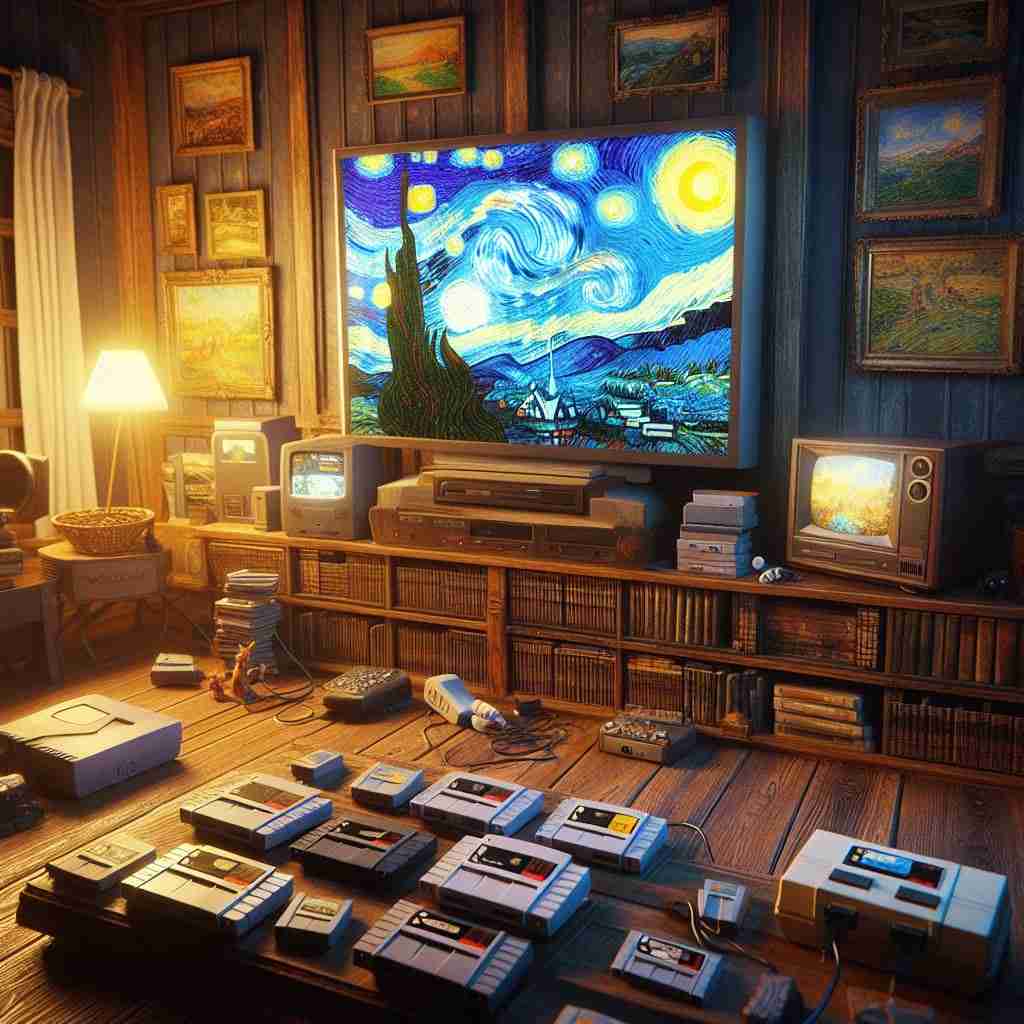
Are Kids Developing Critical Thinking Skills Through Gaming?
Do Games Encourage Creativity In Problem-Solving?
Step into the world of gaming, and you’ll find an arena bustling with ideas, challenges, and more than a few surprises. It’s not just about questing or conquering levels; it’s a workshop for the mind, a place where creativity and problem-solving go hand in hand. Ever wondered why a simple game can get that creative spark igniting? Let’s dive into the heart of the matter.
At its core, gaming introduces what we call gamification—a playful twist on the trials we face. Think about it: you don’t just play to win; you play to learn. Each level you conquer or puzzle you solve is like tackling a mini project in real life. The challenges are designed not just to stump you but to nudge your brain to think outside the box. When you’re faced with that impossible final boss or a tricky riddle, you instinctively start to map out creative strategies. You experiment, you fail, and through that failure, you learn. Sound familiar? It mirrors the real-world process of innovation and discovery.
Consider the stories you’ve heard—whether in the office or over a backyard barbecue—about how someone found ingenious solutions by channeling that playful spirit. Gamers develop a toolkit that thrives on adaptive thinking. When you face obstacles in a game, the instinct is to analyze, modify, and re-approach. You learn to see multiple routes to a solution; the traditional “A to B” suddenly becomes a winding road of possibilities. This mindset is not limited to the screen—it spills over into everyday life, from the workplace to home projects.
Moreover, let’s not overlook the community aspect. Games often lure us into collaborative problem-solving. Teaming up with friends or even strangers pushes us to combine our strengths and think creatively together. This shared experience fosters trust and respect, leading to innovative ideas that may never have emerged in isolation.
So, the next time you hear folks dismissing “just gaming,” remember: beneath the colorful graphics and animated battles lies a rich tapestry of creativity waiting to be stitched into the fabric of our daily lives. Embrace that playful spirit. Whether you’re gaming as a hobby or simply applying its lessons off-screen, the value of creativity in problem-solving is something we can all benefit from. So why not tap into that energy and watch as your own problem-solving abilities transform?

Do Games Encourage Creativity In Problem-Solving?
Do Games Encourage Creativity In Problem-Solving?
- Gaming is a dynamic arena filled with ideas, challenges, and surprises, fostering creativity and problem-solving.
- Gamification introduces a playful twist to real-life trials, allowing players to learn while they play.
- Each game level or puzzle serves as a mini project, encouraging outside-the-box thinking and strategy development.
- Failures experienced in games mirror the real-world process of innovation and learning.
- Gamers develop adaptive thinking skills, learning to analyze obstacles and explore multiple solutions.
- The collaborative aspect of gaming cultivates teamwork, trust, and creative problem-solving among players.
- Embracing the lessons from gaming can enhance creativity and problem-solving abilities in everyday life.

Do Games Encourage Creativity In Problem-Solving?
Can Video Games Enhance Cognitive Abilities In Children?
# Can Video Games Enhance Cognitive Abilities in Children?
Ah, video games—those pixelated realms where kids save galaxies, build civilizations, and solve puzzles with a swiftness that can boggle the mind. For many parents, the conversation around video games can feel oddly familiar: a tug-of-war between excitement and apprehension, opportunity and concern. But what if I told you that these immersive worlds might be more than just a distraction? What if they could actually sharpen your child’s mind?
Let’s delve into the concept of gamification. Imagine taking skills we try to teach our children in traditional settings—like problem-solving, critical thinking, and even teamwork—and packaging them within the vibrant, often whimsical world of gaming. Gamification doesn’t just apply to learning; it’s about transforming mundane tasks into something engaging and meaningful. Picture a child immersed in a game that challenges them to build structures or strategize their next move. In those moments, they aren’t just “playing”—they’re learning to plan, adapt, and innovate.
Research has shown that certain types of video games can indeed boost cognitive abilities. Fast-paced action games can enhance visual acuity and improve hand-eye coordination, while strategy games can foster planning and resource management skills. And let’s not forget those puzzle games that have kids wracking their brains to unlock the next level—little do they know, they’re honing those critical thinking skills all along!
Here’s the kicker: when kids engage with games that require real-time decision-making, they become adept at forming strategies under pressure, a skill that can translate beautifully to the classroom and beyond. It’s in these virtual spaces that children learn resilience and adaptability—traits that’ll serve them well in life’s ever-changing landscape.
Now, I know what many of you are thinking: “How do I introduce this in a balanced way?” It’s a fair question. Moderation is key, of course. Encouraging healthy gaming habits, such as setting time limits and selecting age-appropriate games, can maximize the benefits while minimizing potential pitfalls.
So, the next time you catch your child navigating a fantastical world, consider this: Those vibrant characters and challenging levels might just be equipping them with the cognitive tools they need to tackle real-world challenges. Embrace the adventure, and you may find that video games are not just a source of entertainment, but a powerful ally in your child’s development.

Can Video Games Enhance Cognitive Abilities In Children?
Can Video Games Enhance Cognitive Abilities In Children?
- Video games can serve as more than just entertainment; they may enhance children’s cognitive abilities.
- Gamification incorporates essential skills like problem-solving, critical thinking, and teamwork into engaging gaming experiences.
- Research indicates that specific video games boost cognitive skills, such as visual acuity and hand-eye coordination.
- Strategy games promote planning and resource management, while puzzle games enhance critical thinking skills.
- Real-time decision-making in games helps children develop strategies under pressure, beneficial for school and life.
- Moderation is important; healthy gaming habits include setting time limits and choosing age-appropriate games.
- Video games can equip children with valuable cognitive tools to face real-world challenges effectively.

Can Video Games Enhance Cognitive Abilities In Children?
How Do Different Types Of Games Affect Problem-Solving Skills?
How Do Different Types of Games Affect Problem-Solving Skills?
When it comes to the way we tackle life’s challenges, it turns out that games—those simple pastimes we often write off as mere entertainment—can provide more than just a diversion from our daily grind. They serve as a training ground for sharpening our problem-solving skills. Let’s take a stroll through this vibrant landscape of gaming and discover how different types of games help mold our brains into first-class solution finders.
First up, we have puzzles and logic games. These nifty challenges require you to think critically and creatively at the same time. Whether it’s figuring out how to get a digital cat out of a virtual labyrinth or completing a mind-bending Sudoku, you’re essentially engaging in a mini boot camp for your brain. These games push you to reassess your strategies and consider multiple angles, fostering a sense of persistence and resilience that can translate seamlessly into real-world situations.
And then, there’s strategy-based gaming—games where you have to outthink and outmaneuver opponents. Think about a classic like chess or a challenging real-time strategy game. Here, every move counts, and one miscalculation could cost you the entire match. This kind of gamification instils a heightened sense of foresight and planning. You quickly learn that the key to success lies in anticipating your opponent’s moves while plotting out your own. This skillset isn’t just reserved for the game board; it’s a lesson in navigating life’s complicated chess match, from tricky interpersonal dynamics to career decisions.
Speaking of challenges, let’s not forget the role-playing games (RPGs). These immersive experiences allow you to embody characters and make choices that ripple throughout the narrative. You learn to assess situations, weigh options, and deal with the consequences of your actions—all while working with a team of fellow adventurers. This collaboration encourages empathy and communication, reminding us that problem-solving is often best tackled with a little help from our friends.
Whether you’re battling digital dragons or solving intricate puzzles, all types of games help us hone our problem-solving skills. They teach us to think on our feet, embrace setbacks as learning opportunities, and above all, to keep trying. So grab your controller, your deck of cards, or even a trusty pencil and paper. You might just find that the next big challenge you conquer in life originated from a moment of playful creativity. After all, every game played is an invitation to think differently and grow.

How Do Different Types Of Games Affect Problem-Solving Skills?
How Do Different Types Of Games Affect Problem-Solving Skills?
- Games serve as training grounds for enhancing problem-solving skills beyond mere entertainment.
- Puzzles and logic games promote critical and creative thinking, fostering persistence and resilience.
- Strategy-based games like chess develop foresight, planning, and the ability to anticipate opponents’ moves.
- Role-playing games (RPGs) encourage assessment of situations, weighing options, and teamwork.
- Collaboration in RPGs enhances empathy and communication in problem-solving scenarios.
- All types of games teach adaptability and learning from setbacks.
- Engaging with games encourages playful creativity and a different perspective on life challenges.

How Do Different Types Of Games Affect Problem-Solving Skills?
What Role Does Collaboration In Games Play In Skill Development?
Picture this: you and a group of friends logging onto your favorite game after a long day. The chatter begins, laughter flows, and suddenly, you’re deep into an exhilarating quest for glory. But hang on—a closer look reveals it’s not just about smashing buttons or avoiding digital dragons. There’s something deeper happening here, something that’s building skills you might not consciously notice amidst the excitement. Collaboration in games is more than a beneficial side effect; it’s a powerhouse for personal growth.
In the realm of gaming, collaboration involves players working hand-in-hand, strategizing, and often relying on each other’s strengths to push forward. Think about the way you might lead a charge into battle while your teammate provides cover from the rear. This dynamic mirrors the real-world connections we forge in team projects or community endeavors. By working toward a common goal in a collaborative environment, players learn essential skills such as communication, problem-solving, and adaptability. These skills translate effortlessly from virtual worlds into our everyday lives.
Here’s where gamification—the application of game elements in non-gaming contexts—comes into play. Designers have expertly woven collaborative scenarios into countless games, crafting experiences that incentivize teamwork. Players become immersed in exciting challenges, organically developing competencies like negotiation and conflict resolution. This isn’t just fun and games; it’s structured play that invites personal growth through shared experiences.
And let’s not overlook the role of trust. When you rely on fellow players to cover your back or lead a charge, you’re building a network of interdependence. This shared experience fosters a unique bond; each success and failure amplifies the lessons learned. When you feel that rush of victory achieved together or the sting of defeat shared, you’re building resilience—a skill paramount not only in gaming but in life.
So next time you find yourself diving into a cooperative game, recognize that you’re not just playing—you’re developing a toolkit of skills. You’re sharpening your communication techniques, honing your critical thinking, and learning how to collaborate effectively in pursuit of a shared aspiration. So gather your friends, embrace those virtual experiences, and let the power of collaboration guide you to not just becoming better players but better individuals. After all, who knows? The next epic win may just be a conversation away!

What Role Does Collaboration In Games Play In Skill Development?
What Role Does Collaboration In Games Play In Skill Development?
- Gaming provides not just entertainment but also opportunities for personal growth through collaboration.
- Players work together, strategizing and relying on each other’s strengths, mirroring real-world teamwork.
- Collaboration in games helps develop essential skills like communication, problem-solving, and adaptability.
- Gamification introduces collaborative scenarios in non-gaming contexts, enhancing teamwork experiences.
- Trust among players fosters interdependence and strengthens bonds through shared experiences of success and failure.
- Participating in cooperative games builds resilience, a vital skill both in gaming and in daily life.
- Engaging in gaming can sharpen various skills, encouraging growth into better players and individuals.

What Role Does Collaboration In Games Play In Skill Development?
Do Games Distract From Real-World Problem-Solving Opportunities?
Let’s face it—video games have become as ubiquitous as morning coffee, and for good reason. They offer adventure, challenge, and an escape from the daily grind. But as we revel in our virtual victories, a nagging question lingers: Are we missing out on real-world problem-solving opportunities because of our addiction to gamification?
Now, before we dive into the depths of that question, let’s take a moment to recognize the undeniable benefits that games bring to the table. They hone our decision-making skills, sharpen our reflexes, and promote strategic thinking. In many ways, they operate like a training ground, preparing us for the complexities of life. Think of it as a digital dojo where you can practice skills, fail safely, and try again without dire consequences. When you slay dragons or conquer kingdoms, you’re not just being entertained; you’re building resilience and problem-solving capabilities.
But here’s where the twist comes in. While we’re busy navigating these pixelated landscapes, are we overlooking the challenges that exist in our own backyards? The world is full of issues begging for solutions—environmental crises, social inequalities, and economic struggles. The skills we cultivate in our gaming adventures are transferable, but are we using them where they truly matter?
It’s time for a little self-reflection. Ask yourself: how often do you trade actual engagement for virtual escapism? There’s no denying the thrill of jumping into a game, but there’s also a world out there filled with opportunities to innovate and create change. Imagine applying that same strategic thinking you use to conquer a boss battle to tackle a community issue or even collaborate with others to develop a grassroots solution.
Let’s not get lost in the allure of gamification to the point where we overlook the powerful practices of real-life problem-solving. Start small—maybe set aside a few hours each week to volunteer, join a local advocacy group, or simply have a conversation about the pressing issues in your community. Use your gaming skills as a launchpad to engage with the world.
It’s all about balance. Games can be a fantastic tool, but they shouldn’t be a distraction from the real opportunities we have to make a difference. So, let’s step away from the screen now and then, and get our hands dirty. The real world is waiting for us to level up.

Do Games Distract From Real-World Problem-Solving Opportunities?
Do Games Distract From Real-World Problem-Solving Opportunities?
- Video games are widely popular due to their elements of adventure, challenge, and escapism.
- They improve decision-making, reflexes, and strategic thinking, serving as a digital training ground.
- Gaming experiences build resilience and problem-solving skills, beneficial for real-life situations.
- Despite gaming benefits, there’s a concern about missing real-world problem-solving opportunities.
- Many pressing issues, like environmental crises and social inequalities, require innovative solutions.
- Self-reflection is encouraged to evaluate how often one chooses virtual engagement over real-world involvement.
- Balancing gaming with real-world actions, like volunteering or community involvement, is essential for making a difference.

Do Games Distract From Real-World Problem-Solving Opportunities?
How Can Parents Choose Games That Promote Learning?
Let’s face it, choosing the right games for our kids feels like a Herculean task some days. It’s an ever-evolving landscape, and amidst the glitzy graphics and catchy jingles, it’s easy to get swept away. But here’s the good news: with a little insight and discernment, you can navigate this game-filled maze and find those hidden gems that not only entertain but also educate.
First, let’s talk about the concept of gamification, which is really the heart of many learning games. This isn’t just a fancy buzzword thrown around by tech enthusiasts; it’s the backbone of how some games transform mundane learning into a riveting adventure. Think about it: if you can turn a math problem into a treasure hunt, suddenly your kid is not just crunching numbers—he’s off to conquer the high seas or solve ancient puzzles. So when you’re selecting games, look for ones that use gamification to create challenges, rewards, and progress tracking. These elements engage kids in a way that traditional study often doesn’t.
Next, consider the age-appropriateness. Just because a game has bright colors and fun sounds doesn’t mean it’s suitable for your little one. Check the recommended age range; games tailored to your child’s developmental stage will offer the right balance of challenge and engagement, fostering confidence and growth. On the flip side, steer clear of games that overlook educational value and rely purely on mindless repetition. If a game doesn’t encourage critical thinking or problem-solving, it might as well be a ticking clock on your child’s learning potential.
Now, don’t be shy—try playing these games together! This not only guarantees quality family time but also allows you to observe the educational elements in action. Ask your kids questions about the game to ignite discussion or even help them find strategies to improve their skills. This way, gaming becomes a shared journey, reinforcing the idea that learning is not a solitary task, but a collective adventure.
Finally, it’s essential to keep an open dialogue with your kids about their interests and preferences. After all, the best way to foster a love of learning is to listen to what excites them. By working together, you can curate a collection of games that blend fun and education seamlessly. So, grab that controller and dive into an engaging world where learning is not just part of the game—it’s the whole point.

How Can Parents Choose Games That Promote Learning?
How Can Parents Choose Games That Promote Learning?
- Choosing the right games for kids can be a challenging task due to the vast array of options available.
- Gamification is key to transforming learning into an engaging experience, making subjects like math feel like adventures.
- Look for games that feature challenges, rewards, and progress tracking to keep kids engaged.
- Ensure games are age-appropriate, balancing challenge and engagement to foster confidence and growth.
- Avoid games that lack educational value and rely solely on mindless repetition;.
- Play games together with your kids to observe learning in action and encourage discussion.
- Maintain an open dialogue with your kids about their interests to curate a game collection that combines fun and education.

How Can Parents Choose Games That Promote Learning?
Conclusion
Conclusion: The Double-Edged Sword of Gaming in Child Development
Now, let’s wrap this up and get straight to the heart of the matter, shall we? Video games are often seen as the proverbial double-edged sword. On one side, we have the critics wagging their fingers, convinced that our kids are getting lost in a digital quagmire, distracted and disengaged from the real world. On the flip side, we find a world of enthusiasts, claiming that gaming is the 21st-century key to unlocking critical thinking, creativity, and problem-solving skills in our youth. So, who’s right? Well, guess what—it’s both sides of the coin.
At the crux of our debate lies gamification, a concept that’s not just revolutionizing how kids learn but also how they interact with challenges. When kids step into these virtual landscapes, they’re not merely pressing buttons; they’re navigating intricate puzzles, strategizing maneuvers, and collaborating with teammates to overcome obstacles. Just think about that for a moment. This isn’t about throwing them into a random game and calling it a day. We’re talking about carefully constructed experiences that demand critical thought and adaptability—skills that are, for the record, more relevant now than ever.
However, and this is key, we can’t allow gaming to take the place of real-world learning opportunities. Engagement isn’t just about leveling up in a game; it’s about applying those lessons outside the screen. You see, the skills honed during gaming sessions—like collaboration, communication, and resilience—need to be complemented by real-life experiences. Kids can easily get wrapped up in digital quests, but we must guide them to apply their skills to make meaningful changes in the world around them.
This is where moderation and intention come into play. It’s about striking that delicate balance between enjoying the imaginative, colorful escapes of gaming and embracing the tangible challenges of the real world. So, parents, as you’re sifting through the vast sea of gaming options, keep your eyes peeled for those titles that inspire learning just as much as they entertain.
So, the next time you see a kid navigating a fantastical realm, remember this: behind those glowing screens lie the makings of tomorrow’s problem solvers and innovators. With the right guidance and approach, we can ensure that gaming becomes not just a distraction, but a valuable ally in the grand adventure of learning. Strap in, folks; it’s a wild ride, and we’re all invited to join the quest!

Conclusion
Conclusion:
- Video games are viewed as a double-edged sword in child development.
- Critics argue that gaming leads to distraction and disengagement from the real world.
- Enthusiasts believe gaming fosters critical thinking, creativity, and problem-solving skills.
- Gamification is transforming how children learn and engage with challenges.
- Skills developed in gaming, such as collaboration and resilience, must be applied in real-life situations.
- Moderation and intention are vital for balancing gaming with real-world learning opportunities.
- With proper guidance, gaming can be a valuable tool in fostering innovation and problem-solving abilities in children.

Conclusion
Other Resources

Other Resources
Here is a list of other resources you can review online to learn more:
- DriveThruRPG
- Gaia Project
- Threads
- Small World
- Nemesis
- Castles of Mad King Ludwig
- Scoop.It
- The Castles of Burgundy
- Fields of Arle
- Dominion: Seaside (Second Edition)
Use This Prompt To Get More Resources With Your Favorite Online AI Tool: Please provide me with a list of online articles with their URLs in a bulleted list that I can read regarding Are Games Really Improving Problem Solving In Kids Or Just Distracting Them?

Other Resources
Glossary Terms
Are Games Really Improving Problem Solving In Kids Or Just Distracting Them? – Glossary Of Terms
1. Cognitive Development: The progression of a child’s ability to think, learn, and solve problems as they grow.
2. Problem Solving: The process of finding solutions to difficult or complex issues, requiring critical thinking and strategy.
3. Distraction: A phenomenon where attention is diverted from primary tasks or responsibilities, often leading to reduced productivity.
4. Engagement: The emotional and cognitive involvement a child has when playing a game, contributing to learning outcomes.
5. Critical Thinking: The ability to analyze facts to form a judgment, an essential skill enhanced by engaging gameplay.
6. Strategy Games: Games requiring players to make decisions that affect the outcome, teaching planning and foresight.
7. Learning Outcomes: The measurable effects of educational activities, including games, on a child’s knowledge or skills.
8. Attention Span: The length of time a child can focus on a task without becoming distracted, impacting learning efficiency.
9. Gamification: Applying game-design elements in non-game contexts to encourage engagement and motivation in tasks, including learning.
10. Skill Transfer: The application of skills learned in one context (like gaming) to another context (like real-world problem-solving).
11. Feedback Loops: Mechanisms in games providing players with immediate feedback based on their actions, improving learning and adaptation.
12. Interactive Learning: An educational approach that actively involves students in the learning process through hands-on experiences, like games.
13. Simulations: Game-based recreations of real-world processes or systems used for training and problem-solving practice.
14. Social Learning: Learning that occurs in a social context, which can happen during multiplayer gaming experiences fostering collaboration.
15. Executive Functioning: A set of mental skills, including working memory, flexible thinking, and self-control, essential for effective problem-solving.
16. Motivation: The internal drive that influences a child’s enthusiasm and willingness to engage in games and problem-solving tasks.
17. Decentralized Learning: Learning structures that allow kids to take charge of their own educational paths, often facilitated by gaming experiences.
18. Task Complexity: The level of difficulty in a particular task or game, which can impact a child’s engagement and learning potential.
19. Visual Spatial Skills: The ability to understand and remember the spatial relations among objects, often enhanced through gaming experiences.
20. Multitasking: Handling multiple tasks simultaneously, which can improve through certain gaming scenarios requiring quick thinking and rapid shifts in focus.
21. Play-Based Learning: An educational approach incorporating play to enhance learning, especially effective in younger children.
22. Algorithmic Thinking: A problem-solving process that involves defining clear steps to resolve issues, often inspired through gaming mechanics.
23. Intrinsic Reward: A form of motivation arising from internal satisfaction rather than external rewards, often found in enjoyable gaming experiences.
24. Collaboration: Working together with others to achieve a common goal, often seen in multiplayer gaming environments.
25. Behavioral Cues: Signs or signals that can lead to changes in a child’s behavior, potentially influenced by both games and real-world tasks.
26. Digital Literacy: The ability to effectively navigate and utilize digital technologies, including understanding how to interact with games.
27. Achievement Recognition: Feedback acknowledging successes in games (e. g. , scores, levels) that can encourage further effort and problem-solving.
28. Flow State: A mental state of deep focus and immersion experienced when playing games, leading to improved engagement and skill enhancement.
29. Neuroplasticity: The brain’s ability to reorganize itself by forming new neural connections, influenced by new learning experiences, including gaming.
30. Resource Management: The ability to manage and allocate limited resources effectively, often practiced in resource-centered games, enhancing problem-solving skills.

Glossary Of Terms
Other Questions
Are Games Really Improving Problem Solving In Kids Or Just Distracting Them? – Other Questions
If you wish to explore and discover more, consider looking for answers to these questions:
- What specific skills do video games help develop in children?
- How much screen time is considered healthy for kids engaging with video games?
- Are there particular types of games that are more beneficial than others?
- What evidence or research supports the claims about gaming improving cognitive abilities?
- Can video games be effectively integrated into traditional education systems?
- How can parents monitor their children’s gaming habits without discouraging them?
- What are the potential downsides of excessive gaming on children’s development?
- How do multiplayer games contribute to social skill development?
- What role does gamification play in educational settings beyond video games?
- Are there age-appropriate video games that encourage critical thinking and creativity?

Other Questions
Haiku
Are Games Really Improving Problem Solving In Kids Or Just Distracting Them? – A Haiku
Kids immersed in quests,
Playing games, minds sharpened bright—
Learning through the fun.

Haiku
Poem
Are Games Really Improving Problem Solving In Kids Or Just Distracting Them? – A Poem
In the Realm of Play: A Poetic Reflection
Gather round, young players, let the adventure commence,
In vibrant worlds of gaming, there lies a rich expanse.
From pixelated heroes to puzzles deftly spun,
Are they merely toys for distraction, or can they help us run?
With gamification as our guide, we venture forth with glee,
Transforming lessons into quests where minds can roam free.
Each challenge faced, each dragon tamed,
Nurtures skills in thought and strategy, to be aptly named.
Children thrive in play, it’s how they find their way,
Exploring limits, crafting dreams, amid the bright ballet.
Critical thinking blooms where fun and friction meet,
Solving riddles, teaming up, life’s puzzles they defeat.
When collaboration weaves its thread in battles fought as one,
Trust and empathy emerge, where victories are spun.
In teamwork’s radiant embrace, skills grow and align,
Skills that echo in the real world, where they will brightly shine.
Yet let us tread with caution on this vibrant, gaming path,
For while distractions tempt, we must seek the aftermath.
Can these lessons learned in play be woven into day?
To face our lives with courage, not merely drift away?
In choosing games with care, we foster love for growth,
Engaging minds with purpose, we ignite a blazing oath.
Let each joyful moment in virtual lands inspire,
The quest for wisdom, creativity, a lifelong, burning fire.
So when the screens are glowing, let us also pause and see,
That within all this excitement, lies potential’s key.
Harness play’s great power, let curiosity lead,
For in the world of games, it’s problem solvers we breed.

Poem
Checklist
Are Games Really Improving Problem Solving In Kids Or Just Distracting Them? – A Checklist
Checklist: Leveraging Video Games for Problem-Solving Skills in Kids
Use this checklist to guide your understanding and engagement with video games as tools for enhancing problem-solving, critical thinking, and creativity in children.
Understanding Gamification
_____ Recognize the Concept: Understand that gamification refers to applying game mechanics to non-game contexts to enhance engagement and learning.
_____ Identify Game Elements: Look for games that include competition, rewards, and challenges, making learning more appealing.
Assessing Educational Value
_____ Focus on Learning Goals: Choose games that emphasize critical thinking, strategy, and problem-solving.
_____ Evaluate Age Appropriateness: Select games that are suitable for your child’s developmental stage for optimal engagement.
Encouraging Critical Thinking
_____ Look for Puzzles and Logic Games: Pick games that encourage creative problem-solving and critical thinking through challenge and exploration.
_____ Include Strategy-Based Games: Opt for games that necessitate planning and foresight (e. g. , chess, real-time strategy games).
Fostering Creativity
_____ Promote Adaptive Thinking: Select games that allow for experimentation and creative strategizing.
_____ Engage in Role-Playing Games (RPGs): Consider games that enhance decision-making and consequence management through narrative and character development.
Enhancing Cognitive Abilities
_____ Seek Cognitive Skill Development: Look for games that boost skills like hand-eye coordination, visual acuity, and resource management.
_____ Monitor Real-Time Decision-Making: Choose games that require quick thinking under pressure.
Building Collaboration Skills
_____ Encourage Cooperative Gameplay: Support games that require teamwork and communication with peers.
_____ Discuss Team Dynamics: Use gaming experiences to teach negotiation, conflict resolution, and trust-building.
Establishing Healthy Gaming Habits
_____ Set Time Limits: Implement reasonable gaming time to balance digital engagement with real-world responsibilities.
_____ Engage in Discussions: Frequently talk to your child about what they are playing, encouraging them to articulate their strategies and problem-solving processes.
Connecting Gaming to Real-World Skills
_____ Explore Real-Life Applications: Discuss how gaming skills can transfer to real-world problem-solving (e. g. , volunteering, community involvement).
_____ Balance Gaming with Real-World Activities: Encourage participation in non-digital problem-solving endeavors to complement gaming experiences.
Encouraging Family Participation
_____ Play Games Together: Spend time playing games with your child to reinforce educational aspects and encourage discussions.
_____ Monitor Educational Elements: Observe how games contribute to your child’s learning and personal growth.
Celebrating Growth and Learning
_____ Recognize Progress: Acknowledge your child’s advances in problem-solving and critical thinking due to their gaming experiences.
_____ Encourage Continuous Learning: Promote an ongoing interest in learning through a mix of gamified and traditional education methods.
By following this checklist, you can help harness the potential of video games as powerful tools for developing essential problem-solving skills in kids.

Checklist
At HowDoYouGame, we help people who love board games by collating information and news about games.
Be sure to read our other related stories at HowDoYouGame to learn more about games.