Unlocking Potential: The Role Of Games In Problem Solving
By Tom Seest
At HowDoYouGame, we help people who love board games by collating information and news about games.
Be sure to read our other related stories at HowDoYouGame to learn more about games.
Is Playing Games Essential for Problem Solving Growth?
Let’s take a moment to consider the game. Not just the kind you pick up on a whim during a lazy Sunday afternoon, but the kind that stirs something deep within you—the puzzle that demands your attention, the strategy that challenges your intellect, the competition that ignites your spirit. In an age where the world seems perpetually chaotic, gamification has emerged as a rallying point for personal development, making learning both accessible and, dare I say, enjoyable.
Now, you might be thinking, “Games? Really?” But hear me out. At their core, games are beautifully designed experiences that mirror life’s complexities. They put you in real-world scenarios wrapped in vibrant graphics, compelling narratives, and a dash of competition. Within these digital worlds, you’re solving problems, oftentimes without even realizing it. From navigating a tricky maze to leading a team to victory, gaming puts you at the helm of decision-making where the stakes can often feel just as high as they do in a boardroom or a classroom.
But here’s where it gets really interesting: every time you engage in a game, you’re honing skills that can be directly translated to everyday challenges. You learn to think critically when faced with unforeseen obstacles, adapt your strategies based on the actions of imaginary foes, and collaborate with fellow players to achieve a common goal. In essence, you’re not just playing; you’re developing a toolkit for real-world problem-solving.
This isn’t just fluff, either. Studies have shown that gamification can enhance cognitive flexibility, improve hand-eye coordination, and, perhaps most importantly, build resilience in the face of failure. If you can respawn after your character meets an untimely demise, then the stakes in your day-to-day life may not seem so daunting. Failure in a game is simply a step along the path to victory, and that mindset is a powerful weapon to wield.
So, why not lean into it? Embrace the fun of problem-solving through games. Whether you’re a seasoned gamer or someone who’s never picked up a controller, there’s immense growth to be had in engaging with these challenges. It’s not just about wielding a controller; it’s about crafting a mindset that sees potential in every puzzle and growth in every challenge. After all, the game is on, and the only way to win is to play.

Is Playing Games Essential for Problem Solving Growth?
Is Playing Games Essential for Problem Solving Growth?
- Games can serve as powerful tools for personal development and learning.
- They mirror life’s complexities through problem-solving, strategy, and competition.
- Engaging in games hones skills applicable to real-world challenges.
- Players develop critical thinking, adaptability, and collaboration skills.
- Gamification has been shown to enhance cognitive flexibility and hand-eye coordination.
- Experiencing failure in games fosters resilience and a growth mindset.
- Engaging with games can lead to immense personal growth and a positive approach to challenges.

Is Playing Games Essential for Problem Solving Growth?
Table Of Contents
- Is Playing Games Essential for Problem Solving Growth?
- Is Playing Games Beneficial For Cognitive Development?
- How Do Games Improve Critical Thinking Skills?
- Can Games Enhance Creativity In Problem-Solving?
- What Types Of Games Are Best For Developing Problem-Solving Skills?
- How Do Multiplayer Games Foster Teamwork And Collaboration?
- Are There Specific Genres Of Games That Aid In Problem-Solving?
- How Does Game Difficulty Influence Problem-Solving Abilities?
- Conclusion
- Other Resources
- Glossary Of Terms
- Other Questions
- Haiku
- Poem
- Checklist
Is Playing Games Beneficial For Cognitive Development?
Let’s face it: we all love a good game. Whether it’s gathering around a board set or diving into the latest video extravaganza, there’s something innately appealing about competition, adventure, and the thrill of a challenge. But have you ever stopped to think about what playing games might be doing for your brain? It turns out, what seems like mere fun and games has some serious implications for our cognitive development.
In today’s fast-paced world, you often hear the term “gamification” tossed around like confetti. But at its core, this catchy phrase is simply about integrating game-like elements into everyday tasks to make them more engaging. You’d be surprised how this concept not only makes work feel less tedious but also sharpens your mind along the way. When we play, we’re not just passing the time; we’re training our brains. Strategic games and puzzles demand planning, problem-solving, and decision-making. Each move you make is a workout for your cognitive muscles, much like lifting weights helps sculpt your biceps.
Think about it: playing a complex strategy game requires you to think several steps ahead. Your brain, much like a finely-tuned engine, thrives on that stimulation. Engaging in these kinds of challenges enhances memory, improves focus, and sharpens critical thinking skills. It’s akin to giving yourself a mental gym membership.
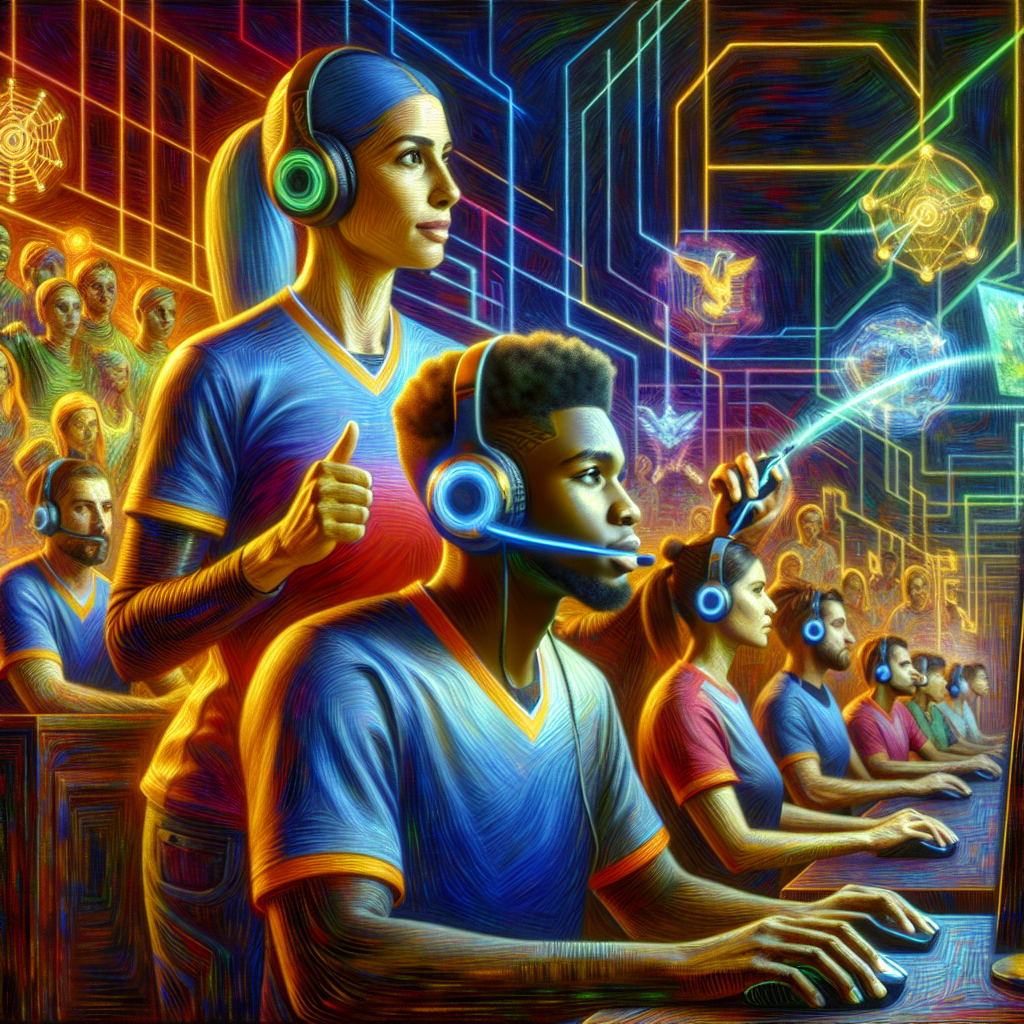
Moreover, games have a social component that can’t be overlooked. Multiplayer experiences foster collaboration and communication, bringing people together to strategize and conquer. These interactions encourage empathy, camaraderie, and a sense of belonging—elements that are critical for overall cognitive health. When you’re working as a team, you’re not just playing; you’re building relationships and developing social skills that benefit you in all walks of life.
So, the next time you sit down for a round of your favorite game, remember that you’re not just killing time; you’re engaging in a fascinating brain workout. Whether you’re navigating a fantasy realm or strategizing with friends over a board game, you’re contributing to your cognitive development in ways that might surprise you. Embrace it! Dive into those games fully and let them lead you on a pathway of growth. Because let’s be honest, engaging our brains should be just as enjoyable as it is rewarding. Now, let’s get playing!

Is Playing Games Beneficial For Cognitive Development?
Is Playing Games Beneficial For Cognitive Development?
- Games foster competition, adventure, and the thrill of challenge, enhancing cognitive development.
- Gamification involves integrating game-like elements into daily tasks to make them more engaging.
- Playing games, especially strategic ones, works out the brain through planning, problem-solving, and decision-making.
- Engaging in games improves memory, focus, and critical thinking skills, resulting in better cognitive health.
- Multiplayer games encourage collaboration and communication, fostering empathy and a sense of belonging.
- Playing games helps build relationships and develop social skills valuable in everyday life.
- Engaging in games is a rewarding way to contribute to cognitive growth while having fun.
Is Playing Games Beneficial For Cognitive Development?
How Do Games Improve Critical Thinking Skills?
Let’s be honest: when you think of games, you might picture kids glued to screens or adults prowling taverns in virtual worlds. But dig a little deeper—there’s more to those pixelated escapades than mere entertainment. Gamification, the art of applying game-like elements to non-game contexts, can actually be a powerful tool in sharpening our critical thinking skills.
You see, games are designed to challenge our brains. They present us with complex problems that require thoughtful solutions, often under pressure. Remember the last time you sat down for a board game night with friends? Those moments of analyzing your opponent’s next move or strategizing your own are breeding grounds for critical thinking. In those instances, we learn to assess risks, weigh options, and predict outcomes—all while trying to keep our poker faces intact.
Not just confined to the living room, this concept has made its way into classrooms and workplaces. Educators and business leaders have tapped into the essence of gamification to make learning and training more engaging. Think of a workplace simulation where you might have to navigate a series of challenges, from budget cuts to deadline pressures. The pressure isn’t just coming from the ticking clock; it’s pulled from the need to think on your feet and evaluate your resources wisely. Suddenly, thinking critically becomes not just a lesson, but a necessity.
Now, let’s connect this back to something more personal: decision-making in your everyday life. Whether it’s deciding on a career change or figuring out how to fix that leaky faucet, games foster a mindset where you’re trained to lay out the pros and cons. They reward persistence—sticking with a difficult puzzle or level can lead to that sweet feeling of victory and accomplishment. And, just like that, you’re not just playing; you’re honing skills that translate into real life.
So, the next time you find yourself immersed in a game, take a moment to appreciate the underlying lessons being delivered right through your controller. Those decisions you’re making? They’re not just for points; they’re building a sharper, more analytical you. And who knows, you might just level up in ways you never saw coming. So, embrace that gamified approach, and watch your critical thinking skills go from novice to expert before you know it!

How Do Games Improve Critical Thinking Skills?
How Do Games Improve Critical Thinking Skills?
- Gamification applies game-like elements to non-game contexts, enhancing skills beyond entertainment.
- Games challenge players with complex problems that require critical thinking and strategic solutions.
- Playing games helps in assessing risks, weighing options, and predicting outcomes.
- Gamification has been adopted in classrooms and workplaces to engage learners and trainees.
- Workplace simulations create scenarios that necessitate critical thinking and resource evaluation.
- Games encourage decision-making skills through pros and cons analysis in everyday situations.
- Engaging with games fosters skills that translate into real life, helping players develop sharper analytical abilities.

How Do Games Improve Critical Thinking Skills?
Can Games Enhance Creativity In Problem-Solving?
Let’s face it: problem-solving can feel a bit like trying to piece together a jigsaw puzzle on a foggy day. You’ve got the pieces, sure, but good luck figuring out how they fit together! Enter the world of games—those lively pastimes we often associate with a weekend binge or late-night laughter with friends. But did you know that these seemingly simple distractions can turn into powerful tools for enhancing creativity in problem-solving?
At first glance, gamification might seem like just a buzzword that marketing experts love to toss around—after all, who hasn’t heard the term at least a dozen times while scrolling through professional development articles? But gamification isn’t just about making things “fun” in the workplace or classrooms; it’s about integrating engaging elements from games into real-life scenarios to enhance learning, motivate action, and spark creativity.
Imagine tackling a complex project at work. Rather than sifting through endless memos and spreadsheets, what if you approached it like a game? By breaking down tasks into levels and awarding yourself points for each accomplishment, you shift your mindset from a mundane chore to a thrilling challenge. This playful twist encourages experimentation, leading you to explore uncharted territories in your thought process. You might find yourself coming up with unique solutions you’d never consider in a traditional work environment.
But let’s not limit ourselves only to the office or classroom. Think of how games inspire us to think outside the box. When you’re playing a puzzle game, you’re constantly faced with challenges that require innovative solutions. Each level presents a new obstacle, demanding that you combine intuition with strategy—skills that stand tall in any problem-solving scenario. Each “game over” is merely a new opportunity to pivot and try a different angle.
And isn’t that what problem-solving is all about? Embracing the iterative process of finding what works and what doesn’t? So, the next time you’re faced with a challenge, consider pulling up some games or gamifying your approach. Whether it’s at work, in a creative project, or even in personal life, tap into that playful spirit. You might just discover that some of your best ideas emerge not from serious contemplation, but from a good old-fashioned game! Take a chance, leap in, and make creativity your best ally in solving those pesky problems.

Can Games Enhance Creativity In Problem-Solving?
Can Games Enhance Creativity In Problem-Solving?
- Problem-solving often feels like piecing together a jigsaw puzzle in confusion.
- Games, typically seen as distractions, can enhance creativity in problem-solving.
- Gamification integrates engaging game elements into real-life scenarios to boost learning and creativity.
- Approaching tasks like a game (with levels and points) transforms mundane work into a thrilling challenge.
- Games inspire innovative thinking and strategic problem-solving through continuous challenges.
- The iterative process of problem-solving is akin to the trial and error experienced in gaming.
- Embracing a playful spirit in challenges can lead to unique solutions and breakthroughs.

Can Games Enhance Creativity In Problem-Solving?
What Types Of Games Are Best For Developing Problem-Solving Skills?
What Types of Games Are Best For Developing Problem-Solving Skills?
Let’s face it: life often feels like one big puzzle with pieces scattered all over the floor. But here’s where the world of gaming comes in—think of it as a toolbox, stocked full of the right instruments to help you piece things together. Not just for kids or professionals, games are accessible to anyone looking to sharpen their problem-solving skills. So, what’s on the menu?
First up, we have strategy games. These aren’t just digital chess battles; they encompass a wide range of experiences—from city-building simulations to resource management scenarios. In these games, every decision counts. Pay attention to your choices and watch how they shape the world around you. This is where gamification shines. By integrating game mechanics into real-life contexts, you’re not just playing; you’re learning how to navigate complex situations, prioritize tasks, and visualize outcomes—all while having a blast.
Puzzle games are another fantastic way to exercise your brain. Think Tetris or Sudoku. Each level presents you with a new challenge that requires critical thinking and spatial reasoning. By engaging with these games, you develop a keen eye for detail and the ability to think several steps ahead. It’s like taking your brain to the gym, where every completed level is a rep toward building mental muscles.
Then, let’s not forget about role-playing games (RPGs). They immerse you in rich narratives, where every mission involves decision-making and strategizing. As you guide your character through quests, you’ll find yourself analyzing scenarios and weighing pros and cons, all while forging connections with other players. This social component not only adds depth but also enhances your communication skills, turning teamwork into an invaluable asset.
Are you the adventurous type? Action games can stimulate reflexes and quick thinking. While they might seem fast-paced, many demand a high level of strategy and foresight. Finding the right balance between action and consequence is key—a lesson that can be transferred to everyday challenges.
So, whether you find yourself engrossed in a puzzling conundrum or diving headfirst into strategic battles, you’re sharpening your problem-solving skills along the way. Remember, it’s not just about winning; it’s about learning. With every game you play, you’re crafting a toolbox filled with experiences that can help you navigate not only virtual worlds but the real one as well. Now, get out there and start solving!

What Types Of Games Are Best For Developing Problem-Solving Skills?
What Types Of Games Are Best For Developing Problem-Solving Skills?
- Games serve as effective tools for enhancing problem-solving skills for all age groups.
- Strategy games, such as city-building simulations and resource management, encourage critical decision-making and long-term planning.
- Puzzle games like Tetris and Sudoku promote critical thinking and spatial reasoning through increasingly challenging levels.
- Role-playing games (RPGs) foster decision-making and strategizing while also enhancing communication and teamwork skills.
- Action games stimulate reflexes and quick thinking, balancing fast-paced gameplay with strategic foresight.
- Engaging in various game types helps individuals learn to navigate complex situations in both virtual and real-world contexts.
- The focus should be on learning and personal growth rather than just winning in games.

What Types Of Games Are Best For Developing Problem-Solving Skills?
How Do Multiplayer Games Foster Teamwork And Collaboration?
Let’s take a moment to step into the virtual world where teamwork isn’t just encouraged; it’s essential. Multiplayer games have gained serious traction in recent years, and while some might dismiss them as mere distractions, there’s something fascinating brewing beneath the surface. In these worlds, players don’t just engage—they collaborate, strategize, and form bonds that can sometimes feel just as real as those we cultivate in our everyday lives.
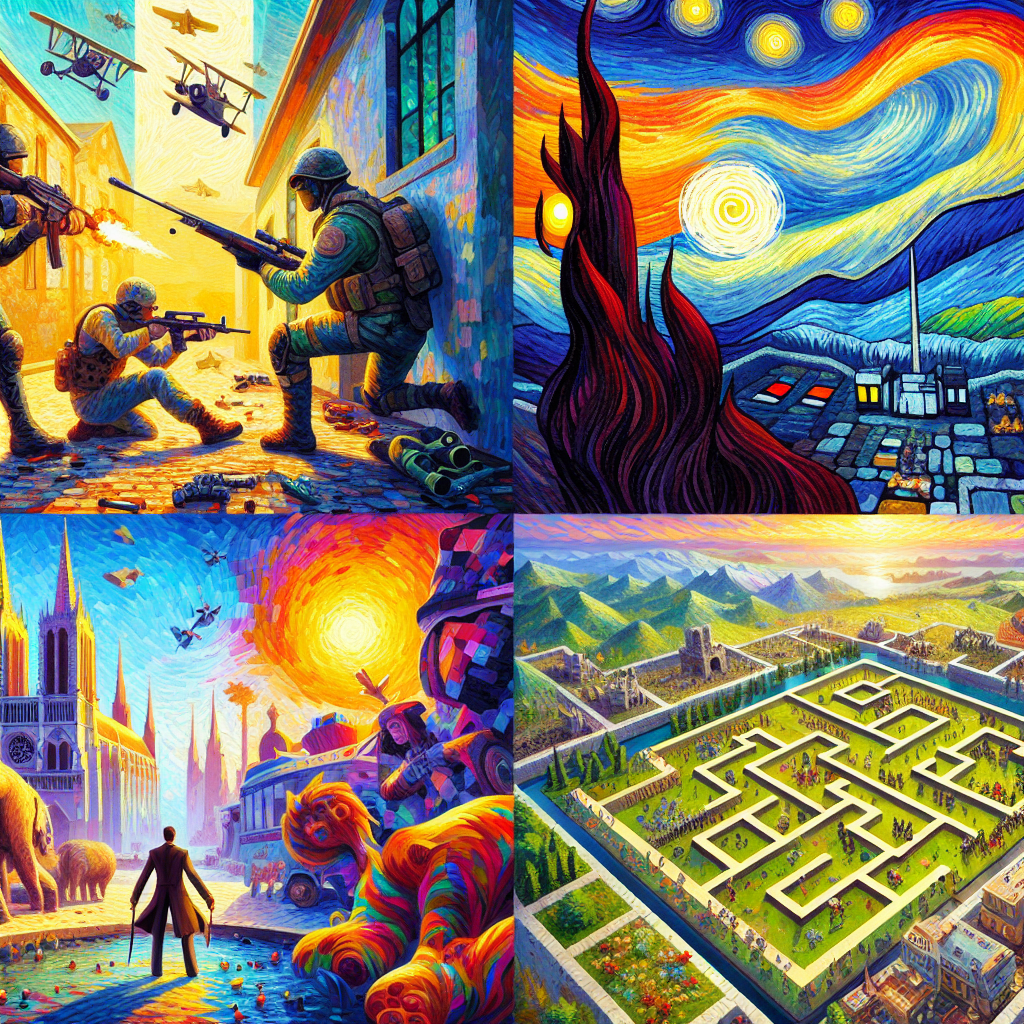
Picture this: you and a handful of other players are part of a ragtag team, fighting your way through an alien-infested planet or a medieval battleground. Each player embodies a different character class, each with unique skills and abilities that contribute to your shared objective. One player’s role might be to tank the damage while another supports from a distance with healing spells. It’s a bit like a well-oiled machine where every cog is necessary for the whole to function smoothly. The stakes? Well, they’re tangible enough in the game to pull you in, making each decision feel weighty. This is gamification at its finest—transforming mundane tasks into an engaging, adrenaline-pumping experience.
As players navigate challenges together, they forge alliances, learn to trust one another, and develop a shared language. Believe it or not, these groups serve as a microcosm for real-life teamwork. Communication becomes paramount in coordinating strategies, solving complex problems, and celebrating victories together—even if they’re virtual. The shared experience of overcoming obstacles doesn’t just build camaraderie; it breeds confidence and nurtures leadership skills. A shy individual, hidden behind a screen, may find their voice and emerge as a guiding force for their team, all while pursuing a common goal.
Moreover, this collaborative experience transcends age and background. Individuals from different walks of life come together in these virtual spaces, pooling a variety of perspectives to tackle challenges together. It teaches us a vital lesson: When we work as a team, differences fade, and unity takes the front seat.
As we connect through these games, we’re reminded of the importance of collaboration in any adventure, real or imagined. So next time you log on, remember—you’re not just playing a game; you’re part of a larger community, learning to work together, and having a blast while doing it. Take the leap; you might just discover a new passion for teamwork that extends far beyond your screen.
How Do Multiplayer Games Foster Teamwork And Collaboration?
How Do Multiplayer Games Foster Teamwork And Collaboration?
- Teamwork in multiplayer games is essential, fostering collaboration and connection.
- Players embody different character classes, each contributing unique skills to achieve a shared objective.
- The gamified environment transforms mundane tasks into engaging experiences with real stakes.
- Cooperative challenges help players form alliances and develop trust, akin to real-life teamwork.
- Effective communication is crucial for strategy coordination, problem-solving, and celebrating victories.
- The collaborative nature of gaming transcends age and background, emphasizing unity over differences.
- Engaging in these games highlights the importance of teamwork, building skills that extend beyond the virtual world.

How Do Multiplayer Games Foster Teamwork And Collaboration?
Are There Specific Genres Of Games That Aid In Problem-Solving?
When most of us think about gaming, the first images that often come to mind are pixelated heroes slaying monsters or racing through fantastical landscapes. But what’s often overlooked is the subtle art of problem-solving skillfully woven into many game genres. It’s not just about hitting buttons or leveling up; it’s about learning to think on your feet, adapt, and overcome obstacles—skills that translate beautifully into real life.
Let’s dive into the fascinating world of puzzle and strategy games. Imagine stepping into a role where every move counts, and a single miscalculation might lead to disaster. In these games, whether you’re assembling a jigsaw masterpiece or maneuvering armies to victory, you’re engaging in an intricate dance of foresight and strategy. They challenge your brain to break down complex scenarios into manageable parts, helping hone those analytical thoughts. By the time you face your next challenge out in the real world—a project at work, a tricky family situation—you’ll find the skills you’ve sharpened tackling those digital conundrums have already prepped you for the unpredictable twists and turns of life.
Then there’s the world of simulation games, the ultimate playground for gamification. These gems allow players to construct cities, manage resources, or even run an entire farm. You’re not just playing; you’re strategizing, prioritizing, and navigating consequences. Each choice you make ripples outward, showing you firsthand how the smallest decision can lead to significant outcomes. Every time you think about how to allocate resources or balance competing demands, you are engaging in critical thinking that can come in handy when juggling your personal or professional responsibilities.
And let’s not forget role-playing games (RPGs). They immerse you in rich narratives, demanding that you make choices that affect not just your character, but entire worlds. With every quest you undertake, every ally you gain, you build your toolkit for problem-solving. You learn to assess situations, negotiate outcomes, and pivot strategies according to circumstances—essentially playing out scenarios that can mirror the complexities of real life.
So, whether you’re a weekend warrior or a seasoned gamer, remember that the next time you’re immersed in a virtual landscape, you’re not just having fun; you’re sharpening your mind and nurturing skills that will serve you well beyond the screen. Embrace it—because every challenge in a game is a preparation ground for the challenges life throws your way. After all, who said problem-solving couldn’t be enjoyable?

Are There Specific Genres Of Games That Aid In Problem-Solving?
Are There Specific Genres Of Games That Aid In Problem-Solving?
- Gaming often evokes images of pixelated heroes and exciting adventures but also includes essential problem-solving skills.
- Puzzle and strategy games require foresight and careful planning, developing analytical skills applicable in real life.
- Simulation games offer complex scenarios that improve critical thinking and decision-making through resource management and strategic planning.
- Role-playing games (RPGs) involve rich narratives and choices that impact gameplay, enhancing negotiation and strategy assessment capabilities.
- Games challenge players to adapt and overcome obstacles, mirroring real-life problem-solving situations.
- Engaging with games can sharpen the mind, preparing individuals for unexpected challenges in both personal and professional settings.
- Embracing the educational aspect of gaming highlights that problem-solving can be both enjoyable and beneficial.

Are There Specific Genres Of Games That Aid In Problem-Solving?
How Does Game Difficulty Influence Problem-Solving Abilities?
Imagine the last time you fired up your favorite video game. Maybe it was a tension-filled puzzle or an intense battle where you had to outsmart the enemy. You didn’t just play; you engaged. This is the power of gamification: the application of game-design elements in non-game contexts that transforms ordinary tasks into exciting challenges. Now, let’s dig into how this intertwines with your problem-solving abilities.
When you’re met with varying levels of difficulty in a game, you’re forced to adapt and strategize. Those early levels might have been straightforward, all warm-ups and tutorials, but as you advance, the stakes rise, the puzzles become trickier, and the opponents get smarter. This is where the real magic happens. You’ll find yourself experimenting with different approaches, tweaking your tactics, and learning from your mistakes. Each setback? Just another lesson in disguise.
Consider this: in a low-stakes environment, like a video game, you can take risks without the real-world repercussions. Missed that jump? No worries, you can try again immediately. This freedom to fail is crucial for honing problem-solving skills. It allows you to embrace a mindset that thrives on curiosity and resilience. And that’s not limited to the digital screen. Think about how those lessons apply to life—where getting it wrong can sometimes feel daunting, but gaming teaches us that it’s part of the learning process.
Moreover, a well-designed game encourages collaboration. When you’re stuck, what’s the first thing you do? You might reach out to friends, check guides, or watch others play. This communal aspect cultivates a rich exchange of ideas and solutions, enhancing your analytical skills. In life, just like in games, sharing perspectives often illuminates pathways you’d otherwise overlook.
So, whether you’re a seasoned gamer or someone who just dabbles in casual gameplay, remember that each challenge faced in a virtual world sharpens your mental agility. Next time you’re stuck in a game, or even in a real-life scenario, think like a gamer. Put on that problem-solving cap, dive into the mechanics of your challenges, and embrace the journey. Because in both pixels and problems, the thrill of the adventure lies in discovery.

How Does Game Difficulty Influence Problem-Solving Abilities?
How Does Game Difficulty Influence Problem-Solving Abilities?
- Gamification applies game-design elements to non-game contexts, transforming tasks into exciting challenges.
- Video games present varying difficulty levels that require adaptation and strategic thinking.
- Experimentation and learning from mistakes are crucial elements of problem-solving within games.
- Low-stakes environments in video games allow players to take risks without real-world consequences.
- The freedom to fail in games fosters curiosity and resilience, which translate to real-life learning processes.
- Collaboration is encouraged in gaming, enhancing analytical skills through the sharing of ideas and solutions.
- Facing challenges in games sharpens mental agility and promotes effective problem-solving in real life.

How Does Game Difficulty Influence Problem-Solving Abilities?
Conclusion
In a world where challenges come at us like rapid-fire, the question of whether games are merely a pastime or a crucial tool for problem-solving growth takes on real significance. Let’s face it: life is a series of puzzles, dilemmas, and decisions that require finesse and strategy. This is where the colorful, engaging world of gaming becomes not just relevant but essential. It’s not just kids in their basements or adults glued to their screens—it’s millions of people honing critical skills through gameplay.
Think about what games do at their core. They present complex scenarios wrapped in a dynamic package, inviting us to strategize, adapt, and conquer. Whether it’s through the thrilling narrative of a role-playing game or the intensely strategic setup of a board game, players are thrust into environments where every decision can lead to success or failure. The beauty of it? These experiences directly translate into the real world. Each pixelated obstacle you overcome whispers lessons about resilience, critical thinking, and teamwork.
But let’s not sugarcoat it: failure in a game is different than in life. When your character takes a hit and respawns with a fresh start, you learn that the stakes—though they feel significant—are not as daunting as they seem. If anything, they teach a mindset that thrives on experimentation. This playful spirit, when nurtured, not only bolsters cognitive skills but also enhances creativity and collaboration. Multiplayer environments, for instance, become breeding grounds for teamwork, allowing players of all backgrounds to unite, strategize, and communicate toward a common goal.
So, what does this all mean for us? It means that playing games is not just fun; it’s forging pathways for growth and engaging our brains in critical and creative ways. From sharpening analytical skills to fostering situational awareness and empathy, gaming can be a mighty ally in navigating life’s challenges. Whether you’re a fan of high-stakes action, intricate puzzles, or collaborative quests, each moment spent playing is an opportunity to cultivate skills that will serve you well off-screen.
In the grand scheme of things, we must remember that learning can—and should—be enjoyable. So, if you’re looking to level up your problem-solving toolkit, consider diving into a game. It’s not just entertainment; it’s a crash course in adaptability, resilience, and creativity. After all, in both gaming and life, who said solving problems couldn’t be as exhilarating as the journey to conquer them? Grab that controller or board, and let’s get playing—because the only way to win is to engage!

Conclusion
Conclusion:
- The value of gaming extends beyond mere entertainment, serving as a significant tool for problem-solving and growth.
- Games present complex scenarios that require strategy, fostering critical skills in players.
- Gameplay experiences help develop resilience, critical thinking, and teamwork applicable in real-life situations.
- Failure in games teaches a mindset of experimentation and reduces the fear of high stakes.
- Multiplayer games promote collaboration, communication, and unity among diverse players.
- Playing games sharpens analytical skills, fosters situational awareness, and enhances empathy.
- Engaging with games can be a joyful method to learn adaptability, resilience, and creativity.
Conclusion
Other Resources

Other Resources
Here is a list of other resources you can review online to learn more:
- Smash Up
- Imperial Settlers
- White Goblin Games
- YouTube
- DriveThruRPG
- The Resistance: Avalon
- What’s Your Game?
- GeekDad
- Twilight Struggle
Use This Prompt To Get More Resources With Your Favorite Online AI Tool: Please provide me with a list of online articles with their URLs in a bulleted list that I can read regarding Is Playing Games Essential for Problem Solving Growth?

Other Resources
Glossary Terms
Is Playing Games Essential for Problem Solving Growth? – Glossary Of Terms
1. Problem Solving: The process of finding solutions to difficult or complex issues.
2. Critical Thinking: The ability to think clearly and rationally, understanding the logical connection between ideas.
3. Cognitive Skills: Mental capabilities that encompass reasoning, memory, attention, and comprehension.
4. Engagement: The level of interest, curiosity, and involvement a person has when participating in an activity.
5. Gamification: The application of game-design elements and principles in non-game contexts to enhance user engagement.
6. Strategy Games: Games that emphasize skillful thinking and planning to achieve a goal.
7. Puzzle Games: Games that require players to solve puzzles to progress, promoting logical reasoning and problem-solving skills.
8. Cooperative Play: A style of gameplay where players work together to complete tasks or solve problems.
9. Competitive Play: A style of gameplay where individuals or teams compete against each other to achieve victory.
10. Simulation Games: Games that replicate real-world activities, allowing players to experiment and learn through experience.
11. Feedback Loop: The process in which the outcomes of an action feed back into the system to influence future actions.
12. Multiplayer Dynamics: Interactions between multiple players in games, affecting strategy and problem-solving approaches.
13. Scenario-Based Learning: An educational approach using real-world situations to develop problem-solving skills through practice.
14. Failing Forward: The concept of learning from mistakes to improve and succeed in future attempts.
15. Resource Management: The efficient and effective allocation of resources within the constraints of a game, promoting strategic planning.
16. Adaptability: The ability to change tactics or strategies in response to new information or challenges.
17. Creativity: The capacity to generate novel ideas or solutions, often stimulated by gameplay.
18. Decision Making: The cognitive process of choosing a course of action from multiple alternatives.
19. Resilience: The ability to bounce back from failures or setbacks during gameplay and continue to engage in problem-solving.
20. Skill Development: The process of acquiring and improving skills through practice, often enhanced by gameplay experiences.
21. Social Interaction: The process of engaging with others, often enhanced in games, fostering collaborative problem-solving.
22. Experimental Learning: Gaining knowledge and skills through hands-on experience and exploration during gameplay.
23. Logical Reasoning: The mental process of deriving conclusions from premises or facts, often utilized in problem-solving.
24. Immersive Learning: A method of education that involves fully engaging and immersing players in the learning experience.
25. Persistence: The ability to keep trying to solve a problem despite facing difficulties or failures.
26. Spatial Awareness: Understanding the relationships between objects in space, which can be enhanced through games like puzzles and strategy.
27. Time Management: The ability to manage time effectively while solving problems during gameplay.
28. Game Mechanics: The rules and systems that govern how a game operates, influencing how players approach problem-solving.
29. Intuition: The instinctive understanding or knowing of something without the need for conscious reasoning, often applied during fast-paced gameplay.
30. Flow State: A mental state of being fully immersed and focused in an activity, often achieved in games and conducive to problem solving.

Glossary Of Terms
Other Questions
Is Playing Games Essential for Problem Solving Growth? – Other Questions
If you wish to explore and discover more, consider looking for answers to these questions:
- What are some specific studies that support the benefits of gaming for problem-solving skills?
- Can all types of games enhance problem-solving skills, or are there particular genres that are more effective?
- How does gamification work outside of gaming, such as in education or the workplace?
- What age groups benefit most from gaming in terms of cognitive development?
- Are there any downsides to excessive gaming, especially concerning problem-solving abilities?
- How can parents encourage beneficial gaming habits in children to promote problem-solving skills?
- What are some examples of games that successfully incorporate problem-solving elements?
- How can players effectively transfer skills learned from games to real-life problem-solving situations?
- What role do narrative and storytelling play in enhancing problem-solving through games?
- How important is game difficulty in the development of problem-solving abilities?

Other Questions
Haiku
Is Playing Games Essential for Problem Solving Growth? – A Haiku
Games unlock the mind,
Puzzles teach us to adapt—
Play to solve life’s trials.

Haiku
Poem
Is Playing Games Essential for Problem Solving Growth? – A Poem
Unlocking Minds Through Play
In a world where chaos reigns,
Games emerge as powerful chains,
Binding thought with challenge’s grace,
A playful dance, a vibrant space.
Each puzzle, strategy, and quest,
Unlocks our minds, ignites our zest,
A maze of colors, stories told,
Through virtual realms, true growth unfolds.
With every challenge faced in game,
A toolkit forms, not one the same;
Critical thinking sharpens, bright,
As we navigate through dark and light.
Embrace the failures, learn to rise,
Respawn again, a bold surprise,
For life’s complexities mirror tight,
The lessons learned in pixel’s flight.
From team alliances forged with trust,
To roles in worlds where skills adjust,
Through games we build our courage strong,
In this community, we all belong.
Strategy games sculpt our aim,
While puzzles bring detail to the frame,
Through RPGs, we make our stand,
Crafting solutions with a steady hand.
Gamification blurs the line,
Between mere fun and growth divine,
So as you play, remember this tale,
That every challenge leads to trails.
Each level gained, each quest pursued,
Shapes our minds, our spirits renewed,
So let the joy of gaming flow,
Unlock your potential—let it grow.

Poem
Checklist
Is Playing Games Essential for Problem Solving Growth? – A Checklist
Checklist: Unlocking Potential through Games for Problem-Solving Growth
Understanding the Role of Games in Problem-Solving
1. Recognize the Learning Experience
_____ Identify how games mimic real-life scenarios.
_____ Reflect on moments when gaming has helped you solve a problem.
2. Engage with Different Game Genres
_____ Explore strategy games to enhance decision-making skills.
_____ Play puzzle games to develop critical thinking and spatial reasoning.
_____ Try RPGs (Role-Playing Games) to improve narrative understanding and scenario analysis.
Enhancing Cognitive Skills through Gaming
3. Cognitive Development
_____ Acknowledge improvements in memory and focus from gaming.
_____ Track the enhancement of critical thinking through strategic gameplay.
4. Experiment with Gamification Techniques
_____ Apply game-like elements to daily tasks to increase engagement.
_____ Break tasks into smaller, game-like challenges for better motivation.
Fostering Teamwork and Collaboration
5. Utilize Multiplayer Games
_____ Participate in multiplayer games to enhance teamwork and communication skills.
_____ Reflect on your role in team dynamics during gameplay.
6. Discuss Game Strategies with Friends
_____ Share strategies and insights with others post-game to deepen understanding.
_____ Create a supportive environment for collaborative problem-solving.
Embracing Creativity in Problem-Solving
7. Think Outside the Box
_____ Approach challenges creatively by gamifying your strategy.
_____ Celebrate failures in games as opportunities to pivot and find new solutions.
8. Leverage Game Difficulty to Enhance Skills
_____ Choose games with escalating difficulty to build resilience.
_____ Experiment with different strategies when facing tough levels.
Applying Skills in Real Life
9. Translate Game Skills to Real-World Scenarios
_____ Identify specific skills gained from gaming and apply them to real-life challenges.
_____ Keep a journal of challenges faced and solutions derived from gaming experiences.
10. Cultivate a Growth Mindset
_____ Embrace the mindset that every failure is a stepping stone to success.
_____ Regularly reflect on how gaming has changed your approach to problem-solving.
Bonus Tips
11. Set Goals for Game Play
_____ Define what skills you want to enhance with each gaming session.
_____ Track progress over time to see how gaming experiences contribute to personal growth.
12. Network with Other Gamers
_____ Join gaming communities focused on problem-solving skills.
_____ Participate in discussions and workshops that highlight the educational aspects of gaming.
By incorporating these strategies and reflections into your gaming experiences, you can unlock your potential and grow as a problem solver, both in-game and in real life!

Checklist
At HowDoYouGame, we help people who love board games by collating information and news about games.
Be sure to read our other related stories at HowDoYouGame to learn more about games.