The Impact Of Games On Real World Skills
By Tom Seest
At HowDoYouGame, we help people who love board games by collating information and news about games.
Be sure to read our other related stories at HowDoYouGame to learn more about games.
Are We Overrating The Influence Of Games on Real Life Problem Solving?
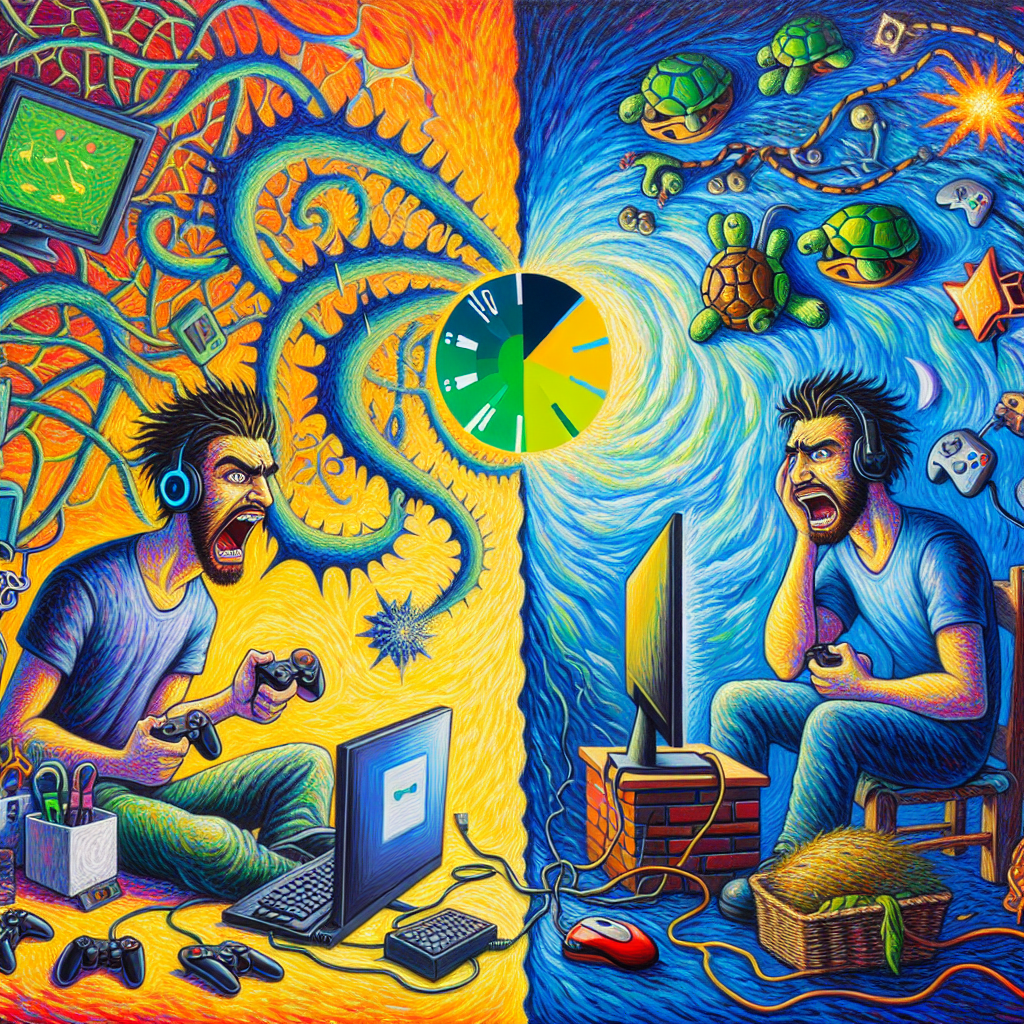
In today’s world, we’re often led to believe that the best solutions to our real-life challenges lie within digital landscapes. It’s hard to scroll through a social media feed without stumbling across someone proclaiming the virtues of gamification—turning life’s tedious tasks into a playful competition. But is it all just a shiny facade, or can games genuinely equip us with the skills we need to tackle the complexities of our everyday lives?
Let’s take a step back. Think about the last time you faced a problem. Maybe it was that sink that just wouldn’t stop leaking, or perhaps deciphering the nuances of a stubborn budget. Did you pull out your gaming console or smartphone, or did you roll up your sleeves and tackle it like generations before us? Games can certainly be engaging, offering a marvelous escape into worlds where dragons are slayed and high scores are celebrated. But while they can teach persistence and strategic thinking, do they offer a crash course in real-world problem solving?
It’s no secret that games are becoming a popular teaching tool, merging fun and education in ways we never imagined. But let’s ask ourselves—does logging endless hours hitting virtual targets translate to making better decisions under pressure in real life? The mechanics of a video game might not always bridge the gap to the nuanced dynamics of human interaction and real-life consequences.
While we admire the craftsmanship behind gamification, we have to acknowledge that there’s a grit to real-life problem solving that no game can replicate. Life demands a skillset rich with patience, empathy, and adaptability, qualities that often get lost amidst flashing screens and animated graphics. Can we really say that overcoming challenges in a game prepares us for the messy, unpredictable nature of reality?
So, what if we paused this constant comparison of games to real life? Perhaps instead of solely viewing gamification as a solution, we should embrace a hybrid approach. Let’s gather our friends or family and brainstorm, engage in lively discussions and face problems head-on, chips down and sleeves rolled up. Life’s most valuable lessons often emerge from moments spent together, working through issues without a joystick in sight.
While games have their place, the real training ground for problem solving often lies in our everyday encounters and the resolve to tackle them, one challenge at a time.

Are We Overrating The Influence Of Games on Real Life Problem Solving?
Are We Overrating The Influence Of Games on Real Life Problem Solving?
- Digital solutions and gamification are often perceived as the best ways to handle real-life challenges.
- While games can enhance skills like persistence and strategic thinking, their effectiveness in real-world problem solving is debatable.
- Engaging in traditional problem-solving may prove more beneficial than relying on gaming for skills development.
- Gamification is a popular teaching method, but it may not adequately prepare individuals for the complexities of human interaction and real-life consequences.
- Real-life problem solving requires qualities like patience, empathy, and adaptability, which games often overlook.
- A hybrid approach that combines gamification with hands-on collaboration with friends and family could yield better results.
- The most valuable life lessons often arise from real-life experiences rather than virtual ones.

Are We Overrating The Influence Of Games on Real Life Problem Solving?
Table Of Contents
- Are We Overrating The Influence Of Games on Real Life Problem Solving?
- Do Video Games Enhance Critical Thinking Skills?
- How Do Games Compare To Traditional Education Methods?
- Can Games Improve Teamwork And Collaboration Abilities?
- Are There Negative Consequences Of Gaming On Problem-Solving?
- Do Specific Game Genres Influence Problem-Solving Skills Differently?
- Can Educational Games Bridge The Gap Between Fun And Learning?
- Are Players More Adept At Real-Life Problem Solving?
- Conclusion
- Other Resources
- Glossary Of Terms
- Other Questions
- Haiku
- Poem
- Checklist
Do Video Games Enhance Critical Thinking Skills?
You know, there’s something about the gentle glow of a screen that sometimes feels like a siren call, doesn’t it? The world of video games has swept us off our feet in a way that few other pastimes can. Whether it’s sinking a three-pointer in a basketball game or racing against the clock to solve a complex puzzle, we find ourselves toe-to-toe with challenges that demand sharp thinking and quick decision-making. But let’s pause for a moment and consider the bigger picture: do video games really enhance our critical thinking skills, or are they just glorified distractions?
Think about it. When you’re navigating the treacherous waters of an open-world adventure or piecing together a storyline in a role-playing game, you aren’t just mindlessly pressing buttons; you’re strategizing. You’re assessing risks, weighing decisions, and pondering consequences. Each quest completed and each enemy overcome is like a badge of honor that highlights your ability to think on your feet. In essence, it’s not just play—it’s a test of intellect, tenacity, and agility.
Enter gamification. This hot buzzword isn’t just a gimmick; it’s a proven method of learning that leverages the engaging elements of game mechanics to teach real-world skills. The principles of gamification can be found in educational settings, workplaces, and even fitness apps, creating environments that foster motivation and engagement. Who knew that the same thrills that keep us glued to our couches can also cultivate the brains of tomorrow?
So, how do we bridge this gap? By recognizing that critical thinking isn’t merely a byproduct of gaming but a skill that can be honed through practice. When you tackle puzzles, work through immersive stories, or engage in multiplayer discussions, you’re not just enjoying an escape; you’re essentially training your brain to analyze information, draw conclusions, and innovate.
Now, I’m not suggesting you swap classroom lectures for gaming marathons, but I am advocating for an open dialogue about the potential benefits of video games. So grab that controller, buddy up with your friends, and dive headfirst into a gaming experience that challenges you. After all, who knows? The next time you find yourself faced with a real-world decision, you might just pull a trick or two from your gaming repertoire. Embrace it! The lines between play and learning are not as distinct as they once seemed, and that, my friends, is something worth gaming for.

Do Video Games Enhance Critical Thinking Skills?
Do Video Games Enhance Critical Thinking Skills?
- The enchanting glow of screens draws us into the world of video games, captivating our interest.
- Video games challenge players to think critically and make quick decisions, enhancing mental agility.
- Open-world adventures and role-playing games require strategizing, assessment of risks, and weighing consequences.
- Gamification effectively utilizes game mechanics in various settings, promoting learning and skill acquisition.
- Engaging in gaming practices can enhance critical thinking and problem-solving skills over time.
- Open dialogues about the benefits of video games are encouraged, rather than dismissing them as mere distractions.
- Embracing the blend of play and learning can lead to improved real-world decision-making skills.

Do Video Games Enhance Critical Thinking Skills?
How Do Games Compare To Traditional Education Methods?
How Do Games Compare to Traditional Education Methods?
When we think about education, images of classrooms filled with desks, whiteboards, and textbooks often come to mind. But what if I told you that learning through games—often dubbed “gamification”—can unlock a whole new world of understanding and engagement? It’s almost like stepping into a new realm where challenges become opportunities, and the mundane transforms into the exhilarating.
Imagine a classroom where instead of memorizing facts for a test, students are embarking on quests, solving puzzles, and earning rewards for their hard work. Gamification injects an element of fun into the learning process, making knowledge acquisition feel less like a chore and more like an adventure. This isn’t just about playing; it’s about engaging with concepts in ways that stick. Research shows that when we’re actively engaged, we tend to retain information far better than if we’re simply reading from a textbook. Sound familiar? It’s the same principle at play whenever you find yourself immersed in a game that captivates your imagination or challenges your skills.
Let’s face it: who among us hasn’t struggled to stay awake in a lecture while trying to absorb a mountain of information? It’s a universal struggle. With gamification, we turn that dullness on its head. Picture students collaborating like they’re on a mission, strategizing together to overcome challenges. Suddenly, learning becomes social, dynamic, and interactive. The barriers between teacher and student blur, and the line between work and play fades away.
In many ways, games level the playing field. They encourage teamwork, critical thinking, and problem-solving—all essential skills for today’s fast-paced world. Plus, the instant feedback loop inherent in games helps learners understand what they’ve mastered and where they can improve. It’s all about building a growth mindset; and the more we embrace that, the more empowered we become.
There’s something incredibly reassuring about knowing we can approach learning as a journey rather than a destination. By embracing gamification, we can harness the intrinsic motivation that comes from play, transforming education into an experience that sparks curiosity and cultivates lifelong learners. After all, knowledge isn’t merely collected; it’s crafted, explored, and yes, even played with. So why not let the games roll? We’re not just leveling up skills; we’re shaping the future, one fun challenge at a time.

How Do Games Compare To Traditional Education Methods?
How Do Games Compare To Traditional Education Methods?
- Traditional education often involves classrooms with desks, whiteboards, and textbooks.
- Gamification transforms learning into an engaging adventure with quests and rewards.
- Active engagement through games enhances information retention compared to traditional methods.
- Gamification makes learning social, dynamic, and interactive, blurring the lines between teacher and student.
- Games promote essential skills like teamwork, critical thinking, and problem-solving.
- The instant feedback from games helps learners identify their strengths and areas for improvement.
- Embracing gamification creates a journey of learning, fostering curiosity and lifelong learning.

How Do Games Compare To Traditional Education Methods?
Can Games Improve Teamwork And Collaboration Abilities?
Can Games Improve Teamwork and Collaboration Abilities?
Let’s face it: whether you’re sitting around a table or strategizing in a conference room, the challenges of bringing people together can sometimes feel like herding cats. But here’s a thought—what if we could harness the spirit of play to bolster our teamwork and collaboration skills? Enter gamification, the not-so-secret sauce that’s transforming the way we work together, one game at a time.
Now, I’m not suggesting we whip out Monopoly during Mondays or bust out the Twister mat in the middle of a board meeting. No, what we’re talking about here is much more intentional. Gamification takes the principles of game design—like competition, achievement, and collaboration—and weaves them into activities that might otherwise be mundane. Think of it like this: when you’re engaged in a game, the stakes are high, the motivation is palpable, and suddenly, your teammates are not just colleagues—they’re trusted allies.
Imagine a scenario where you and your team need to solve complex problems. Instead of just brainstorming over stale coffee, you dive into a game-designed experience that pushes your group dynamics to new heights. You’ll find yourself solving puzzles, making decisions, and relying on each other’s strengths. As the clock ticks down, every second you spend strategizing or cheering each other on fosters an environment ripe for collaboration. Surrounded by a shared mission and a little friendly competition, the bonds you form don’t just dissipate when the game ends—they strengthen the fabric of your team.
But it goes beyond mere fun. Gamification can help build trust and communication. When people work together to achieve a common goal, they learn how to navigate each other’s styles, reinforce positive feedback, and develop a knack for tackling conflict head-on. These are skills that extend well beyond the confines of the game. In fact, they turn into lifelines when navigating the challenges of everyday work life.
So, if you’re looking to inject some life into the grind, consider incorporating gamified activities into your routine. Trust me; the laughter, friendly competition, and shared victories can transform your team dynamics in ways you never thought possible. Your team doesn’t just become better at working together—they become a family, united by the joy of play and the power of collaboration. Give it a shot; what do you have to lose?

Can Games Improve Teamwork And Collaboration Abilities?
Can Games Improve Teamwork And Collaboration Abilities?
- Bringing people together for teamwork can be challenging.
- Gamification uses game design principles to enhance collaboration.
- Engaging in game-like activities fosters trust and camaraderie among teammates.
- Games can transform problem-solving sessions into dynamic experiences.
- Collaboration in gamified activities helps develop communication and conflict resolution skills.
- Incorporating gamified activities can reinvigorate team dynamics and boost morale.
- Teams can become closely knit and united through shared experiences and achievements.

Can Games Improve Teamwork And Collaboration Abilities?
Are There Negative Consequences Of Gaming On Problem-Solving?
Let’s be honest—a true gaming enthusiast knows the thrill of navigating a digital world, conquering foes, and piecing together complex puzzles to emerge victorious. It’s exhilarating, it’s engaging, and let’s face it, it’s a whole lot of fun. But, in the glow of your screen, as you tailor your character through strategic choices and challenges, it’s worth stepping back for a moment to ponder the broader implications. Specifically, could there be a downside to all this gamification when it comes to our real-life problem-solving skills?
Now, don’t get me wrong: video games can offer incredible avenues for creativity and resourcefulness. The nuances of a well-designed game can hone your quick-thinking abilities and enhance your agility in handling unexpected challenges. However, while you might find yourself assembling elaborate strategies to defeat a boss, the question lingers: are these skills truly transferable to the real world where stakes aren’t just lives lost in pixels, but jobs, relationships, and reputations?
One might argue that too much time spent immersed in this alternate universe can lead to tunnel vision. You see, when the real world offers a complexity of variables—think emotions, ethics, unexpected consequences—many gamers might struggle to adapt the rigid frameworks cultivated through gaming. It’s this very framework of gamification that sometimes oversimplifies problems. Instead of wrestling with ambiguity and diverse perspectives, it’s tempting to slap on a power-up or a cheat code and speed through obstacles, fostering a mindset where immediate solutions are prioritized over thoughtful analysis.
And let’s talk about the fallout from spending hours lost in virtual escapades. As much as we cherish those epic gaming marathons, neglecting interpersonal relationships in the process can diminish the nuanced problem-solving skills we develop through human interaction. Real-life challenges often require collaboration, empathy, and the ability to read a room—all skills that may not easily translate from the enchanted forest to the boardroom.
So, while embracing the thrill of gaming, let’s also remember to balance our time in pixels with time in the real world. After all, it’s in those genuine connections and sometimes messy problems that we truly sharpen our problem-solving prowess. Engage with your surroundings, communicate with others, and tackle life head-on, not just as a game—but as a fulfilling journey.

Are There Negative Consequences Of Gaming On Problem-Solving?
Are There Negative Consequences Of Gaming On Problem-Solving?
- Gaming enthusiasts experience excitement from navigating digital worlds and overcoming challenges.
- Video games can enhance creativity, quick-thinking skills, and adaptability.
- Concerns arise about the transferability of gaming skills to real-life scenarios with higher stakes.
- Excessive gaming may lead to tunnel vision, oversimplifying complex real-world problems.
- Gamification can encourage prioritizing immediate solutions over thoughtful analysis.
- Neglecting real-life relationships during gaming can hinder the development of interpersonal problem-solving skills.
- A balance between gaming and real-world engagement is essential for sharpening problem-solving abilities.

Are There Negative Consequences Of Gaming On Problem-Solving?
Do Specific Game Genres Influence Problem-Solving Skills Differently?
When you think about the world of gaming, it’s easy to get swept up in the glitz and chaos of the digital battlegrounds or the vibrant fantasy realms. But underneath all that flashy allure lies a different kind of power—the ability to enhance our problem-solving skills through gamification. Yes, that buzzword often tossed around in education and corporate training is not just a passing trend; it’s a game-changer, quite literally.
Let’s break it down. When you dive into adventure games, puzzle platforms, or even strategic war simulations, you’re not just playing for fun. You’re navigating a complex web of challenges that require you to think on your feet. Picture this: you’re knee-deep in an RPG, faced with a daunting mission that seems impossible. Each decision counts, and every misstep could lead to a fatal error for your character. In moments like these, your brain is firing on all cylinders, honing your analytical skills and fostering resilience. You learn to adapt, strategize, and, most importantly, embrace failure as a stepping stone to success.
But how does this compare to other genres? Let’s take sports games, for example. They don’t just teach you how to score points; they demand quick thinking and anticipation, as every move can make or break your game. You’re assessing not just your own team but also your opponent’s actions in real time. This fosters a kind of situational awareness that can cross over into real-world problem-solving.
Now, consider the creativity found in simulation and building games. These genres encourage you to think outside the box. Every construction choice has consequences—much like real life. You’ll find yourself negotiating resources, planning logistics, and even tackling environmental challenges. This kind of gameplay lends itself to developing resourcefulness and innovation.
Game genres do more than entertain; they mold our skills in delightfully unexpected ways. Next time you sit down with a controller or mouse, remember that you’re not just playing—you’re training your brain to tackle challenges. Embrace the journey! Explore different genres, engage with their intricacies, and notice how they can sharpen your thinking. After all, every pixel is a chance to grow, adapt, and become a better problem solver, one level at a time.

Do Specific Game Genres Influence Problem-Solving Skills Differently?
Do Specific Game Genres Influence Problem-Solving Skills Differently?
- Gaming enhances problem-solving skills through gamification, a key concept in education and corporate training.
- Adventure games, puzzle platforms, and strategic simulations challenge players to think critically and adapt quickly.
- In challenging scenarios, players develop analytical skills and resilience, learning to embrace failure as a stepping stone.
- Sports games teach quick thinking and situational awareness, with players needing to assess both their team and opponents in real time.
- Simulation and building games encourage creativity, resource negotiation, and logistical planning, reflecting real-world challenges.
- Different game genres mold skills in unexpected ways, transforming gameplay into a brain-training experience.
- Engaging with various game genres sharpens thinking and fosters personal growth through interactive challenges.

Do Specific Game Genres Influence Problem-Solving Skills Differently?
Can Educational Games Bridge The Gap Between Fun And Learning?
In today’s fast-paced world, where distractions are as plentiful as grains of sand on a beach, finding ways to engage our minds can feel like searching for a needle in that same sand. Enter educational games, those clever concoctions that weave learning into fun experiences. This isn’t just child’s play; it’s a revolution in how we approach education. So, can educational games really bridge the gap between fun and learning? You bet they can!
Imagine a classroom where students don’t just sit and listen but become active participants in their education. This is where the magic of gamification comes in. By transforming lessons into interactive challenges, students are not just attendees; they’re players, ready to rise to the occasion. They’re tackling problems, making decisions, and using critical thinking—all while having a blast.
Think back to your own schooling. How many times did you nod off during a lecture that felt more like a monotonous drone than a spark of inspiration? Now picture how much that experience could have changed if you were facing off against a smart opponent, racing against the clock, or embarking on a quest where your knowledge determined your success. That’s the beauty of educational games—they’ve found a way to make the dry, dusty pages of textbooks pop and come to life.
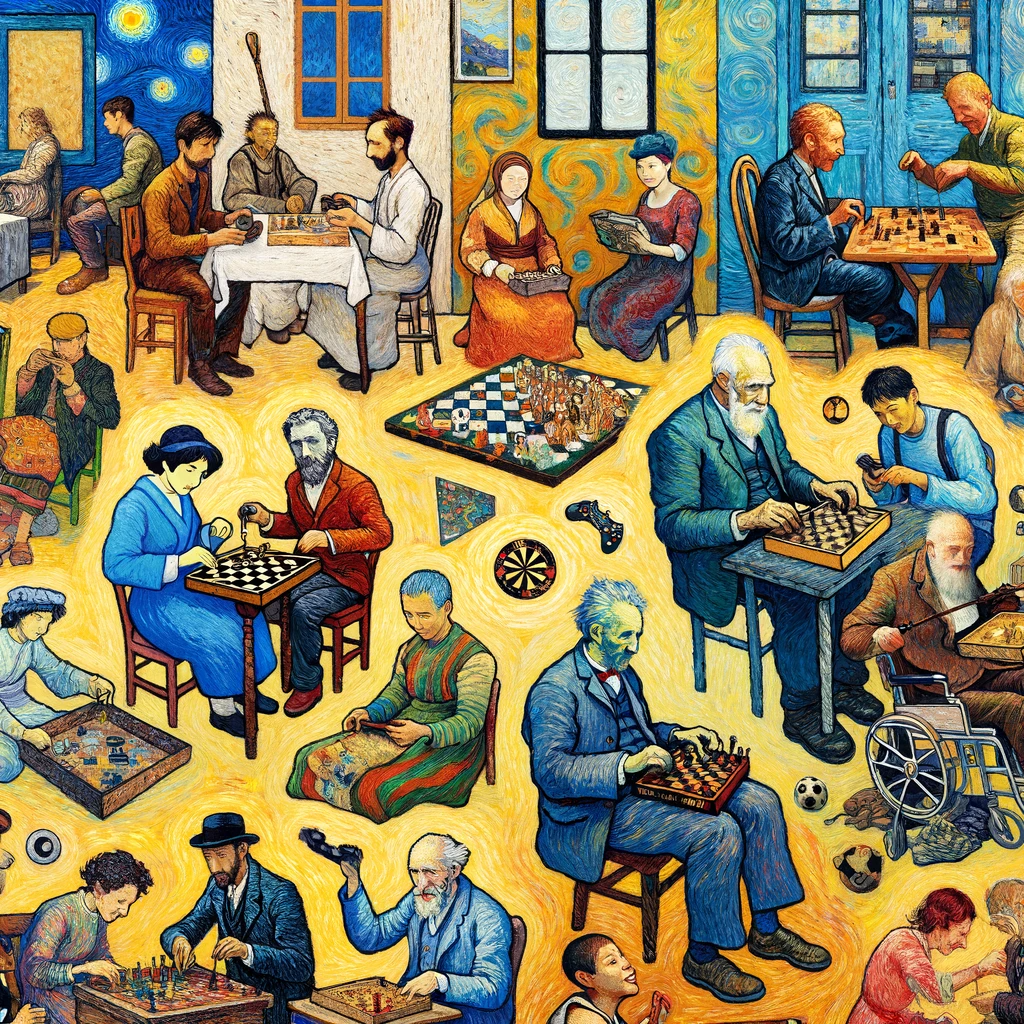
And what’s even more promising is the sense of belonging that develops in a gaming environment. Students who may have felt marginalized in traditional settings find their voices here, collaborating and connecting with peers in ways that transcend age, background, and ability. Every click, every score, every high-five shared over a new record—these moments create lasting memories, binding students in the shared pursuit of knowledge.
But let’s not get too carried away. Not all educational games are created equal. The trick lies in finding the right balance of challenge and engagement. It’s about creating environments that stimulate curiosity—not merely filling kids’ heads with rote facts.
In this brave new world of learning, it’s time to embrace educational games as partners rather than mere novelties. They provide the perfect mix of fun and learning that can ignite passions, inspire confidence, and ultimately equip students with the tools they need to conquer the future. Let the games begin!

Can Educational Games Bridge The Gap Between Fun And Learning?
Can Educational Games Bridge The Gap Between Fun And Learning?
- Educational games integrate learning into enjoyable experiences, revolutionizing education.
- Gamification transforms lessons into interactive challenges, engaging students actively.
- Students develop critical thinking and problem-solving skills while having fun.
- Educational games can make traditional learning environments more dynamic and exciting.
- They foster a sense of belonging, helping marginalized students connect and collaborate.
- Not all educational games are equally effective; balance of challenge and engagement is key.
- Embracing educational games can ignite passions and equip students for future success.
Can Educational Games Bridge The Gap Between Fun And Learning?
Are Players More Adept At Real-Life Problem Solving?
Ever been stuck in a mundane day-to-day routine, only to find yourself deep in thought about your favorite video game? Maybe it’s that thrilling moment when you’re maneuvering through a labyrinth, dodging obstacles, and piecing together clues. Does that lead you to wonder if the lessons learned in those pixelated worlds somehow translate into the real one? It’s an intriguing concept, and it might just hold some truth.
Let’s talk about gamification—an approach that’s woven itself into our everyday lives, whether we recognize it or not. It’s not just something happening behind the screens. Think about how apps track your workouts, turning challenges into a game. They reward you for going the extra mile, both figuratively and literally. It’s that excitement that drives you to push further, to solve problems that once felt insurmountable. In a way, we’re all players, and the world is our game board.
When you consider the mechanics of games, a clear pattern emerges: they require critical thinking and adaptability. From strategizing your next move to solving intricate puzzles, the skills you develop in the virtual realm often mirror those needed to navigate real-life challenges. Players learn to think on their feet, assess situations from multiple angles, and improvise solutions—skills that are invaluable when life throws you a curveball.
Now, let’s take this a step further. Whether you find yourself planning a community event or tackling a challenging project at work, the mindset fostered through gameplay can lead to innovative solutions. Gamers often approach problems with a unique perspective, viewing them as challenges to be conquered rather than insurmountable obstacles. That’s empowering.
It’s important to note that this isn’t just about video games. Whether it’s board games or role-playing, the engagement involved in gameplay sharpens our problem-solving skills and boosts our confidence. And that’s a takeaway we all can relate to. Imagine the thrill of conquering a tough level and how that sense of achievement translates into real-world success.
So, the next time you find yourself caught in a tricky situation, don’t underestimate the power of your inner player. Embrace that spirit of gamification in your life. You might discover that the skills you’ve honed in fantastical quests can equip you to tackle the very real challenges of your journey. Who knows? You might just emerge victorious.

Are Players More Adept At Real-Life Problem Solving?
Are Players More Adept At Real-Life Problem Solving?
- Gamification affects our daily lives by turning challenges into games, such as workout apps that reward progress.
- Gameplay teaches critical thinking and adaptability, skills essential for real-life problem-solving.
- Players develop the ability to assess situations and improvise solutions, mirroring real-world challenges.
- The mindset from gaming fosters innovative approaches to community events and challenging projects.
- Engagement in various types of games enhances problem-solving abilities and boosts confidence.
- Conquering tasks in games can translate into real-world successes and feelings of achievement.
- Embracing the spirit of gamification can help individuals tackle real-life challenges effectively.

Are Players More Adept At Real-Life Problem Solving?
Conclusion
In the grand spectacle of our lives, the allure of video games often dazzles us into believing they hold the key to solving our everyday dilemmas. It’s easy to see why: the bright lights, the vibrant worlds, the quest-driven narratives. They seem to offer an escape, a simulation where every challenge has a level-up potential. But let’s be honest—while gaming certainly has its perks, it’s time to check ourselves and ask, are we overrating their impact on our real-life problem-solving skills?
Tom Seest invites us to take a careful glance at this concept of gamification, where mundane tasks are transformed into playful competition. Sure, games can bolster skills like strategy and critical thinking, but the harsh reality remains: life isn’t a one-dimensional interface where you can respawn after every failure. Real problems demand grit, empathy, and the unfiltered messiness of human interaction—qualities that a joystick simply can’t replicate.
Let’s discuss gaming from another angle. While engaging in sports games or intricate RPGs can sharpen quick thinking and strategic foresight, one must wonder: how often do these skills transition into effective teamwork and collaboration in the boardroom? After all, unraveling a puzzle in an animated quest can feel vastly different from navigating the complex dynamics of real-world relations.
And let’s not overlook the darker side of excessive gaming. As enticing as leveling up in a digital universe might be, that fixation can foster tunnel vision, dulling our ability to confront multi-faceted, nuanced challenges in reality. Too much time spent with pixels might just blunt our critical interpersonal skills—skills that are essential for collaboration and empathy in our daily encounters.
Now, what if we shifted perspectives altogether? Instead of solely leaning on video games for inspiration, let’s fuse the best of both worlds. Embrace the gamified elements in our lives, but don’t forget the power of engaging with those around us. Let’s brainstorm problems over coffee, tackle challenges shoulder-to-shoulder, and savor the lessons learned from genuine interactions—not just fleeting victories in digital landscapes.
So, let’s not be fooled by the glitzy charm of games. While they have their merits, the real training ground for problem-solving often lies in our day-to-day lives, navigating its unpredictable contours with resolve and authenticity. In the end, the most profound victories emerge from the grit and sweat of tackling challenges, without a controller in hand. It’s time to level up in the real world, one problem at a time.

Conclusion
Conclusion:
- Video games can create an illusion that they solve real-life problems through bright visuals and entertaining narratives.
- Gamification transforms mundane tasks into engaging challenges, promoting skills like strategy and critical thinking.
- Real-life problem-solving requires grit, empathy, and human interaction, which games cannot adequately teach.
- Skills developed in gaming may not effectively translate to teamwork and collaboration in professional settings.
- Excessive gaming can lead to tunnel vision and dull essential interpersonal skills required for real-world interactions.
- Combining gamification with real-life engagement can enhance problem-solving and collaboration.
- True victories come from facing life’s challenges authentically, rather than relying solely on digital accomplishments.

Conclusion
Other Resources

Other Resources
Here is a list of other resources you can review online to learn more:
- Tabletop Gaming News
- Cranio Creations
- Blood Rage
- Google My Business
- BoardGameGeek
- Rahdo Runs Through
- Poker
- Cool Mini or Not (CMON)
- Asyncron
- Repos Production
Use This Prompt To Get More Resources With Your Favorite Online AI Tool: Please provide me with a list of online articles with their URLs in a bulleted list that I can read regarding Are We Overrating The Influence Of Games on Real Life Problem Solving?

Other Resources
Glossary Terms
Are We Overrating The Influence Of Games on Real Life Problem Solving? – Glossary Of Terms
1. Gamification: The application of game-design elements and principles in non-game contexts to enhance user engagement and solve problems.
2. Cognitive Skills: Mental abilities that are essential for processing information, reasoning, and solving problems, often targeted in game design.
3. Simulation: A method of imitating real-world processes or systems in a virtual environment, often used in games to teach problem-solving skills.
4. Critical Thinking: The objective analysis and evaluation of an issue or situation to form a judgment, a skill often nurtured through strategic gameplay.
5. Real-Life Problem Solving: The process of finding solutions to everyday challenges and issues outside of gaming contexts.
6. Skill Transfer: The ability to apply skills learned in one context (like gaming) to a different, real-world setting.
7. Engagement: The level of interest and participation someone has while playing a game, which can impact learning and problem-solving abilities.
8. Intrinsic Motivation: A drive to do something for its inherent satisfaction rather than for some separable consequence, often fostered by games.
9. Social Learning: Learning that occurs through observing the behaviors of others, which can be facilitated in multiplayer gaming contexts.
10. Game Mechanics: The rules and systems that dictate how a game operates, influencing the player’s decision-making and problem-solving processes.
11. Problem-Based Learning (PBL): An instructional method where learners gain knowledge and skills by working on complex, real-world problems.
12. Digital Literacy: The ability to effectively and critically navigate, evaluate, and create information using digital technologies, often refined through gaming.
13. Collaborative Play: A gaming mode where players work together to solve problems, which can mirror teamwork in real-life situations.
14. Feedback Loop: The process of receiving responses to actions taken, a mechanism present in games that can enhance learning and adaptation.
15. Scenario Planning: A strategic planning method used to make flexible long-term plans, often utilized in game environments for strategic decision-making.
16. Reflexive Learning: Learning that occurs through introspection and reflection on experiences, often encouraged in complex gaming environments.
17. Behavioral Conditioning: A learning process that occurs through reinforcement, which can often be seen in the reward systems of video games.
18. Complex Systems: Systems composed of interconnected parts, often modeled in games to help players understand real-world complexities.
19. Persuasive Design: The creation of products or systems that aim to change users’ behaviors and attitudes, relevant in creating games that solve real-world issues.
20. Decision Fatigue: The deterioration of decision-making ability after a long session of decision-making, a phenomenon that may arise in games mimicking complex problem-solving.
21. Situational Awareness: The perception of the elements in an environment, the comprehension of their meaning, and the projection of their future status, crucial in both games and real life.
22. Narrative Engagement: The emotional and cognitive involvement in a story, which can enhance learning and problem-solving when applied in gaming contexts.
23. Exploratory Behavior: The inclination to investigate and experiment, something that games often encourage to facilitate problem-solving skills.
24. Multimodal Learning: A learning approach that involves multiple modes of information processing, often seen in interactive and varied gameplay.
25. Social Cognitive Theory: A theory that emphasizes learning from the social environment, relevant in understanding how games can foster problem-solving skills collaboratively.
26. Virtual Reality (VR): A simulated experience that can mimic or create an environment for effective problem-solving exercises in a game-like setting.
27. Algorithmic Thinking: A method of solving problems by breaking them down into a series of steps, often enhanced by playing strategy-based games.
28. Self-Regulation: The ability to manage one’s emotions and behaviors, cultivated through gaming experiences that require persistence and discipline.
29. Emotional Intelligence: The capability to recognize, understand, and manage emotions, which can be developed through character interactions in games.
30. Game-Based Learning (GBL): An educational approach that integrates games into learning processes, aiming to enhance engagement and problem-solving capabilities.

Glossary Of Terms
Other Questions
Are We Overrating The Influence Of Games on Real Life Problem Solving? – Other Questions
If you wish to explore and discover more, consider looking for answers to these questions:
- What specific real-world skills can be developed through gaming?
- How does the time spent gaming correlate with real-life problem-solving success?
- Are certain demographics more influenced by gamification than others?
- What studies exist to support the claims of gaming enhancing problem-solving skills?
- How can educators effectively incorporate games into their teaching methodologies?
- What role does social interaction in games play in developing problem-solving abilities?
- Can playing video games lead to addictive behavior that hinders real-life skills?
- How do cultural differences affect the perception of games as learning tools?
- What are the long-term effects of replacing traditional learning with gamified education?
- Can games create unrealistic expectations about problem-solving in real life?

Other Questions
Haiku
Are We Overrating The Influence Of Games on Real Life Problem Solving? – A Haiku
Games engage the mind,
Teaching skills for real-life,
Balance play and work.

Haiku
Poem
Are We Overrating The Influence Of Games on Real Life Problem Solving? – A Poem
In the Game of Life: A Poetic Reflection
In a world where pixels reign supreme,
We chase achievements, or so it seems,
Gamers scroll through battles grand,
But do those victories help us stand?
With joysticks gripped, we strategize,
Yet real-life riddles don’t simplify,
Amidst the thrill of each high score,
Do we learn the grit of what’s in store?
Games teach persistence, quick decisions too,
But when problems arise, do we push through?
Rolling up sleeves, or just hitting restart,
Can we bridge the gap from play to heart?
Imagine classrooms turned into quests,
Where learning unfolds through playful tests,
Collaboration blooms, ideas collide,
In that joyous space, true progress can thrive.
Yet, as we marvel at this gamified cheer,
Let’s not forget what’s crystal clear:
Real connections foster empathy’s glow,
Life’s messiness—can we tackle that flow?
For every genre speaks in its own tongue,
From puzzles that teach to the songs unsung,
In adventure or sport, the lessons are spun,
Adaptation and courage—reality’s fun.
But pause for reflection, ponder the cost,
In virtual realms, what might we have lost?
As screens glow brightly, let’s balance our time,
For life’s greatest challenges—are far from a climb.
Embrace the adventure, let learning unfold,
Through laughter and gameplay, let stories be told,
So as we engage with this world full of play,
May we sharpen our skillsets, come what may.

Poem
Checklist
Are We Overrating The Influence Of Games on Real Life Problem Solving? – A Checklist
Checklist: Evaluating the Influence of Games on Real-Life Problem Solving Skills
This checklist serves as a guide to consider the impact of gaming on problem-solving in real life. Use it to reflect on your experiences with gaming and its relevance to real-world applications.
Game Influence Reflection Checklist
1. Identify Skills Gained from Gaming:
_____ What problem-solving skills have you developed through gaming (e. g. , strategy, critical thinking)?
_____ Have you learned specific skills like risk assessment, decision-making, or quick thinking?
2. Link Gaming Experience to Real Life:
_____ Can you recall a situation where a gaming experience helped you face a real-world problem?
_____ Did a gaming scenario provide insight or a unique perspective on a real challenge?
3. Balance Gaming with Real-Life Interactions:
_____ How much time do you spend gaming compared to engaging in real-life problem-solving?
_____ Are you nurturing personal relationships and practicing skills like empathy and collaboration outside of gaming?
4. Explore Educational Benefits of Gaming:
_____ Are you using educational games or gamified learning to enhance your knowledge?
_____ What engaging strategies have you experienced in educational contexts that made learning feel like a game?
5. Assess Team Dynamics in Gaming:
_____ Have collaborative games improved your teamwork and communication skills?
_____ Can you translate lessons learned from team gaming experiences to your work or social environment?
6. Evaluate Game Genre Impacts:
_____ Do you notice differences in problem-solving skills based on game genres you play (e. g. , strategic vs. adventure games)?
_____ Which genres do you feel have positively influenced your critical thinking or creativity?
7. Recognize Challenges of Over-Reliance on Gaming:
_____ Have you encountered any drawbacks from excessive gaming (e. g. , neglecting real-life problems)?
_____ How do you combat tendencies to oversimplify real-world issues based on game experiences?
8. Foster a Growth Mindset:
_____ Are you open to learning from failure in both gaming and real life?
_____ Do you approach challenges with a positive attitude, similar to how you would in a gaming scenario?
9. Participate in Discussion:
_____ Engage friends or family in conversations about their gaming experiences and lessons learned.
_____ Share insights on how gaming has shaped problem-solving approaches in your lives.
10. Explore Gamification in Everyday Life:
_____ Identify areas in your daily routine where you could implement gamification strategies (e. g. , fitness, productivity).
_____ How can you turn mundane tasks into enjoyable challenges to enhance engagement?
By reflecting on these points, you can better understand the nuanced relationship between gaming and real-life problem-solving. Embrace both the skills acquired from gaming and the opportunities for growth in real-world situations!

Checklist
At HowDoYouGame, we help people who love board games by collating information and news about games.
Be sure to read our other related stories at HowDoYouGame to learn more about games.