


The Power Of Play For Life Skills
By Tom Seest
At HowDoYouGame, we help people who love board games by collating information and news about games.
Be sure to read our other related stories at HowDoYouGame to learn more about games.
Is Playing Games a Critical Element In Life Skill Development?
Now, let’s dive into something we often overlook in our zeal to build “real-world skills”: the simple yet profound joy of playing games. Picture it—whether you’re navigating the treacherous waters of Monopoly or deftly maneuvering a character through the pixelated mazes of a video game, gaming offers more than just a fleeting escape from reality. In fact, gamification—the incorporation of game-like elements into non-game contexts—has become a cornerstone of modern learning, and for good reason.
Games create a unique space where challenges are abundant, yet the stakes are low. They encourage experimentation without the fear of real-world consequences. Remember those long evenings spent competing against family and friends? Those were not just games; they were lessons in strategy, negotiation, and resilience. Each win and each loss became a building block in our understanding of perseverance and teamwork. And isn’t that what we need in our daily lives? These activities foster critical thinking and problem-solving skills—they’re not just about entertainment; they’re about engagement and development.
With the rise of gamification in education and professional training, we’ve seen a shift. Motivation increases, participation soars, and learning transforms from a dull chore into an exhilarating quest. Think back to your school days. Would you have retained more information if you were rewarded with points or badges instead of just grades? I think most of us would agree. Play is a powerful motivator, and when we ignore its potential, we’re essentially tossing out a valuable tool for personal growth.
And here’s the kicker: learning through play is accessible to everyone. Sowing the seeds of life skills doesn’t require expensive classes or formal training. It can happen during a backyard barbecue with backyard games or a family game night. The beauty of it lies in the common ground it creates. When we engage in gameplay, whether competitive or collaborative, we build connections—not just between ourselves and others, but also between ourselves and our own abilities.
So, the next time you find yourself overburdened by life’s serious duties, take a moment to pick up a game. You might just uncover a fresh perspective, gain invaluable skills, and, who knows? You could end up forging deeper connections than you ever thought possible. Remember, the journey of skill development isn’t always a straight path; sometimes, it’s best traveled through a little playful detour.

Is Playing Games a Critical Element In Life Skill Development?
Is Playing Games a Critical Element In Life Skill Development?
- Gaming provides more than just escape; it fosters real-world skills.
- Gamification enhances modern learning by integrating game-like elements into various contexts.
- Games encourage experimentation and teach valuable lessons in strategy, negotiation, and resilience.
- Engagement through games fosters critical thinking and problem-solving abilities.
- Gamification in education enhances motivation and transforms learning into an enjoyable experience.
- Learning through play is accessible and can occur in informal settings without the need for expensive classes.
- Engaging in gameplay builds connections with others and fosters personal growth and skill development.

Is Playing Games a Critical Element In Life Skill Development?
Table Of Contents
- Is Playing Games a Critical Element In Life Skill Development?
- How Do Games Enhance Teamwork And Collaboration Abilities?
- Can Video Games Foster Creativity And Innovation In Players?
- What Life Skills Can Board Games Help To Improve?
- How Do Competitive Games Teach Resilience And Perseverance?
- Are Educational Games Effective In Building Critical Thinking Skills?
- In What Ways Do Games Promote Social Interaction Among Individuals?
- How Can Parents Balance Gaming With Other Life Skill Activities?
- Conclusion
- Other Resources
- Glossary Of Terms
- Other Questions
- Haiku
- Poem
- Checklist
How Do Games Enhance Teamwork And Collaboration Abilities?
In today’s fast-paced world, the art of teamwork and collaboration is more essential than ever. Between office meetings and group projects, the ability to work together seamlessly can make or break any venture. Enter the realm of games—a powerful tool that transforms the mundane into the extraordinary through a process called gamification. Now, before you roll your eyes and dismiss this as just another buzzword, let’s explore how games can genuinely enhance our teamwork abilities.
First off, think about the last time you played a game with friends or family. Wasn’t it exciting? There’s something about a shared challenge that pulls people together. In a game, everyone has a role, from the strategist to the cheerleader, creating a sense of community. This dynamic reflects real-world teamwork, showing us that diverse skills can lead to greater success. For example, in a cooperative game, each player needs to trust one another to achieve a common goal, just like in a dynamic work environment. Each decision matters; every action counts.
Gamification leverages this innate human desire for connection by setting clear objectives and establishing rules. When teams engage in game-based activities, they learn to communicate more effectively. They discover that collaboration isn’t just about agreeing with one another; it’s about listening, adapting, and sometimes even negotiating. After all, in a game, you’re not just trying to win for yourself—you’re striving for a shared victory. This sense of togetherness fosters mutual respect and understanding, which carries over into everyday interactions.
Moreover, games encourage creativity and problem-solving. Picture this: You find yourself facing a tricky puzzle that requires all hands on deck. As the clock ticks, you brainstorm, debate, and innovate. Suddenly, you realize that victory isn’t about individual talent; it’s about how well you mesh those talents together. The high-stakes environment ignites a passion, drawing out unique ideas and perspectives that can transform any project back at the office.
Lastly, let’s not overlook the joy that games bring. A little laughter and fun go a long way in building camaraderie among teammates. When we’re engaged and enjoying ourselves, we’re more open to forming connections and tackling challenges head-on. So, why not embrace the power of play? Transforming teamwork into a shared adventure can lead to lasting bonds and increased productivity, both in games and beyond. Let’s roll the dice and see how these experiences can truly enhance our collaborative spirit!

How Do Games Enhance Teamwork And Collaboration Abilities?
How Do Games Enhance Teamwork And Collaboration Abilities?
- Teamwork and collaboration are essential in today’s fast-paced environment.
- Games transform mundane tasks into exciting challenges through gamification.
- Participating in games fosters a sense of community and reflects real-world teamwork dynamics.
- Gamification sets clear objectives and rules, enhancing communication and collaboration skills.
- Games encourage creativity and collective problem-solving in high-stakes environments.
- Enjoyment and laughter in games build camaraderie among teammates.
- Embracing play can lead to lasting bonds and increased productivity in both games and work.

How Do Games Enhance Teamwork And Collaboration Abilities?
Can Video Games Foster Creativity And Innovation In Players?
Can Video Games Foster Creativity and Innovation in Players?
Let’s face it, when most people think of video games, they conjure up images of teenagers glued to screens, mindlessly mashing buttons. Sure, that’s a part of it, but let’s pull back the curtain a bit. Video games are so much more than just pixels flying around; they are evolving platforms for creativity and expression. In a world increasingly driven by technology, gamification—the integration of game-like elements into non-game contexts—has found a way to enhance our daily lives, and folks, it’s a beautiful thing.
Imagine a world where the lessons learned in a fantastical universe can translate to real life. Players engage in complex problem-solving scenarios, crafting unique strategies that require out-of-the-box thinking. From building cities in simulation games to navigating treacherous landscapes in epic adventures, these experiences demand creativity. Each decision crafted in-game fosters innovation—it encourages players to reimagine possibilities and think critically about the next steps they take. It’s a training ground for the mind, sharpening those creative muscles in ways you might not expect.
In essence, video games create a safe environment to explore the unknown. Think about it: when you’re tasked with saving the world, there’s a whole crew of characters that come to life, inviting you to collaborate with them. This collaborative spirit mirrors teamwork in the real world, nurturing social connections and communication skills. You’re not just sitting alone in a dark room; instead, you’re joining forces with friends (or strangers from around the globe) to tackle challenges that require ingenuity. Together, you are inventing solutions, experimenting with new ideas, and celebrating victories—big and small.
Moreover, many games incorporate elements of storytelling that ignite the imagination. These narratives draw players into expansive worlds where they can express themselves. Want to be a daring hero or a brilliant strategist? Your character, your choices, and the innovations you come up with shape the outcome of the narrative. Just think about that level of ownership over creativity!
So, if you’ve ever dismissed video games as mere distractions, it might be time for a rethink. They aren’t just entertainment; they’re a pathway to harnessing creativity and innovation. Next time you find yourself indulging in that virtual adventure, remember: you’re not just a player; you’re an architect of imagination, reshaping both your gaming world and your potential in the real one.

Can Video Games Foster Creativity And Innovation In Players?
Can Video Games Foster Creativity And Innovation In Players?
- Video games are evolving platforms for creativity and expression beyond mere entertainment.
- Gamification enhances daily life by integrating game-like elements into non-game contexts.
- Players engage in complex problem-solving, fostering creativity and innovative thinking.
- Video games provide a safe environment for exploring ideas and practicing critical thinking.
- They encourage collaboration and social interaction, mirroring teamwork in real life.
- Many games feature storytelling elements that ignite imagination and allow for self-expression.
- Video games can be a pathway to harnessing creativity and innovation, reshaping players’ potential.

Can Video Games Foster Creativity And Innovation In Players?
What Life Skills Can Board Games Help To Improve?
Ever wondered why board games have stood the test of time? It’s more than just rolling dice or moving pieces around a colorful board; it’s about the real, tangible skills we pick up along the way. In a world increasingly driven by screens and digital distractions, there’s something refreshingly tactile and inviting about gathering around a table with friends or family for a good old-fashioned board game night. Let’s dive into how these games, often underestimated, can foster invaluable life skills through the magic of gamification.
First off, let’s talk strategy. Whether you’re planning your next move in a game of chess or deciding who to trust in a round of Werewolf, these games require you to think several steps ahead. This kind of foresight is not just a game mechanic; it translates to real-world situations. Developing strategic thinking can enhance decision-making skills in daily life, from managing finances to navigating career paths. When you learn to anticipate how others are likely to react, you’re cultivating a skill that will serve you long after the game pieces are put away.
Now, what about teamwork? Many board games necessitate collaboration, whether you’re trying to defeat an opponent or working cooperatively to achieve a common goal. This dynamic helps improve communication and strengthens interpersonal relationships. You might find that the skills you hone while strategizing with teammates around a game board can translate to your work environment or even your personal relationships. Learning to listen, negotiate, and work towards a shared objective is crucial in every realm of life.
Let’s not forget about resilience—the ability to bounce back from setbacks. Losing a game can be disappointing, but it also teaches the importance of perseverance. It instills a mindset that failure is just a stepping stone to eventual success. When you experience a tough defeat in a playful setting, you begin to understand that setbacks are part of the journey, helping you tackle life’s greater challenges with confidence and grace.
And speaking of confidence—gathering around that game board, whether you’re a seasoned player or a newcomer, you learn to put your thinking cap on and engage with others. It fosters social skills and builds self-esteem as you share laughs, brainstorm strategies, and experience the highs and lows of gameplay.
So, the next time you roll the dice or draw a card, remember: you’re not just playing a game. You’re building life skills that’ll stick with you—long after the last piece is tucked away. Dive in, shake off the dust, and rediscover the joy of board games; you might just find that the most important strategies aren’t just in winning, but in growing together.

What Life Skills Can Board Games Help To Improve?
What Life Skills Can Board Games Help To Improve?
- Board games foster real, tangible skills in a tactile environment away from screens.
- Strategic thinking developed in games enhances decision-making skills in real life situations.
- Collaboration in board games improves communication and strengthens interpersonal relationships.
- Skills learned through teamwork in games can translate to work and personal relationships.
- Losing in games teaches resilience and the importance of perseverance in facing setbacks.
- Board games build confidence and social skills through shared experiences and interactions.
- Playing board games contributes to lifelong skill development beyond just winning.

What Life Skills Can Board Games Help To Improve?
How Do Competitive Games Teach Resilience And Perseverance?
How Do Competitive Games Teach Resilience and Perseverance?
Let’s face it, life can sometimes feel like an uphill battle, a relentless grind where obstacles pop up like pesky weeds in a garden. But here’s the thing: much like those weeds, those challenges can teach us important life lessons—if we let them. Competitive games, particularly when we sprinkle in a little gamification, can provide a fantastic framework for developing resilience and perseverance.
Think about it. When you dive into a competitive game, whether it’s a heated match of tennis or a nerve-wracking video game duel, you’re not just entertaining yourself. You’re training your brain to tackle setbacks head-on. Each time you face a loss, you’re gifted with an opportunity to learn. You can analyze your missteps and plot your comeback—an instinct that now transcends the screen or field and seeps into everyday life.
Take a moment to visualize that player who keeps coming back for more despite repeated defeats. They’re not just chasing victory; they’re building an unshakeable foundation of perseverance. Starting from the very first time they pick up that racket or joystick, each stumble is met with a decision: quit or try again. When they choose to push through, they inherently develop grit, a quality that will serve them supremely well in the great game of life.
And guess what? This isn’t just about individuals. It’s about teams, friends, and communities rallying together. Imagine the lessons learned in those moments of camaraderie and reflection after a hard-fought game. The shared struggles foster connections—building resilience not only within ourselves but also among our peers. Each supportive cheer or word of encouragement reinforces the idea that it’s okay to fall. What matters is how quickly you dust yourself off and jump back in the ring.
In this way, games become more than just play; they transform into powerful teaching tools. With gamification at the fingertips of educators and leaders alike, the integration of game mechanics into learning can promote persistence and risk-taking in a safe environment. The lesson? Embrace challenges like a fierce competitor. With each setback, remind yourself that perseverance isn’t just a trait; it’s a life skill you can cultivate every time you pick up the controller—or the baton. So, strap in, lean into the challenge, and let those games become your greatest teachers in resilience!

How Do Competitive Games Teach Resilience And Perseverance?
How Do Competitive Games Teach Resilience And Perseverance?
- Life’s obstacles, much like weeds, can teach important life lessons.
- Competitive games provide a framework for developing resilience and perseverance.
- Engagement in games trains the brain to tackle setbacks and learn from losses.
- Players who persist through defeats build a foundation of perseverance and grit.
- Team games foster camaraderie and shared resilience among peers.
- Gamification can enhance learning by promoting persistence in a safe environment.
- Embracing challenges is essential for cultivating perseverance as a lifelong skill.

How Do Competitive Games Teach Resilience And Perseverance?
Are Educational Games Effective In Building Critical Thinking Skills?
Are Educational Games Effective in Building Critical Thinking Skills?
Let’s face it: the traditional classroom can sometimes feel about as thrilling as watching paint dry. But, toss in a little gamification, and suddenly learning transforms into an adventure that actually piques interest. Picture a room full of students, not slumped at their desks but rallying around a screen, strategizing a winning move in a game that encourages problem-solving and teamwork. It’s not just playtime; it’s a powerful tool for fostering critical thinking.
Now, you might be wondering how flipping a switch from lecture notes to game controls can lead to significant cognitive growth. The secret lies in the design of these educational games. When crafted thoughtfully, they guide players through complex challenges that require analysis, creativity, and smart decision-making. Each level navigated provides not just a dopamine hit, but an opportunity to evaluate options, weigh outcomes, and reflect on the consequences. Students don’t just learn; they take charge of their learning.
Consider the concept of “failure.” It’s a word that can send shivers down the spine in a conventional educational setting. But in the realm of educational games, failure is merely a stepping stone to deeper understanding. When a player misses the mark, it’s not a dead end; it’s a prompt to recharge their approach and try again—this time armed with learned insights. Every setback becomes a learning moment, prompting players to assess their choices and adapt their strategies. That’s critical thinking in action.
Moreover, educational games often promote collaboration. Think about it: when students team up to solve problems—whether they’re navigating the ruins of an ancient civilization or managing resources in a virtual city—they’re not just playing; they’re negotiating, debating, and communicating. They learn to listen to each other’s perspectives, consider diverse viewpoints, and arrive at common solutions. This isn’t just about winning a game; it’s about honing skills that will serve them long after they’ve left the classroom.
So, as we embrace the power of gamification in education, let’s remember that learning can be both fun and meaningful. By integrating engaging games that challenge the mind, we open the door to a world where students don’t just memorize facts; they develop the critical thinking skills needed to navigate life’s complexities. It’s time we put the “play” back in learning and watch our students thrive!

Are Educational Games Effective In Building Critical Thinking Skills?
Are Educational Games Effective In Building Critical Thinking Skills?
- Traditional classrooms can be dull, while gamification makes learning engaging and adventurous.
- Well-designed educational games enhance critical thinking by guiding players through complex challenges that require analysis and creativity.
- Each level in a game provides opportunities for evaluating options, weighing outcomes, and reflecting on consequences.
- Failure in educational games serves as a learning opportunity, prompting players to reassess their strategies.
- Educational games foster collaboration among students, allowing them to negotiate, debate, and communicate effectively.
- By embracing gamification, learning becomes a fun and meaningful process, beyond memorization.
- Integrating engaging games helps students develop essential critical thinking skills for real-life challenges.

Are Educational Games Effective In Building Critical Thinking Skills?
In What Ways Do Games Promote Social Interaction Among Individuals?
Games have this magical ability to bring people together, and no, I’m not talking about those solitary experiences that leave you clutching your controller under a blanket. I’m talking about the kind of games that spark laughter and ignite a sense of community. Think about the last time you gathered with friends or family around a board game, or fired up that multiplayer video game with your buddies online. Suddenly, you’re not just a bunch of individuals; you’re a team, navigating challenges and sharing victories. It’s in these moments that games become more than just entertainment; they transform into a powerful tool for social interaction.
Let’s not overlook the art of gamification. Perhaps you’ve heard this buzzword floating around. It’s all about taking game-like elements — rewards, competition, and collaboration — and infusing them into everyday life. From corporate team-building exercises to classroom settings, gamification fosters connection among players, encouraging them to engage with one another in ways they might not normally do. Imagine a group of colleagues competing in a friendly quiz game about company trivia. They might bond over shared knowledge, humor, or even their not-so-stellar performances. The walls come down, barriers dissolve, and suddenly, everyone feels a little more human.
And while we’re on the subject of connection, let’s not underestimate the power of online gaming. It’s incredible how a virtual realm can create real friendships. When you join a guild in an MMORPG or team up to conquer enemy territory in a first-person shooter, you’re doing more than just pressing buttons; you’re forging bonds. Players chat, strategize, and celebrate victories together. Those pixelated avatars form a community that transcends geographic limitations. You might be sitting in your living room, but your teammates could be a world away, yet you’re united by a shared goal and a common thread of camaraderie.
So, whether it’s a family game night or an epic online raid, we’re reminded of the central truth: games nurture social interaction. They provide a platform where laughter reigns, friendships flourish, and connections are built — all under the guise of play. In a world where genuine interactions can be hard to come by, games stand out as a beacon, inviting us to come together, have a little fun, and create lasting memories along the way. So next time you have an opportunity to play, don’t just pick up that controller or game piece; grab the chance to connect with those around you. You might just forge a bond that lasts long after the game ends.

In What Ways Do Games Promote Social Interaction Among Individuals?
In What Ways Do Games Promote Social Interaction Among Individuals?
- Games have the power to bring people together, enhancing social connections beyond solitary experiences.
- Team-based games encourage collaboration, transforming individuals into a united group facing challenges.
- Gamification applies game elements in everyday life, fostering connections in environments like workplaces and classrooms.
- Friendly competition in gamified settings, such as trivia games, helps people bond over shared experiences.
- Online gaming creates real friendships, allowing players to connect regardless of geographic distance.
- Engaging in games, whether in person or online, nurtures social interaction through laughter and shared victories.
- Participating in games provides opportunities to form lasting memories and connections with others.

In What Ways Do Games Promote Social Interaction Among Individuals?
How Can Parents Balance Gaming With Other Life Skill Activities?
Ah, gaming—the modern-day siren song that beckons our kids to their screens! It’s colorful, it’s engaging, and let’s be honest—it’s downright fun. But somewhere between the pixelated magic and the thrilling quests, the challenge for parents lies in ensuring that gaming doesn’t swallow up the rest of a child’s life. So, how do we strike that delicate balance?
First, let’s acknowledge that gaming isn’t intrinsically bad. In fact, it offers some impressive benefits that can be flipped into teaching moments. This is where the concept of gamification comes into play. By infusing the principles of gaming into everyday life, parents can transform mundane chores or tasks into quests. Need your kids to clean their rooms? Set it up as a challenge. “First one to finish gets to choose the movie for family night!” This competitive twist can harness their energy and make life skills feel like a high-stakes adventure instead of a boring chore.
Now, let’s not kid ourselves—unplugging from the digital realm can be tricky. So, the key may very well lie in intentionality. Carve out specific periods for gaming, and stick to them. But don’t stop there. Use that structure as an opportunity for discussion. Talk to your kids about the importance of balancing their digital escapades with real-world skills. Perhaps share stories of your own experiences—how you learned to cook or fix a leaky sink. By relating on this level and fostering an open dialogue, kids might realize that the real-world quests are just as fulfilling, if not more so, than what they experience in their virtual universes.
Also, encourage hobbies outside of gaming. Get involved as a family—whether it’s gardening, cooking, or taking up a sport. The goal isn’t to abolish gaming; it’s to create a symphony of activities that keep your child engaged, motivated, and well-rounded. When kids see their parents participating, it not only boosts their confidence but also reinforces the idea that life’s best moments often happen offline.
It’s all about creating a landscape where gaming coexists with growth. Let’s turn screens into tools for crafting a balanced life. After all, there’s a whole world waiting to be explored outside those virtual realms—let’s make sure our kids have the skills to navigate it!

How Can Parents Balance Gaming With Other Life Skill Activities?
How Can Parents Balance Gaming With Other Life Skill Activities?
- Gaming is engaging and entertaining but can consume a child’s time if not managed properly.
- Gaming isn’t inherently bad; it can provide valuable benefits and learning opportunities.
- Gamification can be used by parents to turn chores into fun challenges, making tasks more appealing.
- Set specific gaming periods and maintain structure to foster balance between digital and real-world activities.
- Encourage open discussions about life skills, sharing personal experiences to relate to kids.
- Promote hobbies outside of gaming, involving the family in activities like gardening, cooking, or sports.
- Strive for a balanced lifestyle that allows gaming to coexist with personal growth and real-life experiences.

How Can Parents Balance Gaming With Other Life Skill Activities?
Conclusion
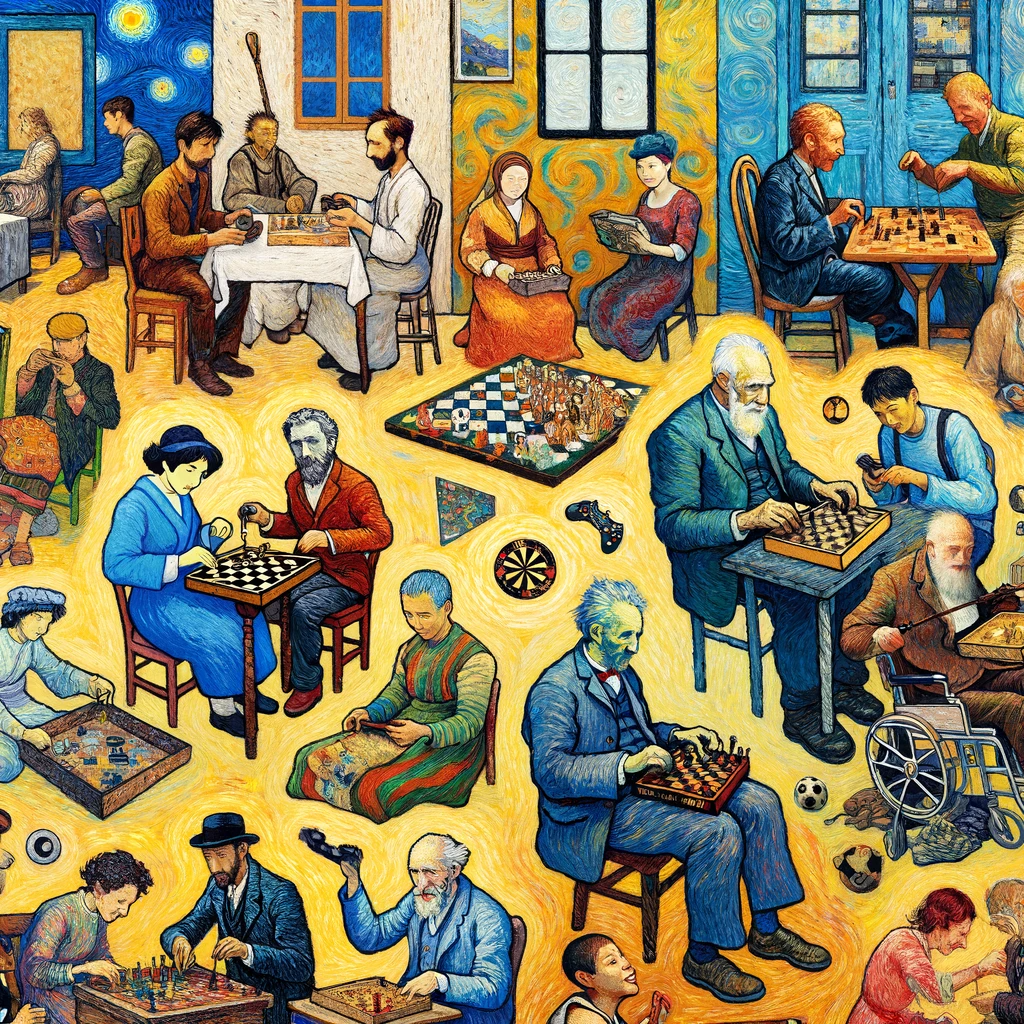
You know, folks, there’s a certain magic that happens when we engage in play. It’s a simple joy, often overlooked, that packs a punch when it comes to developing essential life skills. Tom Seest makes a compelling case for why games—whether they’re board games played on a family game night or video games that whisk us away to fantastical lands—are vital tools for improvement, encapsulating lessons in teamwork, resilience, creativity, and social interaction. It’s not just about rolling the dice or leveling up; it’s about that deeper journey of learning and growth that unfolds when we let ourselves get lost in a game.
Think back to those moments around a table, laughing and debating strategies with family and friends. Those interactions weren’t merely innocent fun; they were foundational building blocks for our emotional intelligence. Experiencing both the highs of victory and the lows of defeat teaches us lessons in perseverance and problem-solving that stick with us longer than any textbooks ever could. Games allow us to take risks—something crucial as we navigate both the playful and serious aspects of life—since they present challenges without the real-world consequences to fear. Every wrong move is not a failure, but an opportunity to analyze, adjust, and adapt.
And let’s not forget the communal aspect of gaming. Whether gathered around a board or battling it out online, play has a way of breaking down barriers and creating bonds. That shared laughter? Those strategies hammered out over a chess game or a team victory in a shooter? Those experiences forge lasting connections far beyond the gameplay itself.
As we wrap up our exploration of the power of play in driving life skill development, it’s time to rethink the role of games in our lives. Instead of viewing play as frivolous, let’s celebrate it as a powerful method of engaging our minds and enriching our relationships. So, the next time life’s stresses have you feeling bogged down, take a moment to grab that controller or a handful of game pieces. Embrace the joy of play and the opportunities for growth that come with it. In this journey we call life, sometimes the best road to take isn’t the straight path; it’s the winding one filled with laughter, challenges, and playful adventures. So roll the dice, give it a go, and see where that path takes you!
Conclusion
Conclusion:
- Engaging in play fosters essential life skills, often overlooked yet impactful.
- Games, whether board or video, enhance teamwork, resilience, creativity, and social interaction.
- Moments of play build emotional intelligence through laughter and strategic discussions.
- Victory and defeat in games teach perseverance and problem-solving more effectively than textbooks.
- Games allow for risk-taking in a safe environment, promoting analysis and adaptability.
- Playing fosters communal bonds and connections through shared experiences and laughter.
- It’s important to celebrate play as a valuable tool for mental engagement and relationship enrichment.

Conclusion
Other Resources

Other Resources
Here is a list of other resources you can review online to learn more:
- Dead of Winter: The Long Night
- Polygon
- Blue Peg, Pink Peg
- Rummy
- Betrayal at Baldur’s Gate
- Horrible Guild
- Clank!: A Deck-Building Adventure
- Small World
- Plaid Hat Games
- Flickr
Use This Prompt To Get More Resources With Your Favorite Online AI Tool: Please provide me with a list of online articles with their URLs in a bulleted list that I can read regarding Is Playing Games a Critical Element In Life Skill Development?

Other Resources
Glossary Terms
Is Playing Games a Critical Element In Life Skill Development? – Glossary Of Terms
1. Adaptability: The ability to adjust one’s thoughts and behaviors in response to new conditions and challenges.
2. Collaboration: Working together with others towards a common goal, which can enhance teamwork and communication skills.
3. Critical Thinking: The ability to analyze situations, solve problems, and make decisions based on logical reasoning.
4. Creativity: The capacity to think outside the box, generate new ideas, and approach problems in innovative ways.
5. Decision Making: The process of choosing between options, which games often require players to navigate frequently.
6. Emotional Intelligence: The ability to understand and manage one’s emotions and to empathize with others, a skill often honed in multiplayer settings.
7. Goal Setting: The practice of identifying and planning achievable objectives, reinforced through game levels and missions.
8. Interpersonal Skills: Skills used to communicate and interact effectively with others, developed through social gameplay.
9. Leadership: The ability to guide and influence others, often exercised in team-based games.
10. Perseverance: The drive to continue pushing through challenges and setbacks, a common experience in competitive gaming.
11. Problem Solving: The ability to find solutions to complex or difficult scenarios, a skill sharpened through challenges in games.
12. Resilience: The capacity to recover quickly from difficulties or failures, frequently tested in gameplay.
13. Resource Management: The skill of using and allocating resources effectively, often required in strategy and simulation games.
14. Self-Discipline: The ability to control impulses and delay gratification, fostered through goal-oriented gameplay.
15. Social Interaction: Engaging with others through conversation and teamwork, which can enhance communication skills.
16. Strategy: A plan of action designed to achieve a specific goal, vital in tactical games that require foresight.
17. Time Management: The ability to allocate time effectively, a skill practiced through timed challenges or limited resources in games.
18. Conflict Resolution: The process of resolving disagreements and finding peaceful solutions, often a necessary skill in team games.
19. Cognitive Development: The enhancement of mental processes like perception, memory, and judgment, often stimulated through problem-solving games.
20. Motivation: The internal drive to accomplish tasks, which games can foster through rewards and achievements.
21. Attention to Detail: The ability to notice and consider small aspects, crucial in games where precision is key.
22. Patience: The capacity to wait calmly in the face of frustration or adversity, often cultivated through challenging gameplay.
23. Innovation: The introduction of new ideas or methods, significant in creative or sandbox games.
24. Risk Assessment: The ability to evaluate the potential outcomes of actions, a skill often developed through decision-making in games.
25. Fair Play: The ethical approach to games that values respect for the rules and for opponents, fostering integrity.
26. Self-Reflection: The process of introspection about one’s actions and choices, which can happen after gameplay experiences.
27. Motivational Feedback: Responses that encourage persistence and improvement, often provided in gaming environments.
28. Cultural Awareness: Understanding and respecting diverse cultures, which can be expanded through games that feature global narratives.
29. Understanding Consequences: Recognizing the outcome of one’s actions, a critical lesson often learned through trial and error in games.
30. Community Building: The process of forming connections and networks with others, fostered through gaming communities and social platforms.

Glossary Of Terms
Other Questions
Is Playing Games a Critical Element In Life Skill Development? – Other Questions
If you wish to explore and discover more, consider looking for answers to these questions:
- What specific life skills can children develop through gaming?
- How can parents effectively introduce educational games to their children?
- What are the long-term impacts of gaming on social skills?
- Are there risks associated with excessive gaming, and how can they be mitigated?
- What types of games are best for fostering critical thinking?
- Can gaming be integrated into the classroom effectively, and if so, how?
- How do different game genres affect skill development differently?
- What role do cultural differences play in the perception of gaming as a learning tool?
- How can team-building activities incorporate gaming techniques?
- What research exists on the correlation between gaming and academic performance?

Other Questions
Haiku
Is Playing Games a Critical Element In Life Skill Development? – A Haiku
Games build our skills,
Through laughter, loss, and teamwork—
Play, the path of growth.

Haiku
Poem
Is Playing Games a Critical Element In Life Skill Development? – A Poem
The Power of Play: A Poetic Tribute
In the realm of games where laughter thrives,
Skills are forged, and friendship survives.
From Monopoly’s streets to pixelized quests,
Life’s greatest lessons are hidden as tests.
A roll of the dice, a move on the board,
Strategies crafted, new skills be adored.
Resilience blooms with each loss we face,
In the game of life, we learn how to race.
Gamification paints a canvas anew,
Where ideas ignite and creativity grew.
Through quests and challenges, minds intertwine,
Collaboration’s spirit, a beautiful sign.
In teamwork’s embrace, we discover our might,
Sharing visions together, transforming the night.
With every setback, a chance to renew,
The grit we build makes our dreams come true.
As parents and kids find that balancing act,
Gaming’s not foe, but a tool to attract.
With chores reimagined as quests to explore,
Life skill adventures await just outside the door.
So gather your loved ones, let laughter resound,
For in playful moments, connection is found.
In a world overflowing with screens and demands,
Play leads us forward, uniting our hands.
Embrace the power where fun meets the wise,
For in the joy of the game, our true potential lies.
Through laughter and play, we grow and we learn,
In the heart of the game, life’s skills brightly burn.

Poem
Checklist
Is Playing Games a Critical Element In Life Skill Development? – A Checklist
Checklist: Harnessing the Power of Play for Life Skill Development
Understanding Game-Based Learning
1. Acknowledge the Role of Play
_____ Recognize that gaming is not just entertainment but a valuable learning tool.
2. Explore Different Types of Games
_____ Consider both board games and video games for skill development.
3. Recognize Gamification
_____ Learn about the incorporation of game-like elements in various non-game contexts.
Fostering Key Life Skills
4. Enhance Critical Thinking
_____ Engage in games that require problem-solving and strategic planning.
5. Support Teamwork and Collaboration
_____ Participate in cooperative games that encourage communication and trust.
6. Develop Resilience and Perseverance
_____ Play competitive games that teach valuable lessons from failure and setbacks.
7. Build Creativity and Innovation
_____ Choose games that foster out-of-the-box thinking and allow for creative exploration.
8. Strengthen Social Skills
_____ Play games that encourage interaction and teamwork to build connections.
Practical Applications for Families and Educators
9. Regular Game Nights
_____ Schedule family game nights to bond and learn skills together.
10. Integrate Learning with Play
_____ Use gamification to make chores or educational activities more engaging.
11. Balance Gaming with Other Activities
_____ Set aside specific times for gaming while ensuring a mix of physical, creative, and academic activities.
12. Encourage Open Dialogue
_____ Discuss with children the balance between gaming and real-world skills.
Conclusion: Embrace the Journey of Learning
13. Make Play a Priority
_____ Remember that the journey of skill development can be fun and rewarding through play.
14. Reflect on Learning Experiences
_____ After gameplay, discuss what skills were developed and how they can be applied in real life.
15. Continue Exploring New Games
_____ Stay open to discovering new games that promote learning and skill building.
By following this checklist, you can fully leverage the power of play to foster important life skills for yourself and others!

Checklist
At HowDoYouGame, we help people who love board games by collating information and news about games.
Be sure to read our other related stories at HowDoYouGame to learn more about games.




