Leveling Up: How Educational Games Ready Kids For Life
By Tom Seest
At HowDoYouGame, we help people who love board games by collating information and news about games.
Be sure to read our other related stories at HowDoYouGame to learn more about games.
Can Educational Games Prepare Kids for Real World Challenges?
When you peel back the layers of childhood learning, you often find a surprising culprit in the backseat—games. Not just any games, mind you, but educational ones that weave together fun and learning like a grandma with a good knitting technique. You see, in this modern landscape of learning, the concept of gamification is rewriting the script. It’s no longer just about mindless clicking or frantic button-mashing; it’s about immersing kids in carefully designed experiences that teach them valuable life skills while they think they’re just having a blast.
Imagine a young learner navigating a digital world where each decision has consequences—much like life itself. Each level completed isn’t merely a badge earned but a lesson in problem-solving, critical thinking, and collaboration. Whether it’s building virtual cities or embarking on historical quests, educational games wrap their teachings in layers of adventure, so kids don’t even realize they’re learning. That’s right! “Learning” is often the last thing on their minds when they’re jetting off on a pixelated journey. But beneath that fun facade lies a treasure trove of real-world skills waiting to be unlocked.
Now, let’s talk about trust. Trust that comes from experience is invaluable, and these games don’t just offer a ride on the learning carousel; they inject confidence into the driver’s seat. They present challenges that require kids to strategize and adapt—much like the unpredictable twists and turns of the real world. So when they triumph over a formidable virtual foe, understand that they’re also beefing up their resilience for the tough days ahead. This kind of engagement nurtures a mindset focused on growth—a mindset that will serve them well beyond the classroom walls.
Picture this: a group of kids collaborating to devise a plan to conquer a challenging mission. In that space, they’re not just competitors; they’re teammates figuring out how to leverage each other’s strengths. In an age where collaboration is king, these games help instill that invaluable skill, reinforcing the idea that success often relies on working together rather than alone.
In essence, gamification in education is not merely about catchy graphics or engaging storylines; it’s a rallying cry for a new generation of learners, equipping them with the skills to tackle life’s challenges head-on. So, let’s embrace the joy of learning through games. They might just be the key that unlocks a treasure chest of potential in our future leaders—and let’s be honest, who wouldn’t want to see that?

Can Educational Games Prepare Kids for Real World Challenges?
Can Educational Games Prepare Kids for Real World Challenges?
- Educational games combine fun and learning, changing traditional views of childhood education.
- Gamification immerses kids in experiences that teach life skills through engaging gameplay.
- Players navigate decisions with real-world consequences, enhancing problem-solving and critical thinking abilities.
- Challenges in games build resilience and confidence, preparing kids for future obstacles.
- Collaboration in gaming promotes teamwork, emphasizing the importance of working together for success.
- Overall, gamification equips learners with skills necessary for real-life challenges.
- Embracing educational games can unlock potential in future leaders.

Can Educational Games Prepare Kids for Real World Challenges?
Table Of Contents
- Can Educational Games Prepare Kids for Real World Challenges?
- Do Educational Games Promote Teamwork And Collaboration?
- How Can Games Teach Problem-Solving In Real Scenarios?
- Are Educational Games Effective In Improving Retention Of Knowledge?
- What Skills Can Children Learn From Playing Educational Games?
- Can Educational Games Help With Emotional Intelligence Development?
- How Do Educational Games Engage Reluctant Learners Effectively?
- Are There Age-Appropriate Educational Games For Different Levels?
- Conclusion
- Other Resources
- Glossary Of Terms
- Other Questions
- Haiku
- Poem
- Checklist
Do Educational Games Promote Teamwork And Collaboration?
Have you ever been part of a team that clicked? You know the kind: where everyone plays off each other’s strengths, and the collective effort is greater than any individual could muster alone. Now, picture that same spirit, but applied to the classroom or online subjects that can often feel a bit, shall we say, drab? Enter gamification. This approach injects a pulse of energy into learning environments by transforming standard curriculum into engaging challenges that ignite the competitive spirit while fostering collaboration.
When we think of traditional education, many of us picture a classroom setup filled with desks in neat rows, where students are focused on their own individual tasks. But gamification flips that scenario on its head. Imagine students grouped together, strategizing, problem-solving, and occasionally bickering over how best to unlock the next level of an educational game. In these moments, not only are they learning academic content, but they’re also practicing vital life skills like communication and teamwork. These games prompt students to share ideas, debate solutions, and even compromise on strategies, all while their brains are actively absorbing knowledge.
Let’s dig a little deeper. When you set students on collaborative gaming missions, you’re not just enticing them with badges or points—you’re creating a shared adventure. It’s akin to stepping into the shoes of a group of explorers charting unknown territory. The thrill of navigating challenges together fosters a sense of belonging and nurtures relationships that extend beyond the game. Suddenly, collaboration is no longer a chore; it’s an opportunity for connection, fun, and growth.
This collaborative journey doesn’t just benefit the participants; it also enhances classroom dynamics. As students learn to rely on one another, they develop empathy. They start to understand that there’s value in diverse perspectives and that some challenges are best tackled as a group. Educators notice this shift, observing how cooperative learning can dial down competition while ramping up community spirit.
So, the next time you hear about educational games, think beyond the screen. Recognize the camaraderie brewing within those levels. Embrace the idea that gamification isn’t just a trendy buzzword; it’s a powerful tool that can transform a learning environment into a tapestry of collaboration and teamwork, with benefits that reach far wider than any report card could convey.

Do Educational Games Promote Teamwork And Collaboration?
Do Educational Games Promote Teamwork And Collaboration?
- Gamification enhances learning by transforming standard curriculum into engaging challenges.
- It encourages collaboration and competition among students, moving away from traditional individualistic learning.
- Students develop vital life skills like communication and teamwork through collaborative gaming missions.
- Gamification promotes a sense of belonging and nurtures relationships among students.
- It helps students value diverse perspectives and emphasizes the benefits of group problem-solving.
- Educators observe improved classroom dynamics, with increased community spirit and reduced competition.
- Gamification is a powerful tool that fosters collaboration and teamwork beyond just academic achievements.

Do Educational Games Promote Teamwork And Collaboration?
How Can Games Teach Problem-Solving In Real Scenarios?
Now, let’s grab a cup of coffee and chat about something most of us overlook as we tackle the daily grind: games. They’re not just for kids or gamers holed up in their basements—they’re rich with lessons about problem-solving that can be applied in real life. You might be thinking, “What do video games have to do with my world of spreadsheets and deadlines?” Well, keep your mind open, my friend.
Gamification is a term that’s buzzing around a lot these days. It’s essentially taking the engaging elements of games—points, levels, and challenges—and applying them to everyday tasks. Imagine if your next project felt a bit like a quest in a video game. Striving for that next level, cracking codes, and outsmarting obstacles along the way. Sounds a lot more fun, doesn’t it? But here’s the kicker: those elements are not just designed to keep you entertained. They actually mold your brain to think critically and creatively about problems.
Think about the times you’ve faced a tough challenge—whether it’s at work or at home. Now, remember the last time you played a game. Those moments require you to think on your feet, adapt to ever-changing scenarios, and re-strategize when things go sideways. The thrill of the chase—being in the moment, problem-solving like there’s no tomorrow—can help you cultivate skills that are utterly invaluable in real life.
When you engage with a game, you’re not just passive; you’re in the driver’s seat. You learn to fail, to learn from those failures, and then to adapt your approach. Isn’t that the real essence of growth? Instead of being discouraged when things don’t go as planned, you internalize the idea that setbacks are just part of the road.
So, next time you pass a game console or scroll by online games, take a moment to consider what they can teach you. Harness the tools of gamification in your own life—whether it’s taking on a tough project or navigating personal challenges. When you think like a gamer, every problem becomes an opportunity, and every defeat an invitation to rise again. So go ahead, embrace your inner problem-solver, and let the games begin!

How Can Games Teach Problem-Solving In Real Scenarios?
How Can Games Teach Problem-Solving In Real Scenarios?
- Games offer valuable lessons in problem-solving applicable to real life.
- Gamification involves applying game elements like points and challenges to everyday tasks.
- Approaching projects as quests can make work more engaging and enjoyable.
- Games encourage critical and creative thinking in challenging situations.
- Players develop skills in adaptability and strategizing through gameplay experiences.
- Failure in games teaches resilience and the importance of learning from setbacks.
- Viewing problems through a gamer’s lens transforms obstacles into opportunities for growth.

How Can Games Teach Problem-Solving In Real Scenarios?
Are Educational Games Effective In Improving Retention Of Knowledge?
Let’s face it: the standard lecture model isn’t exactly winning any popularity contests these days. It’s like trying to teach a cat to swim—valuable knowledge, sure, but the appeal? Not so much. Enter the world of gamification, where education meets entertainment, and suddenly learning feels a lot less like a chore and a whole lot more like an adventure. If you’re anything like me, you’ve probably spent your share of sleepless nights fighting your way through challenging levels of your favorite video game. You might have even learned a thing or two along the way without even realizing it. That’s the beauty of educational games—they tap into that same thrill, turning retention of knowledge into a reward-driven quest.
Think about it: when learning feels like a game, it engages our emotions and fuels our motivation. Traditional methods often lead to rote memorization, where facts go in one ear and out the other. But with gamification, concepts are interwoven into problem-solving scenarios that invite you to think critically and apply your knowledge in real time. And that is where the magic happens. You’re not just firing off facts; you’re navigating challenges, making decisions, and facing consequences—just like in the real world.
Moreover, these games are adaptable. They can meet players where they are, tailoring difficulty to avoid that overwhelming feeling of defeat or the boredom of being over-educated. This adaptability keeps players engaged longer, and research backs it up. Studies show that learners often retain information significantly better when it’s embedded in an interactive experience.
And let’s not forget about collaboration. Many educational games encourage teamwork, pushing people to communicate and share insights, thereby deepening understanding through peer interactions. You’ve seen it at work: a diverse group of learners coming together, each contributing unique perspectives, ultimately leading to richer comprehension. Isn’t that what we all crave in learning?
So, let’s embrace the concept wholeheartedly. Educational games are more than just a novel way to learn; they’re a powerful tool for building a deeper connection to knowledge. By proactive engagement, personalized learning experiences, and collaborative play, these games help shift the landscape of education into something truly transformative. So gear up, dive into the world of gamification, and discover how learning can be as dynamic and fulfilling as your favorite game. It’s time to level up your education!

Are Educational Games Effective In Improving Retention Of Knowledge?
Are Educational Games Effective In Improving Retention Of Knowledge?
- The traditional lecture model is losing popularity and appeal.
- Gamification combines education with entertainment, making learning more engaging.
- Educational games transform knowledge retention into a rewarding quest.
- Gamification encourages critical thinking and real-time application of concepts.
- These games are adaptable, customizing difficulty to maintain engagement.
- Collaboration in educational games fosters teamwork and deeper understanding.
- Embracing gamification can transform education into a dynamic and fulfilling experience.

Are Educational Games Effective In Improving Retention Of Knowledge?
What Skills Can Children Learn From Playing Educational Games?
Let’s talk about what happens when kids dive into the world of educational games. You see, these digital playgrounds aren’t just bright colors and catchy themes; they’re powerful tools wrapped in the guise of fun. When children engage in these experiences, they’re not just passing the time; they’re developing a skill set that will serve them well beyond the screen.
First off, let’s chat about problem-solving. Ever heard the phrase “learning through play?” Well, that’s where gamification comes into play—no pun intended. When children encounter challenges in a game, they have to think critically and devise solutions on the fly. This isn’t just about reaching the next level; it’s about developing a mindset that sees obstacles as opportunities for growth. This skill translates beautifully into the real world where, let’s face it, life’s not always smooth sailing.
Then there are the social skills. Many educational games encourage collaboration, whether it’s teaming up to solve a mystery or competing in friendly competitions. Children learn how to communicate effectively, negotiate roles, and maybe even deal with a bit of rivalry—all in a safe, manageable environment. These interactions can be its own mini “life lesson,” preparing them for teamwork in school, sports, and future careers.
But that’s not all! We can’t forget about creative and critical thinking. Games often put kids in imaginative scenarios that require them to think outside the box. They’ll be crafting strategies, testing hypotheses, and sometimes going a little haywire in the process. Isn’t that what innovation is all about?
Let’s also consider the simple yet crucial skill of perseverance. Not every level is a walk in the park. Kids will face failure—sometimes repeatedly! The grit they develop by trying again, by learning from their mistakes, is invaluable. It equips them with the resilience needed for tackling the ups and downs of life. They learn early on that failure is not the end of the road; it’s just a detour on the way to success.
In a world where traditional learning methods often overlook dynamic engagement, educational games break the mold. They wonderfully blend learning with play, making education not just valuable, but irresistibly appealing. So, the next time you see your child enthralled by a game, remember—their brain is hard at work, acquiring skills that will shape their futures. Embrace it, cheer them on, and recognize the profound impact these digital experiences can have on their development.

What Skills Can Children Learn From Playing Educational Games?
What Skills Can Children Learn From Playing Educational Games?
- Educational games serve as powerful tools for skill development, disguised as fun activities.
- Gamification encourages problem-solving, teaching children to view obstacles as growth opportunities.
- Many games foster social skills, promoting collaboration, communication, and friendly competition.
- Creative and critical thinking are nurtured as kids engage in imaginative scenarios requiring out-of-the-box strategies.
- Perseverance is cultivated through facing failures and learning from mistakes, building resilience.
- Educational games make learning engaging, blending valuable knowledge with entertainment.
- Children acquire essential skills that contribute to their future success through these digital experiences.

What Skills Can Children Learn From Playing Educational Games?
Can Educational Games Help With Emotional Intelligence Development?
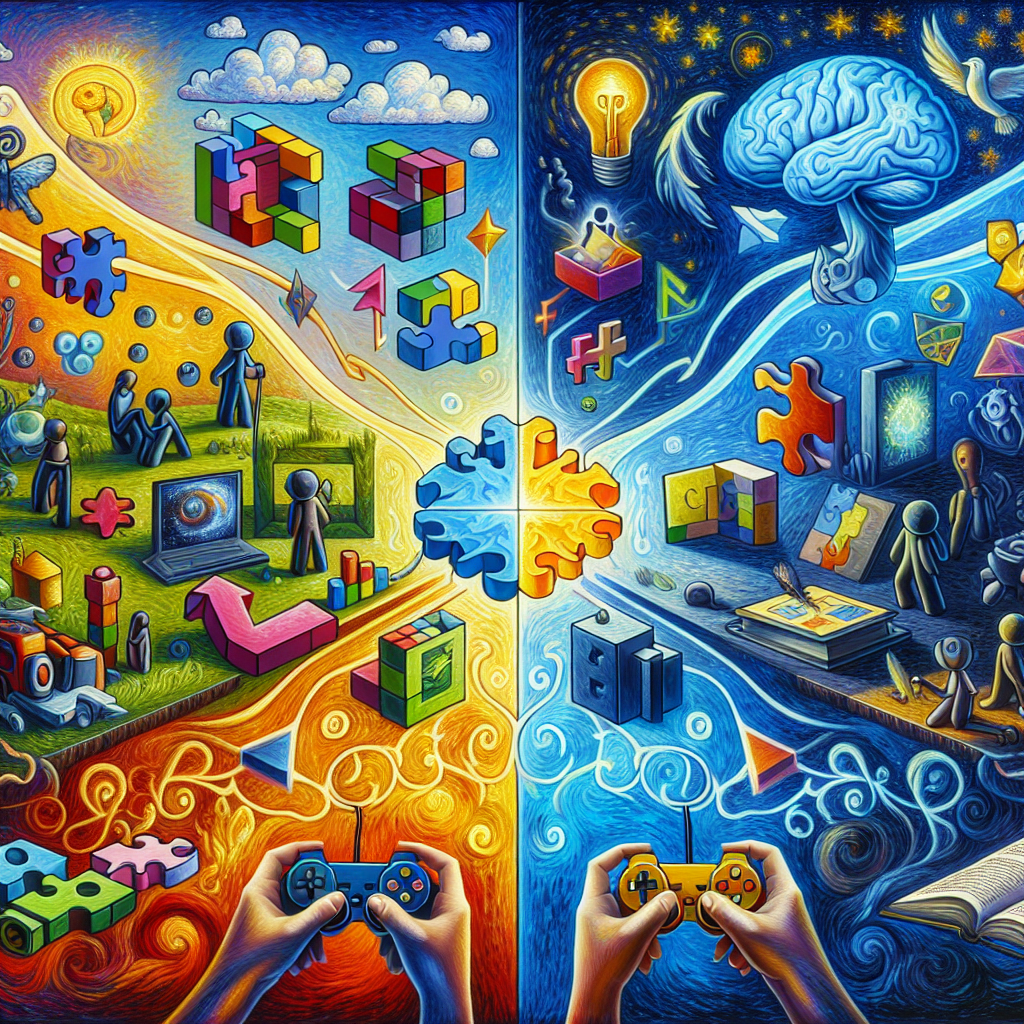
Let’s face it: life isn’t always a walk in the park. From unexpected surprises to everyday challenges, developing emotional intelligence can feel a bit like mastering a craft—one that requires both practice and the right tools. Here’s where the colorful world of educational games enters the scene. And trust me, this isn’t just child’s play.
Picture this: you’re knee-deep in a virtual landscape, navigating through complex scenarios where every decision influences the outcome. This is where gamification shines. By turning emotional learning into an engaging experience, these games allow us to step into someone else’s shoes, quite literally. We can experiment with empathy, resilience, and conflict resolution in a safe setting. Remember that feeling when you tackled a tough level? That sense of accomplishment can translate into real-life situations where we need to dig deep and understand our own emotions as well as those of others.
One of the best parts about educational games is their ability to foster connection. They break down barriers and allow players of all ages to engage in important conversations. As we strategize, collaborate, and sometimes even fail together, we start to understand the nuances of human interaction. The peer feedback loop that comes with these games mirrors real-life social scenarios, providing the perfect practice ground for our emotional toolkit. It’s like socializing with a purpose—learning how to read body language or adapt to different emotional climates while having a good time.
And let’s not forget the power of reflection. Many educational games incorporate moments where players can pause and think about their choices—why they reacted a certain way or how their actions impacted others. Those “lightbulb moments” can pave the way for deeper emotional insights.
So, whether you’re a parent looking for a way to engage your kids beyond screens or an educator searching for innovative teaching methods, don’t underestimate the potential of educational games. Embrace the art of gamification. You might just find that the key to understanding ourselves and each other lies within those digital landscapes, waiting for us to explore. If you want to boost emotional intelligence, sometimes the journey to self-discovery is a game worth playing.

Can Educational Games Help With Emotional Intelligence Development?
Can Educational Games Help With Emotional Intelligence Development?
- Life presents challenges that require emotional intelligence, akin to mastering a craft.
- Educational games transform emotional learning into engaging experiences, allowing players to explore empathy and resilience.
- Gamification provides a safe space to experiment with conflict resolution and understand emotions.
- These games foster connection and facilitate important conversations across all age groups.
- Collaborative play promotes understanding of human interaction and social dynamics.
- Players can engage in reflective moments that encourage deeper emotional insights.
- Educational games are valuable tools for parents and educators in promoting emotional intelligence and self-discovery.
Can Educational Games Help With Emotional Intelligence Development?
How Do Educational Games Engage Reluctant Learners Effectively?
When it comes to engaging reluctant learners, there’s a remarkable magic in what we now call gamification. But let’s break that down a bit. Imagine walking into a classroom where every student’s head is down, fingers glued to their phones, or worse, their minds floating far away in a galaxy of distractions. Now, picture a flip of the switch: suddenly, learning resembles the thrill of a video game.
Gamification takes the essence of games—competition, achievement, and fun—and weaves it into the fabric of education. At its heart, it’s about transformation. The reluctant learner? They see tasks and tests as tedious hurdles. But add a leaderboard, customizable avatars, or rewards for reaching new milestones, and suddenly they’re not just participants; they’re players in a game where scores actually matter. It’s a wonderful thing when education mirrors what kids are already passionate about, allowing them to engage deeply, whether they’re conquering math problems or diving into the intricacies of science.
Think back to your own experiences. Remember the feeling of accomplishment when you reached a new level in a game? The surge of joy when you unlocked a hidden achievement? Gamification taps into that raw emotion. It says to kids, “Hey, you can dominate this too!” They’re not merely filling out worksheets; they’re embarking on quests, completing missions, and competing with peers. This sense of adventure invites them to take risks, learn from mistakes, and ultimately feel a sense of ownership over their learning journey.
Incorporating gamification doesn’t just create an interactive environment; it builds a bridge of trust between educators and students. When learning feels less like a chore and more like an enjoyable challenge, kids are more likely to take part. They know they can succeed, and that their efforts are recognized. We’re not just preparing future scholars; we’re inspiring resilient problem-solvers who understand that it’s perfectly okay to stumble along the way.
This approach, this shift in perspective, can be the difference between disengagement and spirited participation. So, whether you’re teaching math, history, or anything in between, consider how gamification can transform your classroom into a thrilling environment that not only captures attention but fuels the spark of curiosity. Education doesn’t have to be a struggle; it can feel like a game worth playing.

How Do Educational Games Engage Reluctant Learners Effectively?
How Do Educational Games Engage Reluctant Learners Effectively?
- Gamification energizes reluctant learners by transforming education into a game-like experience.
- It incorporates elements of competition, achievement, and fun to engage students.
- Students become players rather than just participants, making learning more meaningful.
- Gamification evokes emotions similar to those experienced in video games, leading to a sense of accomplishment.
- The method encourages risk-taking and ownership of the learning process through quests and missions.
- It fosters trust between educators and students, making learning feel like an enjoyable challenge.
- This approach can revitalize classrooms across diverse subjects, turning education into an engaging game.

How Do Educational Games Engage Reluctant Learners Effectively?
Are There Age-Appropriate Educational Games For Different Levels?
Imagine standing in front of a treasure chest, filled not with gold and jewels, but with the priceless treasures of knowledge and skill. Educational games today are that treasure chest, and the best part? They’re designed to meet kids right where they are—no matter their age or skill level. It’s a world where learning feels less like a homework assignment and more like an exciting adventure.
With the revolution of gamification—turning learning into a game-like experience—we’re seeing an explosion of options that cater to everyone, from toddlers to teens. You see, at the heart of gamification lies a remarkable ability to engage, motivate, and inspire. Instead of passively consuming information, kids are now actively participating in their education, solving puzzles, competing in challenges, and even collaborating with friends—all while sneaking in a hefty dose of learning.
Take younger children, for instance. For the little ones just starting to navigate their ABCs and 123s, simple and colorful apps can turn phonics and counting into playful pursuits. Think about interactive games that allow toddlers to match letters with objects or numbers with items. They’ll be having such a great time that they won’t even realize they’re absorbing essential skills.
For slightly older children, let’s say in elementary school, you have games that dive deeper. They can tackle math problems, science experiments, or even historical events. Imagine a game where they build their own virtual city—figuring out physics while managing resources to keep their citizens happy. When learning comes with those kinds of stakes, kids are more likely to stick with it, boosting their critical thinking and problem-solving skills in ways that books alone might never achieve.
And as they move into middle and high school, the complexity increases. Here, games can take on topics like strategy, coding, or even ethical dilemmas. Suddenly, it’s not just about getting the answer right; it’s about making decisions and forecasting outcomes. This is where gamification finds its sweet spot—challenging teens just enough to keep them engaged without overshadowing their sense of agency.
So, whether it’s through bridging basic concepts with simple games for the younger crowd or tackling tougher topics with immersive experiences for the older kids, the world of educational games is brimming with possibilities. Dive in, explore, and watch as learning transforms into an adventure that just might spark a lifelong passion for discovery!

Are There Age-Appropriate Educational Games For Different Levels?
Are There Age-Appropriate Educational Games For Different Levels?
- Educational games serve as a treasure chest of knowledge and skill for children of all ages.
- Gamification transforms learning into an engaging, game-like experience, motivating kids to participate actively.
- Younger children can enjoy colorful apps that make phonics and counting fun and interactive.
- Elementary school games help children deepen their understanding of math, science, and history through immersive experiences.
- Middle and high school games incorporate complex subjects like strategy, coding, and ethical dilemmas for older kids.
- These games enhance critical thinking and problem-solving skills far beyond traditional learning methods.
- The world of educational games offers endless opportunities to make learning an exciting adventure, fostering a passion for discovery.

Are There Age-Appropriate Educational Games For Different Levels?
Conclusion
Conclusion: The Real Game Changer in Education
Alright folks, here’s the bottom line about educational games: they’re not just a flashy distraction for kids; they’re a dynamic way to prepare them for the real-world challenges they’ll face down the line. While tradition may have kept learning cloistered in a sea of drab lectures and dusty textbooks, enter gamification—the ultimate game changer. What’s happening now is that kids are diving into worlds where problem-solving, critical thinking, and teamwork aren’t just encouraged; they’re the main event.
Imagine a young learner staring at a screen, seemingly lost in a vibrant digital landscape. But those bright colors and catchy melodies aren’t just there to entertain; they’re tools of engagement, cleverly disguised as fun. Each level they conquer isn’t just a score, but a lesson on resilience, collaboration, and adaptation. When kids face challenges in these games, they’re not just pressing buttons—they’re developing the mental muscle they’ll need in the actual world, from the classroom to their future careers.
And let’s chat about collaboration. Games don’t just make learning competitive; they emphasize teamwork, reminding kids that two heads are often better than one. Whether they confabulate a strategy to defeat a virtual enemy or divvy up roles in a group quest, these experiences instill the idea that collaboration is as crucial in life as it is on-screen.
Plus, educational games do something profoundly powerful: they nurture emotional intelligence. When kids make decisions that impact their teammates or navigate tricky scenarios, they’re practicing empathy in a spirited yet safe environment. Throw in adaptability and problem-solving, and you’ve got a recipe for success that goes beyond mere retention of facts—welcome to a world where learning and personal growth coexist.
Now, don’t get me wrong, no one is suggesting that video games will replace traditional learning. But what we want to emphasize here is that they can complement it beautifully. Gamification is about making learning accessible, engaging, and downright enjoyable. It’s about transforming reluctant learners into enthusiastic participants. It’s about expanding the horizons of education.
So here’s to the educational games out there! They’re more than just pixelated escapism; they’re foundational building blocks for the next generation of thinkers, creators, and leaders. With commitment to embrace this new wave of learning, we can unlock a treasure trove of potential in our children—because if education is the compass, fun is the breeze that fills their sails. Let’s get them onboard!

Conclusion
Conclusion:
- Educational games are not just distractions; they prepare kids for real-world challenges.
- Gamification transforms traditional learning, emphasizing problem-solving, critical thinking, and teamwork.
- Engaging visuals and sounds in games serve as tools for enhancing learning and resilience.
- Collaboration in games reinforces the importance of teamwork and strategic thinking.
- Educational games promote emotional intelligence by allowing kids to navigate challenges and make impactful decisions.
- These games complement traditional learning, making education more accessible and enjoyable.
- Embracing educational games can unlock immense potential in children, fostering future thinkers and leaders.

Conclusion
Other Resources

Other Resources
Here is a list of other resources you can review online to learn more:
- Splendor
- Pearl Games
- Blood Rage
- GAMA
- Tigris & Euphrates
- Tabletop Gaming News
- Cryptozoic Entertainment
- MailChimp
Use This Prompt To Get More Resources With Your Favorite Online AI Tool: Please provide me with a list of online articles with their URLs in a bulleted list that I can read regarding Can Educational Games Prepare Kids for Real World Challenges?

Other Resources
Glossary Terms
Can Educational Games Prepare Kids for Real World Challenges? – Glossary Of Terms
1. Adaptive Learning: A teaching method that uses technology to tailor educational experiences to individual student needs and learning styles.
2. Engagement: The level of interest, enthusiasm, and emotional involvement a student exhibits while participating in educational activities, particularly games.
3. Critical Thinking: The ability to analyze information, evaluate different viewpoints, and make reasoned decisions. Essential for problem-solving in real-world scenarios.
4. Collaboration: Working together with peers to achieve a common goal, often emphasized in team-based educational games.
5. Cognitive Skills: Mental capabilities that involve the ability to think, learn, and remember. Enhanced through the strategic elements in educational games.
6. Simulation: A method of instruction that models real-world processes or scenarios, allowing students to practice skills in a safe environment.
7. Feedback: Information provided to players regarding their performance or decisions in a game, crucial for learning and improvement.
8. Motivation: The internal or external factors that stimulate interest and persistence in learning, which educational games often seek to enhance.
9. Problem-Solving: The process of finding solutions to difficult or complex issues, a key skill fostered through game-based learning.
10. Digital Literacy: The ability to effectively use technology and digital tools, which is often developed through interactive educational games.
11. Self-Regulation: The ability to manage one’s emotions and behaviors in pursuit of goals, essential in both games and real-world challenges.
12. Scenario-Based Learning: An educational approach that immerses students in real-life situations through games, enhancing realism in learning.
13. Game Mechanics: Rules and systems that govern how a game operates and challenges players, influencing engagement and learning outcomes.
14. Scaffolding: Support provided to learners that helps them achieve higher levels of understanding and skill acquisition, often designed into educational games.
15. Intrinsic Motivation: Motivation driven by internal rewards, such as personal satisfaction or a sense of accomplishment obtained through gameplay.
16. Extrinsic Motivation: Motivation derived from external rewards, such as points, badges, or recognition, that educational games often provide to encourage participation.
17. Creativity: The use of imagination or original ideas to solve problems or create new strategies in a gaming context.
18. Time Management: The ability to plan and control how much time to spend on specific activities, essential for navigating both games and real-world tasks.
19. Resilience: The capacity to recover quickly from difficulties or setbacks, an essential trait developed through facing challenges in games.
20. Empathy: The ability to understand and share the feelings of others, often developed through role-playing and narrative-driven educational games.
21. Multimodal Learning: A learning approach that incorporates multiple forms of media and methods, enhancing engagement and understanding through educational games.
22. Goal-Setting: The process of determining objectives to strive for, often emphasized in games where achievements promote strategic planning.
23. Conflict Resolution: The skills and techniques used to resolve disagreements, which may be practiced through gameplay scenarios.
24. Assessment: The methods used to evaluate student learning and progress, which can also be integrated into educational games.
25. Peripheral Learning: Learning that occurs in a more informal manner along with formal learning, often experienced while playing educational games.
26. Social Skills: Skills that facilitate interaction and communication with others, often practiced during collaborative gaming experiences.
27. Gamification: The application of game-design elements in non-game contexts to motivate engagement and enhance learning experiences.
28. Transfer of Knowledge: The ability to apply learned skills or concepts from one context to another, a goal of educational games to prepare children for real-life situations.
29. Interactivity: The degree to which a user can participate in the game environment, affecting engagement and learning depth.
30. Learning Objectives: Defined goals that outline what students are expected to learn and achieve through educational games, helping to align gameplay with real-world skills.

Glossary Of Terms
Other Questions
Can Educational Games Prepare Kids for Real World Challenges? – Other Questions
If you wish to explore and discover more, consider looking for answers to these questions:
- What specific skills can children learn from different types of educational games?
- How do educators measure the effectiveness of educational games in the classroom?
- What are some examples of popular educational games currently available?
- How can parents support their children in choosing educational games?
- Are there any studies that back up the benefits of educational games?
- How do educational games impact children’s social skills outside of gameplay?
- What challenges do teachers face when integrating educational games into their curriculum?
- Can educational games be adapted for children with special needs?
- How do educational games differentiate between varying learning styles?
- What role does technology play in the development of educational games?
- How can educational games be used to enhance traditional teaching methods?
- What age ranges are most benefit from educational gaming?
- What are the potential downsides of using educational games in learning?
- How do students feel about using educational games in their learning process?
- What future trends can we expect in the field of educational gaming?

Other Questions
Haiku
Can Educational Games Prepare Kids for Real World Challenges? – A Haiku
Gaming sparks the mind,
Learning skills through play and team—
Future leaders rise.

Haiku
Poem
Can Educational Games Prepare Kids for Real World Challenges? – A Poem
Level Up: The Game of Learning
In the realm where laughter meets the thought,
Educational games weave lessons sought,
Not in classrooms framed by rigid walls,
But in vibrant worlds where adventure calls.
Children venture forth, unaware of the quest,
With each pixelated challenge, they are truly blessed.
Problem-solving skills bloom in the thick of play,
As resilience and strategy lead the way.
A team of young explorers, side by side,
In cooperative missions, their strengths collide.
Communication flows, ideas intertwine,
In the game’s embrace, their spirits align.
They craft new worlds, their imaginations soar,
Creativity ignited, they learn to explore.
With challenges faced, they stumble and rise,
Understanding that growth is the sweetest prize.
Emotions unfold in a digital dance,
Through simulated scenarios, they learn to take a stance.
Building empathy through choices made,
Navigating feelings, their fears start to fade.
Reluctant learners find new light,
As gamification turns struggle to flight.
With each leaderboard reached and each level achieved,
The joy of success ignites hearts believed.
From toddlers with letters to teens in the fray,
Age-appropriate games pave the learning way.
No longer a chore, but a treasure to find,
Unlocking potential, expanding the mind.
So let us embrace this vibrant new age,
Where learning’s a game, and we turn the page.
With every click and quest, may they ever strive,
For in the world of learning, their futures will thrive.

Poem
Checklist
Can Educational Games Prepare Kids for Real World Challenges? – A Checklist
Checklist: Leveraging Educational Games for Real-World Learning
This checklist will help parents and educators maximize the benefits of educational games for children’s development.
1. Assess Game Content
_____ Choose games that align with educational goals (problem-solving, critical thinking).
_____ Ensure games cover a variety of subjects (math, history, science, etc. ).
2. Promote Collaborative Play
_____ Encourage group play to foster teamwork and communication.
_____ Facilitate discussions around strategies and divisions of roles during gameplay.
3. Focus on Life Skills
_____ Select games that challenge kids to adapt and strategize.
_____ Look for games that offer lessons in resilience by allowing failure as part of the learning process.
4. Incorporate Emotional Development
_____ Choose games that involve moral dilemmas or emotional scenarios.
_____ Facilitate debriefing sessions after gameplay to discuss emotions and decisions made in-game.
5. Monitor Engagement and Motivation
_____ Track children’s enthusiasm and participation levels during gameplay.
_____ Implement rewards or recognition systems to celebrate achievements in-game.
6. Foster Problem-Solving Skills
_____ Encourage children to explain their thought processes while playing.
_____ Introduce more complex games as they progress to develop advanced problem-solving abilities.
7. Leverage Technology
_____ Explore various platforms for educational games (tablets, online resources).
_____ Ensure tech platforms are age-appropriate and user-friendly.
8. Adapt and Personalize
_____ Select games that offer personalized learning experiences.
_____ Adjust game difficulty based on individual children’s capabilities to maximize engagement.
9. Reflect on Learning Outcomes
_____ Encourage children to reflect on what they learned from the game.
_____ Facilitate conversations regarding how game skills apply to real-life situations.
10. Review Age Appropriateness
_____ Ensure selected games are designed for the child’s age and developmental stage.
_____ Explore a variety of games tailored to different age groups, from toddlers to teens.
11. Monitor Retention of Knowledge
_____ Check how well children can recall information learned through gaming post-play.
_____ Reinforce knowledge with related activities or discussions outside of gaming.
12. Enhance Emotional Intelligence
_____ Introduce multiplayer games that require negotiation and collaboration.
_____ Discuss scenarios in games that mirror real-life emotional challenges.
Encourage kids to embrace learning through play! With the right approach, educational games can be not just enjoyable but incredibly impactful in preparing children for the real world.

Checklist
At HowDoYouGame, we help people who love board games by collating information and news about games.
Be sure to read our other related stories at HowDoYouGame to learn more about games.