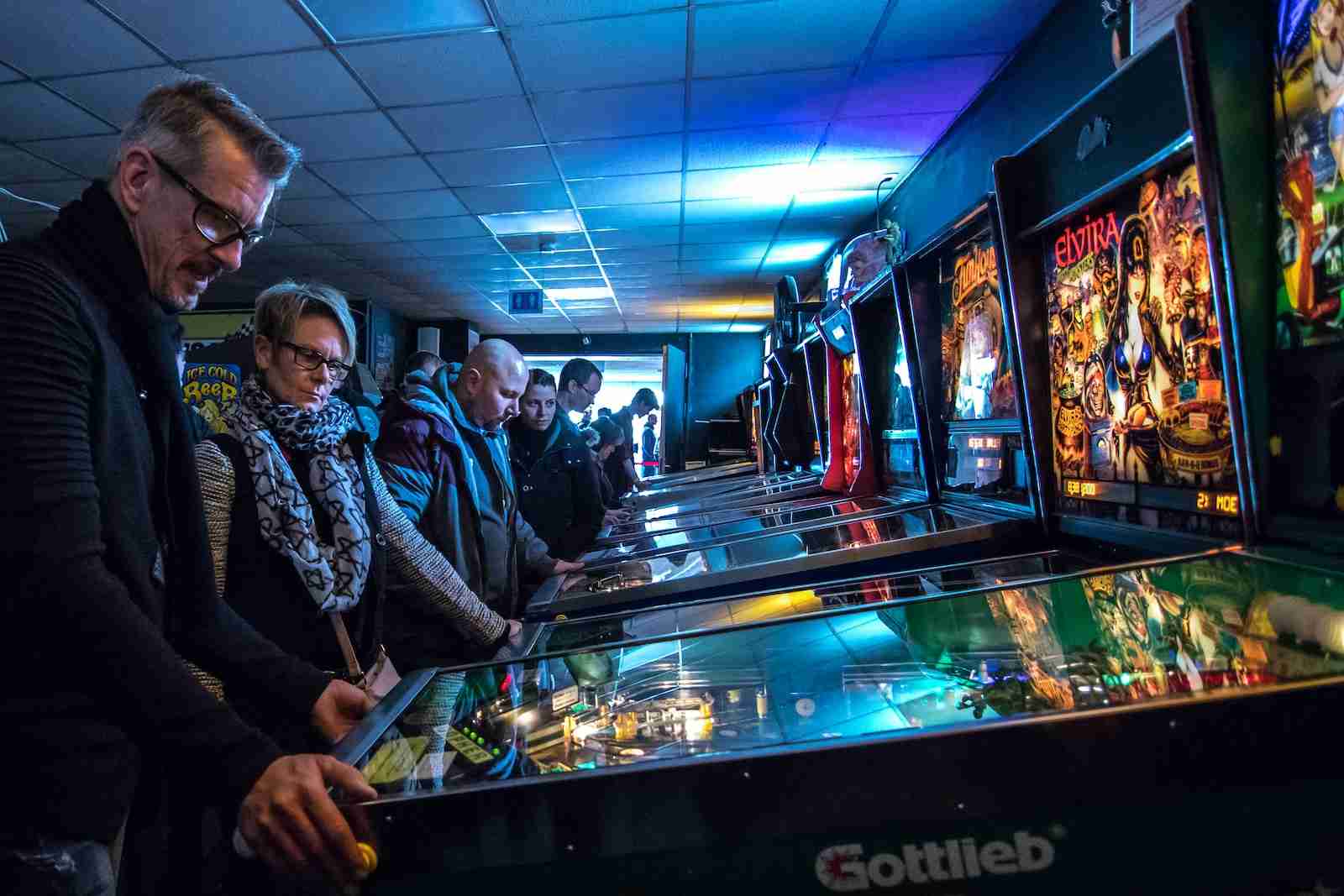
Leveling Up: How Exclusive Gaming Prepares Kids For Life
By Tom Seest
At HowDoYouGame, we help people who love board games by collating information and news about games.
Be sure to read our other related stories at HowDoYouGame to learn more about games.
Are Kids Who Game Exclusively Better Prepared for Problems?
Let’s take a moment to park the judgments and assumptions about our kids gaming endlessly. Sure, it’s easy to roll our eyes when we see them glued to a screen, thumbs tapping away at some fantastical world. But what if I told you that this so-called “screen time” is actually a modern-day rite of passage, where our kids are not just having fun but are being immersed in a whole new kind of learning? It’s time we consider the extraordinary potential of gamification and how it transforms problem-solving skills in ways we might not fully appreciate.
Picture this: your child battles their way through complex quests, maneuvering around tricky obstacles and strategizing their next moves. Each game presents a puzzle, a challenge to conquer, and ultimately, a lesson learned. When kids engage in this digital adventure, they aren’t just pressing buttons; they’re honing critical thinking skills, developing resilience, and even sharpening their social savvy while teaming up with friends or navigating online communities. The virtual realm becomes a classroom where trial and error isn’t just encouraged—it’s essential.
Now, consider the contrast between structure and chaos in traditional education. In the gaming world, failure is just a stepping stone. A character doesn’t go down for good—they respawn, adapt, try again. This mentality fosters a growth mindset that every parent wants for their child. It’s about learning to tackle problems head-on, analyzing situations, and experimenting with various solutions. If you ask me, that’s a toolkit any kid can utilize when faced with real-life challenges, whether it’s acing a math test, managing peer pressure, or navigating the complexities of adulthood.
But here’s the kicker: balance is key. Gaming shouldn’t substitute for outdoor adventures or face-to-face conversations. Instead, it should complement a well-rounded life. As parents, it’s our job to guide our kids through this digital landscape, making sure they don’t lose sight of the real world while they conquer quests online.
Rather than worrying about whether your kid spends too much time gaming, maybe it’s more constructive to ask what they’re learning. Encourage them to chat about their experiences, share stories of success and failure, engage with their passion for gaming—and who knows? They might just surprise you with the brilliant, critical thinkers they’re becoming, equipped to tackle real-life challenges with confidence, creativity, and a game plan.

Are Kids Who Game Exclusively Better Prepared for Problems?
Are Kids Who Game Exclusively Better Prepared for Problems?
- Gaming can be viewed as a modern rite of passage and a form of learning for kids.
- Through complex quests and challenges, children develop critical thinking and problem-solving skills.
- Games encourage resilience and social skills as kids collaborate and navigate online communities.
- Failure in games is seen as a learning opportunity, fostering a growth mindset.
- This mindset helps kids tackle real-life challenges, such as academics and social pressures.
- Balance is essential; gaming should complement outdoor activities and personal interaction.
- Encourage conversations about gaming experiences to recognize the skills children acquire through play.

Are Kids Who Game Exclusively Better Prepared for Problems?
Table Of Contents
- Are Kids Who Game Exclusively Better Prepared for Problems?
- Are Kids Who Game Exclusively Developing Critical Thinking Skills?
- Do Video Games Enhance Problem-Solving Abilities In Children?
- Are There Cognitive Benefits Associated With Extended Gaming Sessions?
- Do Kids Who Game Learn Better Time Management Skills?
- Are There Negative Consequences Of Exclusive Gaming On Development?
- How Can Parents Balance Gaming With Other Activities?
- Do Certain Types Of Games Prepare Kids Better For Real-Life Problems?
- Conclusion
- Other Resources
- Glossary Of Terms
- Other Questions
- Haiku
- Poem
- Checklist
Are Kids Who Game Exclusively Developing Critical Thinking Skills?
When we think about the concept of learning, it often conjures images of classrooms filled with rows of desks, whiteboards, and textbooks. But what if I told you that some of the most formidable critical thinking skills can be honed in the digital playgrounds of gaming? Yes, you heard it right! The world of video games, particularly those that employ gamification techniques, is more than just a source of entertainment; it can be an incredible training ground for young minds.
Picture this: your child takes on the role of a bold knight defending a kingdom or a brilliant scientist unraveling the mysteries of the universe. With each challenge faced, whether it’s a fierce dragon or a tricky puzzle, they don’t just smash buttons and call it a day. They strategize, adapt, and learn to navigate complex scenarios where the stakes feel real. This dynamic and immersive environment encourages kids to think on their feet, weigh their options, and most importantly, learn from their failures—because let’s face it, in gaming, failure is just another step toward victory.
But how does this all unfold? Enter gamification—the application of game principles in non-game contexts—which turns mundane tasks into exciting challenges. When smartly applied, it transforms learning into a quest. Imagine math problems disguised as treacherous quests or history lessons woven into adventurous narratives. Kids engage more deeply, and in this engagement, they refine their analytical skills. They become problem solvers, not just consumers of information.
Now, there’s a lingering question we often grapple with: Are these skills transferable to the real world? The answer is a resounding “yes!” Research shows that the critical thinking abilities fostered through gaming can translate into better performance in school and life. Gamers learn to approach challenges with a problem-solving mindset, analyze situations, and make decisions—skills that every employer craves.
So, let’s embrace this new frontier of learning. If your child loves to game, don’t shun it; instead, dive in alongside them. Challenge them to articulate their strategies, dissect their failures, and celebrate their victories. Connect with them over their favorite games and watch how the skills they cultivate in pixelated adventures can illuminate their paths in the tangible world. It’s not just about playing—it’s about growing, connecting, and dreaming big. After all, the quest for critical thinking doesn’t stop at the screen; it’s merely the beginning.

Are Kids Who Game Exclusively Developing Critical Thinking Skills?
Are Kids Who Game Exclusively Developing Critical Thinking Skills?
- Learning often evokes traditional classroom imagery, yet video games can enhance critical thinking skills.
- Games, especially those using gamification techniques, serve as effective training grounds for youth.
- Players confront various challenges, forcing them to strategize, adapt, and learn from failures.
- Gamification turns mundane tasks into interactive challenges, increasing engagement in learning.
- Critical thinking skills developed through gaming are transferable to real-world situations.
- Research indicates that gaming fosters a problem-solving mindset crucial for academic and career success.
- Parents should engage with their children’s gaming experiences to help them articulate strategies and learn from outcomes.

Are Kids Who Game Exclusively Developing Critical Thinking Skills?
Do Video Games Enhance Problem-Solving Abilities In Children?
Let’s face it: video games are everywhere. They’ve infiltrated our living rooms, our phones, and even our conversations. But while some folks shake their heads at the sight of kids glued to screens, others are starting to realize there might just be more to these digital adventures than meets the eye. Enter the fascinating world of problem-solving—an essential skill that not only equips children to tackle puzzles in their virtual escapades but also translates beautifully into real-life scenarios.
Imagine a child maneuvering a complex maze, dodging obstacles and strategizing their every move. That’s no walk in the park; it’s a prime example of what experts call “gamification.” When a game cleverly incorporates challenges and rewards, it engages children on multiple levels, fostering a mindset that thrives on overcoming obstacles. It’s like a mental gym, training their brains to think critically, adapt quickly, and embrace challenges with confidence.
Research suggests that when kids dive into video games, they’re not just zoning out; they’re actively participating in a dynamic learning process. As they attempt to solve riddles, develop strategies, and collaborate with friends online, their cognitive muscles are flexing. This playful engagement builds resilience—the ability to bounce back from failure. And let’s be honest, isn’t that a lesson we all want to instill in the younger generation?
What’s more, these experiences cultivate creativity as kids learn to approach problems from different angles. For instance, when building virtual worlds or crafting new strategies to defeat challenging foes, they tap into their imagination and come up with innovative solutions. That’s the spark of ingenuity we want to see, not just in their games, but in their future endeavors.
Now, before you start stocking up on the latest consoles, it’s worth noting balance is key. While video games can enhance problem-solving abilities, they should be just one part of a well-rounded approach. Encourage outdoor play, reading, and interpersonal interactions, too. Embrace the idea that video games can be a tool for growth—when approached mindfully, they can transform from simple pastimes into platforms for learning and development.
So, the next time you catch your child in a virtual quest, take a moment to appreciate the skills they’re cultivating. They may be slaying dragons, but they’re also honing the very abilities that will help them conquer the challenges of tomorrow. Let’s give credit where it’s due: these games might just be paving the way for a generation of innovative thinkers ready to take on the world.

Do Video Games Enhance Problem-Solving Abilities In Children?
Do Video Games Enhance Problem-Solving Abilities In Children?
- Video games are increasingly present in daily life, engaging children in various ways.
- They promote essential problem-solving skills, both in virtual scenarios and real-life situations.
- Gamification combines challenges and rewards, enhancing critical thinking and adaptability.
- Video games facilitate active learning, encouraging kids to strategize, collaborate, and flex cognitive skills.
- Children develop resilience through failures faced in gaming, a valuable life lesson.
- Creativity is fostered as kids approach problems differently, leading to innovative thinking.
- A balanced approach to gaming is vital; video games should complement outdoor play, reading, and social interactions.

Do Video Games Enhance Problem-Solving Abilities In Children?
Are There Cognitive Benefits Associated With Extended Gaming Sessions?
Step right up and let me tell you a little something about the world of gaming. Now, you might be thinking that it’s all flashy graphics and energetic soundtracks, but let’s hold onto that thought for a moment. The beauty of gaming lies much deeper, in what we can call the magic of gamification.
Imagine this: you’ve just embarked on an epic quest, navigating through challenges and puzzles that don’t just demand your attention but tug at your mental gears, pushing you to level up not just in the game, but in your cognitive abilities as well. It’s that thrill of strategic planning, quick decision-making, and problem-solving that can really get those neural pathways firing on all cylinders. We often overlook just how much our brains thrive on engagement—just like a muscle, the brain strengthens through repetition and challenge.
Engaging in extended gaming sessions can have a similar effect to exercising; both need a bit of discipline. Gamification can transform mundane tasks into exhilarating challenges. Think about those games that let you collect points or badges; they keep you motivated and focused much like a goal at work. When those mechanics are applied outside gaming, they encourage us to tackle everyday tasks with tenacity and creativity.
Now, don’t get me wrong—balance is key. Too much of anything can lead to burnout. But when you strategically dive into gaming, you’re not just playing; you’re building skills that carry over to real-life situations. You may find yourself becoming better at multi-tasking, enhancing your hand-eye coordination, or even mastering that art of staying cool under pressure—skills that serve you every day, whether you’re presenting in a meeting or navigating a busy street.
For those who may feel skeptical, consider this: various studies are beginning to validate what many gamers have known intuitively all along. Enhanced memory functions, improved visual attention, and even an uptick in emotional intelligence are just a few benefits rooted in this immersive experience. It’s hard to argue against the brain’s plasticity—its amazing ability to adapt, grow, and improve through engagement.
In short, as you embark on these gaming endeavors, remember that every moment spent navigating those fantastical worlds is not just entertainment. It’s cognitive training disguised as fun. So grab that controller guilt-free and leap into the adventure. You might just find that you’re not just gaming, but sharpening your mind in the process.

Are There Cognitive Benefits Associated With Extended Gaming Sessions?
Are There Cognitive Benefits Associated With Extended Gaming Sessions?
- Gaming goes beyond flashy graphics and energetic soundtracks, revealing deeper benefits through gamification.
- Engaging in gaming enhances cognitive abilities, promoting strategic planning, quick decision-making, and problem-solving skills.
- Extended gaming sessions can improve brain engagement similarly to exercising, requiring discipline and focus.
- Gamification can turn mundane tasks into exciting challenges, motivating individuals through goal-oriented mechanics like points and badges.
- Balance is essential; too much gaming can lead to burnout, but it can also develop valuable skills for real-life situations.
- Research supports the benefits of gaming, showing enhancements in memory, visual attention, and emotional intelligence.
- Gaming serves as cognitive training disguised as entertainment, offering a guilt-free way to sharpen the mind.

Are There Cognitive Benefits Associated With Extended Gaming Sessions?
Do Kids Who Game Learn Better Time Management Skills?
When you hear the phrase “kids who game,” you might picture a kid glued to a screen, thumbs flying, fully absorbed in a digital world. It’s easy to assume that video games are merely a distraction from the hustle and bustle of real life. But let me tell you, there’s a lot more happening than meets the eye. There’s a fascinating phenomenon occurring in the gaming universe—one that’s beginning to grab the attention of educators and parents alike: gamification.
Before we dive deep, let’s clarify: gamification isn’t just a fancy buzzword thrown around by tech enthusiasts; it’s a strategy that applies game-like elements to non-game settings. It transforms boring tasks into something engaging and dynamic, making progress feel accomplished and exciting. You might have seen this approach in action at your child’s school or even in your workplace, where competition and rewards can motivate even the laziest of us to step up the game. This technique offers kids an innovative way to learn time management skills, all while having a blast.
Consider the way some video games operate. Players are presented with challenges that require strategic thinking, quick decision-making, and, most importantly, the ability to prioritize tasks effectively. Think about it: when a player faces multiple objectives—like rescuing hostages, gathering resources, or crafting equipment—the time clock is ticking away. They quickly learn to budget their time, deciding which mission to tackle first, and how best to allocate their limited resources.
Now, this is where it gets interesting. When kids act out these scenarios in a digital world, they’re not just gaming; they’re developing essential skills. They learn the intricacies of managing time in high-pressure situations, a skill that becomes incredibly valuable as they face homework deadlines or extracurricular commitments in real life.
Though gaming might seem trivial to those who don’t partake, it offers a structured environment where kids can experiment with strategies and learn from mistakes without any real-world consequences. It’s trial and error in its purest form, laying the groundwork for future success. So, let’s not disregard those gaming hours. Instead, let’s engage in conversations about time management strategies that can apply both on and off the screen. After all, it’s not just about playing; it’s about playing smart. So why not embrace this new wave of learning and encourage your child to level up both their skills and their understanding of time? The future is waiting.

Do Kids Who Game Learn Better Time Management Skills?
Do Kids Who Game Learn Better Time Management Skills?
- The phrase “kids who game” often conjures images of children engrossed in screens, but there is more to gaming than just distraction.
- Gamification applies game-like elements to non-game settings, making mundane tasks engaging and dynamic.
- This approach is recognized by educators and parents as a means to enhance learning, notably in time management.
- Video games present challenges that develop strategic thinking, quick decision-making, and prioritization of tasks.
- Through gaming, children learn to manage time in high-pressure situations, a skill useful in real-life scenarios like homework deadlines.
- Gaming provides a safe space for trial and error, allowing kids to experiment with strategies and learn from mistakes.
- Encouraging conversations about time management and skills learned from gaming can enhance children’s learning experiences.

Do Kids Who Game Learn Better Time Management Skills?
Are There Negative Consequences Of Exclusive Gaming On Development?
Are There Negative Consequences of Exclusive Gaming on Development?
Ah, the world of gaming—a captivating land where the lines between reality and fantasy blur, and the rules of engagement are dictated by our thumbs and screens. While there’s no denying the allure of a well-crafted virtual adventure, it’s crucial to examine the road we’re treading. Are we straying too far from what nourishes our development as individuals?
Let’s dive into this notion of gamification—the idea of applying game mechanics to non-game contexts. Sure, it can inject fun into tasks that often feel laborious. But if we rely too heavily on these engaging little rewards, we risk losing sight of the real payoffs of personal development. Life isn’t always about collecting points; sometimes, the greatest value comes from enduring the climb, persisting through challenges, and savoring the bittersweet taste of hard-earned victories.
Take a moment to reflect on your own gaming experience. Remember those late-night quests that left you so invested you forgot to eat? How about the characters you adored and the bonds you formed within a digital realm? Those moments are powerful, yeah, but they can also become a cozy trap. Relying exclusively on virtual interactions can steal the richness of face-to-face connections—those moments filled with laughter, shared stories, and real human emotion.
And then we have the subtle shift in our coping mechanisms. When we turn to gaming as our primary escape, we may be sidestepping the discomfort that life inevitably throws at us. Sure, it feels easier to level up in a game than to tackle a real-world dilemma, but by doing so, we might be missing out on essential skills like resilience, communication, and conflict resolution. These are the very tools that help us navigate the unpredictability of life.
So, what can we do? The answer isn’t to abandon gaming—it’s to embrace a wiser approach. Balance is key. Schedule time for your virtual battles, but make sure to step outside the confines of your screen. Engage with your surroundings, take on challenges that scare you, and connect with those who share your joys and struggles. Growth stems from a diverse range of experiences, both digital and real.
At the end of the day, remember: while gaming can be a thrilling ride, it’s essential to keep a foot grounded in the reality of growth and connection. After all, our best adventures often await just beyond our screens.

Are There Negative Consequences Of Exclusive Gaming On Development?
Are There Negative Consequences Of Exclusive Gaming On Development?
- Gaming offers a captivating escape that blurs the lines between reality and fantasy.
- Excessive reliance on gamification may detract from real personal development.
- True value in life often comes from enduring challenges rather than merely collecting rewards.
- Virtual interactions can diminish the richness of face-to-face connections and shared experiences.
- Using gaming as a primary escape might hinder the development of essential life skills like resilience and communication.
- A balanced approach to gaming is essential; engage in both virtual and real-world experiences.
- Real growth stems from diverse experiences outside of gaming, fostering meaningful connections and challenges.

Are There Negative Consequences Of Exclusive Gaming On Development?
How Can Parents Balance Gaming With Other Activities?
Let’s face it, as a parent in today’s tech-savvy world, you’re navigating a minefield of choices, each vying for your child’s attention. With the growing prevalence of gaming, it’s easy to hit the panic button and start worrying about how many hours your son or daughter is glued to their screen. But before you throw the controller across the room, consider this: gaming isn’t just a pastime; it can be a useful tool in teaching balance and discipline.
First off, let’s talk about gamification, that shiny buzzword folks are tossing around these days. Here’s the angle that often gets overlooked: incorporating elements of gaming into everyday tasks can transform mundane chores into engaging activities. Imagine turning weekly homework assignments into a quest, complete with levels to reach and achievements to unlock. You’ll see your child suddenly diving into what once felt like a chore, navigating challenges with the same fervor they show when dodging a zombie in their favorite game.
Now, don’t toss out the gaming experience altogether. Consider structuring a routine where gaming is a reward for accomplishing other activities, like reading, sports, or even family time. For instance, for every hour spent engaged in a non-screen activity, grant them an equivalent game time. You’re not just negotiating terms; you’re cultivating responsibility and decision-making skills. Kids can learn the value of moderation while still enjoying what they love.
But here’s the kicker: it’s also about being involved in the gaming experience itself. Don’t be that parent who simply rolls their eyes at video game jargon. Instead, ask questions and dive into their world. Appreciate the art, the storylines, or the teamwork elements that often go unnoticed. Understanding what grabs their attention allows you to connect on a deeper level and, who knows, you might end up having a good time yourself.
Lastly, remember that balance isn’t about cutting out gaming; it’s about integrating it into a larger mosaic of interests. Encourage your child to explore sports, arts, or hobbies that spark joy. Discuss the importance of multi-faceted experiences, and celebrate the various skills they gather along the way. Balance is not merely the absence of one thing in favor of another; it’s a dance, and every step counts. So, let’s keep that dance floor open. When you embrace this notion, you’ll create a nurturing space where gaming can coexist with a wealth of enriching activities, lighting the way for a well-rounded childhood.

How Can Parents Balance Gaming With Other Activities?
How Can Parents Balance Gaming With Other Activities?
- Parents face numerous challenges in managing children’s screen time in a tech-savvy world.
- Gaming can teach balance and discipline rather than being purely a distraction.
- Gamification can be used to make chores and tasks more engaging for children.
- Establish a routine where gaming is a reward for completing non-screen activities.
- Involvement in children’s gaming experiences can enhance connection and understanding.
- Encourage exploration of diverse interests beyond gaming, like sports and arts.
- Balance is about integration of interests, fostering a well-rounded childhood.

How Can Parents Balance Gaming With Other Activities?
Do Certain Types Of Games Prepare Kids Better For Real-Life Problems?
When we think about the impact of gaming on young minds, we often picture kids glued to screens, lost in fantastical worlds where the biggest concern is looming monsters or collecting golden coins. But let’s pull back the curtain on this vibrant universe. It’s not just about entertainment—there’s a deeper layer at play here. Enter the concept of gamification, the process of integrating game elements into everyday experiences. It’s a powerful tool that, when wielded correctly, can transform how kids tackle some of life’s toughest challenges.
Think about it: many video games are designed to engage players in problem-solving, strategy, teamwork, and resilience—all critical life skills. In these virtual environments, children often find themselves in situations requiring quick thinking or collaborative efforts to conquer missions. When they face defeat, they don’t simply walk away; they learn to adapt, strategize, and try again. This process mirrors real-life scenarios. Kids learn that failure isn’t the end; instead, it’s a stepping stone to success. That’s a lesson that will stick with them long after the screen goes dark.
Now, consider scenarios in which games intentionally weave educational elements into their fabric. For instance, puzzle games challenge deduction skills while role-playing games immerse players in ethical dilemmas, encouraging them to weigh their choices thoughtfully. These interactive experiences forge connections between game mechanics and the complexities of everyday life. It’s this blend of engagement and education that ramps up the effectiveness of learning.
As parents and educators, we hold the responsibility of guiding young people through the intricate maze of life. Recognizing that some games are not just distractions, but rather tools for developing critical thinking, teamwork, and emotional resilience, we can champion the thoughtful inclusion of gaming in their lives.
Ultimately, the question isn’t whether gaming is beneficial, but rather how we can harness its potential to fortify our children for the realities they’ll face. So, the next time you see your child immersed in a game, take a moment to appreciate the skills they might be building—the courage to face failure, the knack for teamwork, and the creativity needed to innovate solutions. Embrace the world of gamification, and let’s transform playtime into powerful building blocks for future success. After all, who wouldn’t want their kids to ace the ultimate game of life?

Do Certain Types Of Games Prepare Kids Better For Real-Life Problems?
Do Certain Types Of Games Prepare Kids Better For Real-Life Problems?
- Gaming impacts young minds beyond simple entertainment, incorporating deeper life lessons.
- Gamification integrates game elements into everyday experiences, serving as a powerful educational tool.
- Video games enhance problem-solving, strategy, teamwork, and resilience—crucial life skills.
- Children learn from defeat in games, adapting and strategizing, which reflects real-life scenarios.
- Games often include educational elements, like puzzle games for deduction skills and role-playing games for ethical decision-making.
- Parents and educators should recognize games as tools for developing critical thinking and emotional resilience.
- The focus should be on harnessing gaming’s potential to prepare children for real-world challenges.

Do Certain Types Of Games Prepare Kids Better For Real-Life Problems?
Conclusion
Conclusion
So, here we are, standing at the crossroads of parenting and gaming, and it’s high time we took a more nuanced look at what’s happening when our kids immerse themselves in digital adventures. Sure, it’s tempting to roll our eyes and lament over kids buried in screens, but let’s shift gears and consider something refreshing: gaming isn’t just a “time suck,” it’s a modern classroom that equips kids with a unique set of skills that we might be undervaluing.
Picture this: every time your child dives into a fantastical world, they’re navigating challenges that hone their critical thinking, resilience, and even social skills. Each obstacle is a chance to strategize, learn, and adapt. In a gaming universe where respawning is a norm, failure becomes merely a stepping stone, enriching minds in ways traditional education often overlooks. Kids aren’t just having fun; they’re becoming savvy problem solvers, ready to tackle real-world issues, whether that’s a math test or the social complexities of high school.
However, let’s keep our feet on the ground. The key takeaway here is moderation. Nurturing a gamer’s skills shouldn’t come at the expense of outdoor adventures or face-to-face conversations. As parents, it’s crucial to guide our kids through this digital landscape, ensuring they strike a balance. Encourage dialogue about their gaming experiences—what strategies worked, what didn’t, and how these skills translate to the real world.
And let’s not forget the importance of introducing diverse experiences beyond the screen. Sports, arts, reading—these are the facets of a well-rounded life. By weaving gaming into this broader tapestry of interests, we empower our kids to thrive both online and offline. After all, it’s not just about slaying dragons; it’s about understanding the complexities of life’s challenges and managing them with confidence, creativity, and a sharp game plan.
So, next time you catch your kid battling monsters or building empires, take a beat and appreciate the cognitive exercise they’re indulging in. They’re leveling up more than just their gaming skills—they’re cultivating the tools they’ll need to navigate the challenges of tomorrow. Embrace gamification, talk about their experiences, and prepare for a future where these young gamers can take on whatever life throws their way, ready to conquer their quests!

Conclusion
Conclusion:
- Gaming is more than a distraction; it’s a modern classroom that develops valuable skills in children.
- Children cultivate critical thinking, resilience, and social skills through gaming as they navigate challenges.
- Failure in games is a chance to learn and adapt, enriching kids in ways traditional education may not.
- Moderation is key; gaming shouldn’t replace outdoor activities or face-to-face interactions.
- Parents should engage in conversations about gaming experiences, strategies, and real-world applications.
- Diverse experiences beyond screens, like sports and arts, are essential for a well-rounded life.
- Encouraging gamification helps kids prepare to tackle future challenges confidently and creatively.

Conclusion
Other Resources
Other Resources
Here is a list of other resources you can review online to learn more:
- Pandemic
- Roll Player
- Arkham Horror (Third Edition)
- The Gallerist
- Euchre
- The Castles of Burgundy
- Blackjack
- The Dice Tower Podcast
Use This Prompt To Get More Resources With Your Favorite Online AI Tool: Please provide me with a list of online articles with their URLs in a bulleted list that I can read regarding Are Kids Who Game Exclusively Better Prepared for Problems?

Other Resources
Glossary Terms
Are Kids Who Game Exclusively Better Prepared for Problems? – Glossary Of Terms
1. Action Games: Video games that emphasize physical challenges, including hand-eye coordination and reaction-time. Often linked to improving reflexes and decision-making under pressure.
2. Cognitive Skills: Mental capabilities that include perception, attention, memory, reasoning, and problem-solving, which may be developed through gaming.
3. Critical Thinking: The ability to analyze facts to form a judgment. Gaming often requires players to think critically to solve puzzles or strategize.
4. Creativity: The use of imagination or original ideas to create something. Many games encourage creative thinking through design elements and narrative development.
5. Collaboration: Working together with others towards a common goal. Multiplayer games often involve collaborative strategies and teamwork.
6. Competition: The act of competing against others, which can foster resilience and problem-solving through challenges and obstacles within games.
7. Emotional Intelligence: The ability to understand and manage emotions, which can be enhanced by narrative-driven games that invoke emotional responses.
8. Game-Based Learning: An educational approach where games are used to engage students in learning concepts and problem-solving.
9. Immersion: A state of being deeply engaged in a game, which can facilitate learning and problem-solving through experiential learning environments.
10. Interpersonal Skills: Skills that help individuals communicate and interact with others, often developed through social gaming experiences.
11. Multitasking: The ability to manage multiple tasks simultaneously, a skill that many fast-paced games can help develop.
12. Problem Solving: The process of finding solutions to difficult or complex issues, a fundamental aspect of many game designs.
13. Resource Management: The process of planning and organizing resources, often crucial in strategy and simulation games.
14. Simulation Games: Games designed to simulate real-world activities, providing experiences that can enhance problem-solving skills in real-life scenarios.
15. Social Skills: Abilities that facilitate interaction and communication with others, which can be nurtured through online multiplayer gaming.
16. Strategic Thinking: The ability to plan and execute complex maneuvers. Many games require players to strategize their next moves against opponents.
17. Tactical Games: Games that emphasize short-term maneuvers and strategies, fostering quick thinking and adaptability.
18. User Interface (UI): The means by which a player interacts with a game, which can influence learning and problem-solving experiences.
19. Virtual Reality (VR): An immersive gaming experience that can enhance simulation of real-world challenges for problem-solving training.
20. Visual-Spatial Skills: The ability to visualize spatial relationships, which can be improved through 3D gaming environments.
21. Persistence: The quality of continuing to try despite challenges, a trait that gaming often encourages through difficult levels or objectives.
22. Risk Assessment: The ability to judge potential risks versus rewards, a skill often developed through gameplay decision-making.
23. Adaptability: The capacity to adjust to new conditions or challenges, which is frequently required in dynamic game environments.
24. Feedback Loops: Systems where a player’s actions are met with responses that help guide their future decision-making within the game.
25. Character Development: The growth of a player’s in-game character, which can mirror problem-solving and persistence in real life.
26. Achievement Motivation: The drive to achieve goals, often fostered by completing game objectives and earning rewards.
27. Attention to Detail: The skill of noticing fine distinctions, which can be essential in puzzle-based and exploration games.
28. Narrative Skills: The ability to understand and construct narratives, often developed through storytelling elements in games.
29. Time Management: The ability to use one’s time effectively, a skill that can be honed through structured gameplay.
30. Game Culture: The community and social dynamics that arise around gaming, which can impact social and interpersonal skills of players.

Glossary Of Terms
Other Questions
Are Kids Who Game Exclusively Better Prepared for Problems? – Other Questions
If you wish to explore and discover more, consider looking for answers to these questions:
- What specific problem-solving skills do children develop through gaming?
- How does the type of game impact the skills kids acquire?
- What are some examples of games that effectively teach critical thinking?
- How can parents assess whether their child’s gaming is beneficial?
- What strategies can parents use to encourage a healthy gaming balance?
- Are there age-appropriate gaming recommendations for developing skills?
- How does gaming impact social skills and peer interactions in children?
- What research supports the educational benefits of gaming?
- How can gamification be applied outside of gaming to enhance learning?
- What signs should parents look for to identify if their child is gaming excessively?

Other Questions
Haiku
Are Kids Who Game Exclusively Better Prepared for Problems? – A Haiku
Gaming can teach skills,
Problem-solving, growth, and fun—
Balance is the key.

Haiku
Poem
Are Kids Who Game Exclusively Better Prepared for Problems? – A Poem
Leveling Up in Life: A Gamer’s Tale
In a world where screens enchant young eyes,
Where battles rage beneath digital skies,
Let’s pause the judgment, embrace what’s true:
These gaming quests forge skills anew.
With every level, every daring fight,
Kids learn resilience, patience, and insight.
Through puzzles and quests, they strategize,
Critical thinking, a newfound prize.
Failure’s a teacher, not a bitter end,
In virtual realms, on failures they depend.
They respawn, adapt, with courage they cling,
Equipped for life’s trials, ready to swing.
Gamification turns chores to delight,
Tasks become adventures, challenging but bright.
Budgeting time in a world that’s alive,
They master the balance that helps them thrive.
Yet outside the screen, there’s a world to explore,
Face-to-face moments, friendships to restore.
A dance of connection, both virtual and real,
In rich, varied experiences, true growth we feel.
So let’s not dismiss the screens in their gaze,
Instead, guide them through the digital maze.
Encourage the lessons, acknowledge the play,
For in each gaming session, they learn day by day.
As young minds navigate this colorful expanse,
They gather essential skills for life’s daunting dance.
So let them level up, and watch them ignite,
In this vivid adventure, their futures burn bright.

Poem
Checklist
Are Kids Who Game Exclusively Better Prepared for Problems? – A Checklist
Checklist: Leveling Up Your Child’s Gaming Experience
This checklist is designed to help parents assess how gaming can benefit their children’s problem-solving skills, critical thinking, and overall development, while ensuring a healthy balance with real-life activities.
Understanding Gaming and Its Benefits
1. Reflect on Gaming Perceptions
_____ Are you open to the idea that gaming can be a valuable learning experience?
_____ Do you recognize that not all screen time is negative?
2. Assess Skill Development
_____ Is your child engaging with games that require critical thinking and strategy?
_____ Are they learning to analyze situations and experiment with different solutions?
3. Recognize the Value of Failure
_____ Does your child understand that failure in a game is part of the learning process?
_____ Do they approach challenges with a growth mindset, knowing they can try again?
Encouraging Positive Gaming Habits
4. Foster Critical Thinking
_____ Do you interact with your child’s gaming experiences by asking about their strategies and solutions?
_____ Are you encouraging them to articulate lessons learned from gaming?
5. Integrate Gamification in Daily Tasks
_____ Have you considered applying game-like elements to routine chores or learning activities?
_____ Do you create engaging challenges that help maintain their interest in non-gaming tasks?
6. Monitor Problem-Solving Skills
_____ Are they being challenged in a way that enhances their problem-solving abilities through gameplay?
_____ Do different types of games introduce them to unique problem-solving scenarios?
Balancing Gaming with Other Activities
7. Establish a Gaming Routine
_____ Have you created a structured gaming schedule that balances screen time with other activities?
_____ Do you reward non-screen activities with gaming time to promote moderation?
8. Promote Diverse Interests
_____ Are you encouraging your child to engage in outdoor play, sports, reading, and artistic pursuits?
_____ Do you discuss and celebrate a variety of skills they develop through different activities?
9. Stay Engaged Personally
_____ Have you taken the time to learn about the games your child plays?
_____ Do you actively participate in discussing or playing games together to bond?
Navigating Potential Downsides
10. Maintain Open Communication
_____ Are you regularly discussing your child’s gaming experiences and any feelings associated with them?
_____ Have you set boundaries around gaming to prevent excessive play or isolation?
11. Assess Social Connections
_____ Is your child maintaining relationships outside of the gaming world?
_____ Are they engaging in face-to-face conversations and building real-world friendships?
12. Watch for Signs of Over-Reliance
_____ Do you observe if gaming is becoming a primary way your child cope with stress or challenges?
_____ Are you encouraging them to address and work through life’s difficulties rather than escaping through gaming?
By following this checklist, you can better balance your child’s gaming experience, ensuring it serves as a constructive and enriching part of their development while navigating real-world challenges.

Checklist
At HowDoYouGame, we help people who love board games by collating information and news about games.
Be sure to read our other related stories at HowDoYouGame to learn more about games.