
Unlocking Potential: The Power Of Games For Life Skills
By Tom Seest
At HowDoYouGame, we help people who love board games by collating information and news about games.
Be sure to read our other related stories at HowDoYouGame to learn more about games.
Are Games The Critical Answer to Developing Life Skills?
When we think about life skills—those essential tools we need to navigate the wild ride of adulthood—we often picture serious classrooms or dull textbooks. But what if I told you that the path to mastering those skills might just be hiding in plain sight, wrapped up in something we often consider mere leisure? That’s right, folks. Games—whether they be video games, board games, or even role-playing games—are stepping up to the plate as crucial players in developing real-life competencies. Have you ever tried to tackle a complex challenge in a game, only to find yourself learning how to adapt, strategize, and work as a team in the process? Trust me when I say, this isn’t just child’s play.
Enter “gamification,” a buzzword that’s making waves for all the right reasons. It’s like sprinkling a little magic on the mundane, converting everything from corporate training to everyday problem-solving into engaging adventures. Imagine working through financial literacy by navigating a virtual economy or honing your negotiation skills by surviving a fantasy realm. The magic is in turning formidable tasks into challenges where failure is just part of the game—and guess what? That’s how we learn. When the stakes are lower, you can take bigger risks and, ultimately, grow through those experiences.
Think back to the last time you jumped into a game with friends or family. The laughter, the mock rivalries, and even those moments of sweet victory—they weren’t just entertaining, they were bonding experiences. Each player’s unique strengths come to the fore, teaching us empathy, collaboration, and even healthy competition. Whether you’re coordinating a strategy in Fortnite or creating alliances in Monopoly, you’re developing communication skills and learning the importance of both leadership and teamwork.
And let’s not forget about resilience. Games often throw challenges our way, pushing us to adapt and recover from setbacks. Each time we hit that restart button or strategize our way out of a tight spot, we reinforce our ability to persevere in the face of adversity. That’s a lesson that translates beautifully into real life.
So, the next time you find yourself behind a controller or sitting around a game board, remember: you’re not just having fun; you’re sharpening skills that will serve you well beyond the final score. Embrace the notion that play isn’t just for kids—it’s a vital part of growth, learning, and connection. Don’t discount the power of games to help shape well-rounded, capable individuals. Let’s lean into this experience and see where it takes us.
Are Games The Critical Answer to Developing Life Skills?
Are Games The Critical Answer to Developing Life Skills?
- Life skills can be developed through games, including video games, board games, and role-playing games.
- Gamification is transforming mundane tasks into engaging challenges, making learning enjoyable.
- Games encourage adaptation, strategizing, and teamwork while addressing complex challenges.
- Playing games fosters bonding experiences, teaching empathy and collaboration among players.
- Games promote healthy competition and communication skills through collaborative gameplay.
- They help build resilience by teaching players to adapt and recover from setbacks.
- Engaging in games sharpens important life skills, proving that play is essential for personal growth.

Are Games The Critical Answer to Developing Life Skills?
Table Of Contents
- Are Games The Critical Answer to Developing Life Skills?
- What Skills Can Games Help Develop In Players?
- How Do Games Enhance Problem-Solving Skills?
- Can Games Improve Teamwork And Collaboration Abilities?
- What Role Do Games Play In Emotional Intelligence Development?
- How Do Video Games Influence Strategic Thinking?
- Are Tabletop Games Effective For Social Skills Development?
- How Can Games Teach Adaptability And Resilience?
- Conclusion
- Other Resources
- Glossary Of Terms
- Other Questions
- Haiku
- Poem
- Checklist
What Skills Can Games Help Develop In Players?
Let’s cut to the chase: gaming isn’t just for teenagers in dark basements anymore. In fact, many people from all walks of life are realizing that the virtual worlds they jump into can actually provide some serious benefits. Think of it as a well-disguised workshop where you’re not only honing skills but also enjoying every minute of it. Gamification isn’t just a buzzword; it’s a gateway to personal growth.
First off, let’s talk about problem-solving. Whether you’re figuring out how to navigate a complex maze or devising a strategy to defeat a ridiculously tough boss, games often put hurdles in front of you that require creative thinking. You can’t just push a button and magically conquer every challenge. You need to assess the situation, weigh your options, and adapt on the fly. That’s a skill that translates beautifully to real life, whether you’re tackling a workplace problem or trying to solve a pickle at home.
Now, let’s give a nod to teamwork. Multiplayer games aren’t just about individual glory; they often require players to band together, communicating clearly and working in sync to achieve a common goal. If you’ve ever coordinated a raid in an online game, you know that effective communication is key. Learning to rely on others, and being accountable for your role within a group, can transfer to everything from sports to project collaborations in the workplace.
And what about resilience? In gaming, it’s all about falling down seven times and getting up eight. You’ll face setbacks, sure, but each loss provides a lesson on patience and grit. Think about your latest gaming experience: Did you rage-quit or dig deep and strategize for the next attempt? The ability to bounce back from failure and keep pushing forward is a trait that serves anyone well, no matter where they find themselves in life.
Finally, let’s not overlook the hand-eye coordination and cognitive skills that come into play while gaming. Fast-paced games are like digital workouts for your brain and reflexes, improving your ability to multitask and react swiftly. This sharpens focus and can even enhance your day-to-day decision-making skills.
So, next time you sit down with your favorite game, remember: you’re not just having a good time. You’re engaging in a fantastic learning experience, equipping yourself with skills you didn’t even know you were building. Games are more than mere entertainment; they’re opportunities to grow and thrive.

What Skills Can Games Help Develop In Players?
What Skills Can Games Help Develop In Players?
- Gaming is now enjoyed by people of all ages and backgrounds, not just teenagers.
- Games serve as workshops for honing problem-solving skills through creative thinking and strategy development.
- Multiplayer games emphasize teamwork, communication, and accountability among players for achieving common goals.
- Resilience is fostered in gamers who learn to bounce back from failures and setbacks.
- Fast-paced games improve hand-eye coordination and cognitive skills, enhancing multitasking and decision-making abilities.
- Engaging in gaming provides a unique learning experience beyond mere entertainment.
- Games present opportunities for personal growth and skill development that extend into daily life.
What Skills Can Games Help Develop In Players?
How Do Games Enhance Problem-Solving Skills?
Picture this: you’re sitting at home, controller in hand, lost in a digital world where every decision matters. Each puzzle you solve and enemy you outsmart isn’t just about the thrill of victory; it’s about sharpening a skill set that translates into real life. That’s the beauty of games—they are more than just a pastime; they’re a masterclass in problem-solving wrapped in immersive gameplay.
Think about it. When you dive into a game, you often encounter challenges that demand quick thinking and strategic planning. Whether it’s navigating a complex maze, figuring out how to defeat a seemingly unbeatable boss, or managing limited resources to build an empire, you’re consistently engaging your brain in ways that traditional learning may not foster. This is where *gamification* comes into play, transforming mundane tasks into exciting quests. By incorporating game-like elements into real-world scenarios, we’re encouraged to tackle challenges with creativity and resilience.
Have you ever played a game where you had to adapt your strategy on the fly? In those moments, you’re forced to analyze the situation, weigh your options, and make decisions under pressure. These scenarios mirror situations we face daily, from solving work-related problems to managing family dynamics. The skills we develop in gaming—critical thinking, foresight, and adaptability—become invaluable tools in our toolbox for tackling life’s challenges.
Now, before you think gaming is just for kids or tech enthusiasts, let’s set the record straight. Games are for everyone. Whether you’re picking up a puzzle game during lunch or engaging your friends in a strategic board game night, you’re honing those problem-solving skills without even realizing it. What’s more, you’re fostering connections with others—laughing at failures, celebrating victories, and sharing those “aha!” moments.
So, the next time you find yourself immersed in a game, remember that you’re not merely playing; you’re actively engaging in a mental workout. Embrace the challenge. Invite that spirit of curiosity and exploration into your life, and watch how it empowers you to face obstacles with renewed vigor. We live in a world rich with challenges, and games—their mechanics and narratives—can offer us pathways to navigate those hurdles. So go ahead, level up your problem-solving skills! After all, the next great solution you devise might just come from that last gaming session.

How Do Games Enhance Problem-Solving Skills?
How Do Games Enhance Problem-Solving Skills?
- Games serve as a masterclass in problem-solving, enhancing real-life skills.
- Players engage in quick thinking and strategic planning while navigating challenges.
- Gamification transforms mundane tasks into exciting quests, encouraging creativity and resilience.
- Games improve critical thinking, foresight, and adaptability, applicable in daily life situations.
- Gaming is for everyone, fostering problem-solving skills and social connections.
- Immersion in games provides a mental workout, empowering players to tackle real-world obstacles.
- Engaging in games can inspire innovative solutions in everyday challenges.

How Do Games Enhance Problem-Solving Skills?
Can Games Improve Teamwork And Collaboration Abilities?
Let’s face it—life can sometimes feel like a series of obstacles, much like those pesky levels in video games. We all know the frustration of a missed jump or a poorly-timed move, but what if I told you that the very essence of gaming can actually serve as a powerful tool for improving teamwork and collaboration? Enter the world of gamification—a blend of competition, strategy, and, yes, a little fun that can bring people together like never before.
Imagine a group of colleagues, each shuffling through their daily grind, heads buried in spreadsheets and emails. Now, picture this same group engaging in a well-crafted game that challenges them not as individuals, but as a cohesive unit. Suddenly, those dull office walls fade away, replaced by the excitement of strategizing together, sharing ideas, and celebrating joint successes. Gamification fosters a unique environment where collaboration can flourish. It transforms routine tasks into engaging adventures, encouraging team members to discuss tactics, rely on one another’s strengths, and recognize each other’s contributions.
Let’s break it down. Games inherently require communication, problem-solving, and a basic understanding of each team member’s role—all essential ingredients for solid teamwork. When you’re cheering someone on to complete that impossible quest or strategizing how to conquer the next challenge, you’re building bonds that transcend the traditional office hierarchy. Those shared victories and even challenging defeats can strengthen relationships, turning mere co-workers into allies.
While we may often associate games with amusement, their value extends far beyond entertainment. Utilizing gamification can unlock new dynamics within your team, cultivate an atmosphere of trust, and facilitate collaboration like never before. It’s about harnessing that playful yet purposeful energy to create a more connected workplace, a place where each person feels valued and involved in the group’s mission.
So go ahead, take a leap of faith! Consider incorporating elements of gamification into your team’s structure. Whether it’s through workshops that mimic game scenarios or team-building activities that challenge everyone to unite, the benefits can be transformative. Embrace the power of play, and watch your team’s collaboration soar to new heights. After all, in this grand game of life, we’re all in it together. Let’s find ways to level up.

Can Games Improve Teamwork And Collaboration Abilities?
Can Games Improve Teamwork And Collaboration Abilities?
- Life is akin to navigating obstacles, just like levels in video games.
- Gamification can enhance teamwork and collaboration through competition, strategy, and fun.
- A well-crafted game can engage colleagues as a cohesive unit, improving their work environment.
- Gamification transforms routine tasks into exciting adventures, encouraging discussion and recognition of contributions.
- Games promote essential teamwork skills such as communication, problem-solving, and understanding roles.
- Incorporating gamification can foster trust and connection, making team members feel valued and involved.
- Consider introducing gamified elements into team structure for transformative benefits and improved collaboration.

Can Games Improve Teamwork And Collaboration Abilities?
What Role Do Games Play In Emotional Intelligence Development?
Let’s face it: games aren’t just about chasing high scores or unlocking the next cool item. In today’s fast-paced world, they also serve as an unexpected tool in boosting our emotional intelligence, or EQ, the secret sauce that helps us navigate life’s ups and downs. Whether you’re a gamer or occasionally dust off a board game on family game night, you might be surprised to learn the impact these activities can have on emotional growth.
At first glance, you might wonder how moving pieces on a board or clicking buttons on a screen can translate into higher emotional awareness. But think about it: games often throw us into situations requiring us to make split-second decisions, negotiate with teammates, and cope with setbacks. This is where gamification comes into play. Gamifying life, so to speak, allows us to engage with challenges in a low-stakes environment. You’re not just playing; you’re honing your ability to feel your feelings, read the emotions of others, and improve your reactions.
Ever played a game that demanded teamwork? Or maybe one that had you face a rival head-to-head? These scenarios create a safe space for interaction and connection, teaching us the art of empathy—something that often feels elusive in our everyday interactions. After all, when you lose to a friend, it’s not just a game—it’s a lesson in handling disappointment gracefully. Learning to appreciate another player’s strategy, even when it’s at your own expense, opens up pathways to understanding not just the game, but the emotions guiding those around you.
Here’s the kicker: the skills you develop in the virtual or board game world can translate seamlessly to real-life situations. Maybe it’s practicing patience with your kids, handling a tricky conversation at work, or recognizing when a friend is feeling down. The connections we make while gaming can serve as a training ground for real emotional resilience.
So next time you find yourself gathered around a game, whether it’s the latest video game or a classic family favorite, remember—not only are you having fun, but you’re also building a toolkit for emotional intelligence. Dive in, enjoy the challenge, and embrace the lessons that unfold, because every game has something valuable to teach us.

What Role Do Games Play In Emotional Intelligence Development?
What Role Do Games Play In Emotional Intelligence Development?
- Games enhance emotional intelligence (EQ) beyond just entertainment, helping navigate life’s challenges.
- Engaging in games involves making split-second decisions, negotiating, and coping with setbacks.
- Gamification offers a low-stakes environment to develop emotional awareness and responses.
- Teamwork and competitive scenarios in games foster empathy and understanding of others’ emotions.
- Experiencing loss in games teaches graceful handling of disappointment and appreciation of others’ strategies.
- Skills learned in gaming can be applied to real-life situations, such as parenting or workplace dynamics.
- Playing games is not just fun; it develops a toolkit for emotional resilience and intelligence.

What Role Do Games Play In Emotional Intelligence Development?
How Do Video Games Influence Strategic Thinking?
Picture this: you’re nestled in your favorite chair, controller in hand, the glow of the screen illuminating your face. With a quick flick of your thumb, you’re not just playing a game; you’re navigating complex worlds where every decision matters. Believe it or not, this escapade is more than mere entertainment—it’s a masterclass in strategic thinking, all wrapped up in what we call gamification.
Gamification, as a term, might sound fancy, but let’s break it down. At its core, it involves applying game-like elements to non-game contexts. Think about it: when was the last time you tackled a puzzle in a game, balancing resources while facing an unpredictable enemy? That’s not just a digital pastime; it’s a moment where you’re honing your critical thinking skills. You’re learning to plan several moves ahead, just as you might when mapping out a big project or making decisions in your own life. It’s about weighing risks and rewards, a skill that translates brilliantly from the pixelated battlefield to real-world scenarios.
But wait, there’s more! Video games are often structured to challenge players progressively. As you advance, the stakes increase—just like in any good team project or business strategy. You’re forced to adapt, innovate, and find solutions under pressure. In this structured chaos, players are trained to think on their feet, to pivot strategies with the finesse of a chess grandmaster, all while dealing with the ever-present specter of failure. Lose a game, and you don’t just throw up your hands in frustration; you analyze your mistakes and try again. That’s resilience in action.
Now, let’s bring it home. Think about how often we encounter challenges in our daily lives—whether at work, in relationships, or even tackling household tasks. Video games simulate these experiences, allowing us to practice and refine our strategic thinking skills in a low-stakes environment. The next time you dive into a game, remember that each level conquered isn’t just about glory; it’s a chance to sharpen your mind, enhance problem-solving capacities, and prepare for life’s inevitable challenges. So why not embrace the gamification of your life? After all, it’s not just play—it’s training for the real world.

How Do Video Games Influence Strategic Thinking?
How Do Video Games Influence Strategic Thinking?
- Gamification involves applying game-like elements to non-game contexts.
- Video games enhance strategic thinking through complex decision-making and critical thinking skills.
- Players learn to plan ahead by weighing risks and rewards, valuable in real-world scenarios.
- Games progressively challenge players, simulating pressure similar to team projects and business strategies.
- Players develop resilience by analyzing mistakes after failures and trying again.
- Video games simulate life challenges, allowing practice and refinement of problem-solving skills.
- Engaging in gamification contributes to sharpening the mind and preparing for real-life challenges.

How Do Video Games Influence Strategic Thinking?
Are Tabletop Games Effective For Social Skills Development?
In the world of social interaction, sometimes it takes a little push to step outside the comfort zone and mingle with others. And that’s where tabletop games come into play, or should I say, into the fun? Imagine a group of people gathered around a table, dice in hand, ready to embark on an adventure that goes beyond the confines of a screen. That’s the magic of gamification! It transforms the rather daunting task of socializing into something inviting and enjoyable.
When the game is on, everyone’s on equal footing. Picture it: you’re a mighty wizard casting spells, or perhaps a cunning rogue sneaking through shadows. Suddenly, the stakes are higher than whether someone remembered to bring snacks. The shared excitement breaks down barriers. Conversation flows more easily, laughter rings out, and before you know it, people are connecting in ways they might have never imagined. It takes the pressure off because, let’s face it, who hasn’t felt that awkward moment when trying to make small talk with a stranger? But when you’re strategizing over a game, the focus shifts from self-consciousness to teamwork and camaraderie.
The benefits of these tabletop escapades extend beyond just an hour or two of fun. In each roll of the dice, you’re learning how to communicate, negotiate, and empathize. You’re not just playing a game; you’re processing emotions and navigating social dynamics. You learn to express your thoughts, defend your ideas, and respond to others’ strategies—all valuable skills in the real world.
Moreover, these games are a rich training ground for conflict resolution. Disagreements are bound to arise—maybe a player made a questionable move, or you disagree on the rules. Through those moments of tension, you’ll find that you are honing your ability to discuss problems openly, consider other perspectives, and arrive at resolutions. That’s a skill set that doesn’t just apply to tabletop adventures but to all walks of life.
So, if you’re looking to improve your social skills or help someone else along the way, don’t overlook the treasure trove of lessons waiting on that gaming table. With a good group and a worthy game, you’re not just rolling dice; you’re rolling towards stronger connections, effective communication, and unforgettable memories. Dive in, give it a try, and let the games—and the friendships—begin.

Are Tabletop Games Effective For Social Skills Development?
Are Tabletop Games Effective For Social Skills Development?
- Tabletop games encourage social interaction, making it easier to step outside comfort zones.
- They create an inviting environment that transforms socializing from daunting to enjoyable.
- Players engage in collaborative adventures, fostering equal footing and shared excitement.
- Game dynamics shift focus from self-consciousness to teamwork and camaraderie.
- Playing tabletop games promotes valuable skills such as communication, negotiation, and empathy.
- Conflict resolution skills are developed through navigating disagreements during gameplay.
- Tabletop gaming offers opportunities for stronger connections and unforgettable memories.

Are Tabletop Games Effective For Social Skills Development?
How Can Games Teach Adaptability And Resilience?
In our fast-paced world where change is the only constant, fostering adaptability and resilience is more crucial than ever. One surprising ally in this endeavor? Games. You might think of games as mere distractions or childish pastimes, but the truth runs deeper. They can serve as powerful tools for personal growth. Welcome to the realm of gamification, where learning takes on a whole new meaning.
Let’s take a moment to reflect on some of the quintessential qualities we admire in each other—grit, determination, and the ability to bounce back from setbacks. Games offer a unique canvas to cultivate these traits. The moment you dive into a game, you’re immersed in a world filled with challenges that require quick decision-making and strategic planning. Each level presents hurdles that, if not tackled with a solid plan, can lead to frustrating failures. Sound familiar? Life operates much like that.
Think about your favorite game. Each obstacle, whether it’s a challenging puzzle or a formidable enemy, forces you to adapt. You learn from your mistakes, develop new strategies and find alternative paths to success. This iterative process mimics real-world scenarios, urging you to rethink, revise, and revisit your approach until you ultimately achieve your goal. Isn’t that just like the trials we face in our everyday lives?
Moreover, the design of gamification encourages us to embrace failure as a stepping stone rather than a dead end. In games, falling short doesn’t mean the end of the road. Instead, it’s an invitation to dust yourself off, rethink your strategy, and try again. Each failure is not just a setback; it’s a lesson. This reinforcement can effectively nurture a mindset that welcomes challenges and overturns adversities, cultivating resilience over time.
Let’s not overlook the community aspect of gaming. Whether it’s teaming up with friends or collaborating with online strangers, these interactions teach valuable lessons in communication and teamwork. You learn that sometimes, you need to lean on others to navigate tough terrains. This concept extends far beyond the screen, encouraging us to build support systems and share experiences, both good and bad.
So, the next time you hear people dismiss games as simply ‘playing around,’ consider this: they are forging adaptability and resilience in a world that demands it. Embrace this remarkable potential; tap into the lessons waiting to be learned within these interactive experiences. After all, life is just one big game, and we’re all in it together.

How Can Games Teach Adaptability And Resilience?
How Can Games Teach Adaptability And Resilience?
- In a rapidly changing world, adaptability and resilience are essential qualities to cultivate.
- Games, often seen as distractions, can be powerful tools for personal growth through gamification.
- Playing games helps develop grit, determination, and the ability to bounce back from setbacks.
- Challenges in games mirror real-life obstacles, requiring quick decision-making and strategic planning.
- Failing in games is viewed as a learning opportunity, reinforcing a mindset that welcomes challenges.
- The community aspect of gaming teaches valuable skills in communication and teamwork.
- Games can help forge adaptability and resilience, encouraging us to learn and grow through interactive experiences.
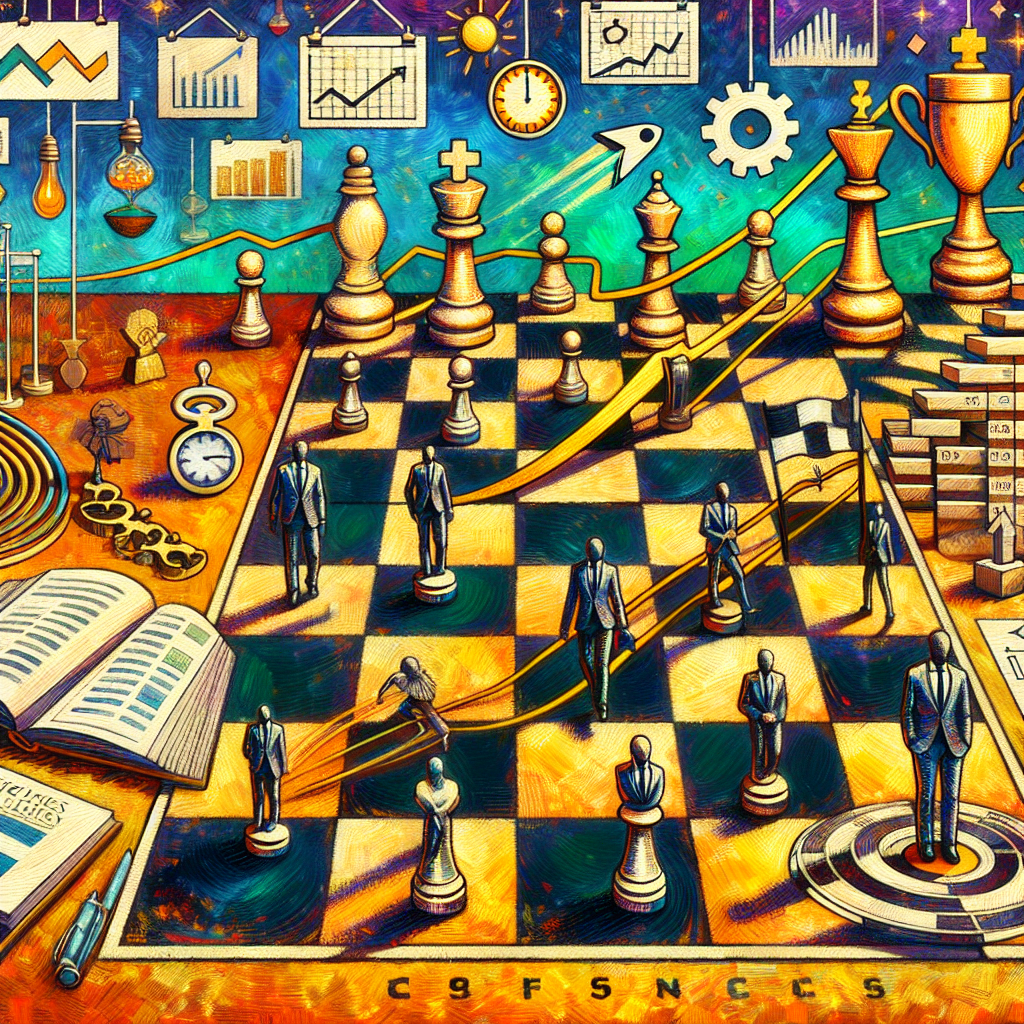
How Can Games Teach Adaptability And Resilience?
Conclusion
As we wrap up our exploration of games and their unexpected role in developing essential life skills, let’s take a moment to pause and reflect on what we’ve discovered. Far from being mere entertainment, games are powerful tools that can shape us into well-rounded, capable individuals. Whether it’s a board game that sparks laughter among friends or an immersive video game that challenges your strategic thinking, the lessons we learn in these settings can translate seamlessly into the real world.
Imagine a world where learning doesn’t feel like a chore. Instead, it feels like a thrilling adventure where each challenge is just another level to conquer. This is the magic of gamification—taking everyday tasks and infusing them with the excitement of play. It transforms mundane tasks into engaging experiences, making personal growth not just accessible but actually enjoyable. Each game you play is a low-stakes environment where creativity blooms and failure is merely a stepping stone on the road to success.
Here’s the kicker: every time you sit down to play, whether solo or with companions, you’re not just having fun; you’re honing skills that will serve you well throughout life. Problem-solving, teamwork, resilience, and emotional intelligence—these aren’t just buzzwords; they’re the pillars of who we become. Think about the last time you strategized your way through a difficult quest or collaborated with friends to claim victory. Those moments taught you about communication, accountability, and understanding others’ perspectives. Believe it or not, these interactions lay the groundwork for better relationships both at work and in our personal lives.
Let’s not forget about the beauty of adaptability. In a world that’s constantly changing, our ability to pivot and learn from setbacks is crucial. Games teach us to embrace the unexpected, to innovate and thrive amid challenges, which is a lesson we can carry into every sphere of life. So, the next time you find yourself at the gaming table or behind a controller, know this: you’re not just indulging in leisure. You’re participating in a vital process of growth and development.
In conclusion, let’s embrace the notion that play is not just for kids. Games hold within them a treasure trove of opportunities for personal and collective growth. So go ahead, pick up that dice, grab a controller, or gather around the table—the skills you develop today will serve you in the adventures of tomorrow. Level up and enjoy the ride!

Conclusion
Conclusion:
- Games play a significant role in developing essential life skills beyond mere entertainment.
- Gamification transforms everyday tasks into engaging experiences, making learning enjoyable.
- Playing games fosters skills such as problem-solving, teamwork, resilience, and emotional intelligence.
- Strategizing in games teaches valuable lessons in communication, accountability, and empathy.
- Adaptability is crucial, and games prepare us to embrace challenges and innovate.
- Engaging in play is a vital process for personal and collective growth.
- Play is for all ages and provides opportunities for future adventures and skill development.

Conclusion
Other Resources

Other Resources
Here is a list of other resources you can review online to learn more:
- Flying Frog Productions
- What’s Your Game?
- Piatnik
- Gaia Project
- VK
- Thunderworks Games
- Matagot
- Memoir ’44: Pacific Theater
- Dominion: Intrigue (Second Edition)
Use This Prompt To Get More Resources With Your Favorite Online AI Tool: Please provide me with a list of online articles with their URLs in a bulleted list that I can read regarding Are Games The Critical Answer to Developing Life Skills?

Other Resources
Glossary Terms
Are Games The Critical Answer to Developing Life Skills? – Glossary Of Terms
1. Abstract Thinking: The ability to think about concepts and ideas that are not immediately tied to concrete experiences, crucial in problem-solving.
2. Cognitive Skills: Mental capabilities involved in processing information, reasoning, and remembering, which can be enhanced through gameplay.
3. Collaboration: Working effectively with others, often fostered through team-based games that require players to share ideas and strategies.
4. Critical Thinking: The capacity to analyze information and arguments, evaluate evidence, and make reasoned decisions, commonly developed in strategic games.
5. Creativity: The ability to generate novel and valuable ideas, which can be stimulated by games that allow for creative expression.
6. Decision-Making: The process of making choices based on various criteria; games often present scenarios that require quick and strategic decisions.
7. Digital Literacy: The ability to effectively use digital technologies, which is increasingly practiced in online and video games.
8. Emotional Intelligence: The skill to recognize, understand, and manage emotions in oneself and others, often cultivated through role-playing games.
9. Empathy: The ability to understand and share the feelings of others, which can be enhanced through narrative-driven and social games.
10. Failure Tolerance: The ability to cope with setbacks and learn from mistakes, often ingrained through the trial-and-error process in gaming.
11. Focus and Attention: The capacity to concentrate on tasks and avoid distractions, a skill honed by games that require sustained attention.
12. Game Mechanics: The rules and systems that govern gameplay, which can be used as a tool for teaching complex concepts or skills.
13. Goal Setting: The practice of establishing objectives, which is integral in games that encourage players to achieve specific missions or achievements.
14. Interpersonal Skills: Skills that facilitate effective communication and interaction with others, often developed through multiplayer and cooperative games.
15. Leadership: The ability to guide and motivate a group, often fostered in games that involve taking charge or managing team dynamics.
16. Motivation: The drive to achieve goals or complete challenges, frequently enhanced through game rewards and progression systems.
17. Multitasking: The capability to juggle multiple tasks simultaneously, a skill often required in fast-paced gaming environments.
18. Obstacle Navigation: The ability to identify and overcome challenges, a fundamental aspect of many games that can translate to real-life problem-solving.
19. Resilience: The capacity to recover quickly from difficulties, which can be developed by facing challenges and setbacks in gameplay.
20. Role-Playing: Engaging in a game where players assume the roles of characters, facilitating exploration of different perspectives and scenarios.
21. Rule Abidance: Understanding and following the established rules of a game, which can relate to compliance and understanding societal norms in real life.
22. Simulation: A replication of real-world scenarios in a game environment, often used for educational purposes and skill development.
23. Social Interaction: Engaging with others in a community or team setting, which can be promoted through online gaming and collaborative tasks.
24. Strategic Planning: The process of devising plans to achieve specific objectives, a critical skill that is often practiced in strategy-oriented games.
25. Time Management: The ability to use one’s time productively, a skill reinforced through time-sensitive challenges and tasks in games.
26. Virtual Reality (VR): A simulated experience that can be similar to or completely different from the real world, offering immersive environments for learning.
27. Well-being: A holistic state of health that can be promoted through games designed for relaxation or social interaction, contributing to mental health.
28. Work Ethic: A belief in the moral benefit and importance of work, developed through the dedication and effort required to succeed in challenging games.
29. World-Building: The process of creating a fictional universe, often seen in games, fostering creativity and project management skills.
30. Y-axis Skill Development: The progression of skills over time, where gameplay experience contributes to personal and social growth in various dimensions.

Glossary Of Terms
Other Questions
Are Games The Critical Answer to Developing Life Skills? – Other Questions
If you wish to explore and discover more, consider looking for answers to these questions:
- What specific life skills can games help to develop?
- How does gamification differ from traditional learning methods?
- Are there studies supporting the benefits of games in developing life skills?
- What types of games are most effective for teaching various life skills?
- How can parents or educators incorporate games into learning environments?
- What are the potential downsides of relying on games for skill development?
- Can table-top games provide the same benefits as video games?
- How do different age groups respond to gamification in learning?
- In what ways can games improve emotional intelligence?
- What role does competition play in the development of teamwork skills?
- Are there specific games recommended for fostering adaptability?
- How do games help with decision-making under pressure?
- Can games be detrimental to social skills development in certain contexts?
- How can games facilitate inter-generational bonding and learning?
- What are examples of successful gamification in corporate training?

Other Questions
Haiku
Are Games The Critical Answer to Developing Life Skills? – A Haiku
Games teach us to grow,
Through play, skills bloom and take flight,
Life’s lessons unfold.

Haiku
Poem
Are Games The Critical Answer to Developing Life Skills? – A Poem
The Game of Life
In corridors of classrooms, we once believed,
Life skills grew only from books and the grieved.
But look closely, there’s a treasure in plain sight,
In laughter and strategy, where players unite.
With dice and controllers, we face every quest,
Learning to navigate life’s challenging test.
From problem-solving mazes to teamwork’s embrace,
Games teach us skills, as we find our own pace.
Through fantasy realms and alliances made,
Communication flowers, understanding displayed.
Resilience blooms bright when we rise from the fall,
In every defeat, there’s a lesson for all.
Gamification whispers, “Turn tasks into play,”
Transforming the mundane into adventures each day.
Each risk that we take, each gambit we plan,
Prepares us for life, for challenges we’ll span.
Emotional lessons wrapped in fun,
Empathy grows when we’re all trying to run.
At tables and screens, connection takes form,
Through laughter and triumphs, our friendships are born.
So let’s lean into games, let’s embrace their art,
For in play lies the magic—where learning starts.
Not mere leisure, but a doorway to thrive,
Playing the game of life—where we truly come alive.

Poem
Checklist
Are Games The Critical Answer to Developing Life Skills? – A Checklist
Checklist: Unlocking Potential Through Games for Life Skills Development
This checklist summarizes the key points about how games can foster critical life skills. Use it to reflect on your gaming experiences or to guide thoughts about incorporating games into learning and development.
1. Problem-Solving Skills
_____ Reflect on challenges faced in games and how you strategized your way through them.
_____ Identify moments where creativity played a role in resolving in-game problems.
_____ Consider how you can apply these problem-solving techniques in real-life scenarios.
2. Teamwork and Collaboration
_____ Think of gaming experiences where you relied on teamwork to achieve goals.
_____ Note examples where effective communication led to a successful outcome.
_____ Assess how these collaborative experiences can translate to team settings in your life.
3. Resilience
_____ Recall instances in games where you faced setbacks and how you responded.
_____ Consider how the concept of “reset” in games can apply to real-life challenges.
_____ Commit to developing a mindset that views failures as learning opportunities.
4. Emotional Intelligence
_____ Reflect on how games have helped you understand and manage emotions, both yours and others’.
_____ Analyze how competition in games teaches empathy and patience when dealing with setbacks.
_____ Practice skills learned in gaming within your personal and professional relationships.
5. Strategic Thinking
_____ Identify moments where critical thinking was essential to succeed in a game.
_____ Evaluate the planning and foresight needed to navigate through gaming scenarios.
_____ Apply the strategic insights gained from gaming to real-world decision-making processes.
6. Social Skills Development
_____ Think about how tabletop games have helped break down social barriers.
_____ List skills improved through gaming interactions, such as negotiation and conversation.
_____ Seek opportunities to engage in more group games to enhance social connections.
7. Adaptability and Flexibility
_____ Reflect on how games require adjustments to different challenges or rules.
_____ Consider how flexibility in gaming can prepare you for unexpected life changes.
_____ Set personal goals to embrace change and adapt your strategies in real life.
8. Embrace the Learning Experience
_____ Recognize that enjoyment in gaming often leads to valuable skills development.
_____ Approach each gaming session with the mindset of personal growth and learning.
_____ Encourage discussions about the life lessons learned through gaming with friends or peers.
9. Explore Gamification in Life
_____ Investigate opportunities to incorporate game mechanics into everyday tasks or challenges.
_____ Identify activities or projects where gamification can enhance engagement and motivation.
_____ Share your experiences about how games have positively influenced your life skills with others.
Utilize this checklist to maximize your understanding and appreciation of the profound impact games can have on developing essential life skills. Happy gaming!
Checklist
At HowDoYouGame, we help people who love board games by collating information and news about games.
Be sure to read our other related stories at HowDoYouGame to learn more about games.