Unlocking Potential: The Role Of Gaming In Child Development
By Tom Seest
At HowDoYouGame, we help people who love board games by collating information and news about games.
Be sure to read our other related stories at HowDoYouGame to learn more about games.
Is Gaming a Gateway to Developing Practical Skills In Kids?
Is Gaming a Gateway to Developing Practical Skills in Kids?
Let’s take a moment to reflect on that captivating world of gaming, where vibrant landscapes unfurl and challenges await at every turn. When the average adult thinks of video games, they might conjure up images of kids glued to screens, fingers flying over controllers, while the dinner hour ticks away unnoticed. But here’s the thing—what if I told you that this very digital universe can be a rich training ground for practical skills? Yes, that’s right. Gaming, with its power of gamification, can inspire growth and development in ways that go beyond mere entertainment.
Consider this: a child navigating a detailed fantasy world is not just slaying dragons—no, my friends, they’re problem-solving, strategizing, and adapting to new challenges. They’re learning to think on their feet and make decisions with consequences that ripple through the game. That’s powerful stuff. The creativity and innovation that come alive in the gaming realm can foster skills that many traditional educational settings often overlook. The best part? This skill-building happens almost seamlessly, wrapped up in a package that feels more like play than work.
Take teamwork, for instance. When kids dive into cooperative multiplayer games, they must communicate, negotiate, and collaborate to defeat a common foe. It’s a thrilling ride that mimics real-world scenarios where cooperation is crucial. It’s through these digital alliances that children learn the importance of working with others, and how different perspectives can lead to success. They’re not merely sitting idle; they’re forging relationships and synthesizing ideas, preparing them for the collaborative environments they’ll someday encounter in workplaces.
And let’s not forget perseverance. In gaming, failure is not an end; it’s often just a reroute—a lesson in resilience. Time and again, they’ll find themselves facing challenges that feel insurmountable and yet, through trial and error, they learn to adapt and overcome, ready to tackle the next quest with newfound knowledge. This mental grit is incredibly valuable in life, turning setbacks into stepping stones.
So, the next time you see a child immersed in their gaming console, consider the possibility that this activity is more than just a pastime. It’s a dynamic training ground where practical skills blossom, and readiness for life’s challenges takes root. Let’s embrace the potential of gaming and empower our young ones to navigate their worlds through the critical skills they’re already cultivating—one level at a time.

Is Gaming a Gateway to Developing Practical Skills In Kids?
Is Gaming a Gateway to Developing Practical Skills In Kids?
- Gaming serves as a rich training ground for practical skills beyond mere entertainment.
- Children develop problem-solving, strategizing, and adaptive thinking through challenges in games.
- Creativity and innovation fostered in gaming can enhance skills often overlooked in traditional education.
- Cooperative multiplayer games promote teamwork, communication, and negotiation skills among children.
- Through teamwork in games, kids learn the importance of collaboration and diverse perspectives.
- Gaming teaches resilience by turning failures into learning opportunities, promoting mental grit.
- Engaging in gaming activities empowers children to cultivate critical skills for future life challenges.
Is Gaming a Gateway to Developing Practical Skills In Kids?
Table Of Contents
- Is Gaming a Gateway to Developing Practical Skills In Kids?
- Is Gaming Beneficial For Developing Practical Skills In Children?
- What Practical Skills Can Kids Learn From Gaming Experiences?
- How Do Different Types Of Games Impact Skill Development In Children?
- Can Gaming Encourage Teamwork And Collaboration Among Kids?
- What Role Does Problem-Solving Play In Gaming For Skill Enhancement?
- How Can Parents Assess The Educational Value Of Games For Their Kids?
- Do Gaming Skills Translate To Real-Life Applications For Children?
- Conclusion
- Other Resources
- Glossary Of Terms
- Other Questions
- Haiku
- Poem
- Checklist
Is Gaming Beneficial For Developing Practical Skills In Children?
In a world where screens have become as common as toys, it’s time to take a moment and look closely at what gaming can really offer our children. Parents often find themselves torn between the allure of video games and the fear of their negative impacts. But let’s peel back the layers and explore the gem underneath—gamification.
At its core, gamification is about transforming mundane tasks into engaging challenges. Imagine a child faced with a homework assignment that seems more tedious than a Sunday afternoon nap. Now, picture that same assignment wrapped in the excitement of a quest, complete with rewards for completion and levels to unlock. This is not just wishful thinking; it’s an emerging educational tool that’s reshaping the way kids learn. The truth is, gaming can cultivate skills that are not just useful but essential for navigating today’s world.
Take problem-solving, for instance. Many games thrust players into complex situations that require quick thinking and adaptability. They must assess their environment, develop strategies, and make decisions—all while racing against time or opponents. These scenarios foster analytical thinking, a skill that serves children well far beyond the digital realm. When your child pours hours into crafting the perfect civilization or solving a perplexing puzzle, they’re honing their ability to tackle real-life challenges creatively.
In addition to problem-solving, gaming often promotes teamwork and communication. Multiplayer games create communities where children learn to work in harmony with others towards a common goal. They experience the ups and downs of collaboration, teaching them that sometimes, you have to compromise and reap the rewards of shared success. These lessons can translate directly into team sports or group projects in school.
Beyond traditional skills, gaming also introduces important lessons in digital literacy—a critical competency in today’s world. As children navigate through complex interfaces and learn to discern credible sources of information, they’re developing a savvy that positions them for success in their future endeavors.
So, instead of casting gaming aside as a mere distraction, let’s embrace it as a powerful educational tool. With a mindful approach, parents can harness the benefits of gamification, transforming playtime into a launchpad for personal growth. By allowing children to engage in gaming, you’re not just giving them a pastime; you’re giving them the keys to unlock a world brimming with skills that will serve them well throughout their lives.

Is Gaming Beneficial For Developing Practical Skills In Children?
Is Gaming Beneficial For Developing Practical Skills In Children?
- Gamification transforms mundane tasks into engaging challenges for children.
- Gaming can cultivate essential skills like problem-solving, adaptability, and analytical thinking.
- Games encourage quick thinking and decision-making in complex situations.
- Multiplayer games promote teamwork and communication among peers.
- Children learn valuable lessons in collaboration and compromise through gaming experiences.
- Gaming introduces important lessons in digital literacy, preparing children for future success.
- With a mindful approach, gaming can be harnessed as a powerful educational tool for personal growth.

Is Gaming Beneficial For Developing Practical Skills In Children?
What Practical Skills Can Kids Learn From Gaming Experiences?
Games, in all their vibrant glory, hold a treasure trove of life lessons that go far beyond high scores and flashy graphics. Sure, you might think of gaming as merely a way to kill time or escape reality, but it’s high time we recognize it for what it truly is: a platform for learning—one that’s soaked in gamification. Yes, that’s right! Through clever game mechanics, children engage in experiences that hone their skills in ways that traditional education sometimes misses.
Think about it. When a child is immersed in a game, they’re not just moving pixels around on a screen; they’re making decisions, solving problems, and navigating challenges that require critical thinking. Each level achieved is a mini triumph that fosters confidence. It’s like a training ground for what lies outside the confines of the digital world. Communication is also key—especially in multiplayer settings where teamwork is vital. Kids learn to strategize, delegate tasks, and celebrate victories, all while respecting their teammates’ perspectives. Those skills are just as important in the real world as they are in a digital arena.
Let’s talk about resource management. Ever seen a kid balance a budget in a city-building game? They’re learning to allocate resources wisely, plan for the future, and adapt to changing conditions—lessons that are wildly practical for adulthood. From managing time effectively in a race against the clock to optimizing performance under pressure, these scenarios replicate the demands of everyday life.
And what about resilience? Every gamer knows that feeling of losing a battle or failing to meet a quest’s objective. But what’s fascinating is how within those moments of failure, kids can cultivate grit. They learn that setbacks are not the end of the story but rather stepping stones on the path to success. They pick themselves up, dust themselves off, and dive back in with newfound strategies and insights.
So, the next time you see your child glued to their screen, don’t just think about the hours wasted. Recognize that within that gaming experience lies a wellspring of practical skills waiting to be uncovered. Engage them in conversations about what they’re experiencing; share in their wins and losses. You just might find that gaming offers them the tools they need to thrive in both their digital and tangible worlds.

What Practical Skills Can Kids Learn From Gaming Experiences?
What Practical Skills Can Kids Learn From Gaming Experiences?
- Games provide valuable life lessons beyond entertainment, serving as a learning platform through gamification.
- Children develop critical thinking skills by making decisions, solving problems, and navigating challenges within games.
- Success in games fosters confidence, acting as a training ground for real-world skills.
- Multiplayer games enhance communication, teamwork, and strategic planning among players.
- Resource management skills are cultivated as kids learn to balance budgets and allocate resources in games.
- Failure in gaming teaches resilience and grit, encouraging kids to view setbacks as opportunities for growth.
- Engaging in conversations about gaming can reveal a wealth of practical skills beneficial for both digital and real-life contexts.

What Practical Skills Can Kids Learn From Gaming Experiences?
How Do Different Types Of Games Impact Skill Development In Children?
How Do Different Types of Games Impact Skill Development in Children?
When we think about games, the mind often drifts to a world of pixels, points, and high scores. But there’s more beneath the surface, especially when it comes to our kids. Games can serve as powerful tools for skill development, acting as both a playground for creativity and a battleground for critical thinking. Here’s how different types of games impact your child’s growth.
Let’s start with gamification—that’s just a fancy word for turning the mundane into a game. When chores or homework get a sprinkle of competition, suddenly, kids are not only engaged but also developing important skills. Picture this: your child racing against a timer to complete math problems or cleaning their room while clocking points. It’s an effective strategy that teaches focus, discipline, and the joy of accomplishment. By adding playful elements to tasks, you foster an environment where work becomes play, leading to improved motivation and persistence.
Now, consider video games. Yes, those screens that parents sometimes fear. While there’s a valid concern regarding screen time, the right games can hurl kids into worlds filled with problem-solving, teamwork, and decision-making. Strategy games, for instance, require foresight and adaptability—skills that are crucial in everyday life. Not to mention, many games encourage players to cooperate, teaching children the significance of collaboration and communication. These aren’t just games; they are workshops of life skills.
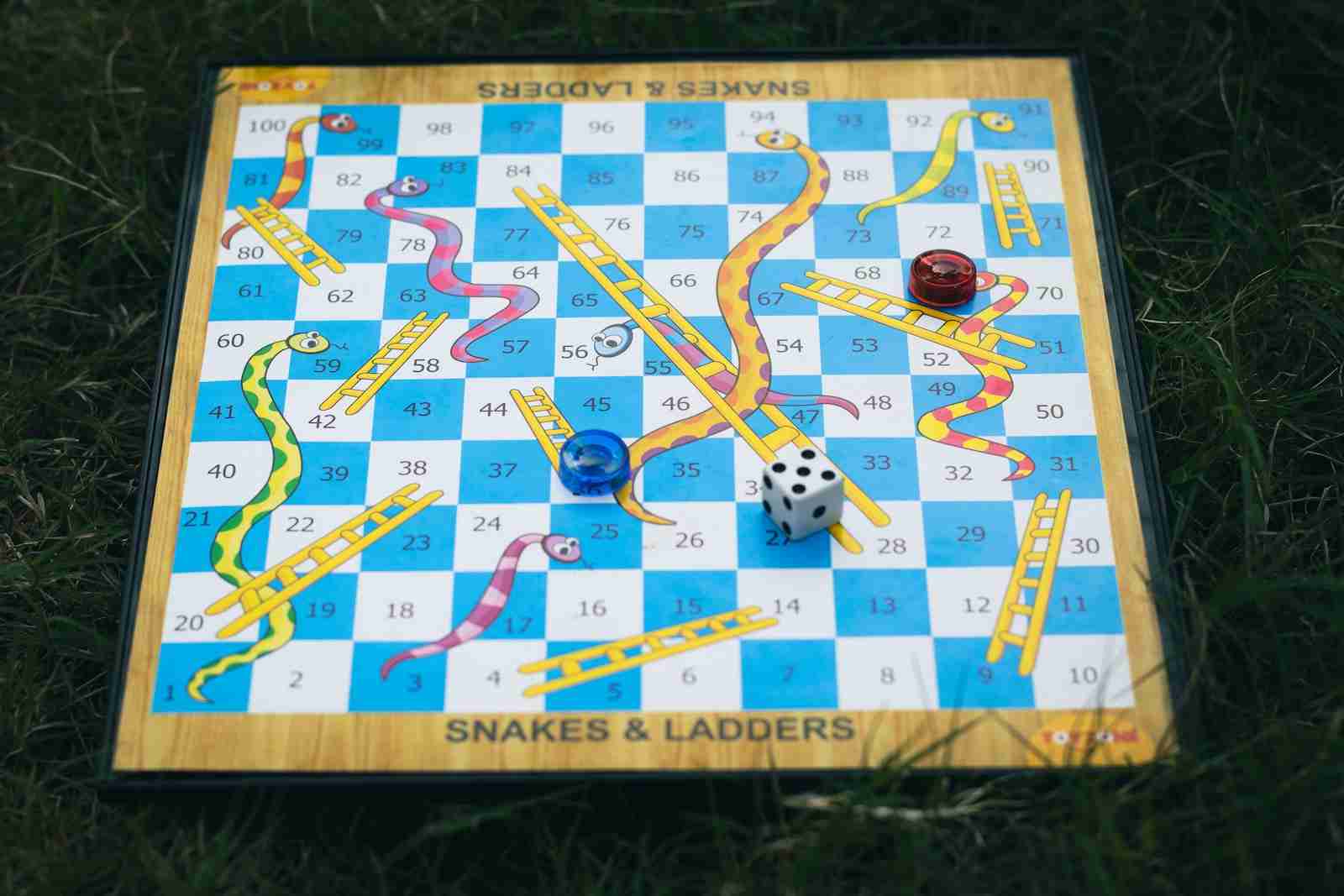
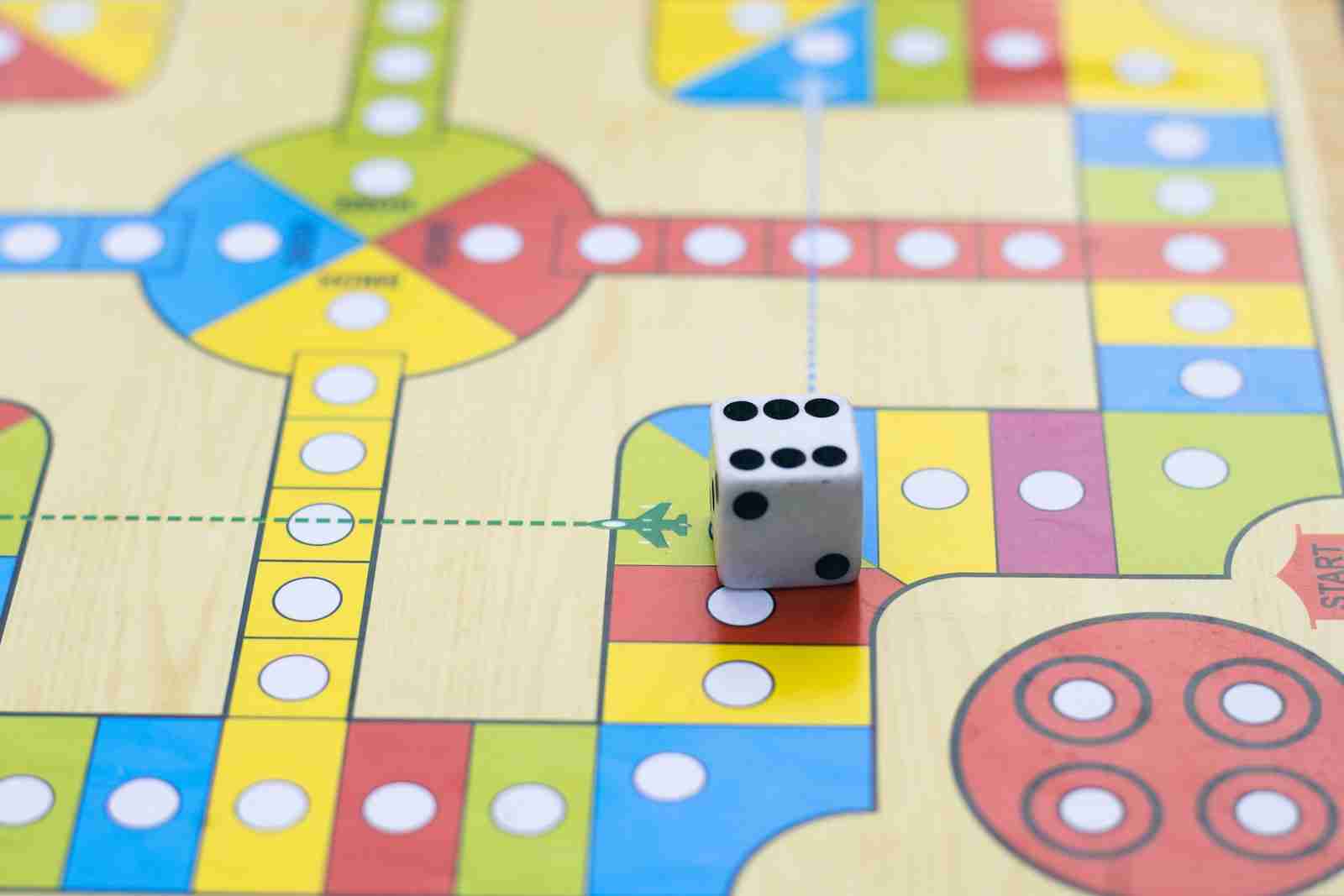
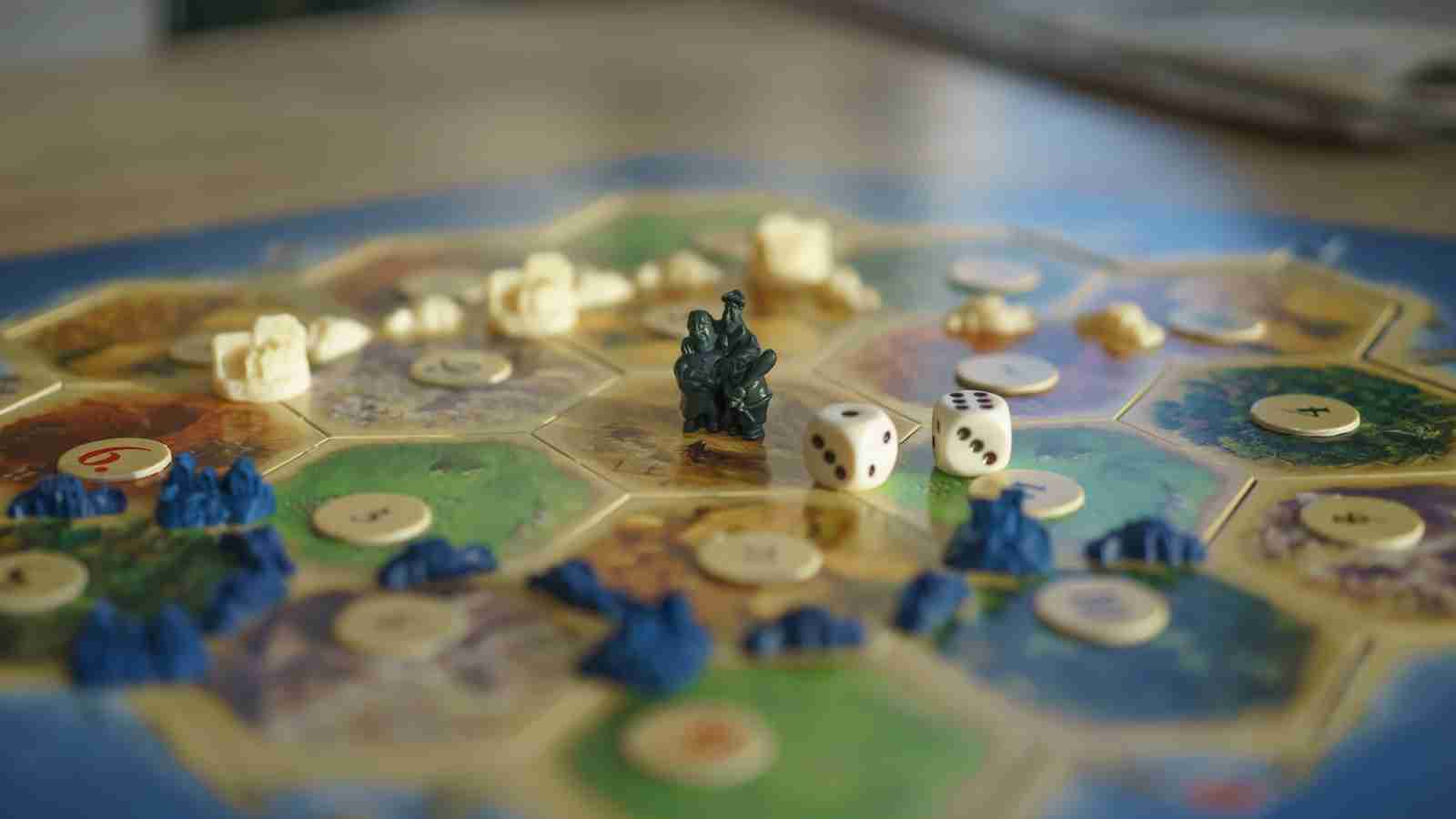
Board games, on the other hand, offer face-to-face interaction. Here, your child learns the art of patience, negotiation, and even some basic math. Sitting around a table, rolling dice and battling it out, children practice sportsmanship, learn to handle victory and defeat, and develop social skills that are indispensable throughout life.
Even outdoor games, from tag to treasure hunts, provide invaluable lessons. They advocate physical health while imparting strategic thinking—who doesn’t remember plotting the perfect escape route in a game of hide and seek? Every run, every jump teaches resilience and the importance of physical fitness.
So, whether it’s through screen time, board games, or outdoor play, remember this: games can be more than just entertainment; they can be avenues for learning and growth. Instead of worrying about what games might take away, think about what they can give—skills, confidence, and perhaps the transformative power of play. Embrace the game, and watch your child shine!

How Do Different Types Of Games Impact Skill Development In Children?
How Do Different Types Of Games Impact Skill Development In Children?
- Games can enhance skill development in children beyond entertainment.
- Gamification turns mundane tasks into engaging challenges, fostering focus and discipline.
- Video games promote problem-solving, teamwork, and decision-making skills.
- Strategy games teach foresight and adaptability, useful in everyday life.
- Board games provide face-to-face interaction, teaching patience, negotiation, and social skills.
- Outdoor games encourage physical health and resilience through strategic thinking.
- Games can be powerful tools for learning and growth, providing essential skills and confidence.

How Do Different Types Of Games Impact Skill Development In Children?
Can Gaming Encourage Teamwork And Collaboration Among Kids?
In a world where screens dominate the landscape, it’s easy to dismiss video games as mere distractions, a way for kids to unplug from reality and dive into virtual worlds. But let’s take a moment to rethink that perspective. Behind those flashing lights and pixelated graphics lies a powerful medium—a tool that can ignite the flames of teamwork and collaboration among our youth. Enter the age of gamification; a clever blend of play and purpose that’s changing the game—literally.
Picture this: a group of kids huddled around a console or gathered on the couch, controllers in hand, eyes glued to the screen. What unfolds is more than just entertainment. It’s a strategic dance—a microcosm of life where individuals unite to achieve a common goal. They learn to communicate effectively, strategize in real-time, and adapt to challenges, all under the guise of having fun. This is where gamification shines brightest, transforming ordinary moments into epic quests that require collaboration and creativity.
Now, think about classic examples: cooperative games like “Minecraft,” where players build complex structures together, or “Overwatch,” a team-based shooter that necessitates keen coordination. In these virtual landscapes, every player has a role to play—a healer, a builder, a protector. Suddenly, the importance of working together becomes abundantly clear. They’re not just shooting monsters; they’re forging alliances, negotiating strategies, and developing a sense of camaraderie that resonates far beyond the screen.
What’s fascinating is that these skills are transferable. Kids who learn to collaborate in a gaming environment are likely to carry those skills into their classrooms, sports teams, and, eventually, their future workplaces. They practice patience, build resilience, and foster an understanding of diverse perspectives—all attributes that will serve them well in life.
So, the next time you catch your child engrossed in a game, remember that it’s not just ‘screen time.’ It’s an opportunity for growth. Encourage them to share their gaming experiences with friends or siblings. Ask about their strategies, their roles, and how they overcame challenges together. By doing this, you’re nurturing that invaluable sense of teamwork and connection.
In a society that often emphasizes competition, let’s not disregard the collaborative spirit found within the gaming community. This isn’t a fad; it’s a chance to guide our youth toward becoming confident, capable collaborators—ready to tackle the real world, one quest at a time.

Can Gaming Encourage Teamwork And Collaboration Among Kids?
Can Gaming Encourage Teamwork And Collaboration Among Kids?
- Video games are often seen as distractions but can foster teamwork and collaboration among youth.
- Gamification combines play with purpose, transforming entertainment into opportunities for learning.
- Games like “Minecraft” and “Overwatch” emphasize cooperation and strategic communication among players.
- Players learn to adapt to challenges and negotiate strategies, enhancing their collaborative skills.
- The teamwork skills developed through gaming can transfer to classrooms, sports, and future workplaces.
- Encouraging children to discuss their gaming experiences nurtures teamwork and connection.
- Gaming promotes a collaborative spirit, preparing youth to confidently face real-world challenges.

Can Gaming Encourage Teamwork And Collaboration Among Kids?
What Role Does Problem-Solving Play In Gaming For Skill Enhancement?
In a world where the grind of daily life can feel relentless, games offer more than just a diversion; they beckon us into realms where challenges are abundant, creativity must flow, and problem-solving reigns supreme. Think about it—whether you’re navigating treacherous dungeons, piecing together cryptic clues, or strategizing your next move in a fast-paced match, every game is a mini-laboratory for honing our cognitive skills.
Gamification—a concept once relegated to corporate training environments—is now a buzzword in everyday discussions about education and personal development. It’s about taking the principles of gaming—competition, rewards, and leveling up—and applying them to the day-to-day grind. While many may view gaming as a fleeting escape, it’s much deeper; it’s a training ground where we can refine our analytical abilities, enhance creativity, and build resilience.
Consider the last time you faced a tough level or a complex puzzle. Remember the focus, the intense concentration, and that electric thrill when you finally cracked the code? That’s problem-solving in action, and it’s not just a fun pastime; it’s mental exercise that sharpens your skills. Those moments of triumph are vital, as they cultivate a mindset that embraces challenges rather than shying away from them. What’s more, overcoming these obstacles fosters a sense of accomplishment that can be truly transformative.
But here’s where it gets even more fascinating: the solutions we develop in gaming can fuel our successes beyond the screen. As we practice identifying patterns, making quick decisions, and thinking outside the box, we’re actively sharpening skills that are easily transferable to the workplace, school, or everyday scenarios. The next time you find yourself brainstorming a solution to a problem that feels insurmountable, remember the way you conquered that boss fight. Channel that energy, and you might find that your gaming experience has equipped you with more than just a fleeting sense of achievement; it’s given you enduring skills for life.
So, whether you’re a casual gamer or an avid player, recognize that every puzzle solved, every strategy devised, is building a toolkit ready for the challenges life throws your way. Now is the time to embrace these experiences and set out on your quest for skill enhancement. Game on!

What Role Does Problem-Solving Play In Gaming For Skill Enhancement?
What Role Does Problem-Solving Play In Gaming For Skill Enhancement?
- Games provide a diversion and invite players into challenging, creative realms.
- Gamification applies gaming principles like competition and rewards to education and personal development.
- Gaming serves as a training ground that refines analytical abilities, enhances creativity, and builds resilience.
- Problem-solving in games fosters concentration and cultivates a positive mindset towards challenges.
- Skills developed through gaming, like pattern recognition and quick decision-making, are transferable to real-life scenarios.
- Triumphs in games instill a sense of accomplishment that can be transformative.
- Embrace gaming experiences to build a toolkit for overcoming life’s challenges.

What Role Does Problem-Solving Play In Gaming For Skill Enhancement?
How Can Parents Assess The Educational Value Of Games For Their Kids?
As a parent, diving into the world of games can feel like exploring an expansive, sometimes overwhelming, digital jungle. You want your kids to have fun, but you also want to ensure that their playtime adds value to their education. So, how do you strike that balance? Thankfully, there are a few straightforward strategies to help you assess the educational value of games for your little ones.
First off, consider what gamification means in this context. Gamification involves applying game-like elements—like points, levels, and rewards—to make learning more engaging. A solid educational game should harness these elements, transforming something that might otherwise feel dull into a captivating quest. Look for games that challenge your child’s critical thinking skills, push them to solve problems, and encourage creativity. If your kid is racing to earn points while mastering spelling or math, you can rest assured that they’re not just playing—they’re learning too.
Next, take a peek at the core content of the game. What subjects does it cover? Is it promoting math skills, language development, or perhaps science exploration? Examine the themes and objectives. A game that revolves around exploring ecosystems can foster a lifelong interest in biology, while one rooted in history could inspire future historians. Don’t shy away from reaching out to other parents or educators for recommendations; there’s no better way to gather insights than learning from the experiences of others.
Also, remember that screen time should be balanced with other activities. Encourage your child to engage in hands-on experiences—building, crafting, or even just playing outside. The goal here isn’t to replace traditional learning methods but to integrate gaming as a complementary tool that enhances understanding and retention.
Lastly, observe how your child interacts with the game. Are they excited? Engaged? Do they want to play again after completing a level? These reactions can be telling indicators of its impact. As a parent, your instincts are a powerful guide. Trust your gut about what resonates with your child and fosters their unique interests.
So, dive into that digital world alongside your child. Play, analyze, and discuss what you experience together. By staying actively involved in the gaming journey, you’ll not only assess its educational value but also strengthen your connection and understanding of what makes learning enjoyable for them. Embrace the adventure!

How Can Parents Assess The Educational Value Of Games For Their Kids?
How Can Parents Assess The Educational Value Of Games For Their Kids?
- Exploring games as a parent can feel overwhelming but offers opportunities for educational enrichment.
- Gamification enhances learning by incorporating game-like elements such as points, levels, and rewards.
- Look for games that challenge critical thinking, problem-solving, and creativity while engaging in subjects like math and language.
- Examine the core content of the games and their thematic objectives to assess their educational value.
- Balance screen time with hands-on activities to integrate gaming as a complementary learning tool.
- Observe your child’s engagement and excitement with the game to gauge its impact on their learning experience.
- Participate actively in the gaming experience to assess educational value and strengthen your connection with your child.

How Can Parents Assess The Educational Value Of Games For Their Kids?
Do Gaming Skills Translate To Real-Life Applications For Children?
Games have a unique way of captivating our attention, often leaving us glued to screens for hours on end. But what if I told you that those hours spent mastering virtual worlds might also be honing valuable skills applicable in the real world? It’s a thought worth considering—after all, we live in an age where the line between play and practice is becoming increasingly blurred.
At its core, gaming is a form of gamification—a structured approach that uses game-like elements to engage players in activities that might otherwise feel mundane or tedious. When children immerse themselves in video games, they aren’t simply pressing buttons and racking up points; they are developing skills that can pave the way for their futures. Take problem-solving, for instance. Many games require players to think critically, strategize, and adapt on the fly. These are the same skills that will help them navigate everyday challenges, from resolving conflicts with friends to tackling complex school projects.
Then there’s teamwork. Multiplayer games often demand collaboration to achieve a common goal, whether it’s slaying a dragon or launching a successful raid. This dynamic fosters communication, negotiation, and trust—essential elements in any group endeavor, be it in school, sports, or later in their careers. When children learn to work cohesively toward a shared objective in a fun environment, they’re laying the groundwork for future endeavors where collaboration is key.
Let’s not forget the lessons in persistence and resilience. In gaming, failure is often just a temporary setback; a chance to regroup, strategize, and try again. This mindset is invaluable when life throws its inevitable curveballs. Teaching our children that mistakes are stepping stones rather than roadblocks can inspire them to tackle challenges head-on with confidence.
Now, I’m not saying you should hand over the remote and let your kids dive into gaming for hours on end without supervision. Like anything else, moderation is crucial. However, if we take a moment to view gaming through a lens of opportunity, we may discover rich lessons waiting to be unlocked. Instead of dismissing it as mere entertainment, let’s embrace gaming as a potential training ground for the real-world skills our children need to thrive. It’s time to connect the dots and recognize that play doesn’t have to be separate from preparation; in fact, it can be one and the same.

Do Gaming Skills Translate To Real-Life Applications For Children?
Do Gaming Skills Translate To Real-Life Applications For Children?
- Gaming captivates attention, keeping players engaged for long periods.
- Hours spent gaming can develop valuable real-world skills.
- Games incorporate gamification, engaging players in structured activities.
- Critical thinking and problem-solving are enhanced through gameplay.
- Multiplayer games foster teamwork, communication, and negotiation skills.
- Gaming teaches persistence and resilience, viewing failures as opportunities to learn.
- Moderation is important, but gaming can serve as a training ground for essential skills.

Do Gaming Skills Translate To Real-Life Applications For Children?
Conclusion
Conclusion
Well folks, here we are, standing at the crossroads of gaming and education, and it’s time to give a little credit where it’s due. Far from the tired stereotype of kids just wasting away in front of their screens, the world of gaming is actually a bustling arena for skill development that can unlock untapped potential in our young ones. You see, gaming isn’t simply a time-sucking vortex; it’s a high-octane training ground where kids are flexing their mental muscles and learning essential life skills, often without even realizing it.
Think about it—those virtual landscapes they navigate aren’t just pixels but pathways to real-world problem-solving, creativity, and resilience. When kids are immersed in their quests, they’re not just slaying dragons or building empires; they’re developing critical thinking skills and learning how to make immediate decisions under pressure. This kind of mental gymnasium teaches them to adapt to new challenges, a skill that’s going to serve them well in every facet of life—from school projects to future jobs.
But it doesn’t stop there. Multiplayer gaming is a goldmine for fostering teamwork and communication. Kids are teaming up against common foes, strategizing together, and negotiating their way to victory. These shared experiences are invaluable, nurturing the collaborative spirit they’ll need in the real world—whether it’s group assignments in school or working together in the workplace. And let’s not ignore resilience—gaming teaches kids that failure isn’t the end; it’s just a detour. They learn to dust themselves off, retry, and tackle challenges head-on with newfound knowledge.
So, the next time you see your child engrossed in a game, don’t fret over the screen time; instead, consider it an opportunity for growth. Let’s change our perspective and see gaming as the educational tool it can be. By tapping into the benefits of gamification, we can transform play into preparation. Ultimately, the skills children develop from gaming aren’t just relevant in the digital realm—they’re forging a foundation for lifelong success in a rapidly changing world. So let’s embrace gaming, not as a distraction but as a launchpad for the practical skills these kids will undoubtedly need on their journeys through life. Game on!

Conclusion
Conclusion:
- Gaming is a valuable platform for skill development, challenging the stereotype of kids merely wasting time in front of screens.
- It serves as a training ground for essential life skills such as problem-solving, creativity, and resilience.
- Children develop critical thinking and decision-making skills while navigating virtual landscapes and facing challenges.
- Multiplayer gaming promotes teamwork and communication through shared experiences and collaborative strategies.
- Gaming teaches resilience by showing kids that failure is not the end but an opportunity to learn and try again.
- Viewing gaming as an educational tool allows us to harness its benefits for growth and development.
- The skills gained from gaming prepare children for future challenges in school and the workplace, laying a foundation for lifelong success.

Conclusion
Other Resources

Other Resources
Here is a list of other resources you can review online to learn more:
- Eclipse
- Cephalofair Games
- Boss Monster
- IELLO
- Matagot
- 7 Wonders Duel
- Tantrum House
- Kosmos
- 2F-Spiele
- Mindclash Games
Use This Prompt To Get More Resources With Your Favorite Online AI Tool: Please provide me with a list of online articles with their URLs in a bulleted list that I can read regarding Is Gaming a Gateway to Developing Practical Skills In Kids?

Other Resources
Glossary Terms
Is Gaming a Gateway to Developing Practical Skills In Kids? – Glossary Of Terms
1. Gamification
: The application of game-design elements in non-game contexts to engage and motivate individuals in achieving their goals.
2. Cognitive Skills
: Mental processes that include attention, memory, reasoning, and problem-solving, which can be enhanced through gaming.
3. Critical Thinking
: The ability to analyze information and make reasoned judgments; many games require players to think critically to succeed.
4. Collaboration
: Working together with others towards a common goal, fostered through multiplayer or team-based games.
5. Hand-Eye Coordination
: The ability to synchronize visual input with physical movement, often improved through playing action or sports games.
6. Problem-Solving
: The process of finding solutions to difficult or complex issues, a skill frequently exercised in puzzle and strategy games.
7. Strategic Thinking
: The capability to think ahead, plan, and make decisions that influence future outcomes, often developed through strategy games.
8. Resilience
: The ability to recover from setbacks, which can be strengthened by learning to cope with failures in challenging games.
9. Creativity
: The use of imagination or original ideas to create something, often stimulated by sandbox games or creative platforms.
10. Time Management
: The ability to use one’s time effectively or productively, a skill that can be practiced in games with deadlines or time-limited challenges.
11. Social Skills
: Abilities that facilitate communication and interaction with others, often improved through multiplayer games and online communities.
12. Resource Management
: The ability to efficiently manage available resources, such as time or materials, a key component of many simulation games.
13. Digital Literacy
: The ability to effectively and critically navigate, evaluate, and create information in various forms of digital media, enhanced through gaming.
14. Goal Setting
: The process of establishing objectives to achieve desired outcomes, fostering a sense of achievement in gaming environments.
15. Emotion Regulation
: The ability to manage emotional responses, which can be practiced through navigating in-game successes and failures.
16. Communication Skills
: The ability to convey information effectively, improved through teamwork and online interactions in gaming environments.
17. Adaptability
: The capacity to adjust to new conditions, which can be developed by overcoming various in-game challenges and scenarios.
18. Attention to Detail
: The skill of noticing and reflecting on the small elements that make up the whole, often crucial in complex games.
19. Multitasking
: The ability to handle multiple tasks simultaneously, often required in fast-paced gaming situations.
20. Narrative Skills
: The capability to understand and construct stories, which can be enhanced through storytelling games and role-playing.
21. Peer Interaction
: Engagement with fellow gamers that can lead to friendships and teamwork, contributing to social development.
22. Virtual Environments
: Online spaces where gaming occurs, providing immersive experiences that can simulate real-world scenarios.
23. Game-Based Learning (GBL)
: An educational approach that incorporates games to facilitate learning and skill development.
24. User Interface (UI)
: The means by which a user interacts with a game, understanding which can enhance navigation skills.
25. Feedback Mechanisms
: Systems within games providing players with information on their performance, crucial for skill improvement.
26. Intuition
: The ability to understand something instinctively, often honed in fast-paced gaming situations where rapid decisions are required.
27. Exploration
: The act of investigating or navigating through game worlds, promoting curiosity and discovery.
28. Game Design
: The art and science of creating game rules, structure, and experiences, fostering creativity and technical skills.
29. Role-Playing
: Assuming the role of a character within a game, which can enhance empathy and social awareness.
30. Competitive Skills
: Abilities developed in sports and competitive games, such as strategic planning, sportsmanship, and goal achievement.

Glossary Of Terms
Other Questions
Is Gaming a Gateway to Developing Practical Skills In Kids? – Other Questions
If you wish to explore and discover more, consider looking for answers to these questions:
- What specific skills can children develop through different types of games?
- How much gaming is considered healthy for children in terms of skill development?
- What age is appropriate for children to start gaming, and what types of games are best for different age groups?
- Can parents facilitate skill development through gaming?
- If so, how?
- What are some examples of educational games that promote skill development?
- How can gaming impact social skills in children outside of the digital realm?
- What are the potential negative effects of excessive gaming on skill development?
- How do online multiplayer games differ in skill development compared to single-player games?
- What criteria should parents use to evaluate the educational content of a game?
- How can gaming be integrated into traditional education for enhanced learning?

Other Questions
Haiku
Is Gaming a Gateway to Developing Practical Skills In Kids? – A Haiku
Gaming’s vibrant realms,
Crafting skills through play and quests,
Growth blooms in each level.

Haiku
Poem
Is Gaming a Gateway to Developing Practical Skills In Kids? – A Poem
Unlocking Potential: A Gamer’s Quest
In vibrant worlds where heroes tread,
Young gamers dance on pathways spread,
With fingers flying, they face the fray,
Unlocking skills in a playful way.
A realm of challenges, bright and vast,
Where problem-solving’s the die they cast,
Building, crafting, and teamwork too,
A tapestry woven with every move.
Through quests and battles, they learn to adapt,
Finding solutions, their minds overlapped,
In digital arenas, they strategize,
Learning the art of compromise.
Games ignite creativity’s spark,
Transforming lessons from light to dark,
Resource management, patience, and grit,
Each setback mastered, they refuse to quit.
With laughter and joy, they conquer fears,
Building resilience through laughter and tears,
A collaborative spirit, a bond in play,
Preparing for life in a meaningful way.
So let us cherish these hours spent near,
Not mere distractions but pathways clear,
For in gaming’s embrace, potential shines bright,
Equipping our youth to take on the fight.
Embrace the screens, let’s guide their play,
Gaming’s a gateway to brighter days,
Unlocking skills as they venture forth,
In every pixel, we find their worth.

Poem
Checklist
Is Gaming a Gateway to Developing Practical Skills In Kids? – A Checklist
Checklist: Harnessing Gaming for Practical Skill Development in Children
This checklist can be used alongside the article “Is Gaming a Gateway to Developing Practical Skills in Kids?” to help parents and educators maximize the benefits of gaming for skill development in kids.
Understanding the Value of Gaming
_____ Reflect on the skills that gaming can help develop in children (e. g. , problem-solving, teamwork, resilience).
_____ Consider how gaming experiences can parallel real-life scenarios and challenges.
Assessing Educational Value of Games
_____ Identify games that integrate gamification principles (e. g. , points, levels, rewards).
_____ Evaluate the core content of games and the subjects they promote (e. g. , math, science, history).
_____ Seek recommendations from other parents, educators, or online communities regarding educational games.
Encouraging Practical Skills through Gaming
_____ Facilitate discussions with your child about their gaming experiences and the skills they are learning.
_____ Encourage cooperative multiplayer games to nurture teamwork and communication.
_____ Introduce problem-solving games to enhance analytical thinking and creativity.
Balancing Screen Time with Other Activities
_____ Set limits on gaming time to ensure a healthy balance with other activities.
_____ Encourage hands-on experiences such as building, crafting, or outdoor play.
Observing Engagement and Interest
_____ Monitor your child’s reactions during gameplay (e. g. , excitement, engagement).
_____ Encourage them to share their successes and challenges in games, fostering a shared learning environment.
Enhancing Life Skills through Gaming
_____ Discuss opportunities for teamwork and collaboration found in games, and how these skills can apply to school and future careers.
_____ Teach the concept of resilience by discussing failure and perseverance in a gaming context.
Embracing a Collaborative Learning Journey
_____ Join your child in gaming sessions to better understand their experiences and interests.
_____ Use gaming moments as teaching opportunities by relating scenarios to real-life challenges.
Conclusion
_____ Reassess your perspective on gaming—view it as a potential training ground for valuable life skills rather than just a source of distraction.
_____ Take proactive steps to incorporate gaming into educational frameworks to unlock your child’s potential for growth and skill development.
Feel free to distribute this checklist with the article for a practical guide on leveraging gaming for positive outcomes in children!

Checklist
At HowDoYouGame, we help people who love board games by collating information and news about games.
Be sure to read our other related stories at HowDoYouGame to learn more about games.