Unlocking Potential: The Impact Of Exclusive Gaming On Kids
By Tom Seest
At HowDoYouGame, we help people who love board games by collating information and news about games.
Be sure to read our other related stories at HowDoYouGame to learn more about games.
Can Exclusive Gaming Experiences Shape The Future for Children?
Imagine a world where the excitement of video games isn’t just about escapism, but also about learning, growth, and connection. Today, we stand on the brink of an era where exclusive gaming experiences could redefine how kids engage with the world around them. Let’s take a closer look at how gamification—the process of applying game-like elements to non-game contexts—can help shape young minds.
Picture your child diving into a vibrant digital landscape, fighting dragons, building empires, or embarking on thrilling quests. At first glance, it may seem like pure entertainment, but beneath that surface lies an intricate web of skills being honed. Gamification turns mundane tasks into exhilarating challenges, transforming education into an adventure. When children find themselves immersed in game mechanics that reward their curiosity and persistence, they are encouraged to tackle real-world problems with the same enthusiasm.
Exclusive gaming experiences can cultivate creativity and critical thinking in ways traditional methods often overlook. When children encounter a complex puzzle or a fierce adversary, they must strategize, adapt, and sometimes even collaborate with friends. With each victory, they not only feel that rush of accomplishment but also develop resilience—a skill that will serve them well beyond the gaming world. In these shared experiences, friendships blossom, teamwork flourishes, and a sense of community takes root.
Now, let’s not kid ourselves; with great power comes great responsibility. Parents and caregivers must take an active role in guiding children through this gaming landscape. Balance is essential; after all, the best chefs don’t just focus on the dessert. It’s crucial to supplement gaming with real-life interactions, outdoor adventures, and wholesome activities that ground our kids while they explore these virtual realms.
So, as we stand at this intersection of creativity and technology, we must embrace the potential for positive change. Exclusive gaming experiences offer not only a dynamic platform for engagement but also a pathway for children to cultivate the skills they’ll need in tomorrow’s world. As adults, we hold the key to nurturing that transformation. By fostering an environment where gamification thrives, we can empower the next generation to face challenges head-on, armed with confidence and creativity.
In a society that sometimes seems overly cautious, let’s not forget that the most profound growth often comes from risk-taking—even if that risk is in a virtual world filled with fantastical adventures. After all, who doesn’t want to see their child grow into a driven, adaptive problem solver? So, let’s choose to navigate this exciting terrain together, making the most out of every experience that comes our way.

Can Exclusive Gaming Experiences Shape The Future for Children?
Can Exclusive Gaming Experiences Shape The Future for Children?
- Video games can foster learning, growth, and connection in children.
- Gamification transforms education into adventure by turning mundane tasks into engaging challenges.
- Exclusive gaming experiences encourage creativity, critical thinking, and problem-solving skills.
- Children develop resilience and teamwork through collaborative challenges in games.
- Parental guidance is essential to balance gaming with real-life interactions and activities.
- Embracing gamification can empower children to cultivate necessary skills for the future.
- Risk-taking in virtual worlds can lead to significant personal growth and development.

Can Exclusive Gaming Experiences Shape The Future for Children?
Table Of Contents
- Can Exclusive Gaming Experiences Shape The Future for Children?
- How Do They Differ From Regular Games?
- What Skills Can Children Develop Through Exclusive Gaming?
- Are There Risks Associated With Exclusive Gaming Experiences?
- How Do Exclusive Games Affect Social Interactions Among Children?
- Can Exclusive Gaming Be A Form Of Educational Engagement?
- What Role Do Parents Play In Regulating Exclusive Games?
- Are Exclusive Experiences Creating A Divide Among Young Gamers?
- Conclusion
- Other Resources
- Glossary Of Terms
- Other Questions
- Haiku
- Poem
- Checklist
How Do They Differ From Regular Games?
Now, let’s dive into what makes these experiences stand apart from your run-of-the-mill video game. Gamification—sounds fancy, doesn’t it? But at its heart, it’s about taking the elements that make games engaging and using them in everyday activities, whether it’s learning, working, or even exercising. Think of it as sprinkling a little pixie dust on the mundane tasks of life.
Regular games are crafted for pure entertainment, often whisking you away to fantastical worlds where your only goal is to win, conquer, or beat the next level. These games are structured around competition, storytelling, and often a hefty dose of escapism. They pull you in with graphics, soundscapes, and narratives that resonate. You might think you’re just playing a game, but the designers are leveraging an intricate blend of psychology and design to keep you hooked.
Now, shift your focus to gamified experiences. While they borrow a lot from the playbook of traditional games, their mission is a bit different; they’re about enhancing engagement and motivation in the real world. When companies or educators utilize gamification, they might introduce points for completing tasks, badges for achievements, or levels to signify progress. It’s like giving your daily grind a side quest!
Imagine tackling a fitness goal. Instead of just logging miles on a treadmill, you’re running to collect virtual coins or battling it out with friends for highest step counts. It’s not merely about the numbers; it’s about building a community and a sense of accomplishment. That kick of adrenaline you feel when you reach a new level or earn a badge? Very real, my friends. It’s where achievement meets motivation.
But here’s the crux: gamification isn’t just about fun; it’s about intention. When applied effectively, it can transform how we approach challenges. You may find yourself more willing to engage with subjects that once felt insurmountable or boring. So, as you ponder which path to take—whether it’s a traditional game or a gamified experience—consider the value of your journey. The thrill of the chase may just be the catalyst you needed to ignite personal growth, all wrapped up in an engaging package. The keys to success may just be a game changer.

How Do They Differ From Regular Games?
How Do They Differ From Regular Games?
- Gamification applies engaging elements of games to mundane activities like learning, working, and exercising.
- Traditional games focus primarily on entertainment, competition, and escapism through immersive narratives and design.
- Gamified experiences aim to enhance real-world engagement and motivation rather than just entertainment.
- Gamification often includes points, badges, and levels to signify progress and achievements in daily tasks.
- It fosters community and a sense of accomplishment, especially in activities like fitness.
- Effective gamification can transform people’s approach to difficult or boring subjects, increasing willingness to engage.
- The journey toward personal growth can be enriched through gamified experiences, making challenges feel more achievable.

How Do They Differ From Regular Games?
What Skills Can Children Develop Through Exclusive Gaming?
Now, let’s be honest for a minute. Whenever we hear the phrase “video games,” it’s easy to imagine kids glued to screens, their eyes wide, as their fingers dance over controllers like they’re conducting a symphony. But beyond the flashing lights and engaging storylines, there lies an unexpected treasure trove of skills waiting to be mined. Yes, you heard me right—gaming isn’t merely a pastime; it can be a powerful tool for development.
First off, let’s talk about problem-solving. In the world of gaming, challenges arise at every corner. Whether it’s figuring out how to overcome a particularly nasty boss or navigating complex puzzles, kids are constantly engaged in critical thinking. Each victory, no matter how small, reinforces their ability to dissect a problem and strategize solutions. This kind of gamification—where game elements are integrated into everyday challenges—naturally cultivates a mindset geared towards finding innovative answers, an invaluable skill in any endeavor.
Collaboration is another golden nugget nestled within the realm of exclusive gaming. Many popular titles require teamwork, demanding that players communicate and coordinate with peers to achieve common objectives. This interaction not only teaches children how to express their ideas clearly but also helps them learn the importance of compromise and resilience. Imagine your child learning to work with others—even those who might not share their viewpoint, all while battling virtual dragons or racing against the clock!
Let’s not forget about digital literacy. In our increasingly tech-driven world, understanding how to navigate digital environments is essential. Exclusive gaming often requires children to interact with various platforms, using chat functions, navigating user interfaces, and even managing accounts. All these actions lay a foundation for modern skills that will serve them well in academics and future careers.
And here’s the cherry on top: resilience. No one wins every match. Kids experience failures and setbacks, which fosters an understanding of persistence. They learn that it’s not about how many times you fall, but how many times you rise stronger. This mindset of grit and determination translates beautifully into real-world challenges.
So, as you watch your child embark on their next virtual adventure, remember: they are not just passing the time. They are honing skills that could very well shape their futures. Embrace the journey; after all, those gaming sessions might just be more than play. They could be a launchpad for tomorrow’s leaders and innovators.

What Skills Can Children Develop Through Exclusive Gaming?
What Skills Can Children Develop Through Exclusive Gaming?
- Video games are often perceived as mere entertainment, but they provide valuable skills for development.
- Problem-solving is enhanced through gaming, with challenges encouraging critical thinking and strategic planning.
- Collaborative gaming fosters teamwork, teaching children how to communicate, compromise, and work with others.
- Digital literacy is cultivated as kids navigate various platforms and use online interfaces within games.
- Resilience is developed as children face failures, learning the importance of persistence and bouncing back stronger.
- Gaming sessions can be seen as opportunities for skill honing that may shape children’s futures.
- These experiences can serve as a launchpad for future leaders and innovators, beyond just play.

What Skills Can Children Develop Through Exclusive Gaming?
Are There Risks Associated With Exclusive Gaming Experiences?
When you think of gaming, what comes to mind? A world of adventure, exploration, and the thrill of victory—right? But lurking beneath this vibrant landscape, there’s another layer to consider: the risks associated with those exclusive gaming experiences that have captured our hearts and minds. Let’s pull back the curtain a bit and see what’s really happening out there.
At first glance, these exclusive experiences can feel like a golden ticket, promising access to cutting-edge content, special events, or even limited edition gear. Who wouldn’t want their hands on that rare sword or that mythical creature? But here’s the catch: when something feels exclusive, it can also create an intense pressure to keep up or even compete. That’s where the art of gamification comes into play. You know the drill—levels, achievements, leaderboards—essentially transforming your leisurely pastime into a high-stakes contest that can lead to anxiety and burnout if you aren’t careful.
Moreover, exclusivity often breeds a sense of division. A community that once thrived on camaraderie can quickly turn into factions where some feel left out or undervalued. Wanting to belong, many players may end up spending more than they can afford, chasing that next big release or exclusive feature. It’s a slippery slope, my friends, and one that can lead to frustration and regret instead of the joy gaming was meant to provide.
Now, I know what you’re thinking: “But isn’t that part of the fun?” True enough, but it’s crucial to keep your gaming experience in check. Set limits on your spending, take breaks, and remember that the joy of gaming lies not in what you possess but in the adventures you share. Talk to other players, swap stories, and collaborate rather than compete. Engaging with your community in healthy ways can elevate the experience, creating bonds instead of barriers.
Ultimately, the goal is to enjoy gaming in a way that lifts you up rather than weighs you down. So the next time you find yourself on the brink of purchasing that exclusive skin or joining in on the latest event, take a moment to reflect. Is it worth the price? Remember: the best gaming experiences are the ones that resonate beyond the screen, not just those that stand out in the digital world.

Are There Risks Associated With Exclusive Gaming Experiences?
Are There Risks Associated With Exclusive Gaming Experiences?
- Gaming evokes adventure, exploration, and victory but also involves hidden risks.
- Exclusive gaming experiences promise access to unique content but can create pressure to compete.
- Gamification elements like levels and leaderboards can lead to anxiety and burnout.
- Exclusivity may foster division within gaming communities, leading to factions and feelings of exclusion.
- Players might overspend in pursuit of exclusive features, resulting in frustration and regret.
- It’s essential to keep gaming enjoyable by setting spending limits and engaging with the community positively.
- Prioritize memorable experiences over exclusive items for a fulfilling gaming life.

Are There Risks Associated With Exclusive Gaming Experiences?
How Do Exclusive Games Affect Social Interactions Among Children?
Let’s dive into a world where buttons and screens rule the day. It’s a place where kids aren’t just playing games; they’re immersed in a whole new reality. Exclusive games — you’ve heard of them, right? Those games that seem to draw a line in the sand, separating the “haves” from the “have-nots.” You might think of them as high-priced tickets to the ultimate digital playground, but the impact they have on social interactions among our children is far more profound than that.
Let’s face it: children today vary in their experiences and exposures. When one child pulls out a device to showcase their latest gaming achievement, others might find themselves teetering between awe and envy. What happens next? That’s where the social fabric begins to fray. Kids flock together around common interests, and rightfully so. But when a game is exclusive, it can sometimes feel like a high school cafeteria — you’re either at the cool kids’ table or left to fend for yourself at the edges.
On the flip side, exclusive games also present a unique opportunity for gamification in learning and collaboration. Think about it: when a child has access to a game that only a few classmates can play, it can turn into a bonding experience. “Did you get to the next level?” can lead to hours of discussion, strategy-sharing, and even problem-solving. Suddenly, it’s not just about the game; it’s about teamwork, cooperation, and friendship. Those deep discussions can inspire trust and confidence, bridging the gap created by exclusivity.
So, what can a parent, guardian, or caring adult do? Encourage open conversations about gaming experiences. Promote inclusivity by introducing games that everyone can enjoy, regardless of their platforms or budgets. Maybe even set up a family game night where everyone joins in, leveling the playing field. Acting as facilitators, we can help ensure that, instead of fostering division, these gaming experiences build connections that matter.
Gaming is more than just a pastime; it’s a powerful tool for connection. When we approach exclusive games with a spirit of camaraderie and understanding, we can transform potential social barriers into bridges. Let’s inspire our kids to reach out, share experiences, and cultivate friendships that go beyond the screen. It’s not about the game; it’s about how we play it together.

How Do Exclusive Games Affect Social Interactions Among Children?
How Do Exclusive Games Affect Social Interactions Among Children?
- Children today are immersed in a digital reality where exclusive games can create divisions among peers.
- Exclusive games can foster feelings of awe and envy, impacting children’s social interactions.
- Social groups may form around common interests, often mirroring dynamics found in high school cafeterias.
- Exclusive games can also provide opportunities for gamification in learning, encouraging collaboration.
- Such games can facilitate bonding experiences, leading to discussions, strategy-sharing, and friendship-building.
- Parents and guardians can promote inclusivity by encouraging open conversations and introducing accessible games.
- Ultimately, gaming serves as a powerful tool for connection when approached with a spirit of camaraderie and collaboration.

How Do Exclusive Games Affect Social Interactions Among Children?
Can Exclusive Gaming Be A Form Of Educational Engagement?
Let’s face it: we live in a world where screens dominate our attention, where scrolling endlessly can sometimes feel like the modern-day equivalent of a treadmill workout—lots of activity, but not much to show for it. Yet, among all those pixels and bytes, there’s a powerful tool just waiting to be harnessed: exclusive gaming. You might be wondering how a hobby like gaming can cater to something as noble as education. Well, let’s delve into that, shall we?
First off, consider the term “gamification.” It’s more than a buzzword thrown around in boardrooms—it’s a game-changer (pun intended). By applying game design elements to non-game contexts, we can transform mundane tasks into engaging challenges. Think about it: what happens when you mix competition with learning? You spark interest. You cultivate an environment where students—not to mention anyone willing to engage—are motivated to dive headlong into topics they previously found dull or mundane.
Imagine a classroom where history lessons play out like epic quests, or math problems are tackled through strategic challenges. That’s the essence of exclusive gaming in education. Kids and adults alike are drawn into immersive worlds where they can experience learning in a way that feels akin to an adventure. Plus, there’s that sense of achievement that comes from leveling up, completing tasks, or even acquiring virtual badges. It’s this kind of engagement that fosters confidence and encourages exploration.
Let’s not overlook the connection factor, either. Exclusive gaming can foster a strong sense of community. Think about how you bond over a shared experience, whether it’s strategizing with friends in a virtual arena or collaborating on a tough educational puzzle. This connectivity can create friendships and networks built around mutual interests, often leading to deeper discussions and learning opportunities outside the gaming arena.
So why not embrace this interactive medium? It may feel unconventional, but in a world where traditional educational methods sometimes miss the mark, exclusive gaming could very well be the bridge we need. It’s not just about playing games; it’s about engaging with life in a way that’s meaningful, relevant, and downright fun. So go ahead, grab that controller or boot up that app, and let’s see where this educational journey may lead. After all, who said learning can’t be an adventure?

Can Exclusive Gaming Be A Form Of Educational Engagement?
Can Exclusive Gaming Be A Form Of Educational Engagement?
- Screen dominance often leads to meaningless scrolling, but exclusive gaming offers a powerful engagement tool.
- Gamification goes beyond a buzzword, applying game design to transform mundane tasks into engaging challenges.
- Combining competition with learning sparks interest and motivates students to engage with previously dull topics.
- Exclusive gaming creates immersive learning experiences, akin to adventures in history and math.
- The sense of achievement from leveling up and earning virtual badges fosters confidence and encourages exploration.
- Exclusive gaming fosters community by creating bonds through shared experiences and collaborative challenges.
- Embracing this interactive educational medium can enhance engagement and make learning a meaningful adventure.

Can Exclusive Gaming Be A Form Of Educational Engagement?
What Role Do Parents Play In Regulating Exclusive Games?
Let’s face it: video games can be a wild and exciting ride. With all the flashing lights and immersive worlds, it’s easy to understand why kids are drawn in like moths to a flame. But without a guiding hand, that flame can quickly turn into a wildfire. That’s where parents step in. Rather than being the enemy of fun, they can play an essential role in helping young gamers navigate the often murky waters of exclusive games.
Think about it: gamification isn’t just for the games themselves. It’s about understanding how to encourage healthy gaming habits and responsible choices. When we talk about exclusive games—those titles that create buzz and frenzy, compelling players to dive headfirst into their worlds—parents need to strike a balance. It’s not about restriction but rather about regulation, a structured way to let the gaming experience enrich their child’s life without it overshadowing everything else.
Conversations at the dinner table can be more than just a recap of the day—they can transform into discussions about gaming experiences, exposing the kids to critical thinking about their choices. What makes a specific game exclusive? Why is it so appealing? Is there more to enjoy beyond the beautiful graphics and intense gameplay? These questions are powerful, encouraging kids to think deeply about their gaming habits and learn to evaluate them critically, rather than just consuming the flashy content thrown at them.
Moreover, active involvement can build trust. When kids feel their parents understand and even participate in their interests, it opens the door to a healthier dialogue about gaming limits. Set up family game nights where everyone plays a part. Those moments can not only create memories but can transform into opportunities to discuss the importance of moderation, sharing time between the screen and the real world.
Encouraging kids to manage their gaming alongside other responsibilities—schoolwork, chores, and friendships—isn’t just good parenting; it’s life preparation. The real lesson lies in finding balance. By being present, guiding them through decision-making, and fostering open discussions about the allure of exclusive games, parents can instill confidence and accountability in their children. Ultimately, this proactive approach doesn’t just lead to responsible gamers; it cultivates responsible individuals—ready to face challenges both in and beyond the digital realm.

What Role Do Parents Play In Regulating Exclusive Games?
What Role Do Parents Play In Regulating Exclusive Games?
- Video games are appealing to kids due to immersive worlds and vibrant graphics.
- Parents play a crucial role in guiding children through gaming, fostering healthy habits.
- Focus on regulation over restriction, allowing gaming to enrich life without dominating it.
- Encourage discussions about gaming experiences to promote critical thinking about choices.
- Active parental involvement builds trust and opens dialogues about gaming limits.
- Teach kids to balance gaming with responsibilities like schoolwork and friendships.
- A proactive approach helps cultivate responsible individuals prepared for challenges both online and offline.

What Role Do Parents Play In Regulating Exclusive Games?
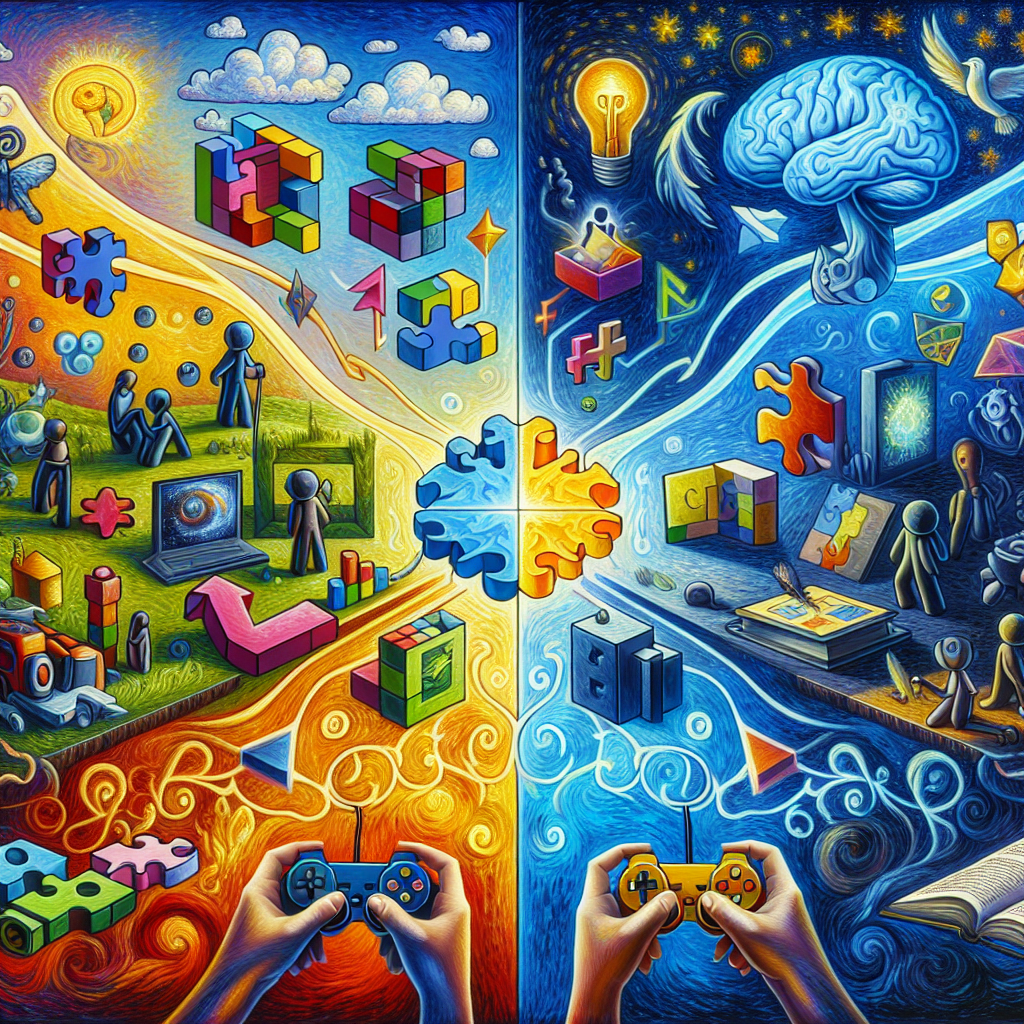
Are Exclusive Experiences Creating A Divide Among Young Gamers?
Let’s take a minute to step back from the latest graphics and the newest game releases and consider what’s really happening in the gaming world today. We’re living in an era where the phrase “exclusive experiences” gets tossed around like confetti at a parade, but what’s beneath all that glimmer and glamour? As young gamers connect through increasingly sophisticated platforms, we find ourselves at a crossroads—one that has the potential to divide or unite.
Now, gamification is a buzzword that many are throwing around, but let’s unpack it a bit. At its core, it’s about taking aspects of gaming—like competition and achievement—and applying them to other areas of life. Sounds fun, right? But hang on a second. As more games incorporate these elements to create enticing, exclusive experiences, it’s essential to ask ourselves: who’s really benefiting from this revolution?
Picture this. You’re a lively middle-schooler, with dreams of becoming the top player in your favorite game. You spend hours honing your skills, exploring vast worlds and taking on epic quests. While you’re grinding away, your peers might be attracted to high-flying limited-edition collectibles and pay-to-win futures that feel more like a wallet race than a gaming experience. It’s thrilling, no doubt, but it also feels like the goalposts keep moving, doesn’t it?
For many gamers, the thrill of competition is what keeps them coming back for more. Yet, as developers introduce exclusive content and perks, a sense of exclusion emerges. It’s not uncommon to see a divide between those who can afford the latest and greatest and those who can’t. Instead of leveling the playing field, these hurdles can push would-be gamers out of the very communities they love.
But let’s not lose hope. If anything, this moment calls for us to rally together. We should advocate for a gaming culture that embraces inclusivity, where every player—regardless of budget—has a fair chance to contribute to the story. The key lies in acknowledging the fantastic journey gaming offers us while challenging developers to create experiences that are rewarding yet accessible.
So, let’s engage with one another. Share those hard-won gaming tips, champion the games that focus on skill over spending, and strive for environments where everyone can game at their own pace. Together, we can ensure that the gaming world remains a vibrant place for all—excluding nothing but the notion that only an elite few deserve to enjoy the adventure.

Are Exclusive Experiences Creating A Divide Among Young Gamers?
Are Exclusive Experiences Creating A Divide Among Young Gamers?
- The gaming industry is in a transitional phase, balancing “exclusive experiences” with community connection.
- Gamification applies gaming elements like competition and achievement to other life areas, raising questions about who benefits.
- Younger gamers often face competition from those who can afford high-end collectibles and pay-to-win features.
- Exclusive content may create a divide between players based on financial ability, rather than skill.
- There is an urgent need to foster a gaming culture that supports inclusivity for players of all budgets.
- Advocating for accessible gaming experiences can help ensure a vibrant gaming community for everyone.
- Engaging with fellow gamers and emphasizing skill-focused games can promote a healthier gaming environment.
Are Exclusive Experiences Creating A Divide Among Young Gamers?
Conclusion
Alright, folks, let’s wrap this up with a thoughtful look at the potential of exclusive gaming experiences and their effects on our kids. Tom Seest lays out a compelling case that gaming isn’t just about mindless entertainment; it’s a world ripe for growth, learning, and connection. Imagine your child diving into these vibrant digital worlds, where some may only see graphics and pixels, but what’s really happening is children are honing a myriad of skills that will serve them well in life.
So why does this matter? Because in an era where kids are often praised for screen time without scrutiny, it’s crucial to see beyond the facade and recognize that behind every dragon defeated or empire built, there’s a lesson in creativity, critical thinking, and resilience. Exclusive gaming can become a launching pad for developing problem-solving abilities as children navigate complex puzzles, collaborate with peers, and confront challenges head-on.
But let’s not kid ourselves—there are two sides to this coin. The very nature of exclusivity can create pressures that, if unchecked, lead to anxiety and the feeling of missing out. When a game becomes a high-stakes environment where every badge earned can mean social status, it’s on parents and caregivers to strike that balance. We must guide our children through these waters, ensuring that their online adventures don’t overshadow real-life interactions and experiences.
Engagement isn’t just reserved for pixels and points; it blooms when kids share their triumphs with friends, huddled around a screen strategizing together. As parents, our role morphs from mere providers of technology to active participants in these narratives. Family game nights? Absolutely! Let’s show them that gaming is more enjoyable when shared, emphasizing that teamwork is just as valuable as competition.
As we embrace the realm of exclusive gaming experiences, we open discussions on inclusivity and community. Sure, there are risks of division—those who can afford exclusive games versus those who can’t. Instead, let’s advocate for a gaming landscape that welcomes everyone. We must strive for environments that lift each other up, not tear us apart.
At the end of the day, we want our kids to grow into resilient problem-solvers, ready to tackle challenges both in gaming and the real world. So, let’s not shy away from conversations about what our children gain from their gaming adventures. Let’s embrace this opportunity to foster their growth in a healthy, supportive way, turning every game into a life lesson. After all, the only “high score” that matters is the one they achieve in life.

Conclusion
Conclusion:
- Exclusive gaming experiences offer opportunities for growth, learning, and connection, rather than just mindless entertainment.
- Children develop valuable skills such as creativity, critical thinking, and resilience through gaming activities.
- Gaming can enhance problem-solving abilities as kids navigate complex puzzles and collaborate with peers.
- Exclusivity in gaming can create pressures and anxiety related to social status, requiring parental guidance.
- Engagement in gaming flourishes through shared experiences, highlighting the importance of teamwork over competition.
- Advocating for inclusivity in gaming can help bridge the divide between different socioeconomic backgrounds.
- Conversations around gaming should focus on how it fosters resilience and life skills, preparing children for real-world challenges.

Conclusion
Other Resources

Other Resources
Here is a list of other resources you can review online to learn more:
- Plurk
- Mastodon
- Huch!
- WordPress
- Cryptozoic Entertainment
- Level 99 Games
- Eurogamer
- The Castles of Burgundy
- Arkham Horror (Third Edition)
- Roll for the Galaxy
Use This Prompt To Get More Resources With Your Favorite Online AI Tool: Please provide me with a list of online articles with their URLs in a bulleted list that I can read regarding Can Exclusive Gaming Experiences Shape The Future for Children?

Other Resources
Glossary Terms
Can Exclusive Gaming Experiences Shape The Future for Children? – Glossary Of Terms
1. Exclusive Gaming Experience: A unique gaming environment or event that is not widely accessible, often offering special features, content, or interactions.
2. Cognitive Development: The growth of a child’s ability to think, learn, reason, and understand through experiences, including gaming.
3. Social Integration: The process by which children connect and engage with their peers through shared gaming experiences, promoting teamwork and collaboration.
4. Digital Literacy: The skills required to effectively navigate, evaluate, and create information using digital technologies, essential for modern gaming environments.
5. Skill Acquisition: The process through which children learn and develop specific skills, such as problem-solving and strategic thinking, often enhanced by gaming.
6. Gamification: The application of game-design elements in non-game contexts to motivate and increase engagement, applicable in educational settings and beyond.
7. Immersive Environment: A virtual or augmented space that engages users deeply, often found in exclusive gaming experiences, drawing players into a story or world.
8. Empathy Development: The enhancement of a child’s ability to understand and share the feelings of others through character-driven narratives in games.
9. Behavioral Conditioning: The process by which gaming rewards (points, achievements) reinforce desired behaviors, shaping children’s actions and attitudes.
10. Community Building: The creation of social networks centered around a game, fostering friendships and support among players, especially youth.
11. Interactive Storytelling: A narrative format where players have influence over the direction of the story, promoting engagement and creative thinking.
12. Educational Gaming: Games specifically designed with educational purposes in mind, aimed at teaching children various subjects and skills through gameplay.
13. Virtual Reality (VR): A simulated environment that can replicate true-to-life experiences, providing immersive play that can impact learning and perception.
14. Augmented Reality (AR): An interactive experience that combines physical and digital elements, enhancing learning and gameplay through real-world interaction.
15. Psychosocial Development: The interplay of psychological and social factors that influence a child’s growth, shaped by gaming interactions and scenarios.
16. Time Management: The ability to plan and control how much time to spend on specific activities, especially significant in balancing gaming with other responsibilities.
17. Emotional Regulation: The process through which children learn to manage their emotions, often challenged and developed through gaming scenarios.
18. Critical Thinking: The ability to analyze information and make informed decisions, enhanced through strategic gameplay and problem-solving in games.
19. Multiplayer Dynamics: The interactions and social behaviors that occur when children play games together, impacting their social learning and teamwork skills.
20. Motivational Design: The art of creating game elements that encourage players to engage and persevere, influencing children’s attitudes toward challenges.
21. Diversity and Inclusion: The representation of varied characters, stories, and gameplay styles in games, promoting broader perspectives and acceptance among children.
22. Mindfulness: The practice of being present and engaged, which can be cultivated in kids through focused gameplay and game mechanics designed for reflection.
23. Parental Guidance: The support and supervision provided by caregivers when children engage with gaming tools, crucial for a balanced gaming experience.
24. Content Creation: The generation of original material by players, such as mods or game levels, fostering creativity and entrepreneurship skills in youth.
25. Sustainability: The practice of using resources responsibly in gaming development and play, encouraging children to think about their impact on the world.
26. User Interface (UI): The means by which players interact with a game, significantly affecting accessibility and enjoyment for children.
27. Ethical Gaming Practices: Considerations regarding fairness, inclusivity, and honesty in game design and play, emphasizing moral development among children.
28. Reflection: The process of thinking critically about gaming experiences, encouraging children to evaluate what they learned from gameplay.
29. Play-Based Learning: An educational approach where learning occurs through play, allowing children to explore concepts in a hands-on, engaging manner.
30. Narrative Engagement: The level of interest and involvement a player feels in a game’s story, critical for emotional connection and immersion.

Glossary Of Terms
Other Questions
Can Exclusive Gaming Experiences Shape The Future for Children? – Other Questions
If you wish to explore and discover more, consider looking for answers to these questions:
- What are the long-term effects of exclusive gaming experiences on children’s development?
- How can parents identify which games focus on educational value?
- What measures can be taken to ensure balance between gaming and real-life interactions?
- Are there specific examples of games that successfully implement gamification in education?
- How do different age groups respond to exclusive gaming experiences?
- What role does peer pressure play in a child’s gaming choices?
- How can children be taught to manage their time spent on games effectively?
- Which skills are overlooked in traditional educational settings that gaming experiences may address?
- How can gaming be used to foster social inclusion among children?
- What are some strategies for parents to discuss gaming limits with their children?
- How do cultural differences affect children’s engagement with gaming?
- What psychological effects can competition in gaming have on children?
- What are the benefits of teamwork in gaming environments for children’s social skills?
- How does exposure to exclusive gaming experiences vary across socio-economic backgrounds?
- What partnerships or collaborations exist between educators and game developers?

Other Questions
Haiku
Can Exclusive Gaming Experiences Shape The Future for Children? – A Haiku
Gaming sparks the growth,
Children learn through quests and play,
Skills bloom, worlds unite.

Haiku
Poem
Can Exclusive Gaming Experiences Shape The Future for Children? – A Poem
In the Realm of Play: A Poem of Potential
In digital realms where young hearts race,
A vibrant world, a wondrous space.
Where dragons soar and empires rise,
Gamers explore, and dreams take flight.
Exclusive quests, a call to arms,
Transforming pastimes, igniting charms.
With each challenge, resilience blooms,
Creative minds break through the glooms.
Gamification, sweet pixie dust,
Turns daily tasks to grand adventures—just.
Problem-solving, teamwork, skills refined,
In pixels and codes, young futures aligned.
Yet shadows lurk in the bright display,
The weight of competition could lead astray.
High-stakes contests fuel envy’s fire,
While friendships wane and hearts tire.
Parents stand as guiding stars,
Navigating paths through digital bars.
Engage, discuss, and bring balance true,
Encouraging growth in all that they do.
For learning’s an adventure, a shared delight,
In classrooms alive with quests, they ignite.
Connections flourish with laughter and glee,
Building communities, uniting the free.
But beware the divide, the haves and the not,
For every player deserves a fair shot.
Inclusion should reign, let barriers fall,
In the realm of gaming, there’s space for us all.
So let’s celebrate these journeys we take,
For every challenge, a chance to awake.
Embrace the potential, foster the chance,
In the world of play, let our children dance.

Poem
Checklist
Can Exclusive Gaming Experiences Shape The Future for Children? – A Checklist
Checklist: How to Navigate Exclusive Gaming Experiences for Children
For Parents and Caregivers:
1. Foster Open Communication
_____ Discuss gaming experiences with your child regularly.
_____ Encourage them to share thoughts about games they enjoy.
2. Set Healthy Boundaries
_____ Establish limits on gaming time to maintain balance with other activities.
_____ Discuss and enforce spending limits on games and in-game purchases.
3. Encourage Critical Thinking
_____ Ask open-ended questions about the games they play: What do they enjoy? What skills do they think they are developing?
_____ Help them evaluate the impact of exclusivity in gaming on their experience and feelings.
4. Promote Inclusivity
_____ Introduce games that everyone can access, regardless of budget or platform.
_____ Organize family game nights or group gaming sessions to foster togetherness.
5. Balance Gaming with Other Activities
_____ Incorporate outdoor activities, physical exercise, and social interactions to complement gaming experiences.
_____ Encourage exploration of non-digital hobbies to diversify skill development.
6. Model Healthy Gaming Habits
_____ Engage in gaming with your child to understand their interests and reinforce shared experiences.
_____ Showcase how to approach gaming as a fun and rewarding hobby without overemphasis on competition.
7. Monitor Emotional Responses
_____ Keep an eye out for signs of frustration or anxiety related to gaming.
_____ Encourage discussions about feelings related to winning, losing, or competition.
8. Educate About Digital Literacy
_____ Teach your child about online safety, digital citizenship, and the importance of being a responsible gamer.
_____ Discuss the significance of maintaining a positive online presence and engaging respectfully with others.
9. Encourage Teamwork and Collaboration
_____ Promote games that focus on teamwork and collective problem-solving.
_____ Discuss the importance of cooperation in gaming and real-life scenarios.
10. Stay Informed
_____ Research new games and trends in the gaming industry to make informed decisions about what your child can engage with.
_____ Keep up with educational content related to gaming and its impacts.
By following this checklist, you can help ensure that exclusive gaming experiences enrich your child’s development while maintaining a healthy, balanced approach toward gaming.

Checklist
At HowDoYouGame, we help people who love board games by collating information and news about games.
Be sure to read our other related stories at HowDoYouGame to learn more about games.