Unraveling The Connection Between Puzzle Games And Problem-Solving
By Tom Seest
At HowDoYouGame, we help people who love board games by collating information and news about games.
Be sure to read our other related stories at HowDoYouGame to learn more about games.
Are Puzzle Games Key to Enhancing Problem Solving?
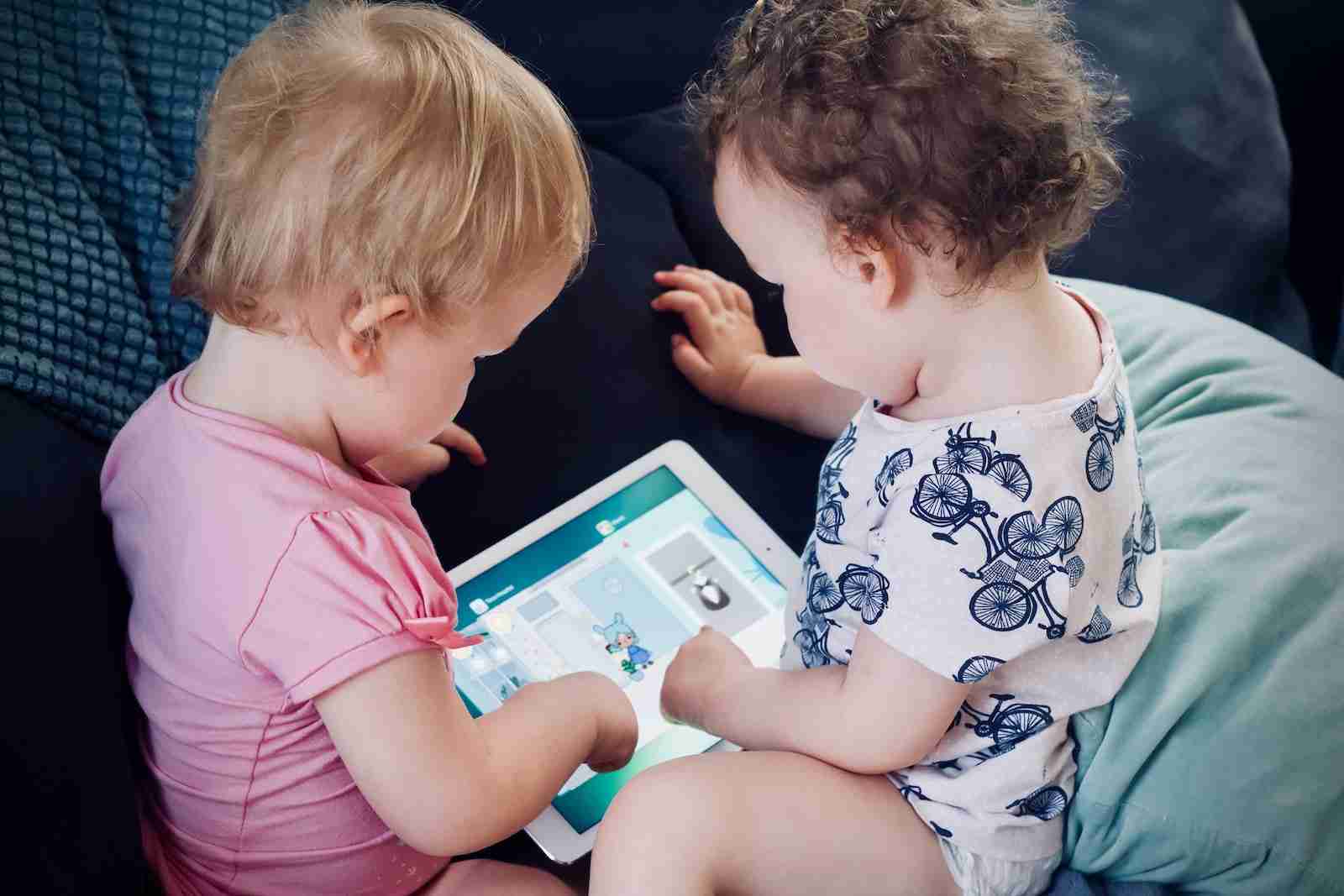
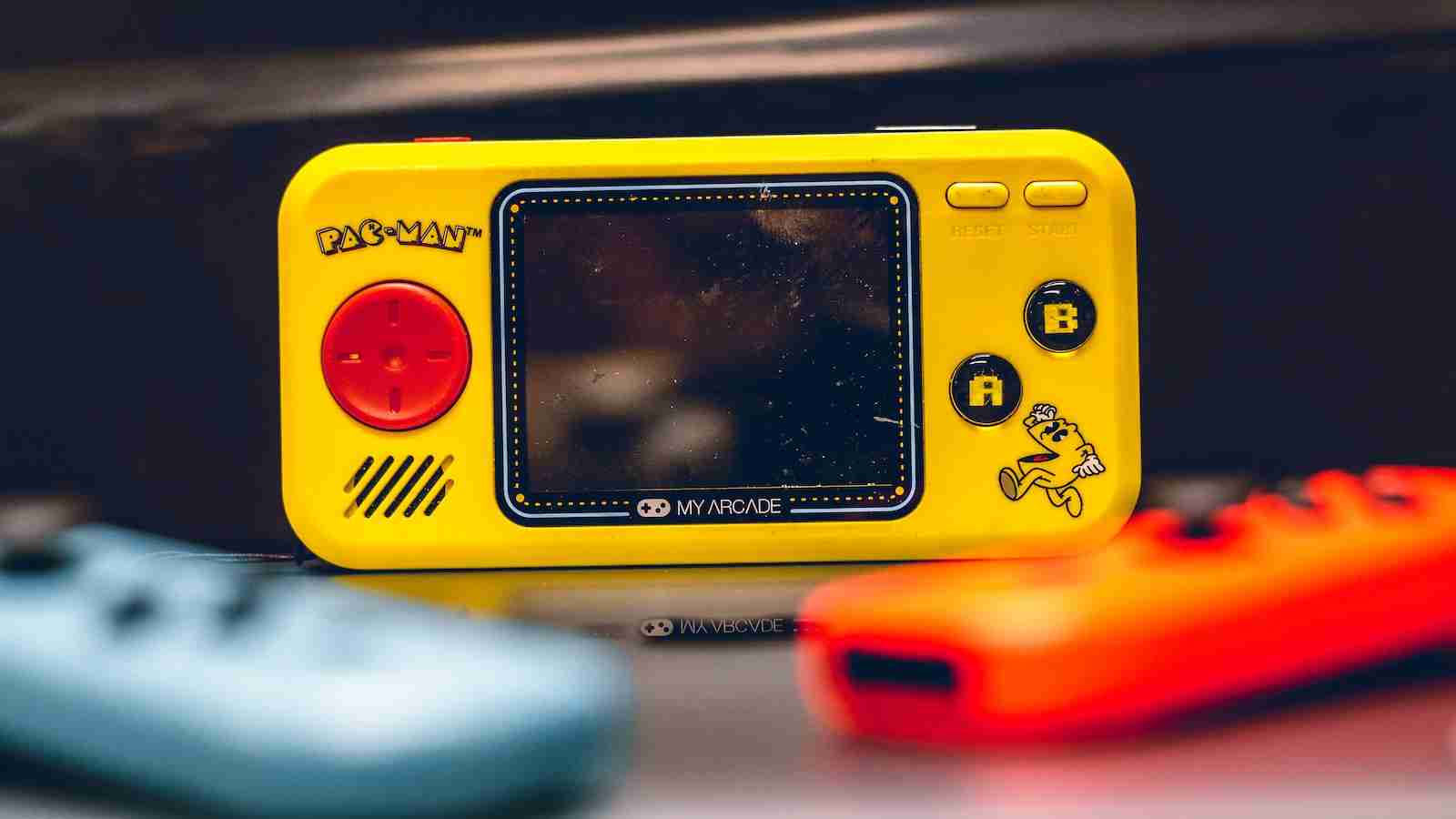
When we think of puzzle games, it’s easy to imagine a stack of pieces waiting to be fit together or a maze to navigate under a time crunch. But underneath that playful veneer lies something far more profound—a powerful toolkit for enhancing our problem-solving skills. The magic of puzzle games stems from a simple framework: Gamification. This concept isn’t just a buzzword thrown around in classrooms or boardrooms; it’s a method of infusing fun into the learning process. It plays on our natural instincts to compete, achieve, and game the system.
Think of the last time you engaged with a puzzle. Maybe it was a jigsaw you tackled on a rainy Sunday or a logic puzzle that stumped you late into the night. Each piece or clue required your full attention, drawing you into that world and demanding a kind of focus often reserved for more “serious” work. In that moment, you weren’t just playing—you were sharpening your mind, training it to recognize patterns, think critically, and tackle challenges creatively.
The beauty of puzzle games is found in their capacity to transform mundane problem-solving into an adventure. Just one session can illuminate a path toward better reasoning and decision-making skills. You’re not just looking for answers; you’re developing strategies. You’re experimenting and evaluating outcomes. Each twist and turn of a game mirrors real-life challenges we encounter. The more we engage, the more adept we become at navigating complexities in our everyday lives.
Consider this: when you strip away the constraints of traditional learning or the pressure of a deadline, what you’re left with is a playful exploration of possibilities. That’s where the trust builds—not just in the process, but in your own abilities. You begin to see challenges less as obstacles and more as puzzles waiting to be solved.
So, the next time you find yourself engrossed in a game, remember that it’s not just a diversion. It’s an exercise in sharpening your mind, honing your skills, and preparing yourself for challenges that lie ahead. Dive in! Embrace the journey! You may just discover that the key to unlocking your full potential lies within the simple act of play.

Are Puzzle Games Key to Enhancing Problem Solving?
Are Puzzle Games Key to Enhancing Problem Solving?
- Puzzle games enhance problem-solving skills through a process called gamification.
- Gamification makes learning more engaging by incorporating fun elements that appeal to our instincts.
- Engaging with puzzles requires focus and attention, fostering cognitive development.
- Puzzle games transform problem-solving into an adventure, improving reasoning and decision-making abilities.
- Players develop strategies and evaluate outcomes, skills applicable to real-life challenges.
- Removes traditional learning pressures, allowing for playful exploration and building self-trust.
- Puzzle games serve as a valuable exercise for sharpening the mind and preparing for future challenges.

Are Puzzle Games Key to Enhancing Problem Solving?
Table Of Contents
- Are Puzzle Games Key to Enhancing Problem Solving?
- Are Puzzle Games Effective In Improving Critical Thinking Skills?
- How Do Puzzle Games Enhance Cognitive Abilities?
- Can Puzzle Games Boost Creativity And Innovation?
- What Types Of Puzzle Games Are Best For Problem Solving?
- Do Puzzle Games Improve Memory And Recall In Players?
- Are There Age Restrictions For The Benefits Of Puzzle Games?
- How Do Multiplayer Puzzle Games Foster Teamwork Skills?
- Conclusion
- Other Resources
- Glossary Of Terms
- Other Questions
- Haiku
- Poem
- Checklist
Are Puzzle Games Effective In Improving Critical Thinking Skills?
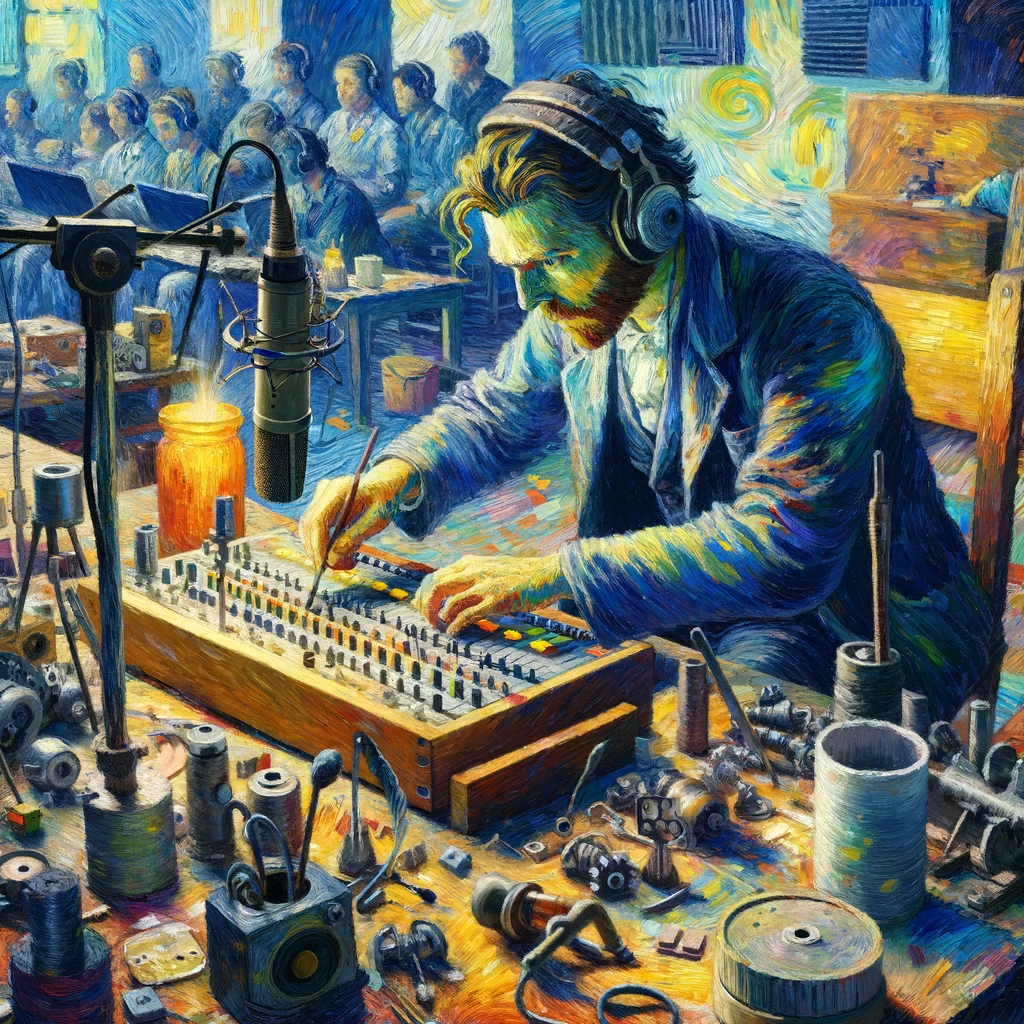
When you think about puzzle games, what comes to mind? Maybe it’s the satisfaction of sliding that last piece into place or finally figuring out that pesky riddle. But let’s step back for a moment. Beneath the surface of these brain-teasers lies a realm of cognitive enhancement, often disguised as simple entertainment. It’s like unearthing a tool in the garage that you never knew could help fix that leaky faucet. Welcome to the world of gamification, where the fun you’re having serves a higher purpose.
Now, imagine yourself sitting down with a captivating puzzle game. With each challenge, you’re not just passing time; you’re sharpening your critical thinking skills. You’re learning to analyze patterns, troubleshoot problems, and think several steps ahead—skills that are paramount not only in gaming but in everyday life. Life throws curveballs, and the ability to navigate these challenges is what sets apart the quick thinkers from the rest.
Engaging in these games can be likened to a workout for your brain. Just as lifting weights builds muscle, solving puzzles builds mental agility. Each level completed or riddle unraveled is a small victory that feeds your brain’s hunger for growth. And let’s face it: there’s an undeniable rush when you finally crack that code or solve that convoluted enigma. It’s like unlocking a new gear in your mind’s engine, revving up your problem-solving capabilities for whatever challenges lie ahead.
And here’s where the trust factor kicks in. Research suggests that puzzle games can enhance critical thinking in several realms—from academics to careers. The skills you hone while playing often translate to improved performance in real-world situations. When you’re faced with a tough decision or a complex problem, you’ll find that your puzzle-solving practice has equipped you to tackle these head-on, with confidence.
So, why not dive into the vibrant world of puzzle games? Embrace the gamification of your brain while indulging in sheer enjoyment. Every minute spent pondering that intricate design or strategizing your next move is not just playtime; it’s an investment in your mental toolkit. Lace up those cognitive shoes and embark on a journey of self-improvement. After all, each piece you fit together today could very well be the solution to tomorrow’s challenge.
Are Puzzle Games Effective In Improving Critical Thinking Skills?
Are Puzzle Games Effective In Improving Critical Thinking Skills?
- Puzzle games offer not only entertainment but also cognitive enhancement.
- Engaging in puzzles sharpens critical thinking skills and problem-solving abilities.
- These games serve as a mental workout, increasing mental agility and resilience.
- Each solved puzzle provides a sense of accomplishment and boosts cognitive capabilities.
- Research indicates that skills developed through puzzle games translate to better performance in real-life situations.
- Puzzle games help prepare individuals to tackle complex problems and make tough decisions confidently.
- Investing time in puzzle games supports personal growth and self-improvement through gamification.

Are Puzzle Games Effective In Improving Critical Thinking Skills?
How Do Puzzle Games Enhance Cognitive Abilities?
Life can sometimes feel like a jigsaw puzzle, with pieces scattered everywhere, just waiting for us to put them together. What if I told you that engaging with puzzle games could not only help you hone your problem-solving skills but also sharpen your cognitive abilities? Yes, indeed! Gamification isn’t merely a buzzword; it’s a powerful tool that turns mental workouts into something fun and enjoyable.
Let’s consider the brain’s potential like a muscle. Just as we lift weights to build strength, puzzle games provide a workout that challenges our mind. When you immerse yourself in these games, you are essentially training your brain to think differently. It’s like a gym session for your gray matter, where you tackle challenges that require strategy, logic, and creative thinking. But instead of sweaty workouts, you’re nestled on your couch, sipping coffee, and piecing together the next big brain-teaser.
Have you ever noticed how you feel after finishing a tricky puzzle? There’s that rush of accomplishment, a sense of victory that ignites your motivation to tackle even bigger challenges in life. Why? Because puzzle games encourage resilience. They teach us not to shy away from failure but to embrace it as part of the learning journey. Every time you fail to complete that level or find the right solution, you’re actually training your brain to adapt and overcome.
And let’s talk about memory. Puzzle games often require you to remember certain patterns or sequences, which can strengthen your short-term memory and enhance your overall recall ability. It’s almost like building a mental library where you’re the librarian, and every game adds a new book to your collection—one filled with valuable information that could even aid you in real-life situations.
What’s really exciting about this is the modern world of gamification, making it easier than ever to engage with these brain-boosting activities. Whether it’s through apps on your phone or games on your computer, each click or tap is a step toward greater cognitive strength. The thrill of achieving that next level isn’t just about bragging rights; it’s about nurturing your brain and enhancing your mental agility.
So why not give it a shot? Dive into the vibrant world of puzzle games as more than just a pastime. Embrace the challenge, reap the benefits, and unlock the cognitive abilities that are just waiting to be unleashed. Who knows? That next puzzle piece might just illuminate a path to real-life victories.

How Do Puzzle Games Enhance Cognitive Abilities?
How Do Puzzle Games Enhance Cognitive Abilities?
- Engaging with puzzle games enhances problem-solving skills and sharpens cognitive abilities.
- Puzzle games provide a mental workout, akin to exercising a muscle, challenging the brain in strategic, logical, and creative ways.
- Completing puzzles fosters a sense of accomplishment and resilience, encouraging players to embrace failure as part of the learning process.
- These games boost memory by requiring players to remember patterns and sequences, strengthening short-term recall.
- Puzzle games contribute to building a mental library, where each game adds valuable knowledge that can assist in real-life situations.
- The modern world of gamification makes accessing these brain-boosting activities easier through various apps and games.
- Diving into puzzle games can unlock cognitive abilities and lead to greater mental agility and real-life successes.

How Do Puzzle Games Enhance Cognitive Abilities?
Can Puzzle Games Boost Creativity And Innovation?
When we think of puzzles, we often picture a quiet afternoon spent alone, heads bent in concentration over a jigsaw or a crossword. But let’s step back for a moment and look at these seemingly simple challenges through a broader lens. Ever stopped to consider how engaging with puzzles might be a gateway to sparking creativity and innovation? I mean, why not?
At first glance, it might seem counterintuitive. But here’s where the magic of gamification comes into play. Gamification takes the elements of play—competition, rewards, and achievement—and applies them to real-life situations. Think about it: when you’re maneuvering through a puzzle, solving each piece is not unlike tackling a project at work or finding a workaround in life’s many challenges. Both require critical thinking, adaptability, and a dash of creativity.
Now, imagine an office bustling with folks tackling their problems like master puzzlers. Instead of dreading a meeting that could feel like watching paint dry, how about turning it into a collaborative puzzle game? By integrating puzzles that require teamwork and creative problem-solving into your daily grind, you’re not just breaking the monotony. You’re encouraging out-of-the-box thinking. You’re cultivating a culture where innovation can flourish.
Let’s not forget the neuroscience behind it. Engaging with puzzles can increase neural connectivity, enhancing our brain’s ability to think critically and creatively. When we solve puzzles, we engage different parts of our brain that encourage innovative thought. So, whether it’s figuring out the best strategy in a strategy game or unlocking the secrets of a complex riddle, you’re stimulating your brain like a well-oiled machine.
But it’s not all about work, either. When you’re solving puzzles at home—whether it’s a Sudoku, a logic puzzle, or even an escape room challenge—you’re actively training your brain to view situations from multiple angles. The spark of creativity often lies in how we can piece together disparate thoughts into something new. Finding that missing piece fosters an attitude of curiosity and exploration, essential traits in any innovative landscape.
So, next time you sit down with a puzzle, remember: you’re not just engaging in a pastime. You’re potentially unlocking the doors to creativity and innovation that can elevate not just your own thinking, but also the collective problem-solving prowess of everyone around you. Embrace the challenge; who knows where it might lead you?

Can Puzzle Games Boost Creativity And Innovation?
Can Puzzle Games Boost Creativity And Innovation?
- Engaging with puzzles can spark creativity and innovation.
- Gamification incorporates play elements like competition and achievement into real-life situations.
- Puzzles require critical thinking, adaptability, and creativity similar to tackling work projects.
- Transforming meetings into collaborative puzzle games encourages teamwork and creative problem-solving.
- Puzzle-solving increases neural connectivity, enhancing critical and creative thinking capabilities.
- Solving various puzzles at home trains the brain to view problems from multiple perspectives.
- Engaging in puzzles fosters curiosity and exploration, essential traits for innovation.

Can Puzzle Games Boost Creativity And Innovation?
What Types Of Puzzle Games Are Best For Problem Solving?
What Types of Puzzle Games Are Best for Problem Solving?
Let’s face it: life can be one tough puzzle we’re all trying to piece together. From everyday decisions to bigger conundrums, the ability to solve problems creatively is a skill that serves us well. Luckily, we’ve got a world of puzzle games at our fingertips, each one offering a unique twist on cognitive challenges. But not all puzzles are created equal. So, what types are actually best for honing those problem-solving skills?
First, we can’t overlook the glory of logical reasoning games. Think Sudoku or those mind-bending escape room apps. These games are designed to challenge your ability to think critically and make deductions—often under pressure. The thrill here is twofold: the satisfaction of cracking the code and the boost in confidence you feel when you realize you’re capable of untangling the mess. Gamification of these experiences turns a mundane task into an adventure, inviting you to engage more deeply with the process.
Next up in our puzzle quest are strategy games. Whether it’s a classic like chess or a modern-day simulation, strategy games require players to forecast moves, analyze outcomes, and adapt on the fly. Each match is an opportunity to refine your skills and learn from mistakes, fostering not just problem-solving skills but also resilience and foresight. Plus, there’s nothing quite like outsmarting your opponent, right? That delightful feeling of devising a winning strategy? Pure gold!
Now let’s talk about pattern recognition games. These range from match-three games to memory puzzles. They might seem simple on the surface, but they train your brain to spot trends and relationships that might not be obvious right away. This kind of training is applicable in real-life scenarios, like connecting ideas or finding solutions when dealing with complexity. Plus, engaging with these games can feel like a guilty pleasure—transforming downtime into productive brain workouts.
Lastly, cooperative puzzle games take problem-solving to a whole new level by emphasizing teamwork. When you collaborate with others to work through challenges, you not only broaden your mindset but also deepen your social connections. Learning how to communicate ideas effectively while navigating a shared objective is a lesson that transcends the screen.
So grab your favorite puzzle game and jump in! Whether you’re drawn to logical challenges or love collaborating with friends, every click, move, or swipe is an opportunity to sharpen those essential problem-solving skills. Get ready, because with every puzzle you tackle, you’re not just playing: you’re preparing for life’s next grand adventure.

What Types Of Puzzle Games Are Best For Problem Solving?
What Types Of Puzzle Games Are Best For Problem Solving?
- Life presents many challenges, making creative problem-solving a valuable skill.
- Logical reasoning games, like Sudoku and escape room apps, enhance critical thinking and deduction skills.
- Strategy games, including chess and simulations, improve forecasting, analysis, and adaptability.
- Pattern recognition games help with spotting trends and relationships, useful in real-life problem solving.
- Cooperative puzzle games foster teamwork and enhance communication skills when working through challenges.
- Engaging in these games turns mundane tasks into enjoyable learning experiences.
- Playing puzzle games sharpens problem-solving abilities and prepares you for real-life challenges.

What Types Of Puzzle Games Are Best For Problem Solving?
Do Puzzle Games Improve Memory And Recall In Players?
Do Puzzle Games Improve Memory and Recall in Players?
Let’s talk about puzzle games—those brain teasers and mind-benders that manage to capture our attention hour after hour. Now, you might wonder: are they just a pleasant distraction, or do they actually foster skills we use every day, like memory and recall? Spoiler alert: they might just do both!
Imagine this: You’re deep in concentration, swiping your finger across the screen to match colorful shapes in a block-matching game. Each tap is a mini challenge that hones your focus. This is not just mindless entertainment; this is what some folks call “gamification” at its finest. The game takes something that could be mundane and infuses it with excitement, turning the process of learning into a thrilling adventure.
But how does this relate to memory? Well, the very act of engaging with puzzles requires a good deal of cognitive workout. You’re not only strategizing your next move but recalling previous patterns, assessing options, and visualizing outcomes. This mental gymnastics—think of it as a workout for your brain—can help improve memory retention. Studies show that players of certain puzzle games often experience enhanced recall abilities. So while you’re matching those shapes for fun, your brain is busy reaping the rewards.
Now, before you think this is just speculation, consider the common scenario where someone starts a puzzle game and gets lost in it for hours. Each level adds layers of complexity, demanding your brain to adapt, recognize, and remember patterns. It’s like a push-up for your short-term memory, training it to hold more information and speed up processing time. If you’re anything like me—someone who tends to misplace his keys more often than he’d like—you might find solace in the idea that with a little practice, you could sharpen your memory.
So, whether you prefer solving Sudoku, exploring word searches, or tackling 2048, dive into the world of puzzle games with confidence. You might just find that while you’re having a ball matching colors, you’re also giving your memory the boost it needs. The next time you reach for your phone or whip out a puzzle book, know you’re not just playing—you’re training your mind. Who knew that such fun could lead to real benefits? Now go ahead, embrace that gamified learning, and let your brain soar!

Do Puzzle Games Improve Memory And Recall In Players?
Do Puzzle Games Improve Memory And Recall In Players?
- Puzzle games, often seen as merely entertaining, may actually enhance cognitive skills such as memory and recall.
- Engaging with puzzle games provides a cognitive workout, requiring players to strategize, recall patterns, and visualize outcomes.
- Studies indicate that players of certain puzzle games experience improved recall abilities.
- As players progress through puzzle levels, their brain adapts and improves short-term memory capacity.
- Playing puzzle games can serve as practice to help sharpen memory and processing speed.
- Whether it’s Sudoku or word searches, puzzle games offer both fun and cognitive benefits.
- Participating in puzzle games contributes to gamified learning, making the experience enjoyable while benefiting the brain.
Do Puzzle Games Improve Memory And Recall In Players?
Are There Age Restrictions For The Benefits Of Puzzle Games?
Let’s get something straight: when it comes to puzzle games, age is just a number. Whether you’re eight or eighty, the world of puzzles invites everyone to the table. Why? Because these games are more than just a pastime; they’re a bridge across generations. Picture this: a child frowning in concentration, solving a tricky sudoku while a grandparent chuckles, remembering their early days maneuvering through crosswords. There’s a certain magic in that shared experience—a beautiful blend of simplicity and complexity, much like life itself.
Diving into the world of gamification—the process of enhancing a mundane task with game-like elements—puzzle games stand tall. They provide not only a challenge but also a sense of accomplishment. For the young, they teach critical thinking and boost cognitive development. But what about the seasoned minds among us? Believe it or not, engaging with these brain-teasers can help stave off cognitive decline. Studies suggest that staying mentally active, regardless of age, can lead to a sharper mind into your golden years.
But let’s not get lost in the statistics. Instead, let’s talk about the real-life impact puzzle games have on individuals. Maybe it’s a Saturday afternoon, and grandma is seated at the kitchen table, pencil in hand, grinning as she fills in boxes. Or perhaps it’s a teenager playing an app on their phone, racing against time while enhancing their problem-solving skills. The truth is, these games stimulate the gray matter and keep our brains as energetic as a toddler at a birthday party!
Now, it’s easy to assume that these benefits come with an age restriction, but that couldn’t be further from the truth. The skills honed through puzzle games transcend age. They help foster patience in youth, and they empower older adults to maintain their mental acuity. And let’s not forget the social aspect—groups of friends gathering for a friendly competition or family game nights filled with laughter and shared victories.
So, whether you’re a plucky beginner just starting out or a seasoned pro looking to challenge yourself, the world of puzzle games welcomes you with open arms. Grab a game, gather some friends, and dive into a realm that promises both mental stimulation and fun, inviting all ages to think, laugh, and connect. After all, isn’t that what life is about?

Are There Age Restrictions For The Benefits Of Puzzle Games?
Are There Age Restrictions For The Benefits Of Puzzle Games?
- Puzzle games are accessible to all ages, from children to seniors.
- They serve as a bridge across generations, fostering shared experiences.
- Puzzle games enhance critical thinking and cognitive development in youth.
- For older adults, engaging in puzzles can help prevent cognitive decline.
- Real-life examples illustrate the joy and mental stimulation provided by puzzles.
- The skills developed through puzzle games foster patience and mental acuity.
- Puzzle games promote social interactions through friendly competitions and family game nights.

Are There Age Restrictions For The Benefits Of Puzzle Games?
How Do Multiplayer Puzzle Games Foster Teamwork Skills?
Picture this: you and your friends are huddled around a table, each one of you staring intently at a screen, while animated puzzle pieces and whimsical sound effects dance around you. The game is on. But this is no ordinary video game experience. You’re in the throes of a multiplayer puzzle game, and as the clock ticks down, you’re not just playing; you’re collaborating. Here’s where the magic happens.
One of the most powerful aspects of these games is their innate ability to promote teamwork through what’s often called *gamification*. All of a sudden, solving problems becomes a thrilling race rather than a mundane task. You’re no longer simply focused on your own success or failure. Instead, your mind shifts to communicate, strategize, and innovate alongside your teammates. You’re diving into discussions about who should tackle which challenge based on strengths and skills, all while learning to adapt on the fly. And let’s be honest, what’s more exciting than the rush of working cohesively to conquer a brainteaser as a unit?
That connection, that bond formed over shared victories and learned lessons, is just as valuable as any mind-bending puzzle. After all, when you’re stuck on a particularly tricky segment, it’s not just your individual effort that gets you through—it’s your collective instinct to support one another, to encourage creativity, and to brainstorm alternative solutions. You’ll be surprised how quickly camaraderie develops when everyone is laser-focused on uniting their strengths to attain a common goal.
Moreover, these multiplayer puzzle games often come with elements that challenge your problem-solving abilities from various angles. They compel diverse team members to contribute uniquely, showcasing a range of ideas that wouldn’t usually surface when operating in isolation. With each playful obstacle you overcome together, your confidence builds—not just in your skills but in the strength of collaboration itself.
So, if you haven’t tried diving into a multiplayer puzzle game with your friends or family, you might just be missing out on an opportunity to enhance your teamwork skills in a delightfully entertaining way. Who knew that a little friendly competition and some captivating challenges could lead to extraordinary connections? Embrace the puzzles, rally the team, and let the power of teamwork unravel before your very eyes. After all, the best solutions are often found together, not alone.
How Do Multiplayer Puzzle Games Foster Teamwork Skills?
How Do Multiplayer Puzzle Games Foster Teamwork Skills?
- Multiplayer puzzle games create an immersive experience with animated visuals and sound effects.
- These games promote teamwork through gamification, making problem-solving a thrilling challenge.
- Players shift focus from individual success to collaboration, communication, and strategy.
- Shared victories and challenges build strong bonds and a sense of camaraderie among teammates.
- The games encourage diverse contributions, showcasing unique problem-solving approaches.
- Success in these games boosts confidence in both individual skills and collaborative efforts.
- Engaging in multiplayer puzzle games can enhance teamwork skills in a fun and entertaining manner.

How Do Multiplayer Puzzle Games Foster Teamwork Skills?
Conclusion
As we wrap up our exploration of puzzle games and their connection to problem-solving, it’s clear that these seemingly simple diversions hold a treasure trove of cognitive benefits that extend far beyond mere entertainment. When you dive into a puzzle, you’re not just passing time; you’re training your brain to think critically, to strategize, and to innovate. In much the same way that a workout strengthens your muscles, engaging with puzzles equips your mind with the tools needed to tackle life’s myriad challenges.
Let’s face it—life can often feel like a giant jigsaw puzzle, with pieces scattered across the table of our daily existence. Puzzle games provide a structured yet playful way to put those pieces together, teaching us resilience, adaptability, and the art of critical thinking. Whether you’re completing a Sudoku, mastering a logic puzzle, or navigating an escape room, each moment spent in that world enriches your problem-solving toolkit and sharpens your creative edge.
The beauty of gamification lies in its ability to transform seemingly mundane tasks into exhilarating adventures. When the pressure of real life is replaced with the thrill of cracking a code or completing a challenge, we find ourselves more engaged and willing to experiment, making mistakes that become invaluable learning opportunities. Think of every clever move or strategic play as a mini-lesson, reinforcing the idea that failure is merely a stepping stone toward success.
And let’s not overlook the social aspect. Multiplayer puzzle games encourage teamwork, fostering communication and collaboration. Whether you’re huddled around a board game or strategizing with friends online, you’re building relationships as you conquer challenges together. In those shared experiences, friendships deepen and new ideas flourish—proving that two (or more) heads are indeed better than one.
So, the next time you find yourself immersed in a puzzle, remember: it’s not just fun and games; it’s brain training, problem-solving practice, and a creativity booster all rolled into one. Embrace the journey through these mind-bending experiences and savor the delightful humor of life’s challenges. Who knows? Perhaps the key to unlocking your full potential is hidden inside that next puzzle you tackle. So gear up and dive in—your brain will thank you!

Conclusion
Conclusion:
- Puzzle games offer cognitive benefits that extend beyond entertainment.
- Engaging with puzzles trains critical thinking, strategizing, and innovation.
- They help develop resilience and adaptability, akin to life’s jigsaw puzzle.
- Puzzle-solving transforms mundane tasks into exciting adventures.
- Failure in puzzles serves as a valuable learning opportunity.
- Multiplayer puzzles enhance teamwork, communication, and relationship building.
- Engaging in puzzles promotes brain training, problem-solving practice, and creativity.

Conclusion
Other Resources

Other Resources
Here is a list of other resources you can review online to learn more:
- Space Cowboys
- North Star Games
- The Castles of Burgundy
- Tumblr
- Plurk
- Huch!
- Kosmos
- Ars Technica
- Exploding Kittens
Use This Prompt To Get More Resources With Your Favorite Online AI Tool: Please provide me with a list of online articles with their URLs in a bulleted list that I can read regarding Are Puzzle Games Key to Enhancing Problem Solving?

Other Resources
Glossary Terms
Are Puzzle Games Key to Enhancing Problem Solving? – Glossary Of Terms
1. Puzzle Game: A game that challenges players to solve a specific problem or set of challenges, often requiring logical reasoning or pattern recognition.
2. Cognitive Skills: Mental capabilities that involve the processes of perception, memory, judgment, and reasoning.
3. Problem Solving: The ability to find solutions to complex or difficult issues, often through critical thinking and analysis.
4. Pattern Recognition: The capacity to identify and understand patterns, which is essential in solving many types of puzzles.
5. Critical Thinking: The analysis of facts to form a judgment; crucial for evaluating potential solutions in puzzle scenarios.
6. Logic Puzzles: Puzzles that require deductive reasoning, often presented in the form of riddles or scenarios that need to be deciphered.
7. Strategy: A planned series of actions designed to achieve a specific goal, particularly in games where moves can significantly impact outcomes.
8. Spatial Reasoning: The ability to understand and remember the relationship between objects in space, important in 3D puzzles.
9. Skill Development: The process of enhancing abilities acquired through practice, often seen in players who regularly engage with puzzles.
10. Engagement: The level of interest and involvement a player has with the game, often correlated with effective problem-solving experiences.
11. Multimodal Learning: An approach that uses various modes of learning (visual, auditory, kinesthetic) to enhance the understanding of concepts, often applied in puzzle contexts.
12. Predictive Analysis: The use of data and reasoning to forecast potential outcomes based on current information, similar to making strategic moves in a puzzle.
13. Trial and Error: A problem-solving strategy that involves attempting various solutions until finding one that works, commonly used in game settings.
14. Game Mechanics: The rules and systems that define how a game operates, guiding players on how to engage and solve puzzles.
15. Cognitive Load: The amount of mental effort being used in the working memory; balancing this is crucial in designing effective puzzle experiences.
16. Feedback Loops: The process through which players receive information about their actions in the game, aiding in refining problem-solving strategies.
17. Motivation: The drive that compels players to engage with puzzles, often influenced by challenges and rewards within the game.
18. Game Theory: A mathematical framework for analyzing competitive situations where the outcomes depend on the actions of multiple agents, applicable in strategic puzzle games.
19. Flow State: A mental state of deep focus and immersion in an activity, often experienced when playing engaging puzzle games.
20. Time Management: The ability to use one’s time effectively and productively, an essential skill in timed puzzle challenges.
21. Resource Allocation: The strategic distribution of limited resources (like moves or time) in puzzle games to maximize outcomes.
22. Analytical Thinking: The capacity to systematically and methodically work through a problem to find logical solutions.
23. Collaborative Problem Solving: Working together with others to tackle puzzles, showcasing the social aspect of problem-solving in games.
24. Neuroplasticity: The brain’s ability to reorganize itself by forming new neural connections, highlighting how puzzle games can enhance cognitive function over time.
25. Game Design: The art and science of creating rules, systems, and experiences in games, influencing how puzzles are perceived and solved.
26. Intuition: The ability to understand something instinctively, without the need for conscious reasoning—often beneficial when making quick decisions in puzzles.
27. Problem Decomposition: The technique of breaking a complex problem down into smaller, more manageable parts; a common strategy in advanced puzzles.
28. Social Learning: The concept of learning behaviors by observing and imitating others, often seen in multiplayer puzzle games.
29. Challenge: A task that tests a person’s abilities, the essence of puzzle games which motivate players to enhance their problem-solving skills.
30. Achievement Unlocked: A term used in gaming to signify a goal or milestone reached, which often reinforces problem-solving successes within puzzles.

Glossary Of Terms
Other Questions
Are Puzzle Games Key to Enhancing Problem Solving? – Other Questions
If you wish to explore and discover more, consider looking for answers to these questions:
- What are some specific examples of puzzle games that enhance problem-solving skills?
- How frequently should one play puzzle games to see improvement in problem-solving abilities?
- Are there specific age groups that benefit more from playing puzzle games?
- Can puzzle games help in professional settings or workplace environments?
- What scientific studies support the connection between puzzle games and cognitive enhancement?
- Are there certain types of puzzles that are better for critical thinking than others?
- How can I incorporate puzzle games into my daily routine effectively?
- What is the role of frustration and challenges in learning through puzzle games?
- Do competitive puzzle games foster different skills compared to cooperative ones?
- How can parents use puzzle games to aid in their children’s education?

Other Questions
Haiku
Are Puzzle Games Key to Enhancing Problem Solving? – A Haiku
Puzzle games invite play,
Sharpening mind, skills transform,
Life’s hardships; solve them.

Haiku
Poem
Are Puzzle Games Key to Enhancing Problem Solving? – A Poem
Puzzle’s Dance
In the realm where pieces fit,
We find our minds in playful wit,
With every twist and challenge thrown,
A canvas where our skills are grown.
Each puzzle’s call, a siren’s song,
A journey where we all belong,
Through logic’s maze, strategies unfold,
Where creativity’s fire ignites the cold.
A jigsaw’s grip or Sudoku’s tease,
Transforming effort into ease,
Gamification’s magic weaves,
Lessons learned, if one believes.
With focus sharp, we intertwine,
Resilience blooms, our thoughts align,
Memory dances, patterns we recall,
Like a library filled with knowledge tall.
Across the ages, young and wise,
In puzzle’s world, there’s no disguise,
From childhood giggles to elder grace,
The joy of play adorns each face.
In multiplayer realms, the bonds we forge,
Collaboration’s strength becomes our urge,
With every solved riddle, laughter sings,
As together we embrace the joy of things.
So dive into puzzles, let the games begin,
Unlocking wonders as you play within,
For in each piece lies a tale to tell,
Of problem-solving skills that serve us well.

Poem
Checklist
Are Puzzle Games Key to Enhancing Problem Solving? – A Checklist
Checklist: Enhancing Problem-Solving Skills with Puzzle Games
1. Discover the Benefits of Puzzle Games
_____ Understand how puzzle games can enhance your problem-solving skills.
_____ Explore how gamification turns learning into fun.
2. Engagement Techniques
_____ Engage with a variety of puzzle types: jigsaw, logic puzzles, strategy games, etc.
_____ Take breaks from traditional learning methods and try puzzle games for a fresh perspective.
3. Critical Thinking Skills Development
_____ Recognize how puzzle games can sharpen critical thinking skills.
_____ Regularly practice games that require logical reasoning and pattern analysis.
4. Cognitive Training
_____ Treat puzzle games as brain workouts to improve cognitive abilities.
_____ Explore games aimed at enhancing memory and recall, e. g. , memory puzzles and matching games.
5. Creativity and Innovation Enhancement
_____ Participate in puzzles that encourage creative problem-solving.
_____ Set aside time to brainstorm and work on puzzles that require out-of-the-box thinking.
6. Teamwork Skills Improvement
_____ Try multiplayer puzzle games to enhance collaboration and communication skills.
_____ Organize puzzle-solving sessions with family or friends to strengthen teamwork.
7. Age-Appropriate Engagement
_____ Encourage puzzle game participation across all age groups.
_____ Explore games that are suitable and beneficial for both younger and older players.
8. Regular Practice Routine
_____ Set a schedule for regular puzzle gaming sessions to track progress.
_____ Use apps or online platforms to practice different types of puzzles frequently.
9. Self-Reflection on Progress
_____ Reflect on problem-solving experiences gained from puzzle games.
_____ Identify areas of improvement after each session and adjust strategies accordingly.
10. Encourage a Playful Mindset
_____ Approach puzzles with curiosity and a willingness to learn from each challenge.
_____ Celebrate small wins during puzzle-solving to build confidence and motivation.
Feel free to print this checklist to accompany the article and help readers leverage puzzle games for enhancing their problem-solving skills!

Checklist
At HowDoYouGame, we help people who love board games by collating information and news about games.
Be sure to read our other related stories at HowDoYouGame to learn more about games.