Leveling Up: How Games Transform Kids’ Problem-Solving
By Tom Seest
At HowDoYouGame, we help people who love board games by collating information and news about games.
Be sure to read our other related stories at HowDoYouGame to learn more about games.
Are Games Revolutionizing How Children Approach Life Challenges?
In a world where everything is vying for our attention, it’s fascinating to see how games are stepping up to the plate, transforming the way children tackle life’s challenges. Yes, you heard that right—those vibrant, pixelated adventures are doing more than just occupying screens; they’re preparing our kids for the real world. This phenomenon is often referred to as gamification, and it’s worth paying attention to.
Gamification isn’t just a buzzword thrown around in tech circles; it’s a powerful approach that uses game-like elements to engage people in various activities. Imagine a child faced with a tough math problem, feeling that familiar knot of frustration in their stomach. Instead of throwing their hands up and surrendering, they dive into a math game that turns that challenge into a quest, complete with levels to conquer and achievements to unlock. Suddenly, what was once a daunting task becomes an exhilarating adventure. That’s the magic of gamification.
Now, let’s not kid ourselves—life is no video game. But the lessons learned in these virtual arenas are proving to be invaluable. For young minds, games offer a safe space to experiment with failure. They can miss that jump or lose a battle, and guess what? They can reset, try again, and evolve their strategy without real-world consequences. This unique resilience fosters a growth mindset, teaching kids that setbacks are merely setups for comebacks.
Imagine children who approach school projects or personal challenges with the same enthusiasm that fuels their gaming marathons. How powerful would it be for them to view hurdles as opportunities to level up rather than insurmountable walls? When the stakes are high in school or at home, that gamified perspective might just become the secret weapon they need to push through.
Moreover, with an increasing emphasis on collaboration in games, young players are learning teamwork in a way that books and lectures rarely capture. Why? Because in multiplayer settings, success hinges not just on individual skill but also on communication and partnership. Children come to understand that asking for help is not a sign of weakness; it’s a strength—a vital lesson that extends far beyond the screen.
So, the next time you see a child immersed in a game, don’t just sigh and roll your eyes. Observe the skills they’re honing, the challenges they’re embracing, and the resilient mindsets they’re developing. It might just be the very blueprint they need for navigating the complexities of life. Games, it turns out, are doing more than entertaining; they’re igniting a spark of empowerment that is hard to extinguish.

Are Games Revolutionizing How Children Approach Life Challenges?
Are Games Revolutionizing How Children Approach Life Challenges?
Here’s a bulleted summary in HTML format:
- Games are evolving to help children tackle real-life challenges through gamification.
- Gamification engages kids by turning daunting tasks into exciting quests.
- Virtual experiences allow children to experiment with failure in a safe environment.
- Resilience and a growth mindset are fostered through game-like challenges.
- Children learn to view obstacles as opportunities for growth instead of setbacks.
- Multiplayer games teach valuable teamwork and communication skills.
- Games empower children with skills essential for navigating life’s complexities.

Are Games Revolutionizing How Children Approach Life Challenges?
Table Of Contents
- Are Games Revolutionizing How Children Approach Life Challenges?
- What Skills Do Children Learn From Playing Games?
- How Do Games Promote Problem-Solving?
- Are Interactive Games Effective For Learning?
- How Can Games Enhance Critical Thinking In Kids?
- Do Games Teach Resilience To Children Facing Challenges?
- What Role Does Collaboration In Gaming Play For Children?
- Are There Age-Appropriate Games For Teaching Life Skills?
- Conclusion
- Other Resources
- Glossary Of Terms
- Other Questions
- Haiku
- Poem
- Checklist
What Skills Do Children Learn From Playing Games?
When you think of children and playtime, your mind might drift to the sounds of laughter, the joyful chaos of a backyard game, or the gleaming screen showcasing the latest video adventure. But let’s pause for a moment and dig deeper into this seemingly simple pastime. What if I told you that through these games, children are actually picking up crucial life skills that will serve them long after the joyful echoes fade?
First off, let’s talk about teamwork. Many games—whether they’re sports, board games, or video games—require working with others toward a common goal. Kids learn to communicate, negotiate, and often even compromise. Picture a group huddled together, trying to strategize their next move in a game of capture the flag. Each child is not just playing; they’re understanding the value of collaboration, an essential skill in school, work, and friendships.
But it doesn’t stop there. Gamification—the application of game-design elements in non-game contexts—has cemented itself as a powerful educational tool. By embedding game-like features in learning experiences, children find themselves motivated to engage deeply with subjects they might otherwise find dull. That’s right! Imagine turning algebra into a quest to save a digital kingdom. Suddenly, students are not just crunching numbers; they’re donning the armor of knowledge and battling their way to victory. The result? Enhanced problem-solving skills and increased confidence when faced with real-world challenges.
Let’s also consider resilience. Games often present obstacles that require perseverance. Have you ever observed a child narrowly missing a goal or falling behind in a race? Their initial disappointment can be fleeting, but the real lesson unfolds when they dust themselves off and jump back in. This is where grit is born. Learning that failure is not the end but merely a stepping stone toward success is profoundly powerful and can shape how they approach challenges throughout their lives.
And of course, let’s not overlook creativity. Many games encourage children to think outside the box and embrace imaginative solutions. Whether crafting a fort in an open-world game or building the ultimate strategy in a board game, the possibilities are endless. These creative juices don’t just flow during play; they spill over into art projects, school assignments, and even how they tackle everyday problems.
So, as you witness your child navigating their games, remember this: it’s not just about having fun. It’s a journey filled with lessons that will forge them into capable, confident individuals ready to take on the world. Embrace that joy and watch as they grow.

What Skills Do Children Learn From Playing Games?
What Skills Do Children Learn From Playing Games?
- Children’s playtime involves laughter and games, serving as a baseline for important life skills.
- Teamwork is developed through games, teaching kids communication, negotiation, and compromise.
- Gamification enhances learning, making subjects engaging and motivating for children.
- Games cultivate problem-solving skills and confidence in real-world challenges.
- Resilience is fostered as children learn to overcome obstacles and understand that failure is not final.
- Creativity is encouraged through games, promoting imaginative thinking and outside-the-box solutions.
- Play is a valuable journey that shapes children into capable and confident individuals.

What Skills Do Children Learn From Playing Games?
How Do Games Promote Problem-Solving?
Remember those days when playing a game meant gathering around with friends or settling in solo with your trusty controller? There’s something deeply compelling about stepping into a digital world where every choice counts, every obstacle is a chance to learn, and every level conquered feels like a mini victory. At the heart of this exhilarating experience lies a powerful tool known as gamification.
Now, don’t let the term scare you off. Gamification simply refers to taking elements from games—like points, challenges, and rewards—and applying them to non-game scenarios. It’s a clever way to tap into our natural inclination for competition and creativity, turning tasks that may seem dull into engaging scenarios where problem-solving becomes not just a necessity but a thrill.
Think of your favorite game. Every puzzle, each enemy you face, and every new quest that pops up requires you to think critically and adapt. You’re constantly calculating risks and rewards, learning from mistakes, and shifting strategies on the fly. Whether you’re navigating a tricky maze or managing resources in a simulation, you’re honing your ability to analyze information and make quick decisions. In the real world, those skills translate beautifully—helping you tackle everything from daily challenges to grand ambitions.
Games often create environments that encourage exploration and experimentation. When failure strikes—and let’s be honest, it will—you’re motivated to try again, often with a different approach. This trial-and-error process reinforces resilience and adaptability, qualities we all need as we face life’s inevitable curveballs. Instead of shying away from challenges, you learn to embrace them, turning obstacles into opportunities.
Gamification can also be a unifying force. Picture working through a problem with friends, interacting and bouncing ideas back and forth as you strategize your next move. Collaborative gaming nurtures communication skills, teamwork, and empathy. You begin to understand that problem-solving isn’t just a solo endeavor; it’s a community effort.
So the next time you pick up a controller or join in on a game, remember that you’re not just killing time. You’re sharpening vital skills that extend beyond the screen. Games have this incredible ability to make learning feel effortless because they engage us fully. They’re not just entertainment; they’re pathways to understanding, creativity, and growth, shaping us into more confident and capable problem-solvers in a world that demands just that.

How Do Games Promote Problem-Solving?
How Do Games Promote Problem-Solving?
- Playing games fosters a compelling experience of engagement and achievement.
- Gamification applies game elements like points and rewards to non-game situations to enhance motivation and problem-solving.
- Games require critical thinking, risk analysis, and adaptability, skills valuable in real-world scenarios.
- Failure in games serves as a learning opportunity, reinforcing resilience and adaptability.
- Collaborative gaming promotes teamwork, communication, and empathy, highlighting the community aspect of problem-solving.
- Engaging with games sharpens vital skills that extend beyond entertainment into personal growth and creativity.
- Games serve as effective pathways for understanding and developing confidence in tackling challenges.

How Do Games Promote Problem-Solving?
Are Interactive Games Effective For Learning?
Are Interactive Games Effective for Learning?
Let’s face it—learning can often feel like climbing a mountain, complete with a backpack full of bricks. We all remember those days in school: dull textbooks, endless lectures, and the distant sound of our dreams drifting away. But here’s a thought: what if learning could feel more like an exhilarating ride than a hefty uphill slog? Enter the world of interactive games and gamification.
Now, when we talk about gamification, we’re not just throwing in some shiny graphics or making you chase virtual coins—there’s a deeper essence at play. Gamification is about taking the core elements of games—competition, reward, and engagement—and harnessing them in a way that makes learning not only enjoyable but effective.
Imagine a classroom where students are engaged in an epic quest rather than passively absorbing information. They tackle challenges and level up, racking up points and accolades instead of just grades. In this new world, failure isn’t a dead end; it’s simply the next boss battle to conquer. Research backs it up, too: interactive games and gamified learning environments can lead to improved retention of information. When students are actively engaged, they’re not just memorizing facts—they’re living and breathing the material.
And let’s not underestimate the power of play. When was the last time you learned something profound while feeling bored? Probably never. Engaging with material through interactive games fosters an emotional connection, creating a lasting bond between learner and lesson. You’ll find yourself more invested, drawing on personal experiences as you navigate through scenarios that reflect real-world challenges. It transforms knowledge acquisition from a chore into an adventure.
But it doesn’t just apply to classrooms. Think about it: whether you’re picking up a new language, honing your skills in a trade, or even mastering a culinary craft, there’s a game out there designed to help you level up your abilities. It’s time to shake off that old belief that learning is mundane and let creativity lead the way.
So why not dive into the world of interactive games? If you’re a student, an educator, or just someone with a thirst for knowledge, these tools offer a fresh take on how we acquire skills. After all, learning doesn’t have to be a solo journey—it can be a thrilling expedition. Grab your gear, and let’s embark on this adventure together!

Are Interactive Games Effective For Learning?
Are Interactive Games Effective For Learning?
- Learning often feels tedious, like a mountain climb with burdensome obstacles.
- Interactive games and gamification can transform learning into an engaging experience.
- Gamification involves utilizing competition, rewards, and engagement to enhance education.
- In gamified learning, students tackle challenges and celebrate achievements rather than focusing solely on grades.
- Research supports that interactive games improve information retention through active engagement.
- Learning through play fosters emotional connections, making the acquisition of knowledge more meaningful.
- Interactive games are relevant for various subjects and skills, turning learning into an exciting adventure.

Are Interactive Games Effective For Learning?
How Can Games Enhance Critical Thinking In Kids?
Let’s face it: games often get a bad rap. You might have heard the skeptics lament about kids staring at screens instead of engaging with the world around them. But let’s flip that script for a moment and take a closer look at how games—when played wisely—can actually be a treasure trove for developing critical thinking skills in kids.
Think about it. When kids engage with games—whether they’re video games, board games, or even scavenger hunts—they’re diving headfirst into a world of structured chaos. Every challenge they face requires them to weigh options, anticipate consequences, and make quick decisions. It’s a bit like sending them on a simulated mission where their success hinges on the choices they make. That’s where the magic of gamification comes in. This clever design element has the power to turn seemingly mundane tasks into exhilarating challenges, sparking curiosity and engagement.
For instance, in a role-playing game, a child might need to solve complex puzzles to advance their character or achieve a goal. This isn’t just mindless button-mashing; it’s the kind of problem-solving, strategic thinking, and resource management that translates beautifully into real-world situations. Imagine a group of kids brainstorming solutions, negotiating plans, and adjusting their strategies to overcome obstacles. That’s teamwork in action—and it’s a direct line to honing critical thinking skills.
But it doesn’t stop there. Games also offer a safe space for trial and error. Kids learn that failure isn’t the end of the world; it’s just part of the process. They develop resilience, learning to bounce back, reflect on what went wrong, and tackle the next challenge with newfound insight. This process cultivates a mindset that values learning over perfection—a lesson that will serve them well beyond the gaming realm.
Moreover, as parents and mentors, we can curate enriching gaming experiences that provoke thought and discussion. Seek out games with rich narratives and varied outcomes that require kids to think critically about their choices. Engage in those sessions together, sparking conversations about strategy, ethics, and decision-making. This collaborative approach not only strengthens critical thinking but also deepens connections that matter.
So let’s embrace the world of gaming as a valuable tool that can ignite a spark of curiosity and empower our kids to think critically. By exploring these worlds together, we’re offering them the chance to become not just players, but thoughtful strategists and problem-solvers of the future.

How Can Games Enhance Critical Thinking In Kids?
How Can Games Enhance Critical Thinking In Kids?
- Games can help develop critical thinking skills in children when played wisely.
- Engaging with games involves making decisions, anticipating consequences, and problem-solving.
- Role-playing games enhance strategic thinking and resource management through complex challenges.
- Games provide a safe space for trial and error, teaching kids resilience and the value of learning from failure.
- Enriching gaming experiences can provoke thoughtful discussions about strategy, ethics, and decision-making.
- Collaborative gaming fosters critical thinking and strengthens connections between parents, mentors, and kids.
- Embracing gaming can empower children to become thoughtful strategists and problem-solvers.

How Can Games Enhance Critical Thinking In Kids?
Do Games Teach Resilience To Children Facing Challenges?
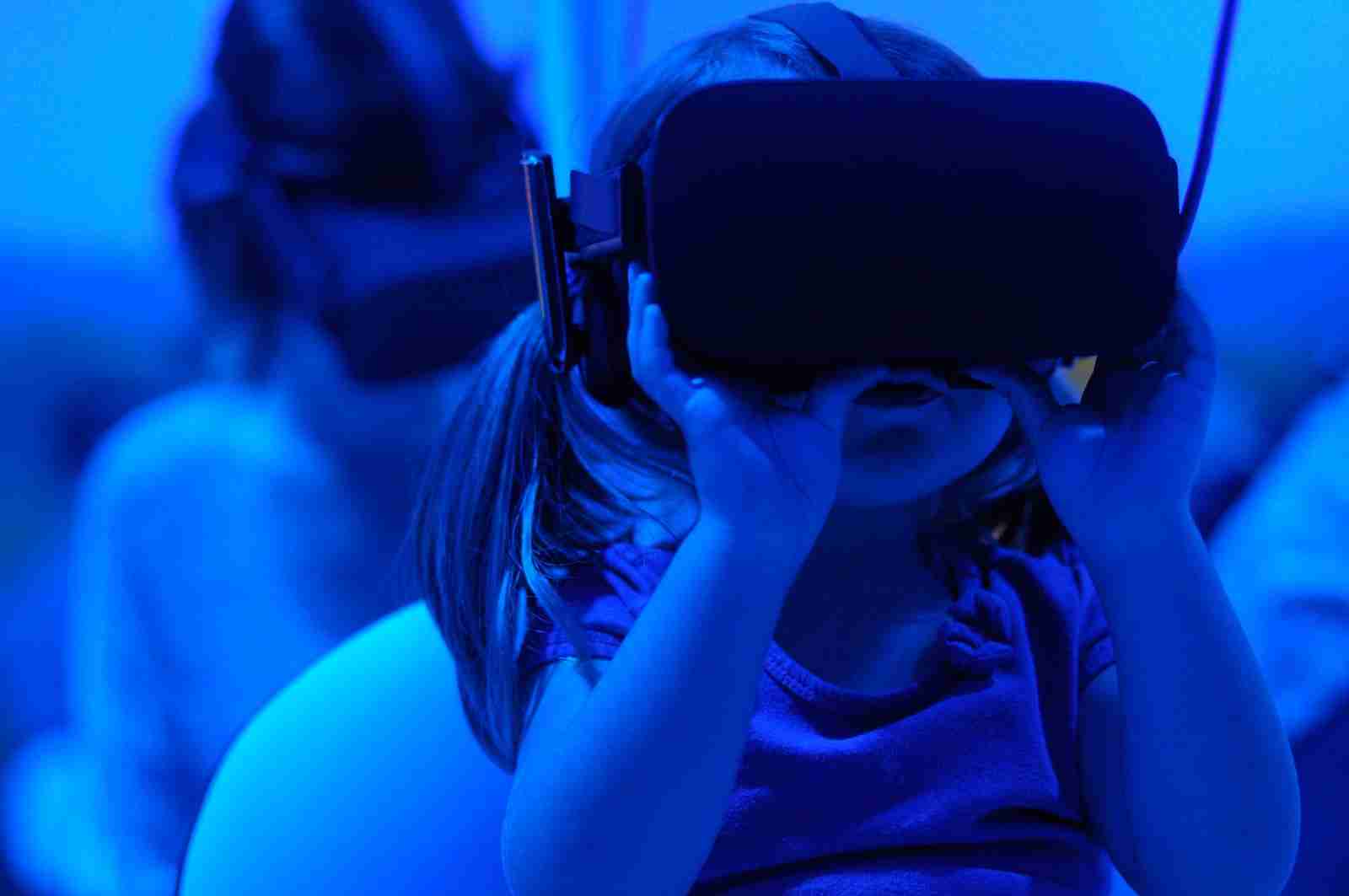
Picture this: a child, determination written all over their face, navigating a digital obstacle course. Each level poses greater challenges, but instead of throwing up their hands in defeat, they press on, learning from each misstep—if only real life were that simple! One of the remarkable gifts of gaming lies in its potential for *gamification*, transforming mundane problem-solving into an engaging adventure. That’s where we see the magic happen.
When kids engage with games, they’re not just playing; they’re entering a world where resilience is cultivated through curated experiences. Each virtual roadblock serves as a mini-test, nudging them toward perseverance in a way that feels natural and fun. They’ve equipped themselves with a toolkit that teaches them to view challenges not as dead ends but as opportunities for growth. Think about it: in a game, failure is merely a stepping stone to success. The character may go down, but they’re always built to get back up again—just like the kids doing the playing.
So what does all this mean for the challenges children face outside of their screens? When they face disappointment in the real world—a tough test at school, a scuffle with friends, or just the everyday frustrations of growing up—they can draw on the resilience learned through gaming. They’ve practiced coping with setbacks, strategizing their next moves, and brainstorming alternative routes to reach their goals.
Can you relate? Perhaps you’ve faced a tough time, and you found yourself tapping into skills learned through earlier experiences, whether on the playground, in the classroom, or even through sports. Just as those environments prepare us for the rigors of adulthood, games can build the resilience necessary for navigating life’s challenges.
Of course, it’s crucial to keep moderation in mind. The goal is not to wrap children in a cocoon of screens but to use gaming as a valuable tool in a rich toolbox filled with experiences. So next time you watch your child immersed in their game, don’t just see a pastime. See the growth, the learning, and the invaluable life lessons they’re gaining. They’re not just playing; they’re preparing for life, one challenge at a time.

Do Games Teach Resilience To Children Facing Challenges?
Do Games Teach Resilience To Children Facing Challenges?
- Gaming fosters determination and resilience in children as they navigate digital challenges.
- Through *gamification*, problem-solving becomes an engaging and adventurous experience.
- Virtual obstacles encourage kids to view challenges as opportunities for growth rather than failures.
- Lessons learned from gaming help children cope with real-world disappointments and setbacks.
- Children practice strategizing and brainstorming alternative solutions while playing games.
- Experiences from gaming can enhance resilience, preparing kids for life’s challenges.
- Moderation is key; gaming should complement a well-rounded set of experiences, not replace them.

Do Games Teach Resilience To Children Facing Challenges?
What Role Does Collaboration In Gaming Play For Children?
In a world where screens often lure children into isolated digital corners, gaming emerges as a surprising beacon of collaboration. Believe it or not, multiplayer online games are more than just flashy visuals and captivating storylines; they’re vibrant playgrounds where kids learn invaluable social skills, teamwork, and problem-solving—from the comfort of their couches.
Imagine a young gamer surrounded by friends—each voice crackling through a headset, each face lit by the glow of their screens. This isn’t just a bunch of kids logging hours on their favorite games; it’s a symphony of collaboration in action. Whether they’re teaming up to conquer a virtual fortress, strategizing their next move in a complex quest, or coordinating efforts to defeat an epic boss, the essence of collaboration is woven into the fabric of gaming.
Collaboration in gaming fosters connections that transcend the virtual space. Kids learn to negotiate roles, offer constructive feedback, and celebrate each other’s victories. It’s a dance of trust—where one player’s skills complement another’s, and the thrill of achieving a shared goal solidifies friendships. The beauty of this camaraderie is that it reflects real-life teamwork, preparing them for future challenges in school projects or group endeavors.
Moreover, the rise of gamification enhances this collaborative experience. Gamification—the art of applying game-like elements in non-game contexts—encourages kids to tackle challenges with enthusiasm. It transforms mundane tasks into captivating quests. Imagine a child motivated to finish homework because they view it as a level to be conquered with friends, or a community science project that feels less like an obligation and more like a raid against a common foe.
This is not just playtime; it’s a crucial developmental stage. Children learn to communicate, share responsibilities, and build resilience when things don’t go according to plan. They navigate social dynamics and embrace diverse perspectives in ways that will serve them well beyond the gaming world.
So, the next time you hear the familiar sounds of digital adventures echoing from your living room, remember that these moments of collaboration—in all their pixelated glory—are teaching your children more than how to win a game. They’re equipping them with essential life skills, nurturing friendships, and providing invaluable lessons in working together. This is the hidden power of gaming, and it’s a journey worth celebrating.

What Role Does Collaboration In Gaming Play For Children?
What Role Does Collaboration In Gaming Play For Children?
- Multiplayer online games offer children opportunities for collaboration, teaching crucial social skills.
- Gaming creates vibrant environments where kids engage in teamwork and problem-solving together.
- Players negotiate roles, provide feedback, and celebrate each other’s successes, reinforcing connections.
- Collaboration in gaming mirrors real-life teamwork, preparing children for future group challenges.
- Gamification transforms tasks into engaging adventures, motivating kids to tackle challenges with enthusiasm.
- Through gaming, children learn to communicate, share responsibilities, and build resilience.
- Ultimately, gaming fosters essential life skills, nurtures friendships, and teaches collaboration beyond the screen.
What Role Does Collaboration In Gaming Play For Children?
Are There Age-Appropriate Games For Teaching Life Skills?
When we think about life skills, the mind often wanders to those daunting lessons not found in traditional classrooms—things like budgeting, problem-solving, and navigating social dynamics. But what if I told you that there’s a treasure trove of learning waiting in the playful world of games? That’s right! Gamification is not just a fancy buzzword thrown around by marketers; it’s a powerful tool for teaching essential skills in a way that feels less like a chore and more like a fun adventure.
Imagine a group of kids huddled around a board game, not just rolling dice but making important decisions that mirror real life. Each move they make can spark discussions about critical thinking, consequences, and even teamwork. In that moment, they’re not just “playing”—they’re practicing invaluable skills like negotiation, empathy, and conflict resolution, all while having a blast. It’s learning in disguise, and it’s happening right before our eyes.
For younger kids, think about games that require them to organize, plan, and strategize. Simple card games can introduce them to financial literacy concepts without a dollar sign in sight. As they trade cards or “buy” imaginary properties, you’re instilling the basics of money management without ever mentioning a budget. Teens, on the other hand, might thrive in more complex scenarios, like role-playing games that require them to navigate complex social interactions or even virtual environments that simulate real-world challenges. This makes for an engaging experience where lessons about resilience and adaptability unfold naturally.
Now, I know what you might be thinking: “Can gaming really impart these skills?” The answer is a resounding yes! Research shows that when we incorporate elements of play into learning—what we call gamification—we not only capture attention but also enhance understanding and retention. It’s about harnessing the innate curiosity and competitive spirit in us all.
So, as you look for ways to teach life skills to the young ones in your life, consider integrating games that are thoughtfully designed for their age group. Turn the playtime into an opportunity for growth, and watch as they absorb these valuable skills without even realizing it. After all, why should learning be limited to books and screens when the world of games offers such a dynamic and effective platform? Embrace the fun, and trust that life skills will become second nature as they play.

Are There Age-Appropriate Games For Teaching Life Skills?
Are There Age-Appropriate Games For Teaching Life Skills?
- Life skills often include budgeting, problem-solving, and navigating social dynamics, typically not taught in classrooms.
- Gamification serves as a powerful tool to teach essential skills in a fun, engaging manner.
- Board games encourage kids to make decisions, sparking discussions on critical thinking, consequences, and teamwork.
- Through gameplay, children learn negotiation, empathy, and conflict resolution while enjoying the experience.
- Younger kids can grasp financial literacy concepts through simple card games that introduce basic money management.
- Teenagers benefit from complex role-playing games that simulate real-world challenges and focus on resilience and adaptability.
- Incorporating play into learning enhances understanding and retention, making it an effective approach to teach life skills.
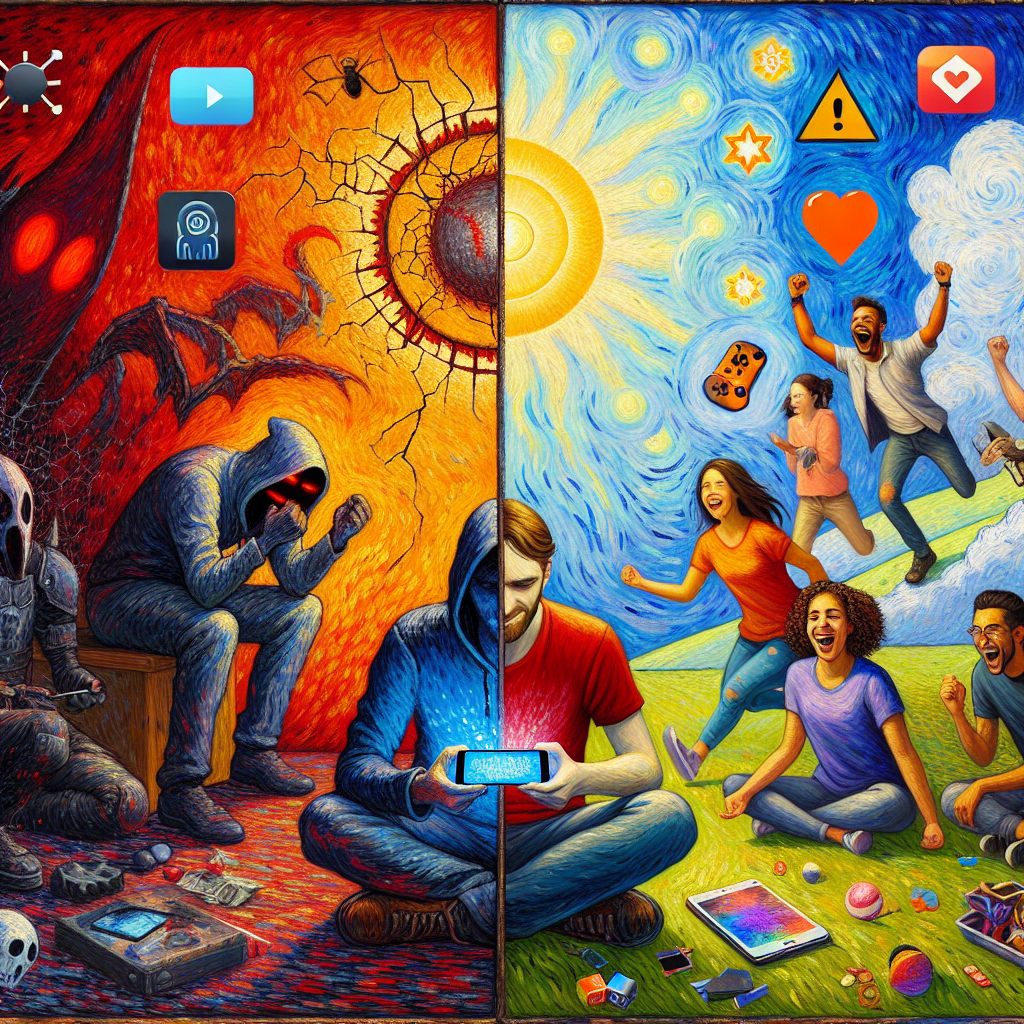
Are There Age-Appropriate Games For Teaching Life Skills?
Conclusion
In a world that feels increasingly complicated, it’s comforting to see that games have emerged as more than just a source of entertainment; they’re becoming powerful tools that teach our kids to approach life’s challenges head-on. It’s a phenomenon that Tom Seest has brilliantly illuminated in his exploration of gamification—the practice of integrating game mechanics into various aspects of life. So, stick with me as we dive into the heart of this idea: kids immersed in games are not just playing; they’re prepping for real-world obstacles.
Think about it. When our children sit down to tackle a math problem, what if instead of fear and frustration, they faced it like a gaming mission? They encounter levels to conquer and treasures to unlock, transforming daunting tasks into exhilarating quests. This newfound mindset reshapes not just how they perceive challenges but also how they engage with them. Games are like practice fields for resilience. They allow kids to stumble and fall, only to dust themselves off and try again. It’s a masterclass in perseverance that fosters a growth mindset, teaching them—sometimes over and over again—that setbacks are temporary stepping stones toward success.
But resilience is just one piece of the puzzle. Let’s not forget about teamwork. Multiplayer games are social ecosystems where collaboration becomes essential. Children learn to communicate, strategize, and support one another, skills that are critical both in the digital environment and far beyond it. Asking for help becomes a strength, not a weakness—a lesson that can extend into their real-world relationships and future workplaces.
The beauty of gamification is that it transforms what could be mundane routines—like studying or completing household chores—into engaging challenges. Kids don’t just learn how to solve problems; they learn how to think critically, process information creatively, and adapt strategies on the fly. They find joy in the process of learning, igniting a passion for knowledge that textbooks alone often fail to inspire.
So, the next time you spot a child glued to their screen, rather than rolling your eyes, consider stepping back. Observe the skills they’re honing and the resilience they’re developing. Games have the incredible ability to ignite not only individual growth but also the collaborative spirit crucial for thriving in today’s world. As we navigate this landscape together—with games as our unlikely allies—we can help prepare our kids for whatever challenges life throws at them. In the end, perhaps it’s not just play—it’s a whole new way of learning how to live.

Conclusion
Conclusion:
- Games have evolved into powerful educational tools, teaching children to face real-world challenges.
- Gamification incorporates game mechanics into various life aspects, enhancing children’s engagement in tasks.
- Approaching challenges like game missions can reduce fear and frustration, transforming obstacles into quests.
- Games foster resilience by allowing children to experience setbacks and learn perseverance.
- Multiplayer games cultivate teamwork, communication, and strategic collaboration skills essential for life.
- Gamification turns mundane activities into engaging challenges, sparking a love for learning.
- Watching children play games can reveal the valuable skills and resilience they are developing for future challenges.

Conclusion
Other Resources

Other Resources
Here is a list of other resources you can review online to learn more:
- What’s Your Game?
- Bridge
- The Broken Meeple
- Blood Rage
- Gaming Rules!
- Keyforge
- Caverna: The Cave Farmers
- Space Cowboys
Use This Prompt To Get More Resources With Your Favorite Online AI Tool: Please provide me with a list of online articles with their URLs in a bulleted list that I can read regarding Are Games Revolutionizing How Children Approach Life Challenges?

Other Resources
Glossary Terms
Are Games Revolutionizing How Children Approach Life Challenges? – Glossary Of Terms
1. Gamification: The application of game-design elements in non-game contexts to enhance engagement and motivation.
2. Resilience: The ability to recover quickly from difficulties, often fostered through challenges in games.
3. Problem-Solving: The process of finding solutions to complex issues, a skill honed by navigating game scenarios.
4. Collaboration: Working together with others to achieve a common goal, often seen in multiplayer games.
5. Critical Thinking: The ability to analyze facts to form a judgment, developed through strategic gameplay.
6. Adaptability: The capability to adjust to new conditions, encouraged by changing game environments and objectives.
7. Mindfulness: A mental practice that encourages present-moment awareness, sometimes integrated into games to promote focus.
8. Empathy: The ability to understand and share the feelings of others, often enhanced through character-driven narratives in games.
9. Goal Setting: The process of identifying specific objectives, a common feature in most games that helps build life skills.
10. Decision Making: The cognitive process of choosing between options; practiced through making choices in games.
11. Risk-Taking: The willingness to engage in behaviors that expose one to risk, encouraged in game play to foster courage.
12. Creativity: The use of imagination to create, which can be stimulated through open-ended games and environments.
13. Persistence: The ability to keep trying even after failure, showcased through challenging game levels.
14. Feedback: Information given to users during gameplay that helps them improve their skills or understanding.
15. Teamwork: The combined effort of a group to achieve a goal, often essential in cooperative games.
16. Engagement: The level of interest and involvement a child has in a game, translating into increased motivation in real life.
17. Simulation: A game that imitates real-world processes, helping children understand complex systems and scenarios.
18. Narrative: The story component of games that can enhance emotional understanding and critical thinking through immersive experiences.
19. Self-Regulation: The ability to control one’s emotions and behavior, often developed through managing game challenges.
20. Digital Literacy: The skills required to use digital technology effectively, an essential part of engaging with modern games.
21. Social Skills: The capabilities that help individuals interact harmoniously with others, often improved through multiplayer gaming.
22. Strategic Planning: The process of defining a strategy or direction in gaming, preparing children for life’s decisions.
23. Time Management: The ability to plan and control how much time to spend on specific activities, developed through timed gaming tasks.
24. Competence: The feeling of being capable and effective, reinforced through achieving goals in games.
25. Exploration: The act of seeking out new experiences, encouraged in open-world and adventure games.
26. Innovation: The introduction of new ideas or methods, often stimulated by creative game mechanics.
27. Cognitive Development: The progression of thinking and understanding that games can promote, especially through puzzles and strategy.
28. Character Development: The growth of a player’s skills and attributes within a game, reflecting personal growth in real life.
29. Conflict Resolution: The ability to resolve disagreements and find a peaceful solution, practiced in competitive games.
30. Role-Playing: Assuming the character role in a game, helping children explore different perspectives and develop empathy.

Glossary Of Terms
Other Questions
Are Games Revolutionizing How Children Approach Life Challenges? – Other Questions
If you wish to explore and discover more, consider looking for answers to these questions:
- What specific life skills can children learn from different types of games?
- How does gamification differ across various educational settings?
- Are there particular genres of games that are more effective for teaching resilience?
- What age group benefits most from gamified learning experiences?
- How can parents identify age-appropriate games that teach life skills?
- What are some examples of games that effectively teach teamwork and collaboration?
- Are there risks associated with excessive gaming that impact problem-solving skills?
- How can educators incorporate gamification into their lesson plans?
- What research supports the effectiveness of gamification in learning environments?
- How do games address different learning styles among children?
- What role do educators play in guiding children’s gaming experiences for skill development?
- Can non-digital games offer the same benefits as video games in teaching life skills?
- What are parents’ perspectives on the balance between gaming and other forms of learning?
- How can children transition skills learned in gaming to real-life situations?
- What future trends might arise in the intersection of gaming and education?

Other Questions
Haiku
Are Games Revolutionizing How Children Approach Life Challenges? – A Haiku
Games teach children,
Battles turn to life lessons,
Resilience through play.

Haiku
Poem
Are Games Revolutionizing How Children Approach Life Challenges? – A Poem
Leveling Up in Life: A Poem
In pixelated realms, where children play,
New skills awaken, come what may.
With every jump and every quest,
They learn resilience, they learn their best.
Math turned to adventure, challenges embraced,
Each setback a lesson, not to be replaced.
Problems once daunting, now quests to explore,
Transforming frustrations into open doors.
Collaboration blooms in a shared online space,
Voices unite, together they face.
With strategies woven and teamwork in tow,
Friendships grow strong, as they conquer and glow.
In games, they discover the power of grit,
Failures not endings, they boldly commit.
Creativity flows in each move they create,
Imaginative solutions, their minds elevate.
Through trials and testing, they learn to adapt,
Navigating life with each virtual map.
Resilient young hearts, equipped for the fray,
Challenges tackled, come what may.
So as screens light the room with their glow,
Remember the lessons that games bestow.
For it’s not just for fun, it’s a vital rehearsal,
In the game of life, they practice their verbal.
Let’s celebrate gaming—a teacher, a guide,
In this vibrant adventure, let curiosity ride.
For in every level, each level they gain,
Are skills for the journey where life’s challenges reign.

Poem
Checklist
Are Games Revolutionizing How Children Approach Life Challenges? – A Checklist
Checklist: Skills Kids Can Develop Through Gaming
1. Identify Games for Skill Development
_____ Choose games that promote teamwork (e. g. , multiplayer games or cooperative board games).
_____ Select games that require critical thinking and problem-solving (e. g. , puzzle games, strategy games).
_____ Look for games that emphasize creativity (e. g. , sandbox or crafting games).
2. Promote Resilience
_____ Engage with games that encourage trying again after failure (e. g. , platformers, challenge modes).
_____ Discuss in-game failures and what your child learned from them.
_____ Allow your child to navigate challenges independently while providing support.
3. Foster Collaboration and Communication
_____ Encourage your child to play multiplayer games with friends or family.
_____ Discuss strategies and tactics during gameplay to enhance communication skills.
_____ Organize game nights to strengthen teamwork among peers.
4. Encourage Structured Problem Solving
_____ Create informal discussions about the strategies used in games and their real-life applications.
_____ Ask your child about the decisions they made during gameplay and the outcomes.
_____ Use role-playing games to simulate complex social scenarios.
5. Incorporate Critical Thinking
_____ Use strategy-based games that require analysis and planning (e. g. , chess, card games).
_____ Promote games that involve negotiation and compromise (e. g. , trading games).
_____ Engage them in discussions about in-game choices and their implications.
6. Make Learning Fun Through Gamification
_____ Integrate educational games and apps into their study routine.
_____ Turn mundane tasks into game-like challenges (e. g. , homework as a quest).
_____ Explore game-based learning platforms that enhance engagement.
7. Reflect on Gaming Experiences
_____ Discuss what skills were practiced during the game.
_____ Ask your child how they felt when overcoming challenges or collaborating with team members.
_____ Encourage self-reflection on how gaming experiences relate to real-world situations.
8. Set Healthy Boundaries
_____ Monitor gameplay time to maintain a balanced lifestyle.
_____ Encourage breaks during long gaming sessions to promote physical activity.
_____ Discuss the importance of moderation in gaming and other activities.
Feel free to distribute this checklist as a companion to the article, allowing readers to utilize it as a practical guide for harnessing the developmental benefits of gaming for children!

Checklist
At HowDoYouGame, we help people who love board games by collating information and news about games.
Be sure to read our other related stories at HowDoYouGame to learn more about games.