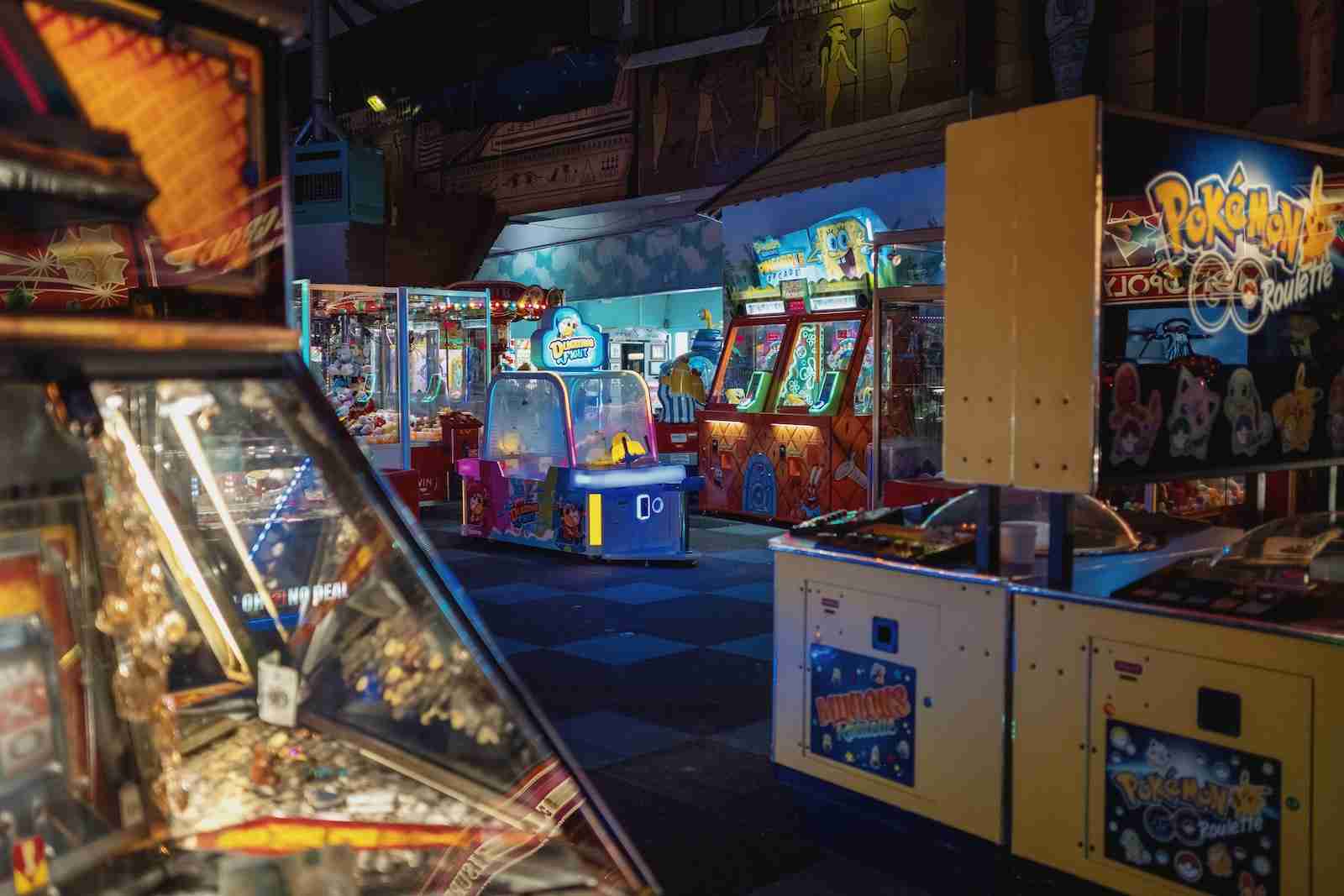
Unlock Your Potential: Embrace Gaming For Personal Development
By Tom Seest
At HowDoYouGame, we help people who love board games by collating information and news about games.
Be sure to read our other related stories at HowDoYouGame to learn more about games.
Are You Hindering Your Growth By Limiting Game Time?
Let’s face it: we live in a world that often dismisses play as something frivolous. We’re told to focus on productivity, to prioritize responsibilities. But let’s hit pause for a moment and consider the incredible power of gamification—techniques that use game elements to make tasks more engaging and rewarding. This isn’t just about kids playing with toys; it’s about leveraging the inherent fun in gaming to boost our skills, creativity, and even our mental resilience.
When was the last time you found yourself fully immersed in a game? You were probably so engrossed that you lost track of time. In those moments, problem-solving feels natural, and a challenging task becomes nothing more than an exciting level to conquer. The beauty of gamification lies in its ability to transform the mundane into the extraordinary. The skills you hone in a game—strategic thinking, teamwork, resource management—are all relevant in real-world scenarios.
Now, let’s get personal. Are you limiting your game time, perhaps thinking that you’re being responsible or mature? If so, consider this: you might be holding yourself back from experiencing growth that is not only beneficial but necessary. It’s not about avoiding the real world; it’s about embracing play as a vital component of your personal development. When you set aside time for games, you’re essentially investing in your cognitive and social development.
Moreover, think about the connections you can foster through gameplay. Whether it’s gathering friends for a board game night or jumping into an online multiplayer, these experiences don’t just improve your skills; they build relationships. And let’s be honest, we all crave connection. There’s something truly satisfying about celebrating victories together or strategizing with teammates, whether they’re physically beside you or miles away.
So, next time you question whether to dive into that gaming session, remember that it might not be a distraction— it could be the very thing that helps you unlock newfound potential. Embrace the joy of gamification. Reclaim your game time, take the leap, and watch as you not only hone your skills but also enrich your life. After all, growth should be just as exciting as any game you play.

Are You Hindering Your Growth By Limiting Game Time?
Are You Hindering Your Growth By Limiting Game Time?
- Society often views play as frivolous, prioritizing productivity and responsibilities.
- Gamification utilizes game elements to make tasks more engaging and rewarding.
- It helps boost skills, creativity, and mental resilience beyond just entertainment.
- Being immersed in games fosters natural problem-solving and strategic thinking.
- Limiting game time may hinder personal growth and cognitive development.
- Gameplay fosters connections and builds relationships, enhancing social skills.
- Engaging in play can unlock potential and enrich personal growth experiences.

Are You Hindering Your Growth By Limiting Game Time?
Table Of Contents
- Are You Hindering Your Growth By Limiting Game Time?
- How Does Limiting Game Time Affect Skill Development?
- What Are The Benefits Of Extended Game Play?
- Can Reduced Gaming Time Lead To Missed Opportunities For Learning?
- How Does Game Time Impact Social Interactions In Gaming?
- Are There Specific Games That Require More Time To Master?
- What Role Does Practice Frequency Play In Gaming Success?
- How Can Too Little Game Time Lead To Frustration?
- Conclusion
- Other Resources
- Glossary Of Terms
- Other Questions
- Haiku
- Poem
- Checklist
How Does Limiting Game Time Affect Skill Development?
So, let’s talk about game time. Or more specifically, let’s discuss the boundaries we often set around it. You might think limiting game time is akin to throwing a wrench in the gears of skill development, like trying to pour a gallon of milk into a shot glass. But hold your horses for a second. When you dive deep into the nuances of gameplay, you might just uncover a treasure trove of unexpected benefits.
Imagine the thrill of a young gamer, fervently pressing buttons, eyes glued to the screen, punctuated by the hypnotic rhythm of digital action. It’s captivating, isn’t it? But here’s the kicker: too much immersion can turn that passion into monotony. By setting boundaries on game time, we pave the way for something incredible—balance. In doing so, we push players to explore other avenues—creative pursuits, physical activities, or even collaborative experiences with peers—all of which are fertile ground for skill development.
Gamification, the process of applying game-like elements in non-game contexts, serves as an excellent example of this dichotomy. By embedding learning into structures derived from gaming, we draw parallels between challenges faced in game levels and obstacles encountered in real life. But if we let our gaming habits spiral out of control, we lose the opportunity to apply these lessons. When we limit screen time, we encourage players to reflect on their experiences, analyze their strategies, and communicate their insights. Suddenly, game time transforms from mere play into a launchpad for growth.
Plus, let’s not overlook the importance of rest. Like a finely tuned engine, our brains need downtime to recharge and assimilate new skills. When we limit game time, we foster an environment where mental fatigue is kept at bay, allowing those skills to flourish without being stunted by burnout.
Here’s the bottom line: Limiting game time might feel like a restraint at first, but it’s less about constraining and more about cultivating. By carving out sacred hours away from the screen, we don’t just protect our kids from being glued to their consoles; we empower them to enrich their lives in ways they never thought possible. So let’s embrace those boundaries and watch as our players level up—not just in the game, but in the beautiful, messy, real-world game of life.

How Does Limiting Game Time Affect Skill Development?
How Does Limiting Game Time Affect Skill Development?
- Setting boundaries around game time is often misinterpreted as hindering skill development.
- Limiting game time can prevent passion from turning into monotony and cultivate balance in players’ lives.
- Encouraging players to engage in creative pursuits and physical activities enhances skill development.
- Gamification illustrates the connection between gaming challenges and real-life obstacles.
- Limiting screen time prompts players to reflect, analyze strategies, and communicate insights.
- Rest is crucial for mental recharging, helping assimilate new skills and preventing burnout.
- Embracing boundaries can empower players to grow in various dimensions of life beyond gaming.

How Does Limiting Game Time Affect Skill Development?
What Are The Benefits Of Extended Game Play?
Now, let’s put our cards on the table: Community isn’t just a fancy buzzword tossed around in boardrooms; it’s a solid foundation of human experience. Think back to the last time you immersed yourself in a game for an extended stretch. Perhaps it was a months-long campaign that became a shared story among friends or a high-stakes puzzle that kept you guessing until the early hours. It’s that kind of engagement where the magic happens, and believe it or not, the benefits go way beyond just bragging rights.
Extended gameplay promotes what the tech-savvy folks like to call “gamification.” This fancy term simply refers to the application of game-design elements in non-game contexts. Picture this: you’re in the middle of a challenging level or invoking strategies with your pals to complete a quest. Those moments don’t just offer adrenaline; they hone your problem-solving skills and foster creativity. In fact, the learning that occurs during extended gameplay seamlessly translates to real life.
Think about it. You’ve tackled obstacles, analyzed opponents, and collaborated with teammates, often without even realizing you’re doing it. Those skills? They’re invaluable in school, work, and beyond—what we would generally consider the mundane parts of life. You’ll find that extending your gameplay can sharpen your critical thinking and enhance your ability to adapt under pressure. When chaos looms, your brain is already conditioned to analyze and act decisively.
More than just an intellectual workout, extended gaming fosters community. Whether you’re joining a guild, sharing tips on a forum, or simply enjoying some friendly banter during a game night, these experiences create lasting connections with others. And let’s not underestimate the joy that comes from belonging—there’s comfort in knowing you’re not alone in your triumphs and frustrations.
Yet, while it’s all fun and games, moderation is key. Like any great endeavor, balance is essential to ensure you reap the benefits without tipping into obsession. So, grab those controllers, gather your friends, or dive into that online world, and remember: you’re not just playing a game; you’re building skills, fostering friendships, and yes, unlocking parts of yourself you never knew existed. Now that’s a win-win if I ever heard one!

What Are The Benefits Of Extended Game Play?
What Are The Benefits Of Extended Game Play?
- Community is an essential aspect of human experience, not just a buzzword.
- Extended gameplay promotes “gamification,” applying game elements in non-game contexts.
- Engaging in gaming enhances problem-solving skills and fosters creativity.
- Skills developed through gaming, such as critical thinking and adaptability, are beneficial in real-life scenarios.
- Extended gaming builds community through shared experiences and connections with others.
- Moderation is crucial to enjoy the benefits of gaming without falling into obsession.
- Playing games helps build skills, foster friendships, and discover new aspects of oneself.

What Are The Benefits Of Extended Game Play?
Can Reduced Gaming Time Lead To Missed Opportunities For Learning?
Let’s take a moment to dig into a conversation that’s buzzing beneath the surface of our digital lives: the delicate balance between gaming and learning. Now, many people might look at video games as simple entertainment, a way to unwind after a long day. But let’s not underestimate the power of those colorful screens and immersive worlds. Video games have a unique way of engaging our minds through what we often call *gamification*—the process of applying game mechanics to non-game contexts. This isn’t just some flashy term thrown around by marketing folks; it captures a genuine form of motivation that can foster critical skills.
Picture this: you’re deep in a game, your character’s about to embark on a quest. The stakes are high. The rush! You’re strategizing, collaborating with friends, or maybe you’re negotiating alliances with players from across the globe. Inside that virtual space, you’re developing skills like problem-solving, teamwork, and even resource management—and all of it happens without the pressure of a deadline. That, my friend, is learning in disguise.
Now, what happens when we start cutting back on that gaming time? Sure, it might create more space in our lives for other pursuits, but it also means stepping away from those opportunities for growth. The concepts learned through *gamification*—like resilience in the face of failure or the thrill of achievement—can be transformative. These lessons can extend into real-life scenarios, whether it’s tackling a tough project at work or learning to navigate personal challenges.
The trick here isn’t to advocate for hours on end spent in front of a screen, but to recognize that gaming can be a vehicle for educational experiences if approached wisely. So, rather than dismissing games as trivial, consider them as part of a broader learning ecosystem. After all, engaging with a game doesn’t just provide entertainment; it builds a richer skill set that can enrich our lives when we step back into the “real” world.
Don’t rush to cut out gaming entirely. Instead, think of it as a tool—a bridge to learning that can elevate our understanding and capabilities. Embrace it, engage with it thoughtfully, and you just might find that the lessons learned in those virtual realms can spark a fire of creativity and resourcefulness long after the screen goes dark. It’s about balance, connection, and keeping the doors of opportunity wide open.

Can Reduced Gaming Time Lead To Missed Opportunities For Learning?
Can Reduced Gaming Time Lead To Missed Opportunities For Learning?
- Video games are often perceived merely as entertainment, but they hold significant educational potential.
- *Gamification* applies game mechanics in non-game contexts, fostering motivation and critical skill development.
- Playing games allows for the development of valuable skills such as problem-solving, teamwork, and resource management.
- Reducing gaming time might limit opportunities for personal growth and learning experiences.
- Lessons from gaming, like resilience and achievement, can be applied to real-life challenges.
- Engagement with games should be viewed as part of a broader learning ecosystem rather than a trivial pursuit.
- Gaming can serve as a tool for learning, promoting creativity and resourcefulness in the real world.

Can Reduced Gaming Time Lead To Missed Opportunities For Learning?
How Does Game Time Impact Social Interactions In Gaming?
Let’s take a moment to step into the vibrant realm of gaming. Picture the screen glowing in the dim light of your gaming nook, where every sound, every pixel transports you to worlds beyond our own. But as we dive into these epic adventures, it’s crucial to reflect on how the sheer act of playing—our game time—shapes the way we connect with others in both the virtual and real worlds. After all, gaming isn’t just about competition or grinding for hours; it’s about the stories we weave and the friendships we forge.
When we talk about gamification—the clever art of embedding game-like elements into our everyday lives—it’s more than just unlocking levels or collecting in-game rewards. It’s a powerful tool that stems from the social nature of play itself. Think about it: when you dive into a multiplayer match or join a raid, you’re not just clicking buttons; you’re part of a larger community. Whether it’s strategizing with teammates or sharing that triumphant moment after a well-earned victory, these experiences foster bonds that can turn mere acquaintances into lifelong friends.
However, as with any great adventure, balance is key. Too much game time can lead to isolation, diminishing those face-to-face interactions that are so vital for our well-being. Yet, therein lies the beauty of gamification—it encourages engagement, motivating us to step out and socialize, even when we’re surrounded by a digital landscape. This means not just playing with others, but truly connecting with them, sharing laughs, brainstorming strategies, and celebrating achievements.
Consider the groups that form around gaming. From clans in combat games to guilds in RPGs, these collectives often become micro-communities—a place where individuals can share experiences and perspectives. The camaraderie built here can enrich our lives, reminding us that behind every username lies a real person with stories to tell and laughter to share.
So, as you grab that controller or mouse, remember: it’s about more than just the game itself. Your time spent gaming can serve as a bridge to social interactions that might enrich your life in unexpected ways. Don’t underestimate the power of connection through play. Dive in, explore, and relish the camaraderie waiting just a few clicks away. It’s a shared journey—let’s make the most of it together!
How Does Game Time Impact Social Interactions In Gaming?
How Does Game Time Impact Social Interactions In Gaming?
- Gaming immerses players in vibrant worlds, enhancing social connections in both virtual and real settings.
- Gamification incorporates game-like elements into daily life, boosting engagement and motivation.
- Multiplayer experiences foster community, transforming acquaintances into lasting friendships.
- Balance is essential, as excessive game time can lead to isolation and reduce face-to-face interactions.
- Gamification encourages social engagement, promoting real connections through shared gaming experiences.
- Gaming communities, such as clans and guilds, serve as micro-communities for sharing and camaraderie.
- Time spent gaming can act as a bridge to enriching social interactions and connections.

How Does Game Time Impact Social Interactions In Gaming?
Are There Specific Games That Require More Time To Master?
Let’s be honest: some games are like that friend who insists on telling you every detail of their last vacation. You want to engage, but you quickly realize this is going to take more time than you thought! In the world of gaming, there are definitely titles that demand a deeper investment – not just of time, but also of brainpower and skill.
Look at games that incorporate gamification elements, for instance. These aren’t just about completing a level or reaching a new milestone; they’re designed to reward you for setting your own objectives and actually achieving them. Think about games like *Dark Souls* or *Dota 2*. These aren’t merely games; they are intricate puzzles, steeped in lore and rich gameplay mechanics. Mastering them requires you to study maps, understand character mechanics, and strategize like you’re planning a heist. These games can seem daunting, but therein lies their magic!
The road to mastery is often filled with trial and error, and that’s a journey worth taking. The learning curve can resemble scaling a steep mountain—it’s a slippery slope at first, but every slip and slide teaches you something valuable. The satisfaction of finally conquering a boss who had you screaming at the screen in frustration isn’t just the reward; it’s the entire experience leading up to that victory.
And let’s not forget the multiplayer online battle arena games. Not only do they require you to hone your skills with a diverse character roster, but they also introduce layers of teamwork and strategy. Figuring out how to synergize with teammates can flip the script on your gameplay experience. In a nutshell, it’s about building something greater than the sum of your parts, and that takes time, commitment, and a willingness to learn from others.
Now, don’t let the thought of a steep learning curve intimidate you. Every expert started as a novice, and every pixelated challenge was once a mountain they had to climb. Embrace the idea that it’s okay to be a beginner. Get a game that catches your interest and dive in, even if it feels like you’re walking into the deep end. The reward isn’t just in the mastery; it’s about the journey, the connections, and the stories you’ll accumulate along the way. Game on!

Are There Specific Games That Require More Time To Master?
Are There Specific Games That Require More Time To Master?
- Some games require significant time and skill investment, much like an overly detailed conversation.
- Games that use gamification encourage players to set personal objectives and achieve them.
- Examples like *Dark Souls* and *Dota 2* are complex puzzles rich in lore and gameplay mechanics.
- The process of mastering these games often involves trial and error, akin to scaling a steep mountain.
- Satisfaction comes not just from victory, but from the journey and experiences accumulated along the way.
- Multiplayer games add layers of teamwork and strategy, enhancing the overall gameplay experience.
- It’s important to embrace being a beginner, focusing on the journey, connections, and stories in gaming.

Are There Specific Games That Require More Time To Master?
What Role Does Practice Frequency Play In Gaming Success?
Imagine for a moment the skill of a master craftsman—let’s say a blacksmith. Each day, the smith hammers away at molten metal, molding and refining his creations. His strength isn’t just from innate talent; it’s forged from countless hours of practice. The same principle applies to gaming. You see, frequency of practice is the undercurrent that can propel you from casual player to gaming virtuoso.
When we talk about gamification, we often think about how game elements can be used to engage and motivate. But what if we flipped that script? What if you thought of your gaming journey as a game in itself? Tally up your hours, set milestones, and reward yourself for hitting them. Just like in any good RPG, each session is an opportunity to level up. Day after day, you’re earning experience points that accumulate into something much greater—a deep, nuanced understanding of your game.
Let’s break it down. The more you practice, the more you familiarize yourself with the mechanics—be it complex controls or intricate strategies. Your muscle memory grows. Those challenging combos that seemed impossible will soon become second nature. It’s in this repetitive action that confidence blooms, much like watching a seed sprout into a robust plant. You plant the seed of practice with consistency, and when the conditions are right, it sprouts into skill.
But don’t take it from me. Look at the professionals. Ask any seasoned gamer how they made it to the top, and you’ll hear stories of dedication. They didn’t just roll the dice and hope for luck—they put in the time, honing their craft through deliberate practice. This isn’t dogma; it’s a pattern observed across countless success stories.
Now, here’s where it gets truly engaging. Envision your gaming as a challenge to improve. Keep a diary of your pitfalls and victories, track your practice frequency, and hold yourself accountable. It’s about creating a system that works for you and fuels not just your gaming prowess but your love for it as well. This way, every session becomes an adventure, every victory a steppingstone, and every defeat, a well-learned lesson.
So next time you fire up your console or PC, remember: it’s not just about having fun. It’s about the grind, the work, and the frequency that turns a hobby into mastery. Get out there and practice. Your next game-changing moment might just be a session away!

What Role Does Practice Frequency Play In Gaming Success?
What Role Does Practice Frequency Play In Gaming Success?
- The skill of a master craftsman, like a blacksmith, is developed through countless hours of practice.
- Frequency of practice is essential for transitioning from a casual player to a gaming virtuoso.
- Gamifying your gaming journey can enhance engagement—track hours, set milestones, and reward achievements.
- Consistent practice helps familiarize players with game mechanics and fosters muscle memory.
- Successful gamers attribute their achievements to dedication and deliberate practice, rather than luck.
- Maintaining a diary of wins and losses can help create a system for accountability and improvement.
- Transform gaming from a hobby into mastery through commitment and practice; success is often just a session away.

What Role Does Practice Frequency Play In Gaming Success?
How Can Too Little Game Time Lead To Frustration?
Let’s take a moment to think about something we all adore—games. They have this incredible ability to transport us to new worlds, challenge our minds, and help us escape the mundane. But what happens when we can’t devote enough time to them? Herein lies a puzzle that many of us face: too little game time can lead to a wellspring of frustration.
Imagine you’re on a quest, your character teetering on the edge of leveling up after hours of grinding. Just as you’re about to delve deeper into that richly textured realm, life swoops in with a stack of responsibilities. You start to feel that tight knot of tension in your chest, the nagging regret of unfulfilled potential. This is where the magic of gamification kicks in; it allows us to find motivation and reward in progress, but it can quickly turn into a double-edged sword. When we have limited time to engage with these digital landscapes, the thrill of achievement becomes a fleeting shadow rather than a solid reality.
Time constraints can turn what should be a fun escape into a source of anxiety. When we chase the elusive satisfaction of completing that next big quest but can’t find the hours to indulge in our favorite pastime, frustration bubbles to the surface. It’s easy to feel stuck in this cycle—a hamster wheel of anticipation that never quite lets you off. The reward is so close, yet time is a relentless adversary. The joy of the game morphs into a lingering discontent.
Perhaps you’ve experienced this? That feeling when your gaming sessions are but a series of quick skirmishes rather than the immersive experiences you crave. It can leave you feeling disconnected—not just from the game but from yourself. You’re left asking, “What’s the point?” And that’s the kicker. We game not only for pleasure but as a way to connect, to challenge ourselves, and to unwind. When these opportunities are restricted, it can leave us feeling frustrated and unfulfilled.
So, let’s take a step back, breathe in, and remember that we’re all in this together. Life may be busy, but planning our time, using gamification techniques to structure our days, or simply engaging with our passions in smaller bits can help bridge that gap. After all, the joy of gaming lies not in the quantity of time spent, but in the richness of the experience itself. It’s about finding those moments that matter. So, start small, level up your approach, and make the most of every minute you get. Your next adventure awaits!

How Can Too Little Game Time Lead To Frustration?
How Can Too Little Game Time Lead To Frustration?
- Games transport us to new worlds, challenge us, and provide an escape from the mundane.
- Limited game time can lead to frustration and feelings of unfulfilled potential.
- The thrill of achievement in gaming can become elusive due to time constraints.
- Time limitations can convert gaming from a fun escape into a source of anxiety.
- Short gaming sessions may lead to feelings of disconnection and dissatisfaction.
- It’s important to plan time and use gamification techniques to enhance daily structure.
- The joy of gaming is found in meaningful experiences, not just the quantity of playtime.

How Can Too Little Game Time Lead To Frustration?
Conclusion
As we wrap up this exploration of gaming’s often-overlooked potential, it’s clear that the chatter around limiting game time can sometimes drown out the conversation about the true value that gaming offers for personal growth. We live in a world bathed in the glow of screens but so often miss the powerhouse of learning and connection that lies within those pixels. Now, let’s break it down, folks. Embracing gaming isn’t about retreating from reality; it’s about harnessing the very essence of what makes us human—our need to play, connect, and grow.
When we dare to give ourselves the gift of game time, we access a treasure chest filled with skills just waiting to be unlocked. Those intense bouts of gameplay, the strategic puzzles, and cooperative quests are more than just entertainment; they’re arenas for developing critical thinking, creativity, and social skills. Think about the moments when you’ve strategized with friends, or the adrenaline rush of tackling a challenging level—those experiences aren’t just for fun. They’re training grounds, shaping your mental resilience and teamwork skills.
But let’s be realistic, folks. Like anything worthwhile, balance is key. Overindulgence can lead to moments of frustration, while too little game time can leave you yearning for that connection and creativity that gaming provides. It’s a tightrope walk, but moderation allows you to explore countless avenues for growth, be it in your career or personal relationships. By stepping back from the console occasionally, you create space for reflection and new pursuits that complement your gaming endeavors.
At the end of the day, it’s really about reclaiming your time and strategy for play. The lessons learned through gaming don’t just vanish when you log off. They linger, permeating your daily life and enabling you to tackle those real-world challenges with the same fervor and excitement you apply in-game.
So, don’t let societal norms dictate how you engage with a hobby that has so much to offer. Instead of dismissing game time as “frivolous,” embrace its power as a vibrant tool for personal development and social connection. Invest in those moments of fun, exploration, and mastery. Because whether you’re battling it out online or gathering friends for a board game night, you’re not just gaming—you’re unlocking potential! Get out there, play responsibly, and watch yourself grow. Game on!

Conclusion
Conclusion:
- Gaming offers significant potential for personal growth often overlooked in discussions about limiting game time.
- Engagement with games can foster learning and connection, harnessing our innate need to play and grow.
- Games develop critical skills through strategic puzzles and cooperative quests, enhancing critical thinking and creativity.
- Intense gameplay experiences can improve mental resilience and teamwork abilities.
- Moderation in gaming is essential; overindulgence can lead to frustration, while too little can diminish connection and creativity.
- Lessons learned through gaming can impact real-life challenges, allowing for better problem-solving and resilience.
- Embracing gaming as a tool for personal development empowers individuals to unlock their potential and engage more fully with life.

Conclusion
Other Resources

Other Resources
Here is a list of other resources you can review online to learn more:
- Through the Ages: A New Story of Civilization
- MailChimp
- Sherlock Holmes Consulting Detective: The Thames Murders & Other Cases
- Exploding Kittens
- Eagle-Gryphon Games
- Greater Than Games
- Plurk
- Polygon
- Euchre
Use This Prompt To Get More Resources With Your Favorite Online AI Tool: Please provide me with a list of online articles with their URLs in a bulleted list that I can read regarding Are You Hindering Your Growth By Limiting Game Time?

Other Resources
Glossary Terms
Are You Hindering Your Growth By Limiting Game Time? – Glossary Of Terms
1. Game Time: The total duration spent engaging in playing video games, which can affect skill development and personal growth.
2. Skill Development: The process of enhancing one’s abilities through practice, experience, and learning, often seen in gaming contexts.
3. Cognitive Skills: Mental capabilities that include attention, memory, problem-solving, and decision-making, which can be improved through gaming.
4. Emotional Regulation: The ability to manage one’s emotions, which can be influenced by gaming experiences.
5. Social Interaction: Engagement with other players, offering opportunities to build relationships and improve communication skills.
6. Feedback Loop: A process where the result of an action influences future actions, critical in gaming for learning and improvement.
7. Growth Mindset: The belief that abilities and intelligence can be developed through dedication and hard work, suggesting that all experiences, including gaming, contribute to growth.
8. Strategic Thinking: The ability to devise plans to achieve long-term goals, often enhanced through complex gaming scenarios.
9. Multitasking: The capacity to juggle multiple tasks simultaneously, a skill that can be sharpened through certain types of video games.
10. Resilience: The ability to recover quickly from setbacks, which can be learned through challenges faced in games.
11. Time Management: The skill of organizing and planning how to allocate time effectively, crucial for balancing gaming and other life activities.
12. Replayability: The potential for a game to be played multiple times, allowing for continued learning and improvement with each session.
13. Achievement Unlocked: A notification that signifies a player has reached a specific goal in a game, often fostering a sense of progress and accomplishment.
14. Community Engagement: Participation in groups or forums related to gaming, enhancing social skills and knowledge sharing.
15. Game Mechanics: The rules and systems that govern gameplay, essential for understanding how to navigate and succeed in a game.
16. Immersion: The experience of being completely absorbed in a game, which can lead to increased enjoyment and learning.
17. Goal Setting: The practice of defining objectives in gaming to improve focus and enhance skill acquisition.
18. Player Agency: The degree of control that players have over their decisions and actions within a game, impacting their gaming experience.
19. Stress Relief: The reduction of stress and anxiety through engaging in enjoyable activities like gaming.
20. Learning Curve: The rate at which a player gains skills and knowledge as they engage with a game, highlighting the importance of sustained gameplay.
21. Virtual Environment: The digital space in which a game takes place, impacting the player’s experience and the skills they develop.
22. Motivation: The driving force that encourages players to continue practicing and improving their game play.
23. Game Design: The process of creating games, focusing on mechanics, story, and player engagement, which can inspire players to explore their creativity.
24. Competitiveness: The inclination to compete against others, fostering improvement through both rivalry and collaboration in gaming.
25. In-Game Rewards: Benefits or achievements received within a game, motivating continued play and effort.
26. Playtesting: The process of testing a game to evaluate its mechanics, which can foster critical thinking and problem-solving skills.
27. Content Creation: The act of producing material related to games, such as streaming or making videos, which encourages communication skills and creativity.
28. Addiction: An unhealthy preoccupation with gaming that can hinder personal growth and daily responsibilities.
29. Balance: The ability to allocate game time appropriately without sacrificing other important aspects of life.
30. Personal Development: The overall growth in skills, mindset, and emotional well-being, which can be significantly influenced by gaming experiences.

Glossary Of Terms
Other Questions
Are You Hindering Your Growth By Limiting Game Time? – Other Questions
If you wish to explore and discover more, consider looking for answers to these questions:
- What are the key skills developed through gaming?
- How can gaming enhance creativity and problem-solving?
- What is the relationship between gaming and social bonds?
- Are there specific age groups that benefit more from gaming?
- What are some effective ways to integrate gaming into personal development plans?
- How can parents balance gaming time for their children?
- What types of games are most effective for learning and development?
- How does gaming compare to other forms of play and leisure?
- What role does competition play in gaming experiences?
- Can gaming be used as a therapeutic tool for mental health?
- What are the potential downsides of excessive gaming?
- How can individuals measure their gaming progress and improvement?
Other Questions
Haiku
Are You Hindering Your Growth By Limiting Game Time? – A Haiku
Unlock potential now,
Embrace play, learn, and connect—
Balance fuels your growth.

Haiku
Poem
Are You Hindering Your Growth By Limiting Game Time? – A Poem
Unlocking Potential: The Game of Life
In a world that frowns upon play,
Where productivity leads the way,
Pause a moment, take a stand,
And grasp the joy that gaming can command.
Not just toys for children’s delight,
Games spark creativity, ignite the light.
Immersed in worlds where challenges await,
We find resilience, strategize, and elevate.
Are you curbing your time, locked in restraint?
What if that limit bears a subtle taint?
For in those moments of joyful play,
Lies growth and connection, come what may.
Game time isn’t just escape,
It opens doors, a rich landscape.
From boardrooms to friendships formed in a quest,
Collaboration blooms, a community blessed.
Yet balance sings its gentle tune,
Too much can lead to a dismal ruin.
But moderate play fosters insight and skill,
A bridge to real life, where ambitions fulfill.
Extended sessions unveil deeper layers,
Critical thinking shines through the players.
But beware the fatigue, allow for rest,
For even the brightest minds need a quest.
Embrace the journey, the learning curve steep,
Each victory earned, each harvest reaped.
To master the craft, put in the hours,
In repetition’s grip, true skill empowers.
Yet when life rushes in, diminishing the game,
Frustration arises, and it feels just the same.
A quest unfulfilled, a potential denied,
So find the balance, let passion abide.
So gather your friends, take a leap,
For within each game lies a promise to keep.
Reclaim the time, let your spirit take flight—
In the realm of gamification, discover the light.
Through laughter and challenges, friendships will grow,
In this beautiful game, let your true self flow.
For in every pixel, every quest that you find,
You unlock your potential, enriched and defined.

Poem
Checklist
Are You Hindering Your Growth By Limiting Game Time? – A Checklist
Checklist: Unlock Your Potential Through Gaming
Embrace Gamification for Personal Development
_____ Reflect on your gaming habits: Are you limiting your gaming time unnecessarily?
_____ Consider gaming not just as entertainment but as a tool for skill development (e. g. , problem-solving, teamwork).
Balance Game Time for Growth
_____ Set boundaries around your gaming time to promote work-life balance.
_____ Explore other activities (creative pursuits, physical activities) alongside gaming to enhance overall skill development.
Create Opportunities for Extended Gameplay
_____ Schedule dedicated gaming sessions to immerse yourself in challenging games.
_____ Engage in multiplayer or community games to foster connections with friends.
Recognize the Learning Opportunities in Gaming
_____ Identify the skills you are developing through gaming (e. g. , adaptability, resilience).
_____ Use gaming as a bridge to learning—reflect on how game experiences can apply to real-life challenges.
Enhance Social Interactions Through Gaming
_____ Join online communities or local gaming groups to create social connections.
_____ Organize game nights with friends to strengthen relationships through shared experiences.
Embrace Mastery in Complex Games
_____ Choose complex games that require strategic thinking and skill development.
_____ Allow yourself time to learn and master the intricacies of these games—celebrate small victories!
Commit to Frequent Practice
_____ Establish a practice routine for your gaming sessions (e. g. , daily or weekly goals).
_____ Track your progress and reflect on areas for improvement.
Avoid Frustration Due to Limited Game Time
_____ Manage your schedule to create pockets of time dedicated to gaming.
_____ Assess feelings of frustration: Are they stemming from unfinished quests or lack of engagement?
Find Joy and Connection in Every Session
_____ Focus on the enjoyment of gameplay rather than the quantity of time spent.
_____ Use each gaming session as an opportunity for personal reflection and growth.
Reclaim Your Game Time
_____ Make a plan to integrate gaming back into your life as a vital component of personal development.
_____ Share your gaming experiences and the skills you’ve learned with others to foster a sense of community.
Embrace the positive aspects of gaming, and recognize its potential to enrich your life both personally and socially!

Checklist
At HowDoYouGame, we help people who love board games by collating information and news about games.
Be sure to read our other related stories at HowDoYouGame to learn more about games.