Game Changers: The Phenomenon Of Esports Unveiled
By Tom Seest
At HowDoYouGame, we help people who love board games by collating information and news about games.
Be sure to read our other related stories at HowDoYouGame to learn more about games.
Esports Explained – How It Became a Billion-Dollar Industry for the Young
Esports: more than just games; it’s a vibrant arena where passion meets purpose, and talent redefines what success looks like. While some may dismiss it as mere play, let’s dig deeper, because beneath the surface lies a world that reshapes lives and challenges perceptions.
Picture this: your child sits in their room for hours, fingers dancing over a keyboard, immersed in a virtual battlefield. It seems trivial, right? But what if I told you that this immersive hobby is a burgeoning career path? As the industry booms into a billion-dollar force, it’s clear that these games have evolved into a crucible of skills—a blend of strategy, teamwork, and quick thinking. This is more than a pastime; it’s a launchpad for countless aspiring professionals.
Now, let’s touch the heart. Each tournament, each streaming milestone, is a story of resilience and triumph. Players work tirelessly, facing failures that would knock many to the ground. Yet, they rise, driven by dreams and community support, reminding us that at the heart of every gamer’s journey is the same fundamental truth: we want to belong, to achieve, and to be seen. This notion can resonate with anyone who has ever fought for their passion, regardless of the field.
But don’t just take my word for it. Industry experts herald these players not only for their dexterity but for their contributions to innovative practices in business, marketing, and technology. The credibility of these athletes builds trust—trust that what they are doing is significant, impactful, and deserving of our respect.
Engagement comes not just from their victories but from their ability to connect with fans. On platforms like Twitch, streamers share their lives, building communities that foster connection and camaraderie. It’s a movement, where every viewer is not just a spectator but a participant in a shared journey.
So, let’s push past the preconceived notions. The youth involved in esports are not just navigating a form of entertainment; they are shaping a future replete with opportunity. They are forging their destinies in a landscape that once felt impossible to traverse. So, the next time you see them diving into their games, remember: within those glowing screens lies a world pulsating with life, creativity, and the promise of tomorrow. Embrace it—after all, in every game, there’s a real story waiting to be told.

Esports Explained – How It Became a Billion-Dollar Industry for the Young
Esports Explained – How It Became a Billion-Dollar Industry for the Young
- Esports is more than just gaming; it represents a vibrant intersection of passion and purpose.
- The esports industry has evolved into a billion-dollar force, offering a viable career path for many.
- Players develop valuable skills such as strategy, teamwork, and quick thinking through competitive gaming.
- Each tournament represents a story of resilience, community support, and the universal desire for belonging and achievement.
- Industry experts recognize esports athletes for their contributions to business, marketing, and technology, enhancing their credibility.
- Streamers on platforms like Twitch build communities and foster connections, transforming viewers from spectators into participants.
- The youth involved in esports are shaping a future filled with opportunities, proving the medium’s significance beyond mere entertainment.

Esports Explained – How It Became a Billion-Dollar Industry for the Young
Table Of Contents
- Esports Explained – How It Became a Billion-Dollar Industry for the Young
- What Drives the Passion for Esports Among Young Gamers?
- How Is Competition Reshaping Youth Culture Today?
- Can Esports Foster Community and Friendship Among Players?
- How Can Gaming Skills Translate Into Real-World Careers?
- Are the Ethical Implications Of Esports Being Adequately Addressed?
- What Role Do Sponsors Play In the Growth Of Esports and Gaming?
- How Has the Perception Of Gaming Changed In Society Over the Years?
- Conclusion
- Other Resources
- Glossary Of Terms
- Other Questions
- Haiku
- Poem
- Checklist
What Drives the Passion for Esports Among Young Gamers?
In the dim glow of screens, amidst the chatter of teammates and the pulse of victory, lies the beating heart of esports—a world that captivates young gamers with an intensity rarely found elsewhere. What drives their passion for these digital arenas? It’s not just the thrill of competition or the allure of the latest games; it’s a profound sense of belonging and purpose.
Imagine this: a 15-year-old, once feeling isolated in a crowded school, finds solace in a squad of virtual allies, each sharing a common dream. Together, they strategize, laugh, and sometimes, even cry. In those moments, they aren’t just playing games; they’re writing their own story, carving paths through challenges that mirror those of the real world. The narrative of rising from defeat to triumph resonates deeply, igniting the desire to improve and adapt. Young gamers don’t merely consume entertainment; they inhabit a vibrant ecosystem where every pixel tells a tale of ambition.
From a rational point of view, the numbers speak volumes. Esports has transformed into a multi-billion-dollar industry, creating career opportunities that were once unimaginable for a generation glued to their screens. The rise of scholarships for gaming, professional teams, and tournaments funded by top-tier brands reflects a societal shift. This isn’t merely a pastime; it’s a legitimate career path that inspires confidence in young gamers when they realize their passion can yield tangible rewards.
Ethically speaking, esports promotes teamwork, strategic thinking, and resilience. Players learn to celebrate victories and accept defeats, cultivating a mindset essential for success in life. This environment nurtures accountability and grace under pressure, values that extend far beyond the virtual world. In an age where young people seek role models, professional gamers often embody the traits that resonate with others—hard work, determination, and authenticity.
But at its core, it’s a social phenomenon. In the age of social media, the lines between competition and camaraderie blur. Livestreamed matches draw millions, fostering communities that transcend geographical boundaries. The ability to connect, share experiences, and form friendships is immeasurable. Gamers aren’t just playing; they’re part of a larger tapestry woven with dreams, resilience, and hope.
In this charged atmosphere, the passion for esports among young gamers isn’t just a fleeting trend—it’s a movement propelled by shared experiences, aspirations, and the undeniable joy that comes from being part of something greater. It invites us all to step into the game, to embrace challenges, and to foster connections that inspire growth and courage.

What Drives the Passion for Esports Among Young Gamers?
What Drives the Passion for Esports Among Young Gamers?
- Esports captivates young gamers with intense competition and a strong sense of belonging.
- 15-year-olds find solace and friendship in virtual teams, sharing dreams and overcoming challenges.
- The narrative of rising from defeat to triumph resonates, driving improvement and adaptation.
- Esports has evolved into a multi-billion-dollar industry, creating new career opportunities.
- Scholarships, professional teams, and sponsored tournaments reflect the legitimacy of gaming as a career.
- Esports promotes essential life skills such as teamwork, resilience, and accountability.
- Social media enhances community connection, making esports a movement fueled by shared experiences and dreams.

What Drives the Passion for Esports Among Young Gamers?
How Is Competition Reshaping Youth Culture Today?
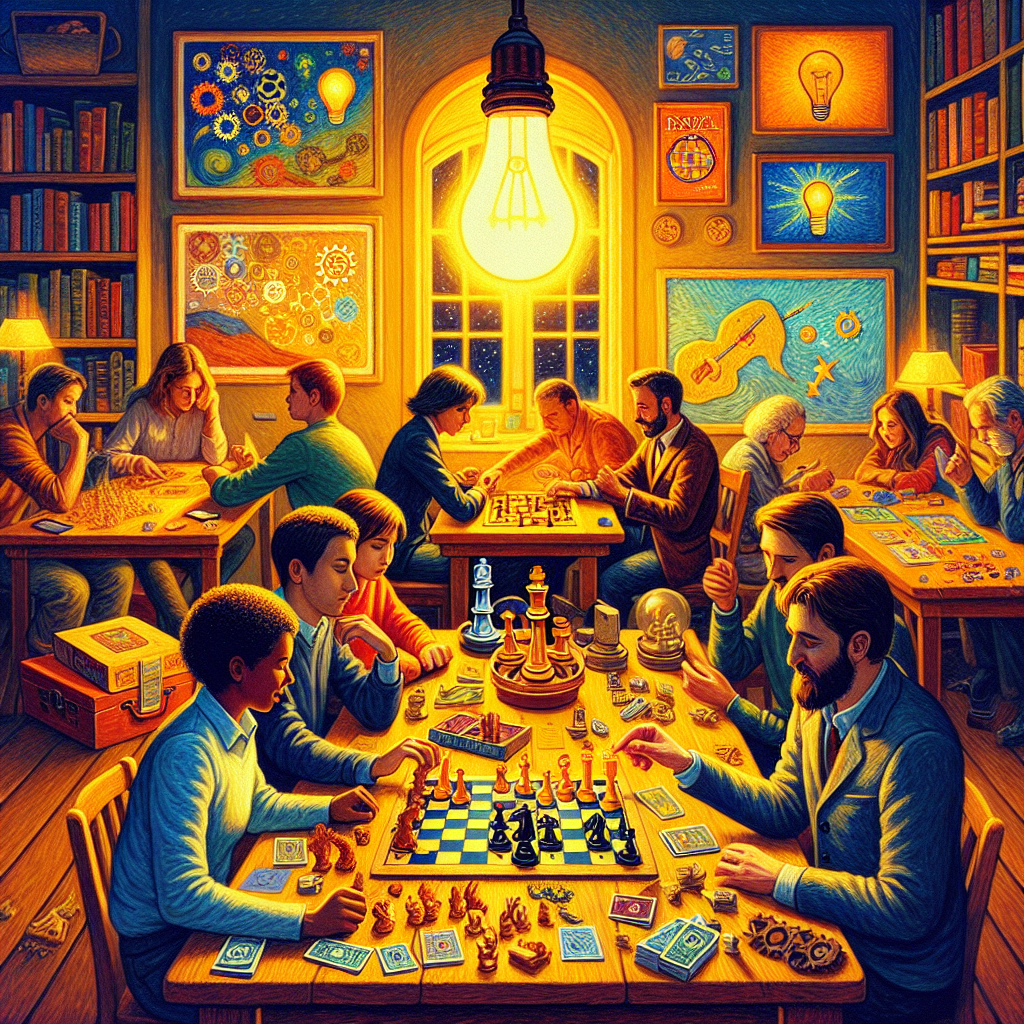
Competition today isn’t just an event; it’s a constant thread woven into the very fabric of youth culture. From school sports to social media challenges, today’s youth are playing a version of life that feels like a high-stakes game—one where every achievement is measured, every failure is magnified. The pressure to succeed can be overwhelming. Kids are not just competing in games; they are competing for their identities, their futures, and even their worth.
Consider the athlete scrambling for a spot on the varsity team. The cheers from the stands can feel like an echo of validation, each cheer affirming their hard work and dreams. But what happens when the cheers fade? When the spotlight isn’t on them anymore? This is where the heart of competition lies—it’s not about winning or losing; it’s about belonging, about connection. In a world where ‘likes’ often feel like tangible measures of success, youth are challenged to find self-worth beyond the scoreboard.
Rationally, we can look at the impact of competition on mental health. Studies show that while a little competition can ignite a spark of motivation, excessive comparison can lead to anxiety and depression. When young people see their peers’ curated lives on social media, it fosters a race that never ends. They chase not only medals but also the elusive notion of perfection. The stakes are high, and they need guidance to navigate this often unforgiving landscape.
Ethically, we have to ask ourselves what message we’re sending. Are we cheering on our youth to strive for greatness, or are we pushing them into a cycle that prioritizes achievement over well-being? As parents, educators, and role models, we must create an environment where success is measured not just by trophies but by character, resilience, and compassion.
The narrative of youth today is one of both hope and struggle. It’s a story written by each individual, a wild game of highs and lows. Empathy needs to be our playbook, bringing everyone’s stories into the light. When we open up conversations about competition, we foster a community where young people can share their triumphs and failures without fear. Let’s urge them to play the game, to compete with purpose, to define success on their own terms. It’s time to shift the dialogue and invite our youth into a culture that values not just who wins, but who shows up, who tries, and who supports one another along the way.
How Is Competition Reshaping Youth Culture Today?
How Is Competition Reshaping Youth Culture Today?
- Competition is deeply embedded in youth culture, affecting their identities and sense of worth.
- Youths compete in various arenas, leading to intense pressure to succeed in both sports and social settings.
- The fading cheers of support highlight the importance of belonging and connection beyond mere achievements.
- Excessive competition and social media comparison can adversely impact mental health, leading to anxiety and depression.
- It’s crucial to reevaluate the messages we’re sending about achievement vs. well-being to our youth.
- Empathy and open conversations about competition can create a supportive environment for sharing experiences.
- Encouraging youths to define success in their own terms promotes a culture that values character, resilience, and support.

How Is Competition Reshaping Youth Culture Today?
Can Esports Foster Community and Friendship Among Players?
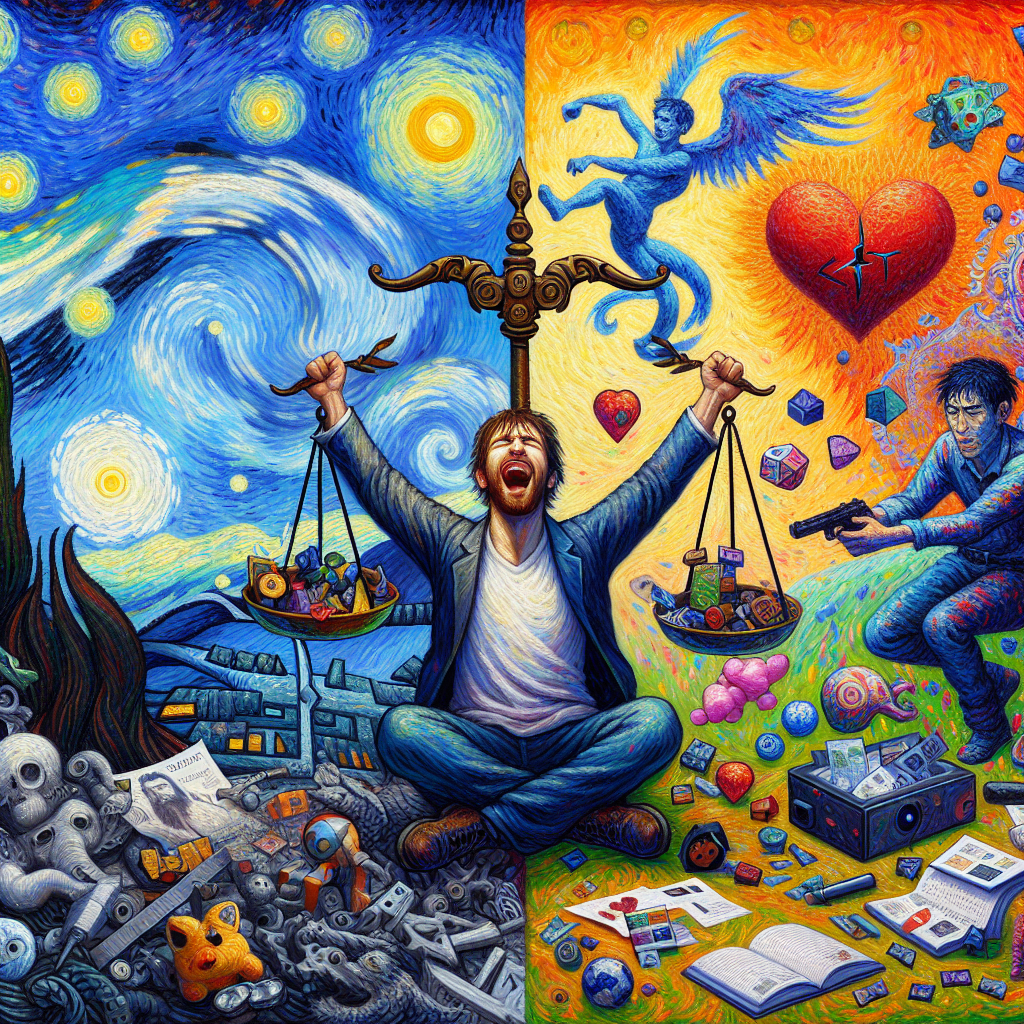
In a world often fractured by distance and differences, the digital realm of esports stands as a bridge, connecting gamers across continents and cultures. It’s not just about the Games; it’s about the journeys we take together, the stories we write, and the friendships we forge in the heat of competition. When you dive into an online match, you’re not just a player; you become part of a global community united by a shared passion. The thrill of victory and the agony of defeat are magnified when experienced alongside friends, both old and new.
Think about the late-night gaming sessions where laughter echoes alongside the click of controllers. In these moments, barriers dissolve, and strangers become teammates. Each game becomes a vessel for connection, as players from different walks of life join forces against a common foe. The bonds formed through late-night strategizing and celebrating hard-earned victories can last a lifetime, reminding us that friendship knows no boundaries—real or virtual.
Rationally, esports fosters teamwork and communication skills that are increasingly vital in our interconnected society. Players learn to navigate challenges collaboratively, developing critical thinking and problem-solving skills. These aren’t just skills that apply to gaming; they translate to the workplace and daily life, opening doors for future endeavors and fostering resilience.
Ethically, the esports community often emphasizes inclusivity and respect. As players gather around a common interest, they confront toxic behaviors, working together to create environments where every participant feels valued. This drive toward a more welcoming culture encourages players to hold one another accountable, fostering a sense of responsibility that is both empowering and uplifting.
Consider the narrative of the gamer who found solace and friendship in a virtual world during tough times. Through the pixelated screens, they found a support system—people who understood their struggles and celebrated their victories. This is a testament to the power of connection within esports; it showcases the real-world implications of virtual interactions, reminding us that meaningful relationships can emerge even when no one is standing face to face.
As you ponder your place in this vibrant world, remember: every game played is an opportunity. An opportunity to foster bonds, to share experiences, and to create a legacy of friendship that transcends the confines of the screen. So grab that controller, join your squad, and let the magic of esports ignite connections that will last a lifetime.

Can Esports Foster Community and Friendship Among Players?
Can Esports Foster Community and Friendship Among Players?
- The digital realm of esports connects gamers across continents and cultures, transcending distance and differences.
- Esports is about shared journeys, stories, and friendships forged through competition and collaboration.
- Late-night gaming sessions foster camaraderie, turning strangers into teammates and dissolving barriers.
- Players develop teamwork, communication, critical thinking, and problem-solving skills beneficial in everyday life.
- The esports community emphasizes inclusivity and respect, working together to confront toxic behaviors.
- Many gamers find solace and support in the esports community during tough times, highlighting the power of connection.
- Every game played presents an opportunity to foster bonds and create lasting friendships beyond the screen.
Can Esports Foster Community and Friendship Among Players?
How Can Gaming Skills Translate Into Real-World Careers?
Playing games has long been dismissed as mere pastime, a trite distraction from “real life.” But scratch the surface, and you’ll discover that gaming is more than just high scores and pixelated avatars; it’s a training ground for skills that have real-world value. The skills honed in the heat of virtual competition can translate seamlessly into the workplace, inviting those who dare to embrace their inner gamers to explore careers they might not have considered otherwise.
Think about it: when you’re engrossed in a game, every decision counts. You learn to think critically, strategize, and react under pressure. Whether you’re leading a team in a fierce multiplayer match or navigating a complex storyline alone, you develop communication and teamwork skills that are invaluable in any profession. Those who’ve battled side by side with friends or coordinated tactics with online teammates know how to collaborate effectively — a trait that employers are increasingly seeking.
There’s an ethical dimension to this too. As you navigate moral dilemmas within games, you engage in a practice of decision-making that transcends the screen. The process of weighing options, considering consequences, and aligning choices with values nurtures a sense of responsibility that can manifest in the workplace. Professionals who can bring not just skill but a solid ethical foundation to their roles stand out like a beacon of integrity.
Moreover, let’s not underestimate the power of storytelling in games. A compelling narrative drives engagement, whether you’re facing a dragon or navigating corporate challenges. Those who learn to appreciate the art of storytelling develop essential marketing and branding skills, as they become adept at presenting complex ideas in relatable ways. This ability fosters connection, turning potential customers into loyal advocates.
You might wonder about the connections you forge through games. Many friendships begin around a shared passion for gaming, building networks that extend into professional realms. Shared experiences can lead to collaborations and opportunities that fuel careers. But remember: success doesn’t solely come from multiplayer scores. It comes from the willingness to translate those experiences into real-world skills, courageously stepping into new roles armed with the confidence developed through gameplay.
So, to all the gamers out there: don’t underestimate what you’ve learned. The hours spent on fantastical quests and strategic battles can catalyze your path to a fulfilling career, empowering you to take the leap and embrace the future that awaits.

How Can Gaming Skills Translate Into Real-World Careers?
How Can Gaming Skills Translate Into Real-World Careers?
- Gaming transcends mere pastime; it serves as a training ground for valuable real-world skills.
- Critical thinking, strategizing, and pressure management are key skills developed through gaming.
- Collaboration and communication skills are honed through teamwork in multiplayer games.
- Engaging with moral dilemmas in games fosters ethical decision-making and a sense of responsibility.
- Storytelling in games enhances marketing and branding skills by teaching how to present complex ideas effectively.
- Gaming can build professional networks through shared experiences and collaborative opportunities.
- The skills and confidence gained from gaming can propel individuals into fulfilling career paths.

How Can Gaming Skills Translate Into Real-World Careers?
Are the Ethical Implications Of Esports Being Adequately Addressed?
When we dive into the world of esports, we’re not just looking at a series of Games played on screens; we’re peering into a new frontier where competition, community, and ethics intermingle. Picture this: kids huddled together, eyes gleaming, as they engage in thrilling matches that capture their imaginations. But beneath that surface lies a labyrinth of ethical concerns that demands our attention.
From the high-stakes atmosphere of regulations to the everyday impact on players’ lives, the issues are as complex as any engaging narrative. Many young gamers aspire to reach the pinnacle of their craft, dedicating hours to honing their skills. Yet, the pressure to succeed can lead to unhealthy habits and even exploitation. It’s here where our gut instinct tells us that something must change. When does passion cross the line into something harmful? It’s a hard question that we need to resolve.
Rationally speaking, we must ask how we can create a safe environment that nurtures talent while guarding against manipulation and abuse. The esports community has seen scandals involving everything from doping to game-fixing, raising eyebrows and igniting debates about integrity. Are we doing enough to support ethical behavior in a realm that, for many, is more than just a hobby? The responsibility lies not only with players but also with organizations, sponsors, and fans who play a role in shaping this culture.
On a larger scale, social dynamics play a significant role, as sectors such as race, gender, and mental health become increasingly intertwined with this dialogue. Gamers often forge bonds through shared experiences, yet toxic environments can eradicate that sense of belonging. We must come together as a community to advocate for change, to elevate the standards of conduct, and to create a narrative that inspires rather than intimidates.
Ultimately, the foundation of esports can either stand tall or crumble, depending on how we navigate these ethical waters. Every decision we make, every policy we implement, has the potential to either uplift or undermine this burgeoning field. By fostering an open dialogue, encouraging transparency, and holding ourselves accountable, we can build a future for esports that is not only exciting and competitive but also ethical and enriching. The time to act is now; let’s ensure that the games we love reflect the values we cherish.

Are the Ethical Implications Of Esports Being Adequately Addressed?
Are the Ethical Implications Of Esports Being Adequately Addressed?
- Esports combines competition, community, and ethics, creating a complex environment beyond just gameplay.
- Young gamers face pressure to succeed, which can lead to unhealthy habits and exploitation.
- There is a need to resolve the fine line between passion and harmful behavior in gaming.
- The esports community has witnessed scandals, highlighting issues related to integrity, such as doping and game-fixing.
- Responsibility for fostering ethical behavior in esports lies not only with players but also with organizations, sponsors, and fans.
- Social dynamics, including race, gender, and mental health, play a crucial role in shaping the esports dialogue.
- Building a supportive esports environment requires open dialogue, transparency, and accountability to ensure a positive future.

Are the Ethical Implications Of Esports Being Adequately Addressed?
What Role Do Sponsors Play In the Growth Of Esports and Gaming?
When you think about the explosive growth of esports and gaming, it’s easy to get swept up in the flashy tournaments and the glitzy graphics. But beneath all that excitement lies a fundamental truth: sponsorships are the backbone of this thriving community. They aren’t just names plastered on a jersey or a logo flashing across the screen; they are the lifeblood that fuels the dreams of countless players, teams, and organizations.
Let’s get right to the heart of it. Picture a young gamer, eyes full of ambition, practicing day and night. Their passion isn’t just a hobby; it’s a dream forged in late-night sessions and endless tournaments. Now imagine that dream being tempered by the realities of funding and exposure. That’s where sponsors step in. They offer more than sponsorship dollars; they provide opportunities — a chance for players to attend prestigious events, to train with the best, and to build their brands, turning casual gamers into professionals. Every endorsement is a vote of confidence in the future of esports.
From an ethical standpoint, sponsors have a responsibility to support the community they’re tapping into. They’re not just there for the glitz and glamour; they’re investing in the culture of gaming, paving pathways for inclusivity and diversity. As more brands align with the values of teamwork, resilience, and dedication, a more enriched playing field develops, one that mirrors the real world while cultivating camaraderie and connection among all who partake.
With authority and experience, sponsors bring credibility, transforming independent events into hallmark gatherings that attract viewers, fans, and participants alike. Everyone wants to be part of something bigger, and when a well-respected brand backs an event, it signals to the community that it’s worth their time and attention.
Moreover, the narrative woven by successful sponsorships creates social bonds that reach far beyond individual games. They help shape the stories of triumph, challenge, and innovation that resonate with all of us, making every match feel like a shared journey. This isn’t just business; it’s about building a community where every gamer, from casual players to dedicated professionals, can thrive.
So, when you see those logos and hear those names, remember: they’re not just sponsors; they’re partners in a global movement that celebrates passion, hard work, and the joy of gaming. Whenever you tune in to a match or discuss your favorite games, recognize the integral role that sponsors play in nurturing this vibrant world. They don’t just support games; they support dreams.

What Role Do Sponsors Play In the Growth Of Esports and Gaming?
What Role Do Sponsors Play In the Growth Of Esports and Gaming?
- Sponsorships are essential to the growth and sustainability of esports and gaming.
- Sponsors help turn amateur gamers into professionals by providing funding and opportunities.
- They have a responsibility to support the gaming community and promote inclusivity and diversity.
- Credibility from reputable sponsors enhances the success of gaming events.
- Successful sponsorships foster social bonds and shared narratives within the gaming community.
- Sponsors are seen as partners in celebrating passion and hard work in gaming.
- They play a crucial role in nurturing the broader esports ecosystem, supporting dreams and aspirations.

What Role Do Sponsors Play In the Growth Of Esports and Gaming?
How Has the Perception Of Gaming Changed In Society Over the Years?
Once upon a time, the world of games was the domain of basement dwellers and perceived loners, a realm cloaked in stigma and misunderstanding. Fast forward to today, and we find ourselves in an era where gaming is a celebrated cultural phenomenon, embraced by millions as a legitimate form of expression and connection. How did we get here?
Let’s start with the numbers. The gaming industry generates more revenue than Hollywood and the music industry combined. These figures aren’t just statistics; they tell a powerful story of innovation and resilience. Gaming has transformed from a niche hobby into a multi-billion dollar cultural juggernaut. This evolution speaks not only to the artistry and craftsmanship behind games but also to their ability to foster community and connection. Remember a time when the phrase “online gaming” conjured images of virtual hermits? Today, it’s quite the opposite. Friends and family come together, whether to banter over a round of Fortnite or collaborate on complex quests in World of Warcraft. Gaming isn’t just play; it’s a social fabric that weaves bonds across continents.
Consider the ethical dimensions. Games are no longer just about winning or losing; they have become platforms for storytelling, critical thinking, and ethical decision making. They tackle complex issues—war, inequality, and climate change—encouraging players to think deeply about their choices. This shift challenges the notion that gaming is simply mindless entertainment. Instead of indulging in mind-numbing distraction, players are often engaging with narratives that spark genuine conversations about real-world dilemmas.
The heart of gaming lies in its incredible ability to inspire. Lifting the stigma, countless gamers share their experiences of overcoming adversity, finding solace in the digital realm during tough times. The tales of triumph and camaraderie resonate with the gut, reminding us of our shared humanity. Each game is a universe waiting to ignite passion, a canvas for creativity that beckons us to explore, engage, and evolve.
As we stand on the other side of this transformation, we can see clearly that gaming has emerged as an influential medium. It invites us—whether we’re casual players or hardcore enthusiasts—to be part of a community defined not by borders, but by our collective imagination. So let’s embrace it—games have proven they’re not just for the young, the nerdy, or the restless; they are, in fact, for anyone with a heart, a keen mind, and the courage to jump into the next adventure.

How Has the Perception Of Gaming Changed In Society Over the Years?
How Has the Perception Of Gaming Changed In Society Over the Years?
- Gaming has evolved from a stigmatized activity for “loners” to a celebrated cultural phenomenon.
- The gaming industry generates more revenue than Hollywood and the music industry combined.
- It has transformed into a multi-billion dollar industry showcasing artistry and fostering community.
- Online gaming is now a social experience, bringing friends and family together across distances.
- Games serve as platforms for storytelling and critical thinking, addressing complex issues like war and inequality.
- Many gamers share stories of overcoming adversity and finding community in the gaming world.
- Gaming is now an influential medium that welcomes everyone, transcending age and social stereotypes.
How Has the Perception Of Gaming Changed In Society Over the Years?
Conclusion
Esports has emerged as a dynamic fusion of passion, purpose, and professional opportunity. For today’s youth, this digital realm isn’t just a pastime; it’s a vibrant community where skills are honed, friendships are forged, and futures are built. While many may question the value of hours spent gaming, let’s flip the script: what if those hours are investments in critical thinking, teamwork, and resilience? As the industry burgeons into a billion-dollar powerhouse, it becomes impossible to ignore the transformation occurring around us.
Take a moment to envision a young gamer, losing themselves in a virtual world, yet simultaneously shaping their real-world identity. In this milieu, the hours spent in front of a screen translate into a competitive spirit and a shared narrative of perseverance. Every tournament attended is more than just a quest for victory; it’s a journey filled with heartwarming tales of camaraderie and the fortitude to rise after defeat. The community surrounding esports uplifts individuals, providing them not just with a platform for triumph, but also a sense of belonging—a place where the stories between clicks and keystrokes resonate profoundly.
Experts in the field echo this sentiment, attributing the industry’s rapid growth to an evolving perception of gaming. Once dismissed as juvenile distractions, video games now cultivate skills synonymous with professional environments—communication, strategic thinking, and adaptability. Young gamers are not just players; they are future leaders armed with a rich tapestry of life lessons learned through gameplay. Ethics in this landscape demand our attention as well. As we celebrate victories, we must also champion values such as inclusivity and accountability, ensuring the environment fosters growth while mitigating toxicity.
Sponsorships play a critical role in nurturing this vibrant ecosystem; they do more than provide financial backing—they symbolize trust, credibility, and a commitment to the future of esports. Brands that align with the spirit of gaming not only enhance visibility but also create pathways for aspiring professionals and solidify the cultural acceptance of gaming as a legitimate career.
So, next time you witness the intense focus of a young player immersed in their digital battleground, remember this isn’t just a game. Beneath that glowing screen lies a profound world where passion meets opportunity, friendships form bonds that transcend distance, and dreams take flight. Esports beckons us to embrace the stories that unfold—a narrative of ambition, resilience, and the unyielding human spirit. Let’s cherish this groundbreaking movement and recognize that every match played is not just entertainment; it’s a testament to what we can achieve when we dare to play together.

Conclusion
Conclusion:
- Esports combines passion, purpose, and professional opportunities for today’s youth.
- Hours spent gaming can be viewed as investments in critical thinking, teamwork, and resilience.
- Many young gamers build their identities and competitive spirits through immersive gaming experiences.
- The esports community fosters camaraderie and perseverance beyond mere competition.
- Gaming is evolving from being seen as a distraction to a platform for developing essential professional skills.
- Sponsorships are vital for the growth of esports, representing trust and commitment from brands.
- Esports create a narrative of ambition and resilience, highlighting the real-world potential of gamers.

Conclusion
Other Resources

Other Resources
Here is a list of other resources you can review online to learn more:
- The Guardian
- Smash Up
- Aeon’s End
- Dominion (Second Edition)
- Ravensburger
- Exploding Kittens
- Magic: The Gathering
- Memoir ’44
- Forbidden Stars
- What’s Your Game?
- Pandemic
- Nürnberger-Spielkarten-Verlag (NSV)
- Lookout Games
- Gamelyn Games
- Dominion: Intrigue (Second Edition)
- Tichu
- Looney Labs
Use This Prompt To Get More Resources With Your Favorite Online AI Tool: Please provide me with a list of online articles with their URLs in a bulleted list that I can read regarding Esports Explained – How It Became a Billion-Dollar Industry for the Young

Other Resources
Glossary Terms
Esports Explained – How It Became a Billion-Dollar Industry for the Young – Glossary Of Terms
1. Esports: Competitive video gaming at a professional level, often involving organized tournaments and leagues.
2. Game Title: The specific name of a video game being played, such as “League of Legends” or “Counter-Strike. ”
3. League: A structured competition where teams or players compete over a season, culminating in playoffs or a championship.
4. Tournament: An event where multiple teams or players compete against each other in a series of matches for a prize.
5. Streamer: An individual who broadcasts their gameplay live on platforms like Twitch or YouTube.
6. Prize Pool: The total amount of money or prizes distributed to tournament winners and participants.
7. Sponsorship: Financial backing from brands or companies to support teams, events, or players.
8. Crowdfunding: Raising funds for a tournament or project by collecting contributions from fans or supporters, often through platforms like Kickstarter.
9. Team: A group of players who compete together in esports, often representing an organization.
10. Caster: An announcer who provides commentary during live matches, similar to sports broadcasters.
11. Meta: The most effective strategies and tactics currently favored in gameplay, often shifting with updates and patches.
12. Patch: Updates released by game developers to fix bugs, balance gameplay, or change game mechanics.
13. Fanbase: A community of fans who support a specific team, player, or game within the esports ecosystem.
14. Skill Ceiling: The maximum level of skill that players can achieve in a particular game, influencing competitiveness.
15. Viewership: The number of people watching esports events, crucial for determining the popularity of games and tournaments.
16. Esports Organization: A company that manages professional teams and supports players in training, sponsorships, and branding.
17. Esports Analyst: A professional who studies gameplay strategies and performance data to provide insights during events.
18. DDoS Attack: A malicious attempt to disrupt a server or network, often used against esports events to interfere with gameplay.
19. LAN (Local Area Network): A gathering where players compete in person on a local network, enhancing performance and community interaction.
20. Streaming Platform: Online services where users can broadcast and watch live video game content, e. g. , Twitch, YouTube.
21. Mobile Esports: Competitive gaming that occurs on mobile devices, gaining popularity through accessible gameplay.
22. Salaries: Income earned by professional players and teams, which can be substantial in the top tiers of esports.
23. Grassroots: Community-driven events or organizations that support local players and tournaments outside of the mainstream.
24. Twitch: A leading live-streaming platform focusing on gaming, where many esports events and individual streamers operate.
25. VOD (Video on Demand): Recorded gameplay or tournament matches that can be watched later, often used for analysis or entertainment.
26. Broadcasting Rights: Legal permission granted to networks or platforms to air esports events, often sold for significant sums.
27. In-game Purchases: Optional items or upgrades that players can buy within a game, contributing to game developers’ revenue.
28. Esports Ecosystem: The interconnected web of players, teams, organizations, sponsors, and fans that make the industry function.
29. Professional Player: An individual who competes in esports full-time, often supported by an organization with training and resources.
30. Elo Rating: A system used to calculate the relative skill levels of players in competitive games, influencing matchmaking and rankings.

Glossary Of Terms
Other Questions
Esports Explained – How It Became a Billion-Dollar Industry for the Young – Other Questions
If you wish to explore and discover more, consider looking for answers to these questions:
- What are the primary skills developed through esports that are applicable in other careers?
- What measures are being taken to address toxic behavior within the esports community?
- How do esports contribute to social and emotional development in young gamers?
- What role do educational institutions play in promoting esports?
- How does gender representation in esports impact the community as a whole?
- What are the economic benefits of the esports industry to local communities?
- How can parents support their children who are interested in pursuing esports?
- What are the health implications of long periods of gaming for young individuals?
- How do streaming platforms like Twitch contribute to the esports phenomenon?
- What are the potential drawbacks of viewing esports as a career path?
- In what ways can esports be integrated into school curriculums?
- What psychological effects can result from competitive gaming among youth?
- How does the esports ecosystem differ from traditional sports environments?
- What future trends can be expected in the esports industry?

Other Questions
Haiku
Esports Explained – How It Became a Billion-Dollar Industry for the Young – A Haiku
Passion ignites dreams,
A digital realm unites—
Games forge futures bright.

Haiku
Poem
Esports Explained – How It Became a Billion-Dollar Industry for the Young – A Poem
In a world aglow, where the pixels gleam,
Esports rises, a vibrant dream.
No longer just games, but a pathway bright,
For young hearts and minds, taking flight.
From rooms filled with laughter, the stress and the grind,
A tapestry woven, where stories unwind.
Each match a journey, each loss a new chance,
In digital realms, we are caught in the dance.
With fingers that fly, strategy in play,
Skills honed like diamonds, in the heat of the fray.
Collaboration and courage, the lessons unfold,
In the crucible of gaming, young futures are told.
Yet whispers of doubt still linger around,
Is this truly a career, or just noise and sound?
But look at the numbers, the growth is real,
A billion-dollar industry, thriving appeal.
Sponsorships flourish, a lifeline they bring,
Turning passion to profession, the hope of the spring.
Communities form, where friendships abide,
Across the vast borders, in pixels, we stride.
Ethics at play, in this world we create,
Learning resilience, and grappling with fate.
Are we lifting them up, or pushing too hard?
In this high-stakes game, let empathy guard.
Now every cheer echoes, every victory felt,
A chorus of voices, where connections are dealt.
So watch as they gather, in spirited throngs,
For within every match, is where each heart belongs.
With courage ignited, and visions aglow,
Esports unites us, together we grow.
Embrace the adventure, leap into the fray,
For in gaming’s vast world, we find our way.

Poem
Checklist
Esports Explained – How It Became a Billion-Dollar Industry for the Young – A Checklist
Esports Engagement Checklist
Emotional Appeals
_____ Reflect on how gaming connects with your child’s passions and dreams.
_____ Encourage discussions about personal stories of resilience and triumph in gaming journeys.
_____ Foster a sense of belonging by recognizing the community aspect of esports.
Rational Appeals
_____ Examine statistics showing the growth of the esports industry and its legitimacy as a career path.
_____ Research local opportunities for scholarships and professional teams related to gaming.
_____ Identify skill sets developed through gaming (e. g. , teamwork, critical thinking, handling pressure).
Ethical Appeals
_____ Discuss the importance of ethical conduct in gaming and the community’s responsibilities.
_____ Encourage conversations about inclusivity and respect in online gaming environments.
_____ Promote the significance of maintaining balance and well-being in competitive gaming.
Authority Appeals
_____ Seek advice from industry experts about the impact of esports on personal development.
_____ Follow thought leaders in esports who promote positive gaming culture.
_____ Attend esports events or talks to learn from seasoned professionals.
Narrative Appeals
_____ Share stories of gamers who have transformed their passion into successful careers.
_____ Explore narratives within games that teach valuable life lessons and spark discussions.
_____ Celebrate local gaming heroes or teams whose journeys can inspire others.
Social Appeals
_____ Engage in group gaming events or tournaments to foster camaraderie and teamwork.
_____ Create or join online communities for shared gaming experiences and discussions.
_____ Encourage your children to share their gaming experiences with friends and family to strengthen friendships.
Practical Steps
_____ Schedule regular family discussions about gaming, focusing on personal growth and community involvement.
_____ Create a balanced gaming plan that includes time for gaming, social interaction, and physical activity.
_____ Monitor and celebrate gaming achievements, both big and small, to reinforce positive engagement.

Checklist
At HowDoYouGame, we help people who love board games by collating information and news about games.
Be sure to read our other related stories at HowDoYouGame to learn more about games.