Boosting Senior Fitness Through Healthy Competition
By Tom Seest
At HowDoYouGame, we help people who love board games by collating information and news about games.
Be sure to read our other related stories at HowDoYouGame to learn more about games.
What Role Does Competition Play In Keeping Seniors Active?
When you think of competition, images of high-octane sports, cutthroat races, or cutthroat business dealings may come to mind. But in the world of senior fitness and activity, competition isn’t just about medals or trophies; it’s about connection, motivation, and a little healthy rivalry that can make a world of difference in keeping our golden-agers active.
Enter the concept of gamification—transforming mundane tasks or fitness activities into engaging, game-like experiences. By adding elements of competition and rewards, gamification lowers barriers to entry and makes staying active feel less like a chore and more like an exciting quest. It encourages seniors to join in, whether it’s in a dance class, a walking group, or a game of pickleball. Suddenly, moving your body isn’t merely about exercise; it’s about scoring points, achieving levels, and perhaps even outdoing a friend or neighbor.
And let’s not kid ourselves—anyone can appreciate the thrill of a little friendly competition. It ignites the spirit and can transform an otherwise quiet stroll into a lively footrace to the next park bench. While it might seem counterintuitive that competition could foster camaraderie, many seniors find the social aspect of competing brings them together, forging friendships and building community. The goal is not always about being the best but rather about ‘being better’—better than yesterday, and maybe even better than Bob down the street.
Moreover, these competitive environments cater to various interests and physical abilities. From step challenges to digital leaderboards tracking physical activities, the possibilities are endless. It doesn’t take much to create a space where competition thrives. A simple walking group can track miles, encouraging members to push themselves while also cheering each other on. The goal remains the same: to motivate and inspire one another—using a little bit of competition as the catalyst.
So the next time you see a group of seniors engaging in a friendly challenge, remember that this isn’t just about fitness—it’s about their mental and emotional well-being too. Through competition, we tap into a deeper motivation that helps keep everyone engaged, active, and, most importantly, connected. After all, who says that growing older means growing stale? With the right touch of competition and gamification, it just might mean leveling up in life!

What Role Does Competition Play In Keeping Seniors Active?
What Role Does Competition Play In Keeping Seniors Active?
- Competition in senior fitness focuses on connection, motivation, and friendly rivalry rather than just trophies.
- Gamification transforms fitness activities into engaging experiences through competition and rewards.
- This approach encourages seniors to participate in various health activities like dance classes and walking groups.
- Friendly competition can make exercise feel exciting—turning a leisurely stroll into a spirited race.
- Competing can foster camaraderie and build friendships among seniors, promoting a sense of community.
- Competitive environments accommodate diverse interests and abilities, such as step challenges and leaderboards.
- Ultimately, competition enhances mental and emotional well-being, helping seniors stay engaged and active.

What Role Does Competition Play In Keeping Seniors Active?
Table Of Contents
- What Role Does Competition Play In Keeping Seniors Active?
- What Benefits Does Competition Offer Seniors In Staying Active?
- How Can Friendly Competition Motivate Seniors To Exercise More?
- What Types Of Competitive Activities Are Suitable For Seniors?
- In What Ways Can Competition Enhance Social Interaction Among Seniors?
- How Does Competition Impact Physical And Mental Health In Seniors?
- What Organizations Promote Competitive Activities For Seniors?
- How Can Caregivers Encourage Competition Among Seniors Effectively?
- Conclusion
- Other Resources
- Glossary Of Terms
- Other Questions
- Haiku
- Poem
- Checklist
What Benefits Does Competition Offer Seniors In Staying Active?
In a world where staying active is often seen as a chore rather than a choice, competition steps in like a surprise guest at a party—uninvited but undeniably fun. For seniors, competition can take on many forms, from friendly races to spirited games of bridge, and let’s not forget the truly unique allure of gamification. You might not think of your daily walk or trip to the gym as a competition, but when it’s framed that way, it can transform the mundane into something magical.
Imagine, if you will, a group of retirees—each armed with a fitness tracker, each vying for the title of “most steps taken.” This is where gamification comes in. It’s like injecting a little rocket fuel into your regular activities, turning simple tasks into challenges that ignite the competitive spirit. Whether it’s tracking progress on an app, engaging in a step-count contest, or turning a yoga class into a friendly competition, the options are limitless. Gamification adds a layer of excitement that can motivate seniors to push their limits, often leading to improved health outcomes and enhanced physical abilities.
But competition is about more than numbers; it’s about camaraderie. Engaging in competitive activities fosters social connections, and for seniors, that sense of community can be invaluable. Picture a bowling league where laughter echoes alongside the clatter of pins, or a weekly walking group where friendly rivalries lead to newfound friendships. These shared experiences reinforce bonds and create a sense of belonging that’s crucial for mental health.
Furthermore, competition can provide a much-needed boost to our psychological well-being. You know that feeling you get when you achieve something you thought was out of reach? That’s not just the thrill of victory; it’s validation. For seniors, accomplishing fitness goals or even just participating in a competitive endeavor can instill a sense of purpose, reminding them that they still have something to strive for in life.
Lastly, let’s not overlook the adaptability that comes from competition. Being involved in competitive activities teaches essential problem-solving skills and encourages seniors to navigate challenges head-on, which can reignite the zest for life. So, whether it’s through a rousing game of pickleball or a fierce game of chess, competition offers seniors a robust toolkit for staying active, engaged, and, most importantly, alive. When you put a bit of competition into the mix, you’re not just killing time; you’re making the most out of life’s golden years.

What Benefits Does Competition Offer Seniors In Staying Active?
What Benefits Does Competition Offer Seniors In Staying Active?
- Competition can transform physical activities into enjoyable challenges for seniors.
- Gamification enhances regular tasks, like walking or exercising, by introducing a competitive element.
- Using fitness trackers for step-count contests fosters motivation and improves health outcomes.
- Competitive activities help foster social connections and a sense of community among seniors.
- Engaging in competition can boost psychological well-being and instill a sense of purpose.
- Participating in competitive activities teaches problem-solving skills and encourages adaptability.
- Overall, competition enhances the quality of life for seniors by promoting activity and engagement.

What Benefits Does Competition Offer Seniors In Staying Active?
How Can Friendly Competition Motivate Seniors To Exercise More?
When you think about exercise, the first image that might come to mind is a solitary figure running laps or a stoic person lifting weights. But what if I told you that the key to getting seniors up and moving might just be a little friendly competition? That’s right—injecting a bit of competition into fitness routines can turn the arduous task of exercising into an engaging game, one that appeals to the senses and stokes the spirit.
Enter gamification—a fancy term that essentially gives a traditional task a playful twist. For seniors, the challenge of hitting the gym or going for a walk can feel a little daunting. But what if instead of just another walk around the block, they were gearing up for a “step-off” against a peer? Suddenly, those steps aren’t just a way to stay fit; they turn into a race, a challenge, or even a tournament—and that can be downright exhilarating.
Let’s consider the power of community in this scenario. When you bring together a group of seniors, you’re not just gathering people; you’re cultivating a team environment. Participants can set collective goals, track their progress, and even celebrate milestones together. Imagine a few friends rallying around a common target: the first one to hit 10,000 steps in a day gets to choose the next lunch spot. The result? An exercise routine that’s as much about camaraderie as it is about calories burnt.
This friendly rivalry can do wonders for motivation. It taps into a natural human instinct—we all like to win. Whether it’s a scorecard, badges, or good old bragging rights at the next bingo night, those elements of gamification make hitting the gym a little less like work and a lot more like play. For seniors, the transformation of exercise from a solitary chore into a shared adventure can foster not just fitness, but also friendship.
Picture a community center where seniors share their fitness triumphs on a chalkboard, encouraging one another with cheers and high-fives rather than judgments. The result is a more vibrant, connected atmosphere that underscores the importance of movement while celebrating each achievement, no matter how small.
Fostering a little competition can turn the mundane into the memorable. When seniors experience the joy of movement alongside their peers, exercise becomes more than just a task—it evolves into an enjoyable activity, one where the real winner is an active and connected community. Now that’s a victory worth striving for!

How Can Friendly Competition Motivate Seniors To Exercise More?
How Can Friendly Competition Motivate Seniors To Exercise More?
- Exercise for seniors can be made more engaging through friendly competition.
- Gamification adds a playful twist to traditional fitness routines.
- Participating in challenges, like a “step-off,” can make exercise feel more exciting.
- Building a community among seniors fosters team environments and collective goals.
- Motivation increases through elements of competition, such as scorecards and bragging rights.
- A supportive atmosphere in community centers enhances encouragement and celebration of progress.
- Transforming exercise into a social adventure promotes both fitness and friendship.

How Can Friendly Competition Motivate Seniors To Exercise More?
What Types Of Competitive Activities Are Suitable For Seniors?
As folks age, the idea of competitive activities often takes on a different flavor than it did in their younger years. However, that doesn’t mean seniors should sit back in their rocking chairs and watch the world go by. Nope, it’s just the opposite! With the right mindset and a dash of creativity, seniors can engage in a variety of competitive activities that keep their minds sharp and hearts happy.
One exciting approach to liven things up is through gamification. This method transforms everyday tasks into competitive challenges, adding a layer of fun and motivation. Think of simpler games like bingo or trivia contests that spark joy while simultaneously honing cognitive skills. These gatherings encourage social interaction, and who can argue with the exhilaration of a good-natured rivalry over a bingo card?
Moving into the realm of sports, adapted activities can also be a hit. Lawn bowling, for example, combines both strategy and socialization. It’s an activity that allows seniors to engage competitively without requiring the same physical demands as traditional sports. Plus, the friendly atmosphere of lawn bowling can turn it into a community event that strengthens relationships—both old and new.
For those who prefer the comfort of their living rooms, online gaming can be a fantastic alternative. Many games designed for seniors focus on mental agility, problem-solving, and even trivia. Participating in virtual competitions with friends or family not only brings the thrill of competition to them, but it also opens the door to new connections. Choose games that require teamwork or strategy to keep the mind engaged and spirits high.
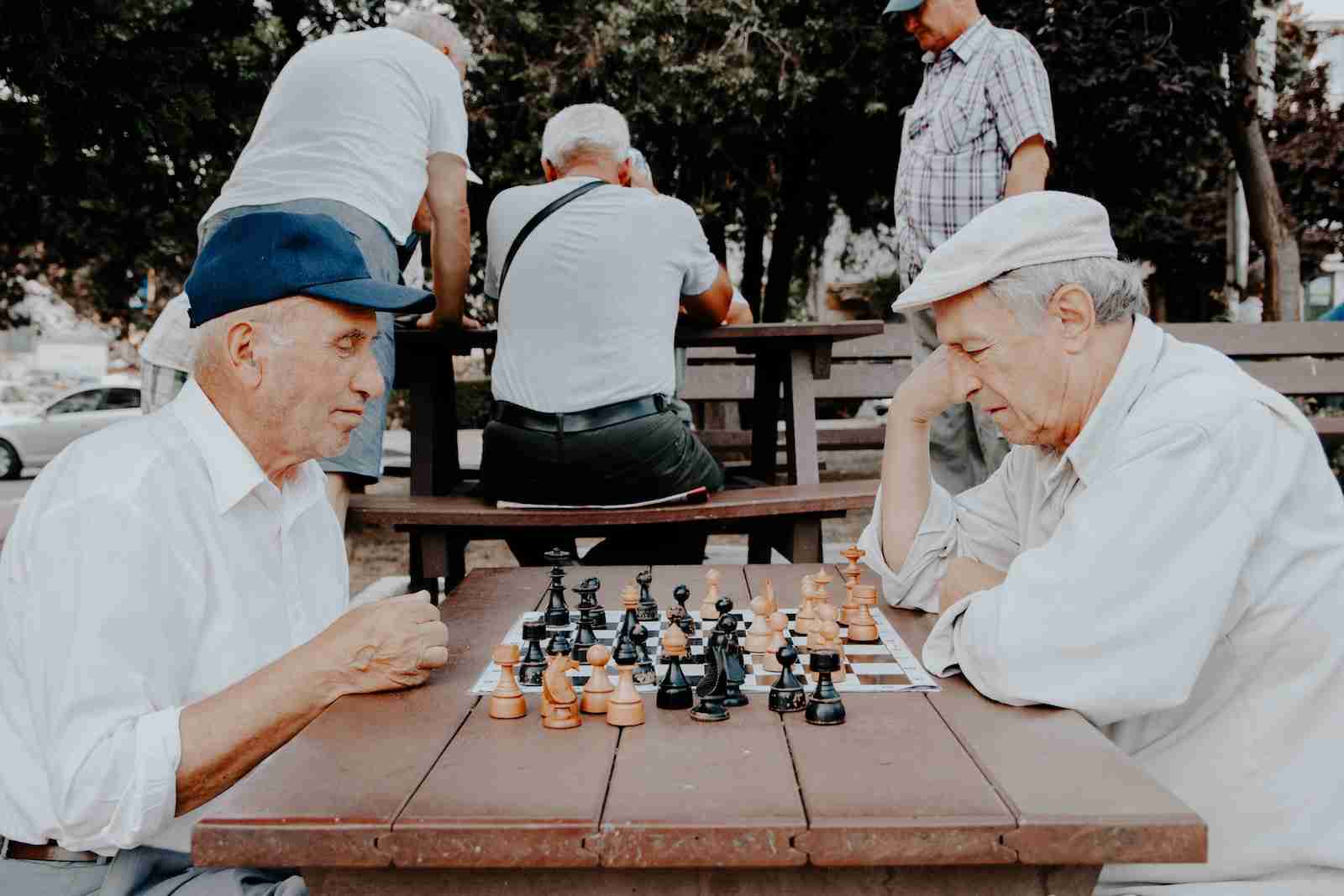
And let’s not forget about classic card and board games, which never go out of style. Whether it’s a rousing game of bridge or a strategic match of chess, these activities not only stimulate mental faculties but also invite camaraderie. Getting together for game nights can lead to laughs, good-natured ribbing, and even a little trash talk—everyone loves a little friendly banter!
In essence, competitive activities for seniors can take many forms. From gamification to adapted sports and classic card games, the key is to find what resonates with the individual. The task is simple: get out there, challenge yourself, and enjoy the process. Remember, competition at any age should be about fostering joy, connection, and a seriously good time!

What Types Of Competitive Activities Are Suitable For Seniors?
What Types Of Competitive Activities Are Suitable For Seniors?
- Competitive activities for seniors can differ from those of younger individuals, promoting engagement rather than passivity.
- Gamification of everyday tasks makes activities competitive, fun, and motivational, with games like bingo and trivia enhancing cognitive skills.
- Adapted sports, such as lawn bowling, allow seniors to compete without significant physical demands, fostering social relationships.
- Online gaming offers a comfortable option for seniors, focusing on mental agility and problem-solving, while encouraging virtual connections.
- Classic card and board games like bridge and chess provide mental stimulation and opportunities for camaraderie among friends and family.
- Seniors should explore various competitive activities to find what resonates with them, promoting joy and connection.
- Ultimately, competition should foster enjoyment and good times, regardless of age.

What Types Of Competitive Activities Are Suitable For Seniors?
In What Ways Can Competition Enhance Social Interaction Among Seniors?
Competition among seniors can seem like a strange concept at first glance. After all, it conjures images of a serene world of bingo nights and gentle rounds of bridge. But, there’s a different lens through which to view this dynamic—one that reveals a lively tapestry of social interaction, connectedness, and even a hint of playful rivalry. Enter the notion of gamification, a term that signals more than just the transition of classic games into digital formats; it represents the application of game mechanics to life situations, encouraging engagement and interaction.
Think about it: introducing friendly competition into the lives of seniors can light up the room in ways we often overlook. Whether it’s organizing tournaments for card games, setting up walking challenges, or even forming teams for trivia nights, the heated spirit of competition does wonders for social bonds. Those once-connected by past experiences can find a renewed sense of purpose and camaraderie, all while fostering spirited rivalries. The thrill of victory—and the occasional groan of defeat—becomes a shared experience that enriches relationships rather than diminishes them.
When seniors engage in competitive activities, it provides a natural way to break down social barriers. A vertex of connection forms when knowledge is exchanged over strategies or tips, not to mention the laughter and good-natured banter that accompany a well-fought game. Even the most reticent individuals are often drawn out of their shells by the allure of competition, reveling in the chance to showcase their skills and strategies. That excitement can cultivate friendships that extend well beyond the game itself; after all, a shared experience often lays the groundwork for a budding relationship.
Another benefit to competition is its ability to stir the intellect. Seniors who participate in activities that require strategic thinking or problem-solving keep their minds sharp, and that’s a joint venture in cognitive engagement—something vital for healthy aging. The joy of playful contests can be therapeutic as well, allowing for stress relief and the release of endorphins.
Ultimately, competition among seniors doesn’t just enhance social interaction; it transforms it. Gamification—when thoughtfully implemented—becomes a bridge that empowers seniors to engage with one another in meaningful ways, fostering community and connection. So, the next time you watch a few friends go toe-to-toe in a spirited game, remember that beneath the surface lies a treasure trove of social engagement just waiting to be unearthed.

In What Ways Can Competition Enhance Social Interaction Among Seniors?
In What Ways Can Competition Enhance Social Interaction Among Seniors?
- Competition among seniors can challenge initial perceptions, revealing a vibrant social dynamic beyond traditional games.
- Gamification applies game mechanics to real-life situations, enhancing engagement and social interaction.
- Friendly competition, such as tournaments or challenges, strengthens social bonds and fosters camaraderie.
- Participating in competitive activities helps break down social barriers and encourages knowledge sharing.
- Even shy individuals may be encouraged to showcase their skills, promoting friendships beyond the game.
- Competition fosters cognitive engagement and sharpens mental acuity through strategic thinking and problem-solving.
- Thoughtfully implemented gamification enriches community connections and transforms social interactions among seniors.

In What Ways Can Competition Enhance Social Interaction Among Seniors?
How Does Competition Impact Physical And Mental Health In Seniors?
When we talk about competition, especially in the context of seniors, we often conjure images of fierce races and cutthroat rivalries. But let’s take a step back and view competition through a different lens—one that embraces the concept of gamification, the process of applying game-like elements to everyday activities. It’s not just about winning medals; it’s about creating an engaging, enriching environment that encourages seniors to push their limits.
Competition can be a double-edged sword. On one hand, it can introduce stress and anxiety; on the other, it can be a catalyst for growth. In the senior community, engaging in competitive activities—whether it’s a friendly game of bingo or a spirited round of lawn bowling—can ignite a spark of motivation. As these older adults find themselves in competitive scenarios, they experience a renewed sense of purpose. Imagine a lively game where each player aims to score points and improve their strategy. This gamification transforms mundane, isolated moments into vibrant social interactions.
Physical health and mental health for seniors are inextricably linked. Regular competition encourages movement, balancing physical exertion with social engagement. A seniors’ triathlon, for instance, might seem daunting, but think about the benefits: improved cardiovascular health, increased strength, and the sheer joy of being part of a team. These are not just exercises in physical capability; they’re opportunities to challenge oneself and find confidence that might have waned over the years.
Equally important is the mental fortitude that competition can foster. Engaging in competitive activities requires focus, strategy, and sometimes even the resilience to deal with loss. This mental exercise has profound effects, increasing cognitive function and staving off the cloud of depression that can accompany aging. For many seniors, rivalry can be healthy—it pushes them to learn, adapt, and remain engaged with the world around them. It becomes less about who wins and more about the shared experience and personal growth.
In essence, competition, when approached with the right spirit, can be a powerful tool for seniors. With elements of gamification woven into their daily lives, older adults can experience sustained physical activity and a boost in mental health. So, let’s encourage our seniors to throw on those sneakers, join a game, and tap into that competitive edge. After all, a little healthy competition might just be the ticket to a more vibrant, fulfilling life.

How Does Competition Impact Physical And Mental Health In Seniors?
How Does Competition Impact Physical And Mental Health In Seniors?
- Competition for seniors can be viewed positively through the lens of gamification, enhancing everyday activities.
- While competition can induce stress, it can also serve as a catalyst for personal growth and motivation.
- Engaging in competitive activities promotes a renewed sense of purpose among older adults.
- Physical and mental health of seniors are interconnected, and competition encourages both movement and social interaction.
- Participating in events like seniors’ triathlons can lead to improved physical fitness and a sense of community.
- Competitive scenarios help enhance cognitive function and combat feelings of depression in aging individuals.
- When approached positively, competition acts as a powerful tool for fostering sustained activity and mental well-being in seniors.

How Does Competition Impact Physical And Mental Health In Seniors?
What Organizations Promote Competitive Activities For Seniors?
As we navigate through the landscape of competitive activities designed for our senior citizens, it’s remarkable to see how various organizations embrace the concept of gamification. This technique transforms typical pastimes into engaging challenges, turning mundane activities into lively competitions that spark enthusiasm and camaraderie among older adults.
Take, for example, community centers that host weekly trivia nights. They know that a little friendly rivalry can go a long way. Veterans of these boards not only flex their mental muscles, but they also get a healthy dose of social interaction. By leveraging gamification, organizations can create an atmosphere where every correct answer earns cheers, and the thrill of competition keeps participants coming back for more. After all, who doesn’t enjoy a little recognition for their knowledge?
Similarly, senior leagues in sports like bowling, golf, and tennis are flourishing across the nation. These leagues are not just about swinging a club or rolling a ball; they create a structured environment filled with competition that fosters community spirit. Gamification in these settings can be as simple as keeping score and handing out medals, yet it does wonders for boosting morale and encouraging regular participation. It’s all about demonstrating that age is merely a number and that competitive fire doesn’t dim with time.
Then there are organizations focused on mental agility, such as chess clubs and card games. Here, strategy and skill reign supreme. These clubs often employ gamification elements like tournaments and leaderboards, making it easy for seniors to see where they stand amid their peers. They’ll often find themselves challenged to think critically, strategize, and ultimately compete, proving that mental fitness is just as vital as physical health.
Moreover, technology has played a significant role in enhancing competitive opportunities for seniors. Many retirement communities are now integrating online platforms that allow residents to play games against each other or even against the wider world. This tech-savvy approach taps into gamification to keep minds sharp and spirits high, connecting seniors with family and friends, no matter where they are.
Organizations that promote competitive activities for seniors are fueling a renaissance of engagement and excitement. Utilizing gamification as a key tool, they’re not only fostering competition but also nurturing community, spirit, and a zest for life that knows no age. Whether it’s trivia, sports, or mental games, these activities remind us that competition isn’t just for the young; it’s for everyone eager to compete, connect, and thrive.

What Organizations Promote Competitive Activities For Seniors?
What Organizations Promote Competitive Activities For Seniors?
- Gamification is transforming typical pastimes into engaging competitions for senior citizens.
- Community centers host weekly trivia nights that foster mental engagement and social interaction.
- Senior sports leagues (e.g., bowling, golf, tennis) create structured competitive environments that build community spirit.
- Gamification in sports includes simple elements like scoring and awards to boost morale and participation.
- Mental agility activities, like chess and card games, implement tournaments and leaderboards to encourage strategic thinking.
- Technology enhances competitive opportunities with online platforms connecting seniors globally.
- Competitive activities for seniors promote community engagement and demonstrate that age does not limit the desire to compete.

What Organizations Promote Competitive Activities For Seniors?
How Can Caregivers Encourage Competition Among Seniors Effectively?
Encouraging competition among seniors can seem like a daunting task, but with the right approach, it can be an exhilarating experience for everyone involved. One effective method is through gamification. By turning activities into games, caregivers can tap into the natural human spirit of competition while keeping things light and engaging.
Imagine a knitting circle transformed into a friendly contest—who can complete the most intricate scarf in a month? The same goes for bingo nights that evolve into a spirited tournament, where the stakes rise along with the laughter and camaraderie. These activities not only foster a sense of accomplishment but also create lasting memories.
The key to successful competition lies in tailoring the activities to the interests and abilities of the seniors involved. It’s crucial to strike a balance—too challenging, and it may lead to frustration; too easy, and it risks boredom. Assess individual capabilities and preferences to create an inclusive environment that encourages everyone’s participation.
It’s also essential to emphasize fun over the competitive aspect. Fostering a friendly rivalry can be beneficial, but caregivers should ensure that the focus remains on enjoyment. Celebrate achievements, no matter how small, and create an atmosphere where seniors feel comfortable expressing excitement for their peers’ successes. High-fives and cheers can go a long way in reinforcing positivity and social bonds.
Additionally, technology can play a significant role in enhancing competition. Simple apps and online platforms can facilitate virtual competitions, allowing seniors to engage with family and friends far away. Bridging distances through friendly challenges can lead to heartwarming connections, proving that competition doesn’t need to be limited to the physical space.
Don’t forget about incentives! A little reward—whether it’s a homemade trophy for the knitting champion or a fun outing for the bingo winner—can motivate seniors to dive into competition with gusto. The allure of a small prize can create enthusiasm and a sense of purpose in their daily routines.
Ultimately, the goal is to enrich the lives of seniors while harnessing their competitive spirit. By creatively implementing gamification, caregivers can craft enjoyable experiences that promote cognitive engagement, emotional well-being, and social interaction. In turn, this helps foster a vibrant community where laughter and playful rivalry thrive!

How Can Caregivers Encourage Competition Among Seniors Effectively?
How Can Caregivers Encourage Competition Among Seniors Effectively?
- Encouraging competition among seniors can be rewarding with the right approach.
- Gamification effectively turns activities into engaging games, promoting a spirit of competition.
- Activities like knitting contests and bingo tournaments create a sense of accomplishment and lasting memories.
- Successful competition requires tailoring activities to the seniors’ interests and abilities, balancing challenge and enjoyment.
- Emphasizing fun over competition is crucial; celebrate all achievements to foster positivity and social bonds.
- Technology, such as apps and online platforms, can facilitate virtual competitions, enhancing connections across distances.
- Incentives like homemade trophies or fun outings can motivate seniors and add excitement to competitions.
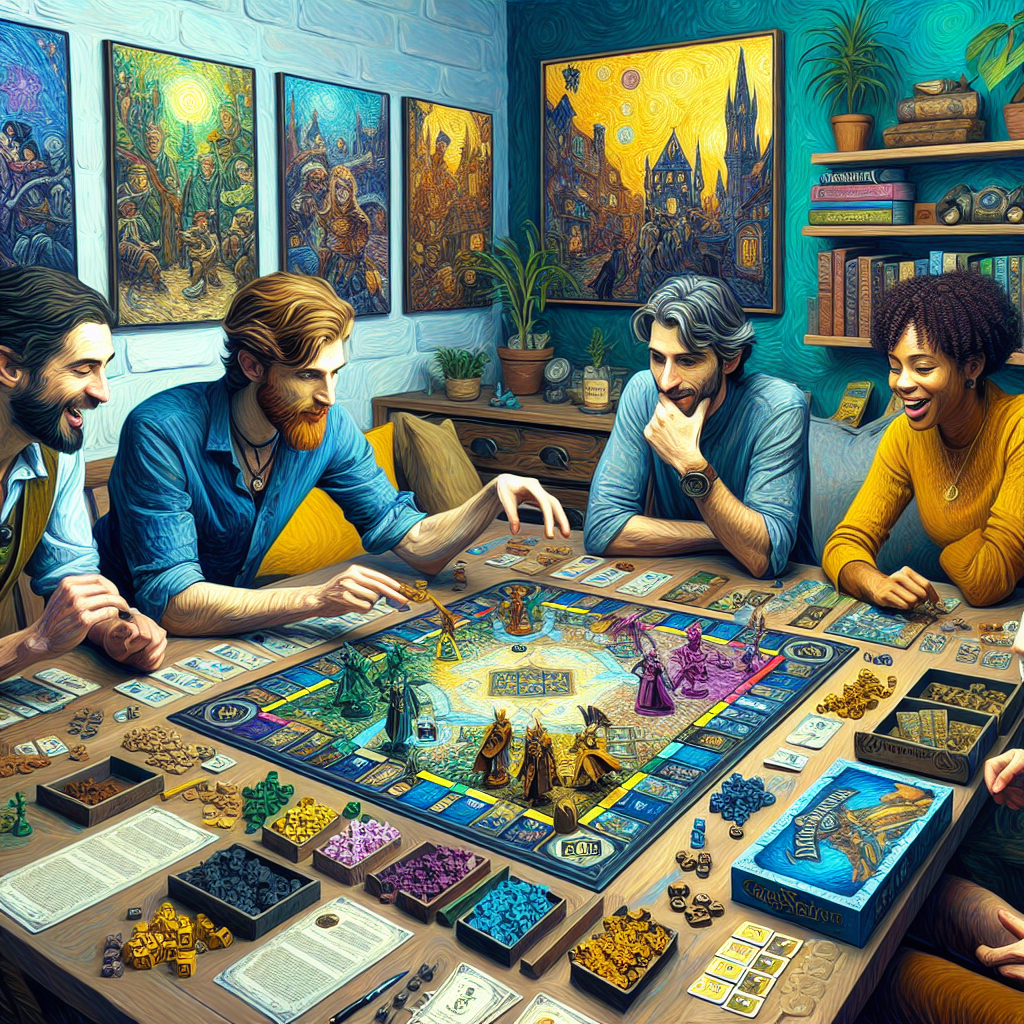
How Can Caregivers Encourage Competition Among Seniors Effectively?
Conclusion
When we think about the golden years, the last thing that might come to mind is friendly competition. But here’s the kicker: competition isn’t just the domain of the young guns playing basketball; it can also be a vibrant part of senior life. Instead of imagining retirees napping in rocking chairs, picture a lively community filled with laughter, camaraderie, and a dash of healthy rivalry. That’s the magic of gamification—a tool that transforms the mundane into something downright exciting.
Imagine a group of seniors hitting a walking trail, not just to get their steps in but to compete for the title of “step champion.” Suddenly, those daily strolls morph into a mini-Olympics! With fitness trackers in hand, they’re not just walking; they’re racing to beat yesterday’s record, challenging each other, and bringing a youthful spark to their routine. Remember, the key isn’t merely about stepping or stretching; it’s about the emotional buzz that competition ignites. It fosters connections and rekindles that feeling of being part of something greater—a community.
But let’s be real: it’s not just about who comes in first. For many seniors, it’s about self-improvement and personal victories, whether that means taking another lap around the park or standing up for the duration of a game of bingo. It’s essential to appreciate the depth of participation—engaging in a friendly game of lawn bowling or bridge not only sharpens their cognitive abilities but also strengthens their social bonds. When seniors rally for a common goal, laughter echoes, friendships bloom, and once-quiet corners of the community become vibrant hubs of connection.
Let’s not forget the powerful mental health benefits competition cultivates. Achieving a goal, no matter how small, instills a sense of purpose. It’s validation that those golden years don’t mean giving up; they’re just another chapter to be lived fully and passionately.
So, next time you see a group of seniors engaged in a spirited game or a friendly challenge, take a moment to appreciate what’s really going on. They’re not just competing; they’re living life at full throttle. With the right mix of motivation and a little playful rivalry, competition can breathe new life into their golden years, ensuring that we’re not simply growing older but leveling up in the game of life. After all, who wouldn’t want to win that?

Conclusion
Conclusion:
- Competition can be a vibrant and engaging part of senior life.
- Gamification transforms mundane activities into exciting experiences.
- Seniors can compete for titles like “step champion” while exercising, adding a fun element to their routines.
- Friendly competition fosters connections, rekindling a sense of community among seniors.
- Activities like lawn bowling or bingo enhance cognitive abilities and strengthen social bonds.
- Competition provides mental health benefits and a sense of purpose, proving that golden years can be full of passion.
- Seniors can engage in spirited challenges, leveling up their lives rather than merely growing older.

Conclusion
Other Resources

Other Resources
Here is a list of other resources you can review online to learn more:
- Z-Man Games
- Mechs vs. Minions
- Plurk
- Boss Monster
- The Mind
- Memoir ’44: Pacific Theater
- Flying Frog Productions
- Serious Poulp
Use This Prompt To Get More Resources With Your Favorite Online AI Tool: Please provide me with a list of online articles with their URLs in a bulleted list that I can read regarding What Role Does Competition Play In Keeping Seniors Active?

Other Resources
Glossary Terms
What Role Does Competition Play In Keeping Seniors Active? – Glossary Of Terms
1. Competition: A contest or rivalry between individuals or groups, motivating participants to improve their skills and performance.
2. Physical Activity: Any movement that engages the body, which is vital for maintaining health, mobility, and overall well-being, especially in seniors.
3. Social Engagement: Interaction with others, which can enhance mental and emotional well-being; often fostered through competitive activities.
4. Cognitive Function: Mental processes such as thinking, memory, and decision-making; cognitive activities can be enhanced through competitive environments.
5. Motivation: The inner drive that encourages individuals to act; competition can serve as a motivating factor for seniors to stay active.
6. Community: A group of individuals living in the same area or sharing common interests, where competitive activities can encourage social bonds among seniors.
7. Team Sports: Athletic activities played in teams, promoting collaboration and socialization while keeping participants physically active.
8. Individual Sports: Competitive activities focused on single participants, often allowing for personal goal setting and self-improvement.
9. Physical Fitness: The state of being in good health, commonly enhanced by regular activity, including participating in competitive events.
10. Wellness: A holistic approach to health that includes physical, mental, and social aspects, often promoted through active competition.
11. Challenges: Tasks or competitions that test skills; they can stimulate seniors to push their limits and engage in physical activity.
12. Resilience: The ability to recover from setbacks or challenges; competition can foster resilience, encouraging seniors to strive for improvement.
13. Game Theory: The study of strategic interactions among rational decision-makers; relevant in designing competitions that are both engaging and fair for seniors.
14. Peer Support: Encouragement from individuals of similar age or ability, which can motivate seniors to participate in competitive activities.
15. Skill Development: The process of improving abilities; competition can help seniors learn new skills and enhance existing ones.
16. Endurance: The ability to sustain physical or mental effort over time; competitive activities often help seniors build endurance.
17. Aging Well: The process of maintaining health and quality of life as one ages; competition can be an essential element in achieving this.
18. Balanced Lifestyle: A lifestyle that includes a mix of physical activity, social interaction, and mental engagement; fostered through competitive settings.
19. Inclusivity: Ensuring that competitive activities are accessible to all seniors, regardless of ability or experience.
20. Healthy Aging: The process of developing and maintaining the functional ability that enables well-being in older adults; competition can support this goal.
21. Track and Field: A range of running and field events that can be adapted for seniors, promoting competition and fitness.
22. Fitness Classes: Group sessions focusing on physical activities; often competitive elements are integrated to motivate seniors.
23. Wellbeing Programs: Initiatives designed to improve the overall health of seniors, often incorporating competitive elements.
24. Outdoor Activities: Adventures or sports conducted outside; they can stimulate competition and promote physical activity among seniors.
25. Technology Integration: The use of tech solutions, like fitness apps or wearable devices, to enhance competitive experiences for seniors.
26. Goal Setting: The process of identifying specific, measurable objectives; competition can help seniors create and pursue fitness goals.
27. Lifelong Learning: The ongoing, voluntary, and self-motivated pursuit of knowledge; competitive activities can stimulate continuous learning in seniors.
28. Health Risks: Potential adverse health outcomes associated with inactivity; competition can help mitigate these risks by encouraging movement.
29. Event Participation: Engaging in competitive or recreational events; critical for keeping seniors active and socially connected.
30. Seniors Olympics: Organized sporting events aimed at older adults, providing opportunities for competition and camaraderie.
This glossarycan serve as a helpful resource for understanding the various aspects of how competition influences seniors’ activity levels and overall well-being.

Glossary Of Terms
Other Questions
What Role Does Competition Play In Keeping Seniors Active? – Other Questions
If you wish to explore and discover more, consider looking for answers to these questions:
- What are some specific examples of gamification in senior activities?
- How does competition among seniors compare to competition among younger age groups?
- What potential drawbacks or challenges might arise from competition for seniors?
- How can seniors with limited mobility participate in competitive activities?
- What resources are available for caregivers looking to implement competitive activities?
- How can technology enhance competitive activities for seniors?
- Are there studies that support the benefits of competition for seniors’ health?
- What role does teamwork play in competitive activities for seniors?
- Can competition lead to negative feelings like resentment or anxiety among seniors?
- How can families support competitive activities for their senior loved ones?

Other Questions
Haiku
What Role Does Competition Play In Keeping Seniors Active? – A Haiku
Active seniors thrive here,
Friendly games spark joy and health,
Competition blooms.

Haiku
Poem
What Role Does Competition Play In Keeping Seniors Active? – A Poem
In the golden years of life, we gather near,
With laughter and warmth that we hold dear.
No longer the races, the frantic craze,
But a gentle rivalry in this twilight phase.
Gamification, like a fresh morning breeze,
Turns fitness to fun, brings us to our knees.
In walking groups racing to reach the next bench,
Or bingo nights where joy we’ll quench.
With every step counted, each mile embraced,
Connections grow deeper, friendships interlaced.
A competitive spirit that lifts us high,
In a game of pickleball, we truly fly.
From lawn bowling greens to chessboard wars,
Every game a reminder of life’s open doors.
We challenge our limits, we tackle the strife,
Finding thrill in the journey of this vibrant life.
Together we cheer, together we play,
These shared joyful moments—our cherished bouquet.
For health and for laughter, for each gentle win,
It’s the heart that keeps beating, the spirit within.
So here’s to the seniors, who refuse to stand still,
With a spark of competition, they’re climbing each hill.
In community and kindness, we celebrate all,
In the game of our lives, together we stand tall.

Poem
Checklist
What Role Does Competition Play In Keeping Seniors Active? – A Checklist
1. Understand Individual Interests and Abilities
_____ Assess each senior’s physical and cognitive abilities.
_____ Identify personal interests (e. g. , sports, games, arts) that can be incorporated into competitive activities.
2. Choose Appropriate Competitive Activities
_____ Physical Activities:
_____ Organize friendly races or step competitions (e. g. , using pedometers or fitness trackers).
_____ Set up walking or hiking groups with friendly challenges.
_____ Introduce adapted sports like lawn bowling, bocce ball, or pickleball.
_____ Mental Activities:
_____ Host trivia contests, card games (e. g. , bridge, poker), or board game nights.
_____ Organize chess clubs or strategy-based games.
_____ Gamified Challenges:
_____ Turn regular tasks (e. g. , knitting, gardening) into competitions with specific goals.
_____ Use apps or digital platforms for virtual competitions or fitness challenges.
3. Foster a Positive Environment
_____ Emphasize fun over winning; ensure that competition is friendly and inclusive.
_____ Encourage cheering and positive reinforcement among participants.
_____ Celebrate all levels of achievement to enhance motivation.
4. Use Gamification Techniques
_____ Introduce scores, badges, or leaderboards to track progress in various activities.
_____ Create teams to foster camaraderie and collective goals (e. g. , the first team to achieve a certain number of steps).
5. Provide Incentives and Rewards
_____ Offer small prizes or recognition (e. g. , homemade trophies or certificates) for winners or participants.
_____ Plan special outings or group activities for those who reach specific goals.
6. Incorporate Technology
_____ Utilize apps or online platforms for tracking progress and facilitating virtual competitions.
_____ Offer tutorials or group sessions on using technology to play games or connect with family and friends.
7. Encourage Social Connections
_____ Create opportunities for seniors to form teams or groups for activities and challenges.
_____ Organize regular events or gatherings to share experiences and celebrate successes.
8. Regularly Reassess Activities
_____ Gather feedback from participants to adjust activities to maintain engagement.
_____ Be flexible and creative in changing the nature of competitions to keep them interesting and challenging.
9. Educate on the Benefits
_____ Discuss how competition can improve physical fitness, enhance cognitive function, and foster social interaction.
_____ Share success stories within the group to inspire participation.
10. Have Fun!
_____ Remember that the primary goal is to enhance quality of life through social connection and enjoyment.
By following this checklist, caregivers can effectively promote healthy competition among seniors while nurturing their physical, mental, and emotional well-being.

Checklist
At HowDoYouGame, we help people who love board games by collating information and news about games.
Be sure to read our other related stories at HowDoYouGame to learn more about games.