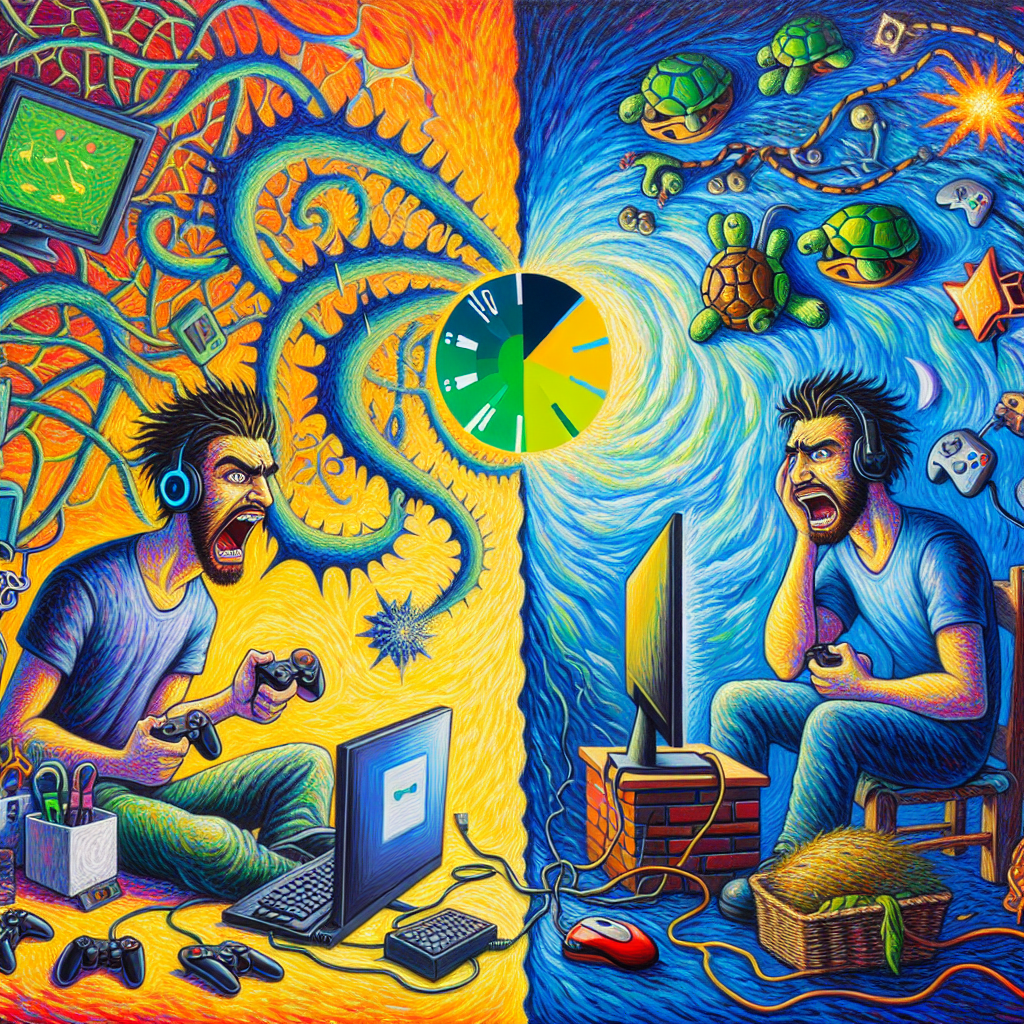
Navigating Gen Z’s Gaming Revolution: Emotions, Reason, And Morality
By Tom Seest
At HowDoYouGame, we help people who love board games by collating information and news about games.
Be sure to read our other related stories at HowDoYouGame to learn more about games.
From Cozy Indies to Roguelikes – the Gen Z Gaming Identity
When you dive into the world of gaming today, you’ll find a vibrant tapestry woven from the threads of cozy indies and adrenaline-pumping roguelikes. It’s a genre landscape that mirrors the hearts and minds of Gen Z, reflecting their diverse preferences and complex identities. These aren’t just games; they’re lifelines, weaving a narrative that resonates deeply within a generation that’s grappling with uncertainty yet thriving on creativity and connection.
Imagine this: you sit down after a long day. The glowing screen beckons you into realms crafted by passionate indie developers. Games imbued with warmth and whimsy offer a delicate escape, a reprieve from the pressures of reality. These aren’t mere distractions; they’re experiences that foster connection, reminding players of the value of community and kindness. Every pixelated character you guide through a charming world echoes the dreams of those brave enough to craft their shot at success. They embody the ethical allure of supporting independent creators who pour their hearts into art that entertains and inspires.
Then there’s the thrill of roguelikes, where each game unfolds like a gripping story, full of internal stakes and challenges to navigate. Here, the gut-wrenching moment of knowing that each death propels you to start anew taps into our very need for resilience. This gameplay isn’t just about winning; it’s about learning, adapting, and facing obstacles head-on. It speaks to the fears of a generation often told they won’t succeed, teaching that every setback is a step on the path to mastery.
Engagement is at the core of the Gen Z gaming identity. They crave authenticity—games that reflect their experiences or challenge their perceptions. Gamers find solace in each other, sharing the highs and lows of both the games and their journeys. This sense of social connection fosters trust; it binds communities together. They rally around the struggles and triumphs of their favorite gaming stories, which resonate on a deeply personal level.
So, whether cozying up with an indie title that feels like home or diving into the chaotic world of roguelikes, Gen Z gamers are carving out identities forged through gameplay. They’re learning, laughing, and growing together, reminding us all that in this sprawling universe of pixels and paste, every game tells a story worth experiencing. The journey is the game, and for this generation, every moment counts.

From Cozy Indies to Roguelikes – the Gen Z Gaming Identity
From Cozy Indies to Roguelikes – the Gen Z Gaming Identity
- Modern gaming features a blend of cozy indie games and thrilling roguelikes, reflecting the diverse identities of Gen Z.
- These games serve as lifelines, offering narratives that resonate with a generation facing uncertainty while fostering creativity and connection.
- Indie games provide warm, whimsical escapes from reality, emphasizing community and the importance of supporting independent creators.
- Roguelikes present gripping challenges that engage players in resilience and adaptation, reinforcing valuable lessons about overcoming setbacks.
- Gen Z gamers seek authenticity in games that mirror their experiences and challenge their perceptions, fostering deeper social connections.
- Gaming communities thrive on shared experiences, creating bonds that support both individual journeys and collective achievements.
- Ultimately, Gen Z gamers are crafting their identities through gameplay, learning and growing together in a vibrant universe of storytelling.

From Cozy Indies to Roguelikes – the Gen Z Gaming Identity
Table Of Contents
- From Cozy Indies to Roguelikes – the Gen Z Gaming Identity
- What Draws You to Cozy Indies Over Action-Packed Games?
- How Do Roguelikes Challenge Your Strategic Thinking?
- In What Ways Do Games Reflect Your Identity As a Gen Z Gamer?
- Why Do You Think Storytelling Matters In Gaming for Your Generation?
- How Do Gaming Communities Impact Your Feelings Of Belonging?
- What Ethical Considerations Do You Factor Into Your Gaming Choices?
- How Do You Balance Gaming with Other Aspects Of Your Life?
- Conclusion
- Other Resources
- Glossary Of Terms
- Other Questions
- Haiku
- Poem
- Checklist
What Draws You to Cozy Indies Over Action-Packed Games?
What draws you to cozy indies over action-packed games? It’s a question that swirls around the local gaming cafe, like the scent of fresh coffee on a lazy Sunday. It’s not about dismissing the thrill of high-octane pursuits, but rather embracing something deeper—an experience that invites you into a world where every pixel has a purpose, every sound a soothing familiarity.
Think of those cozy indie games, where the narrative unfolds like a well-loved storybook. There’s something about a charming art style, a gentle soundtrack, and heartwarming themes that resonate on a personal level. These experiences often mirror our own lives, with relatable struggles and sweet triumphs, making us feel seen and understood. The characters, too, in their quirky imperfections, often remind us of our friends or even ourselves, fostering a connection that transcends the screen.
From a rational perspective, there’s undeniable value in games that prioritize storytelling and emotional depth. They allow us to explore complex themes like isolation, friendship, or a yearning for connection, often in just a few hours. Shorter narratives mean you can relish multiple journeys without the pressure of time—each one a small gift you can savor at your own pace. So, while the pulse of an action-packed game might quicken your heartbeat, cozy indies bring you back to center, where you can breathe a little easier.
Ethically, supporting indie games often translates to advocating for creativity over conglomeration. By choosing these cozy titles, you are casting a vote for artistry that cares—games developed by passionate individuals and small teams that pour their hearts and souls into their craft. You become part of a movement that prioritizes authentic expression over commercialized noise, a collective that stands for the underdogs.
And then there’s the gut feeling—often tinged with nostalgia. Remember those afternoons spent playing games that warmed your heart? Cozy indies tap into that emotional reservoir, inviting us to rekindle joy rather than chase adrenaline highs. We’re reminded that life isn’t just about the grand adventures; it’s also about the peaceful moments—the ones that make us smile and sigh with relief.
Thus, when you reach for that cozy indie game, you’re not just picking up a controller. You’re nurturing a connection—to the stories, the creators, and ultimately, to yourself. In a world spinning faster than we’d like, these moments allow us to slow down, reflect, and savor the simple joys of gaming.

What Draws You to Cozy Indies Over Action-Packed Games?
What Draws You to Cozy Indies Over Action-Packed Games?
- Cozy indie games offer a deeper, more immersive experience compared to high-octane action games.
- They feature charming art styles, gentle soundtracks, and relatable themes that resonate personally.
- These games often reflect our lives, showcasing relatable struggles and triumphs that foster connection.
- Cozy indies prioritize storytelling and emotional depth, allowing players to explore complex themes in a short timeframe.
- Supporting indie games promotes creativity and authenticity in the gaming industry, favoring individual artistry over commercialism.
- Cozy indie games evoke nostalgia, reminding us of joyful, peaceful moments rather than adrenaline-fueled excitement.
- Choosing these games nurtures a connection to stories, creators, and self-reflection in our fast-paced world.

What Draws You to Cozy Indies Over Action-Packed Games?
How Do Roguelikes Challenge Your Strategic Thinking?
When you think about games, what comes to mind? Joy, adventure, perhaps a little friendly competition? Now, let’s add another layer: strategic thinking, the kind that flourishes in the unpredictable landscapes of roguelikes. Picture this: you’re plummeting down a dark dungeon, each turn could lead to glory or doom, and every choice matters. As you navigate this chaotic realm, you’re not just playing a game; you’re engaging your mind, body, and spirit in an intricate dance with uncertainty.
Roguelikes demand more than mere button-mashing reflexes. They challenge you to think critically, to adapt on the fly, to truly grasp the consequences of your actions. Each run offers a fresh start—with new enemies, unexpected loot, and random environments. This unpredictability becomes a canvas for strategic ingenuity. You learn to assess risks, weigh your options, and plan your escape routes while keeping your wits about you. With every failure, every encounter with a formidable foe, you develop resilience—an invaluable life skill that transcends the screen.
Now, let’s dive deeper. Imagine the sense of camaraderie that emerges when friends share their triumphs and failures over dreaded bosses or intricate puzzles. It’s not just about an individual quest; it’s about community. The shared stories grow richer, the bonds between players deepen. In their challenges, you find reflection. Every setback represents not just a game over, but a lesson in perseverance and adaptation—a universal experience that resonates with all of us.
Moreover, roguelikes present a moral dimension. You often encounter choices loaded with ethical weight. Do you sacrifice a fellow adventurer for personal gain, or will you band together for the greater good? These decisions echo larger themes in life, exploring trust, betrayal, and the complexity of human nature. By grappling with these dilemmas, you sharpen not just your strategic skills but your moral compass.
Ultimately, the allure of roguelikes is their invitation to embrace uncertainty. They empower you to confront adversity, tested by a world that doesn’t just reward preparation but celebrates creativity and adaptability. You step into each game with heart, mind, and gut, forging a connection with your chosen character, your companions, and ultimately, yourself. As you delve deeper into the ever-changing tapestry of challenge and opportunity, you don’t just play; you learn, grow, and emerge ready to take on whatever life throws your way.

How Do Roguelikes Challenge Your Strategic Thinking?
How Do Roguelikes Challenge Your Strategic Thinking?
- Games evoke feelings of joy, adventure, and friendly competition.
- Roguelikes require strategic thinking and adaptability in unpredictable environments.
- Each game run introduces new challenges, enemies, and loot, enhancing critical thinking skills.
- Players develop resilience and problem-solving abilities with each failure and encounter.
- Community and camaraderie grow as players share experiences and stories from their quests.
- Moral dilemmas in roguelikes prompt reflections on trust, betrayal, and human complexity.
- Embracing uncertainty in roguelikes fosters creativity, adaptability, and personal growth.

How Do Roguelikes Challenge Your Strategic Thinking?
In What Ways Do Games Reflect Your Identity As a Gen Z Gamer?
Every time you pick up a controller or tap a screen, you’re not just diving into pixels and code; you’re stepping into a reflection of who you are, a vessel that carries your hopes, fears, and dreams. For a Gen Z gamer, this journey is more than entertainment; it’s an exploration of your identity, shaped by the experiences, choices, and interactions that games offer. Think about it: every character you choose, every story you engage with, mirrors your own quest for belonging and understanding in a world that can often feel both vast and isolating.
Games have a unique ability to resonate with the intricacies of your life. They challenge you to think critically about the world around you. You navigate complex narratives that echo real-life issues: social justice, identity, mental health, and connection. In a digital landscape, you confront dilemmas that demand ethical decision-making—often invoking a sense of responsibility that extends beyond the screen. These interactions forge a sense of community, tying you to fellow gamers who wrestle with similar struggles and triumphs. You don’t just play; you participate in a shared dialogue that influences social mores, elevating your understanding of collective identity and connection.
Consider how many of your friends you communicate with and form relationships around these shared experiences. The bond is instant; an alliance built on battling foes or conquering quests together strengthens friendships more than casual encounters ever could. This is where narratives intertwine seamlessly with your own life story, thus creating a tapestry of experiences that feels rich and authentic. Every game becomes a chapter that adds depth to who you are—both as an individual and as a member of a generation navigating profound change.
Moreover, the authority of the creators and the narratives they weave plays a significant role in shaping your perception of the world. By recognizing their influence, you develop an informed perspective, fostering trust and confidence in the games and the communities they create. The drive to engage, learn, and grow emanates from within.
So, as you immerse yourself in these worlds, remember: each boss fight isn’t just a hurdle. It’s a metaphor for life’s challenges. Embrace the journey, for every pixel is a reflection of the gamer, the person, and the advocate you become. This connection isn’t just a side quest; it’s a vital part of your very identity.

In What Ways Do Games Reflect Your Identity As a Gen Z Gamer?
In What Ways Do Games Reflect Your Identity As a Gen Z Gamer?
- Gaming is a reflection of personal identity, encompassing hopes, fears, and dreams.
- For Gen Z gamers, games are an exploration of identity and belonging in a vast, isolating world.
- Games resonate with real-life issues like social justice, identity, and mental health.
- Digital dilemmas encourage ethical decision-making and foster a sense of responsibility.
- Gaming creates a community, linking players who share similar struggles and triumphs.
- Shared gaming experiences enhance friendships and contribute to a rich, authentic narrative.
- The influence of game creators shapes perceptions and fosters informed perspectives on the world.

In What Ways Do Games Reflect Your Identity As a Gen Z Gamer?
Why Do You Think Storytelling Matters In Gaming for Your Generation?
Storytelling in gaming is more than just a feature; it’s the lifeblood that pulls us into worlds we’ve never seen and scenarios we’ve never faced. For your generation, the power of a good narrative is like an anchor in a stormy sea. It pulls on our heartstrings, challenging us to laugh, cry, and sometimes even question our own morals. Games are not merely a distraction; they are a canvas that portrays the human experience. When you step into those digital shoes, you join countless others in shared emotional journeys, creating connections that extend beyond the console.
Think about the last time a character’s struggle resonated with you. The thrill of victory, the sting of defeat—these moments echo the shared human experience. Rationally, games provide a space for exploration and experimentation that you might not find in the real world. You can wrestle with ethical dilemmas, make choices that matter, and witness consequences unfold right before your eyes. This interactive nature fosters growth, nudging you to ponder what you would do in tough situations. Isn’t it fascinating how pixels and polygons can stir up such profound reflection?
Moreover, in an era of rapid change, the stories in games offer a glimpse into different cultures and perspectives, broadening your understanding of humanity. They foster empathy, inviting players to walk not just a mile but a lifetime in someone else’s shoes. While sitting on your couch, you can engage with narratives that challenge societal norms, opening dialogues about race, gender, and identity. It’s no longer just about escapism; it’s about understanding.
And let’s talk authority. The developers and writers behind these games often pour their own life experiences into the stories they create. Their expertise doesn’t just engage you; it inspires trust. You can see the passion they have for storytelling, and in turn, it makes you care about the world and characters they’ve crafted. That kind of authenticity resonates, helping generations connect beyond screens.
Ultimately, games serve as more than just an escape; they are invitations to experience, reflect, and engage with life’s complexities. They remind us that every quest, every battle, and every friendship matters. So, dive into those narratives, grab hold of that controller, and embark on a journey that can shape not just a player, but a whole generation.

Why Do You Think Storytelling Matters In Gaming for Your Generation?
Why Do You Think Storytelling Matters In Gaming for Your Generation?
- Storytelling in gaming is essential, immersing players in unique worlds and scenarios.
- A compelling narrative evokes strong emotions, prompting players to reflect on their morals and experiences.
- Games provide a platform for exploration and ethical decision-making with real consequences.
- They enhance empathy by allowing players to engage with diverse cultures and perspectives.
- Games challenge societal norms, sparking discussions about race, gender, and identity.
- Developers and writers infuse their life experiences into narratives, fostering trust and connection with players.
- Ultimately, games are vehicles for reflection and engagement with life’s complexities, shaping generations.

Why Do You Think Storytelling Matters In Gaming for Your Generation?
How Do Gaming Communities Impact Your Feelings Of Belonging?
In a world saturated with distractions and disconnected screens, gaming communities have become vibrant lifelines, drawing us together in a shared pursuit of joy, competition, and comradery. When you dive into these realms, you’re not just playing games; you’re stepping into a sanctuary that transcends geography and demographics. Picture it: avatars, weapons, strategies, and allies forged in the heat of battle, each player woven into a tapestry of narratives, experiences, and laughter.
The heart beats louder amid the chaos of a multiplayer match. Each victory feels sweeter when celebrated with friends who have your back, and every defeat offers a chance to rally, to strategize, and to grow—from solo journey to collective triumph. But what stirs the emotional core is the recognition that behind every screen lies a person who longs for connection, respect, and understanding. We’re not just players; we are storytellers, each contributing chapters to an unfolding epic.
From a rational perspective, consider the statistics. Studies have shown that engaging in gaming communities can enhance social skills, reduce feelings of isolation, and foster a sense of belonging that is crucial for mental health. It’s not just about the games themselves; it’s about the communities that form around them. These forums, these chats, and even those spontaneous raids become platforms for positively impacting the mind and spirit.
Ethically, there’s a powerful responsibility we carry. By welcoming newcomers, helping them navigate challenges, and sharing our triumphs and defeats, we can create a culture of inclusivity. This doesn’t just reinforce our own sense of belonging; it extends a lifeline to others who may feel adrift in the sea of life. When you help someone grow in their gaming journey, you cultivate trust and respect, transforming strangers into friends and classmates into allies.
Narratives abound in these spaces—stories of perseverance, laughter, and unexpected moments of kindness. Some of the strongest bonds are forged over late-night gaming sessions where shared struggles become legends. Every login is an invitation to join a conversation, share a laugh, or offer support to someone who just needs a reminder that they are not alone.
So the next time you power up your console or log into that server, remember: you’re not just engaging with a game; you’re participating in a living, breathing community that thrives on connection. Dive in, embrace it, and be the one who lights the way for others. After all, in this digital age, fostering genuine relationships is our most powerful achievement.

How Do Gaming Communities Impact Your Feelings Of Belonging?
How Do Gaming Communities Impact Your Feelings Of Belonging?
- Gaming communities function as vibrant lifelines amidst the distractions of modern life, fostering joy, competition, and camaraderie.
- Players form meaningful connections that transcend geographic and demographic barriers, sharing narratives and experiences.
- Victories are sweeter and defeats offer opportunities for collaboration and growth, enhancing the overall gaming experience.
- Engaging in gaming communities has been shown to improve social skills, reduce isolation, and create a sense of belonging crucial for mental health.
- Inclusivity is vital as welcoming newcomers helps create a supportive culture that fosters trust and respect among players.
- Strong bonds can form through shared experiences in gaming, often leading to lasting friendships built on mutual support and kindness.
- Engaging with gaming communities allows individuals to establish genuine relationships, highlighting connection as a powerful achievement in the digital age.

How Do Gaming Communities Impact Your Feelings Of Belonging?
What Ethical Considerations Do You Factor Into Your Gaming Choices?
When it comes to choosing the games we play, it’s easy to get swept up in the excitement of stunning graphics, exhilarating gameplay, or the thrill of competing against friends. But there’s a deeper layer beneath the surface, a heartbeat that resonates with our collective humanity. Each time we hit “play,” we’re casting a vote not just for entertainment but for the values that those games embody.
Ethical considerations in gaming can feel like a distant whisper, but they ring louder when you recognize that every decision you make reflects who you are as a person. The games we support contribute to the industry’s standards, shaping the landscape for future creators and players alike. Consider, for a moment, the narratives we choose to engage with. Are they ones that uplift or exploit? Do they foster understanding or sow division? When we take a stand against brands that push harmful stereotypes or promote toxic behavior, we create space for healthier dialogues and stories that matter.
Digging deeper, think about the social impact of gaming. Many titles champion community and collaboration, while others perpetuate isolation and competition. What kind of environment do we want to cultivate? The rush of competition can be exhilarating, but is it worth the price of our integrity? There’s a community waiting to be built on mutual respect and support—one where players help each other grow rather than tear each other down.
From a rational perspective, supporting ethical game development often translates into supporting the teams and individuals who pour their heart and soul into their work. Look for developers who prioritize fair pay and mental health for their employees. When we critically evaluate the practices behind the pixelated realms we enter, we empower ourselves to champion the kind of industry we want to see.
At the end of the day, it’s about connection. Gaming can be a conduit for building bridges between diverse cultures and perspectives. By choosing games that reflect our ethics, we celebrate creativity, promote justice, and reinforce the idea that entertainment can—and should—be a force for good. So, as you choose your next adventure, listen to that inner voice. Let it guide you toward the games that inspire you, challenge you, and most importantly, reflect the world you want to help create. Each choice matters. You have the power to shape the future of gaming—one decision at a time.

What Ethical Considerations Do You Factor Into Your Gaming Choices?
What Ethical Considerations Do You Factor Into Your Gaming Choices?
- Choosing games involves excitement, but it’s also about the values they represent.
- Every gaming decision reflects personal ethics and contributes to industry standards.
- Consider the narratives in games: do they uplift or exploit, foster understanding or division?
- Gaming environments impact community: should they promote collaboration or competition?
- Support ethical game development by prioritizing fair pay and mental health for developers.
- Gaming can connect diverse cultures and perspectives, serving as a force for good.
- Each gaming choice influences the future, empowering players to shape the industry.

What Ethical Considerations Do You Factor Into Your Gaming Choices?
How Do You Balance Gaming with Other Aspects Of Your Life?
Finding the right balance between gaming and the other facets of life can feel like walking a tightrope. We’ve all been there—immersed in that digital world, where every victory feels monumental, and every setback makes your heart race. But when the screen fades into darkness, the reality of our daily obligations—relationships, work, and mental wellbeing—begins to pull at your conscience.
First, let’s talk about the emotional side. Games offer an irresistible escape, a way to connect with heroes and narratives that can ignite our imaginations. However, it’s essential to recognize that those stories and adventures can’t replace meaningful connections in the real world. You may score that ultimate achievement in a game, but will it provide you with the warmth of a friend’s laughter or the satisfaction of a hug from a loved one? Reflect on what nourishes your soul. Build those connections, not just on-screen but also in your living room, at the dinner table, or in a local park with your family.
Rationally, let’s look at time management. The hours spent leveling up can be alluring, drawing you in like a moth to a flame. Yet, every minute in front of the screen is a minute away from real-life responsibilities and joys. Set boundaries: decide how much of your week can be devoted to gaming while ensuring you allocate time for work, exercise, and family. Create a schedule that allows gaming to be a reward rather than a default. This approach cultivates self-discipline and over time, builds trust within yourself that you can balance leisure and responsibility.
Ethically, consider your priorities. Engaging with games should not come at the expense of everyday responsibilities. Holding yourself accountable can shape your character. Let that accountability spill over into your gaming sessions—making sure your gaming does not overshadow the commitments you’ve made to yourself and others.
Finally, take a moment to share your gaming experiences with those around you. Discuss your latest achievements or strategies with family and friends who share your interests. Fostering social connections through gaming not only enriches your experiences but also fosters a community, reminding us that while gaming is a personal journey, it thrives in a shared environment. Balance is the key, transforming gaming from a solitary act into a celebration of both our passions and our lives.

How Do You Balance Gaming with Other Aspects Of Your Life?
How Do You Balance Gaming with Other Aspects Of Your Life?
- Finding balance between gaming and other aspects of life is crucial.
- Games provide an escape but cannot replace real-life connections.
- Consider what genuinely nourishes your soul and build meaningful relationships.
- Time management is essential; set boundaries to prevent gaming from interfering with responsibilities.
- View gaming as a reward to cultivate self-discipline and maintain balance.
- Engage in self-accountability to ensure gaming doesn’t overshadow daily responsibilities.
- Share gaming experiences with friends and family to foster community and enhance enjoyment.

How Do You Balance Gaming with Other Aspects Of Your Life?
Conclusion
Gaming has become more than just a pastime for Gen Z; it’s a dynamic landscape where emotions, ethics, and camaraderie converge. As you dip into the realms of cozy indie games and thrilling roguelikes, it’s easy to see how these experiences reflect and shape your very identity. Cozy indies offer a warm escape, where every pixel, sound, and storyline invites you to explore the beauty of human connection. These games prioritize community over competition, allowing you to find solace in their narratives, mirroring your own struggles and triumphs. They reevaluate the essence of success, encouraging you to back indie creators whose heartfelt work embodies artistry and authenticity, rather than the commercialized noise often associated with big gaming companies.
Equally impactful are roguelikes, which challenge you to think strategically in chaotic environments. Each step you take is filled with uncertainty, demanding resilience and adaptability, echoing the real-life challenges that Gen Z faces. In these digital arenas, failure becomes an opportunity for growth, teaching life lessons about perseverance while creating bonds with fellow gamers as you navigate trials together. The moral dilemmas presented encourage deeper reflections on ethical decision-making, fostering not just strategic thinkers but thoughtful individuals.
This connection extends into powerful gaming communities that serve as a refuge from isolation. In a world where genuine relationships often feel fleeting, these groups unite players through shared narratives of victories and losses. They foster inclusivity, reminding us that while we come from diverse backgrounds, we all hunger for understanding and support. Authentic interactions within these communities significantly contribute to mental well-being, grounding you in a collective experience where everyone has a voice.
Each gaming choice acts as a reflection of your values. Supporting ethical game development, engaging with compelling narratives, and fostering communities that celebrate creativity all contribute to the industry’s future. Gaming while balancing life’s responsibilities becomes a dance, where the joys of virtual adventures coexist with real-world connections. As you embark on these digital quests, remember that each session is not just about the game; it’s about the stories, friendships, and empowerment you create along the way. Through gaming, you are not merely a player; you become a vital part of a larger narrative, one that champions connection, reflection, and growth in an ever-evolving world. Embrace the journey; every moment is a chance to shape not just your gaming identity, but who you are as a person in this grand tapestry of life.

Conclusion
Conclusion:
- Gaming for Gen Z transcends mere entertainment, blending emotions, ethics, and camaraderie.
- Cozy indie games create a welcoming escape, focusing on community and personal narratives.
- Support for indie creators values artistry and authenticity over mainstream commercialism.
- Roguelikes promote strategic thinking under pressure, reflecting real-life challenges for Gen Z.
- Failure in gaming is framed as a growth opportunity, fostering resilience and bond-building.
- Gaming communities provide refuge from isolation, celebrating shared experiences and inclusivity.
- Each gaming choice reflects personal values, contributing to a future that emphasizes ethical practices and creativity.

Conclusion
Other Resources

Other Resources
Here is a list of other resources you can review online to learn more:
- Pegasus Spiele
- Kosmos
- Codenames
- LiveJournal
- YouTube
- Ravensburger
- Clans of Caledonia
- Instapaper
- Fantasy Flight Games
- Capstone Games
- Dominion: Intrigue (Second Edition)
- Tabletop Gaming News
- Alchemists
- Goliath Games
- CoolStuffInc
- Pandasaurus Games
- Tichu
- Mansions of Madness: Second Edition
- The Castles of Burgundy
Use This Prompt To Get More Resources With Your Favorite Online AI Tool: Please provide me with a list of online articles with their URLs in a bulleted list that I can read regarding From Cozy Indies to Roguelikes – the Gen Z Gaming Identity

Other Resources
Glossary Terms
From Cozy Indies to Roguelikes – the Gen Z Gaming Identity – Glossary Of Terms
1. Cozy Indie: A genre of video games characterized by relaxing gameplay, often with charming aesthetics and simple mechanics, appealing to players seeking comfort and low-stress experiences.
2. Roguelike: A subgenre of role-playing games featuring procedurally generated levels, permadeath, and turn-based gameplay, emphasizing strategy and replayability.
3. Gen Z: The demographic cohort born roughly between the mid-1990s and early 2010s, known for its familiarity with technology, digital communication, and diverse perspectives.
4. Aesthetic: The visual elements, style, and overall artistic design of a game that contribute to its atmosphere and emotional impact.
5. Microtransactions: Small purchases within a game that allow players to buy virtual goods or enhancements, often found in free-to-play games.
6. Narrative Design: The process of creating the story, characters, and dialogue within a game, focused on how players interact with the narrative.
7. Community Engagement: The interaction and collaboration between developers and players, often facilitated by social media, forums, and streaming platforms.
8. Accessibility: Features designed to make games playable for individuals with disabilities, including customizable controls, subtitles, and colorblind modes.
9. Indie Developer: A small, independent game creator or studio that typically operates without the financial backing of major publishers, focusing on innovative gameplay and unique storytelling.
10. Speedrun: A playthrough of a game in which players attempt to complete it as quickly as possible, often using specific tactics or glitches.
11. Emotional Resilience: The capacity of players to cope with challenges and adversity in games, often explored through narrative and gameplay elements.
12. Game Loop: The core cycle of gameplay that players engage with, including the actions of completing tasks, collecting resources, and overcoming challenges.
13. Procedural Generation: A method of creating game content algorithmically rather than manually, allowing for infinite variety and replayability.
14. Immersion: The degree to which a player feels absorbed in a game’s world, often facilitated by rich storytelling, sound design, and visual fidelity.
15. Community Modding: The practice of players creating and sharing modifications to games, enhancing or altering gameplay, graphics, and content.
16. Digital Natives: Individuals, particularly Gen Z, who have grown up with the internet and digital technology, influencing their approaches to gaming and social interaction.
17. Nostalgia: A sentimental longing for past experiences, often reflected in game design, themes, and aesthetics that evoke familiarity.
18. Avatar: A digital representation of a player in a game, allowing customization and personalization of the gaming experience.
19. Social Deduction: A gameplay mechanism in which players must deduce the roles or intentions of others, often found in multiplayer games.
20. Crossover: A feature where characters or elements from different games or franchises interact or coexist, appealing to fans of both properties.
21. Level Design: The process of creating the layout, challenges, and pacing of individual levels or environments within a game.
22. Post-Colonial Themes: Narrative and thematic elements addressing issues of power, culture, and identity, often present in indie games reflecting diverse experiences.
23. Gaming Communities: Groups of players who connect over shared interests in games, fostering friendships, collaboration, and collective experiences.
24. Chill Gaming: A gaming style focused on relaxation and low-intensity play, often exemplified by cozy indie games and simulation titles.
25. Replayability: A game’s capacity to provide fresh experiences upon multiple playthroughs, encouraging players to return for new challenges or discoveries.
26. Cosplay: The practice of dressing as a character from a video game, enhancing fan engagement through creative expression and community events.
27. Streaming Culture: The phenomenon of broadcasting gameplay live, allowing viewers to engage with players and participate in the gaming experience.
28. Lore: The background story and world-building that provide context to the game’s universe, enriching the player experience.
29. Art Style: The distinct visual approach of a game, including elements like color palettes, character design, and environment aesthetics.
30. Gamification: The application of game design elements in non-gaming contexts to engage and motivate users, enhancing experiences in areas such as education or marketing.

Glossary Of Terms
Other Questions
From Cozy Indies to Roguelikes – the Gen Z Gaming Identity – Other Questions
If you wish to explore and discover more, consider looking for answers to these questions:
- What specific elements of cozy indie games resonate most with Gen Z players?
- How do players perceive the community around roguelike games compared to other genres?
- What role does nostalgia play in the popularity of cozy indie games?
- How do gaming preferences change within the Gen Z demographic?
- What types of narratives do Gen Z gamers look for in their gaming experiences?
- How do ethical considerations influence game development and purchasing decisions?
- What impact do gaming communities have on mental health and social skills among Gen Z individuals?
- How do games facilitate discussions about larger societal issues for Gen Z gamers?
- What are the key strategies for maintaining a healthy balance between gaming and real-world responsibilities?
- In what ways do the choices in games mirror real-life ethical dilemmas for players?
- How do game developers incorporate Gen Z perspectives into their storytelling?
- What changes can be observed in the gaming industry due to the rising influence of Gen Z gamers?

Other Questions
Haiku
From Cozy Indies to Roguelikes – the Gen Z Gaming Identity – A Haiku
In pixels we find,
Cozy worlds and fierce trials,
Hearts and minds unite.

Haiku
Poem
From Cozy Indies to Roguelikes – the Gen Z Gaming Identity – A Poem
In a world of pixels where stories unfold,
Gen Z finds refuge, both brave and bold.
From cozy indies that warm the heart,
To roguelike quests where strategies start.
Each game is a mirror, reflecting our fears,
Echoing journeys, of laughter and tears.
These avatars, friends with their quirks,
Remind us of life—its glows and its jerks.
With every click, a deeper connection,
Creating a space for shared introspection.
In cozy realms, compassion takes flight,
While roguelikes teach resilience in the night.
The choice to support indie dreams,
Is a stand for art, flowing like streams.
A vote for integrity in gameplay and creed,
Fostering kindness, planting the seed.
Ethically aware in the games that we choose,
We shape a landscape, bring back what we lose.
As strategies form in the heat of the play,
We bond over triumphs, come what may.
Balancing life with each virtual quest,
Finding joy in the stories we love best.
As communities gather, hearts intertwine,
Every shared moment, a lifeline divine.
So lift your controller; embark on a quest,
In this vast tapestry, we’re truly blessed.
For within every game, we learn and we grow,
Creating a world where empathy flows.

Poem
Checklist
From Cozy Indies to Roguelikes – the Gen Z Gaming Identity – A Checklist
Gaming Identity and Choices: A Comprehensive Checklist
Emotional Appeals
_____ Reflect on your gaming experiences: Identify moments where games have made you feel deeply connected or moved.
_____ Seek comfort in narratives: Choose games that resonate with personal experiences and offer emotional solace.
_____ Engage with community: Share your gaming stories and feelings with friends to build emotional connections.
Rational Appeals
_____ Analyze game mechanics: Consider how gameplay challenges your critical thinking and resilience.
_____ Set achievable goals: Create gaming goals that allow for personal growth and reflection.
_____ Establish time management: Allocate specific times for gaming to maintain a balance with real-life responsibilities.
Ethical Appeals
_____ Support indie developers: Choose games that promote creativity and ethical practices within the industry.
_____ Promote inclusivity: Engage with games and communities that prioritize respectful interactions and diverse narratives.
_____ Evaluate game content: Consider the messages and values portrayed in games before immersing yourself.
Authority Appeals
_____ Research game developers: Look into the backgrounds of creators and their intentions within the gaming community.
_____ Follow trusted reviews: Seek opinions from credible sources about games to enhance informed decision-making.
_____ Participate in discussions: Engage in conversations about gaming ethics and the implications of game design.
Narrative Appeals
_____ Share your gaming journey: Chronicle your evolution as a gamer and the stories that have influenced you.
_____ Explore complex themes: Select games that challenge societal norms and encourage critical dialogue.
_____ Create a shared narrative: Involve friends in co-op gameplay sessions that foster collective storytelling.
Social Appeals
_____ Join gaming communities: Connect with like-minded individuals who share your gaming interests and values.
_____ Support others: Offer help to newcomers in gaming spaces, creating a welcoming atmosphere.
_____ Host gaming events: Organize gatherings or online sessions to strengthen bonds through shared gameplay experiences.
Gut Appeals
_____ Trust your instincts: Pay attention to how a game makes you feel emotionally and spiritually.
_____ Relate to nostalgia: Choose games that evoke fond memories and personal connections to your past.
_____ Embrace unpredictability: Allow yourself to enjoy the thrill of new challenges that roguelikes and other genres offer.
This checklist aims to guide Gen Z gamers in making thoughtful choices that align with their identity while navigating the multifaceted dimensions of gaming.

Checklist
At HowDoYouGame, we help people who love board games by collating information and news about games.
Be sure to read our other related stories at HowDoYouGame to learn more about games.