Shifting Perspectives: The Endless Game Of Generations
By Tom Seest
At HowDoYouGame, we help people who love board games by collating information and news about games.
Be sure to read our other related stories at HowDoYouGame to learn more about games.
Boomers Ask When Does the Game End? While Gen Z Says It Doesn’t
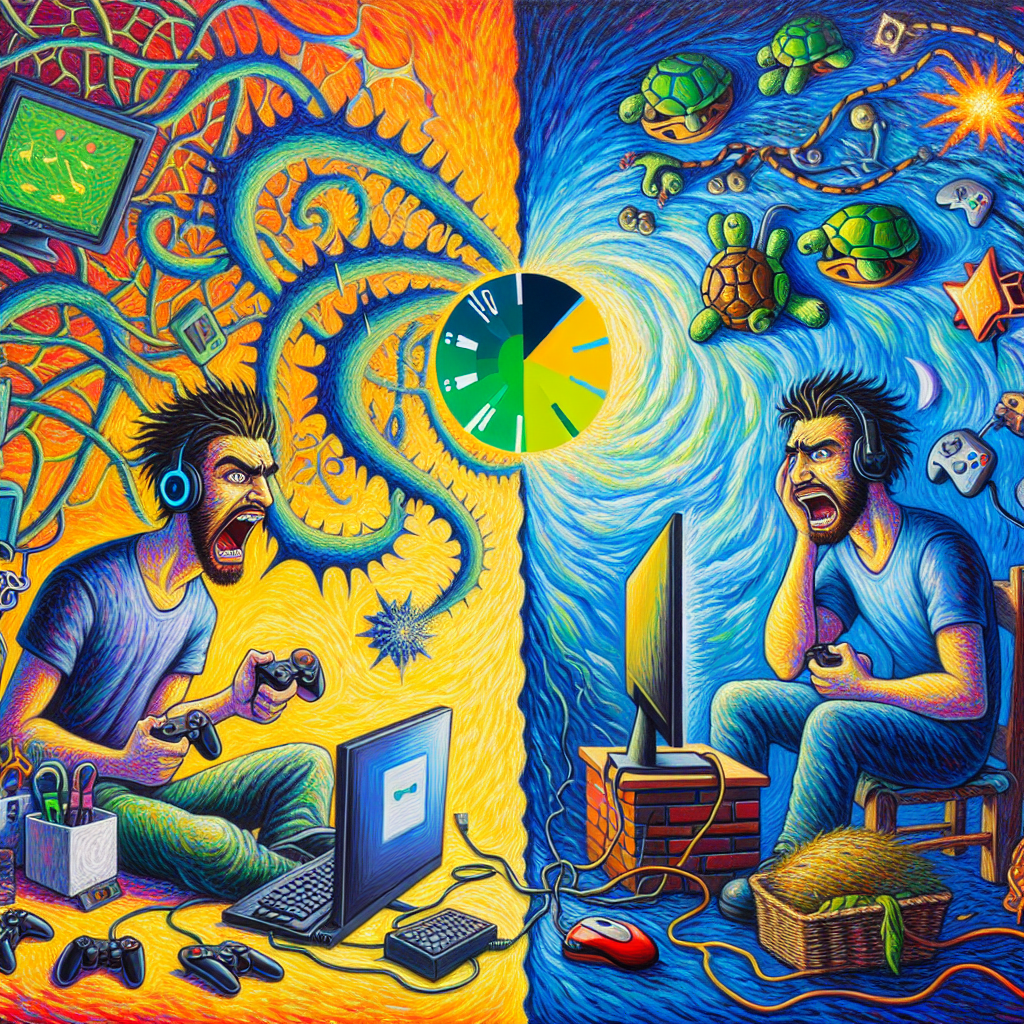
The world is filled with contrasting perspectives, and nowhere is this more apparent than in the generational conversation between Boomers and Gen Z. On one side, we have the Boomers, seasoned players who’ve navigated the twists and turns of life—and now they ask, “When does the game end?” They’ve built careers, raised families, and weathered storms. It’s understandable; after all, having put in the effort, there’s a desire for closure. The game seems to demand a finish line, an opportunity to put down the controller and reflect on a life well played.
But then there’s Gen Z, who approach the world like a new game release—exciting, ever-evolving, and, above all, open-ended. They step into the arena with a sense of adventure, saying “It doesn’t end; it just evolves.” This perspective isn’t simply a youthful dismissal of tradition; it’s a recognition of the journey. They’re trained to adapt, learn, and pivot, surfacing every day to meet the unexpected. For them, the question isn’t when the game ends but how it continues to spark curiosity and innovation.
This generational clash beautifully underscores a deeper truth about life itself. Think about it: every era has its challenges, and every generation faces its unique set of obstacles. But inside these differences lies a shared humanity—the desire for connection, purpose, and fulfillment. Boomers, with their hard-earned wisdom, offer invaluable lessons about perseverance and resilience, while Gen Z brings a fresh perspective that champions adaptability in an ever-changing landscape.
Consider the feeling you get when you find common ground with someone from a different generation. It starts with a simple conversation; before you know it, you’re sharing stories, laughing at past mishaps, and building trust. That connection transforms the daunting question of life’s purpose into a collaborative adventure.
Let’s embrace this blend of experiences. Boomers can lead, teaching endurance, while Gen Z can inspire reinvention. Together, the conversation fosters empathy and understanding, helping everyone find meaning in both the pause and the play. The game doesn’t have to conclude; rather, it can morph into something even richer—an evolving narrative that invites us all to participate in shaping what comes next.

Boomers Ask When Does the Game End? While Gen Z Says It Doesn’t
Boomers Ask When Does the Game End? While Gen Z Says It Doesn’t
- The generational conversation between Boomers and Gen Z reveals contrasting perspectives on life.
- Boomers seek closure and reflection after their established careers and family lives.
- Gen Z views life as an evolving adventure, focusing on curiosity and innovation.
- Both generations face unique challenges but share a common desire for connection and fulfillment.
- Boomers offer lessons in perseverance, while Gen Z advocates for adaptability in change.
- Conversations can bridge generational gaps, fostering trust and collaboration on life’s purpose.
- Embracing both perspectives creates an evolving narrative, inviting everyone to shape the future.

Boomers Ask When Does the Game End? While Gen Z Says It Doesn’t
Table Of Contents
- Boomers Ask When Does the Game End? While Gen Z Says It Doesn’t
- What Legacy Do You Want to Leave Behind for Future Generations?
- How Do You Navigate the Tension Between Tradition and Innovation?
- How Can We Foster Understanding Between Different Generations?
- What Values Do You Hold Dear In a Rapidly Evolving Society?
- How Can We Balance Ambition with Mindfulness In Our Daily Lives?
- What Stories From Your Past Shape Your View Of the Future?
- How Do Societal Expectations Influence Your Personal Aspirations?
- Conclusion
- Other Resources
- Glossary Of Terms
- Other Questions
- Haiku
- Poem
- Checklist
What Legacy Do You Want to Leave Behind for Future Generations?
When you pause to consider the legacy you’re crafting, think about the games you’ve played in the theater of life. Each decision, each action, contributes a stroke to the portrait you’ll leave behind. Will that picture be vibrant, filled with colors of compassion and hard-earned wisdom, or faint and drab, lacking in the richness of experience? Imagine young people looking back at your story—mimicking your efforts in their own pursuits, drawing from your playbook, and, hopefully, learning from your missteps.
The power rests in your hands to mold the narrative. It’s not just about accolades or wealth; it’s about the values you uphold, the kindness you share, and the resilience you embody. Picture the world through the eyes of those who will follow. Will they be inspired by your courage to challenge the status quo, or will they ignore the lessons you left behind, consumed by the noise of an indifferent past? It’s for them that we strive—exemplifying ethical conduct in our daily lives, ensuring that integrity and responsibility trek hand in hand.
As adults, we often underestimate the impact of our words. When we speak our truth, it resonates not just in the air, but deep within the hearts of others. Use your voice—climb the mountaintop, proclaiming the significance of hard work, humility, and respect for one another. In a world filled with divisiveness, let your legacy be a bridge—a connection between eras, inspiring future generations to come together, share struggles, and relish victories.
Much like a game, life is not just about winning. It’s about how you play it, the teammates you choose, and the lessons learned along the way. The world needs players willing to press onward, even when the odds seem stacked against them. Think about the stories you leave—what will the young explorers of tomorrow whisper about your journey?
Your actions shape their path. So, step onto the field with intention. Cultivate a legacy that echoes through time, creating ripples of change, kindness, and courage. Recognize that the games you play today will influence the players of tomorrow. Start building that legacy now, and make it count.

What Legacy Do You Want to Leave Behind for Future Generations?
What Legacy Do You Want to Leave Behind for Future Generations?
- Reflect on the legacy you’re creating through your choices and actions.
- Consider whether your story will inspire future generations with compassion and wisdom.
- Your values, kindness, and resilience matter more than accolades or wealth.
- Use your voice to inspire others by sharing lessons of hard work, humility, and respect.
- Life is about the journey, not just winning; focus on the impact of your actions.
- Be proactive in building a meaningful legacy that encourages positive change.
- Your legacy shapes the path for future generations; start making it count today.

What Legacy Do You Want to Leave Behind for Future Generations?
How Do You Navigate the Tension Between Tradition and Innovation?
Navigating the tension between tradition and innovation is like walking a tightrope over a canyon where both sides hold deep significance. On one side lies the rich soil of our heritage—these are the customs and practices that bind families, communities, and cultures together. They’re the stories woven into the very fabric of our identities. On the other side is innovation, an ever-changing landscape filled with possibility and excitement. It beckons us, promising advancements that can enhance our lives. The challenge? Balancing the two without losing the essence of what we hold dear.
A wise person once said, “Games are the touchstone of our humanity.” There’s truth in that. When we engage in games, whether they’re about competition or collaboration, we’re actually reaffirming our roots while testing the bounds of our creativity. Think about a beloved family recipe—handed down through generations. It tastes like home, steeped in memories. But what if that same dish could be reimagined using local, seasonal ingredients? That’s the heart of it. We honor our ancestors by cooking, yet we also inject life into our traditions by embracing new ideas.
Now, let’s engage the head. Innovation comes with data and analysis. Many companies rush to cast aside legacy systems in favor of the latest technology, but that can be a grave mistake if done without thoughtful reflection. Instead, the best navigators of this tension look at what can be adapted or evolved. They know that the core values of a tradition can often coexist with cutting-edge advancements. Statistics show businesses that blend tradition with innovative practices tend to succeed, striking the right balance that resonates with customers’ emotions and expectations alike.
From an ethical standpoint, we must also consider the impact. Preserving traditions is not just about nostalgia; it’s about respect for the past and the voices who have come before us. As we innovate, let’s do so with integrity, ensuring that we uplift those traditions rather than discard them like outdated technology.
This is a dialogue, a social dance between generations. By fostering this connection—inviting feedback from those who’ve walked the paths before us and marrying it with fresh perspectives—we cultivate a richer understanding. So the next time you find yourself at this crossroads, remember: embracing the dance of tradition and innovation isn’t just about moving forward; it’s about carrying forward the legacy of all who have come before us.

How Do You Navigate the Tension Between Tradition and Innovation?
How Do You Navigate the Tension Between Tradition and Innovation?
- Navigating tradition and innovation requires balance between heritage and new possibilities.
- Tradition binds families and communities, representing the core of our identities.
- Innovation offers advancements but challenges us to maintain the essence of what we value.
- Engaging in games symbolizes our humanity and connects us to our roots while fostering creativity.
- Successful adaptation involves blending core traditions with innovative practices rather than discarding legacy systems.
- Ethical innovation should respect and uplift traditions, recognizing their cultural significance.
- The dialogue between generations enriches our understanding of tradition and innovation’s coexistence.

How Do You Navigate the Tension Between Tradition and Innovation?
How Can We Foster Understanding Between Different Generations?
When we talk about bridging the gap between generations, we often think of the differences—the music, the technology, the way we view work and play. Yes, there are contrasts that might seem insurmountable, but let me tell you something: underneath it all, we’re all human, and we have common ground if we just look for it.
Imagine a group of individuals—young and old—gathered in a park under the dimming light of day, laughter echoing as they dive into a game of catch or even a classic round of cards. It’s not just a game; it’s a shared experience that transcends age. Games have a unique power; they level the playing field and give everyone a reason to smile. They ignite conversations and break down barriers. When you toss a ball or shuffle a deck, you invite connection—even if it’s just for a moment.
Now, think about the wisdom that flows from those with experience. The stories they tell aren’t just relics of the past; they’re lessons waiting to be discovered. For the younger generation, these tales can offer insights that textbooks simply can’t convey. On the flip side, the freshness and creativity of youth can inspire innovation in the more seasoned. When we’re willing to listen, we grow. And growth, my friends, is something we should champion regardless of age.
There’s an ethical imperative here too. Every generation has owed a debt to the ones that preceded and will follow. It’s our duty to foster understanding, respect, and compassion. This isn’t just about tolerance; it’s about actively engaging with one another. When we invest time in relationships, we not only enrich our own lives but those of others.
Making space for multi-generational conversations is vital. Whether it’s a casual coffee chat or a community project, creating opportunities for collaboration brings true understanding to life. Invite the young folks to share their tech-savvy skills and ask the older generation to share stories of grit and perseverance.
By doing this, we’re not only preserving the fabric of our communities; we’re strengthening it. When we learn from one another and champion our shared values, we ignite a spark that can light the way forward. So let’s roll up our sleeves and get to work—together. The future is in our hands, and it’s time we made sure everyone has a seat at the table.

How Can We Foster Understanding Between Different Generations?
How Can We Foster Understanding Between Different Generations?
- The gap between generations often highlights differences in music, technology, and views on work and play.
- Common humanity exists beneath these differences, offering shared experiences to connect us.
- Games and shared activities foster connections, igniting conversations that bridge generational gaps.
- Wisdom from older generations provides invaluable lessons, while youth brings fresh ideas and innovation.
- There’s an ethical obligation to foster understanding, respect, and compassion across generations.
- Encouraging multi-generational conversations, such as through casual meetups or projects, promotes collaboration.
- By learning from each other, we strengthen our communities and ensure a brighter future for all.

How Can We Foster Understanding Between Different Generations?
What Values Do You Hold Dear In a Rapidly Evolving Society?
In a world that seems to spin faster by the day, it’s tempting to ride the tide of change without anchoring ourselves in what truly matters. Our values—the bedrock of our character—are more vital than ever. They serve as a compass in the storm, guiding us through the chaos of a society that craves instant gratification and shiny distractions. Yet, like any great game, life requires strategy and purpose, and your values are the playbook.
Think of your values as the rules you choose to play by. They offer structure amidst the unpredictability of life’s challenges. When the digital noise surrounds us, pulling our attention in a dozen directions, it’s the steadfast principles we hold dear that clear the fog. Empathy, integrity, honesty—these aren’t just buzzwords; they are the foundation of trust. When we foster genuine connections built on these values, we create a community fortified against the divisive forces that seek to tear us apart.
There’s a certain grace in standing firm, in being the steady hand in a rapidly shifting landscape. It takes guts to resist the lure of the latest trends and to prioritize enduring values over fleeting pleasures. Each decision we make—from the way we treat our neighbors to how we engage in our workplaces—ripple through our society. When we lead by example, others take notice. Your adherence to strong values can inspire a chain reaction, leading to a shift that’s not just about you; it’s about fostering a culture that respects character and authenticity.
Let’s face it: struggle is a part of life. Yet, it’s in those difficult moments that our values shine brightest. They force us to dig deep, to reconsider our choices, and to strive for a better version of ourselves. Just like in any good adventure, it’s not the accolades or the money that you’ll remember; it’s the relationships forged through shared respect and understanding.
So, whether you’re navigating the complexities of work, family, or community, hold tight to your values. They are the tools that empower you to make choices that matter. Choose wisely, play the long game, and watch as your life—and the lives of those around you—transform for the better. The world might be evolving, but your core principles can remain unshaken, guiding your path like an unwavering lighthouse in the stormy sea of progress.

What Values Do You Hold Dear In a Rapidly Evolving Society?
What Values Do You Hold Dear In a Rapidly Evolving Society?
- Values serve as a crucial compass, guiding us through life’s chaos and instant distractions.
- They provide structure and clarity amid the unpredictability of challenges.
- Empathy, integrity, and honesty are foundational principles that foster trust and community.
- Standing firm in your values requires courage and prioritizing enduring principles over fleeting trends.
- Adhering to strong values can inspire others and foster a culture of respect and authenticity.
- Struggles reveal our values and push us to strive for personal growth and better relationships.
- Core principles guide us through complexities and empower meaningful choices that transform lives.

What Values Do You Hold Dear In a Rapidly Evolving Society?
How Can We Balance Ambition with Mindfulness In Our Daily Lives?
In a world that often equates ambition with hustle, the push to get ahead can overshadow the essential quiet moments that keep us grounded. Think of life as a chessboard—where every move is strategic and every piece counts. The games we play in pursuit of our goals can become consuming, yet it’s the pauses between moves, the deep breath before the next big decision, that offer clarity and insight.
Consider the hands of a skilled craftsman, covered in grit and sweat, carving out a masterpiece. Each chip and stroke is a testament to hard work, but it’s the moments spent stepping back to assess each curve and line that truly shape the final outcome. This dance between doing and being is what leads to a fulfilling life, one where ambition doesn’t trample the soul. We all have dreams that tug at our hearts—whether it’s launching that start-up, writing a book, or nurturing a talent. However, when ambition blazes unchecked, it can leave us burned out and disconnected.
Ethically, we ought to tread lightly on this path. The relentless pursuit of success can sometimes lead us to compromise our values and relationships. Connecting with our inner selves and embracing mindfulness allows us to evaluate what we truly want. Are our goals aligning with who we are at our core? Let’s not forget that community is an essential aspect of our journey—engaging with others, sharing stories, and learning from diverse perspectives can enrich our ambition and cultivate growth.
Imagine sitting around a fire, surrounded by friends, swapping tales of triumphs and tribulations. Each laugh, tear, and shared experience creates a tapestry of resilience—a reminder that we’re not alone in this quest. We can lift each other up, encouraging a balance that nourishes both ambition and peace.
Finally, listen to that gut feeling. It’s your internal compass guiding you back when the pursuit feels aimless. Take time to reflect, take breaks when needed, and chase your dreams with awareness. Let your ambition be a force that propels you forward, but make room for mindfulness to anchor you. In doing so, we craft lives worth living—rich in purpose, connection, and authenticity.

How Can We Balance Ambition with Mindfulness In Our Daily Lives?
How Can We Balance Ambition with Mindfulness In Our Daily Lives?
- Ambition should not overshadow the essential quiet moments that ground us.
- Life is likened to a chessboard, where strategic pauses provide clarity and insight.
- Creativity and craftsmanship require stepping back to assess progress and shape outcomes.
- Unchecked ambition can lead to burnout and disconnection from our true selves.
- Mindfulness and self-reflection help align goals with our core values.
- Community engagement and shared experiences enrich our ambitions and cultivate growth.
- Listening to your gut feeling and taking breaks can enhance a fulfilling life rich in purpose.

How Can We Balance Ambition with Mindfulness In Our Daily Lives?
What Stories From Your Past Shape Your View Of the Future?
Every one of us carries a collection of stories—moments that shape our identity, decisions, and perspectives. Think back to your childhood. Remember the games you played? Climbing trees, riding bikes, building forts? In those moments, we weren’t just having fun; we were shaping our understanding of resilience, creativity, and teamwork. Each scraped knee was a lesson in perseverance, each triumph a glimpse of what was possible.
Now, fast forward to the present. Those childhood adventures provided a framework for navigating challenges that life throws our way. When faced with uncertainty, it’s often those early experiences that whisper down the years, urging us to tap into our inner resourcefulness. So, when you look to the future, ask yourself—how did those stories redefine what’s achievable for you?
As adults, we encounter the weight of expectations—both self-imposed and societal. Yet, when we remember the freedom of those games, we realize that success isn’t always linear; it’s filled with unexpected detours and quirky side quests. Recognizing this can inspire confidence to take risks, to venture into uncharted territory. Your past is a ledger of lessons written in laughter and tears, an authority that whispers, “You’ve done hard things before; you can do them again.”
But beyond individual triumph lies our connection to each other. Our shared experiences—the games played with friends, the team projects that bonded us—remind us that we are part of something larger. They cultivate a sense of belonging and ignite idealism as we envision the future. Together, we can confront world’s complexities, rallying around common values and a shared sense of purpose.
So, let your past inform your future, not just by recollection, but through action. Contribute your unique story to the tapestry of humanity. Take those lessons from your games and wield them like tools toward tomorrow. Inspire those around you to do the same. Because when we open up about our experiences, we create connections that can ignite change. This is how we shape a brighter future together—through trust, courage, and the willingness to play the game of life, regardless of the odds.
What Stories From Your Past Shape Your View Of the Future?
What Stories From Your Past Shape Your View Of the Future?
- Everyone has a collection of stories that shape their identity and perspectives.
- Childhood experiences, such as games and adventures, teach resilience, creativity, and teamwork.
- These early moments provide a framework for navigating adult challenges and uncertainties.
- Success is not always linear; embracing detours can inspire confidence and risk-taking.
- Shared experiences foster a sense of belonging and cultivate idealism for the future.
- Contributing personal stories can create connections and inspire change in the community.
- Shaping a brighter future involves trust, courage, and participation in life’s journey.

What Stories From Your Past Shape Your View Of the Future?
How Do Societal Expectations Influence Your Personal Aspirations?
Life is a wild game, isn’t it? A blend of aspirations shaped by hopes, dreams, and the incessant chatter of societal expectations. We grow up with these invisible shackles tied around our minds and hearts, conditioning us to chase the elusive “success” that others have defined. There’s a powerful narrative unfolding in every corner of society; a story of who we should be—what careers we ought to pursue, how we should act, or even what we should aspire to become. This pressure can feel like an unrelenting weight on our shoulders, reshaping our desires in ways that don’t always align with our true selves.
Take a second and think about it: how many times have you grinned and nodded while secretly wondering if what you wanted was even on the table? Your gut feels it—an instinctual pull guiding you towards a passion festering beneath the surface. But societal expectations are like a loud chorus, drowning out that inner voice, and we often play along with the rhythm, afraid to dance to our own tune.
Yet, here’s the kicker: those hollow benchmarks others set for us seldom resonate with what’s important on an individual level. Real success isn’t just about the job title or the shiny car; it’s about finding what makes you tick, what ignites that undeniable spark in your heart. It’s about the days we wake up energized, ready to tackle challenges and pursue genuine interests.
What if we dared to challenge these societal expectations? What if we paused the games and started questioning the rules? Imagine a world where every person embraced their own narrative instead of burning energy trying to fit into someone else’s. It won’t be easy, but that’s where the real magic lies—in the pursuit of authenticity.
When we connect with our true aspirations, we draw strength from the lives and stories of those who forged their own paths. Let your actions speak louder than the noise around you. You owe it to yourself to follow your gut and pursue what fills your spirit. Don’t settle for someone else’s game. Rewrite the rules, step onto the field, and play the game that’s meant for you. You’ve got what it takes; all you have to do is believe it and take that first courageous step.

How Do Societal Expectations Influence Your Personal Aspirations?
How Do Societal Expectations Influence Your Personal Aspirations?
- Life is a complex blend of aspirations influenced by societal expectations.
- Societal pressures can shape our desires, often leading us away from our true selves.
- Many people struggle with the dissonance between their true desires and societal norms.
- Real success is defined by personal fulfillment, not just by external benchmarks.
- Challenging societal expectations can lead to a more authentic and meaningful life.
- Connecting with personal aspirations empowers us to create our own narratives.
- Taking courageous steps towards authenticity can unlock true potential and happiness.

How Do Societal Expectations Influence Your Personal Aspirations?
Conclusion
The conversation between Boomers and Gen Z reveals a compelling truth about our existence—a game without a definitive end, filled with shared experiences and evolving narratives. Boomers, with their wealth of life’s lessons, grapple with the notion of closure, seeking a finish line to reflect on years of hard work. In contrast, Gen Z vibrantly embraces the unfolding journey, viewing life as an adventure that invites continual curiosity and innovation. This generational dialogue isn’t just about contrasting views; it’s an opportunity to recognize that every era brings its own challenges while showcasing a common human thread—the quest for connection, purpose, and fulfillment.
Consider the transformative power that occurs when we find common ground across generations. The humor and wisdom exchanged in simple conversations have the potential to dissolve barriers and build trusting relationships. Boomers can impart resilience, while Gen Z can inspire reinvention, creating a beautiful collaboration that enriches both. The essence of connection lies in shared values and experiences, which can turn individual journeys into a mutual adventure toward a meaningful legacy. Legacy isn’t merely about achievements or accolades; it’s about the values we uphold, the kindness we extend, and the integrity we embody.
As we walk the tightrope between tradition and innovation, it’s essential to recognize the significance of both sides. Our heritage anchors us, while fresh ideas propel us forward. When we synthesize the wisdom of the past with the vibrancy of the present, we create a culturally rich tapestry that nurtures growth and fosters understanding. Engaging in multi-generational dialogues promotes empathy and builds community, allowing us to navigate complexities together.
Ultimately, the stories we carry define our paths forward. Just as a skilled craftsman values each stroke in their work, we must cherish our past experiences and use them as guides for future endeavors. The lessons learned from childhood adventures spark resilience and creativity that can illuminate obstacles in our lives.
So, let’s approach life as a communal game, where we relentlessly focus on bridging gaps and fostering understanding. In this unfolding narrative, everyone has a role, and every action matters. Value the legacy you leave behind, cherish the moments, and remember—life isn’t just about reaching a finish line; it’s about how we navigate the journey together, with gratitude, purpose, and a commitment to shaping a bright future for generations to come. Embrace this challenge, and let your voice resonate, not just with ambition but with the strength of authenticity and connection.
Conclusion
Conclusion:
- The conversation between Boomers and Gen Z highlights life as an ongoing journey rather than a race to a finish line.
- Boomers seek closure and reflection on their life’s work, while Gen Z embraces adventure and continual curiosity.
- This generational dialogue emphasizes the shared human desire for connection, purpose, and fulfillment amid differing perspectives.
- Common ground across generations can dissolve barriers, enabling trusting relationships through humor and wisdom exchange.
- Legacy is defined by shared values and integrity, not just achievements, fostering a meaningful collaboration between Boomers and Gen Z.
- Synthesizing past wisdom with present innovation creates growth and understanding while promoting empathy within communities.
- Approaching life as a communal game encourages bridging generational gaps, valuing the journey, and shaping a positive future collectively.

Conclusion
Other Resources

Other Resources
Here is a list of other resources you can review online to learn more:
- Twilight Imperium (Fourth Edition)
- Tantrum House
- Plaid Hat Games
- A Feast for Odin
- Brass: Lancashire
- Ticket to Ride
- Istanbul
- Splendor: Cities of Splendor Expansion
- Descent: Journeys in the Dark (Second Edition)
- GameNight!
- Dead of Winter: The Long Night
- Tom Vasel’s The Dice Tower
- Eagle-Gryphon Games
- Paizo Publishing
- Cardboard Republic
- Hearts
- Dominion: Seaside (Second Edition)
- IGN
- Lookout Games
Use This Prompt To Get More Resources With Your Favorite Online AI Tool: Please provide me with a list of online articles with their URLs in a bulleted list that I can read regarding Boomers Ask When Does the Game End? While Gen Z Says It Doesn’t

Other Resources
Glossary Terms
Boomers Ask When Does the Game End? While Gen Z Says It Doesn’t – Glossary Of Terms
1. Boomers: Refers to the generation born between 1946 and 1964, known for their unique cultural experiences post-World War II.
2. Gen Z: The generation born from the mid-1990s to the early 2010s, characterized by their digital fluency and social activism.
3. Game: A metaphor for life or societal engagement, often representing the pursuit of goals and challenges.
4. End: The conclusion or culmination of experiences in life, often associated with reflection and legacy.
5. Mindset: The established set of attitudes and beliefs that influence how individuals view life and their place in it.
6. Legacy: Something handed down from previous generations, encompassing values, achievements, or cultural impact.
7. Perspective: A particular attitude or way of regarding something, shaped by generational experiences and values.
8. Cultural Shift: Changes in social norms, values, or behaviors that occur over time within a society.
9. Engagement: The level of participation or involvement in social, political, or community issues.
10. Nostalgia: A sentimental longing for the past, often influencing the Boomers’ view of ‘the game. ’
11. Progressivism: Advocacy for social reform and modern ideas, often associated with Gen Z’s attitudes.
12. Values: Core principles or standards that guide behavior and decision-making across generations.
13. Diversity: The inclusion and representation of different backgrounds and perspectives within society.
14. Adaptability: The ability to adjust to new conditions, crucial for both generations in a rapidly changing world.
15. Work Ethic: The principle of hard work and diligence valued differently by each generation.
16. Connection: The relationships and networks formed between individuals, often viewed differently by Boomers and Gen Z.
17. Innovation: The creation of new ideas or methods that drive change and progress, valued by Gen Z.
18. Resilience: The capacity to recover from difficulties, often characterized by Gen Z’s response to current challenges.
19. Authenticity: The quality of being genuine or true to oneself, increasingly valued by younger generations.
20. Advocacy: Actively supporting a cause or policy, frequently a hallmark of Gen Z engagement.
21. Sustainability: The focus on ecological conservation and responsible resource use, prioritized by Gen Z.
22. Community: A social unit that shares common values and interests; viewed as essential for support by both generations.
23. Digital Natives: Individuals, particularly Gen Z, who have grown up with technology and the internet.
24. Globalization: The process of interaction and integration among people, companies, and governments worldwide, affecting both generations.
25. Mental Health Awareness: Recognizing the importance of mental well-being, a significant focus for Gen Z.
26. Social Justice: The pursuit of equal rights and opportunities for all, a central theme in Gen Z activism.
27. Intergenerational Dialogue: Conversations between different generations aimed at understanding and collaboration.
28. Career Path: The trajectory of one’s professional life, perceived with different expectations by Boomers and Gen Z.
29. Empowerment: The process of becoming stronger and more confident in making choices, emphasized by Gen Z.
30. Retirement: The phase of life post-employment, often viewed by Boomers as an end, contrasting with Gen Z’s different aspirations.

Glossary Of Terms
Other Questions
Boomers Ask When Does the Game End? While Gen Z Says It Doesn’t – Other Questions
If you wish to explore and discover more, consider looking for answers to these questions:
- What strategies can Boomers and Gen Z use to communicate effectively?
- In what ways do societal pressures differ for Boomers and Gen Z?
- How can we effectively teach younger generations about the value of tradition?
- What role does technology play in shaping relationships between different generations?
- What are some examples of successful intergenerational collaborations?
- How do cultural values differ between Boomers and Gen Z?
- What are the long-term effects of the mentorship between Boomers and Gen Z?
- How can we encourage more intergenerational activities in our communities?
- What lessons can Boomers learn from Gen Z’s approach to life?
- How can individuals create a meaningful legacy while embracing change?
Other Questions
Haiku
Boomers Ask When Does the Game End? While Gen Z Says It Doesn’t – A Haiku
Generations collide,
Boomers seek the game’s end,
Gen Z finds its pulse.

Haiku
Poem
Boomers Ask When Does the Game End? While Gen Z Says It Doesn’t – A Poem
In the arena of life where generations play,
Boomers seek closure, a finish line’s sway;
They question the game, its challenges met,
Yet find in the silence a longing regret.
While Gen Z rises, a fresh canvas bright,
Proclaiming with joy, “The game’s just in flight!”
They weave through the chaos with courage anew,
Embracing the unknown, as each day breaks through.
Across age and time, our stories entwine,
With lessons of grit and dreams that align.
Empathy blossoms when hearts come together,
In laughter and struggle, we nurture each tether.
For what is a legacy, but strokes of our deeds,
A vibrant portrait of compassion that leads?
Let kindness resound through the fabric of fate,
A bridge between eras that cultivates great.
Mindfulness whispers amid ambition’s fierce call,
Striking the balance, we rise when we fall.
For every bold move, let reflection play part,
It’s the pauses, the insights, which truly take heart.
From the echoes of youth, our wisdom takes flight,
Connecting past battles to future’s raw light.
In shared aspirations, let narratives weave,
A tapestry rich, of how we believe.
So gather the players, both seasoned and young,
With open minds ready, let conversations be sung.
The game doesn’t end, it eternally flows,
With every life’s chapter, new brilliance bestows.
Together we rise, as each day will start,
Crafting a legacy that anchors the heart.
With values as guides and stories to share,
We navigate change with a spirit laid bare.

Poem
Checklist
Boomers Ask When Does the Game End? While Gen Z Says It Doesn’t – A Checklist
Generational Perspectives Checklist: Bridging the Gap
Emotional Appeals
_____ Reflect on moments of connection you’ve shared with someone from a different generation. What feelings arose during those interactions?
_____ Consider your legacy. What emotions do you want individuals in future generations to feel when they think of you?
Rational Appeals
_____ Analyze the advantages of blending tradition with innovation in your personal and professional life. How can both coexist?
_____ Think critically about the societal expectations that shape your ambitions. Which ones resonate with you, and which do you wish to challenge?
Ethical Appeals
_____ Identify your core values. How do they guide your actions in a rapidly changing society?
_____ Ponder the impact of your decisions on future generations. What ethical considerations do you take into account when crafting your legacy?
Authority Appeals
_____ Seek wisdom from older generations. What life lessons have they shared that you can apply to your current challenges?
_____ Educate yourself on innovative practices that respect traditional values. What strategies have proven effective in blending the old with the new?
Narrative Appeals
_____ Share a story from your past that has shaped your views on life. How can you use that story to inspire others?
_____ Engage with someone from a different generation about their experiences. What narratives can you learn from their journey?
Social Appeals
_____ Create opportunities for multi-generational dialogue in your community—such as group activities or workshops. How can you facilitate these interactions?
_____ Collaborate with individuals from different age groups on a project. What unique perspectives can each generation contribute?
Practical Actions
_____ Schedule a regular conversation with a person from a different generation—mentor, relative, or friend—to exchange insights and experiences.
_____ Volunteer your time in a community program that encourages interaction between generations. How can you foster understanding and empathy through shared activities?
By reflecting on these areas, you can enhance your understanding of different generational perspectives and contribute to a more interconnected community.

Checklist
At HowDoYouGame, we help people who love board games by collating information and news about games.
Be sure to read our other related stories at HowDoYouGame to learn more about games.