Virtual Realities: Bridging The Generational Gap
By Tom Seest
At HowDoYouGame, we help people who love board games by collating information and news about games.
Be sure to read our other related stories at HowDoYouGame to learn more about games.
Boomers Call It the Future, Gen Z Calls It Normal – Vr/Ar Generational Divide
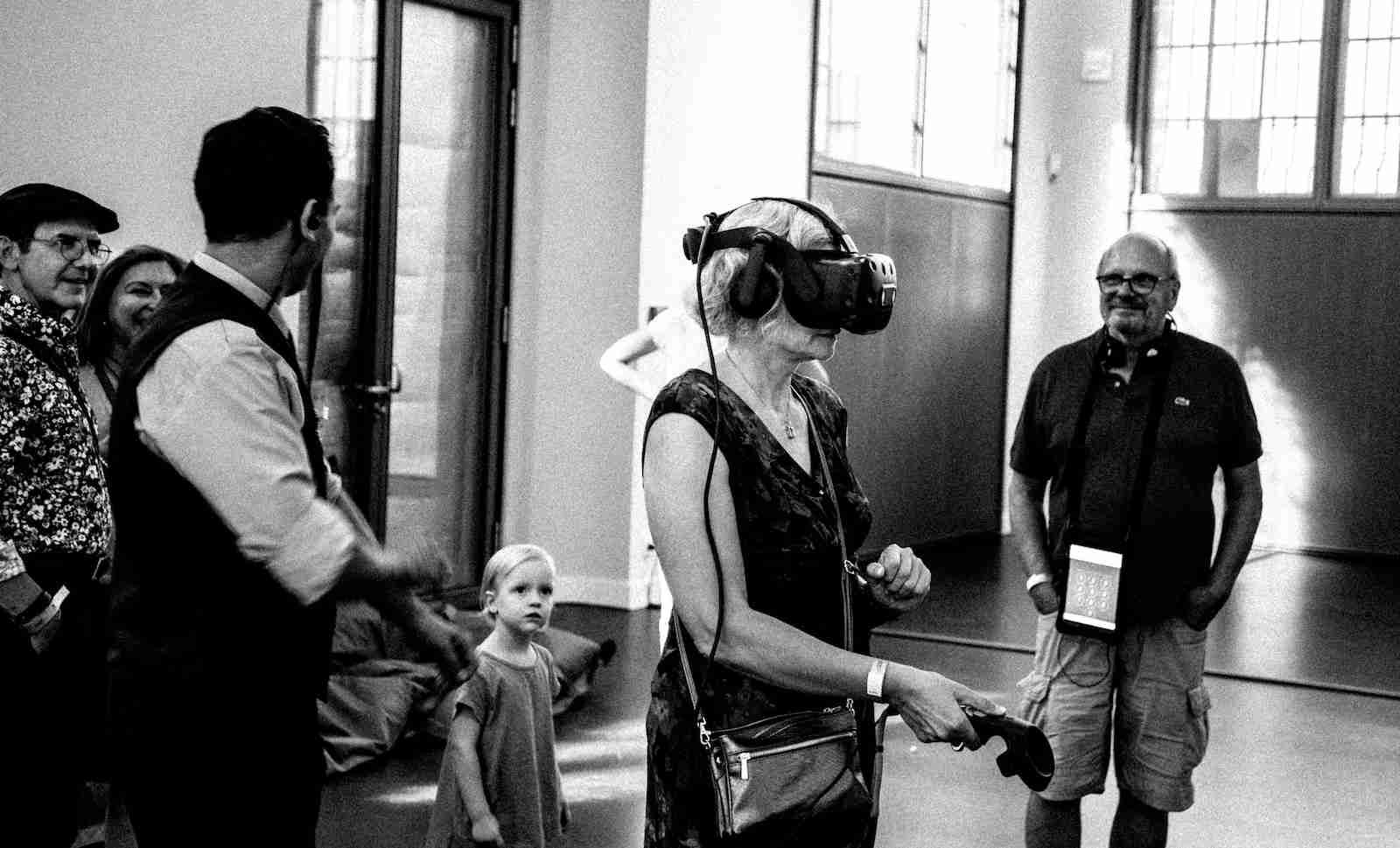
In a world where Boomers view virtual reality (VR) and augmented reality (AR) as the future, Gen Z sees them as just another part of everyday life—a familiar landscape woven into their social fabric. As we stand at this generational crossroads, it’s vital we understand the treasure trove of experiences and opportunities these technologies present, not just for one generation, but for all of us.
Picture this: a sunny Saturday afternoon in a park, where kids are not just playing games on their devices but stepping into new worlds where imagination reigns. This isn’t escapism; it’s active engagement. For a child from Generation Z, VR can be a doorway to history lessons, science experiments, and even social interactions, all without leaving home. Can you recall your early lessons in real life—bumpy attempts at understanding complex subjects? Now, consider how much smoother that journey could have been with immersive experiences, right there at your fingertips.
Yet, let’s set down the rose-colored glasses for a moment. Concerns about where this technology takes us—distracted living, social isolation—are valid, even necessary. It’s crucial for us to elevate the conversation and discuss these valid worries, not dismiss them. Empathy helps bridge the gap, aligning ethical considerations with technological potential. We can foster a responsible environment by guiding younger generations to use these tools mindfully.
By doing so, we create scenarios where augmented reality can enhance a classroom lesson or a family gathering—not replace it. Imagine sharing a meal with your loved ones, where instead of just passing around your phone to show holiday snapshots, you could bring everyone into a shared digital experience that transcends time and space. The memories from both perspectives can intertwine, fostering deeper bonds between generations.
As stewards of our youth, it’s our responsibility to recognize that this new tech isn’t merely a gadget—it’s a pathway. Together, we can advocate for its potential to foster genuine connections, cultivate understanding, and bridge the generational divide. So, let’s engage in this dialogue. Let’s harness VR and AR not just as tools of innovation but as catalysts for enriching our human experience. Empower the next generation to navigate this landscape with confidence, ethics, and a little wisdom from those who’ve walked before them. It’s not just about games; it’s about building a future we can all share, together.

Boomers Call It the Future, Gen Z Calls It Normal – Vr/Ar Generational Divide
Boomers Call It the Future, Gen Z Calls It Normal – Vr/Ar Generational Divide
- Boomers perceive virtual reality (VR) and augmented reality (AR) as the future, while Gen Z views them as everyday life.
- VR offers Gen Z immersive experiences for learning, creativity, and social interaction, enhancing education.
- Concerns exist about potential negative effects of VR and AR, such as distracted living and social isolation.
- Empathy is crucial in addressing concerns while aligning ethical considerations with technological advancements.
- AR can complement real-life interactions, enhancing shared experiences rather than replacing them.
- It is important to advocate for the potential of VR and AR to create genuine connections and bridge generational divides.
- Utilizing these technologies responsibly can empower future generations and enrich the human experience.

Boomers Call It the Future, Gen Z Calls It Normal – Vr/Ar Generational Divide
Table Of Contents
- Boomers Call It the Future, Gen Z Calls It Normal – Vr/Ar Generational Divide
- What Emotions Do Vr and Ar Evoke In Different Generations?
- How Can We Leverage Vr to Bridge the Generational Gap?
- Is the Rapid Tech Change Creating Fear Or Excitement for Boomers?
- Can Vr Experiences Foster Empathy Across Generations?
- What Ethical Considerations Arise From Immersive Technology Use?
- How Do Societal Norms Influence Attitudes Towards Vr and Ar?
- What Narratives Define Our Relationship with Emerging Technologies?
- Conclusion
- Other Resources
- Glossary Of Terms
- Other Questions
- Haiku
- Poem
- Checklist
What Emotions Do Vr and Ar Evoke In Different Generations?
As we venture into the world of Virtual Reality (VR) and Augmented Reality (AR), we find ourselves at a unique intersection of technology and human emotion. For younger generations—Gen Z and millennials—these immersive experiences often evoke a sense of wonder, sparking creativity and igniting imagination. Picture a teenager donning VR goggles, fully immersed in a digital universe, where the boundaries of reality blur. They are not just playing games; they are exploring possibilities, crafting their own narratives, and forming connections that feel palpably real. These experiences validate their emotions and preferences, echoing a desire for engagement in a world that often feels overwhelming.
In contrast, older generations, like Gen X and baby boomers, may grapple with feelings of nostalgia and hesitation as they navigate this new terrain. For them, AR can transform a mundane environment into a vibrant journey of discovery. Imagine a grandparent using AR to enhance a cherished family photo, blending past memories with present technology. The emotional resonance is profound—a bridge between generations, where the wisdom of age intersects with the curiosity of youth. It fosters a deeper connection among family members, sparking stories and laughter, while simultaneously reminding them that adaptation is not just a necessity but a cherished opportunity.
But it’s not just about evoking sentiment. Engaging with VR and AR requires us to think critically about our interactions with these technologies. Are they enhancing our lives or simply providing an escape? Ethical considerations loom large, compelling us to confront how these tools shape our perspectives, foster social connections, or isolate us in our own worlds. It’s a balancing act, demanding awareness but also urging us to embrace the potential for shared experience.
When we witness VR and AR through this lens, we see more than mere entertainment; we observe a profound narrative unfolding—a testament to human resilience and our innate longing for connection. The stories transcending generations can cultivate solidarity in our communities, breaking down barriers that often separate us. As we immerse ourselves, let’s remember the power of these technologies to foster empathy among varying age groups. We’re not just players in this game; we’re architects of shared experiences that have the potential to inspire trust, confidence, and a call to action. In embracing this duality, we can create a world that celebrates both innovation and the timeless bonds of humanity.

What Emotions Do Vr and Ar Evoke In Different Generations?
What Emotions Do Vr and Ar Evoke In Different Generations?
- VR and AR merge technology with human emotion, impacting various generations differently.
- For Gen Z and millennials, immersive experiences inspire creativity and a sense of wonder.
- Younger individuals engage deeply, forming meaningful connections and crafting personal narratives.
- Older generations, like Gen X and baby boomers, navigate VR and AR with nostalgia and caution.
- AR can enhance cherished memories, facilitating emotional connections among family members.
- Critical engagement with VR and AR raises ethical questions about their impact on social connection versus isolation.
- These technologies can foster empathy across age groups, creating a shared experience that strengthens community bonds.

What Emotions Do Vr and Ar Evoke In Different Generations?
How Can We Leverage Vr to Bridge the Generational Gap?
Imagine a room filled with colorful VR headsets, where laughter mingles with shared experiences, bridging the gap between generations. VR offers more than just games; it presents a unique opportunity to forge connections that once seemed impossible. It invites the young to share their digital worlds and the old to share their stories, each giving the other a glimpse into their lives—a true exchange of wisdom and wonder.
Take a moment to think about it. VR can take your grandparents, who may not easily navigate new technology, on a virtual journey through their favorite landscapes or historical events. They can walk the cobbled streets of an old town they loved or dive into adventures from their childhood. In these immersive experiences, memories become tangible, allowing them to relive treasured moments and impart valuable lessons to the next generation. The heart speaks through these shared experiences, while the head recognizes the cognitive benefits; stimulation in any form fosters mental agility.
A recent study found that engaging with immersive technologies can enhance communication and reduce feelings of isolation, especially among the elderly. These findings validate the ethical allure of VR, as it isn’t merely an entertainment tool but a means to nurture relationships, bridging not just ages but the chasms of understanding.
Now, consider the narrative here: a child who introduces their grandparent to a VR game about history, prompting discussions that had previously been met with blank stares. That child learns the significance of their heritage, while the grandparent feels valued and reconfirmed as a vessel of knowledge. Both emerge richer from the experience, creating memories that last longer than any fleeting familial gathering.
Let’s not overlook the social appeal. VR sessions transform shy interactions into communal activities. A family game night becomes an exploratory adventure, breaking down barriers and sweatpants clad resentment, replacing it with silliness and shared joy. These moments resonate in our hearts, rewiring our connections to each other in this digital age.
So, let’s equip our loved ones with these virtual tools, not just as gadgets, but as bridges. Let’s inspire trust through collaboration, confidence by embracing the new together, and profound action as we show the way. The future’s not just about technology; it’s about meaningful connections that turn yesterday into today, and today into tomorrow.

How Can We Leverage Vr to Bridge the Generational Gap?
How Can We Leverage Vr to Bridge the Generational Gap?
- VR headsets facilitate intergenerational connections and shared experiences.
- Offers opportunities for storytelling and wisdom exchange between young and old.
- Allows grandparents to virtually revisit cherished memories and significant places.
- Helps elderly feel less isolated and promotes mental agility through engagement.
- Encourages meaningful family discussions that enhance understanding of heritage.
- Transforms social interactions into shared adventures, fostering joy and connection.
- VR serves as a bridge for trust and collaboration in embracing new technology together.

How Can We Leverage Vr to Bridge the Generational Gap?
Is the Rapid Tech Change Creating Fear Or Excitement for Boomers?
Change is an inevitable part of life, but for the Baby Boomer generation, the acceleration of technology often feels like standing at the edge of a cliff. They look down and see a rapidly flowing river of digital innovation—cloud computing, artificial intelligence, virtual reality—and it can be both fascinating and fearsome. But what if, instead of focusing on the chasm below, we view this as an opportunity to leap into a world filled with possibilities?
Picture it: a grandparent sitting beside a child, playing interactive games that not only entertain but also teach. Engagement turns into connection, bridging generational gaps with lessons from both sides. Technology, often seen as a barrier, transforms into a common ground where laughter fills the air and stories are exchanged. It’s not just about keeping up; it’s about enriching lives and nurturing relationships.
Now, as the elders of our society, Boomers have the wisdom that comes from a lifetime of experiences, and it’s this very understanding that empowers them to embrace new tools. The heart knows the thrill of learning something new, of discovering how to face challenges with poise and curiosity. It’s the same pulse that once drove them to dance at rock concerts or protest for change. Today, that familiar heartbeat can spark excitement as they navigate the latest innovations.
Rationally, it’s essential to recognize that fear often stems from misunderstanding. Technology presents an evolving landscape that, when grasped, can become a powerful ally in maintaining independence and fostering community. By approaching these advancements with a willing spirit, Boomers can unlock a treasure trove of potential—whether it’s maintaining health through telemedicine or staying connected through social media. Respect for their experiences, combined with a genuine desire to learn, might just forge a powerful partnership between generations.
Ethically, the responsibility lies with younger generations to extend a hand and guide their elders, to create an environment where learning is celebrated—not dismissed. This collaboration not only strengthens family ties but can reinforce a sense of purpose, allowing Boomers not merely to keep pace but to thrive.
The river may flow fast, but with the right mindset, there’s no need to feel overwhelmed. Embrace the change, foster that connection, and you might find that what once generated fear has morphed into a newfound excitement—a chance to keep growing, learning, and loving life.

Is the Rapid Tech Change Creating Fear Or Excitement for Boomers?
Is the Rapid Tech Change Creating Fear Or Excitement for Boomers?
- Change is a constant in life, and for Baby Boomers, rapid technological advancements can feel daunting.
- Viewing technology as an opportunity can lead to enriching experiences between generations.
- Interaction through technology can bridge generational gaps, fostering connection and shared learning.
- Baby Boomers possess valuable life experiences that empower them to embrace new technological tools.
- Fear of technology often arises from misunderstanding; understanding can turn technology into a supportive ally.
- Younger generations have a responsibility to guide their elders, ensuring a supportive learning environment.
- With the right mindset, Baby Boomers can thrive amidst change, fostering growth, learning, and joy in life.

Is the Rapid Tech Change Creating Fear Or Excitement for Boomers?
Can Vr Experiences Foster Empathy Across Generations?
Imagine slipping on a pair of VR goggles and stepping into a world that’s at once foreign and familiar. You’re in the shoes of a young child—or perhaps an elderly person—experiencing the highs and lows of their lives. These experiences aren’t just games; they’re portals into the hearts and minds of people from different generations, offering us a lens to see the world through their eyes. We often hear about the importance of empathy, yet it can feel elusive, especially across generational divides. This is where virtual reality becomes a transformative bridge.
When individuals don those VR headsets, they aren’t just players in a digital landscape; they become participants in a profound narrative that challenges assumptions and misconceptions. Picture an elderly man reliving his childhood during the Great Depression, struggling through tough times, yet finding joy in simple pleasures. As younger users inhabit his story, they gain insight into the grit and resilience that shaped his character, stirring emotions that textbooks could never convey. This isn’t mere entertainment—it’s an ethical awakening, an invitation to acknowledge the trials faced by those who paved the way for us.
The data backs it up: Research suggests that VR can significantly enhance empathy levels, influencing how we relate to others long after the headset comes off. This isn’t surprising when we recognize the power of storytelling. Telling our stories—our triumphs, tragedies, and everyday lives—creates ripple effects in our communities. VR can be that communal hearth, where lessons linger and connections flourish. Each shared experience serves as the thread that weaves together the fabric of our society, establishing mutual respect between generations.
But here’s the kicker: fostering empathy doesn’t just change hearts; it can lead to actionable change. As we cultivate understanding, we empower the younger generation to advocate for the needs and values of the elders who’ve guided them. This generational dialogue fosters resilience, compassion, and even innovation.
So let’s not just dream about a better tomorrow; let’s build it together—one immersive experience at a time. We hold the keys to unlock this potential, leaning into the technology that not only connects us but encourages us to walk a mile in someone else’s shoes. After all, in a world rife with division, what could be more powerful than a shared understanding?

Can Vr Experiences Foster Empathy Across Generations?
Can Vr Experiences Foster Empathy Across Generations?
- VR goggles transport users into the lives of individuals from different generations, fostering empathy.
- Experiences allow users to see the world through the eyes of a young child or elderly person.
- Virtual reality serves as a bridge to understanding, challenging assumptions and misconceptions.
- Research shows VR enhances empathy, influencing relationships long after use.
- Storytelling in VR creates lasting community connections and promotes mutual respect across generations.
- Fostering empathy through VR can lead to actionable change and advocacy for elder needs.
- The aim is to build a better tomorrow by encouraging shared understanding through immersive experiences.

Can Vr Experiences Foster Empathy Across Generations?
What Ethical Considerations Arise From Immersive Technology Use?
Immersive technology has come a long way, transforming how we perceive and interact with the world around us. From enchanting virtual reality experiences to interactive educational games, these innovations hold immense potential to benefit society. But with great power comes great responsibility, and that’s where ethical considerations come into play.
Imagine a child donning a VR headset, embarking on a thrilling journey through space or diving into the depths of the ocean. The excitement is palpable, sparking a sense of wonder. Yet, we must ask ourselves: at what cost does this excitement come? As the lines between reality and the digital realm blur, we must confront the potential impacts on mental health, privacy, and even the development of empathy.
Let’s take a step back and reflect. Games that immerse players for hours can lead to fantastic achievements, but can they also isolate us? Are we, in our quest for interaction, unwittingly shutting out the physical bonds that ground us? We need to balance the thrill of an immersive adventure with the reality of community and connection. The gut tells us to protect our loved ones, and it’s this instinct that should guide our approach.
Rationally, we must consider the implications of data collection in these spaces. How much of ourselves do we give away to enjoy a game or experience? This is not just about a catchy slogan. It’s about ensuring that users’ privacy is preserved and respected, and that the technology is used ethically and transparently.
We live in a connected world, and the societal impacts of immersive technology are profound. As we forge ahead into this uncharted territory, it’s essential to foster conversations around ethics. Tech innovators, educators, and users alike should join forces to establish guidelines that champion ethical use. By sharing stories of both triumph and caution, we can develop a collective understanding and responsibility.
The allure of immersive technology shouldn’t blind us to our ethical duties. Let’s welcome these innovations with open arms, but let’s not forget to keep our moral compass pointed true. This is our moment to build a future where creativity and caution coexist gracefully—where exploration and ethics walk hand in hand, creating an experience that enriches rather than exploits. Let’s take a stand for a brighter future, one where the heart, head, and gut guide our choices.

What Ethical Considerations Arise From Immersive Technology Use?
What Ethical Considerations Arise From Immersive Technology Use?
- Immersive technology is reshaping our perception and interaction with the world.
- It offers potential benefits through virtual reality and interactive educational experiences.
- Ethical considerations are crucial, including impacts on mental health and privacy.
- Prolonged engagement in immersive experiences may lead to social isolation.
- Data collection in immersive technology raises privacy concerns that must be addressed.
- Conversations about ethical guidelines should involve tech innovators, educators, and users.
- We should embrace innovation while maintaining a commitment to ethics and community connections.

What Ethical Considerations Arise From Immersive Technology Use?
How Do Societal Norms Influence Attitudes Towards Vr and Ar?
When you think about virtual reality (VR) and augmented reality (AR), what springs to mind? For many, it’s a whirlwind of sleek gadgets and immersive games—but there’s so much more lurking beneath the surface. Societal norms shape our perceptions and attitudes towards these technologies in ways we might not fully grasp.
Take a moment to reflect on your childhood. Remember the exhilaration of playing games with friends, the laughter echoing in the background? That same camaraderie can extend into VR and AR. These technologies aren’t just about pixels and screens; they’re about connection. When we see our peers championing VR experiences, it nudges us to explore our curiosity, instilling a sense of belonging. We crave shared experiences. We want to gather around a virtual campfire, even if the flames are nothing but 1s and 0s.
On a rational level, the practicality of VR and AR is hard to ignore. From medical training that saves lives to architectural designs that reimagine cities, these technologies are more than just recreational fantasies. They offer tangible benefits, grounding our enthusiasm in real-world applications. Society often prioritizes what’s useful, and when we begin to recognize the utility in these experiences, our attitude shifts. We start advocating for their integration into education, healthcare, and beyond.
Now let’s talk ethics. As we venture into this brave new world, there is a moral responsibility to ensure it serves us all. Discussions around privacy and mental health emerge, reminding us that technology should uplift rather than undermine our humanity. We must demand standards, advocating for a digital landscape that promotes inclusivity and respect—a community, not a battleground.
As we gaze into the future, social influences loom large. Authority figures, from educators to tech leaders, wield the power to endorse or demonize. When the influencers we trust embrace VR and AR, something magical happens. Their endorsement fosters acceptance, shifting the narrative from skepticism to curiosity. It’s a dance of community forces—every nod of approval lifts us higher.
So, as we stand on the brink of this new frontier, let’s embrace the change together. Let’s put down our defenses, peel back our doubts, and dive into the possibilities. Whether you’re a gamer, a skeptic, or an innovator, there’s room for everyone in this evolving story. Trust the journey, step into the experience, and be a part of shaping a world where technology connects instead of divides.

How Do Societal Norms Influence Attitudes Towards Vr and Ar?
How Do Societal Norms Influence Attitudes Towards Vr and Ar?
- Virtual reality (VR) and augmented reality (AR) offer more than just entertainment; societal norms influence our perceptions of these technologies.
- VR and AR enhance connections similar to childhood experiences of playing games with friends.
- These technologies promote shared experiences, fostering a sense of belonging in a digital landscape.
- VR and AR have practical benefits in sectors like healthcare and architecture, leading to a shift in how society views their utility.
- Ethics play a crucial role in the development of VR and AR, emphasizing the need for inclusive, responsible tech that prioritizes humanity.
- Influencers such as educators and tech leaders can sway public opinion, transforming skepticism into curiosity and acceptance.
- Embracing the changes brought by VR and AR creates opportunities for everyone, encouraging collaboration in shaping a connected future.

How Do Societal Norms Influence Attitudes Towards Vr and Ar?
What Narratives Define Our Relationship with Emerging Technologies?
What narratives define our relationship with emerging technologies? It’s a question that cuts to the core of our human experience. Picture a time when we gathered around flickering screens, losing ourselves in vast worlds of Games, where every click, every decision, forged connections with people we might never meet in person. For many, these adventures are more than just escapism; they reflect our hopes, fears, and our innate desire to belong.
Emerging technologies have the power to transform society, yet they are like a double-edged sword. In a world that feels increasingly divided, how do we weave narratives that not only foster innovation but also cultivate trust and understanding? Take a moment to think about the ethical implications of our choices. The technology we embrace shapes our interactions, influences our judgments, and ultimately carves out our collective future. The stories we tell ourselves about these innovations guide our behaviors—sometimes to our benefit and, yes, sometimes to our detriment.
The gut reaction is often one of fear. We’ve all heard the warnings—machines rising, privacy eroded, humanity diminishing. But let’s pivot that narrative. What if we framed emerging technologies as tools of empowerment? The authority here lies not solely with technologists, but within each of us, as engaged citizens who can harness these innovations to build a better world. When we shift our perspective, we find ourselves balancing innovation with responsibility, asking not just what technology can do, but what it should do.
And then, there’s the emotional thread that connects us all. Think about the ways your smartphones connect you with family, friends, and even strangers who share your passions. Each message, each shared experience, is a testament to our capacity for empathy and connection. As we navigate new frontiers, we can lean into these stories—drawing on the profound sense of shared humanity that binds us together.
By engaging deeply with these narratives, we inspire action—not just from ourselves but from those around us. We become advocates for thoughtful technology, urging others to consider the impact of their choices. When we approach the narrative of emerging technologies with an open heart and a questioning mind, we can co-create a future that reflects not just our capabilities, but our values. Let’s be the storytellers of the next great chapter in the human experience, one where technology serves to connect, rather than divide.

What Narratives Define Our Relationship with Emerging Technologies?
What Narratives Define Our Relationship with Emerging Technologies?
- Emerging technologies influence our human experience, shaped by narratives we create around them.
- These narratives reflect our hopes, fears, and desire for connection, particularly in immersive environments like games.
- Technologies can transform society, but require careful narrative weaving to foster trust and understanding.
- Our ethical choices in technology shape interactions and influence the future of society.
- Framing emerging technologies as tools of empowerment allows citizens to take initiative in building a better world.
- The emotional connections facilitated by smartphones and technology highlight our capacity for empathy.
- Engaging with these narratives inspires advocacy for responsible technology use, promoting a future that aligns capabilities with values.

What Narratives Define Our Relationship with Emerging Technologies?
Conclusion
As we navigate the evolving landscape of virtual reality (VR) and augmented reality (AR), it’s impossible to overlook the generational divide shaping our perceptions. For Boomers, these technologies often represent the future—something sleek and enigmatic. Meanwhile, for Gen Z, they’re the familiar threads woven into everyday life, shaping how they interact with the world and each other. This juxtaposition invites an essential conversation about understanding, connection, and growth.
Picture that sunny park afternoon where children aren’t merely escaping reality through screens; they’re engaging actively with history, science, and social interactions. This immersive experience isn’t just entertainment—it’s a testament to the educational opportunities these technologies foster. Yet, as captivating as this future seems, it’s vital to approach with caution. Concerns about isolation and distraction are not only valid; they remind us of our ethical responsibility. This cross-generational dialogue must empower us to guide young users toward a mindful embrace of these tools, emphasizing enhancement rather than replacement of real-world connections.
Imagine gathering with loved ones where a shared AR experience deepens relationships rather than drawing us into isolation. The potential for VR to create rich tapestries of shared memories is profound. Every child who introduces a grandparent to a VR lesson about their past becomes a storyteller, and each shared adventure reinforces family bonds and cultural heritage. Thus, we find ourselves at a powerful intersection: a chance to elevate empathy and understanding in an often fragmented world.
The heart of this technological journey requires us to confront the fears surrounding rapid innovation. Boomers may feel overwhelmed by the pace of change, but familiar wisdom can turn that trepidation into an exhilarating opportunity for growth. When generations come together in shared experiences, the barriers dissolve, replaced by laughter and learning. Together, they explore and embrace the complex tapestry of technology and humanity, highlighting the profound truth that we’re not just navigating tech—we’re cultivating relationships.
As we harness the potential of VR and AR, we must prioritize ethical considerations, recognizing that with each game or immersive experience comes a responsibility to protect privacy and mental health. The narrative of emerging technologies must shift from fear to opportunity, focusing on innovations that lift us all. Let’s engage in this journey, seizing the chance to blend the joys of storytelling with ethical mindfulness. Let these adventures in virtual realms be catalysts for real-world connections. The future is not just about technology; it’s about the enduring bonds we choose to nurture, shaping a legacy rooted in understanding and shared experiences. Embrace this journey with an open heart, for together, we’re the architects of a world where every generation contributes to the story of humanity.

Conclusion
Conclusion:
- The generational divide influences perceptions of VR and AR, with Boomers viewing them as future technologies and Gen Z seeing them as integral to everyday life.
- Children utilize VR and AR to actively engage with educational content, enhancing their learning experiences.
- Concerns about isolation and distraction necessitate a mindful approach to using VR and AR, promoting enhancement of real-world connections.
- Shared AR experiences can deepen relationships and foster family bonds through storytelling and shared adventures.
- Intergenerational interactions can transform feelings of trepidation about technological changes into opportunities for growth and understanding.
- Ethical considerations in VR and AR usage are critical, emphasizing the protection of privacy and mental health.
- The journey into emerging technologies should focus on fostering relationships and shared experiences rather than solely on technological advancements.

Conclusion
Other Resources

Other Resources
Here is a list of other resources you can review online to learn more:
- Flickr
- WordPress
- Splendor: Cities of Splendor Expansion
- Beasts of War
- Victory Point Games
- BoardGameGeek
- Dominion (Second Edition)
- The Guardian
- Sirlin Games
- Capstone Games
- Board to Death TV
- Codenames
- Rising Sun
- 7 Wonders Duel
- Mansions of Madness: Second Edition
- Betrayal at Baldur’s Gate
- Mage Knight Board Game
- Power Grid
- Goliath Games
Use This Prompt To Get More Resources With Your Favorite Online AI Tool: Please provide me with a list of online articles with their URLs in a bulleted list that I can read regarding Boomers Call It the Future, Gen Z Calls It Normal – Vr/Ar Generational Divide

Other Resources
Glossary Terms
Boomers Call It the Future, Gen Z Calls It Normal – Vr/Ar Generational Divide – Glossary Of Terms
1. Augmented Reality (AR): A technology that overlays digital information, such as images or sounds, onto the real world, enhancing the user’s perception of their environment.
2. Virtual Reality (VR): A fully immersive digital environment that simulates physical presence in a real or imagined space, often experienced through headsets and motion tracking.
3. Generational Divide: The differences in attitudes, values, and behaviors between distinct age groups, which can lead to varying perspectives on technology and societal trends.
4. Digital Natives: Individuals, typically younger generations, who have grown up with digital technologies and are comfortable navigating and using them intuitively.
5. Digital Immigrants: Older generations who have adapted to technology later in life, often exhibiting more caution and skepticism toward new digital trends.
6. Metaverse: A collective virtual shared space, created by the convergence of virtually enhanced physical reality and persistent virtual reality, often encompassing AR and VR experiences.
7. Immersion: The sensation of being surrounded by and fully engaged in a virtual environment, which enhances the user’s experience in VR or AR settings.
8. User Experience (UX): The overall experience and satisfaction a user has when interacting with a product or technology, focusing on ease of use and enjoyment.
9. Social Interaction: The ways in which individuals communicate and engage with one another, which can be transformed through VR and AR platforms.
10. Simulated Experience: A recreation of real-world scenarios in a digital format, allowing users to engage in activities that mimic physical interactions.
11. Content Creation: The process of producing media, such as videos, images, and interactive experiences, often utilized in AR and VR contexts.
12. Telepresence: The use of technology to create the feeling of being present in a location or environment away from one’s actual location, often achieved through VR.
13. Gamification: The incorporation of game-like elements into non-game contexts, using mechanics and design techniques to enhance user engagement, particularly in VR and AR experiences.
14. Disruption: The process by which new technologies or innovations displace established practices and businesses, often impacting social and economic landscapes.
15. Cross-Generational Communication: Interactions and exchanges between different age groups, which may reveal differing attitudes towards technology and social norms.
16. Screen Fatigue: A term describing the physical and mental exhaustion caused by prolonged exposure to screens, impacting how various generations use technology.
17. Tech-Savvy: Describing someone who is proficient in using technology, often associated with younger generations who have extensive exposure to digital tools.
18. Haptic Feedback: The use of touch sensations to enhance virtual experiences, such as vibrations in VR devices that simulate the feel of real-world interactions.
19. Augmented Reality Sandbox: An interactive setup that uses AR to allow users to manipulate a physical sandbox while viewing changes in real time via digital overlays.
20. Accessibility: The design of technology to be user-friendly for individuals with diverse abilities, ensuring everyone can participate in digital experiences.
21. Near-Eye Display: A type of visual display technology that presents images close to the eyes, common in AR and VR headsets for enhanced visual experiences.
22. Cultural Shift: Changes in societal norms and values that occur over time, often influenced by technology and generational differences in engagement with it.
23. Mixed Reality (MR): A blend of AR and VR, allowing real and virtual elements to interact in real time, creating a more integrated experience for users.
24. Wearable Technology: Devices worn on the body that often track data or enhance experiences, functioning in conjunction with AR or VR applications.
25. Spatial Computing: The use of digital technology to interact with the physical world, allowing users to manipulate digital content in a three-dimensional space.
26. Evolving Interface: The progression of how users interact with technology, adapting to new forms and methods as generations shift in their needs and preferences.
27. Transmedia Storytelling: The practice of telling a single story across multiple platforms and formats, engaging audiences in various ways through digital media.
28. Peer Influence: The effect of social groups on individual behaviors and beliefs, particularly in how technology is adopted or viewed by different generations.
29. FOMO (Fear of Missing Out): A common social anxiety related to feeling excluded from experiences that others are enjoying, often amplified by social media and digital connectivity.
30. Cognitive Load: The mental effort used in the working memory when processing information; managing cognitive load is crucial in designing user-friendly digital experiences.

Glossary Of Terms
Other Questions
Boomers Call It the Future, Gen Z Calls It Normal – Vr/Ar Generational Divide – Other Questions
If you wish to explore and discover more, consider looking for answers to these questions:
- What specific VR and AR experiences resonate most with Gen Z and Boomers?
- How are educators currently using VR and AR in classrooms?
- What resources are available for Boomers to learn about VR and AR?
- What role do families play in helping older generations navigate new technologies?
- How can VR and AR be used in mental health therapy or rehabilitation?
- What are the potential risks of excessive use of VR and AR technologies?
- How does cultural background influence attitudes towards immersive technologies?
- What advancements in VR and AR can be expected in the near future?
- What are the best practices for ethical usage of VR and AR?
- How can individuals advocate for inclusive policies regarding VR and AR technologies?
- What success stories exist related to VR and AR fostering empathy between generations?
- How can VR and AR impact social interactions and community building?
- What measures can be taken to protect privacy in VR and AR experiences?
- How do different industries perceive and adopt VR and AR technologies?
- What are the environmental impacts of creating and using VR and AR technologies?

Other Questions
Haiku
Boomers Call It the Future, Gen Z Calls It Normal – Vr/Ar Generational Divide – A Haiku
Technologies rise,
Generations bridge the gap—
Hearts, shared stories soar.

Haiku
Poem
Boomers Call It the Future, Gen Z Calls It Normal – Vr/Ar Generational Divide – A Poem
In a realm where past and future meet,
Boomers gaze ahead, where visions sweet
Of VR dawn, a glimmering lure,
While Gen Z stands, in a world secure.
To them, it’s woven in threads of their play,
A canvas of wonder seen every day,
Imagination blooms in the digital stream,
A garden of learning, a child’s vivid dream.
Remember the days when the road was so rough?
Navigating life was often enough.
But with VR’s arms, lessons come alive,
Transforming the struggle, helping us thrive.
Yet pause for a breath, let’s ground this flight,
Concerns whisper softly in the dim of the night.
Isolation and distraction are shadows we see,
Empathy calls; let’s listen and be.
Gather the young and the wise in the room,
With laughter and stories, let new joys bloom.
Imagine a meal where memories blend,
A shared digital journey where hearts can mend.
Tech isn’t a gadget; it’s a bridge, it’s a path,
With wisdom in hand, we can shape the aftermath.
Together, let’s step with both caution and zest,
Creating connections, giving our best.
Empathy is a thread that stitches us tight,
Through stories and visions, we step into light.
A grandparent’s past, a child’s future bright,
In this tapestry woven, our hearts take flight.
The river of change flows fast and it swirls,
For Boomers, let’s leap, let excitement unfurl.
With every new stride in this fast-paced dance,
Embrace the unknown, give wonder a chance.
The ethical compass guides our way clear,
Balancing joy with the things that we fear.
Let’s forge ahead, hand in hand, side by side,
In a world that connects us, let love be our guide.
Through VR and AR, let us build and engage,
Crafting a future on this interactive stage.
In hearts intertwined, we find what is true,
With technology’s magic, we’ll shape something new.

Poem
Checklist
Boomers Call It the Future, Gen Z Calls It Normal – Vr/Ar Generational Divide – A Checklist
Checklist: Bridging the Generational Divide Through VR and AR
Emotional Appeals
_____ Recall a personal experience that sparked your wonder or engagement through technology.
_____ Share a story about a meaningful connection made with a loved one via VR or AR.
_____ Reflect on how technology can enhance shared family experiences, rather than replace them.
Rational Appeals
_____ List practical applications of VR and AR in education, healthcare, and social engagement.
_____ Research studies that show the cognitive and social benefits of immersive technology.
_____ Consider the ways VR and AR can provide new pathways for learning complex subjects.
Ethical Appeals
_____ Discuss the importance of addressing privacy concerns associated with VR and AR.
_____ Explore ethical considerations in using immersive technology, including mental health impacts.
_____ Advocate for guidelines and best practices to ensure responsible use of VR and AR.
Authority Appeals
_____ Identify influential figures or organizations promoting responsible technology use.
_____ Follow thought leaders in tech ethics and education on social media for insights and updates.
_____ Attend workshops or webinars that focus on the impacts of immersive technology.
Narrative Appeals
_____ Share stories that depict the bridging of generations through shared VR experiences.
_____ Reflect on historical narratives that show how technology has transformed societal bonds.
_____ Create a narrative around the life lessons learned from engaging with different generations through technology.
Social Appeals
_____ Join community groups that focus on technology and its societal impacts.
_____ Host VR gaming or AR experiences with family members, encouraging openness and exploration.
_____ Encourage discussions with peers about perceptions and experiences with immersive technology.
Practical Considerations
_____ Create a plan to introduce VR or AR experiences to family gatherings.
_____ Set limits for technology use to balance immersive experiences with real-world interactions.
_____ Develop a shared family guideline for navigating new technologies together, encouraging collaboration and learning.

Checklist
At HowDoYouGame, we help people who love board games by collating information and news about games.
Be sure to read our other related stories at HowDoYouGame to learn more about games.