Level Up Your Empathy With Role-Playing Games
By Tom Seest
At HowDoYouGame, we help people who love board games by collating information and news about games.
Be sure to read our other related stories at HowDoYouGame to learn more about games.
Will Role-Playing Games Boost Your Empathy?
When you think about role-playing games, what probably comes to mind isn’t exactly a cozy conversation around the dinner table. Yet, there’s an unsuspected depth lurking behind those mythic adventures and fantastical realms. Buckle up, because we’re diving into a unique aspect of these games that seems to fly under the radar: empathy.
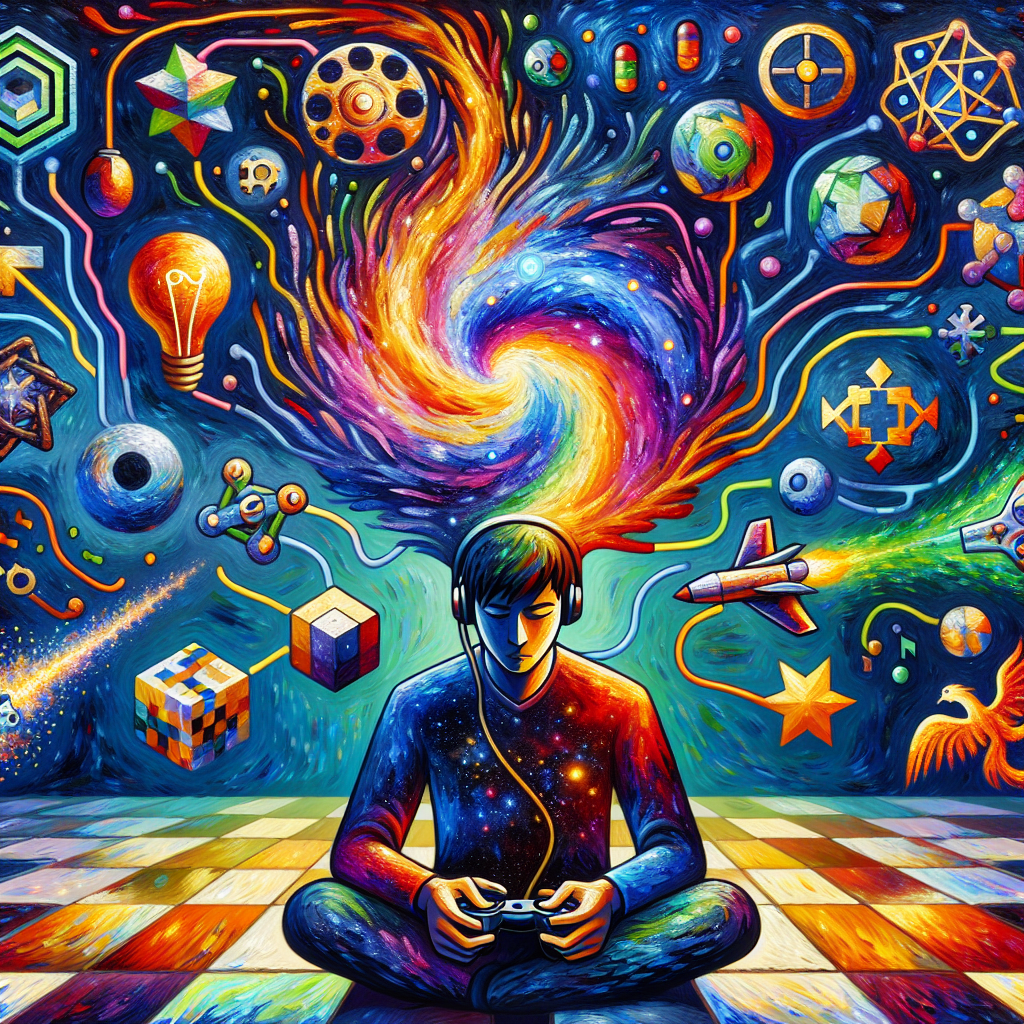
Imagine yourself as a brave knight, venturing into dark dungeons or a skillful wizard weaving spells to aid a group of quirky companions. Now, consider this: in these dynamic narratives, you’re not just rolling dice and tallying hit points. You’re stepping into someone else’s boots—feeling their hopes, fears, and dilemmas. In this ‘podcast’ culture we live in, where we often consume stories passively, role-playing games push us to actively participate in the narrative. You’re not just an observer; you’re a character, fully engaged in a world that requires you to think through complex moral decisions that could shape the lives of others.
As you navigate these fictional worlds, there’s a profound layer of connection at play, one that is often missing in our day-to-day interactions. Empathy, that intricate web of understanding others, thrives here. By experiencing life from a variety of perspectives—be it a reluctant hero, a misunderstood villain, or a joyous trickster—players foster a greater understanding of the human experience. These games present dilemmas that mirror real-life situations, prompting players to think critically about their own beliefs, values, and actions.
But this isn’t merely about cunning strategies or defeating monstrous foes. It’s about the conversations that ensue afterward: discussions over why a character made a particular choice or how their actions impacted the game’s outcome. These moments can spark candid dialogues about morality, compassion, and understanding—skills that translate beyond the table and into real-world relationships.
So, can role-playing games boost your empathy? Absolutely. They challenge you to step outside your comfort zone, live through someone else’s trials, and, often, see the world through a lens that mirrors the true complexity of human emotions. In a society that sometimes feels increasingly disconnected, perhaps a little more dice-rolling and character-building is just what we need to strengthen the bonds of empathy that bind us all. Strap on your metaphorical armor, roll those dice, and let the journey begin.

Will Role-Playing Games Boost Your Empathy?
Will Role-Playing Games Boost Your Empathy?
- Role-playing games (RPGs) provide an unexpected depth, often centered around the theme of empathy.
- Players step into the roles of characters, experiencing their hopes, fears, and dilemmas.
- RPGs encourage active participation in narratives, contrasting with passive consumption of stories.
- These games foster connections by allowing players to see from diverse perspectives.
- Players encounter dilemmas that reflect real-life situations, prompting critical thinking about personal beliefs and values.
- Post-game discussions of character choices can lead to meaningful conversations about morality and compassion.
- Engaging in RPGs helps strengthen empathy, bridging gaps in a sometimes disconnected society.

Will Role-Playing Games Boost Your Empathy?
Table Of Contents
- Will Role-Playing Games Boost Your Empathy?
- How Do RPGs Help Develop Emotional Intelligence?
- Can Playing A Character Increase Empathy In Real Life?
- What Psychological Benefits Do Role-Playing Games Offer?
- How Do Story-Driven Games Influence Our Empathy Levels?
- Can Virtual Experiences Translate To Real-World Empathy?
- What Role Do Narratives Play In Building Emotional Connections?
- Are There Specific RPGs Known For Enhancing Empathy?
- Conclusion
- Other Resources
- Glossary Of Terms
- Other Questions
- Haiku
- Poem
- Checklist
How Do RPGs Help Develop Emotional Intelligence?
Role-playing games, or RPGs, are often associated with fantasy realms, complex systems, and dice rolling. But let’s take a step back and look at what’s really happening beneath the surface. Sure, you can dive deep into a world filled with dragons and quests, but what you’re really engaging with is a masterclass in emotional intelligence. If you’ve ever had the pleasure of gathering a group of friends around a table immersed in story, you understand the magic that unfolds—not just in the game, but in the minds and hearts of the players.
First off, RPGs offer a unique opportunity for players to step into someone else’s shoes—quite literally. This isn’t just escapism; it’s an exercise in empathy. When you embody a character with different values, backgrounds, and emotional experiences, you’re forced to confront questions that don’t typically come up in everyday life. “What do I do if my party member is struggling with a moral decision?” This type of questioning mirrors real-world situations and challenges us to consider perspectives we might otherwise overlook.
Furthermore, the collaborative nature of RPGs fosters robust social interactions. Players must negotiate, compromise, and communicate effectively to navigate challenges together. Picture it: you’re in the midst of a heated battle, but it’s not just about rolling dice; it’s about managing group dynamics. How do you rally your team? How do you handle differing opinions? These discussions take place in a light-hearted context, which often leads to deeper emotional connections among players. Not only are you building a fantastical world, but you’re also strengthening bonds that translate into real-life relationships.
In addition, many RPGs incorporate storytelling as a core mechanic. Players often find themselves emotionally invested in their characters and the arcs they are navigating. This emotional investment can lead to significant personal insights. What happens when your character faces loss, triumph, or betrayal? How does that impact your understanding of your feelings? The narrative becomes a mirror, reflecting our own experiences and helping us articulate them—an essential part of emotional intelligence.
RRPGs don’t simply entertain; they educate. They challenge our understanding of ourselves and others, providing lessons on empathy, communication, and emotional depth. So, the next time you roll those dice in a campaign, remember: you’re not just playing a game; you’re developing skills that can serve you well in the grand adventure called life. And who wouldn’t want that?

How Do RPGs Help Develop Emotional Intelligence?
How Do RPGs Help Develop Emotional Intelligence?
- RPGs provide a masterclass in emotional intelligence beyond typical gameplay elements.
- Players step into characters’ roles, fostering empathy by confronting diverse values and experiences.
- Collaborative gameplay encourages negotiation, compromise, and effective communication.
- Managing group dynamics during challenges helps strengthen real-life relationships.
- Storytelling within RPGs leads to emotional investment and personal insights about one’s feelings.
- RPGs educate players on empathy, communication, and emotional depth.
- Playing RPGs not only entertains but also develops valuable life skills applicable beyond the game.

How Do RPGs Help Develop Emotional Intelligence?
Can Playing A Character Increase Empathy In Real Life?
When we take on the mantle of a character, whether it’s in film, theater, or even a simple podcast, we venture into the intricate maze of another person’s perspective. The question arises: can this immersive experience foster a deeper sense of empathy in our everyday lives?
Well, let’s dive right into it. Imagine stepping into the shoes of someone vastly different from yourself—a struggling single parent, a war veteran, or a brilliant scientist on the brink of a breakthrough. Each character offers a unique lens through which we can witness the world. And when we engage with these characters, we’re not just observing; we’re engaging in an act of emotional exploration that can profoundly shape our understanding of others.
Think about the relationship between actor and audience. When you’re performing a role, there’s a need to dig deep, to unearthed feelings, histories, and motivations. It’s not merely about memorizing lines; it’s about breathing life into a narrative that resonates with real human experiences. This depth of engagement can serve as a powerful catalyst for empathy, allowing us to appreciate the complexity of someone else’s life.
Now, let’s not forget the role of storytelling in this process. A well-crafted narrative can transport us to places we’ve never been and experiences we’ve never had. Podcasts have exploded in popularity for exactly this reason: they encapsulate stories in ways that are both accessible and impactful. Through the voices of their hosts and guests, listeners can find themselves transported into realities that challenge their assumptions and broaden their understanding.
But it goes beyond just being moved by a tale; it’s about the emotional connections that stem from these transformations. The act of portraying someone else can awaken feelings within us that might have lain dormant—compassion, understanding, and even solidarity. By gaining insight into different lives, we learn to navigate our interactions with more nuance and sensitivity.
So, can playing a character increase empathy in real life? Absolutely. It’s a process that requires both vulnerability and courage. When we dare to step out of our own experiences and into those of another, we’re not just adding layers to our characters; we’re expanding our own emotional toolkit. And in a world that often feels divided, this increased empathy could be one of the most valuable lessons we could learn.

Can Playing A Character Increase Empathy In Real Life?
Can Playing A Character Increase Empathy In Real Life?
- Taking on a character in various media allows us to explore another person’s perspective.
- This immersive experience can foster a deeper sense of empathy in our daily lives.
- Engaging with characters like single parents or veterans provides unique insights into diverse life experiences.
- The actor-audience relationship involves deep emotional exploration, beyond just memorizing lines.
- Storytelling, especially through popular podcasts, effectively transports us into unfamiliar realities.
- Portraying others can awaken dormant feelings of compassion, understanding, and solidarity.
- Acting demands vulnerability and courage, ultimately expanding our emotional toolkit and enhancing empathy.

Can Playing A Character Increase Empathy In Real Life?
What Psychological Benefits Do Role-Playing Games Offer?
When you think of role-playing games, or RPGs, what comes to mind? Dungeons and dragons? Mischief in fantastical worlds? Sure, that’s part of the allure, but let’s peel back a few layers and take a closer look at the psychological benefits these games have to offer. Strap in, folks, because we’re about to dive into a world where imagination meets mental wellness, all while sitting at your dining room table.
First off, RPGs are a goldmine for creativity. When you’re crafting a character, you’re not just picking a few stats; you’re building a personality, backstory, and motivation. This creative process stimulates cognitive functions and enhances problem-solving skills. It’s like a workout for your imagination, and just as with any good exercise routine, the benefits extend beyond the game itself. Engaging in this type of creativity can lead to increased self-confidence and a greater ability to think outside the box in day-to-day situations.
Next up is social interaction. Sitting around a game table is a unique environment. Players form bonds over shared adventures, strategize together, and navigate challenges as a team. This camaraderie fosters a sense of belonging and community, which is crucial in today’s fast-paced world. For many, RPGs serve as a haven for social connection, providing opportunities to develop meaningful relationships devoid of the pressures that often accompany real-life interactions.
Now, let’s not forget the important aspect of escapism. In our high-pressure world, it’s vital to find healthy outlets to alleviate stress. Role-playing games offer a sanctuary where players can immerse themselves in alternate realities, allowing them to momentarily forget about their daily worries. This break not only provides fresh perspectives but can also lead to improved emotional resilience. When you face challenges in a fantasy setting, you can carry those lessons into real-world scenarios, often with a newfound layer of confidence.
Lastly, the structure of RPGs encourages goal-setting and achievement. Whether it’s defeating a dragon or completing a quest, players constantly strive for objectives, learning to set and achieve goals incrementally. This translates to real life, where setting small milestones can lead to significant accomplishments in our personal and professional journeys.
In summary, role-playing games do more than just entertain; they enrich our minds and nurture our social connections, proving that sometimes the best adventures happen not in the world outside—but within our own imagination. So next time you roll those dice, remember, it’s not just a game; it’s an exercise in human connection and mental agility, one epic quest at a time.

What Psychological Benefits Do Role-Playing Games Offer?
What Psychological Benefits Do Role-Playing Games Offer?
- RPGs stimulate creativity by encouraging players to build personalities, backstories, and motivations for their characters.
- This creative process enhances cognitive functions and problem-solving skills.
- Engagement in RPGs can boost self-confidence and promote innovative thinking in daily life.
- Social interaction is a key feature, fostering bonds and camaraderie among players in a supportive environment.
- RPGs provide a healthy outlet for escapism, allowing players to relieve stress and gain fresh perspectives.
- The structured nature of RPGs promotes goal-setting, helping players achieve objectives both in-game and in real life.
- Overall, RPGs enrich minds and nurture social connections, making them valuable for mental wellness.

What Psychological Benefits Do Role-Playing Games Offer?
How Do Story-Driven Games Influence Our Empathy Levels?
In the world of gaming today, it’s not just about shooting pixels and racking up points. The rise of story-driven games has started a deeper conversation about empathy, a quality we often don’t think about when we’re crunching numbers or leveling up our characters. Allow me to take you through this fascinating journey: the intersection of storytelling and emotional engagement in gameplay.
Picture yourself stepping into the shoes of a character facing moral dilemmas or personal struggles. These games often ask players to make choices that can lead to profound consequences, not just in the virtual world, but in how we relate to one another in the real world. It’s a modern-day podcast for the heart—narratives rippling through time and space, communicating something far beyond the screen.
When you engage in these narratives, you begin to live the lives of characters who are vastly different from yourself. You experience their triumphs, their failures, and their heartbreaks. This shared experience mirrors real life, training your brain to understand perspectives you might never encounter in your daily routine. Suddenly, that character’s grief or elation becomes your own. As a player, you may realize the power of empathy, which can extend back into the everyday world.
Take, for instance, the narrative choices made in various games that reflect moral complexities. One moment, you might be saving a village, and the next, you’re forced to choose between loyalty and justice. It’s not just about making the ‘right’ choice; it’s about grappling with the consequences, a theme that resonates deeply. And as you navigate these challenges, you begin to peel back the layers of human experience, gaining insights that might go unnoticed in a traditional narrative format like a book or a movie.
Moreover, these games often foster conversations around emotional health and social issues, shining a light on topics that can be tough to tackle in day-to-day life. They don’t just create players; they create informed human beings who can engage with empathy and compassion.
So, the next time you fire up a story-driven game, remember that you’re not just there to win; you’re part of something bigger. You’re learning, evolving, and yes, even delving into the intricacies of human emotion—all without stepping outside your living room. It’s a remarkable blend of entertainment and education, one that holds the potential to transform how we engage with the world around us.

How Do Story-Driven Games Influence Our Empathy Levels?
How Do Story-Driven Games Influence Our Empathy Levels?
- Story-driven games are reshaping the gaming landscape by emphasizing empathy over traditional gameplay mechanics.
- Players step into characters’ shoes, facing moral dilemmas that influence their real-world perspectives.
- Narratives in games promote understanding of different life experiences and cultivate emotional engagement.
- Choices made in these games highlight complex moral issues and their consequences, enhancing player reflection.
- Story-driven games spark conversations around emotional health and social issues, making them accessible topics.
- Players evolve into informed individuals capable of engaging with empathy and compassion.
- These games offer a unique blend of entertainment and education, transforming the player’s understanding of human emotions.

How Do Story-Driven Games Influence Our Empathy Levels?
Can Virtual Experiences Translate To Real-World Empathy?
In a world where our screens dominate the way we connect, it’s natural to wonder whether those virtual experiences we share can actually foster genuine compassion in our everyday lives. We’ve all scrolled through viral videos or immersed ourselves in digital worlds, but can these experiences translate into real, substantive empathy?
Imagine sitting through a gripping podcast that tells the story of someone facing hardship. You might feel a rush of emotions—sadness, understanding, maybe even outrage at their circumstances. But what happens when the episode ends? Do you pick up the phone and reach out, or do you simply move on to the next episode? This scenario highlights the crux of the issue: the difference between feeling something in the moment and translating that feeling into action.
It’s all too easy to consume experiences in a passive sense. We watch the world unfold from a distance, forgetting that those narratives are woven from the reality of actual human lives. When a virtual experience stirs our souls, it may leave us invigorated, but the challenge lies in channeling that energy into meaningful engagement in our communities.
One compelling argument is that the immersive nature of virtual realities and storytelling can break barriers. When we step into someone else’s shoes—be it through a game, an interactive documentary, or even a thought-provoking podcast—we gain a fresh perspective. We see their struggles and victories, often raw and unfiltered. This, theoretically, should cultivate empathy. Yet, the real question is: does it inspire us to act?
A deep dive into the literature surrounding behavioral change reveals that while virtual experiences can illuminate the path of understanding, they often fall short of steering individuals towards tangible actions. The transformative magic happens when we elevate our online experiences to a platform for real-world encounters—conversations, charitable acts, or even volunteering. After all, empathy isn’t just a feeling; it’s a call to action.
As we navigate this digital landscape, let’s take a moment to reflect: Are we merely spectators, or can we seize these virtual reflections and turn them into genuine empathy that makes a difference? After all, the measure of our compassion isn’t just how we feel, but how we choose to respond. Embracing that call is the only true way to ensure that our virtual experiences resonate beyond the confines of our screens and ripple out into the real world.

Can Virtual Experiences Translate To Real-World Empathy?
Can Virtual Experiences Translate To Real-World Empathy?
- Virtual experiences on screens raise questions about the potential for fostering genuine compassion.
- A gripping podcast or viral video may evoke emotions, but the impact fades once the experience ends.
- There is a distinction between momentary feelings and translating those feelings into action.
- Passive consumption of experiences can lead to forgetting the real human stories behind them.
- Immersive storytelling can provide fresh perspectives and potentially cultivate empathy.
- While virtual experiences can enhance understanding, they often do not lead to tangible actions.
- To create real empathy, we must move beyond feeling to engaging in meaningful real-world interactions.

Can Virtual Experiences Translate To Real-World Empathy?
What Role Do Narratives Play In Building Emotional Connections?
Have you ever sat down with a good podcast, sipping coffee while the world outside whirls in chaos? There’s something inherently comforting about stories—especially those shared through the intimate medium of sound. Narratives have this remarkable ability to forge emotional connections that cut right through the noise, anchoring us to one another.
Picture this: you’re absorbed in a compelling podcast episode, and the host spins a tale that feels as though it was pulled straight from your own life. Suddenly, what started as a simple listening experience morphs into something much deeper. You find yourself nodding along, chuckling, or even tearing up, feeling as if the person behind the microphone is speaking directly to you. It’s no accident; that’s the magic of narratives. They create bridges between lived experiences, reminding us of our shared humanity.
At their core, narratives possess the power to foster empathy. When we hear about someone else’s struggles or triumphs, we’re reminded of our own. That connection, however momentary, taps into our emotions and allows us to walk in someone else’s shoes. A podcast can take us from our cozy kitchen to the distant peaks of someone else’s journey, often sparking reflections on our own challenges and victories. This emotional kinship is what turns a casual listener into a dedicated follower.
The art of storytelling lies not just in the words chosen, but in how they resonate with our hearts. Consider the fine line between facts and stories; facts inform us, but stories envelop us in a sensation. Take the podcast format: it’s designed for intimacy. The rhythm of a voice, the pauses filled with meaning, all create an atmosphere where we feel seen and heard. The layers of human experience unfold, embedding in our minds, and that’s how narratives become meaningful anchors in the vast sea of information.
Whether it’s a tale of an underdog overcoming the odds or a lesson learned the hard way, these stories stick with us. They linger long after the episode ends, reminding us of the values we hold dear or the obstacles we face. So next time you pop in those headphones, remember that within that seemingly simple act lies the essence of connection, shaped beautifully by the stories we share and the emotions they ignite.

What Role Do Narratives Play In Building Emotional Connections?
What Role Do Narratives Play In Building Emotional Connections?
- Podcasts offer comfort amidst chaos, providing intimate storytelling through sound.
- Narratives create emotional connections that remind us of our shared humanity.
- Listening to a powerful podcast can transform a simple experience into deep personal resonance.
- Empathy is fostered through narratives, allowing us to relate to others’ struggles and triumphs.
- The storytelling art lies in resonating with hearts rather than just presenting facts.
- Podcast formats enhance intimacy through voice rhythms and meaningful pauses.
- Stories linger with us, reminding us of our values and challenges long after the episode ends.

What Role Do Narratives Play In Building Emotional Connections?
Are There Specific RPGs Known For Enhancing Empathy?
In the vast landscape of tabletop role-playing games (RPGs), a curious phenomenon emerges: the ability of these games to foster empathy among players. It seems that when we step into another’s shoes—especially if those shoes happen to be worn by a human-dragon hybrid or a mystical elf—we’re not just rolling dice and crafting cool stories. We’re engaging in a kind of therapy sessions, only with more dice and fewer couches.
Now, you might be thinking, “How can a bunch of friends sitting around a table achieve anything that profound?” Well, let’s consider the mechanics for a moment. A good RPG often presents players with complex moral dilemmas. Each choice made by a character can ripple through the campaign, impacting not just the game world but also the social dynamics of the players themselves. This is where the magic happens. As players navigate the consequences of their actions, they learn to appreciate perspectives and feelings beyond their own. They find themselves in situations where the noble course of action might mean sacrificing personal ambitions for the greater good.
One particular RPG that exemplifies this is *Monsterhearts*. In this game, players embody teenage monsters grappling with their identities, relationships, and the often brutal realities of adolescence. Engaging with emotional themes like love, fear, and betrayal requires players to confront their understanding of what others might feel in similar situations. This game isn’t just about casting spells; it’s a deep dive into the human experience wrapped in a paranormal cloak.
Another standout is *Fiasco*. Focusing on character interactions and emotional stakes, this RPG takes players into the murky waters of ambition gone awry. As players create outrageous scenarios while maintaining a semblance of realism, they develop an acute sense of empathy for the characters they invent—characters that might reflect aspects of themselves or those they know.
And let’s not forget the latest trend—podcasts featuring RPGs. These audio experiences break down the barriers to entry, allowing anyone to listen in as people grapple with emotions, plot twists, and moral quandaries. It’s storytelling that’s both entertaining and enlightening. By hearing how players navigate their intricacies, listeners are invited into a world where empathy isn’t just encouraged; it’s essential.
So, the next time you roll those dice, remember: you might just be stepping into a realm where understanding and compassion are not only welcomed but vital. Engage with these RPGs not just for entertainment, but as a means to enhance your own sense of empathy and connection to the world around you.

Are There Specific RPGs Known For Enhancing Empathy?
Are There Specific RPGs Known For Enhancing Empathy?
- Tabletop RPGs can enhance empathy among players through immersive experiences.
- Players confront complex moral dilemmas, impacting game dynamics and personal perspectives.
- Games like *Monsterhearts* challenge players to grapple with themes of identity and emotion.
- *Fiasco* explores ambition and character interactions, fostering empathy for invented characters.
- RPG podcasts provide accessible narratives that showcase emotional and moral complexities.
- Listening to RPG sessions promotes understanding and encourages empathy in audiences.
- Engaging in RPGs can deepen one’s sense of empathy and connection to others.

Are There Specific RPGs Known For Enhancing Empathy?
Conclusion
Well, folks, here we are at the end of our deep dive into the fascinating world of role-playing games, or RPGs, and their unexpected but powerful influence on empathy. You might have thought we were simply rolling dice and embarking on fantastical quests, but the truth is, we were doing something far more significant—we were stepping into the shoes of diverse characters, experiencing their struggles, triumphs, and moral dilemmas that echo the complexities of real life.
Think about it: in a time when so many of our interactions can feel fleeting and superficial, RPGs offer us an opportunity to engage deeply, not just with a narrative, but with each other. When you’re sitting around the table, you’re not just gaming; you’re connecting. You’re making decisions that impact not only your character but the group dynamic as well. This unique form of storytelling encourages discussions that go beyond the mechanics of play; they foster critical conversations about compassion, loyalty, and moral courage—skills that bleed over into our daily lives.
It’s worth noting that RPGs are more than just entertainment; they act as a crucible for emotional intelligence and social skills. They require players to negotiate, collaborate, and sometimes even compromise their desires for the sake of the party. This practice of collective problem-solving translates well beyond that game table, helping forge bonds that sustain our real-world relationships.
Crucially, these games can create a mirror reflecting our own experiences and feelings. As we navigate the triumphs and failures of our characters, we’re often prompted to reflect on our own lives, grappling with emotions we might otherwise ignore. This self-exploration, rooted in shared narratives, deepens our capacity for empathy and understanding. And when we engage in heartfelt conversations about these experiences, we find ourselves becoming not only better players but better humans.
So, as we wrap up this exploration, let’s embrace the idea that role-playing games are more than just an escape from reality—they’re a powerful vehicle for empathy. Whether you’re slaying dragons or navigating the moral complexities of a high-stakes decision, remember, you’re part of a greater narrative connecting us all. So, let’s roll those dice, lean into those thrilling adventures, and keep leveling up our understanding of one another, both in and out of the game. Ready, set, roll!

Conclusion
Conclusion:
- RPGs influence empathy by allowing players to step into the shoes of diverse characters.
- They facilitate deep engagement and connection among players beyond just gaming.
- Role-playing games foster discussions on compassion, loyalty, and moral courage.
- They serve as a crucible for emotional intelligence and social skills.
- Players learn negotiation and collaboration, which strengthens real-world relationships.
- RPGs prompt self-reflection, helping players grapple with their own emotions.
- Ultimately, RPGs act as powerful vehicles for empathy, enriching our understanding of one another.

Conclusion
Other Resources

Other Resources
Here is a list of other resources you can review online to learn more:
- Root
- The Board Game Family
- Exploding Kittens
- Dead of Winter: A Crossroads Game
- Asmodee
- Betrayal Legacy
- Castles of Mad King Ludwig
- 7 Wonders Duel
- Tabletop Gaming News
- Cephalofair Games
Use This Prompt To Get More Resources With Your Favorite Online AI Tool: Please provide me with a list of online articles with their URLs in a bulleted list that I can read regarding Will Role-Playing Games Boost Your Empathy?
Other Resources
Glossary Terms
Will Role-Playing Games Boost Your Empathy? – Glossary Of Terms
1. Role-Playing: A dramatic activity where individuals assume the roles of characters, often in fictional settings, and collaborate to tell a story or solve problems.
2. Empathy: The ability to understand and share the feelings of others, fostering emotional connections and compassionate behavior.
3. Character Creation: The process of designing a persona to inhabit during RPG sessions, involving choices of background, personality, and attributes.
4. Narrative: The structured story that unfolds during the game, influencing players’ decisions and emotional engagement.
5. Immersion: The state of being deeply engaged or absorbed in the role-playing experience, enhancing emotional responses to situations.
6. Perspective-Taking: The cognitive skill of considering another person’s viewpoint or experiences, an essential aspect of developing empathy.
7. Social Skills: Abilities used in social interactions such as communication, empathy, and conflict resolution, which can be developed through RPGs.
8. Conflict Resolution: The process of resolving a disagreement or conflict between characters in the game, often requiring negotiation and understanding.
9. Collaboration: Working together with other players to achieve common goals, which can build trust and empathy within a group.
10. Simulation: A method used in RPGs where players experience scenarios that mimic real-life situations, allowing for emotional exploration.
11. Emotional Intelligence: The ability to recognize, understand, and manage one’s own emotions and the emotions of others, often enhanced through role-play.
12. Facilitated Dialogue: Conversations guided by a game master or facilitator that encourages players to explore emotional and social themes.
13. Player Agency: The degree to which players have the power to make choices in the game, affecting their engagement and emotional investment.
14. Character Arc: The transformation or growth a character undergoes throughout the story, often reflecting emotional challenges and revelations.
15. Moral Dilemmas: Situations in RPGs that require players to make difficult ethical choices, prompting reflection on values and empathy.
16. Role-Reversal: A technique where players switch roles to experience perspectives different from their own, enhancing empathy.
17. World-Building: The creative process of constructing a fictional setting, which can foster understanding of diverse cultures and values.
18. Immersive Storytelling: A narrative style that draws players deeply into the story, often leading to stronger emotional connections.
19. Cognitive Empathy: The intellectual understanding of another person’s feelings or perspective, as opposed to emotional empathy.
20. Artistic Expression: The portrayal of emotions and experiences through characters and storytelling in RPGs, facilitating a deeper emotional connection.
21. Group Dynamics: The interactions and psychological processes within a social group during RPGs that can influence empathy development.
22. Thematic Exploration: Examining underlying themes in the game, such as friendship, loss, or sacrifice, which can enhance emotional understanding.
23. Feedback Loop: The cyclical process where players’ actions and responses influence each other’s emotions and decisions, reinforcing empathy.
24. Character Backstory: The history and motivations of a character, providing depth and allowing players to connect emotionally with the role.
25. Narrative Empathy: The emotional response a player feels toward characters and storylines, which can increase understanding of different perspectives.
26. Safe Space: An environment in role-play where players feel secure to express themselves and explore emotions without judgment.
27. Active Listening: Fully engaging with what other players are expressing during gameplay, which enhances understanding and empathy.
28. Suspension of Disbelief: The willingness to set aside skepticism and immerse oneself in the fictional world, enhancing empathy for characters’ experiences.
29. Interpersonal Connections: The relationships formed between players during RPGs that can lead to increased understanding and empathic responses.
30. Shared Experiences: Collective moments experienced during role-play that build camaraderie and foster emotional bonds among players.

Glossary Of Terms
Other Questions
Will Role-Playing Games Boost Your Empathy? – Other Questions
If you wish to explore and discover more, consider looking for answers to these questions:
- What specific role-playing games are known to enhance empathy?
- How can RPGs compare to traditional storytelling mediums in fostering empathy?
- What are some real-life examples of people experiencing increased empathy through role-playing games?
- Are there any psychological studies that support the claims about RPGs and empathy?
- What types of character dilemmas in RPGs are most effective at promoting empathy?
- How do different RPG systems (e.g., Dungeons & Dragons vs. indie games) impact the development of emotional intelligence?
- Can playing video games with similar narrative elements also enhance empathy?
- What are the best practices for RPG facilitators to cultivate empathy among players?
- How can role-playing games help navigate real-world moral dilemmas and ethical discussions?
- What other activities, besides RPGs, are effective in developing empathy and emotional intelligence?

Other Questions
Haiku
Will Role-Playing Games Boost Your Empathy? – A Haiku
Role-playing, we tread
In others’ shoes, hearts expand,
Dice roll, bonds command.

Haiku
Poem
Will Role-Playing Games Boost Your Empathy? – A Poem
In realms of magic, where heroes rise,
Beyond the games of battle and dice,
Lies a quest for hearts, both bold and wise,
In every roll, empathy’s price.
Step into armor, or don a wizard’s gown,
Feel the weight of choices that wear like a crown,
As you wander through dungeons, or a vibrant town,
You’ll learn to see through another’s frown.
From knights to tricksters, each tale unfolds,
In narratives woven, deep truths are told,
You wear their fears, their hopes turned to gold,
In shared adventures, connections behold.
Dilemmas of virtue, loyalty’s cost,
Each choice that you face, you ponder what’s lost.
Not just a game where strategy’s tossed,
But lessons of life, in laughter embossed.
Through whispered stories that echo and blend,
You forge bonds of trust, with each player and friend.
In escapes of fantasy, new insights transcend,
In the warmth of the table, our spirits mend.
So take up the dice, embrace the affair,
As player and character, you deeply care.
In this shared journey, together we dare,
To cultivate empathy, a treasure we share.
For in the heart of role-playing’s dance,
Lies a chance to unite and to truly enhance,
Our courage to love, to understand, to glance
Through windows of souls, inviting us to prance.
In a world often fractured, let’s bridge the divide,
With stories of kindness and hearts opened wide,
For the magic of empathy, a gift to confide,
Lives on in our games, where compassion won’t hide.

Poem
Checklist
Will Role-Playing Games Boost Your Empathy? – A Checklist
Before the Game:
1. Choose the Right RPG:
_____ Select a game known for complex moral dilemmas (e. g. , *Monsterhearts*, *Fiasco*).
_____ Consider games that emphasize storytelling and emotional engagement.
2. Set Intentions:
_____ Reflect on what you want to learn about empathy from this session.
_____ Think about how you want to approach your character and their experiences.
3. Gather a Diverse Group:
_____ Invite players with different backgrounds to enrich the narrative and perspectives.
During the Game:
4. Step Into Your Character:
_____ Fully embrace the role of your character. Consider their values, fears, and motivations.
_____ Keep an open mind to experience their emotional journey.
5. Engage in Meaningful Choices:
_____ Focus on making decisions that align with your character’s beliefs, even if they’re challenging.
_____ Discuss the moral implications of your actions with fellow players.
6. Foster Team Dynamics:
_____ Prioritize collaboration and communication within your group.
_____ Listen actively to other players’ ideas and feelings about the direction of the story.
After the Game:
7. Reflect on the Experience:
_____ Hold a discussion about the session. What did you learn about empathy and moral decisions?
_____ Share personal insights gained from portraying your character.
8. Analyse Emotional Impact:
_____ Consider how the game affected you emotionally. What feelings came up during play?
_____ Think about how these feelings can inform your interactions in real life.
9. Implement in Daily Life:
_____ Identify ways to apply the lessons learned from your RPG experience to your everyday interactions.
_____ Engage in community discussions or activities that promote empathy and understanding.
Ongoing Practices:
10. Explore Other RPGs and Narratives:
_____ Continue to play a variety of RPGs that challenge your perspectives.
_____ Listen to narrative-driven podcasts or read stories that evoke empathy and understanding.
11. Create Your Own Character Stories:
_____ Write or share stories about characters you’ve played that highlight emotional growth or moral dilemmas.
12. Encourage Empathy in Others:
_____ Share your experiences with friends or family. Introduce them to RPGs focusing on empathy development.
By following this checklist, you’ll not only have a richer gaming experience but also enhance your capacity for empathy in real life. Happy gaming!

Checklist
At HowDoYouGame, we help people who love board games by collating information and news about games.
Be sure to read our other related stories at HowDoYouGame to learn more about games.