Unlocking Stronger Focus Through Strategy Games
By Tom Seest
At HowDoYouGame, we help people who love board games by collating information and news about games.
Be sure to read our other related stories at HowDoYouGame to learn more about games.
Are Strategy Games a Pathway to Stronger Focus for Kids?
Picture this: a group of kids huddled around a board game, their eyes wide with determination, strategizing their every move like tiny generals plotting a battle. It’s a sight that seems to blend playtime with something deeper—a craft of concentration layered with complex decision-making. In the age of tablets and smartphones, the simple joy of a well-worn board game can often be overlooked. But strategy games? Oh, those can be transformative.
First off, let’s chat about gamification. It’s a term that might feel a bit buzzwordy, but at its core, it’s about turning seemingly mundane tasks into exciting challenges. Think of how strategy games cleverly weave goals, rewards, and outcomes into their fabric. They turn learning into play, and that very play fosters focus. Want your child to tackle a tough subject in school? Introduce a strategy game that challenges them to think critically, plan ahead, and adapt. These are skills that carry over beyond the game board and into real-world scenarios. It’s about cultivating a mindset that thrives on tackling challenges rather than shying away from them.
You might be wondering why this matters. Well, in a world buzzing with distractions, honing strong focus isn’t just nice to have; it’s essential. Kids often find themselves juggling multiple tasks—homework, chores, and social media—but the ability to channel their energy, prioritize, and concentrate is a skill that will serve them well now and in the future.
Now let’s not kid ourselves: strategy games require patience and perseverance. Quite the opposite of the instant gratification that’s all too common today. When kids engage in these games, they learn to anticipate consequences from their choices, essentially juggling multiple outcomes like a seasoned performer. That’s the beauty of strategy gaming—it’s less about winning and more about learning to navigate life’s complexities.
Encouraging your child to dive into strategy games may very well be one of the most rewarding choices you can make. Not only will they strengthen their focus, but they’ll also cultivate resilience, creativity, and even a sense of camaraderie, all while having a blast. So, why not make game night the new family tradition? Get those kids engaged, let the dice roll, and watch as their minds sharpen, focus deepens, and excitement builds. Who knows? You might just discover a budding strategist in your midst, ready to take on the world, one game at a time.

Are Strategy Games a Pathway to Stronger Focus for Kids?
Are Strategy Games a Pathway to Stronger Focus for Kids?
- Group of kids engaged in strategy games displays determination and focus.
- Gamification turns mundane tasks into exciting challenges, fostering critical thinking.
- Strategy games help children develop skills that translate to real-world scenarios.
- Strong focus is essential for kids navigating multiple tasks and distractions.
- Engaging in strategy games teaches patience, perseverance, and consequence anticipation.
- Encouraging strategy games cultivates resilience, creativity, and camaraderie.
- Game night can strengthen family bonds while sharpening children’s minds.

Are Strategy Games a Pathway to Stronger Focus for Kids?
Table Of Contents
- Are Strategy Games a Pathway to Stronger Focus for Kids?
- How Do Strategy Games Improve Attention Span?
- What Skills Do Kids Develop Through Strategy Games?
- Can Strategy Games Help With Problem-Solving Abilities?
- Are There Specific Strategy Games Recommended For Kids?
- How Do Multiplayer Strategy Games Affect Teamwork Skills?
- Can Parents Use Strategy Games To Teach Focus Skills?
- Are There Age-Appropriate Strategy Games For Different Levels?
- Conclusion
- Other Resources
- Glossary Of Terms
- Other Questions
- Haiku
- Poem
- Checklist
How Do Strategy Games Improve Attention Span?
Let’s face it: in today’s world, we’re bombarded with distractions. The ping of a notification, the scroll of a social media feed, or the siren call of a streaming service can all pull us away from the task at hand. But what if I told you that strategy games could actually help sharpen your focus and improve your attention span?
Now, many might think that video games are just a pastime, a guilty pleasure we indulge in when we’re supposed to be working. But dig a little deeper, and you’ll find that these games are a brilliant example of gamification—the application of game-design elements in non-game contexts. This isn’t just about earning points or leveling up; it acts as a powerful tool that can channel our attention in ways we never imagined.
When you engage in a strategy game, you’re thrust into a complex world where every decision counts. You must analyze situations, weigh options, and devise a plan that can change with the blink of an eye. That sense of urgency and engagement forces you to zero in on the task at hand—a sort of mental workout that’s both challenging and rewarding. The more you play, the better you become at honing your focus, as each game requires your undivided attention to outsmart opponents or strategize your next move.
Let’s put this in real-world terms. Think about how you multitask during your day. You might be answering emails while mentally preparing for a meeting. The problem with that approach is that your attention is split, leading to diminished performance in both areas. But once you’ve immersed yourself in a strategy game, you train your mind to tackle problems with laser-like focus. You learn to prioritize, to adapt quickly, and to think critically—skills that seamlessly translate to your daily life.
And here’s the kicker: you don’t have to be a seasoned gamer to reap these benefits. Whether you’re just getting started with casual games or you’re an experienced strategist, the key is to engage actively. Embrace the challenges these games present and allow them to refine your mind’s attention capabilities. So, the next time you need a mental break, consider firing up a strategy game—you might just find it’s not only fun, but a way to sharpen your focus for the real challenges that await.

How Do Strategy Games Improve Attention Span?
How Do Strategy Games Improve Attention Span?
- Strategy games can help sharpen focus and improve attention span amidst modern distractions.
- Video games serve as an example of gamification, applying game-design elements in non-game contexts.
- Engaging in strategy games involves complex decision-making, enhancing mental engagement.
- Playing strategy games requires undivided attention, resulting in a mental workout that improves focus.
- Skills acquired from strategy games, like prioritization and critical thinking, translate to real-world tasks.
- Benefits can be gained by both casual and experienced gamers who actively engage with the challenges.
- Playing strategy games can be a fun way to take a mental break while sharpening focus for real-life challenges.

How Do Strategy Games Improve Attention Span?
What Skills Do Kids Develop Through Strategy Games?
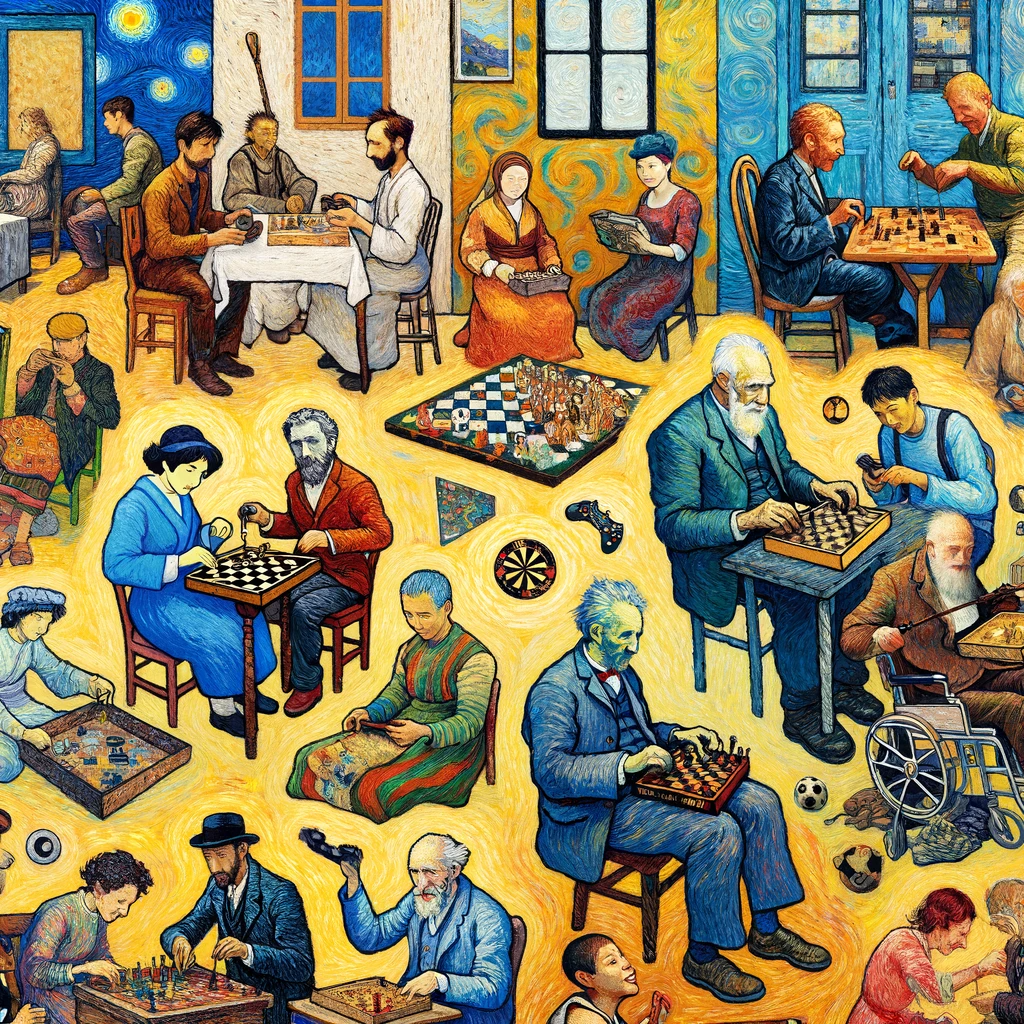
Strategy games might just seem like a way to pass the time, but beneath the surface, they’re nurturing a treasure trove of skills that kids will carry with them through life. Imagine your child hunched over a board game or a computer screen, deeply immersed in a digital landscape or an intricate puzzle. It’s not just playtime; it’s a masterclass in critical thinking, problem-solving, and social interaction wrapped up in a friendly competition.
Let’s take a moment to unpack the brilliance of what’s happening. When kids engage in these games, they’re experiencing something educators call *gamification*. From classic board games to modern video challenges, the elements of play are more than just entertaining. They ignite curiosity and foster a desire to learn and improve. Your child isn’t just rolling dice; they’re analyzing outcomes, predicting the actions of opponents, and adapting strategies on the fly. This dynamic environment teaches adaptability, a trait that’s essential not only in games but also in school and later in the workforce.
Ever noticed how a game involves a lot of planning? That’s because kids are learning to think several steps ahead, weighing options as they decide their next moves. This kind of strategic thinking is a foundational skill, enabling them to tackle everyday challenges with a clear, tactical mindset. Whether it’s wrestling with algebra homework or figuring out how to win on the playground, the ability to strategize pays off in droves.
And let’s not forget about teamwork. Many strategy games require players to work together, communicate effectively, and build trust. This isn’t just about winning or losing; it’s about learning how to collaborate, compromise, and appreciate different perspectives. These social skills will serve your kids well as they move from the school cafeteria to the boardroom.
So, as a parent, what can you do? Dive in! Play these games with your child and discuss their thought processes. Encourage them to share their strategies and insights. Celebrate their victories, but also embrace the lessons found in their failures. The skills developed through strategy games are more than just game-based intellect; they’re life skills preparing your child for whatever challenges await. Engage them, champion their growth, and watch as they cultivate not just sharp minds but also resilient spirits ready to take on the world.
What Skills Do Kids Develop Through Strategy Games?
What Skills Do Kids Develop Through Strategy Games?
- Strategy games nurture critical thinking, problem-solving, and social interaction skills in children.
- Engagement in games leads to *gamification*, igniting curiosity and a desire to learn and improve.
- Kids learn to analyze outcomes, predict opponents’ actions, and adapt strategies, fostering adaptability.
- Playing strategy games enhances strategic thinking, enabling kids to tackle everyday challenges effectively.
- Many strategy games promote teamwork, teaching kids to collaborate, communicate, and appreciate different perspectives.
- Parents are encouraged to play games with their children, discussing strategies and celebrating both successes and failures.
- The skills developed through these games prepare children for future challenges in school and the workforce.

What Skills Do Kids Develop Through Strategy Games?
Can Strategy Games Help With Problem-Solving Abilities?
Let’s take a moment to think about strategy games. Whether you’re lining up troop placements on a battlefield or plotting moves across a sprawling board, these games often feel like they’re just another form of entertainment. But what if I told you they’re quietly training your brain to solve problems more effectively? That’s right – the thrill of competition isn’t just a casual pastime; it can be a powerful tool for honing your mind.
At their core, strategy games are all about making decisions, often under pressure. Think about it: you’re faced with a complex puzzle. You need to anticipate your opponent’s moves, consider your resources, and devise a plan that leads to victory—all while working against the clock. This is where the magic of gamification comes into play. By incorporating elements of game design into everyday challenges, you’re essentially turning problem-solving into a more engaging and fun experience. It’s the difference between battling boredom while figuring out a budget and going full-on general with war tactics and resource management in a virtual arena.
Now, here’s where it gets really interesting: the skills you build while navigating these game worlds often translate seamlessly into real-life scenarios. Making split-second decisions in the game can translate into more confident choices in the boardroom or at home. That sense of strategy, whether navigating office politics or planning a family vacation, can empower you to tackle issues with increased creativity and resilience.
And let’s not forget about the collaboration factor. Many strategy games require teamwork, fostering communication and building camaraderie. Successfully working with others in these playful settings can lead to stronger interpersonal skills and a greater ability to work through problems collectively. After all, we live in a world that demands cooperation more than ever, and both friendship and foresight are essential ingredients for success.
So the next time you pick up a game or gather friends for a multiplayer session, remember: you’re not just playing. You’re sharpening your problem-solving toolkit, one strategic move at a time. Embrace the challenges, revel in the camaraderie, and let the lessons of strategy guide you through life’s winding paths. Who knew that a bit of healthy competition could yield so much growth? Go ahead, give it a try—you might find that the path to becoming a better problem-solver is built on the fun and creativity of strategy games.

Can Strategy Games Help With Problem-Solving Abilities?
Can Strategy Games Help With Problem-Solving Abilities?
- Strategy games train the brain to solve problems effectively and are more than just entertainment.
- Players make decisions under pressure, anticipating opponents’ moves and managing resources.
- Gamification turns problem-solving into a fun and engaging experience.
- Skills gained in games can improve confidence in real-life decision-making situations.
- Strategy fosters creativity and resilience in tackling everyday issues.
- Collaboration in strategy games enhances communication and teamwork skills.
- Engaging in strategy games can lead to personal growth and improved problem-solving abilities.

Can Strategy Games Help With Problem-Solving Abilities?
Are There Specific Strategy Games Recommended For Kids?
Are There Specific Strategy Games Recommended for Kids?
Ah, the world of strategy games! It’s like unearthing treasure buried under an avalanche of screen time and fast-paced entertainment. If you’re a parent or guardian, here’s an exciting venture—nudging your kids toward games that not only entertain but also enrich their minds. Let’s dive into some gems that invite young strategists to the fold while providing a solid dose of fun and learning.
First up, we have Chess. Yes, you heard me right—the classic game of kings! It’s not just a board covered in checkered squares; it’s a battleground for creativity, critical thinking, and foresight. Kids learning chess engage in a delightful form of gamification, transforming their daily routine into a mental playground. They’ll find themselves pondering their next move like little generals plotting war strategies. Plus, many schools now offer chess clubs, bringing communities together and creating an environment of camaraderie.
Next on the list is Ticket to Ride, a family-friendly board game that marries strategy with a bit of luck. Kids get to plan routes and build train empires as they maneuver across maps. It’s simple enough for younger ones, but it still offers layers of strategy for older kids. As they gather family around the table, they’re bound to stir friendly rivalries and share laughter, proving that strategy doesn’t need to feel serious all the time.
For those tech-savvy youngsters, Civilization VI can be a great fit. This computer strategy game allows players to build their own empires from the ground up. While it immerses them in history, geography, and diplomacy, it also promotes teamwork and cooperation when players team up or trade resources. The thrilling twist: they learn without even realizing it!
Lastly, let’s not overlook Minecraft. Yes, it’s a construction game, but the strategic elements are as abundant as the blocks themselves. Kids can learn resource management, cooperative building, and even the basics of programming—all wrapped in an adventure where imagination knows no bounds.
Choosing strategy games for your kids is an investment in their development. By engaging them in these fun and rewarding experiences, you’re not just filling their time; you’re helping them build critical life skills. So go ahead, roll the dice—or in this case, move those pieces. You might just find that the real strategy is creating lasting memories together.

Are There Specific Strategy Games Recommended For Kids?
Are There Specific Strategy Games Recommended For Kids?
- Strategy games can provide both entertainment and cognitive enrichment for kids.
- Chess is a classic game that enhances creativity, critical thinking, and foresight.
- Ticket to Ride combines strategy and luck, allowing kids to plan routes and build train empires.
- Civilization VI is a computer game that teaches history, geography, and teamwork while building empires.
- Minecraft features strategic elements like resource management and cooperative building in a creative environment.
- Engaging in strategy games fosters critical life skills in kids.
- Playing these games can also create lasting memories and strengthen family bonds.

Are There Specific Strategy Games Recommended For Kids?
How Do Multiplayer Strategy Games Affect Teamwork Skills?
Let’s talk about the power of multiplayer strategy games—a realm where minds clash, alliances form, and lessons on teamwork unfold in real time. Picture it: a digital battlefield, colorful avatars darting about, each one representing a player with unique skills and abilities. The stakes? As high as the camaraderie that forms when you realize that winning isn’t just about individual prowess; it’s about weaving together the strengths of a diverse team.
In this haven of virtual challenges, gamification plays a pivotal role in teaching players the intricacies of collaboration. The term might sound technical, but at its core, it refers to taking elements typically found in games—like scoring, competition, or quests—and applying them to non-gaming contexts. In the multiplayer arena, that means every match is not just a contest, but a canvas for players to paint their teamwork skills.
Do you remember the last time you faced a challenge that required all hands on deck? Maybe it was a group project in school or a tight-knit committee at work. Now, imagine having the backdrop of animated creatures and the thrill of defending your castle against an invasion while coordinating with teammates. In these intense situations, players quickly learn that communication is not merely important; it’s essential. You can’t just charge in alone; you need to express strategies, share resources, and even sometimes sacrifice your own progress for the greater good.
One of the best parts about these digital escapades is they’re a melting pot of personalities. You’ve got the strategist, the risk-taker, and the cheerleader, each contributing in their own way. As players learn to respect each other’s strengths and weaknesses, they develop an unshakeable trust—a cornerstone of any successful team. By navigating victories and defeats together, they’re not just enhancing their gameplay—they’re building relationships that transcend the screen.
Ultimately, multiplayer strategy games impart invaluable lessons in teamwork. The ability to communicate effectively, adapt to changing circumstances, and forge strong alliances translates directly to real-life scenarios, be it in a business meeting or a community project. So, the next time you log on to join the battle, remember: You’re not just gaming; you’re honing vital skills that will serve you well beyond the pixelated landscape. Embrace the challenge and reap the rewards, one match at a time.

How Do Multiplayer Strategy Games Affect Teamwork Skills?
How Do Multiplayer Strategy Games Affect Teamwork Skills?
- Multiplayer strategy games are platforms for real-time teamwork and collaboration.
- These games feature unique avatars representing players with distinct skills and abilities.
- Gamification in multiplayer games teaches players about collaboration through competitive elements.
- Effective communication is essential for overcoming challenges and achieving team goals.
- Players experience diverse roles, learning to appreciate each other’s strengths and weaknesses.
- Victories and defeats in games help build trust and relationships among team members.
- Skills developed in gaming, such as communication and adaptability, are applicable in real-life situations.

How Do Multiplayer Strategy Games Affect Teamwork Skills?
Can Parents Use Strategy Games To Teach Focus Skills?
Picture this: a rainy Saturday afternoon, and the walls of your living room feel like they’re closing in. The kids are bouncing off the walls, their eyes darting from the TV to their tablets, each device vying for their fractured attention. But instead of surrendering to the chaos, why not turn it into a golden opportunity to teach focus skills using strategy games? Trust me, it’s a game-changer.
Enter the world of gamification—a way to turn learning into an engaging adventure. Strategy games aren’t just mindless fun; they’re powerhouses of critical thinking, problem-solving, and yes, focus. These games require players to contemplate their moves, anticipate their opponents, and devise long-term plans. They engage the players’ minds in a way that screens and mindless activities simply can’t match. The beauty of it? When kids get involved in a gripping game of strategy, they won’t even realize they’re honing their focus skills.
Let’s consider a few favorites. Take chess, for example. Beyond being an age-old classic, it serves as a lesson in patience, planning, and precision. Imagine sitting at a board, each piece representing a unique challenge that requires kids to think ahead while staying present. The stakes, though figurative, can be thrilling. The ability to concentrate deeply for those few moments can have lasting effects, not just in games, but in life.
Then there are dazzling digital games like “Civilization” or “StarCraft.” These modern epics demand that players conduct resource management and strategic planning, all while staying fiercely focused on the unfolding action. The thrill of crafting a thriving empire or leading troops into a decisive battle captivates young minds, encouraging them to hone their concentration without even realizing they’re learning something profoundly valuable.
Now, I know what you might be thinking: “What if they just end up glued to screens?” That’s a valid concern, but it’s all in the approach. Set boundaries, choose games with purpose, and join them. Play alongside your kids; make it a family event. This transforms time spent on screens into a shared experience that can teach patience, strategic compromise, and the ability to stay focused on a singular goal.
So next time the kids are driving you up the wall, lean into it. Rally the troops for a game night of strategy. Embrace the beauty of gamification, and watch those focus skills blossom. Because in the grand game of life, focused kids are bound to become focused adults. And who wouldn’t want that?

Can Parents Use Strategy Games To Teach Focus Skills?
Can Parents Use Strategy Games To Teach Focus Skills?
- Rainy afternoons can offer a chance to teach focus skills through strategy games.
- Gamification turns learning into an engaging adventure, enhancing critical thinking and problem-solving.
- Strategy games encourage anticipation, planning, and focus, engaging minds more than passive screen time.
- Classic games like chess promote patience, planning, and deep concentration through unique challenges.
- Modern digital games like “Civilization” and “StarCraft” also enhance focus through resource management and strategic planning.
- To avoid excessive screen time, set boundaries, choose purposeful games, and participate as a family.
- Strategic game nights can transform chaotic moments into opportunities for growth in focus and patience.

Can Parents Use Strategy Games To Teach Focus Skills?
Are There Age-Appropriate Strategy Games For Different Levels?
Ah, strategy games—the art of outsmarting opponents while embracing the thrill of victory, all from the comfort of your living room or a cozy corner café. Now, if you’re like many who cherish their downtime, you might be wondering, “Are there strategy games that cater to my age group, or the younger generation in my life?” The answer is a resounding yes!
First off, let’s talk about the power of gamification. This term refers to the clever integration of game mechanics into non-game contexts. Essentially, it’s about making tasks feel more like play, and there’s no better platform than strategy games to achieve this. For kids just starting their journey into the world of logic and decision-making, age-appropriate games like “Ticket to Ride: First Journey” or “Catan Junior” introduce them to concepts like resource management and teamwork without overwhelming them. These games not only offer a delightful experience but also enrich cognitive development in younger minds.
Now, for the teenagers in your life, perhaps they’d appreciate a little more complexity. Enter games like “Risk” or “Civilization VI.” These platforms engage older youth in intricate strategy development and tactical maneuvers. They learn to plan, negotiate, and adapt—all essential skills that translate beautifully into real-life scenarios, from group projects in school to making those all-important life decisions. Plus, it fosters a sense of community as they strategize with friends or compete against family members in epic battles.
And let’s not forget the adults. The world of strategy gaming is vast and rich with choices. Titles like “Terraforming Mars” and “Gloomhaven” present not just challenges, but opportunities to gather friends around a table or reconnect with family. They can unlock creativity and critical thinking while ensuring everyone at the table is engaged. Plus, the conversations that flow while playing can strengthen bonds in ways that scrolling through social media never could.
The key is to match the game to the age group, and this is where the real joy lies. Encouraging others, regardless of age, to explore strategy games brings a sense of trust and community to the table. Embrace the journey together, and watch as connections are formed, skills are honed, and fun is had. So gather everyone, selection in hand, and let the games—and the memories—begin!
Are There Age-Appropriate Strategy Games For Different Levels?
Are There Age-Appropriate Strategy Games For Different Levels?
- Strategy games offer a fun way to outsmart opponents and enjoy victories together.
- Gamification effectively integrates game mechanics into non-game tasks, enhancing engagement.
- Younger players can explore age-appropriate games like “Ticket to Ride: First Journey” and “Catan Junior” to develop logic and teamwork skills.
- Teenagers may enjoy more complex games such as “Risk” and “Civilization VI” to enhance strategic thinking and decision-making abilities.
- Adults can connect through rich strategy titles like “Terraforming Mars” and “Gloomhaven,” encouraging creativity and critical thinking.
- Selecting games suitable for each age group leads to enjoyable experiences and community building.
- Playing strategy games fosters connections and creates lasting memories among friends and family.

Are There Age-Appropriate Strategy Games For Different Levels?
Conclusion
Let’s wrap this up, folks, because it’s time to talk about what’s really at stake here: the future of our kids and their ability to focus in a world full of distractions. Think about it for a second—our little ones are navigating a sea of loud notifications, endless streams of content, and the ever-present allure of instant gratification. It’s a brave new world out there, and if they’re going to thrive, they need more than just a sharp mind; they need a focused mind. Enter strategy games. These gems aren’t merely a way to kill time; they’re powerful tools for fostering concentration, critical thinking, teamwork, and problem-solving skills. Imagine a scenario: a kid hunched over a game board or a screen, engrossed in figuring out the next best move. That’s no trivial endeavor; it’s a comprehensive workout for the mind. Strategy games teach them the art of patience and foresight, skills that translate directly into the demands of everyday life.
Picture chess, for instance—an ancient duel that transforms our kids into little generals. They’re not just moving pieces; they’re strategizing, anticipating moves, and dealing with the consequences of their decisions. It’s rich with lessons about planning and perseverance. Or consider multiplayer strategy games that require players to communicate and collaborate, reinforcing the very essence of teamwork and trust. Highlighting their innate ability to tackle challenges head-on, these games nurture resilience and creativity.
But the notion of strategy gaming isn’t merely for kids to navigate their formative years. It’s a bonding experience that brings families together in a shared mission. Game night? Bring it on! It’s about rolling dice, exhausting tactics, and unlocking skills that we often overlook in our tech-centric lives.
So, if you’re looking to equip the next generation with not just sharper minds but also an arsenal of life skills, you owe it to them to explore the enchanting world of strategy games. Dive in, roll some dice, and who knows? You might even find a future strategist sitting right across from you, ready to conquer not just the game board, but the world outside of it as well. Let’s get our kids playing for their futures, one clever move at a time.
Conclusion
Conclusion:
- The future of our children is at stake due to distractions in the digital age.
- Children are exposed to loud notifications and the allure of instant gratification.
- Strategy games help develop concentration, critical thinking, teamwork, and problem-solving skills.
- Engaging in strategy games provides a mental workout through planning and foresight.
- Games like chess teach lessons in patience, perseverance, and consequence management.
- Multiplayer strategy games promote communication and collaboration, enhancing resilience and creativity.
- Strategy gaming is a bonding experience for families and equips kids with essential life skills.

Conclusion
Other Resources

Other Resources
Here is a list of other resources you can review online to learn more:
- Small World
- Dominion: Intrigue (Second Edition)
- GameSpot
- Scoop.It
- GMT Games
- Hans im Glück
- Diigo
- MailChimp
- Eagle-Gryphon Games
Use This Prompt To Get More Resources With Your Favorite Online AI Tool: Please provide me with a list of online articles with their URLs in a bulleted list that I can read regarding Are Strategy Games a Pathway to Stronger Focus for Kids?

Other Resources
Glossary Terms
Are Strategy Games a Pathway to Stronger Focus for Kids? – Glossary Of Terms
1. Attention Span: The length of time a person can concentrate on a task before losing focus.
2. Cognitive Skills: Brain-based abilities that help us process information, learn, and perform tasks, including memory, reasoning, and problem-solving.
3. Critical Thinking: The ability to analyze information and form reasoned judgments, essential for decision-making in strategy games.
4. Discipline: The practice of training oneself to follow rules or a code of behavior, which can be developed through consistent gameplay.
5. Engagement: The level of interest and participation in an activity, often heightened by interactive strategy games.
6. Executive Function: A set of cognitive processes including working memory, flexible thinking, and self-control, crucial for game strategy.
7. Focus: The concentration on a specific task or activity, increasingly fostered by playing strategy games.
8. Game Mechanics: The rules and systems that govern gameplay, impacting how players strategize and interact with the game.
9. Goal Setting: The process of identifying objectives, which can be enhanced by strategy games that require players to plan and achieve specific targets.
10. Impulse Control: The ability to resist the urge to act immediately, a skill strengthened through strategic thinking and planning in games.
11. Memory Retention: The capacity to remember information or skills learned from gameplay, aiding in better focus and recall.
12. Multitasking: The ability to handle more than one task simultaneously, an often necessary skill in complex strategy games.
13. Pattern Recognition: The skill of identifying trends or structures in information, vital for developing strategies in games.
14. Problem-Solving: The process of finding solutions to difficult or complex issues, essential in strategy game scenarios.
15. Reflection: The practice of thinking back on experiences to learn from successes and failures, applicable to game outcomes.
16. Resilience: The ability to recover from setbacks, which can be cultivated through challenges faced in strategy games.
17. Social Skills: Skills used to communicate and interact with others, which can be developed by playing strategy games with peers.
18. Spatial Awareness: Understanding the relationship between objects in space, an important skill in many strategy games.
19. Strategy: A plan of action designed to achieve a specific goal, central to gameplay in strategy games.
20. Symbolic Thinking: The ability to understand and manipulate symbols and abstract concepts, which is often required in strategic planning.
21. Teamwork: The collaborative effort of a group to achieve a common goal, which can be practiced in multiplayer strategy games.
22. Time Management: The process of planning and exercising control over how much time to spend on specific activities, sharpened by time-limited games.
23. Turn-Taking: A gameplay mechanic that requires players to wait for their turn, promoting patience and attentiveness.
24. Visualization: The process of imagining the outcome or process of an action, useful in planning strategies effectively.
25. Adaptive Learning: The ability to change strategies based on feedback from the game environment, fostering flexible thinking.
26. Amplitude: The intensity and range of cognitive activity, which can be enhanced through mentally stimulating strategy games.
27. Focus Shift: The ability to redirect attention when needed, a skill often practiced in dynamic strategy scenarios.
28. Feedback Loop: A system where the output of an activity influences the operations of that same activity in future iterations, important for learning in games.
29. Narrative Skills: The ability to create and follow stories, which can be heightened in games with strong storytelling elements.
30. Flow State: A mental state of complete immersion and focus where individuals are fully engaged in an activity, often experienced during intense gameplay.
These terms collectively provide insight into how strategy games can contribute to the development of focus and other cognitive skills in kids.

Glossary Of Terms
Other Questions
Are Strategy Games a Pathway to Stronger Focus for Kids? – Other Questions
If you wish to explore and discover more, consider looking for answers to these questions:
- What types of strategy games are best for different age groups?
- How can parents identify the right strategy games for their children?
- What are the long-term benefits of playing strategy games for kids?
- Do strategy games have any negative effects on children?
- How do strategy games compare to other types of games in promoting focus?
- Are there any studies that support the benefits of strategy games for kids?
- What are some tips for parents to engage kids in strategy games?
- How can strategy games be incorporated into educational settings?
- What should parents consider when choosing digital vs. physical strategy games?
- How can strategy games strengthen relationships between siblings or parents and children?

Other Questions
Haiku
Are Strategy Games a Pathway to Stronger Focus for Kids? – A Haiku
Strategy games engage,
Focus blooms in playful minds,
Life skills learned through play.

Haiku
Poem
Are Strategy Games a Pathway to Stronger Focus for Kids? – A Poem
A Game of Focus: A Poetic Journey
In a world of screens and endless haste,
Where attention flits and moments waste,
Gather the young, let’s set the stage,
For strategy games, wisdom’s sage.
With boards and pieces, dice to mold,
Tiny generals in stories unfold,
Each move a lesson, each turn a chance,
To cultivate focus in play’s lively dance.
Gamification, the spark to ignite,
Transforming mere tasks to challenges bright,
Through critical thinking and planning ahead,
Skills learned on the board, in life they’ll embed.
For patience and grit, there’s no better school,
As kids learn to strategize, adapt, and rule,
Juggling their choices, they see the sway,
Of actions today leading to outcomes someday.
In friendships and rivalries, teamwork takes flight,
Communicating plans deep into the night,
Respecting each strength, as alliances grow,
In the midst of the battle, they learn how to flow.
Chess for the clever, and Ticket to Ride,
Civilization’s empires in history’s tide,
From young minds to adults, each finds a space,
In strategy’s embrace, their skills interlace.
So gather the family, let laughter resound,
In the warmth of the game, life lessons abound,
As focus takes root in each playful hour,
Unlocking potential, a blossoming flower.
For in every strategy, there lies a key,
To navigate challenges, both bold and free,
With the roll of the dice and the turn of a card,
In the game of life, focus is our guard.

Poem
Checklist
Are Strategy Games a Pathway to Stronger Focus for Kids? – A Checklist
Checklist for Parents: Enhancing Kids’ Focus Through Strategy Games
Unlocking Stronger Focus with Strategy Games
Before Game Night:
_____ Choose the Right Game:
_____ Select age-appropriate games (e. g. , Chess, Ticket to Ride, Catan Junior).
_____ Consider a mix of classic and modern strategy games for variety.
_____ Set Up a Game Night:
_____ Schedule regular family game nights for bonding and focus-building.
_____ Create a distraction-free environment (turn off screens, set the mood).
_____ Explain the Benefits:
_____ Discuss how strategy games improve focus, critical thinking, and patience.
_____ Highlight the importance of teamwork and adaptability in games.
During Game Play:
_____ Encourage Participation:
_____ Ensure every child has a role to play, whether strategizing, keeping score, or helping younger players.
_____ Celebrate the effort over winning to foster a growth mindset.
_____ Facilitate Discussion:
_____ Encourage kids to share their thought processes and strategies.
_____ Ask open-ended questions to promote critical thinking (e. g. , “What would you do if. . . ?”).
_____ Model Focus:
_____ Demonstrate concentration while playing. Avoid distractions like phone notifications.
_____ Take breaks if kids become restless to ensure they stay engaged and focused.
After Game Play:
_____ Reflect on the Experience:
_____ Discuss what they learned from the game. What strategies worked? What didn’t?
_____ Talk about decisions made during the game and their outcomes.
_____ Connect to Real Life:
_____ Relate skills learned from the game to everyday tasks or challenges.
_____ Encourage kids to apply strategic thinking in schoolwork or group activities.
_____ Evaluate Progress:
_____ Regularly assess if kids are improving their focus and problem-solving skills.
_____ Discuss any changes noticed in their attention span during other activities.
General Tips:
_____ Incorporate Variety:
_____ Rotate games to keep engagement high and expose kids to different strategies.
_____ Try both board games and digital strategy games for a balanced approach.
_____ Encourage Cooperative Play:
_____ Promote games that require teamwork and collaboration to enhance social skills.
_____ Facilitate play sessions with peers to foster camaraderie and friendly competition.
_____ Use Gamification in Other Learning Activities:
_____ Apply strategies from games to homework or daily routines to reinforce focus.
By nurturing the habit of engaging with strategy games, you’re not just helping your kids develop focus, you’re also equipping them with essential life skills. So, gather around the table, roll the dice, and enjoy the journey of strategic growth together!

Checklist
At HowDoYouGame, we help people who love board games by collating information and news about games.
Be sure to read our other related stories at HowDoYouGame to learn more about games.