Unlocking Creative Solutions: The Power Of Play
By Tom Seest
At HowDoYouGame, we help people who love board games by collating information and news about games.
Be sure to read our other related stories at HowDoYouGame to learn more about games.
Can Problem Solving Skills Be Developed Through Play?
Let’s chat for a moment about something that often flies beneath the radar: the awe-inspiring power of play. You know, that thing we often dismiss as a luxury of childhood, or something strictly for entertainment? But what if I told you that engaging in playful activities can actually sharpen your problem-solving skills? No smoke and mirrors here; just good, old-fashioned fun that also doubles as training for life’s curveballs.
Think of it this way: when we engage in games—whether they’re board games, puzzles, or video games—we’re stepping into a world of challenges designed to stimulate our minds. This is where gamification comes in. By integrating game-like elements into different aspects of life, we’re effectively giving ourselves permission to tackle problems creatively. Instead of seeing challenges as insurmountable obstacles, we start to view them as puzzles waiting to be solved.
Take a moment to remember your favorite childhood game. Maybe it was a strategic board game, or perhaps a raucous round of tag in the backyard. Each scenario challenged you to think on your feet, strategize, and adapt to changing dynamics. In a sense, every game is a microcosm of life, filled with challenges that require inventive solutions. The more we play, the more adept we become at navigating problems in a fluid way.
What’s incredibly satisfying is that this doesn’t just apply to kids. The truth is, adults can also sharpen their cognitive skills through play—whether it’s through casual gaming with friends or taking part in team-building activities that incorporate playful strategies. The lighthearted environment allows us to take risks without the fear of failure, prime conditions for cultivating confidence and creativity.
So, how can you sprinkle a bit of play into your life? Start small. Gather some friends for a game night—no need for anything complicated. The mere act of engaging in a game setting will lead to unexpected avenues of thought, allowing you to approach problems with fresh eyes.
Remember, the next time you experience a setback, think about it as a level to conquer. After all, play isn’t just a pastime; it’s a valuable practice for building the key skills that lead to real-world success. So, roll the dice, and dive into the fun. You might be surprised at how agile your mind can become when you give it the freedom to play.

Can Problem Solving Skills Be Developed Through Play?
Can Problem Solving Skills Be Developed Through Play?
- The power of play is often underestimated as just childhood entertainment.
- Engaging in playful activities can enhance problem-solving skills.
- Games create challenges that stimulate our minds, aiding creative problem-solving.
- Every game acts as a microcosm of life, requiring strategy and adaptability.
- Adults can also improve cognitive skills through play, fostering confidence and creativity.
- Incorporating play into life can begin with simple activities like game nights with friends.
- Viewing setbacks as challenges can transform difficulties into opportunities for growth.

Can Problem Solving Skills Be Developed Through Play?
Table Of Contents
- Can Problem Solving Skills Be Developed Through Play?
- Can Play Really Enhance Problem Solving Skills?
- What Types Of Play Are Most Effective?
- How Does Play Encourage Critical Thinking?
- Do Different Age Groups Benefit From Play Equally?
- What Role Does Creativity Play In Problem Solving?
- Can Structured Play Lead To Better Outcomes?
- How Does Teamwork In Play Improve Problem Solving?
- Conclusion
- Other Resources
- Glossary Of Terms
- Other Questions
- Haiku
- Poem
- Checklist
Can Play Really Enhance Problem Solving Skills?
Let’s take a moment to embrace something that often feels serious and, dare I say, a little intimidating: problem solving. We’ve all been there. Whether you’re facing a conundrum at work or navigating a sticky situation at home, the pressure can mount, leaving you paralyzed or even frustrated. But what if I told you that play, something that often gets relegated to childhood, can be your unexpected ally in tackling life’s complex puzzles?
Enter the fascinating world of gamification. This concept, which infuses the elements of game design into non-gaming contexts, brings a refreshing perspective to challenges we might otherwise dread. By adding a playful twist to tasks, gamification makes the experience engaging rather than overwhelming. Who knew that enhancing your problem-solving skills could feel as enjoyable as playing your favorite game?
Consider this: When we immerse ourselves in a game, our brains are engaged in a dynamic way. We strategize, adapt, and work collaboratively when challenges arise. That little bit of competition—be it against a clock or friends—sparks creativity and encourages us to think outside the box. Suddenly, what felt like a daunting task morphs into a thrilling adventure where solutions await discovery.
Let’s not overlook the impact of mental models, which are essentially the frameworks we use to understand and react to challenges. When we play games, we develop these models through trial and error, refining our approach as we go along. Each level or obstacle conquered fine-tunes our instincts, giving us the confidence to tackle real-world problems with a newfound sense of capability.
Moreover, engaging with others through play nurtures teamwork. A shared game brings people together, fostering communication and collaboration. Those skills translate seamlessly into navigating group projects, whether in an office setting or community initiative. The laughter and camaraderie established through play create a foundation of trust, paving the way for innovative solutions to emerge.
So next time you find yourself bogged down by a problem, remember: it’s not always about knuckling down and grinding through it. Sometimes, the best path forward is to dive into a game, whether that’s through an app, board game, or even an impromptu activity with friends. Discovering solutions can be as fun as it is rewarding, and who knows? In the process, you might just stumble upon the answer you’ve been searching for. Embrace the play—your problem-solving skills will thank you.

Can Play Really Enhance Problem Solving Skills?
Can Play Really Enhance Problem Solving Skills?
Here’s a bulleted summary of the text formatted as an HTML list:
- Problem solving can feel serious and intimidating, causing frustration.
- Gamification adds game design elements to non-gaming contexts, making problem-solving engaging.
- Playing games stimulates brain activity, encouraging strategy, adaptability, and creativity.
- Mental models are developed through games, enhancing our problem-solving confidence.
- Engaging in play fosters teamwork, communication, and collaboration among individuals.
- Shared experiences in play create trust, paving the way for innovative solutions.
- Addressing problems through play can be fun and rewarding, offering unexpected solutions.

Can Play Really Enhance Problem Solving Skills?
What Types Of Play Are Most Effective?
What Types of Play Are Most Effective?
When we think about play, we often picture children at a playground, chasing each other, or building castles in the sand. But play isn’t just child’s play; it’s a powerful tool that drives engagement, learning, and creativity in people of all ages. If you want to harness the true power of play, it’s crucial to understand what types are most effective. So, let’s break it down.
First off, we need to talk about gamification. It’s a fancy word, but at its core, it’s about turning everyday tasks into challenges that feel fun and rewarding. Think of the last time you tackled a chore that felt like work. Now imagine adding a points system or rewards for completion—suddenly, that task transforms into a game! By incorporating elements of competition and achievement, tasks that once felt mundane can become motivational experiences. The key is to make individuals feel accomplished, even in the smallest of wins, and to motivate them to keep going.
Next up on the list is cooperative play. Some of the most meaningful experiences happen when people come together to achieve a common goal. Picture a team of coworkers tackling a project, but instead of drudging through meetings and emails, they engage in a playful brainstorming session or a team-building scavenger hunt. Whether you’re climbing a mountain or solving a problem, the camaraderie that develops during cooperative play fosters deeper connections and trust. That shared experience not only makes the task at hand enjoyable, but it also strengthens relationships among team members.
And let’s not forget about imaginative play. This isn’t just for kids. Creativity doesn’t have an age limit! Adult workshops that incorporate role-playing or improvisational games can unlock innovative ideas and problem-solving skills. By stepping outside our comfort zones and into a world of imagination, we gently break the barriers that limit our creativity, allowing for fresh perspectives.
So, whether you’re gamifying your work tasks, engaging in cooperative projects, or unleashing your imagination, the goal of effective play is to create joy, connection, and inspiration. It’s about finding ways to engage the mind and heart, making learning not just enriching, but also downright fun. Embrace these forms of play, and watch how they can transform your life, your work, and your relationships. After all, who said growing up meant leaving play behind?

What Types Of Play Are Most Effective?
What Types Of Play Are Most Effective?
- Play is a powerful tool that enhances engagement, learning, and creativity for all ages.
- Gamification transforms mundane tasks into enjoyable challenges with elements like points and rewards.
- Cooperative play fosters deeper connections and trust through shared experiences and teamwork.
- Imaginative play isn’t just for children; it promotes creativity and problem-solving in adults as well.
- Effective play aims to create joy, connection, and inspiration in both personal and professional settings.
- Embracing various forms of play can enhance life, work, and relationships.
- Growing up doesn’t mean leaving play behind; it can still be a valuable part of adult life.

What Types Of Play Are Most Effective?
How Does Play Encourage Critical Thinking?
When you think of play, you might picture children running around in a park or diving into a box of Legos. While that’s certainly part of it, play is so much more than mere recreation. Think of it as a master key that opens the door to deeper understanding, creativity, and—perhaps most importantly—critical thinking. In a world that’s constantly changing, the ability to think critically has never been more vital, and play can be an essential ingredient in that recipe.
Let’s delve into how engaging in playful activities fosters a mindset geared toward inquiry and problem-solving. For one, play often incorporates an element of *gamification*. This isn’t just about adding points to a task; it’s about transforming mundane activities into exciting challenges. Imagine trying to motivate kids to clean their rooms—now picture them racing against the clock or earning rewards for every toy they put away. Suddenly, a chore turns into a mission, and they’re not just cleaning; they’re strategizing, planning, and thinking critically about how to best tackle the mess in front of them.
But it’s not just kids who benefit. Adults can harness this same power of play to enhance their own problem-solving skills. Ever tackled a tough puzzle or played a complex board game? Those moments force you to think strategically, weigh your options, and adapt to new information in real-time. You’re not merely playing a game; you’re training your brain. Each time you face a challenge—whether it’s a tricky crossword or a high-stakes trivia night—you’re sharpening your ability to analyze, evaluate, and make decisions under pressure.
Let’s face it: the world we live in isn’t always straightforward, and the challenges we encounter can feel like an intricate labyrinth. When play introduces uncertainty, it creates a safe space to experiment and explore. This freedom to fail—and ultimately succeed—fuels confidence. And with that confidence comes a willingness to tackle new challenges with a critical eye.
So the next time you see someone engrossed in a game, remind yourself that they’re not just passing the time; they’re honing their ability to think critically, solve problems, and navigate life’s complexities. Play is not just child’s play; it’s a vital part of being human, and it’s never too late to join in. Whether you’re attempting a new puzzle or engaging in a spirited game with family, embrace it! Your mind—and your future self—will thank you.

How Does Play Encourage Critical Thinking?
How Does Play Encourage Critical Thinking?
- Play goes beyond recreation, serving as a tool for deeper understanding and critical thinking.
- Engaging in playful activities fosters a mindset of inquiry and problem-solving.
- Gamification transforms mundane tasks into exciting challenges, motivating individuals to engage meaningfully.
- Both children and adults benefit from play, enhancing their strategic thinking and problem-solving skills.
- Play provides a safe space for experimenting with uncertainty, promoting confidence through the freedom to fail.
- Engaging in games and puzzles sharpens analytical skills and decision-making under pressure.
- Ultimately, play is an essential aspect of being human, valuable for all ages in navigating life’s complexities.

How Does Play Encourage Critical Thinking?
Do Different Age Groups Benefit From Play Equally?
When you hear the word “play,” what comes to mind? For some, it conjures images of carefree childhood summers—days spent racing bikes and climbing trees. For others, it might evoke the friendly bonds forged over board games during winter nights with family. But here’s the kicker: play isn’t just a childhood pastime; it’s a vital part of life at every age. And surprisingly, the benefits of play—yes, even those delightful moments of unstructured fun—may differ across age groups.
Let’s dive into this pool of discovery. For children, play is often about exploration, learning, and building social connections. Through gamification—those game-like elements that create fun and competition—their imaginations run wild. They develop problem-solving skills, resilience, and critical thinking, all while having a blast. The simple pleasure of building a fort can teach them about collaboration, resourcefulness, and, let’s face it, a little bit of cunning! But what about adults?
As we grow, society often tells us that play is something we leave behind, as if adulthood comes with a blanket of seriousness we must all wear. But that’s where we whisk away too much wisdom! Adults benefit from play too, perhaps in ways we often overlook. Engaging in sports, picking up a new hobby, or yes, even enjoying some video games can help relieve stress, build camaraderie, and boost creativity. It brings balance into a life that can often feel like a never-ending checklist.
And let’s not forget the seniors—those wise folks ready to share their stories. For them, play can be about maintaining mental agility and social connections. Engaging in card games or even simple puzzles can sharpen their minds while fostering relationships that keep loneliness at bay.
So, whether you’re three or eighty-three, it’s crucial to remember that play is not reserved only for the young. Instead, it’s a universal language—a bridge that can connect generations. It invites you to step away from the grind, laugh a little, and perhaps pick up a game or two, regardless of your age. It’s time to collectively embrace the power of play! What are you waiting for? Go ahead, pick up the dice, rally your friends, and reclaim the joy of play. After all, we’ve got to keep the spirit alive, one game at a time.

Do Different Age Groups Benefit From Play Equally?
Do Different Age Groups Benefit From Play Equally?
- Play evokes different memories: carefree childhood activities or bonding over family board games.
- It is essential for individuals of all ages and offers unique benefits based on age groups.
- For children, play aids in exploration, learning, social connection, problem-solving, and resilience.
- Adults can also benefit from play through stress relief, camaraderie, and increased creativity.
- Seniors use play to maintain mental agility and social connections, reducing loneliness.
- Play serves as a universal language that connects generations and encourages laughter and fun.
- Reclaiming the joy of play is important for everyone, from children to seniors.
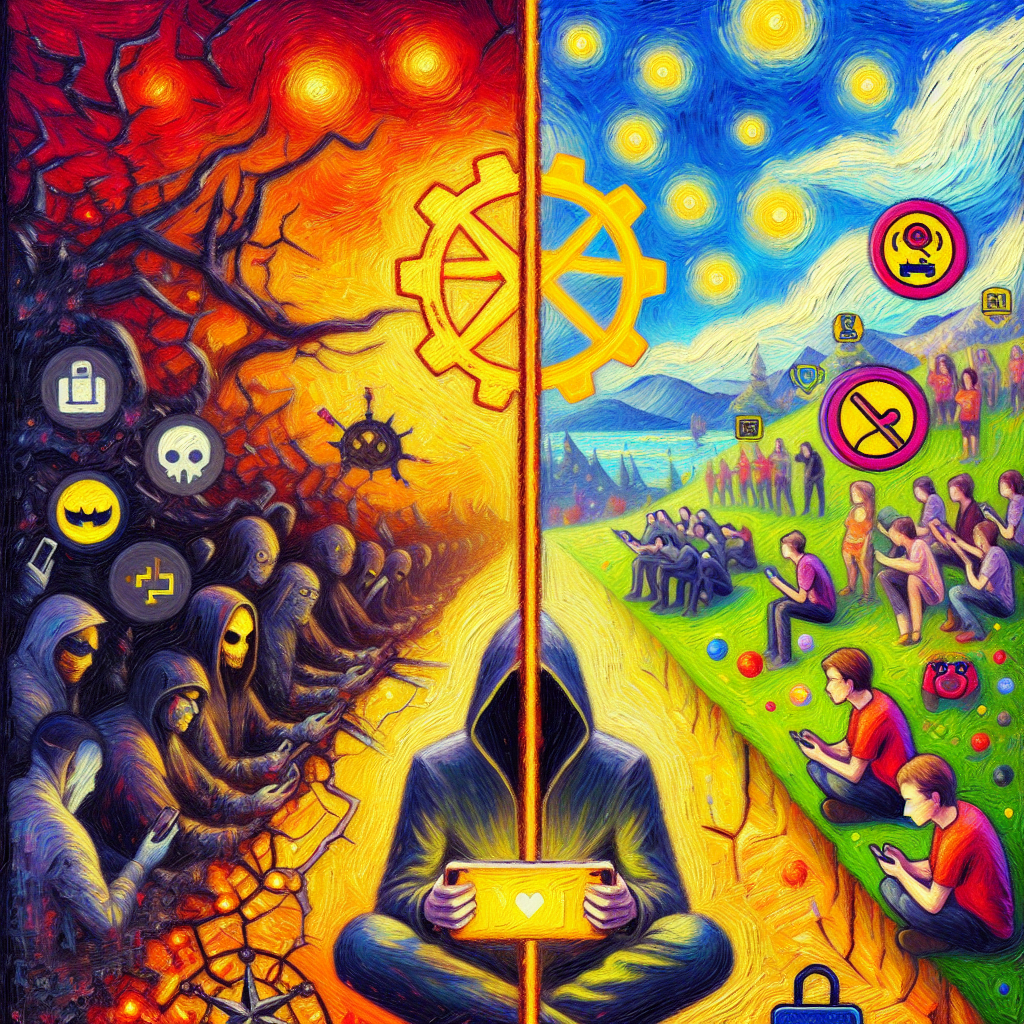
Do Different Age Groups Benefit From Play Equally?
What Role Does Creativity Play In Problem Solving?
All right, let’s get down to brass tacks: life throws all sorts of challenges our way. Whether you’re fixing a leaky faucet on your day off or troubleshootin’ a project at work, the ability to solve problems can often feel like trying to hit a moving target. But here’s the kicker—creativity is like that trusty toolkit you didn’t know you needed.
You might be wondering how creativity fits into the equation. Think about it: when you face a problem, creativity lets you see possibilities that might not be immediately obvious. It’s that spark of inspiration that helps you turn a daunting task into something manageable, and maybe even enjoyable. Think of problem-solving as a game. Just like in the world of gamification, where challenges are transformed into engaging experiences, creativity reimagines your obstacles and makes them feel less like a brick wall and more like an intricate puzzle waiting to be solved.
Take, for example, the everyday challenge of organizing a busy schedule. Instead of approaching it like a chore, let your creativity shine. Maybe it’s time to whip out some colorful sticky notes or try a new app that gamifies your planning—suddenly, you’re racing against the clock or vying for points rather than just crossing off to-dos. This playful twist can transform a mundane task into a game where you’re the champion—and spoiler alert: you just might be more motivated to tackle your responsibilities head-on.
But the beauty of creativity isn’t just in the fun; it’s also about perspective. When you think creatively, you open yourself up to alternative solutions. Maybe that leaking faucet needs a different approach than you originally thought—perhaps it’s not just pipes that are the issue, but also how you’re engaging with the task at hand. Creative problem-solving encourages you to ask, “What if?” instead of “Why?”, shifting the focus from limitations to possibilities.
At the end of the day, problem-solving isn’t just about finding answers; it’s about cultivating a mindset that embraces innovation and exploration. Take a leap, trust yourself, and don’t shy away from the unconventional. Unleashing your creativity can lead you to solutions that not only resolve your issues but also bring a little joy and excitement into your everyday life. So go ahead—get creative and watch those challenges transform into opportunities.

What Role Does Creativity Play In Problem Solving?
What Role Does Creativity Play In Problem Solving?
- Life presents various challenges, both personal and professional.
- Creativity serves as a valuable toolkit for effective problem-solving.
- Creative thinking helps to uncover less obvious possibilities when facing problems.
- Gamification can make problem-solving feel like an engaging game rather than a daunting task.
- Using creative methods, such as colorful sticky notes or gamified apps, can increase motivation.
- Shifting from “Why?” to “What if?” allows for alternative solutions and perspectives.
- Cultivating a creative mindset leads to innovative solutions and makes challenges feel like opportunities.

What Role Does Creativity Play In Problem Solving?
Can Structured Play Lead To Better Outcomes?
Can Structured Play Lead to Better Outcomes?
Let’s take a moment to consider a concept that’s becoming more and more prominent in the world of learning and development: structured play. At first glance, it may sound like a fancy term for a good ol’ game of tag or building with blocks. But dig a little deeper, and you’ll find a powerful tool that harnesses the age-old joy of play for serious outcomes.
Structured play isn’t just about running around like a wild child or building the tallest tower of LEGO bricks; it’s about introducing an element of purpose. Think of it as gamification, where the principles of games are applied to real-life scenarios. You’re not just playing; you’re engaging in a thoughtful framework designed to teach, reinforce, and inspire. Picture it: children learning teamwork while navigating obstacle courses, or adults boosting their problem-solving skills through engaging simulations. It’s play with a plan, and it’s transforming our approach to learning.
The beauty of structured play lies in its innate ability to lower barriers. When participants are engaged in an enjoyable activity, they often forget about their inhibitions. It’s not unusual to see the shyest kid in the room jump in, or the most reserved adult offer a brilliant idea, all because they’re enveloped in a space that values creativity and fun. This environment builds confidence and fosters connection among peers, because who doesn’t like to cheer for a teammate?
Moreover, structured play brings forth the principles of failure and resilience. In the world of play, failing isn’t a setback; it’s a stepping stone to success. When we gamify learning, we’re opening doors to an exploratory mindset. Mistakes become a part of the journey, not a reason to retreat. This lesson is invaluable, not just in childhood, but as we navigate the complexities of adult life too.
In a society that often prioritizes productivity over play, understanding the role structured play can have on our outcomes is critical. It isn’t just an escape from reality; it’s a pathway to creativity, collaboration, and crucial life skills. So, whether you’re an educator, a parent, or a lifelong learner, it’s time we embrace the idea that structured play isn’t just child’s play—it’s a powerful catalyst for growth. Let’s put on our game faces and dive in!

Can Structured Play Lead To Better Outcomes?
Can Structured Play Lead To Better Outcomes?
- Structured play is an emerging concept in learning and development that goes beyond traditional games.
- It introduces purpose to play, akin to gamification, enhancing learning and engagement.
- This approach cultivates teamwork and problem-solving skills through enjoyable activities.
- Structured play helps lower barriers, encouraging participation and fostering connections among peers.
- It promotes resilience by viewing failure as a learning opportunity rather than a setback.
- The concept highlights the importance of play in fostering creativity, collaboration, and vital life skills.
- Embracing structured play can be beneficial for educators, parents, and lifelong learners alike.

Can Structured Play Lead To Better Outcomes?
How Does Teamwork In Play Improve Problem Solving?
Let’s face it, problem-solving isn’t always a walk in the park. It can feel more like trying to solve a Rubik’s cube blindfolded while riding a unicycle. Enter the concept of teamwork in play—a powerful elixir that can turn that chaotic conundrum into a manageable puzzle. When we engage in gamification, we’re not just messing around; we’re harnessing the essential elements of play to cultivate creativity and collaboration.
Imagine this: a group of diverse individuals, each with their own unique perspectives and skills, coming together like ingredients in a well-crafted recipe. That’s the magic of teamwork in action! Here, everyone has a role to play, and the synergy sparks fresh ideas and insights. Whether you’re brainstorming over a game of charades or tackling challenges in a workplace simulation, the effects are profound. Individuals can step out of their comfort zones, exploring solutions that might not have surfaced in a more rigid, traditional setting. The beauty of play lies in its ability to lower barriers, foster camaraderie, and build trust—essential ingredients for effective problem-solving.
Think of it as the ultimate brainstorming session wrapped in a fun package. When people laugh, bond, and experience a shared challenge, they become more engaged. The stakes feel lower because it’s not just about achieving results; it’s about enjoying the process. Failures turn into lessons and every setback transforms into an opportunity for growth. Each little victory fuels momentum, creating a positive feedback loop that energizes the group.
Now, I know what you’re thinking: “Can play really make a difference in serious scenarios?” Absolutely! When teams embrace the playful aspects of problem-solving, they unlock new ways to think critically and creatively. By gamifying challenges, you can break through old mental traps and confront issues from fresh angles.
So, why not take a moment to integrate play into your next team endeavor? Set aside your spreadsheets and calendars, and instead, gather with your colleagues for a brainstorming session that feels less like work and more like a spirited game. You might just find that innovative solutions are born from the simple joy of teamwork in play—where everyone contributes, learns, and grows together. After all, teamwork isn’t just about putting heads together; it’s about putting hearts into the mix as well. And that’s where the real magic happens.

How Does Teamwork In Play Improve Problem Solving?
How Does Teamwork In Play Improve Problem Solving?
- Problem-solving can be challenging and complex, often likened to solving a Rubik’s cube blindfolded.
- Teamwork serves as an effective strategy to simplify chaotic problem-solving processes.
- Engaging in gamification fosters creativity and collaboration among diverse individuals.
- Team players contribute their unique perspectives, leading to enhanced synergy and innovative ideas.
- Play helps lower barriers, foster camaraderie, and build trust, crucial for successful problem-solving.
- Incorporating play into teamwork transforms challenges into engaging experiences, promoting learning and growth.
- Integrating playful elements into team endeavors can unlock new ways of thinking and lead to innovative solutions.

How Does Teamwork In Play Improve Problem Solving?
Conclusion
As we wrap up our chat about the wonderfully transformative power of play, it’s important to recognize what we’ve unearthed here: the simple truth that play isn’t just for kids, nor is it merely a diversion from the daily grind. Engaging in playful activities—whether it’s board games, sports, or improvisational exercises—can turbocharge our problem-solving skills and boost our creativity in ways we might not have thought possible.
Think about it: every time we dive into a game, we’re unlocking a secret compartment in our minds. We’re allowed to think divergently, to take risks, and to see challenges not as frustrations but as puzzles begging to be solved. It’s gamification at its finest. By applying game-like strategies to our daily tasks and social interactions, we prime our brains for inventive thinking. So instead of just tackling problems head-on with a furrowed brow, we can roll the dice and strategize, almost like we’re players in the game of life.
Consider the lessons learned through teamwork in play. The synergy that arises when diverse individuals pool their talents creates an environment rich in trust and collaboration. Together, we push the envelope, brainstorming ideas that may have remained buried under the weight of conventional thinking. And let’s not forget that laughter is often the best catalyst for problem-solving—when people are relaxed and having fun, innovation flourishes.
Moreover, whether you’re a sprightly toddler or a seasoned sage, structured play offers tremendous benefits. It transforms mundane tasks into exciting challenges, helping us embrace failure as a natural part of the learning curve. This mindset shift is golden; it empowers us to approach life’s obstacles with newfound confidence and adaptability.
So, the next time you’re grappling with a thorny problem, take a step back. Instead of mulling over it endlessly, gather a crew and introduce a little play into the proceedings. You’ll find that solutions emerge more readily in a lighthearted atmosphere.
It’s time to dust off your favorite game, create those joyful, cooperative moments, and remember that play is a vital ingredient in every aspect of life—from childhood exploration to the complexities of adulthood. Go ahead, take a leap into playful thinking—it might just be the key to unlocking your most creative solutions yet. So roll the dice, strike up the laughter, and let play guide you through the beautiful chaos of problem-solving.

Conclusion
Conclusion:
- Play is not just for children; it’s a valuable tool for adults as well.
- Engaging in playful activities enhances problem-solving skills and boosts creativity.
- Playing games encourages divergent thinking and risk-taking, viewing challenges as puzzles.
- Teamwork in play fosters trust and collaboration, leading to innovative ideas.
- Laughter during play acts as a catalyst for effective problem-solving and creativity.
- Structured play transforms mundane tasks into exciting challenges, promoting resilience and adaptability.
- Incorporating play into problem-solving can lead to more effective and joyful solutions.

Conclusion
Other Resources

Other Resources
Here is a list of other resources you can review online to learn more:
- The Board Game Family
- VK
- Eagle-Gryphon Games
- Blogger
- Atlas Games
- Gaming Rules!
- Hive
- Mansions of Madness: Second Edition
- Discord
- Love Letter
Use This Prompt To Get More Resources With Your Favorite Online AI Tool: Please provide me with a list of online articles with their URLs in a bulleted list that I can read regarding Can Problem Solving Skills Be Developed Through Play?

Other Resources
Glossary Terms
Can Problem Solving Skills Be Developed Through Play? – Glossary Of Terms
1. Play: Engaging in activities for enjoyment or recreation rather than a serious or practical purpose.
2. Problem Solving: The process of finding solutions to difficult or complex issues.
3. Cognitive Development: The process of growth and change in intellectual capabilities, which often includes problem-solving and critical thinking skills.
4. Critical Thinking: The ability to think clearly and rationally, understanding the logical connection between ideas; crucial for problem solving.
5. Creative Play: Unstructured play that encourages imagination and innovation, fostering creativity in problem-solving.
6. Collaborative Learning: Learning that occurs through group interaction, promoting shared problem-solving experiences.
7. Role-Playing: Acting out a part in a simulated scenario, allowing individuals to explore perspectives and solutions creatively.
8. Simulation Games: Games that replicate real-world scenarios, requiring players to strategize and solve problems within those contexts.
9. Trial and Error: A method of problem-solving characterized by repeated attempts until success is achieved.
10. Social Skills: Skills used to communicate and interact with others, which can be honed through group play and collaboration.
11. Strategic Thinking: The ability to plan and think ahead to effectively identify and address potential problems or opportunities.
12. Game-Based Learning: An educational approach where games are used to enhance the learning experience, including problem-solving skills.
13. Engagement: The level of interest and involvement a child shows in activities, crucial for effective learning and problem-solving.
14. Feedback: Information provided about a person’s performance or understanding, which can guide further problem-solving efforts.
15. Intrinsic Motivation: The internal drive to engage in activities for their own sake, rather than for external rewards; fosters creativity in problem-solving.
16. Scaffolded Learning: Instructional support provided to help learners achieve greater understanding, often used in play-based learning.
17. Divergent Thinking: A thought process or method used to generate creative ideas by exploring many possible solutions.
18. Logical Reasoning: The process of using a rational, systematic series of steps to arrive at a conclusion, essential in problem solving.
19. Resilience: The ability to bounce back from setbacks, an important trait developed through play and problem-solving experiences.
20. Imaginative Play: A form of play where children create scenarios using their imagination, enhancing creativity and problem-solving skills.
21. Exploratory Learning: Learning that occurs through exploration and investigation, encouraging critical thinking and problem-solving.
22. Empathy: The ability to understand and share feelings with others, cultivated through play and essential for collaborative problem-solving.
23. Resourcefulness: The ability to find quick and clever ways to overcome difficulties, often developed through playful challenges.
24. Adaptability: The capacity to adjust to new conditions, which can be fostered through varied play experiences.
25. Decision Making: The process of making choices, which is a key component of problem-solving and is practiced during play.
26. Mindfulness: A mental state achieved by focusing one’s awareness on the present moment, beneficial for planning and problem-solving.
27. Conflict Resolution: The process of resolving a disagreement or dispute, a common occurrence in collaborative play settings.
28. Peer Interaction: Engagement between children that promotes social learning and teamwork in problem-solving situations.
29. Curiosity: A strong desire to learn or know something, an essential driver for exploration and problem-solving through play.
30. Learning Outcomes: The measurable skills and knowledge gained through experiences such as play, highlighting the effectiveness of play in developing problem-solving skills.

Glossary Of Terms
Other Questions
Can Problem Solving Skills Be Developed Through Play? – Other Questions
If you wish to explore and discover more, consider looking for answers to these questions:
- What specific games or play activities are recommended for enhancing problem-solving skills?
- How does structured play differ from unstructured play in its impact on problem-solving?
- Are there any scientific studies that support the link between play and improved problem-solving abilities?
- Can adults experience the same benefits from play as children, and how might this vary by age group?
- What are some examples of gamification in everyday tasks or professional settings?
- How can someone who is not naturally inclined to play cultivate this skill?
- Are there differences in how various age groups engage with play when solving problems?
- What role does play have in fostering resilience and adaptability in problem-solving?
- How can educators incorporate play into their teaching methods to enhance problem-solving among students?
- What are the potential downsides or limitations of using play in serious problem-solving contexts?

Other Questions
Haiku
Can Problem Solving Skills Be Developed Through Play? – A Haiku
Play sparks the bright mind,
Puzzles shift from dread to fun,
Solutions unfold.

Haiku
Poem
Can Problem Solving Skills Be Developed Through Play? – A Poem
The Power of Play: A Poetic Reflection
In the realm where laughter reigns,
Beneath the sun and gentle rains,
A secret dwells, old yet anew—
The art of play, a path to pursue.
Not just for children, joyous and free,
But a treasure for all, for you and for me.
With dice and cards, or puzzles grand,
We sharpen our wits, our minds understand.
Each game we play, a challenge to face,
Transforms our worries into a playful space.
Where problem-solving becomes a dance,
As strategies weave and ideas enhance.
Gamification brings a spark,
Turning tasks dull into a joyful arc.
With points and prizes, we find delight,
In mundane chores, we ignite the bright.
Cooperative play, a bond that we build,
As teamwork flourishes, our hearts are filled.
Through shared laughter and common goals,
Connections deepen, the spirit consoles.
Imaginative ventures free our souls,
Unlocking the doors to innovative roles.
Creativity blooms in every endeavor,
Turning obstacles into quests to remember.
Seniors, adults, and children at play,
All benefit richly from the joys of today.
A universal language, a binding thread,
In every encounter, new ideas are bred.
So embrace the spirit, let your worries sway,
Find joy in the journey—come join the play!
For through every challenge and problem you’ll see,
The power of play sets the creative mind free.

Poem
Checklist
Can Problem Solving Skills Be Developed Through Play? – A Checklist
Checklist: Unlocking Creative Solutions Through Play
Embrace the Power of Play
1. Acknowledge the Value: Recognize that play is vital for enhancing problem-solving skills, fostering creativity, and building confidence.
2. Games as Learning Tools: Consider how games, whether board games, video games, or casual activities, can stimulate your mind and provide a safe space for experimentation.
Types of Play to Incorporate
3. Gamification: Turn everyday tasks into challenges by introducing game-like elements (e. g. , point systems, time limits) to make them more enjoyable.
4. Cooperative Play: Engage in group activities that require teamwork, improving communication and fostering connections among participants.
5. Imaginative Play: Explore creative workshops that use role-playing or improvisational games to break through mental barriers.
Encouraging Critical Thinking
6. Redefine Challenges: Approach tasks as games or puzzles to motivate strategic thinking and critical evaluation.
7. Embrace Uncertainty: Allow a space for trial and error to build confidence in tackling new challenges creatively.
Play Across Age Groups
8. Explore Age-Appropriate Activities: Tailor play experiences for different age groups, recognizing that play benefits everyone, from children to seniors.
Creativity in Problem Solving
9. Utilize Creative Approaches: Apply creative solutions to everyday problems; reframe challenges into manageable tasks using imaginative techniques.
10. Encourage ‘What If’ Thinking: Shift from a mindset focused on limitations to one that embraces possibilities.
Implement Structured Play
11. Incorporate Purposeful Play: Design activities with specific learning outcomes, reinforcing skills through structured play.
12. Foster Resilience: Allow failure to be part of the learning process, encouraging an exploratory mindset without the fear of setbacks.
Enhance Teamwork through Play
13. Utilize Team-Building Activities: Engage in playful brainstorming sessions to lower barriers and foster collaboration among team members.
14. Celebrate Small Wins: Recognize and celebrate successes, developing a positive feedback loop that motivates continued effort and engagement.
Final Encouragement
15. Integrate Play Regularly: Set aside time for play, be it through games, team activities, or creative projects, to continuously enhance problem-solving and creativity in both personal and professional settings.
Use this checklist as a guide to incorporate playful strategies into your daily life and work environments, enhancing your problem-solving skills and fostering creativity!

Checklist
At HowDoYouGame, we help people who love board games by collating information and news about games.
Be sure to read our other related stories at HowDoYouGame to learn more about games.