Boosting Brainpower Through Play: The Link Between Games And Problem-Solving
By Tom Seest
At HowDoYouGame, we help people who love board games by collating information and news about games.
Be sure to read our other related stories at HowDoYouGame to learn more about games.
Can Playtime with Games Streamline Problem Solving Abilities?
Imagine this: you’re deep in a game, gripping the controller like it’s the last lifeline on a sinking ship. The clock is ticking, and you’re faced with a challenge that seems insurmountable. You could easily give in to frustration, toss the remote, and declare yourself defeated. But instead, you take a deep breath, strategize your next move, and give it another go. That moment right there? It’s a miniature version of problem-solving in real life.
Welcome to the world of gamification. It’s not just about high scores and flashy graphics; it’s about harnessing the fun of play to unlock those mental gears we often forget to use. Research suggests that engaging with games—whether video games or board games—can actually sharpen our problem-solving abilities. Picture a young child navigating a puzzle or an adult taking on a complex strategy game. Each time they encounter a hurdle, they’re building resilience. They’re learning how to adapt, think critically, and solve problems creatively.
Let’s be real: in our fast-paced world, it can feel like the pressure to solve real-life challenges is constantly looming. From workplace dilemmas to everyday disagreements and financial planning, it’s easy to get bogged down in the weight of it all. But what if we could adopt the same playful mindset we use in games when we face serious issues? Embracing the concept of gamification can transform our approach. Instead of viewing challenges as burdens, we can start seeing them as levels to conquer.
It’s about fostering a sense of curiosity and exploration. Next time you’re grappling with a tricky situation, take a cue from the gamified mindset. Break it down into smaller, manageable parts. What’s your first step? What strategies can you deploy? Just as you would strategize to defeat a challenging boss in a game, you can apply that same energy to your life’s challenges.
So next time you pick up a game, embrace it. It might just be your training ground for real-world problem-solving. Dive in with the enthusiasm of a kid on a playground, and you’ll find that playtime might be the secret weapon you’ve been searching for. The world outside the game can be just as playful if you let it be. Who knew that the path to mastering life’s challenges might just start with a little play?

Can Playtime with Games Streamline Problem Solving Abilities?
Can Playtime with Games Streamline Problem Solving Abilities?
- Gamification is a powerful tool for enhancing problem-solving skills across various situations.
- Engaging with games can sharpen our ability to think critically and creatively.
- Challenges in games, whether simple puzzles or complex strategy games, build resilience and adaptability.
- In our fast-paced lives, we often feel overwhelmed by real-life problems.
- Adopting a playful mindset towards challenges can transform our approach to problem-solving.
- Breaking down issues into smaller parts can help manage and strategize effectively.
- Embracing a gamified perspective in everyday life encourages curiosity and exploration.

Can Playtime with Games Streamline Problem Solving Abilities?
Table Of Contents
- Can Playtime with Games Streamline Problem Solving Abilities?
- Can Games Improve Our Problem-Solving Skills?
- What Types Of Games Are Best For Learning?
- How Does Playtime Enhance Cognitive Flexibility?
- Can Multiplayer Games Foster Collaboration In Problem-Solving?
- Are There Specific Game Mechanics That Aid In Critical Thinking?
- How Do Puzzles Help Develop Analytical Skills?
- Can Virtual Reality Games Enhance Real-World Problem Solving?
- Conclusion
- Other Resources
- Glossary Of Terms
- Other Questions
- Haiku
- Poem
- Checklist
Can Games Improve Our Problem-Solving Skills?
Let’s take a moment to consider something most of us can relate to: the last time we played a game that had us completely hooked. Picture it: an evening spent strategizing and overcoming challenges, where every victory came with a rush of adrenaline, and even the defeats taught us a thing or two. It turns out, that kind of engagement isn’t just a good time; it can actually sharpen our problem-solving skills in ways we might not even realize.
Enter the concept of gamification—the idea of applying game-like elements to everyday activities. Think about it. Have you ever found yourself trying to outsmart a puzzle or outmaneuver your opponent in a strategy game? That’s your brain on gamification, actively engaging in problem-solving. These digital playgrounds aren’t just for kids anymore; they’re tools that can help people of all ages enhance their cognitive abilities.
When you dive into a game, particularly ones designed to challenge your thinking, you’re not just shooting for high scores. You’re developing an arsenal of strategies, learning to weigh risks against rewards, and honing the ability to adapt on the fly. Why? Because in the world of games, time is often of the essence. You’ve got to think fast, and that urgency pushes you to think creatively.
Think back to your own experiences—maybe it was figuring out how to tackle a complicated level or collaborating with friends to solve a tough challenge. Each moment pulled you into a world where solutions demanded ingenuity and resourcefulness. Now, imagine taking those experiences back into the real world—into your job, your relationships, or even just tackling everyday chores. The skills you’ve honed through play can be applied far beyond the screen.
But here’s the kicker: it’s not just about playing any game; it’s about choosing the right ones. Seek out games that require more than mindless clicks. Look for ones that encourage you to plan, to strategize, and to collaborate. These choices can transform your downtime into a workshop for your brain, where problem-solving skills are built and refined.
So the next time you pick up a controller or gather around a board game, remember: you’re not just having fun—you’re forging a sharper mind. And who knows? You might just discover that the skills you’ve cultivated in your free time could lead to some impressive problem-solving breakthroughs in your daily life. Now, that’s a win-win.

Can Games Improve Our Problem-Solving Skills?
Can Games Improve Our Problem-Solving Skills?
- Playing games can enhance problem-solving skills through strategic thinking and overcoming challenges.
- Gamification involves applying game-like elements to everyday activities to engage the brain.
- Games provide a platform to develop strategies, assess risks, and adapt quickly.
- Intense gaming experiences require fast thinking and creativity due to time pressures.
- Skills gained from gameplay can translate to real-life situations in work and personal relationships.
- Choosing the right games—those that require planning and collaboration—can optimize mental engagement.
- Engaging in games can lead to significant problem-solving improvements in daily life.

Can Games Improve Our Problem-Solving Skills?
What Types Of Games Are Best For Learning?
Let’s face it: the world of learning has changed. Gone are the days when knowledge acquisition felt like a chore, a dusty old textbook propped open on a desk. Now, we’ve got gamification on our side. It’s not just a buzzword; it’s a rallying cry for those seeking a more engaging way to absorb information. But what types of games really hit the sweet spot for effective learning? Let’s break it down.
First off, consider interactive simulations. These aren’t your run-of-the-mill games; they’re richly detailed scenarios that mimic real-world situations. Want to understand the ins and outs of running a business? Step into a virtual boardroom where every decision carries weight. The stakes feel real because they are, in a way. You learn, adapt, and sometimes fail, but each outcome is a chance to refine your skills. You see, failure in these games isn’t a setback; it’s a building block for success.
Next up, role-playing games (RPGs). These immersive adventures empower you to step into a character’s shoes and navigate complex narratives. They demand critical thinking, strategy, and, yes, even teamwork. As you unite diverse group members toward a common goal, you’re not just having fun; you’re mastering collaboration skills that matter in the real world. Plus, there’s nothing quite like the thrill of leveling up, not just in the game, but in your own skill set at the same time.
Let’s not forget puzzles and trivia games. These are essential when you need to flex those mental muscles. Solving a tricky riddle or answering rigorous questions sharpens your brain while keeping you entertained. And you won’t just learn facts; you’ll grasp concepts and build connections that last far beyond the game itself.
So, how do you dive into the world of learning games? Trust your instincts. Look for games that resonate with your interests and goals. Whether you want to master a foreign language, delve into history, or polish your math skills, there’s likely a game out there just waiting for you. The key is to embrace the journey, knowing that every step forward is a step toward new understanding.
The best learning games are those that spark curiosity and create joy in the process. So gear up, get playful, and let those lessons unfold in ways you never thought possible. You might just surprise yourself with how much you can learn while having a blast!

What Types Of Games Are Best For Learning?
What Types Of Games Are Best For Learning?
- The world of learning has evolved from traditional textbook methods to more engaging formats.
- Gamification has become a prominent approach for effective knowledge acquisition.
- Interactive simulations provide realistic scenarios for practical learning experiences.
- Role-playing games (RPGs) foster critical thinking, strategy, and teamwork skills.
- Puzzles and trivia games enhance mental agility and reinforce understanding of concepts.
- Choosing games aligned with personal interests can enhance the learning journey.
- The most effective learning games inspire curiosity and joy in the educational process.

What Types Of Games Are Best For Learning?
How Does Playtime Enhance Cognitive Flexibility?
Alright, let’s take a step back and think about playtime. It might seem like just another leisurely escape from serious business, but let me tell you—playtime is where the magic happens. It’s that secret ingredient that helps kids (and the young at heart) navigate the maze of life. When we dive into activities that feel like pure fun, we’re not just killing time; we’re lighting up the brain like a Christmas tree.
At its core, playtime is a dynamic workshop for our minds. You see, the essence of cognitive flexibility lies in our ability to adapt, switch gears, and see the world from different angles. Think of it like a mental gymnastics routine, where we flip, twist, and turn our thoughts to tackle new challenges. That’s where gamification comes in. By turning tasks into games, whether it’s through educational apps or simple board games, we make learning engaging. Suddenly, we’re not just solving puzzles; we’re strategizing and making quick decisions under pressure—skills that extend far beyond the recess yard.
When kids engage in play, they are practicing real-world skills. Imagine a group of children building a fort. They’re brainstorming, negotiating who gets what role, and adjusting their plans based on what materials are available. Each of these little moments is a chance to exercise cognitive flexibility. They learn that not every plan will stick, and that’s okay—they adapt. This kind of flexible thinking becomes second nature, allowing them to tackle the bumps in the road before they hit adulthood.
But let’s not limit this to just kids. We adults often overlook the power of play. Whether you’re joining a local trivia night, participating in a cooking class, or playing your favorite video game, these activities can stimulate your brain in ways that traditional learning might not. The beauty of playtime is that it invites us to be curious, take risks, and make mistakes—all while having fun.
So, let’s embrace the power of play and gamification. Step outside your comfort zone. Try something new—your brain will thank you for it. Cognitive flexibility isn’t just about keeping pace with change; it’s about thriving in a world that didn’t come with a manual. So grab a board game, join a team, or pick up that new pastime you’ve been eyeing. Your mind will expand, and who knows? You might just discover a new passion along the way.

How Does Playtime Enhance Cognitive Flexibility?
How Does Playtime Enhance Cognitive Flexibility?
- Playtime serves as a crucial tool for cognitive development, helping both kids and adults navigate life’s challenges.
- Engaging in fun activities stimulates brain activity and encourages cognitive flexibility.
- Playtime functions like a dynamic workshop, enhancing our ability to adapt and view situations from different perspectives.
- Gamification of tasks transforms learning into engaging games, promoting skills such as strategizing and quick decision-making.
- Children practice real-world skills through play, such as brainstorming, negotiation, and adaptability in challenges.
- Adults also benefit from play, finding stimulation and creativity through activities like trivia, cooking classes, and video games.
- Embracing play encourages curiosity and risk-taking, leading to personal growth and the discovery of new interests.

How Does Playtime Enhance Cognitive Flexibility?
Can Multiplayer Games Foster Collaboration In Problem-Solving?
Can Multiplayer Games Foster Collaboration in Problem-Solving?
There’s a certain magic that happens when people come together, whether it’s in a crowded coffee shop or, more intriguingly, in a virtual world, where the only walls are those created through code. Now, take a second to think about the last time you sat down with friends or even strangers to conquer a challenge in a multiplayer game. Picture this: a group of players, each armed with their own unique skills, brainstorming strategies to defeat the oddest of bosses or solve intricate puzzles. This is not just recreation; it’s vivid, immersive gamification at its finest, blurring the lines between play and real-world problem-solving.
But let’s dig deeper. Why does it feel so electric? Why do we suddenly trust a squad of avatars, their characters dressed up in whimsical gear, to have our backs in the heat of the battle? The answer lies in collaboration. In these digital arenas, we are not just individuals; we become part of a community. Success hinges on communication, cooperation, and—let’s be honest—sometimes creativity that one wouldn’t normally display on a Tuesday afternoon at work. With every virtual challenge, players learn to rely on one another, cultivating a bond that extends beyond the screen.
Think about teamwork in your own life. Whether it’s meeting a deadline at work, assemble IKEA furniture without losing your sanity, or navigating life’s curveballs—it all requires a touch of collaboration. Multiplayer games carve out a safe space to experiment and hone those skills. They teach us that problems can be tackled from multiple angles, reminding us that a diverse group often leads to innovative solutions.
Moreover, the stakes in multiplayer environments often feel lower than in our day-to-day lives, making it easier to take risks. When a teammate fumbles, it’s okay; they’ve just learned something, and you’ve learned alongside them. This shared experience breeds resilience and trust—very much like what you’d hope to find in a strong workplace culture. And who knows? Those very skills you sharpen in a fantasy realm might just translate into your next big project or personal challenge.
So, next time you pick up that controller or log in, remember: you’re not just gaming. You’re cultivating collaboration, sharpening your problem-solving skills, and, maybe, building friendships that span beyond the pixelated horizon. Dive in, embrace the chaos, and watch as both your gameplay and your life get a little brighter.

Can Multiplayer Games Foster Collaboration In Problem-Solving?
Can Multiplayer Games Foster Collaboration In Problem-Solving?
- Multiplayer games create a unique environment for collaboration and problem-solving.
- Players use their diverse skills to strategize, enhancing immersive gamification.
- Success in these games relies on communication, cooperation, and creativity.
- Multiplayer games foster community and bonds that extend beyond the gaming experience.
- They offer a safe space to experiment with collaboration, tackling problems from multiple angles.
- The lower stakes in gaming encourage risk-taking and resilience among players.
- Skills developed in games can translate to real-life challenges and enhance teamwork.

Can Multiplayer Games Foster Collaboration In Problem-Solving?
Are There Specific Game Mechanics That Aid In Critical Thinking?
In a world where distractions abound and the information overload can leave anyone feeling dizzy, the concept of gamification has emerged as a beacon of hope. Think about it: when we engage with games, we don’t just plug into a mindless abyss. No, we’re drawn into a vibrant tapestry of challenges that compel us to think critically, strategize, and adapt—all while having a great time. Imagine it like a mental workout, designed not only to entertain but to sculpt the very fabric of our decision-making skills.
Consider puzzle mechanics, for instance. When faced with a tricky conundrum in a game, you’re not just tapping buttons aimlessly; you’re analyzing patterns, weighing chances, and predicting outcomes. Each puzzle linked to the game’s progression requires you to think outside the box. The urgency of time limits and the thrill of unlocking new levels can ignite that little spark in your brain, pushing you to devise creative solutions just to keep moving forward.
Then think about role-playing games (RPGs). With character development and decisions that impact the story’s course, every choice you make requires reflection. Will you ally with the benevolent faction or the rogue band? Each path offers different lessons, requiring a level of critical thinking that translates beautifully into real-world scenarios. You start recognizing that, much like in life, decisions matter. The realization dawns that every move you make determines the next chapter, both in the game and in your day-to-day experiences.
Let’s not forget about resource management mechanics. When you’re tasked with balancing limited resources while striving for victory, it’s a fantastic way to hone your prioritization skills. You learn to critically evaluate what you need most, assessing risks and making sacrifices—key characteristics that come in handy beyond the screen. Whether it’s budgeting your finances or managing time between work and family, these lessons seep into the fabric of our lives, often before we even realize it.
So, if you’ve ever been drawn into a game that kept you on your toes, there’s a reason for that. Structured challenges wrapped in engaging narratives allow you to not only escape reality but develop extraordinary critical thinking skills in the process. Isn’t it time we embraced the magic of gamification, not just as entertainment, but as a noble ally in our quest for sharper minds?

Are There Specific Game Mechanics That Aid In Critical Thinking?
Are There Specific Game Mechanics That Aid In Critical Thinking?
- Gamification provides a solution to distractions and information overload in our world.
- Engaging with games involves critical thinking, strategizing, and adapting while having fun.
- Puzzle mechanics in games require players to analyze patterns, weigh chances, and predict outcomes.
- Role-playing games (RPGs) promote reflection on decisions, emphasizing that choices impact narratives.
- Resource management in games helps players develop prioritization skills and evaluate risks.
- The skills learned through gaming can translate into real-world scenarios, such as budgeting and time management.
- Embracing gamification can enhance critical thinking abilities while providing entertainment.

Are There Specific Game Mechanics That Aid In Critical Thinking?
How Do Puzzles Help Develop Analytical Skills?
Let’s take a moment to talk about puzzles. You know, those seemingly simple squares of cardboard with vibrant images that somehow turn into a delightful yet challenging maze of pieces. They’ve been around for centuries, capturing the hearts and minds of countless people. What’s truly fascinating is how engaging in puzzles can be a powerful way to boost our analytical skills.
When you dive into a good puzzle, your brain is like a well-oiled machine—a mix of logic and creativity firing on all cylinders. Each piece is a tiny mystery, inviting you to connect it with others, forming a broader picture. This process of breaking things down—analyzing shapes, colors, and patterns—translates directly to real-world problem-solving. Suddenly, you’re not just putting together a jigsaw; you’re training your brain to tackle complex situations in a more systematic way.
Now, let’s think about gamification. What does it mean? It’s that exhilarating blend of game elements and real-life tasks that transforms mundane activities into exciting challenges. When you engage with puzzles, you’re essentially participating in a form of gamification. Each piece you fit into place earns you points in the game of life—more confidence in your analytical abilities, more enjoyment, and a sense of accomplishment that keeps you coming back for more.
The beauty of puzzles lies in their versatility. Whether you’re solving a 1000-piece masterpiece or a brain-bending Sudoku, each experience is unique, and each lesson learned builds upon the last. It’s all about strategy and foresight; the more you practice, the better you become. Just like picking up a new skill in a trade, you develop an instinct—an analytical eye that can assess situations swiftly. You start to see connections that weren’t there before, both in the puzzle and in everyday challenges.
And don’t overlook the social aspect! Tackling a puzzle with friends or family fosters teamwork and collaboration. You’ll find that sharing different perspectives can lead to incredible insights, sharpening your critical thinking while enriching your relationships.
So next time you find yourself with a puzzle spread out before you, remember: this isn’t just a pastime. It’s a gateway to enhancing your analytical skills, one piece at a time. Embrace it, enjoy it, and let that brainpower flourish! Who knew a bit of cardboard could bring about such transformation? Dive in!

How Do Puzzles Help Develop Analytical Skills?
How Do Puzzles Help Develop Analytical Skills?
- Puzzles are engaging tools that enhance analytical skills while providing entertainment.
- Completing a puzzle engages the brain, mixing logic and creativity for problem-solving.
- The process of analyzing shapes, colors, and patterns helps develop systematic thinking.
- Gamification in puzzles transforms mundane tasks into fun challenges, increasing confidence and enjoyment.
- Puzzles offer versatility, allowing for diverse experiences and lessons learned through practice.
- Working on puzzles with others promotes teamwork and collaboration, enriching relationships and critical thinking.
- Engaging with puzzles is not just a hobby; it’s a valuable way to enhance mental capabilities.

How Do Puzzles Help Develop Analytical Skills?
Can Virtual Reality Games Enhance Real-World Problem Solving?
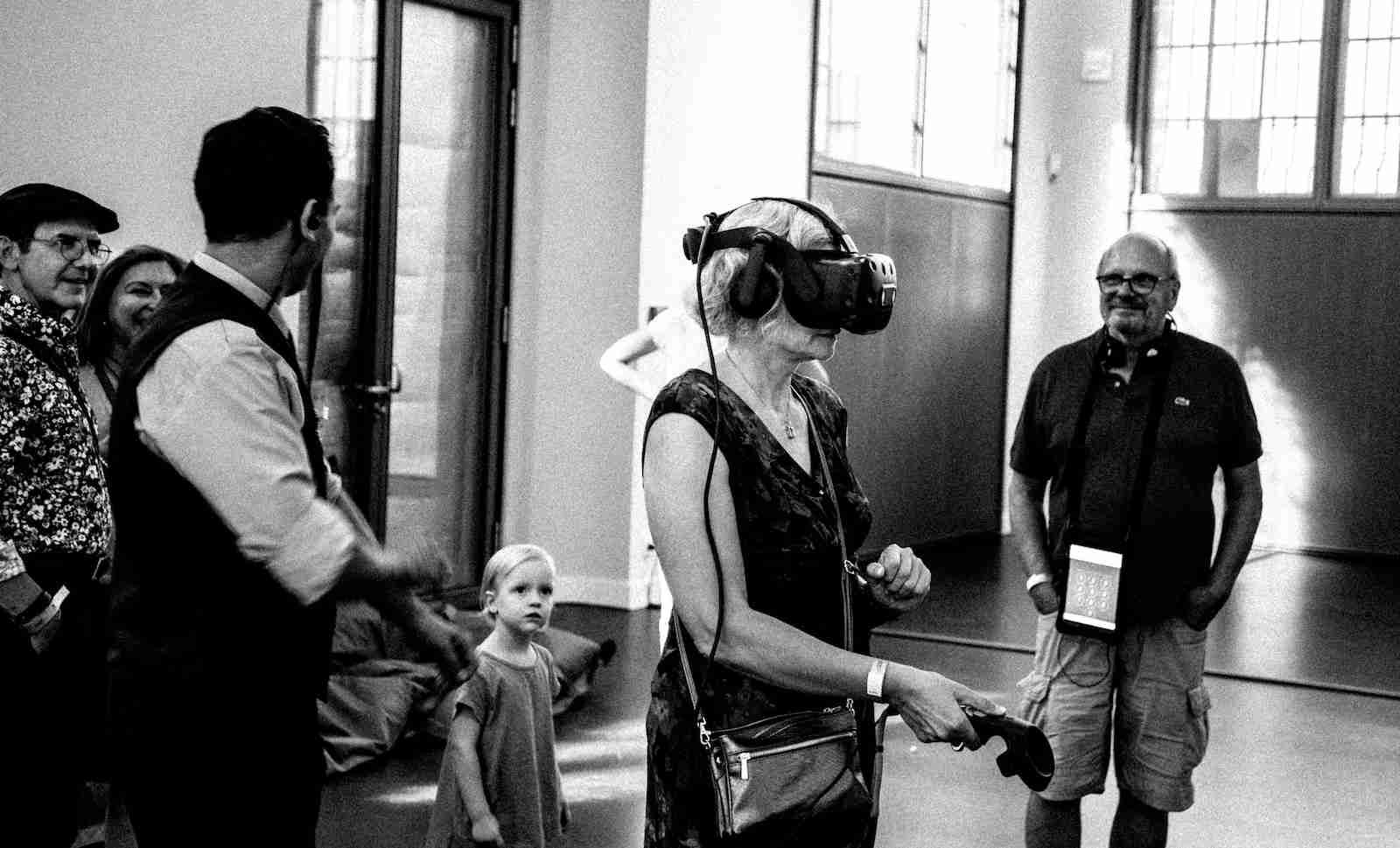
Imagine stepping into a world where challenges are palpable, every choice you make is a matter of survival, and solutions aren’t just abstract theories but tangible actions you can practice in real-time. That’s the magic of virtual reality (VR). In a landscape saturated with distractions, VR offers a breath of fresh air, turning the mundane into a riveting experience. Gamification — the infusion of game-like elements into everyday tasks — is evolving into an ingenious tool for honing our problem-solving skills.
Take a moment to think about it: when was the last time you faced a problem that felt insurmountable? Maybe it was a work-related challenge, a personal goal that seemed out of reach, or even a complex social situation that left you scratching your head. Now, picture yourself immersing in a vibrant VR world where the issues you wrestle with in real life are mirrored in stimulating, interactive scenarios. You’d approach these challenges with a different mindset, equipped with the tools to explore alternatives, assess outcomes, and recalibrate your strategies—all within a safe sandbox environment that encourages trial and error without the fear of real-world repercussions.
Here’s where the real beauty of gamification shines: it transforms intimidating obstacles into engaging quests. Immediately, you start to think creatively, strategize with your team, and collaborate like never before. Imagine working alongside a diverse group of individuals within a shared virtual landscape, navigating complex problems as a cohesive unit. Suddenly, you’re not just overcoming hurdles—instead, you’re building connections that foster collective intelligence. You discover that learning is inherently social, and the bonds formed through shared challenges spur even greater innovation.
Moreover, by integrating VR into education or workplace training, we’re not just preparing ourselves but also our next generation of thinkers. We’re instilling a valuable lesson: that problem-solving isn’t just a skill but an art that thrives in the realms of creativity, empathy, and collaboration. Whether you’re a student gearing up for your first major project, a seasoned professional tackling industry shifts, or a parent navigating family dynamics, VR offers a powerful platform to enhance your approach to problem-solving.
So why not give it a whirl? Dive into a VR experience that speaks to your interests and watch how your perspective shifts. You’ll emerge not only entertained but also equipped with fresh insights that bridge the gap between virtual escapade and real-world relevance. It’s time to embrace the future of problem-solving—one immersive experience at a time!

Can Virtual Reality Games Enhance Real-World Problem Solving?
Can Virtual Reality Games Enhance Real-World Problem Solving?
- Virtual reality (VR) transforms challenges into tangible, immersive experiences that enhance problem-solving skills.
- Gamification integrates game-like elements into everyday tasks, making them more engaging and effective.
- VR mirrors real-life challenges, allowing users to experiment with different strategies in a safe environment.
- Collaborating in VR enhances team dynamics and fosters collective intelligence through shared challenges.
- Integrating VR into education and workplace training prepares the next generation to value creativity, empathy, and collaboration in problem-solving.
- Engaging in VR not only entertains but also provides valuable insights that apply to real-world situations.
- Embracing VR experiences encourages a shift in perspective, promoting innovation and effective problem-solving.

Can Virtual Reality Games Enhance Real-World Problem Solving?
Conclusion
In conclusion, let’s take a collective breath and marvel at the transformative power of play and gamification in our everyday lives. It’s not just about passing the time or achieving high scores; it’s a deeply enriching experience that can enhance our problem-solving skills across various dimensions. When we engage with games—whether they’re video games, board games, or even puzzles—we’re not merely entertaining ourselves; we’re throwing open the doors to a mental gym where resilience and critical thinking can flourish.
Think back to that moment in a game when you felt overwhelmed, standing in front of a seemingly insurmountable challenge. You could’ve thrown in the towel, but instead, you strategized, adapted, and pressed on. Each small victory was a building block not just for your gaming character but for the very mental muscles that you flex in the real world. Just as children learn valuable skills through play—group dynamics, structural thinking, resource management—adults too have a lot to gain from embracing this playful mindset.
Gamification reaches deep into our psyche, providing us with the tools to break down daunting problems into manageable bits, much like dissecting a complex puzzle. It encourages a spirit of collaboration and innovation, especially in multiplayer environments where you learn to lean on teammates and recognize the power of collective problem-solving. Meanwhile, virtual reality takes this concept to new heights, offering immersive experiences that make abstract challenges feel tangible and manageable, allowing for personal growth in a risk-free environment.
So, the next time you find yourself immersed in a game—whether as a heroic warrior, a clever strategist, or a puzzle solver—remember that you’re not just honing your skills for fun; you’re engaging in vital mental exercises that shape your ability to tackle life’s real challenges. Embrace the chaos, foster your curiosity, and relish the lessons that come from play. Who knew that unlocking the secrets to mastering life’s challenges could begin with a little fun? The world gets a lot kinder and more manageable when you approach it with the same enthusiasm as a child diving into a new game, ready to take on whatever comes next. Let that spirit of play guide you, both on and off the screen—who knows what you might discover?

Conclusion
Conclusion:
- Play and gamification are transformative, enhancing problem-solving skills and enriching everyday experiences.
- Engagement in games helps develop resilience and critical thinking, acting as a mental gym.
- Challenges in games encourage strategizing and adaptation, building mental strength in real-life scenarios.
- Both children and adults benefit from play, learning important skills such as group dynamics and resource management.
- Gamification aids in breaking down complex problems into manageable parts, fostering collaboration and innovation.
- Virtual reality enhances the gamification experience by providing immersive, risk-free personal growth opportunities.
- Approaching life with a playful mindset can lead to discovering new solutions to challenges, making the world feel more manageable.
Conclusion
Other Resources

Other Resources
Here is a list of other resources you can review online to learn more:
- Root: The Riverfolk Expansion
- Great Western Trail
- Quined Games
- Asyncron
- Tzolk’in: The Mayan Calendar
- Arkham Horror: The Card Game
- North Star Games
- Nürnberger-Spielkarten-Verlag (NSV)
- Tigris & Euphrates
Use This Prompt To Get More Resources With Your Favorite Online AI Tool: Please provide me with a list of online articles with their URLs in a bulleted list that I can read regarding Can Playtime with Games Streamline Problem Solving Abilities?

Other Resources
Glossary Terms
Can Playtime with Games Streamline Problem Solving Abilities? – Glossary Of Terms
1. Playtime: Time spent engaging in games or recreational activities, often associated with fun and leisure.
2. Games: Structured forms of play that often have goals, rules, and elements of competition or cooperation.
3. Problem Solving: The process of identifying a challenge and finding effective solutions through critical thinking and analysis.
4. Cognitive Skills: Mental capabilities that include attention, memory, reasoning, and problem-solving.
5. Critical Thinking: The ability to analyze information and make reasoned judgments that go beyond simple intuition.
6. Visual-Spatial Skills: The ability to visualize and manipulate objects in a three-dimensional space, crucial for many types of problem-solving.
7. Strategic Thinking: A method of planning and taking deliberate steps to achieve a specific goal, often used in games.
8. Decision Making: The cognitive process of selecting a course of action from multiple alternatives, often engaged in during gameplay.
9. Collaboration: Working together with others to achieve a common goal, often seen in team-based games.
10. Simulation Games: Games that replicate real-world activities to enhance understanding and practice problem-solving in a safe environment.
11. Puzzle Games: Games that challenge players to solve puzzles, often requiring logical thinking and pattern recognition.
12. Failure Tolerance: The acceptance of mistakes as part of the learning process, common in games where players retry after setbacks.
13. Creativity: The ability to generate new ideas or approach problems in novel ways, often stimulated through gaming.
14. Goal Setting: The practice of establishing specific, measurable objectives, which is a common feature in many games.
15. Engagement: The level of interest and involvement a player has while playing, which can enhance learning and retention.
16. Feedback Systems: Mechanisms in games that provide players with information about their performance, allowing for adjustment and improvement.
17. Resource Management: The strategic allocation of limited resources, often a key component in games that hone decision-making skills.
18. Attention Span: The amount of time an individual can focus on a task or game before losing concentration, crucial in problem-solving contexts.
19. Adaptability: The ability to adjust to new conditions and challenges, often necessary in dynamic gameplay scenarios.
20. Role-Playing: Engaging in pretend scenarios, allowing players to explore different perspectives and develop empathy.
21. Abstract Thinking: The ability to think about concepts and ideas that are not immediately tangible, often enhanced through complex games.
22. Logical Reasoning: The process of using consistent principles of reasoning to come to conclusions, a skill often exercised in gaming.
23. Social Interaction: Engagement with other players, which can enhance communication and cooperative problem-solving skills.
24. Mindfulness: Being present and fully engaged in the moment, a state that can be cultivated through focused gameplay.
25. Goal Orientation: The tendency to prioritize setting and achieving goals, which games often instill in players.
26. Sequential Thinking: The ability to understand and follow a series of steps to reach a solution, frequently used in problem-solving contexts in games.
27. Motivation: The intrinsic or extrinsic drive to engage in an activity, which can be fostered by the rewards and challenges present in games.
28. Scenario Analysis: The evaluation of different possible outcomes based on varying actions, a common strategy in complex games.
29. Empathy Development: The process of understanding and sharing the feelings of others, which can be enhanced through narrative-driven games.
30. Flow State: A mental state of complete immersion and focus during an activity, often experienced by players during challenging gameplay.
These terms and their descriptions provide a comprehensive overview of how games can influence and enhance problem-solving abilities.

Glossary Of Terms
Other Questions
Can Playtime with Games Streamline Problem Solving Abilities? – Other Questions
If you wish to explore and discover more, consider looking for answers to these questions:
- What are the most effective games for enhancing problem-solving skills?
- How can educators implement gamification in their teaching methods?
- Are there age-specific games that promote problem-solving for children and adults?
- What role do teamwork and collaboration play in multiplayer games?
- How can virtual reality be used as a tool for teaching problem-solving skills?
- What psychological theories support the benefits of gamification in learning?
- How do different game genres affect cognitive skills development?
- Can playing games improve emotional intelligence and social skills?
- Are there any negative effects of excessive gaming on problem-solving abilities?
- How can individuals measure their improvement in problem-solving through gaming?

Other Questions
Haiku
Can Playtime with Games Streamline Problem Solving Abilities? – A Haiku
Playtime as a guide,
Games shape minds, boost skills to solve—
Life’s puzzles unfold.

Haiku
Poem
Can Playtime with Games Streamline Problem Solving Abilities? – A Poem
In the Game of Life: A Playful Path to Solve
In realms where pixels dance and puzzles await,
We find a secret door to enhance our fate.
With controllers gripped like a lifeline in strife,
Games become ground for resilient life.
Engaged in the challenge, we strategize bold,
Facing insurmountable foes, yet never fold.
A child with a puzzle, an adult at play,
Each hurdle encountered shapes a brighter way.
Playtime, a workshop lit with shining sparks,
Nurtures cognitive flexibility; it unlocks
The ability to adapt, to see from new heights,
Navigating life’s maze through playful insights.
Multiplayer realms weave collaboration’s thread,
As avatars unite, where innovation is bred.
Communication flourishes, trust starts to grow,
In the vibrant tapestry, ideas overflow.
Puzzles and riddles fuel analytical skills,
Each piece we connect trains our minds with thrills.
Through gamified tasks, we embrace the delight,
Transforming the mundane into challenges bright.
Virtual worlds invite us to take daring leaps,
Where solutions take form, and creativity seeps.
In this vivid expanse, real-life skills take flight,
Equipped with fresh insights to conquer the night.
So let’s venture forth, embrace the playful art,
For games and their lessons can ignite the heart.
In every challenge faced, a new level to find,
Our journey of growth intertwines, mind to mind.

Poem
Checklist
Can Playtime with Games Streamline Problem Solving Abilities? – A Checklist
Checklist: Harnessing Playtime for Enhanced Problem-Solving Skills
Introduction to Harnessing Play:
_____ Understand the concept of gamification and how play can enhance problem-solving.
_____ Recognize the difference between viewing challenges as burdens vs. levels to conquer.
Strategies for Applying Gamification in Daily Life:
_____ Break down complex problems into smaller, manageable parts.
_____ Identify the first steps and strategies to tackle a challenge.
_____ Embrace a playful mindset when facing serious issues.
Choosing the Right Games:
_____ Select games that require strategic planning and collaboration.
_____ Consider games that challenge critical thinking and problem-solving skills.
_____ Engage with interactive simulations or role-playing games for hands-on learning.
Types of Games Beneficial for Learning:
_____ Explore interactive simulations for real-world applications.
_____ Participate in role-playing games (RPGs) to enhance collaboration skills.
_____ Engage in puzzles and trivia games to strengthen analytical capabilities.
Enhancing Cognitive Flexibility through Play:
_____ Recognize the importance of playtime in developing cognitive flexibility.
_____ Engage in activities that promote adaptation and creative thinking.
_____ Try new hobbies or join group activities to stimulate your mind.
Leveraging Multiplayer Games for Collaboration:
_____ Play multiplayer games to practice teamwork and communication.
_____ Reflect on how these experiences can translate to real-world collaboration.
_____ Foster relationships with team members through shared gaming experiences.
Game Mechanics that Aid Critical Thinking:
_____ Identify games that involve puzzle mechanics and strategic decision-making.
_____ Engage with RPGs to reflect on choices and their impacts on outcomes.
_____ Utilize resource management mechanics in games to improve prioritization skills.
Engaging with Puzzles for Analytical Skills:
_____ Regularly engage with different types of puzzles to enhance analytical abilities.
_____ Embrace the gamification aspect of puzzle-solving for a more enjoyable experience.
_____ Collaborate with others when solving puzzles to cultivate teamwork.
Exploring Virtual Reality (VR) for Problem Solving:
_____ Experiment with VR games that simulate real-world problem scenarios.
_____ Utilize VR as a tool for safe trial-and-error learning experiences.
_____ Engage in VR environments promoting teamwork and collective intelligence.
Final Reflection:
_____ Reflect on how the principles of play and gamification can enhance daily problem-solving.
_____ Encourage others to explore these techniques for personal and professional growth.
_____ Remember that play, in all its forms, can be a powerful ally in mastering life’s challenges.
Feel free to distribute this checklist alongside the article to encourage readers to apply the insights gained from the text!

Checklist
At HowDoYouGame, we help people who love board games by collating information and news about games.
Be sure to read our other related stories at HowDoYouGame to learn more about games.