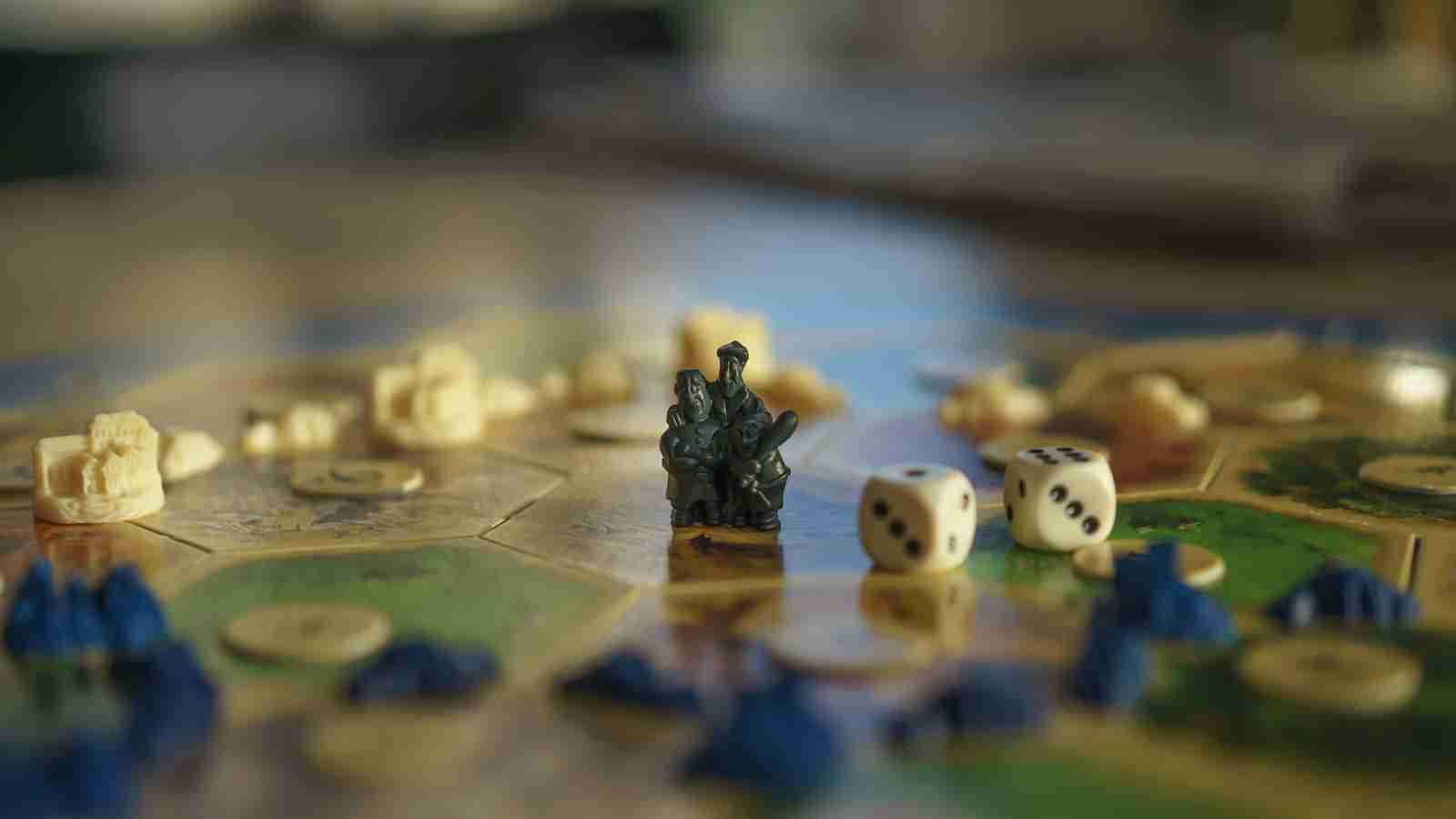
From Screens To Sorrow: The Impact Of Gaming On Children’s Resilience
By Tom Seest
At HowDoYouGame, we help people who love board games by collating information and news about games.
Be sure to read our other related stories at HowDoYouGame to learn more about games.
Is Gaming Altering How Kids Cope with Bitter Disappointments?
Picture this: a young gamer, controller in hand, on the brink of finishing a challenging level. Sweat beads on their forehead, confidence surges, and then, just like that, a sudden twist—a monumental failure. The mission crumbles, the avatar collapses, and all those hours invested seem to vanish in an instant. Yet, rather than crumpling under the weight of disappointment, many kids bounce back, rewinding the game, recalibrating their strategies, and diving back in. This is resilience in action, shaped by the world of gaming.
Welcome to the era of gamification—the brilliant twist of transforming mundane tasks into engaging experiences. It’s not just about high scores or flashy graphics; it’s about cultivating a mindset that’s prepared to embrace setbacks and learn from them. Video games present failure as a stepping stone rather than a dead end. In many ways, they perform an incredible service for today’s youth: they teach that losing isn’t failure; it’s an invitation to reflect, adapt, and try again.
But what does this mean for how kids face real-world disappointments? As the lines blur between the digital and physical arenas, today’s young people are finding themselves equipped with tools that encourage them to tackle challenges head-on. When they miss out on a coveted spot on the soccer team or face academic setbacks, these kids often draw from the experiences they’ve had in virtual arenas. They ask themselves: What went wrong? How can I approach this differently? They’re learning to pivot in the face of adversity, fostering a tenacity that might surprise their parents.
This newfound resilience can encourage open conversations about disappointment, allowing kids to express their feelings rather than bottle them up. It creates a natural bridge for parents and guardians to engage, providing opportunities to share wisdom and personal experiences, all while reinforcing that it’s okay to stumble. After all, everyone encounters challenges—both in games and life—and it’s how we respond that shapes our journey.
So next time you see your child deep in the virtual fray, don’t just view it as mere entertainment. Recognize those moments as critical lessons in perseverance and grit. They’re not just playing; they’re preparing for the real world, one gaming session at a time. After all, if a little sprite can power through level after level, just think what our kids might handle when they face life’s bitter disappointments.

Is Gaming Altering How Kids Cope with Bitter Disappointments?
Is Gaming Altering How Kids Cope with Bitter Disappointments?
- A young gamer experiences a monumental failure while attempting to finish a challenging level.
- Resilience is demonstrated as kids recalibrate strategies and dive back into the game after setbacks.
- Gamification transforms mundane tasks into engaging experiences, promoting a growth mindset.
- Video games teach that failure is a stepping stone, encouraging reflection and adaptation.
- Children learn to tackle real-world disappointments by applying lessons from gaming experiences.
- This resilience fosters open conversations about disappointment, allowing for emotional expression.
- Gaming becomes a critical lesson in perseverance and grit, preparing kids for real-life challenges.

Is Gaming Altering How Kids Cope with Bitter Disappointments?
Table Of Contents
- Is Gaming Altering How Kids Cope with Bitter Disappointments?
- Is Gaming Reshaping Emotional Resilience In Children?
- How Do Games Provide Coping Mechanisms For Kids?
- What Role Do Video Games Play In Processing Failure?
- Are Children Learning To Handle Disappointment Through Gaming?
- How Does Gaming Influence Interpersonal Relationships With Peers?
- Can Gaming Lead To Avoidance Of Real-Life Challenges?
- What Psychological Impacts Arise From Gaming During Tough Times?
- Conclusion
- Other Resources
- Glossary Of Terms
- Other Questions
- Haiku
- Poem
- Checklist
Is Gaming Reshaping Emotional Resilience In Children?
When we think about childhood, we often picture a world filled with playgrounds, treehouses, and the occasional scraped knee. But flip open a screen today, and you’ll see our kids immersed in a different sort of playground—one teeming with vivid graphics, complex narratives, and the kind of challenges that require not just skill, but also emotional innovation. This isn’t merely a passive form of entertainment; it’s a revolution in how children experience failure and triumph, and it’s reshaping emotional resilience in ways we might not fully grasp yet.
Enter *gamification*, the delightful practice of applying game-like elements in non-game contexts. Imagine a child striving to level up in a digital realm, where every failure is a stepping stone rather than an ending. Unlike the traditional failures we faced—like not making the team or being left out at recess—these kids can fail, learn, and gear up for another round with a mere click. By embedding lessons in their play, games are teaching resilience in a way that’s dynamic and engaging.
Think about it: in many popular games, players face insurmountable obstacles or fierce competitors in a way that mirrors real life. They must strategize, collaborate, and sometimes even accept defeat, only to bounce back stronger. What’s more, through this process, kids acquire tools to handle disappointment and develop grit, allowing them to approach their academic challenges or social interactions with a fresh perspective.
Consider the budding problem-solver who, after hours of gameplay, discovers that perseverance pays off. Each challenge they tackle teaches them how to embrace perseverance and patience—essential skills that will serve them well beyond the digital domain. This newfound perspective cultivates grit, fosters cooperation with peers, and encourages a richer understanding of their own emotions. As kids engage in this continuous cycle of trial and error, they’re not just playing; they’re building a toolbox for life.
So, the next time you glance over at a child deeply engaged in a gaming session, know that they’re honing skills that are far more than just finger agility. They’re crafting emotional resilience, one quest at a time. Let’s recognize the value in this vibrant, intricate world, not just as a form of entertainment, but as a new frontier for helping our youngsters thrive in an ever-changing landscape. After all, when it comes to building resilience, there’s plenty more than meets the eye.

Is Gaming Reshaping Emotional Resilience In Children?
Is Gaming Reshaping Emotional Resilience In Children?
- Childhood experiences are evolving from traditional play to immersive digital environments.
- Gamification introduces game-like elements in non-game contexts, fostering emotional innovation.
- Children learn resilience by viewing failures as opportunities for growth, unlike traditional experiences of failure.
- Popular games require players to strategize and overcome obstacles, paralleling real-life challenges.
- Gameplay teaches perseverance and patience, equipping kids with essential life skills.
- Engagement in gaming cultivates grit and encourages cooperation among peers.
- Gaming is more than entertainment; it is a developmental tool for building emotional resilience.

Is Gaming Reshaping Emotional Resilience In Children?
How Do Games Provide Coping Mechanisms For Kids?
Life can be a rollercoaster ride for kids, filled with unpredictable highs and lows. While they navigate the twists and turns of growing up, many find solace and strength in the world of games. It’s not just about escaping reality; it’s about diving into a realm where they can explore, express, and even confront their emotions.
At its core, gamification plays a significant role in this journey. It turns ordinary activities into exciting challenges that engage a child’s innate curiosity and desire to succeed. When kids tackle a difficult level or outsmart a tricky opponent, they’re not just playing—they’re building resilience. Each victory, no matter how small, becomes a building block in their arsenal against life’s challenges. It fosters a sense of accomplishment that can translate into everyday tasks.
Moreover, games teach kids the art of problem-solving. Whether they’re strategizing to defeat a video game boss or collaborating with friends in online arenas, they’re learning to think critically and adapt to changing scenarios. This hands-on experience empowers them to tackle real-life challenges with a newfound confidence. After all, if they can outsmart a digital opponent, can they not face down a tough homework assignment or social situation?
Let’s not forget the emotional outlets games provide. For many young players, characters become a safe space for channeling their feelings. They can embody a fearless hero or a mischievous trickster, all while processing their own emotions from a safe distance. This narrative immersion allows children to reflect on their own lives without directly confronting uncomfortable feelings. It’s a clever way of easing the burden of stress and anxiety that might loom too large in their day-to-day lives.
Finally, let’s consider the sense of community that gaming can foster. Online or offline, players connect with others, share experiences, and often form friendships that provide support during tough times. In a world that can sometimes feel isolating, these connections remind kids that they’re not alone in their struggles. They begin to build social skills, learn empathy, and realize that collaboration can lead to triumph—not just in games, but in life itself.
In a nutshell, games are more than just entertainment—they’re valuable tools for helping kids cope, grow, and thrive in an ever-changing world. With every game played, they’re reminded that resilience is just another level to unlock.

How Do Games Provide Coping Mechanisms For Kids?
How Do Games Provide Coping Mechanisms For Kids?
- Life is unpredictable for kids, and many find solace in gaming as a means to cope with their emotions.
- Gamification turns ordinary activities into engaging challenges, building children’s resilience through accomplishments.
- Playing games enhances problem-solving skills as children strategize and adapt to various challenges.
- Games provide emotional outlets, allowing children to channel feelings through characters in immersive narratives.
- Gaming creates a sense of community, fostering connections and friendships that offer support and reduce isolation.
- Through gaming, kids learn empathy, social skills, and the importance of collaboration for success both in games and life.
- Overall, games are valuable tools that aid children in coping, growing, and thriving in a changing world.

How Do Games Provide Coping Mechanisms For Kids?
What Role Do Video Games Play In Processing Failure?
When you think about video games, what comes to mind? For many, it’s an escape, a chance to dive into worlds teeming with adventure, challenge, and yes, even failure. But hold on a minute—what if I told you those moments of defeat might actually be doing more good than harm? Video games, especially through a concept called gamification, can become powerful tools for processing failure, helping us learn and grow in ways that life outside the screen often struggles to match.
Picture this: you’re battling a tough boss in a role-playing game. You’ve strategized, you’ve powered up your character, and yet, despite your best efforts, you get wiped out. Frustrating? Absolutely. But instead of throwing your controller against the wall, you hit ‘restart.’ Why? Because in the world of gaming, failure isn’t a dead end; it’s just a part of the journey—a stepping stone toward mastery.
Gamification takes this idea a step further. It’s about harnessing the engaging elements of gaming—like points, levels, and challenges—to turn mundane tasks into something more meaningful. Suddenly, failure transforms into a feedback loop, where each setback is an opportunity for improvement. You learn how to approach challenges differently, make adjustments, and grow in resilience. Throughout this process, you’re not just developing skills relevant to the game; you’re also building a mindset that can help you tackle failures in the real world.
Now, let’s face it—life is full of obstacles. Whether it’s a job application that didn’t pan out, a relationship that fizzled, or a personal goal that slipped through your fingers, the sting of failure can hit hard. Yet, when you draw parallels from your gaming experiences, you can begin to shift your perspective. The first attempt at anything—be it slaying a dragon or facing life’s hurdles—rarely leads to immediate success. It’s the retries that build confidence and expertise.
So the next time you find yourself on the losing end—be it on-screen or off—remember those gaming lessons. Embrace the setbacks, learn your strategies, and settle in for the long haul. After all, just like in your favorite video games, it’s all part of the adventure, and every failure is just another level to conquer.

What Role Do Video Games Play In Processing Failure?
What Role Do Video Games Play In Processing Failure?
- Video games offer an escape into adventurous worlds filled with challenges and failures.
- Failures in gaming can be beneficial, serving as learning experiences rather than dead ends.
- Gamification utilizes gaming elements like points and levels to make mundane tasks more engaging and meaningful.
- Each setback in games acts as a feedback loop that promotes resilience and skill development.
- Life presents various obstacles, and gaming experiences can help shift perspectives on failure.
- Retries and learning from failures build confidence and expertise, both in games and real-life situations.
- Embracing setbacks is part of the journey; every failure is an opportunity to progress and conquer new levels.

What Role Do Video Games Play In Processing Failure?
Are Children Learning To Handle Disappointment Through Gaming?
Kids today are growing up in an era where disappointment doesn’t just knock on the door; it practically waltzes right in, often cloaked in pixelated armor and wielding a controller. Who can blame them? With gaming taking center stage in their lives, the question arises: are they learning to handle disappointment through the very medium that captivates their attention?
Let’s take a closer look at it. Most video games are designed around the concept of gamification, a fancy term for turning tasks into engaging games. Imagine a child building their character, leveling up after countless attempts, and unlocking rewards for perseverance. Each setback—whether it’s falling short in a race or getting outsmarted by a virtual opponent—becomes an opportunity for learning. Instead of just throwing their hands up in frustration, kids often see these setbacks as stepping stones rather than dead ends, framing each loss as another chance to level up in life.
There’s something incredibly powerful about a child realizing that every failure in a game can be analyzed, strategized, and overcome. They learn to adapt their strategies, they develop resilience, and they cultivate a mindset that welcomes challenges. This isn’t just a lesson in gaming; it’s applicable in school, friendships, and even family dynamics. In a world that is increasingly immediate—think of the instant gratification of a well-deserved pizza delivery—this ability to delay gratification and work through hard times is a gem of a skill.
Now, let’s not kid ourselves; gaming has its pitfalls, too. Screen time can become a crutch, and there’s a risk of prioritizing the virtual over reality. But for many children, video games are not just entertainment; they are a workshop for emotional intelligence. They learn empathy through teamwork, strategy through competition, and above all, they learn to get back up after a stumble.
Parents, educators, and mentors can lean into this opportunity. By engaging with kids about their gaming experiences, discussing frustrations and victories alike, they can reinforce those lessons learned in-game. Encourage kids to share their “game” strategies for real-life challenges; it might just spark inspiration in everyone involved. Ask them how they’ll handle the next disappointment, using gaming as a backdrop. Because, in every realm of life, the ability to bounce back is the true mark of success.

Are Children Learning To Handle Disappointment Through Gaming?
Are Children Learning To Handle Disappointment Through Gaming?
- Kids today face frequent disappointments often linked to video gaming culture.
- Video games are designed using gamification, transforming tasks into engaging challenges.
- Setbacks in games allow children to view failures as chances to learn and improve.
- Through gaming, children develop resilience and a strategic mindset towards challenges.
- Gaming encourages delayed gratification and helps kids work through tough situations.
- Despite potential pitfalls, gaming serves as a platform for emotional intelligence and learning empathy.
- Parents and mentors can enhance lessons from gaming by discussing experiences and strategies with children.

Are Children Learning To Handle Disappointment Through Gaming?
How Does Gaming Influence Interpersonal Relationships With Peers?
Picture this: a group of friends gathered around a screen, controllers in hand, under a blanket of friendly banter and playful jabs. What starts as a casual gaming session soon morphs into a bonding experience that transcends the digital realm. This is where the magic of gaming happens, a space where friendships are forged and interpersonal relationships bloom, often through the art of gamification—a fancy term that’s been thrown around a lot lately but essentially captures the essence of making activities more fun and engaging through game-like elements.
Let’s face it, in our fast-paced world, finding common ground can sometimes feel like navigating a minefield. But when you throw gaming into the mix, things change. There’s something almost universal about the shared excitement of a well-timed move or the collective sigh of despair when a game takes an unexpected turn. This shared experience can break down barriers and weave the threads of camaraderie. Those late-night gaming marathons don’t just boost your win-loss record; they create stories you talk about for years, like the time Kevin missed the jump and sent your character flying off the map, or when Sarah pulled off that epic save just under the wire.
But the influence of gaming goes beyond just laughs and ‘you-had-to-be-there’ moments. It fosters teamwork and collaboration. Many games require players to strategize, communicate, and work together towards a common goal. These dynamics can strengthen trust and help you develop problem-solving skills with your peers. Whether you’re navigating treacherous dungeons or racing against the clock, the stakes might be digital, but the lessons are very real.
Moreover, the rise of online multiplayer games has opened a floodgate of connections, bringing together people from vastly different walks of life. It builds bridges, not just between friends, but across entire communities. You might hop into a match with someone halfway around the globe—someone who shares your passion and enthusiasm, despite cultural differences. Through gamification, friendships can blossom into collaborations that extend far beyond the screen, inspiring real-life meetups and greater understanding of different perspectives.
So, whether you’re a seasoned gamer or just starting your journey, consider using this platform to strengthen your bonds with peers. After all, games are more than just a pastime; they’re a gateway to creating meaningful relationships in a world that often seems increasingly disconnected. Jump in, connect, and watch as your circle of friends expands. Because in the grand online arena, everyone has a part to play.

How Does Gaming Influence Interpersonal Relationships With Peers?
How Does Gaming Influence Interpersonal Relationships With Peers?
- A casual gaming session can transform into a strong bonding experience among friends.
- Gaming provides a shared excitement that fosters camaraderie and breaks down barriers.
- Memorable moments during gaming create lasting stories and shared history.
- Games enhance teamwork and collaboration, developing trust and problem-solving skills.
- Online multiplayer games connect people from diverse backgrounds and cultures.
- Gamification of activities promotes real-life friendships and collaborations beyond the screen.
- Engaging in gaming offers opportunities to form meaningful relationships in a disconnected world.

How Does Gaming Influence Interpersonal Relationships With Peers?
Can Gaming Lead To Avoidance Of Real-Life Challenges?
Can Gaming Lead to Avoidance of Real-Life Challenges?
Let’s face it—videogames can be downright seductive. With their colorful worlds, engaging storylines, and instant rewards, it’s no wonder so many people find it easier to dive into a digital fantasy than confront the sometimes gritty demands of our everyday lives. This phenomenon, often referred to as gamification, has crept into all corners of our existence, transforming mundane tasks into playful challenges. While there’s no denying the appeal—who wouldn’t want to turn yard work into a points-based scoring system?—we have to ask ourselves: at what cost?
Imagine a Tuesday evening spent holed up in the living room, controller in hand, conquering virtual foes while the real-world laundry piles up and the dishes desperately plead for attention. It’s a scenario that countless people can relate to, one where achievements in the virtual realm provide an exhilarating rush, contrasted sharply with the mundane reality waiting just outside the door. While gaming can be a great stress reliever, there can also be an insidious edge to this escape. It’s easy to lose track of what truly matters, finding ourselves sidestepping real-life challenges under the weight of a lush, interactive landscape.
Now, I’m not saying there’s inherently anything wrong with gaming. The skills acquired in these fantastical pursuits can translate into real-world benefits: improved reaction times, sharper problem-solving abilities, and even enhanced teamwork through multiplayer interactions. Yet, we must tread cautiously. The thrill of leveling up in a game can sometimes mask the deeper responsibility of leveling up in life.
Engaging with reality doesn’t have to be an all-or-nothing proposition. In fact, there’s a way to strike a balance. We can leverage the principles of gamification in our daily lives—turning tedious tasks into fun challenges without losing sight of our responsibilities. Next time you set out to tackle something difficult, infuse a little creativity. Set small rewards for yourself. Create challenges, and celebrate your victories—no matter how minor they might seem.
Embrace the notion that while gaming can stimulate and entertain, it’s important to ensure that the richness of life beyond the screen is not sidelined. Seize your day, tackle those challenges head-on, and remember that the real adventure often lies just around the corner—in the beautiful chaos that is life.

Can Gaming Lead To Avoidance Of Real-Life Challenges?
Can Gaming Lead To Avoidance Of Real-Life Challenges?
- Videogames provide an immersive escape from everyday life through colorful worlds and engaging storylines.
- Gamification transforms mundane tasks into playful challenges, making them more appealing.
- Excessive gaming can lead to neglect of real-world responsibilities, like chores and personal duties.
- While gaming can improve skills such as reaction time and problem-solving, it may distract from important life responsibilities.
- Finding a balance between gaming and real-life challenges is essential for personal growth.
- Incorporating gamification principles in daily tasks can make them more enjoyable and manageable.
- Embrace creative approaches to tackling difficulties in life, while appreciating the richness of experiences beyond the screen.

Can Gaming Lead To Avoidance Of Real-Life Challenges?
What Psychological Impacts Arise From Gaming During Tough Times?
In the heart of turmoil, when the world feels unsteady, many of us find ourselves turning to an unexpectedly steadfast ally: gaming. It’s not just about getting lost in another universe for a while; it’s about navigating our own emotions—an exhilarating blend of escape and therapy. Think of gaming as a sort of emotional gym. Just as we lift weights to strengthen our bodies, engaging with games helps to fortify our mental resilience during difficult times.
One of the most fascinating aspects of this phenomenon is gamification. This isn’t limited to video games alone; life itself has its challenges, and sometimes, we need that extra layer of motivation to take them head-on. Countless educational apps and productivity tools use gamification to transform mundane tasks into engaging challenges. They reward us with points, badges, or achievements, igniting that competitive spirit within us. In tough times, this can be a powerful motivator, pushing us to tackle our responsibilities in a way that feels less daunting. It transforms our struggles into missions, each completed task a small victory that builds our confidence.
Equally compelling is the way gaming fosters community. Whether it’s within sprawling online worlds or cozy couch co-ops, games invite connection like few other mediums can. Many people find solace in the camaraderie of a gaming group, the shared laughter, and the collective triumphs during a boss battle. It’s a reminder that we’re not alone in our experiences, that there are others right alongside us, each grappling with their own challenges, and seeking solace in shared adventures.
Moreover, gaming can serve as a safe space for exploring emotions. It allows us to confront discomfort, fear, or anxiety in a controlled environment. When a character faces a daunting choice or overcomes a significant obstacle, it resonates with our own lives, providing us with both insight and perspective. These narratives help us process our feelings, teaching us resilience as we vicariously experience triumph, failure, and everything in between.
So as you dive into your next gaming session, remember: it’s not just leisure—it’s a lifeline. Embrace it. Use it as a tool not merely for distraction but as a means to grow stronger, foster friendships, and come to terms with the chaotic tapestry of our lives. Through mindful gaming, we just might find the strength to tackle what lies ahead.
What Psychological Impacts Arise From Gaming During Tough Times?
What Psychological Impacts Arise From Gaming During Tough Times?
- Gaming acts as a steadfast ally during tumultuous times, providing both escape and emotional navigation.
- Engaging with games serves as an emotional gym, strengthening mental resilience similar to physical workouts.
- Gamification transforms challenges in life and productivity into engaging tasks through rewards like points and badges.
- Gaming fosters community, offering connection and camaraderie through shared experiences and challenges.
- It provides a safe space for exploring emotions, allowing players to confront fears and anxieties in a controlled environment.
- Narratives in games resonate with real-life challenges, teaching resilience through vicarious experiences of triumph and failure.
- Mindful gaming can be a lifeline, helping individuals grow stronger, build friendships, and navigate life’s chaos.

What Psychological Impacts Arise From Gaming During Tough Times?
Conclusion
As we wrap up our exploration of gaming and its impact on how kids cope with disappointment, let’s take a step back and appreciate the profound lessons lurking behind those glowing screens. You see, gaming isn’t merely a way for kids to pass the time; it’s evolving into a vital instructor in resilience, problem-solving, and emotional intelligence. Imagine a child facing multiple trials in a digital universe—each failure presenting a unique opportunity to adapt, strategize, and rebound. The beauty lies in gamification, where the traditional woes of growing up intersect with lessons embedded in play. When kids hit a wall in the gaming world, they don’t typically drown in frustration. No, they learn to hit “restart,” reassess their tactics, and dive back in, applying this mindset to the many challenges life throws their way—be it in school, sports, or relationships.
This resilience isn’t just a byproduct of hours spent leveling up characters or achieving high scores; it’s a foundation for success that manifests in how kids handle the real-life disappointments—those missed shots at team placements or unexpected academic hurdles. Video games teach our children that setbacks are not the end of the road but rather the beginning of a new adventure, compelling them to analyze what went wrong and plot their course moving forward.
Now, let’s face it: while there are undeniable benefits, there’s also the risk of retreating into those digital realms to avoid everyday responsibilities. Gaming can lure kids into a comfort zone, presenting an enticing escape from more mundane tasks or emotional challenges. But rather than vilifying gaming, we should embrace it as a platform to foster communication between parents and children. By engaging in conversations about gaming experiences and lessons learned, we can amplify the positive impacts and mitigate the negatives.
So, next time you see a child battling fierce competition or navigating intricate storylines, remember that they’re not just playing; they’re learning. They’re developing grit, fostering relationships, and cultivating a mindset that prepares them for the unpredictable journey of life. Gaming is more than just fun—it’s a training ground for resilience. In a world where challenges are often met with resistance, let’s appreciate this digital age gift and encourage our kids to keep pushing through, level after level, as they prepare to tackle whatever life throws their way.

Conclusion
Conclusion:
- Gaming serves as a vital instructor in resilience, problem-solving, and emotional intelligence for children.
- Children learn to adapt and strategize through failures in digital universes, fostering a growth mindset.
- Gamification allows kids to face traditional challenges of growing up while embedding important life lessons.
- Experiencing setbacks in games teaches children that failures are opportunities for new adventures.
- While gaming has benefits, it can also lead to avoidance of real-life responsibilities and challenges.
- Engaging parents in conversations about gaming can amplify its positive impacts and minimize negatives.
- Overall, gaming prepares children for life’s unpredictable journey by developing grit and resilience.

Conclusion
Other Resources

Other Resources
Here is a list of other resources you can review online to learn more:
- A Feast for Odin
- Instapaper
- Uno
- Kosmos
- Hive
- 7 Wonders Duel
- Boss Monster
- Spirit Island: Branch & Claw Expansion
- Great Western Trail
- Piatnik
Use This Prompt To Get More Resources With Your Favorite Online AI Tool: Please provide me with a list of online articles with their URLs in a bulleted list that I can read regarding Is Gaming Altering How Kids Cope with Bitter Disappointments?

Other Resources
Glossary Terms
Is Gaming Altering How Kids Cope with Bitter Disappointments? – Glossary Of Terms
1. Gaming: Interactive electronic entertainment that can be played on various platforms, including consoles, PCs, and mobile devices.
2. Coping Mechanism: Strategies or techniques used by individuals to manage stress, disappointment, or emotional pain.
3. Disappointment: A feeling of sadness or frustration arising from the non-fulfillment of one’s hopes or expectations.
4. Resilience: The ability to recover quickly from difficulties; emotional strength to overcome adversity.
5. Virtual Reality (VR): A simulated experience that can be similar to or completely different from the real world, often used in gaming for immersive experiences.
6. Game Mechanics: The rules and systems that govern gameplay, influencing how players interact with the game and each other.
7. Emotional Regulation: The ability to monitor and manage one’s emotional responses to various situations, including disappointment.
8. Social Interaction: Engagement between individuals, which can be virtual (in-game) or physical (in-person), crucial for building relationships and coping strategies.
9. Achievement: Completing a goal or mastering a challenge, often within a game, which can boost self-esteem and provide a sense of success.
10. Escapism: The tendency to seek distraction and relief from unpleasant realities, often through gaming, which can sometimes lead to avoidance of dealing with issues.
11. Intrinsic Motivation: Engaging in an activity for its own sake, deriving satisfaction from the activity itself, such as gaming to enjoy the experience rather than for external rewards.
12. Social Learning: A theory proposing that people learn behaviors through observation and imitation of others, which can include behaviors learned through online gaming communities.
13. Digital Literacy: The ability to effectively and critically navigate, evaluate, and create information using digital technologies, important for understanding gaming environments.
14. Grief Play: A form of gaming that can help individuals deal with loss or disappointment, providing a space to explore emotions safely.
15. Failure Tolerance: The capacity to accept and learn from failure, an essential part of growth in both gaming and real-life situations.
16. Feedback Loops: Mechanisms within games that provide players with feedback on their actions, helping them adjust and improve their skills.
17. Co-Op Gaming: Cooperative gaming experiences where players work together towards a common goal, promoting teamwork and social skills.
18. Game Design: The process of creating the content and rules of a game, which can influence how players cope with challenges and setbacks.
19. Character Identification: The process of players relating to or projecting themselves onto characters within a game, which can affect their emotional responses to failure or success.
20. Online Communities: Groups formed around shared interests in gaming, providing support networks that can help children cope with disappointment.
21. Achievement Unlocked: A term used in gaming when a player reaches a specific objective or milestone, providing a sense of accomplishment.
22. Motivational Framework: A structure that outlines how different motivations contribute to engagement and performance, including in gaming scenarios.
23. Gaming Addiction: A condition where an individual becomes excessively preoccupied with gaming, potentially leading to negative impacts on daily functioning and emotional health.
24. Narrative Engagement: The emotional involvement of players in a game’s story, which can help them process their own experiences of disappointment.
25. Cognitive Dissonance: The mental discomfort experienced when holding two conflicting ideas, which can arise in gaming contexts when expectations and reality don’t align.
26. Skill Development: The process of improving abilities through practice and experience, often accelerated by challenges faced in gaming.
27. Timeout Mechanism: A feature in games that allows players to take breaks after frustration, promoting emotional reflection and coping.
28. Player Agency: The sense of control and impact a player feels within the gaming environment, influencing their emotional responses to success and failure.
29. Gamification: The application of game-like elements in non-gaming contexts to enhance engagement and help with motivation, which could include coping with disappointments.
30. Behavioral Modeling: Learning and imitating behaviors observed in games, which can influence how children handle setbacks and challenges in real life.

Glossary Of Terms
Other Questions
Is Gaming Altering How Kids Cope with Bitter Disappointments? – Other Questions
If you wish to explore and discover more, consider looking for answers to these questions:
- What specific skills do children develop through gaming that enhance their resilience?
- How can parents effectively engage with their children about their gaming experiences?
- Are there particular types of games that are more beneficial for emotional resilience?
- What are the potential negative effects of gaming on children’s ability to cope with disappointment?
- How does gamification influence children’s approach to academic challenges?
- Can gaming lead to social withdrawal, and if so, how can parents address this?
- What role do educational games play in building resilience compared to traditional video games?
- How can parents ensure a balance between gaming and real-life responsibilities?
- In what ways do different gaming genres impact emotional development differently?
- What research supports the connection between gaming and emotional resilience in children?

Other Questions
Haiku
Is Gaming Altering How Kids Cope with Bitter Disappointments? – A Haiku
Gaming teaches children,
Through wins and losses, they learn—
Resilience is key.

Haiku
Poem
Is Gaming Altering How Kids Cope with Bitter Disappointments? – A Poem
A Game of Resilience
In a world where screens illuminate the night,
Kids wield controllers, in realms of digital light.
With each level conquered, and every foe they face,
They learn that disappointment’s not a lost race.
When defeat looms large, like a shadow so stark,
They hit restart, igniting the spark.
Failures transform into lessons profound,
A mindset of grit in this playground found.
In pixels and play, they discover their stride,
Each setback a chance, and each loss a guide.
As they strategize moves in a virtual spree,
They’re preparing for life’s bittersweet glee.
From soccer teams missed to grades that fall short,
They draw on their battles, their newfound sport.
Talking of feelings, exploring in light,
Creating connections to bolster their might.
With every challenge faced in a fantasy realm,
They build emotional tools, ready at the helm.
The joy of collaboration, the pain of defeat,
In games, they find solace, and often, sweet heat.
Yet beware the seduction of digital bliss,
For reality waits with chores that persist.
Let’s bridge the worlds, let gaming inspire,
To take on our lives, fueled by that fire.
So here’s to the players, the dreamers, the bold,
In each quest for progress, let their stories be told.
For through laughter and loss, in each glitch and win,
They learn to embrace the life they live in.
In this game of resilience, they rise with a grin,
Ready to conquer what lies just within.
For every adventure, both virtual and real,
Shapes the hearts of our youth, their courage, their zeal.

Poem
Checklist
Is Gaming Altering How Kids Cope with Bitter Disappointments? – A Checklist
Checklist: Supporting Children’s Resilience Through Gaming
This checklist aims to help parents and guardians foster resilience in children through their gaming experiences. Use this guide to encourage healthy gaming habits and discussions about coping with disappointment.
Understanding Gaming’s Role in Resilience
_____ Recognize Learning Moments: Acknowledge that gaming failures can teach resilience. Discuss these lessons with your child.
_____ Identify Positive Outcomes: Encourage your child to reflect on what they learned from setbacks in games (strategy adjustments, teamwork, etc. ).
Encouraging Open Communication
_____ Discuss Gaming Experiences: Ask your child about their gaming sessions. What challenges did they face? How did they overcome them?
_____ Share Personal Experiences: Talk to your child about your own disappointments and how you coped, creating a safe space for sharing feelings.
Gamification of Everyday Tasks
_____ Integrate Gamification into Real Life: Create fun challenges for daily chores (like earning points for completing tasks) to mimic the gaming experience.
_____ Celebrate Small Victories: Reinforce accomplishments in both gaming and real-life tasks to build a sense of achievement.
Building Problem-Solving Skills
_____ Encourage Strategy Discussions: After gaming sessions, discuss strategies that worked or didn’t work, fostering critical thinking and adaptability.
_____ Apply Game Lessons: Relate gaming challenges to real-life situations (homework, sports, friendships) where strategy and learning are applicable.
Foster Emotional Intelligence
_____ Use Characters to Explore Feelings: Discuss character experiences in games that mirror your child’s feelings. This can be a way to process their emotions safely.
_____ Encourage Empathy: Engage in conversations about teamwork and collaboration in games to strengthen understanding of others’ perspectives.
Managing Screen Time
_____ Set Time Limits: Balance gaming with other activities, ensuring that it does not interfere with responsibilities or social interactions.
_____ Promote Variety of Activities: Encourage your child to engage in offline activities that also teach resilience, such as sports, arts, or group projects.
Community Building
_____ Facilitate Friendships Through Gaming: Encourage gaming as a social activity that helps build connections, but also emphasize the importance of face-to-face interactions.
_____ Join Gaming Sessions Together: Play games as a family to foster engagement and discuss experiences collectively.
Mindful Gaming Practices
_____ Monitor Gaming Content: Ensure that games are age-appropriate and encourage positive themes related to resilience and coping.
_____ Reflect on Gaming Sessions: After gaming, have your child share their thoughts on their feelings during the game—what made them happy or frustrated?
Engage in Follow-Up Conversations
_____ Discuss Real-Life Challenges: Relate game challenges back to real-life scenarios, asking how they would handle similar situations in life.
_____ Encourage Continuous Learning: Reinforce that perseverance and resilience learned through gaming can be applied beyond the screen.
By following this checklist, you can help your child navigate both the challenges of gaming and real life, equipping them with the resilience necessary to cope with disappointments effectively.

Checklist
At HowDoYouGame, we help people who love board games by collating information and news about games.
Be sure to read our other related stories at HowDoYouGame to learn more about games.