The Evolving Relationship Between Generations And Technology
By Tom Seest
At HowDoYouGame, we help people who love board games by collating information and news about games.
Be sure to read our other related stories at HowDoYouGame to learn more about games.
Why Gen X Prefers Control While Gen Z Welcomes AI Surprise
When you look at the distinct generational shift from Gen X to Gen Z, you notice two different worlds of perception. For Gen X, control is a badge of honor. It’s the hard-earned knowledge that to be at the helm of your own ship is to steer through life’s turbulent waters with conviction and purpose. They’ve battled through the economic upheavals, job market shifts, and the chaotic rise of technology. Each challenge shaped their ethos: if you want it done right, you better get your hands dirty. For them, playing games is about strategy and understanding the rules to master the challenge. They expect outcomes that can be predicted and managed. Control isn’t just a preference; it’s a survival instinct.
Now, enter Gen Z—those young souls who’ve grown up with AI whispering in their ears, curating their playlists, suggesting their next binge-watch, and even powering their educational tools. For them, the surprise factor of AI isn’t just welcome; it’s exciting. They thrive on the unexpected, the spontaneity that technology can bring to their lives. When they play games, they’re not just looking to conquer; they’re there to explore, to discover novel narratives and experiences that twist and turn until they find the ending they never anticipated.
This generational divide isn’t just an age gap; it’s a reflection of how we’ve adapted to the world around us. The world’s become a faster place, a digital coliseum where information streams by at breakneck speed. For Gen Z, embracing AI technology isn’t a surrender of control, but rather a creative empowerment—a way to enhance their capabilities and embrace innovation in their daily lives. They are not just passive consumers; they are active participants in a narrative that is continuously evolving.
It’s essential to recognize the inherent ethics in this transition. One generation’s desire for stability doesn’t diminish another’s thirst for exploration. Both perspectives offer valuable insights into resilience and adaptability, reminding us that whether we cling to control or embrace the unknown, each approach has its rightful place in our collective story. Finding common ground will foster understanding and connection, ensuring that the journey forward incorporates the best of both worlds, guiding us toward a collaborative future where both Gen X and Gen Z can thrive.

Why Gen X Prefers Control While Gen Z Welcomes AI Surprise
Why Gen X Prefers Control While Gen Z Welcomes AI Surprise
- The transition from Gen X to Gen Z showcases two contrasting worldviews regarding control and technology.
- Gen X values control and sees it as essential for navigating life’s challenges, shaped by economic upheavals and technological changes.
- For Gen X, mastery involves strategy and understanding, expecting predictable and manageable outcomes.
- Gen Z, having grown up with AI, finds excitement in spontaneity and the unexpected, valuing exploration over strict mastery.
- The generational divide reflects adaptation to a faster, more digital world, where Gen Z views AI as a tool for creative empowerment.
- Both generations have unique strengths: Gen X’s stability and Gen Z’s thirst for exploration, enriching our collective narrative.
- Finding common ground between generations can foster understanding and connection, guiding us toward a collaborative future.

Why Gen X Prefers Control While Gen Z Welcomes AI Surprise
Table Of Contents
- Why Gen X Prefers Control While Gen Z Welcomes AI Surprise
- What Feelings Arise When We Think About Losing Control Over Our Lives?
- How Do We Balance Our Need for Certainty with the Potential Of Ai?
- What Social Pressures Compel Gen Z to Embrace AI While Gen X Resists?
- What Fears Drive Gen X’S Desire For Control Over Technology?
- How Does Ai Reshape Our Understanding Of Trust Between Generations?
- In What Ways Can Ai Enhance Creativity For Gen Z While They Work?
- How Might Gen X’S Experiences Influence Their View Of Ai Advancements?
- Conclusion
- Other Resources
- Glossary Of Terms
- Other Questions
- Haiku
- Poem
- Checklist
What Feelings Arise When We Think About Losing Control Over Our Lives?
What feelings arise when we think about losing control over our lives? Well, let me tell you; it’s like staring into a void where the ground beneath your feet turns to quicksand. Imagine the gnawing anxiety that creeps in, like an unwelcome guest at a party, making you question every decision you’ve ever made. It’s the kind of fear that shakes you to your core, a raw reminder of our vulnerability.
This isn’t just idle musings—it’s the human experience, shared by everyone from the boardroom to the break room. When our lives feel like a game being played by unseen hands, we long for something solid to hold onto. We want control. That’s what makes it so painful when we grapple with uncertainty; it’s an ethical dilemma that forces us to confront what truly matters. We weigh our freedom against the precariousness of life itself.
Rationally, we know we can’t control everything. The weather, other people’s actions, the economy—all these external forces remind us that we are mere players in a grand game. But still, when faced with such uncertainty, we fight tooth and nail for the little things we can control—our time, our choices, our paths. It’s a gut reaction that springs from a deep-seated instinct for survival.
But here’s the catch: you’re not alone. Our struggles connect us in a very visceral way. When someone shares their own story of loss and recovery, it resonates; it becomes part of a larger narrative that reminds us we’re all in this together. No one has it all figured out, and that’s okay. In those moments when control slips through our fingers, we often find clarity—an understanding that true strength isn’t just in holding on, but also in letting go.
Consider the people around you—the friends, the family, the colleagues. Each of them faces their own battles with control and chaos. It fosters a bond, doesn’t it? Your shared experiences can create a safe space where vulnerability becomes a collective strength. Acknowledging our fears and engaging in conversations about them isn’t just cathartic; it builds trust. So let’s open our hearts and our minds to those feelings. Embrace them, for in the chaos of life lies a chance for growth, connection, and understanding.

What Feelings Arise When We Think About Losing Control Over Our Lives?
What Feelings Arise When We Think About Losing Control Over Our Lives?
- Feeling of losing control manifests as anxiety and fear of vulnerability.
- Experience of uncertainty is universal, felt by everyone in various aspects of life.
- Desire for control intensifies when faced with the unknown.
- We rationally acknowledge the limits of our control over external factors.
- Instinctively, we cling to the small aspects of our lives we can manage.
- Sharing struggles fosters connection and reminds us we’re not alone.
- Embracing vulnerability can lead to growth, trust, and deeper relationships.

What Feelings Arise When We Think About Losing Control Over Our Lives?
How Do We Balance Our Need for Certainty with the Potential Of Ai?
Life often feels like a game, doesn’t it? Each decision we make unfolds on a board filled with unknowns, where every roll of the dice can lead to triumph or turmoil. When it comes to the advancing world of AI, the need for certainty tugs at our hearts, urging us to move cautiously. We clutch our certainties—our jobs, our traditional ways of thinking—like pieces in a cherished game we know how to play. Yet, here stands our potential in AI, beckoning us to step beyond our comfort zones.
When we look at AI, let’s not forget its roots—these aren’t just numbers crunching in some cold machine; these are tools crafted by dedicated hands and imaginative minds. Ethical questions swirl like autumn leaves: How can we harness this technology without compromising our values? The heart aches for connection, for the human touch that can sometimes feel lost in the algorithms. It’s a balancing act, one that invites us to consider what makes us truly human and what enhances our collective journey.
Engagement with technology requires a leap of faith. Can we embrace AI not as a replacement but as a partner in our growth? Imagine a world where AI handles the mundane, freeing us to pursue richer, more meaningful endeavors. That’s not just a dream; it’s a narrative unfolding right before our eyes. Picture your neighbor, an artist, who uses AI to explore uncharted territories of creativity, crafting pieces with an emotional depth unimaginable alone. Socially, this evolution cultivates collaboration—humans and machines moving forward together.
The potential of AI stirs not only rational consideration but also emotional resonance. It compels us to ask tough questions about our roles in this evolving landscape. Do we shy away from the unknown, or do we strive to understand and coexist? The authority of our choices lies wrapped in courage, trust, and the knowledge that we don’t have to walk this path alone.
There’s a powerful call to action here. Let’s engage with AI by becoming part of the conversation. Attend local forums, share ideas, or simply start discussions around the dinner table. This isn’t just about technology; it’s about shaping the future together—one step, one game, one decision at a time. The balance of certainty and potential lies in our willingness to keep playing. Let’s play to win, hand in hand with innovation, while holding fast to our values.

How Do We Balance Our Need for Certainty with the Potential Of Ai?
How Do We Balance Our Need for Certainty with the Potential Of Ai?
- Life is likened to a game where decisions lead to uncertain outcomes, particularly with the rise of AI.
- People tend to cling to certainties such as jobs and traditional thinking while facing AI’s potential.
- AI is not just technology; it embodies human creativity and ethical considerations.
- Engaging with AI requires viewing it as a partner in personal and societal growth rather than a replacement.
- AI has the capacity to free individuals from mundane tasks, allowing for deeper creative pursuits and collaboration.
- The evolution of AI prompts critical questions about human roles, encouraging understanding and coexistence.
- Active participation in discussions about AI is vital for shaping the future collaboratively, balancing certainty with potential.

How Do We Balance Our Need for Certainty with the Potential Of Ai?
What Social Pressures Compel Gen Z to Embrace AI While Gen X Resists?
What drives Generation Z to embrace artificial intelligence while Generation X remains hesitant? It’s a story rooted deep in the fabric of their lives—an intricate interplay of social pressures and individual choices.
Imagine a high school classroom buzzing with the sounds of excitement. The Gen Z students are not just passing time; they’re mastering intricate AI tools to enhance their game design projects. They’re not intimidated; they crave the challenge. The thrill of crafting virtual worlds, coupled with instant access to technology, makes AI feel like a natural extension of their creativity. Every day, they see their peers using these tools to innovate, and that peer influence becomes the fuel that ignites their passion. It’s a powerful social signal: Join the wave, or risk being left behind.
Conversely, Gen X often views AI through a prism of skepticism—a tool that threatens jobs and complicates simple tasks. The stories they tell themselves are tinged with caution, informed by the turbulent economic landscape they’ve navigated. They remember when technology felt like a luxury—not a necessity. Many of them have built careers in fields where face-to-face interactions were paramount, a stark contrast to today’s hyper-digitized world.
Yet, it’s more complex than just fear or familiarity. Gen Z is driven not just by innovation, but by a strong ethical code. They are burdened by the weight of climate change, social justice, and global interconnectedness. Many see AI as a potential solution to these gargantuan problems, a tool for creating better futures through collaboration and efficiency. They want to harness technology to bridge gaps, level playing fields, and solve issues that previous generations seemingly did not.
However, the challenge lies in the narrative. While Gen Z boldly navigates this new landscape with enthusiasm and optimism, Gen X carries the anxiety of uncertainty, informing their reluctance to adopt AI. This disconnect generates tension—a generational divide born from contrasting narratives.
But what if we could bridge this gap? What if the seasoned insights of Gen X could mesh with Gen Z’s fearless embrace of AI? Imagine the possibility of fostering collaboration between generations, where wisdom and innovation coalesce. It’s not about the technology itself; it’s about the stories, the shared experiences, and the potential to create a better tomorrow—together.

What Social Pressures Compel Gen Z to Embrace AI While Gen X Resists?
What Social Pressures Compel Gen Z to Embrace AI While Gen X Resists?
- Generation Z embraces artificial intelligence (AI) due to their desire for creativity and innovation in technology.
- Gen Z students actively learn and use intricate AI tools in their projects, seeing technology as an essential part of their creative process.
- Peer influence plays a significant role in Gen Z’s acceptance of AI, motivating them to adopt new technologies for fear of being left behind.
- Generation X, in contrast, often views AI with skepticism, seeing it as a threat to jobs and an unnecessary complication in their lives.
- Gen X’s cautious perspective is shaped by their experiences in a less digitally-centric world, where face-to-face interactions were more valued.
- Gen Z is motivated by a strong ethical code, viewing AI as a potential solution to pressing global issues like climate change and social justice.
- Bridging the generational divide relies on fostering collaboration, where the insights of Gen X can merge with Gen Z’s innovative spirit for a better future.

What Social Pressures Compel Gen Z to Embrace AI While Gen X Resists?
What Fears Drive Gen X’S Desire For Control Over Technology?
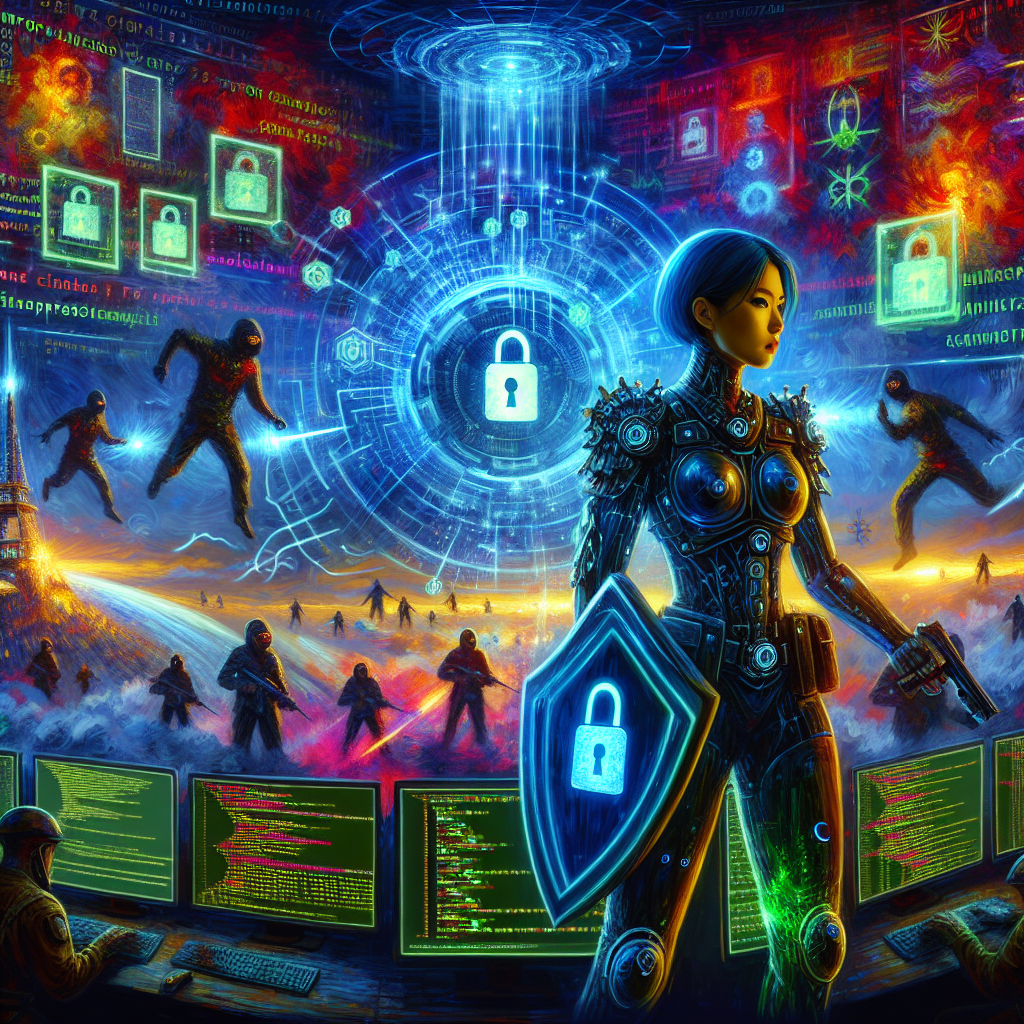
When you step into the shoes of Generation X, you find a cohort molded by a world in flux. Born when technology was just beginning to dance on the edge of the unknown, they are now grappling with the digital revolution that has rewritten the rulebook on everyday life. This desire for control over technology stems not only from a need for mastery but also from deeper fears, fears that echo through their lived experiences and resonate with their collective heart, head, and gut.
In a world that often feels like a vast, uncontrollable landscape of information overload, the anxiety of losing touch with reality can be paralyzing. Gen X has witnessed the rise of the internet, social media, and the omnipresent smartphone. They’ve seen the pitfalls that come with connectivity—fake news, cyberbullying, and privacy invasions. Who wouldn’t want to take the reins? Their need for control is more than just a preference; it’s a survival instinct rooted in the belief that being fully present and engaged in their lives matters, not only for themselves but for the generations that follow. This isn’t merely a tech debate; it’s about creating a legacy.
Rationally, the concerns are legitimate. With every online game played or social media post pinned, a piece of their identity is tucked away in the cloud, vulnerable to those who would exploit it. By reclaiming control, they act as guardians of their own narrative. It’s not just about staying tech-savvy; it’s about ensuring that their decisions resonate with their core values. This understanding fuels their passion for responsible tech use—understanding that each click is a choice that can either elevate or hinder their life’s path.
There’s also an ethical dimension at play. Generation X grew up with the ideals of hard work, responsibility, and accountability. They value authenticity and integrity, and they expect the same from technology and those who create it. This sense of moral obligation drives them to demand transparency and fairness in tech practices.
When you share these experiences, you bond over the struggles of navigating an often bewildering universe of bits and bytes. Connecting through those fears paves the way for a future wherein they can forge their technological landscape—one where control is not a privilege but a right, and where games played are within the confines of their own terms, balancing the thrill with a sense of responsibility. Embrace that fear and channel it, because you have the power to shape your digital destiny.

What Fears Drive Gen X’S Desire For Control Over Technology?
What Fears Drive Gen X’S Desire For Control Over Technology?
- Generation X is shaped by a rapidly changing world, particularly influenced by the digital revolution.
- Their desire for control over technology stems from both a need for mastery and deeper fears rooted in their experiences.
- They confront a landscape of information overload, leading to anxiety about losing touch with reality.
- Gen X has witnessed the rise of the internet, social media, and smartphones, along with associated issues like fake news and cyberbullying.
- Reclaiming control is not just a tech preference; it’s a survival instinct and a way to create a legacy for future generations.
- They value authenticity, integrity, and demand ethical practices in technology, driven by their ideals of hard work and accountability.
- By bonding over shared experiences, Generation X can shape their digital future where control is a right and responsibility is prioritized.
What Fears Drive Gen X’S Desire For Control Over Technology?
How Does Ai Reshape Our Understanding Of Trust Between Generations?
When we think about trust, we often conjure images of handshakes across generations—grandparents sharing wisdom with their grandchildren, parents instilling values in their children. But now, with the rise of artificial intelligence, we find ourselves navigating uncharted waters. AI is more than a collection of algorithms; it’s becoming a part of our stories, shaping our relationships and expectations around trust.
Imagine a grandparent teaching a child the nuances of life through engaging games. These games—whether board games or video games—often carry lessons far beyond entertainment. They offer strategic thinking, problem-solving, and collaboration, creating opportunities for generations to bond. With AI, these lessons can be amplified. The tech can adapt in real-time, offering unique challenges that resonate with a child’s specific learning style or emotional state. This adaptability fosters a sense of reliability, inducing a growing trust in both the technology and those who wield it.
Yet the heart of trust isn’t just in what AI can do; it’s about who we choose to trust. As AI integrates into our lives, we must ask ourselves ethical questions: Are we comfortable entrusting technology with sensitive data and our daily decisions? Here’s where the generational divide plays a part. Older generations might view AI with skepticism, while younger ones embrace it, often posting their triumphant moments using AI-driven apps on social media. The challenge then becomes how to bridge that gap, attuning both sides to the potential of AI while addressing concerns.
It’s important to acknowledge that trust is built on both authority and narrative. Authorities—be they parents, tech experts, or community leaders—play a crucial role in shaping perceptions. Narratives about AI can inspire a future where humans and machines work together for greater good, enhancing our capacity to learn from one another, rather than competing for trust.
Sharing stories about the real-world impact of AI can drive this connection. Picture a grandchild sitting alongside a grandparent, using a personalized AI tool to delve into the family history, unearthing stories that might otherwise have been lost. This relationship fosters a sense of confidence, not just in technology’s capabilities, but in each other. Recognizing that the core of trust — transcending generations — lies in our ability to connect meaningfully, even as digital innovations change the landscape around us, is what will ultimately redefine our understanding of the bonds we share.

How Does Ai Reshape Our Understanding Of Trust Between Generations?
How Does Ai Reshape Our Understanding Of Trust Between Generations?
- Trust often evokes images of generational handshakes and shared wisdom.
- The rise of AI is reshaping our understanding of trust in relationships.
- AI can enhance learning experiences through adaptive games suited to individual needs.
- We must question the ethics of trusting AI with sensitive information and decisions.
- A generational divide exists in perceptions of AI, with older generations often skeptical.
- Trust is built on authority and narrative, influencing how we view AI.
- Sharing real-world stories about AI’s impact can strengthen connections across generations.

How Does Ai Reshape Our Understanding Of Trust Between Generations?
In What Ways Can Ai Enhance Creativity For Gen Z While They Work?
In a world that often feels fragmented, artificial intelligence can play a pivotal role in stitching together the fabric of creativity for Gen Z, all while they navigate the hustle and bustle of work. Think of AI as your backstage crew, tirelessly supporting the front-line talent. It doesn’t just act as a tool; it becomes a partner in the creative process, unlocking potential where there seemed to be none.
Imagine you’re in the middle of a project, and your ideas start to fizzle. You stare blankly at your screen, wondering how to inject life into your vision. Enter AI—your digital brainstorm buddy that can churn out fresh concepts at the speed of thought. It offers suggestions, refines your ideas, and even predicts trends based on what resonates with your audience. For Gen Z, who grew up on interactive media and games, this partnership feels like merging the familiar with the innovative. Picture a brainstorming session that’s as dynamic as a video game, where every level unlocks new possibilities—this is the promise AI brings to the table.
Creativity isn’t just about making pretty pictures or catchy slogans; it’s about telling a story that connects with others. This generation thrives on authenticity and seeks to make an impact. When AI augments their creative efforts, it allows for a deeper exploration of narratives that resonate with their values and experiences. It’s a chance to tackle social issues, champion sustainability, or embrace diversity in ways that feel genuine and timely. The tools at their fingertips empower them not just to create but also to share their truth, amplifying their voice in a chorus of collective expression.
The ethical implications are equally crucial; AI can democratize creativity, making resources accessible to everyone, regardless of background. This technology helps level the playing field, inviting more diverse perspectives into the creative space. As they collaborate with AI, Gen Z stands at the helm of a revolution, actively shaping the future of work and creativity.
So, when the siren call of creativity beckons, and the weight of a world filled with challenges looms large, remember that AI isn’t just there to lighten the load—it’s there to spark joy in your creative endeavors. The future is bright, and it’s waiting for you to dance with it. Seize the opportunity, embrace the partnership, and let every idea flourish into something extraordinary.

In What Ways Can Ai Enhance Creativity For Gen Z While They Work?
In What Ways Can Ai Enhance Creativity For Gen Z While They Work?
- AI acts as a key partner in enhancing creativity for Gen Z, supporting their work amid a fragmented world.
- It serves as a digital brainstorm buddy, generating fresh ideas and refining concepts rapidly.
- AI’s predictive capabilities can identify trends that resonate with audiences, enhancing creative outputs.
- The partnership between AI and Gen Z is likened to an interactive gaming experience, fostering dynamic brainstorming.
- Creativity for Gen Z involves storytelling that connects with their values, tackling social issues and championing diversity.
- AI democratizes creativity by making resources accessible to diverse backgrounds, leveling the playing field.
- Embracing AI in creative pursuits allows Gen Z to amplify their voices and shape the future of work and creativity.

In What Ways Can Ai Enhance Creativity For Gen Z While They Work?
How Might Gen X’S Experiences Influence Their View Of Ai Advancements?
In the kaleidoscopic world of technology, the experiences of Generation X emerge as a crucial lens through which we can understand the shifting tides of artificial intelligence. This generation, often sandwiched between the analog childhood of the Baby Boomers and the digital savviness of Millennials, has navigated the swift currents of change like few others. They’ve witnessed firsthand the profound impact of innovation, from the clunky dial-up modems to sleek smartphones that fit snugly in a pocket. Yet, this journey has been punctuated by doubt and skepticism—an important dance of caution in a tech-driven age.
Gen X’s formative years were defined by the rise of video games, a phenomenon that revolutionized entertainment. Those Saturday afternoons spent mastering pixelated worlds were more than just games; they fostered problem-solving skills and illuminated the complexities of human interaction, albeit in a digital landscape. Now, as AI pushes boundaries in ways once relegated to science fiction, this generation is uniquely poised to decipher the nuances of these advancements. They understand the importance of balance, feeling a tug at the heart as they consider how AI might act like a second set of hands—but possibly at the expense of genuine human connection.
Rationally, Gen Xers have been the watchful guardians of ethical responsibility. They are wary of technology running amok, having witnessed workplace changes that favored machines over people. These experiences cultivate a healthy skepticism toward AI that prompts important questions: How do we harness the potential of AI while ensuring we don’t sideline humanity? Their collective voice, seasoned with authority and experience, resonates in discussions about the moral implications of automation—a conversation many seek to avoid but cannot afford to ignore.
The stories of Gen X, interwoven with nostalgia and anxiety, make their perspective relatable and invaluable in shaping a future where AI complements rather than competes with our humanity. This generation brings a heartfelt call to action, urging society to prioritize the bonds that connect us while embracing the benefits of technology. Embracing AI advancements doesn’t mean relinquishing our commitment to empathy, creativity, and connection—values that might just be the ultimate game-changer in this brave new world.

How Might Gen X’S Experiences Influence Their View Of Ai Advancements?
How Might Gen X’S Experiences Influence Their View Of Ai Advancements?
- Generation X serves as a vital perspective in understanding the evolution of artificial intelligence.
- Their experiences bridge the analog past of Baby Boomers and the digital future of Millennials.
- Gen X has witnessed significant technological advancements, from dial-up modems to modern smartphones.
- Formative years spent on video games developed problem-solving skills and digital human interaction.
- This generation approaches AI with caution, prioritizing ethical responsibility and human connection.
- Gen X raises critical questions about balancing AI’s potential with the need to maintain humanity.
- Their unique perspective advocates for empathy and connection while embracing technological benefits.

How Might Gen X’S Experiences Influence Their View Of Ai Advancements?
Conclusion
As we stand at the crossroads of generations, we witness a fascinating tug-of-war between two distinct perspectives—Gen X, clinging to control like a lifeline, and Gen Z, embracing the unforeseen joys of AI with open arms. For Gen X, the quest for mastery over life’s chaos is a hard-fought battle fought with grit and perseverance. They’ve weathered economic storms and technological shifts that shaped their world into one where uncertainty feels like a storm cloud hovering just overhead. This need for control isn’t merely a preference; it’s a fundamental instinct born from experience—the source of both anxiety and strength. They’ve built a narrative where control means survival, fostering a culture that values the hard work behind every achievement.
In contrast, there’s Gen Z—youth thriving in a world of AI that feels anything but burdensome. For them, technology isn’t just a tool; it’s the magic wand that transforms challenges into opportunities. They approach life with a sense of excitement, fueled by spontaneous moments and unexpected discoveries. Each interaction with technology is a new story waiting to unfold, and AI becomes a partner in their creative journey rather than a competitor. The social pressures to innovate and connect echo across the halls of their schools and workplaces, shaping a culture where collaboration is valued over isolation.
Yet, this generational divide presents an ethical conundrum. The yearning for stability among Gen X doesn’t negate the desire of Gen Z to explore and innovate. It’s essential for both sides to recognize the value each perspective brings to the wider narrative. Walking this tightrope requires an open heart and a constructive mindset—inviting dialogue across ages, fostering understanding instead of dismissing the other side’s fears or choices.
The true challenge lies in weaving these divergent threads into a cohesive tapestry that embraces both control and creativity. This bridging of gaps offers a chance not just for coexistence, but for a richer collaborative experience as we shape the role of technology in our lives. By engaging in shared conversations, we build trust that navigates the complexities of a rapidly evolving world.
Here’s the bottom line: the future isn’t just about Gen X fighting for control or Gen Z racing towards AI. It’s about crafting a journey that respects both values—where mutual growth and understanding reign, guiding us toward a landscape where we can all thrive together. The magic happens when both generations step into the unknown hand in hand, ready to learn, grow, and ultimately redefine the game we are all playing.

Conclusion
Conclusion:
- Gen X seeks control in a chaotic world, shaped by economic challenges and technological changes.
- Their pursuit of mastery over life reflects a fundamental instinct rooted in past experiences, linking anxiety and strength.
- Gen Z thrives in a technology-driven environment, viewing AI as a supportive partner in creativity instead of a threat.
- They foster excitement for innovation and collaboration, valuing spontaneous moments and shared experiences.
- The generational divide highlights differing desires for stability and exploration, requiring mutual recognition of each perspective’s value.
- Building understanding and dialogue between generations can create a cohesive narrative that balances control and creativity.
- The future lies in mutual growth and respect, with both generations collaborating to navigate the complexities of the evolving technological landscape.

Conclusion
Other Resources

Other Resources
Here is a list of other resources you can review online to learn more:
- Bezier Games
- Ravensburger
- What’s Your Game?
- Odnoklassniki
- Looney Labs
- Plurk
- Mansions of Madness: Second Edition
- Battlestar Galactica: The Board Game
- Pearl Games
- Stonemaier Games
- Diigo
- The Gallerist
- Rahdo Runs Through
- Clans of Caledonia
- Gloomhaven
- Victory Point Games
- Plaid Hat Games
- Spirit Island
- The Dice Tower Podcast
Use This Prompt To Get More Resources With Your Favorite Online AI Tool: Please provide me with a list of online articles with their URLs in a bulleted list that I can read regarding Why Gen X Prefers Control While Gen Z Welcomes AI Surprise

Other Resources
Glossary Terms
Why Gen X Prefers Control While Gen Z Welcomes AI Surprise – Glossary Of Terms
1. Generation X: Cohort of individuals born approximately between 1965 and 1980, known for their resourcefulness and skepticism towards authority.
2. Generation Z: Cohort of individuals born from the mid-to-late 1990s to the early 2010s, characterized by technological fluency and openness to innovation.
3. Tech-Savvy: The ability to quickly adapt to new technologies and digital tools, prevalent among younger generations.
4. Control: The desire for autonomy and influence over one’s environment and outcomes, often emphasized by Gen X.
5. AI (Artificial Intelligence): Technology designed to perform tasks typically requiring human intelligence, welcomed by Gen Z for its potential to enhance productivity.
6. Innovation: The process of creating new ideas, products, or methods, often embraced by Gen Z who view technology as a key driver.
7. Skepticism: An attitude of doubt or disbelief, commonly found in Generation X regarding new technologies and workplace dynamics.
8. Adaptability: The ability to adjust to new conditions or technologies, a skill often associated with Gen Z’s experience with rapid technological change.
9. Work-Life Balance: The equilibrium between personal life and work commitments, valued highly by Gen X in their professional environments.
10. Digital Natives: Individuals who have grown up in the era of digital technology, describing Gen Z’s innate comfort with tech.
11. Entrepreneurship: The process of starting and managing a business, seen as a preferred route for Gen X due to their value on independence.
12. Disruption: Major changes in a market or industry caused by innovative technologies or ideas, which Gen Z often embraces.
13. Job Security: The assurance of continued employment, prioritized by Gen X in a fluctuating job market.
14. Flexibility: The capability for varied work arrangements, favored by Gen Z as they navigate their professional lives.
15. Remote Work: Working from a location other than a traditional office, a trend supported by both generations but with different expectations.
16. Collaborative Tools: Digital resources that facilitate teamwork and communication, popular among younger workers who value connectivity.
17. Mentorship: The guidance offered by more experienced individuals, sought after by Gen Z for professional development.
18. Autonomy: The freedom to make one’s own decisions and work independently, a preference of Generation X in the workplace.
19. Social Responsibility: The obligation of individuals and organizations to contribute positively to society, often championed by Gen Z.
20. Workplace Culture: The environment and social dynamics of a work setting, which influence generational preferences and behaviors.
21. Emotional Intelligence: The ability to understand and manage emotions, increasingly valued in workplace interactions by both generations.
22. Creativity: The use of imagination to create new ideas or concepts, emphasized by Gen Z in their approach to problem-solving.
23. Technological Literacy: The ability to effectively use technology tools and platforms, crucial for navigating modern work environments.
24. Consumerism: The social and economic order that encourages the acquisition of goods and services, where both generations express differing attitudes.
25. Feedback Loops: Processes for continuous feedback and improvement in the workplace, sought by Gen Z for a more engaged work life.
26. Diversity and Inclusion: Efforts to create a varied and welcoming workplace, increasingly prioritized by Gen Z in their career aspirations.
27. Cognitive Dissonance: The mental discomfort experienced when holding two contradictory beliefs, often relevant in generational value contrasts.
28. Career Mobility: The ability to move between jobs or roles, significant for both generations but approached differently based on values.
29. Skillset: The range of skills and abilities acquired by an individual, essential for adapting to new technologies and work roles.
30. Hybrid Work Model: A combination of remote and in-office work, appealing to both generations but often preferred differently based on their experiences and expectations.
Glossary Of Terms
Other Questions
Why Gen X Prefers Control While Gen Z Welcomes AI Surprise – Other Questions
If you wish to explore and discover more, consider looking for answers to these questions:
- What specific strategies can Gen X use to adapt to AI technology?
- How can Gen Z teach Gen X to embrace AI without fear?
- What ethical concerns do both generations have regarding AI usage?
- How does the perception of job security differ between Gen X and Gen Z in the context of AI?
- What role does education play in shaping each generation’s views on technology?
- Are there any successful collaborations between Gen X and Gen Z in technology projects?
- What impact does social media have on the generational divide regarding technology?
- How can storytelling bridge the gap between Gen X and Gen Z’s perspectives on AI?
- What psychological effects do control and uncertainty have on each generation?
- How are different industries reacting to the integration of AI generationally?

Other Questions
Haiku
Why Gen X Prefers Control While Gen Z Welcomes AI Surprise – A Haiku
Two paths intertwine,
Gen X seeks the firm control,
Gen Z, joy in flow.

Haiku
Poem
Why Gen X Prefers Control While Gen Z Welcomes AI Surprise – A Poem
In the dance of time, two generations stand,
Gen X seeks control with a steady hand.
Through turbulent waters, they learned to steer,
A badge of honor, but also of fear.
They built their lives on the grind of the day,
Years forged in struggle, they’ve charted their way.
With every task done, each challenge faced,
Control is their anchor, their hard-earned grace.
Yet a spark ignites in the hearts of the young,
Gen Z welcomes AI like songs yet unsung.
In a world creating, they thrive on surprise,
Technology’s rhythm, a new game, their prize.
For them, the unknown is an open door,
Where creativity flourishes, forever to soar.
With tools that whisper and dance in their minds,
They craft vivid futures, diverse and unconfined.
But the pulse of this shift casts shadows of dread,
As Gen X watches, deep worries are fed.
“Will we lose what we’ve cherished? Is chaos near?”
In the grip of uncertainty, echoing fear.
Yet beneath the divide, a common ground lies,
Stories of struggle connect hearts and eyes.
For each age brings wisdom, and courage so bold,
To weave threads of both tales—new narratives told.
Link hands across ages, let wisdom unite,
Where caution and hope can both shine bright.
Embrace the machine, let trust freely grow,
In a dance with the unknown, together we flow.
For in every transition from old paths to new,
There’s room for control and for wonders in view.
So let’s journey together through twists yet to come,
In the tapestry woven, we all beat as one.
Poem
Checklist
Why Gen X Prefers Control While Gen Z Welcomes AI Surprise – A Checklist
Checklist for Understanding Generational Perspectives on Technology
Emotional Appeals (Heart)
_____ Reflect on personal feelings towards losing control and what it means for your sense of security.
_____ Identify moments when technology felt overwhelming or intrusive in your life.
_____ Consider how creative expression, facilitated by technology like AI, makes you feel connected to yourself and others.
Rational Appeals (Head)
_____ Analyze how your background and experiences shape your views on technological advancements.
_____ List the advantages and risks of embracing AI in everyday life.
_____ Examine the ethical implications of AI and technology in shaping future societal norms.
Ethical Appeals (Ethical)
_____ Acknowledge the importance of transparency and responsibility in technology use.
_____ Consider the moral questions surrounding AI, such as privacy and data security.
_____ Reflect on how both generations can collaborate to create a technology landscape that respects human values.
Authority Appeals (Authority)
_____ Seek input from tech experts or thought leaders on the best practices for integrating AI responsibly.
_____ Participate in community discussions and educational forums about technology and its implications.
_____ Follow credible sources for updates on AI developments and ethical guidelines.
Narrative Appeals (Narrative)
_____ Share personal stories of how technology has impacted your life—both positively and negatively.
_____ Create or engage in conversations about generational experiences with technology and how they shape views on AI.
_____ Write or discuss narratives that blend your life story with your perspective on technological change.
Social Appeals (Social)
_____ Connect with peers across generational lines to share insights and experiences related to technology.
_____ Foster discussions about collaboration between older and younger generations in the age of AI.
_____ Encourage collective projects that leverage AI for creative purposes, engaging both Gen X and Gen Z in meaningful dialogue.
This checklist aims to foster reflection and dialogue about the evolving relationship between generations and technology.

Checklist
At HowDoYouGame, we help people who love board games by collating information and news about games.
Be sure to read our other related stories at HowDoYouGame to learn more about games.