The Evolution Of Gaming: From Mods To Worlds
By Tom Seest
At HowDoYouGame, we help people who love board games by collating information and news about games.
Be sure to read our other related stories at HowDoYouGame to learn more about games.
Millennials Built Mods, Gen Z Builds Worlds – AI In Gaming Across Generations
As we sit back and watch the evolution of gaming, we see two distinct generations and their approach to creation. Millennials, with their fervor for mods, show us the magic of imagination. They took existing games—a pixelated world here, a wandering hero there—and pushed the boundaries of what those games could be. They showed us that games could be more than simple entertainment; they could be canvases for creativity, frustration, and connection. Mods were their languages, chattering away in forums, exchanging ideas, stoking the fires of innovation. These pioneers of gameplay opened doors to virtual adventures that resonated deeply, forming communities around shared passion and creativity.
Then, as if the torch had been passed, we find ourselves amidst the vibrant visionaries of Generation Z. They aren’t simply adding to existing worlds; they’re building entirely new ones from the ground up. Armed with powerful tools and boundless ambition, they don’t just modify—they manifest. Imagine a universe lovingly crafted with every intricate detail held together by a shared vision amongst friends and creators. Every pixel and polygon reflects their hearts. It’s not just about pressing keys; it’s about forging connections, crafting narratives, and transforming lives.
Yet, as enchanting as both generations’ contributions are, it’s important to recognize the profound implications of this shift. Millennial mods inspired perseverance, ingenuity, and creative solutions in the face of constraints. In stark contrast, Gen Z is championing inclusivity, diversity, and collaboration, reminding us that it’s not just about the game, but the bonds we forge with others as we venture into those digital realms.
Let’s reflect on our own experiences. Whether it was the late-night grind to uninstall a bug-riddled mod or the awe-inspiring moment when a creation of yours ignited the interests of others, it all revolves around one central truth: gaming is more than pixels; it’s a shared journey. Such narratives compel us to trust one another and instill confidence in our communal storytelling.
As we look to the future of gaming, may we inspire each other to seize the tools of creation, sparking the next evolution in our shared experiences. Let’s build each other up, encouraging exploration, collaboration, and creativity. In this intertwining of generations, we have the extraordinary opportunity to create something truly magnificent together.

Millennials Built Mods, Gen Z Builds Worlds – AI In Gaming Across Generations
Millennials Built Mods, Gen Z Builds Worlds – AI In Gaming Across Generations
- Millennials embraced mods, showcasing creativity and pushing gaming boundaries.
- They transformed games into canvases for imagination, connection, and innovation.
- Millennial modding fostered communities and shared passion among players.
- Generation Z builds new virtual worlds from scratch, focusing on collaboration and inclusivity.
- Gen Z emphasizes narrative crafting and deep connections in gaming experiences.
- Both generations contribute unique values: perseverance and ingenuity from Millennials; inclusivity and collaboration from Gen Z.
- Future gaming will benefit from the combined strengths of both generations, encouraging exploration and creativity.

Millennials Built Mods, Gen Z Builds Worlds – AI In Gaming Across Generations
Table Of Contents
- Millennials Built Mods, Gen Z Builds Worlds – AI In Gaming Across Generations
- What Emotions Drive Millennials to Create Gaming Mods?
- How Does AI Reshape Gaming Narratives for Gen Z?
- What Innovative Gaming Experiences Can AI Bring to Future Generations?
- How Do Leaders In the Gaming Industry Influence Young Creators Today?
- How Can Personal Storytelling Enhance Gameplay for Millennials?
- How Do Shared Gaming Experiences Impact Social Dynamics Among Peers?
- What Does the Evolution Of Gaming Say About Our Cultural Values?
- Conclusion
- Other Resources
- Glossary Of Terms
- Other Questions
- Haiku
- Poem
- Checklist
What Emotions Drive Millennials to Create Gaming Mods?
When you think of Millennials and gaming mods, it’s easy to picture a solo gamer hunched over a keyboard, crafting intricate worlds while the outside world fades away. But peel back that layer, and you’ll discover a passionate pursuit driven by emotions that tap into something deep within: a quest for identity, community, and creativity.
From the optimistic thrill of a digital playground to the gut-wrenching frustration of a game that just doesn’t quite deliver, emotions are the fuel behind modding. It’s more than just altering code; it’s about crafting experiences that resonate with their own stories. The act of creating mods offers a chance for Millennials to exert control in a world where they often feel powerless. It’s reclaiming agency, making those games reflect who they are. That journey from player to creator is transformative, allowing them to turn turbulent emotions into something constructive.
But here’s where it gets fascinating. Modding fosters connection in a rapidly changing digital landscape. Those immersive gaming experiences are heightened when shared with others. Community becomes a cornerstone, as young creators collaborate, critique, and celebrate. They learn from each other’s journeys, drawing on collective expertise and shared narratives. That camaraderie is contagious, fostering a social fabric that weaves together individual stories into a richer tapestry.
Moreover, there’s an ethical thread that runs through this passion. Millennials, often dubbed the ‘Save the World’ generation, are inclined to use their skills for good. They spend countless hours creating mods that reduce toxicity, promote inclusivity, or raise awareness about pressing issues. This outlook isn’t just a passing trend; it’s a commitment to crafting spaces where everyone feels welcome. In this way, gaming mods transcend mere entertainment—they become platforms for advocacy and change.
Standing at the junction of creativity, community, and ethical engagement, Millennials are propelled by an intrinsic sense of purpose. They are not just modifying games; they are reshaping their own narratives while inspiring others to do the same. Each mod is a testament to resilience, creativity, and the innate human desire to leave a mark on the world. So, the next time you dive into a game, remember: behind every mod is a Millennial embracing their emotions, forging connections, and telling stories that matter. That’s what drives them—and it’s nothing short of remarkable.

What Emotions Drive Millennials to Create Gaming Mods?
What Emotions Drive Millennials to Create Gaming Mods?
- Millennials engage in gaming mods as a means of seeking identity, community, and creativity.
- Emotions play a crucial role in modding, transforming frustrations and experiences into meaningful creations.
- The journey from player to creator empowers Millennials to reclaim their agency in an overwhelming world.
- Modding fosters connection and collaboration among creators, enhancing shared gaming experiences.
- Millennials prioritize ethical considerations, using mods to reduce toxicity and promote inclusivity.
- Gaming mods serve as platforms for advocacy and social change beyond mere entertainment.
- Each mod reflects resilience and creativity while inspiring a sense of purpose and connection in the gaming community.

What Emotions Drive Millennials to Create Gaming Mods?
How Does AI Reshape Gaming Narratives for Gen Z?
In today’s world, where connection can sometimes feel like a fleeting echo in the digital sea, gaming offers a unique refuge. As artificial intelligence becomes more intertwined with our interactive experiences, it’s reshaping gaming narratives in ways that resonate deeply with Gen Z. Imagine a young player, immersed in a game that not only entertains but also speaks to their struggles and aspirations. Here, the heart swells with recognition.
AI-driven narratives have a distinct ability to tap into the emotional realms of players. They craft stories that mirror the complexities of real life, addressing mental health, identity, and social justice. When games present characters facing relatable dilemmas—be it anxiety about the future or the quest for acceptance—players can see pieces of themselves reflected back at them. This sense of authenticity is no minor feat; it builds trust, inviting players to engage deeply with the storyline and the characters they control.
Rationally, the sophistication of AI allows for gameplay that adapitates and evolves in real time. Gone are the days of linear storylines; now, choices can ripple outwards with consequences that feel tangible and real. This immersive style of storytelling fosters a sense of agency, making players feel as though their decisions matter. The narratives thus become a collaborative experience rather than a passive one, allowing Gen Z to step into these worlds and genuinely influence outcomes.
Yet, this evolution in games doesn’t just stop at personal aspirations—it bears ethical implications. As designers harness AI to weave diverse tales, they have an opportunity to champion inclusivity and representation. Smart narratives highlight voices that often go unheard, fostering a community rich in empathy and understanding.
Deep down, this isn’t merely about games; it’s about constructing a collective narrative. Gen Z is far more socially connected than any previous generation; they crave shared experiences that ignite discussions and inspire change. Gaming creates shared stories, whether it’s through online collaborations or communal storytelling sessions, strengthening bonds between friends and even strangers.
So, as AI breathes new life into gaming narratives, it invites us all to reflect, engage, and grow. It’s a call to action for not just gamers but for storytellers everywhere to recognize the powerful role they play in shaping conversations that matter—because in the end, the stories we tell shape the world we live in.
How Does AI Reshape Gaming Narratives for Gen Z?
How Does AI Reshape Gaming Narratives for Gen Z?
- Gaming provides a unique refuge in today’s digital world, offering connection and engagement.
- AI-driven narratives resonate with Gen Z by addressing themes like mental health, identity, and social justice.
- Players see their struggles reflected in relatable characters and dilemmas, fostering authenticity and trust.
- AI sophistication enables adaptive gameplay, making choices impactful with tangible consequences.
- Gaming narratives evolve into collaborative experiences, allowing Gen Z to influence story outcomes.
- There are ethical implications as AI is used to promote inclusivity and representation in storytelling.
- Gaming creates shared narratives that strengthen social connections and inspire change across generations.

How Does AI Reshape Gaming Narratives for Gen Z?
What Innovative Gaming Experiences Can AI Bring to Future Generations?
Imagine a world where games are not just a way to pass the time, but an avenue to explore new feelings, perspectives, and even friendships. The future of gaming, powered by artificial intelligence, beckons us toward experiences that resonate deeply with our hearts and minds. These are not mere distractions; they are profound journeys. Picture immersing yourself in a narrative that adapts to your choices, making each session unique to you. This isn’t just a game; it’s a reflection of your own story.
AI can craft experiences that challenge our ethical boundaries, pushing gamers to make choices with genuine consequences. The decisions we face in these virtual worlds can mirror real-life dilemmas, offering a safe space to grapple with notions of right and wrong. When players must decide the fate of a character based on compassion or ruthlessness, it stirs something deeply human within us. In these moments, gaming transcends entertainment and becomes a powerful tool for introspection.
We can also expect AI to enhance social connectivity. Imagine playing with friends or strangers, each of you influenced by an AI that learns and grows based on your interactions. The dynamics of cooperation and competition will evolve in real time, allowing for an organic synergy that enriches the gaming environment. As we venture into these realms together, the lines between player and character blur, and what emerges is a community bound not just by shared goals, but by shared experiences.
The opportunities for emotional growth are immense. Consider games designed to foster empathy, allowing players to walk in the shoes of others—experiencing their struggles and triumphs firsthand. This doesn’t just entertain; it cultivates understanding and compassion among generations. The virtual landscapes become a bridge, connecting us despite the distances that may divide us in the real world.
As we look ahead, we stand on the brink of a transformation. Just as the advent of consoles and PCs opened up entire galaxies of possibilities, AI promises to take us even further. It invites us to connect not only through gameplay but on a human level, inspiring trust, laughter, and even a few tears along the way. So, gear up for a new era, where games ignite not just our thumbs but our imaginations, and our hearts. Let’s lean into this future together, and see where it takes us.

What Innovative Gaming Experiences Can AI Bring to Future Generations?
What Innovative Gaming Experiences Can AI Bring to Future Generations?
- The future of gaming will offer profound experiences that explore feelings, perspectives, and friendships.
- Artificial intelligence will enable unique narratives that adapt to individual player choices, making each gaming session personal.
- AI-driven games will challenge ethical boundaries and reflect real-life dilemmas, providing a space for introspection.
- Gaming will evolve to enhance social connectivity, with AI tailoring interactions based on player behavior.
- Players will share experiences, fostering community and blurring the lines between characters and players.
- Games designed to cultivate empathy will bridge understanding between generations and diverse experiences.
- AI promises to revolutionize gaming, connecting players on a deeper human level while sparking imagination and emotion.

What Innovative Gaming Experiences Can AI Bring to Future Generations?
How Do Leaders In the Gaming Industry Influence Young Creators Today?
In the ever-evolving landscape of gaming, young creators find themselves standing on the shoulders of giants. These leaders in the gaming industry—visionaries, developers, designers—shape not just the pixels on our screens, but the hearts and dreams of future innovators. When kids pick up a controller or stare in awe at breathtaking graphics, they’re not just playing Games; they’re witnessing the artistry and hard work that transforms imagination into something tangible.
Consider the story of a young developer, inspired by a game that ignited a spark in her. She saw not just a game, but an opportunity—a chance to tell her own stories and weave her own worlds. That spark? It was kindled by influencers who dared to think bigger, challenge the status quo, and encourage new voices to join the chorus. For every creator out there, there’s an industry leader who has laid a path, inviting them to step forward and make their mark.
The ethical responsibility these leaders carry is profound. They wield the power to shape culture, and with it, the responsibility to foster an inclusive environment where all creators feel valued. Their actions resonate deeply; young developers and designers often mirror the values they observe. When industry veterans promote diversity and accessibility, they’re not just improving the landscape of games, they’re enriching the very fabric of the community—a crucial lesson for the next generation.
As young minds venture into this vibrant world of creation, they often seek guidance, not just pats on the back. They want mentors who understand the struggles of late nights coding and the exhilaration of seeing their ideas come to life. Those leaders who openly share their challenges and triumphs create a safe space for budding creators to explore their own talents. This is where connection happens, where stories overlap, and where young creators can dream without limits.
By holding true to their values, these gaming industry leaders equip the next generation with the tools—both technical and emotional—to forge their own paths. They instill a sense of trust, showcasing that through perseverance and passion, anything is possible. Together, they can create a future where everyone’s story counts, and every dream—no matter how ambitious—is within reach. In this world, the legacy of creativity is not just handed down; it’s ignited in the hearts of those ready to follow.
How Do Leaders In the Gaming Industry Influence Young Creators Today?
How Do Leaders In the Gaming Industry Influence Young Creators Today?
- Young creators in gaming are inspired by industry leaders who shape the future of innovation.
- A young developer, sparked by a game, sees opportunities for storytelling and world-building.
- Influencers in the industry encourage new voices and challenge the status quo.
- Industry leaders have an ethical responsibility to promote inclusivity and diversity in gaming.
- Young developers mirror the values displayed by industry veterans, impacting community culture.
- Mentorship is vital; creators seek guidance from leaders who share their struggles and triumphs.
- Through mentorship and support, industry leaders equip the next generation with tools for success.

How Do Leaders In the Gaming Industry Influence Young Creators Today?
How Can Personal Storytelling Enhance Gameplay for Millennials?
When we delve into the world of games, we’re not just flipping switches or pressing buttons; we’re sharing pieces of our lives. Imagine sitting on the edge of your seat, stories pulsating through the screen, as characters breathe, struggle, and triumph in ways that mirror our own journeys. This is the magic of personal storytelling in gameplay.
Millennials, who have weathered storms both personally and globally, find themselves in a unique relationship with narrative-driven games. These are not just idle distractions but vibrant landscapes where we can express loneliness, ambition, and resilience. Each narrative pulls the heartstrings with emotions that resonate deeply—scenarios reflecting challenges we face daily. When a character grapples with loss or overcomes adversity, it’s as if we’re participating in their struggle; their victories become ours.
Furthermore, such games evoke critical thinking, allowing players to navigate ethical dilemmas that force us to ponder our own beliefs. To choose between saving one character or many challenges players to consider morality in a visceral way. These choices enhance our gameplay experience and elevate it beyond mere entertainment, sharpening our decision-making skills in real life.
Let’s acknowledge the social aspect, too. Games foster communities—they create shared experiences where players rally together or stand divided. The power of storytelling serves as a bridge, uniting us in ways traditional forms of entertainment sometimes fail. From engaging in forums to vibrant multiplayer sessions, the narratives become intertwined with our lives. We relive triumphs not alone but alongside friends and strangers who share our passions.
Moreover, there’s something deeply cathartic about seeing ourselves in those virtual characters. When we succeed or fail in a game, we reflect on our trials, pushing us to apply lessons learned in the gaming world to our lives. This isn’t just about pixelated avatars; it’s about human connection and understanding. Relationships forged in these interactive narratives often inform our perspectives, motivating us to be better, feel more, and engage actively with the world around us.
In a landscape inundated with noise, the narratives woven into games remind us that our stories matter. They assure us that in our shared struggles and laughter resides a power—as gamers, as storytellers, and as individuals navigating life’s tumultuous seas, we’re not alone. Embrace the journey, revel in the stories, and transform gameplay from a pastime into a profound experience of personal and collective growth.

How Can Personal Storytelling Enhance Gameplay for Millennials?
How Can Personal Storytelling Enhance Gameplay for Millennials?
- Games serve as a medium for sharing personal stories and experiences, mirroring our own journeys.
- Millennials connect deeply with narrative-driven games, expressing emotions like loneliness, ambition, and resilience.
- Gameplay scenarios often reflect real-life challenges, allowing players to engage with themes of loss and triumph.
- Ethical dilemmas in games provoke critical thinking, sharpening decision-making skills and exploring morality.
- Games foster community by creating shared experiences, connecting players through engaging narratives.
- Players see reflections of themselves in virtual characters, integrating lessons learned in games into real life.
- Narratives in games affirm that our individual stories matter and promote personal and collective growth.

How Can Personal Storytelling Enhance Gameplay for Millennials?
How Do Shared Gaming Experiences Impact Social Dynamics Among Peers?
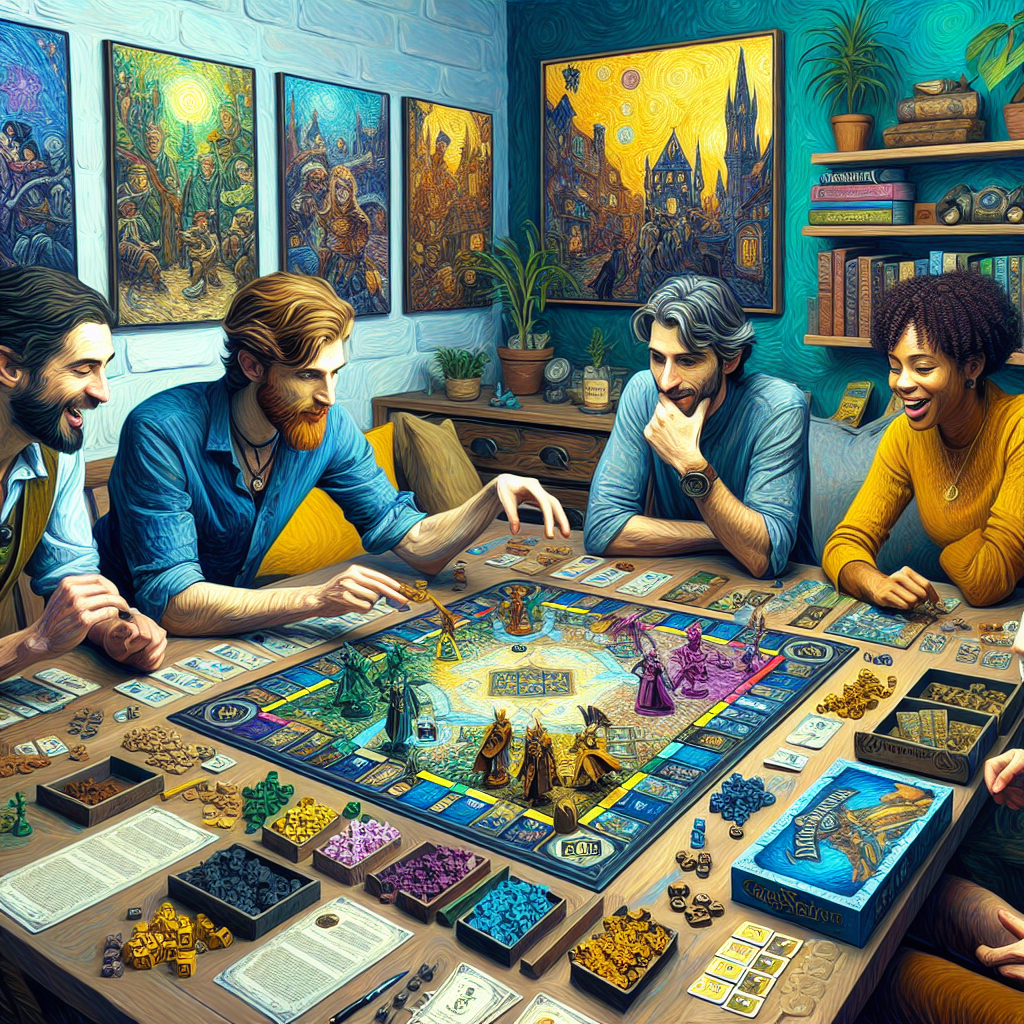
When we dive into the world of gaming, we’re not just mashing buttons or staring at screens; we’re forging connections that can span miles, tie generations together, and bring smiles on the grayest of days. Shared gaming experiences create a unique fabric of camaraderie—an intricate tapestry woven from laughter, competition, and the sweet taste of victory. Picture this: a group of friends, gathered around a console, the air thick with excitement as they rally for that sweet, elusive win. In those moments, life’s pressures melt away, replaced by the thrill of the game and the bonds formed through shared triumphs and losses.
At a fundamental level, games serve as a playground for our innate human drive for connection. When teammates collaborate, strategize, and communicate, they are not only tackling a virtual challenge but also strengthening the invisible threads of trust and friendship that bind them. The ethics of fair play come into sharp focus as teammates lean on one another, highlighting the shared values of integrity, respect, and teamwork. This is where social dynamics flourish—where the shy become the heroes, and the competitive spirit transforms into supportive encouragement.
Cognitive science backs up what our hearts have always known: games foster essential skills like critical thinking, adaptability, and creativity. When peers engage in shared gaming adventures, they don’t just sharpen their reflexes; they hone their ability to empathize and collaborate with others. Each victory and defeat teaches resilience, forging character in a way that few activities can replicate. The emotion of winning together or learning from a loss together fosters a sense of belonging—but it also builds a rich environment for learning about ourselves and each other.
This shared journey transcends the virtual realm, spilling into the real world. Friendships are not just strengthened; they are nurtured through countless hours of strategizing over snacks and celebrating victories with hearty high-fives. Each level conquered, each quest completed, becomes a shared story that anyone can tell. The connections fostered through these shared experiences create a powerful social currency that is invaluable, highlighting the simple truth: gaming is more than just entertainment—it’s a catalyst for profound relationships and lasting memories. So, whether you’re a seasoned gamer or just dipping your toe into the world of play, remember that every game is an invitation—a chance to connect, engage, and build something truly special.

How Do Shared Gaming Experiences Impact Social Dynamics Among Peers?
How Do Shared Gaming Experiences Impact Social Dynamics Among Peers?
- Gaming goes beyond entertainment, fostering connections across distances and generations.
- Shared gaming experiences create camaraderie through laughter, competition, and shared victories.
- Games serve as a playground for our innate human need for connection and collaboration.
- Teammates build trust and friendship while focusing on values like integrity and teamwork.
- Games enhance essential skills, including critical thinking, adaptability, creativity, and empathy.
- Shared gaming experiences strengthen friendships and create lasting memories in the real world.
- Each game is an invitation to connect and build meaningful relationships through play.
How Do Shared Gaming Experiences Impact Social Dynamics Among Peers?
What Does the Evolution Of Gaming Say About Our Cultural Values?
The evolution of gaming reveals layers of our cultural values, each more profound than the last. Games have morphed from simplistic pastimes to intricate narratives that intertwine with our daily lives. They reflect our hopes, fears, and desires, making them a mirror of society itself. When we engage with a story-driven role-playing game, we’re not just pressing buttons; we’re navigating the chaos of our own existence, seeking connection and purpose.
Consider how far we’ve come. Early games like “Pong” and “Pac-Man” were little more than distractions, but today, gaming is an art form—a platform for storytelling that competes with literature and cinema. Games invite us into worlds where we’re heroes, strategists, or even caretakers, challenging us to think critically and act decisively. This evolution is not merely technological; it’s cultural. It shows our collective yearning for interaction, community, and understanding in an increasingly fragmented world.
Our insatiable thirst for more complex experiences reveals something crucial about us. We no longer settle for mindless entertainment; we crave significance. Players dive into expansive universes filled with moral dilemmas and character-driven arcs. We grapple with choices that often reflect real-life issues like inequality, justice, and redemption. Each choice shapes our virtual persona, helping us navigate our ethical landscape. As we face these dilemmas on screen, we forge deeper connections with ourselves and others.
But let’s not forget the communal aspect—the late nights spent strategizing with friends or bonding over shared victories and defeats. These games build bridges, fostering connections across diverse backgrounds. In our increasingly isolated lives, gaming has emerged as a powerful connector, transcending age, nationality, and socioeconomic status. Each level completed or boss defeated becomes a shared experience, weaving a rich tapestry of collective memory.
As gamers, we have a responsibility. Engaging with these narratives equips us to tackle real-world issues and to advocate for those without a voice. The characters we cherish and the choices we make resonate beyond our screens, echoing our values in the broader world. Games have become a modern form of storytelling that inspire us to not only reflect on who we are but to strive for who we can become together. By embracing this evolution, we affirm our commitment to community, empathy, and progress.

What Does the Evolution Of Gaming Say About Our Cultural Values?
What Does the Evolution Of Gaming Say About Our Cultural Values?
- The evolution of gaming mirrors cultural values, reflecting hopes, fears, and desires.
- Games have transitioned from simple distractions to complex narratives that engage with our lives.
- Modern gaming serves as an art form, competing with literature and cinema for storytelling.
- Players navigate ethical dilemmas and character-driven arcs that mirror real-life issues.
- Gaming fosters communal connections, transcending age, nationality, and socioeconomic status.
- Engaging with game narratives empowers players to address real-world issues and advocate for others.
- By embracing gaming’s evolution, we commit to community, empathy, and progress.
What Does the Evolution Of Gaming Say About Our Cultural Values?
Conclusion
Look around, folks. The gaming landscape has transformed significantly, shaped by two influential generations—Millennials and Gen Z. Both have navigated the realms of creativity and connection in distinct ways, but each contributes to a shared ethos that goes beyond mere entertainment. Millennials took to the modding scene with democratic fervor, turning the constraints of existing games into vast canvases of imagination. They battled through bugs, collaborated tirelessly online, and created vibrant communities centered on shared interests. Their mods were more than just additions; they were expressions of identity and resilience, affirming that even in a digital space, emotions like frustration and joy could propel us forward.
Fast forward to Gen Z, where the narrative shifts from modifying what already exists to creating entire universes from scratch. Armed with innovative tools and a collaborative spirit, they’ve embraced the idea that every pixel can hold a deeper meaning. Their world-building is not only about imaginative escapism but also about inclusivity and social connection—a call for unity amid diversity. They forge stories that resonate with real-life challenges, tapping into complex themes of identity, mental health, and social justice. These narratives invite us to reflect on our struggles and aspirations, allowing the gaming experience to become a mirror of our collective consciousness.
But what does this all mean for us and the future of gaming? It propels us to consider our own roles as creators and players. Every time we dive into a game, we’re asked to engage with the narratives, choices, and connections it offers. The characters we embody and the stories we share don’t just entertain; they teach us empathy, demand critical thinking, and foster dialogue among peers. In these shared experiences, we uncover the profound truth that gaming is more than just hitting buttons—it’s a catalyst for personal and social growth.
As we stand at the crossroads of this exciting evolution, let’s embrace our responsible creativity and cultivate the journeys that connect us. No matter which camp we belong to—Millennials paving the way with their inventive mods or Gen Z crafting unparalleled worlds—we hold the power to shape the future. By fostering a culture built on collaboration, inclusivity, and emotional intelligence, we can transform gaming into a force for genuine human connection, storytelling, and collective progress. So gear up, because the next level awaits, and together, we can create something magnificent.
Conclusion
Conclusion:
- The gaming landscape has evolved notably due to Millennials and Gen Z.
- Millennials embraced modding, transforming constraints into creative expressions and building vibrant communities.
- They highlighted emotional experiences like frustration and joy through their mod creations.
- Gen Z focuses on creating new universes, emphasizing inclusivity, social connection, and deeper meanings in their narratives.
- Their stories address real-life issues such as identity, mental health, and social justice.
- Gaming serves as a platform for empathy, critical thinking, and engagement with narratives that impact players socially.
- Both generations encourage a culture of collaboration and emotional intelligence, driving gaming as a force for human connection and storytelling.
Conclusion
Other Resources

Other Resources
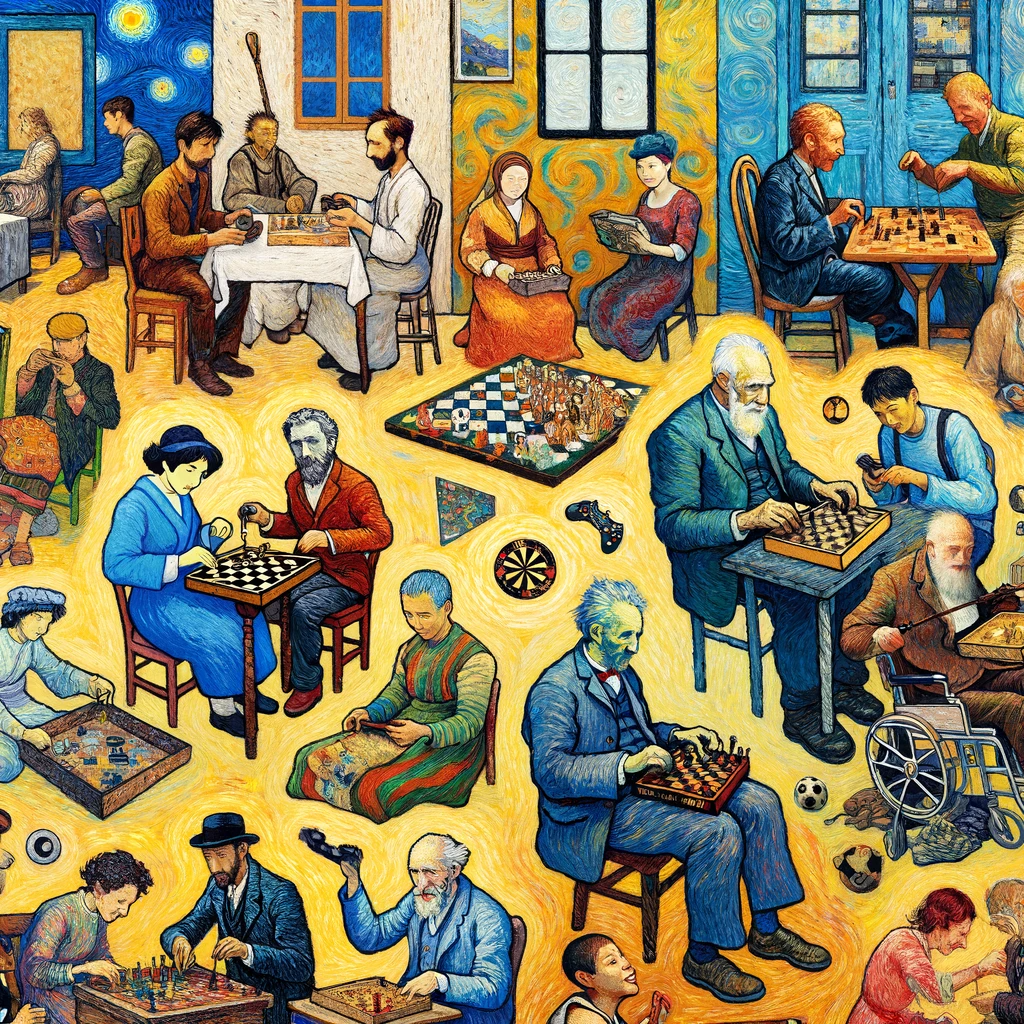
Here is a list of other resources you can review online to learn more:
- Osprey Games
- 999 Games
- The Gallerist
- 7 Wonders Duel
- Goliath Games
- Mombasa
- Tichu
- Twilight Imperium (Fourth Edition)
- Blue Orange Games
- Diigo
- Concordia
- Cosmic Encounter
- Pinochle
- Rummy
- Portal Games
- YouTube
- Watch It Played
Use This Prompt To Get More Resources With Your Favorite Online AI Tool: Please provide me with a list of online articles with their URLs in a bulleted list that I can read regarding Millennials Built Mods, Gen Z Builds Worlds – AI In Gaming Across Generations
Other Resources
Glossary Terms
Millennials Built Mods, Gen Z Builds Worlds – AI In Gaming Across Generations – Glossary Of Terms
1. Millennials: Individuals born between 1981 and 1996, known for experiencing the rise of the internet and video gaming in their youth.
2. Gen Z: People born from 1997 onward, characterized by their digital fluency and preference for immersive, interactive experiences.
3. Mods: Modifications made to existing video games, often created by players to enhance or alter gameplay.
4. Game Development: The process of designing, creating, and releasing video games, encompassing various disciplines like programming, art, and design.
5. User-Generated Content (UGC): Content created by players or users rather than the official developers, often driving engagement and community involvement.
6. Virtual Worlds: Digital environments where players can interact with each other and the game, often featuring expansive landscapes and community-building elements.
7. Open-World Games: Games that allow players to explore vast environments with minimal restrictions, facilitating player autonomy and creative expression.
8. Social Gaming: Games that encourage interaction among players, often incorporating features like multiplayer modes and social media integration.
9. Gameplay Mechanics: The rules and systems that govern how a game functions and how players interact with it, including combat, navigation, and resource management.
10. Narrative Design: The creation of a game’s story, characters, and setting, affecting how players experience and interact with the game world.
11. E-sports: Competitive gaming at a professional level, where players compete in organized tournaments, often broadcasted for audiences.
12. Cross-Platform Gaming: Games that allow players on different gaming systems or devices to play together, promoting inclusivity and community.
13. Immersive Experiences: Gaming experiences designed to fully engage players, often using advanced technology like VR and AR.
14. Open Source: Software with source code that can be modified and shared by anyone, encouraging collaboration and innovation within the gaming community.
15. In-Game Economies: Virtual marketplaces within games where players can trade resources, items, or currency, often reflecting real-world economic principles.
16. Artificial Intelligence (AI): Computer systems that simulate human-like intelligence, often used in games to create responsive NPCs and dynamic environments.
17. Procedural Generation: A method of using algorithms to automatically generate content in games, such as landscapes, levels, or quests.
18. Accessiblity Features: Game design elements that ensure players with disabilities can fully engage with gameplay, enhancing inclusivity.
19. Game Streaming: Broadcasting live gameplay on platforms like Twitch, allowing viewers to watch and interact with players in real-time.
20. Metaverse: A collective virtual space, created by the convergence of virtually enhanced physical reality and physically persistent virtual reality, often populated by users.
21. NFTs (Non-Fungible Tokens): Unique digital assets verified using blockchain technology, increasingly used in gaming for ownership of in-game items.
22. Live Services: Ongoing updates and support for games that keep content fresh and engaging, often through seasonal events or expansions.
23. Game Engines: Software frameworks used for building and developing video games, offering tools and libraries for graphics, physics, and more.
24. Community Engagement: Interactions between developers and the player community that influence game development and foster loyalty.
25. Gamification: The incorporation of game-like elements in non-game contexts, enhancing engagement through rewards and challenges.
26. Extended Reality (XR): An umbrella term for immersive technologies, including virtual reality (VR), augmented reality (AR), and mixed reality (MR).
27. Cultural Representation: The portrayal of diverse identities and cultures in games, reflecting societal issues and promoting inclusivity.
28. Player Agency: The degree of control and autonomy players have in a game, impacting their choices and overall experience.
29. Beta Testing: A phase in game development where players test the game before its official release, providing feedback on gameplay and bugs.
30. Haptic Feedback: Technology that simulates the sense of touch in gaming through vibrations or motions, enhancing immersion in gameplay.

Glossary Of Terms
Other Questions
Millennials Built Mods, Gen Z Builds Worlds – AI In Gaming Across Generations – Other Questions
If you wish to explore and discover more, consider looking for answers to these questions:
- What are the key differences between Millennials and Gen Z in their gaming approaches?
- How do gaming mods impact the overall gaming experience?
- What specific tools or platforms are favored by Gen Z for creating new gaming worlds?
- How can the gaming industry better support young creators?
- What role does mental health play in the narratives of games targeted toward Gen Z?
- How do the collaborative aspects of gaming differ between Millennials and Gen Z?
- What ethical considerations are emerging in AI-driven game design?
- What examples exist of games that promote social issues or inclusivity?
- How do personal experiences influence a gamer’s connection to a game’s narrative?
- What future trends can we expect in the gaming industry as AI technology evolves?
- How do leaders in the gaming industry foster a culture of diversity and inclusion?
- What are the implications of gaming on interpersonal relationships among young people?
- How can personal storytelling in games enhance player experiences?
- What lessons can contemporary games teach us about social dynamics?
- How do gaming narratives reflect changing cultural values over time?

Other Questions
Haiku
Millennials Built Mods, Gen Z Builds Worlds – AI In Gaming Across Generations – A Haiku
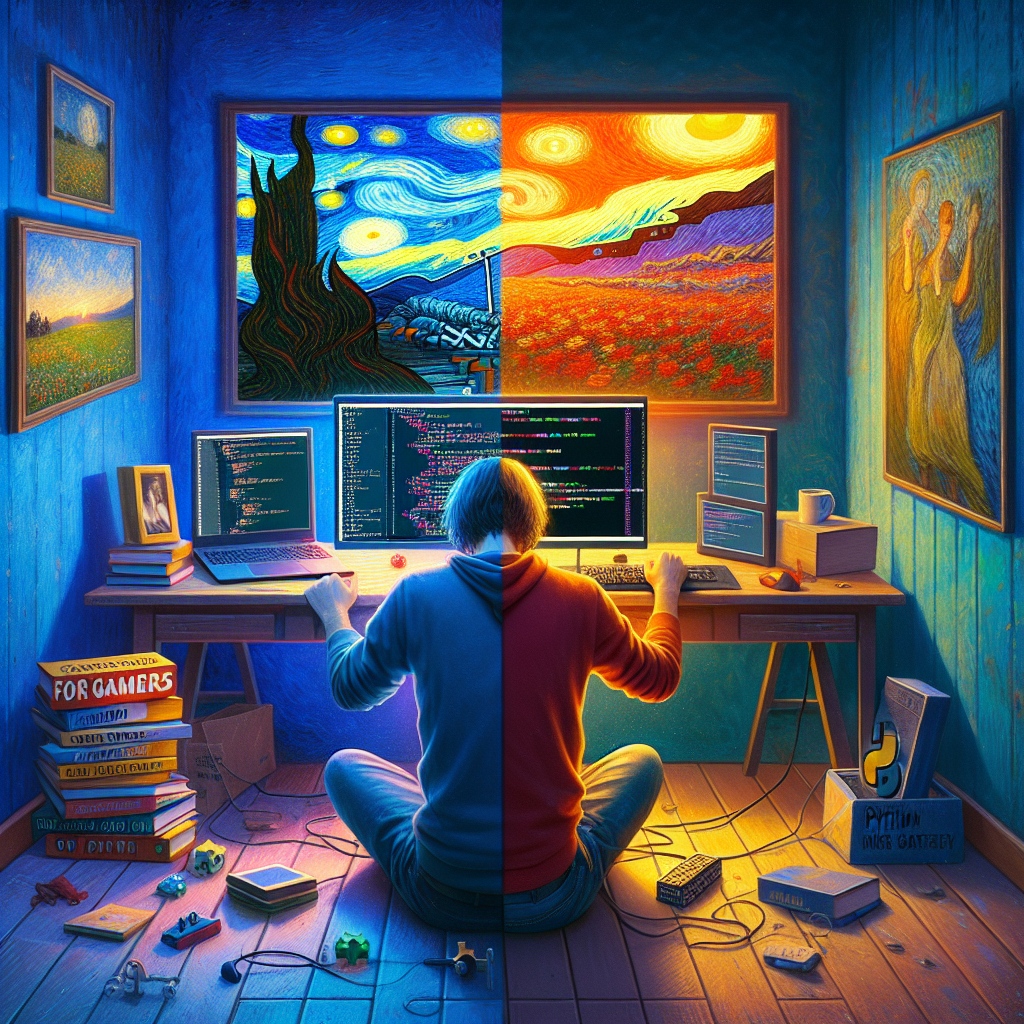
Pixels shaped with love,
Generations build new worlds—
Together we thrive.
Haiku
Poem
Millennials Built Mods, Gen Z Builds Worlds – AI In Gaming Across Generations – A Poem
In the realm of pixels, two generations rise,
Millennials, the modders, with dreams in their eyes.
Crafting worlds from nostalgia, imagination deployed,
Pushing boundaries of play, creativity enjoyed.
With fervent passion, they bent all the rules,
Terms of engagement in forums, learning their tools.
They turned games into canvases, each mod a vibrant thread,
Woven from stories of triumph, ambition, and dread.
And then comes Gen Z, a digital forge,
Building not just on what was but creating new shores.
Worlds crafted from vision, each detail a heart’s beat,
Not merely pressing keys, but making connections complete.
In AI, they find allies, reshaping the tale,
Narratives echoing struggles where empathy prevails.
Stories of mental health, identity, and strife,
Reflecting our truths, igniting new life.
Shared experiences blossom, friendships intertwine,
Gaming transcends borders, creating bonds so divine.
A canvas of ethics, where choices run deep,
Each victory and loss, a promise to keep.
Millennials and Gen Z, united in quest,
From mods to worlds, they gather the best.
An evolution of gaming, a mirror of us,
Crafting narratives rich, in community, we trust.
Together we venture, each keystroke a voice,
In the tapestry of play, we find the choice.
To connect, to inspire, to build and to share,
In games and in life, we’re alive in the air.

Poem
Checklist
Millennials Built Mods, Gen Z Builds Worlds – AI In Gaming Across Generations – A Checklist
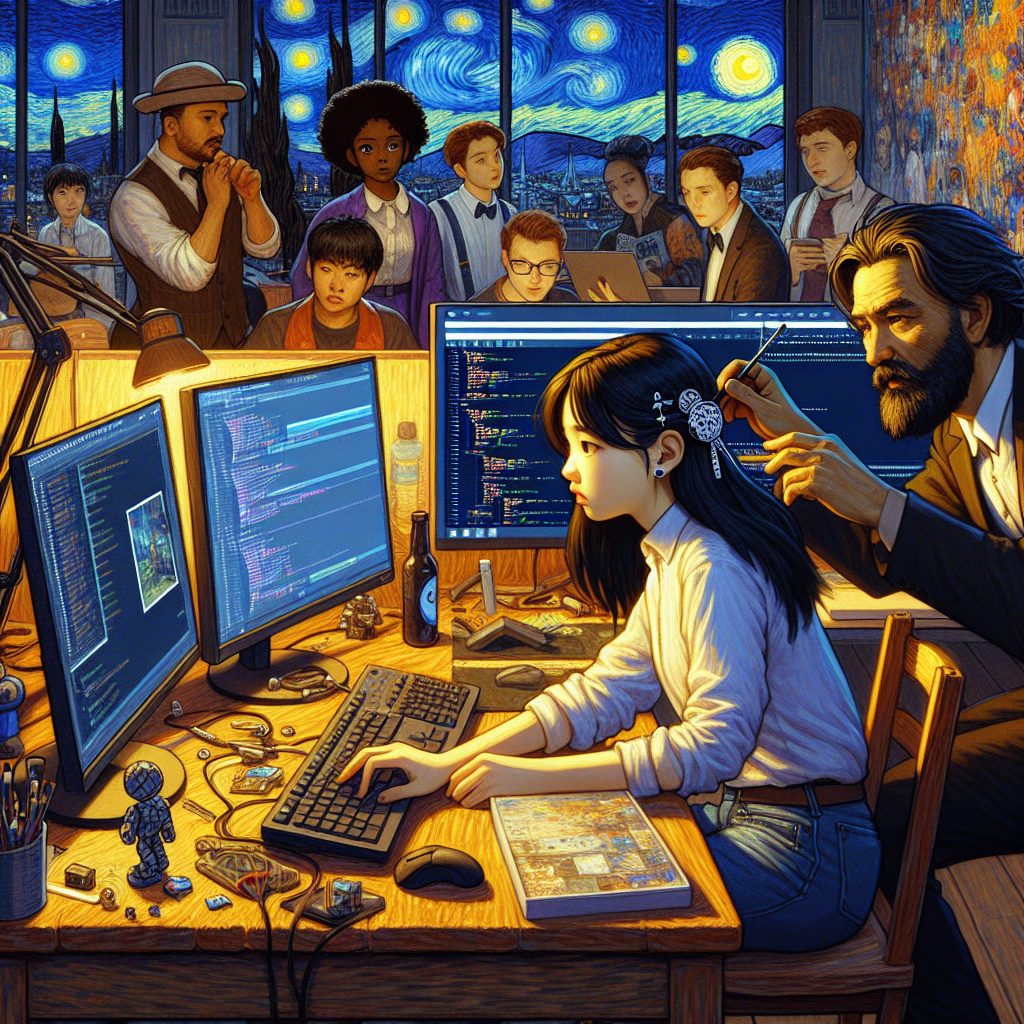
Checklist: Creating Meaningful Connections in Gaming Across Generations
Emotional Appeals:
_____ Reflect on your gaming journey: What emotions do your experiences evoke?
_____ Share a memorable gaming moment that strengthened a friendship or community connection.
_____ Identify a game that helped you navigate personal challenges—how did it resonate with your life?
Rational Appeals:
_____ Evaluate games you play: Do they encourage critical thinking and decision-making?
_____ Consider how the complexity of game narratives impacts your engagement—do your choices influence outcomes?
_____ Analyze the differences between modding and game creation: What do these processes reveal about creativity and innovation?
Ethical Appeals:
_____ Assess how the games you play promote inclusivity and diversity. Do they represent underrepresented voices?
_____ Think about how your gaming experience impacts your real-life ethics—have you developed a sense of moral responsibility through gameplay?
_____ Reflect on the potential of gaming as a platform for advocacy and change. Are you using your skills to craft positive narratives?
Authority Appeals:
_____ Seek out mentors or leaders in the gaming industry whose values resonate with you—what can you learn from them?
_____ Follow gaming creators who focus on ethical gameplay and representation. How can their perspectives shape your approach?
_____ Consider attending gaming conferences or workshops to learn from industry innovators.
Narrative Appeals:
_____ Write down your personal gaming story: How have your experiences shaped your worldview?
_____ Engage in collaborative storytelling with friends through gaming—how did sharing narratives enhance your experience?
_____ Create a character or scenario that mirrors your real-life challenges and see how it unfolds in gameplay.
Social Appeals:
_____ Participate in gaming communities—how do shared experiences enrich your social dynamics?
_____ Host game nights with friends and family to strengthen bonds through cooperative play.
_____ Reflect on how gaming fosters teamwork and camaraderie—share your insights with your peers.
This checklist aims to encourage reflection, engagement, and connection among players, helping them to appreciate the profound layers of gaming across generations.
Checklist
At HowDoYouGame, we help people who love board games by collating information and news about games.
Be sure to read our other related stories at HowDoYouGame to learn more about games.