Boosting Your Brainpower: How Gaming Affects Problem Solving
By Tom Seest
At HowDoYouGame, we help people who love board games by collating information and news about games.
Be sure to read our other related stories at HowDoYouGame to learn more about games.
Is Your Problem Solving Ability Suffering Due to Gaming?
Ah, gaming. For many, it represents a beloved escape, a chance to enter dazzling worlds, battle foes, and embark on grand adventures without ever leaving the comfort of your couch. Right? But here’s the catch: as we dive deeper into pixelated realms, we might not realize the toll it’s taking on our real-world problem-solving skills. Now, before you think I’m just another voice in the chorus calling for a ban on gaming, let’s pause and reflect.
When we talk about gamification—turning life’s little challenges into games to encourage engagement—it sounds peachy. Companies embed gaming elements into training modules to boost productivity, and educators weave fun into lessons to brighten learning. But while these strategies can yield positive results, they also steal precious time from the art of tackling problems head-on. You see, life isn’t always a game where every obstacle can be dodged or countered with a quick power-up.
Think back to those marathon gaming sessions. Sure, you might have conquered a level, but how many real-life dilemmas did you skirt around in the process? Seeking instant rewards, we may find ourselves prioritizing quick wins over genuine growth. That’s the tricky bit—we get hooked on the thrill of digital accomplishments, sometimes at the expense of honing our ability to problem-solve in the real world.
Picture a scenario: you’re faced with a vexing issue at work or home. Instead of channeling your inner problem-solver, do you find yourself longing for a game to distract you? That craving for immediate gratification can blur the lines between productive solutions and mere escapism. Perhaps it’s time to try something different—replace that screen time with moments of reflection and critical thinking.
Here’s the silver lining: gaming isn’t the enemy. It can teach strategic thinking, teamwork, and even sharpen reflexes. The key lies in balance. Set boundaries for your gaming world so that it doesn’t overshadow the skills you need in the world outside. Formulate a plan; take on challenges in real life just as you would in your favorite game. And remember, every great adventure includes moments of struggle, learning, and ultimately, growth. Your most fantastic quests might just await you, waiting to be solved—not behind a screen, but right in front of you.

Is Your Problem Solving Ability Suffering Due to Gaming?
Is Your Problem Solving Ability Suffering Due to Gaming?
- Gaming offers an escape into immersive worlds and adventures.
- Excessive gaming can detract from real-world problem-solving skills.
- Gamification can enhance engagement in training and education but may divert focus from real issues.
- Instant rewards in gaming can lead to prioritizing quick wins over personal growth.
- Craving digital distractions may hinder effective problem-solving in daily life.
- Gaming can provide valuable skills like strategic thinking and teamwork; balance is essential.
- Real-life challenges can be approached like gaming quests for greater personal development.

Is Your Problem Solving Ability Suffering Due to Gaming?
Table Of Contents
- Is Your Problem Solving Ability Suffering Due to Gaming?
- Is Gaming Negatively Impacting Your Critical Thinking Skills?
- Are You Struggling With Real-Life Problem Solving After Gaming?
- How Does Gaming Affect Your Cognitive Flexibility?
- Are You Noticing A Decline In Your Creativity From Gaming Sessions?
- Is Your Ability To Focus Diminished By Prolonged Gaming?
- How Can You Balance Gaming With Effective Problem-Solving Practice?
- Are You Relying On Gaming Strategies Instead Of Real-Life Solutions?
- Conclusion
- Other Resources
- Glossary Of Terms
- Other Questions
- Haiku
- Poem
- Checklist
Is Gaming Negatively Impacting Your Critical Thinking Skills?
Let’s take a moment to chat about gaming—a pastime that has grown from the comfort of our homes to the palm of our hands. While it’s easy to slip into a debate about the merits or pitfalls of gaming, let’s focus instead on a crucial question: is all this gamification leading us towards deeper thought or distracting us from it entirely?
First, let’s break it down. Gamification often adds a layer of excitement to learning and problem-solving. You’re unlocking levels, collecting points, or smashing through boss fights, aren’t you? There’s no denying that these elements can stimulate your mind. They engage you in a way that traditional learning methods often can’t, encouraging you to think outside the box and strategize. But here’s where the conversation turns a little tricky. With every quest to conquer, is there a chance that you might ignore the very real-world applications of those strategies?
Think of it this way: when you’re immersing yourself in a game, you’re frequently solving puzzles and battling adversaries—but how often does that translate into everyday life? If your bandwidth for critical thinking is wrapped up in pixelated worlds, there’s a possibility you might miss the subtler shades of complexity that exist outside the screen. Those aren’t just the challenges of battling orcs or deciphering codes; they’re the dilemmas of decision-making, ethical reasoning, and nuanced conversations with your peers.
A great game can kickstart a spiral of creative thinking, but it’s essential to balance that time spent leveling up with time spent in conversations that stretch your understanding of the human experience. Reach out. Engage in heated debates about your favorite shows, craft an argument about your favorite music, or dive headfirst into a community project. These interactions often require higher-order thinking—skills that might get dulled if you’re too engrossed in gamified environments.
So, here’s your nudge: dive into gaming, but don’t let it be your only source of challenge. Use it as a springboard, not your sole playground. Forge partnerships with other passionate thinkers in the arena of life—believe me, real-world experiences offer a unique depth that even the most immersive game can’t replicate. It’s all about finding balance, ensuring that your critical thinking skills are not just a high score but a lasting impact on all aspects of your life.

Is Gaming Negatively Impacting Your Critical Thinking Skills?
Is Gaming Negatively Impacting Your Critical Thinking Skills?
- Gaming has transitioned from a home-based activity to a mobile pastime.
- Gamification enhances learning and problem-solving by adding excitement and engagement.
- There is a concern that gaming may distract from applying learned strategies to real-world situations.
- Immersion in gaming can limit awareness of real-life complexities and critical thinking challenges.
- Balancing gaming with meaningful conversations enhances understanding of the human experience.
- Engagement in debates, discussions, and community projects promotes higher-order thinking skills.
- While gaming is valuable, it should complement—rather than replace—real-world experiences.

Is Gaming Negatively Impacting Your Critical Thinking Skills?
Are You Struggling With Real-Life Problem Solving After Gaming?
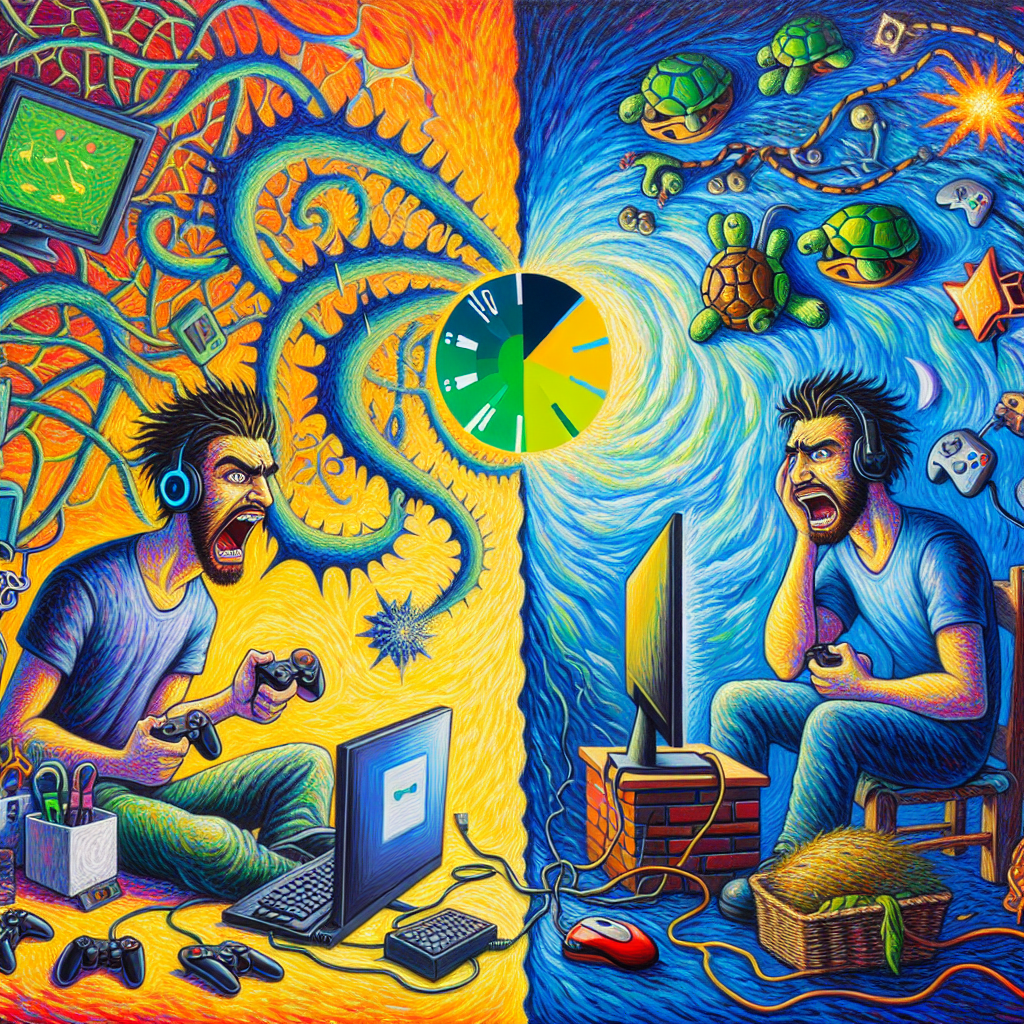
Let’s be honest: gaming can be a thrill ride. Whether you’re battling beasts in a fantasy realm or managing an empire in a strategic simulation, there’s no denying that the experience can be intoxicating. But what happens when the screen goes dark, and you’re back in the real world, grappling with everyday challenges? If you find yourself struggling, you’re not alone.
Many of us dive into the world of gamification, where problem-solving feels straightforward and the rules are clear. In games, every challenge comes with a set of strategies, methods to level up, and a user manual of sorts baked right into the fun. You strategize, plan, and execute, often leading you to immediate rewards or flashy achievements. So why does tackling real-life problems sometimes feel like trying to assemble IKEA furniture without the instructions?
The disconnection can be jarring. While gaming provides the luxury of trial and error, life doesn’t come with a respawn button. The stakes are real, and the outcomes often have lasting effects. However, this doesn’t mean the skills you’ve honed in the gaming world can’t be applied to your daily challenges. In fact, they can be incredibly useful.
Think about it. When you’re gaming, you learn to adapt, to think critically, and to stay persistent in the face of setbacks. These skills can translate into your everyday problem-solving toolkit. Instead of feeling overwhelmed by a project at work or a personal challenge, why not approach it like a quest? Break it down into smaller tasks, just like you would with a game’s objectives. Celebrate your little victories, treat them like side quests, and gradually level up in real life.
It’s all about shifting your mindset. Rather than viewing life’s challenges as insurmountable obstacles, try to see them as puzzles waiting to be solved. Embrace that same spirit of curiosity you have when gaming. Don’t hesitate to reach out for guidance, whether it’s seeking advice from friends or diving into resources that can help.
You’ve conquered digital kingdoms; you can tackle the everyday kingdom too. Embrace the lessons learned from your gaming adventures. After all, the greatest battles aren’t fought on screens—they’re right here in your life, just waiting for you to step up and claim your victory.

Are You Struggling With Real-Life Problem Solving After Gaming?
Are You Struggling With Real-Life Problem Solving After Gaming?
- Gaming provides an exhilarating escape from reality but returning to everyday challenges can be difficult.
- Many find solace in gamification, where strategies and rules make problem-solving feel more manageable.
- Real-life problems lack the clear instructions and respawn options that games offer.
- Skills developed through gaming, such as adaptability and critical thinking, can be beneficial in daily life.
- View challenges as quests, breaking them into smaller tasks and celebrating small victories.
- Shift your mindset to see life’s challenges as puzzles that can be solved with curiosity and determination.
- Apply lessons from gaming to tackle real-life issues and claim personal victories.
Are You Struggling With Real-Life Problem Solving After Gaming?
How Does Gaming Affect Your Cognitive Flexibility?
Picture this: you’re deep into a video game, navigating your way through a labyrinthine alien landscape, enemies lurking around every corner. You’ve got to think on your feet, adapt your strategy, and stay one step ahead. This isn’t just entertainment; it’s a mental workout that can boost your cognitive flexibility. So, what’s the deal with that? Let’s dive in.
Cognitive flexibility, in plain terms, is your brain’s ability to switch between thinking about different concepts or to think about multiple concepts simultaneously. It’s essential for problem-solving and creativity. Ever noticed how quick you become at decision-making when you’re racing against time in a game? That’s gamification at its finest—making the mundane feel exhilarating while sharpening your mind’s agility.
When you’re faced with challenges in gaming, you’re forced to adapt. Maybe you lose a life and must rethink your approach or switch characters to find a new strategy. Each of these split-second decisions fosters cognitive flexibility. You learn to process information rapidly and adjust your plan on the fly. It’s like a mental gym where every level up is a new exercise for your brain.
Now, don’t get me wrong. Gaming isn’t the only way to polish this skill. Life offers plenty of opportunities to flex those cognitive muscles—whether it’s tackling a tough puzzle, navigating tricky social dynamics, or even managing your to-do list on a busy day. But gaming does have a leg up—designed to challenge you constantly and engage your mind in unexpected ways.
You may have heard skeptics view gaming as a mind-numbing activity, but this is a misconception. When done mindfully, gaming can offer a unique platform for developing problem-solving skills, honing your adaptability, and improving your overall cognitive function. And in a world where adaptability is paramount, being flexible means being prepared.
So, the next time you find yourself deep in a game, remind yourself: you’re not just chasing high scores or unlocking levels. You’re training your brain for real-life flexibility. Dive in, embrace the challenges, and get ready to unleash a more agile, adaptable you. After all, life is one giant game, and the more prepared you are, the better you’ll play!

How Does Gaming Affect Your Cognitive Flexibility?
How Does Gaming Affect Your Cognitive Flexibility?
- Video games offer immersive experiences, enhancing cognitive flexibility through complex environments and strategic challenges.
- Cognitive flexibility allows quick switching between concepts, aiding in problem-solving and creativity.
- Games improve decision-making skills by forcing players to adapt strategies in fast-paced situations.
- Split-second decisions in gaming act as mental exercises, enhancing rapid information processing and adaptability.
- Real-life situations also promote cognitive flexibility, but gaming continuously presents fresh challenges to engage the mind.
- Mindful gaming defies the stereotype of being mindless, serving as a platform for improving problem-solving and adaptability skills.
- Gaming not only entertains but trains your brain, preparing you for flexibility in real-life scenarios.

How Does Gaming Affect Your Cognitive Flexibility?
Are You Noticing A Decline In Your Creativity From Gaming Sessions?
It’s no secret that the world of gamification has woven itself into the fabric of our daily lives. From smartphone apps that turn mundane tasks into competitive challenges, to sprawling open worlds where you can unleash your imagination, gaming has become a powerful lens through which we view our creativity. But here’s the kicker: while we’re leveling up in our favorite virtual realms, are we inadvertently trading our real-world creativity for points and achievements?
Imagine this—you’re deep into a gaming session, and it’s exhilarating. The graphics are stunning, the narrative captivating. Every win feels like a personal triumph, but when you log off, do you find yourself struggling to come up with new ideas or perspectives? You’re not alone in this. Many enthusiasts report a curious paradox: increased levels of digital engagement often lead to a decline in organic creativity.
This doesn’t mean we should toss our controllers aside or shut off our consoles. Instead, it’s about exploring that fine balance. Gaming offers structure, interaction, and instant feedback—invaluable elements that nurture our creative juices. Yet, there’s a crucial element we can overlook in the rush of button-mashing and questing: intentionality. How often do we approach a gaming session with a mindset of creativity? You have the power to transform your gaming into a springboard for imaginative thinking.
Take a moment to ask yourself, what stories are you crafting when you play? Are there ways you can apply the creativity that those immersive experiences inspire? Instead of passively consuming the intricate designs and compelling plots, challenge yourself to create your own narratives or even game mechanics. Share ideas and foster discussions with fellow gamers; you’ll be surprised how a little collaboration can ignite new inspirations.
So, here’s my challenge to you: next time you dive into your favorite game, do it with intention. Set aside moments to reflect on what you could create, rather than just consume. And when you power off that console, carry those ideas with you into the real world. Remember, creativity is like a muscle—it needs exercise. By embracing both gaming and real-world creativity, you’re not just playing a game; you’re paving the way for new ideas to flourish, both on-screen and off!

Are You Noticing A Decline In Your Creativity From Gaming Sessions?
Are You Noticing A Decline In Your Creativity From Gaming Sessions?
- Gamification has become integral to daily life, enhancing mundane tasks through competitive elements.
- Engaging in gaming can lead to enhanced digital experiences, but may reduce real-world creativity.
- Many gamers report a paradox where increased digital interaction correlates with diminished organic creativity.
- The key is to balance gaming with intentional creativity rather than consuming passively.
- Consider the narratives and experiences during gameplay; challenge yourself to create rather than just play.
- Collaborate with fellow gamers to share ideas and inspire one another’s creativity.
- Approach gaming with intent, reflecting on how to translate creative inspirations into the real world.

Are You Noticing A Decline In Your Creativity From Gaming Sessions?
Is Your Ability To Focus Diminished By Prolonged Gaming?
Do you remember your first video game? The thrill of leveling up, the sweet sound of achievement after conquering that impossible boss? It’s a rush like no other, a dance of pixels that hooks you in, whispering, “Just one more level.” But as you sit back and reflect on the hours slipping by like sand through your fingers, you have to wonder: Is all this fun actually affecting your ability to focus?
Let’s break it down. Gaming, particularly when it involves the concept of gamification, can capture our attention like a moth to a flame. There’s a science to it—the way games are designed to reward us keeps us engaged, often longer than we intend. Those rewards can be addictive, and while they can inspire exploration and healthy competition, what happens when the excitement of the game pushes aside our ability to concentrate on life outside the screen?
Now, I’m not here to wag my finger and proclaim that gaming is the villain in your story. Quite the opposite. Gaming has its merits—enhancing hand-eye coordination, gut instincts, and even problem-solving skills. But there’s a delicate balance to strike. When gaming becomes a means of escape rather than a form of genuine enjoyment, our focus on other important aspects of life can take a hit. The dishes pile up, the calls from friends go unanswered, and that ever-looming project deadline doesn’t just seem distant; it feels like an insurmountable wall.
Consider this: how do you feel after an epic gaming session? Revived or drained? If you’re finding it hard to shift gears back into reality, it might be time for a rethink. Step back and evaluate how gaming fits into your life’s rhythm. If your moment-to-moment focus—be it in work, relationships, or hobbies—is diminishing, it’s worth asking whether that next level is worth the price of your attention.
In the grand scheme of things, the choice is yours. You’re steering the ship here, and every pixel counts. Let gaming light the fire of exploration in your life, but don’t let it extinguish your other passions. Balance is key, and remember: It’s all about reclaiming your focus—so you can live that high score in real life, too.

Is Your Ability To Focus Diminished By Prolonged Gaming?
Is Your Ability To Focus Diminished By Prolonged Gaming?
- Reminiscing about the thrill of video games and the excitement of leveling up.
- Gaming, especially with gamification, can capture attention and lead to prolonged engagement.
- Although gaming can enhance skills like hand-eye coordination and problem-solving, it can also affect real-life focus.
- Escapism through gaming may lead to neglecting important aspects of life, such as chores and social connections.
- After gaming, consider how you feel—revived or drained—and assess its impact on your daily life.
- Striking a balance between gaming and other life passions is crucial for maintaining focus.
- Ultimately, it’s about reclaiming focus to achieve high scores in real life while enjoying gaming.
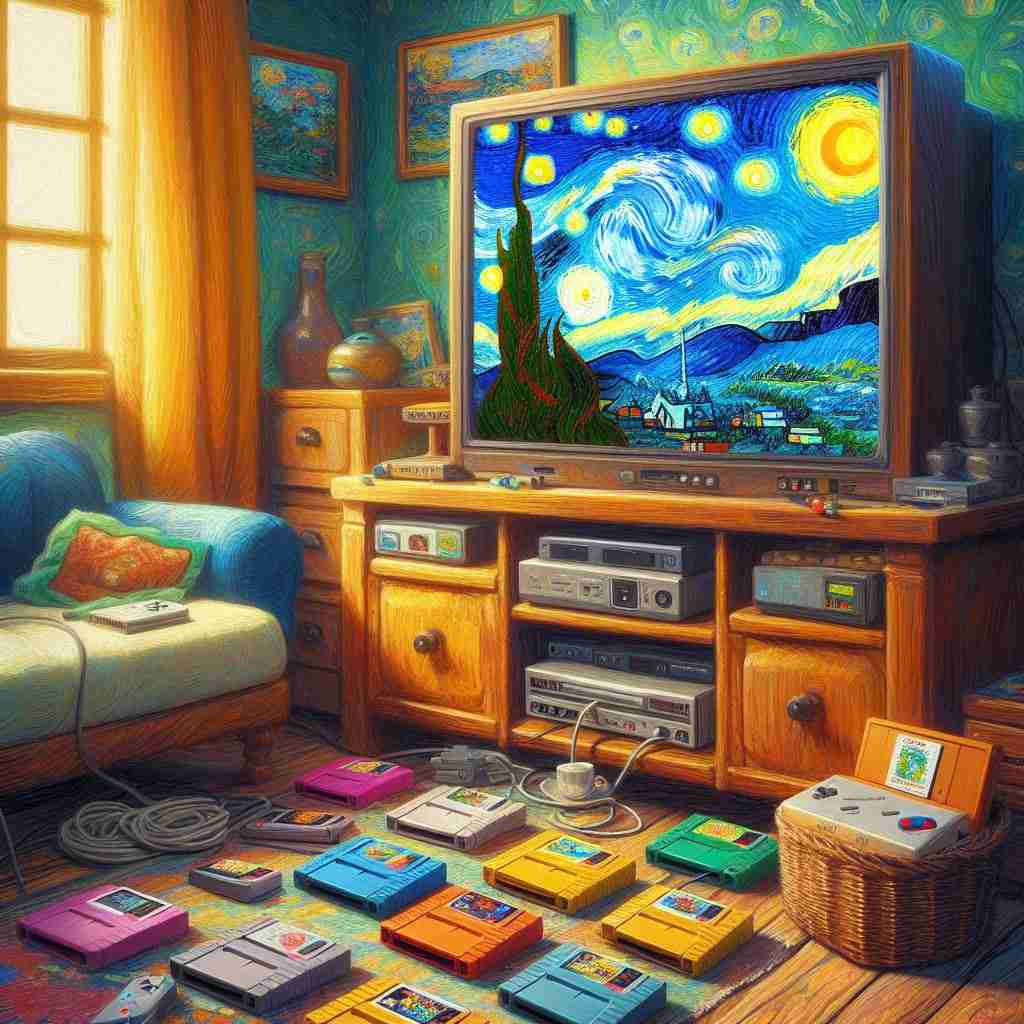
Is Your Ability To Focus Diminished By Prolonged Gaming?
How Can You Balance Gaming With Effective Problem-Solving Practice?
Let’s face it—gaming can be an absorbing, gut-punching thrill ride that whisk you away from the mundane routines of life. Whether you’re delving into a virtual world, conquering dragons, or solving puzzles with friends, it’s a fantastic escape. But what if I told you that you can harness that excitement to sharpen your problem-solving skills? Yes, it’s all about balance, and it can be done.
First, let’s dip our toes into the concept of gamification. This isn’t just a fancy buzzword; it’s a powerful approach that can transform how we engage with life’s challenges. You see, when you apply game mechanics to problem-solving—turning your daily tasks into missions, rewards, and levels—you can boost your engagement and motivation. Envision this: what if tackling a tricky project at work felt as exhilarating as a boss fight in your favorite video game?
Start small—set up challenges for yourself. Let’s say you’re trying to master a new skill or tackle a complex issue. Break it down into manageable “quests.” Each time you conquer one, reward yourself. Maybe it’s a few more minutes gaming or that dessert you’ve been eyeing. Create a scoreboard, track your progress, and before you know it, you’ll find that the strategies you employ in your gaming ventures apply just as well in life.
Think about your games. They thrive on strategy and creativity, don’t they? Use the same mindset to navigate everyday problems. Approach your real-life scenarios like you would a game level: analyze the situation, experiment with solutions, and don’t shy away from setbacks. Just like in gaming, sometimes it’s the setbacks that teach us the most. It’s about persistently trying new strategies until you find one that works.
Here’s the kicker: communication and collaboration, hallmarks of many games, can also enhance your problem-solving. Connect with others, form a team, and share insights. Just like fellow gamers strategizing to level up, pooling different perspectives can generate innovative solutions that you may have never considered alone.
So, let’s roll up our sleeves and embrace this approach. Transform those gaming hours into a launchpad for real-world skills. Balancing your gaming with effective problem-solving practice isn’t just possible—it’s a recipe for success. Get in the game of life, and tackle those challenges like the heroic champion you are!

How Can You Balance Gaming With Effective Problem-Solving Practice?
How Can You Balance Gaming With Effective Problem-Solving Practice?
- Gaming offers an escape from daily routines and can be a thrilling adventure.
- Gamification can enhance problem-solving skills by applying game mechanics to real-life challenges.
- Transform daily tasks into missions, rewards, and levels to boost engagement and motivation.
- Set small challenges and break complex issues into manageable “quests” for better focus.
- Adopt a strategic and creative mindset similar to gaming to approach real-life problems.
- Leverage collaboration and communication, just like in gaming, to generate innovative solutions.
- Integrating gaming practices into problem-solving can lead to personal and professional success.

How Can You Balance Gaming With Effective Problem-Solving Practice?
Are You Relying On Gaming Strategies Instead Of Real-Life Solutions?
Let’s have a heart-to-heart about something that’s creeping into our lives like a boss level in a game: gamification. You know what I’m talking about—those shiny digital badges, endless points, and the seductive allure of virtual achievements. They certainly have their place in driving engagement and adding a dash of fun to our tasks. But if you find yourself leaning on gaming strategies more often than actual solutions, it might be time to hit pause and reassess the game plan.
Think about it: we’ve become so accustomed to the instant gratification that comes with leveling up in a video game or scoring high on a virtual leaderboard, that we sometimes neglect the work needed to level up in real life. It’s all too easy to draw parallels between the two—after all, why not treat life like a game? You establish goals, track your progress, and indulge in a sprinkle of friendly competition. Here’s the catch: the challenges we face in everyday life aren’t always ready to reward us with a glowing trophy or a next-level unlock.
Let’s be real. When it comes to relationships, physical health, or career aspirations, there’s no joystick to ease the burden of making tough choices. Instead of seeking shortcuts through gamified solutions, what if we dug in our heels, rolled up our sleeves, and tackled the gritty, complex work that real solutions often demand? Life isn’t a game; it’s a series of moments that require us to be fully present and actively engaged.
I understand the appeal of gamification, especially when the “system” around us sometimes feels rigged against us. It’s comforting to think we can play our way to success without getting our hands dirty. But those who achieve lasting change know that true progress requires more than a swipe of a controller. It calls for effort, endurance, and often, a little humility.
So the next time you find yourself relying on a gaming strategy instead of a practical solution, take a moment to breathe. Ask yourself, “What would truly resolve this issue?” Let that question guide you away from shortcuts and back into the world of worthwhile, meaningful action. Because while games may offer escape and excitement, they can never replace the satisfaction that comes from real-world solutions forged in the fires of hard work and determination. Let’s play the long game in life; it’s the one worth winning.

Are You Relying On Gaming Strategies Instead Of Real-Life Solutions?
Are You Relying On Gaming Strategies Instead Of Real-Life Solutions?
- Gamification is increasingly present in our lives, bringing elements like digital badges and points.
- While gamification can drive engagement, over-reliance on it might hinder real-life progress.
- Instant gratification from games can distract us from the hard work required to succeed in reality.
- Real-life challenges, such as relationships and career goals, don’t offer easy rewards like video games do.
- True progress in life requires effort, endurance, and humility, rather than shortcuts through gamified solutions.
- It’s essential to pause and consider practical solutions instead of defaulting to gaming strategies.
- Long-term success and satisfaction come from meaningful actions and hard work, not just from playing a game.

Are You Relying On Gaming Strategies Instead Of Real-Life Solutions?
Conclusion
Alright folks, let’s hit the brakes and take a step back from the virtual realms we’ve been exploring. Gaming, with its pixelated adventures and electrifying achievements, has captivated millions. But as we plunge deeper into these mesmerizing universes, we might be neglecting something a little more essential—the real-world problem-solving skills we need to navigate life’s challenges. So here’s the deal: we’re not railing against gaming, nor should we. This digital playground offers valuable lessons in strategy, teamwork, and critical thinking that can translate to our everyday encounters. However, there’s a catch. When gaming becomes our primary avenue for engagement, we risk missing out on the kind of grit and determination that life demands.
Consider your marathon gaming sessions. Sure, you may have saved the universe, but what about that messy kitchen or the looming work project? Those are challenges that can’t be conquered with a power-up or a cheat code. It’s all too easy to lean on the instant rewards of a game instead of embracing the less glamorous, but necessary, grind of real-life problem-solving. The vibrant worlds can provide distractions that, while enjoyable, may dull our ability to tackle complex issues outside of the game.
Here’s the shining nugget of wisdom: balance is your ally. Engage with gaming, but don’t let it eclipse the need for genuine growth and reflective thinking. When you boot up that console, remember to approach your time as a creativity booster, a mind-expanding exercise—the perfect antidote to the daily grind. Engage with others outside your screen; spark debates, share ideas, and dive into projects that require teamwork and critical thinking.
You’ve got all the tools lying at your fingertips. So why not set a new gaming challenge for yourself? Turn everyday tasks into quests that deserve your attention, tackle those real-life dilemmas with the same vigor you do in your favorite video games. And for every challenge you overcome, celebrate it! Just like leveling up in a game, each real-life victory deserves recognition.
In the grand scheme of life, the ultimate adventure lies before you—not in a digital kingdom, but in the everyday trials waiting to be tackled. Embrace the lessons from gaming, but let them enhance your problem-solving prowess. After all, the greatest challenges are right in front of you, waiting for your unique strategy and sheer willpower to emerge victorious. So geek up, gear up, and step into that arena—we’ve got a world to conquer, one problem at a time!

Conclusion
Conclusion:
- Gaming captivates millions with its pixelated adventures and achievements.
- While gaming provides valuable lessons in strategy, teamwork, and critical thinking, it can lead to neglecting real-world problem-solving skills.
- Prolonged gaming sessions may result in ignoring essential real-life challenges, like household tasks and work projects.
- Balancing gaming with real-life responsibilities is crucial for personal growth and reflective thinking.
- Engage with others beyond the screen to foster teamwork and share creative ideas.
- Transform everyday tasks into challenges and celebrate real-life victories as you would in gaming.
- The ultimate adventure lies in facing real-life trials and enhancing your problem-solving abilities through gaming lessons.

Conclusion
Other Resources

Other Resources
Here is a list of other resources you can review online to learn more:
- Line
- Plurk
- Fluxx
- Tabletop Gaming News
- Asmodee
- Tigris & Euphrates
- Discord
- Castles of Mad King Ludwig
- Mastodon
- Portal Games
Use This Prompt To Get More Resources With Your Favorite Online AI Tool: Please provide me with a list of online articles with their URLs in a bulleted list that I can read regarding Is Your Problem Solving Ability Suffering Due to Gaming?

Other Resources
Glossary Terms
Is Your Problem Solving Ability Suffering Due to Gaming? – Glossary Of Terms
1. Cognitive Flexibility: The ability to switch between thinking about different concepts or to think about multiple concepts simultaneously, which is critical for effective problem solving.
2. Attention Span: The length of time a person can focus on a task without becoming distracted; gaming can either improve or diminish attention spans depending on the type of games played.
3. Executive Function: A set of mental skills that include working memory, flexible thinking, and self-control, essential for planning, decision-making, and problem-solving.
4. Reinforcement: A consequence that increases the likelihood of a behavior being repeated; in gaming, rewards can reinforce problem-solving strategies or behaviors.
5. Distraction: An interruption that diverts attention away from an original task; excessive gaming can increase distraction levels and impact concentration.
6. Skill Transfer: The ability to apply learned skills from one context to another; some games may enhance strategic thinking and planning skills applicable in real-life scenarios.
7. Critical Thinking: The objective analysis and evaluation of an issue in order to form a judgment; gaming may foster critical thinking or hinder it depending on play styles.
8. Analogical Reasoning: The ability to identify relationships between different concepts; gaming may foster this skill through narrative and problem-solving elements in gameplay.
9. Immersion: The state of being deeply engaged in a game; while immersive experiences can enhance enjoyment, they may also detract from real-world problem-solving engagement.
10. Multitasking: The ability to handle more than one task at a time; gaming often requires this skill, but excessive multitasking can lead to decrements in overall cognitive performance.
11. Schema: A cognitive framework or concept that helps organize and interpret information; gaming can influence schemas through repetitive problem-solving scenarios.
12. Reward Systems: Biological and psychological systems that provide incentives for certain behaviors; gaming relies heavily on reward systems which can condition problem-solving methods.
13. Flow State: A mental state of complete immersion and engagement; while beneficial for learning, prolonged periods in flow during gaming might lead to neglect of real-world problem-solving.
14. Gamer’s Fallacy: The belief that past events in gaming can influence future outcomes; can lead to persistent trial-and-error approaches that may not be effective in real-world problem-solving.
15. Cognitive Overload: A condition where too much information or demands exceed cognitive capacity, which can occur during complex gaming sessions and impact problem-solving abilities.
16. Strategy Games: A genre of video games that emphasizes tactical planning and decision-making; these may enhance problem-solving skills if played in moderation.
17. Social Interaction: Collaborative or competitive engagement with others in gaming; social interactions can either improve or hinder problem-solving abilities, depending on the context.
18. Neuroplasticity: The brain’s ability to reorganize itself by forming new neural connections; gaming can potentially enhance neuroplasticity, impacting cognitive function positively or negatively.
19. Gaming Addiction: A behavioral addiction characterized by excessive gaming; can impede problem-solving skills by prioritizing gaming over other cognitive engagements.
20. Simulation Games: Games designed to imitate real-world activity; can help improve complex problem-solving skills through realistic scenarios and decision-making processes.
21. Escapism: A tendency to seek distraction and relief from unpleasant realities, often through gaming; excessive escapism can diminish engagement in practical problem-solving.
22. Game Mechanics: The rules and systems that govern gameplay; understanding game mechanics can enhance strategic thinking but may mislead real-world problem-solving perspectives.
23. Time Management: The process of planning and exercising control over the amount of time spent on specific activities; gaming can distort time perception, affecting prioritization and problem-solving.
24. Impaired Judgment: A compromised decision-making ability resulting from cognitive overload or addiction; gaming habits may contribute to this condition, impacting real-world problem-solving.
25. Creativity: The ability to generate new ideas and consider novel solutions; some gamers might experience enhanced creativity, while others might stifle it through repetitive gameplay.
26. Feedback Loops: Cycles of actions and outcomes that inform future behavior; gaming environments often include feedback that can trick players into rigid problem-solving patterns.
27. Engagement: The level of involvement and interaction with a task; gaming can enhance engagement, which may positively influence motivation but can distract from real-life challenges.
28. Focus Shifting: The ability to alter one’s attention between tasks or problems; gaming can either enhance or disrupt this ability, impacting broader problem-solving effectiveness.
29. Motivation: The reasons behind a person’s actions; intrinsic and extrinsic motivations within gaming can influence how individuals approach problem-solving in real life.
30. Real-World Application: The ability to apply learned skills and strategies from one environment (gaming) to another (real life); limited transfer can result from an over-reliance on gaming contexts.

Glossary Of Terms
Other Questions
Is Your Problem Solving Ability Suffering Due to Gaming? – Other Questions
If you wish to explore and discover more, consider looking for answers to these questions:
- What are the potential benefits of gaming for problem-solving skills?
- How can one determine if gaming is negatively impacting their productivity?
- Are there specific types of games that promote critical thinking more than others?
- What strategies can help maintain a healthy balance between gaming and real-life challenges?
- How can gaming be used as a tool for personal development?
- What are some signs that gaming is affecting your cognitive abilities?
- Can gaming serve as an effective method for learning and skill-building?
- How do different gaming genres influence problem-solving skills differently?
- What alternatives to gaming can enhance problem-solving abilities?
- How can parents guide children regarding gaming and its implications on problem-solving skills?
- What are some practical exercises to improve focus after long gaming sessions?
- How can collaborative gaming contribute to teamwork and problem-solving skills?

Other Questions
Haiku
Is Your Problem Solving Ability Suffering Due to Gaming? – A Haiku
Gaming escapades call,
Yet real-world quests await us—
Balance brings us growth.

Haiku
Poem
Is Your Problem Solving Ability Suffering Due to Gaming? – A Poem
In the Realm of Games: A Balancing Act
In pixelated realms, we often lose track,
Where heroes and quests pull our focus from slack.
A refuge we seek in enchanted delight,
Yet dangers encircle when screens shine too bright.
With power-ups granted and levels to scale,
We trade meaningful growth for a temporary thrill.
Is life just a game with a checklist and score,
Or more like a journey, with wisdom to explore?
Gamification brings fun to the grind,
In learning and work, it stirs up the mind.
But balance is vital, or traps could ensue,
For skill in the game can skew what is true.
Real-world dilemmas don’t come with a guide,
No respawn to cushion the blows as we bide.
In meetings and moments of everyday strife,
How often we seek an escape from true life?
Instead of embracing what challenges teach,
We long for distractions that gaming can reach.
Yet treasures await in the battles we face,
With perseverance and learning, we find our place.
So take with you lessons from worlds made of code,
Adapt the strategies, let your bold spirit explode.
Engage with the challenges, dive deep and reflect,
Blend gaming and life, let your mind intersect.
In honing your skills, grant room for both sides,
Where gaming can spark but real growth abides.
Conquer those quests, both virtual and near,
For the greatest hero’s journey unfolds right here.

Poem
Checklist
Is Your Problem Solving Ability Suffering Due to Gaming? – A Checklist
Checklist: Balancing Gaming and Real-Life Problem-Solving
1. Set Time Limits for Gaming:
_____ Determine a specific duration for your gaming sessions to ensure balance between virtual and real-life engagements.
2. Reflect on Gaming Impact:
_____ After each gaming session, take a moment to assess how it affected your focus and problem-solving abilities in real life.
3. Identify Real-Life Challenges:
_____ Make a list of current challenges you’re facing in your personal or professional life to address them thoughtfully.
4. Gamify Real-World Tasks:
_____ Transform regular tasks into fun challenges. Set mini-goals and reward yourself upon completion, similar to game objectives.
5. Practice Critical Thinking:
_____ Engage in critical discussions or debates outside of gaming to enhance your reasoning and analytical skills.
6. Network with Others:
_____ Collaborate with friends or peers to brainstorm solutions to problems, mimicking the teamwork aspect of cooperative gaming.
7. Embrace Trial and Error:
_____ Approach real-life setbacks with the same mindset you use in gaming: learn from your mistakes and adapt your strategies.
8. Diversify Problem-Solving Strategies:
_____ Explore different problem-solving techniques and consider their applicability beyond gaming scenarios.
9. Balance Screen Time with Reflection:
_____ Dedicate time to reflect on your gaming experiences and how they can inform your approach to non-gaming challenges.
10. Create a Mindfulness Routine:
_____ Incorporate meditation or mindfulness practices to boost focus and awareness, helping you transition from gaming to real-life tasks.
11. Seek Personal Growth Opportunities:
_____ Participate in community projects or volunteer work that allows for skill application outside of a gaming environment.
12. Cultivate Creativity:
_____ After gaming, jot down creative ideas or narratives sparked by your gaming experiences and think about how they can apply to real life.
13. Monitor Mental Health:
_____ Pay attention to your emotional and mental health, especially if gaming starts to feel like an escape rather than a form of entertainment.
14. Evaluate Your Progress:
_____ Regularly assess your improvements in real-life problem-solving and critical thinking skills, comparing them to your gaming achievements.
15. Stay Present and Engaged:
_____ Practice being mindful in everyday interactions and responsibilities, ensuring a healthy balance between gaming enjoyment and real-world engagement.
This checklist serves as a practical guide to ensure that gaming enhances rather than diminishes your problem-solving abilities and creativity in real life.

Checklist
At HowDoYouGame, we help people who love board games by collating information and news about games.
Be sure to read our other related stories at HowDoYouGame to learn more about games.