
The Emotional, Ethical, And Social Divide In Gaming Perspectives
By Tom Seest
At HowDoYouGame, we help people who love board games by collating information and news about games.
Be sure to read our other related stories at HowDoYouGame to learn more about games.
Boomers See AI As a Tool, Gen Z Sees It As a Friend – Gaming’s Big Divide
In the ever-evolving landscape of gaming, a striking generational divide emerges, revealing not just where we stand, but how we understand companionship in a digital world. For Baby Boomers, artificial intelligence is largely seen as a tool—an efficient, albeit cold, helper in the quest for high scores and achievements. They look at AI with a logical eye, a streamlined machine meant to enhance productivity, optimize strategies, and eliminate the pesky trial-and-error that time-starved lives can’t afford. There’s comfort in the way things once were, where skill and determination reigned supreme, and every victory was hard-earned.
But then we turn to Gen Z, who perceive AI through a different lens—a vibrant friend, a digital compatriot who doesn’t just assist, but engages, entertains, and emboldens. These young gamers navigate worlds where interaction and personalization blur the lines between man and machine. They seek not just a competitor, but a companion, an ally in adventures untold. In the minds of this generation, AI isn’t merely a tool; it’s a partner in performance—an emotional bond that imbues their experiences with warmth and familiarity. Games become not just solitary pursuits but communal plays, where the joy of discovery is shared.
Imagine this: you’re battling a foe in your favorite RPG, and rather than a faceless algorithm, you sense your AI pal strategizing alongside you—its prompts and advice almost sounding like encouragement from a trusted friend. It’s a dynamic interplay that invites trust, connection, and camaraderie. For Gen Z, gaming is a social experience imbued with emotion; it’s about sharing victories, overcoming challenges, and crafting memories that last well beyond the screen.
And here’s where the heart takes center stage. A world where technology serves solely as a tool may help in the short term, but the narratives we weave—with AI chatting, cheering, and evolving with us—create lasting bonds. It goes beyond just gameplay; it taps into our morals, understanding the importance of companionship in a modern digital age. So, let us invite both generations to explore this common ground—a space where technology and humanity coalesce, fostering a future where we don’t just play games; we build relationships.

Boomers See AI As a Tool, Gen Z Sees It As a Friend – Gaming’s Big Divide
Boomers See AI As a Tool, Gen Z Sees It As a Friend – Gaming’s Big Divide
- A generational divide exists in how Baby Boomers and Gen Z perceive artificial intelligence in gaming.
- Baby Boomers view AI as a tool aimed at enhancing efficiency, productivity, and strategy in gameplay.
- They appreciate the skills and determination needed for high scores, preferring traditional gaming experiences.
- In contrast, Gen Z sees AI as a digital friend that engages and personalizes their gaming experience.
- For Gen Z, AI acts as a partner in performance, fostering emotional connections and shared experiences.
- Gaming for this generation is a communal activity, where victories and challenges are better enjoyed together.
- The future of gaming lies in combining technology with human connection, creating relationships beyond the screen.

Boomers See AI As a Tool, Gen Z Sees It As a Friend – Gaming’s Big Divide
Table Of Contents
- Boomers See AI As a Tool, Gen Z Sees It As a Friend – Gaming’s Big Divide
- How Can We Bridge the AI Understanding Gap Between Generations?
- In What Ways Do Boomers Benefit From Viewing AI As Just a Tool?
- Can AI Foster Genuine Social Connections In Gaming Communities?
- How Might AI Change the Narrative Of Traditional Gaming for Boomers?
- What Role Does Authority Play In Shaping Perceptions Of AI In Gaming?
- How Do Emotional Responses to AI Differ Across Generational Lines?
- Are There Risks In Gen Z Relying on AI for Companionship In Games?
- Conclusion
- Other Resources
- Glossary Of Terms
- Other Questions
- Haiku
- Poem
- Checklist
How Can We Bridge the AI Understanding Gap Between Generations?
Imagine a world where the wisdom of our elders meets the boundless curiosity of our youth—a world where technology becomes a bridge rather than a barrier. The truth is, the generational divide over artificial intelligence is real, and while it can be disheartening, it is also brimming with potential. Picture a young person in a room full of aging relatives, showing them the latest app or game. To them, it’s a moment of connection. To the older generation, it might feel like an overwhelming leap into the unknown. But there’s gold in the gap, and it’s up to us to mine it.
First, let’s engage the heart. We all have stories, experiences, and memories that shape who we are. By sharing stories from both sides, we foster empathy. The young can explain how technology enhances their creativity, while the old can recount times when change felt just as daunting. This storytelling isn’t just an icebreaker; it’s a lifeline. When both sides listen to each other’s journeys, we start building a bridge of mutual respect.
Next comes the brain. Let’s face it: Artificial intelligence can feel like a magician’s trick, partly because it operates on principles that seem foreign to those who didn’t grow up with it. Rational discussions—about how AI works and its real-world applications—can demystify the technology. Workshops led by tech-savvy teens could illuminate baffled faces, transforming skepticism into a deeper understanding.
Now, let’s talk ethics. Trust matters in this conversation. It’s vital that we address the ethical implications of AI—the fears of privacy concerns, job displacement, and misinformation. Bringing in community leaders, teachers, or even local tech experts to facilitate these discussions creates a safe space for conversation.
Lastly, let’s not overlook the value of connection. Hosting intergenerational game nights can create an inviting atmosphere. Imagine older folks teaming up with younger players to solve AI-driven puzzles or games, laughing together as they learn about technology. The genuine smiles, the shared victories, and even the friendly frustrations pave the way for a cooperative future.
Bridging the AI understanding gap between generations isn’t merely a goal; it’s an invitation to share, learn, and grow together. When we unite our experiences and insights, we lay the groundwork for a better tomorrow—one where technology empowers everyone, regardless of age.

How Can We Bridge the AI Understanding Gap Between Generations?
How Can We Bridge the AI Understanding Gap Between Generations?
- Envision a world where elders’ wisdom meets youths’ curiosity, using technology as a bridge.
- The generational divide on artificial intelligence is real yet holds great potential for connection.
- Engaging through shared stories fosters empathy and mutual respect between generations.
- Rational discussions about AI help demystify technology and transform skepticism into understanding.
- Addressing ethical concerns around AI creates trust and encourages open conversations within communities.
- Intergenerational activities, like game nights, promote cooperation and learning through shared experiences.
- Bridging the AI understanding gap encourages shared growth, empowering all ages through technology.

How Can We Bridge the AI Understanding Gap Between Generations?
In What Ways Do Boomers Benefit From Viewing AI As Just a Tool?
In what ways do Boomers benefit from viewing AI as just a tool? Let’s dive into that. Imagine a world where technology complements age-old wisdom—a synergy between seasoned experience and cutting-edge innovation. When Boomers see AI as merely a tool, they tap into a powerful ally, not a rival, to their hard-earned knowledge.
Emotionally, it’s about reassurance. There’s a certain comfort in understanding that something as formidable as AI can be harnessed, shaped, and utilized to enhance human capabilities. This isn’t a dismissal of their skills; it’s an acknowledgment that, together, they can accomplish more. Whether it’s harnessing data for smarter financial decisions or automating tedious tasks, Boomers can feel empowered rather than overwhelmed. Those “games” our grandparents taught us about adapting and overcoming? They still apply, just in a modern context.
Rationally, viewing AI through this lens opens doors to productivity that many Boomers might have thought were closed. As lifelong learners, they recognize that tools merely augment their ability to navigate an ever-evolving landscape. Consider tasks that once took hours; now, AI can streamline them, freeing up time for strategic thinking, mentoring the next generation, or even indulging in a well-deserved hobby like painting or gardening.
Ethically, it’s not about replacing jobs but enhancing them. Embracing AI as a tool challenges the notion that only the tech-savvy can succeed in today’s world. Boomers have fought hard for fair work and understanding; recognizing AI as an asset ensures that everyone can play the game (no pun intended) on a level field, reinforcing the shared values of collaboration and ingenuity.
From an authority standpoint, respected voices in the workforce should be championing this perspective. Imagine a retirement community where Boomers co-create tech workshops, sharing their invaluable life lessons while learning to use AI. This social interaction fosters connection, transcending generational divides.
Ultimately, when Boomers see AI not as a threat but as an extension of their legacy, they inspire trust and confidence within themselves and others. They become not just participants but pioneers in a new era—where their collective experience meets tomorrow’s technology, creating a brighter future for all. This isn’t just about adaptation; it’s about thriving together, one innovative tool at a time.

In What Ways Do Boomers Benefit From Viewing AI As Just a Tool?
In What Ways Do Boomers Benefit From Viewing AI As Just a Tool?
- Viewing AI as a tool allows Boomers to integrate age-old wisdom with modern technology.
- Emotionally reassured, Boomers see AI as an ally enhancing their skills rather than a rival.
- AI enables Boomers to make smarter financial decisions and automate tedious tasks, empowering them.
- Understanding AI as a productivity booster helps Boomers navigate the evolving technological landscape.
- Embracing AI emphasizes ethical job enhancement, promoting accessibility for all, regardless of tech savviness.
- Championing AI use can foster connections, allowing Boomers to share their experiences in tech workshops.
- By viewing AI as an extension of their legacy, Boomers inspire trust and become pioneers in the tech era.

In What Ways Do Boomers Benefit From Viewing AI As Just a Tool?
Can AI Foster Genuine Social Connections In Gaming Communities?
In the ever-evolving landscape of gaming communities, the question looms large: can artificial intelligence really foster genuine social connections? Let’s step back for a minute and look at the heart of the matter. Games have always been more than just pixels on a screen; they’re communal experiences, a shared passion that pulls us together in a world increasingly distracted by screens of all sizes.
Consider the way we used to gather around the living room for a gaming marathon, bonding over victories, losses, and trash talk that would span the ages. Now, imagine an AI that could facilitate those very connections, enhancing the dialogue, leveling the playing field, and translating cultural barriers that once isolated some players.
When you engage with an AI in your favorite game, it could spark conversations that might otherwise never happen. It recognizes patterns, suggests opponents who match your skill level, or identifies players who share your interests. Instead of just matchmaking, it could be matchmaking for heartfelt camaraderie. The possibility of shared experiences, guided by an understanding presence, could redefine how we perceive virtual friendships. This isn’t just about gaming; it’s about cultivating a sense of belonging in an increasingly fragmented world.
However, let’s not overlook the ethical implications. How do we ensure that this AI enhancement respects the delicate balance of human interaction? If we allow AI to facilitate connections, should it also guarantee that those connections are genuine? Trust becomes a vital player in this equation; we must integrate technology that complements the human touch rather than supplants it.
We’re not merely talking about cold algorithms here; we’re discussing a powerful tool that, when wielded correctly, can inspire trust and create pathways for authentic interaction. Picture it: a gaming session powered by AI, where players from every corner of the globe join forces, fostering understanding and empathy in a shared quest. When the stakes are high and the excitement palpable, these connections become the threads of a rich tapestry woven from diverse backgrounds and experiences.
Ultimately, AI can act as a bridge in the gaming community—a bridge that invites us to set aside our differences and rally together for a common goal. Think about it: a world where the power of technology breathes life into our connections and reaffirms the reason we gather in the first place: the love of the game and the shared journey that transcends the screen. Now, that’s a future worth gaming for.

Can AI Foster Genuine Social Connections In Gaming Communities?
Can AI Foster Genuine Social Connections In Gaming Communities?
- The role of AI in fostering genuine social connections within gaming communities is a significant topic of discussion.
- Games serve as communal experiences that unite players, contrasting with our increasingly distracted lives.
- AI has the potential to enhance player interactions, breaking down cultural barriers and improving matchmaking.
- By recognizing patterns and suggesting compatible opponents, AI may facilitate meaningful conversations and connections.
- There are ethical considerations regarding how AI influences human interaction and trust among players.
- AI can serve as a powerful tool for promoting understanding and empathy across diverse gaming communities.
- Ultimately, AI can act as a bridge that fosters unity and shared experiences fueled by the passion for gaming.

Can AI Foster Genuine Social Connections In Gaming Communities?
How Might AI Change the Narrative Of Traditional Gaming for Boomers?
As the sun sets on the traditional gaming landscape, a new dawn is rising—one where artificial intelligence takes the reins and transforms the experience for all, particularly for the Boomers who grew up in a different era. Picture this: a time when games were a simple way to unwind, where a deck of cards or a board game was the social currency of friendship. Yet, as technology marched on, many Boomers found themselves sidelined by the rapid changes sweeping through the gaming world. Enter AI—a game-changer that brings with it an opportunity for reconnection and rediscovery.
Imagine a future where your favorite childhood games get a fresh coat of paint, powered by AI that caters to your preferences and learning styles. Picture AI companions—friendly avatars that adapt to your skill level, guide you through the rules, and even suggest strategies based on your unique play style. Not only does this create a more engaging and personalized experience, but it fosters an inclusive environment where no one feels overwhelmed or out of touch.
Beyond the enchanting allure of these new-age games lies a deeper narrative—the chance to connect through play. Games have always been about bonding, sharing laughter, and weaving stories together, but the modern landscape offers tools that enhance these experiences. AI can bring families together, allowing Boomers to engage with their children and grandchildren in new ways—sharing laughs over a virtual boardroom or collaborating as teams in innovative gaming scenarios.
But let’s be honest: it’s more than just nostalgia. The ethical implications of AI-driven gaming invite us to explore how technology can enrich our relationships rather than detract from them. It’s about trust—with the right AI, players can feel confident that the gaming experience is not just for the tech-savvy millennials but designed to accommodate everyone. This nurtures a sense of community in an increasingly isolating digital world.
When we embrace this new chapter in gaming, we aren’t just turning the page; we’re crafting a narrative that honors our past while boldly stepping into the future. The blend of human spirit and cutting-edge technology can create a space where everyone—regardless of age—can unleash their inner gamer. Let’s grab that controller together, shall we?

How Might AI Change the Narrative Of Traditional Gaming for Boomers?
How Might AI Change the Narrative Of Traditional Gaming for Boomers?
- Traditional gaming is evolving as artificial intelligence transforms the experience for players, especially Boomers.
- AI offers a way for Boomers to reconnect with their favorite childhood games, personalized to their preferences and styles.
- AI companions can adapt to players’ skill levels, guiding them through rules and suggesting strategies.
- The modern gaming landscape fosters an inclusive environment, making sure everyone feels comfortable and engaged.
- Games enhance bonding experiences, allowing families to connect across generations through innovative play.
- Ethical considerations of AI in gaming focus on enriching relationships and building community, not just catering to tech-savvy individuals.
- Embracing AI in gaming creates a narrative that honors the past while embracing a future where everyone can play together.

How Might AI Change the Narrative Of Traditional Gaming for Boomers?
What Role Does Authority Play In Shaping Perceptions Of AI In Gaming?
When we step into the captivating world of games, we’re often faced with an unexpected protagonist: authority. This figure can come in various forms—game developers, industry experts, or even online influencers—all wielding a significant influence over how we perceive AI in gaming. Imagine sitting in a dimly lit room, controller in hand, immersed in a universe where everything feels dynamic and alive. Now consider how much these authoritative voices shape our experiences and expectations.
At first glance, authority can serve as a lighthouse in the stormy seas of technology. Developers touting AI capabilities can evoke a sense of wonder in players—fueling excitement about new possibilities. Yet, without critical scrutiny, we risk letting this authority overshadow our own instincts and judgments. Emotional engagement is essential here; we want to be inspired, not just informed. The compelling narratives woven by those in power can captivate our hearts, igniting dreams of what gaming could become.
However, trust is a delicate dance. Authority figures can sometimes wield their influence like a sword rather than a shield, distorting perceptions of risk and reward. As we rally behind them, we often forget to ask the tough questions: How does the AI really work? Is it enhancing creativity or stifling it? By considering these challenges through a rational lens, we can cultivate a deeper understanding of what’s at stake—understanding that authority itself must earn trust through transparency and dialogue.
Ethics plays a crucial role, too. When authority speaks, we must be cautious of their motives. Are they fueled by a genuine desire to advance the medium of games, or are financial incentives calling the shots? It’s vital to hold these figures accountable while remembering that our shared passion for gaming may also unite us as a community, pushing us to seek out diverse perspectives.
We’re in this together, navigating the ever-evolving landscape of entertainment. By fostering conversations that question and challenge authority, we empower ourselves and each other. The next time you pick up that controller, remember: in a gaming world shaped by intelligence—be it artificial or human—your voice matters just as much. Embrace the connection; let it inspire you to explore, engage, and elevate the very nature of games.

What Role Does Authority Play In Shaping Perceptions Of AI In Gaming?
What Role Does Authority Play In Shaping Perceptions Of AI In Gaming?
- Authority in gaming comes from various figures such as developers, experts, and influencers.
- These figures significantly influence perceptions of AI in gaming, shaping our experiences and expectations.
- While authority can inspire excitement about AI, we must critically assess their narratives to avoid overshadowing our instincts.
- Trust in authority must be earned through transparency and open dialogue about the workings of AI in games.
- Ethics are crucial; we should question whether authority figures are motivated by genuine passion or financial gain.
- Holding authoritative figures accountable can foster community and encourage diverse perspectives in gaming.
- Empowering ourselves through questioning authority helps enhance our engagement and elevate the gaming experience.
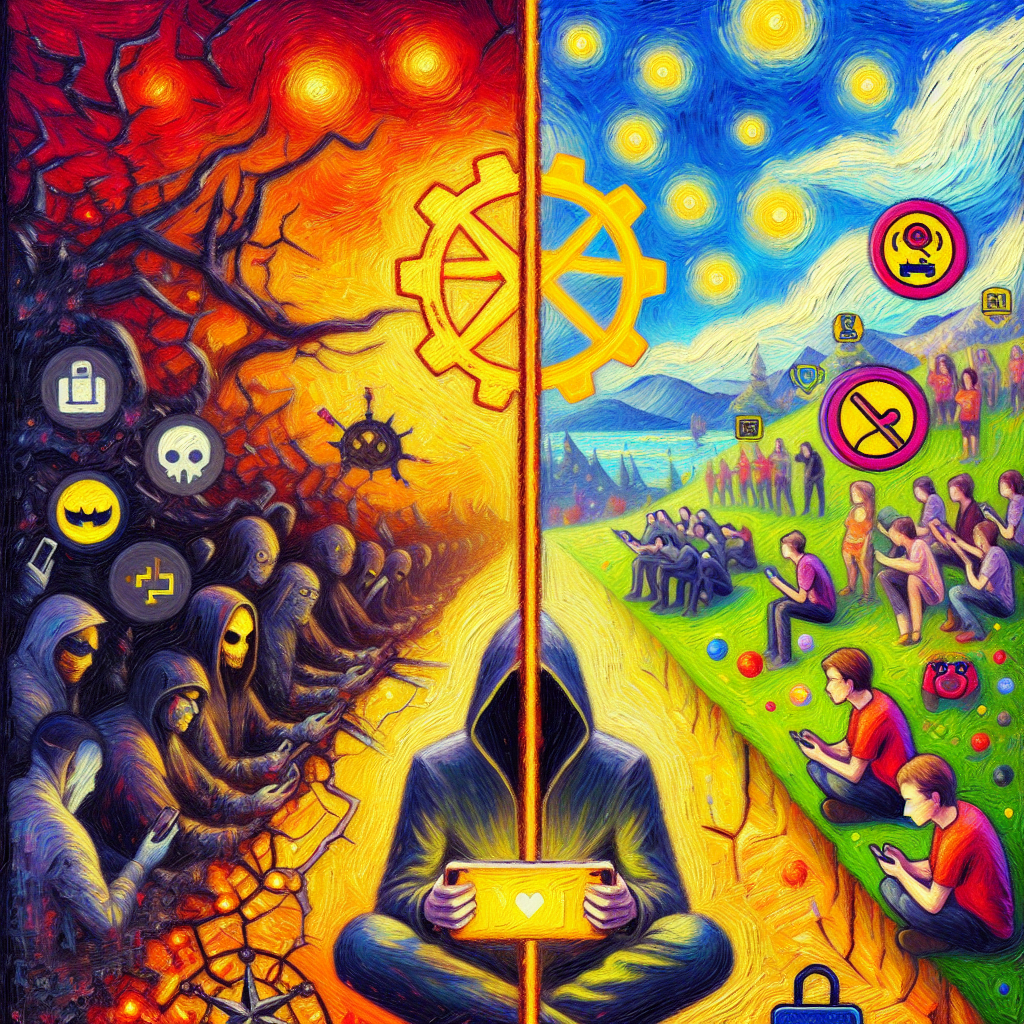
What Role Does Authority Play In Shaping Perceptions Of AI In Gaming?
How Do Emotional Responses to AI Differ Across Generational Lines?
When we think about how different generations respond to artificial intelligence, it’s as much a tale of heart and mind as it is of age. Picture your grandparents, who grew up in a world where machines were little more than clunky tools; now they’re confronted with robots holding conversations and smart devices anticipating their needs. Their emotional responses often range from admiration to uncertainty. It’s not just about technology; it’s about trust. They grew up with a different set of values—effort, craftsmanship, and the beauty of human imperfection—so the idea of machines invading personal spaces feels hollow, even jarring.
Now, shift focus to younger generations, raised alongside technology that learns and adapts like a living entity. For them, AI is like an old friend; it’s a companion that makes sense of chaos, improving the very fabric of their daily lives. These digital natives see AI as a partner in adventure—taking them through video games where ensemble casts of characters teach important life skills like teamwork and strategy. There’s a connection there, not just with the technology itself, but with the community that blossoms around these experiences.
However, while younger folks might spring to embrace AI, they’re also grappling with ethical dilemmas. They stand at the crossroads of convenience and privacy, torn between the lure of instant gratification and the understanding that every digital choice carries consequences. This moral tug-of-war is palpable in the air, weaving an intricate narrative of hope and caution that resonates across social groups.
In conversations around dining tables and online forums alike, questions buzz. Can we trust AI? Are we giving too much of ourselves away? These dialogues stitch together a shared human experience, an opportunity for connection that stretches across generations. Older folks may have a more skeptical eye, while younger generations argue that skepticism can inspire responsibility. It creates a dialogue that fosters respect and understanding—sparking change and urging us all to step into the conversations surrounding our tech-driven future.
So, as we navigate this ever-evolving landscape, let’s remember that we’re in it together, propelled forward by the very emotions that make us human: curiosity, caution, excitement, and the desire for connection. The greatest challenge lies not only in understanding technology but in bridging the emotional chasms it creates. Together, we can learn from these generational differences and inspire each other to build a future that values both innovation and humanity.

How Do Emotional Responses to AI Differ Across Generational Lines?
How Do Emotional Responses to AI Differ Across Generational Lines?
- Different generations respond to artificial intelligence through a blend of emotional and cognitive perspectives.
- Older generations, having grown up in a world of basic machinery, often feel a mix of admiration and uncertainty towards advanced technology.
- Younger generations view AI as a familiar companion that enhances their lives, born from their upbringing alongside evolving technology.
- Digital natives engage with AI through experiences like video games, fostering skills such as teamwork and strategy.
- While embracing AI, younger people also face ethical dilemmas, balancing convenience with concerns about privacy.
- Intergenerational dialogues around AI raise important questions about trust and the implications of sharing personal information.
- The challenge lies in bridging emotional divides between generations, fostering mutual understanding and promoting responsible use of technology.

How Do Emotional Responses to AI Differ Across Generational Lines?
Are There Risks In Gen Z Relying on AI for Companionship In Games?
In an age where digital connections often overshadow face-to-face interactions, the role of AI in gaming companionship for Gen Z draws a careful line between support and replacement. These young gamers are navigating an evolving landscape fraught with emotional nuances. While AI can simulate companionship in games, it raises critical concerns that deserve our attention.
Imagine a player logging into a virtual world, greeted by a friendly AI companion. This technology can offer camaraderie, strategy, and even a dose of encouragement when challenges arise. Yet, behind the glowing screens, we must ask ourselves: what happens to the human connections forged in the heat of competition? As players increasingly rely on AI, the risk of diluting genuine social interactions becomes palpable. Relationships built on shared victories, laughter, and even defeats may dwindle, leading to feelings of isolation in the real world.
From a rational standpoint, there’s an undeniable allure to the immediate gratification provided by AI companions. They don’t judge, they’re always available, and they never tire of your gameplay. Yet we need to remain mindful of the potential implications. Studies indicate that dependency on virtual companionship may impede the development of critical social skills and emotional intelligence. This is an ethical dilemma. Are we willing to trade meaningful connections for the convenience of an AI-generated friend?
As we ponder these questions, consider narratives from those who’ve walked this path. Gamers recount the joy of teaming up with friends, strategizing a plan of attack, or celebrating the thrill of victory together. These stories resonate deeply, reminding us that human experiences, messy and unpredictable as they are, create bonds that an algorithm simply can’t replicate.
Moreover, from a social perspective, Gen Z is uniquely positioned to redefine companionship in the digital age. While AI can act as a tool, it’s crucial for young gamers to balance these interactions with real-world relationships. Encouraging meaningful discourse about the importance of connecting with others creates an environment where everyone can thrive—both in-game and in life.
Striking a balance is key. Embrace the innovation that AI brings, but don’t forget to nurture the invaluable human connections that make life richer. After all, the best moments in games—and in life—are often shared with friends that embody the warmth and unpredictability of humanity itself.

Are There Risks In Gen Z Relying on AI for Companionship In Games?
Are There Risks In Gen Z Relying on AI for Companionship In Games?
Here’s a bulleted summary of the provided text formatted as an HTML list:
- The role of AI in gaming for Gen Z balances companionship and potential replacement of human interactions.
- While AI companions provide support and strategy, they may dilute genuine social interactions among players.
- Increased reliance on AI can lead to emotional isolation, overshadowing shared experiences in gaming.
- AI companions offer advantages such as availability and non-judgment, but may hinder social skill development.
- Gamers value human connections forged through shared experiences, which AI cannot replicate.
- Gen Z has the opportunity to redefine digital companionship while balancing AI interactions with real-world relationships.
- Embracing AI innovations is important, but nurturing human connections is essential for a richer life experience.

Are There Risks In Gen Z Relying on AI for Companionship In Games?
Conclusion
Gaming has evolved into a vibrant cultural tapestry, attracting players across generations, yet it also reveals a striking divide in how we perceive technology and companionship. For Baby Boomers, artificial intelligence is primarily a tool—akin to a hammer or a calculator—designed to optimize performance and ease burdens. They appreciate the efficiency AI brings, enhancing productivity while fostering a sense of nostalgia for a time when skill alone could carve out victory. In contrast, Gen Z views AI not as a mere facilitator, but as a friend—a digital buddy that enhances their gaming experience with personality, engagement, and emotional connectivity. This generational chasm highlights differing values: for Boomers, AI represents an extension of their hard-earned wisdom, while for Gen Z, it embodies a source of companionship in a world increasingly defined by digital interactions.
The emotional implications are profound. As young players embrace AI as reliable allies, they forge connections that transcend mere gameplay, sharing adventures and triumphs that linger beyond the screen. Here lies an opportunity to bridge this gap—through storytelling, education, and shared experiences that promote empathy and understanding. Imagine Boomers mentoring younger generations on the virtues of human connection in gaming while also learning to navigate new technologies. This mutual exchange creates safe spaces for dialogue about ethics, privacy, and the future of companionship in gaming.
AI has the potential to enrich gaming communities by unlocking new avenues for connection—think of cross-generational game nights where wisdom meets youthful curiosity. Yet, it’s essential to tread carefully, as reliance on AI companions poses risks of diminishing authentic human relationships. By fostering genuine connections, we create a balanced narrative that honors our shared love for gaming while embracing technological advancements.
Let’s envision a shared future where technology acts as a bridge, not a barrier. This convergence of experience and innovation invites us to build relationships that honor both our past and our present—where AI serves as a partner in our adventures, instead of a replacement for the connections that make life truly fulfilling. As we embrace this journey, let’s celebrate the richness of human interaction, ensuring that every victory—be it in-game or in life—is shared and savored together.

Conclusion
Conclusion:
- Gaming has evolved into a cultural mosaic that bridges generational divides in views on technology and companionship.
- Baby Boomers see AI as a tool for optimizing performance and efficiency, evoking nostalgia for skill-based victories.
- In contrast, Gen Z views AI as a friend that enhances gaming experiences through personality and emotional engagement.
- This generational divide illustrates differing values: Boomers see AI as an extension of wisdom, while Gen Z views it as a source of companionship.
- Emotional connections formed with AI transcend gameplay, creating lasting relationships and shared experiences among players.
- Opportunities exist to bridge the generational gap through storytelling, education, and mutual mentoring about human connection and technology.
- A balanced narrative is vital, celebrating human connections while embracing AI advancements, and envisioning technology as a bridge rather than a barrier.

Conclusion
Other Resources

Other Resources
Here is a list of other resources you can review online to learn more:
- Fantasy Flight Games
- Odnoklassniki
- BoardGameGeek
- Poker
- Robinson Crusoe: Adventures on the Cursed Island
- Root
- Clank!: A Deck-Building Adventure
- Kemet
- Medium
- Spirit Island: Branch & Claw Expansion
- Tichu
- Geek and Sundry
- DriveThruRPG
- Piatnik
- GameNight!
- Days of Wonder
- Rising Sun
- Portal Games
- Lookout Games
Use This Prompt To Get More Resources With Your Favorite Online AI Tool: Please provide me with a list of online articles with their URLs in a bulleted list that I can read regarding Boomers See AI As a Tool, Gen Z Sees It As a Friend – Gaming’s Big Divide

Other Resources
Glossary Terms
Boomers See AI As a Tool, Gen Z Sees It As a Friend – Gaming’s Big Divide – Glossary Of Terms
1. Boomers: Individuals born between 1946 and 1964, often seen as more traditional and cautious in adopting new technologies.
2. Gen Z: People born approximately from 1997 to 2012, characterized by their comfort with technology and digital communication.
3. AI (Artificial Intelligence): Computer systems designed to perform tasks that typically require human intelligence, such as problem-solving and learning.
4. Tool: An instrument or device used to carry out specific functions; in this context, AI is viewed by Boomers as a means to enhance efficiency.
5. Friend: A supportive companion; Gen Z perceives AI as a social entity that can enhance social interactions and relationships.
6. Gaming: Engaging in games, either for entertainment or competitive purposes, often reflects generational preferences and social interaction styles.
7. Divide: A significant disparity or difference in opinion or perception between two groups, in this case, Boomers and Gen Z regarding AI.
8. Perception: The way in which something is regarded, understood, or interpreted; varies between generations regarding AI.
9. Functionality: The range of operations that an AI system can perform, influencing its acceptance among different age groups.
10. Adaptability: The ability of individuals or technologies to adjust to new conditions, especially relevant in the context of generational attitudes toward AI.
11. Automation: The use of technology to perform tasks without human intervention, often leading to efficiency but also concern about job displacement.
12. Social Interaction: The way individuals communicate and engage with each other, which Gen Z aims to enhance through AI.
13. Tech Savvy: The ability to use technology effectively; Gen Z is generally more tech-savvy than Boomers.
14. Efficiency: The ability to accomplish a task with the least waste of time and effort; Boomers tend to prioritize this aspect in AI.
15. User Experience (UX): The overall experience a person has when interacting with a product or system, crucial for appealing to different generational preferences.
16. Intuition: The ability to understand something instinctively, which may affect how each generation embraces AI.
17. Integration: The process of combining AI technology into everyday life, showcasing the degree of comfort each generation has.
18. Trust: The reliance on AI systems’ reliability and safety, which may vary between Boomers and Gen Z.
19. Creativity: The use of imagination or original ideas, which Gen Z often seeks to enhance through AI’s capabilities.
20. Customization: Tailoring technology to meet individual or group preferences, important for engaging both Boomers and Gen Z.
21. Ethics: Moral principles governing the conduct of AI development and usage, a growing concern among all generations.
22. Connection: The linking of people through technology; Gen Z often views AI as a facilitator of relationships.
23. Skepticism: Doubt about the efficacy or intentions of AI; more pronounced among Boomers who may view AI with caution.
24. Engagement: The degree of involvement with AI, differing between the more utilitarian approach of Boomers and the relational approach of Gen Z.
25. Innovation: The process of creating new ideas or products; both generations express interest but in different contexts.
26. Responsibility: The accountability for the impact of AI technology, which may reflect generational differences in prioritization.
27. Collaboration: Working together, often enhanced through AI, especially relevant as Gen Z seeks supportive interactions.
28. Mental Health: The psychological well-being that AI could potentially support, particularly within Gen Z’s perspective on friendship.
29. Entertainment: Activities designed for enjoyment; gaming often encompasses technology’s role in improving experiences across generations.
30. Education: The process of teaching and learning; AI’s role in facilitating educational tools is an area of interest for both Boomers and Gen Z.

Glossary Of Terms
Other Questions
Boomers See AI As a Tool, Gen Z Sees It As a Friend – Gaming’s Big Divide – Other Questions
If you wish to explore and discover more, consider looking for answers to these questions:
- What specific games illustrate the generational divide in perceptions of AI?
- How do Boomers feel about the introduction of AI in traditional games?
- What are some examples of AI being used as a companion in gaming?
- How can gaming communities encourage collaboration between Boomers and Gen Z?
- What ethical guidelines should be established regarding AI in gaming?
- What are the potential psychological effects of AI companions on Gen Z gamers?
- How do cultural differences across generations impact the acceptance of AI in gaming?
- What role does nostalgia play in Boomers’ perspectives on AI in games?
- How can AI improve the gaming experience for marginalized or underrepresented groups?
- What are the long-term implications of AI companionship on real-world social skills?

Other Questions
Haiku
Boomers See AI As a Tool, Gen Z Sees It As a Friend – Gaming’s Big Divide – A Haiku
Generations diverge,
Boomers bond with the old ways,
Gen Z seeks a friend.
AI as a bridge,
Crafting tales of trust and joy,
Playgrounds intertwine.

Haiku
Poem
Boomers See AI As a Tool, Gen Z Sees It As a Friend – Gaming’s Big Divide – A Poem
In worlds of pixels and virtual skies,
Generations clash, with differing eyes.
Boomers see tools, cold and precise,
In AI’s harsh glow, they find their advice.
A logical gaze from a crafted past,
Where victories earned felt built to last.
“To optimize, to achieve,” they decree,
Machines as allies, yet distant, you see.
But Gen Z approaches with open hearts wide,
To them, AI’s warmth is a cherished guide.
In every quest where companionship dwells,
They forge bonds with friends, where laughter swells.
Imagine the joy, as allies unite,
Through tactics and journeys, igniting the night.
A dance of connection, community bold,
In digital realms, new stories unfold.
Yet a caution is born from the comforts they create,
As screens fill the silence, real friendships abate.
Are we swaying too much towards luminous gleam,
Forgetting the essence of the bonds we esteem?
Let wisdom of ages meet youthful embrace,
Crafting bridges where trust holds its place.
Invite them together, as laughter takes flight,
In games, in stories, find shared delight.
For each heart has its rhythm, its song, and its beat,
A blend of emotions where worlds can meet.
As AI becomes friend, tool, and kin,
Let’s nurture our ties, where true adventures begin.
In a dance of connection, where all can belong,
Together we thrive, in this ever-evolving song.
So raise the controller, let new narratives play,
In harmony’s light, let’s game our own way.

Poem
Checklist
Boomers See AI As a Tool, Gen Z Sees It As a Friend – Gaming’s Big Divide – A Checklist
Checklist: Bridging the Generational Divide in Gaming Perspectives on AI
Emotional Appeals
_____ Share personal stories about your experiences with AI in gaming.
_____ Initiate conversations about the role of companionship in gaming and life.
_____ Reflect on how gaming has facilitated connections among family and friends.
Rational Appeals
_____ Organize workshops to explain how AI works and its applications in gaming.
_____ Discuss the benefits of AI in enhancing productivity and gaming strategies.
_____ Clarify common misconceptions about AI functionality and safety.
Ethical Appeals
_____ Facilitate discussions on the ethical implications of AI, focusing on privacy and trust.
_____ Explore concerns about job displacement or relationship dilution due to AI reliance.
_____ Encourage transparency in how AI developers approach ethical issues.
Authority Appeals
_____ Invite tech experts or community leaders to speak about AI in gaming.
_____ Highlight stories of authoritative figures who successfully blend traditional and modern gaming.
_____ Encourage mentoring opportunities between older and younger gamers.
Narrative Appeals
_____ Create intergenerational game nights to share gaming experiences.
_____ Develop narratives that illustrate the shared love of gaming across generations.
_____ Share testimonials of how AI has enriched gaming experiences for different age groups.
Social Appeals
_____ Form groups that bring together diverse generations to explore AI in gaming.
_____ Promote community events that emphasize collaboration over competition in gaming.
_____ Foster relationships that encourage balancing AI usage with real-world interactions.
By following this checklist, individuals can contribute to bridging the generational divide and foster a more inclusive understanding of AI in gaming.

Checklist
At HowDoYouGame, we help people who love board games by collating information and news about games.
Be sure to read our other related stories at HowDoYouGame to learn more about games.