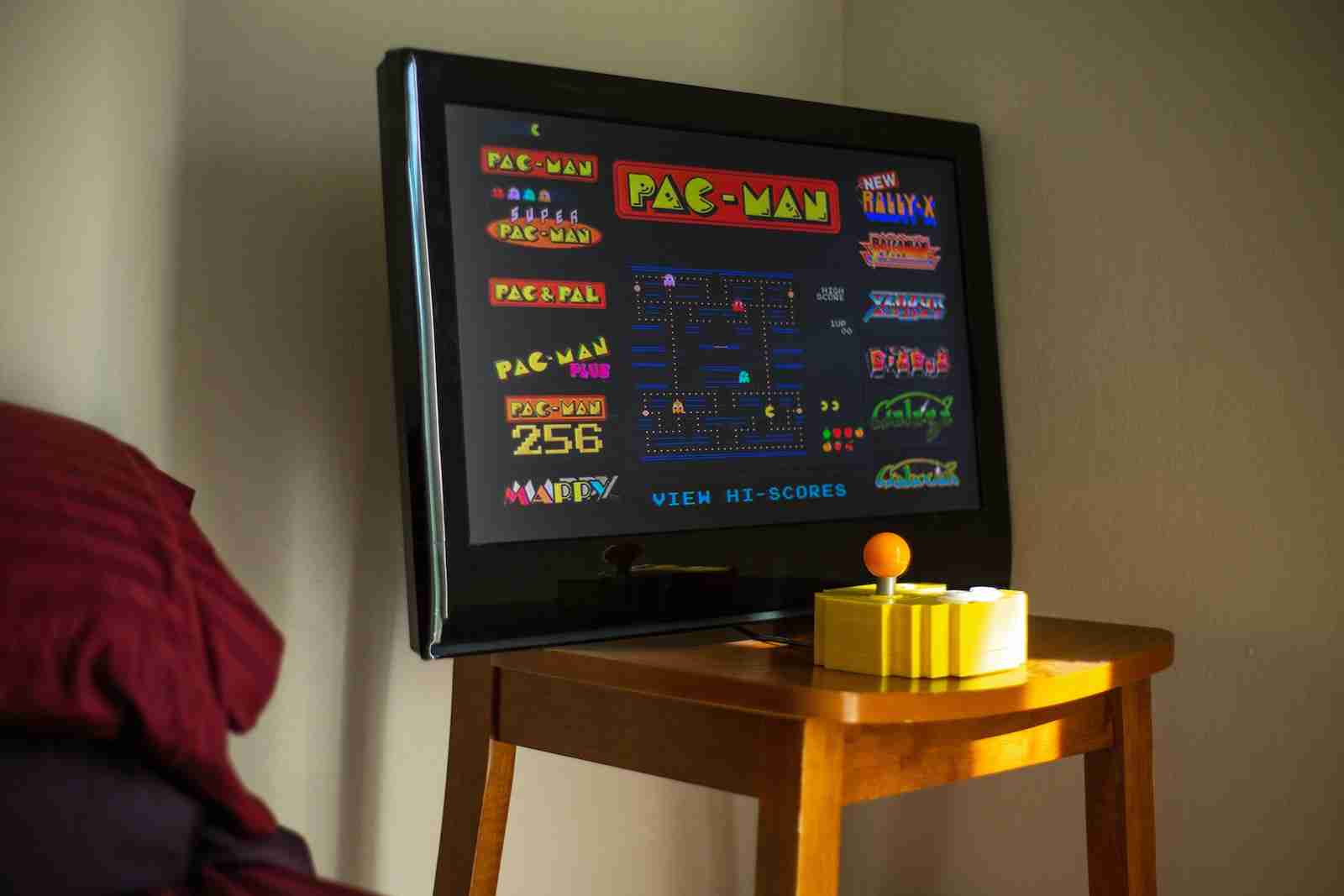
Innovative Approaches: Balancing Structure And Creativity
By Tom Seest
At HowDoYouGame, we help people who love board games by collating information and news about games.
Be sure to read our other related stories at HowDoYouGame to learn more about games.
The Millennial Debate – Procedural Innovation Vs. Developer Creativity
In the world of games, there’s an ongoing tug-of-war between procedural innovation and developer creativity. It’s a conversation that resonates not just with industry titans but with everyday players who sink their emotional hooks into pixelated worlds. On one hand, you have the bold engineers crafting algorithms that generate entire landscapes, creating infinite possibilities with a few lines of code. It’s mathematical artistry, where every mountain might evolve unpredictably, offering players a fresh adventure with every login. This is the allure of procedural innovation—a kind of magic that screams efficiency and scalability, potentially rewriting the way we view virtual exploration.
But hold on! There’s a craving lurking beneath the surface, one that procedural magic can’t fully satisfy. It’s the human touch that brings warmth and depth to any experience. Think of your favorite games—the ones that made you laugh, cry, or question your own existence. These are not solely products of code; they’re the result of countless hours spent crafting narratives, developing characters, and engaging players on a deeper level. That emotional richness, that soul, can only come from the creativity of a dedicated developer who pours their passion into every line of dialogue and every meticulously crafted scene.
The heartbeat of gaming lies not merely in the innovation of the tools we use but in the stories we tell and the connections we build. This creative authenticity fosters trust. When players engage with a narrative driven by a passionate developer, they’re not just mere participants; they’re a part of a shared journey. It’s a human experience—a story told to forge relationships among friends, friends made through digital landscapes that spark conversations long after the console is turned off.
Now, the debate isn’t just about which approach should dominate; it’s about understanding that each has its rightful place. Procedural innovation provides a vibrant canvas, while developer creativity paints the details that make the experience memorable. Just as we rely on both the heart and the head to navigate our lives, so too do we need both elements to create games that resonate well beyond their screens. When innovation and creativity conjoin, magic happens—a vibrant symbiosis that elevates gaming from mere entertainment to an enduring, transformative experience. So, as players and creators alike, let’s celebrate this hybrid, honoring the essence of what makes games not just playthings, but profound experiences that connect us in heart, head, and gut.

The Millennial Debate – Procedural Innovation Vs. Developer Creativity
The Millennial Debate – Procedural Innovation Vs. Developer Creativity
- A tug-of-war exists between procedural innovation and developer creativity in gaming.
- Engineers create algorithms that generate landscapes, offering infinite possibilities.
- Procedural innovation is seen as efficient and scalable, providing fresh adventures regularly.
- However, a human touch is necessary for warmth, depth, and emotional richness in games.
- Games that resonate with players often stem from dedicated developers who focus on narrative and character development.
- Both procedural innovation and developer creativity play vital roles in creating memorable gaming experiences.
- A harmonious blend of innovation and creativity transforms gaming into a profound, shared experience.

The Millennial Debate – Procedural Innovation Vs. Developer Creativity
Table Of Contents
- The Millennial Debate – Procedural Innovation Vs. Developer Creativity
- How Do You Balance Art and Functionality In Game Design?
- Do You Trust Developers More When They Innovate Or When They Create?
- How Do Community-Driven Narratives Shape Your Gaming Preferences?
- What Role Does Player Feedback Play In Shaping Developer Creativity?
- How Does Procedural Generation Change Your Perception Of Game Worlds?
- Do You Believe That Creativity Can Thrive In a Procedural Framework?
- Do You Feel a Sense Of Ownership Over Procedurally Generated Content?
- Conclusion
- Other Resources
- Glossary Of Terms
- Other Questions
- Haiku
- Poem
- Checklist
How Do You Balance Art and Functionality In Game Design?
Balancing art and functionality in game design isn’t just a task—it’s an exhilarating dance that taps into our hearts, minds, and instincts. When you’re knee-deep in creating games that transport players into other worlds, every pixel matters. The visual splendor of a sunset seen from a cliff, or the haunting design of a character, can invoke emotion and create lasting memories. Imagine a game that seamlessly combines breathtaking landscapes with a story that pulls at your heartstrings—this is the art of game design.
However, let’s face it: fabulous graphics without functionality lead to frustration faster than a leaky boat. Players who are entranced by a beautiful world but find their controls clunky will quickly lose interest. This is where the head comes into play; understanding the mechanics of how players interact with your creation is as crucial as the artistry. A well-crafted game marries aesthetics with usability, ensuring that each element serves a purpose. Great game design requires an understanding of user experience, making sure that the controls feel intuitive while still being rewarding to master.
From an ethical standpoint, there’s a responsibility that comes with game creation. Designers must promote inclusivity and accessibility, ensuring that everyone can experience the art and functionality they’ve poured their souls into. The joy of games is universal; it should resonate across different social backgrounds and abilities. By embracing diversity in both character and gameplay, you not only enhance your audience but also contribute to a richer gaming culture.
Engagement doesn’t just stem from graphics or mechanics—it’s also about the stories we tell. Every game has a narrative woven into its very fabric. When players feel connected to the characters and the challenges they face, it sparks something profound within them. They begin to see themselves in these stories, blurring the line between player and game.
In this vibrant realm of game development, every decision reflects a spectrum of impacts. Balancing aesthetics with practical functionality is not merely an operational duty; it’s a calling that invites creators to inspire trust and encourage action. The ultimate goal? To craft experiences that resonate deeply, where every interaction feels meaningful, and where art serves as a bridge to unforgettable adventure—a testament to the power of games.

How Do You Balance Art and Functionality In Game Design?
How Do You Balance Art and Functionality In Game Design?
- Balancing art and functionality in game design is an exhilarating process that engages emotions and instincts.
- Every detail, like stunning landscapes and character designs, contributes to players’ emotional experiences and lasting memories.
- Beautiful graphics must be paired with effective functionality, as poor controls can quickly frustrate players.
- Successful game design requires a deep understanding of user experience to make controls intuitive and rewarding.
- Designers have a responsibility to promote inclusivity and accessibility, enhancing the gaming experience for all players.
- Engagement comes not only from visuals but also from compelling narratives that resonate with players.
- The ultimate goal is to create meaningful experiences where art and functionality inspire trust and provide unforgettable adventures.

How Do You Balance Art and Functionality In Game Design?
Do You Trust Developers More When They Innovate Or When They Create?
When we think about the developers behind the technology we use every day, we often find ourselves at an intriguing crossroads: Do we trust the creators who innovate or those who simply create? This question isn’t just an intellectual puzzle; it’s a testament to the values we hold dear and the experiences that shape our understanding of innovation.
Consider, for instance, the realm of video games. These digital worlds, crafted by passionate developers, can transport us far beyond our living rooms. When a developer ingeniously blends story with gameplay, producing something innovative, there’s a spark—an emotional connection that draws us in. Great games ignite our imaginations and prompt us to believe in the impossible. The leap from mere creation to genuine innovation engages our hearts, lifting our spirits and inviting us to explore new ideas and possibilities.
Yet, there’s something equally intriguing about the developers who focus on refining existing concepts rather than blazing new trails. When they create, they demonstrate reliability and skill. Such developers understand the sacred trust bestowed upon them by users. They recognize that in a world filled with rapid change, the ability to produce something solid, familiar, and dependable grounds us in our everyday lives. Their work resonates with a different kind of appeal—a nod to craftsmanship that reassures us we can rely on what they deliver.
On one hand, we crave innovation, the thrill of new experiences and the fresh excitement that comes with revolutionary ideas. On the other, there’s comfort in familiarity, a warmth that stems from knowing someone has poured their effort into refining our beloved gaming pastimes. It’s no wonder that our trust often oscillates between these two realms.
From a social perspective, we tend to rally around the innovators, celebrating the audacity to dream big while holding the creators in high regard for their dependability. We respect those who dare to venture into uncharted territory just as much as we appreciate those who meticulously perfect what’s already there.
Ultimately, the bond we form with developers cultivates a sense of community. When they show us their passion—through innovation or creation—their sincerity resonates with our shared experiences. This connection inspires trust; it fosters confidence that whether they are pioneering new adventures or enhancing the classics, their work matters. And in that mattering, we find a deeper connection that goes beyond mere technology—it becomes a part of who we are.

Do You Trust Developers More When They Innovate Or When They Create?
Do You Trust Developers More When They Innovate Or When They Create?
- The role of developers raises the question of whether we trust innovators or those who refine existing concepts.
- Video games serve as a prime example of how innovative storytelling and gameplay create emotional connections with players.
- Innovative games ignite imagination and encourage exploration of new possibilities.
- Developers who refine existing concepts demonstrate reliability, skill, and a sense of responsibility to users.
- There is a dual craving for innovation’s excitement and comfort in the familiarity of well-crafted experiences.
- Society celebrates both innovators for their boldness and creators for their dependability.
- The bond formed with developers fosters a sense of community and inspires trust, transcending mere technology.

Do You Trust Developers More When They Innovate Or When They Create?
How Do Community-Driven Narratives Shape Your Gaming Preferences?
When you sit down to play your favorite games, you’re not just interacting with a well-crafted world; you’re stepping into a community. This isn’t merely a pastime; it’s a shared experience, a communal journey where narratives unfold that shape your preferences in ways you might not even realize. Think about it: the games that resonate most with you often emerge from discussions, debates, and heartfelt endorsements from fellow players. Their stories not only validate your choices but also ignite passions you didn’t know were there.
Imagine diving into a game that’s been championed by your friends. Their excitement is contagious, pulling you into a narrative woven from shared experiences. When they recount moments of triumph or despair, it allows you to navigate those emotional highs and lows alongside them, creating a bond that transcends the screen. This isn’t just about gameplay; it’s about connection. You’re not just picking up a controller; you’re entering a conversation where narratives evolve, guided by the voices of those who have walked the same pixelated path.
Ethically speaking, games often reflect the values of the communities that foster them. Engaging in discussions about characters, decisions, and moral dilemmas prompts you to reflect on your own values and ethics. It encourages you to stand up for what resonates with your beliefs, shaping the games you choose to engage with. The mere act of sharing and challenging each other’s perspectives molds your preferences, turning casual play into purposeful exploration.
Moreover, the authority of community-curated experiences can’t be overstated. When gamers share their insights, they establish a sense of credibility. Their recommendations, born from hours of passionate play, guide you to explore worlds you may not have considered. Every suggestion carries weight, influencing not just what you play, but how you approach the gaming universe.
So, the next time you’re tempted to dive into a new title, pause for a moment. Reflect on the stories and voices that have shaped your preferences. This community-driven narrative is more than just entertainment; it’s a celebration of shared experiences that connect us, challenge our views, and even inspire us to act. Embrace the journey, and remember that every gaming choice is woven into the larger tapestry of a community waiting to welcome you home.

How Do Community-Driven Narratives Shape Your Gaming Preferences?
How Do Community-Driven Narratives Shape Your Gaming Preferences?
- Playing games is more than just an interaction; it’s an entry into a community.
- Games resonate through discussions and endorsements from fellow players, shaping personal preferences.
- Shared experiences foster emotional connections between players as they navigate narratives together.
- Engaging in game discussions encourages reflection on personal ethics and values.
- Community insights create credibility, guiding players towards new gaming experiences.
- Community-driven narratives enhance gaming by connecting players, challenging views, and inspiring action.
- Every gaming choice is intertwined with the broader community experience, fostering a sense of belonging.

How Do Community-Driven Narratives Shape Your Gaming Preferences?
What Role Does Player Feedback Play In Shaping Developer Creativity?
When you think about the spark of creativity in game development, it often ignites from an unexpected source: players themselves. These gamers, sitting behind their screens, are not just consumers; they are the heartbeat of the gaming experience. Their feedback shapes narratives, influences design, and ultimately steers the creative process in new directions. It’s a relationship built on trust, dialogue, and mutual respect.
Imagine for a moment the late-night brainstorming sessions of a game development team, fueled by pizza and passion. Ideas fly across the table like fireworks, yet something crucial is missing. Enter the players. They offer insights that no developer would ever consider sitting in an isolated office. Their stories, challenges, and triumphs within the game world create a tapestry of experiences that developers can weave into their work. Games become richer and more engaging because they reflect real emotions and challenges faced by real people.
From both a rational and ethical perspective, involving players in the development process is not just a trend; it’s a necessity. Gamers have a unique lens through which they view the game. When developers listen, they validate player experiences, creating a sense of community and connection. Players are not just a demographic; they are partners in creativity, helping to mold and refine ideas that inspire developers to think outside the box.
Now, consider the narrative aspect—every game tells a story, but which stories resonate most? Players provide a feedback loop that can inspire narratives that reflect contemporary issues, cultural themes, and even individual struggles. This two-way street of creativity allows developers to craft worlds that feel alive and meaningful, resonating with a wider audience.
And let’s not overlook the social impact. Games have the power to bring people together, spark conversations, and elicit change. They can challenge norms and inspire action, and player feedback is the catalyst that fuels this potential. Developers who heed this call can create experiences that not only entertain but inspire players to be part of something bigger.
When developers prioritize player feedback, they aren’t just enhancing their games; they’re forging connections, creating better experiences, and elevating their own artistry. By embracing this partnership, everyone involved—developers and players alike—can create something truly extraordinary. It’s that promise of collaboration and creativity that gives the gaming world its pulse and ensures that it beats stronger with each iteration.

What Role Does Player Feedback Play In Shaping Developer Creativity?
What Role Does Player Feedback Play In Shaping Developer Creativity?
- Players are key contributors to game development, providing vital feedback that shapes narratives and design.
- Game developers benefit from insights gained through players’ gaming experiences, enriching their work.
- Involving players is essential for building trust, dialogue, and mutual respect within the gaming community.
- Player experiences inspire developers to explore innovative ideas and think creatively.
- Players influence narrative aspects, helping to address contemporary issues and cultural themes in games.
- Games have a social impact, fostering connections and conversations that can inspire change.
- Prioritizing player feedback enhances overall gaming experiences and elevates the artistry of developers.

What Role Does Player Feedback Play In Shaping Developer Creativity?
How Does Procedural Generation Change Your Perception Of Game Worlds?
When you step into a world crafted by procedural generation, it’s as if you’ve been handed a key to a door marked “Endless Possibilities.” Think back to your childhood, when the universe loomed large and inviting. Each game you played became a vessel of imagination, a portal to places you could conjure but never quite touch. Procedural generation reignites that sense of wonder, leveraging algorithms that not only diversify environments but breathe fresh life into every adventure, urging you to discover more.
These aren’t just “games”; they are an evolving canvas where each playthrough is uniquely tailored, inviting players to explore the unknown. With each trek down a new pixelated path, you’re not merely a participant; you are an explorer charting uncharted territory. That’s where the heart kicks in. Think of those moments of sheer joy when you stumble upon an untouched cave or discover artifacts from long-lost civilizations in the depths of digital forest. Each twist and turn replaces predictability with delight—a callback to that childlike spontaneity we all crave amidst our structured lives.
Now, let’s engage the mind. Procedural generation raises questions about authorship and creativity. Who is the true creator—the programmer or the player? As you connect dots and weave through seemingly haphazard landscapes, you become part of a grand narrative where you influence the outcome. This participation fosters a sense of ownership over your experiences, pushing you to return. The deeper your connection, the more you trust the game to deliver surprises that feel both personal and rewarding.
But we must consider ethics, too. In this digital age, where the lines between real and virtual are ever-blurring, it’s essential to reflect on what these generated worlds say about our values and community. As we band together in discussions about our favorite random encounters or hidden treasures, we build relationships over shared stories, bridging gaps between strangers. Each experience becomes a thread in a communal tapestry, connecting us in ways that transcend the screen.
Ultimately, procedural generation transforms game worlds into living, breathing entities. They reflect our desires and fears, pushing us to explore the full range of human experience. So the next time you dive into a procedural landscape, remember: you’re not just a player; you’re a co-creator in an unfolding epic that begs to be shared. Embrace that adventure, for it’s a journey that unites us all, heart, head, and gut.

How Does Procedural Generation Change Your Perception Of Game Worlds?
How Does Procedural Generation Change Your Perception Of Game Worlds?
- Procedural generation creates endless possibilities, reigniting childhood wonder and imagination.
- Each game becomes a unique experience, inviting players to explore uncharted territories.
- Players experience joy through unexpected discoveries, enhancing spontaneity in gaming.
- Procedural generation raises questions of authorship, involving players as co-creators in the narrative.
- Greater player connection fosters trust and anticipation for personal and rewarding surprises.
- Ethical considerations arise regarding the values reflected in generated worlds and community impact.
- These dynamic game worlds mirror human experiences, uniting players in shared adventures.

How Does Procedural Generation Change Your Perception Of Game Worlds?
Do You Believe That Creativity Can Thrive In a Procedural Framework?
Creativity is often depicted as a wild stallion, unbridled and joyous, galloping across the vast plains of imagination. Yet, what if I told you that this untamed spirit can find its strength and stability within a procedural framework? Picture it: an artist sculpting marble, guided by the structure of their own vision yet free to innovate within that form. This is akin to the world of games, where structured rules underpin creative exploration.
We live in an age where rules and frameworks can feel stifling—from the monotonous routines of daily life to the rigid expectations of society. However, let’s step back for a moment: those same constraints can ignite a different kind of creativity. Think of it like a seasoned carpenter who wields their tools with precision, mastering each cut and join, yet birthing unique creations every time. Games thrive on this balance, relying on set parameters while offering boundless opportunities for inventive play. Here is where creativity truly thrives.
Consider any video game. Developers infuse intricate narratives into layers of code, allowing players to carve their own paths through predefined worlds. This isn’t just entertainment; it’s a crucial outlet for our innate desire to create. Each player’s experience becomes a narrative thread woven into a rich communal tapestry. Those moments of triumph, failure, discovery, and storytelling connect us, showcasing how creativity flourishes, even in the face of structure.
Let’s face it: creativity is a cornerstone of human experience. When we provide ourselves a framework within which to operate, we don’t restrict the imaginative process; rather, we enhance it. Empowering individuals to explore their creativity within these boundaries can foster innovation, making us not only more resourceful but also more empathetic. This belief invites us to embrace the journey of creativity alongside others, building trust and camaraderie.
Engagement with creativity is not just a personal pursuit; it’s a collective journey. When we meld our creativity with procedural frameworks, we tap into a wellspring of potential that resonates deeply within us all. It brings us together, sparks conversations, and inspires us to forge pathways where before there were none. In this dance between structure and spontaneity, we discover not just who we are, but who we can become—together. So, dive into that framework and unleash your creativity; the world is waiting.

Do You Believe That Creativity Can Thrive In a Procedural Framework?
Do You Believe That Creativity Can Thrive In a Procedural Framework?
- Creativity can thrive within structured frameworks, similar to an artist sculpting within their vision.
- Rules and frameworks, though often seen as limiting, can actually ignite creativity.
- Games exemplify this balance by combining structured rules with opportunities for inventive play.
- Video games allow players to create their narratives within predefined worlds, fostering communal experiences.
- Creativity enhances the imaginative process instead of restricting it, leading to innovation and empathy.
- Engaging with creativity is a collective journey that encourages collaboration and connection.
- Embracing the interplay between structure and spontaneity can reveal our potential and strengthen community bonds.

Do You Believe That Creativity Can Thrive In a Procedural Framework?
Do You Feel a Sense Of Ownership Over Procedurally Generated Content?
Imagine escaping into a vast world, one crafted by algorithms rather than human hands, where every forest, dungeon, and creature morphs with your every choice. This is the allure of procedurally generated content in games. But does that ownership emerge solely from our interactions, or is it simply a product of digital craftsmanship? Let’s unpack this.
When we dive into these intricate landscapes, we feel like pioneers laying claim to new territories. There’s a magic in personalizing experiences, whether it’s building a fortress on a distant hill or inadvertently angering a dragon because we stole its favorite treasure. Each decision echoes through the game, and with it, a feeling of ownership blossoms. It’s not just pixels on a screen; they transform into memories that stick to our ribs, akin to the stories passed down from generations—a heartfelt narrative that resonates deep within.
On a rational front, consider this: some of the most captivating experiences in gaming emerge when randomness meets player choice. Just as a chef improvises with available ingredients, players weave their paths with what the system serves up. Those moments of triumph, setbacks, and discoveries—each born from the unpredictable nature of procedural generation—are the heartbeat of ownership. Your journey isn’t about leading a preordained path; it’s about navigating a canvas created in real-time, where each brushstroke bears your signature.
Ethically, we face an intriguing question. Shouldn’t creators be acknowledged for programming the algorithms that furnish these adventures? Yes, the developers are the backbone, but the spirit of these engagements comes from us, the players who breathe life into them. We are the artists of our own stories.
In this shared experience, there’s a strong social connection. You might share tales of your epic conquests or near-failures with friends as if narrating a legendary saga around a campfire. This bond fosters camaraderie, reinforcing that sense of ownership.
So, as you explore the uncharted territories of your next game, remember: every enemy you conquer, every item you collect, and every corner you turn is not just a part of a digital universe. It’s your journey, your creation, where you write the rules and forge the legacy. Embrace that ownership—it’s not just a game; it’s a tapestry woven from your imagination and determination.

Do You Feel a Sense Of Ownership Over Procedurally Generated Content?
Do You Feel a Sense Of Ownership Over Procedurally Generated Content?
- Procedurally generated content creates vast worlds influenced by player choices.
- Players feel like pioneers, personalizing their gaming experiences and cultivating a sense of ownership.
- Each decision impacts the game, making it resonate deeply with players, akin to generational storytelling.
- The combination of randomness and player choice leads to captivating gaming experiences and emotional connections.
- Developers provide the framework, but players are essential in bringing these experiences to life.
- Sharing gaming experiences fosters social connections, enhancing the sense of ownership within the community.
- Every action taken in the game contributes to a personalized journey that reflects the player’s imagination and determination.

Do You Feel a Sense Of Ownership Over Procedurally Generated Content?
Conclusion
When we dive deep into the world of gaming, we find ourselves at a crossroads between procedural innovation and developer creativity. This isn’t just a debate for industry insiders—it’s a conversation that reverberates within the hearts of players everywhere. At its core, it’s about how we experience games as dynamic landscapes that invite exploration and connection. Procedural innovation captivates us with its mathematical mastery, creating seemingly infinite possibilities. Imagine stepping into a game where each mountain, each forest is generated uniquely, presenting a fresh challenge every time. This is where the allure lies: the thrill of surprise and the promise of endless adventure. Yet, lurking beneath this algorithmic charm is a primal yearning for the human touch. The games that resonate most—those that make you laugh, cry, or reflect on life—stem from the dedicated developers who infuse their passion into every line of dialogue and character arc. These are not merely products of code; they are crafted with emotional depth and authenticity, forging connections that bind players together.
As we navigate this space, we must recognize that procedural generation and developer creativity serve distinct yet complementary purposes. Procedural innovation lays out a vibrant canvas, while developer creativity adds the rich textures and narratives that elevate the gaming experience. It’s a symbiotic relationship, much like navigating our own lives—we need both the structure and the freedom to thrive. When artists embrace this balance, magic unfolds, transforming gaming from a casual pastime into an impactful venture that resonates in our lives.
Moreover, the role of player feedback cannot be understated. Gamers are not passive consumers; they are integral to the creative process. Their insights shape narratives and influence design, creating a collaborative tapestry that enhances what developers produce. This relationship builds trust, ensuring that every interaction feels meaningful. It’s about more than aesthetics or mechanics; it’s a testament to the power of shared experiences that transcend the screen.
As we look ahead, let us celebrate this marriage of innovation and creativity. Embrace the journeys we share through these digital landscapes, for they are more than just games; they are epic tales woven together by heart, mind, and spirit. In this evolving narrative, we are co-creators, and our stories are worth telling—loudly, proudly, and together.

Conclusion
Conclusion:
- The gaming world is at a crossroads between procedural innovation and developer creativity.
- Procedural innovation offers endless possibilities, creating unique experiences with each playthrough.
- Despite the allure of algorithms, players crave the emotional depth found in human-crafted games.
- Developer creativity adds narratives and textures, enhancing the overall gaming experience.
- Both procedural generation and developer creativity play distinct yet complementary roles in gaming.
- Player feedback is crucial, making gamers active participants in the creative process.
- Gaming is more than a pastime; it unites players through shared stories and experiences.

Conclusion
Other Resources
Other Resources
Here is a list of other resources you can review online to learn more:
- The Voyages of Marco Polo
- Ars Technica
- Brass: Birmingham
- Agricola (Revised Edition)
- Space Cowboys
- Thunderworks Games
- Gloom
- Cardboard Republic
- Horrible Games
- Goliath Games
- Matagot
- Terraforming Mars
- Odnoklassniki
- The Castles of Burgundy
- Star Wars: Rebellion
- PC Gamer
- IELLO
Use This Prompt To Get More Resources With Your Favorite Online AI Tool: Please provide me with a list of online articles with their URLs in a bulleted list that I can read regarding The Millennial Debate – Procedural Innovation Vs. Developer Creativity
Other Resources
Glossary Terms
The Millennial Debate – Procedural Innovation Vs. Developer Creativity – Glossary Of Terms
1. Millennial Debate: A discussion focused on the contrasting values and priorities of millennial developers in the context of technology and innovation.
2. Procedural Innovation: A methodical approach to creating new solutions or products, typically relying on established protocols and frameworks.
3. Developer Creativity: The ability of developers to think outside traditional boundaries and conceive novel ideas or solutions in software development.
4. Technology: The application of scientific knowledge for practical purposes, especially in industry and software development.
5. Framework: A structured approach that provides a foundation for building software applications, often defining the necessary components and workflows.
6. Agile Methodology: An iterative approach to software development that emphasizes flexibility, collaboration, and customer feedback.
7. User Experience (UX): The overall experience and satisfaction a user has when interacting with a software application or system.
8. Innovation: The introduction of new ideas, products, or processes that significantly improve existing solutions.
9. Disruption: A significant change that alters the way businesses or industries operate, often driven by new technology.
10. Collaboration: Working together among team members or across departments to achieve common goals in software development.
11. Design Thinking: A user-centered methodology that encourages problem-solving through empathy, ideation, and experimentation.
12. Open Source: Software whose source code is freely available for modification and redistribution, promoting community collaboration.
13. Code Review: The process of systematically examining another developer’s code to identify improvements or bugs.
14. Sustainable Development: Creating software solutions that consider long-term viability and environmental impact, balancing innovation with responsibility.
15. Hackathon: An event where developers collaborate intensively on software projects, typically over a short period, to create innovative solutions.
16. Minimum Viable Product (MVP): A version of a product with just enough features to satisfy early adopters and gather feedback for future development.
17. Iterative Development: A development model where solutions are continually refined through repeated cycles of feedback and improvement.
18. Creative Coding: A practice that combines programming with artistic expression, allowing developers to create visually engaging software applications.
19. DevOps: A set of practices that integrates software development (Dev) and IT operations (Ops) to shorten the development lifecycle.
20. Digital Transformation: The process of using digital technologies to fundamentally change how organizations operate and deliver value to customers.
21. Prototype: An early sample or model of a product used to test concepts and gather feedback before full-scale development.
22. Cloud Computing: The delivery of computing services over the internet, allowing for scalable resources and flexibility in development.
23. Scalability: The capability of a system to handle an increasing amount of work or its potential to expand as demand grows.
24. Silos: Isolated departments or teams within an organization that do not share information or collaborate effectively.
25. Feedback Loop: A cyclical process where the output of a system is fed back into the system to enhance future performance.
26. Rapid Prototyping: A way to quickly create a scale model of a product to evaluate concepts and gather user feedback.
27. Data-Driven Decisions: Making choices based on data analysis and interpretation rather than intuition or personal experience.
28. Cross-Functional Teams: Groups composed of members from different departments or expertise areas, collaborating to achieve a common objective.
29. Artificial Intelligence (AI): The simulation of human intelligence processes by machines, particularly computer systems.
30. Continuous Integration and Deployment (CI/CD): Practices that enable automatic testing and deployment of software changes to ensure rapid delivery and improvement.

Glossary Of Terms
Other Questions
The Millennial Debate – Procedural Innovation Vs. Developer Creativity – Other Questions
If you wish to explore and discover more, consider looking for answers to these questions:
- What are some examples of games that effectively balance procedural innovation and developer creativity?
- How can developers ensure that procedural generation doesn’t undermine narrative depth?
- What techniques can developers use to incorporate player feedback into their creative process?
- Can procedural generation lead to a lack of authentic storytelling in games?
- How does community engagement influence game design trends?
- What are the ethical implications of using procedural generation in game development?
- How do different player demographics respond to procedural versus traditionally designed games?
- What role does nostalgia play in player preferences for game aesthetics?
- How have advancements in technology impacted the effectiveness of procedural generation?
- What are the potential downsides of relying heavily on procedural generation?
- In what ways can developers foster a sense of community among players?
- How can game designers promote inclusivity through procedural generation?
- What future trends might emerge from the ongoing debate between innovation and creativity in gaming?

Other Questions
Haiku
The Millennial Debate – Procedural Innovation Vs. Developer Creativity – A Haiku
In worlds vast and bright,
Heart and code weave tales anew,
Crafting shared journeys.

Haiku
Poem
The Millennial Debate – Procedural Innovation Vs. Developer Creativity – A Poem
In realms where pixels dance and dreams collide,
A struggle brews, between art and the guide.
Procedural wonders, algorithms deft,
Create vast landscapes, but leave hearts bereft.
With each mountain that rises, each valley that flows,
A magic unfolds, yet craving still grows.
For amidst coded pathways, we long for a spark,
The warmth of a mission, the glow in the dark.
Developers toil, pouring heart into lines,
Crafting stories and worlds where true connection shines.
It’s laughter and sorrow, a journey we share,
With characters living, they draw us to care.
In this debate of the head and the soul,
The balance is key, makes the experience whole.
Innovation ignites, while tradition holds fast,
Together they dance, forging legends to last.
Community whispers, their voices unite,
Shaping preferences, with shared delight.
Each gamer’s feedback, a treasure to find,
Turns creators to dreamers, leaves old thoughts behind.
Ownership blossoms in worlds of deceit,
Where randomness reigns and our choices compete.
In each unique venture, we claim our own space,
As players and storytellers, we find our true place.
So let’s honor the dance of structure and free,
Where gaming transcends into something we see,
A tapestry woven from courage and trust,
In hearts, heads, and guts, it’s a journey a must.

Poem
Checklist
The Millennial Debate – Procedural Innovation Vs. Developer Creativity – A Checklist
Checklist: Maximizing Your Gaming Experience _____ Heart, Head, and Gut
Emotional Appeals (Heart)
_____ Reflect on moments in games that have evoked strong emotions (joy, sadness, excitement).
_____ Share your favorite gaming stories with friends to deepen connections.
_____ Embrace games that focus on narrative and character development to enrich your gaming journey.
Rational Appeals (Head)
_____ Analyze the game mechanics and controls—do they feel intuitive?
_____ Evaluate how procedural generation enhances replayability and exploration.
_____ Consider balancing worlds rich in both design and functionality to heighten engagement.
Ethical Appeals
_____ Choose games that promote inclusivity and accessibility for all players.
_____ Support developers who prioritize ethical storytelling and community-driven content.
_____ Advocate for diversity in character representation and narratives within games.
Authority Appeals
_____ Research developers and their track records in innovation versus comfort in familiarity.
_____ Seek recommendations from community experts or trusted friends before diving into new titles.
_____ Understand critical design principles that enhance player experiences from trusted sources.
Narrative Appeals
_____ Engage with community narratives—seek out discussions about the stories that resonate with others.
_____ Reflect on how your individual experiences shape your preferences in gaming.
_____ Create or participate in discussions that explore the deeper meanings of gaming narratives.
Social Appeals
_____ Connect with fellow gamers to share experiences and enhance your understanding of games.
_____ Participate in gaming communities—join forums or groups that share your interests.
_____ Attend gaming events or conventions to foster friendships and exchange perspectives.
Practical Takeaway
_____ Approach your next gaming venture with a mindset that values both innovation and creativity.
_____ Balance your gaming choices to enjoy a spectrum of experiences that inspire and connect.
_____ Embrace the creative potential within structured environments, allowing your imagination to flourish.

Checklist
At HowDoYouGame, we help people who love board games by collating information and news about games.
Be sure to read our other related stories at HowDoYouGame to learn more about games.