


Unleashing Your Potential In The World Of Esports
By Tom Seest
At HowDoYouGame, we help people who love board games by collating information and news about games.
Be sure to read our other related stories at HowDoYouGame to learn more about games.
Are Esports Your Ticket to Fame and Fortune?
In today’s world, the concept of fame and fortune has morphed. Gone are the days when being a superstar meant dribbling a basketball or belting out a chart-topping ballad. Now, if you ask a teenager about their career aspirations, the answer might very well involve a headset, a high-speed internet connection, and a deep understanding of the latest meta in their favorite game. Welcome to the realm of esports, where the thrill of competition meets the glitz of a new-age career path.
But let’s hit pause for a moment. Before you toss your college textbooks aside in search of that elusive esports payday, let’s dig a little deeper. The allure is undeniable: millions of viewers tuning in to watch players pull off jaw-dropping plays, flashing their skills faster than a speeding bullet. Yet, behind that glamorous spotlight lies a grueling reality.
Consider the pros who make this lifestyle look easy. They play for hours on end, not merely for fun—though they undoubtedly enjoy it—but to master their craft. You’ve got to train—religiously—and maintain focus, physical conditioning, and mental fortitude that rivals any professional athlete. It’s not just about having a penchant for pixelated warfare; it’s about resilience, strategy, and, if we’re being honest, a fair sprinkle of luck. If you’re not prepared to put in the work, you might as well pack your controllers and go home because, let’s face it, the competition is fierce.
Now, let’s not overlook another crucial aspect of the esports world: community. Streaming platforms and social media amplify the excitement, where avid fans gather for exhilarating matches and lively discussions. Some have even turned their gaming sessions into lucrative ventures through platforms like Twitch with dedicated followings that could rival some traditional celebrities. And don’t forget the growing number of esports tournaments popping up like mushrooms after rain—each one a potential gold mine for skilled players.
But let’s go back to reality. Fame and fortune in esports isn’t something that simply happens overnight, or just because you can spam the latest moves in your favorite game. It’s a combination of hard work, strategy, perseverance, and often a bit of dumb luck. If you’ve got the drive, embrace the grind, and understand that it’s a long road, you might just find yourself standing on that pixelated podium, basking in the glow of your successes. The choice is yours, but remember: it’s a battle worth fighting.

Are Esports Your Ticket to Fame and Fortune?
Are Esports Your Ticket to Fame and Fortune?
- The concept of fame has transformed, with esports now being a popular career aspiration for teenagers.
- Esports involves more than just playing games; it requires intense training, focus, and physical conditioning.
- Professional gamers practice extensively to master their skills and maintain mental fortitude.
- Competition in esports is fierce, and success demands resilience, strategy, and sometimes luck.
- The esports community thrives on streaming platforms and social media, fostering fan engagement and excitement.
- Opportunities for success include lucrative esports tournaments and streaming profits through platforms like Twitch.
- Achieving fame in esports requires hard work and determination; it’s a challenging but rewarding journey.

Are Esports Your Ticket to Fame and Fortune?
Table Of Contents
- Are Esports Your Ticket to Fame and Fortune?
- How Do I Start My Esports Journey?
- Can Anyone Become A Professional Gamer?
- What Are The Best Games For Esports Competition?
- How Do Esports Players Earn Money?
- What Role Do Sponsors Play In Esports?
- How Can I Improve My Gaming Skills Quickly?
- What Are The Potential Career Paths In Esports?
- Conclusion
- Other Resources
- Glossary Of Terms
- Other Questions
- Haiku
- Poem
- Checklist
How Do I Start My Esports Journey?
Starting your journey into the world of esports can be as exciting as it is daunting. If you’re reading this, chances are you’re curious about diving into a realm filled with competitive gaming, community, and perhaps even a career. It’s a landscape filled with opportunities, but like anything worth doing, it requires a blend of passion, dedication, and a willingness to learn.
First off, immerse yourself in the culture. Esports is more than just playing video games; it’s a community. Tune into a podcast that discusses the industry, player stories, and emerging trends. There are countless esports podcasts out there, each offering unique insights that could help you grasp the nuances of competitive gaming. Listening to these conversations can provide a wealth of information, from understanding game mechanics to grasping what it’s like to compete at a high level. You’ll hear firsthand experiences that can offer inspiration and guidance.
Next, choose your game, but don’t overthink it. While those flashy titles might catch your eye, focus on what you genuinely enjoy playing. Whether it’s MOBAs, FPS, or even sports simulations, find a niche that resonates with you. Just as a craftsperson finds their tool of choice, your game will be the instrument through which you express your growing skills.
Once you’ve settled on a game, start practicing. A lot. Just like mastering any skill, regular practice will elevate your gameplay. Join online communities to engage with other players. Participate in forums, and don’t hesitate to seek out tutorials and guides. YouTube offers an incredible array of content from seasoned pros who break down strategies and techniques. Remember, even the best players started where you are now.
Consider competing at a local or online level. There’s no better way to learn than jumping into the fray. Local tournaments can be a great way to meet fellow gamers and test your skills. Many online platforms host competitions, allowing you to enter without ever leaving your home.
Lastly, stay resilient. The journey into esports is fraught with challenges, and not every day will be a victory. Embrace the setbacks as learning opportunities, and keep honing your trade. Each match, whether a win or loss, adds another chapter to your story. Your esports journey will be uniquely yours, paved with passion, growth, and perhaps a few podcasts along the way. So, grab the controller and get started; the world of esports is waiting for you!

How Do I Start My Esports Journey?
How Do I Start My Esports Journey?
- Starting in esports is exciting yet daunting, requiring passion, dedication, and a willingness to learn.
- Immerse yourself in esports culture through podcasts that discuss the industry, player stories, and trends.
- Choose a game that genuinely interests you, whether it’s MOBAs, FPS, or sports simulations.
- Practice regularly to improve your gameplay and engage with online communities and forums.
- Utilize resources like YouTube for tutorials and strategies from seasoned players.
- Consider competing in local or online tournaments to test your skills and meet fellow gamers.
- Stay resilient and view challenges as learning opportunities, embracing every match as part of your unique esports journey.

How Do I Start My Esports Journey?
Can Anyone Become A Professional Gamer?
In today’s digital landscape, the allure of professional gaming is stronger than ever. It’s a world that glimmers like a new console on release day, promising fame, fortune, and a level of excitement that many crave. So, can anyone become a professional gamer? The short answer is yes, but it’s a bit more complex than simply picking up a controller and diving in.
First off, let’s address the obvious: not everyone will make it to the big leagues. It’s a bit like asking if everyone can become a professional athlete. Sure, you can practice your free throws or work on your slap shot, but only a select few ever don a professional jersey. The same holds true for gaming. It takes a unique blend of skill, dedication, and the relentless pursuit of improvement—a journey that often resembles a marathon more than a sprint.
Now, let’s assume you’ve got the talent. You might be devouring every “how to” video on your favorite title or scrolling through podcasts featuring tips from the pros. Knowledge is king, and understanding the mechanics of the game inside and out is crucial. Engage with the community; learn from others on forums, watch streamers dissect matches, and immerse yourself in discussions. It’s a crowded market, and listening to seasoned gamers can provide crucial insights that might just give you the edge you need.
However, it’s not just about grinding your way to the top—your lifestyle matters too. Balance is key. While dedicating hours to practice is essential, make sure to prioritize your physical and mental health. Regular exercise and downtime are critical to sustaining the intensity required in competitive gaming. Burnout is an all-too common specter that looms over those who push too hard without taking care of themselves.
Let’s not forget the landscape of sponsorships and team dynamics. Professional gaming isn’t solely about individual prowess; it’s also about collaboration and synergy within a team. Building solid relationships and networking can be just as important as your skills with a joystick or keyboard.
So, can anyone become a professional gamer? Yes, but only if they’re ready to put in the work, adapt to the challenges, and, most importantly, play the long game. Are you up for the challenge, or will you watch from the sidelines while others claim the glory?

Can Anyone Become A Professional Gamer?
Can Anyone Become A Professional Gamer?
- The appeal of professional gaming is increasingly strong, offering fame and excitement.
- Not everyone can become a professional gamer; it requires skill, dedication, and persistent improvement.
- Understanding game mechanics and learning from experienced players is essential for success.
- Engaging with the gaming community helps in gaining insights and improving skills.
- Maintaining a balanced lifestyle that prioritizes physical and mental health is crucial to avoid burnout.
- Professional gaming involves teamwork and networking, which are as important as individual skill.
- Becoming a professional gamer is possible for those willing to work hard and adapt to challenges.

Can Anyone Become A Professional Gamer?
What Are The Best Games For Esports Competition?
When it comes to the vibrant world of esports, the games that take center stage are much like a well-crafted podcast: they need a blend of skill, strategy, and yes, a little bit of drama to keep the audience glued. So, let’s dive into the best games that have become the backbone of competitive gaming—those titles that have established themselves as must-watch spectacles for fans and players alike.
First up, we can’t ignore the heavyweights like League of Legends. This fascinating blend of teamwork and strategy makes it a mainstay in the esports arena. Picture a battlefield where every player has a unique role, and one wrong move can mean disaster for the entire team. It’s a mental chess match, and the thrill of watching these players strategize in real-time can be as gripping as the latest buzz on your favorite podcast.
Then there’s Counter-Strike: Global Offensive, or CS:GO for those in the know. With its fast-paced action, it’s a game that leaves no room for error. Each round feels like a new episode, filled with unexpected twists, clutch plays, and the constant tension of who’ll come out on top. It embodies the essence of competition, and its rich history gives fans plenty to chew on, much like a great story told on a deep-dive podcast.
Next, we’ve got Dota 2. Known for its depth and intricacy, it’s a game that can be both daunting and mesmerizing. Fans often liken it to an epic saga unfolding over the course of a match, maintaining engagement not just with the action, but also with the lore that accompanies it. This sense of narrative draws players and audiences in, making them invested in every play—similar to how a well-produced podcast can keep you hanging on every word.
Let’s not overlook the battle royale phenomena, particularly Fortnite and PUBG. These games have redefined what competitive gaming can be, merging survival instincts with tactical decision-making. Each match is a fresh adventure, dynamic and unpredictable, much like a gripping episode released weekly that keeps listeners clamoring for more.
Finally, Super Smash Bros. remains an iconic title, reminiscent of classic family gatherings, but at a competitive level. The sheer variety of characters and playstyles fosters a unique experience, making each tournament feel like a unique season of a beloved series.
The best games for esports competition captivate audiences and participants alike, combining the thrill of the unexpected with the artistry of gameplay—just like your favorite podcast, they keep you coming back for more.

What Are The Best Games For Esports Competition?
What Are The Best Games For Esports Competition?
- Esports games need a balance of skill, strategy, and drama to engage the audience.
- League of Legends is a key title renowned for its teamwork and strategic gameplay.
- Counter-Strike: Global Offensive (CS:GO) offers fast-paced action and a gripping competitive environment.
- Dota 2 is praised for its depth and intricate narrative that keeps fans engaged through its lore.
- Battle royale games like Fortnite and PUBG blend survival instincts with tactical decision-making.
- Super Smash Bros. stands out for its variety of characters and unique competitive experiences.
- The best esports games captivate audiences by combining unexpected thrills with skillful gameplay.

What Are The Best Games For Esports Competition?
How Do Esports Players Earn Money?
In the ever-evolving world of esports, the question of how players earn their keep cuts right to the heart of a burgeoning industry. It’s a complex tapestry woven from skill, strategy, and sometimes, sheer luck. From childhood prodigies to seasoned veterans, esports athletes are capitalizing on their talents in ways that would boggle the mind of your average office worker.
To start, there’s the thrilling arena of tournament play. Esports players compete in a variety of games, from first-person shooters to real-time strategy titles, with the hope of snagging a piece of the prize pool—often amounting to millions of dollars. These tournaments, broadcast to millions around the globe, allow players to showcase their expertise, with the best of the best taking home a hefty slice of the pie. But it’s not just about winning; it’s about consistency. Teams that perform well across multiple tournaments can establish themselves as a brand, attracting sponsorship deals and lucrative contracts.
Then there’s the treasure trove of streaming platforms. Ever watched someone else play a game online? You’re likely witnessing an esports player in their element. With thousands, sometimes millions, tuning in to watch their favorite players, streamers can earn money through subscriptions, ad revenue, and donations. Some even launch their own podcasts, leveraging their gaming prowess into engaging conversations about strategy, industry trends, and personal insights. This gives fans a deeper connection, transforming casual viewers into devoted followers—and all can lead to a steady income.
But it doesn’t stop there. Merchandising is another cornerstone of the esports economy. Players and teams brand themselves, selling everything from jerseys to headsets, and the market is only getting bigger. Fans proudly sporting the colors of their favorite teams create a community that transcends the screen.
Finally, there’s the potential for content creation across various platforms. Beyond streaming, players can create guides, tutorials, and vlogs, sharing their knowledge and experiences. Companies partner with creators to promote products, providing yet another revenue stream while allowing players to build their personal brand.
In the grand scheme of things, esports isn’t just about gaming—it’s a multifaceted careerscape. It combines traditional elements of sports management with innovative approaches inherent to digital culture, and those who adapt can truly thrive in this ever-expanding universe. Welcome to the new frontier of competitive entertainment, where players are no longer just players; they’re entrepreneurs in their own right.

How Do Esports Players Earn Money?
How Do Esports Players Earn Money?
- Esports players earn their income through a combination of skill, strategy, and luck in a dynamic industry.
- Tournament play offers opportunities to win large prize pools, often reaching millions of dollars.
- Consistent performance in multiple tournaments can lead to brand establishment and lucrative sponsorship deals.
- Streaming platforms allow players to earn revenue through subscriptions, advertisements, and donations.
- Players can deepen fan connections through podcasts and other interactive content, leading to steady income.
- Merchandising plays a significant role in the esports economy, with players and teams selling branded products.
- Content creation, including guides and vlogs, provides additional revenue streams and aids in personal brand building.

How Do Esports Players Earn Money?
What Role Do Sponsors Play In Esports?
In the bustling world of esports, where digital arenas come alive with pixelated warriors, one figures prominently in the background, often unnoticed yet crucial: the sponsor. Now, if you think of sponsors as mere check-writers or logo slappers, let me take you on a little journey to illuminate their role.
Sponsorship in esports isn’t just about throwing cash at a flashy team or a flashy event. Oh no, it’s a whole ecosystem, a delicate dance, if you will. At the core, sponsors provide the necessary financial lifeblood that allows teams to compete at the highest levels. Without them, those dazzling competitions you tune into would likely be reduced to nothing more than a couple of gamers huddled around a single monitor, each taking turns while the fridge hums softly in the background. There would be no vibrant arenas, no electrifying crowds, and certainly no epic showdowns broadcasted over streaming platforms.
These sponsors come in and fill the gaps—whether that’s providing gear, funding travel expenses, or even investing in robust training facilities. They empower players to perform at their peak without the burden of financial stress looming over them. And that’s where the magic happens. When a player can focus solely on their craft, honing their skills rather than worrying if they’ll make rent next month, incredible feats arise.
But let’s not forget the slow build of brand identity for our sponsors. Just like in traditional sports, when a brand becomes synonymous with a team, it creates loyalty, and that loyalty can pay dividends well beyond the competitive scene. It’s a beautiful relationship: the gamers get the support they need, and the sponsors gain visibility within a growing audience that’s as passionate as any fan base out there.
Now, podcast enthusiasts, think about what you enjoy: the productions, the storytelling, the content that draws you in. Sponsors help produce that too. They often support events that not only showcase talented players but also create an engaging spectacle for fans around the world—think of it as curating an experience rather than merely selling a product. This nurturing fosters community, builds interest and cultivates a passionate network of followers.
In short, sponsors are not just financial backers in esports; they are essential partners in creating a vibrant and sustainable ecosystem. So the next time you tune in to watch your favorite team, give a nod to those sponsors behind the scenes—because, without them, the spotlight simply wouldn’t shine as bright.

What Role Do Sponsors Play In Esports?
What Role Do Sponsors Play In Esports?
- Sponsors play a crucial yet often unnoticed role in the esports ecosystem.
- They provide essential financial support, enabling teams to compete at high levels.
- Sponsorship is not merely about financial contributions; it includes providing gear, funding travel, and investing in training facilities.
- With sponsors’ support, players can focus on improving their skills without financial worries.
- Brand identity and loyalty are built as sponsors become synonymous with teams, benefiting both gamers and brands.
- Sponsors contribute to the creation of engaging content and a captivating experience for fans.
- Ultimately, sponsors are vital partners in fostering a vibrant and sustainable esports ecosystem.

What Role Do Sponsors Play In Esports?
How Can I Improve My Gaming Skills Quickly?
Improving your gaming skills quickly is a journey that demands dedication, a bit of strategy, and, perhaps most importantly, the right mindset. It’s not about blitzing through levels or memorizing cheat codes; it’s about understanding the mechanics, analyzing your gameplay, and making adjustments accordingly. Here’s how you can gear up for success in the virtual arena.
First, immerse yourself in the community surrounding your game of choice. Join a podcast dedicated to gaming. There’s something about listening to seasoned players discuss strategies, their blunders, and victories that gets the gears turning. They not only share their experiences but also dissect gameplay in a way that can illuminate aspects you might have missed. Trust me, when you hear someone break down their thought process during a high-stakes moment, it can spark ideas that elevate your own gameplay.
Next, practice makes progress, but mindless repetition won’t cut it. Set specific goals for each session. Instead of simply trying to be better overall, focus on one skill at a time—be it aiming, map knowledge, or teamwork. Play like a craftsman honing his skills, chipping away at your weaknesses until they start to transform into strengths. Analyze your gameplay post-session. Many games come with built-in tools to review your performance. Use them. If you can see where you stumbled, you’re already on the right path.
Don’t forget about the importance of physicality. It may sound odd, but maintaining good posture and taking breaks can significantly improve your performance. Those marathon gaming sessions can lead to fatigue, which dulls your reflexes and decision-making skills. Make sure you’re comfortable and occasionally step away from your screen to clear your mind. You’d be surprised at how a little time away can give you a fresh perspective when you dive back in.
Finally, embrace the learning curve. Every great player started where you are now—struggling, frustrated, and eager to learn. Understand that mistakes are a part of the game. Instead of beating yourself up over a loss, analyze it. What went wrong? What could you have done differently? That reflective process is your best tool for improvement.
So, grab your controller, tune into a podcast for insights, and remember—every moment spent playing is an opportunity to grow.

How Can I Improve My Gaming Skills Quickly?
How Can I Improve My Gaming Skills Quickly?
- Improving gaming skills requires dedication, strategy, and the right mindset.
- Engage with the gaming community by listening to podcasts that discuss strategies and gameplay experiences.
- Set specific goals for each practice session, focusing on one skill at a time to make meaningful progress.
- Utilize built-in gameplay review tools to analyze performance and identify areas for improvement.
- Maintain good posture and take regular breaks to avoid fatigue and enhance decision-making skills.
- Embrace the learning curve by reflecting on mistakes as opportunities for growth rather than failures.
- Every gaming session is a chance to improve; approach each moment with a mindset of learning.

How Can I Improve My Gaming Skills Quickly?
What Are The Potential Career Paths In Esports?
When it comes to the world of esports, the opportunities can be as expansive as the digital arenas where battles are fought. Some see it as just a game, but for many, esports has evolved into a multi-faceted industry brimming with potential career paths. Whether you’re a competitive player, a tech wizard, or a business-savvy strategist, there’s a place for you in this vibrant landscape.
First up, the most obvious route is professional gaming. Just like traditional sports, the elite players in esports can command serious attention – and prize money. If you’ve got the skill and dedication to grind through countless hours of play, becoming a professional gamer might just be your ticket to fame and fortune. And while the spotlight may be on players, they’re not the sole contenders in this ecosystem.
For those unsung heroes who thrive behind the scenes, there’s the realm of coaching and management. Every champion needs a guiding hand, and with the right blend of experience and insight, you could shape the next generation of esports athletes. Just imagine waking up every day to strategize with top-tier talent, all the while contributing to their journey toward success. But the gig doesn’t stop there.
The technical side of esports is flourishing, too. From game developers to software engineers, there’s a pressing need for individuals who can create and maintain the technology that fuels these competitions. If you’ve got a knack for coding or a passion for gaming design, this could be your calling. And let’s not overlook the importance of streaming and content creation. Platforms like Twitch and YouTube have turned average gamers into celebrities, providing a chance to build a brand and connect with audiences worldwide.
Then there’s the growing field of esports marketing and business management. With sponsorships and advertising becoming the lifeblood of the industry, professionals who understand how to navigate these waters are increasingly in demand. From social media managers to event coordinators, the business side of esports is rich with opportunities for those who can think outside the box.
Lastly, don’t forget about the realm of sports psychology and health. As players push the limits of mental endurance and physical agility, there’s a burgeoning need for experts who can help them navigate the unique stresses of competition.
The world of esports is making waves, and if you’ve got a passion for gaming or a keen eye for business, the possibilities are endless. The only thing standing between you and your esports dream is the willingness to take that leap. Everything else? Well, that’s just part of the game.

What Are The Potential Career Paths In Esports?
What Are The Potential Career Paths In Esports?
- Esports represents a vast industry with numerous career paths beyond just playing games.
- Professional gaming is a prominent route, offering fame and significant prize money for elite players.
- Coaching and management roles are essential for guiding and developing the next generation of esports talent.
- The technical side includes game development and software engineering for maintaining competition technology.
- Content creation and streaming on platforms like Twitch and YouTube can lead to brand-building and celebrity status.
- Esports marketing and business management roles are crucial for navigating sponsorships and industry growth.
- There is an increasing need for experts in sports psychology and health to support players’ mental and physical well-being.
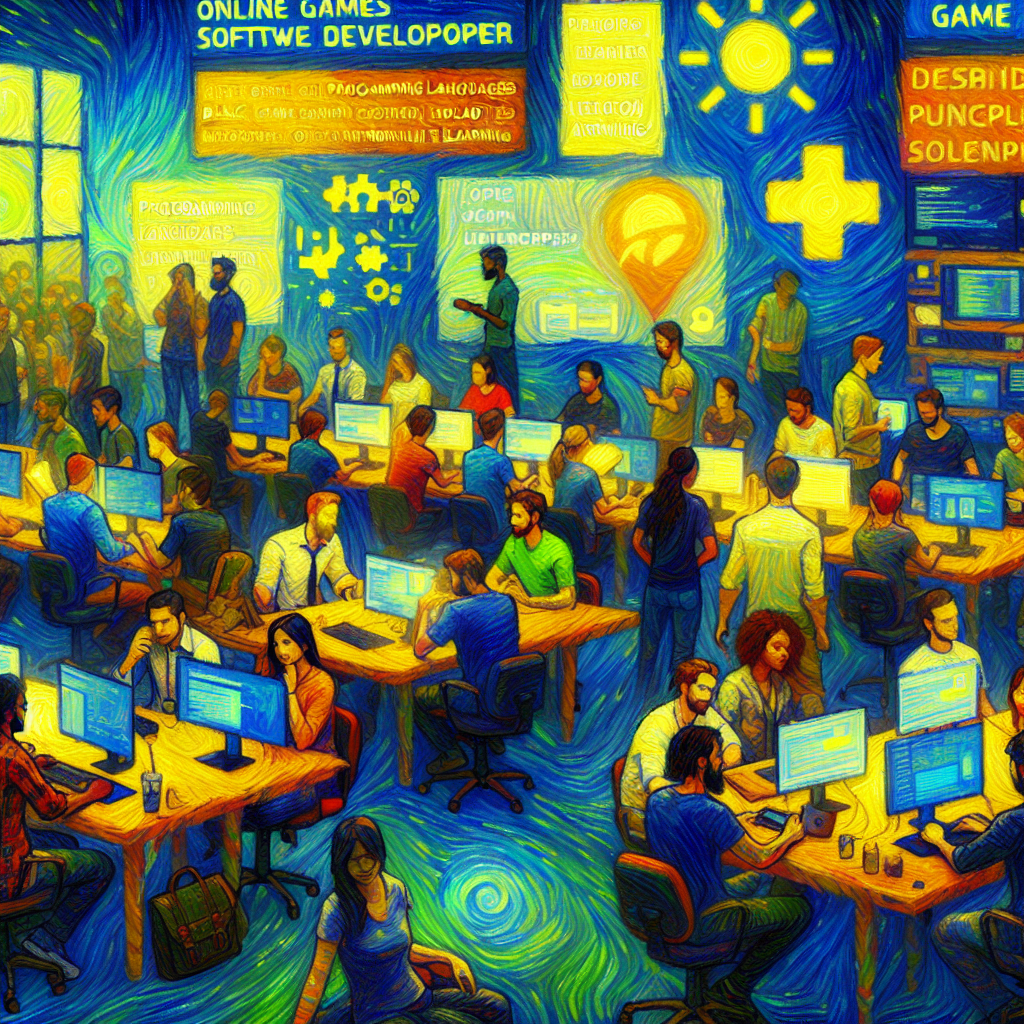
What Are The Potential Career Paths In Esports?
Conclusion
Alright folks, gather ’round! Just like a final score at the end of a nail-biter match, let’s wrap this up with one solid conclusion.
So, are esports your ticket to fame and fortune? The answer is a resounding maybe! Today’s youth are swapping basketballs and guitars for controllers, diving headfirst into a digital world where competitive gaming reigns supreme. Yet, before you toss your textbooks to the wind, let’s consider the reality behind the glittering allure of esports. Sure, you might see the spectacle of massive tournaments, with millions of dollars at stake, but let’s not sugarcoat it: the road to becoming a pro gamer is paved with hard work and dedication.
Start with the pros who make it look easy. They live and breathe their games, dedicating countless hours not just for kicks but to hone their craft to perfection. Think of it this way: if you’re not ready to hit the grind hard, you might as well take a seat on the sidelines. You’ve got to embody resilience and possess a strategy as sharp as your reflexes. And yes, a little luck doesn’t hurt; but relying on chance alone won’t get you to the podium.
Community is another crucial piece of the puzzle. It’s not just about the games themselves; it’s about connecting with fans and fellow gamers on platforms like Twitch or Discord, where conversations are as vibrant as the action on-screen. Participate in tournaments—whether local or online—because nothing beats real-world experience. Showcase your skills, network, and learn from both victories and defeats.
So, what’s next? Immerse yourself! Tune into esports podcasts, find your game of choice, and practice, practice, practice. But keep your head on straight. This journey can burn you out if you’re not careful, so take care of your physical and mental health. Live the balance; pursue this not just as a hobby but potentially as a career, with opportunities spanning coaching, content creation, and business management in this exploding industry.
In wrapping it all up, the gaming world is your oyster—but it’s not a simple getaway. The blend of passion, purpose, and persistence is essential. So grab that controller, hone those skills, and get ready. The gaming arena awaits, and who knows? The next big name in esports might be you. Stay hungry, stay humble, and above all, embrace the grind. You just might find your golden ticket in this wild, pixelated ride!

Conclusion
Conclusion:
- Esports can be a pathway to fame and fortune for today’s youth, who increasingly favor gaming over traditional sports.
- The journey to becoming a professional gamer requires hard work, dedication, and resilience.
- Pros dedicate many hours to mastering their games, emphasizing that mere talent won’t suffice.
- Building a community through platforms like Twitch and Discord is vital for networking and skill development.
- Participating in tournaments provides invaluable real-world experience and a chance to showcase skills.
- Balancing practice with physical and mental health is crucial to avoid burnout in esports.
- The esports industry offers diverse career opportunities, including coaching, content creation, and business management.

Conclusion
Other Resources

Other Resources
Here is a list of other resources you can review online to learn more:
- Cards Against Humanity
- A Feast for Odin
- Blue Peg, Pink Peg
- Wizards of the Coast
- Mayfair Games
- Bridge
- Meeple Mountain
- The Secret Cabal Gaming Podcast
- GeekWire
Use This Prompt To Get More Resources With Your Favorite Online AI Tool: Please provide me with a list of online articles with their URLs in a bulleted list that I can read regarding Are Esports Your Ticket to Fame and Fortune?

Other Resources
Glossary Terms
Are Esports Your Ticket to Fame and Fortune? – Glossary Of Terms
1. Esports: Competitive video gaming where individuals or teams compete in various video games, often organized into tournaments and leagues.
2. Pro Gamer: A professional player who competes in esports tournaments at an elite level and often earns a living through prize money and sponsorships.
3. Streamer: A gamer who broadcasts their gameplay live on platforms like Twitch or YouTube, often building a fanbase that can lead to revenue from subscriptions and advertisements.
4. Tournament: A competitive event where players or teams compete against each other, often for cash prizes, titles, or sponsorships.
5. League: A structured series of competitions where teams play against each other over a season to determine a champion, such as the League of Legends Championship Series (LCS).
6. Sponsorship: Financial backing provided by brands or companies to esports teams or players in exchange for advertising and promotional exposure.
7. Prize Pool: The total amount of money awarded to participants in an esports tournament, which can vary widely from small amounts to millions of dollars.
8. Skill Ceiling: The maximum level of skill a player can achieve in a game, which often determines their potential for success in competitive play.
9. Meta: The most effective strategies and character selections in a game at any given time, which can evolve with patches and updates.
10. Compendium: A document or guide that outlines tournament rules, player statistics, and other essential information for fans and teams.
11. Casting: The act of commentators providing live commentary and analysis during esports matches, enhancing viewer engagement.
12. Esports Organization: A company that manages a team of players and handles sponsorships, branding, and event participation.
13. Fan Engagement: Strategies used to connect with and build a community of supporters, including social media interaction and live events.
14. Merchandising: The creation and sale of branded products (like clothing, accessories, and memorabilia) related to esports teams or games.
15. Game Developer: The company responsible for creating and designing video games, often involved in supporting esports through sponsorship and tournament creation.
16. Streaming Platform: Online services where gamers can broadcast their gameplay to audiences, such as Twitch, YouTube Gaming, and Facebook Gaming.
17. Audience Engagement: Techniques used to attract and retain viewers, including interactive content and community events.
18. Tiers: Levels of competition within esports, usually categorized by player or team skill, with higher tiers representing elite play.
19. Overwatch League: A prominent esports league centered around the game Overwatch, featuring professional teams from various global cities.
20. Riot Games: A major game developer known for creating League of Legends and organizing its competitive esports scene.
21. Fortnite Championship Series: A competitive series for the game Fortnite, involving players from around the world competing for substantial prize money.
22. Dota 2 International: An annual tournament for the game Dota 2, known for its massive prize pools funded through the sale of in-game items.
23. Matchmaking: The process used to pair players or teams of similar skill levels for competitive play.
24. Streaming Revenue: Income generated by gamers through advertisements, subscriptions, and donations from viewers on streaming platforms.
25. Cosplay: The practice of dressing up as characters from video games, often seen at tournaments and conventions, contributing to cosplay culture within esports.
26. Event Sponsorship: Financial support provided to esports tournaments and events by corporations in return for branding opportunities.
27. Pipeline: The development pathway for aspiring gamers to progress from casual play to professional levels, often including team recruitment and training.
28. Clutch Factor: The ability of a player or team to perform exceptionally well under pressure, often determining the outcome of critical moments in a match.
29. Analytics: The study of data collected from games and matches to improve strategy and performance for players or teams.
30. Grassroots: Community-driven esports movements, often consisting of local tournaments and events that support amateur players and foster talent.

Glossary Of Terms
Other Questions
Are Esports Your Ticket to Fame and Fortune? – Other Questions
If you wish to explore and discover more, consider looking for answers to these questions:
- What skills are essential for success in esports?
- How can I find the right esports team to join?
- What are the common challenges faced by aspiring esports players?
- Are there any educational programs or courses related to esports?
- How do I stay updated on gaming meta and trends?
- What are the typical salaries for professional esports players?
- What is the role of coaches in esports teams?
- How do esports tournaments differ from traditional sports competitions?
- What are the best platforms for streaming esports content?
- How can I build a personal brand in the esports industry?
- What resources are available for improving mental health in competitive gaming?
- How can I network within the esports community?
- What are the notable esports organizations to follow?
- What should I consider when selecting a gaming headset and equipment?
- How do sponsorships work in esports and what do they involve?

Other Questions
Haiku
Are Esports Your Ticket to Fame and Fortune? – A Haiku
Esports rise with might,
Skill and grind to chase the dream,
Fortune waits in games.

Haiku
Poem
Are Esports Your Ticket to Fame and Fortune? – A Poem
A Journey Through the Pixels
In realms where sprites and shadows play,
Where dreams of glory pave the way,
A headset worn, a controller gripped,
Esports beckons, passion equipped.
Gone are the days of mere physical fame,
Now pixels dance in a digital game,
Teens dream of battles, their minds set on fire,
In this new age, where the stakes rise higher.
But heed this warning, aspirants bold,
The path to success is not merely told;
Hours of training, like athletes in sweat,
With strategy and focus, your skills must be met.
Community thrives, a network’s embrace,
Streaming the thrill of a high-speed race,
Fans gather round for the plays that astound,
In this vibrant world, a new passion found.
Yet glory doesn’t come in the blink of an eye,
It’s grit, resilience—reach for the sky.
Like any grand venture, it’s a marathon run,
With lessons in loss just as sweet as the fun.
Pick your game, let your heart be your guide,
Engage with the culture, find joy in the ride.
From League of Legends to CS:GO,
Each title offers a chance to grow.
With tournaments grand and sponsors in tow,
Streams filled with laughter, and stats that flow,
The business of gaming, it’s more than just play,
Entrepreneurs rise as the world’s here to stay.
So grab that controller, embark on your quest,
From practice to passion, give it your best.
For in this realm where the pixels ignite,
Is a journey of dreams, a path to the light.

Poem
Checklist
Are Esports Your Ticket to Fame and Fortune? – A Checklist
Checklist: Your Guide to Navigating the World of Esports
Getting Started in Esports
_____ Immerse Yourself in the Culture:
_____ Listen to esports podcasts for insights and trends.
_____ Follow esports news and updates on social media.
_____ Choose Your Game:
_____ Select a game that you genuinely enjoy playing (MOBAs, FPS, etc. ).
_____ Familiarize yourself with the game mechanics and strategies.
_____ Practice Regularly:
_____ Schedule consistent play sessions focused on skill improvement.
_____ Join online communities for discussions and multiplayer games.
_____ Participate in Local or Online Tournaments:
_____ Test your skills in friendly competitions to gain experience.
_____ Network with other players and learn from their gameplay.
_____ Embrace Resilience:
_____ Understand that setbacks are part of the journey; analyze losses for growth.
Skills Development
_____ Set Specific Goals for Practice:
_____ Focus on improving one skill at a time (aiming, strategy, mapping).
_____ Analyze Your Gameplay:
_____ Use available tools to review your performance and identify improvement areas.
_____ Prioritize Physical and Mental Health:
_____ Maintain good posture and take breaks during long gaming sessions.
_____ Find a balanced routine that includes physical activity.
Career Considerations in Esports
_____ Explore Professional Gaming:
_____ Assess your skill level and dedication to pursue a career as a player.
_____ Consider Coaching or Management Roles:
_____ Think about guiding and mentoring up-and-coming players.
_____ Investigate Technical Opportunities:
_____ Look into roles in game development or software engineering.
_____ Engage in Streaming and Content Creation:
_____ Create and share your gameplay on platforms like Twitch or YouTube.
_____ Understand Esports Marketing and Business:
_____ Explore roles in sponsorship management, event planning, and social media.
_____ Pursue Expertise in Sports Psychology:
_____ Consider how to support players’ mental resilience and health.
Financial Strategies
_____ Learn About Tournament Play and Prize Pools:
_____ Stay informed on upcoming tournaments and their prize structures.
_____ Understand Streaming Revenue:
_____ Research how subscriptions, donations, and ad revenue work on streaming platforms.
_____ Explore Merchandising Opportunities:
_____ Investigate ways to brand yourself or your team with merchandise.
_____ Consider Content Creation for Income:
_____ Think about creating guides, tutorials, or podcasts to monetize your knowledge.
Networking and Community Engagement
_____ Join Esports Communities:
_____ Participate in forums, Discord channels, and local esports clubs.
_____ Attend Esports Events:
_____ Visit tournaments or conventions to connect with other players and industry professionals.
_____ Build Relationships with Sponsors:
_____ Understand how sponsorships work and seek out opportunities for collaboration.
Reflect and Adapt
_____ Embrace Continuous Learning:
_____ Keep up with trends, strategies, and changes in the esports industry.
_____ Reflect on Your Journey:
_____ Regularly assess your progress and adjust your goals as necessary.
This checklist serves as a roadmap as you embark on your esports journey, ensuring you cover all bases as you dive into this thrilling and evolving industry!

Checklist
At HowDoYouGame, we help people who love board games by collating information and news about games.
Be sure to read our other related stories at HowDoYouGame to learn more about games.




