Unleashing Gen Z’s Gaming Passion: The Power Of Constant Renewal
By Tom Seest
At HowDoYouGame, we help people who love board games by collating information and news about games.
Be sure to read our other related stories at HowDoYouGame to learn more about games.
The TikTok Of Gaming – Why Gen Z Thrives on Constant Updates
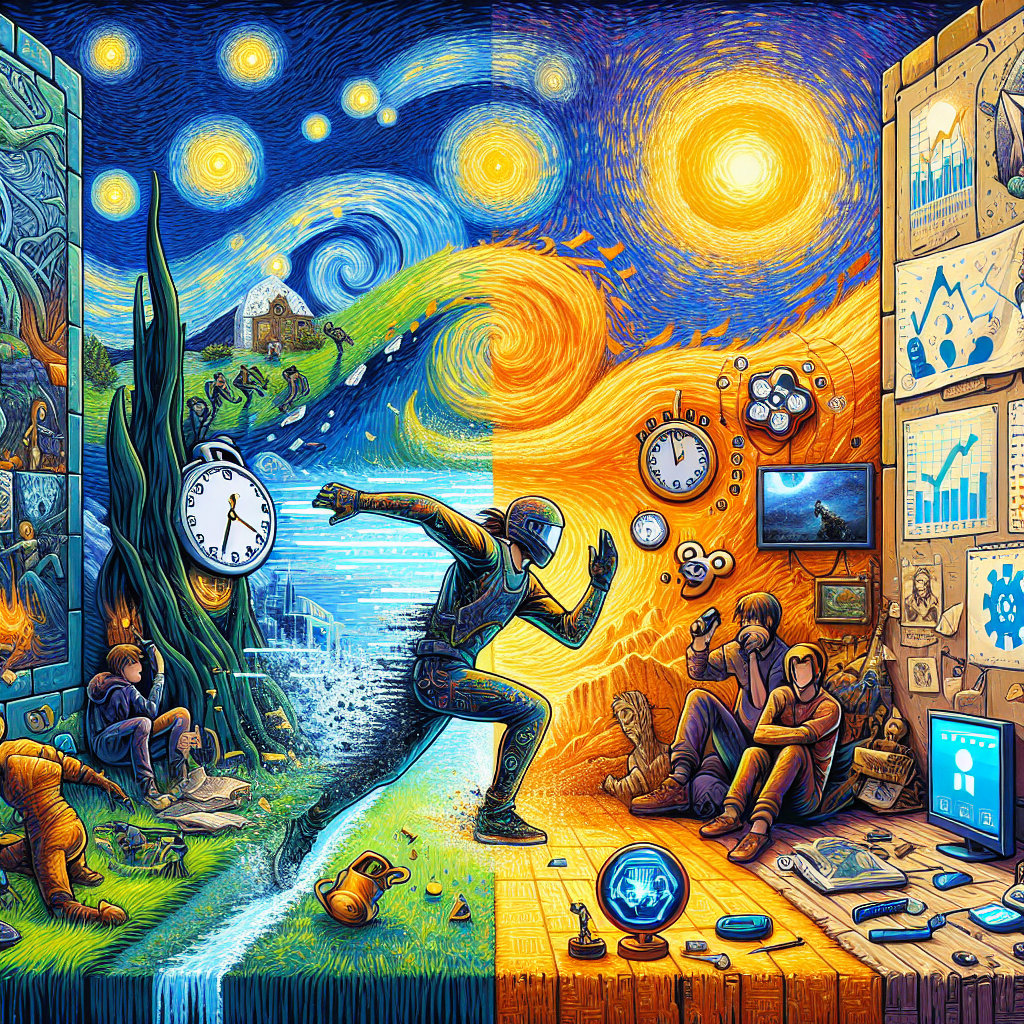
In a world where change is the only constant, gaming has morphed into something far beyond mere entertainment. It has become an intricate tapestry of social connections, rapid innovation, and emotional resonance. Generations past found joy in the simple act of playing games. For Gen Z, gaming represents a living, breathing entity that thrives on constant updates and community engagement—a space where they can express themselves and belong.
Imagine the thrill of booting up a new game, only to find that it’s transformed overnight with fresh challenges, new skins, and dynamic environments. This rapid evolution creates an exhilarating rollercoaster of excitement—an adrenaline rush rooted deeply within the psyche, making players hunger for the next update. With every patch and upgrade, Gen Z doesn’t just play; they evolve, adapt, and embody the very essence of the game.
Rationally, this isn’t just about flashy graphics or extended gameplay. It’s about immersion in a world that listens, responds, and grows. Games are no longer static; they are live platforms that offer a unique blend of competition and collaboration. In a society yearning for connection, gaming allows young people to forge relationships across miles, bridging gaps that physical distance once enforced. Each gaming session becomes a story, weaving together different lives and experiences into shared narratives.
Ethically, there’s a collective pulse that resonates with this generation—a desire for responsibility within their digital realms. Developers are increasingly held accountable to their communities, responding with transparency and integrity far beyond what traditional entertainment mediums might offer. These very communities champion inclusivity, push for ethical practices, and demand authenticity, making it clear that the heart of gaming belongs to its players.
Now consider the social aspects: the way memes spread like wildfire, generating a communal language that transcends borders. The shared joy of discovering glitches or debating strategies fosters a sense of belonging that traditional pastimes often overlook. It’s not just about leveling up in a game; it’s about lifting each other up in a community that thrives on cooperation.
In this rapidly evolving landscape, the call to action is clear: engage, connect, and evolve. Embrace the updates, indulge in the new experiences, and become part of a narrative that celebrates both competition and camaraderie. For Gen Z, gaming isn’t just a pastime—it’s an identity, a passion, and a catalyst for change.

The TikTok Of Gaming – Why Gen Z Thrives on Constant Updates
The TikTok Of Gaming – Why Gen Z Thrives on Constant Updates
- Gaming has evolved into a complex mix of social connections, rapid innovation, and emotional engagement.
- For Gen Z, gaming represents a dynamic environment that thrives on constant updates and community involvement.
- The excitement of new features and challenges creates a compelling experience that keeps players engaged.
- Games are now immersive platforms that facilitate competition and collaboration, enhancing relationships across distances.
- Gen Z players demand accountability from developers, focusing on transparency, inclusivity, and ethical practices.
- Shared experiences and memes create a unique communal language, enhancing the sense of belonging within gaming communities.
- For Gen Z, gaming is not just a hobby; it is a significant identity and a powerful catalyst for social change.

The TikTok Of Gaming – Why Gen Z Thrives on Constant Updates
Table Of Contents
- The TikTok Of Gaming – Why Gen Z Thrives on Constant Updates
- How Do Rapid Changes In Gaming Affect Player Engagement and Loyalty?
- How Do Social Dynamics Influence the Demand for New Gaming Content?
- What Ethical Concerns Arise From Constant Updates In Gaming?
- Can Gaming Updates Enhance Or Stifle Creativity Among Developers?
- Are Constant Updates Making It Harder for Players to Keep Up?
- How Do Gaming Companies Prioritize Feedback From Gen Z Gamers?
- What Narratives Emerge From the Ever-Evolving Gaming Landscape?
- Conclusion
- Other Resources
- Glossary Of Terms
- Other Questions
- Haiku
- Poem
- Checklist
How Do Rapid Changes In Gaming Affect Player Engagement and Loyalty?
Rapid changes in gaming shape the very essence of player engagement and loyalty, pulling us into a thrilling narrative that resonates deep within our hearts. Think back to the days when a simple joystick could keep you glued to your screen for hours. Now, with immersive worlds and intricate storylines, games have transformed into emotionally charged experiences. When players invest their time—and, let’s face it, their hearts—into a game, they’re not just looking for entertainment; they seek connection and meaning.
The gaming community thrives on shared experiences. Players discuss their victories and heartbreaks, forging bonds over fictional adventures that feel all too real. This rich tapestry of stories and interactions is what ignites loyalty. When developers listen to feedback and adapt their games, they demonstrate respect and understanding—a clear signal that they value their audience. This builds trust, fostering a community where players feel heard and appreciated.
But let’s not forget the shiny allure of new technology. The constant evolution—from virtual reality to AI-driven narratives—grabs our heads and captivates our curiosity. It’s not just about how exciting these advancements are; it’s about what they promise. They invite players to explore realms they never thought possible, pushing the boundaries of imagination. Evolution in gaming makes even the most entrenched players stop and reconsider their loyalties. It begs the question: When is the last time you felt truly wowed by a game?
Ethically speaking, a fast-changing gaming landscape raises questions about inclusivity and accessibility. Developers must navigate the moral waters of creating spaces where everyone feels they belong. An environment that welcomes diverse voices elevates the entire community and enriches the gaming experience. It’s about ensuring that engagement doesn’t just cater to the loudest voices but embraces the silent ones too.
As we stride into the future of gaming, we confront the gut instinct that drives us forward. We crave connection, adventure, and a sense of belonging. The pulse of the gaming world lies in the stories we share and the communities we build. In this rapidly evolving arena, it’s not just about playing games; it’s about becoming part of something bigger—a movement that unites us all. Together, we navigate these changes and discover not just how we play, but why we play, connecting through the heart, head, and gut of gaming itself.

How Do Rapid Changes In Gaming Affect Player Engagement and Loyalty?
How Do Rapid Changes In Gaming Affect Player Engagement and Loyalty?
- Rapid changes in gaming redefine player engagement and loyalty, creating emotionally charged experiences.
- Players seek connection and meaning beyond entertainment as they invest time and emotions in games.
- The gaming community thrives on shared experiences, bonding over victories and heartbreaks.
- Developer responsiveness to player feedback builds trust and fosters a sense of being heard and valued.
- Technological advancements, like virtual reality and AI-driven narratives, stimulate curiosity and creativity in gameplay.
- Inclusivity and accessibility are critical for creating welcoming spaces that enhance the gaming experience for all players.
- The future of gaming is centered on connection, adventure, and communal storytelling, uniting players in a shared movement.

How Do Rapid Changes In Gaming Affect Player Engagement and Loyalty?
How Do Social Dynamics Influence the Demand for New Gaming Content?
Social dynamics play a pivotal role in shaping the demand for new gaming content, weaving together threads of community, creativity, and competition in extraordinary ways. Think about it: when you’re diving into a game with friends, the electric buzz of camaraderie isn’t just a perk—it’s a fundamental experience. Games are no longer just solitary pursuits; they are communal gatherings, where every victory and defeat resonates deeply within the fabric of our relationships.
What draws players to new gaming content often starts with the conversations happening in living rooms, online forums, and social media. It’s about the stories shared over late-night gaming sessions—the laughter, the whispered strategies, the moments of sheer frustration that unexpectedly bond us closer together. These shared narratives create an organic marketing force; gamers spread the word about new content in a way that advertising simply can’t replicate. When good games come out, it’s often the testimonies of friends and influencers that ignite excitement, tapping into our innate need for connection.
Now, let’s approach this from a rational perspective. The gaming industry is a living, breathing ecosystem where social dynamics dictate what’s hot and what’s not. Gamers want experiences that feel fresh, authentic, and relevant. Game developers who fail to listen to their audience often find themselves left in the dust. The demand for innovative gameplay, enriched narratives, and immersive environments isn’t just a passing trend; it’s a standard rooted in what players talk about, what they share, and what they crave. In this dance between creator and consumer, it takes both champions and critics to push the envelope further.
Ethically, one must consider the responsibility that comes with shaping these social dynamics. Developers have the power to foster communities, to promote inclusivity, and to create spaces that uplift rather than divide. When developers prioritize ethical game design—transparency, fairness, and respect for player privacy—they earn not just customers but advocates, creating a loyal fan base who champion their brand.
Let’s not forget the raw appeal of competition. Gamers are driven by challenges; we want to climb the leaderboard and display our skills. As new content emerges, so does the rivalry, spurring innovation and creativity. When communities rally around a new game—sharing strategies, forming teams, or even partaking in friendly banter—they ignite a fire that compels others to join in.
At its core, the gaming world thrives on social dynamics, transforming individual play into a shared adventure filled with heart, head, and gut—a testament to the human experience that rallies us all, one game at a time.

How Do Social Dynamics Influence the Demand for New Gaming Content?
How Do Social Dynamics Influence the Demand for New Gaming Content?
- Social dynamics are crucial in shaping the demand for new gaming content, blending community, creativity, and competition.
- Gaming experiences are communal, where camaraderie enhances the overall experience beyond solitary play.
- Conversations among friends and on social media drive interest in new games, creating authentic marketing through shared stories.
- The gaming industry functions as an ecosystem where player feedback influences the demand for innovative gameplay and narratives.
- Ethical game design can foster community, promote inclusivity, and build a loyal fan base through transparency and respect.
- Competition among gamers drives innovation, as communities rally around new games, sharing strategies and forming teams.
- The gaming world transforms individual experiences into shared adventures, highlighting the human connection inherent in gaming.

How Do Social Dynamics Influence the Demand for New Gaming Content?
What Ethical Concerns Arise From Constant Updates In Gaming?
When we think about the thrill of our favorite games, we often miss the undercurrents that shape the experience. The constant cycle of updates and downloadable content is a double-edged sword. On one hand, it keeps the game fresh; on the other, it can pave the way for troubling ethical concerns that tug at the very fabric of a gamer’s trust.
Imagine investing hours into a game, immersing yourself deeply in its world. You forge connections with characters, tackle challenges, and build a community. Suddenly, an unexpected update adds a mountain of new features and changes the rules of the game. It’s a welcome refresh, but it can also feel like your hard-earned progress has been devalued. The feeling is visceral—your time and effort seem diminished, leaving a hollow sense of bewilderment.
The financial aspect can stir a multitude of emotions. Many developers leverage “microtransactions,” enticing players to pay for in-game advantages or cosmetic upgrades. It often feels less about enjoyment and more about ownership of the game’s best features. The gut reaction is visceral—are we paying for entertainment, or simply fueling a system that prioritizes profit over our gaming experience?
Now, let’s consider the gravity of the choices being made by developers. These decisions can indicate an ethical slippery slope. For instance, will they prioritize profit margins over player satisfaction? And how does this practice affect the next generation of gamers, many of whom see this as the norm? The cycle perpetuates a culture steeped in transactional relationships rather than genuine connections with the art of gaming itself.
We have a responsibility to connect with each other and advocate for better practices in the industry. As a community, we must question whether our love for games should extend to supporting developers who seem to profit from our loyalty without delivering value in return. Consider the narratives we reinforce with our spending habits, and let’s open a dialogue about the integrity of the gaming experience. Trust in developers begins with transparency.
When we engage in this conversation, we’re not merely critiquing; we are paving a path toward ethical practices that honor our passion for gaming. Protecting the essence of games means standing up for our joy and demanding a better framework where our time and money are valued. Together, we can foster a future where ethics and enjoyment coexist in the expansive world of gaming.

What Ethical Concerns Arise From Constant Updates In Gaming?
What Ethical Concerns Arise From Constant Updates In Gaming?
- The thrill of gaming often obscures underlying ethical concerns shaped by updates and downloadable content.
- While updates keep games fresh, they can devalue players’ hard-earned progress and immersion.
- Microtransactions create emotional conflict, questioning if players are paying for enjoyment or just fueling profit-driven systems.
- Developers may prioritize profit margins over player satisfaction, impacting future generations of gamers.
- The gaming community has a responsibility to advocate for better industry practices and question our loyalty to developers.
- Trust in developers hinges on transparency and value delivery to players.
- Engaging in dialogue about gaming ethics can foster a future where enjoyment and ethical practices coexist.

What Ethical Concerns Arise From Constant Updates In Gaming?
Can Gaming Updates Enhance Or Stifle Creativity Among Developers?
In the world of gaming, where pixels and possibilities collide, it’s easy for developers to find themselves wandering a tightrope. The thrill of creating original worlds and characters is often juxtaposed with the expectations of gamers clamoring for the latest updates. This constant push for more—better graphics, deeper stories, and engaging gameplay—can inspire innovation, but it can also stifle creativity.
Let’s take a moment to consider the emotional landscape. Developers pour their hearts into their craft, often sacrificing nights and weekends, driven by an unyielding passion for Games that change lives. They want to leave a mark, to create something that resonates. Yet, when updates morph into rigid deadlines and industry standards, the art of creativity begins to feel like a transactional exchange. Inspiration can turn into obligation, and the spark of ingenuity flickers under the weight of expectation.
Rationally speaking, the gaming industry thrives on feedback. Developers must listen to the community, adapting and evolving their work in real-time. The pressure to respond promptly to player critiques can lead to significant upgrades—a leveling up of sorts. However, too often, the fear of losing players or being outshined by competitors may result in cookie-cutter designs. It’s a risk versus reward dance, where the freedom to innovate is compromised in favor of following trends.
Ethically, the gaming community is a shared environment that demands respect for both creators and players. Developers are not just nameless entities; they are individuals driven by a passion for storytelling. It’s essential to foster a culture that values both innovation and the player experience, allowing boundaries to be pushed while preserving the spirit of creativity. Game design should be a dialogue, a dance where developers and gamers build together, rather than operate in silos.
The narratives that emerge from this world are meant to be shared. They resonate with our own experiences and provide an escape within an engaging playground. As players, we should champion the daring developers who take risks, encouraging them to break molds rather than play it safe. We hold the power to influence what is made—our voices echo in the industry, shaping the future of gaming.
The truth is, while updates can refine a masterpiece, they should never define it. Let’s celebrate creativity, for it transforms ordinary games into extraordinary journeys. It’s not just about pixels on a screen; it’s about the hearts they touch, the minds they challenge, and the community they build.

Can Gaming Updates Enhance Or Stifle Creativity Among Developers?
Can Gaming Updates Enhance Or Stifle Creativity Among Developers?
- The gaming industry is a balance between creative innovation and the demanding expectations of players.
- Developers invest significant time and passion, often feeling pressured by deadlines and industry standards.
- The need for community feedback can drive improvements, but may also lead to generic designs.
- Respect and recognition for developers as individuals is crucial for sustaining creativity.
- Game design should encourage collaboration between developers and players, rather than creating divisions.
- Players have the power to influence game development by supporting bold and innovative ideas.
- While updates enhance games, true creativity should always remain at the forefront of design.

Can Gaming Updates Enhance Or Stifle Creativity Among Developers?
Are Constant Updates Making It Harder for Players to Keep Up?
In the world of gaming, few things are as exhilarating as diving into a new title, where each pixel and sound immerses you in a thrilling adventure. Yet, as we navigate this digital wonderland, we face a sobering reality: are constant updates making it harder for players to keep up? This question hangs heavily in the air, a silent specter haunting every seasoned gamer and starry-eyed newcomer alike.
Picture it: You finally sit down to indulge in your favorite game after a hectic day, only to be met with a bevy of updates. Suddenly, that joyous escape becomes a chore, an obstacle course of patch notes and download times. This isn’t just inconvenient—it feels like a missed connection in a world designed for seamless interaction. It gnaws at the edges of our enthusiasm. When did gaming transform from a passion to a race against the clock?
Let’s think about it: every update carries the promise of improvement. Developers are tirelessly working to fix bugs or balance gameplay, efforts that deserve our respect and admiration. We can rationalize the necessity of keeping things fresh and exciting, yet the relentless pace often alienates many loyal players who feel left behind as they scramble to catch up. The narrative of constant change can foster a sense of disconnection that goes deeper than just missed experiences; it can breed frustration and resentment.
Ethically, one must question: where do we draw the line between enriching the gaming experience and overburdening our players? Shouldn’t gaming be a haven, rather than another demand on our precious time? It’s this balance that we owe to ourselves and the community. And let’s face it—those enthusiastic multiplayer matches become dampened when some players are equipped with obsolete strategies while others wield the latest, greatest updates.
But imagine, for a moment, a world where updates aren’t just dictated by the calendar but are thoughtfully designed with players’ journeys in mind. A space where developers invite feedback and foster genuine connection with their communities, allowing us to shape the games we love, together.
By embracing a collaboration that honors both the creators and the players, we can forge an environment that inspires trust and confidence. It’s time we advocate for a way forward, where constant updates enhance rather than hinder our immersive experiences. After all, at the end of the day, we all seek that shared adventure where we can come together as players, united rather than divided by the ever-evolving landscape of our favorite games.

Are Constant Updates Making It Harder for Players to Keep Up?
Are Constant Updates Making It Harder for Players to Keep Up?
- Gaming is often exciting, but constant updates can make it hard for players to keep up.
- Frequent updates transform gaming from an enjoyable escape into a chore filled with patch notes and download times.
- While updates aim to improve gaming, they can alienate loyal players who struggle to stay current.
- The balance between enhancing gameplay and overwhelming players is crucial for a positive gaming experience.
- Disparities in updates can lead to frustration, especially in multiplayer matches where skill levels may differ.
- A vision for gaming includes thoughtful updates that engage players and allow them to contribute feedback.
- Collaboration between developers and players can create a more connected community and enhance the overall experience.

Are Constant Updates Making It Harder for Players to Keep Up?
How Do Gaming Companies Prioritize Feedback From Gen Z Gamers?
In the vast world of gaming, it’s easy to think that the voices echoing through the halls of development are only those of seasoned veterans. Yet, in the realm of digital experiences, it’s the pulse of Generation Z that truly drives the conversation. These young gamers—who grew up with smartphones and social media—bring a fresh perspective to the table that resonates deeply within the industry. They’re not just consumers; they’re co-creators, and their feedback is the cornerstone of modern game design.
Take a moment to consider the world of gaming from their eyes. For Gen Z, gaming isn’t merely a pastime; it’s a vibrant culture, a platform for connection, and a means of self-expression. They expect that the games they invest their time and money into mirror their diverse experiences and values. Gaming companies recognize this truth; thus, they have shifted their strategies to center around the voices of young players.
How do they do this? By fostering an environment where feedback isn’t just welcomed but actively sought after. Surveys, focus groups, and social media campaigns have become vital tools for developers eager to capture the raw enthusiasm of their youngest audience. These companies understand that Gen Z isn’t afraid to speak out; they crave authentic dialogue. And when their voices are heard, it’s not just a box ticked off a corporate checklist—it’s a chance for gaming companies to authentically align with the beliefs and passions of this generation.
But it goes beyond mere engagement. Gaming as a communal experience thrives on shared narratives and ethical considerations. Gen Z gamers are profoundly aware of social issues, from inclusivity to environmental sustainability. When gaming companies prioritize these values, they tap into an emotional reservoir, building trust and loyalty. It’s about acknowledging that games should reflect not only the fun and excitement of escapism but also serve as platforms for change—change that resonates at the heart, challenges the mind, and calls to the gut.
In a world where authenticity reigns, the path forward for gaming companies is clear: listen closely, act responsibly, and foster connections that are real. When young gamers see their ideas reflected back at them—when they see themselves represented—they don’t just play games. They become a part of something bigger. They become part of a movement, and that’s a level-up moment worth striving for.

How Do Gaming Companies Prioritize Feedback From Gen Z Gamers?
How Do Gaming Companies Prioritize Feedback From Gen Z Gamers?
- Generation Z significantly influences the gaming industry, providing a fresh perspective.
- Young gamers view gaming as a vibrant culture and a means of self-expression.
- Gaming companies are shifting their strategies to focus on the feedback from Gen Z players.
- Developers are using surveys, focus groups, and social media to engage with young gamers.
- Gen Z values authenticity and desires open dialogue with gaming companies.
- They are aware of social issues and prefer games that reflect inclusivity and sustainability.
- When their ideas and values are represented, young gamers feel a sense of belonging and become part of a larger movement.

How Do Gaming Companies Prioritize Feedback From Gen Z Gamers?
What Narratives Emerge From the Ever-Evolving Gaming Landscape?
In the tapestry of today’s gaming landscape, a rich narrative unfolds, weaving together the tales of creators and players, dreamers and doers. At its core, gaming isn’t merely about the thrill of victory or the satisfaction of completing a quest; it’s about connection—a bridge that spans generations and geographies. When you pick up that controller or log in online, you’re not just entering a world of pixels and sounds; you’re stepping into a shared experience. You’re part of a community, bound by a collective passion for adventure and storytelling.
Consider the diverse roles that games have begun to play in our lives. They serve as emotional outlets, helping us process the highs and lows of existence in an interactive format. From the poignant narratives of loss in indie titles to the adrenaline-pumping escapades of multiplayer showdowns, these experiences resonate with the heart. They remind us that we are not alone in our struggles or triumphs. This connection is vital in a world that can feel isolating.
Yet, gaming isn’t just an emotional journey; it also engages our rational minds. Today’s titles challenge us to think critically, solve intricate puzzles, and develop strategies. They offer a chance for skill development that translates beyond the screen—skills like teamwork, leadership, and resilience, which are increasingly crucial in our complex, rapidly-changing society. Whether it’s a cooperative campaign that requires seamless collaboration or a competitive arena that tests our mettle, games shape our intellect and character.
Moreover, they compel us to confront ethical questions, nudging us towards compassion and understanding. When players face dilemmas that force them to choose between right and wrong—often with real consequences in the game world—they engage in moral reflections that can extend beyond the screen. This aspect of gaming pushes us to consider our actions, urging us to foster empathy and awareness of the larger societal issues we face.
And let’s not forget the social appeal. Gaming has become a universal language, transcending cultural barriers and uniting people worldwide. In the virtual realm, friendships are forged over late-night gaming sessions, and communities spring up around shared passions. The narratives birthed in this evolving landscape are not just stories in pixels; they are communal chapters in the grand tale of human interaction. So, as you delve into your next gaming adventure, remember: you’re not just playing; you’re participating in a narrative that echoes in the worlds of others—stitching together lives, creating loyalty, and inviting action.

What Narratives Emerge From the Ever-Evolving Gaming Landscape?
What Narratives Emerge From the Ever-Evolving Gaming Landscape?
- Gaming is a narrative that connects creators and players across generations and geographies.
- It serves as a community platform, fostering connections through shared experiences and passions for storytelling.
- Games act as emotional outlets, helping individuals process life’s highs and lows in an interactive format.
- Today’s games challenge cognitive skills like critical thinking, problem-solving, and teamwork, preparing players for real-world scenarios.
- They encourage moral reflections, prompting players to consider ethical dilemmas and fostering empathy towards societal issues.
- Gaming transcends cultural barriers, uniting people worldwide and forming friendships and communities through shared passions.
- Engaging in gaming is not just about play; it’s a participation in a larger narrative of human connection and interaction.

What Narratives Emerge From the Ever-Evolving Gaming Landscape?
Conclusion
In this vibrant era of gaming, the landscape has transformed into more than just a collection of flashy graphics and competitive play; it’s an emotional and social tapestry woven together by the threads of Generation Z. Here lies a generation that thrives on constant updates, shaping the very essence of their gaming experiences. For them, gaming has evolved into a live entity, pulsating with innovation and community. Imagine booting up a beloved game, only to dive into a world redefined overnight. This thrill of continuous change fuels not just excitement but a profound need for belonging, as players navigate dynamic narratives that bind them together.
The emotional connections within the gaming community are electric, fueled by shared victories and trials. Gamers aren’t just looking for entertainment; they seek camaraderie in a world often drawn apart by distance. Each update and patch offers a moment of collaboration and connection, where feedback is valued, respect is earned, and authenticity shines through. Developers are responding in kind, fostering an environment where players feel appreciated and heard. This indicates a shift in the gaming ethos that aligns with the moral compass driven by Gen Z. They demand not only engaging gameplay but inclusive and ethical practices that reflect their values.
At the heart of it, this is about more than just the games; it’s about the narratives they create. They compel us to confront our humanity through shared stories, challenging us to think critically while engaging our emotions. As players, we are co-creators within this vibrant ecosystem, and the voice of Gen Z resonates powerfully within development cycles. Their feedback shapes new horizons, paving the way for innovations that push boundaries while respecting the foundations of creativity.
Yet, we must remain vigilant. In the rush for updates, it’s critical to consider the implications of accessibility and inclusivity in these ever-evolving worlds. Developers must prioritize not just speed but thoughtfulness, crafting updates that enhance rather than overwhelm. It’s a dialogue—a dance between players and creators, where both sides hold the power to define the future of gaming.
As we embrace the thrilling changes in gaming, let’s step forward together, fueled by enthusiasm, responsibility, and a shared desire to build a community. When we invest our hearts, minds, and guts into this burgeoning landscape, we embrace not just the act of playing but the very spirit of gaming itself. Together, we forge connections, celebrate creativity, and navigate this exhilarating journey toward a richer, more inclusive gaming experience that resonates with all of us.

Conclusion
Conclusion:
- The gaming landscape has transformed into an emotional and social tapestry, heavily influenced by Generation Z.
- Generation Z thrives on constant updates, creating dynamic gaming experiences that promote a sense of belonging.
- Emotional connections are vital in the gaming community, providing camaraderie and collaboration among players.
- Developers are fostering environments of appreciation and feedback, aligning with Gen Z’s values for ethical practices.
- The narratives within games challenge players to engage critically and emotionally, making them co-creators in the ecosystem.
- Accessibility and inclusivity should be prioritized in updates, ensuring thoughtful enhancements over mere speed.
- The future of gaming depends on a collaborative dialogue between players and creators, aiming for a richer community experience.

Conclusion
Other Resources
Other Resources
Here is a list of other resources you can review online to learn more:
- Food Chain Magnate
- IGN
- White Wizard Games
- Root
- EverythingBoardGames.com
- Planly
- Root: The Riverfolk Expansion
- Dominion (Second Edition)
- The Game Boy Geek
- Blogger
- Hans im Glück
- Twilight Imperium (Fourth Edition)
- Serious Poulp
- Polygon
- The Opinionated Gamers
- Concordia
- Dungeon Lords
- Terra Mystica
Use This Prompt To Get More Resources With Your Favorite Online AI Tool: Please provide me with a list of online articles with their URLs in a bulleted list that I can read regarding The TikTok Of Gaming – Why Gen Z Thrives on Constant Updates

Other Resources
Glossary Terms
The TikTok Of Gaming – Why Gen Z Thrives on Constant Updates – Glossary Of Terms
1. Algorithm: A set of rules or processes used by TikTok to determine which videos are shown to users, influencing trends and popularity.
2. Content Creation: The process of producing videos or other media for platforms like TikTok, often by gamers showcasing gameplay, tips, or humor.
3. Engagement: The level of interaction users have with content, measured through likes, comments, shares, and how often viewers return to the page.
4. Gaming Culture: The collective attitudes, behaviors, and practices surrounding gaming, heavily influenced by social media platforms like TikTok.
5. Gen Z: The demographic cohort born roughly between 1997 and 2012, known for their digital savviness and preferences for quick, digestible content.
6. Hashtags: Keywords or phrases prefixed with a ‘#’ symbol that categorize and enhance discoverability of content on TikTok.
7. Live Streaming: Real-time broadcasting of gameplay or events, allowing for interactive viewer participation and immediate feedback.
8. Memes: Humorous images, videos, or text that spread rapidly online, often reflecting gaming culture or trends popularized by TikTok.
9. Micro-content: Short, concise videos that deliver immediate entertainment or information, quintessential to TikTok’s format.
10. Narrative: The storyline or theme communicated in gameplay videos, often infused with commentary or humor appealing to viewers.
11. Optimization: The process of improving content visibility and engagement through technique, keyword use, and trend alignment.
12. Overlay: Graphic or text elements added to gaming videos that enhance storytelling or provide additional context.
13. Platform Dynamics: The unique features and interactive elements of TikTok that influence how users create and engage with gaming content.
14. Replays: Repeated viewings of popular content, driving trends and prompting further content creation around viral moments.
15. Short-form Video: Content that typically lasts 15-60 seconds, designed for quick consumption and sharing on TikTok.
16. Streaming Communities: Groups of gamers and content creators who interact and collaborate over live streams, often found on TikTok.
17. Trends: Popular ideas, themes, or challenges that gain traction quickly on TikTok, often reflected in gaming content.
18. User-Generated Content: Videos or media created by users rather than official sources, emphasizing creativity and community involvement.
19. Viral: Content that rapidly gains popularity and widespread attention across the platform, often leading to challenges or remixes.
20. Watch Time: The duration users spend viewing a video, a critical factor that affects a video’s ranking and visibility on TikTok.
21. Gaming Influencer: A person who has gained a significant following by sharing gaming content, often collaborating with brands and products.
22. Editing: The process of enhancing gameplay footage through cuts, effects, and music to create engaging TikTok videos.
23. Explorer Page: TikTok’s algorithm-driven space that showcases trending content, helping users discover new gaming videos.
24. FYP (For You Page): The personalized feed of videos tailored to a user’s interests based on their interaction history on TikTok.
25. Interactivity: The ability for viewers to engage with content through comments, reactions, or participating in trends and challenges.
26. Challenges: Specific tasks or prompts initiated by users that encourage creativity and participation across the platform.
27. Cross-Promotion: Sharing content across multiple social media platforms, amplifying reach and engagement for gaming content.
28. Analytics: Tools and metrics used to track engagement, reach, and performance of content, informing creators’ future strategies.
29. Gamification: The incorporation of game-like elements into non-gaming contexts, enhancing engagement and competitiveness in video challenges.
30. Community Guidelines: The policies set by TikTok outlining acceptable behavior and content, ensuring a safe environment for creators and viewers.

Glossary Of Terms
Other Questions
The TikTok Of Gaming – Why Gen Z Thrives on Constant Updates – Other Questions
If you wish to explore and discover more, consider looking for answers to these questions:
- What are the key factors driving Gen Z’s passion for gaming?
- How do constant updates impact a player’s emotional experience in gaming?
- What are the common ethical dilemmas faced by game developers today?
- How do gaming companies measure the effectiveness of engaging with Gen Z gamers?
- What role do influencers play in shaping the gaming community’s preferences?
- How does demand for immersive experiences challenge traditional game design?
- What are the implications of microtransactions on player loyalty and trust?
- In what ways do gaming updates contribute to trends in player behavior?
- How can developers balance innovation with the expectations of the gaming community?
- What strategies can gamers use to keep up with constant updates?
- How do varying gaming platforms affect the experience of updates and community engagement?
- What are the long-term effects of rapid changes in gaming on the industry’s future?
- How do cultural differences influence gaming narratives across different regions?
- What measures can be taken to improve inclusivity in gaming communities?
- How does social media shape the gaming landscape and player interactions?

Other Questions
Haiku
The TikTok Of Gaming – Why Gen Z Thrives on Constant Updates – A Haiku
Gaming evolves fast,
Gen Z’s hearts and minds connect—
Updates spark new bonds.

Haiku
Poem
The TikTok Of Gaming – Why Gen Z Thrives on Constant Updates – A Poem
In a world where pixels dance and dreams intertwine,
Gaming’s not just play; it’s a lifeline,
For Gen Z, it pulses with vibrant updates,
A tapestry woven from community’s threads.
Booting up a realm, explosive and bright,
New challenges beckon, igniting the night,
A heart racing thrill, a mind’s eager quest,
In this living landscape, we find our best.
Each update a whisper, each patch a new song,
Players evolve, adapting to what feels wrong,
Amidst the rapid changes, we find our voice,
For in this shared space, together we rejoice.
From laughter in chats to strategic debates,
In the glow of the screens, we forge bonds that relate,
Every glitch and triumph, a stitch in our lore,
We’re not just gamers; we’re part of something more.
But shadows lurk still, in the chase for desire,
Microtransactions spark questions that tire,
When joy turns to profit, trust teeters on edge,
As we grapple with ethics, our hearts pledge.
So let’s champion the brave who push boundaries and mold,
Foster environments where stories unfold,
Game makers and players, united and clear,
For change isn’t fleeting; it’s what we hold dear.
In this vibrant arena, where stories coalesce,
We seek connection, inclusion, and to do our best,
With each update, we dream of new heights to attain,
In the heart of this gaming world, our spirits remain.

Poem
Checklist
The TikTok Of Gaming – Why Gen Z Thrives on Constant Updates – A Checklist
Checklist for Engaging with Gaming Culture: Embrace Emotion, Thought, and Ethics
Emotional Engagement
_____ Share Your Stories: Reflect on emotional moments you’ve experienced while gaming. How did these moments shape your gaming identity?
_____ Connect with Others: Reach out to fellow gamers and share your highs and lows. How can these experiences strengthen community bonds?
_____ Celebrate Diversity: Acknowledge and appreciate diverse characters and narratives in games. How do they resonate with your personal experiences?
Rational Exploration
_____ Stay Informed: Follow gaming news to understand industry trends and updates. How do these developments impact your gaming experience?
_____ Assess Game Design: Analyze how game updates affect gameplay and player retention. What features enhance or hinder your enjoyment?
_____ Value Feedback: Engage in discussions or surveys about game mechanics. How can your insights influence developers?
Ethical Responsibility
_____ Advocate for Change: Support developers who prioritize ethical practices in game design. What values are you looking for in the games you play?
_____ Demand Transparency: Challenge gaming companies to be open about their practices and updates. How can transparency foster trust within the community?
_____ Champion Inclusivity: Encourage games that promote equality and representation. What steps can you take to advocate for diverse narratives?
Narrative Participation
_____ Be a Storyteller: Contribute to the gaming community by sharing your gaming adventures. How do your narratives add to the collective experience?
_____ Engage with Content Creators: Support streamers and influencers who align with your values. How do their narratives influence your gaming choices?
_____ Follow Ethical Narratives: Prioritize games with meaningful stories that address real-world issues. How can these narratives inspire action or awareness in your life?
Social Interaction
_____ Join Gaming Communities: Participate in forums, social media, or local gaming groups. How do these interactions enhance your social experiences?
_____ Collaborate with Peers: Form teams or partner with others in competitive games. How does working together affect your gaming performance and friendships?
_____ Celebrate Achievements: Share and celebrate milestones with your gaming circle. How does acknowledging success promote a positive community atmosphere?
Use this checklist to deepen your connection with gaming culture while fostering an engaging, responsible, and inclusive community.

Checklist
At HowDoYouGame, we help people who love board games by collating information and news about games.
Be sure to read our other related stories at HowDoYouGame to learn more about games.