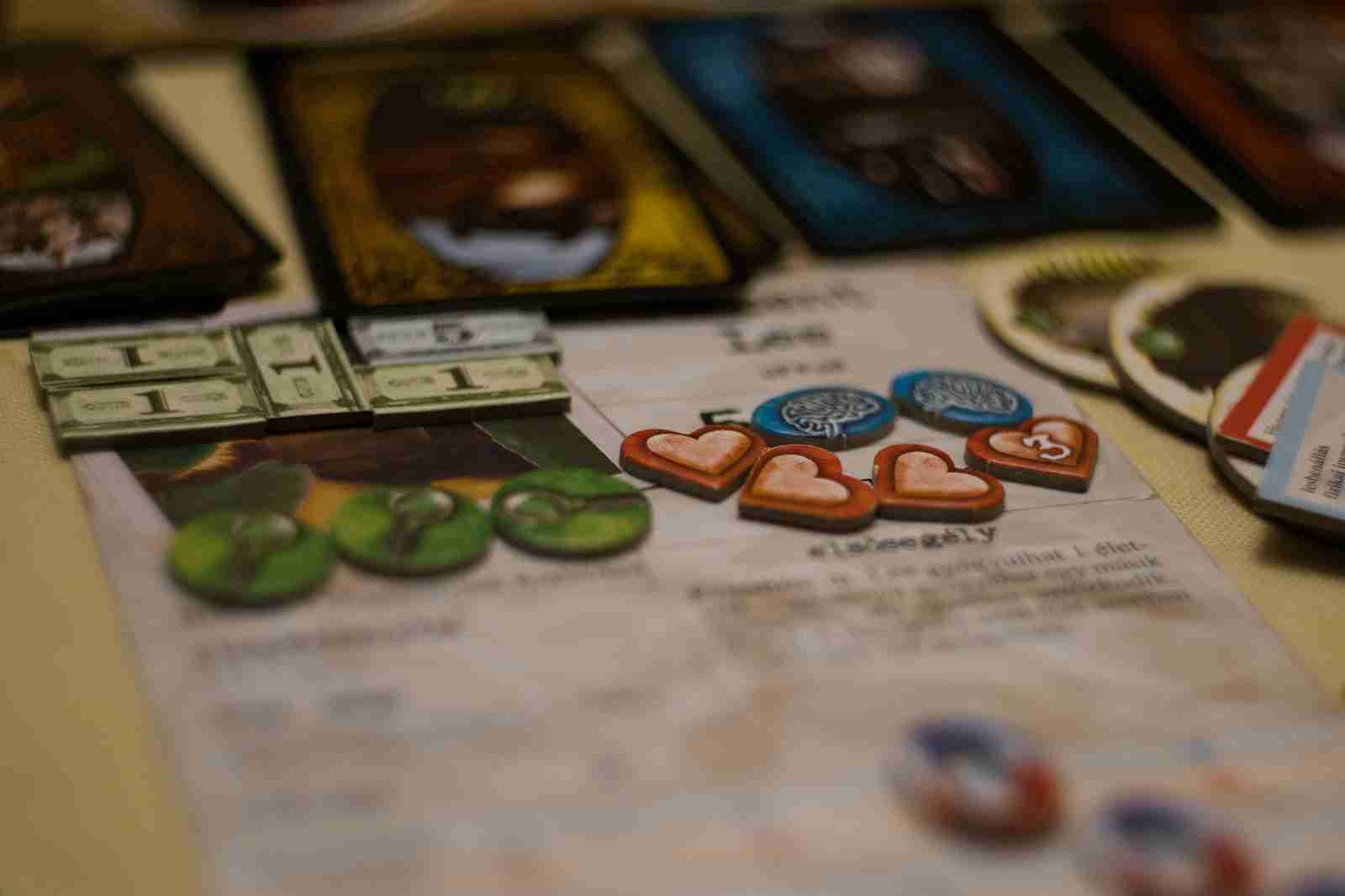
The Intuitive Appeal Of Personalized Gaming
By Tom Seest
At HowDoYouGame, we help people who love board games by collating information and news about games.
Be sure to read our other related stories at HowDoYouGame to learn more about games.
Why Millennials Love Games That Learn Their Play Style
Imagine a world where you’re not just another player but the star of your own story, where every click, every choice shapes an adventure tailor-made for you. That’s the magic of games that learn your play style—an allure that pulls at the heartstrings of millennials. This generation grew up amidst rapid technological change, where connection often came through screens rather than handshakes. They appreciate authenticity, which is precisely what these games deliver—a digital companion that understands you, evolves with you, and makes you feel truly seen.
At the core, this experience is about more than just entertainment; it’s a legitimate merging of human and machine. Think of it: games that resonate with your behavior and preferences collect data, yes, but they also offer a unique kind of intimacy. They learn how you think, adapting to your strategies, goals, and hurdles. Imagine trusting a game, feeling confident that it won’t drown you in frustration or bore you with repetitiveness. It’s a relationship fostered through engagement, a social contract between player and game, built on mutual understanding.
From a rational perspective, these adaptive games represent an evolution in game design. Developers are no longer populating a single world with generic challenges; they’re crafting dynamic experiences that respond to individual needs. This sense of agency taps into the millennial desire for control—a fight against the cookie-cutter approach that often defines modern life. In a time when many seek a voice in a world that feels increasingly chaotic, these games provide an ethical playground, celebrating individuality rather than conformity.
Consider the emotional connection: Each triumph feels like a personal victory. When a game recognizes your play style, it validates your choices. You’re not just progressing through levels; you’re crafting a story that reflects who you are. And just like the best narratives, these games become part of the shared social fabric, provoking discussion and camaraderie among friends and communities who can relate to their experiences.
In a nutshell, games that learn your play style resonate deeply with millennials, connecting on an emotional level while appealing to their intellect and ethical desires. They represent not just an opportunity for play, but a celebration of individuality and a reminder that even in virtual spaces, we can find authenticity, connection, and perhaps even a little magic. That’s what keeps them coming back for more—time and time again.

Why Millennials Love Games That Learn Their Play Style
Why Millennials Love Games That Learn Their Play Style
- Games that learn your play style create a personalized adventure for players.
- Millennials, raised amid technological change, value authentic connections through digital experiences.
- Adaptive games provide a unique intimacy, learning player behaviors and preferences to enhance engagement.
- The evolution in game design prioritizes dynamic experiences over generic challenges, fostering player agency.
- These games validate players’ choices, making each triumph feel like a personal victory.
- By celebrating individuality, these games offer an ethical playground in a chaotic world.
- They connect emotionally with players while also encouraging community discussions and camaraderie.

Why Millennials Love Games That Learn Their Play Style
Table Of Contents
- Why Millennials Love Games That Learn Their Play Style
- What Drives Your Passion for Games That Adapt to You?
- How Can Personalized Gameplay Enhance Your Experience?
- Why Do We Crave Connection Through Tailored Gaming Experiences?
- What Ethical Implications Arise From Games That Track Our Preferences?
- How Do Adaptive Games Reflect Societal Trends In Personalization?
- What Role Does Nostalgia Play In Our Enjoyment Of Customizable Games?
- Can Game Mechanics Teach Us Valuable Life Skills Through Play?
- Conclusion
- Other Resources
- Glossary Of Terms
- Other Questions
- Haiku
- Poem
- Checklist
What Drives Your Passion for Games That Adapt to You?
When you think about games, what pulls at your heartstrings? Maybe it’s the thrill of adventure, the camaraderie found in a shared mission, or the satisfaction that comes from personal growth. Games that adapt to you—those that recognize your choices, strengths, and weaknesses—make that connection deeper. They invite you into a world where your experience shapes the journey, giving you the power to mold your own narrative.
Consider the moments that stick with you: the heart-pounding sprint to beat a ticking clock or the quiet satisfaction of completing a challenging puzzle. When a game learns from your successes and failures, it aligns itself with your internal rhythm. This personalization transcends mere entertainment; it fosters a relationship. And like any good relationship, it’s built on trust and understanding. You begin to feel as if the game truly “gets” you, mirroring your passions, your frustrations, and even your triumphs.
The head knows that adaptive games are engineered to enhance cognitive skills, push boundaries, and challenge norms. They stimulate your mind while also providing an escape—fueling creativity and encouraging players to think outside the box. It’s about unlocking potential, not just through competition, but by creating an environment that nurtures learning and growth. When games innovate in this way, they elevate the standard for what you should expect, urging developers to take risks and push forward in their craft.
From an ethical standpoint, these experiences can promote empathy and understanding. By immersing ourselves in diverse scenarios, we engage with perspectives different from our own, ultimately broadening our horizons. This connection to others, even in a digital landscape, is an unwavering truth—the ties that bind us, whether through shared victories or collective struggles, form a community built on shared experiences.
Through a myriad of narratives, games that adapt celebrate the unpredictable journey we all share as humans. They remind us that it’s not solely about winning or losing; it’s about learning, growing, and evolving together. So the next time you turn on your console or fire up your favorite app, recognize that the passion these games ignite is more than just a fleeting joy. It’s an invitation to discover not just a game, but a powerful glimpse into who you are and who you can become. Embrace it.

What Drives Your Passion for Games That Adapt to You?
What Drives Your Passion for Games That Adapt to You?
- Games evoke strong emotions through adventure, camaraderie, and personal growth.
- Adaptive games deepen connections by recognizing players’ choices, strengths, and weaknesses.
- Memorable moments in gaming include racing against time and solving challenging puzzles.
- Personalization in games fosters trust and understanding, making players feel understood.
- Adaptive games enhance cognitive skills, stimulate creativity, and promote learning environments.
- Ethically, these games encourage empathy and broader perspectives through diverse scenarios.
- Games celebrate the human journey, emphasizing learning and evolution over mere competition.

What Drives Your Passion for Games That Adapt to You?
How Can Personalized Gameplay Enhance Your Experience?
When it comes to the world of games, what we often forget is that the experience goes far beyond just pixels and code. Personalization infuses gameplay with a heartbeat—it transforms what might be a routine bout of button-mashing into a deeply engaging journey. Imagine not just controlling a character, but truly embodying them, making choices that resonate with your own values and desires. That’s where the magic happens.
Personalized gameplay taps into our emotional selves, allowing us to explore narratives that reflect our own struggles, victories, and aspirations. Think about the last game that kept you up at night; it’s likely one where you made choices that mattered. Maybe it was a decision rooted in morality, a test of your courage, or a chance to step into someone else’s shoes. By customizing how games unfold, developers give us the power to create our unique stories—stories where every choice is significant, every failure teaches, and every success feels earned.
Rationally speaking, personalized gameplay makes sense. Data analytics and AI technology allow games to learn from our playstyles, adapting to us just as much as we adapt to them. This creates a feedback loop that not only enhances the challenge but also increases engagement. A game that knows your strengths and weaknesses can create a tailored experience that keeps you coming back for more, appealing to an innate human desire for growth and excellence.
Ethically, personalized gameplay fosters a sense of responsibility towards your in-game community. You’re not just a faceless player; you’re part of a narrative that thrives on interaction and connection. It brings out the best in people, challenging them to think critically about their choices. Suddenly, your actions can positively or negatively impact others, encouraging a more compassionate approach to gaming.
Finally, there’s an undeniable social aspect intertwined with personalization. When you share your customized journey with friends or online communities, you’re not just talking about a game; you’re sharing a piece of yourself. This fosters connections that extend beyond the screen, creating bonds forged through shared experiences.
In a world where connection often feels fleeting, personalized gameplay invites us to dig deeper, reach out, and find solidarity in our shared journeys. It’s more than just play; it’s a legacy we leave behind, one tailored adventure at a time. So, the next time you boot up your favorite game, remember: it’s your story. Own it.

How Can Personalized Gameplay Enhance Your Experience?
How Can Personalized Gameplay Enhance Your Experience?
- Personalized gameplay transforms routine gaming into engaging journeys through emotional connections.
- Players can embody characters and make choices that resonate with their own values and desires.
- Custom gameplay reflects individual narratives of struggles, victories, and aspirations.
- Data analytics and AI enable games to adapt to player styles, enhancing engagement and challenge.
- Personalization fosters responsibility towards in-game communities, encouraging critical thinking about choices.
- Sharing customized experiences helps build connections beyond the game, reinforcing social bonds.
- Personalized gameplay is a legacy of tailored adventures, inviting deeper connections and ownership of one’s story.

How Can Personalized Gameplay Enhance Your Experience?
Why Do We Crave Connection Through Tailored Gaming Experiences?
At its core, gaming is more than just pixels on a screen; it’s a lifeline tethering us to something greater than ourselves. In a world that often feels fragmented and divided, games possess the remarkable ability to unite us, offering tailored experiences that cater to our individual desires and needs. These experiences aren’t merely about scoring points or leveling up; they tap into a fundamental human yearning for connection.
Consider the moment you first elude your adversary in an open-world game or join forces with friends to defeat a formidable foe. It’s exhilarating, right? This is where the heart of gaming lies—it’s about shared experiences that create bonds. Every time you gather around a console or dive into an online match, you’re not just playing; you’re participating in a story, a narrative that draws you in and invites you to contribute. Those communal experiences inspire a deeper sense of belonging, an unspoken understanding that, in that moment, you are part of something special.
Now, let’s engage the mind. Tailored gaming experiences often involve choices that cater directly to player preferences, providing a sense of autonomy. Games that adapt to our decisions validate us as individuals; they recognize our unique tastes. This personalization not only keeps us engaged but also encourages critical thinking and strategy, adding layers of complexity that make each playthrough distinct. In essence, these games are not just entertaining—they’re a mental workout, sharpening our skills while fostering a sense of accomplishment.
Ethically, as we navigate our digital adventures, we confront dilemmas that mirror real-life choices. From moral quandaries in storyline-driven games to the collaborative strategies needed in team-based gameplay, the lessons learned echo beyond the screen. This creates a safe space for us to explore values and assert our principles, allowing us to emerge wiser and more empathetic.
And let’s not overlook the social fabric that gaming builds. The friendships forged, the laughter shared, and even the occasional conflicts resolved all contribute to a tapestry of connection that enriches our lives. These tailored experiences open avenues for conversations that might not happen otherwise. They break down barriers, transcending geography, age, and background, offering a powerful reminder: we are not alone.
Ultimately, in tailored gaming experiences, we find a mirrored reflection of our deepest yearnings, a world where we can connect, grow, and thrive together. So let’s keep playing, keep forging connections, and embracing our shared humanity, one game at a time.

Why Do We Crave Connection Through Tailored Gaming Experiences?
Why Do We Crave Connection Through Tailored Gaming Experiences?
- Gaming transcends mere entertainment, serving as a lifeline that connects us to something greater.
- Games have the power to unite players, offering personalized experiences that address individual needs and desires.
- Shared gaming experiences foster bonds, creating a sense of belonging within a collective narrative.
- Tailored experiences provide players with autonomy and validate their unique preferences, enhancing engagement and strategic thinking.
- Ethical dilemmas in games reflect real-life choices, allowing players to explore values and emerge more empathetic.
- Gaming builds social connections, fostering friendships and conversations that enrich our lives and break down barriers.
- Ultimately, tailored gaming experiences reflect our deepest yearnings for connection, growth, and shared humanity.

Why Do We Crave Connection Through Tailored Gaming Experiences?
What Ethical Implications Arise From Games That Track Our Preferences?
When we dive into the world of games that track our preferences, we wade into a complex pond brimming with ethical implications. These digital playgrounds aren’t just harmless fun; they are mirrors reflecting our innermost desires and behaviors. At first glance, games seem harmless, but they often operate like skilled puppeteers, quietly pulling the strings of our decisions.
Consider the excitement of playing your favorite game. Each decision you make influences the story, and the game learns from those choices. On the surface, this seems harmless and engaging. Yet, the gut-wrenching truth is that behind those pixels lies a formidable engine of data collection. Our preferences, likes, and dislikes aren’t just used to enhance our gaming experience; they are cataloged, analyzed, and sold to third parties. Those in the business of gaming wield great authority over our data, posing the question: Who really owns our choices?
Let’s take a step back and think about the emotional cost. The thrill of leveling up comes with a price—our vulnerability. We’re entrusting our personal information to entities that, while they might feel like a friend, can easily become a faceless corporation. The connection we feel isn’t just a bond with the game; it’s a bond with the unseen architects of our digital experience. And that’s where it gets tricky. We want to believe that those running the game will play fair, but history has taught us that trust is often betrayed, and friendships can be transactional.
Rationally, consider the long-term impacts of this data extraction. Games designed to track our preferences can lead to targeted manipulation—not unlike the persuasive techniques used in marketing. Each choice we make can be nudged toward consumerism rather than creativity, stifling original thought in favor of financially rewarding behaviors. It begs the question: Are we players in a game, or are we merely pawns in a carefully orchestrated strategy?
Socially, as we engage with these games, we invite them into our lives, crafting a digital legacy. It’s essential to realize the power of our collective voice in demanding ethical practices. It falls on us to cultivate a gaming culture that prioritizes transparency and respects our autonomy. Together, we can forge a gaming landscape that celebrates creativity, fosters genuine connections, and safeguards our integrity. As we navigate this vibrant universe of games that track our preferences, let’s remain vigilant, advocating for a future where play enhances our lives, rather than dictates them.

What Ethical Implications Arise From Games That Track Our Preferences?
What Ethical Implications Arise From Games That Track Our Preferences?
- Games that track preferences raise complex ethical implications, reflecting our desires and behaviors.
- While seemingly harmless, these games are often engines of data collection that sell our preferences to third parties.
- The emotional cost involves trusting personal information to entities that may prioritize profit over privacy.
- There is a risk of targeted manipulation, nudging players toward consumerism rather than fostering creativity.
- This dynamic prompts the question of whether we are players or mere pawns in a larger strategy.
- Engagement with these games can shape a digital legacy, highlighting the importance of demanding ethical practices.
- Collectively, we should advocate for a gaming culture that values transparency, creativity, and personal integrity.
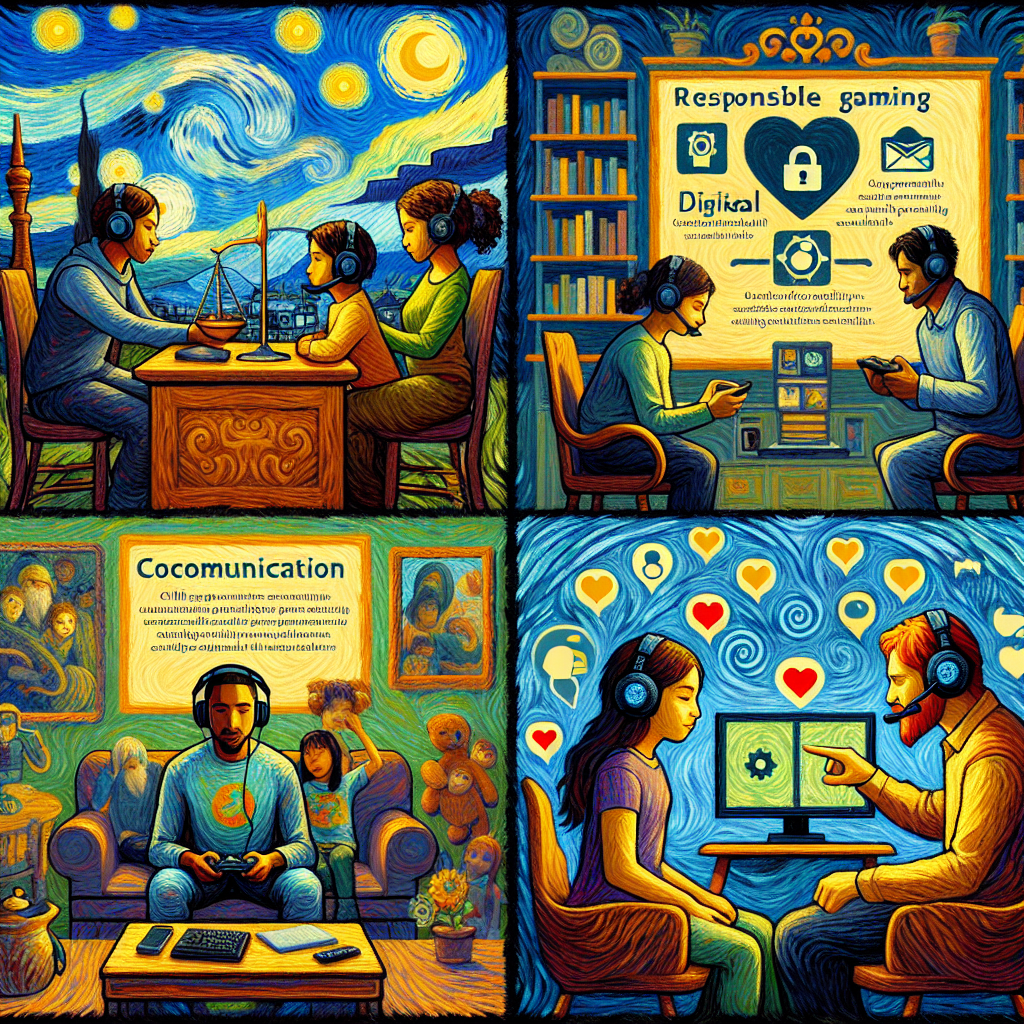
What Ethical Implications Arise From Games That Track Our Preferences?
How Do Adaptive Games Reflect Societal Trends In Personalization?
In the world of adaptive games, we see more than just pixels on a screen; we witness a reflection of our society’s evolving relationship with personalization. Think about it for a moment. These games don’t merely entertain; they adapt, morph, and tailor themselves to each player’s unique preferences and habits. Imagine a vast landscape, shifting in real-time to accommodate not just how you play but who you are. It’s the digital equivalent of putting on a favorite shirt that just fits right—a feeling of comfort, familiarity, and yes, empowerment.
At the heart of it, we crave connection. In a society grappling with identity and belonging, adaptive games stand tall as a beacon of understanding. They say, “I see you; I know what you like.” Whether it’s a chilling horror game that senses your adrenaline threshold or a strategic game that learns to challenge you just enough without pushing you over the edge, these platforms are engaging in a dance of empathy with their players. This is the emotional allure that draws us in, igniting a feeling that we are more than mere consumers; we are co-creators of our experiences.
At the same time, think with your head. As technology advances, it becomes essential to recognize the ethical implications of personalization. Who shapes these games, and for what purpose? This isn’t just about entertainment; it’s about the choice of narrative, the influence of community dynamics, and the very essence of free will in gameplay. The authority lies not just with game developers, but with us—the players—demanding transparency and integrity in how our preferences are used and safeguarded.
The stories told through these games provoke thought. They often echo our societal struggles, from identity to morality, mirroring our hopes and fears. Picture a young player diving into a narrative that reflects their own journey, providing a safe space to explore complex questions about life decisions, or perhaps even social injustices. These narratives knit together a communal thread, where players can share their experiences, bond, and support one another in ways that extend far beyond the screen.
Ultimately, adaptive games challenge us to think critically and feel deeply, igniting a sense of trust in the digital world where we can truly be ourselves. They inspire action—driving us to engage with the communities we inhabit, both online and offline, and reminding us that, at the end of the day, we are all in this together.

How Do Adaptive Games Reflect Societal Trends In Personalization?
How Do Adaptive Games Reflect Societal Trends In Personalization?
- Adaptive games reflect society’s evolving relationship with personalization, tailoring experiences to individual players.
- These games provide comfort, familiarity, and empowerment, akin to wearing a favorite fitting shirt.
- They foster connection and understanding in a society seeking identity and belonging, engaging in a dance of empathy with players.
- As technology advances, it’s important to recognize the ethical implications of personalization in gaming.
- The narratives within these games reflect societal struggles and offer safe spaces for exploring complex issues.
- Players are encouraged to share experiences and support one another, forming communal bonds beyond the screen.
- Adaptive games inspire critical thinking and action, reminding us of our interconnectedness in digital and real-life communities.

How Do Adaptive Games Reflect Societal Trends In Personalization?
What Role Does Nostalgia Play In Our Enjoyment Of Customizable Games?
Nostalgia has the uncanny ability to pull us back to moments lost in time, and when it comes to customizable games, it serves as a powerful adhesive, bonding our past experiences with present joys. Think about it: every time we delve into a game that allows us to create our characters or landscapes, we aren’t just playing; we’re revisiting a canvas where our childhood dreams and fantasies were painted. Those pixelated adventures from our youth weren’t just games; they were gateways, fostering our imaginations and offering unparalleled freedom.
This deep-seated connection resonates not just on a sentimental level but also taps into something more profound. Customizable games give us the authority over our digital existence, letting us shape our avatars to mirror our hopes, fears, and aspirations. When we sculpt a character with vibrant blue hair or choose a particular outfit, it’s not merely aesthetics; it reflects a piece of us—our identities, our quirks, our stories. This sense of control is a stark contrast to the mundane routines of adult life. It’s ground zero for expression, both a personal rebellion and an act of creation that evokes pride and satisfaction.
Moreover, nostalgia plays a pivotal role in social interactions within these games. Whether it’s teaming up for a victorious raid or simply sharing a laugh over an outrageous costume choice, these moments build connections. They remind us of schoolyard friendships or late-night gaming marathons with siblings, those eras when our biggest decisions revolved around the next level to conquer. The emotional rush of nostalgia fosters a sense of belonging—a reminder that we are part of a larger community that shares our experiences.
But there’s an ethical dimension at play as well. Customization empowers players to represent themselves authentically—pushing against stereotypes and challenging the norms of traditional characters. In a world craving authenticity, customization becomes not just an exercise in nostalgia, but a platform for social commentary and representation, leading to meaningful engagement within the community.
So, as you don your virtual armor and set off on your next quest, remember that it’s not merely about the adventure ahead. It’s about the journey back to who you were, who you are, and who you intend to be. In the realm of customizable games, nostalgia becomes the bridge that connects our past to our present, shaping our gaming experiences into something much larger than pixels on a screen. Embrace it, and in doing so, forge a connection that echoes across generations.

What Role Does Nostalgia Play In Our Enjoyment Of Customizable Games?
What Role Does Nostalgia Play In Our Enjoyment Of Customizable Games?
- Nostalgia connects past experiences with present joys through customizable games.
- Creating characters in games serves as a canvas for childhood dreams and fantasies.
- Customizable games empower players to shape their avatars, reflecting personal identity and emotions.
- This sense of control contrasts with the monotony of adult life, providing a space for self-expression.
- Nostalgia enhances social interactions, fostering connections reminiscent of childhood friendships.
- Customization challenges stereotypes and promotes authenticity in character representation.
- Nostalgia in gaming links our past, present, and future, creating meaningful experiences beyond mere gameplay.

What Role Does Nostalgia Play In Our Enjoyment Of Customizable Games?
Can Game Mechanics Teach Us Valuable Life Skills Through Play?
Games have a way of pulling us into their worlds, immersing us in challenges that, at first glance, seem far removed from everyday life. Yet, the truth is that the lessons learned within these digital adventures can be more valuable than many realize. When we play, we not only immerse ourselves in fictional narratives but also engage in a rich tapestry of experiences that mirror real-world challenges. Each level conquered and every obstacle overcome becomes a microcosm of life’s harder knocks.
Think about it. A game often places us in situations where teamwork is paramount to success. Whether rallying a group to fend off hordes of digital threats or collaborating to solve puzzles, we’re drawn into a virtual arena that highlights the essence of human connection. In these moments, we are reminded of the importance of communication, empathy, and the shared quest for a common goal. Through play, we learn that success is rarely individual; it’s about building relationships, trusting one another, and lifting each other up.
Moreover, games teach resilience. They challenge us to fail and try again, instilling an invaluable mindset. With each setback, we cultivate grit—a characteristic as crucial outside the virtual realms as in them. Life throws its share of curveballs, and by embracing the iterative process of gaming, we develop a thick skin, ready to tackle the unpredictability of our paths. The key here is understanding that each failure is not the end, but a stepping stone toward growth.
This isn’t just about enriching our minds; it’s about nurturing our souls. Games often present moral dilemmas, encouraging us to reflect on our values and make decisions that align with our ethical compass. Players become heroes, making choices that weigh heavily on their conscience. Those moments extend beyond the screen; they provoke introspection and issue a gentle reminder that our actions—though often ignored in the rush of daily life—carry weight.
As we engage in these simulated realities, we form connections not just with characters and stories, but with each other. Communities flourish around shared interests, fostering a camaraderie that transcends geographical boundaries. We learn to collaborate, support, and share our journeys, making every victory sweeter and every defeat a lesson learned together.
So dive into those games, let your heart race, your mind expand, and your spirit flourish. The life skills learned there may just prepare us for the complexities of the world, teaching us to play hard, think deeply, and connect more fully.

Can Game Mechanics Teach Us Valuable Life Skills Through Play?
Can Game Mechanics Teach Us Valuable Life Skills Through Play?
- Games immerse players in challenges that reflect real-world situations.
- Playing fosters teamwork, highlighting the importance of communication, empathy, and shared goals.
- Games teach resilience, encouraging a mindset that embraces failure as a pathway to growth.
- Players face moral dilemmas, prompting reflection on personal values and ethics.
- Gaming fosters connections and camaraderie among players, transcending geographical boundaries.
- Every victory and defeat in gaming provides valuable lessons about collaboration and support.
- Overall, gaming equips players with life skills that prepare them for real-world complexities.

Can Game Mechanics Teach Us Valuable Life Skills Through Play?
Conclusion
In a world increasingly shaped by technology, the rise of personalized gaming experiences resonates deeply with millennials, who long for recognition and authenticity. These adaptive games are not mere distractions; they create a unique narrative that transforms players into the protagonists of their own adventures. There’s something about knowing that a game learns from you, understands your preferences, and evolves alongside your journey. This relationship fosters a connection that blends emotion, intellect, and ethics—a symbiotic experience that feels deeply personal and rewarding.
Picture this: each time you engage with a game that adapts to your play style, it’s not just a digitized adventure. It’s like stepping into a role where your choices matter, and every victory feels like a direct reflection of your effort and skills. This dynamic brings forth a sense of agency that’s often missing in the wider world. It’s a response to the chaos of life, underscoring a millennial desire for individuality and control. When your gaming experience feels curated for you, it validates your choices and nurtures the belief that you’re seen.
Yet, there’s a delicate balance to maintain. As engaging as these games can be, they come with responsibilities. The ethical implications of data collection in personalized gaming cannot be overlooked. Who holds the strings in this partnership? Understanding and advocating for transparency is vital, ensuring that our engagement with these games remains empowering, not exploitative. Here’s where the narrative becomes compelling. These games often introduce moral quandaries, challenging players to reflect on their values. In those moments, you’re not just battling foes; you’re wrestling with the complexities of your own character.
Socially, the magic of these games lies in the connections they foster. When you share triumphs and trials with friends—whether through a communal raid or a casual catch-up about your latest gaming feats—you’re creating bonds that transcend screens. It’s a reminder that even in solitary play, you’re part of a larger tapestry of shared experiences, learning, and growth.
So, what makes gaming personalized and adaptive so captivating? It’s the feeling you embody every time you boot up a game that resonates with who you are. Embrace this journey, as it not only allows you to discover new aspects of yourself but also offers a canvas upon which to paint your story. In doing so, we cultivate not just joy or escapism, but a deeper understanding of each other. It’s about creating a future where gaming enriches lives and strengthens the connections that bind us together.

Conclusion
Conclusion:
- The rise of personalized gaming experiences resonates with millennials, reflecting their desire for recognition and authenticity.
- Adaptive games create unique narratives that transform players into the protagonists of their adventures.
- These experiences foster strong emotional connections by adapting to players’ preferences and evolving alongside their journeys.
- Personalized gaming offers a sense of agency, allowing players to feel validated and seen through their choices.
- Ethical considerations regarding data collection in personalized gaming highlight the need for transparency in the gaming industry.
- These games promote social connections, creating bonds through shared triumphs and experiences, even during solitary play.
- Personalized gaming not only helps players discover themselves but also fosters deeper understanding and relationships among individuals.

Conclusion
Other Resources

Other Resources
Here is a list of other resources you can review online to learn more:
- Eagle-Gryphon Games
- Alderac Entertainment Group
- Root: The Riverfolk Expansion
- Castles of Burgundy: The Dice Game
- Dominion (Second Edition)
- Ars Technica
- Aeon’s End
- Medium
- Root
- Cranio Creations
- Pearl Games
- Beasts of War
- Legendary: A Marvel Deck Building Game
- Star Realms
- Champions of Midgard
- Planly
- GeekDad
Use This Prompt To Get More Resources With Your Favorite Online AI Tool: Please provide me with a list of online articles with their URLs in a bulleted list that I can read regarding Why Millennials Love Games That Learn Their Play Style

Other Resources
Glossary Terms
Why Millennials Love Games That Learn Their Play Style – Glossary Of Terms
1. Millennials: Individuals born between approximately 1981 and 1996, known for their familiarity with technology and digital communication.
2. Play Style: The unique way an individual engages with games, influenced by preferences, strategies, and motivations.
3. Gamification: The integration of game-like elements in non-game contexts to encourage engagement and motivation.
4. Learning: The process through which individuals acquire knowledge, skills, or behaviors, often enhanced by interactive experiences.
5. Engagement: The level of involvement and emotional investment a player has in a gaming experience.
6. Interactivity: The ability of players to actively participate and influence the game environment and outcomes.
7. Feedback: Immediate responses provided to players during gameplay, which can improve understanding and enhance skills.
8. Adaptive Learning: A personalized educational approach that adjusts content and pace based on individual player performance and preferences.
9. Social Connectivity: The ability to interact and form relationships with other players, often enhancing the gaming experience.
10. Reward Systems: Mechanisms within games that provide players with incentives, such as points or achievements, to motivate continued engagement.
11. Immersion: The degree to which players feel absorbed and enveloped in the game world, leading to a more profound experience.
12. Narrative: The storyline within a game that engages players and provides context for their actions and decisions.
13. Competition: The element of rivalry in games that drives players to achieve higher scores and rankings.
14. Collaboration: Working together with other players to achieve common goals, fostering teamwork and communication.
15. Skill Development: The process of improving abilities and competencies through practice and gameplay experiences.
16. User Experience (UX): The overall experience a player has when interacting with a game, crucial for retention and satisfaction.
17. Platform: The medium or technology on which games are played, such as consoles, PCs, or mobile devices.
18. Customization: The ability for players to modify their characters or gameplay experience to reflect personal preferences.
19. Instant Gratification: The immediate reward or satisfaction that players experience from game mechanics, enhancing enjoyment.
20. Experimentation: The process of trying different approaches within a game to discover new strategies or outcomes.
21. Cognitive Skills: Mental abilities that are developed through gaming, such as problem-solving, critical thinking, and decision-making.
22. Peer Learning: Gaining knowledge and skills through interactions with other players, promoting a shared learning environment.
23. Augmented Reality (AR): Technology that overlays digital elements onto the real world, enhancing gaming experiences and interactions.
24. Virtual Reality (VR): Immersive technology that creates a simulated environment for players, promoting deeper engagement.
25. Analytics: The process of collecting and analyzing player data to understand preferences and enhance game design.
26. Sustainability: The practice of creating games that are environmentally conscious and socially responsible.
27. Accessibility: Ensuring that games are designed to be enjoyed by a wide range of players, including those with disabilities.
28. Community: A group of players who interact and support each other within the gaming environment, fostering a sense of belonging.
29. Microtransactions: Small purchases made within a game that allow players to buy virtual goods or enhancements.
30. Serious Games: Games designed for a primary purpose other than pure entertainment, often used for education and training.

Glossary Of Terms
Other Questions
Why Millennials Love Games That Learn Their Play Style – Other Questions
If you wish to explore and discover more, consider looking for answers to these questions:
- What specific features make games more personalized and adaptive?
- How do developers ensure the ethical collection and use of player data?
- What technologies enable games to learn and adapt to player behavior?
- How do these games impact mental health and well-being?
- What are examples of successful adaptive games that have resonated with players?
- How does personalization in gaming compare to other forms of media?
- What role does community feedback play in the development of adaptive games?
- What are potential downsides to increased personalization in gaming?
- How can personalized gameplay enhance learning in educational games?
- What future trends can we expect in the realm of adaptive gaming?
- How does nostalgia influence game design and player engagement?
- What life skills can be specifically attributed to certain game mechanics?
- Are there psychological theories that support the benefits of personalization in gaming?
- How do games that track preferences navigate privacy concerns?
- What is the impact of shared gaming experiences on social bonding?

Other Questions
Haiku
Why Millennials Love Games That Learn Their Play Style – A Haiku
Personalized gameplay,
Crafts our unique journeys,
Hearts, minds, intertwined.
Haiku
Poem
Why Millennials Love Games That Learn Their Play Style – A Poem
In pixelated worlds where stories unfold,
Millennials find magic, journeys untold.
Not just players, but stars in their fate,
Crafting adventures, each choice resonates.
Amidst screens that connect but leave hearts alone,
They seek authenticity, a place to call home.
Games that adapt, that learn and engage,
Offer a bond, a cooperative stage.
This dance of the mind, a rational embrace,
With challenges tailored, each player finds space.
An ethical thread weaves through every game,
Celebrating difference, and kindling flame.
In triumphs so personal, victories shared,
Connections grow deeper, nostalgia laid bare.
Each triumph and stumble, a lesson to take,
In bonds forged through battles, real friendships awake.
But oh, the fine line between trust and deceit,
As data flows freely, we must stay discreet.
Who owns our choices in this digital art?
Let’s raise our voices, protect every heart.
In these realms of the virtual, life skills we glean,
Empathy flourishes; our spirits are keen.
So let’s journey together, each level we climb,
In personalized gaming, let’s celebrate time.
For here we find meaning in narratives shared,
A tapestry woven, where all feel prepared.
In this tailored experience, we emerge whole,
Embracing our stories, our journey, our soul.

Poem
Checklist
Why Millennials Love Games That Learn Their Play Style – A Checklist
Checklist for Engaging with Personalized Gaming Experiences
Emotional Appeals
_____ Reflect on Your Connection: What moments in gaming have made you feel truly seen or understood?
_____ Identify Your Personal Triumphs: Think about times when a game validated your choices or celebrated your victories.
_____ Embrace Nostalgia: What childhood games or experiences do you want to revisit or incorporate into your current gaming?
Rational Appeals
_____ Evaluate Game Mechanics: How do the adaptive features of a game enhance your cognitive skills or challenge your thinking?
_____ Identify Learning Opportunities: Can you recognize life skills (such as teamwork, resilience, and empathy) that games help you develop?
_____ Consider the Data Implications: Are you aware of how your gaming preferences are tracked, and how does this affect your gaming experience?
Ethical Appeals
_____ Assess Ethical Standards: Think about the ethical implications of games that track your behavior and preferences. Are you comfortable with this?
_____ Champion Fair Practices: How can you advocate for transparency and ethical data use within the gaming community?
_____ Reflect on Representation: When customizing characters or narratives, how do these choices reflect ethical considerations and social norms?
Authority Appeals
_____ Follow Expert Opinions: Stay informed about game developers’ approaches to personalization and their ethical implications.
_____ Engage with Thought Leaders: Reach out to gaming communities or influencers that advocate for ethical gaming practices.
Narrative Appeals
_____ Craft Your Story: How does the narrative of your favorite game mirror your own life experiences or struggles?
_____ Share Your Journey: Open a dialogue with friends about your gaming experiences and the stories that resonate with you.
Social Appeals
_____ Strengthen Your Community: How can you foster connections with others through shared gaming experiences?
_____ Collaborate and Create: Participate in team-based or multiplayer games that enhance social interaction and build camaraderie.
_____ Discuss Game Choices: Engage in conversations with peers about their game choices and discover shared interests or values.
By using this checklist, players can deepen their understanding of personalized gaming experiences while also reflecting on the emotional, rational, ethical, and social dimensions that enhance gameplay.

Checklist
At HowDoYouGame, we help people who love board games by collating information and news about games.
Be sure to read our other related stories at HowDoYouGame to learn more about games.