The Battle For Fairness In Gaming: A Gen Z Rebellion
By Tom Seest
At HowDoYouGame, we help people who love board games by collating information and news about games.
Be sure to read our other related stories at HowDoYouGame to learn more about games.
Why Gen Z Gamers Are Calling Out Overpriced Skins
When you dive into the world of gaming today, you find a generation that feels the sting of overpriced skins—a digital attire, if you will, in the vast wardrobe of virtual life. For Gen Z gamers, these aren’t just pixels on a screen, but rather symbols of self-expression and creativity, beckoning them to showcase their individuality. Yet, when the price tag ascends to dizzying heights, it raises the question: who are we really playing for?
It taps into the heart of something deeper. Today’s gamers have witnessed unprecedented shifts in the economy, where every dollar stretches thin, and every purchase is scrutinized. For many, spending twenty dollars—or more—on a skin seems like a financial gamble, rather than a celebration of one’s gameplay prowess. They’re asking for fairness in a landscape dominated by microtransactions that can feel exploitative, especially when so many young folks are just trying to balance budgets for college, rent, or that big concert with their friends.
Rationally, it’s not hard to see why complaints echo across social media platforms. A virtual world that thrives on creativity should not be gated by inflated prices that serve corporate profit margins rather than player engagement. After all, the heart of gaming lies in community, fun, and accessibility—principles that resonate with gamers’ collective spirit.
Ethically, it strikes a nerve. The distinction between aspiration and greed is razor-thin. If developers truly value their community, then they must recognize the voices of gamers clamoring for fair pricing. When skins cost more than a real-world meal, it feels like a betrayal, undermining the very camaraderie that binds them together. It’s not merely a financial issue; it’s a question of respect.
The narrative plays out on streaming platforms, in forums, and across social media, creating a shared consciousness that binds Gen Z gamers tightly together. They’re standing up not just for themselves but for their peers—a movement echoing values of equality and fairness. When one speaks out against overpriced skins, it becomes a rallying cry for all who feel undervalued in the gaming community.
Engagement isn’t just about sticking up for one’s interests; it’s about fostering a greater sense of connection in this digital playground. Spaces dominated by inclusivity and fairness can light a fire in the hearts of many. And when Gen Z gamers rally together, that’s a force to be reckoned with—an invitation for game developers to listen, adapt, and evolve alongside them.

Why Gen Z Gamers Are Calling Out Overpriced Skins
Why Gen Z Gamers Are Calling Out Overpriced Skins
- Gen Z gamers view overpriced skins as symbols of self-expression and creativity.
- High prices for skins may be seen as financial gambles, leading to scrutiny over purchases.
- Many young gamers are trying to balance budgets for necessities like college and rent.
- Complaints about inflated prices resonate on social media, highlighting concerns about fair access.
- There is a thin line between aspiration and greed; developers should acknowledge gamers’ demands for fairness.
- Gen Z gamers are forming a collective voice advocating for equality and fairness in the gaming community.
- When united, this generation can motivate developers to listen and evolve towards inclusivity.

Why Gen Z Gamers Are Calling Out Overpriced Skins
Table Of Contents
- Why Gen Z Gamers Are Calling Out Overpriced Skins
- What Drives Our Passion for Gaming Beyond Just the Price Of Skins?
- Are Overpriced Skins Stifling Creativity and Innovation In Gaming?
- How Do Overpriced Skins Impact the Sense Of Community Among Gamers?
- What Narratives Do Overpriced Skins Create About Value and Engagement?
- How Can Gamers Unite to Challenge the Culture Of Overpriced Skins?
- Why Does It Feel Unjust to Pay More for Superficial Items In Games?
- What Role Do Social Media and Influencers Play In Shaping Skin Prices?
- Conclusion
- Other Resources
- Glossary Of Terms
- Other Questions
- Haiku
- Poem
- Checklist
What Drives Our Passion for Gaming Beyond Just the Price Of Skins?
At its core, gaming is about more than flashy skins or positioning on leaderboards; it’s about connection. It’s a tapestry of experiences woven together by the shared laughter and triumphs that happen during those late-night sessions. Think about it: how many friendships have blossomed over a shared quest or a hard-fought battle? These are the moments that matter, the ones where we forge bonds that last a lifetime. Games create a digital hearth where we gather to celebrate victories and share the weight of our defeats, making even the toughest days feel a little lighter.
Then there’s the element of storytelling. Every game has a narrative, whether it’s a sprawling epic or a simple puzzle. These stories engage not just our minds but our hearts. We become the heroes, grappling with moral dilemmas that force us to confront who we are and what we stand for. This immersive experience taps into our ethical sensibilities, prompting us to think about our decisions in the game and their implications in our real lives. It’s not just play; it’s practice for navigating the complexities of the world around us.
Let’s not ignore the thrill of challenge and accomplishment. Every level completed or enemy vanquished speaks to our desire for self-improvement. We don’t just play to escape; we play to grow. In that moment of victory, we don’t just high-five the screen; we celebrate our perseverance and hard work. The investment of time, energy, and strategy pays off, reaffirming our belief that we can tackle whatever life throws at us. It’s a reaffirming reminder that we all have a competitive spirit.
And let’s face it—there’s a social aspect that’s hard to resist. Gamers span generations and backgrounds, uniting us under a common purpose. This shared passion promotes inclusivity and fosters a sense of community. We swap stories, share strategies, and celebrate each other’s successes, building a network that offers support and camaraderie.
In a world that’s more connected yet more isolated than ever, gaming shines as an outlet for emotional expression, intellectual challenge, and community building. So, while the price of skins may grab our attention, it’s the heart of the games themselves—the stories, the friends, and the experiences—that truly ignite our passion. Let’s embrace that passion and the connections it fosters, reminding us of what truly matters in this shared journey.

What Drives Our Passion for Gaming Beyond Just the Price Of Skins?
What Drives Our Passion for Gaming Beyond Just the Price Of Skins?
- Gaming transcends flashy elements and leaderboards; it emphasizes connection and shared experiences.
- Friendships often blossom through shared quests and hard-fought battles, creating lasting bonds.
- Every game features a narrative, engaging both our minds and hearts, allowing us to confront ethical dilemmas.
- Gaming offers immersive experiences that encourage self-reflection and decision-making applicable to real life.
- The thrill of challenges and accomplishments reflects our desire for self-improvement and personal growth.
- Gaming fosters a sense of community, uniting players from diverse backgrounds under a shared passion.
- Ultimately, it’s the stories, friendships, and experiences that truly ignite our passion for gaming.

What Drives Our Passion for Gaming Beyond Just the Price Of Skins?
Are Overpriced Skins Stifling Creativity and Innovation In Gaming?
In the world of games, the allure of stylish skins can create a mesmerizing bubble that’s hard to burst. Picture this: you’re diving into a virtual universe, ready to defend kingdoms or explore alien worlds, yet your focus shifts to how you look while doing it. The excitement quickly morphs into a competition of wallets rather than skill. Each flashy costume you see is a reminder of how the industry has pivoted towards profit over passion—a trend that’s squeezing the very creativity that made gaming a beloved escape.
When you empty your pockets for that extravagant outfit, it’s not just your bank account that feels lighter. The thrill of discovery, the sense of accomplishment, the camaraderie between players—those precious experiences get overshadowed by a spiraling emphasis on aesthetics over innovation. It’s as if we’ve traded genuine creative expression for a shallow display of wealth. How did we get here? The answer lies in the elements that used to inspire us: the narrative depth, the groundbreaking mechanics, and the collaborative spirit that made gaming not just a hobby, but a shared journey.
Our gut tells us that the heart of gaming lies in community and connection. Imagine sharing a pixelated adventure, not as billion-dollar avatars cloaked in vanity but as comrades united by passion and imagination. Games should push boundaries, inspire dreams, and elevate storytelling—not leave us feeling like pawns in a market game. Yet, we watch as developers invest more time in dazzling skin designs than in crafting immersive experiences; a choice that stifles the innovation that once made our favorite games rich and vibrant.
Think about the little guy—indie developers pouring their souls into project after project, unable to compete with the glitzy big-budget titans focused on lucrative microtransactions. How do we reconcile that? By pushing back against an industry that prioritizes empty glamor over meaningful content. It’s time for players to demand not just more skins, but more substance. Let’s fortify our voice as a community, advocating for innovation and creativity, ensuring that the heart of gaming remains alive and well. Because at the end of the day, we need games that not only look good but resonate deeply with our shared human experience. Let’s reclaim that joy together.

Are Overpriced Skins Stifling Creativity and Innovation In Gaming?
Are Overpriced Skins Stifling Creativity and Innovation In Gaming?
- The appeal of stylish skins in games distracts from gameplay and skill.
- Focus on aesthetics often overshadows creativity and genuine experiences.
- Gaming’s evolution has shifted towards profit, sacrificing passion and innovation.
- Community and connection should be the heart of gaming experiences.
- The industry often prioritizes skin designs over immersive storytelling and mechanics.
- Indie developers struggle to compete with large companies focused on microtransactions.
- Players are encouraged to demand greater substance and creativity in games.
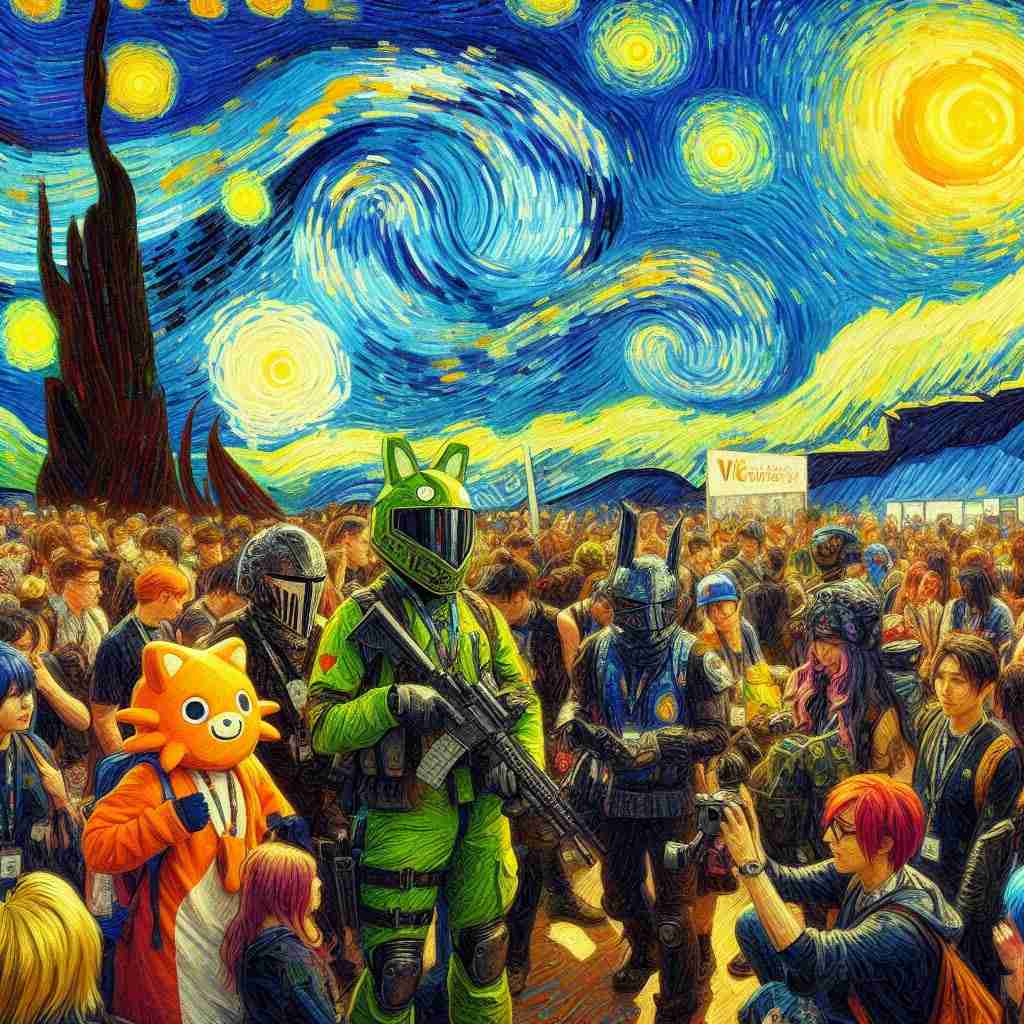
Are Overpriced Skins Stifling Creativity and Innovation In Gaming?
How Do Overpriced Skins Impact the Sense Of Community Among Gamers?
In the kaleidoscopic world of gaming, where avatars strut around with flashy skins more extravagant than a circus parade, a curious dynamic begins to unfurl. On one hand, we see players proudly donning these digital robes of status, shouting their individuality across forums and chat rooms. On the other, there’s an undercurrent of frustration swirling among gamers who feel distanced, even alienated, by the price tags that often accompany these cosmetic treasures.
At the heart of it all lies a simple truth: games were built around communities. When you think about it, those late-night raid sessions, the shared laughter over epic fails, and the camaraderie forged over a virtual campfire — these experiences thrive on accessibility. An overpriced skin can shift that delicate balance. It paves a path where wealth can overshadow talent and passion, leading to a divide among players that chips away at the fibers of community.
But let’s not kid ourselves; we all enjoy a little bling. Décor adds flair and personality, and we all want our avatars to look sharp. Yet, when these adornments price out a significant portion of the gaming populace, it begs a question: Who truly gets to belong here? This economic reality forces us to weigh our ethical compass. Are we further marginalizing fellow gamers who may not have the resources to keep up with this glitzy parade? A healthy community thrives on inclusiveness, where every individual feels valued, regardless of their wallet’s heft.
Consider the stories we weave as players. Behind every username lies a human being, juggling real-life challenges while seeking joy in their virtual adventures. When skins become a measuring stick for worth, some players may retreat, leading to a quieter, less vibrant gaming landscape. Suddenly, the joy of shared experiences begins to dim.
But there’s hope. By consciously choosing to support games and developers that prioritize fair pricing and inclusivity, we can reinforce a culture that celebrates not just the aesthetics but the very essence of gaming. We can foster a community where players rise by their skills and relationships rather than their purchase power. It’s time to advocate for a gaming world that shines not just in visual splendor, but in the warmth of collaboration, empathy, and inclusivity.
So, let’s rally together, championing a gaming culture that bonds us, lifts us, and reminds us why we love to game in the first place. In the grand cosmos of our favorite pastimes, there’s nothing quite as valuable as the connections we forge along the way.
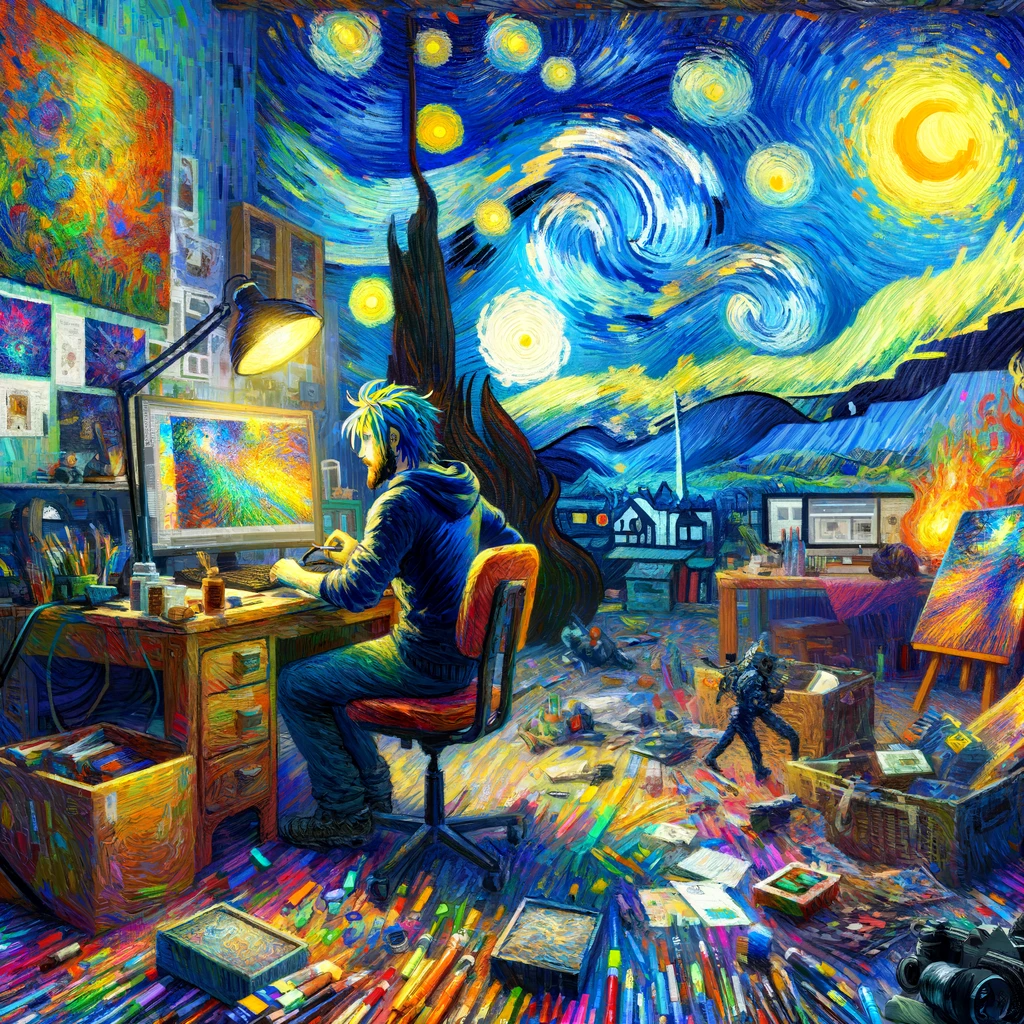
How Do Overpriced Skins Impact the Sense Of Community Among Gamers?
How Do Overpriced Skins Impact the Sense Of Community Among Gamers?
- Gaming avatars often showcase extravagant skins, creating a visual spectacle.
- Players express their individuality through cosmetic items, but many feel alienated by high costs.
- Community is central to gaming, with experiences like raids and shared laughter enhancing connectivity.
- Expensive skins can create a divide, prioritizing wealth over talent and passion.
- Inclusivity is essential for healthy gaming communities, where everyone feels valued regardless of finances.
- Choosing to support fair-pricing games can foster inclusivity and skill-based recognition.
- A strong gaming culture should focus on collaboration, empathy, and the connections formed among players.

How Do Overpriced Skins Impact the Sense Of Community Among Gamers?
What Narratives Do Overpriced Skins Create About Value and Engagement?
When we step into the digital arenas of our favorite games, each pixel twinkling with opportunity, there’s a hidden price tag that looms larger than the virtual battle axes and shimmering armor: the concept of value itself. Overpriced skins—those flashy outfits that shimmer and sparkle—represent more than just cosmetic upgrades; they wield a narrative that asks us to reconsider what we value in our online escapades.
At the heart of this phenomenon lies a paradox. As players, we are often drawn to the idea that higher prices equate to greater worth. We slip into the skins we purchase, strutting through the digital landscape, hoping to signal our status, our triumphs, and our dedication to the craft. It’s about being seen—an unseen need for recognition that fuels engagement and enthusiasm. When a player decks themselves out in a radiant skin, it’s not just a fashion statement; it’s a badge of honor, a way to say, “I’m part of this community, and I’m willing to invest.”
However, there’s an ethical quandary hidden beneath this glitzy surface. Should the joy of gaming come with an exorbitant price? As we ponder this question, we navigate a complex landscape where social pressures loom. Friends flaunt their latest purchases, but what of those who can’t afford to join in? The allure of exclusivity can create invisible barriers that fracture the very community gaming seeks to promote. This is where our shared humanity shines through: the understanding that not everyone has the means to showcase their prowess with a shiny skin.
But let’s not forget the compelling narratives that emerge. Designers craft these skins with care, spinning tales within them that echo beyond the digital realms. They inspire us to envision adventures, to become heroes in a world where we can fulfill fantasies that the day-to-day rarely grants us. There’s a reason we choose to engage, to aspire to something greater—it’s a journey we embark on, one that fosters connection with ourselves and each other.
Ultimately, we are left pondering our roles as players in this ecosystem. Are we merely consumers of flashy items, or can we redefine value through shared experiences that bind us? Every skin carries weight, but perhaps the greatest value lies not in the price tag, but in the stories we tell and the connections we forge. Embrace that call to engage deeply, because in the end, it’s the engaging experiences we create together that truly matter.

What Narratives Do Overpriced Skins Create About Value and Engagement?
What Narratives Do Overpriced Skins Create About Value and Engagement?
- The digital gaming world presents both opportunities and challenges related to the concept of value.
- Overpriced cosmetic upgrades, like skins, prompt players to reassess their perceptions of worth in gaming.
- Players often associate higher prices with greater value, using skins to signal status and commitment within the gaming community.
- This phenomenon raises ethical questions about the accessibility of gaming, particularly for those who cannot afford such purchases.
- The allure of exclusivity in the gaming community can create divisions among players.
- Skins are crafted with care, often telling compelling narratives that enhance the player’s experience and engagement.
- True value in gaming may lie in shared experiences and connections rather than the price of cosmetic items.

What Narratives Do Overpriced Skins Create About Value and Engagement?
How Can Gamers Unite to Challenge the Culture Of Overpriced Skins?
Every gamer knows that the world of online gaming is vast and captivating, but somewhere along the way, it’s also transformed into a marketplace where aesthetics often outweigh substance. Skins, those eye-catching embellishments, have become the fashion statements of our digital arenas, yet their prices can feel downright outrageous. But what if we paused for a moment, looked around, and decided we could do something about it?
Imagine logging into your favorite game and finding a community bound not just by shared interests but by a collective grievance: overpriced skins. The power of unity becomes our greatest weapon. We’re not just individuals lighting our wallets on fire for vanity; we’re a movement fueled by passion and a desire for fairness. Picture a scenario where gamers unite, calling for transparency in pricing and advocating for reasonable, balanced options that both developers and players can embrace. This isn’t just wishful thinking; it’s a call to arms that speaks to our integrity as a community.
Now think for a moment—from a rational perspective—about the impact of our collective voice. If we harness the sheer number of players disappointed by ever-inflating prices, we can influence game developers and publishers to revisit their pricing strategies. The market responds to demand, and if we advocate more effectively for responsible monetization practices, we can encourage an environment where creativity is rewarded by all, not just those willing to splash out cash.
The ethical component of this movement resonates deeply. We often celebrate games for their ability to bring people together, but allowing greed to dictate our digital experiences tarnishes that spirit. By standing up against inflated prices, we protect the integrity of our beloved games and promote a culture that prioritizes accessibility and inclusivity over mere profit.
As we band together, let’s share our stories. Each of us has encountered the frustration of being priced out of an experience, and those tales build connections. They remind us that we aren’t alone in our feelings. When we voice these narratives on forums, social media, or game reviews, we create a powerful chorus that challenges the status quo.
So, here’s the crux: We have the power to redefine the narrative around skins in gaming. Together, we can forge a path forward where developers and gamers can coexist harmoniously, ensuring that our digital worlds remain vibrant, diverse, and fair. Let’s rally together and inspire change—not just for ourselves, but for the future of gaming itself.

How Can Gamers Unite to Challenge the Culture Of Overpriced Skins?
How Can Gamers Unite to Challenge the Culture Of Overpriced Skins?
- The online gaming landscape has evolved into a marketplace where aesthetics often supersede substance, particularly with the rise of expensive skins.
- A community of gamers sharing grievances about overpriced skins can harness collective power to advocate for change.
- Transparency in pricing and reasonable options could benefit both developers and players, aligning interests.
- A united front against inflated prices can influence developers to reconsider their pricing strategies, promoting responsible monetization practices.
- This movement emphasizes ethical considerations, prioritizing accessibility and inclusivity over profit within gaming.
- Sharing personal experiences of being priced out can foster connections and strengthen the community’s resolve against unfair pricing.
- By working together, gamers can reshape the narrative about skins to create a more fair and diverse gaming environment.

How Can Gamers Unite to Challenge the Culture Of Overpriced Skins?
Why Does It Feel Unjust to Pay More for Superficial Items In Games?
When we delve into the world of games, it’s easy to get swept up by the vibrant colors and exhilarating adventures they promise. Yet, there’s a lingering unease that arises when we’re asked to cough up more money for superficial items—skins, emotes, or customization options that don’t alter gameplay but can feel essential to our experience. Why does that sting?
At first glance, the emotional response is unmistakable. We invest our time and energy into these virtual realms, building connections and crafting our identities, often using these items as the brushstrokes that paint our individual gaming canvases. So, when we’re confronted with a steep price tag for something that feels, well, non-essential, it triggers a visceral reaction deep in our gut. It taps into that age-old notion of fairness; after all, shouldn’t time spent in these worlds equate to a sense of value, not dollars?
Rationally speaking, the economics of gaming have shifted dramatically. Developers and companies face increasing pressures to monetize in a way that sustains their operations. Yet, it feels unjust to pay a premium for something that should ideally be included. Surely, they’ve spent time and resources creating stunning experiences, but shouldn’t we draw a line when that creativity seems to target our wallets more than our hearts?
From an ethical standpoint, it’s crucial to consider the implications of how we spend—not just our money, but also our time—and the culture it cultivates. Are we championing a landscape where value is placed on aesthetics over actual gameplay? There’s a slippery slope between fun and exploitation, and recognizing that distinction can inspire a desire for change.
Narratively, each item carries its own story and significance, much like the characters we embody. If we equate the value of a well-designed skin to a powerful narrative arc in the game, shouldn’t its price reflect more than just the typical market value? The reality is we’re not just paying for pixels; we’re investing in the shared language of community and expression.
Ultimately, it all boils down to connection—both with the games we love and each other. By fostering conversations around these purchases, we can inspire developers to reconsider their approaches, ensuring that our engagement is as meaningful as our spending. Let’s stand up for the experiences that are worthwhile, reminding the industry that authenticity and fairness, after all, trump flashiness anytime.

Why Does It Feel Unjust to Pay More for Superficial Items In Games?
Why Does It Feel Unjust to Pay More for Superficial Items In Games?
- Games entice players with vibrant visuals and thrilling adventures, yet introduce discomfort when extra costs for non-essential items arise.
- Players invest time and energy in virtual worlds, forming connections and identities through customization items, which heightens the emotional response to their pricing.
- The desire for fairness emerges as a theme; time spent in games seems to warrant value beyond monetary cost.
- Developers face challenges in monetization, balancing operational sustainability with feelings of injustice experienced by players when forced to pay for extras.
- The ethical implications of spending on aesthetics over gameplay raise concerns about the gaming culture and potential exploitation.
- Each item within games carries narrative significance, suggesting prices should reflect deeper value than market trends allow.
- Fostering dialogue about in-game purchases can lead to meaningful engagement and push developers to prioritize authenticity and fairness.

Why Does It Feel Unjust to Pay More for Superficial Items In Games?
What Role Do Social Media and Influencers Play In Shaping Skin Prices?
In an era where everyone is just a click away from the latest trends, social media and influencers have become the reigning powerhouses of our self-image and beauty standards. Picture this: your feed is flooded with perfectly filtered faces, radiant skin illuminated by the golden glow of good lighting, and well-timed angles that make every pore seem non-existent. It’s no wonder that skin prices are soaring; people are pouring their hard-earned money into a quest for that unattainable perfection.
Social media has transformed skincare from a routine into a competitive arena. Suddenly, complex serums and luxurious creams become coveted prizes in an ongoing game of beauty. We scroll through countless posts, each one a testament to the latest miracle product or trend, often influenced by charismatic personalities who hold the positions of modern-day beauty gatekeepers. Behind every advertisement is a narrative designed to tap deep into our desire for acceptance and admiration. As we engage with these inspiring stories, a blend of desire and frustration stirs within us. We want to believe that there’s a quick fix, a magic potion that will unlock the secret to flawless skin.
Moreover, let’s not forget the ethical implications at play. When influencers promote products, their endorsements can sometimes gloss over the harsh realities of these miracle solutions. Transparency can falter in the chase for likes, and consumers are left grappling with the pressure to conform to often unrealistic standards. As viewers, it’s vital we dive deeper and question: Who profits from our yearning to achieve that influencer-status glow?
Yet, it’s not all doom and gloom. The power of social media also holds the potential for connection and authenticity. More and more, we’re witnessing influencers sharing their real stories—the struggles, the failures, and the moments when they, too, wrestle with self-doubt in front of the camera. It’s in these candid moments that community flourishes, inspiring trust and laying a foundation for honest conversations about beauty.
The high stakes of skin prices remind us to pause and reflect: Are we chasing a fleeting ideal, or can we forge our own narratives in a world overflowing with digital noise? By choosing authenticity over perfection, we encourage a richer dialogue about our skin, our feelings, and ultimately, ourselves.

What Role Do Social Media and Influencers Play In Shaping Skin Prices?
What Role Do Social Media and Influencers Play In Shaping Skin Prices?
- Social media and influencers dominate beauty standards and self-image today.
- Perfectly filtered images create unrealistic expectations, driving up skincare prices.
- Skincare has shifted from routine to competition, with products viewed as coveted prizes.
- Influencers are seen as gatekeepers, often promoting miracle products that tap into desire for acceptance.
- Transparency is often lacking in influencer endorsements, leading to pressure to conform to unrealistic ideals.
- Some influencers share authentic stories, fostering community and trust around the topic of beauty.
- We are encouraged to choose authenticity over perfection and engage in honest conversations about beauty.
What Role Do Social Media and Influencers Play In Shaping Skin Prices?
Conclusion
Gaming has always been more than just a pastime; it’s a lifeline for connection, creativity, and community. Yet, as the landscape has evolved into one rife with overpriced skins, a troubling trend emerges—not just in our wallets, but in the fundamental ethos of gaming itself. Gen Z gamers are rising up, fueled by a passion for fairness that underscores the heart of their rebellion. These digital adornments, often treated as status symbols, clash with the notion that games should be about engagement, fun, and camaraderie, not merely a showcase of wealth.
In a world where many are grappling with tight budgets and financial stress, the idea of shelling out exorbitant amounts for cosmetic items feels not only unjust but exploitative. It’s an emerging narrative that resonates deeply. Gamers are aware that creativity, connection, and ethics matter more than flashy price tags. They’re calling for a return to these core values, advocating for developers to listen to their voices—voices that matter because they represent a generation raised on principles of equality and inclusivity.
The stark reality is that when aesthetics become the sole measure of value in gaming, it undermines the spirit that binds the community together. The joy of shared experiences is often overshadowed by competition for cosmetic supremacy. This shift creates an invisible wall, leaving behind those who can’t afford to keep up. Gamers want to reclaim their spaces—not as consumers defined by what they can buy, but as collaborators united by passion, skill, and story.
There’s something profoundly powerful when players unite to challenge the status quo. Imagine a movement advocating for fairness in pricing, demanding transparency while inspiring developers to rethink their approaches. This is not just wishful thinking; it’s a collective call for a gaming landscape that prioritizes substance over surface, where everyone feels they belong. It’s about celebrating the connections forged through shared victories and defeats, through camaraderie that transcends economic divides.
In this digital arena, the heart of gaming isn’t confined to transaction—it’s alive in the narratives we share, the friendships we forge, and the stories we tell. It’s time to rally together for a gaming culture that values creativity, inclusivity, and respect. Let’s fight for an industry that recognizes not just our wallets, but our humanity, ensuring that the future of gaming shines brightly with genuine connection and lasting engagement. In our quest for fairness, we choose to embrace the essence of what makes gaming worth it: unforgettable experiences woven together in the fabric of community.
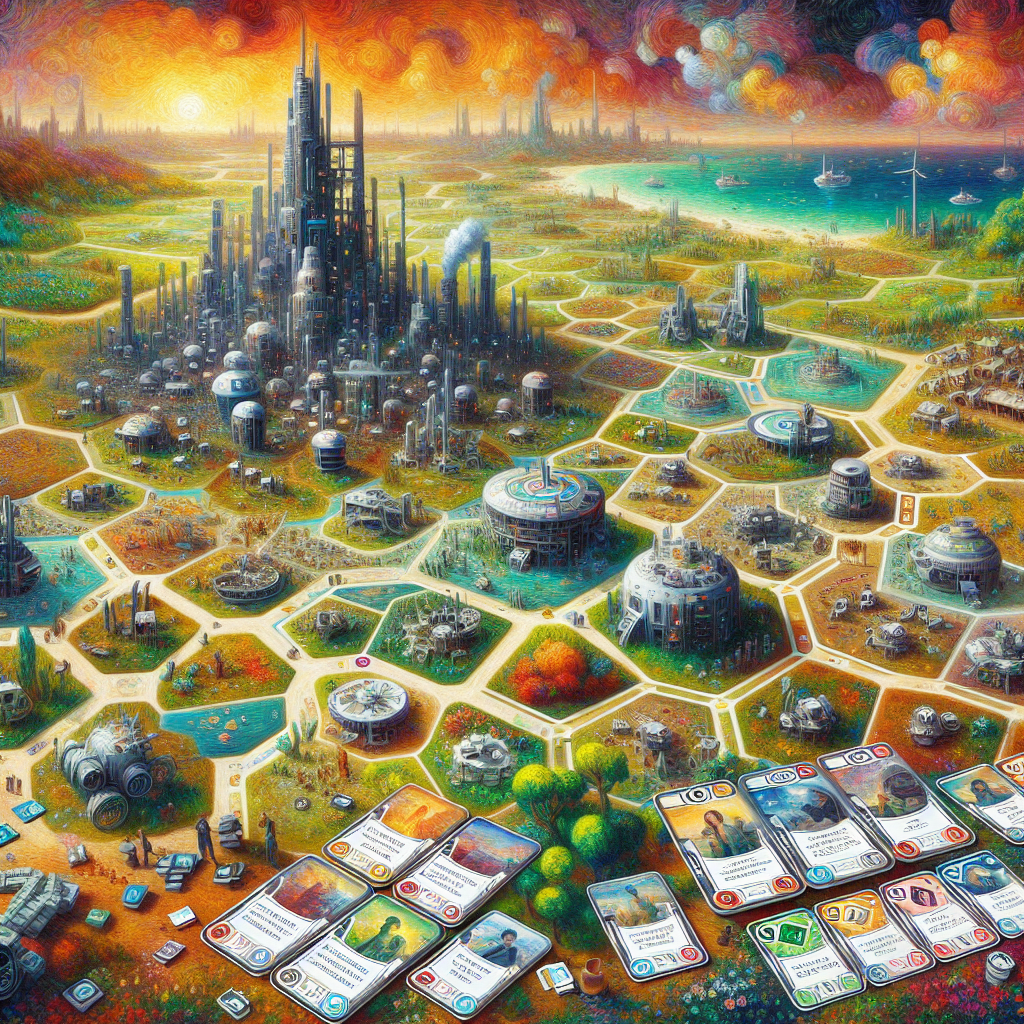
Conclusion
Conclusion:
- Gaming serves as a vital source of connection, creativity, and community.
- The increasing prevalence of overpriced cosmetic items challenges the core values of gaming.
- Gen Z gamers advocate for fairness and inclusivity over wealth-driven status symbols.
- High costs for cosmetic items are seen as exploitative, especially during financial hardships.
- The focus on aesthetics undermines community spirit and shared experiences.
- A movement for fair pricing and transparency can help restore the essence of gaming.
- Ultimately, gaming should prioritize creativity and connection over materialism.

Conclusion
Other Resources

Other Resources
Here is a list of other resources you can review online to learn more:
- Plurk
- Dead of Winter: A Crossroads Game
- Food Chain Magnate
- Solitaire
- BoardGameGeek
- Cranio Creations
- GeekWire
- Nürnberger-Spielkarten-Verlag (NSV)
- Flying Frog Productions
- Greater Than Games
- Discord
- Clank!: A Deck-Building Adventure
- Descent: Journeys in the Dark (Second Edition)
- Arkham Horror: The Card Game
- The Game
- Dominion: Prosperity (Second Edition)
Use This Prompt To Get More Resources With Your Favorite Online AI Tool: Please provide me with a list of online articles with their URLs in a bulleted list that I can read regarding Why Gen Z Gamers Are Calling Out Overpriced Skins

Other Resources
Glossary Terms
Why Gen Z Gamers Are Calling Out Overpriced Skins – Glossary Of Terms
1. Gen Z: The demographic cohort born approximately from the mid-1990s to the early 2010s, known for growing up with technology and digital communication.
2. Gamers: Individuals who play video games, encompassing both casual and competitive players across various platforms.
3. Skins: Cosmetic items in video games that alter the appearance of characters, weapons, or other elements without affecting gameplay mechanics.
4. Overpriced: Refers to items or services priced significantly higher than perceived value or market norms.
5. Microtransactions: Small purchases made within a game, often for cosmetic items or in-game currency, typically using real money.
6. Pay-to-win: A game design model where players can gain unfair advantages through monetary purchases, leading to player dissatisfaction.
7. Aesthetic: The visual appeal or artistic elements associated with a skin or game design.
8. In-game currency: Virtual money earned or purchased within a game, used for transactions in the game’s economy.
9. Loot boxes: Virtual containers that provide randomized rewards, often including skins, which players can purchase or earn.
10. Community backlash: A negative response from a group of people, typically fans or consumers, often in reaction to pricing practices or game design decisions.
11. Value perception: The subjective assessment of worth, influencing how players view the pricing of skins and other in-game items.
12. Digital ownership: The concept of owning virtual assets, such as skins, and the rights associated with them in online environments.
13. Monetization: The strategy used by game developers to generate revenue, including various in-game purchases and premium content.
14. Frustration: A feeling of annoyance or dissatisfaction, often arising from perceived unfair pricing in gaming.
15. Consumer advocacy: Efforts made by gamers or organizations to promote fair pricing and practices within the gaming industry.
16. Diversity in gaming: Emphasizing various backgrounds and identities represented in games, including skins that reflect this diversity.
17. Market trends: Patterns and shifts in the consumer demand and pricing structures within the gaming industry.
18. Emotional investment: The personal connection players have with their gaming experiences and purchases, influencing their spending behavior.
19. Customization: The ability for players to personalize their characters or game elements, often through skins.
20. Transparency: Openness in how pricing strategies and in-game purchases are communicated to consumers.
21. User experience (UX): The overall experience a player has when interacting with a game, including ease of use and satisfaction.
22. Accessibility: The effort to make gaming experiences available to a wider audience, including fair pricing practices.
23. FOMO (Fear of Missing Out): The anxiety that players feel when they believe they might miss out on exclusive skins or content.
24. Content creation: The production of material, such as videos or streams, by gamers to share their experiences and opinions about games.
25. Player engagement: The level of involvement and interest that players show in games, influenced by content and pricing.
26. Consumer rights: The legal protections that ensure fair treatment and practices for buyers of goods and services, including digital items.
27. Gameplay impact: The effect that pricing and availability of skins might have on player behavior and experience.
28. Market dynamics: The forces that shape supply and demand in the gaming industry, influencing pricing and consumer behavior.
29. Sustainability in gaming: Practices aimed at ensuring the long-term viability of the gaming industry, including ethical pricing.
30. Feedback loops: Interactions where player behavior influences game development and pricing, creating a cycle of response and adaptation.

Glossary Of Terms
Other Questions
Why Gen Z Gamers Are Calling Out Overpriced Skins – Other Questions
If you wish to explore and discover more, consider looking for answers to these questions:
- What specific examples of overpriced skins have caused backlash among Gen Z gamers?
- How do overpriced skins affect the overall gaming experience?
- What actions can gamers take to advocate for fair pricing in the gaming industry?
- How do varying economic backgrounds among gamers contribute to feelings of exclusion?
- What role do game developers play in pricing strategies for cosmetic items?
- How does the gaming community react to changes in skin pricing practices?
- What alternatives exist for gamers who want to express individuality without spending a fortune on skins?
- Are there any successful movements or campaigns aimed at fair pricing in gaming?
- How do cultural influences impact the perception of value in digital items like skins?
- What are the long-term implications of the current trend of overpriced skins on game development?
- How can gaming platforms adjust their monetization strategies to be more inclusive?
- What kind of innovations in gameplay can occur if developers focused less on cosmetic sales?

Other Questions
Haiku
Why Gen Z Gamers Are Calling Out Overpriced Skins – A Haiku
Digital dreams adorned,
Price tags weigh heavy on hearts—
Unity for change.

Haiku
Poem
Why Gen Z Gamers Are Calling Out Overpriced Skins – A Poem
In pixels bright, where dreams take flight,
A generation stands, uniting in their plight.
With skins that shimmer, yet cost a fortune dear,
They voice their heartache, dissolve the veneer.
In gaming realms where creativity should reign,
Exclusivity and greed inflict deepening pain.
Each dollar spent feels like a hit or miss,
A gamble on identity, a longing for bliss.
They seek a balance ‘twixt art and profit’s sway,
As friendships blossom in the twilight play.
Yet when the riches marginalize the crowd,
What once was shared turns silently proud.
Together they rally, their voices intertwined,
For fairer pricing, a community aligned.
Empathy blossoms where once walls would rise,
A chorus of gamers, refusing disguise.
Behind each avatar is a unique soul,
Navigating life’s challenges, striving for whole.
With every challenge conquered, connections deep,
The heart of gaming is the promise we keep.
So let’s reclaim our joy from corporate hands,
Championing stories that ignite our lands.
A rally for inclusivity, where all players belong,
In a tapestry woven, the true heart is strong.
For gaming’s essence lies not in the gleam,
But in laughter, in bonds, in shared hopes and dreams.
With integrity at the core, let’s move toward the light,
To ensure our digital world shines ever so bright.
Poem
Checklist
Why Gen Z Gamers Are Calling Out Overpriced Skins – A Checklist
Checklist for Advocating Fair Pricing in Gaming
Emotional Appeals
_____ Reflect on personal gaming experiences: When did you feel a game truly valued your engagement?
_____ Identify moments of camaraderie in gaming: Who have you shared laughter or victories with online?
_____ Consider the emotional impact of overpriced skins: How does it feel to be priced out of self-expression?
Rational Appeals
_____ Analyze the economic model: Do you believe the current pricing structure supports community engagement?
_____ Track your spending: How much have you spent on skins versus core gameplay experiences?
_____ Research fair pricing models in other industries: What can gaming learn from them?
Ethical Appeals
_____ Evaluate inclusivity: Does the pricing of skins foster or hinder a sense of community?
_____ Discuss ethical gaming: What principles should guide the pricing of in-game items?
_____ Advocate for transparency: How would clearer pricing models benefit the gaming community?
Authority Appeals
_____ Follow industry leaders: Which game developers are championing fair pricing?
_____ Engage with critics: What do seasoned gamers and influencers say about expensive skins?
_____ Support grassroots movements: Are there community-led efforts promoting fair pricing?
Narrative Appeals
_____ Share personal stories: How has pricing affected your gaming experience and community interactions?
_____ Collaborate on community narratives: What collective experiences can encompass your gaming journey?
_____ Create a dialogue around change: How can together we rewrite the story of gaming affordability?
Social Appeals
_____ Foster community discussions: Engage in forums or social media about fair pricing for skins.
_____ Organize or join advocacy groups: How can collective voices affect change in the industry?
_____ Amplify underrepresented voices: Support gamers who speak out against unfair pricing.
Practical Actions to Take
_____ Sign petitions advocating for fair pricing practices in gaming.
_____ Reach out to developers: Campaign for more affordable, accessible skins.
_____ Encourage friends to join in discussions, sharing experiences and opinions on gaming costs.

Checklist
At HowDoYouGame, we help people who love board games by collating information and news about games.
Be sure to read our other related stories at HowDoYouGame to learn more about games.