Uncovering The Truth: The Fascination With Vampire Survivors
By Tom Seest
At HowDoYouGame, we help people who love board games by collating information and news about games.
Be sure to read our other related stories at HowDoYouGame to learn more about games.
Vampire Survivors and Balatro – the Millennial Obsession Explained
In the age of fast-paced digital interaction, where attention spans are shorter than a TikTok clip, there’s a curious spectacle happening in the world of gaming. Titles like Vampire Survivors and Balatro have emerged not just as games, but as pulsing cultural phenomena. They’re more than mere distractions; they’re gateways into a shared journey, echoing the long-lost joys of our millennial youth.
Imagine the exhilaration of dodging pixelated foes, the thrill of leveling up your character, and the strategic dance of survival. Games like these tap into that nostalgic thrill, intertwining competition with camaraderie. Players share their highs and lows, strategies, and game wins, fostering a vibrant social tapestry. It’s as if the digital realm has resurrected the playground of our childhood, offering a space where triumphs can be celebrated and challenges met together.
But there’s more than nostalgia at play. The allure of Vampire Survivors and Balatro can be understood through the lens of empowerment. They invite players to immerse themselves in choice-driven narratives, where every decision shapes the outcome. This sense of agency invigorates the player, making the mundane exhilarating. Everyone enjoys the victory of strategizing their way out of a horde of creatures, the feeling of accomplishment echoing long after the screen goes dark.
Ethically, these games challenge us to consider the way we engage with each other in both the virtual and real worlds. They pose questions about collaboration, how we lift each other up, and the importance of community. Are we simply playing solo in a world that thrives on interconnectedness? Or can we come together to share victories, support each other through failures, and cultivate a culture of inclusivity?
Engaging with these games is a rallying cry for a generation that craves connection. As we dive into these pixelated realms, we find ourselves not just battling monsters, but also confronting the monsters of our everyday lives—stress, isolation, and the relentless grind of adulthood. Through the grind of gameplay, we connect with our inner selves and one another, learning resilience and the art of persistence along the way.
In a landscape dominated by fleeting moments, games like Vampire Survivors and Balatro remind us that joy can be found in the struggle, and that together, we can turn every challenge into a shared triumph.
Vampire Survivors and Balatro – the Millennial Obsession Explained
Vampire Survivors and Balatro – the Millennial Obsession Explained
- Fast-paced digital interaction has shortened attention spans, yet gaming titles like Vampire Survivors and Balatro have emerged as cultural phenomena.
- These games provide a nostalgic experience, allowing players to relive the joys of their youth through shared journeys and community.
- The thrill of gameplay includes dodging foes, leveling up, and the camaraderie that comes from sharing strategies and triumphs.
- Empowerment is a key aspect, as players engage in choice-driven narratives where their decisions shape outcomes.
- Ethical considerations arise, questioning how players engage and support one another in both virtual and real worlds.
- These games serve as a call for connection, helping players confront everyday stress and isolation through shared experiences.
- Ultimately, Vampire Survivors and Balatro emphasize that joy can be found in struggle, and together, players can transform challenges into shared victories.
Vampire Survivors and Balatro – the Millennial Obsession Explained
Table Of Contents
- Vampire Survivors and Balatro – the Millennial Obsession Explained
- What Draws Millennials to Immersive Gaming Experiences Like These?
- Is the Appeal Of These Games Rooted In Nostalgia Or Innovation?
- What Ethical Considerations Arise From the Obsession with Gaming?
- How Do These Games Challenge Our Understanding Of Success and Failure?
- How Do Developers Use Authority to Influence Our Gaming Choices?
- What Role Does Community Play In the Popularity Of These Games?
- How Do These Gaming Trends Intersect with Mental Health Discussions?
- Conclusion
- Other Resources
- Glossary Of Terms
- Other Questions
- Haiku
- Poem
- Checklist
What Draws Millennials to Immersive Gaming Experiences Like These?
When you think about the allure of immersive gaming experiences, it’s easy to get swept away in the sheer spectacle—the vibrant graphics, the pulse-pounding soundtracks, the intricate narrative webs that capture our attention. But delve a bit deeper, and you’ll find that what truly captivates Millennials extends far beyond the surface. It’s a complex tapestry woven from the threads of connection, agency, and community.
At the heart of the matter lies the emotional appeal. Games today are no longer just pixels on a screen; they’re narratives that resonate. Millennials seek stories that reflect their own challenges and aspirations. They navigate their real-world dilemmas, struggles with identity, and the search for purpose in environments that feel genuinely inclusive. These gaming experiences provide a sanctuary where players can explore their feelings without judgment—a vital outlet in a world that often feels chaotic and unforgiving.
Then, consider the gut instinct. There’s a visceral thrill in overcoming obstacles, conquering fears, and achieving goals inside these virtual realms. The adrenaline rush of gaming fosters a sense of agency that many in today’s fractured society crave. People no longer want to be mere spectators of their lives; they want to engage, to influence outcomes, to feel empowered. The sense of accomplishment gained from completing a challenging quest or leveling up translates to confidence in the real world, reinforcing the belief that they can, indeed, shape their destinies.
From a rational standpoint, Millennials are digital natives. They’ve grown up in a world saturated with screens and interactivity. Here, gaming becomes more than entertainment; it’s an avenue for problem-solving, strategic thinking, and teamwork. The skills honed in these immersive environments are transferable, laying the groundwork for personal and professional development. They shift from being passive consumers to active creators, empowering them to make decisions and exercise their judgment—an essential quality in an unpredictable job market.
Finally, there are ethical and social considerations at play. Gaming communities often support inclusivity and diversity, championing narratives that reflect a broader spectrum of human experience. This collective ethos fosters connections, breaking down geographical and cultural barriers, inviting people to engage in meaningful dialogue.
So, when you strip away the flashy graphics and exhilarating gameplay, what emerges is a powerful, interconnected experience—one that appeals to the heart, head, and gut. It invites trust and belonging, encouraging Millennials to step into these worlds not just as players but as active participants in their own stories.

What Draws Millennials to Immersive Gaming Experiences Like These?
What Draws Millennials to Immersive Gaming Experiences Like These?
- Immersive gaming experiences attract Millennials with vibrant graphics, soundtracks, and intricate narratives.
- The emotional appeal is central; games resonate with players’ real-life challenges and aspirations.
- Gaming provides a safe space for Millennials to explore feelings and identity without judgment.
- Overcoming obstacles in games fosters a sense of agency and empowerment in players.
- Millennials, as digital natives, view gaming as a means for strategic thinking and teamwork.
- Gaming communities promote inclusivity and diversity, fostering meaningful connections and dialogue.
- Ultimately, gaming offers a powerful interconnected experience that encourages active participation in personal narratives.

What Draws Millennials to Immersive Gaming Experiences Like These?
Is the Appeal Of These Games Rooted In Nostalgia Or Innovation?
In the landscape of modern gaming, a profound question lingers: are the games that tug at our heartstrings truly anchored in nostalgia, or is there a wave of innovation washing over our screens? To the casual observer, it might seem an easy debate. Yet, dig a little deeper, and you discover a wellspring of emotion and creativity that connects generations.
Think back to the first time you battled a pixelated dragon or solved a riddle that opened the door to a new world. Those moments didn’t just entertain; they shaped who you are. For many, games are a rite of passage, instilling lessons in perseverance, strategy, and camaraderie. Our childhood memories flash in the back of our minds, beckoning us to relive them. And yet, the evolution of gaming isn’t merely about revisiting the past; it’s about reimagining what’s possible—a brilliant blend of nostalgia and cutting-edge development. Every time a reboot graces our consoles, it’s not just a stroll down memory lane; it’s an invitation to engage with those stories anew.
Take a moment to consider the artistry involved in crafting these interactive experiences. Developers pour their hearts into creating immersive worlds, fueled by innovative technologies that elevate storytelling to dizzying heights. This blend of old and new connects us, igniting conversations at dinner tables, in break rooms, and across digital platforms. It invites collaboration and cooperation, transcending barriers of age, culture, and geography.
Yet, with every pixel perfected in the name of nostalgia, there lies an ethical imperative. Are we merely recapturing fond memories, or are we fostering creativity in the next generation? The answer lies in how we choose to engage with these games. As players and creators, we must aspire to build experiences that honor our past while boldly sculpting the future.
So what pulls at your gut—the familiar warmth of yesteryears, or the thrill of undiscovered adventures? Perhaps, it’s both. Like a comforting melody mixed with a surprising new beat, the appeal rests on the delicate balance between nostalgia and innovation. As we step into the realm of gaming, let’s carry forward the legends that shaped our childhood while welcoming the innovations that promise to expand our horizons. Let’s celebrate these games together, for they connect us in ways that go beyond mere pixels—they remind us of what it means to dream, explore, and unite.

Is the Appeal Of These Games Rooted In Nostalgia Or Innovation?
Is the Appeal Of These Games Rooted In Nostalgia Or Innovation?
- The relationship between nostalgia and innovation in modern gaming poses a profound question for players and creators.
- Many gamers have formative experiences tied to gaming, shaping lessons in perseverance, strategy, and camaraderie.
- The evolution of gaming is about reimagining possibilities rather than just revisiting the past.
- Reboots of classic games serve as new engagements with familiar stories, combining nostalgia and modern development.
- Developers infuse their work with artistry, using innovative technologies to enhance storytelling in immersive worlds.
- Ethically, the gaming community must consider whether they are preserving memories or fostering future creativity.
- The balance between nostalgia and innovation is essential for connecting generations through gaming experiences.

Is the Appeal Of These Games Rooted In Nostalgia Or Innovation?
What Ethical Considerations Arise From the Obsession with Gaming?
In recent years, the world of gaming has become a captivating siren, calling to millions with its vivid landscapes, thrilling adventures, and a promise of connection. Yet beneath this glittering surface lies a complex web of ethical considerations that often gets overshadowed by our obsession with these games. It’s a landscape where camaraderie and competition coexist, but that doesn’t mean it’s all sunshine and rainbows.
Imagine a young adult who, deeply entrenched in a multiplayer realm, spends countless hours leveling up and building virtual empires. In doing so, they may inadvertently neglect real-world relationships and responsibilities. The heart of the matter beats through the pulse of human connection. Are we fostering a generation of individuals who prioritize virtual victories over authentic interactions? As we hurl ourselves into these fantastical worlds, we must ask: what price are we paying for our digital quests?
Let’s bring our heads into the conversation. The allure of gaming is undeniably strong—it offers an escape, a sense of achievement, and a platform for social interaction. Yet, the rise of addictive patterns raises red flags. According to mental health experts, excessive gaming can lead to anxiety, depression, and a sense of isolation. Rationally speaking, we must weigh the immediate gratification against the long-term consequences. It’s not just about the thrill; it’s about nurturing our mental well-being.
Now, let’s put our ethics hats on. Many gaming companies have a responsibility to ensure that their products promote healthy behavior and prioritization of player welfare. They stand as gatekeepers to these virtual gateways. When we, as consumers, demand transparency regarding monetization practices, loot boxes, and data privacy, we are not just advocating for ourselves—we are standing up for the collective. It’s a call for ethical accountability in an industry that thrives on engagement.
Socially, the gaming community is a melting pot of cultures, perspectives, and experiences. Each game serves as a mirror reflecting our societal values and issues back at us. As players, we have the power to shape this culture, embracing not only the accolades but also the responsibilities that come with them.
So, what are we going to do? Will we use our voices to champion games that ignite creativity and connection, or will we remain passive participants in an ever-evolving landscape? The choice is ours, and it starts with awareness and action.

What Ethical Considerations Arise From the Obsession with Gaming?
What Ethical Considerations Arise From the Obsession with Gaming?
- The gaming world captivates millions with its immersive experiences and sense of connection.
- Ethical considerations in gaming often get overshadowed by the allure of virtual successes.
- Excessive engagement in gaming can lead to real-world relationship neglect and responsibilities.
- Concerns about mental health, including anxiety and depression, have risen due to addictive gaming behaviors.
- Gaming companies hold a responsibility to promote player welfare and healthy behaviors in their products.
- The gaming community reflects a diverse range of cultures and societal issues, offering players a chance to shape its culture.
- Players are encouraged to advocate for creativity and connection, driving awareness and ethical practices in gaming.

What Ethical Considerations Arise From the Obsession with Gaming?
How Do These Games Challenge Our Understanding Of Success and Failure?
When we step into the world of games, we do more than just play; we embark on a journey that challenges our very notions of success and failure. These interactive experiences weave complex narratives that reflect our struggles, triumphs, and the intricate dance between winning and losing. At the heart of it, games push us beyond mere entertainment—they tap into our emotions, stir our imaginations, and force us to question what it truly means to succeed.
Consider the feeling of despair when a hard-fought battle ends in defeat—each failure can feel like a punch to the gut. Yet, in that moment of loss lies a powerful lesson. Games teach us that failure isn’t an end; it’s a stepping stone. With each retry, we cultivate resilience and adaptability. This isn’t just about saving virtual worlds; it mirrors our real lives, where setbacks are part of the journey. These moments unfold a narrative, allowing us to see failure not as a mark against our character, but as a crucial aspect of growth.
Rationally, we understand the importance of persistence. In a world that often prizes immediate success, these games offer a refreshing counter-narrative. They remind us that mastery is forged through struggle. Developing skills, learning from mistakes, and adapting strategies all create a deeper understanding of our capabilities. It’s a cycle of feedback that breeds both competence and confidence—one that we can carry into our everyday lives.
Moreover, there’s an ethical dimension in how these games incorporate teamwork and competition. The tension between individual success and the success of a collective group teaches us a profound truth: sometimes the greatest victories arise not from standing on our own, but from uplifting those around us. We learn to value collaboration and support, realizing how our decisions affect others.
Like any good story, games invite engagement and foster connection. Just as we gather around a table for a shared meal, we gather around screens to share experiences. We celebrate wins together and help each other through losses, forming a camaraderie that transcends the virtual realm.
In this dance of challenge and triumph, games serve a greater purpose. They invite us to rethink our approach to success and failure, encouraging us to embrace the journey with open hearts. So, the next time you’re faced with a setback, remember: it’s not just game over; it’s another level waiting to be unlocked.
How Do These Games Challenge Our Understanding Of Success and Failure?
How Do These Games Challenge Our Understanding Of Success and Failure?
- Games challenge our concepts of success and failure through complex narratives.
- Each defeat teaches valuable lessons about resilience and adaptability.
- Failures are seen as stepping stones that contribute to personal growth.
- Games highlight the importance of persistence in achieving mastery.
- They incorporate ethical lessons on teamwork and the impact of individual actions on the collective.
- Games foster connection and camaraderie among players, similar to shared experiences in real life.
- They encourage us to embrace setbacks as part of a broader journey towards success.

How Do These Games Challenge Our Understanding Of Success and Failure?
How Do Developers Use Authority to Influence Our Gaming Choices?
When you fire up your gaming console or dive into the latest indie release, there’s a silent force at play. It’s not just the code or the graphics, but the authority of developers who wield the reins of your gaming experience. Games are not just a pastime; they are crafted stories, built upon the very principles of influence that shape our choices every day.
Think about it. The moment you see those familiar logos roll across the screen, a wave of expectation washes over you. Those brands—trusted names in the industry—have earned their stripes through years of delivering quality and excitement. It’s the heart and soul of gaming wrapped in pixels and code, drawing players like moths to a flame. When a game developer speaks, we listen. Their authority emerges from a foundation of creativity and dedication, tapping into something deeper within us—our desires, our dreams, and sometimes, our escapism.
Each choice developers make, from storyline arcs to gameplay mechanics, holds a mirror to our values. They present us with ethical dilemmas, socially charged environments, or just plain fun. Imagine playing a game that challenges your perspective on friendship or sacrifice. With a simple character decision, a developer can spark conversations that extend beyond the screen – fostering connection among players and inviting them to reflect on real-world issues through the lens of escapism.
Moreover, the narratives within games are like threads woven into the fabric of modern culture. Each quest, each challenge, is an invitation to bond with fellow players who share those experiences. You’re not just playing; you’re part of a community, all connected by shared struggles and triumphs. The emotional resonance is palpable. When developers skillfully employ their authority, they transform solitary gaming into a rich tapestry of collective experience.
And then there’s the gut feeling—there’s something undeniably instinctual about wanting to follow the creators of content that resonates with you. It’s the thrill of the chase for the next big adventure, driven by trust in the craft behind it. We crave mastery, exploration, and the satisfaction of overcoming obstacles, and in the hands of capable developers, our gaming choices feel right. It’s not just about the endgame; it’s also about the journey, the choices along the way, molded by the trusted hands of those who know how to reach into our hearts, our heads, and our guts.

How Do Developers Use Authority to Influence Our Gaming Choices?
How Do Developers Use Authority to Influence Our Gaming Choices?
- Games are crafted stories shaped by developers who influence our gaming experience.
- Brand logos evoke expectation; trusted names have established quality and excitement.
- Developers’ authority stems from creativity and dedication, connecting with our desires and dreams.
- Choices in games reflect our values and can address ethical dilemmas and social issues.
- Narratives in games foster community, linking players through shared experiences and emotions.
- Players are instinctively drawn to creators whose content resonates with them, seeking adventure and mastery.
- The gaming journey is shaped by developers, emphasizing both the choices and the experience, beyond just the endgame.

How Do Developers Use Authority to Influence Our Gaming Choices?
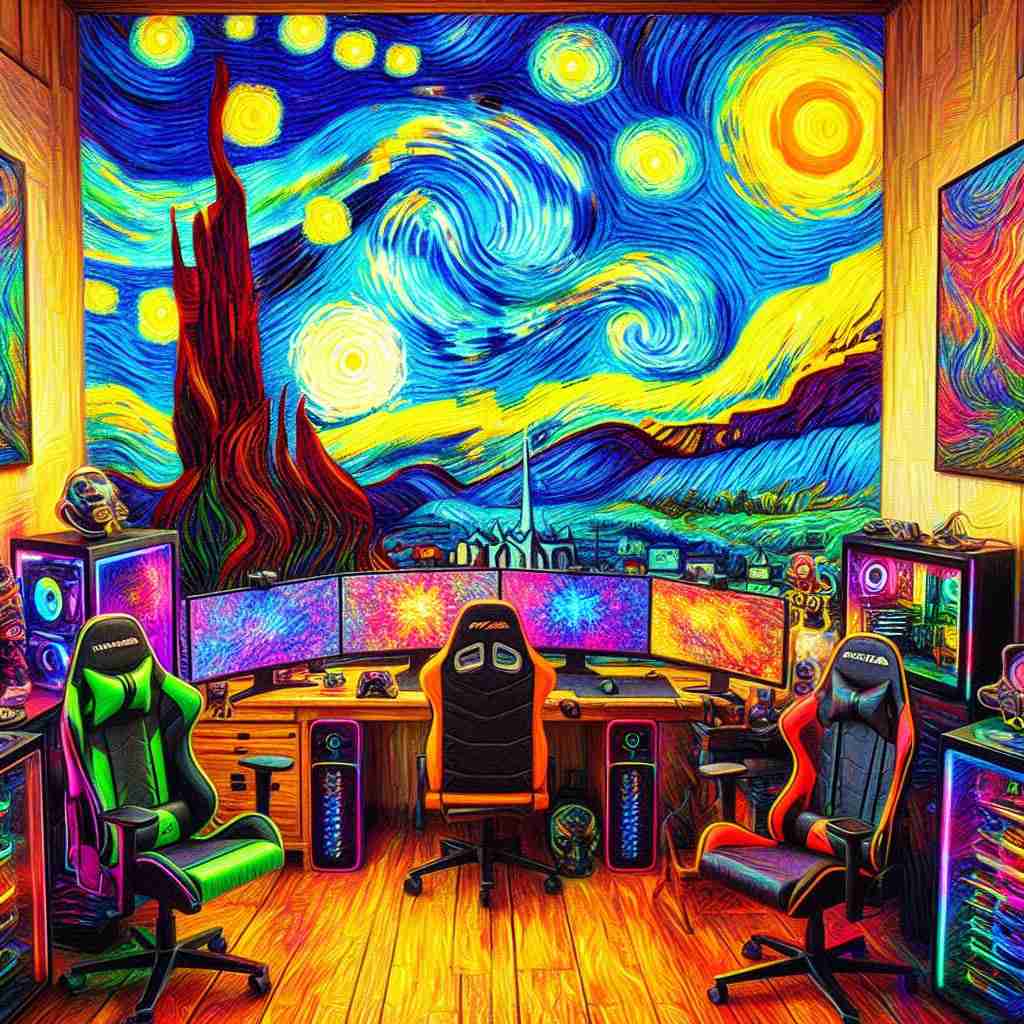
What Role Does Community Play In the Popularity Of These Games?
When you think of the allure of gaming, it’s easy to focus solely on graphics, gameplay mechanics, or narrative depth. But peel back that shiny surface, and you’ll find a powerful undercurrent: community. It’s not just the thrill of the game itself; it’s the people who play it. These games forge bonds that stretch across continents, creating a tapestry of shared experiences woven from laughter, competition, and camaraderie. We’re not just facing the enemy on-screen; we’re shoulder to shoulder with friends, old and new, and that’s where the magic unfolds.
Take a moment to consider the instinctual pull of belonging. When you find yourself in a multiplayer game, you’re immediately wrapped in a sense of belonging. You may be calling the shots, but it’s the teamwork, the communication, and the victories shared that truly define the experience. Whether it’s strategizing with friends to take down a boss or working collaboratively to solve a puzzle, these moments become memories that resonate long after the screen goes dark. That cousin who lives thousands of miles away? You’re huddling together during a late-night raid—laughter and banter serving up connection like a warm meal on a chilly evening.
But let’s not ignore the ethics behind this community spirit. Gaming can act as a unifying force, bridging gaps between cultures and perspectives. It invites people from all walks of life to sit at the same table, challenging stereotypes while fostering mutual respect. By engaging with diverse players, you gain insight into different viewpoints, cementing shared values of teamwork and understanding—a powerful tonic for a fragmented world.
Moreover, the authority behind these communities often stems from authentic storytelling. In-game narratives reflect real-life struggles and triumphs, making them relatable. We root for heroes and learn from villains, but we also learn from each other in these spaces—sharing advice, tutorials, and life hacks like passing down wisdom from one generation to the next.
Games are more than entertainment; they’re a catalyst for connection. The digital camaraderie that grows out of shared experiences transforms players into a community, and that’s what keeps them coming back for more. So, the next time you pick up that controller or fire up your PC, remember: you’re not just entering a digital realm; you’re joining a lively conversation that transcends pixels, alive with laughter, friendship, and feats yet to unfold. Embrace it, and let the community pull you in.
What Role Does Community Play In the Popularity Of These Games?
What Role Does Community Play In the Popularity Of These Games?
- The allure of gaming goes beyond graphics and mechanics; community plays a central role.
- Games create bonds that span continents, fostering shared experiences of laughter and camaraderie.
- Multiplayer games instill a sense of belonging through teamwork and shared victories.
- Gaming bridges cultural gaps, challenges stereotypes, and promotes mutual respect among diverse players.
- Authentic storytelling in games reflects real-life struggles, enhancing relatability and shared learning.
- Games serve as a catalyst for connection, transforming individual players into a cohesive community.
- Engaging with gaming communities enriches the experience, blending friendship with digital adventures.

What Role Does Community Play In the Popularity Of These Games?
How Do These Gaming Trends Intersect with Mental Health Discussions?
In the fast-paced landscape of modern gaming, it’s easy to overlook the profound intersection between these digital realms and our mental health. Games, those vibrant worlds filled with adventure and challenge, have become a sanctuary for many, a place where they find not just escape but also understanding. When we sit down to play, we often connect with characters who face struggles that mirror our own, reaching across the divide between pixels and reality.
Imagine being a young adult grappling with anxiety, and then entering a virtual universe where you’re not just a spectator but a hero. This isn’t merely leisure; it’s therapy wrapped in exhilarating narratives that bolster resilience. Each quest undertaken doesn’t just build skills but enhances self-esteem, fostering a sense of accomplishment that transcends the screen and seeps into our very beings. The narratives within these games, whether they’re tales of redemption or overcoming insurmountable odds, can ignite our empathy and awareness of others’ struggles, sparking conversations that are often stifled in the everyday hustle.
Yet, as we laud the benefits of gaming, it’s crucial to approach this dialogue with a sense of responsibility. Are we equipping ourselves with the right tools to discern when gaming is a healthy distraction and when it might veer into the realms of avoidance? Here lies the ethical dilemma—how do we celebrate the positive impacts without downplaying the potential pitfalls? As stewards of our mental well-being, we must advocate for balance, encouraging not only participation in games but also a proactive approach to understanding their effects on our psyche.
Community plays a pivotal role in this dynamic. Online forums and social platforms have become gathering spots where experiences are shared and support systems are forged. Here, we find not just camaraderie but a sense of belonging—a lifeline that offers reassurance that we are not alone in our struggles. A simple gaming session can morph into a profound communal experience, breaking down barriers, encouraging dialogue, and fostering connection that echoes through our lives.
As gamers, we wield the power to turn our leisure into healing. Let’s harness that potential to champion mental health discussions, connecting with others in meaningful ways, both on and off the screen. Together, we can transform these virtual journeys into real-world understanding, crafting a collective narrative that celebrates resilience, vulnerability, and the human spirit.

How Do These Gaming Trends Intersect with Mental Health Discussions?
How Do These Gaming Trends Intersect with Mental Health Discussions?
- Modern gaming intersects significantly with mental health, offering both escape and understanding.
- Players connect with characters facing struggles that often mirror their own experiences.
- Games serve not only as leisure activities but also as therapeutic experiences that build resilience.
- Each gaming quest enhances self-esteem and fosters a sense of accomplishment that extends beyond the screen.
- While celebrating the benefits of gaming, there is a need for responsible dialogue about potential pitfalls.
- Community is crucial, with online platforms providing support, camaraderie, and a sense of belonging.
- Gamers can leverage their passion to promote mental health discussions and foster real-world connections.

How Do These Gaming Trends Intersect with Mental Health Discussions?
Conclusion
In the world of gaming, we find more than just a diversion; we discover an ecosystem where nostalgia meets innovation, and where connection, community, and self-discovery thrive. Titles like Vampire Survivors and Balatro tap into the heart of what it means to be a millennial—between the trials of adulthood and the echoes of youthful joy. They summon the thrill of overcoming pixelated foes, tapping into that age-old instinct to conquer challenges and emerge victorious.
This return to gaming isn’t just about reliving childhood memories; it’s about empowerment and agency. Players are not passive consumers but rather active participants in narratives where every decision counts, mirroring the complexities of our daily lives. Through these immersive experiences, we confront our own demons—stress, isolation, and the pressures of staying connected in a digital age—turning gameplay into a testament of resilience and personal growth.
Emotionally, these games foster genuine connections among players, transcending geographical boundaries. They create a sense of belonging that is often elusive in our busy lives. The shared victories and setbacks, the strategies discussed in forums, and the camaraderie built during multiplayer raids reflect the innate human desire to unite, to collaborate, and to celebrate our successes together. It’s a vibrant tapestry of interactions that reinforces the ethos of community, urging us to lift one another up rather than retreat into our individual silos.
Yet, there’s an ethical dimension we cannot overlook. As we immerse ourselves in these compelling narratives, we must remain vigilant about our relationships with gaming. How do we strike a balance between virtual victories and real-world responsibilities? Are we using these opportunities to nurture mental health or unwittingly fostering escapism? The conversation about the implications of these gaming experiences deserves our attention, especially as we advocate for wellness alongside engagement.
As we navigate the boundaries between nostalgia and innovation, we recognize that every game—every pixilated adventure—serves as more than just entertainment. It holds the potential to teach perseverance, collaboration, and the art of embracing both success and failure. These interactions shape our perceptions of what it means to thrive in a complex world, inviting us not only to reflect on our journeys but to deepen our connections with one another.
So, the next time the screen lights up with a familiar game, remember: it’s not just pixels. It’s a collective experience waiting to unfold—one that resonates through laughter, learning, and the ongoing quest for connection. Embrace the adventure, tap into the community, and together, let’s celebrate the digital journey that mirrors the highs and lows of our shared human experience.

Conclusion
Conclusion:
- Gaming today is an ecosystem where nostalgia and innovation converge, fostering connection, community, and self-discovery.
- Games like Vampire Survivors and Balatro resonate with millennials, reflecting the challenges of adulthood and the joys of youth.
- This gaming resurgence empowers players to be active participants, with decisions that impact narratives and mirror real-life complexities.
- Emotionally engaging gameplay helps players confront issues like stress and isolation, promoting resilience and personal growth.
- Multiplayer experiences create genuine connections across distances, reinforcing a sense of belonging and community.
- There’s an ethical conversation needed around balancing gaming experiences with real-world responsibilities and mental health.
- Each gaming adventure teaches valuable life lessons about perseverance, collaboration, and embracing both success and failure.

Conclusion
Other Resources

Other Resources
Here is a list of other resources you can review online to learn more:
- Memoir ’44
- Spirit Island: Branch & Claw Expansion
- Board Game Atlas
- Dungeon Lords
- Tabletop Gaming News
- Eagle-Gryphon Games
- Concordia
- Boss Monster
- Eldritch Horror
- BoardGameGeek
- Clank!: A Deck-Building Adventure
- Kingdom Death: Monster
- Cool Mini or Not (CMON)
- Miniature Market
- Small World
- Blackjack
- GeekDad
- Uno
- Sirlin Games
- Blue Orange Games
Use This Prompt To Get More Resources With Your Favorite Online AI Tool: Please provide me with a list of online articles with their URLs in a bulleted list that I can read regarding Vampire Survivors and Balatro – the Millennial Obsession Explained

Other Resources
Glossary Terms
Vampire Survivors and Balatro – the Millennial Obsession Explained – Glossary Of Terms
1. Vampire Survivors: A popular indie game that features roguelike elements where players survive waves of enemies while collecting upgrades and enhancements.
2. Balatro: A deck-building roguelike game that combines traditional card mechanics with unique strategies and gameplay elements.
3. Roguelike: A subgenre of games featuring randomly generated levels, turn-based gameplay, and permanent death, encouraging replayability.
4. Gameplay Mechanics: The rules and systems governing how a game operates, including actions players can take and how the game responds.
5. Permadeath: A mechanic in which characters that die in-game cannot be resurrected, increasing the stakes for players.
6. Progression: The system by which players advance through a game, often involving level-ups, skill acquisition, or unlocking new content.
7. Upgrades: Enhancements available to players that improve characters, abilities, or equipment, often acquired during gameplay.
8. Enemies: Characters or creatures that challenge players, often possessing unique abilities and requiring different strategies to defeat.
9. Power-ups: Temporary boosts that enhance a player’s abilities or provide advantages during gameplay.
10. Boss Fights: Encounters with particularly tough enemies that often require specific strategies or skills to defeat.
11. Loot: Items or resources that players collect, which can include weapons, armor, or currency to enhance gameplay.
12. Deck-building: A gameplay mechanic where players create a deck of cards, each representing actions or abilities used during play.
13. Synergy: The interaction between different game elements or abilities that create enhanced performance or effectiveness when combined.
14. Endless Mode: A gameplay variant that allows players to continue indefinitely, facing increasingly challenging enemies over time.
15. Meta: The overall strategies and trends that emerge within the game community based on player behaviors and character effectiveness.
16. Indie Game: A video game created by small development teams without the financial backing of large publishers, often leading to innovative mechanics.
17. Vampiric Themes: Elements connected to vampires, including notions of survival, immortality, and the supernatural, seen in various media.
18. Casual Gaming: Games designed for easy access and short play sessions, appealing to a broad audience without requiring serious time investment.
19. Community: The collective of players interacting, sharing strategies, and discussing experiences related to a specific game.
20. Updates: Patches or new content released by developers to improve gameplay, fix bugs, or introduce new features.
21. Characters: The avatars or entities players control, often with unique abilities, backstories, or power sets.
22. Art Style: The visual aesthetics of a game, which can influence its appeal and contribute to the overall atmosphere and storytelling.
23. Score Chasing: The practice of aiming to achieve the highest score possible in a game, often seen in competitive gameplay environments.
24. Difficulty Curve: The progression of game difficulty throughout play, impacting player experience and satisfaction.
25. Replayability: The degree to which a game can be played multiple times while still providing an engaging experience.
26. Meta-Progression: Progression mechanics that persist beyond a single playthrough, allowing players to maintain some gains across sessions.
27. Events: Special in-game activities or challenges, often time-limited, that provide unique rewards and gameplay experiences.
28. Visual Novel: A genre involving narrative storytelling with minimal gameplay elements, often accompanied by static graphics and character sprites.
29. Customization: The ability for players to alter the appearance or abilities of characters or elements within the game.
30. Streaming: The practice of broadcasting gameplay live over the internet, allowing players to share their experiences and interact with viewers.

Glossary Of Terms
Other Questions
Vampire Survivors and Balatro – the Millennial Obsession Explained – Other Questions
If you wish to explore and discover more, consider looking for answers to these questions:
- What specific features of Vampire Survivors and Balatro are most appealing to Millennials?
- How do these games foster a sense of community among players?
- What are the psychological effects of gaming on mental health?
- How does nostalgia influence our gaming choices?
- In what ways do developers create immersive narratives that resonate with players?
- What role do social media and online platforms play in the gaming community?
- How can gaming positively impact personal development and skills?
- What are the ethical concerns associated with monetization practices in gaming?
- How do gaming experiences reflect broader societal issues?
- What distinguishes casual gamers from more dedicated players in terms of engagement?
- How does the competitive nature of gaming affect interpersonal relationships?
- In what ways can gaming serve as a tool for coping with real-world challenges?
- How are gaming trends evolving, and what might the future hold for this genre?
- What is the impact of gaming on identity and self-expression?

Other Questions
Haiku
Vampire Survivors and Balatro – the Millennial Obsession Explained – A Haiku
Nostalgia ignites,
In pixelated worlds shared,
Connection in quests.

Haiku
Poem
Vampire Survivors and Balatro – the Millennial Obsession Explained – A Poem
In the glow of screens where shadows dance,
Millennials unite, in nostalgia’s trance.
Vampires lurking, battles draw near,
In pixelated worlds, we confront our fear.
With every click and strategic maneuver,
We weave together a tale of our fervor.
Not just games, but a shared heartbeat,
In this vibrant tapestry, we find our seat.
A playground resurrected, where friendships ignite,
Triumphs and failures shared, day turns to night.
With agency in hand, we craft our own fate,
The grind teaches resilience, a powerful state.
Yet deeper questions loom beneath the hue,
Are we seekers of joy, or escaping the new?
As the grind of adulthood shrouds our mind,
In these virtual realms, solace we find.
The threads of connection fray and unfold,
With kindness and camaraderie, our stories are told.
We meet as strangers, yet part as a kin,
In every encounter, there’s more than a win.
But ethics beckon, a call to reflect,
Is our passion for gaming leading to neglect?
Can we balance the joys with the lessons to learn,
While nurturing our hearts, let empathy burn?
Let’s celebrate triumphs and embrace every fall,
Transforming our defeats into strength for us all.
In these digital adventures, let’s gather and rise,
Crafting a future that’s bright, wise, and wise.
Together we strive, with our hearts open wide,
Finding our courage, no longer need we hide.
In the games we partake, let connection persist,
As we forge a new world, let’s coexist.

Poem
Checklist
Vampire Survivors and Balatro – the Millennial Obsession Explained – A Checklist
Checklist for Engaging with Gaming Culture: Heart, Head, and Gut
Emotional Appeals
_____ Reflect on your gaming memories: What nostalgic experiences have shaped your love for games?
_____ Consider the emotional themes in games: How do they resonate with your personal challenges and aspirations?
_____ Share a gaming achievement or story with your friends: Build connections through shared victories.
Rational Appeals
_____ Identify skills you’ve developed through gaming: What problem-solving abilities or strategic thinking have you improved?
_____ Evaluate the time spent gaming: Are you striking a balance between gaming and other responsibilities?
_____ Explore new games critically: What narratives and gameplay mechanics resonate with your values and interests?
Ethical Appeals
_____ Assess the impact of gaming on your real-life relationships: Are you fostering authentic connections or prioritizing digital interactions?
_____ Engage with gaming communities that promote inclusivity: How are you participating in or contributing to a positive gaming culture?
_____ Demand transparency from developers regarding ethical practices: Are you aware of the implications behind monetization strategies in games?
Authority Appeals
_____ Research game developers and their values: Which companies align with your ethical views and offer narratives that speak to you?
_____ Follow trusted gaming influencers: Who do you turn to for recommendations and insights on game selections?
_____ Participate in discussions about developer responsibility: How do you think creators should address social issues through their games?
Narrative Appeals
_____ Create a gaming playlist of stories that resonate with you: How do these narratives compare to your experiences in real life?
_____ Write a brief story inspired by a game or character: How does this narrative reflect your own journey?
_____ Connect with others over shared gaming experiences: What memorable in-game moments can you discuss with friends or fellow gamers?
Social Appeals
_____ Join online forums or local gaming groups: How can these communities enhance your gaming experience and provide support?
_____ Attend gaming events or tournaments: What opportunities exist for real-world connections through shared interests?
_____ Share your gaming interests on social media: How can you foster connections by celebrating your experiences and engaging with others?
Self-Reflection Questions
_____ In what ways do you feel empowered through gaming?
_____ Are there aspects of gaming that you find therapeutic, or do you use it as an escape?
_____ How do you balance gaming with other life responsibilities and connections?

Checklist
At HowDoYouGame, we help people who love board games by collating information and news about games.
Be sure to read our other related stories at HowDoYouGame to learn more about games.