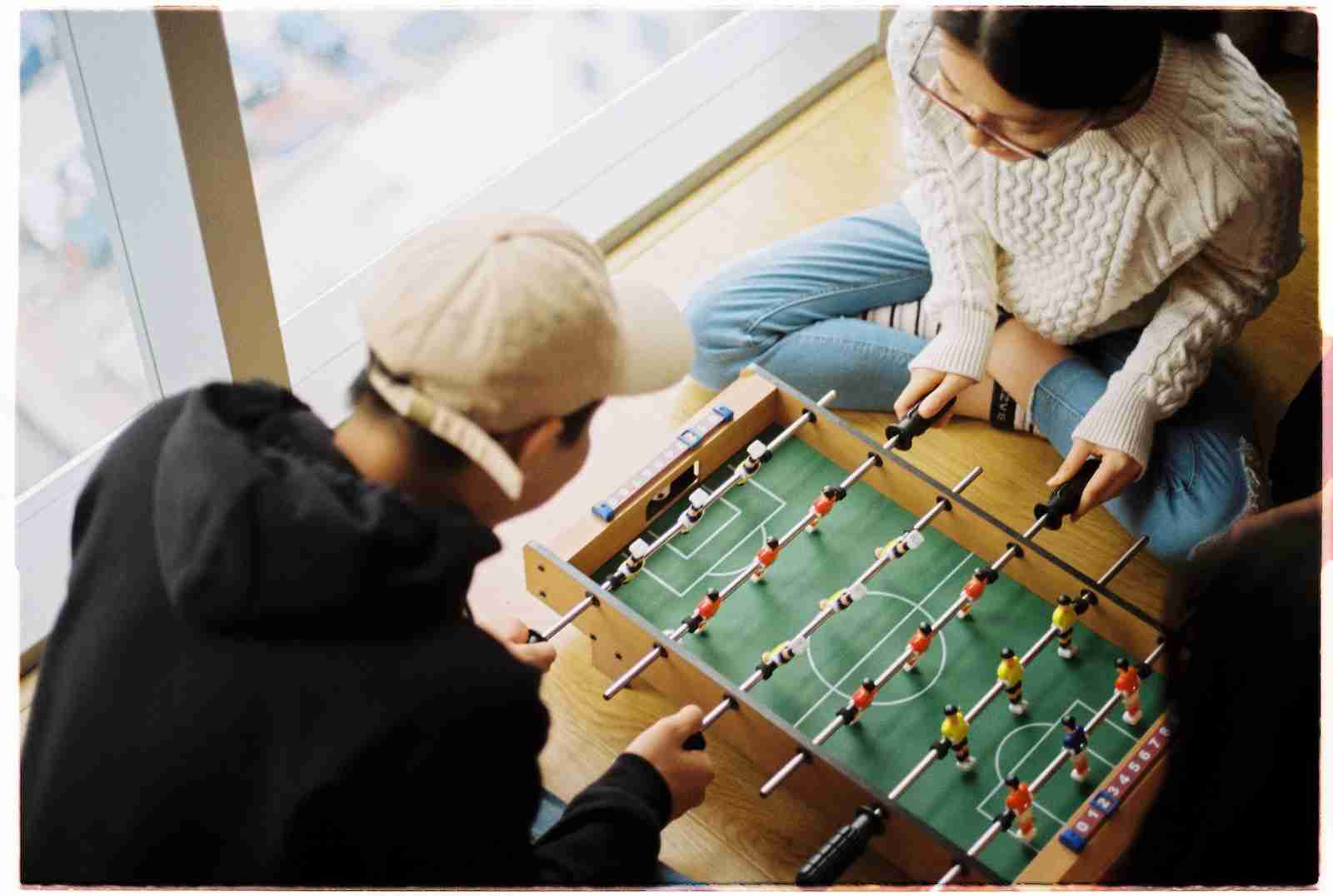
Leveling Up: The Unexpected Power Of Video Games
By Tom Seest
At HowDoYouGame, we help people who love board games by collating information and news about games.
Be sure to read our other related stories at HowDoYouGame to learn more about games.
Are Video Games The Unsuspected Remedy for Life Challenges?
Let’s be honest: when you hear the term “video games,” you might conjure images of couch-bound teenagers, eyes glued to screens, dodging digital monsters instead of tackling real-world challenges. Yet, nestled behind those pixels lies a surprising ally in the battle against life’s complexities. Gamification—yes, that fancy term that combines gaming elements with everyday life—is turning the mundane into something quite remarkable.
Let’s take a walk down memory lane. Remember when you were a kid, and every trip to the grocery store felt like an epic quest? You scanned the aisles like a hero on a mission, checking off items on a list and earning the ultimate reward: a cookie at the checkout. That method of play, that sense of achievement, is not too different from what gamification achieves today. It transforms routine tasks into rewarding adventures, making the challenging seem achievable.
Now, consider this: we all face obstacles, whether personal, professional, or emotional. Life throws curveballs, and it’s easy to feel overwhelmed. That’s where video games step in, functioning as more than just a distraction. Through their immersive worlds, games encourage resilience, strategic thinking, and creative problem-solving. They allow us to experiment and fail in a safe environment—a concept some might call “failing forward.” When you respawn after a defeat, you learn and adapt, gathering tools to tackle the next challenge that life throws your way.
But what truly connects us is the sense of community that gaming fosters. In a world where isolation is often at our doorstep, these virtual realms create bonds. We rally with friends online, collaborate on missions, or join forces with strangers to conquer shared quests. This camaraderie can lead to real friendships, enhancing our support networks in ways we might not expect.
So here’s my call to action: explore this avenue for yourself. Whether you’re looking to enhance your motivation to tackle that cluttered garage or simply facing the everyday ups and downs, consider integrating gaming elements into your strategy. Challenge yourself and embrace the power of play. In doing so, you may just find that the next big life hurdle isn’t quite as daunting when approached like a level in your favorite game. Trust me; it’s a journey worth embarking on—one where your challenges might turn into surprising opportunities for growth.

Are Video Games The Unsuspected Remedy for Life Challenges?
Are Video Games The Unsuspected Remedy for Life Challenges?
- Gamification transforms mundane tasks into rewarding adventures.
- Video games provide a sense of achievement similar to childhood experiences, like grocery shopping quests.
- Games foster resilience, strategic thinking, and creative problem-solving.
- They allow players to experiment and fail in a safe environment, promoting learning and adaptation.
- Gaming creates a sense of community, helping to build friendships and support networks.
- Integrating gaming elements into daily tasks can enhance motivation and reduce the burden of challenges.
- Approaching life’s hurdles like levels in a game can reveal unexpected opportunities for growth.

Are Video Games The Unsuspected Remedy for Life Challenges?
Table Of Contents
- Are Video Games The Unsuspected Remedy for Life Challenges?
- Are Video Games Effective In Reducing Stress And Anxiety?
- Can Video Games Improve Problem-Solving Skills?
- How Can Gaming Foster Social Connections?
- Do Video Games Aid In Developing Cognitive Abilities?
- Can Immersive Gaming Enhance Emotional Resilience?
- Are There Therapeutic Benefits To Playing Specific Genres?
- How Do Video Games Promote Teamwork And Collaboration?
- Conclusion
- Other Resources
- Glossary Of Terms
- Other Questions
- Haiku
- Poem
- Checklist
Are Video Games Effective In Reducing Stress And Anxiety?
In today’s whirlwind world, where the pressures of daily life can feel akin to trying to hold onto an untrained puppy, we often find ourselves in search of effective ways to unwind. One approach that’s gaining traction is the notion that video games, yes, those pixelated realms of adventure, can actually be a salve for stress and anxiety. Let’s dive into this spirited topic together.
Picture this: after a long day at work, you settle into your favorite chair, the console hums to life, and a world filled with quests, challenges, and camaraderie beckons. This transition from the mundane to the fantastical is more than mere distraction; it’s an invitation to engage in what psychologists refer to as gamification. It’s a term that speaks to the power of game-like elements—competition, achievement, and progression—and how they can transform even the most monotonous tasks into something inspiring and enjoyable.
You might be wondering, “Can these digital landscapes really help calm my racing thoughts?” Research suggests it can. Video games temporarily whisk players away from their worries while providing an outlet for creativity and problem-solving. Whether you’re navigating a lush forest or building an empire, you’re activating your mind in a way that fosters focus and reduces the clutches of stress. It’s an immersive experience, allowing you to channel your energy into something productive, even if it’s just dodging a fire-breathing dragon for a while.
And let’s not overlook the social elements. Today’s gaming community is a melting pot, filled with individuals from all walks of life. Engaging with friends or making new connections online can combat feelings of isolation and loneliness that often exacerbate anxiety. Teaming up for a mission or just sharing a laugh over in-game shenanigans brings a sense of belonging.
But, let’s keep it real—this isn’t about escaping reality entirely. It’s about harnessing these experiences to create a healthier outlet for stress relief. Just like anything, moderation is key. Balance your gaming time with other self-care practices, and you’ll likely find yourself feeling more grounded.
So, the next time life’s burdens feel a bit heavy, consider picking up that controller. Let the adventure begin, because sometimes the best therapy is not just in wandering, but in thriving together in fantastical realms.

Are Video Games Effective In Reducing Stress And Anxiety?
Are Video Games Effective In Reducing Stress And Anxiety?
- Video games can provide a way to unwind in today’s fast-paced world.
- The transition to gaming offers an escape from daily stress and anxiety.
- Gamification transforms mundane tasks into engaging activities through competition and achievement.
- Research indicates video games can help calm racing thoughts and promote creativity.
- Gaming fosters focus and reduces stress through immersive experiences.
- Social gaming connects individuals, combating feelings of isolation and loneliness.
- Moderation is important; balancing gaming with other self-care practices enhances overall well-being.

Are Video Games Effective In Reducing Stress And Anxiety?
Can Video Games Improve Problem-Solving Skills?
You know that feeling when you’re knee-deep in a puzzle, staring at a screen, your brain firing on all cylinders? You’re not just passing time; you’re honing a skill that’s more important than you might realize. Video games, often dismissed as mere entertainment, are a breeding ground for problem-solving prowess.
Let’s clarify something right off the bat: we’re not talking about mindless button-mashing. We’re talking about gamification, the process of applying game-like elements in non-game contexts. Think of it as turning life into a grand quest, where each challenge is a level to conquer. Whether navigating a complicated storyline or strategizing a plan of attack in a multiplayer battle, games encourage you to think critically, adapt swiftly, and make decisions on the fly.
Picture this: you’re controlling a character in a vast open world, faced with multiple quests that demand various skills. You assess your resources, calculate risks, and choose your path. Each choice leads to consequences, and suddenly you find yourself developing a mindset that’s not just about gaming but about life itself. This is where gamification shines: it frames challenges in a way that inspires engagement and boosts confidence.
What’s fascinating is the transferable nature of those skills. Did you ever juggle different tasks at work or solve a complex problem while fixing your car? Those moments echo the challenges you face in a game. When you strategize in a game, you’re practicing the same critical thinking you’ll need in your everyday life. So, the next time someone rolls their eyes about your gaming habits, remind them—you’re not just playing; you’re training.
And let’s not forget the collaborative aspect. Online multiplayer games turn players into a team, forcing them to communicate, strategize, and solve problems together. You learn to trust your teammates while simultaneously enhancing your own decision-making abilities. These skills spill over into the real world, nourishing your interactions in both personal and professional settings.
So, whether you see yourself as a wizard casting spells or a soldier planning a covert operation, embrace the world of video games. The lessons learned within those pixelated worlds are more valuable than you might think. Embrace the challenge, and watch as your problem-solving abilities flourish—both in the game and beyond. Who knows? You might just level up your life in ways you never imagined.

Can Video Games Improve Problem-Solving Skills?
Can Video Games Improve Problem-Solving Skills?
- Video games are often undervalued but serve as excellent training grounds for problem-solving skills.
- Gamification turns everyday challenges into quests, fostering critical thinking and adaptability.
- Players navigate complex scenarios, assess resources, and face consequences of their choices, mirroring real-life situations.
- Skills developed in gaming, such as strategic thinking, are transferable to everyday tasks and problem-solving.
- Online multiplayer games promote teamwork, communication, and collaborative problem-solving, enhancing interpersonal skills.
- The skills gained through gaming can positively impact personal and professional interactions.
- Embracing video games can significantly enhance problem-solving abilities and personal growth.

Can Video Games Improve Problem-Solving Skills?
How Can Gaming Foster Social Connections?
Picture this: a rainy afternoon, your favorite chair, a controller in hand. You dive into a virtual world, leaving the day behind you as you embark on an epic quest. Now, here’s where it gets interesting. While you may think you’re just playing a game, you’re actually stepping onto a stage where social connections can be cultivated, nurtured, and thrived.
Let’s face it—gaming has evolved, and it’s not just about smashing buttons anymore. It’s about community, collaboration, and creating memories with people from all walks of life. Enter the era of gamification. Think of it as the secret sauce that takes an engaging experience and layers in the social element. By incorporating game mechanics into everyday interactions, we see an explosion of connection. That leaderboard you’re climbing is not just for you; it’s shared with friends, adding a little friendly competition to your day.
Consider the millions of players who log on to explore vast worlds in games like Fortnite or World of Warcraft. They don’t just want to slay dragons or build fortresses; they want to chat about strategies, share their triumphs, and sometimes, even vent about their failures. Through voice chats, forums, and in-game messaging, players forge friendships that extend far beyond the pixelated landscapes. When was the last time you had a good laugh over a game’s absurdity or celebrated a hard-earned victory by sharing it with someone else? You may have crossed paths with someone halfway around the globe, yet you’re bonded through shared experiences.
Moreover, gaming also provides a safe space for those who may find it challenging to make connections in the physical world. For introverts or those with social anxieties, the virtual realm can feel more welcoming. Here, you’re not just another face in a crowd; you’re part of a team, and you matter. Whether it’s strategizing a victory in a battle royale or working together to build a thriving in-game community, these shared experiences can lead to real friendships.
In the digital age, we often overlook the power of shared interests, but here’s the kicker: gaming brings people together like few other experiences can. So, the next time you’re leveling up in your favorite game, take a moment to appreciate the connections you’re crafting, because in the end, it’s about the journey and who you share it with. Embrace the community; it’s waiting for you!

How Can Gaming Foster Social Connections?
How Can Gaming Foster Social Connections?
- Gaming offers an immersive escape, allowing players to leave daily stress behind.
- Modern gaming focuses on community, collaboration, and shared experiences rather than just gameplay.
- Gamification enhances everyday interactions through social elements and competition.
- Players in games like Fortnite or World of Warcraft bond over strategies, victories, and challenges.
- Virtual gaming creates safe spaces for introverts or those with social anxieties to connect.
- Shared interests in gaming foster friendships that transcend geographical boundaries.
- Embrace the connections and community built through gaming for a richer experience.

How Can Gaming Foster Social Connections?
Do Video Games Aid In Developing Cognitive Abilities?
Do Video Games Aid in Developing Cognitive Abilities?
Let’s take a moment to step into the vibrant world of video games—a realm often dismissed by critics as mere distractions for couch potatoes. But here’s the kicker: beneath the surface may lie a treasure trove of cognitive benefits that can enhance our mental faculties in ways we never imagined. Why, you ask? Well, let’s dive in.
Consider the concept of gamification. Think about it—gamification takes mundane tasks and turbocharges them with the excitement and freedom of a game. It’s this very principle that permeates countless aspects of our lives, whether we notice it or not. Video games, in their purest form, are extraordinary examples of how fun can intersect with learning. Whether it’s strategizing your next move in a fast-paced shooter or solving complex puzzles in a mystery game, players are constantly engaging their brains, promoting critical thinking, and honing problem-solving skills.
You might say, “But aren’t those just games?” And perhaps some of you are recalling a time when you consciously focused on a goal, whether it was leveling up in an online RPG or racing against the clock in a platformer. Those experiences foster not just enjoyment but also a plethora of cognitive skills. Games demand attention, provide instant feedback, and—let’s be honest—they can test our patience and perseverance like few other pastimes.
Research has indicated that action games can improve spatial awareness, enhance our reaction times, and even bolster decision-making skills by forcing us to process information quicker than we might in everyday life. And it’s not only action games; strategic titles push players to think several steps ahead, fostering a kind of cognitive flexibility that’s invaluable, both in the digital arena and out in the real world.
Now, before you write off video gaming as merely a guilty pleasure, consider this: integrating gaming into our lives—or at least recognizing its potential—can turn its reputation on its head. We’re talking about more than just a way to pass the time; we’re looking at an opportunity to embrace a learning experience that’s as beneficial as it is engaging.
So, if you’ve got a console or a mobile phone handy, why not take a moment—just a few minutes—to dive in? You might just find that your next gaming session becomes a workshop for your mind, sparking creativity and sharpening your instincts along the way. Whether you’re racing cars, solving mysteries, or building kingdoms, remember: it’s all part of the adventure in developing your cognitive prowess.

Do Video Games Aid In Developing Cognitive Abilities?
Do Video Games Aid In Developing Cognitive Abilities?
- Video games are often seen as distractions, but they can offer cognitive benefits.
- The concept of gamification enhances mundane tasks by making them engaging and fun.
- Playing video games promotes critical thinking and problem-solving skills.
- Games demand attention, provide instant feedback, and test patience and perseverance.
- Research shows that action games can improve spatial awareness, reaction times, and decision-making skills.
- Strategic games foster cognitive flexibility by encouraging players to think several steps ahead.
- Integrating gaming into our lives can provide valuable learning experiences while being enjoyable.

Do Video Games Aid In Developing Cognitive Abilities?
Can Immersive Gaming Enhance Emotional Resilience?
Imagine stepping into a world that’s as vast as your imagination, where challenges come wrapped in the guise of heroic quests and fierce battles. Yes, we’re talking about immersive gaming—not merely a pastime but a powerful tool that can help enhance emotional resilience. It’s like a personal trainer for your mind, using the mechanics of gamification to build emotional strength in ways that are both subtle and profound.
Now, let’s clear the air right away: we’ve all heard the naysayers. Concerns about screen time and isolation seem to sprout up like weeds whenever the subject of gaming arises. But what if I told you that those very worlds—filled with obstacles, victories, and the occasional epic fail—are actually playgrounds for emotional growth? When gamers navigate complex narratives, face daunting challenges, or collaborate with others in an online arena, they’re not just playing a game; they’re honing vital skills that can translate into real life.
Think about it. In immersive gaming, defeat isn’t the end—it’s a lesson. Each time you lose a battle or fail to complete a mission, you’re given a choice: give up or try again. This cycle of perseverance cultivates a mindset that’s remarkably resilient. It’s about learning to bounce back, adapt, and keep pushing forward, and that’s precisely where the magic of gamification lies. It’s a structured approach that reinforces positive behavior through rewards and challenges, making the process not only engaging but also incredibly effective.
But resilience isn’t just about personal triumphs; it’s also forged in the crucible of collaboration. In many games, players must strategize and communicate with teammates, leading to a rich exchange of ideas and emotions. This social interaction can help foster a sense of community and mutual support—essential components of emotional health. You’re not just a lone warrior; you’re a part of something bigger.
The beauty of all this? You don’t have to be a hardcore gamer or a tech wizard to reap the benefits. Just a little curiosity and a willingness to explore these digital realms can lead to profound emotional takeaways. So, whether you’re looking to build your emotional resilience or simply seeking a fun way to connect with others, consider diving into the vibrant landscapes of immersive gaming. It might just be the unexpected journey you need.

Can Immersive Gaming Enhance Emotional Resilience?
Can Immersive Gaming Enhance Emotional Resilience?
- Immersive gaming offers a powerful tool for enhancing emotional resilience.
- Challenges in games are not just entertainment; they serve as playgrounds for emotional growth.
- Failures in gaming teach perseverance and resilience, encouraging players to adapt and keep trying.
- The rewards and challenges of gamification reinforce positive behaviors, making the experience engaging and effective.
- Collaboration in gaming fosters teamwork and emotional exchanges, enhancing a sense of community.
- You don’t need to be an expert to benefit; curiosity and willingness to explore are key.
- Immersive gaming can provide emotional takeaways and serve as a fun way to connect with others.

Can Immersive Gaming Enhance Emotional Resilience?
Are There Therapeutic Benefits To Playing Specific Genres?
Picture this: you finish a long day, you’re worn out, and all you want is to escape into another world. Perhaps you dive into a sprawling RPG, where the only responsibilities are slaying dragons and collecting treasures. Or maybe you turn to a rhythm game, tapping your way through beats that sync with your heart. Whatever your genre of choice, a world of therapeutic benefits lies within these digital realms.
Let’s talk gamification for a moment. At its core, it’s about taking the engaging elements of games and weaving them into the fabric of real life. Why should this matter to you? Because, whether you’re smashing blocks in a puzzle game or strategizing your way through a complex simulation, these experiences can help boost your mood, sharpen your skills, and bring a sense of achievement back into your daily grind. When you choose a specific genre, you’re not just picking a way to pass the time; you’re opting into a tailor-made experience that caters to your psyche.
For instance, if you’re feeling stressed, consider picking up a casual simulation game. These often promote relaxation and mindfulness. Tend to a virtual garden or build a cozy virtual home—simple tasks that allow you to unwind while still engaging your mind. On the other hand, if you’re looking to outsmart stress and need a bit of a mental workout, dive into strategy games. They require critical thinking and planning, channeling your stress into problem-solving.
This isn’t just about distraction; it’s an opportunity for personal growth. Choosing genres that teach or challenge can foster resilience as you learn to tackle virtual setbacks that may echo real-life obstacles. With the right game, you can turn frustration into triumph, gaining confidence that extends beyond the screen.
Choosing the right genre isn’t just a matter of preference; it can be a pivotal part of your mental health toolkit. So the next time you reach for the controller or that mobile game on your phone, consider the therapeutic potential of your choice. Whether you’re seeking calm, excitement, or a bit of both, there’s a genre out there perfectly suited to elevate your spirits and help you thrive. Go ahead—take a plunge into the digital, and you might just find more than fun waiting for you on the other side.

Are There Therapeutic Benefits To Playing Specific Genres?
Are There Therapeutic Benefits To Playing Specific Genres?
- Video games offer an escape from reality, providing therapeutic benefits and engagement.
- Gamification involves integrating game elements into real life, enhancing mood and skills.
- Choosing specific genres can create tailor-made experiences for mental well-being.
- Casual simulation games can promote relaxation and mindfulness during stressful times.
- Strategy games encourage critical thinking and problem-solving, aiding in stress management.
- Gaming can foster personal growth by helping players tackle virtual setbacks, boosting confidence.
- Selecting the right genre is essential for mental health, offering various paths to emotional support.

Are There Therapeutic Benefits To Playing Specific Genres?
How Do Video Games Promote Teamwork And Collaboration?
Let’s take a stroll through the virtual world for a moment. Picture this: a colorful landscape filled with heroes, wizards, and perhaps a dragon or two, just waiting to be conquered. Now, you might think, “Oh, those are just kids having fun,” but the truth is, those digital realms serve up some serious life lessons, particularly when it comes to teamwork and collaboration.
What we often overlook is how these games tap into the concept of gamification. They turn group missions into an art form, engaging players in a smorgasbord of strategies, objectives, and—here’s the kicker—communication. Think about it: each player has a unique role, a specialized skill set that contributes to the team’s success. It’s like putting together a jigsaw puzzle where everyone clings to their piece, working in tandem to create the bigger picture. Players must strategize, share insights, and, sometimes, swallow their pride and ask for help. In this digital playground, collaboration isn’t just encouraged; it’s essential.
But let’s not forget about the beauty of failure. Yes, you heard that right. In the world of video games, missing the mark often means regrouping with your team, analyzing what went wrong, and brainstorming innovative solutions. That kind of dynamic problem-solving doesn’t just happen by chance. It fosters a sense of trust and camaraderie that seeps into real life. In the heat of battle—be it virtual or otherwise—people learn to rely on each other, to celebrate wins together, and to share the weight of setbacks. Those moments of vulnerability lay the groundwork for deeper connections that extend beyond the screen.
And let’s not be naïve: just like in the “real world,” not everyone plays by the same rules. You may encounter your fair share of “lone wolves” who don’t believe in collaboration or communication. But here lies another lesson to be learned—recognizing that harmony comes from diversity and understanding. Those little triumphs, with everyone pulling their weight, create a sense of achievement that is unmatched.
So next time you see someone immersed in a video game, remember: they’re not just killing time. They’re honing skills that matter in every aspect of life. They’re learning to collaborate, to communicate, and most importantly, to connect. And who wouldn’t want a heaping helping of that?

How Do Video Games Promote Teamwork And Collaboration?
How Do Video Games Promote Teamwork And Collaboration?
- Virtual worlds in video games offer significant life lessons, especially in teamwork and collaboration.
- Games utilize gamification to engage players in strategies, objectives, and communication.
- Every player has a unique role and skill set, contributing to the team’s overall success.
- Collaboration is essential, promoting strategizing, insight sharing, and asking for help.
- Failure in games fosters trust and camaraderie, encouraging problem-solving and group reflection.
- Interactions with varied playing styles highlight the importance of diversity and understanding in teamwork.
- Immersed gamers are developing essential life skills such as collaboration, communication, and connection.

How Do Video Games Promote Teamwork And Collaboration?
Conclusion
As we wrap up this exploration of the unexpected benefits of video gaming, let’s take a moment to reflect on a world that many dismiss as childish or frivolous. Sure, at face value, video games can seem like mere distractions, a chance to escape our everyday lives filled with responsibilities and challenges. But dig a little deeper, and you might just find a treasure trove of lessons and skills waiting to be unlocked.
Now, picture this: every time you take control of a character, you’re not just popping a joystick; you’re entering a dynamic landscape where strategy, creativity, and teamwork reign supreme. From overcoming complex quests to solving intricate puzzles, video games invite us to tackle challenges in a safe, controlled environment—essentially turning life’s hurdles into levels to conquer. This isn’t just play; it’s practice. Skills like problem-solving, resilience, and critical thinking blossom as gamers navigate these immersive worlds. Every setback is merely a setup for a comeback, teaching players that persistence is key.
And let’s not forget the power of community. In an era that often feels isolating, gaming provides a space to forge genuine connections. Whether you’re battling alongside friends or teaming up with newfound comrades across the globe, those shared experiences create bonds that transcend the screen. It’s a vibrant digital tapestry of camaraderie, bringing folks together in a way that physical interactions sometimes fall short. We’re talking about a social network built on teamwork and shared achievements.
Oh, and for those who argue that gaming is a waste of time, let’s be real—it can be a powerful tool for enhancing emotional resilience and cognitive skills. Researchers have pointed to benefits ranging from improved spatial awareness to better decision-making. So when the naysayers frown and roll their eyes at your gaming habits, remind them that the critical thinking and strategic planning you’re developing can translate into everyday life.
In conclusion, consider embracing gaming not as a getaway but as a valuable ally in tackling life’s complexities. Whether it’s in managing stress, forging friendships, or honing skills that matter in the real world, those pixels can indeed hold answers. So the next time you pick up that controller, remember—you’re not just leveling up in a game; you might just be leveling up at life too. So go ahead, dive in, and take the plunge into this vibrant world of challenge and community. Trust me; it’s a ride worth taking.

Conclusion
Conclusion:
- Video gaming is often dismissed as childish, yet it offers valuable lessons and skills.
- Engaging in video games encourages strategy, creativity, and teamwork.
- Games provide a safe environment to tackle challenges, enhancing problem-solving and resilience.
- Gaming fosters community by allowing players to connect and form genuine relationships.
- Video games can improve emotional resilience and cognitive skills, contrary to popular belief.
- Critical thinking and strategic planning in games are transferable to everyday life.
- Gaming can be a valuable ally in managing stress and developing real-world skills.

Conclusion
Other Resources

Other Resources
Here is a list of other resources you can review online to learn more:
- Poker
- Hans im Glück
- The Game
- Ticket to Ride
- Power Grid
- deviantART
- Root
- Dungeon Lords
- Robinson Crusoe: Adventures on the Cursed Island
Use This Prompt To Get More Resources With Your Favorite Online AI Tool: Please provide me with a list of online articles with their URLs in a bulleted list that I can read regarding Are Video Games The Unsuspected Remedy for Life Challenges?

Other Resources
Glossary Terms
Are Video Games The Unsuspected Remedy for Life Challenges? – Glossary Of Terms
1. Video Games: Digital entertainment software that engages players in interactive experiences typically involving challenges and goals.
2. Therapeutic Gaming: The use of video games as a therapeutic tool to promote mental health, emotional well-being, and social skills.
3. Escapism: A psychological term describing the tendency to seek distraction and relief from unpleasant realities through immersive experiences in video games.
4. Coping Mechanism: Strategies or tools that individuals use to manage stress, anxiety, or other emotional challenges, which can include playing video games.
5. Social Interaction: Engagement between individuals in either virtual or real-life scenarios, often enhanced through multiplayer or online gaming.
6. Stress Relief: The process of reducing tension and anxiety, which can be achieved through engaging in video games as a distraction or method of relaxation.
7. Cognitive Development: The growth of mental processes including perception, memory, and problem-solving, which can be fostered through strategic and role-playing video games.
8. Mental Health: A state of psychological well-being that can be positively influenced by engaging in video games, particularly those designed for therapeutic purposes.
9. Gamification: The application of game-design elements and principles in non-game contexts, which can enhance motivation and engagement in life challenges.
10. Challenge Acceptance: The psychological readiness to face difficulties or obstacles, often cultivated through experiences in gaming.
11. Community Building: The formation of social bonds among players in the gaming community, providing support networks for individuals facing life challenges.
12. Adaptive Learning: A personalized educational approach that adjusts to individual player’s skills and abilities, often used in educational video games.
13. Emotional Resilience: The ability to adapt to stress and adversity, which can be strengthened through immersive and challenging video game experiences.
14. Action-Adventure Games: A genre of video games that combine elements of action with storytelling, often providing players with challenges that mirror real-life struggles.
15. Role-Playing Games (RPGs): Video games where players assume the roles of characters in a fictional setting, allowing for exploration of identity and problem-solving.
16. Mindfulness in Gaming: The practice of being present and fully engaged during gameplay, which can reduce anxiety and increase awareness of emotions.
17. Skill Development: The enhancement of abilities such as strategic thinking, hand-eye coordination, and teamwork, which can occur through regular gameplay.
18. Virtual Reality (VR): An immersive technology that creates a simulated environment for players, often used for therapy and social bonding experiences.
19. Behavioral Activation: A therapeutic intervention that encourages individuals to engage in enjoyable activities, including video gaming, to counteract depression.
20. Teamwork: Working collaboratively within a gaming context, fostering social connections and communication skills that can be beneficial in real life.
21. Narrative Therapy: A therapeutic approach that utilizes storytelling, akin to narratives in video games, to help individuals reframe their experiences.
22. Experiential Learning: Gaining knowledge and skills through experience, as often encountered in engaging and immersive video game scenarios.
23. Digital Detox: A period of time when a person refrains from using digital devices, which can be important for balancing gaming with other life responsibilities.
24. Influencer Culture: The trend of social media personalities engaging audiences with gaming content, shaping perceptions of video games and their benefits.
25. E-Sports: Competitive video gaming at a professional level, which can foster community, teamwork, and a sense of achievement.
26. The Flow State: A mental state of complete immersion and engagement in an activity, often achieved during intense gaming sessions.
27. Personal Growth: The ongoing process of self-improvement that can be facilitated through lessons learned in video games.
28. Interactivity: The two-way communication between players and games that enhances player engagement and satisfaction.
29. Emotional Regulation: The ability to manage and respond to emotional experiences, which can be supported by healthy gaming practices.
30. Meaningful Play: Gameplay that holds significance for the player beyond mere entertainment, often touching on themes relevant to real life situations.

Glossary Of Terms
Other Questions
Are Video Games The Unsuspected Remedy for Life Challenges? – Other Questions
If you wish to explore and discover more, consider looking for answers to these questions:
- What are the specific benefits of gamification in daily life?
- How do different genres of video games affect mental health?
- Can video games be used in therapeutic settings?
- What types of challenges in video games parallel real-life obstacles?
- Are there any studies supporting the cognitive benefits of gaming?
- How can parents encourage healthy gaming habits in children?
- What role does community play in the gaming experience?
- How do video games compare to other forms of entertainment in terms of stress relief?
- Can video games be beneficial for introverted individuals?
- What are examples of games that promote teamwork and collaboration?
- How can I balance gaming with other self-care practices?
- Are there specific games that are recommended for improving problem-solving skills?
- What precautions should be taken to ensure gaming remains a positive experience?
- How does the competitive aspect of gaming impact social relationships?
- What are some strategies for integrating gaming elements into everyday tasks?

Other Questions
Haiku
Are Video Games The Unsuspected Remedy for Life Challenges? – A Haiku
Gaming as a balm,
Transforming life’s harsh trials—
Victory in play.

Haiku
Poem
Are Video Games The Unsuspected Remedy for Life Challenges? – A Poem
Level Up: The Power Within the Play
In realms where pixels dance and play,
A cure for life’s complexities lay.
What seems a lure, mere games on a screen,
Hides treasures unseen, where growth can convene.
With quests that transform each mundane chore,
Like grocery runs turned epic lore,
Gamification whispers through everyday strife,
Turning trials and tribulations into vibrant life.
Resilience blooms in failures embraced,
Through battles and puzzles, tough challenges faced.
In virtual worlds, we rise and respawn,
Gathering courage with each breaking dawn.
Connections flourish in multiplayer quests,
Strangers become allies, together, we’re blessed.
In laughter and strategy, our hearts intertwine,
Creating real bonds, both tender and fine.
So grasp that controller, let the adventure begin,
Where stress fades away and courage can win.
Discover the lesson in each level you face,
And watch your life flourish, your worries erased.
For beyond the battles and victories claimed,
Lie skills and resilience—a mind unashamed.
Embrace the power, let your spirit ascend,
In gaming, find joy, in connection—a friend.
With mindful engagement, a challenge to greet,
Turn burdens to triumphs, life’s rhythm to beat.
Through laughter and strategy, together we’ll strive,
In the vibrant world of play, we truly thrive.

Poem
Checklist
Are Video Games The Unsuspected Remedy for Life Challenges? – A Checklist
Checklist for Exploring the Benefits of Video Games
Understanding the Positive Impacts of Video Games
1. Gamification and Daily Life
_____ Identify mundane tasks in your life that could be turned into games.
_____ Create a reward system for completing these tasks using gaming elements (e. g. , checkpoints, achievements).
2. Stress and Anxiety Relief
_____ Select a few video games that you enjoy for relaxation.
_____ Schedule regular gaming sessions as a way to unwind after stressful days.
_____ Practice moderating gaming time to maintain balance with other self-care activities.
3. Enhancing Problem-Solving Skills
_____ Engage in games that require strategic thinking or puzzles.
_____ After gameplay, reflect on problems solved and decisions made during the game.
_____ Apply the critical thinking strategies learned in gaming to real-life challenges.
4. Fostering Social Connections
_____ Join online gaming communities or forums for shared interests.
_____ Play multiplayer games with friends or family to strengthen relationships.
_____ Schedule game nights or virtual meetups to connect with others.
5. Developing Cognitive Abilities
_____ Choose action or strategy games known to improve cognitive functions.
_____ Observe improvements in your attention span and decision-making during gameplay.
_____ Challenge yourself with games that require rapid mental processing.
6. Building Emotional Resilience
_____ Reflect on experiences of defeat and learning in-game; journal these insights.
_____ Use gaming scenarios to enhance your ability to adapt and persevere in real situations.
_____ Share gaming experiences with friends to foster discussions about resilience.
7. Identifying Therapeutic Benefits by Genre
_____ Explore different game genres (e. g. , RPGs for deep narratives, simulations for relaxation).
_____ Experiment with games that encourage mindfulness or stress relief.
_____ Keep a record of how you feel after playing different genres to identify what works best for you.
8. Promoting Teamwork and Collaboration
_____ Participate in team-based multiplayer games to practice communication skills.
_____ Analyze team dynamics in-game and apply insights to collaborative projects outside of gaming.
_____ Reflect on lessons learned from group failures and successes during gaming sessions.
Conclusion
Regularly revisit and update this checklist as you explore the various benefits of video games. Engaging with gaming mindfully can lead to improved life skills, reduced stress, and stronger social connections. Enjoy the journey of leveling up both in-game and in your everyday life!

Checklist
At HowDoYouGame, we help people who love board games by collating information and news about games.
Be sure to read our other related stories at HowDoYouGame to learn more about games.