The Decline Of Long-Term Commitment In The Gaming Industry
By Tom Seest
At HowDoYouGame, we help people who love board games by collating information and news about games.
Be sure to read our other related stories at HowDoYouGame to learn more about games.
Gen X Misses Complete Games, Millennials Just Cancel Subscriptions
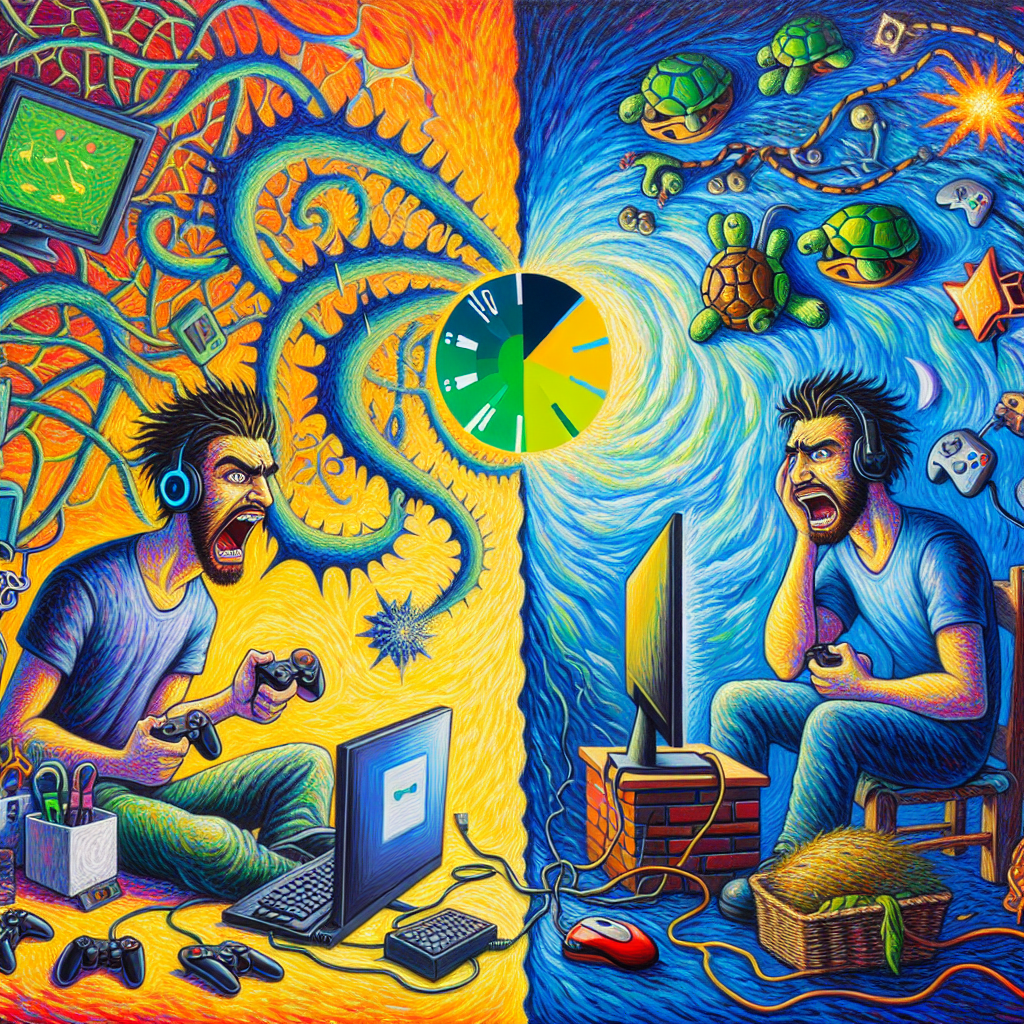
Gen X grew up in a world of complete games—the kind you dove into without a safety net. Those were the days when a successful Saturday meant cracking open a fresh console, settling in for the long haul, and immersing yourself in sprawling narratives and epic quests. Generation Xers were shaped by those experiences, crafting bonds over high scores and shared victories. You didn’t just play; you invested time and emotion. You laughed, you cried, and you triumphantly high-fived your friends when you hit that final boss together. There was a thrill in finishing a game. It was about the journey, the craftsmanship that went into creating that reality, and savoring every hard-fought moment.
Now we have Millennials, a generation niched in an era of subscription services, where entire libraries of experiences are at their fingertips—yet seldom explored. Think about it: instead of diving headlong into a meaty narrative, many opt for a swift exit at the slightest inconvenience. Games are available, sure, but who really turns off the console and embraces the full story? In a world where choices are endless but time is fleeting, it becomes easier to pull the plug and start anew with just a few clicks. Swipe left to cancel, swipe right to avoid commitment. It’s a modern kind of freedom—one that seems liberating but often leaves a void.
Consider the emotional toll of this shift. When you pour yourself into a game, when you fight tooth and nail to overcome that final challenge, you’re not just participating in a pastime; you’re forging an experience. A complete game teaches patience, resilience, and the value of sticking with something until the end. It mirrors life, doesn’t it? As conflicts arise, whether in pixels or reality, there’s a richness found in perseverance, in wrestling with adversity. That’s a legacy worth holding on to.
So here’s where we stand—two generations at odds over what it means to engage with the world, whether that’s through games or life itself. Each click, each choice speaks to a broader picture of our humanity. Are we willing to endure through challenges or simply opt for the next shiny distraction? It’s a call to action: dig deep, finish what you start, and connect authentically with the experiences that shape us. Life isn’t a series of subscriptions; it’s a game worth completing.

Gen X Misses Complete Games, Millennials Just Cancel Subscriptions
Gen X Misses Complete Games, Millennials Just Cancel Subscriptions
- Gen X experienced gaming as a deep, immersive journey with emotional investment.
- Successful gaming sessions involved long hours exploring narratives and forming bonds over achievements.
- Miller’s experiences contrast with Millennials, who often choose convenience over engagement.
- Millennials opt for quick exits in games, missing out on full stories and emotional connections.
- The emotional investment in complete games fosters patience, resilience, and life lessons.
- The current generational divide reflects broader human engagement with challenges and distractions.
- Encouragement to embrace challenges and fully engage with experiences, as life is a game worth completing.

Gen X Misses Complete Games, Millennials Just Cancel Subscriptions
Table Of Contents
- Gen X Misses Complete Games, Millennials Just Cancel Subscriptions
- What Moments Made Video Games Feel Complete for You?
- How Do Subscriptions Impact Gaming Experiences Over Ownership?
- Is the Thrill Of Completing a Game Worth More Than Just Starting It?
- Can We Define What “Complete” Really Means In Modern Gaming?
- How Do Multiplayer Options Change the Way We Perceive Game Endings?
- What Ethical Concerns Arise From Canceling Subscriptions on a Whim?
- How Do Compelling Stories Influence Our Connection to Video Games?
- Conclusion
- Other Resources
- Glossary Of Terms
- Other Questions
- Haiku
- Poem
- Checklist
What Moments Made Video Games Feel Complete for You?
In the world of video games, there are moments that resonate beyond the screen, weaving themselves into the fabric of our lives. Think about it: those times when the room falls silent, the outside world fades, and you lean forward, heart racing, completely engrossed in the unfolding story. It’s not just about the action; it’s a mixture of characters, plot twists, and emotional stakes that leave an indelible mark on our hearts.
Consider the last time you faced an impossible choice in a game, where your decisions shaped the fate of characters you’d grown to love. In that moment, the weight of your ethical compass bore down on you. What’s right? What’s wrong? And in the end, did it even matter? These questions linger long after the credits roll, compelling us to reflect on our own lives and the choices we make outside of our beloved games.
Games provide a unique platform for connection, bonding us with friends and family over late-night sessions and epic triumphs. Picture yourself seated on a worn couch after a long day, the glow of the screen illuminating the smiles and laughter of those around you. That camaraderie, fueled by shared victories and defeats, fosters a sense of belonging. It’s not merely about competition; it’s about community—a gathering of souls united by the stories we create together.
As you navigate through vast worlds, overcoming challenges and exploring every inch, you encounter a sense of achievement that tugs at the core of your gut. Every puzzle solved, every enemy defeated, every achievement unlocked is a testament to your resilience and determination. These wins, large or small, build confidence, reminding us that even in the face of adversity, we can rise.
And then there are those breathtaking moments when the narrative pulls us deep into its embrace—the cliffhanger that makes your heart pound, or the moment of revelation that leaves you breathless. These experiences are not mere pixels on a screen; they are the heartbeat of our culture, shaping how we connect and communicate.
So, as you reflect on your journey through the realms of gaming, remember those moments that made you feel truly alive. They are more than just games; they are the shared experiences that remind us of our humanity. Embrace them, cherish them, and let them inspire you to seek connection, reflection, and growth in every aspect of your life.

What Moments Made Video Games Feel Complete for You?
What Moments Made Video Games Feel Complete for You?
- Video games create moments that resonate deeply, intertwining with our lives.
- Players face ethical dilemmas that influence character fates, prompting reflection on right and wrong.
- Games foster connection through shared experiences with friends and family during play sessions.
- Camaraderie built around victories and defeats enhances our sense of community.
- Navigating challenges in games boosts confidence and resilience, showcasing our determination.
- Powerful narrative moments evoke strong emotions, shaping our culture and communication.
- Gaming experiences encourage reflection on our humanity, inspiring connection and personal growth.

What Moments Made Video Games Feel Complete for You?
How Do Subscriptions Impact Gaming Experiences Over Ownership?
In the ever-evolving landscape of gaming, the debate between subscriptions and ownership is one that tugs at the heartstrings of every gamer. It’s a conversation that goes beyond mere dollars and cents; it’s about the very essence of our gaming experiences. Imagine sitting down after a long day, the weight of the world on your shoulders, and the first thing you do is boot up your favorite game. You feel a rush of nostalgia, a sense of belonging—and that’s where the magic happens.
Subscriptions have transformed how we engage with games, offering us access to a vast library of titles at a fraction of the cost of buying outright. On one hand, it feels liberating: the freedom to explore new experiences without the hefty price tags. The digital landscape is rich and diverse—one moment you’re racing through the streets of a vibrant city, and the next, you’re strategizing your way through a war-torn battlefield. This variety allows players to discover hidden gems that might otherwise have gone unnoticed, fostering a deeper connection to the gaming world.
Yet, there’s a voice inside that whispers of ownership—there’s something undeniably comforting about knowing that a title is yours to cherish. Owning a game is akin to tending to a garden; you cultivate memories, connect with friends, and revisit your favorite moments. When you purchase a game, it becomes a part of your identity, a testament to your journey through virtual worlds. This sentiment resonates deeply with many; it’s where our pride and passion intersect.
But let’s not forget the ethical dimension in this equation. Subscription services often support indie developers and promote diversity in gaming, breaking the mold of mainstream monopolies. This fosters innovation and creativity, turning the gaming community into a thriving ecosystem where talent from all corners can flourish. The very act of playing becomes a collective experience—one that expands beyond a solo adventure and into a communal celebration of storytelling and artistry.
In this delicate balance between gaming as ownership versus a subscription, we find a reflection of ourselves—a struggle to embrace both the freedom to explore and the nostalgia of ownership. As gamers, we have the power to shape this evolution, to voice our preferences and champion the experiences that resonate most. The choices we make today will define the gaming landscape for tomorrow. Whether through the thrill of a subscription or the deep satisfaction of ownership, the ultimate goal remains clear: to foster connections, inspire creativity, and build communities one epic adventure at a time.

How Do Subscriptions Impact Gaming Experiences Over Ownership?
How Do Subscriptions Impact Gaming Experiences Over Ownership?
- The debate between subscriptions and ownership in gaming reflects the essence of gamers’ experiences.
- Subscription services offer access to a wide range of games at lower costs, encouraging exploration.
- Players can discover hidden gems and foster deeper connections to the gaming world through subscriptions.
- Ownership of games provides a sense of comfort and personal identity, akin to cultivating a garden of memories.
- Subscription services support indie developers, promoting diversity and innovation within the gaming community.
- The balance between subscriptions and ownership embodies the struggle between freedom and nostalgia in gaming.
- Gamers have the power to shape the future of gaming through their preferences and choices.

How Do Subscriptions Impact Gaming Experiences Over Ownership?
Is the Thrill Of Completing a Game Worth More Than Just Starting It?
When we start a new game, it’s not just about the pixels on the screen or the lift of a controller in our hands; it’s about awakening our humanity. Each game offers a microcosm of life’s formidable challenges, adventures, and triumphs. You dive into a world where choices matter, where every decision ripples through an intricate web of storylines and relationships. The thrill of completing that game isn’t merely a matter of crossing a finish line; it’s about embracing the journey that led you there, drawing on the depths of your courage, wit, and resilience.
Think about it: every time you face a Boss battle or decode a complex puzzle, you’re not just playing. You’re testing your own mettle, allowing yourself to be vulnerable in the face of defeat and refusing to back down when the odds feel insurmountable. Rationally, you might consider the countless hours put in, the expertise you’ve honed, and the lessons learned. Each level completed is a testament—a badge of honor that—like life—required effort, strategy, and sometimes, a bit of luck. This is where the gut comes in; the satisfaction of seeing the credits roll resonates deep within. It’s that rush of serotonin and dopamine, a mini-endorphin party signaling you’ve accomplished something significant.
However, it’s also essential to connect on an ethical level. The beauty of gaming lies not only in individual achievement but also in sharing experiences with others. Whether you band together with friends in cooperative play or engage in online communities, you’ve forged bonds that transcend the game itself. You’ve participated in a shared culture, where victories can fuel friendships and losses can be lessons learned together. This collective experience resonates with a broader purpose, reminding us that we are not alone in our struggles or triumphs.
When the final boss is defeated and the game has been completed, pause for a moment and savor the sense of fulfillment that arises. Recognize that the thrill isn’t in finishing a game; it’s in redefining who you are through each pixel and storyline. As you move forward, carry the spirit of adventure with you. The next level—both in games and in life—awaits.

Is the Thrill Of Completing a Game Worth More Than Just Starting It?
Is the Thrill Of Completing a Game Worth More Than Just Starting It?
- Starting a game awakens our humanity beyond mere pixels and controllers.
- Games serve as a microcosm of life’s challenges, adventures, and triumphs.
- Choices in games create intricate storylines and relationships, emphasizing meaningful decisions.
- Completing a game is about the journey, drawing courage, wit, and resilience from within.
- Facing challenges like Boss battles tests personal mettle and encourages vulnerability.
- The gaming experience fosters connections through cooperative play and shared cultures.
- Finishing a game is a chance to redefine oneself, carrying the spirit of adventure forward.

Is the Thrill Of Completing a Game Worth More Than Just Starting It?
Can We Define What “Complete” Really Means In Modern Gaming?
In modern gaming, the term “complete” can feel as slippery as an eel in a barrel of oil. What was once simply finishing a game has morphed into a labyrinth of DLCs, season passes, and endless updates. It leaves many players wondering, “What does it truly mean to complete a game?”
Let’s set the scene: you dive into a new release, heart racing, fully knowing the world awaits your conquest. You invest time mastering the mechanics, connecting with characters, and uncovering plots. Every achievement badge feels like a badge of honor, a testament to your dedication. You cherish those moments—the thrill of exploration, the laughter from quirky NPCs, and the strategies you assemble with friends. But with each update, that idyllic sense of closure slips further away.
This isn’t just a gaming dilemma; it’s a modern existential question. What does it mean to finish something when the creators have a vested interest in keeping you hooked? The emotional toll can be high. Gaming should bring joy—the kind that fills your gut with excitement and leaves you reminiscing long after you’ve logged off. Yet, when companies prioritize profits over meaningful experiences, players are left adrift. Here’s a thought: isn’t it about time we demand more?
Rationally speaking, it’s not unrealistic to seek a definitive experience; after all, we invest precious hours into these virtual worlds. We deserve a resolution, a satisfying conclusion that honors our time. This isn’t just about gaming; it’s a question of ethics. Are we willing to let our love of the medium be manipulated?
Many revered industry figures advocate for clearer definitions, hoping to restore authenticity to our adventures. Their voices resonate with authority, emphasizing that the heart of gaming should remain focused on completion—achievement defined by personal accolades, not corporate agendas.
Consider the budding game designers, brimming with creativity, striving to unite players in shared journeys. It’s their passion that champions a movement toward a more transparent gaming experience. By fostering conversations around what “complete” should mean, we can inspire change and reclaim our narrative.
So, as you venture forth in your gaming quests, challenge yourself to demand clarity and fulfillment. It’s time to redefine what completion looks like, not just for yourself, but for every gamer who has ever dared to dream within those pixels. Together, let’s forge a future where every finish line is not just an end, but a celebration of our collective journey.

Can We Define What “Complete” Really Means In Modern Gaming?
Can We Define What “Complete” Really Means In Modern Gaming?
- The concept of “completion” in modern gaming has evolved beyond simply finishing a game.
- Players invest time and effort into mastering gameplay, enjoying achievements, and forming connections.
- Frequent updates and additional content make it challenging to find a sense of closure.
- This issue raises questions about gaming ethics and the implications of profit-driven motives.
- Industry leaders advocate for clearer definitions of game completion to enhance authenticity.
- Emerging game designers push for a transparent gaming experience that focuses on player journeys.
- Gamers are encouraged to demand clarity in what “completion” means to reclaim their narrative.

Can We Define What “Complete” Really Means In Modern Gaming?
How Do Multiplayer Options Change the Way We Perceive Game Endings?
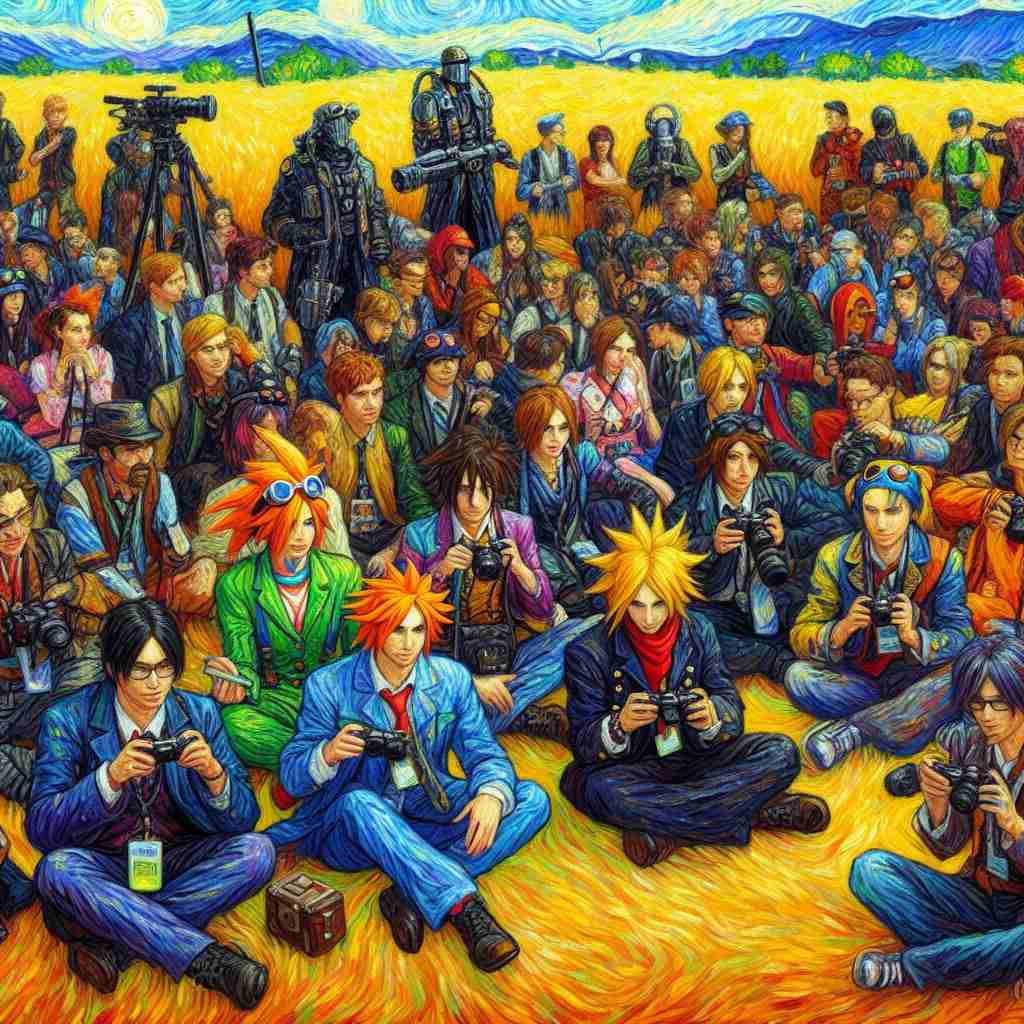
Multiplayer options in games are like the campfire gatherings of old, where stories are shared and bonds are forged in the warm glow of camaraderie. We sit together, controllers in hand, navigating the landscapes of virtual worlds, but it’s not just about the pixels on our screens. It’s about the connections we build and the endings we experience together, which shifts our perceptions in profound ways.
When we play solo, game endings often feel scripted and predetermined, as if we’re merely following the lines of a well-rehearsed play. But when multiplayer options enter the scene, the narrative transforms. Each player brings their own story, their own choices, and that makes the endings feel personal, even if we’re not the ones in the spotlight. It’s a shared experience that sparks a flood of emotions—joy, disappointment, triumph. The collective sigh of a group when the final boss falls, or the hushed whispers of despair when a friend meets an untimely demise—it’s raw and real. You’re not just maneuvering through a game; you’re part of something larger than yourself.
That’s where the head comes into play. Narratives woven across multiple players mean that endings are less about the conclusion and more about the journey. Did you work together to outsmart a difficult challenge? Did a betrayal shake your trust? These are moments that transcend gameplay; they become part of who we are. We engage in ethical dilemmas, weigh decisions, and experience consequences side by side, deepening our understanding of both the game and our fellow players.
And let’s not forget about the gut. As we interact in these multiplayer realms, there’s a visceral reaction—excitement, frustration, pride—that colors every ending. The way we celebrate a hard-fought victory or commiserate over a close call invokes feelings of belonging and shared struggle. It’s like the best moments of life, wrapped in the thrill of competition and cooperation.
This connection to others fosters a trust that traditional single-player experiences can rarely replicate. We become invested not just in outcomes but in each other. The thrill of victory is sweeter when shared, and the agony of defeat is mitigated by the support of friends. The way we perceive game endings in multiplayer environments reflects not just our gaming prowess but our humanity. It’s a reminder that every shared experience enriches our lives, echoing far beyond the confines of the game world.
How Do Multiplayer Options Change the Way We Perceive Game Endings?
How Do Multiplayer Options Change the Way We Perceive Game Endings?
- Multiplayer gaming fosters connections and camaraderie, similar to campfire gatherings.
- Solo play often feels scripted; multiplayer transforms narratives into personal experiences.
- Player interactions evoke emotions like joy, disappointment, and triumph, enhancing the immersive experience.
- Endings in multiplayer games focus on the journey, emphasizing teamwork and ethical dilemmas.
- Emotional responses during gameplay deepen bonds and understanding among players.
- Shared victories and defeats create a sense of belonging and mutual support.
- Multiplayer experiences reflect our humanity, enriching lives beyond the gaming world.

How Do Multiplayer Options Change the Way We Perceive Game Endings?
What Ethical Concerns Arise From Canceling Subscriptions on a Whim?
Canceling a subscription on a whim, while it may seem like just a casual click in a digital sea, can stir up a ripple of ethical concerns. Picture it: you’re scrolling through your phone, the notification pops up, and just like that, you’ve severed a connection. But what about the people behind that service? The creators pouring their hearts and souls into the games and content meant to enrich your life? Every subscription represents a lifeblood, an economy of creativity, and an accountability to those who dedicate their time and resources.
Let’s dive deeper. When you pull the plug impulsively, consider the impact on the creators and employees who depend on those funds. It’s not merely about the loss of a subscription; it’s about the long-term viability of an industry. Think about the artists, the programmers, and even the servers that require upkeep. Each click represents a commitment—a promise that, together, we’ll nurture this collective endeavor. So, when you cancel without a second thought, you might be inadvertently signaling that their labor doesn’t matter. The message? Creating games is just a commodity, when in truth, every title is a labor of love.
Making decisions based solely on impulsive reactions undermines the community surrounding these subscriptions. This is not just about personal choice; it’s about solidarity. Joining a service means you are part of a story larger than yourself, a tribe bonded through shared experiences and interests. Disconnecting without regard can lead not only to the decline of beloved games but to the end of innovations that may serve to uplift us all.
Moreover, reflecting on our choices aligns with a broader societal obligation. Ethical consumption means asking ourselves: Are we supporting businesses that share our values? Are we being thoughtful about the fate of those creative ecosystems? The gut instinct to save a few bucks should be balanced with an understanding of the good that comes from our contributions.
Embracing this awareness inspires a more connected, conscious society. By being deliberate and considerate in our decisions, we can cultivate an environment where creativity flourishes and everyone benefits. Let’s engage with these platforms, not with a moment’s impulse, but with the commitment it takes to keep the fire of creativity alive. After all, the next game you choose to support might just make a lasting impact—something worth considering before you hit cancel on a whim.

What Ethical Concerns Arise From Canceling Subscriptions on a Whim?
What Ethical Concerns Arise From Canceling Subscriptions on a Whim?
- Canceling a subscription impulsively raises ethical concerns about the impact on creators and their livelihoods.
- Subscriptions serve as vital support for the economy of creativity involved in game development and content creation.
- Every cancellation can affect the long-term viability of the industry and those who rely on it, including artists and programmers.
- Impulsive decisions undermine the sense of community and solidarity among users and creators.
- Disconnecting from subscriptions may hinder innovations and the future of beloved games.
- Ethical consumption encourages reflection on supporting businesses that align with our values and considering the broader implications of our choices.
- Being deliberate and thoughtful in subscription decisions can foster a more connected society where creativity thrives.

What Ethical Concerns Arise From Canceling Subscriptions on a Whim?
How Do Compelling Stories Influence Our Connection to Video Games?
In the realm of video games, compelling stories do more than entertain; they forge connections that resonate on multiple levels. When we immerse ourselves in these digital landscapes, we aren’t just players—we become participants in narratives that challenge our thoughts, trigger our emotions, and ignite our spirits. This is where the magic lies.
Imagine embarking on a journey as an underdog hero, battling overwhelming odds. The story of struggle and triumph stirs something deep within us, tapping into our shared human experience. It’s in these moments that games hold a mirror to our own lives, revealing our innermost fears and dreams. In the heart of every player is a lingering desire for meaning, something to cling to when the real world gets tough. When we guide our avatars through trials and tribulations, we are, in effect, navigating our own lives, albeit in a different skin.
It’s not merely a game; it’s a narrative that encourages us to reflect on our choices and the consequences that follow. Games that dare to ask what it means to be human promote not just escapism, but enlightenment. We build empathy as we step into the shoes of characters facing ethical dilemmas, showcasing the weight of decision-making. Good storytelling invites rational engagement, urging us to analyze situations and ponder the moral implications behind every action. How would I respond? What would I choose?
Moreover, the sense of community fostered within these narrative-driven experiences cannot be underestimated. Online forums buzz with passionate discussions, as players flock together to dissect and celebrate story arcs, forming connections that extend far beyond the screen. These interactions solidify our bond, turning strangers into friends who share a profound appreciation for the art of storytelling.
Authority figures in the industry echo this sentiment, highlighting the impact of excellent narratives on player investment. Developers understand that a well-crafted story can elevate the mundane to something magnificent.
So, as you pick up that controller or settle in for a long session, remember: you’re not just playing a game. You’re part of something larger—a story that connects, nurtures, and transforms. In every quest, every battle, and every emotional moment, there lies an invitation to reflect, relate, and ultimately evolve. Embrace it.

How Do Compelling Stories Influence Our Connection to Video Games?
How Do Compelling Stories Influence Our Connection to Video Games?
- Video games offer compelling stories that create deep emotional connections.
- Players are participants in narratives that reflect their own experiences and challenges.
- Games evoke feelings of struggle and triumph, mirroring the human experience.
- Interactive narratives encourage reflection on personal choices and their consequences.
- Empathy is fostered by experiencing characters’ ethical dilemmas within the game.
- Online communities discuss and celebrate narratives, forming bonds among players.
- A well-crafted story enhances player investment and transforms gameplay into a meaningful experience.

How Do Compelling Stories Influence Our Connection to Video Games?
Conclusion
The gaming landscape today finds itself at a narrative crossroads, where the experiences of Generation X collide with those of Millennials, illuminating deeper themes about commitment, connection, and what it means to truly engage with the world. For Gen X, gaming was an immersive endeavor — a full-length adventure that demanded investment, patience, and a willingness to endure the ups and downs of a quest. Each completion brought not just satisfaction, but a shared sense of achievement that entwined friendships in moments of triumph and defeat. They celebrate the thrill of resolution, living through narratives that narrate their growth, a reflection of their journey in life.
Conversely, we see Millennials opting for a different approach, navigating a digital realm bursting with options but often skimming over the surface. Subscription models offer an alluring glimpse into vast libraries of experiences, yet the fleeting nature of “just one more game” has led to a culture of instant gratification. It begs the question: in seeking convenience, what have we sacrificed? The emotional depth, the bond formed through shared trials, and the true satisfaction gained from completing a story. This lack of consistency, this impulse to cancel rather than commit, mirrors a deeper societal shift where the immediate decision often outweighs the value of perseverance.
But let’s not merely cast blame. Instead, this is a call for deeper reflection, encouraging us to dig in — both in gaming and life itself. We should demand stories that resonate, experiences we can invest in. Every time we pick up a controller, we hold the power to either embrace the rich tapestry of challenges or succumb to the allure of disengagement. The ethical implications reach beyond personal choice; as gamers, we must acknowledge the creators, the communities tied to each experience, and the impact of our decisions.
As we stand at this pivotal juncture, let’s challenge ourselves to seek out narratives that resonate, that invite us to forge connections. Every game completed, every story shared is a step toward not just personal growth, but also toward fostering a vibrant, committed gaming community. When we approach gaming with intention, we reclaim the joy of completion, of connection, and the thrill of shared experience, reminding us that while choices abound, true richness lies in the moments we embrace with dedication and heart. Together, let’s strive to redefine what it means to complete a game — and by extension, a life well-lived.

Conclusion
Conclusion:
- The gaming world today reflects a clash between Generation X and Millennials, highlighting themes of commitment and connection.
- For Gen X, gaming was a deep, immersive experience that fostered friendships through shared achievements and challenges.
- Millennials engage with gaming differently, often opting for quick, surface-level experiences enabled by subscription models.
- This shift toward instant gratification raises concerns about what is sacrificed in terms of emotional depth and meaningful engagement.
- Rather than placing blame, there’s an opportunity for reflection on how we approach gaming and our investment in experiences.
- Gamers are encouraged to seek out narratives that resonate and build connections, fostering a more committed gaming community.
- Embracing the challenges in gaming reflects a broader approach to life, emphasizing the importance of dedication and heart in our choices.

Conclusion
Other Resources

Other Resources
Here is a list of other resources you can review online to learn more:
- Gaming Rules!
- The Dice Tower
- GeekDad
- Mage Knight Board Game
- Hans im Glück
- Victory Point Games
- Mindclash Games
- Tzolk’in: The Mayan Calendar
- Scythe
- Greater Than Games
- Tantrum House
- Sirlin Games
- Fluxx
- Eagle-Gryphon Games
- Arcane Wonders
- Cool Mini or Not (CMON)
- Dominion (Second Edition)
- What’s Your Game?
- Bridge
- The Castles of Burgundy
Use This Prompt To Get More Resources With Your Favorite Online AI Tool: Please provide me with a list of online articles with their URLs in a bulleted list that I can read regarding Gen X Misses Complete Games, Millennials Just Cancel Subscriptions

Other Resources
Glossary Terms
Gen X Misses Complete Games, Millennials Just Cancel Subscriptions – Glossary Of Terms
1. Generation X: Individuals born roughly between 1965 and 1980, known for experiencing the rise of technology and cultural shifts in the late 20th century.
2. Millennials: People born approximately between 1981 and 1996, characterized by their comfort with technology and a tendency to prioritize experiences over possessions.
3. Complete Games: Refers to traditional consumption in media or entertainment, where users engage with a full experience, like watching entire seasons of a series or playing through an entire video game.
4. Subscription Model: A business model where consumers pay a recurring price at regular intervals for access to a product or service, often seen with streaming services, software, and digital media.
5. Cultural Shift: A significant change in societal norms and values, often influenced by technology, economics, or demographic trends.
6. Media Consumption: The way individuals engage with various types of media, including films, television shows, video games, and online content.
7. Digital Natives: Individuals who have grown up using technology and the internet, often displaying a familiarity and fluency with digital devices.
8. Nostalgia: A sentimental longing for the past, which can affect how different generations perceive and engage with media and entertainment.
9. On-Demand Content: Media that is available to consumers when they choose to access it, making it distinct from traditional broadcast or scheduled programming.
10. FOMO (Fear of Missing Out): A social anxiety often experienced by Millennials, leading them to prioritize constant connectivity and experiences.
11. Streaming Services: Platforms that provide access to audiovisual content via the internet, allowing users to watch or listen on demand.
12. Binge-Watching: Viewing multiple episodes of a television series in one sitting, a practice popularized by streaming platforms.
13. Engagement Metrics: Data used to evaluate how users interact with media content, including views, watch time, and subscriptions.
14. Content Overload: The overwhelming amount of information available in media, leading to difficulty in choosing what to engage with.
15. Consumer Behavior: The study of how individuals make decisions to spend their available resources on consumption-related items.
16. Experience Economy: A shift in consumer preference towards valuing experiences and services over tangible goods.
17. Disruption: A significant transformation in a market caused by innovative products or services that displace established competitors.
18. Social Media Influence: The power of social media platforms to shape opinions, trends, and consumer behaviors, particularly among Millennials.
19. Curation: The act of selecting and organizing content in a meaningful way, often used in relation to digital media.
20. Attachment Styles: Psychological models that describe how people form emotional bonds, influencing how they connect with brands and content.
21. Brand Loyalty: Consumers’ commitment to repurchase or continue using a brand over time, affected by personal experiences and societal trends.
22. Gamification: The application of game-design elements in non-gaming contexts, often used to enhance user engagement.
23. User Experience (UX): The overall experience a person has when interacting with a product or service, encompassing usability and satisfaction.
24. Attention Economy: The concept that human attention is a scarce commodity, and businesses compete for it through various strategies.
25. Content Accessibility: The idea that media should be easily available and easy to use for all audiences, regardless of their background.
26. Digital Detox: The process of unplugging from digital devices and social media to improve mental well-being.
27. Purchase Intent: The likelihood that a consumer will buy a product based on their current interests and external influences.
28. Legacy Media: Traditional forms of media, such as television and newspapers, often contrasted with new digital forms.
29. Platform Saturation: A situation in which a market becomes oversaturated with similar content or services, complicating consumer choices.
30. User-Generated Content (UGC): Any form of content created and published by unpaid contributors, often seen in social media and online platforms.

Glossary Of Terms
Other Questions
Gen X Misses Complete Games, Millennials Just Cancel Subscriptions – Other Questions
If you wish to explore and discover more, consider looking for answers to these questions:
- What are the long-term effects of subscription-based gaming on player engagement and loyalty?
- How do different generations perceive the value of completion in gaming?
- What role does nostalgia play in the gaming experiences of Gen X and Millennials?
- How can developers create a balance between monetization through DLCs and creating a sense of completion?
- What are the psychological effects of incomplete gaming experiences on players?
- How does social interaction in multiplayer games impact emotional connections compared to single-player games?
- What factors contribute to players’ decisions to cancel gaming subscriptions?
- How do different cultures influence gaming preferences and styles of play?
- What ethical responsibilities do gaming companies have towards their consumers?
- How can players advocate for a more meaningful gaming experience?
- What are the implications of the trend toward microtransactions in gaming?
- How has the rise of mobile gaming affected traditional gaming narratives?
- What measures can be taken to foster a sense of community among gamers?

Other Questions
Haiku
Gen X Misses Complete Games, Millennials Just Cancel Subscriptions – A Haiku
Pixels tell our tales,
Generations shape their worlds—
Finish what you start.

Haiku
Poem
Gen X Misses Complete Games, Millennials Just Cancel Subscriptions – A Poem
In pixels bright, where worlds align,
Gen X thrived on stories, deep and fine.
With controllers in hand, they took the dive,
Crafting legacies, feeling alive.
They fought through quests, bonds forged in strife,
Playing for glory, immersion, and life.
While Millennials, with choices vast,
Swipe left, swipe right—commitment’s outcast.
A library of options, yet time drifts away,
The thrill of completion fades into the fray.
Each digital landscape, a tale to unfold,
But fleeting distractions leave hearts feeling cold.
What’s lost in the haste of a subscription’s embrace?
The journeys we cherish, the moments we face.
As screens light up with laughter and cheer,
Connections—once cherished—now fade into fear.
Resilience and patience, they shape who we are,
Every challenge faced takes us further, afar.
From boss fights to puzzles, we grow as we strive,
Each completed adventure makes our spirits revive.
Is it about ownership, or sharing the ride?
In multiplayer realms, our hearts swell with pride.
Together we conquer, together we fall,
In these shared victories, we find meaning for all.
Yet consider the cost of a quick, careless click,
For every impulse echoes, a subtle ethical trick.
Behind every game, creators pour their soul,
Subscriptions support communities—let’s make them whole.
As stories unfold, let narratives bind,
Connecting our struggles, our hearts intertwined.
In this landscape of gaming, let’s demand clarity,
Crafting experiences that celebrate our humanity.
So take up your joy, let the journey begin,
In each epic quest lies the echo within.
Life isn’t a series of games left undone—
Embrace every challenge, find strength in the run.

Poem
Checklist
Gen X Misses Complete Games, Millennials Just Cancel Subscriptions – A Checklist
Checklist for Engaging with Gaming in 2023
Emotional Appeals
_____ Reflect on a gaming moment that left a lasting impression. What emotions did it evoke?
_____ Identify a game that made you feel connected to others. How did it strengthen your relationships?
_____ Consider the feelings you experienced during challenging gameplay. How did they shape your resilience?
Rational Appeals
_____ Assess the balance between gaming subscriptions and ownership. Which approach best suits your gaming habits?
_____ Evaluate the time invested in a game. Did it provide a sense of completion and satisfaction?
_____ Explore how multiple endings in games influence your perspective on choices.
Ethical Appeals
_____ Think about the implications of canceling subscriptions impulsively. What effects might this have on creators?
_____ Ask yourself: am I supporting businesses that reflect my values as a gamer?
_____ Contemplate how deeper engagement with games can impact the industry positively.
Authority Appeals
_____ Research industry leaders who advocate for quality and authentic gaming experiences. What are their perspectives?
_____ Follow developers who prioritize storytelling and player investment. How do their values align with yours?
_____ Pay attention to trends in gaming that reflect the evolution of player expectations in the industry.
Narrative Appeals
_____ Recall a storyline in a game that resonated with you. How did it influence your understanding of life or ethics?
_____ Identify the last game you played that encouraged you to reflect on your own choices. What lessons were learned?
_____ Engage in online discussions about game narratives with fellow gamers. How does this enrich your experience?
Social Appeals
_____ Share your gaming experiences with friends. How does communal play enhance enjoyment?
_____ Engage with communities that support the types of games you love. How can you contribute to these networks?
_____ Consider how multiplayer games foster a sense of belonging. Have you experienced this firsthand?
Use this checklist to deepen your engagement with gaming, encouraging both personal reflection and connection with others in the gaming community.

Checklist
At HowDoYouGame, we help people who love board games by collating information and news about games.
Be sure to read our other related stories at HowDoYouGame to learn more about games.