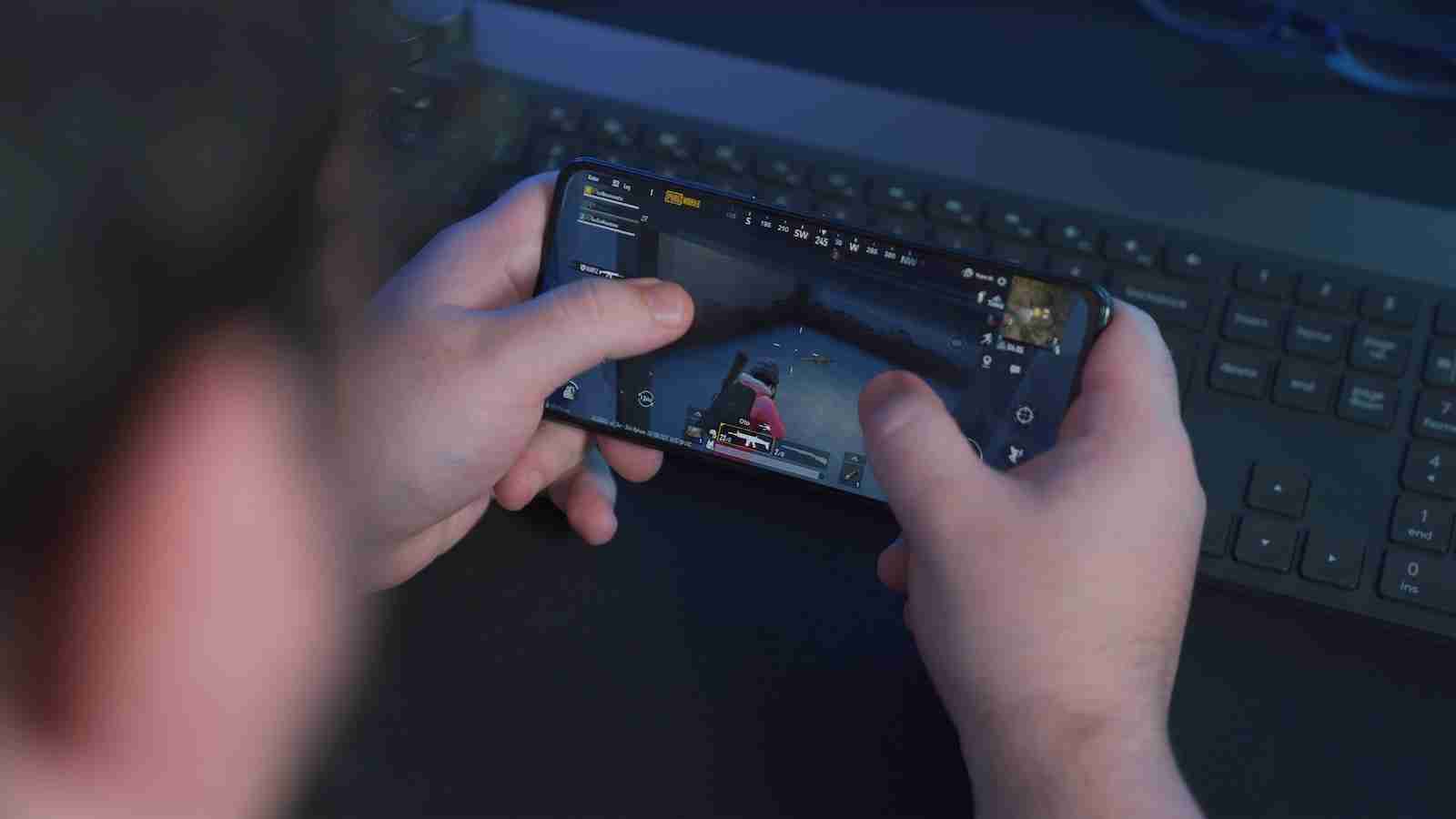
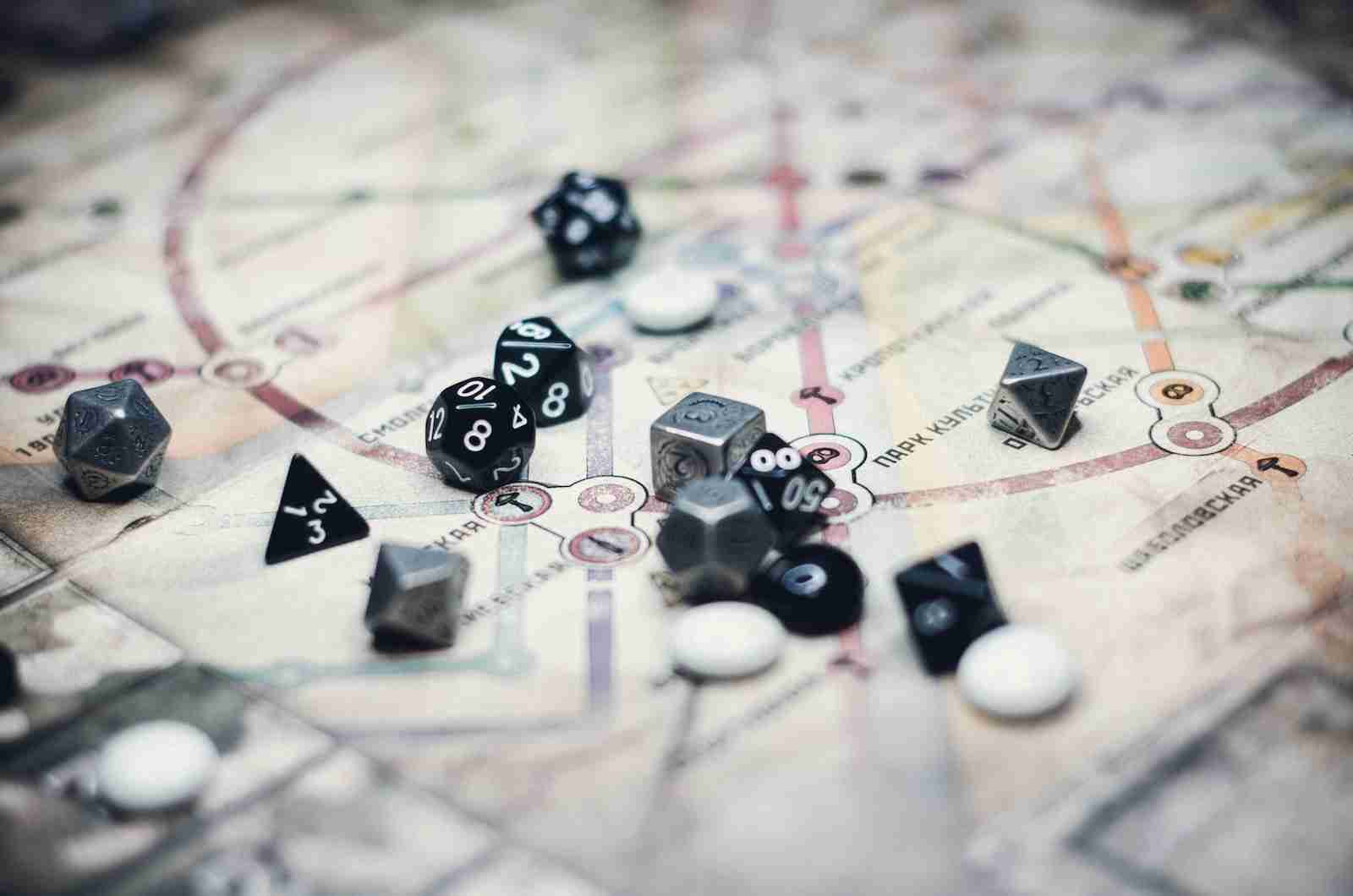
Level Up Your Problem-Solving With Gaming
By Tom Seest
At HowDoYouGame, we help people who love board games by collating information and news about games.
Be sure to read our other related stories at HowDoYouGame to learn more about games.
Could Gaming Be The Key to Developing Problem Solving Skills?
Could Gaming Be The Key to Developing Problem-Solving Skills?
Imagine a world where your challenges aren’t defined by heavy textbooks or endless classroom lectures but by vibrant landscapes and compelling quests. Welcome to the realm of gaming, where the concept of gamification has transformed the way we approach learning and skill building. With the right game, problem-solving isn’t just a necessity; it becomes an adventure.
Many people might scoff at the thought that a video game could hold the key to unlocking serious cognitive skills. But think about it: when you’re navigating a digital world filled with obstacles, varying strategies, and unexpected twists, you aren’t just killing time. You’re honing your ability to think critically and adaptively. Each game is a unique puzzle, prompting players to analyze situations, weigh outcomes, and make informed decisions—all fundamental aspects of problem-solving.
Take, for instance, strategy games where every move counts. You’re not just playing; you’re strategizing, deciding whether to attack or defend, make peace, or build alliances. This dynamic encourages you to look at problems from multiple angles and devise creative solutions, skills that transcend the game and seep into everyday life. The environment is immersive, fostering an instinctive engagement that traditional learning methods often struggle to achieve.
But let’s not kid ourselves. Not all games are created equal, and the principle of gamification matters here. It’s about transforming mundane tasks through game mechanics that engage the mind and spark enthusiasm. Whether you’re a young student discovering math’s wonders through puzzles or a manager mastering organizational dynamics via simulation, the key is to embrace challenges with a sense of curiosity and fun.
Moreover, gaming teaches resilience. Failures in a game often come with a clear lesson. You attempt a mission, you fail, and guess what? You get to try again. Each setback is a stepping stone to your next attempt, building your mental stamina and proving that mistakes are simply opportunities for growth.
So, why not take a leap and consider gaming as a viable pathway to enhance your problem-solving skills? It might just surprise you how it resonates beyond the screen. Dive into a game that encourages you to think critically, and before you know it, you’ll not only be leveling up in the virtual world but in real life as well. With the right approach, gaming can be that thrilling ride on the road to developing robust problem-solving skills—the adventure you’ve been waiting for!

Could Gaming Be The Key to Developing Problem Solving Skills?
Could Gaming Be The Key to Developing Problem Solving Skills?
- Gaming transforms learning by offering vibrant landscapes and compelling quests instead of traditional textbooks.
- Problem-solving in games becomes an adventure, enhancing critical and adaptive thinking skills.
- Strategy games encourage players to analyze situations, weigh outcomes, and make informed decisions.
- The immersive gaming environment fosters engagement that surpasses conventional learning methods.
- Not all games promote effective learning; the principle of gamification is essential for engagement.
- Gaming instills resilience, teaching players that failures are opportunities for growth and learning.
- Embracing gaming as a tool for skill development can enhance problem-solving abilities both in-game and in real life.

Could Gaming Be The Key to Developing Problem Solving Skills?
Table Of Contents
- Could Gaming Be The Key to Developing Problem Solving Skills?
- Could Gaming Improve Critical Thinking Abilities?
- How Does Gaming Influence Creativity?
- Can Video Games Enhance Cognitive Skills?
- What Types Of Games Promote Problem Solving?
- How Do Multiplayer Games Foster Teamwork Skills?
- Are Puzzle Games Effective For Learning?
- What Role Does Strategy Play In Gaming?
- Conclusion
- Other Resources
- Glossary Of Terms
- Other Questions
- Haiku
- Poem
- Checklist
Could Gaming Improve Critical Thinking Abilities?
Picture this: You’re settled in for a long night of gaming, a steaming mug of coffee at your side, and the digital world stretches out before you like an endless adventure waiting to be conquered. But what if I told you that these sessions of pixelated escapism aren’t just about waging war against mythical foes or solving intricate puzzles? Nope, they could actually be doing wonders for your critical thinking abilities.
Now, let’s not get lost in the misconception that gaming is just a time sink—a guilty pleasure that pulls you away from the “real world.” The reality is that modern gaming often employs a technique known as gamification. This isn’t just a buzzword tossed around during a marketing seminar; it’s a powerful tool that can enhance how we approach problems and think critically. Gamification transforms mundane tasks into engaging experiences, encouraging players to strategize, adapt, and innovate as they navigate virtual challenges. Every decision you make in a game, from choosing the right character class to managing dwindling resources, hones your ability to think on your feet and evaluate the risks and rewards.
You might be asking, how does battling monsters in a fantasy land translate to navigating the complexities of daily life? Think about the last time you had to solve a problem at work. Maybe you were tasked with managing a tight deadline while coordinating a project with diverse elements and personalities. The skills you’ve sharpened in gaming—the analytical reasoning, the tactical planning, and the foresight in dealing with consequences—can easily carry over when you’re back in the office. It’s the same mental gymnastics, just dressed in different attire.
Furthermore, online multiplayer games foster teamwork and communication, skills essential in life and the workplace. Coordinating with friends or strangers to defeat a common enemy teaches you to listen, negotiate, and make quick decisions—a real-world application that can’t be overlooked.
So, the next time you’re feeling guilty about indulging in some gaming, embrace it! Think of it as a workout for your brain, a preparation for the real challenges that lie ahead. By investing in this form of entertainment, you’re not just having fun; you’re also cultivating the critical thinking abilities that will serve you well beyond the screen. It’s time to level up, not just in the game, but in life itself.
Could Gaming Improve Critical Thinking Abilities?
Could Gaming Improve Critical Thinking Abilities?
- Gaming sessions can enhance critical thinking abilities beyond mere entertainment.
- Modern gaming utilizes gamification, transforming tasks into engaging experiences.
- Gamification encourages strategizing, adapting, and innovating in virtual challenges.
- Skills developed in gaming apply to real-life problem-solving and project management.
- Online multiplayer games promote teamwork and communication essential in life and work.
- Gaming should be viewed as a mental workout preparing for real-world challenges.
- Investing in gaming cultivates important skills that benefit both life and careers.

Could Gaming Improve Critical Thinking Abilities?
How Does Gaming Influence Creativity?
Let’s dive deep into the world of gaming, where pixels turn into playgrounds for the imagination. Picture this: you’re not just sitting on your couch, controller in hand; you’re embarked on a journey that taps into your most creative instincts. Yes, you heard me right! Gaming isn’t just for passing time; it can be a powerful catalyst for creativity.
At its core, gaming introduces an element of gamification—turning tasks and experiences into something dynamic and engaging. Think about it: every time you enter a new game, you’re faced with challenges that require quick thinking, problem-solving, and even a dash of ingenuity. That’s not just kids’ play; that’s brain training. It invites players to think outside the box and strategize in ways they might not normally consider in day-to-day life.
Imagine puzzling over how to build your ideal fortress while navigating a fantasy world filled with dragons and treasure. Each choice you make, each resource you allocate, stretches that creative muscle, making it stronger. Instead of simply consuming information, gamers are actively involved in crafting their own narratives, shaping worlds with their actions. It’s like being an author of your own epic adventure where you decide the outcome.
But it doesn’t stop there. The social element of gaming gives another dimension to creativity. When you collaborate with friends, sharing ideas and pooling resources, you create a melting pot of diverse thoughts and perspectives. Ever worked together to strategize a victory in a co-op game? The way you meld your styles with others encourages an openness that can lead to innovative solutions, both in-game and beyond.
So, if you think playing games is a mindless endeavor, think again! The next time you pick up that controller or join in on a multiplayer session, remember that you’re engaging in a dynamic experience that nurtures creativity. It’s like a workshop for your brain, one pixel at a time. And who knows? This playful approach might just inspire you to think differently in your personal or professional life. Embrace the journey, and let your creativity soar! After all, every great creator was once a player at heart.

How Does Gaming Influence Creativity?
How Does Gaming Influence Creativity?
- Gaming transforms pixels into imaginative playgrounds, fostering creativity beyond mere entertainment.
- It incorporates gamification, making tasks dynamic and engaging while enhancing quick thinking and problem-solving skills.
- Players are challenged to think outside the box and strategize, effectively training their brains.
- Building and navigating fantasy worlds stretches creative muscles, allowing players to shape their own narratives.
- The social aspect of gaming promotes collaboration, leading to innovative solutions through shared ideas and resources.
- Engaging in gaming is a dynamic experience that nurtures creativity, akin to a brain workshop.
- The playful approach to gaming can inspire new perspectives in personal and professional life.

How Does Gaming Influence Creativity?
Can Video Games Enhance Cognitive Skills?
Picture this: It’s a rainy Saturday afternoon, and you find yourself nestled on the couch, controller in hand, fully immersed in a digital world. Whether you’re battling dragons or hopping across platforms, there’s something undeniably immersive about video games. But what if I told you that this escapade might be more than just a form of entertainment? Believe it or not, the act of gaming could have real benefits for your cognitive skills.
Let’s break this down: when you play video games, you’re often engaging in a process called gamification. This is a fancy term for taking game-like elements—like points, levels, and challenges—and applying them to everyday tasks. The beauty of gamification lies in its ability to turn the mundane into the exciting. Think about it. You’re not just sitting there; you’re solving problems, thinking strategically, and reacting in real-time. Those split-second decisions you make can train your brain to think faster and adapt to challenges more efficiently.
Research has shown that certain video games can enhance various cognitive functions. For instance, action games often involve navigating complex environments while managing multiple tasks at once. This multitasking phenomenon can improve your visual attention and spatial reasoning. Imagine being better able to follow the details in your daily routine or even in a meeting at work. It’s like sharpening your mental toolbox, arming yourself for whatever life throws your way.
And let’s not forget the social aspect! Many games require collaboration and communication, fostering teamwork and improving social skills. Feeling connected to friends or even forging new friendships online can reinforce your ability to work alongside others, tapping into a skill that is just as valuable in the workplace.
Now, I get it; there’s a common notion that video games are a distraction or a mere waste of time. But it’s essential to shift that mindset. When approached mindfully, gaming can undeniably be an engaging way to hone your cognitive skills. So why not take that gaming session to the next level? Set specific goals, recognize your progress, and challenge yourself to learn as you play.
Video games can be more than an escape; they can offer you a path to enhance your cognitive abilities. So, the next time the controllers come out, just remember: you’re not just having fun; you’re sharpening your mind for life’s challenges.

Can Video Games Enhance Cognitive Skills?
Can Video Games Enhance Cognitive Skills?
- Video games offer immersive experiences that go beyond simple entertainment.
- Gamification applies game-like elements to everyday tasks, making them more engaging.
- Playing video games enhances cognitive skills such as strategic thinking and real-time decision making.
- Action games improve multitasking abilities, visual attention, and spatial reasoning.
- Gaming fosters social skills through collaboration and communication, reinforcing teamwork.
- With a mindful approach, gaming can hone cognitive skills rather than being a distraction.
- Video games can serve as a tool for enhancing cognitive abilities while having fun.

Can Video Games Enhance Cognitive Skills?
What Types Of Games Promote Problem Solving?
What Types of Games Promote Problem Solving?
When it comes to fostering a sharp mind and a knack for problem-solving, the world of gaming presents an expansive and thrilling landscape. You see, games aren’t just about high scores and flashy graphics; they are a playground for the intellect, inviting players to tackle challenges that mimic real-world dilemmas. It’s a bit like a gym for your brain: the more you play, the stronger your skills become.
First up, we have strategy games. These gems might transport you to a medieval battlefield or a post-apocalyptic wasteland, but at heart, they’re all about planning, resource management, and making tough decisions. Whether you’re building an empire or defending your territory, you’ll be honing your ability to analyze situations and formulate responses on the fly. Take a moment to think about it: every move you make has consequences. Those heart-pounding situations? They’re just problem-solving workouts under the guise of fun.
Next on the menu are puzzle games, which often boil down to understanding patterns, logic, and spatial reasoning. Ever spent hours trying to get that one annoying block to fit just right? You weren’t just playing a game; you were engaging your mind in an active puzzle that encourages creative thinking. There’s immense satisfaction in finally cracking a tough nut, and when you do, it’s a reminder that persistence pays off—an invaluable lesson both in and out of the gaming world.
Now let’s talk about simulations. These games genuinely capture the essence of gamification, bringing real-life scenarios into the virtual realm. Whether it’s urban planning, running a virtual farm, or even managing a small business, you’ll be juggling various factors, making decisions that affect multiple outcomes. It’s a safe space to experiment with choices and learn from failures without the real-world stakes—an excellent way to build problem-solving skills that transcend the screen and spill into everyday life.
Lastly, consider cooperative games, where teamwork reigns supreme. These games remind us that sometimes, the best insights come from collaboration. Working with others to overcome obstacles highlights diverse perspectives and innovative approaches—key ingredients for effective problem-solving. It’s not just about winning; it’s about learning to communicate, share ideas, and think on your feet as a unified front.
Embracing games that promote problem-solving can transform trivial pastimes into powerful life skills. They can pave the way for creative thinking, analytical reasoning, and the unyielding pursuit of solutions, ensuring that every level you conquer equips you for the challenges that await off-screen. So, dive in and let the games begin!

What Types Of Games Promote Problem Solving?
What Types Of Games Promote Problem Solving?
- Gaming encourages intellectual development and problem-solving skills through engaging challenges.
- Strategy games focus on planning, resource management, and decision-making, simulating real-life consequences.
- Puzzle games enhance pattern recognition and logical reasoning, promoting creative thinking through problem resolution.
- Simulation games provide a virtual space to experiment with real-life scenarios, aiding decision-making and understanding outcomes.
- Cooperative games emphasize teamwork and collaboration, fostering communication and diverse perspectives in problem-solving.
- Games that promote problem-solving can significantly enhance life skills like creative thinking and analytical reasoning.
- Engagement in these games prepares players for real-world challenges by transforming entertainment into skill development.

What Types Of Games Promote Problem Solving?
How Do Multiplayer Games Foster Teamwork Skills?
Multiplayer games have evolved into a vibrant tapestry where strategy and camaraderie come together, creating environments that nurture essential teamwork skills. Think of a busy workshop—tools strewn about, team members bustling with purpose, each tasked with specific roles. Now, imagine that camaraderie translated into a digital space, where players group together, forging alliances tightly woven by mutual objectives. Here, the heart of teamwork beats loud and clear.
These games employ a technique called gamification, kicking our innate competitive spirit into high gear. Players are not just passively taking in the challenges; they’re fully engaged, each mission a mini-adventure that offers rewards as well as lessons. In these virtual realms, players learn to rely on one another, reinforcing the idea that collaboration isn’t just beneficial—it’s essential. Imagine trying to build a formidable fortress in a game without the input of your teammates. You’d quickly find yourself swamped, overwhelmed, and ultimately defeated. That shared goal forces individuals to communicate, strategize, and support each other through challenges.
Take a moment to rewind to those early days of playground games—most of us remember that feeling of anticipation as teams were formed, strategies discussed, and the friendly rivalries ignited. Multiplayer games replicate this experience on a grander scale. As players collaborate, they discuss their strengths and weaknesses, share ideas, and come up with tactics that play to their group’s advantages. Every session emphasizes that success in any endeavor often hinges on how well we can work with others. This lesson transcends the screen and spills over into real-world scenarios—whether it’s in a jam-packed office, a community project, or even managing the chaotic family dinner.
But beyond just lessons in collaboration, multiplayer games inspire trust. Each player grows to become a crucial gear in the machine—each player’s contribution valued. When teams win together, it builds confidence, but the real magic happens in shared failures. Here lies the opportunity to learn resilience. Imagine facing a tough challenge and coming up short, only to regroup, refine your strategy, and tackle it again, this time stronger and more unified.
So the next time you immerse yourself in a multiplayer game, look around you. You’re not just clicking buttons and racing against time; you’re cultivating vital skills that echo far beyond the screen. It’s more than just playing—it’s about forging connections, instilling trust, and, ultimately, becoming a better teammate in all facets of life.

How Do Multiplayer Games Foster Teamwork Skills?
How Do Multiplayer Games Foster Teamwork Skills?
- Multiplayer games combine strategy and teamwork, fostering essential skills among players.
- They utilize gamification, engaging players through competitive challenges and rewarding missions.
- Collaboration is needed to succeed, as individual contributions are crucial in achieving shared goals.
- Players engage in discussions about strengths and weaknesses to strategize and improve as a team.
- The experiences in multiplayer games mirror real-life teamwork situations, such as in workplaces and community projects.
- Multiplayer games build trust among players, encouraging valuable contributions and reinforcing group success and resilience.
- Playing these games fosters connections and enhances teamwork skills applicable in various life scenarios.

How Do Multiplayer Games Foster Teamwork Skills?
Are Puzzle Games Effective For Learning?
Let’s face it, the world is a chaotic place. Whether you’re struggling to balance the demands of work or navigating the complexities of life, one thing’s for sure: we crave solutions. Enter the humble puzzle game—a charming, yet surprisingly effective tool that combines entertainment with education. So, how exactly do these engaging challenges enrich our learning experience?
At the heart of every puzzle game lies a principle known as gamification. It’s a fancy term, but it boils down to making learning feel less like a chore and more like an adventure. Picture yourself solving a block puzzle or maneuvering through a maze. You might be itching to clear that level, but what’s really happening behind the scenes is a delicate dance of cognitive skills at work. As you strategize, your brain is firing on all cylinders, processing information, making decisions, and adjusting to new challenges—all essential components of the learning process.
The beauty of puzzle games is that they not only entertain but also cultivate problem-solving skills. When you encounter a tricky level, it’s not merely about finishing the game; it’s about understanding patterns, developing logic, and devising strategies. You might even notice that these gritty little victories foster confidence. As you complete each puzzle, you’re not just advancing in the game; you’re polishing your ability to tackle real-world problems.
And let’s not ignore the social aspect. Many puzzle games allow you to collaborate or compete with friends, creating an arena of camaraderie that can transform learning from a solitary endeavor into a shared experience. It’s about problem-solving together, celebrating victories, and even analyzing defeats. We all know that life throws curveballs, and having a network of supportive peers makes navigating those challenges all the better.
So, the next time you find yourself drawn to a puzzle game, remember—it’s not just a distraction. It’s an opportunity to flex those cognitive muscles, build problem-solving prowess, and maybe even strengthen your relationships with friends and family while you’re at it. Dive in, embrace the challenge, and discover just how effective these delightful little games can be in your learning journey. Let’s face it: life is one big puzzle—why not sharpen your skills while having a little fun?
Are Puzzle Games Effective For Learning?
Are Puzzle Games Effective For Learning?
- The modern world is chaotic, leading to a desire for effective solutions.
- Puzzle games blend entertainment with education, enriching the learning experience.
- Gamification makes learning feel like an adventure rather than a chore.
- Solving puzzles enhances cognitive skills such as information processing, decision-making, and adaptability.
- Puzzle games foster problem-solving skills, confidence, and strategy development.
- Many puzzle games promote social interaction, allowing collaboration and competition among friends.
- Engaging in puzzle games provides an opportunity to improve cognitive abilities and strengthen relationships.

Are Puzzle Games Effective For Learning?
What Role Does Strategy Play In Gaming?
What Role Does Strategy Play in Gaming?
Picture this: You’re sitting down to play your favorite video game, controller in hand, and the excitement is palpable. But let’s be real—what makes it thrilling isn’t just the flashy graphics or the adrenaline-pumping soundtrack. No, it’s the strategy woven into every level, every mission, and every character choice. Strategy is the secret sauce that elevates gaming from simple play into an immersive experience, one that requires contemplation, skill, and sometimes even a little bit of bravado.
At its core, strategy is about making decisions. It’s assessing your situation, weighing the odds, and determining the best course of action. Whether you’re deploying troops in a war simulation or solving puzzles in a mythical land, a well-thought-out plan can mean the difference between victory and defeat. That’s where gamification kicks in—game mechanics and principles are used to engage players, pushing them to strategize and optimize their moves, all while keeping the experience fun and rewarding.
Think about it: When we gamify tasks in our lives, like turning fitness goals into a competition or using rewards to motivate ourselves at work, we’re tapping into that same strategic mindset. Just like in a game where you’ll plot your next move to conquer a level, in everyday life, you can apply a little strategy to tackle challenges head-on.
Moreover, successful gaming necessitates adaptability. As you encounter unexpected hurdles—ah, the boss that just won’t go down—you learn to pivot and refine your strategy on the fly. This skill alone is invaluable, not just in games, but in real-world scenarios where life throws curveballs your way.
And let’s not underestimate the sense of community that comes from strategic gaming. For many, planning a raid or collaborating on a massive build fosters genuine bonds. It’s about getting together, sharing ideas, discussing tactics, and cheering each other on as you carve your path to victory. The camaraderie adds richness to the experience, making those moments spent strategizing with friends just as rewarding as any virtual success.
So next time you dive into a game, remember this: Strategy isn’t just about winning; it’s about growth, connection, and finding that spark of joy in the process. Embrace the challenge, and see where your newfound strategic mindset can take you—both in and out of the gaming world.

What Role Does Strategy Play In Gaming?
What Role Does Strategy Play In Gaming?
- Strategy enhances gaming by adding depth beyond graphics and sound, making it an immersive experience.
- At its core, strategy involves decision-making that assesses situations and determines best actions.
- Gamification engages players through game mechanics, encouraging strategic thinking to optimize gameplay.
- Applying strategy is beneficial in real-life tasks, enabling individuals to tackle challenges effectively.
- Successful gaming requires adaptability, helping players refine strategies when facing unexpected obstacles.
- Strategic gaming fosters community, creating bonds through collaboration and shared experiences among players.
- Ultimately, strategy in gaming is about growth, connection, and finding joy in both gaming and life experiences.

What Role Does Strategy Play In Gaming?
Conclusion
As we wrap up this journey into the world of gaming and its unexpected role in honing our problem-solving skills, let’s take a moment to reflect on what we’ve uncovered. Now, if you think video games are just a frivolous escape from reality, it’s time to hit the pause button on that outdated notion. Gaming is more than just mindless merriment; it’s a vibrant laboratory where creativity, critical thinking, and resilience flourish. Each time you navigate a pixelated landscape, solve a puzzle, or strategize your next move, you are not just having fun; you’re engaging in a dynamic process that cultivates skills essential for real-life challenges.
Consider the immersive environments of strategy games, where every decision is critical and every action carries weight. These virtual battlegrounds are not just arenas of competition; they are training grounds for analytical reasoning and adaptive thinking. You’re no longer a passive participant; you become a strategist, learning to visualize outcomes, assess risks, and make informed choices in the face of uncertainty—skills that seamlessly transition into the workplace and everyday life.
And let’s not forget about the adaptability gaming instills. When that boss battle doesn’t go according to plan, you’re forced to rethink your approach, adapt your tactics, and try again. This resilience, coupled with the sense of accomplishment from overcoming obstacles, reinforces a mindset that views failure not as an endpoint but as an opportunity for growth.
Moreover, multiplayer games create a shared space that fosters teamwork and communication. Collaborating with friends—or even strangers—encourages diverse perspectives, honing your ability to listen, negotiate, and devise strategies in real-time. Those moments of camaraderie echo into your professional life, highlighting the importance of collaboration in achieving collective goals.
As you delve into the realm of gaming, remember that you’re not only mastering levels; you’re sharpening your cognitive skills, boosting your creativity, and embracing the spirit of curiosity and adventure. So, the next time you pick up that controller, appreciate it as a powerful tool for developing a robust problem-solving toolkit. You’re not just playing; you’re preparing yourself to tackle life’s whirlwind with a brain that’s been finely tuned through every gaming session. With this newfound perspective, it’s time to level up—not just in the virtual world, but in the grand game of life itself!

Conclusion
Conclusion:
- Video games extend beyond being mere entertainment; they serve as a platform for developing problem-solving skills.
- Engagement in gaming fosters creativity, critical thinking, and resilience through immersive experiences.
- Strategy games enhance analytical reasoning and adaptive thinking by requiring critical decision-making.
- Gaming teaches players to visualize outcomes, assess risks, and make informed choices in uncertain situations.
- Players develop adaptability and resilience by rethinking strategies after failures, viewing them as growth opportunities.
- Multiplayer games promote teamwork and communication, fostering collaboration and diverse perspectives.
- Gaming sharpens cognitive skills and boosts creativity, preparing individuals for real-life challenges.

Conclusion
Other Resources
Other Resources
Here is a list of other resources you can review online to learn more:
- Dominion: Intrigue (Second Edition)
- Forbidden Stars
- Horrible Guild
- The Crew: The Quest for Planet Nine
- Quined Games
- Champions of Midgard
- Boss Monster
- Tasty Minstrel Games
- GAMA
Use This Prompt To Get More Resources With Your Favorite Online AI Tool: Please provide me with a list of online articles with their URLs in a bulleted list that I can read regarding Could Gaming Be The Key to Developing Problem Solving Skills?

Other Resources
Glossary Terms
Could Gaming Be The Key to Developing Problem Solving Skills? – Glossary Of Terms
1. Algorithm: A step-by-step set of instructions used to solve a problem or complete a task, often found in games for pathfinding or decision-making.
2. Cognitive Flexibility: The ability to adapt one’s thinking and strategy in response to changing conditions or new information, often enhanced by gaming.
3. Critical Thinking: The process of analyzing and evaluating an issue or idea in depth, often exercised through complex game scenarios.
4. Collaboration: Working together with others to achieve a common goal, as seen in multiplayer games where teamwork is essential.
5. Decision-Making: The process of making choices by identifying options and assessing their potential impacts, a key element in many games.
6. Emergent Gameplay: Innovative play styles and strategies that arise from the interactions within a game’s mechanics, encouraging players to solve problems creatively.
7. Game Mechanics: The rules and systems that define how a game operates, which challenge players to devise solutions to gameplay problems.
8. Goals: Objectives players aim to achieve in a game, necessitating problem-solving strategies to overcome challenges.
9. Immersion: Deep engagement in a game that allows players to invest emotionally and cognitively, fostering the motivation to solve in-game problems.
10. Interactivity: The degree to which players can influence the game’s outcome, fostering an environment conducive to experimentation and problem-solving.
11. Metacognition: Awareness of one’s own thought processes, allowing gamers to reflect on their strategies and improve problem-solving skills.
12. Narrative Arch: The storyline development in games that often involves problem-solving to advance the plot and achieve resolutions.
13. Non-Linear Solutions: Strategies that do not follow a straightforward path, often leading to unique problem-solving approaches in complex game situations.
14. Obstacles: Challenges that players must overcome, requiring critical thinking and strategizing for success.
15. Open-World Design: Game architecture that allows players to explore freely and approach problems from multiple angles, enhancing creative problem-solving.
16. Player Agency: The degree of control players have over their actions and decisions in a game, which can lead to deeper engagement in problem solving.
17. Puzzle Solving: A game component involving riddles or challenges that players must think through to progress, emphasizing logical problem-solving.
18. Real-Time Strategy (RTS): A genre of games where players must make decisions quickly, improving their ability to think on their feet.
19. Role-Playing Games (RPG): Games where players assume the roles of characters and must solve quests and challenges, enhancing strategic thinking and creativity.
20. Scenario-Based Learning: Learning through engaging with real-life scenarios, often applicable in training games that enhance problem-solving skills.
21. Skill Trees: Progression systems in games that allow players to choose different abilities, encouraging strategic thinking about problem-solving paths.
22. Simulation Games: Games that mimic real-world processes requiring players to solve complex problems in controlled environments.
23. Social Learning: Learning that occurs through observation, imitation, and interaction, particularly relevant in multiplayer gaming contexts.
24. Strategic Planning: The process of outlining a series of actions to achieve specific objectives, a fundamental aspect of many strategic games.
25. Task Complexity: The level of difficulty in a game task, which often necessitates advanced problem-solving skills and critical thinking.
26. Time Management: The ability to allocate one’s time effectively within a game’s constraints, enhancing decision-making and prioritization skills.
27. User Interface (UI): The means through which a player interacts with the game, where understanding and navigation can require problem-solving.
28. Virtual Learning Environments: Digital platforms that simulate real-life learning scenarios through games, emphasizing interaction and problem-solving.
29. Visioning: The ability to predict future outcomes based on current decisions, often developed through gameplay that requires foresight.
30. Winning Conditions: The criteria for achieving success in a game, which players must plan for and strategize around, fostering logical reasoning.

Glossary Of Terms
Other Questions
Could Gaming Be The Key to Developing Problem Solving Skills? – Other Questions
If you wish to explore and discover more, consider looking for answers to these questions:
- What specific gaming genres are best for improving problem-solving skills?
- How do different age groups benefit from gaming concerning problem-solving?
- Can gaming replace traditional educational methods for developing critical thinking?
- What are the potential downsides of gaming for cognitive development?
- How can parents encourage educational gaming in children?
- Are there scientific studies that support the claims about gaming and cognitive skills improvement?
- In what ways can gaming foster resilience in players beyond just problem-solving?
- What recommendations are there for choosing games that effectively promote teamwork skills?
- How can gaming influence workplace skills beyond problem-solving and teamwork?
- What steps can one take to balance gaming with other educational activities?

Other Questions
Haiku
Could Gaming Be The Key to Developing Problem Solving Skills? – A Haiku
Gaming as a path,
Problem-solving cloaked in fun—
Levels gained in life.

Haiku
Poem
Could Gaming Be The Key to Developing Problem Solving Skills? – A Poem
Level Up in Life: A Gaming Ode
In a world of pixels, bright and bold,
Where quests and challenges in stories unfold,
Gaming invites us, a delightful tease,
To think, adapt, and learn with ease.
No longer bound by textbooks and strife,
Problem-solving transforms into a vibrant life.
With every level, a puzzle to crack,
We sharpen our minds, there’s no looking back.
Strategy games teach us to plan,
With each move, we strategize as best we can.
Resourceful warriors on virtual planes,
Analyzing outcomes, our intellect gains.
Puzzle games beckon, with colors and flair,
Each block a challenge, a test of our care.
Logic and patterns intertwining like threads,
Building our confidence as each obstacle spreads.
Cooperating in multiplayer realms,
Trust and teamwork at the helm.
From shared setbacks, we learn to strive,
Together we conquer, together we thrive.
Resilience gathers, for each fall we face,
An opportunity to learn, to embrace the chase.
Critical thinking, our skills on the rise,
Transforming distractions into cognitive highs.
So lift that controller, embark on the quest,
Gaming’s not folly; it’s learning expressed.
With strategies sharpened and creativity fueled,
Let the lessons of gaming in life be revealed.
For in every adventure, whether near or far,
We’re crafting solutions, our minds become stars.
So level up boldly, in fun and in strife,
For gaming may just unlock the best of our life.

Poem
Checklist
Could Gaming Be The Key to Developing Problem Solving Skills? – A Checklist
Checklist: Level Up Your Problem-Solving Skills Through Gaming
Use this checklist to help you explore and maximize the potential of gaming as a tool for developing your problem-solving skills!
1. Identify the Right Games
_____ Choose strategy games that require planning and critical thinking.
_____ Explore puzzle games to enhance logic and pattern recognition.
_____ Try simulation games that mimic real-life scenarios.
_____ Look for cooperative multiplayer games that promote teamwork.
2. Embrace Gamification
_____ Convert mundane tasks into games to make them engaging.
_____ Set specific objectives or goals while gaming to track your progress.
_____ Reward yourself for achieving milestones in gaming and real-life tasks.
3. Enhance Critical Thinking
_____ Regularly engage with games that require quick decision-making.
_____ Analyze the outcomes of your choices in games to improve foresight.
_____ Participate in games that encourage scenario planning and strategizing.
4. Foster Creativity
_____ Allow yourself to experiment and innovate while playing.
_____ Engage in open-world games that encourage creativity and narrative crafting.
_____ Collaborate with friends to promote diverse ideas and solutions.
5. Build Resilience and Learn from Failure
_____ Acknowledge failures in games as opportunities for growth.
_____ Try new strategies after setbacks to improve your approach.
_____ Remind yourself that persistence in games mirrors real-life challenges.
6. Promote Teamwork and Communication
_____ Play multiplayer games that require coordination and teamwork.
_____ Discuss strategies and share ideas with your teammates.
_____ Reflect on your group experiences and how they translate to real-life collaboration.
7. Develop Cognitive Skills
_____ Seek games that involve multitasking to sharpen focus and attention.
_____ Practice spatial reasoning through games with complex environments.
_____ Monitor improvements in your cognitive skills through specific in-game challenges.
8. Make Gaming a Learning Experience
_____ Explore educational games that promote learning in fun ways.
_____ Be mindful of what skills you are enhancing while gaming.
_____ Engage in reflective practices after gaming sessions to identify takeaways.
9. Connect with Others
_____ Join gaming communities or groups for a shared learning experience.
_____ Organize game nights with friends to build connections and develop teamwork.
_____ Share insights and strategies with fellow gamers to enhance collective learning.
10. Balance Gaming with Real-Life Challenges
_____ Set aside dedicated time for gaming without letting it interfere with responsibilities.
_____ Apply strategies learned in gaming to everyday problems and tasks.
_____ Monitor your gaming habits to ensure they are beneficial to your development.
Conclusion
Use this checklist to guide your gaming journey towards enhancing your problem-solving skills. Embrace the adventure, challenge yourself, and enjoy the benefits that gaming can provide outside of the screen!

Checklist
At HowDoYouGame, we help people who love board games by collating information and news about games.
Be sure to read our other related stories at HowDoYouGame to learn more about games.