Bridge The Gap: Navigating Cross-Generational Digital Preferences
By Tom Seest
At HowDoYouGame, we help people who love board games by collating information and news about games.
Be sure to read our other related stories at HowDoYouGame to learn more about games.
Boomers Like Simplicity, Gen Z Demands Ubiquity – the Cross-Platform Divide
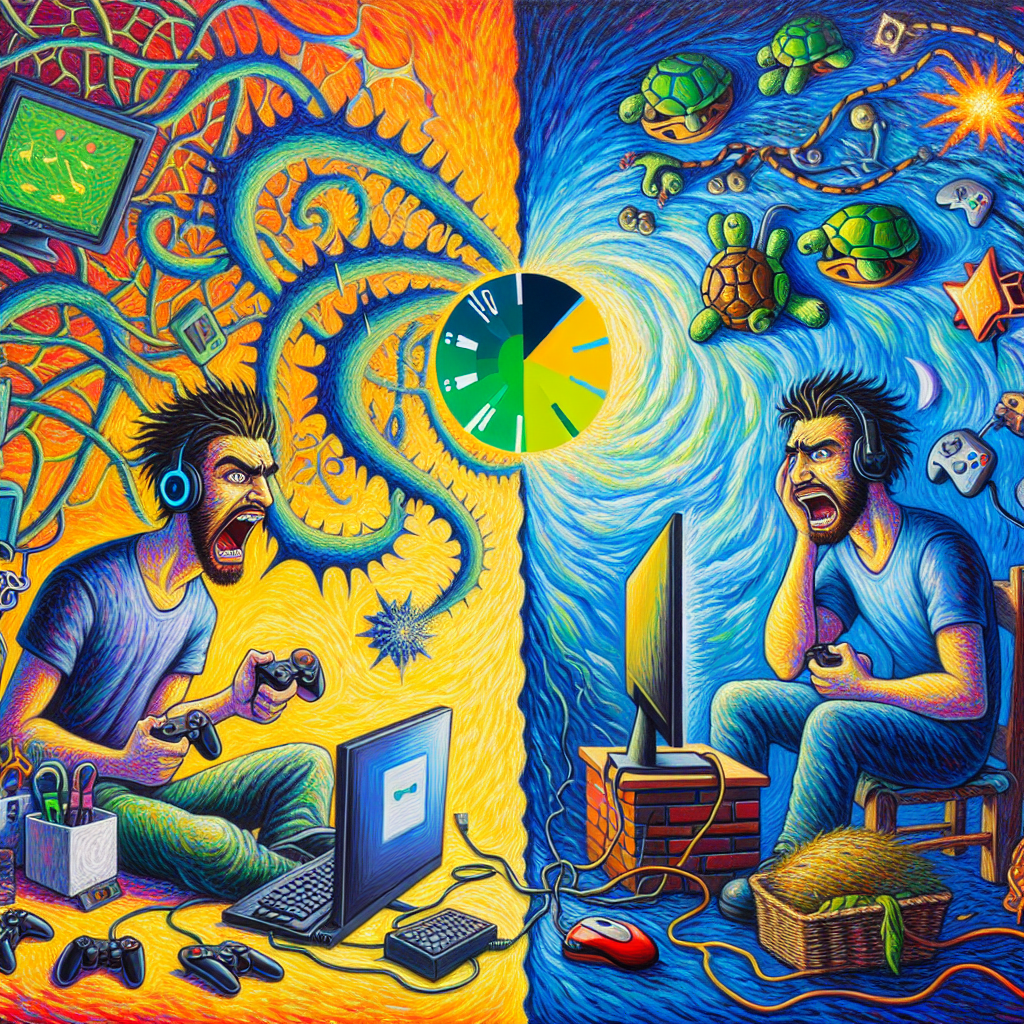
In a world where technology moves at breakneck speed, we find ourselves navigating the divide between generations—a gap that’s equal parts cultural and emotional. Boomers yearn for simplicity, a time when games were played with a deck of cards and the biggest concern was who would take home the prize at the local fair. For them, the joy was in gathering around a tabletop, the laughter echoing through a room filled with cherished memories. That nostalgia is what anchors them; it’s about the experience, not overwhelming choices.
On the flip side, here comes Gen Z, the digital natives who’ve grown up in a nonstop stream of information, where games are played across myriad platforms. They demand ubiquity—access to everything, anytime, and anywhere. It isn’t just about playing the game; it’s about connecting, sharing, engaging in a global conversation that can change in an instant. For them, the world is one big interactive canvas, and every swipe, click, and tap is a brushstroke in their digital masterpiece.
So, what does this mean for both sides? For Boomers, there’s an innate wisdom to embrace: simplicity doesn’t have to fade away. In fact, it can act as a grounding force for the dizzying rush of modern life. Sharing stories over a game of cards can remind us of what truly matters—connection, laughter, and shared moments that stand the test of time.
For Gen Z, the challenge lies not in dismissing the past but in building bridges. It’s about taking that thirst for connectivity and applying it to foster real bonds in an ever-expanding digital landscape. It’s about amplifying voices, standing up for each other, and leveraging technology to cultivate community rather than division.
Imagine a world where Boomers and Gen Z unite to create a hybrid experience: the tactile pleasure of board games meeting the excitement of a live-streamed tournament. It’s not merely a collision of generations but a vibrant dance of values, where love for simplicity meets the hunger for connectivity.
In that shared space, we find trust—not just in technology, but in each other. Two worlds colliding, forging a path where neither party has to sacrifice their identity, all while reaping the benefits of collaboration. Let’s take a cue from the games we played, and continue the conversation. Each generation has something to offer; it’s time to learn from one another.

Boomers Like Simplicity, Gen Z Demands Ubiquity – the Cross-Platform Divide
Boomers Like Simplicity, Gen Z Demands Ubiquity – the Cross-Platform Divide
- The generational divide is both cultural and emotional, with Boomers seeking simplicity and Gen Z thriving on digital connectivity.
- Boomers cherish nostalgic experiences like card games, focusing on connection and shared memories rather than overwhelming choices.
- Gen Z, as digital natives, desire immediate access to information and view the world as an interactive platform for sharing and engagement.
- Boomers can embrace simplicity as a grounding force amidst modern life’s complexities, fostering connections through storytelling.
- Gen Z should focus on building bridges with previous generations, using their connectivity to foster real bonds and community.
- A potential collaboration exists where Boomers and Gen Z merge traditional games with technology, creating hybrid experiences.
- By learning from one another, both generations can preserve their identities while benefiting from collaboration and mutual understanding.

Boomers Like Simplicity, Gen Z Demands Ubiquity – the Cross-Platform Divide
Table Of Contents
- Boomers Like Simplicity, Gen Z Demands Ubiquity – the Cross-Platform Divide
- What Makes Simplicity So Appealing to Your Daily Life?
- How Does Having Everything At Your Fingertips Change Your Priorities?
- Why Do We Feel Overwhelmed By too Many Choices and Options?
- How Can We Bridge the Gap Between Simplicity and Digital Ubiquity?
- How Do Your Preferred Platforms Reflect Your Values and Beliefs?
- What Stories Can We Share to Connect Boomers and Gen Z Over Tech?
- Is There a Way to Simplify Digital Experiences Without Losing Access?
- Conclusion
- Other Resources
- Glossary Of Terms
- Other Questions
- Haiku
- Poem
- Checklist
What Makes Simplicity So Appealing to Your Daily Life?
Imagine waking up to a day that feels like a breath of fresh air. The aroma of coffee fills the kitchen, while the sun casts golden rays that dance on your favorite chair. This is the beauty of simplicity—a call to slow down and embrace the essentials of life. In a world where complexity reigns, simplicity stands as a silent hero, coaxing us to reclaim the precious moments that slip through our fingers like sand.
Why is simplicity so appealing? It speaks to our hearts, reminding us of what truly matters: connection, joy, and peace. Think about the last time you sat down to play games with family or friends. Those moments of laughter and friendly competition weave a tapestry of memories that enrich our lives. The simplicity of gathering around a board game or a backyard barbecue fosters an unspoken bond that strengthens relationships. It’s in these shared experiences where we find common ground and celebrate our shared humanity.
Rationally, simplicity reduces stress. When we simplify our environments and routines, we eliminate unnecessary distractions that can overwhelm our minds. Have you ever had that nagging feeling of being buried under an avalanche of to-do lists? Simplifying your schedule allows you to prioritize what’s essential. It opens up space for reflection and creativity, letting your heart and mind breathe. When you tackle only what’s in front of you, you can focus your energy on making thoughtful decisions instead of getting lost in a sea of choices.
Ethically, embracing simplicity means taking accountability for our impact on the world. By choosing to live more intentionally, we advocate for sustainability and mindfulness. Every small action, from opting for a less complicated lifestyle to supporting local businesses, sends a ripple effect through our communities. It builds trust and confidence—not just within ourselves but among the people we interact with. We arrive at a point where our values align with our actions.
In a society that often equates complexity with status, remember this: the true luxury lies in finding beauty and joy in the simplest things. So, let’s strip away the excess and seek clarity. Together, we can inspire each other to embrace simplicity—not just as a choice, but as a way of life that enriches our daily experiences and connects us all.

What Makes Simplicity So Appealing to Your Daily Life?
What Makes Simplicity So Appealing to Your Daily Life?
- Waking up to simple pleasures like coffee and sunlight highlights the beauty of simplicity.
- Simplicity encourages us to slow down and cherish the essential moments in life.
- Shared experiences, like playing games or having barbecues, strengthen our relationships.
- Simplifying our environments reduces stress by eliminating distractions and overwhelming to-do lists.
- Focusing on the essentials opens up space for reflection, creativity, and thoughtful decision-making.
- Embracing simplicity involves taking accountability for our impact on the world and advocating for sustainability.
- True luxury lies in finding joy in simple things, inspiring us to adopt simplicity as a way of life.

What Makes Simplicity So Appealing to Your Daily Life?
How Does Having Everything At Your Fingertips Change Your Priorities?
In a world where everything is just a swipe away, the question of priorities becomes more pertinent than ever. It’s easy to get lost in the glow of our screens, where the allure of endless entertainment and instant gratification can overshadow the meaningful pursuits of life. Consider the games we play—both digital and in real life. Each level, each challenge, reflects the choices we make, and how we prioritize our time.
Imagine a young adult, immersed in the latest blockbuster video game, racing against the clock to achieve virtual accolades. Meanwhile, vital life skills—like cooking a meal from scratch, learning to connect with others, or even just taking a moment to breathe—languish in the periphery. The excitement of an immediate reward can drown out the quieter, yet deeply fulfilling experiences that build character and resilience. When we make entertainment our priority, we risk missing out on life’s most enriching moments.
It’s not just about the personal experience, either. Our culture influences us from all sides. Social media, filled with curated highlights of others’ lives, sets unrealistic benchmarks and encourages a constant comparison. This narrative shapes our values, prompting us to chase after the shiny and superficial while neglecting the substantial and meaningful. Yet, creeping into our hearts is the notion that deep connections and authentic experiences hold far more value than a high score on a leaderboard.
John, a past client of mine, turned to gaming as a refuge from his day-to-day challenges. However, through therapeutic work, he discovered that the thrill of the game wasn’t solving the deep-seated issues he was grappling with. With guidance and a willingness to step outside his comfort zone, John re-prioritized his life, investing time in real relationships, volunteering in the community, and taking up new hobbies. As he shifted focus, he found fulfillment that no virtual victory could replicate.
Having everything at our fingertips can be a double-edged sword. If we’re not careful, it may dictate our values and distract us from what truly matters. It’s upon each of us to reclaim our time, deciding what deserves our attention and what fosters real connection. Let’s not be mere consumers in this vast digital marketplace; instead, let’s be creators of our destinies, making conscious choices that reflect our authentic selves. In that intentionality lies the key to not just existing, but thriving.

How Does Having Everything At Your Fingertips Change Your Priorities?
How Does Having Everything At Your Fingertips Change Your Priorities?
- The prevalence of screens and entertainment can obscure meaningful life pursuits.
- Engaging in games may distract from developing essential life skills and experiencing real fulfillment.
- Social media fosters unrealistic comparisons, promoting superficial values over deep connections.
- Personal stories, like John’s, illustrate the need for prioritizing real-life relationships and activities over virtual achievements.
- Having easy access to entertainment can lead to distraction from what truly matters in life.
- It’s crucial to reclaim our time and focus on creating authentic connections.
- Intentional choices and actions can lead to a fulfilling life beyond mere existence.

How Does Having Everything At Your Fingertips Change Your Priorities?
Why Do We Feel Overwhelmed By too Many Choices and Options?
Why do we feel overwhelmed by too many choices and options? It’s a question that gnaws at the very core of our decision-making lives, often leaving us paralyzed when faced with a sea of possibilities. Imagine standing in front of a wall of games, each one flashing promises of joy, challenge, and connection, yet somehow, instead of excitement, you’re struck with uncertainty. What was once a chance for fun becomes a daunting task, one that feels heavier with every option.
At the heart of this maze lies a simple truth: choice is inherently overwhelming. In our world, we’ve been told that more choices lead to more freedom. Yet, as we sift through endless options—be it picking a movie, selecting a dinner, or deciding on a career path—we often find ourselves drowning in a deluge of possibilities that paralyze rather than liberate. The burden of perfection weighs heavily on us. What if we make the wrong choice? What if we miss out on something better just by choosing A over B? It’s a mental tug-of-war that robs us of decisive clarity and leaves us second-guessing our instincts.
This emotional rollercoaster can affect us deeply, leading to indecision and regret. Cognitive science backs this up, revealing that as the number of choices increases, our satisfaction with any single choice tends to plummet, even when we select something perfectly fine. We’re left searching for an aperture to escape the shadows of doubt that cloud our judgment. This isn’t just theoretical; it touches the very fabric of our everyday lives, from the smallest decisions to the life-altering ones that define our paths.
Ethically, there’s a responsibility to slow down and connect with our choices. It’s about quality over quantity, focusing on what resonates with our values and desires. Trust in your intuition can guide you—don’t let the dizzying array of options create a barrier between you and the fulfilling life you seek. Start with your gut; focus on what truly matters to you, and you might just find clarity in the chaos of options.
Lastly, remember that you’re not alone in this struggle. Many of us are navigating the intricate dance of choices—a shared experience that unites us in our humanity. So, let’s embrace the challenge and inspire each other to strike a balance between the thrill of options and the peace of informed, mindful decisions. Embrace the freedom of choosing wisely, and take it one thoughtful decision at a time.
Why Do We Feel Overwhelmed By too Many Choices and Options?
Why Do We Feel Overwhelmed By too Many Choices and Options?
- Overwhelming choices create paralysis in decision-making, causing uncertainty instead of excitement.
- Having more options can lead to feeling trapped rather than liberated, complicating decisions like picking a movie or career.
- The fear of making the wrong choice adds mental pressure, leading to indecision and second-guessing.
- Cognitive science shows that as choices increase, satisfaction with any single choice decreases.
- It’s important to focus on quality over quantity in decision-making, aligning choices with personal values and desires.
- Trust your intuition to navigate through overwhelming options and find clarity in chaos.
- Many people struggle with choice overload, highlighting our shared human experience and the need for mindful decision-making.

Why Do We Feel Overwhelmed By too Many Choices and Options?
How Can We Bridge the Gap Between Simplicity and Digital Ubiquity?
In a world bursting at the seams with digital complexity, it’s no wonder that many of us yearn for simplicity. Think about the last time you took a step back from the chaos—a moment to breathe and appreciate the beauty of what truly matters. In that precious pause, you realize that simplicity isn’t just a luxury; it’s a necessity, a universal language that transcends age, background, and experience.
Just as children engage with games in their purest form—without layers of confusion—adults too can benefit from returning to the basics. Remember the exhilaration of a well-played game? A time when rules were clear, objectives were defined, and success hinged not on technological prowess, but on human connection and understanding. Reinvigorating this spirit might be the key to bridging the gap between a dazzling digital landscape and the human desire for simplicity.
Now, pause for a moment and consider this: what if we cultivated a mindset where technology serves us, rather than the other way around? Picture a world where every new app or platform enhances quality of life rather than complicating it. Ethically, we owe it to ourselves and future generations to demand technology that aligns with our basic human needs. We should embrace tools that encourage real conversations, foster creativity, and simplify our lives instead of throwing us deeper into the digital whirlpool.
But how do we inspire change? By channeling our collective energy towards building communities that prioritize clarity over chaos. Share your stories—those moments when technology truly made life easier or when it fell short of providing genuine connections. These narratives, woven together, create a powerful tapestry that resonates with others.
When we gather around that shared experience, we empower one another, inviting innovative thinkers to join the conversation. Together, we can influence the direction of technology, ensuring that it adapts to our needs rather than dictating our behaviors. By acting as patrons of simplicity, we collectively guide the digital world into creating spaces that are not only efficient but also welcoming and engaging.
So, let’s champion a movement that honors simplicity amid the avalanche of digital ubiquity. Let’s engage our hearts, challenge our minds, and rally our guts. It’s time to reclaim simplicity as not just a goal, but as a fundamental right for all.

How Can We Bridge the Gap Between Simplicity and Digital Ubiquity?
How Can We Bridge the Gap Between Simplicity and Digital Ubiquity?
- In a digitally complex world, simplicity is a fundamental necessity, not a luxury.
- Taking breaks from chaos allows appreciation for what truly matters.
- Adults can benefit from returning to the basics, similar to how children engage with simple games.
- Technology should enhance quality of life, serving humans rather than complicating their lives.
- We need to cultivate a mindset that prioritizes clarity and real conversations over chaos.
- Sharing experiences can empower communities and inspire innovative thinking in technology.
- We should champion a movement that values simplicity as a fundamental right for all.

How Can We Bridge the Gap Between Simplicity and Digital Ubiquity?
How Do Your Preferred Platforms Reflect Your Values and Beliefs?
When you scroll through your social media feeds or choose which streaming service to dive into next, have you ever paused to consider what those choices say about who you are? The platforms we embrace often serve as a mirror, reflecting values and beliefs that run deep within us. It’s not just about entertainment; it’s about connection, community, and understanding the world through our own lens.
For many, games do not merely function as a pastime. They serve as narratives that teach resilience, teamwork, and determination—qualities that resonate deeply with our intrinsic values. Whether it’s strategizing a win in a competitive arena or collaborating with a team to conquer challenges, these experiences foster growth and promote vital life skills. Ask yourself: are you drawn to competition because you believe in meritocracy and hard work? Or do you prefer cooperative experiences because they align with your belief in empathy and community?
Rationally, our choices in platforms can be driven by more than just pleasure—they’re often grounded in how we process information and make sense of our surroundings. If you find yourself gravitating toward news outlets that emphasize unbiased reporting, perhaps you value integrity and truth. Conversely, choosing platforms that cater to specific ideologies may illustrate a desire for camaraderie and affirmation in your beliefs.
Ethically, we must also confront the larger implications of our platform choices. Are you supporting content that respects creators and promotes diversity? The platforms you endorse speak to your commitment to fairness and the principles of equality. This decision has the power to foster change—an inspiring thought that tugs at our collective conscience.
In a world bombarded with information, narratives have the power to unite us. When we share and engage with content reflecting our beliefs, we create communities built on trust and authenticity. Picture this: gatherings formed around shared gaming experiences, discussions sparked by binge-worthy series, or even thoughtful debates arising from an impactful documentary. These platforms enable connections that transcend geographical boundaries.
In choosing your platforms, you choose your tribe. You establish a narrative that says, “This is what matters to me.” So, take a moment, reflect on your digital footprints, and recognize the profound influence they wield—not just over you, but also on the world around you. Your choices can inspire action, cultivate understanding, and reinforce the very essence of who you are and what you believe in.

How Do Your Preferred Platforms Reflect Your Values and Beliefs?
How Do Your Preferred Platforms Reflect Your Values and Beliefs?
- Choices on social media and streaming services reflect individual values and beliefs.
- Games serve as narratives that teach resilience, teamwork, and determination.
- Preferences in competition vs. cooperation may align with personal beliefs in meritocracy or empathy.
- Platform choices are influenced by how we process information and seek to make sense of the world.
- Supporting diverse content shows commitment to fairness and equality.
- Narratives help create communities based on trust, authenticity, and shared experiences.
- Your digital choices define your identity and can inspire change in the world around you.

How Do Your Preferred Platforms Reflect Your Values and Beliefs?
What Stories Can We Share to Connect Boomers and Gen Z Over Tech?
When you think about it, technology isn’t just a series of tools—it’s a bridge, linking generations through stories and shared experiences. For Boomers, those early days of computers and the Internet were like discovering a new frontier. Imagine sitting in a room filled with blinking lights and whirring hard drives, conversing with one another about the wonders of dial-up connections. They lived through the evolution of tech, and those memories are treasures worth sharing.
Now, let’s shift gears and consider Gen Z. This generation was practically born with a smartphone in hand, navigating the digital landscape with finesse. They live in a world where information is instant, where creativity explodes in colorful videos and interactive games. While the tools may differ, the underlying desires remain the same: connection, expression, and community.
Think about storytelling as a universal language. When a Boomer recounts their first experience with a computer game—maybe it was Pac-Man or Space Invaders—the fascination in their eyes resonates with a Gen Z-er who battles through levels on the latest platform. This isn’t just nostalgia; it’s an invitation to engage. It beckons youth to listen, and it encourages Boomers to reflect on the marvels of evolution.
And here’s where it gets really interesting. By sharing stories about games as cultural milestones, Boomers can provide insights into the evolution of technology. They can discuss how these games weren’t just pastimes, but were shaping social interactions and engineering creativity, laying groundwork for the immersive worlds Gen Z embraces today.
Imagine a gathering where diverse groups pull up chairs and open the floodgates of storytelling. Each story shared isn’t just a tale; it’s a lesson in adaptability, resilience, and the ethical dilemmas tech presents—lessons that resonate regardless of age. The conversation transitions from shared memories to nuanced discussions about data security, online personas, and the responsibilities of living in a digital age.
As we consider our collective experiences, let’s make space for connection. Authenticity is key. Share those heartwarming, funny, and even tragic moments surrounding technology, and watch as generational gaps shrink, trust builds, and a thriving tapestry of collaboration emerges. Foster that connection, cultivate understanding, and inspire curiosity about the tech that shapes our lives. It’s not just about technology; it’s about us—together, learning, growing, and evolving.

What Stories Can We Share to Connect Boomers and Gen Z Over Tech?
What Stories Can We Share to Connect Boomers and Gen Z Over Tech?
- Technology serves as a bridge linking generations through shared stories and experiences.
- Baby Boomers experienced the early days of computers and the internet, creating cherished memories.
- Gen Z navigates a digital landscape with smartphones, embracing instant information and creativity.
- Storytelling acts as a universal language that connects Boomers and Gen Z through shared experiences.
- Boomers can offer insights into the evolution of technology through stories about gaming as cultural milestones.
- Conversations around technology foster lessons in adaptability, resilience, and ethical considerations.
- Emphasizing authenticity and shared experiences helps build trust and collaboration across generations.

What Stories Can We Share to Connect Boomers and Gen Z Over Tech?
Is There a Way to Simplify Digital Experiences Without Losing Access?
When we think about digital experiences, it’s easy to get lost in the bells and whistles—those flashy designs, cutting-edge features, and endless options that tech often throws our way. But what if we stripped it all back? What if the true essence of these experiences lies not in complexity but in simplicity? This isn’t about ditching capabilities; it’s about enhancing connection.
Imagine for a moment a young child with a gaming console. When they pick up a controller, they don’t care about the intricate mechanics behind the scenes. They’re there to connect, to play with friends, and to immerse themselves in a story. This single-minded focus on enjoyment can teach us something profound. Digital experiences shouldn’t leave us feeling overwhelmed or disconnected; instead, they should beckon us to engage and explore. Let’s face it: if your average user feels like they need an instruction manual to access what should be a joy, something’s seriously off.
It’s a balancing act—a delicate dance between functionality and user-friendliness. We must ask ourselves: how can we create environments that invite rather than intimidate? This is where ethics comes into play. Are we prioritizing user experience, or are we merely chasing after the latest trends? Every new feature implemented should strengthen the bond between technology and its users, not complicate it.
We’ve all been there—clicking around, trying to decipher a labyrinth of menus just to find what we need. The frustration builds, turning potential joy into a task. But by making digital spaces more intuitive, we empower everyone—from tech-savvy teens to seniors learning to navigate the web. It’s about fostering inclusivity and ensuring no one gets left behind.
What if, instead of a wall of options, we provided a warm welcome with a clear path? By sharing stories of how simple solutions solve everyday problems, we foster a sense of community and shared experience. Everyone deserves to feel confident when they dive into the digital world, and it starts with us—developers, designers, users—recognizing the importance of simplicity. Let’s reclaim our digital experiences and redefine them as tools for connection, creativity, and joy. When we simplify without sacrificing access, we don’t just make life easier; we make it richer.

Is There a Way to Simplify Digital Experiences Without Losing Access?
Is There a Way to Simplify Digital Experiences Without Losing Access?
- Digital experiences should prioritize simplicity over complexity to enhance user connection.
- Users, like young children with gaming consoles, seek enjoyment and connection rather than intricate mechanics.
- Overwhelming digital experiences can disconnect users; the goal should be to engage and explore.
- Functionality must be balanced with user-friendliness to create inviting environments.
- Each new feature should strengthen the bond between technology and users rather than complicate it.
- Intuitive digital spaces empower a diverse audience, fostering inclusivity for all skill levels.
- By sharing simple solutions and fostering community, we can redefine digital experiences as tools for connection and creativity.

Is There a Way to Simplify Digital Experiences Without Losing Access?
Conclusion
Navigating the digital landscape today feels like steering a ship through a storm of choices, yet we’re all, regardless of our generation, trying to reach the same shore: connection and understanding. For Boomers, simplicity serves as the anchor, grounding them in cherished memories and face-to-face interactions. Remember gathering around a game of cards? Those moments were all about connection—uncomplicated, warm, and meaningful. In contrast, Gen Z thrives in a world filled with options, flitting across platforms like bees from flower to flower, seeking engagement and immediacy in their digital dialogues. They crave not just access but a cohesive connection that transcends geographical borders and traditional barriers.
Bridging this divide isn’t merely about merging old with new; it’s about recognizing that each generation holds the keys to the other’s heart. Boomers can remind us all of the joy found in simplicity, while Gen Z brings to the table a bold vision for connectivity. Imagine a harmonious blend where a roundtable discussion about digital platforms reflects mutual values, illustrating how those digital tools can foster authentic relationships rather than isolate us in our screens.
The world is bursting with choices, yet this abundance can become a labyrinth, leaving us overwhelmed rather than empowered. The cognitive burden of decision-making is real, and as we sift through infinite options, satisfaction often takes a back seat. Let’s optimize our choices by drawing from our collective experiences. Stories—those beautiful, messy narratives of connection—can guide us through this chaos, offering insights that help us sift the relevant from the extraneous.
Ultimately, ethical technology use should focus on minimizing overwhelm and maximizing simplicity without sacrificing access. Are we really using tech to enhance our lives, or are we allowing it to dictate how we engage with each other? We owe it to ourselves and the future to craft spaces that uplift us and forge real connections. Each of us can play a part in creating a narrative that champions clarity over chaos, ethics over expediency.
So let’s gather our stories, embrace our similarities amid differences, and foster a culture that unites Boomers and Gen Z. It’s time to engage our hearts, challenge our minds, and embrace the shared human experience that binds us all together in this vast sea of technology.

Conclusion
Conclusion:
- Navigating the digital landscape involves a quest for connection and understanding across generations.
- Boomers value simplicity, focusing on cherished memories and direct interactions.
- Gen Z thrives on a wide array of digital options, seeking immediate engagement and cohesive connections.
- Bridging generational divides requires recognizing that both Boomers and Gen Z can learn from each other.
- Excessive choices can lead to overwhelm, making decision-making burdensome and reducing satisfaction.
- Ethical technology use should prioritize simplicity and authentic connection without sacrificing access.
- Collective storytelling can guide us towards clarity and unite Boomers and Gen Z in the digital realm.

Conclusion
Other Resources

Other Resources
Here is a list of other resources you can review online to learn more:
- Alchemists
- Goliath Games
- Hearts
- DriveThruRPG
- Rahdo Runs Through
- Sherlock Holmes Consulting Detective: The Thames Murders & Other Cases
- Asmodee
- GAMA
- GMT Games
- Amigo
- Nemesis
- Odnoklassniki
- 2F-Spiele
- Dominion
- Arkham Horror: The Card Game
- Sushi Go!
- Mombasa
- Czech Games Edition
- The Dice Tower
Use This Prompt To Get More Resources With Your Favorite Online AI Tool: Please provide me with a list of online articles with their URLs in a bulleted list that I can read regarding Boomers Like Simplicity, Gen Z Demands Ubiquity – the Cross-Platform Divide

Other Resources
Glossary Terms
Boomers Like Simplicity, Gen Z Demands Ubiquity – the Cross-Platform Divide – Glossary Of Terms
1. Boomers: Individuals born between 1946 and 1964, known for valuing straightforward, user-friendly experiences.
2. Gen Z: Demographic cohort born from the mid-to-late 1990s to the early 2010s, characterized by a preference for seamless digital integration.
3. Simplicity: The quality of being easy to understand or use, favored by Boomers in technology and communications.
4. Ubiquity: The state of being present everywhere at the same time, sought after by Gen Z in digital interactions and content accessibility.
5. Cross-Platform: Technology or applications that operate across multiple platforms (e. g. , iOS, Android, web), essential for meeting diverse user preferences.
6. User Experience (UX): The overall experience a user has with a product or service, emphasizing ease of use and satisfaction.
7. Digital Native: A person who has grown up immersed in technology and the internet, typical of Gen Z.
8. Accessibility: The design principle that ensures products are usable by people of varying abilities, essential for inclusivity.
9. Multimedia: The use of multiple forms of media, such as text, audio, video, and interactive content, appealing to Gen Z’s diverse consumption habits.
10. Engagement: The level of interaction and involvement a user has with content or a product, often measured in digital contexts.
11. Simplicity Bias: The tendency to prefer straightforward designs and functions, often seen in Boomers’ interactions with technology.
12. Instant Gratification: The desire for immediate responses or results that Gen Z has grown accustomed to in the digital age.
13. Interactivity: The capability of a platform or medium to respond to user input, enhancing user engagement and satisfaction.
14. Digital Divide: The gap between those with easy access to technology and those without, impacting different generations’ experiences.
15. Serendipity: The occurrence of events by chance in a happy or beneficial way, which can be fostered by user-friendly design.
16. Adaptability: The ease with which a user can adjust to new technologies or changes, significant for bridging generational gaps.
17. User-Centric Design: An approach to product development that focuses on the needs and preferences of users, especially important for both Boomers and Gen Z.
18. Content Consistency: The uniformity of experience and messaging across various platforms, crucial for meeting Gen Z’s expectations.
19. Social Media: Platforms that enable users to create and share content or participate in social networking, favored by Gen Z.
20. Silos: Isolated networks or systems that can hinder seamless access, often seen as obstacles for Gen Z’s desire for ubiquity.
21. Feedback Loop: A process where users provide input that influences future decisions or designs, crucial for improving user experience.
22. Customization: The ability to modify features or layouts to meet personal preferences, appealing to the desires of both generations.
23. Seamless Integration: The smooth connection of different systems or technologies, important for satisfying Gen Z’s demand for convenience.
24. Visual Hierarchy: The arrangement of design elements to guide users’ attention, important in creating simplicity for Boomers.
25. Mobile-First: Designing for mobile devices before considering desktop, reflecting the habits of younger generations.
26. Data-Driven: Approaches that rely on data analysis to inform decisions or improvements, enhancing user satisfaction.
27. Brand Loyalty: The tendency for consumers to continue buying the same brand due to positive experiences, which can vary between generations.
28. Trend Adoption: The willingness to embrace new trends or technologies, often quicker among younger users like Gen Z.
29. Content Diversity: A broad range of media types and formats used to engage users, aligning with Gen Z’s varied interests.
30. Technology Fatigue: The mental strain that can occur from constant exposure to technology, particularly affecting older users like Boomers.

Glossary Of Terms
Other Questions
Boomers Like Simplicity, Gen Z Demands Ubiquity – the Cross-Platform Divide – Other Questions
If you wish to explore and discover more, consider looking for answers to these questions:
- What are some examples of simplicity in technology that appeal to Boomers?
- How can Gen Z leverage their digital skills to connect with Boomers?
- What specific features do Boomers find most overwhelming in current technology?
- How do generational differences in technology usage impact family relationships?
- What role does nostalgia play in Boomers’ interactions with technology?
- How can communities foster intergenerational dialogue about technology?
- What strategies can help Gen Z appreciate the value of simplicity in daily life?
- How do advertising and marketing strategies target different generations in the digital age?
- Are there successful case studies of companies bridging the generational digital divide?
- How can simplicity in user interface design enhance cross-generational engagement?
- What are the ethical implications of prioritizing digital simplicity for diverse user groups?
- How can storytelling be effectively utilized to bridge the generational gap in digital literacy?

Other Questions
Haiku
Boomers Like Simplicity, Gen Z Demands Ubiquity – the Cross-Platform Divide – A Haiku
Boomers seek the past,
Gen Z craves connection fast.
Unite tales to last.

Haiku
Poem
Boomers Like Simplicity, Gen Z Demands Ubiquity – the Cross-Platform Divide – A Poem
In the whirlwind of time and tech, two worlds collide,
Boomers seek simplicity, where cherished memories abide.
Gathered ‘round the card table, laughter fills the air,
While Gen Z craves ubiquity, in digital realms they dare.
A tapestry of moments woven through the years,
Where games once breathed connection, now nostalgia stirs our fears.
Boomers reminisce of times when choices felt so sweet,
Yet Gen Z races forward, where every swipe’s a feat.
Let us bridge this generational chasm, hand in hand,
Embracing both the tactile joy and vast, digital expanse so grand.
For in this dance of values, in the stories that we share,
We find the pulse of life together, inviting hearts to care.
As screens flicker with distractions, we must reclaim our gaze,
To prioritize what truly matters, in this dizzying digital maze.
With every choice a reflection of the truths that we uphold,
Let’s reflect on platforms chosen, the values they unfold.
Through storytelling’s embrace, may wisdom guide our way,
Sharing tales of past and present, in the light of a new day.
Let tech serve as our vessel, not a weight that weighs us down,
For in the space of simplicity, true joy and peace are found.
So let’s gather ‘round with open hearts, where laughter intertwines,
A movement for connection, as the light of kindness shines.
Together, we can craft a world where simplicity’s the key,
A haven for both Boomers and Gen Z—where all can truly be free.

Poem
Checklist
Boomers Like Simplicity, Gen Z Demands Ubiquity – the Cross-Platform Divide – A Checklist
Checklist: Bridging the Gap Between Generations in the Digital Landscape
Heart Appeals: Emotional Connection
_____ Reflect on personal memories of connection and simplicity from your childhood.
_____ Share a story about a game or activity that brought family or friends together.
_____ Identify one small activity (e. g. , family game night) to prioritize for fostering relationships.
Head Appeals: Rational Thought Process
_____ Assess a recent decision made: Did it result from too many choices? Analyze the outcome.
_____ Evaluate your daily digital interactions. Are they fulfilling or overwhelming?
_____ List your core values and match them with the platforms you engage with most.
Gut Appeals: Intuitive Feelings
_____ Tune into your feelings around technology: Do you feel empowered or drained?
_____ Trust your instincts when navigating choices—practice making decisions based on intuition rather than analysis paralysis.
_____ Take a moment to breathe and simplify your next decision-making process: what feels right?
Ethical Appeals: Values-Based Decision Making
_____ Consider the impact of your digital choices on the community: Are you supporting ethical content and platforms?
_____ Identify one change you can make that aligns with your values (e. g. , choosing local or sustainable options).
_____ Reflect on how your lifestyle choices contribute to broader societal values and norms.
Authority Appeals: Learning from Experts and Narratives
_____ Seek out an article or resource that discusses generational differences in digital engagement.
_____ Attend a workshop or listen to a podcast that addresses bridging generational gaps in technology.
_____ Share insights and personal narratives from diverse generations on effective technology use.
Social Appeals: Connecting with Others
_____ Initiate a conversation with someone from a different generation about their digital preferences and experiences.
_____ Organize a community or family event to discuss technology’s role in our lives and share stories.
_____ Create a platform (online or offline) for cross-generational dialogue, highlighting shared tech-related experiences.
Practical Steps for Implementation
_____ Schedule a weekly reflection time to analyze your digital consumption and its emotional impact.
_____ Create a ‘Simplicity’ goal for the month, focusing on reducing overwhelming choices in your life.
_____ Foster collaborations or creative projects that involve both Boomers and Gen Zers, merging experiences with technology.

Checklist
At HowDoYouGame, we help people who love board games by collating information and news about games.
Be sure to read our other related stories at HowDoYouGame to learn more about games.