Unlocking The Potential: Rethinking Video Games
By Tom Seest
At HowDoYouGame, we help people who love board games by collating information and news about games.
Be sure to read our other related stories at HowDoYouGame to learn more about games.
Are You Risking Your Future By Dismissing Video Games?
Let’s get real for a moment. We’re living in a world where video games are no longer just the pastime of teenagers holed up in their parents’ basements. Oh no, my friends, the landscape has changed. Today, video games are a driving force in innovation, education, and even business. So, if you’re sitting there dismissing these digital realms as mere distractions, you might be missing out on a golden opportunity that could reshape your future.
Take a minute to consider gamification. That’s right, harnessing game elements in non-game contexts isn’t just a buzzword tossed around in meetings; it’s transforming how we learn, work, and engage with our surroundings. Whether it’s through training simulations at work or apps that reward us for hitting fitness goals, the principles of what makes video games fun and rewarding are seeping into every aspect of our lives. The psychological hooks—scoreboards, leveling up, and the thrill of achieving seemingly impossible tasks—are being used to motivate us in ways that traditional methods simply cannot match.
Now, let’s talk about the younger generation. They’re growing up with these mechanics and principles ingrained in their everyday lives. The kids who are diving into games are not just indulging in mindless entertainment; they’re developing critical thinking skills, working collaboratively in teams, and honing their problem-solving abilities. When you dismiss video games as frivolous, you’re not just overlooking a leisure activity; you’re undermining a comprehensive learning platform that cultivates essential skills for the future workforce.
Think about it: next time you roll your eyes at the latest gaming trend, ask yourself what you might be overlooking. If you want to be relevant in a rapidly changing world, it’s time to plunge into what makes video games tick. Embrace this unconventional tool, and you may just find new ways to enhance creativity and resilience in your life and the lives of those around you.
So before you brush off the gaming world as just pixels and noise, consider what these virtual landscapes can teach us. Expand your mind, engage with the game, and let it guide you to new horizons. The future is waiting—and it’s more exciting than you could ever imagine.

Are You Risking Your Future By Dismissing Video Games?
Are You Risking Your Future By Dismissing Video Games?
- Video games have evolved from a teenage pastime to a significant force in innovation, education, and business.
- Gamification is transforming learning, work, and engagement through game elements in non-game contexts.
- Psychological hooks in games (scoreboards, leveling up) motivate individuals in unique ways compared to traditional methods.
- The younger generation develops critical thinking, teamwork, and problem-solving skills through gaming experiences.
- Video games serve as a comprehensive learning platform, cultivating essential skills for future workforce needs.
- Engaging with video games may enhance creativity and resilience in personal and professional life.
- Exploring the lessons from the gaming world can lead to new insights and opportunities for the future.

Are You Risking Your Future By Dismissing Video Games?
Table Of Contents
- Are You Risking Your Future By Dismissing Video Games?
- Are Video Games Truly A Waste Of Time?
- What Benefits Do Video Games Offer?
- How Do Video Games Impact Cognitive Skills?
- Can Gaming Improve Problem-Solving Abilities?
- What Role Do Video Games Play In Social Connections?
- Are There Career Opportunities In The Gaming Industry?
- How Do Video Games Influence Creativity?
- Conclusion
- Other Resources
- Glossary Of Terms
- Other Questions
- Haiku
- Poem
- Checklist
Are Video Games Truly A Waste Of Time?
When the chatter around the dinner table turns to the latest video game, it’s easy to roll your eyes and dismiss it as a frivolous pastime. After all, aren’t these digital escapades just a way for kids to waste hours in front of a screen? But before we toss these experiences onto the “waste of time” pile, let’s take a moment to flip the script.
Video games have come a long way from the simplistic beeps and boops of the past. Today, they are a tapestry of complex narratives, immersive worlds, and yes, even life lessons. The advent of gamification—a fancy term for applying game-design elements in non-game contexts—has redefined how we view this medium. Imagine using game mechanics to encourage teamwork in a corporate setting or increase engagement in educational programs. There’s a reason major universities and corporations are adopting these techniques.
Think of it this way: just like a great book or an engaging film, video games offer not just entertainment but also a chance to explore emotions, develop empathy, and think strategically. They create intricate worlds where cooperation, competition, and critical thinking reign supreme. Players often find themselves tackling challenges that require a blend of logic, creativity, and social skills. These activities can cultivate qualities that are invaluable in real-world scenarios.
Consider the friendships forged through multiplayer experiences. These connections are genuine; they’re formed through shared victories and defeats, perhaps even across oceans. Remember that time you fought a dragon alongside someone you’ve never met in person? That’s more than just “wasting time”—that’s building camaraderie, boosting your social skills, and expanding your worldview.
Now, I’m not saying you should abandon your responsibilities for a controller. Balance is vital. But rather than banishing video games to the outskirts of productivity, why not embrace the potential they offer? Perhaps you could pick up a game that piques your interest and experience how it can enhance your problem-solving skills or even motivate you to master the art of teamwork.
In a world increasingly driven by technology, there’s an opportunity to leverage these experiences for growth. So, the next time someone tosses out the claim that video games are a waste of time, take a breath, and consider this: maybe it’s not about the game itself, but how you choose to engage with it. Embrace the journey; you might be surprised at where it leads you.

Are Video Games Truly A Waste Of Time?
Are Video Games Truly A Waste Of Time?
- Video games have evolved from simple pastimes to complex narratives and immersive experiences.
- Gamification applies game-design elements in non-game contexts, enhancing teamwork and engagement.
- Video games promote emotional exploration, empathy development, and strategic thinking.
- Players engage in challenges that combine logic, creativity, and social skills, preparing them for real-world scenarios.
- Multiplayer experiences foster genuine friendships and social connections across distances.
- Balance between gaming and responsibilities is crucial; video games can enhance problem-solving and teamwork skills.
- Engaging thoughtfully with video games can lead to personal growth and unexpected opportunities.

Are Video Games Truly A Waste Of Time?
What Benefits Do Video Games Offer?
Let’s take a moment to explore the world of video games, a realm that often gets a bad rap for its reputation. Sure, there are headlines that villainize the medium, but have you ever taken a close look at the benefits gaming can provide? It’s more than just pixelated adventures and high scores; it’s a multifaceted playground that offers countless opportunities for growth and learning.
At their core, video games introduce something called gamification—a fancy term that essentially means taking the elements of gaming and applying them to daily tasks. This concept transforms mundane experiences into engaging challenges. Ever found yourself motivated to tackle a chore because you imagined it as a level in a game? That’s the secret sauce of gamification! By making everyday responsibilities fun, video games foster creativity and problem-solving skills that can spill over into real life.
Let’s not forget the social aspect. In today’s world, connection is key, but it’s not always easy to forge relationships. Multiplayer games create a common ground. They bring friends and strangers together, forming bonds over shared victories and defeats. You may find yourself strategizing with a buddy across the country or teaming up with someone halfway around the world. Those moments foster teamwork, communication, and a sense of community—skills that are invaluable off-screen.
And there’s another layer: cognitive benefits. Studies show that playing video games can improve critical thinking and spatial awareness. Think of a puzzle game that requires you to fit pieces together under a time limit; it’s not just entertainment; it’s a workout for your brain! These skills can spill over into academic performance and workplace environments, proving that those late-night gaming sessions can have real-world payoffs.
Now, I get it. Some may still raise an eyebrow at the idea of planting oneself in front of a screen. But when approached with intention, video games can become a powerful tool for learning and personal development. So, if you’ve been hesitant to dive into this digital world, consider giving it a shot. Whether you’re tackling challenges solo or teaming up with friends, you might just discover a treasure trove of benefits in this dynamic and engaging experience. Embrace the journey; you’ve got nothing to lose and a whole lot of potential to gain!

What Benefits Do Video Games Offer?
What Benefits Do Video Games Offer?
- Video games offer more than entertainment; they provide opportunities for growth and learning.
- The concept of gamification makes mundane tasks engaging and motivates individuals to tackle responsibilities.
- Gaming fosters creativity and problem-solving skills that transfer to real-life scenarios.
- Multiplayer games enhance social connections, creating bonds over shared experiences.
- Video games promote teamwork, communication, and community-building skills.
- Playing video games can improve critical thinking and spatial awareness, benefiting academic and professional environments.
- When approached intentionally, video games can be powerful tools for learning and personal development.

What Benefits Do Video Games Offer?
How Do Video Games Impact Cognitive Skills?
When we think of video games, many of us might conjure up images of pixelated heroes battling their way through fantastical worlds. But beneath that vibrant surface lies a compelling reality: video games can actually enhance our cognitive skills. Yes, you read that right. These digital arenas aren’t just about high scores and flashy graphics. They’re also arenas for mental gymnastics that can sharpen our minds in a way we might not fully appreciate.
Let’s start with gamification. This isn’t just a buzzword; it’s a method that takes the engaging aspects of gaming—like rewards, challenges, and goals—and applies them to everyday tasks. Think about it. When you’re playing a game, you’re constantly learning to adapt your strategies, managing resources, or solving puzzles. This kind of immersive experience fosters analytical thinking. Your brain is not just being entertained; it’s actively training. In fact, studies suggest that players of strategy-based games often exhibit enhanced problem-solving skills and improved attention spans.
But it doesn’t stop there. Action games can significantly boost your hand-eye coordination and reaction times. Picture yourself weaving through obstacles or outmaneuvering opponents; those quick decision-making skills are transferable to real-life situations, whether you’re driving down a busy street or navigating a complex project at work. It’s like a mental workout, where each session builds your cognitive resilience just as lifting weights builds muscle.
Now, for those who might dismiss gaming as mere child’s play, consider this: it’s just as beneficial for adults. Every time we press those buttons or swipe on a screen, we’re engaging in a brain-healthy activity. It becomes a shared experience that can foster deep connections with friends and family—after all, who hasn’t found themselves engaged in a spirited debate about the best gaming strategies or the latest leaderboard?
So, the next time you dive into your favorite game, remember you’re not just playing; you’re honing skills that enrich your mind, boost your confidence, and perhaps even enhance your day-to-day life. It’s all about finding a balance—embracing the challenge and the fun. That playful engagement could be the ticket to boosting your cognitive prowess, one level at a time. So, why not take a moment, put down that skepticism, and immerse yourself in this unique blend of entertainment and self-improvement? The world of gaming might just surprise you!

How Do Video Games Impact Cognitive Skills?
How Do Video Games Impact Cognitive Skills?
- Video games enhance cognitive skills beyond mere entertainment.
- Gamification applies gaming’s engaging aspects to everyday tasks, fostering analytical thinking.
- Strategy-based games improve problem-solving skills and attention spans.
- Action games boost hand-eye coordination and reaction times, transferable to real-life situations.
- Gaming is beneficial for both children and adults, promoting brain health.
- Playing games fosters connections and discussions among friends and family.
- Engaging in gaming can improve skills that enrich daily life and boost confidence.

How Do Video Games Impact Cognitive Skills?
Can Gaming Improve Problem-Solving Abilities?
Alright, let’s break this down. You might think of gaming as just pixels flashing across the screen or a way to escape into another world for a few hours. But here’s the kicker: it’s also a playground for our brains—a space where strategy and creativity converge in the most unexpected ways. Yes, I said it—gaming can actually hone your problem-solving abilities, and the science is catching up to what many have instinctively known for years.
Imagine this: you’re deep in a quest, navigating through labyrinthine levels filled with obstacles, puzzles, and a few surprises thrown in for good measure. Every decision matters; every twist in the storyline is a fresh challenge begging for a solution. This is where gamification comes in. It’s not just a buzzword; it’s a powerful tool that transforms mundane tasks into engaging, competitive experiences. Think of it as your personal coach urging you to climb that mountain, but instead of sweat and exhaustion, you gain skills that extend far beyond the screen.
Consider the educational benefits of both traditional games and serious simulations designed specifically for skill-building. Kids learning math in the form of a role-playing game are not only more engaged, but they’re also refining their analytical thinking. When the stakes are low—like knowing that your character is going to be set back a few levels instead of, say, the fate of the world—your brain is free to explore various approaches without the fear of monumental consequences. Every failure is just a stepping stone, a way to iterate on your strategy and come back stronger.
And let’s face it: real life can sometimes feel like navigating a minefield without a map. Developing problem-solving skills through gaming isn’t just about having fun; it’s about building resilience, boosting creativity, and enhancing critical thought. Whether it’s unraveling a mystery in an online multiplayer or figuring out how to gather resources efficiently in a strategy game, each moment spent in these immersive environments equips you with tools to tackle challenges outside your screen.
So the next time someone dismisses gaming as a waste of time, remind them that you’re actually crafting skills for the real world. With every round played, you’re not just leveling up a character—you might be leveling up yourself. Embrace the experience, challenge the norms, and let your gaming journey lead you to sharpen those problem-solving abilities. Go ahead, press start.

Can Gaming Improve Problem-Solving Abilities?
Can Gaming Improve Problem-Solving Abilities?
- Gaming is more than entertainment; it enhances brain function through strategy and creativity.
- Games provide a space for honing problem-solving abilities, backed by scientific research.
- Gamification transforms mundane tasks into engaging experiences, fostering skill development.
- Educational games engage children and improve their analytical thinking and learning processes.
- Low-stakes environments in games allow for exploration of various strategies without fear of failure.
- Gaming builds resilience, boosts creativity, and enhances critical thinking skills applicable to real life.
- Embrace gaming as a means to develop skills that transfer beyond the screen and into everyday challenges.

Can Gaming Improve Problem-Solving Abilities?
What Role Do Video Games Play In Social Connections?
You know, there’s something special that happens when we dive into the vibrant worlds of video games. It’s more than just hitting the right buttons or amassing points; it’s about the connections we forge along the way. Gaming has transformed from a solo pastime into a communal experience, offering a realm where friendship and teamwork can flourish, even among strangers.
At its core, video gaming harnesses the power of gamification—a technique that takes mundane tasks and transforms them into engaging challenges. Think about it: every quest, every leaderboard, every unlockable item is not just a feat to boast about; it’s a bridge to connect with others. We rally together to tackle difficult missions, strategize over shared objectives, or compete against one another, each click of the mouse or tap of a controller drawing us closer. It’s like a high-stakes rendezvous where, despite the digital distance, we start to share not just victories, but stories, victories, and even the occasional setback.
The impact is profound. Imagine the quiet kid in the corner of the classroom who suddenly becomes a commander-in-chief online, leading a team from across the globe. Or consider the parents bonding with kids over a gaming session rather than a traditional board game—laughing, strategizing, and, yes, sometimes even arguing, but all in good fun. Each game, whether it’s a massive multiplayer online game or a small indie title, offers a unique backdrop where relationships bloom.
Furthermore, platforms have emerged that cater specifically to nurturing these connections. Communities sprout around favorite titles, with forums, streams, and social media groups acting as the digital campfires where stories are shared, tips are exchanged, and ideas are born. This isn’t just about pixels on a screen; it’s about tapping into a shared passion that transcends geographical boundaries.
Critics may argue that gaming isolates us, but when you look a little closer, you’ll see a different narrative. It’s not about where you are physically; it’s about who you connect with emotionally. So, let’s embrace this phenomenon and remember that every match, every quest, is an opportunity to reach out and make a connection. After all, in this ever-evolving digital age, the true essence of gaming often comes down to one simple truth: it’s not just about winning the game; it’s about building relationships along the way.

What Role Do Video Games Play In Social Connections?
What Role Do Video Games Play In Social Connections?
Here’s a bulleted summary of the provided text, formatted as an HTML list:
- Video games create vibrant worlds that foster connections beyond just gameplay.
- Gaming has evolved from a solo activity to a communal experience, promoting friendship and teamwork.
- Gamification transforms mundane tasks into engaging challenges, linking players through shared goals.
- Players worldwide collaborate on missions, strategize, and share their stories, including victories and setbacks.
- Video games provide unique bonding experiences for families and friends across different generations.
- Online platforms foster communities around games, allowing players to share experiences and tips.
- Despite criticism of gaming as isolating, it serves as a means for emotional connection and relationship building.

What Role Do Video Games Play In Social Connections?
Are There Career Opportunities In The Gaming Industry?
Picture this: you’re sitting in a café, a buzzing hub of creativity where ambition thrives. The scent of roasted coffee fills the air, and a group of friends is huddled around laptops, immersed in animated discussions about the next big gaming phenomenon. Now, what’s the silent star of this scene? That’s right—the gaming industry, where passion meets opportunity and creativity knows no bounds.
Let’s break it down. The world of gaming isn’t just about being a programmer or designer. It’s a vast landscape teeming with diverse roles that can cater to a multitude of skills and interests. Ever thought about combining your knack for storytelling with catch-your-breath gameplay? Enter game writing and narrative design, where your words can shape entire worlds. Or how about the pulse of any project—the dedicated producers and project managers who ensure that every pixel shines? From quality assurance testers poring over every detail to marketing specialists crafting campaigns that rival blockbuster films, the industry needs skilled hands—and keen minds—everywhere.
And here’s where it gets even more interesting: the rise of gamification. That’s right! Gamification isn’t just a buzzword; it’s reshaping entire sectors beyond gaming. Businesses are looking for innovative ways to engage their employees and customers through game-like experiences. If you’ve got a flair for creating engaging training programs or motivating strategies that can spark enthusiasm, then your skills are in demand. Imagine creating systems that make learning fun or developing apps that turn mundane tasks into exhilarating challenges.
The gaming industry isn’t just a static avenue; it’s a dynamic and ever-evolving realm, where creativity and technology meld to create experiences that break conventions. The best part? You don’t have to be an elite gamer to find your footing here. The key is to recognize your unique talents and be willing to dive into something new.
So, if you’re drawn to the idea of contributing to this captivating universe, don’t hesitate—explore your options. Whether it’s through education, online courses, or even networking with industry professionals, there’s a whole world waiting for you to leave your mark. Opportunities abound, just waiting for someone with passion and grit to seize them. So strap in and get ready; adventure lies ahead in the world of gaming!

Are There Career Opportunities In The Gaming Industry?
Are There Career Opportunities In The Gaming Industry?
- The gaming industry is a dynamic hub blending creativity and opportunity.
- There are diverse roles beyond programming and design, catering to various skills and interests.
- Game writing and narrative design allow storytellers to shape immersive experiences.
- Producers and project managers play crucial roles in ensuring the success of gaming projects.
- Gamification is transforming sectors beyond gaming, creating demand for engaging training and motivational strategies.
- Recognizing your unique talents can help you find your place in the gaming industry.
- Exploring educational options and networking can lead to new opportunities in this captivating field.

Are There Career Opportunities In The Gaming Industry?
How Do Video Games Influence Creativity?
Let’s face it, the world of video games is often seen as a guilty pleasure. And sure, we’ve all heard the stern lectures about screen time and the myths surrounding the addiction debate. But here’s an interesting twist: video games can stir the creative spirit in ways that might surprise you. So, put that judgment aside for a moment and hear me out.
Imagine this: you’re navigating a labyrinthine fantasy world, solving puzzles and overcoming challenges. Every task completed not only moves you one step closer to victory but also fires up the brain’s creative engines. This is where gamification comes into play. Picture it like this—your everyday tasks suddenly get an upgrade, transformed into levels and quests. You’re not just tidying your room; you’re battling the ever-looming “Clutter Monster.” The very act of framing mundane activities as a game can unlock new angles of thought. It encourages a mindset where problem-solving becomes second nature.
Games often require players to think outside the box, to strategize and innovate. You might be tasked with building a structure in a sandbox world or crafting a solution to a quirky riddle. This process sharpens one’s ability to ideate and enhances divergent thinking. When you throw yourself into these interactive environments, you’re not just fiddling with controllers; you’re weaving a tapestry of creativity.
Furthermore, let’s not ignore the social aspects. Many games foster collaboration, where players must communicate and brainstorm together to overcome obstacles. This teamwork nudges creativity along like a gentle push down a hill. You’re not dwelling in isolation; you’re in a connected community, fervently sharing ideas and perspectives.
It’s compelling to realize that while you’re immersed in a virtual world, you’re also exercising vital skills that translate beautifully into real life. Whether it’s enhancing your ability to innovate at work, tackle challenges with a fresh perspective, or even ignite artistic pursuits, that creativity is alive and kicking—thanks in part to all those hours spent adventuring in pixelated landscapes.
So, before you dismiss gaming as mere entertainment, consider its hidden potential. Maybe it’s not just a pastime; perhaps it’s a gateway to unlocking the creative genius within you. So, pop in your favorite game, take a leap into the unknown, and watch as your imagination flourishes like never before.

How Do Video Games Influence Creativity?
How Do Video Games Influence Creativity?
- Video games are often viewed as a guilty pleasure, but they can stimulate creativity.
- Navigating fantasy worlds and solving puzzles can ignite the brain’s creative processes.
- Gamification transforms mundane tasks into engaging levels and quests, boosting problem-solving skills.
- Games encourage outside-the-box thinking, enhancing ideation and divergent thinking abilities.
- Collaboration in many games promotes teamwork, fostering creativity through shared ideas.
- Playing video games can translate into real-life benefits, improving innovation and artistic pursuits.
- Consider gaming not just as entertainment, but as a potential pathway to unlocking creativity.

How Do Video Games Influence Creativity?
Conclusion
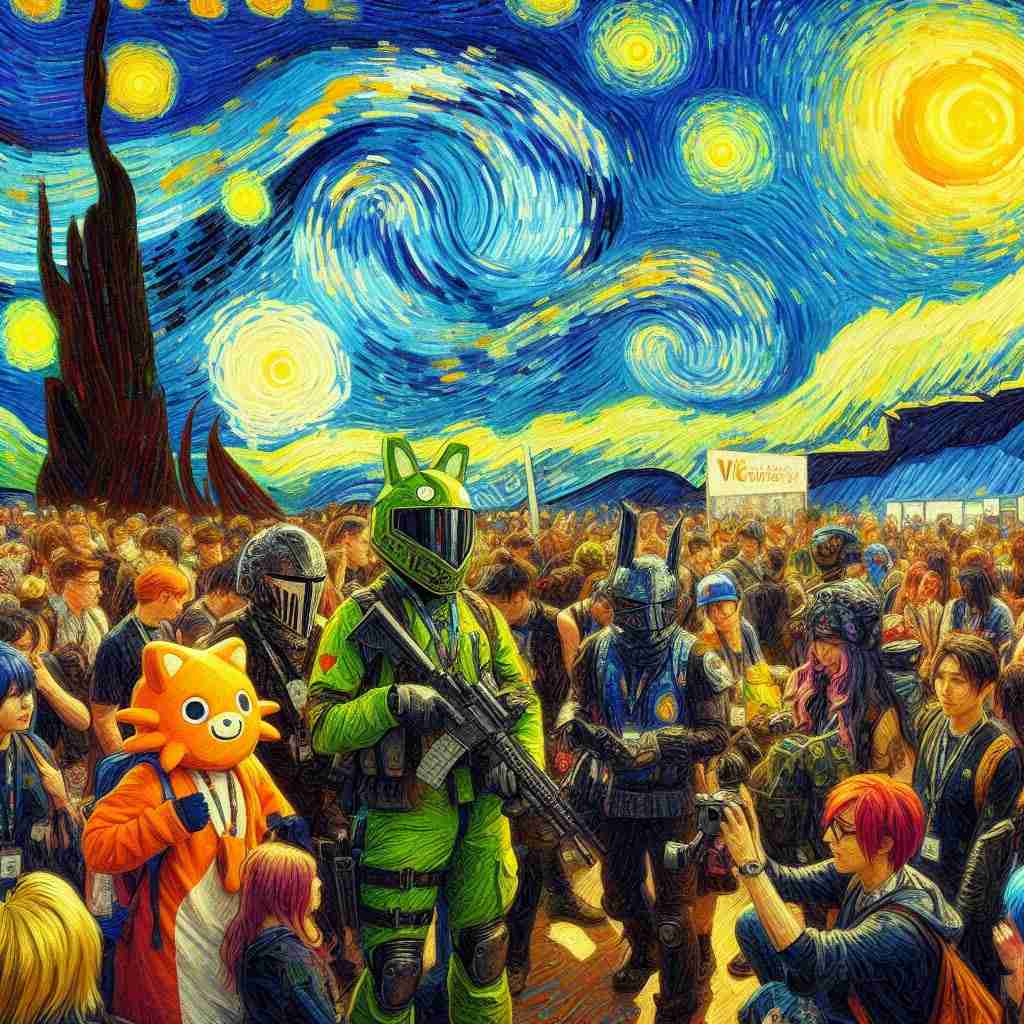
As we wrap up this exploration into the multifaceted world of video games, let’s take a moment to clear away the haze of misconceptions and poke at the core truth: video games are not just a frivolous pastime; they are powerful tools for personal and societal growth. If you’re still harboring a perception of gaming as a mere distraction, it’s high time to rethink that stance. The game has changed—literally.
In today’s tech-driven landscape, video games are emerging as platforms for innovation, creativity, and even education. Think about gamification; this isn’t just corporate fluff—it’s a legitimate force reshaping how we engage in learning and work environments. From training simulations that spice up your professional life to fitness apps that make you sweat while leveling up your character, the playful elements of gaming are infiltrating aspects of our lives in ways that challenge old-fashioned views of what productivity looks like.
Moreover, consider our youth, immersed in these digital universes. Far from languishing in their parents’ basements, today’s gamers are gearing up for the future. They’re developing critical skills—teamwork, problem-solving, and analytical reasoning—skills that will be indispensable in tomorrow’s workforce. Just pause and ask yourself: what is lost when we dismiss this generation’s gaming experiences as trivial entertainment?
Now, let’s not overlook the social connections video games foster. They act as a great equalizer, bridging gaps between people from diverse backgrounds via shared quests and challenges. Multiplayer gaming isn’t just about competition; it’s about camaraderie—that undeniable bond formed over victories, defeats, and sometimes the ridiculousness of virtual gameplay. In a world increasingly defined by isolation, these electronic connections can have real-world implications that enrich our social fabric.
And guess what? The gaming industry is booming. It isn’t merely about being a gamer; it’s a vast ocean of career opportunities, from programming and design to writing and marketing. So if you’ve got a passion for storytelling or tech, the gaming industry is calling your name.
The bottom line is simple—video games are not the enemy; they’re potential allies in our quest for creativity, connection, and cognitive prowess. So rather than dismissing video games as pixelated noise, take a leap of faith, dive in, and you just might find yourself navigating through new realms of possibility. Embrace the journey, and who knows where it could lead? The future awaits, and it’s more vibrant than you can imagine.

Conclusion
Conclusion:
- Video games are powerful tools for personal and societal growth, not just a frivolous pastime.
- The gaming landscape is changing, becoming platforms for innovation, creativity, and education.
- Gamification is reshaping learning and work environments, making them more engaging and productive.
- Today’s youth are developing critical skills like teamwork, problem-solving, and analytical reasoning through gaming.
- Video games foster social connections, bridging gaps between diverse individuals and promoting camaraderie.
- The gaming industry offers vast career opportunities, including programming, design, writing, and marketing.
- Video games can enhance creativity, connection, and cognitive skills; embracing them can lead to new possibilities.
Conclusion
Other Resources

Other Resources
Here is a list of other resources you can review online to learn more:
- Dungeon Lords
- Love Letter
- IELLO
- Spirit Island
- Star Realms
- Amigo Spiele
- Dead of Winter: A Crossroads Game
- Boardgames.com
Use This Prompt To Get More Resources With Your Favorite Online AI Tool: Please provide me with a list of online articles with their URLs in a bulleted list that I can read regarding Are You Risking Your Future By Dismissing Video Games?

Other Resources
Glossary Terms
Are You Risking Your Future By Dismissing Video Games? – Glossary Of Terms
1. Video Games: Interactive electronic games played on computers, gaming consoles, or mobile devices, encompassing a wide range of genres and styles.
2. Gamification: The application of game-design elements in non-game contexts to engage users and motivate them to achieve their goals.
3. Cognitive Skills: Mental abilities, including attention, memory, reasoning, and problem-solving, that can be influenced and enhanced through gameplay.
4. Multiplayer Online Games: Online games that allow multiple players to interact and compete with each other in real-time, often fostering teamwork and social interaction.
5. Digital Literacy: The ability to effectively and critically navigate, evaluate, and create information using a range of digital technologies, including video games.
6. Career Paths: Various professional opportunities that may arise from gaming skills, including game design, esports management, and digital marketing.
7. Esports: Competitive gaming at a professional level, often involving organized tournaments and sponsorships, reflecting a growing industry within the gaming community.
8. Social Connection: The relationships and engagements that players build through multiplayer games, contributing to a sense of belonging and community.
9. Problem-Solving: The ability to identify solutions to complex challenges presented in games, fostering critical thinking and analytical skills.
10. Skill Transfer: The positive application of gaming skills and strategies to real-world scenarios, including teamwork, strategic planning, and time management.
11. Stress Relief: The use of video games as a form of entertainment or escapism, which can help reduce anxiety and provide a sense of relaxation.
12. Virtual Reality (VR): Immersive technology that allows players to experience and interact with 3D environments, often used for gaming and training simulations.
13. Augmented Reality (AR): Technology that superimposes digital information onto the real world, enhancing gameplay through interactive and immersive experiences.
14. Creativity: The ability to generate new and innovative ideas, which can be enhanced through sandbox games that encourage exploration and experimentation.
15. Diversity and Inclusion: The representation of various cultures, identities, and perspectives in video games, promoting understanding and empathy among players.
16. Motivation: The drive to engage and succeed in gaming, which can lead to improved goal-setting and achievement in both virtual and real-life pursuits.
17. Discipline: The ability to follow through on game strategies and plans, nurturing persistence and dedication in overcoming challenges.
18. Networking: Building professional relationships within the gaming community, which can lead to collaborative opportunities and career advancement.
19. Game Mechanics: The rules and systems that govern gameplay, influencing how participants interact within a game and fostering strategic thinking.
20. Digital Addiction: The overindulgence in gaming that may lead to negative consequences in personal, academic, or professional life, highlighting the need for balance.
21. Competitive Spirit: The drive to excel and achieve success in gaming, which can translate to healthier competition in other areas of life.
22. Community Engagement: The involvement of players in shared experiences and group activities within gaming, strengthening bonds and social skills.
23. User Experience (UX): The overall satisfaction and interaction a player has with a game, which can influence cognitive engagement and learning.
24. Content Creation: The process of producing game-related content, such as streaming, video production, and game design, fostering creative skills.
25. Stress and Anxiety Management: The potential benefits of gaming as a coping mechanism for managing stress or anxiety, promoting mental health awareness.
26. Educational Games: Games specifically designed to teach users about various subjects, incorporating learning objectives with interactive gameplay.
27. Critical Thinking: The ability to analyze situations and make informed decisions, which can be cultivated through complex gameplay scenarios.
28. Time Management: The skill of efficiently organizing and prioritizing one’s time while gaming, applicable to academic and professional settings.
29. Cultural Impact: The influence that video games have on society, including social norms, trends, and communication styles, shaping modern culture.
30. Future Opportunities: Potential career and personal growth paths that can arise from engaging with video games, highlighting the relevance of gaming in contemporary society.

Glossary Of Terms
Other Questions
Are You Risking Your Future By Dismissing Video Games? – Other Questions
If you wish to explore and discover more, consider looking for answers to these questions:
- What are some specific examples of gamification in education?
- How do video games contribute to emotional intelligence?
- What types of cognitive skills can be improved through gaming?
- Can video games support career development and skill acquisition?
- What are the potential negative effects of video games on mental health?
- How do different genres of video games affect players differently?
- What resources are available for those interested in pursuing a career in the gaming industry?
- How can parents balance gaming and other responsibilities for their children?
- What are the most popular multiplayer games that encourage teamwork?
- How can gaming be integrated into corporate training programs?
- What should players be aware of regarding online safety in gaming communities?
- How do cultural differences influence gaming preferences around the world?
- Are there any studies linking video games to improved learning outcomes?
- What role does storytelling play in enhancing the gaming experience?

Other Questions
Haiku
Are You Risking Your Future By Dismissing Video Games? – A Haiku
Digital realms thrive,
Shaping minds, skills, and bonds strong—
Game on, futures bright.

Haiku
Poem
Are You Risking Your Future By Dismissing Video Games? – A Poem
Unlocking Horizons: A Gamer’s Call
In worlds where pixels dance and play,
New realms of thought begin to sway,
Where once dismissed as mere delight,
Lies potential bright as morning light.
Gone are the days of basement gloom,
For in these games, ideas bloom.
From training realms to savvy teams,
They weave our lives with purpose and dreams.
Gamification, the new frontier,
Transforms mundane into something clear;
With scoreboards high and levels to climb,
Motivation blooms, transcending time.
Critical thinking finds its place,
In quests and missions we all embrace,
From puzzles cracked to teamwork strong,
Each victory melds us, where we belong.
In multiplayer, friendships ignite,
Across the world, we unite in might,
Bonded through battles, both fierce and bold,
These connections forge stories untold.
Creativity sparked with every quest,
Problem-solving skills put to the test;
As we navigate these vivid dreams,
We unlock wisdom in collaborative schemes.
And in this vibrant, dynamic sphere,
Careers await, be it far or near.
From storytellers to coders wise,
The industry’s pulse is where passion lies.
So let not the skeptics draw their lines,
Instead, embrace what brilliance defines;
For every game—a lesson profound,
Unlock your future where treasures abound.
So step into the realm, dive headlong,
In the heart of gaming, we each belong.
Not just a pastime, but a gateway true,
To creativity, connection—our dreams come through.

Poem
Checklist
Are You Risking Your Future By Dismissing Video Games? – A Checklist
Checklist: Unlocking the Potential of Video Games
Exploring the Benefits of Video Games
1. Rethink Your Perspective on Video Games
_____ Consider the role video games play in modern society.
_____ Recognize video games as tools for innovation, education, and business.
2. Understand Gamification
_____ Learn what gamification is and how it applies to real-life situations.
_____ Identify examples of how game mechanics (scoreboards, leveling up) can motivate performance.
3. Assess Cognitive Skill Development
_____ Evaluate how gaming can enhance critical thinking, problem-solving, and analytical skills.
_____ Explore how action games improve hand-eye coordination and reaction time.
4. Recognize Social Connections
_____ Reflect on how multiplayer games create connections and foster teamwork.
_____ Consider relationships built through collaborative gameplay, both online and offline.
5. Explore Career Opportunities
_____ Research diverse career paths within the gaming industry.
_____ Investigate how gamification is influencing various sectors, not just gaming.
6. Channel Creativity
_____ Acknowledge how video games can enhance creativity and out-of-the-box thinking.
_____ Consider games as a medium for storytelling and innovative problem-solving.
7. Balance and Moderation
_____ Establish a healthy relationship with video gaming by ensuring balance with responsibilities.
_____ Set personal limits on gaming time and incorporate breaks to prevent burnout.
8. Experiment with Games
_____ Try out different games to see what resonates with you—whether strategic, narrative-driven, or cooperative.
_____ Engage in gaming sessions with friends or family to build connections.
9. Stay Informed and Engaged
_____ Follow industry trends and advancements in gaming for educational and recreational purposes.
_____ Join gaming communities online to exchange experiences, ideas, and strategies.
10. Reflect on Personal Growth
_____ Regularly assess how gaming challenges have contributed to personal development and skill enhancement.
_____ Document experiences and insights gained from gaming to identify areas for continued growth.
Takeaway
Embrace the world of video games not just as entertainment, but as a multifaceted platform for education, connection, and personal development. Explore what new horizons these virtual realms can lead you to!

Checklist
At HowDoYouGame, we help people who love board games by collating information and news about games.
Be sure to read our other related stories at HowDoYouGame to learn more about games.