Unlocking Sharp Minds: The Power Of Creative Challenges For Seniors
By Tom Seest
At HowDoYouGame, we help people who love board games by collating information and news about games.
Be sure to read our other related stories at HowDoYouGame to learn more about games.
Can Creative Challenges Empower Seniors to Stay Mentally Sharp?
Imagine a bustling community center where the air buzzes with excitement and a hint of artistic ambition. In one corner, a group of seniors gathers around a table, paintbrushes in hand, embarking on a creative challenge that’s about more than just splashing paint on canvas. It’s a deliberate act of defiance against the natural aging process, a way for these remarkable individuals to flex their mental muscles and engage in a little gamification of their lives.
Gamification, for those who may not be familiar, is the process of applying game-like elements to non-game contexts to inspire participation and motivation. And let me tell you, it’s not just a tool for kids with video game controllers. Seniors are embracing this trend, blending creativity with competition in unexpected ways. They aren’t just painting for the sake of aesthetics; they’re embarking on artistic quests, vying to create the most inspiring piece, competing in friendly challenges, or collaborating in large community murals.
These creative activities can ignite a spark of joy and foster social connections. Consider this: when was the last time you sat down to paint, draw, or craft something from scratch? The benefits go beyond the mere act itself. Engaging in creative challenges invigorates the brain, calling upon skills such as problem-solving and critical thinking. It keeps the mind nimble, much like a well-oiled machine. Every brushstroke, every twist of clay, pushes the boundaries of memory and imagination—essentially a workout for the brain!
But let’s not forget the role of community. When seniors join forces for these creative challenges, they become a part of something greater than themselves. They laugh, share stories, and, dare I say, compete with the same vigor as a bunch of youngsters on a playground. In these moments, the weight of aging seems lighter, and mental sharpness is no longer a concern—it’s a reality they’re actively crafting.
In an age where digital distractions abound and loneliness can creep in like an unwanted guest, these creative challenges are a clarion call for engagement. So, whether it’s through painting, pottery, or poetry, let’s encourage and celebrate the creativity of our seniors. After all, age may be a number, but the mind can remain vibrant and engaged—rich with ideas and inspired by the very act of creation. So grab a brush, gather your friends, and let’s get to work!

Can Creative Challenges Empower Seniors to Stay Mentally Sharp?
Can Creative Challenges Empower Seniors to Stay Mentally Sharp?
- A vibrant community center buzzes with seniors engaging in artistic activities as a creative challenge.
- Gamification inspires participation and motivation by incorporating game-like elements into non-game contexts.
- Seniors blend creativity and competition through artistic quests, friendly challenges, and community murals.
- Engaging in creative challenges sparks joy and fosters social connections among participants.
- Creative activities invigorate the brain, enhancing problem-solving and critical thinking skills.
- Working together on creative projects allows seniors to share stories and laughter, alleviating the weight of aging.
- Encouraging seniors to express creativity highlights that age doesn’t have to diminish mental vibrancy and engagement.

Can Creative Challenges Empower Seniors to Stay Mentally Sharp?
Table Of Contents
- Can Creative Challenges Empower Seniors to Stay Mentally Sharp?
- What Types Of Creative Activities Are Most Beneficial For Seniors?
- How Do Creative Challenges Affect Cognitive Decline In Older Adults?
- Can Art And Music Improve Memory For Seniors Facing Dementia?
- How Can Caregivers Encourage Seniors To Participate In Creative Tasks?
- What Are Examples Of Successful Creative Projects For Older Adults?
- Can Regular Creative Engagement Lead To Improved Well-Being In Aging?
- Conclusion
- Other Resources
- Glossary Of Terms
- Other Questions
- Haiku
- Poem
- Checklist
What Types Of Creative Activities Are Most Beneficial For Seniors?
When it comes to keeping our senior citizens engaged, it’s all about harnessing those creative juices. You see, the golden years don’t have to mean a dull existence. In fact, vibrant activities can breathe new life into everyday routines. Believe it or not, the right creative outlets can offer mental stimulation, that much-needed social interaction, and even a dash of joy that gives a wink to the infamous fountain of youth.
So, what activities pack the most punch? Let’s dive into some big winners.
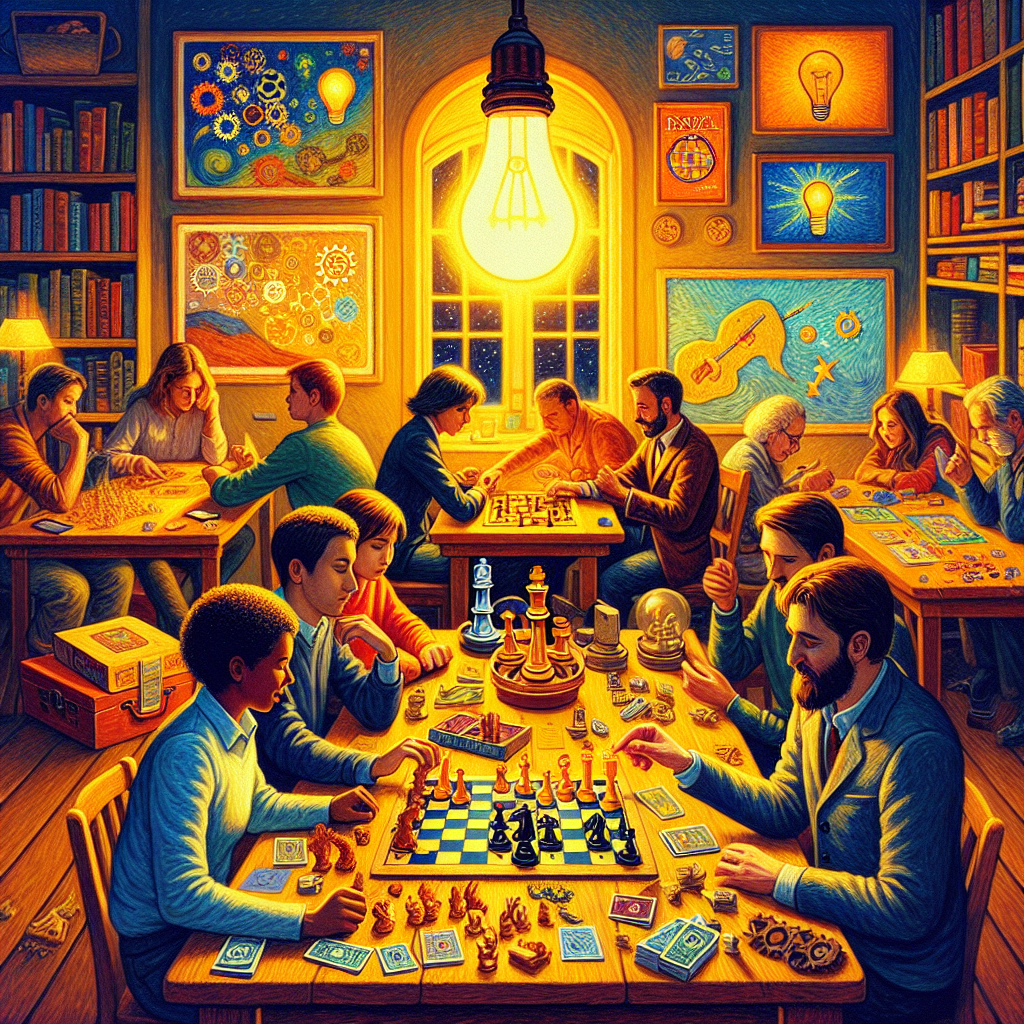
First up, arts and crafts. Picture this: an unlikely ensemble of seniors coming together to paint, knit, or even sculpt. It might sound quaint, but these hands-on activities do more than just whip up a good time. They facilitate dexterity and promote fine motor skills, all while allowing participants to express themselves creatively. Plus, the finished product? That’s a badge of honor they get to showcase. And don’t forget, there’s a wonderful layer of gamification that can inject a bit of friendly competition into the group. Bingo typically gets a lot of love, but mixing it up with art-based games can get those creative wheels turning in new ways.
Writing also deserves a standing ovation. Whether it’s journaling, storytelling, or poetry, putting pen to paper can be therapeutic. It’s a fantastic way to reflect on a life well-lived and can serve as a bridge to connect with younger generations. Hosting writing groups can transform the solitary act into something collaborative, enriching the process even more. Just imagine the wisdom they have to share!
Musical activities, meanwhile, can strum up memories long buried. Group sing-alongs, musical chairs, or even rhythm exercises can draw on the repetitive nature of music to enhance cognitive function and recall. In this sense, using music as a medium is akin to a time capsule, reminding seniors of moments they hold dear while keeping them engaged.
Lastly, we can’t overlook the role of technology. Yes, it might feel like the world’s moved on, but engaging with digital creativity—be it through photography or graphic design—can help bridge generational divides. Learning platforms that incorporate elements of gamification can keep seniors excited and motivated.
So there you have it: a tapestry of options laid out for seniors to explore. The factor they all share? They’re more than just time-fillers; they’re gateways to connection, expression, and joy in every stroke of the brush or strum of the guitar. Let’s give our seniors the chance to thrive creatively, shall we?
What Types Of Creative Activities Are Most Beneficial For Seniors?
What Types Of Creative Activities Are Most Beneficial For Seniors?
- Creative activities can keep senior citizens engaged and enhance their quality of life.
- Arts and crafts promote dexterity, fine motor skills, and self-expression while fostering social interaction.
- Writing activities like journaling and storytelling facilitate reflection and connection with younger generations.
- Musical activities can enhance cognitive function and recall by evoking memories through group participation.
- Technology, such as photography and graphic design, helps bridge generational divides and encourages digital creativity.
- Engaging with these activities provides mental stimulation and joy, keeping seniors active and connected.
- Overall, these creative outlets offer more than just entertainment; they are pathways to connection and fulfillment.

What Types Of Creative Activities Are Most Beneficial For Seniors?
How Do Creative Challenges Affect Cognitive Decline In Older Adults?
When we talk about cognitive decline in older adults, it’s easy to paint a grim picture. But let’s not get lost in despair. Instead, let’s focus on the bright side, because engaging in creative challenges can be as revitalizing for the brain as a cool breeze on a hot summer day. Picture this: an octogenarian picking up a paintbrush for the first time or diving headfirst into a puzzle. These aren’t just hobbies; they could be subtle acts of defiance against the slow march of decline.
Now, when it comes to how these creative pursuits work their magic, gamification plays a crucial role. It’s that clever twist of incorporating game-like elements into everyday tasks that sparks excitement and engagement. Think back to your own life—how often have you tackled a challenge more vigorously when it felt like a game? Adding that ladder to climb or those points to score makes everything more appealing. Older adults can benefit from gamified creative challenges just as much as the kids—maybe even more. It transforms what’s often seen as ‘work’ into something fun, something to chase.
Engaging in creative activities can boost mental function, enhance problem-solving skills, and foster a sense of accomplishment. It’s like exercise for the brain, and just like physical activities, the mental workout can help stave off cognitive decline. Picture Grandma crafting a quilt or Grandpa learning a new song. With each stitch or note, they aren’t just creating; they’re forging neural connections that could help keep their minds sharp.
Furthermore, participating in group activities can usher in a sense of community. It’s a two-for-one deal. They remain mentally active while also combating the isolation that often accompanies aging. With a little encouragement and some friendly competition—thanks to the magic of gamification—they can challenge themselves and each other, keeping those gears spinning.
Creative challenges serve as a powerful antidote to the fears surrounding cognitive decline. With gamification on the table, there’s a fire ignited within the minds of older adults, proving that age is just a number. So let’s grab those paintbrushes and puzzles; it’s time to not just age but thrive. Because every creative spark holds the potential to illuminate the path forward, one brushstroke at a time.

How Do Creative Challenges Affect Cognitive Decline In Older Adults?
How Do Creative Challenges Affect Cognitive Decline In Older Adults?
- Cognitive decline in older adults can be countered through engaging creative challenges.
- Creative activities, like painting or puzzles, serve as acts of defiance against cognitive decline.
- Gamification—a method of incorporating game-like elements—enhances engagement in tasks.
- Creative activities can boost mental function, improve problem-solving skills, and foster accomplishment.
- Participating in group activities promotes community, reducing feelings of isolation in older adults.
- Gamified challenges encourage friendly competition and keep the mind active.
- Creative pursuits provide an opportunity for older adults to thrive, proving that age is just a number.

How Do Creative Challenges Affect Cognitive Decline In Older Adults?
Can Art And Music Improve Memory For Seniors Facing Dementia?
As we dive into the world of art and music, it’s crucial to understand their profound impact on the minds of seniors, especially those grappling with dementia. Picture this: an elderly individual, once vibrant and full of stories, now struggling to recall simple memories. Amidst the haze of forgetfulness, art, and music emerge as powerful allies. Yes, you heard it right—they can turn the tide against the relentless waves of this cruel condition.
What’s remarkable about these creative forms is how they engage brain functions in ways we’re just beginning to understand. They rekindle lost connections and stimulate areas of the brain associated with memory and mood. Imagine an art session where colors splatter against a canvas, and in that single moment, the chaos of the world falls away. That paintbrush in hand isn’t just crafting a picture; it’s gamification in action, turning what might seem like a mundane activity into an engaging battle against the effects of dementia. The winner? The individual wielding the brush, reclaiming a sense of self.
Music works similarly. The magic that happens when a familiar tune plays can transform an atmosphere, often eliciting smiles, tapping feet, and even shared stories from yesteryears. It’s not just nostalgia. It’s a gateway, igniting neurons and awakening memories that have long been dormant. People can find themselves singing lyrics from decades ago, often surprised by how easily the melodies return, restoring a piece of who they once were.
Research shows that when seniors participate in these creative activities, whether through painting or playing music, their cognitive abilities can improve. This isn’t about curing dementia—let’s be clear—but it’s about enhancing quality of life and fostering moments of clarity and joy amidst the struggle. Engaging in artistic expression helps them connect with others and even with themselves, leading to deeper conversations and shared experiences that keep loneliness at bay.
So how do we incorporate this into daily life for our seniors? Community programs, art classes, and music sessions can bridge the gap, turning the mundane into something meaningful. It’s a call to action for caregivers, families, and communities: embrace the power of art and music. Let’s make every day a chance to spark joy, creativity, and connection—after all, it could just be the lifeline they need to navigate their world with a bit more grace.

Can Art And Music Improve Memory For Seniors Facing Dementia?
Can Art And Music Improve Memory For Seniors Facing Dementia?
- Art and music have a profound impact on seniors, particularly those with dementia.
- These creative forms engage brain functions, rekindling lost connections and stimulating memory and mood.
- Art sessions can provide a therapeutic escape, allowing individuals to reclaim a sense of self.
- Familiar music can transform atmospheres, evoke smiles, and awaken long-dormant memories.
- Participating in creative activities may improve cognitive abilities and enhance quality of life.
- Artistic expression fosters deeper connections and conversations, helping to combat loneliness.
- Community programs, art classes, and music sessions are vital for integrating creativity into seniors’ daily lives.

Can Art And Music Improve Memory For Seniors Facing Dementia?
How Can Caregivers Encourage Seniors To Participate In Creative Tasks?
Encouraging seniors to participate in creative tasks isn’t just about handing them a paintbrush or a sheet of music and calling it a day. It’s about sparking a flicker of interest, igniting that old flame of creativity that life sometimes douses under the weight of daily routines. Caregivers play a pivotal role in this endeavor, and one effective strategy is harnessing the concept of gamification.
Now, you might be wondering what gamification has to do with mixing paint or strumming a guitar. Well, it’s all about transforming ordinary activities into engaging, interactive experiences, making them feel less like chores and more like an adventure. Imagine getting your loved one excited about a craft project by creating friendly competitions, where everyone is a winner. Set up a point system for completing certain tasks, like painting a landscape or crafting a family collage. When the stakes rise—albeit gently and playfully—seniors can feel a sense of purpose and accomplishment that often eludes them in their daily lives.
Participation doesn’t just hinge on the activities themselves; it’s crucial to encourage collaboration. Group projects can foster communication and connection, both of which are vital for emotional well-being. A simple game of ‘team art’ where everyone adds a little something to a shared canvas can not only spark laughter but also create a sense of community. Seniors can showcase their unique creativity while benefiting from the camaraderie that erupts during these sessions.
Let’s not forget the power of storytelling either. Encouraging seniors to connect their creative tasks with personal narratives makes the experience all the more special. Perhaps they can paint their fondest childhood memory or write a poem about a significant life event. When creativity is tied to one’s history, it becomes more than just a pastime; it becomes a bridge to the past, enriching the present.
And remember, patience is key. It’s important to be gentle and understanding, recognizing that some seniors may take longer to warm up to new ideas. Celebrate the small victories, and let them know that it’s not about the final product but the joy of creation itself.
So, there you have it. With a dash of gamification, a sprinkle of collaboration, and a whole lot of encouragement, caregivers can turn creative tasks into an enriching experience that nourishes the spirit and sparks joy in the lives of seniors.

How Can Caregivers Encourage Seniors To Participate In Creative Tasks?
How Can Caregivers Encourage Seniors To Participate In Creative Tasks?
- Encouraging seniors in creative tasks requires igniting their interest and passion for creativity.
- Caregivers play a crucial role in fostering creativity through strategies like gamification.
- Gamification transforms ordinary activities into engaging experiences, making them feel like adventures.
- Implementing friendly competitions and point systems encourages seniors to take part in creative projects.
- Collaboration in group projects promotes communication and connection, enhancing emotional well-being.
- Linking creative tasks with personal stories enriches the experience and connects seniors to their past.
- Patience and understanding are essential, celebrating small victories and focusing on the joy of creation.

How Can Caregivers Encourage Seniors To Participate In Creative Tasks?
What Are Examples Of Successful Creative Projects For Older Adults?
When you think of creative projects for older adults, you might conjure up images of knitting circles or watercolor classes. While those are certainly commendable, let’s dive deeper into the world of creativity—where inspiration knows no age and boundaries blur. Older adults are embracing unique opportunities that tap into their life experience, skills, and even a little bit of gamification to keep things lively and engaging.
Take community gardening as a prime example. Picture this: a group of seasoned green thumbs come together to cultivate a local plot, transforming their community while cultivating their own well-being. Not only do they grow vegetables and flowers, but they also nurture friendships, creating a tapestry of intergenerational connections. They might even integrate a gamified aspect, like friendly competitions for the best produce or the most creative designs—because who doesn’t love a little healthy rivalry?
Then you have the rise of memory cafes—warm, inviting spaces where older adults can gather to share stories, reminisce, and engage in group activities. These gatherings encourage storytelling through art, music, and even dance. Participants often find themselves crafting everything from scrapbooks to personal memoirs, all while enjoying a cup of coffee and reconnecting with their zest for life. By integrating elements of gamification, such as group storytelling challenges or artistic contests, participants are inspired to think outside the box and let their creativity flow.
Another compelling project is digital storytelling workshops tailored for seniors. With technology becoming an ever-present aspect of modern life, these workshops help older adults harness their narratives using digital platforms. Participants learn to create videos, podcasts, or blogs that bring their stories to life. With a sprinkle of gamification here, learners are encouraged to compete for awards based on creativity, storytelling depth, or audience engagement. The rush of competition can spark newfound motivation, allowing participants to engage with technology in an empowering and enriching way.
Finally, don’t overlook the impact of art therapy programs focusing on both critical thinking and creative expression. These programs often incorporate a gamified element where participants work together on projects, set personal goals, and celebrate milestones along the way. Whether it’s painting a mural for a community center or collaborating on an exhibition, the sense of accomplishment can breathe new life into participants.
Creativity isn’t confined to the young—it thrives in the hearts and minds of older adults, offering a vibrant reminder that engaging in the arts, sharing stories, and forming community connections can continue to enrich lives well into later years. So, let’s raise a glass to the creative spirit at any age!

What Are Examples Of Successful Creative Projects For Older Adults?
What Are Examples Of Successful Creative Projects For Older Adults?
- Creative projects for older adults extend beyond traditional activities like knitting and watercolor classes.
- Community gardening allows older adults to cultivate plants while fostering friendships and intergenerational connections.
- Memory cafes provide warm spaces for storytelling and group activities that integrate art, music, and dance.
- Digital storytelling workshops empower seniors to use technology to share their narratives through videos, podcasts, and blogs.
- Gamification elements in these projects encourage friendly competition and motivation among participants.
- Art therapy programs support critical thinking and creative expression while celebrating participant milestones.
- Engaging in creative activities helps older adults enrich their lives and maintain vibrant community connections.

What Are Examples Of Successful Creative Projects For Older Adults?
Can Regular Creative Engagement Lead To Improved Well-Being In Aging?
As we stroll down the often-bumpy road of aging, it’s easy to get caught up in the mundane and repetitive patterns that life tends to throw our way. But here’s a thought: what if injecting a little creativity into our daily routines could serve as a remedy for many issues we face? Think about it—art, music, writing, and yes, even games—these aren’t just pastimes; they’re vital components that can enrich our lives as we age.
Incorporating creative activities into our lives isn’t solely about self-expression; it can also serve as a form of gamification, subtly enhancing our motivation and engagement levels. Remember the last time you felt that rush of excitement when you completed a puzzle or perfected a piece of art? That thrill isn’t confined to a young crowd. For older adults, tapping into their creative side can spark joy and satisfy the spirit. It’s as if we’re offering our minds a challenge, a chance to flex those creative muscles, and in return, we get to cultivate a sense of purpose.
Now, let’s break it down. Research suggests that consistently engaging in creative activities can lead to lower levels of stress and anxiety—a crucial benefit, considering that many seniors face mental health hurdles. The act of creation can bring a sense of accomplishment and fulfillment that transcends age. Whether it’s painting a canvas or participating in a community theatre, these activities don’t just keep us busy—they can enhance cognitive function and improve emotional well-being.
Moreover, being part of a group encourages social interaction. As folks engage in creative projects together, they form connections, share laughter, and build a sense of belonging that’s vital as we age. That’s where creative engagement serves double duty, combating isolation and loneliness while providing a stimulating environment to explore new ideas.
So, whether it’s picking up a guitar, starting a scrapbook, or joining a neighborhood book club, stepping out of our comfort zone can yield surprising benefits. Regularly diving into creative endeavors isn’t about becoming the next Picasso or Shakespeare; it’s about cherishing the simple act of creation. It’s about weaving joy and connection into the fabric of our lives. Ultimately, creativity is a powerful antidote to the challenges that often accompany aging, opening up a world of possibility that can enhance our well-being, one paint stroke or melody at a time.

Can Regular Creative Engagement Lead To Improved Well-Being In Aging?
Can Regular Creative Engagement Lead To Improved Well-Being In Aging?
- Aging can often lead to mundane and repetitive patterns in life.
- Incorporating creativity, such as art and music, can enhance daily routines and address various issues faced in later life.
- Creative activities provide motivation and engagement, sparking joy and a sense of purpose.
- Research indicates that engaging in creative activities can reduce stress and anxiety, benefiting mental health in seniors.
- Participating in creative projects fosters social interaction, combating loneliness and building a sense of belonging.
- Creativity is about enjoyment and connection, not achieving perfection in art or writing.
- Embracing creativity can significantly improve well-being and open up new possibilities as we age.

Can Regular Creative Engagement Lead To Improved Well-Being In Aging?
Conclusion
Alright, my friends, let’s wrap this up with a simple truth about aging: it doesn’t have to be a slow waltz into obscurity—it can be a dynamic dance of creativity and connection, even in our golden years. Picture this: seniors gathering in community centers, not just for a stale cup of coffee, but to immerse themselves in arts and crafts, music, and storytelling. These activities aren’t merely pass-the-time pursuits; they’re a complex tapestry weaving together joy, mental stimulation, and social interaction that keeps the spirit soaring.
You see, engaging in creative challenges is like giving the brain a workout, ushering in problem-solving and critical thinking skills that keep folks sharp. It’s gamification for the soul. Whether tossing paint on canvas, knitting a cozy scarf, or exchanging laughs during ceramics class, those experiences foster community bonds and spark laughter, breathing life into routine. Each brushstroke or note plays its part in pushing back against cognitive decline. It’s like a mental gym session, but with a lot more color.
Let’s not overlook how art and music shine brightly in the lives of those facing challenges like dementia. Imagine a room filled with the sounds of familiar melodies—their smiles saying it all. Art isn’t just decoration; it becomes a lifeline, igniting memories and creating moments of clarity when the fog settles in. Who would have guessed that a simple sing-along could unlock doors to the past, allowing individuals to reclaim pieces of their identities?
Now, caregivers—this is crucial. You hold the keys to this creativity renaissance. Your role isn’t just about handing out paintbrushes or sheet music; it’s about igniting that dormant spark, using a sprinkle of gamification and a lot of encouragement. It’s about fostering an environment that feels less like an obligation and more like an adventure, full of collaboration and camaraderie.
So here’s the call to action: let’s lift the proverbial paintbrush and color outside the lines. Engage our seniors in the arts, encourage storytelling, and embrace the power of community projects. Let’s celebrate the notion that no age is too old to learn or create, because creativity remains a vibrant thread in the fabric of life. Remember—every brushstroke, every note, every shared story is a testament that age is merely a number; the true masterpiece lies in all of us, just waiting to be unleashed!

Conclusion
Conclusion:
- Aging can be a vibrant experience filled with creativity and connection, rather than a decline into obscurity.
- Seniors can engage in arts, crafts, music, and storytelling at community centers, enhancing joy and social interaction.
- Creative activities stimulate the brain, fostering problem-solving and critical thinking skills.
- Art and music can significantly benefit seniors facing challenges like dementia by unlocking memories and emotions.
- Caregivers play a crucial role in encouraging creativity, fostering a supportive and collaborative environment.
- Engaging seniors in artistic pursuits is essential for maintaining mental agility and building community bonds.
- Every creative endeavor demonstrates that age is just a number and that the capacity for creativity exists in everyone.

Conclusion
Other Resources

Other Resources
Here is a list of other resources you can review online to learn more:
- The Gallerist
- Dead of Winter: The Long Night
- Android: Netrunner
- Dead of Winter: A Crossroads Game
- The Broken Meeple
- Roll for the Galaxy
- Z-Man Games
- Pandemic Legacy: Season 2
- Rahdo Runs Through
Use This Prompt To Get More Resources With Your Favorite Online AI Tool: Please provide me with a list of online articles with their URLs in a bulleted list that I can read regarding Can Creative Challenges Empower Seniors to Stay Mentally Sharp?

Other Resources
Glossary Terms
Can Creative Challenges Empower Seniors to Stay Mentally Sharp? – Glossary Of Terms
1. Cognitive Function: The mental processes involved in gaining knowledge and comprehension, including thinking, knowing, memory, and judgment.
2. Creativity: The ability to generate new ideas, approaches, or solutions, often involving imagination and innovation.
3. Mental Sharpness: The state of being mentally alert and able to think clearly and quickly; often associated with quick decision-making and problem-solving.
4. Neuroplasticity: The brain’s ability to reorganize itself by forming new neural connections throughout life, allowing for learning and adaptation.
5. Engagement: Active participation or involvement in activities that stimulate thought and creativity.
6. Art Therapy: A therapeutic practice that uses art as a means to improve mental, emotional, and physical well-being.
7. Brain Games: Activities designed to enhance critical thinking, memory, and problem-solving skills, often in the form of puzzles or interactive exercises.
8. Social Interaction: The process of engaging with others, which can provide cognitive stimulation and emotional support, contributing to mental sharpness.
9. Life Long Learning: The ongoing process of acquiring new skills or knowledge throughout an individual’s life, crucial for cognitive health in seniors.
10. Psychological Well-being: A positive state of mental health, encompassing emotional balance, resilience, and a sense of purpose.
11. Memory Retention: The ability to maintain and recall information over time, which can be supported through creative challenges.
12. Empowerment: The process of gaining confidence and control over one’s own life, often through engaging and fulfilling activities.
13. Mindfulness: The practice of being present and fully engaged in the moment, which can enhance focus and cognitive clarity.
14. Skill Development: The process of improving abilities through practice and experience, essential for artistic and creative pursuits.
15. Cognitive Aging: The natural changes in mental function that occur as individuals age, often involving slower processing speed and memory changes.
16. Resilience: The ability to recover quickly from difficulties, often bolstered by engaging in creative and social activities.
17. Artistic Expression: The use of creative processes, including painting, writing, and music, to express feelings and ideas.
18. Innovation: The introduction of new ideas or methods, which can help seniors approach challenges with a fresh perspective.
19. Community Involvement: Participation in local groups and activities, which can provide both social connections and mental stimulation.
20. Therapeutic Recreation: Structured activities designed to improve health and well-being, often incorporating creativity and physical movement.
21. Cognitive Reserve: The adaptability of the brain, often relating to education and life experiences, which can help mitigate cognitive decline.
22. Self-esteem: The perception and evaluation of one’s self-worth, which can be positively influenced by creative accomplishments.
23. Emotional Expression: The ways in which individuals express their feelings, often enhanced through artistic endeavors.
24. Skill Set: The range of abilities and expertise that an individual possesses, which can be expanded through creative challenges.
25. Generativity: The concern for establishing and guiding the next generation, often resulting in increased life satisfaction for seniors engaged in creative activities.
26. Positive Psychology: The study of what makes life worth living and how individuals can achieve fulfillment, relevant in promoting mental health among seniors.
27. Intergenerational Learning: Exchanges and shared experiences between different age groups that can foster creativity and connection.
28. Dementia: A group of cognitive disorders affecting memory, thinking, and social abilities, where engaging in creative activities can be beneficial.
29. Goal Setting: The process of identifying specific, measurable objectives to enhance motivation and engagement in creative pursuits.
30. Active Aging: The process of optimizing opportunities for health, participation, and security in order to enhance quality of life as individuals age.

Glossary Of Terms
Other Questions
Can Creative Challenges Empower Seniors to Stay Mentally Sharp? – Other Questions
If you wish to explore and discover more, consider looking for answers to these questions:
- What specific benefits do creative challenges provide for seniors?
- How can family members support seniors in engaging with creative activities?
- What are some examples of creative competitions for seniors?
- Are there any scientific studies that back the claims about creativity and cognitive health in seniors?
- What role does technology play in creative engagement for older adults?
- How can creative projects help combat isolation in seniors?
- What resources are available for seniors looking to explore creativity?
- What types of art or music initiatives are being successfully implemented in senior communities?
- How can caregivers help seniors who are resistant to creative tasks?
- Are there age-specific adaptations for popular creative activities?
- What social benefits can arise from group creative activities for seniors?

Other Questions
Haiku
Can Creative Challenges Empower Seniors to Stay Mentally Sharp? – A Haiku
Canvas blooms with life,
Seniors wield brush, joy ignites—
Mind’s sharp edge endures.

Haiku
Poem
Can Creative Challenges Empower Seniors to Stay Mentally Sharp? – A Poem
In the heart of a bustling center, where laughter dances on air,
Seniors gather, vibrant and bold, crafting stories beyond compare.
With paintbrushes poised, and spirits set free,
They embark on a journey, for life’s but a canvas, you see.
A defiance against time’s slowing embrace,
Gamifying their lives, each moment they chase.
Creative challenges spark joy and connection,
A remedy for solitude, a source of affection.
From crafty fingers knitting to rhythm in song,
Each brushstroke and note sings out loud, “We belong!”
With every creation, their minds exercise,
Awakening memories, igniting a fire in their eyes.
Art and music, a dance with the past,
Restoring clarity, as shadows are cast.
In murals and melodies, they rediscover delight,
Finding voices anew, breaking free from the night.
Caregivers nurture this spark, a flicker of flame,
Transforming the ordinary into a joyful game.
Gamification enhances the thrill of the doing,
A canvas of life, with creativity brewin’.
From gardening plots blooming with friendship and cheer,
To memory cafes where stories draw near,
Digital tales weaving legacies bright,
Creating connections that shine through the night.
So let’s celebrate seniors, their spirit so bright,
For creativity thrives, lighting paths in the night.
In every stroke and every note played,
They flourish, inspire, and refuse to fade.
With arms wide open, let’s make a stand,
Encouraging expression across this vast land.
For in the dance of creation, we find our true power,
Ensuring that every elder thrives in life’s hour.

Poem
Checklist
Can Creative Challenges Empower Seniors to Stay Mentally Sharp? – A Checklist
1. Identify Interests
_____ Explore different creative outlets: painting, crafting, writing, music, etc.
_____ Discuss past hobbies and interests to find what excites the individual.
2. Gather Materials
_____ Assemble necessary supplies for selected creative activities (paints, brushes, paper, musical instruments, etc. ).
_____ Consider using recycled or cheap materials for crafting to encourage creativity without stress.
3. Create a Welcoming Space
_____ Designate a comfortable area for creative activities, free from distractions.
_____ Ensure adequate lighting and seating arrangements that are accessible and comfortable.
4. Foster Community Engagement
_____ Organize or join group activities (painting classes, craft circles, music sessions).
_____ Encourage collaboration on projects to build connections with others.
5. Incorporate Gamification
_____ Introduce friendly competitions: set up points or rewards for completing creative challenges.
_____ Use games designed around creative activities to spark interest and involvement.
6. Encourage Personal Expression
_____ Motivate seniors to connect creative tasks with their stories and memories (e. g. , painting a favorite place or writing a poem about a significant event).
_____ Celebrate individual accomplishments, regardless of skill level, to boost confidence.
7. Promote Regular Participation
_____ Create a schedule for regular engagement in creative activities (weekly art days, monthly music sessions).
_____ Keep a variety of activities on rotation to maintain interest and motivation.
8. Introduce Technology
_____ Explore digital tools for creativity, such as photography apps or online storytelling platforms.
_____ Consider offering workshops that focus on integrating technology with creativity.
9. Emphasize the Process, Not Perfection
_____ Remind seniors that the joy of creation is in the process, not in the final product.
_____ Encourage a relaxed atmosphere where mistakes are seen as part of the creative journey.
10. Monitor Well-Being
_____ Regularly check in on how the individual feels about their creative engagement and adjust activities as needed.
_____ Encourage reflection on the emotional benefits experienced from these creative activities.
11. Celebrate Achievements
_____ Organize casual showcase events to display creative projects (exhibits, performances).
_____ Acknowledge participation and effort, reinforcing a positive association with creativity.
12. Keep it Fun!
_____ Infuse humor and light-heartedness into creative sessions to alleviate pressure.
_____ Explore different music styles or podcast themes to create a vibrant atmosphere during activities.
This checklist is designed to empower seniors through creativity, ultimately enhancing their mental sharpness and overall quality of life. Engage, inspire, and celebrate creativity at every age!

Checklist
At HowDoYouGame, we help people who love board games by collating information and news about games.
Be sure to read our other related stories at HowDoYouGame to learn more about games.