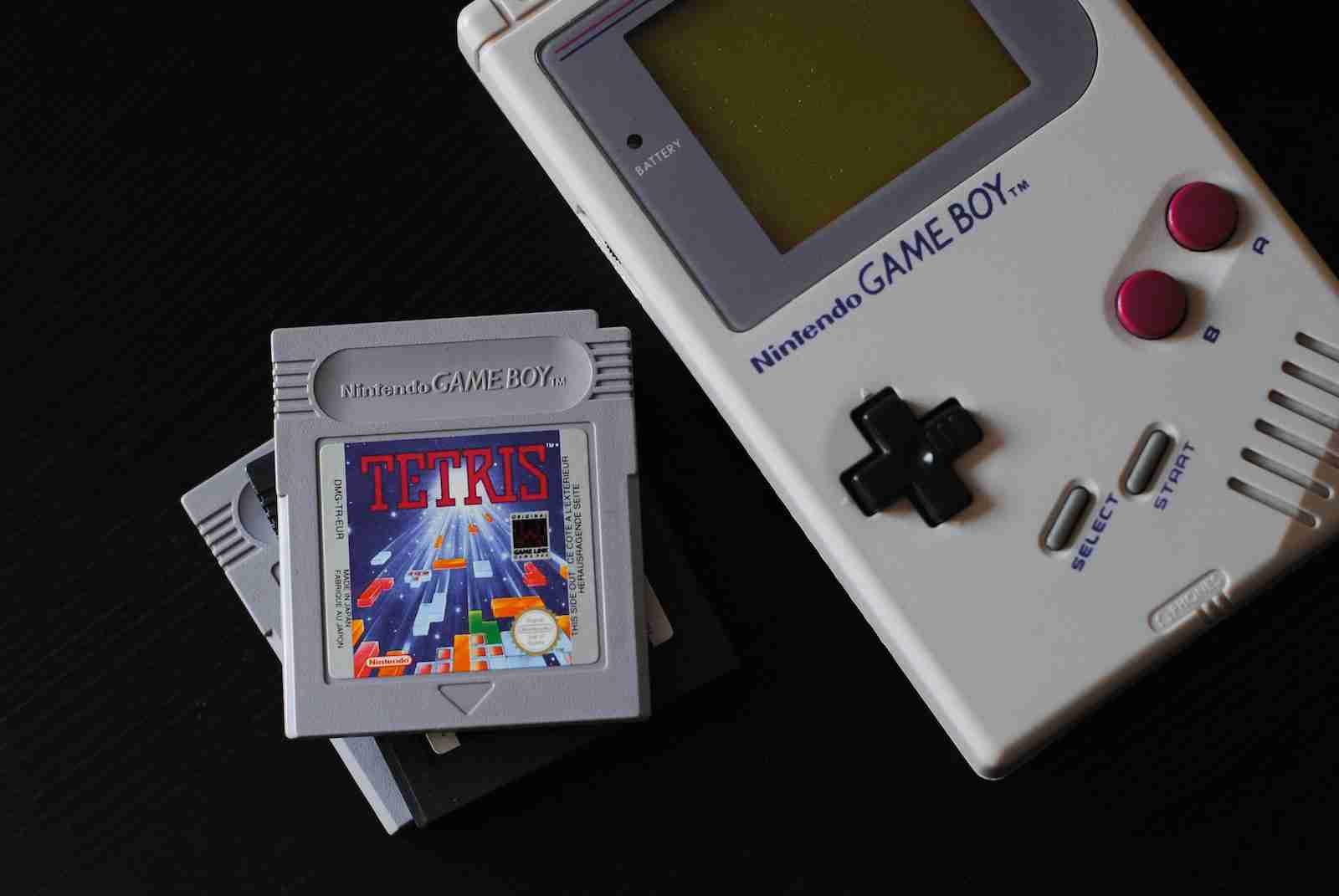
Integrating Education And Entertainment For Gen Z’s Seamless Experience
By Tom Seest
At HowDoYouGame, we help people who love board games by collating information and news about games.
Be sure to read our other related stories at HowDoYouGame to learn more about games.
Why Gen Z Expects Games to Follow Them From School to Home Instantly
As the final bell rings, and the school doors swing open, a digital frontier awaits Gen Z. Their game worlds don’t just end at the classroom; they are extensions of the lessons learned, the friendships forged, and the challenges overcome. This generational expectation—of games seamlessly following them from school to home—stems from more than just nostalgia; it’s rooted in a deep-seated desire for continuity and connection.
Think about it. In an era where knowledge is often acquired in virtual realms, students engage in collaborative quests, strategizing with peers, and facing down obstacles together. This experience isn’t merely recreational; it mirrors what they encounter daily in academics and social settings. The ability to transition from a math problem solved in a classroom to a mission geared towards cooperation and critical thinking in a game speaks volumes about a generation’s need for holistic learning. They crave alignment, where the skills honed during the day resonate in their leisure pursuits at night, affirming a fundamental truth: learning doesn’t stop when the bell rings.
Yet beyond the practical, there’s an emotional tug that connects them to these experiences. Picture the laughter shared during a gaming session that reflects the camaraderie of group study or a late-night strategy meeting that captures the essence of brainstorming with classmates. Games are not just entertainment; they serve as digital campfires around which this generation gathers to share stories, victories, and even failures. It’s a testament to their ability to forge relationships in both the real and digital worlds, a blending of experiences that nurtures their need for community and understanding.
Ethically, one must consider the responsibility of game designers and educators alike. When creating these platforms, the focus should not solely be on monetization but on fostering genuine connections that enhance learning and social interaction. This ethical obligation ensures that the virtual experiences crafted contribute positively to the players’ lives, reinforcing those critical outcomes we all desire—collaboration, resilience, and empathy.
So as we look at why Gen Z expects games to blur the lines between school and home, we must acknowledge it’s about more than just a preference. It’s a rallying cry for a connected existence, where every ounce of effort in learning can carry over into the joyous escapades of play. It’s an invitation to break down the walls between education and entertainment—a call to honor the emotional threads that bind them together. Let’s listen and create an ecosystem where their worlds can thrive, both in the classroom and beyond.

Why Gen Z Expects Games to Follow Them From School to Home Instantly
Why Gen Z Expects Games to Follow Them From School to Home Instantly
- Gen Z’s gaming experiences extend beyond the classroom, intertwining with lessons and social interactions.
- There is a strong desire for continuity and connection in their learning and leisure activities.
- Students engage in collaborative quests in games that mirror academic and social challenges.
- They seek alignment between skills developed in school and those utilized in gaming, signifying holistic learning.
- Gaming fosters relationships and community, serving as a modern digital gathering space.
- Ethical responsibility lies with game designers and educators to enhance learning through connections rather than focusing solely on monetization.
- Gen Z’s expectations for gaming reflect a deeper desire for an integrated experience between education and entertainment.

Why Gen Z Expects Games to Follow Them From School to Home Instantly
Table Of Contents
- Why Gen Z Expects Games to Follow Them From School to Home Instantly
- How Does Instant Access to Games Enhance Focus and Productivity?
- How Does Instant Access To Games Impact Their Daily Lives And Choices?
- Are Parents Aware Of The Gaming Expectations Their Children Have?
- What Role Does Social Media Play In Shaping Gen Z’S Gaming Habits?
- How Can Game Developers Enhance The Gaming Experience For Gen Z?
- Why Do Gen Z Gamers Feel A Sense Of Entitlement To Instant Access?
- What Stories Are Embedded In The Games That Resonate With Gen Z?
- Conclusion
- Other Resources
- Glossary Of Terms
- Other Questions
- Haiku
- Poem
- Checklist
How Does Instant Access to Games Enhance Focus and Productivity?
When we think of games, many picture the lighthearted chaos of childhood or the late-night escapades with friends. Yet, these seemingly simple activities can hold the key to unlocking focus and productivity in our busy, adult lives. Instant access to games doesn’t just provide a quick escape; it shapes a modern oasis in our frantic world.
Imagine this: you’ve been grinding away at your tasks for hours, your mind feels like molasses, and your motivation is dwindling. It’s easy to burn out when the pressure mounts, but what if a quick, engaging game could reignite that spark? Just a few minutes of play can serve as a mental reset, breathing new life into your focus. The thrill of conquering a challenging level or solving a complex puzzle can be the light at the end of a tunnel, pulling you back into the rhythm of productivity with renewed vigor.
But let’s be clear—this isn’t just about fun. There’s a psychological phenomenon at work here. Studies have shown that games can enhance cognitive functions like problem-solving and critical thinking. They engage multiple areas of the brain, fine-tuning our ability to concentrate, strategize, and execute tasks efficiently. When we take time to play, we’re investing in ourselves, sharpening our minds for the challenges ahead. And in a world that often drives us to hustle harder, embracing this form of play can feel not only counterintuitive but also downright ethical.
Consider the societal narrative: we often feel the pressure to work non-stop, to hustle harder and longer. But creating moments for reprieve—like indulging in games—can break this cycle of relentless productivity. It cultivates a healthier work environment, promoting balance and well-being. By sharing this approach with colleagues or friends, we forge a collective understanding that productivity doesn’t have to come at the expense of joy.
Connecting through games allows us to share experiences and victories, an often-overlooked social benefit that enhances team morale. Right there in that digital arena, friendships deepen and collaborations blossom—proving that a little fun can go a long way in fostering stronger connections.
When we think about games, let’s also think about the powerful role they can play in enhancing our focus and productivity. With that in mind, it’s time to embrace the games we love—not just for the entertainment they offer, but as essential tools to enrich our lives. Let’s play, reset, and get back to conquering our goals.

How Does Instant Access to Games Enhance Focus and Productivity?
How Does Instant Access to Games Enhance Focus and Productivity?
- Games can unlock focus and productivity in busy adult lives, serving as a modern oasis amidst chaos.
- A quick, engaging game can reignite motivation and provide a mental reset after extended work periods.
- Playing games enhances cognitive functions such as problem-solving and critical thinking.
- Engaging with games promotes concentration and strategic execution of tasks, investing in mental sharpness.
- Indulging in games can break the cycle of relentless productivity, cultivating a healthier work environment.
- Playing games fosters connections, enhances team morale, and deepens friendships in a digital arena.
- Embracing games as essential tools enriches life and helps in achieving personal and professional goals.
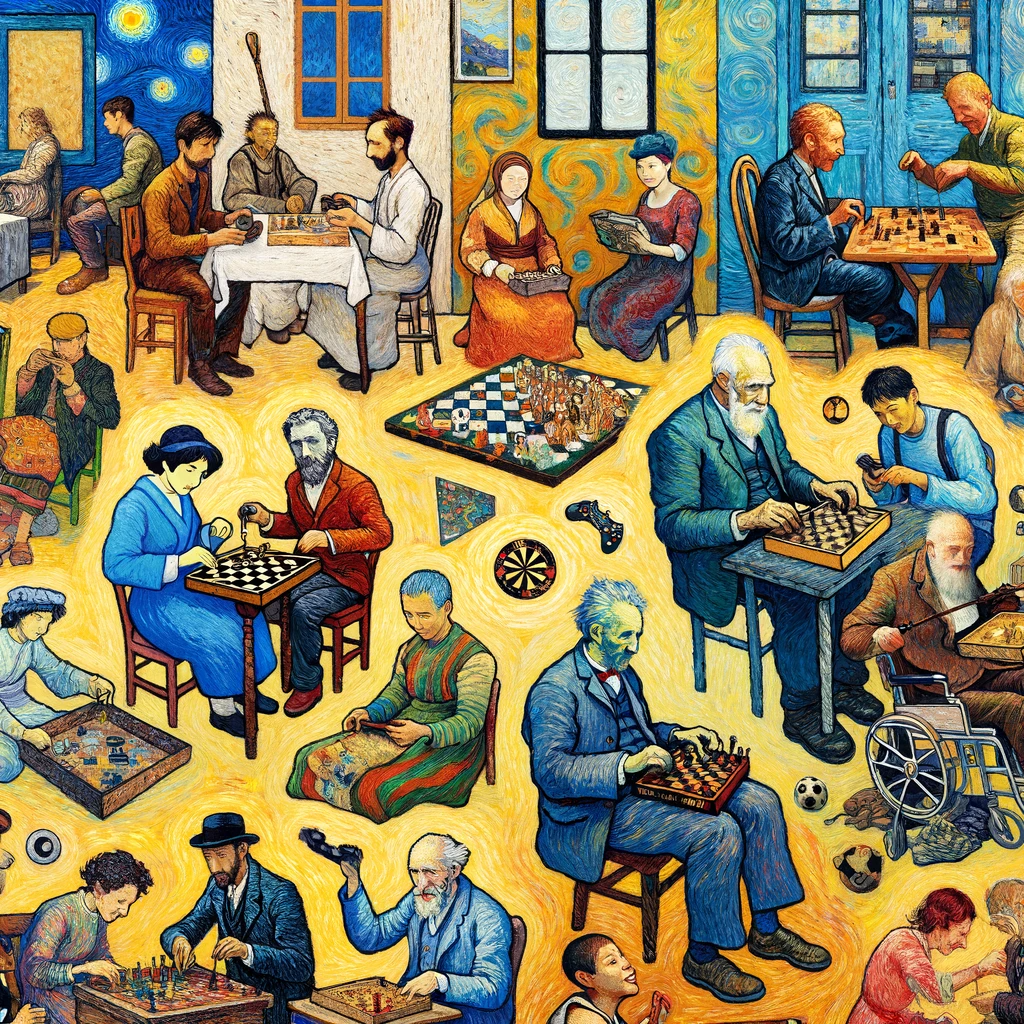
How Does Instant Access to Games Enhance Focus and Productivity?
How Does Instant Access To Games Impact Their Daily Lives And Choices?
In today’s world, where instant access to games is merely a click away, it’s more than just about entertainment; it’s a lifeline for many. Imagine the young adult who, after a long day of work or study, unwinds not by scrolling through social media but by immersing themselves in a vibrant digital universe. These games are not just pastimes; they provide a refuge from the chaos of daily life. They tap into our primal instincts, offering a sense of accomplishment and belonging that, frankly, the real world doesn’t always deliver.
Let’s face it: we’ve all got struggles—whether it’s a demanding job, a tough relationship, or the relentless pressure to keep up. Games present a unique solution, merging escapism with community. They invite us to forge connections with people across the globe, creating a shared experience that transcends our physical isolation. There’s nothing quite like conquering a dungeon or solving a puzzle with friends who may live halfway around the world, forging bonds that can feel more genuine than those formed in a crowded café or a family gathering.
And from a rational standpoint, the benefits of gaming extend beyond mere enjoyment. There’s mounting evidence showing how strategic gameplay can sharpen our cognitive skills. Problem-solving, critical thinking, and even multitasking are honed while navigating complex game scenarios. For those looking to improve their personal lives, there lies a treasure trove of insight wrapped in every quest and challenge.
But along with these advances come ethical questions that deserve our attention. How do these games impact our relationships, our productivity, and our sense of balance? It’s crucial to acknowledge this duality. Instant access to games can lead to overstimulation and distraction, potentially derailing responsibilities and affecting mental well-being. The challenge lies in moderation, much like any other indulgence.
There’s a learning curve, navigating the fine line between self-care and escapism, but it’s a journey worth taking. For many, finding that balance can lead to enhanced creativity, better personal connections, and even a renewed sense of purpose. So as we revel in the digital adventures that await at our fingertips, let’s remember: gaming is more than a world of pixels; it’s a powerful, interconnected community that can enrich and inspire our daily lives if we choose to engage mindfully.

How Does Instant Access To Games Impact Their Daily Lives And Choices?
How Does Instant Access To Games Impact Their Daily Lives And Choices?
- Gaming offers more than entertainment; it serves as a refuge from daily chaos.
- Many find relaxation in engaging with vibrant digital worlds rather than social media.
- Games help forge connections with people globally, creating genuine bonds.
- Strategic gameplay enhances cognitive skills like problem-solving and multitasking.
- There are ethical questions regarding the impact of gaming on relationships and mental well-being.
- Moderation is essential to balance self-care with the potential for escapism.
- Mindful engagement in gaming can lead to creativity, better connections, and renewed purpose.
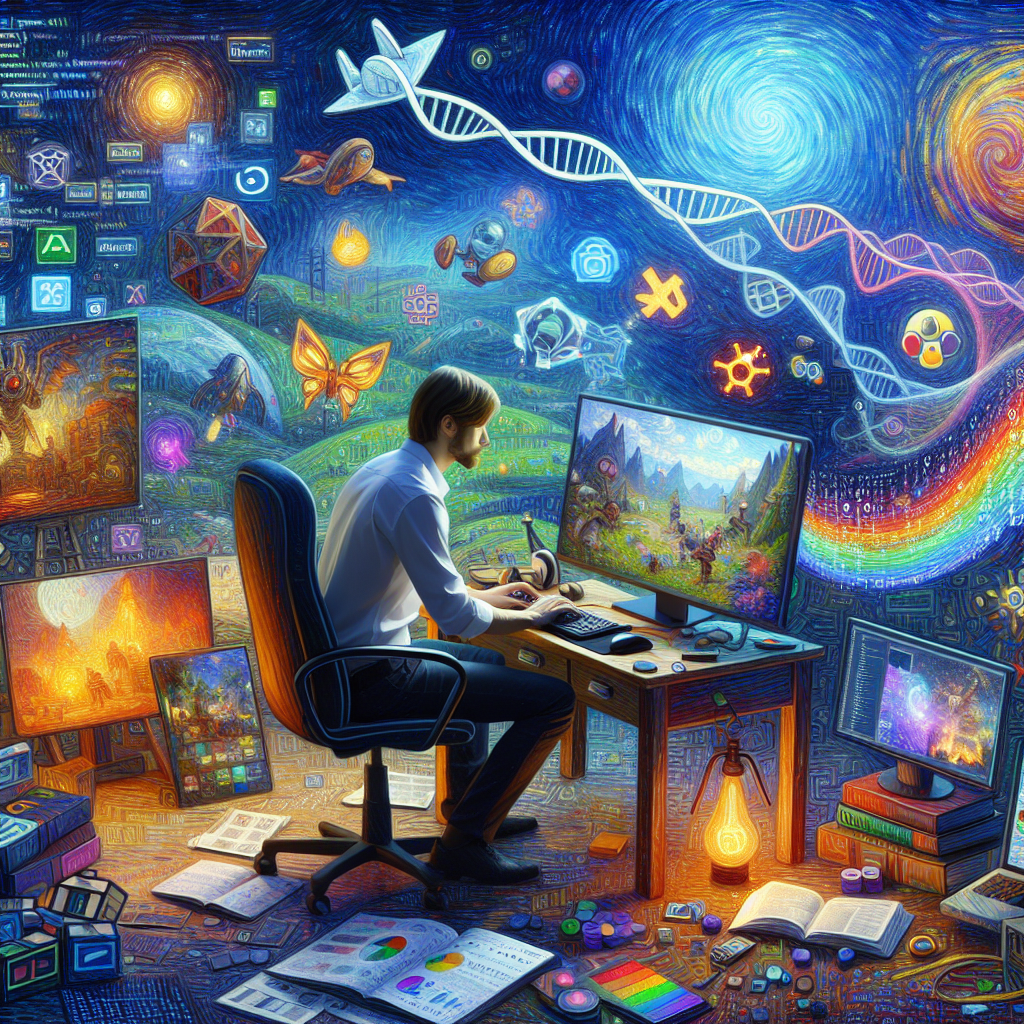
How Does Instant Access To Games Impact Their Daily Lives And Choices?
Are Parents Aware Of The Gaming Expectations Their Children Have?
In this ever-evolving digital landscape, the relationship between children and their games is a complex tapestry woven with threads of emotion, aspiration, and sometimes, misunderstanding. As parents, it’s essential to approach this world with an open heart and a willingness to listen. When children plug into their gaming experiences, they aren’t just seeking entertainment; they’re pursuing a realm where they feel empowered, connected, and understood. It’s in these virtual spaces that they forge friendships, navigate challenges, and express their creativity. But how often do we, as guardians, take a moment to step into those shoes?
Imagine a child, eyes wide with excitement, sharing tales of their latest victory or the joy of collaborating with friends to conquer a difficult level. These stories are not merely moments of triumph; they’re invitations to connect, to engage in their passions. Yet, if we don’t take the time to understand these interests, we risk failing to appreciate the significance gaming holds in their lives. Parents often default to viewing games through a lens of concern—worrying about screen time or violent content—rather than recognizing the emotional and social skills being cultivated.
Rationally, it’s crucial to acknowledge that gaming can foster positive development. Studies show that children engage in critical thinking, teamwork, and problem-solving when faced with in-game challenges. These are skills that extend beyond the screen and into real-world interactions. Parents armed with this knowledge can approach the topic with an authoritative yet empathetic perspective, advocating for a balanced understanding of games.
Ethically, we owe it to our children to validate their interests. When we dismiss their passions, we inadvertently send the message that their voices and dreams don’t matter. Let’s shift the narrative; instead of imposing strict rules about gameplay, why not foster an environment where open dialogue is encouraged? When a child feels heard and respected, they’re more likely to share their experiences and expectations.
In this collective journey, let’s take time to connect with our children through the very games that hold their attention. Dive into their world, and allow those moments of play to inspire trust and understanding. By truly embracing their gaming experience, we can bridge the gap—transforming questions of awareness into meaningful conversations that enrich our families. After all, in the heart of the game lies an opportunity for connection, growth, and understanding that transcends screens and pixels.

Are Parents Aware Of The Gaming Expectations Their Children Have?
Are Parents Aware Of The Gaming Expectations Their Children Have?
- The relationship between children and games involves emotions, aspirations, and misunderstandings.
- Parents should approach children’s gaming experiences with openness and willingness to listen.
- Games provide children with empowerment, connection, creativity, and social skills.
- Sharing gaming stories is an invitation for parents to engage with their children’s interests.
- Gaming can foster critical thinking, teamwork, and problem-solving abilities in children.
- It’s important for parents to validate children’s interests and encourage open dialogue about gaming.
- Connecting with children through their gaming experiences can enhance trust and family relationships.

Are Parents Aware Of The Gaming Expectations Their Children Have?
What Role Does Social Media Play In Shaping Gen Z’S Gaming Habits?
In today’s digital landscape, the world of gaming isn’t just confined to consoles and PCs; it’s woven into the very fabric of social media—a dynamic ecosystem that shapes how Gen Z engages with games. Picture this: a young gamer, eyes glued to their smartphone screen, not just blasting through levels in the latest blockbuster title, but scrolling through streams, clips, and memes, all infused with the ethos of community and connection. Social media acts as both a playground and a marketplace for ideas, fostering a sense of belonging while leaving a lasting imprint on gaming habits.
Gen Z is fiercely loyal to brands and communities that resonate with their values. This generation doesn’t merely observe; they engage. As they share gameplay, fan art, and character lore, they’re not just showcasing skills—they’re crafting their identities. Each tweet, TikTok, and Instagram post becomes more than content; it’s a badge of honor, a symbol of belonging in a virtual tribe. This social interaction fuels the engine of gaming, turning solitary experiences into collaborative adventures.
Moreover, the influence of social media transcends pillow talk and casual banter over dinner. It shapes preferences and trends. The buzz around a new release isn’t just created by advertisements but by influencers, streamers, and friends sharing experiences and reviews. When a gamer sees their favorite online personality rave about a new title, the desire to try it skyrockets, weaving trust and authenticity into purchasing decisions. The algorithms tailor recommendations to individual tastes, ensuring the right games arrive at the right moment, and cementing the bond between the gamer and the gaming community.
However, it’s imperative to tread carefully in this digital terrain. The power of social media also comes with ethical considerations. The pressure to conform to popular trends can lead to unhealthy gaming habits, where the chase for clout overshadows the joy of playing. Open discussions about gaming, mental health, and finding balance are essential, grounding the experience in well-being rather than mere competition.
Through it all, social media is more than a tool—it’s a bridge connecting gamers across the globe. As Gen Z navigates this intricate landscape, they forge connections that resonate deeply and create experiences that extend beyond the screen. So let’s celebrate the beautiful chaos of gaming and social media, and remember: in this shared journey, every game played is a story waiting to be told.

What Role Does Social Media Play In Shaping Gen Z’S Gaming Habits?
What Role Does Social Media Play In Shaping Gen Z’S Gaming Habits?
- The gaming landscape is now integrated with social media, influencing how Gen Z engages with games.
- Young gamers engage through streams, clips, and memes, fostering community and connection.
- Gen Z showcases their gaming identities by sharing gameplay, art, and character lore on social platforms.
- Social media transforms solitary gaming into collaborative experiences.
- Influencers and peers significantly shape gaming preferences and trends, affecting purchasing decisions.
- Ethical considerations arise from social media’s influence, necessitating discussions on mental health and gaming balance.
- Social media acts as a global bridge for gamers, creating meaningful connections and experiences beyond gameplay.

What Role Does Social Media Play In Shaping Gen Z’S Gaming Habits?
How Can Game Developers Enhance The Gaming Experience For Gen Z?
When it comes to engaging Gen Z in the world of games, developers have a unique opportunity to forge connections that go beyond the screen. Imagine a landscape where games are not just a pastime but a portal to shared experiences and genuine relationships. This generation is characterized by their desire for authenticity and meaningful interactions. They don’t just want to play; they want to be part of something bigger, and game developers can enhance the gaming experience by weaving deeper narratives into the fabric of their creations.
First, let’s appeal to the heart. Gen Z values stories that resonate with their lived experiences. By creating characters and worlds that reflect diverse cultures, struggles, and triumphs, developers can encourage players to see a piece of themselves in their games. This emotional resonance fosters a sense of belonging, wrapping players in a warm blanket of connection—even if it’s virtual. It’s the kind of empowerment that reminds players that their stories matter.
Next, there’s the head. Gen Z thrives on knowledge, innovation, and ethical considerations. Developers can leverage this by integrating educational elements and socially responsible themes into gameplay. Picture a game that not only entertains but also raises awareness about environmental issues or social justice. When players see that their entertainment is intertwined with real-world impact, it ignites a rational appreciation for these games and their makers. This approach not only cultivates informed citizens but also earns the trust and loyalty of a generation hungry for purpose.
Now, let’s dive into the gut. There’s something primal about competing in a multiplayer environment or collaborating on community challenges. Developers can harness this energy by fostering a strong social component within games. Creating spaces where players can connect, share, and challenge each other can turn casual gamers into a thriving community. Whether through in-game events or platforms that highlight player-generated content, these interactions create bonds that transcend the game itself.
In this journey, developers hold the authority to shape how Gen Z interacts with the gaming world. By balancing narrative depth, educational opportunities, and vibrant community engagement, games can transform from mere entertainment into a conduit for connection, knowledge, and action. The outcome? A generation not just playing, but thriving—one game at a time.

How Can Game Developers Enhance The Gaming Experience For Gen Z?
How Can Game Developers Enhance The Gaming Experience For Gen Z?
- Gen Z seeks authentic and meaningful interactions through gaming.
- Developers can enhance gaming by creating relatable characters and diverse narratives.
- Emotional resonance in games fosters a sense of belonging for players.
- Integrating educational and socially responsible themes aligns with Gen Z’s values.
- Games that impact real-world issues build trust and loyalty among players.
- Multiplayer environments and community challenges encourage social connections.
- Developers have the power to transform gaming into a platform for connection, knowledge, and action.

How Can Game Developers Enhance The Gaming Experience For Gen Z?
Why Do Gen Z Gamers Feel A Sense Of Entitlement To Instant Access?
In a world fueled by hyper-connectivity and instant gratification, it’s no wonder that Gen Z gamers feel a sense of entitlement to immediate access to games. It’s as if they were born with a controller in hand and the world at their fingertips. They’ve grown up in an era where waiting is not just inconvenient; it’s almost inconceivable. The allure of the “now” has become a part of their DNA, and this goes far beyond mere impatience.
Let’s delve into their world. Picture a teenager who, in the span of a single breath, can summon a library of games to play, a Twitch stream to watch, or a social media feed to scroll. That’s an impressive tapestry of options woven from the threads of technology and culture. Imagine how that shapes their expectations. When they click a button, they expect action—games should load, updates should download, and new releases should be as instant as the next viral meme. This is not mere entitlement; it’s a reflection of an era defined by immediacy and convenience.
But let’s not forget the deeper emotional currents at play. Many Gen Z gamers have turned to digital realms as a refuge from the complexities of the real world. Games offer them an escape, a community, and a sense of belonging. When there’s a hiccup in accessing these virtual havens, it can feel like a personal affront. They’re not just waiting for a game; they’re waiting for a lifeline. This adds weight to their sense of urgency, transcending mere impatience to become a pursuit of connection and joy.
Rationally speaking, the gaming industry has fed into this mentality, with developers and platforms constantly innovating and competing for attention. Frequent updates, live-service models, and the allure of continually expanding worlds have set a precedence that reinforces an expectation of instant access. The industry has positioned itself as both a provider of entertainment and a catalyst of desire. For Gen Z, the stakes are high—the value of their time and the quality of their experiences hinge on efficiency and availability.
Ultimately, understanding this landscape allows for a more compassionate viewpoint. It’s not about entitlement; it’s about yearning for connections in a fast-paced world. By acknowledging these feelings, we can bridge the gap between generations, reinforcing not just the importance of patience but also the value of shared experiences—digital or otherwise. In this shared journey, perhaps we can find common ground and inspire a generation not just to wait but to savor the moments that bring us together.

Why Do Gen Z Gamers Feel A Sense Of Entitlement To Instant Access?
Why Do Gen Z Gamers Feel A Sense Of Entitlement To Instant Access?
- Gen Z gamers experience a sense of entitlement to immediate access to games, born from hyper-connectivity and instant gratification.
- They expect quick action—games should load, updates download, and new releases appear instantly, reflecting their era defined by immediacy.
- Digital gaming serves as a refuge for many Gen Z players, providing escape, community, and belonging.
- Delays in accessing games feel like personal affronts, as they equate waiting with being deprived of connection and joy.
- The gaming industry reinforces these expectations through constant innovation and competition, promoting instant access through updates and live-service models.
- Understanding Gen Z’s perspective invites compassion, recognizing their longing for connection in a fast-paced environment.
- Acknowledging these feelings can help bridge generational gaps and promote the value of patience and shared experiences.

Why Do Gen Z Gamers Feel A Sense Of Entitlement To Instant Access?
What Stories Are Embedded In The Games That Resonate With Gen Z?
In the vibrant landscape of gaming, the narratives woven into these virtual worlds resonate deeply with Gen Z, offering more than mere entertainment. It’s a tapestry where players don’t just control avatars; they explore identity, grapple with societal issues, and confront the challenges of an uncertain future. Games have transformed into modern-day fables, addressing themes that echo the hopes, tribulations, and ethical dilemmas of a generation striving for authenticity.
Imagine stepping into a game where the protagonist wrestles with the weight of their past—like a character torn between loyalty to friends and the pursuit of truth. This isn’t just a choice; it’s a reflection of the moral complexities that young players face in their own lives. With real-world issues like climate change and social justice at the forefront, many games engage players in meaningful dialogue. They compel them to ponder their place in the world and the impact of their choices, fostering a sense of agency that is often lacking outside the digital arena.
The power of storytelling in games taps into universal emotions—fear, hope, joy, and even tragedy. Each quest or battle becomes a metaphor for the struggles we all endure. When Gen Z logs into these immersive experiences, they find a community that understands their fears and aspirations. They are not just playing; they are participating in a shared narrative. It’s a reminder that they are not alone in their battle against the pressures of societal expectations and mental health burdens, allowing them to connect not only with the characters but also with one another.
There is a palpable authority in the narratives crafted by diverse creators who bring their lived experiences to the table. These authentic voices lend credibility to the stories, empowering players to reflect on their own moral compass. It’s reshaping the gaming culture into one that values empathy and understanding, where every character’s journey invites players to consider, “What would I do in their shoes?”
At its core, gaming is a communal experience that transcends the screen. It inspires trust among players who share the same battles and triumphs, building bridges through the stories that resonate well beyond the confines of pixels. This is a collective call to action—a chance for Gen Z to recognize their power, not just as players, but as architects of a new narrative in an ever-evolving world.

What Stories Are Embedded In The Games That Resonate With Gen Z?
What Stories Are Embedded In The Games That Resonate With Gen Z?
- Gaming narratives resonate deeply with Gen Z, offering more than mere entertainment.
- Players engage with themes of identity, societal issues, and the challenges of an uncertain future.
- Games serve as modern-day fables that reflect the hopes and dilemmas of a generation seeking authenticity.
- Real-world issues like climate change and social justice are integrated into gameplay, fostering meaningful dialogue.
- The power of storytelling in games connects players through shared emotions and struggles.
- Diverse creators lend authenticity to narratives, prompting players to reflect on their own moral choices.
- Gaming fosters a communal experience, encouraging Gen Z to recognize their power in shaping new narratives.

What Stories Are Embedded In The Games That Resonate With Gen Z?
Conclusion
The landscape of gaming today is not just a respite from reality for Gen Z; it’s a vibrant extension of their lives—where school meets home, learning meets play, and emotional connections transcend the digital divide. As the bell rings and classrooms empty, young minds crave a seamless transition into gaming realms that not only extend their educational pursuits but also echo the challenges and triumphs they’ve encountered throughout the day. It’s about continuity, a deep-seated hunger for experiences that align with both their academic growth and social interactions.
At its core, this expectation is rooted in a sense of community and belonging that transcends mere entertainment. Think of how laughter shared in-game sessions mirrors the joy of group study, each victory a testament to collaborative spirit. Games serve as digital campfires, places where stories are told and friendships are forged, creating a sanctuary from the stresses of daily life.
The ethical implications here are significant. Game developers and educators are called upon to create experiences that foster real connections, steering the focus away from profit and towards enriching the lives of players. This is not merely about creating games; it’s about crafting environments that nurture empathy, resilience, and collaboration, enriching both the mind and soul.
As we reflect on the expectations of Gen Z, we uncover a broader narrative—a collective call for authentic connections that do not fade after school hours. This desire blurs the lines between the classroom and the gaming arena, unearthing a holistic approach to learning that is both playful and purposeful. When Gen Z engages with games, they seek not just escapism, but also reflection, personal growth, and the ability to explore deeper themes relevant to their lives.
Moreover, the profound impact of social media cannot be overlooked. It creates a communal space where engagement is nurtured, shaping preferences and belonging through shared experiences. Yet, this landscape also requires a mindful approach to ensure that gaming remains a healthy pursuit and not a source of overstimulation.
So, as we chart the future of gaming for this generation, let’s recognize the powerful intersection of learning, community, and creativity. By embracing the unique narrative of Gen Z, we can build a future where gaming is a bridge that connects, nurtures, and empowers—a tool that not only enhances productivity but also enriches the very fabric of their lives. Let’s champion this vision, inviting all players to step into a world where every moment in play resonates beyond the screen.

Conclusion
Conclusion:
- Gaming for Gen Z is an extension of their lives, integrating education and social interactions.
- Young gamers desire seamless transitions from school to gaming, continuing their daily experiences.
- Games create a sense of community, mirroring real-life joys and collaborative efforts.
- Developers and educators are urged to prioritize connections and meaningful experiences over profit.
- Gen Z seeks authentic, enduring connections that blend learning with playful exploration.
- Social media enhances community engagement but requires mindful management to prevent overstimulation.
- Fostering learning, community, and creativity can build gaming into a valuable tool for personal growth.

Conclusion
Other Resources

Other Resources
Here is a list of other resources you can review online to learn more:
- Board Game Atlas
- Google My Business
- Food Chain Magnate
- Star Wars: Rebellion
- Cephalofair Games
- Euchre
- Huch!
- Kingdom Death: Monster
- Cosmic Encounter
- VK
- Asyncron
- Imperial Settlers
- Pandasaurus Games
- Cranio Creations
- Repos Production
- Spirit Island: Branch & Claw Expansion
- Czech Games Edition
- Goliath Games
- Roll for the Galaxy
Use This Prompt To Get More Resources With Your Favorite Online AI Tool: Please provide me with a list of online articles with their URLs in a bulleted list that I can read regarding Why Gen Z Expects Games to Follow Them From School to Home Instantly

Other Resources
Glossary Terms
Why Gen Z Expects Games to Follow Them From School to Home Instantly – Glossary Of Terms
1. Gen Z: The demographic cohort born roughly between the mid-1990s and early 2010s, known for their digital literacy and preference for technology.
2. Transmedia: The integration of multiple media platforms, allowing narratives to flow seamlessly between different formats, such as games, videos, and social media.
3. Instant Gratification: The desire for immediate rewards or results, driving Gen Z to seek quick access to games without delays.
4. Mobile Gaming: Games designed for smartphones and tablets, central to Gen Z’s gaming experience due to their portability.
5. Cross-Platform: The ability to play games across different devices or platforms (e. g. , PC, console, mobile) without losing progress or functionality.
6. Social Gaming: Multiplayer or interactive gaming experiences that emphasize social interaction, often through communication tools and shared play spaces.
7. Asynchronous Play: A style of gaming allowing players to participate at different times, accommodating diverse schedules and commitments.
8. Streaming: Real-time broadcasting of gameplay over platforms like Twitch or YouTube, popularized by Gen Z’s engagement with gaming culture.
9. Microtransactions: Small purchases made within games for cosmetic items, upgrades, or additional content, often a point of contention among players.
10. Game Accessibility: The design principle that makes games playable for people with various disabilities, enhancing inclusivity.
11. Esports: Organized, multiplayer video game competitions, often with substantial audiences and professional players, appealing to competitive Gen Z gamers.
12. Gamification: The process of adding game-like elements to non-game contexts to boost engagement and motivation, used in education and training.
13. Game Mechanics: The rules and systems that facilitate player interactions and define gameplay experience, vital for user engagement.
14. Augmented Reality (AR): Technology that overlays digital information onto the real world, enhancing gaming experiences through interactive elements.
15. Virtual Reality (VR): Immersive technology that simulates real or imaginary environments, creating engaging gaming experiences.
16. User-Generated Content (UGC): Content created by players or fans, allowing them to influence game narratives and environments, fostering community involvement.
17. Interactive Storytelling: A narrative approach in games enabling players to make choices that affect the storyline and outcomes.
18. Cloud Gaming: Gaming via streaming technology that allows players to access games from various devices without the need for powerful hardware.
19. Nostalgia Gaming: The appeal of reviving classic games that evoke fond memories of childhood, often a tactic to attract older Gen Z players.
20. Game Discovery: The process through which players find new games, influenced by social media, peer recommendations, and curated content.
21. Content Creation: The act of producing game-related content, such as videos, streams, or art, fostering community engagement and creativity.
22. Customizable Avatars: Personalized characters that players can modify to reflect their identity and preferences in gaming environments.
23. In-Game Events: Time-limited experiences within games that offer unique challenges or rewards, enhancing engagement and excitement.
24. Gaming Communities: Groups of players who share interests in games, often found on social media platforms or dedicated forums.
25. Brand Partnerships: Collaborations between game developers and brands to create in-game content or promotions, appealing to Gen Z’s consumer culture.
26. Data Privacy: Concerns about the collection and use of personal information in gaming, impacting Gen Z’s trust and engagement with platforms.
27. Fandom: A passionate community of fans supporting a particular game or franchise, often resulting in increased engagement and cultural impact.
28. Diversity and Representation: The importance of including diverse characters and narratives in games, aligning with Gen Z’s advocacy for inclusivity.
29. User Experience (UX): The overall experience and satisfaction a player has while interacting with a game, critical for retaining Gen Z players.
30. Game Streaming Services: Subscription-based platforms allowing access to a library of games, reflecting the shift toward on-demand gaming for Gen Z.

Glossary Of Terms
Other Questions
Why Gen Z Expects Games to Follow Them From School to Home Instantly – Other Questions
If you wish to explore and discover more, consider looking for answers to these questions:
- What specific games exemplify the seamless transition between school and home for Gen Z?
- How do educators view the integration of gaming into the learning environment?
- What psychological benefits do games provide for Gen Z students?
- How can parents facilitate healthy gaming habits for their children?
- What measures can be taken to ensure that gaming promotes collaboration and empathy?
- How does instant access to games influence academic performance among Gen Z students?
- What ethical implications arise from game developers targeting Gen Z gamers?
- How can game design be improved to align with Gen Z’s values and expectations?
- How do influencers and content creators shape Gen Z’s gaming preferences?
- What role does community play in the gaming experiences of Gen Z?
- What challenges do parents face in understanding their children’s gaming interests?
- How can communication be improved between parents and children regarding gaming?
- What factors contribute to Gen Z’s sense of entitlement regarding instant access to digital content?
- How do the narratives in games help Gen Z address real-world issues?
- What strategies can be employed to balance gaming and productivity in a young adult’s life?

Other Questions
Haiku
Why Gen Z Expects Games to Follow Them From School to Home Instantly – A Haiku
Games live as bridges,
Uniting hearts and lessons—
Play weaves us as one.
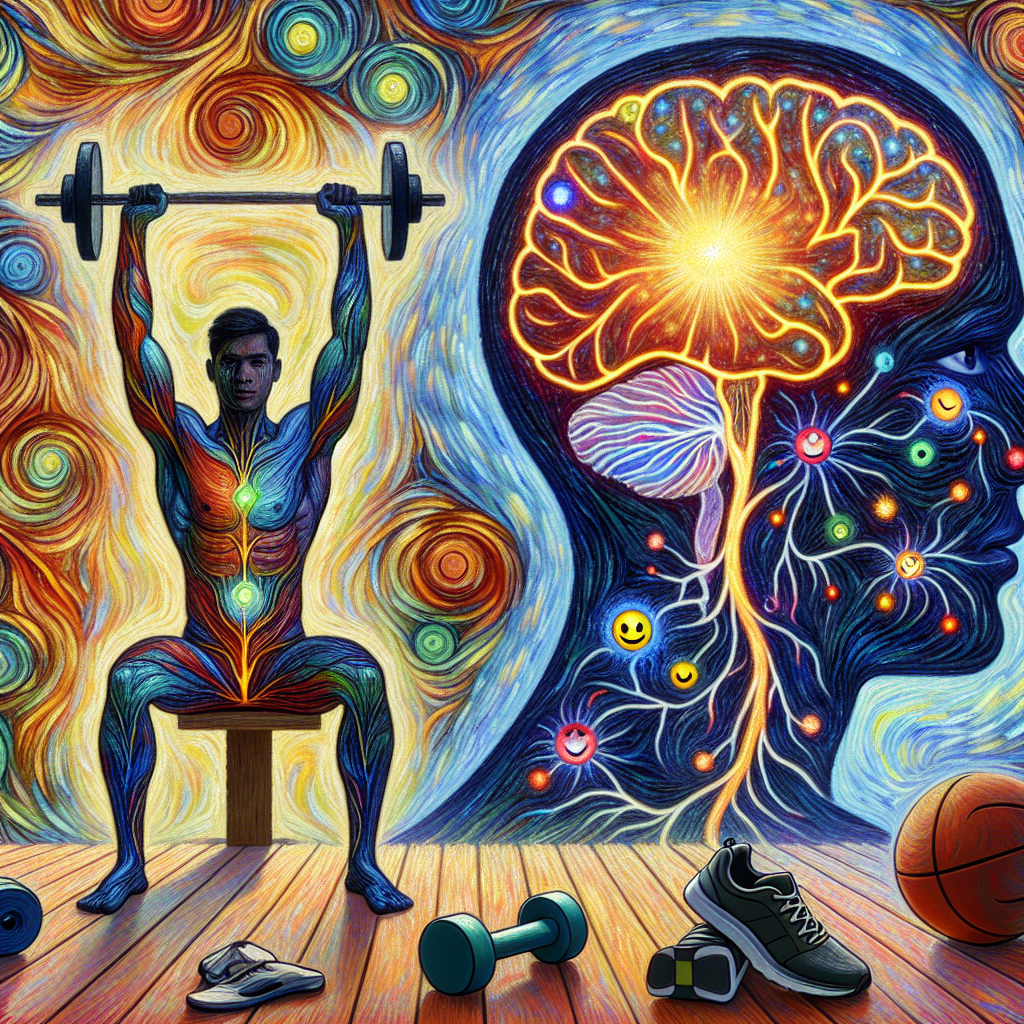
Haiku
Poem
Why Gen Z Expects Games to Follow Them From School to Home Instantly – A Poem
In halls where learning swells, the final bell does chime,
Open doors to digital realms, where dreams and friendships climb.
Gen Z, with eyes alight, seek adventures past the day,
Beyond the math and history, in games, they find their way.
A seamless blend of school and play, they crave that constant thread,
From classrooms filled with lessons learned to quests where hopes are fed.
With laughter echoing in the night, they strategize and strive,
Each challenge met in unity, where bonds grow strong and thrive.
Yet, in this vibrant tapestry, a call for ethical mold,
Developers, hear their yearning hearts; let stories be retold.
For learning isn’t locked away, it flows from day to night,
In every game—a lesson born, igniting minds with light.
The gut feels urgency for play, instant joy at their command,
In every click, a world’s delight, where connections softly stand.
But struggle lies in balance sought, between escapades and care,
To navigate the highs and lows in digital affair.
Through pixels bright and stories rich, they build their tribe anew,
In quests that echo real-life tales, reflections come in view.
So listen close, with open hearts, unite the worlds we see,
For gaming is not mere distraction; it’s a bridge to empathy.
As shadows dance on screens aglow, let’s break the walls apart,
Where education meets the thrill—a fusion, a fresh start.
Gen Z calls for more than play; they seek community’s embrace,
In every game, an invitation to connect, to share, to face.

Poem
Checklist
Why Gen Z Expects Games to Follow Them From School to Home Instantly – A Checklist
Checklist for Enhancing Gaming Experiences for Gen Z
Emotional Appeals
_____ Connect narratives to lived experiences: Create characters and stories that reflect diverse cultural backgrounds and personal struggles.
_____ Foster community bonding: Include social features that enable players to share experiences and victories within the game.
Rational Appeals
_____ Integrate educational elements: Incorporate gameplay that enhances skills such as critical thinking, problem-solving, and collaboration.
_____ Promote balance: Encourage discussions about healthy gaming habits and moderation.
Ethical Appeals
_____ Prioritize genuine connections: Ensure that game design focuses on player well-being, community building, and positive social interactions.
_____ Engage in responsible messaging: Address social issues through game narratives that resonate with players’ values.
Authority Appeals
_____ Utilize diverse voices: Involve creators from various backgrounds to bring authenticity to game narratives and build trust with players.
_____ Back decisions with research: Use studies that highlight the cognitive and social benefits of gaming to inform development decisions.
Narrative Appeals
_____ Craft meaningful stories: Allow players to engage with narratives that challenge their moral compasses and inspire self-reflection.
_____ Highlight relatable struggles: Weave real-world issues (e. g. , climate change, social justice) into gameplay to spark player engagement and dialogue.
Social Appeals
_____ Strengthen in-game communities: Create environments where players can collaborate on challenges and support one another.
_____ Leverage social media: Encourage sharing of gaming experiences across platforms to enhance community connections and brand loyalty.
Practical Applications
_____ Design games that blur the line between education and entertainment: Ensure that gameplay reinforces skills learned in school settings.
_____ Create safe spaces for open dialogue: Establish forums or platforms where players can voice their experiences, concerns, and expectations.

Checklist
At HowDoYouGame, we help people who love board games by collating information and news about games.
Be sure to read our other related stories at HowDoYouGame to learn more about games.