Uncovering The Millennial Time-Consumption Dilemma
By Tom Seest
At HowDoYouGame, we help people who love board games by collating information and news about games.
Be sure to read our other related stories at HowDoYouGame to learn more about games.
Mobile Gaming Vs. Netflix – Where Millennials Are Spending Time
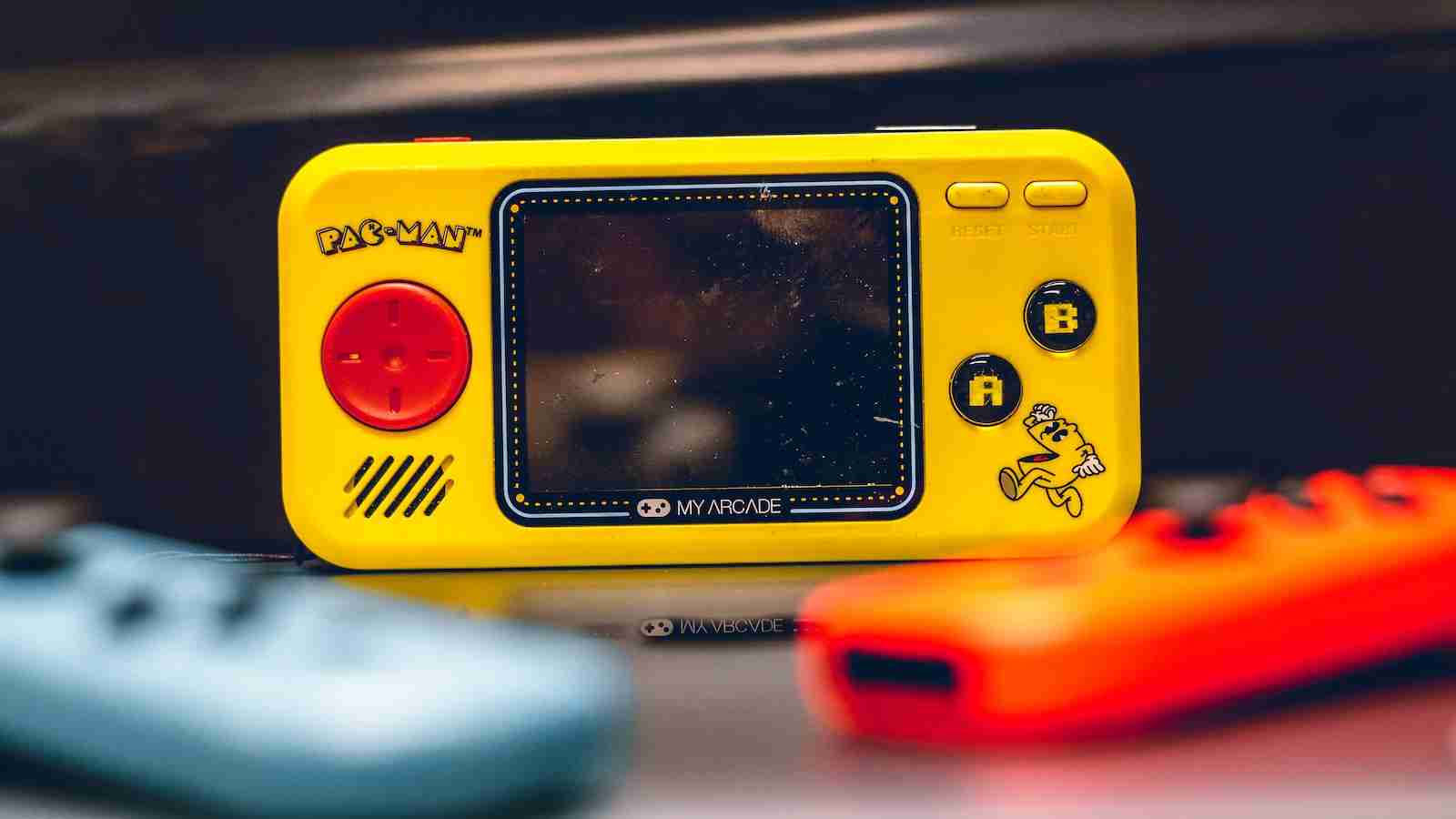
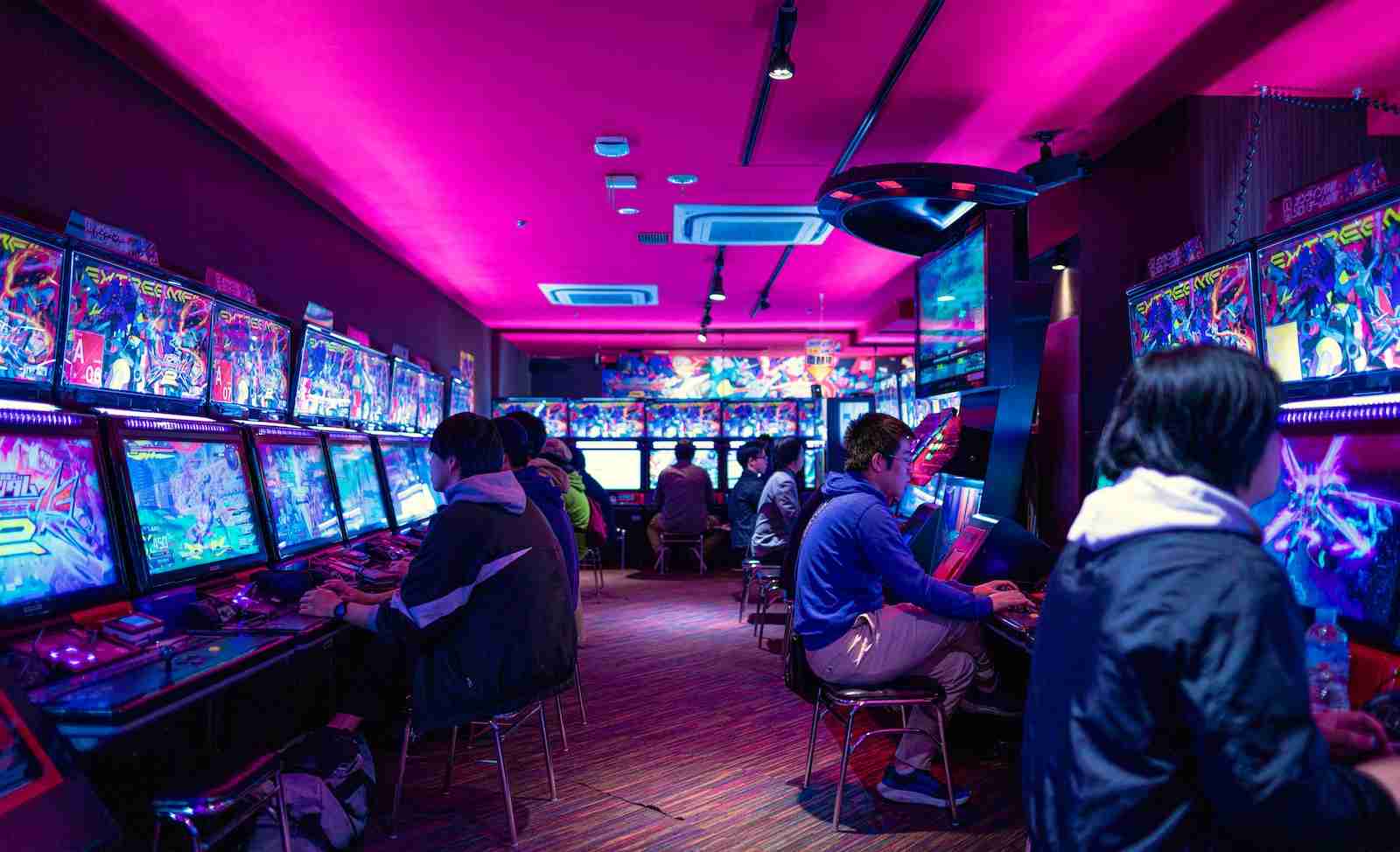
In the digital landscape where time is currency, we see a battleground emerging: mobile gaming vs. Netflix. As a generation that grew up swapping story time for screen time, millennials find themselves at the crossroads of escapism and engagement. It’s quite a sight, really—Toronto rooftops and Seattle cafés filled with folks glued to their screens, whether racing through a digital world of vibrant games or binge-watching the latest drama that pulls at their heartstrings.
Let’s start with mobile games. The buzz of gaming has become an emblem of connection, a refuge from the daily grind. A quick game can be a touchstone to camaraderie, transcending barriers of distance. Picture this: you’re on a weekend getaway with friends, and instead of flipping channels or scrolling through social media, you’re delving into a game that invites everyone to join the fun. The laughter and competition create memories that linger long after the screens go dark. In those moments, the humanity behind the pixels shines through.
Yet, Netflix has carved out its own niche in our hearts—an oasis where storytelling reigns supreme. With narratives that compel us to feel deeply and characters that resonate with our own struggles and triumphs, streaming has woven itself into the fabric of our lives. Here’s where the gut comes into play. Who hasn’t felt a tide of emotion swell up during a climactic scene or cheered as the underdog rises against all odds? The power of visual storytelling makes Netflix a magnetic option for those seeking solace in shared experiences, be it huddled around a screen for a family movie night or diving into the next big series solo on a rainy afternoon.
Now, here’s the crux: it’s not just about the platforms; it’s about how we choose to spend our time. Whether we’re scoring points in a battle or diving into a character’s emotional arc, we’re making choices. These choices reflect our values, our interests, and our relationships with each other. Ultimately, the decision paves the way for connection—shared moments with friends, family, or even strangers.
So, as we navigate the vast sea of entertainment options, consider where you find joy, connection, and meaning. It’s not just about what we consume, but how it brings us together, if only for a moment.
Mobile Gaming Vs. Netflix – Where Millennials Are Spending Time
Mobile Gaming Vs. Netflix – Where Millennials Are Spending Time
- The digital landscape is a battleground between mobile gaming and Netflix.
- Millennials are at a crossroads of escapism and engagement, transitioning from story time to screen time.
- Mobile gaming fosters connection and camaraderie, creating memorable experiences with friends.
- Netflix offers compelling storytelling that resonates emotionally, weaving itself into everyday life.
- Both platforms allow users to make choices that reflect their values, interests, and relationships.
- The decision between gaming and streaming ultimately influences how we share moments with others.
- Consider the importance of joy, connection, and meaning in selecting entertainment options.

Mobile Gaming Vs. Netflix – Where Millennials Are Spending Time
Table Of Contents
- Mobile Gaming Vs. Netflix – Where Millennials Are Spending Time
- How Does the Thrill Of Gaming Compare to the Storytelling In Films?
- What Logical Reasons Support Your Choice Between Gaming and Streaming?
- Which Platform Makes You Feel More Engaged and Inspired In Your Life?
- How Do Peer Influences Shape Your Preferences for Gaming Or Streaming?
- How Does the Time You Spend on Mobile Games Affect Your Productivity?
- What Role Does Nostalgia Play In Your Choice Between These Two Forms?
- Are You More Likely to Recommend a Game Or a Show to Your Friends?
- Conclusion
- Other Resources
- Glossary Of Terms
- Other Questions
- Haiku
- Poem
- Checklist
How Does the Thrill Of Gaming Compare to the Storytelling In Films?
Think back to your childhood. There you were, standing at the precipice of adventure in your living room, controller in hand, heart pounding in anticipation. The excitement of immersing yourself in video games is a sensation that evades easy capture, yet it resonates on such a fundamental level. The thrill is raw and unabashed, pulling you into a world where your decisions hold weight and consequence. When you press that button, you’re not just navigating a fictional landscape; you’re forging your path. It’s the kind of power that leaves you breathless.
Now, compare this with the viewing experience of a film. Films are a storytelling tradition, a carefully crafted journey from beginning to end. As the credits roll, you’re left feeling satisfied or heartbroken, at the mercy of someone else’s narrative. Sure, you can feel allegiance to a character, and yes, you may shed a tear, but ultimately, it’s a passive experience. You’re the spectator, not the participant. The screen becomes a window through which you observe, while, in gaming, the world becomes a mirror reflecting your choices and actions.
Consider this: both mediums wield immense potential for connection. A powerful film may inspire thought and discussion, much like a gripping game can spark a sense of community in multiplayer settings. You laugh together, strategize, and sometimes even argue. But games bring a richness that films struggle to match; the emotional stakes are directly linked to your involvement. When you succeed or fail, it’s your fingertips that have shaped the outcome.
There’s a shared ethic in gaming—collaboration, empathy, and resilience. These aren’t just tests of dexterity; they’re trials where trust is built among players, alliances formed, and dreams realized. It creates a landscape where you learn not only about the world around you but about yourself. You experience failure, and instead of giving up, you rise again. This isn’t just entertainment; it’s a playground for your spirit.
In a world fractured by division, gaming offers a sanctuary—a place where people unite for a common goal, sharing laughter and challenges alike. So whether it’s slaying dragons or solving puzzles, there’s an unmistakable thrill in gaming that speaks to our hearts, engages our minds, and stirs our very guts. And maybe, just maybe, it’s time we recognized that thrill as a unique storytelling tool in its own right.

How Does the Thrill Of Gaming Compare to the Storytelling In Films?
How Does the Thrill Of Gaming Compare to the Storytelling In Films?
- Childhood video gaming evokes a powerful sense of adventure and anticipation.
- Gaming allows players to make decisions that have weight and consequence, creating a unique emotional engagement.
- Unlike films, which are passive storytelling experiences, games offer active participation in shaping the narrative.
- Both films and games can foster connection and community, though gaming often provides a more immersive collaboration.
- Games teach important life skills such as collaboration, empathy, and resilience through shared experiences with others.
- Gaming serves as a sanctuary in a divided world, bringing people together for common goals and shared challenges.
- The thrill of gaming should be recognized as a distinct and valuable storytelling medium.

How Does the Thrill Of Gaming Compare to the Storytelling In Films?
What Logical Reasons Support Your Choice Between Gaming and Streaming?
When choosing between gaming and streaming, it’s essential to sift through the noise and look at the deeper implications of both pursuits. The heart pulls us toward the joy of gaming—the thrill of adventure, the camaraderie of multiplayer experiences, and the satisfaction of conquering challenges. Who hasn’t felt the rush of victory when mastering an intricate level or connecting with friends in a virtual world? The emotional bonds formed in those digital realms can leave an unforgettable mark on our lives.
But let’s not ignore the head—the logical side. Gaming is often seen as an escape, a means to unwind after a long day. Yet, it can also help enhance critical thinking and problem-solving skills. Think about it: each strategic move requires analysis and planning, translating to skills that benefit us beyond the screen. Alternatively, streaming introduces us to a new realm, one where creativity and presentation collide. It’s not just about showcasing gameplay; it’s about crafting narratives and attracting an audience, leading to potential opportunities in content creation and digital marketing.
Ethically, both choices come with considerations. Engaging in gaming can sometimes foster unhealthy habits if it leads to isolation or addictive tendencies. In contrast, streaming often encourages community interaction, promoting inclusivity and shared experiences. Imagine fostering an environment where individuals connect over shared interests, igniting discussions that inspire and educate. That’s an appeal that resonates deeply on a societal level.
Moreover, consider the authority figures—the industry leaders and experienced gamers who advocate for both pursuits. They remind us that while gaming can serve as a personal refuge, streaming offers an avenue for building a personal brand. What’s vital here is choosing a path that aligns with your values and aspirations.
Personal narratives add richness to our decision. Everyone has a unique experience shaped by their interactions with gaming or streaming. Your story, filled with lessons learned, friendships forged, or skills developed, is a testament to the journey you’ve embarked on.
Ultimately, the decision between gaming and streaming isn’t just a matter of preference; it’s about carving out a meaningful experience that resonates with your identity. Whether you choose to immerse yourself in games or share exhilarating moments on a stream, what matters most is finding fulfillment and connection in whichever path you take. This is your journey, and it’s time to trust your instincts and take that leap.

What Logical Reasons Support Your Choice Between Gaming and Streaming?
What Logical Reasons Support Your Choice Between Gaming and Streaming?
- Consider both emotional and logical aspects when choosing between gaming and streaming.
- Gaming offers joy through adventure, camaraderie, and the thrill of conquering challenges.
- It can enhance critical thinking and problem-solving skills through strategic gameplay.
- Streaming combines creativity with presentation, focusing on crafting narratives and building audiences.
- Ethical considerations include the potential for unhealthy gaming habits versus community interaction in streaming.
- Your personal experiences and narratives shape your preference for gaming or streaming.
- The choice should align with your values and aspirations, focusing on finding fulfillment and connection.

What Logical Reasons Support Your Choice Between Gaming and Streaming?
Which Platform Makes You Feel More Engaged and Inspired In Your Life?
In a world overflowing with digital distractions, it can be a challenge to find that sweet spot where engagement and inspiration intertwine. Think about your favorite games. Whether competitive or casual, they urge you to step into a bigger story, to leave behind the mundane, and to embrace a world filled with possibilities. There’s something about immersing ourselves in a game that resonates deep within—not just in the mind but in the very core of our being.
Picture this: you’re surrounded by friends, sharing laughs, strategizing, and celebrating victories, big and small. That moment becomes more than just a pastime; it transforms into a canvas of connection. Games unite us, allowing diverse voices to collide over shared triumphs and trials, fostering a sense of community. In an era where genuine connections can feel fleeting, these experiences become touchpoints in our lives, reminding us that we’re not alone in our quests.
Engagement goes beyond mere entertainment; it taps into our ethical fabric. Games often carry themes of bravery, perseverance, and empathy, inviting us to reflect on our own lives. They challenge us to rise above adversity, to question our choices, and to inspire change within ourselves and our communities. We emerge not just as spectators, but as participants in a narrative greater than ourselves, equipped with lessons to carry into the world outside our screens.
On a rational level, consider the skills we cultivate while navigating these virtual landscapes. Problem-solving, strategic thinking, and collaboration—these aren’t just game mechanics; they’re the very tools we wield in our daily lives. Engaging with these platforms sharpens our minds, making us more adaptable and resilient. It becomes clear: there’s an authority in play that encourages growth, sparking creativity and igniting a passion for lifelong learning.
When we pick up a controller or delve into a storyline, we’re not just seeking escape. We are seeking connection, purpose, and inspiration. Whether you find it within the pixelated confines of a game or in the rich tapestry of interests that surround you, embracing that spark is what guides us through the chaos. After all, inspiration fuels action, and together, these platforms have the potential to shape the narrative of our lives in ways we never thought possible. Let’s engage and inspire—together.

Which Platform Makes You Feel More Engaged and Inspired In Your Life?
Which Platform Makes You Feel More Engaged and Inspired In Your Life?
- Digital distractions make it challenging to find engagement and inspiration.
- Games invite players into immersive worlds, encouraging them to leave the mundane behind.
- Playing games creates connections through shared experiences with friends, fostering a sense of community.
- Games impart themes of bravery, perseverance, and empathy, prompting personal reflection and growth.
- Engaging with games develops essential skills such as problem-solving, strategic thinking, and collaboration.
- Players seek connection, purpose, and inspiration through gameplay, rather than mere escape.
- Embracing inspiration can guide individuals through chaos, shaping their life narratives positively.

Which Platform Makes You Feel More Engaged and Inspired In Your Life?
How Do Peer Influences Shape Your Preferences for Gaming Or Streaming?
When it comes to gaming and streaming, it’s often your friends—not just the pixels on the screen—that shape your choices. Think about it: whether you’re huddled around a console after school or binge-watching the latest series on a Friday night, your preferences are heavily influenced by the crowd you run with. It’s more than just liking a certain game; it’s a shared experience, a sense of belonging. Those late-night gaming sessions, where laughter and friendly banter fill the room, create a bond that transcends the virtual world.
Consider the mechanics at play. Your friends are like a compass, directing your tastes and favorites. When they rave about the latest multiplayer game, that excitement bubbles over, and suddenly, you feel an urge to dive in too. It’s a natural human instinct; we are social creatures, wired to seek approval and companionship. Choosing what games to play or what shows to binge often comes down to a desire to connect, to share, and to discuss those thrilling moments together.
Ethically speaking, peer influence also shapes our understanding of what makes a game worthwhile. It’s not just about the graphics or the complexity of the gameplay; it’s about the values those games promote and how they resonate with your circle. When your friends champion inclusivity or creative storytelling in games, it not only enhances your gaming choices but also enriches your own understanding of what a good game should represent. The ethical implications of the stories portrayed and the characters emphasized compel us to think critically about what we support with our engagement.
The stories we share about gaming experiences create a tapestry that knits us closer. Each match played is a narrative woven into the fabric of our friendships, and streaming adds another layer. Watching someone stream a game live or react to a pivotal scene can transform an ordinary moment into a shared frenzy of excitement or anxiety. You find yourself rooting for your friends, engaging with their highs and lows, which only amplifies your connection to the medium.
In a world overflowing with choices, those connections ground you, providing not only comfort but also guidance. So the next time you pick up a controller or click play, remember the influence of your peers. Lean into it, engage with it, and let those shared experiences shape your journey in this vibrant universe of games and streaming.

How Do Peer Influences Shape Your Preferences for Gaming Or Streaming?
How Do Peer Influences Shape Your Preferences for Gaming Or Streaming?
- Friend influence plays a key role in shaping gaming and streaming preferences.
- Shared experiences create a sense of belonging and strengthen bonds during gaming sessions.
- Peer excitement fosters a natural urge to try new multiplayer games.
- Choosing games often stems from a desire for connection and shared enjoyment.
- Friends shape perceptions of game values, promoting discussions on inclusivity and storytelling.
- Stories shared through gameplay deepen friendships and enhance engagement with the medium.
- Connections provide comfort and guidance amidst overwhelming choices in gaming and streaming.

How Do Peer Influences Shape Your Preferences for Gaming Or Streaming?
How Does the Time You Spend on Mobile Games Affect Your Productivity?
Picture this: you’re sitting in a coffee shop, cradling a warm mug in your hands, the steam rising gently in the crisp morning air. Around you, people are consumed by their screens, fingers dancing over mobile games that promise to whisk them away from the mundane. This is the double-edged sword of modern entertainment. While those games can provide a brief escape, they can also silently siphon off the precious hours of your life—hours that could be spent on meaningful projects, or even a passionate hobby.
The thrill of leveling up, the tantalizing reward of a new achievement; it’s no wonder games can be utterly addictive. They tap into our psyche, offering instant gratification in a world that often feels overwhelming. But here’s the catch: that same fixation can morph into an insidious time sink. In the moment, it seems harmless—just one more level, right? Yet, before you know it, hours have evaporated like morning mist, leaving little behind but a fleeting dopamine hit and a nagging sense of guilt.
I get it. We all need an outlet, and sometimes you just want to unwind. It feels good to jump into a fantastical world where the stakes are low, and victories are within reach. However, ask yourself—what dreams and ambitions are casually slipping through your fingers as you tap away at that colorful screen? Productivity is not just a buzzword; it’s about realizing our potential and making the most of our finite time. When’s the last time you felt that spark of creative fire? The kind that transforms an idea into something tangible?
This isn’t about vilifying games; many demonstrate incredible craftsmanship and storytelling. They connect people across the globe and cultivate community, nudging us to consider our relationships with entertainment. But there’s an ethical consideration here as well. We must reflect on how much of our lives we’re willing to surrender to these digital distractions.
It’s about balance. Embracing the thrill of games doesn’t have to come at the expense of your goals. Challenge yourself to set boundaries. Maybe even schedule those gaming sessions as a reward for completing a task or project. By doing so, you’re reclaiming your time, harnessing it for creativity and accomplishment, and ensuring that when you dive into those games, it’s truly on your own terms—not at the cost of your productivity and aspirations.
How Does the Time You Spend on Mobile Games Affect Your Productivity?
How Does the Time You Spend on Mobile Games Affect Your Productivity?
- Modern entertainment offers both escapism and the risk of time loss.
- Mobile games can be addictive due to their instant gratification and sense of achievement.
- This addiction can lead to hours lost, leaving only fleeting satisfaction and guilt.
- It’s essential to reflect on the impact of gaming on your dreams and ambitions.
- Games can foster community and showcase impressive storytelling and craftsmanship.
- Finding balance is crucial; gaming shouldn’t hinder your personal goals.
- Setting boundaries, like rewarding yourself with gaming, can help reclaim time for creativity and productivity.

How Does the Time You Spend on Mobile Games Affect Your Productivity?
What Role Does Nostalgia Play In Your Choice Between These Two Forms?
Nostalgia is a powerful force, tugging at the heartstrings while dancing through the corridors of our minds. When faced with the choice between games of yesteryear and the latest interactive wonders, it’s not merely a decision of pixels and points; it’s a journey back to who we were. Think of the games that sparked your imagination—those old consoles, the vibrant sounds, and the faces of friends gathered around, laughter echoing in shared moments. Each click of a button or swipe of a joystick carries the weight of cherished memories, linking us to simpler times when victories felt monumental, and defeats were merely stepping stones.
From a rational perspective, nostalgia isn’t just a sentimental dalliance; it’s a bridge connecting the past to the present. Studies show that reminiscing about happier times can boost mood and even enhance cognitive function. That thrill of recognizing a familiar game while gazing at a sleek new console isn’t just joy; it’s recognition of the many joys that shaped our understanding of fun. The reasoning side of us understands that choosing what resonates emotionally can often hinge on these fleeting memories.
Ethically, embracing nostalgia can foster a sense of responsibility, urging us to appreciate the roots of our gaming culture. By honoring the classics, we recognize the artistry that paved the way for innovation. That respect binds generations—where the old meets the new, creating a tapestry rich with history. Being part of this community is not just about playing games; it’s about storytelling, legacy, and the connections formed along the way.
Narratively speaking, your choice reflects not just who you are but also who you aspire to be. It’s a dialogue with your inner self that includes every laugh, every triumph, and the bittersweet taste of loss. The social element cannot be overlooked; sharing those memories cultivates bonds, invoking conversations that can spark joy, laughter, or even destined collaborations.
So, as you stand at the crossroads of recollection and the latest advancements, remember: your decision isn’t just about the game in front of you—it’s about engaging in a story that transcends time. Whether you lean towards the nostalgic comforts of yesteryear or the thrill of new possibilities, allow nostalgia to guide you home, connecting past and present, heart and mind. Choose boldly, and let that nostalgia enrich your journey.

What Role Does Nostalgia Play In Your Choice Between These Two Forms?
What Role Does Nostalgia Play In Your Choice Between These Two Forms?
- Nostalgia connects us to our past, reminding us of who we were through gaming experiences.
- Old games evoke cherished memories, with shared moments among friends adding emotional weight.
- Reminiscing about happier times can improve mood and enhance cognitive function.
- Choosing games rooted in nostalgia reflects emotional resonance and memory recognition.
- Embracing nostalgia fosters appreciation for gaming’s history and the artistry behind innovation.
- Nostalgic choices represent a dialogue with our past, influencing our identity and aspirations.
- Sharing these memories strengthens bonds within the gaming community, sparking joy and collaboration.
What Role Does Nostalgia Play In Your Choice Between These Two Forms?
Are You More Likely to Recommend a Game Or a Show to Your Friends?
When you sit back with your friends, a conversation shifts toward entertainment. Chances are, someone throws out the latest game they’ve played or a gripping show they’ve binge-watched. It’s fascinating to see which medium grabs more enthusiasm. Are you inclined to recommend a game or a show? The answer often reveals a lot about who we are and what we value.
Let’s take a moment to consider games. They often represent more than mere entertainment; they’re an opportunity for connection, a call to action that stirs your gut. Think about it: those late-night gaming marathons aren’t just about high scores; they’re about the laughter, the shared triumphs, the collective groans when one player unexpectedly throws a grenade at the least opportune moment. It’s a tribe forming over a virtual battlefield or a fantasy realm, where the bonds built are just as real as any handshake. When you recommend a game, you’re inviting your friends into a world that’s often shared long after the console is turned off. It’s a shared narrative—every victory and defeat knitting the group closer, creating stories that are retold for years.
On the flip side, consider a show—a beautifully crafted narrative that unfolds like a careful dance of drama, emotion, and suspense. When you recommend a show, you act as a guide, leading your friends to a binge-worthy treasure trove filled with characters that stick in their minds. “You have to see this,” you say, knowing that the experience you share can spark conversations that last far beyond the credits. These shows often serve as mirrors, reflecting our society, values, and ethical dilemmas in ways that challenge us to think critically.
So, which do you lean toward? Is it the interactive thrill of a game that calls to you, or the immersive storytelling of a show? The choice often depends on what you crave in your downtime—community or contemplation. Both are powerful in their own right and foster connection in different ways.
Ultimately, your recommendations shape not only what your friends experience but also how they see the world. Whether you recommend a game or a show, take the time to consider the impact of your choices. Engage with your friends, share those moments, and create lasting connections. In a world filled with choices, let your voice be a trusted guide.

Are You More Likely to Recommend a Game Or a Show to Your Friends?
Are You More Likely to Recommend a Game Or a Show to Your Friends?
- Conversations about entertainment often reveal personal values and preferences.
- Games represent connection and shared experiences beyond mere entertainment.
- Late-night gaming marathons foster laughter and camaraderie among players.
- Recommending a game invites friends into a shared narrative with lasting bonds.
- Shows offer beautifully crafted stories that provoke thought and emotion.
- Recommending a show encourages discussions that extend beyond viewing.
- Your entertainment choices influence your friends’ experiences and perspectives.

Are You More Likely to Recommend a Game Or a Show to Your Friends?
Conclusion
In the dynamic landscape of entertainment, millennials find themselves navigating a vital crossroads between mobile gaming and Netflix streaming, each offering unique avenues for connection and escapism. This isn’t just about choosing between thumbs on a controller or eyes on a screen; it’s about exploring how these digital pursuits shape our lives and relationships. Gaming has transformed into a meeting ground, a bustling hive of camaraderie where players unite, share laughter, and celebrate victories in exhilarating digital realms. Those moments—marked by collective challenges and playful rivalries—forge connections that linger long after the digital arena fades. It’s a vivid tapestry woven together by players from varied backgrounds, highlighting the universal appeal of gaming as a social catalyst.
On the other side stands Netflix, a powerful force of storytelling that resonates on an emotional level. It crafts narratives that not only captivate but also mirror our own struggles and successes. There’s a certain comfort in streaming; a familiar character can evoke tears and cheers alike, creating shared experiences that bond us to friends and family. Netflix’s allure lies in its rich storytelling, providing solace and joy through cinematic experiences that leave a mark on our souls.
Yet, the pivotal question remains: how do we allocate our time? With screens perpetually at our fingertips, engagement becomes a reflection of our priorities, values, and desires for connection. The choice between gaming and streaming influences our emotional landscapes, as both mediums offer distinct pathways to fulfillment and growth. Games challenge us, enhancing problem-solving and teamwork skills while simultaneously providing a rush of achievement. Conversely, streaming fosters introspection and dialogue, enriching our understanding of the world and ourselves.
The influence of peers cannot be underestimated; whether triumphantly shouting out victory in a multiplayer match or discussing plot twists from the latest series, the bonding experiences transform mere entertainment into communal narratives. Amid the fleeting hours of our modern lives, it’s crucial to assess how we choose to engage. Striking a balance between the joys of gaming and the captivating storytelling of streaming underlines our journey toward meaningful experiences. Ultimately, it’s a personal call to action—embracing connection, seeking inspiration, and shaping our narratives in ways that extend beyond the screens, resonating deeply in our hearts and souls.

Conclusion
Conclusion:
- Millennials are at a crossroads between mobile gaming and Netflix streaming, both offering unique forms of connection and escapism.
- Gaming serves as a social hub where players bond, celebrate victories, and create lasting connections through shared challenges.
- The diverse backgrounds of gamers illustrate the universal appeal of gaming as a social catalyst.
- Netflix captivates audiences through emotional storytelling that resonates with personal struggles and achievements.
- Streaming offers shared experiences that bond viewers with friends and family through relatable narratives.
- The choice between gaming and streaming reflects individual priorities, values, and desires for connection, influencing emotional landscapes.
- Finding balance between gaming and streaming is essential for meaningful experiences and personal growth, shaping narratives that resonate deeply.

Conclusion
Other Resources

Other Resources
Here is a list of other resources you can review online to learn more:
- Cards Against Humanity
- Tumblr
- Hearts
- Wingspan
- Mage Knight Board Game
- Viticulture Essential Edition
- Gloom
- Asmodee
- Gaia Project
- Rio Grande Games
- 7 Wonders Duel
- A Feast for Odin
- Clans of Caledonia
- The Opinionated Gamers
- Board Game Quest
- Cardboard Republic
- YouTube
- What’s Your Game?
- Agricola (Revised Edition)
- Horrible Games
Use This Prompt To Get More Resources With Your Favorite Online AI Tool: Please provide me with a list of online articles with their URLs in a bulleted list that I can read regarding Mobile Gaming Vs. Netflix – Where Millennials Are Spending Time

Other Resources
Glossary Terms
Mobile Gaming Vs. Netflix – Where Millennials Are Spending Time – Glossary Of Terms
1. Mobile Gaming: Video games played on portable devices such as smartphones and tablets.
2. Streaming: The delivery of content, such as video or music, over the internet without requiring downloads.
3. Millennials: Individuals born approximately between 1981 and 1996, characterized by their familiarity with technology.
4. Engagement: The level of involvement or interaction a user has with content, which can influence time spent.
5. User Experience (UX): The overall experience a person has while interacting with a digital product, important for both games and streaming services.
6. Subscription Model: A pricing strategy where users pay a recurring fee for access to services, common in Netflix and gaming platforms.
7. Freemium: A business model that offers basic services for free while charging for advanced features or content.
8. Content Library: A collection of media or games available for consumption or play on a platform.
9. Monetization: The process of generating revenue from a product or service, crucial for both gaming and streaming platforms.
10. In-app Purchases: Transactions made within a mobile game that allow players to buy virtual goods or enhancements.
11. Multiplayer: A gaming feature that allows multiple players to participate in the same game session, enhancing social interaction.
12. Binge-watching: Consuming multiple episodes of a TV series in one sitting, a common behavior associated with streaming services.
13. Game Mechanics: The rules and systems that govern gameplay, crucial for maintaining player interest and engagement.
14. User Retention: Strategies employed by companies to keep users engaged and active over time, important for both mobile games and streaming services.
15. Social Features: Integrated elements that allow users to interact with friends or other players, enhancing the gaming experience.
16. Cross-platform: The ability for a game or content to be played across various devices, increasing accessibility.
17. Latency: The delay between a player’s action and the response from the game or service, important for user satisfaction.
18. Adaptability: The capacity of games or streaming content to adjust to user preferences or behaviors.
19. Churn Rate: The percentage of users who stop using a service over a specific period, an important metric for both gaming and streaming platforms.
20. Gamification: The application of game-design elements in non-gaming contexts to enhance user engagement and motivation.
21. Virtual Reality (VR): A technology that immerses users in a digitally created environment, increasingly popular in gaming.
22. Augmented Reality (AR): Technology that overlays digital information onto the real world, enhancing mobile gaming experiences.
23. Platform Exclusivity: The restriction of certain content or games to specific platforms, affecting user choices.
24. Algorithm: A set of rules or calculations used by platforms like Netflix to recommend content based on user preferences.
25. Streaming Quality: The resolution and smoothness of video playback, which can impact user satisfaction.
26. Esports: Competitive video gaming where players compete professionally, often streamed to large audiences.
27. Downloadable Content (DLC): Additional content for a video game that can be purchased and downloaded to enhance gameplay.
28. Content Curation: The process of selecting and managing content offered to users, critical for maintaining a diverse library.
29. Platform Monetization: The various strategies utilized by services to generate revenue from users, including ads, subscriptions, and purchases.
30. Time Management: The practice of allocating specific periods for activities, relevant for users balancing gaming and streaming with other responsibilities.

Glossary Of Terms
Other Questions
Mobile Gaming Vs. Netflix – Where Millennials Are Spending Time – Other Questions
If you wish to explore and discover more, consider looking for answers to these questions:
- What are the key demographics of millennials who prefer gaming over streaming?
- How does mobile gaming influence social interactions among millennials?
- What potential health implications arise from extensive gaming or streaming habits?
- What factors contribute to the rising popularity of both mobile gaming and Netflix?
- How do different genres of games compare with various types of shows on Netflix?
- How has the COVID-19 pandemic affected trends in gaming and streaming among millennials?
- What role do gender and cultural differences play in preferences for gaming vs. streaming?
- How can gaming be used as a tool for education and skill development?
- What ethical considerations should gamers and streamers be aware of?
- How do gaming and streaming affect mental health and well-being?
- What technological advancements are influencing the future of gaming and streaming?
- How do subscription models for Netflix compare to in-app purchases in mobile gaming?
- What are the long-term impacts of mobile gaming addiction on millennials?
- How do storytelling approaches in games differ from those in Netflix shows?
- What community-building aspects are unique to gaming compared to streaming?
Other Questions
Haiku
Mobile Gaming Vs. Netflix – Where Millennials Are Spending Time – A Haiku
Screens flicker with life,
Games unite, stories ignite—
Choose connection’s path.

Haiku
Poem
Mobile Gaming Vs. Netflix – Where Millennials Are Spending Time – A Poem
In the realm of screens, where time does bend,
Millennials dance, between games and tales,
With laughter that lingers, and bonds that mend,
In vibrant pursuits, their spirit prevails.
From consoles aglow, to stories that weave,
They gather in whispers, in cafés, at night,
Each choice a reflection of what they believe,
Captured in pixels, or narratives bright.
Gaming’s a battleground, where friendships ignite,
Through highs and the lows, through challenges rife,
Every victory savored, every challenge in sight,
A canvas of laughter, a thrill called life.
Yet Netflix enchants, with stories profound,
Characters echoing, our struggles and dreams,
In heartfelt moments, connections abound,
Shared gasps and sighs, like flowing streams.
Both worlds call out, in their vibrant embrace,
A question of value, of time well spent,
Do games spark our minds, with engagement and grace,
Or does streaming ignite our hearts to lament?
Peer influences shape us, as we seek to belong,
Shared stories and laughter, woven tight in the night,
Nostalgia pulls gently, like an old, cherished song,
Where memories linger, it’s there we find light.
Beware the temptations, those fleeting delights,
For time’s but a currency, no treasure can buy,
Embrace the balance, the joy, and the fights,
Harness these moments, let connections fly high.
So whether it’s a game, or a tale to unfold,
Find joy in the journey, where heart, head, and gut meet,
In a world overflowing, let your vision be bold,
Connect, create meaning, and dance to life’s beat.

Poem
Checklist
Mobile Gaming Vs. Netflix – Where Millennials Are Spending Time – A Checklist
Checklist for Navigating Your Entertainment Choices: Mobile Gaming vs. Netflix
Emotional Appeals
_____ Reflect on your favorite moments with friends and family—how do gaming or Netflix experiences contribute to your joy?
_____ Consider instances when a game or a show made you feel a surge of emotions—joy, sadness, excitement. How did it impact your day?
_____ Think about the memories associated with the entertainment choices you’ve made—what do they mean to you?
Rational Appeals
_____ List out the skills you’ve gained from gaming versus watching Netflix—problem-solving, strategic thinking, creativity, etc.
_____ Examine your productivity levels during gaming or streaming sessions. How do they align with your goals?
_____ Analyze the time spent on each platform—how does it impact your daily life and personal projects?
Ethical Appeals
_____ Consider the benefits and drawbacks of gaming versus streaming—how do they shape your values and interactions with others?
_____ Reflect on the communities you engage with while gaming or streaming. Are they inclusive and supportive?
_____ Evaluate how each choice aligns with your ethical beliefs—what stories and messages resonate with you?
Authority Appeals
_____ Research industry insights or expert opinions on the benefits of gaming and streaming—what do they suggest about balance and mental health?
_____ Follow influential figures in gaming and streaming to gain insights into best practices and healthy habits.
_____ Investigate resources for improving your experience in both gaming and Netflix—how can you maximize your enjoyment?
Narrative Appeals
_____ Write a brief personal narrative about a memorable gaming or streaming experience—what made it meaningful?
_____ Share your journey of discovering new games or shows—how did your preferences evolve over time?
_____ Create a story that connects a game you’ve played with a similar theme from a show you love—how do they mirror each other?
Social Appeals
_____ Engage with friends about their gaming versus streaming preferences—what insights can you gain from their choices?
_____ Organize a game night or a movie marathon to deepen your connections with your social circle—what activity could foster stronger bonds?
_____ Join discussions in gaming or streaming communities—how can sharing experiences enhance your understanding and enjoyment of both mediums?
Use this checklist to explore your own preferences and make informed decisions about how you spend your leisure time. Engage both your heart and your mind for a more fulfilling entertainment experience.

Checklist
At HowDoYouGame, we help people who love board games by collating information and news about games.
Be sure to read our other related stories at HowDoYouGame to learn more about games.