The Evolution Of Gaming: A Journey Through Generations
By Tom Seest
At HowDoYouGame, we help people who love board games by collating information and news about games.
Be sure to read our other related stories at HowDoYouGame to learn more about games.
From Arcade Tokens to Endless Updates – Gen X Watches Gaming Change
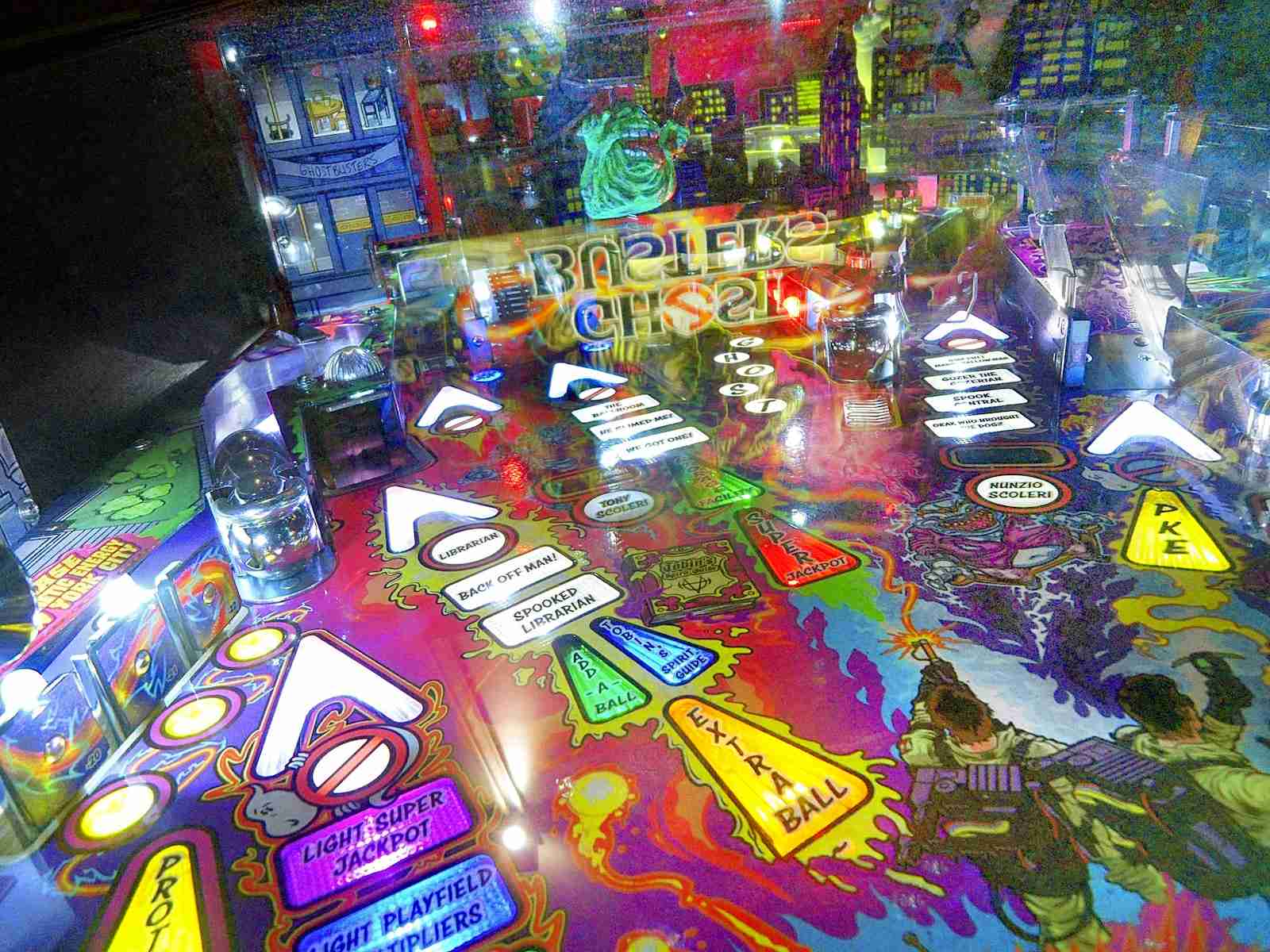
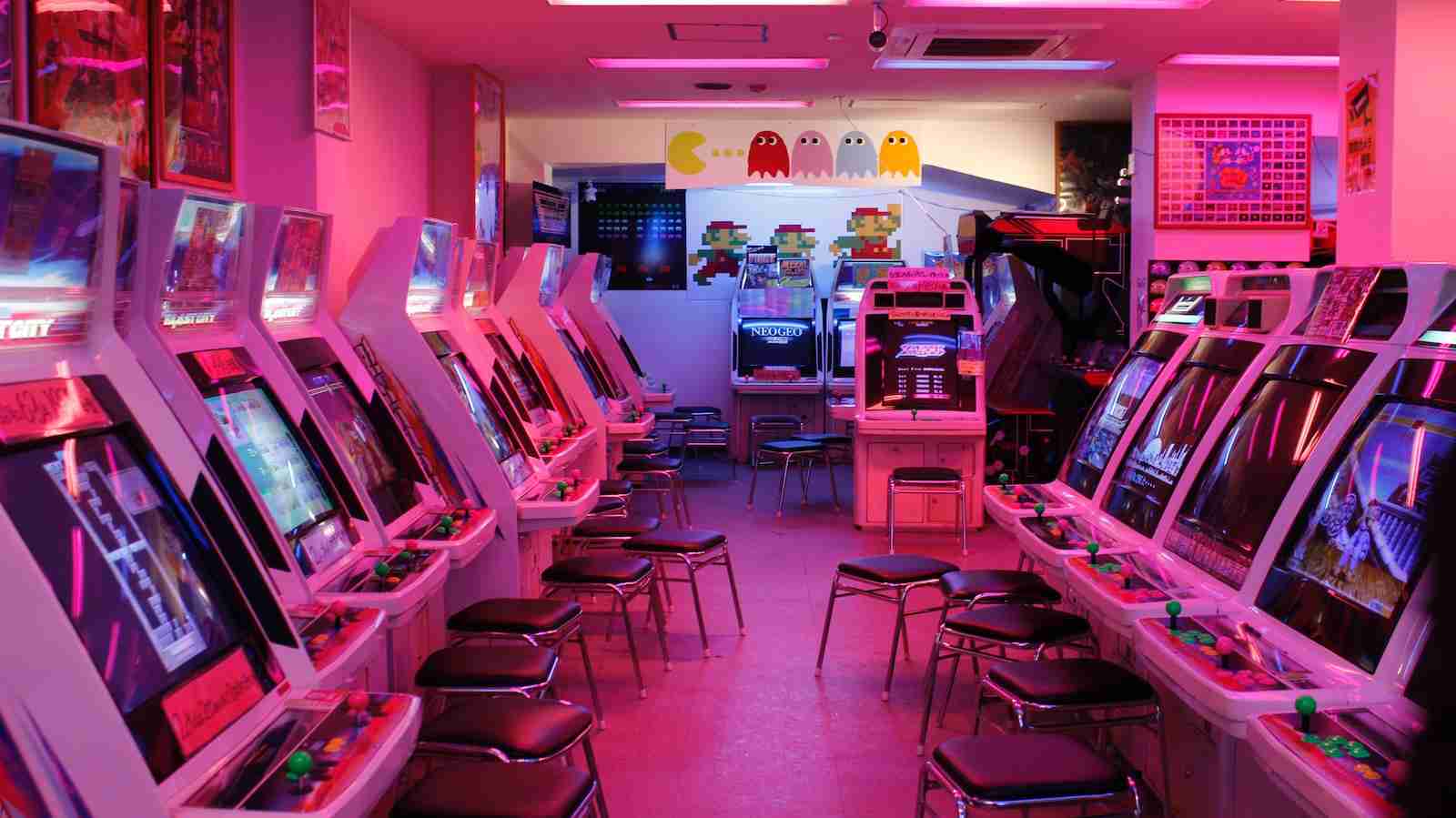
Back in the day, when we dropped quarters into arcade machines, the anticipation was palpable. The lights flickered, and that cheerful chime echoed through the air, igniting a spark of excitement. Each game was a journey, a challenge to be conquered, a little world waiting to be explored—all for the cost of a token or two. Generations X has watched this landscape evolve, from pixelated dreams to sprawling online realms where anything is possible.
Now, we find ourselves in a world where gaming transcends mere entertainment. It connects us, serves as a catalyst for conversations, and builds communities. With every update, every patch, and every downloadable content drop, the bond we share as gamers strengthens. But let’s take a moment to recognize the emotional weight of that transformation. We’ve witnessed it all: the rise of the independent developer, the advent of massive multiplayer experiences, and the sheer ingenuity of creativity poured into new games, which now feel more like interactive storytelling than mere pastimes.
From epic sagas that delve deep into complex narratives to bite-sized mobile games that can deliver a punch in mere minutes, the industry has expanded to cater to every taste and whim. As we sit on our couches, game controllers in hand, we feel part of something larger than ourselves. Each virtual triumph, each defeat, resonates. This is not just play—it’s a shared experience, an unspoken understanding among those who’ve squeezed their lives into pixelated quests and high-score shoots.
However, the rapid pace of change can feel daunting too. Our roles as seasoned players and viewers offer the wisdom of nostalgia—a point of authority. We remember when a single player could alter the narrative with sheer skill and strategy. Today, we grapple with the ethical implications of online monetization and gaming’s cultural footprint. But we’re not just critics; we’re participants in this ongoing evolution.
In the heart and gut of the matter, we’re called to engage. Together, we can champion responsible gaming practices and inclusivity, ensuring that this vibrant community remains welcoming for everyone. As we watch the gaming world blossom with endless updates and infinite possibilities, it’s up to us to shape what’s next. Grab the controller, Gen X—we’re just getting started.

From Arcade Tokens to Endless Updates – Gen X Watches Gaming Change
From Arcade Tokens to Endless Updates – Gen X Watches Gaming Change
- The nostalgic experience of arcade gaming, marked by excitement and anticipation.
- Generational evolution from simple arcade games to expansive online gaming worlds.
- Gaming has become more than entertainment; it fosters connections and community building.
- Recognition of significant industry transformations, including the rise of indie developers and multiplayer experiences.
- Games now focus on storytelling, offering diverse experiences for various player preferences.
- Flexibility in gaming brings both joy and challenges, including ethical concerns around monetization.
- Call to action for Generation X to engage in responsible gaming and inclusivity within the community.

From Arcade Tokens to Endless Updates – Gen X Watches Gaming Change
Table Of Contents
- From Arcade Tokens to Endless Updates – Gen X Watches Gaming Change
- What Memories Do You Cherish From Your Favorite Arcade Games?
- How Has Gaming Technology Advanced Since Your First Experience?
- Which Game Most Impacted Your Understanding Of Teamwork?
- Are You Comfortable with the Rise Of Microtransactions In Gaming?
- What Ethical Dilemmas Do You See In Modern Gaming Culture?
- How Do You Feel When You See Younger Generations Gaming?
- Have You Ever Felt Left Out Of the Gaming Conversation?
- Conclusion
- Other Resources
- Glossary Of Terms
- Other Questions
- Haiku
- Poem
- Checklist
What Memories Do You Cherish From Your Favorite Arcade Games?
When I think back to the arcade, it’s more than just a collection of pixelated screens and beeping sounds; it’s a treasure trove of memories that shaped who we are. Do you remember the thrill of dropping that quarter and feeling the exhilaration coursing through your veins as the game came to life? Those moments weren’t just about playing a game—they were windows into a world of camaraderie and competition, where strangers became friends, and friendships took root amidst the din of 8-bit soundtracks.
Think about the first time your fingers danced across the buttons of your favorite game. Was it the joy of mastering the controls, or the satisfaction of finally beating that razor-sharp opponent? Each win felt like a victory not just against the game, but against the obstacles in our lives. It taught us resilience—every loss ignited that fiery determination to try again, to strategize, to improve. This is where the head meets the heart; the thrill of gaming seamlessly intertwines with the journey of self-discovery.
Now, let’s not ignore the ethics of this arcade experience. Those old-school machines were an equalizer, open to anyone with a coin. They fostered a sense of belonging, a community where people of all ages and backgrounds could gather, united by the love of the game. There’s something inherently beautiful about that—how a simple joystick can create bonds that last much longer than the pixelated scores on a leaderboard.
And then there’s the gut: the anticipation before your name flickers on that high-score list. The pride of seeing your initials lit up, the buzz of having claimed your spot in arcade history. It instills confidence in young hearts and inspires a sense of achievement. Each session felt like a story—full of thrills, challenges, and triumphs.
So, as we gather those cherished memories, let’s invite others to share their own. Start a conversation about your favorite games, and you might discover that the nostalgia we hold is stronger than we think. The arcade isn’t just a place of fun; it’s a symbol of connection that reminds us of the simple joys in life. Whether it’s reliving the past or forging new memories, these games remind us that we are all part of a larger story—one that’s just waiting to be written.

What Memories Do You Cherish From Your Favorite Arcade Games?
What Memories Do You Cherish From Your Favorite Arcade Games?
- Arcades evoke more than just nostalgia; they are a treasure trove of formative memories.
- Dropping a quarter sparked exhilaration and served as a gateway to camaraderie and competition.
- Mastering game controls and overcoming tough opponents instilled resilience and determination.
- Old-school arcade machines acted as equalizers, bringing together diverse individuals through a shared love of gaming.
- Experiencing the anticipation of high scores provided confidence and a sense of achievement.
- Each gaming session was a narrative filled with thrills, challenges, and triumphs.
- Encouraging conversations about favorite games can deepen connections and highlight shared nostalgia.

What Memories Do You Cherish From Your Favorite Arcade Games?
How Has Gaming Technology Advanced Since Your First Experience?
When I think back to the first time I sat down with a game, I’m reminded of the thrill that surged through me—the glowing screen, the clattering buttons, the feeling that I was unlocking a hidden world. It was a time when pixels were king and our imaginations filled in the rest. Fast forward to today, and it’s not just about what you see; it’s about how everything intertwines to create an experience that hits you in the heart, sparks thoughts in your head, and stirs something deep in your gut.
Today’s games load faster than the blink of an eye, whisking us away into sprawling open worlds that pulse with dynamic life. Instead of two-dimensional sprites, we’re greeted by characters that breathe, bleed, and evolve, inviting us to forge connections that feel all too real. There’s a palpable sense of community in these virtual spaces, where friendships are forged across continents and generations. You may even find that your gaming buddies are the ones who rally around you during life’s trials, proving that these digital realms are often more than just a pastime—they’re lifelines.
This evolution in gaming technology isn’t mere magic; it’s a testament to human innovation, driven by a relentless curiosity and desire for connection. Developers pour their hearts into crafting narratives that resonate with our deepest fears and greatest hopes. We find ourselves navigating ethical dilemmas, making choices that reflect who we are and what we stand for. It’s no longer about the quest to defeat the dragon; it’s about how we choose to fight for the greater good—or maybe wrestle with the darker corners of our souls.
There’s authority in the voices we hear: game designers, storytellers, and technologists who understand that with great power comes great responsibility. They remind us that gaming can be a force for good, a platform for social change, or simply a gathering space to share laughter. Our collective experiences reshape the industry, echoing the values of empathy and creativity that transcend the screen.
Ultimately, gaming technology has become a profound conduit for connection. It engages our hearts with emotional storytelling, ignites our heads with complexities, and pulls at our guts with the raw thrill of competition. Just as my journey began, so too does the next chapter in this ever-evolving narrative. Together, we explore, connect, and inspire—one game at a time.

How Has Gaming Technology Advanced Since Your First Experience?
How Has Gaming Technology Advanced Since Your First Experience?
- Initial gaming experiences evoked thrill and excitement, transforming screens into gateways to hidden worlds.
- Modern games offer immersive experiences with fast loading times and dynamic, life-like characters.
- Gaming fosters a sense of community, connecting players across distances and generations.
- Many find support in their gaming friends during personal challenges, highlighting the significance of virtual relationships.
- Advancements in gaming technology reflect human innovation, curiosity, and a desire for connection.
- Games challenge players morally, inviting them to confront their beliefs and ethical dilemmas.
- Game developers emphasize the responsibility of storytelling, aiming for empathy and creativity to inspire social change.

How Has Gaming Technology Advanced Since Your First Experience?
Which Game Most Impacted Your Understanding Of Teamwork?
When I think about the games that carved out my understanding of teamwork, one in particular stands out, weaving a tapestry of lessons that echo far beyond virtual battlegrounds. It was a simple game; one that didn’t boast the glitz or glamour of the latest titles but rather showcased something deeper—collaboration. The kind of teamwork that roots itself in the soil of human connection, trust, and shared goals.
Picture this: a group of diverse characters coming together. Each player brings unique strengths—some are strategists, others warriors, and a few serve as healers or shields. There’s an unspoken rule, a harmony that emerges naturally when we realize our survival hinges not on individual prowess but on trusting each other’s abilities. In this game, victory was never about the glories of one; it was about celebrating the collective.
It becomes clear: authentic teamwork transcends the confines of a screen. Here, we learned the value of communication, the ethical weight of responsibility to each other, and the heady rush that accompanies synchronized action. When one player falters, does the rest rush to blame? No. Instead, they gather around, share insights, foster growth—a collective heartache turned lesson.
In those moments, I could feel it in my gut. The palpable tension of waiting for someone to make a move, the suspense of strategizing together, and the overwhelming joy of shared triumphs all underscored the fundamental truth: teamwork isn’t just a skill; it’s an ethos. It’s about leveraging the collective, not just for the goal at hand, but for the evolution of our relationships.
Those failures? They hurt, but they taught us resilience—the kind we carry into our real lives. When we supported each other, our differences didn’t divide; they enhanced our strength. This game echoed into offices, families, and friendships, teaching us that the powerful bond of teamwork can propel us beyond individual limitations toward a shared destiny.
We’re all players in this game of life, and each of us has the ability to wield the collective power of collaboration. So, the next time you engage in a game, remember: it’s not just about winning. It’s about forging connections, learning from each other, and walking away not just as better players, but as better people. Let’s not just play; let’s play together.

Which Game Most Impacted Your Understanding Of Teamwork?
Which Game Most Impacted Your Understanding Of Teamwork?
- The author reflects on a simple game that imparted important lessons about teamwork.
- Collaboration is rooted in human connection, trust, and shared goals rather than individual accolades.
- Players have unique strengths—strategists, warriors, healers—highlighting the importance of diversity in teamwork.
- Victory is celebrated collectively, emphasizing the importance of communication and mutual support.
- Failures in the game foster resilience and teach valuable lessons about responsibility and growth.
- Teamwork is described as an ethos that enhances relationships beyond the gaming experience.
- The author encourages embracing collaboration in all areas of life to become better individuals.

Which Game Most Impacted Your Understanding Of Teamwork?
Are You Comfortable with the Rise Of Microtransactions In Gaming?
There’s something special about the world of games—a realm where imagination takes flight, and epic journeys unfold before our eyes. We’ve all felt that rush, the excitement of battling monsters or exploring uncharted lands. Yet, as we traverse this magnificent landscape, we find ourselves in the thick of a conversation about microtransactions—a conversation that stirs emotions, challenges our instincts, and raises some ethical questions.
Let’s start with the heart. Many of us remember the days when games were simply about gameplay, skill, and camaraderie. Those were times when the thrill of progress came from hours spent honing our prowess, not from purchasing a shiny new weapon or cosmetic upgrade. There’s a connection that forms through shared experiences, moments of triumph, and sometimes, the frustration of loss. Microtransactions can feel like an intrusion—an invitation to open our wallets before we can open our hearts to the story being told.
From a rational standpoint, the gaming industry is evolving. Game developers face immense pressure to fund the next big thing, and microtransactions are a way to keep the lights on. But does that justify a model where essential experiences are locked behind a paywall? It’s out there—the knowledge that you could enjoy a game to its fullest with a few, well-placed dollars. The thought can gnaw at you, doesn’t it? And there’s that sinking feeling: if we don’t speak up, will games become more about profit than passion?
Now, let’s touch on the ethics of it all. Shouldn’t a game reward skill and effort rather than a bigger bank account? When did we start measuring progress in dollars rather than sheer determination? The narrative around microtransactions complicates the relationship between players and creators. Are we meant to be patrons, or simply consumers? The lines blur when friends invite each other to join the fun, only to discover they need to “buy the experience.”
Socially, think about how these practices shape our conversations—games should unite us, not divide us into the ‘haves’ and ‘have-nots.’ Together, we have a voice. We deserve games that honor our investments of time, passion, and friendship. Let’s cherish the integrity of gaming. When we advocate for a gaming landscape that emphasizes genuine experience over endless transactions, we boost trust not just in the industry, but in each other. That’s a win worth fighting for.

Are You Comfortable with the Rise Of Microtransactions In Gaming?
Are You Comfortable with the Rise Of Microtransactions In Gaming?
- The world of games is a realm of imagination and epic journeys.
- Microtransactions have sparked emotional conversations about ethics and gaming experiences.
- Games were once primarily focused on gameplay and camaraderie, not monetary purchases.
- Many players feel that microtransactions intrude on the experience of storytelling and connection.
- The gaming industry faces pressure to generate revenue, leading to essential experiences being locked behind paywalls.
- Microtransactions complicate the relationship between players and creators, challenging the notion of merit-based progress.
- Advocating for genuine gaming experiences over monetary transactions fosters trust and unity in the gaming community.

Are You Comfortable with the Rise Of Microtransactions In Gaming?
What Ethical Dilemmas Do You See In Modern Gaming Culture?
In the sprawling landscape of modern gaming culture, players encounter thrills and tribulations that hint at deeper ethical dilemmas. Games have become a vehicle for connection and storytelling, but they also carry the weighty burden of choices that extend far beyond the screen. Picture a young gamer, eyes glued to a screen, navigating fantastical worlds while confronting moral crossroads that challenge their very essence. Some days, it’s a harmless choice—a hero saving villagers from a nefarious foe. Other days, it’s a stark decision regarding in-game purchases that open doors to privilege but leave others on the outside looking in.
The allure of microtransactions raises questions about fairness. Do we inadvertently foster a culture that equates success with spending power? The gut reaction is to feel uneasy; here’s a world where dedication and hard work sometimes bow to empty wallets. When the thrill of leveling up is dependent on the size of your bank account rather than your skill, a line is crossed that gets to the heart of what gaming once meant—a celebration of talent, strategy, and creativity.
Then there’s the issue of representation. Games offer a vast platform, yet they can also mirror societal biases. Characters are often shaped by stereotypes that numb our ability to connect with diverse stories. Imagine the power in playing a story that reflects your experience, challenges your perspective, or resonates with your struggles. For every character that breaks the mold, there are dozens that reinforce ancient narratives, revealing a reluctance to embrace authenticity amidst the quest for profit.
Moreover, consider the behavioral side of gaming—where violence is often a badge of honor. The ethical responsibility lies heavy on developers and players alike to question the narratives we consume. What does it say about us when we cheer violent wins yet shy away from the deeper ramifications of such stories? Are we encouraging a generation desensitized to real-world consequences, or are we sparking conversations to cultivate empathy through our shared experiences?
At its core, the gaming community thrives on passion, camaraderie, and shared experiences. By confronting these dilemmas together—challenging our values, celebrating diversity, and promoting ethical play—we can forge a culture that is not just about winning but also about understanding, connection, and progress. In a world where games have the power to shape minds and hearts, we must harness that influence to inspire a positive change in our collective journey.

What Ethical Dilemmas Do You See In Modern Gaming Culture?
What Ethical Dilemmas Do You See In Modern Gaming Culture?
- Modern gaming culture presents both thrills and ethical dilemmas.
- Games serve as a platform for connection and storytelling while imposing moral choices.
- Microtransactions raise fairness issues, challenging the link between success and spending power.
- Representation in games often reflects societal biases, with many characters embodying stereotypes.
- The portrayal of violence in gaming raises ethical questions about its impact on players’ perceptions.
- The gaming community thrives on passion and shared experiences, emphasizing the need for ethical play.
- Collectively confronting these issues can lead to progress, understanding, and positive change in gaming culture.
What Ethical Dilemmas Do You See In Modern Gaming Culture?
How Do You Feel When You See Younger Generations Gaming?
When you spot younger generations immersed in games, it’s hard not to feel a swirl of emotions. On one hand, there’s a sense of nostalgia—those carefree moments spent with friends, scrambling to beat the next level or discover the latest cheat code. The laughter, the shared victories, and even the epic failures create bonds that linger long after the screens go dark. Isn’t it heartwarming to witness kids today forming connections in much the same way, albeit through virtual realms?
Yet, it’s not just a trip down memory lane that stirs our souls. There’s something inherently rational about gaming’s allure. These aren’t just mindless distractions; they sparking creativity, critical thinking, and teamwork. We see the younger generation tackle challenges, strategize, and think on their feet—skills essential for navigating the maze of life beyond the digital world. In this light, gaming can be seen as a training ground, preparing them for real-world obstacles with a diverse toolkit of solutions.
Of course, ethics play a role here, too. As we watch young minds expand through gameplay, we might ponder the implications of what they’re engaging with. Are the narratives they’re immersed in fostering empathy, critical dialogue, or responsibility? As older generations, we hold the moral compass—it’s our responsibility to guide not only what they play, but how they process its meanings. Encouraging critical engagement with the content can empower them to become conscious players, shaping not just their own experiences but the culture of gaming itself.
As we watch them huddled around screens, it’s essential to recognize the change in social dynamics. A keen understanding arises that gaming isn’t a solitary endeavor; it’s a platform for collaboration. The laughter, the banter, and even the heated debates that arise while managing a team reflect a vibrant social tapestry. It’s a bridge that connects them across distances, and perhaps even differences, fostering a sense of community that transcends geographical boundaries.
So the next time you witness younger generations gaming, take a moment to appreciate the myriad ways they’re learning, connecting, and growing. They’re not just players; they’re innovators in the making, forging paths we’ve yet to imagine. And isn’t that a thrilling thought?

How Do You Feel When You See Younger Generations Gaming?
How Do You Feel When You See Younger Generations Gaming?
- Younger generations’ immersion in gaming evokes nostalgia for shared experiences and friendships formed through gameplay.
- Gaming serves a purpose beyond entertainment, fostering creativity, critical thinking, and teamwork skills.
- It acts as a training ground, preparing youth to tackle real-world challenges with various problem-solving strategies.
- Older generations should guide younger players regarding the ethical implications and narratives within games.
- Encouraging critical engagement with game content can empower kids to become conscious players and shape gaming culture.
- Gaming promotes social dynamics, enhancing collaboration and connection among players, regardless of distance or differences.
- Younger gamers are innovators, learning and growing in ways that may lead to unforeseen future developments.

How Do You Feel When You See Younger Generations Gaming?
Have You Ever Felt Left Out Of the Gaming Conversation?
Have you ever felt that twinge in your gut when your friends gather around, animatedly discussing the latest games, while you stand on the outskirts, clutching your drink like a life raft? It can be an isolating experience, and the sting of being left out often tugs at the heart more than we realize. When others exchange stories of epic victories or catastrophic fails, you might quietly wonder: “Am I the only one who feels this way?” You’re not alone; many of us have crossed this bridge, feeling like an outsider peering in on a vibrant tapestry woven with shared experiences.
It’s a natural human instinct to crave connection, particularly in a world that thrives on shared interests. Games have this remarkable power to create communities, bridging gaps between strangers and uniting friends. Understandably, many can feel overwhelmed by the sheer volume of titles, genres, and gaming communities out there. Suddenly, engaging in conversation seems daunting, and you question your worthiness. But here’s the rub: gaming doesn’t require a PhD in pixels to appreciate. It’s about storytelling, strategy, and maybe even a bit of chaos—that’s where the magic happens.
Consider this: every seasoned gamer at some point in their journey felt like a newbie, standing at the edge of a vast digital landscape, unsure of which way to go. But instead of retreating, they took that leap of faith, embraced the uncertainty, and dove headfirst into the world of games. The best part? Anyone can join. It’s never about being the best but about having fun and sharing those moments—those little highs and lows that form lasting bonds.
You don’t need to master the latest title overnight; just start small. Express interest, ask questions, or even share a game you enjoyed. Recognize that engaging in the dialogue isn’t just about competition; it’s about connection. You hold the power to initiate your own conversations and foster relationships in this rich domain.
Embrace your unique perspective and validate your feelings. Reach out, get involved, and remember: every gamer was once a beginner with stories waiting to unfold. As you step into this gaming universe, know that you don’t just belong; you have a place in taking the leap toward building those conversations. Now is your moment to join in.

Have You Ever Felt Left Out Of the Gaming Conversation?
Have You Ever Felt Left Out Of the Gaming Conversation?
- Feeling excluded during conversations about games can be isolating and affect self-esteem.
- Many people experience the same feelings of being an outsider in gaming discussions.
- Games foster community and connection among individuals with shared interests.
- The vastness of gaming options can make starting a conversation seem overwhelming.
- Every experienced gamer has felt like a newbie at some point in their journey.
- Engaging in gaming conversations is about connection, not competition.
- Embrace your unique perspective, and remember that everyone starts somewhere in their gaming experience.

Have You Ever Felt Left Out Of the Gaming Conversation?
Conclusion
Gaming has come a long way since the days of arcade tokens. For many of us in Generation X, those flickering screens and the joy of scoring a high score set the stage for a powerful journey. We were there when pixelated worlds were king, when the thrill of a quarter drop sent us on an adventure that felt monumental, far more than just a few minutes of play. This was where community was born—not in the solitary confines of our homes, but amid the camaraderie of crowded arcades, where the joy of victory and the sting of defeat were shared experiences that knitted us together.
Today, gaming has evolved, transforming from a gulp of nostalgia into a vibrant ecosystem that engages heart and mind. We’re part of something much bigger—a global network where connections flourish, creativity thrives, and stories resonate. As gameplay stretches beyond simple mechanics into an arena of storytelling and collaboration, we begin to realize that every click of the button and every minute spent strategizing cultivates not just skills but bonds. It underscores a fundamental truth: gaming is a shared experience that transcends generations.
Yet, with this rapid evolution comes a set of ethical questions that we must grapple with. The rise of microtransactions and the pressure on developers to monetize experiences can feel like an intrusion, raising concerns about fairness and access within the community we cherish. Are we fostering inclusivity, or are we carving out divisions based on the size of someone’s wallet? These dilemmas challenge us to stand as guardians of what we’ve built, ensuring that the gaming world remains welcoming and equitable for all.
As we celebrate the beauty of gaming, we must also nurture a culture of responsibility. We hold the power to guide younger generations, teaching them to engage critically with narratives and experiences. Our voices can help shape a community that values personal connection and shared growth, championing responsible practices that honor the artistry of gaming.
So here we are, controllers in hand and hearts wide open. The landscape may change, but the call to adventure, connection, and understanding remains constant. The future is unwritten, and it’s up to us—players, storytellers, dreamers—to take the leap together, crafting an extraordinary story, one game at a time. It’s time to grab that controller and jump into the next quest. We’re just getting started.

Conclusion
Conclusion:
- Gaming has evolved significantly from the days of arcade tokens, shaping a powerful journey for Generation X.
- Arcades fostered community, providing shared experiences of joy and defeat among players.
- The modern gaming ecosystem is vibrant, connecting players globally and emphasizing creativity and storytelling.
- Gameplay now transcends mechanics, encouraging skill cultivation and the formation of bonds among players.
- The rise of microtransactions raises ethical concerns about fairness and inclusivity in the gaming community.
- We have a responsibility to guide younger generations to engage critically with gaming narratives and practices.
- The future of gaming is unwritten, and it’s up to players to take action and craft extraordinary stories together.

Conclusion
Other Resources

Other Resources
Here is a list of other resources you can review online to learn more:
- Tumblr
- Agricola (Revised Edition)
- Flickr
- Jumbo
- Forbidden Stars
- Euchre
- Pandemic Legacy: Season 1
- Terra Mystica
- 7 Wonders Duel
- Mindclash Games
- Kemet
- Imperial Settlers
- Arcane Wonders
- Blood Rage
- DriveThruRPG
- Blackjack
- Plaid Hat Games
- Board Game Atlas
Use This Prompt To Get More Resources With Your Favorite Online AI Tool: Please provide me with a list of online articles with their URLs in a bulleted list that I can read regarding From Arcade Tokens to Endless Updates – Gen X Watches Gaming Change

Other Resources
Glossary Terms
From Arcade Tokens to Endless Updates – Gen X Watches Gaming Change – Glossary Of Terms
1. Arcade Tokens: Metal or plastic coins used in arcade games, allowing players to participate in gameplay.
2. Retro Gaming: Classic video games from earlier decades, often embraced by enthusiasts for nostalgia and historical significance.
3. Game Console: A specialized electronic device designed for video game playback, including systems like the Nintendo Switch and PlayStation.
4. Home Computing: Personal computers used for gaming and other tasks during the rise of PCs in the 1980s and 1990s.
5. E-sports: Competitive gaming where individuals or teams compete in organized tournaments, often with large audiences and sponsorships.
6. Modding: The act of modifying video games or game consoles, often to enhance performance, add features, or customize gameplay.
7. Pixel Art: A digital art form that uses small square shapes (pixels) to create images, commonly used in retro video games.
8. Virtual Reality (VR): A simulated experience that can mimic real or imaginary environments, allowing players to immerse themselves in gameplay.
9. Augmented Reality (AR): Technology that overlays digital information onto the real world, enhancing gaming experiences through devices like smartphones.
10. Downloadable Content (DLC): Additional game content available for purchase after the original game release, often including new levels, characters, or features.
11. Early Access: A game development model that allows players to purchase and play a game before its official release, helping developers gather feedback.
12. Game Mechanics: The rules and systems that dictate how players interact with a game, including controls, objectives, and scoring methods.
13. Simulation Games: Video games designed to replicate real-world activities, such as flight simulators or life simulation games like “The Sims. ”
14. Open World: A game design that allows players to explore a vast, interconnected environment freely, rather than following a linear plot.
15. Loot Boxes: Virtual treasure chests within games that contain random in-game items, often raising concerns about gambling mechanics.
16. Streaming: Broadcasting gameplay live over the internet, often through platforms like Twitch, allowing viewers to watch and interact with players.
17. Mobile Gaming: Playing video games on portable devices, such as smartphones and tablets, which has grown significantly in popularity.
18. Microtransactions: Smaller purchases made within a game, often for cosmetic items or in-game currency, that can accumulate into significant amounts.
19. Game Development: The process of creating video games, encompassing design, coding, art, and sound production.
20. Franchise: A series of related media products, including games, movies, and merchandise, often centered around a popular character or theme.
21. Cross-Play: A feature that allows players on different gaming platforms to play together in the same online game.
22. Speedrunning: Completing a video game as quickly as possible, often utilizing glitches or optimal strategies, often for competition.
23. Patch Updates: Software updates that fix bugs, balance gameplay, or add new content, helping games evolve over time.
24. Game Genres: Categories that define the style and objectives of a game, such as action, role-playing (RPG), strategy, or puzzle.
25. Indie Games: Video games created by small independent developers, often featuring unique concepts and artistic styles.
26. Narrative Design: The process of crafting a game’s story and dialogue, ensuring that the narrative complements gameplay elements.
27. Difficulty Levels: Options within games that determine how challenging gameplay is, often ranging from easy to hard settings.
28. Chiptune: A genre of music created using sound chips from vintage computers and video game consoles, often associated with retro games.
29. Game Engine: Software used to build and develop video games, providing tools for graphics, physics, and gameplay mechanics.
30. Social Gaming: The interaction of players within games, often including cooperative, competitive, and chat features, emphasizing community engagement.

Glossary Of Terms
Other Questions
From Arcade Tokens to Endless Updates – Gen X Watches Gaming Change – Other Questions
If you wish to explore and discover more, consider looking for answers to these questions:
- What were some of the most popular arcade games that defined Gen X’s gaming experiences?
- How have social interactions among gamers changed from the arcade era to modern gaming?
- What role do independent developers play in the current gaming landscape?
- What are the implications of online gaming communities on real-life friendships?
- How can players advocate for responsible gaming practices in the current environment?
- What significant advancements in gaming technology can we expect in the future?
- Which games are known for their strong narratives that appeal to players seeking deeper stories?
- How have microtransactions affected player experiences and game design?
- What ethical considerations should developers keep in mind when creating new games?
- How can players contribute to making gaming a more inclusive space?
- What are some strategies for reconnecting with gaming culture if you’ve felt left out?
- How do different generations perceive the value of gaming compared to previous eras?
- What impact does gaming have on developing skills in younger players?
- How do games reflect societal issues, and what responsibility do developers have regarding these portrayals?
- What resources are available for those new to gaming wanting to join conversations?

Other Questions
Haiku
From Arcade Tokens to Endless Updates – Gen X Watches Gaming Change – A Haiku
Arcade tokens dropped,
Nostalgic cheers unite us—
Gaming bonds us still.

Haiku
Poem
From Arcade Tokens to Endless Updates – Gen X Watches Gaming Change – A Poem
In dim-lit rooms where tokens fell,
A melody of joy would swell,
As quartered hopes ignited dreams,
Through pixel worlds, we crafted schemes.
Gen X watched, with hearts aglow,
The landscape shift, evolve, and grow,
From single quests where skill would soar,
To realms where friendships opened doors.
Each update feeds the bond we share,
In laughter’s pulse and guided care.
Yet with this change comes weighty choice,
Where endless coins may drown the voice.
Ethics weave through every play,
What’s bought vs. earned, a heavy weigh,
For we recall that sacred thrill,
When triumph sprung from grit and will.
Younger voices rise from screens,
In laughter and the raucous scenes,
Their games, a canvas rich and vast,
Where teamwork blooms and shadows cast.
Yet those outside may feel the sting,
In conversations where they cling,
To stories told in vibrant hues,
Unsure of where their place ensues.
Together we must bridge that gap,
Embrace the new, extend a map,
For in this world of gaming’s grace,
There lies an uncharted, welcoming space.
So grab your controller, don’t look back,
Let’s champion threads that never lack.
For in this journey, every voice can sing,
As we forge community—one heart, one string.

Poem
Checklist
From Arcade Tokens to Endless Updates – Gen X Watches Gaming Change – A Checklist
Gaming Evolution Checklist: Engaging the Heart, Head, and Gut
Heartfelt Connections
_____ Recall Your Memories: List three cherished memories from your gaming past. How did they shape your experiences?
_____ Share the Joy: Reach out to a friend and share your favorite gaming memories. Discuss how it felt to connect with others through gaming.
_____ Celebrate Diversity: Reflect on the importance of inclusive gaming communities. How can you advocate for inclusivity in your circles?
Rational Reflections
_____ Assess Technology Changes: Analyze how gaming technology has evolved from your first experience. List three specific advancements that enhance your gaming experience today.
_____ Evaluate Game Purchases: Reflect on your attitudes towards microtransactions. Are there specific instances that made you uncomfortable? What alternatives could you suggest?
_____ Explore Ethical Dilemmas: Identify at least two ethical dilemmas in modern gaming. Write down your thoughts on how these issues affect players and developers alike.
Gut Instincts
_____ Notice Your Reactions: When you observe younger generations gaming, note your immediate feelings. What excites you, and what concerns you?
_____ Confront Feelings of Exclusion: If you’ve ever felt left out of gaming conversations, write down specific feelings and experiences. How can you empower yourself to re-engage?
_____ Act on Shared Challenges: Identify a game that emphasizes teamwork. Consider how it reflects on your relationships in real life. Discuss the importance of collaboration with fellow gamers.
Narrative Engagement
_____ Collect Stories: Ask others about their favorite games and why they impacted them. What common themes emerge?
_____ Pitch a Game Concept: Imagine a game that addresses social issues or personal growth. Write a brief pitch that captures its essence.
_____ Create a Collaborative Experience: Organize a gaming night where players can share their experiences and learn from each other. What themes do you hope to explore during this event?
Social Responsibilities
_____ Join Community Discussions: Engage in online forums or local clubs. Share your thoughts on gaming culture and listen to diverse perspectives.
_____ Champion Responsible Gaming: Advocate for game developers to prioritize player experience over profit. Draft a message or blog post outlining your views.
_____ Create a Positive Gaming Space: Consider how your gaming environment can reflect ethical values. Are there changes you can implement in your gaming group to foster positivity?
Use this checklist to deepen your engagement with gaming, reflecting on personal experiences while advocating for a more inclusive and thoughtful gaming community.

Checklist
At HowDoYouGame, we help people who love board games by collating information and news about games.
Be sure to read our other related stories at HowDoYouGame to learn more about games.