Leveling Up: How Online Games Help Kids Solve Real-Life Challenges
By Tom Seest
At HowDoYouGame, we help people who love board games by collating information and news about games.
Be sure to read our other related stories at HowDoYouGame to learn more about games.
Can Online Games Offer Kids Tools for Navigating Daily Problems?
Imagine a world where kids learn to tackle real-life challenges while immersed in a fantasy realm, slaying dragons or building civilizations. Sounds like child’s play, right? Well, maybe we need to rethink the idea of play because the truth is, online games can be more than just a digital distraction; they can serve as powerful tools for development. Thanks to something called gamification, these engaging experiences offer kids meaningful lessons they might not find in a traditional classroom.
Gamification transforms everyday tasks and challenges into compelling adventures. Through colorful characters, interactive storylines, and rewarding feedback, games allow children to experiment with problem-solving and decision-making in a low-stakes environment. Picture a kid faced with a baffling puzzle; rather than throwing in the towel, they adapt and strategize, motivated by the thrill of advancement. Each gameplay session becomes a microcosm of life itself, where victories and defeats teach resilience, creativity, and critical thinking, teaching lessons that echo well beyond the screen.
But it’s not just about leveling up in a game; it’s also about social interaction. Many online games require teamwork, communication, and collaboration, effectively simulating some of the complex dynamics of real-world relationships. Kids team up to overcome challenges, fostering friendships and cultivating empathy. In those pixelated worlds, they learn to navigate diverse perspectives and backgrounds, skills they can apply when they step outside to face real-life dilemmas.
Moreover, as parents or mentors, we often grapple with the concern: Are these digital pursuits stealing away valuable time? Here’s the kicker—what if those hours spent in the digital realm become opportunities for growth? Encouraging kids to embrace the right kind of online gaming can lead to personal development. Instead of shying away from screens, let’s ask ourselves how we can guide them toward games that hone their skills, instill confidence, and teach essential life lessons.
So, how can we harness the potential of online games for our children? Start with open conversations about their gaming experiences, and investigate the games that promise genuine educational value. Playing along and experiencing their world can break down barriers, and, who knows, perhaps you’ll find a new favorite pastime. Embrace the possibilities and turn screen time into an exciting journey toward understanding and resilience. After all, the adventure doesn’t stop at the keyboard; it’s part of the beautiful mess of growing up.

Can Online Games Offer Kids Tools for Navigating Daily Problems?
Can Online Games Offer Kids Tools for Navigating Daily Problems?
- Online games can serve as powerful tools for child development, rethinking the concept of play.
- Gamification transforms challenges into adventures, fostering problem-solving skills in a low-stakes environment.
- Gameplay experiences teach resilience, creativity, and critical thinking through victories and defeats.
- Many online games promote teamwork, communication, and collaboration, simulating real-world social dynamics.
- Kids learn to navigate diverse perspectives, fostering empathy and friendships in virtual settings.
- Rather than viewing gaming as a distraction, it can be an opportunity for personal growth and skill development.
- Open conversations and parental involvement in gaming can enhance understanding and promote educational experiences.

Can Online Games Offer Kids Tools for Navigating Daily Problems?
Table Of Contents
- Can Online Games Offer Kids Tools for Navigating Daily Problems?
- What Types Of Problems Can Online Games Help Kids With?
- Do Online Games Encourage Critical Thinking In Children?
- How Can Online Games Promote Teamwork Among Young Players?
- Are There Specific Games Designed For Skill Development?
- What Role Do Rewards Play In Learning Through Online Games?
- Can Online Games Help With Emotional Resilience In Kids?
- How Can Parents Select Appropriate Games For Their Children?
- Conclusion
- Other Resources
- Glossary Of Terms
- Other Questions
- Haiku
- Poem
- Checklist
What Types Of Problems Can Online Games Help Kids With?
Let’s face it, parenting comes with its fair share of challenges. Between schoolwork and social struggles, it can sometimes feel like we’re juggling a dozen flaming torches while riding a unicycle. Enter the world of online games. It might seem counterintuitive, but these digital adventures can be powerful tools in addressing some of those challenges our kids face.
First, let’s talk about gamification. This clever concept isn’t just for corporate training anymore. In the realm of gaming, it transforms mundane tasks into engaging quests that your kids actually want to embark upon. Whether it’s reinforcing math concepts through a fun treasure hunt or tackling science by building a virtual city, the motivation to learn is right at their fingertips. Think about it: would you rather begrudgingly memorize multiplication tables or save a kingdom from invaders while mastering those same numbers? What a difference a game makes.
Emotional resiliency is another area where online games shine. Kids encounter challenges—just like in real life—when they take on a game’s levels, face difficult bosses, or solve complex puzzles. The occasional “game over” can teach them that failure isn’t the end; it’s just another chance to level up. They learn to cope, adapt, and come back stronger. This isn’t just about pixels on a screen; it’s a rehearsal for real life’s ups and downs.
Social skills can also get a significant boost in the gaming universe. Many online games encourage collaboration and teamwork, teaching kids how to communicate, negotiate, and resolve conflicts. They learn to value contributions from others and embrace diverse perspectives. When they band together in a quest, they form bonds that can enhance their real-life relationships, too.
While it’s crucial to maintain a balance—because too much screen time can lead to its own set of issues—moderation is key. Engage your kids in discussions about their gaming experiences. Ask them what they learned, how they collaborated, or how they strategized to tackle a tough level. This way, you’re not just standing on the sidelines; you’re part of their journey, and you just might be amazed at the skills these games cultivate.
So, when you hear the click-clack of controllers or the enthusiastic cheers from a gaming room, remember: behind the fun, there’s a wealth of growth, learning, and character building. Embrace it, celebrate it, and let those virtual adventures fuel their real-world success.

What Types Of Problems Can Online Games Help Kids With?
What Types Of Problems Can Online Games Help Kids With?
- Parenting involves various challenges, such as managing schoolwork and social issues.
- Online games can effectively address these challenges by transforming mundane tasks into engaging quests through gamification.
- Gamification motivates kids to learn and practice concepts in a fun and interactive way.
- Online games promote emotional resiliency by teaching kids how to cope with failure and adapt to challenges.
- Playing games encourages the development of social skills, including teamwork, communication, and conflict resolution.
- Moderation in screen time is essential; discussions about gaming experiences can enhance the benefits.
- Engaging in gaming can lead to significant growth, learning, and character development for children.

What Types Of Problems Can Online Games Help Kids With?
Do Online Games Encourage Critical Thinking In Children?
When you think about the world of online gaming, what springs to mind? Flashy graphics? Epic battles? Sure, these elements can draw kids in like moths to a flame, but there’s a whole realm beyond the spectacle that is often overlooked: the world of gamification. This notion—a simple yet powerful concept—can have a profound impact on how children learn to think critically.
At its core, gamification transforms tasks into engaging experiences, using game-like elements to keep players motivated. Imagine a child navigating through a lively digital landscape, not just shooting lasers, but solving puzzles that require logic and reasoning. Each level they conquer may not just be about points scored but about whether they can adapt on the fly, analyze underlying patterns, or strategize against an unseen opponent. In the midst of giggles and cheers, these youngsters might be unknowingly exercising their critical thinking muscles.
Now, before you jump to conclusions, let’s face it: not all online games are created equal. Like digging through a box of chocolates, some games are simply more nourishing than others. It’s essential to guide young explorers toward those that genuinely promote problem-solving skills and decision-making. For instance, strategy games or collaborative platforms often challenge players to communicate and think ahead—skills that will carry them far beyond the screen and into the real world.
But don’t just take my word for it—be a part of the conversation. Sit down with your kids, get involved, and discover the labyrinth of choices they navigate in their games. You might find that a simple evening of gaming can spark deeper discussions about teamwork, consequences, and creative solutions. Can you believe that? With a little guidance, online gaming can transform from a screen-sucking pastime into a dynamic classroom where lessons are learned without a chalkboard in sight.
In a world where critical thinking is more important than ever, embracing the gamification of education could be a game changer—pun intended! So why wait? Dive in, explore together, and help shape the next generation of thinkers and problem-solvers. The future is indeed bright, and it might just be built on the foundations laid in the digital realm. So, the next time you hear “just one more game,” remember this: they might be doing a lot more than just playing.

Do Online Games Encourage Critical Thinking In Children?
Do Online Games Encourage Critical Thinking In Children?
- Online gaming is often associated with flashy graphics and epic battles, but it also encompasses the important concept of gamification.
- Gamification turns tasks into engaging experiences, motivating players through game-like elements.
- Children can develop critical thinking skills by solving puzzles and strategizing in games.
- Not all online games promote learning equally; some are more beneficial for developing problem-solving skills.
- Strategy games and collaborative platforms encourage communication and forward-thinking skills.
- Engaging in gaming with children can foster discussions about teamwork, consequences, and creative solutions.
- Embracing gamification in education can significantly impact critical thinking and problem-solving abilities in young learners.

Do Online Games Encourage Critical Thinking In Children?
How Can Online Games Promote Teamwork Among Young Players?
You know, there’s something undeniably captivating about the world of online games. It’s not just the flashy graphics or the adrenaline-pumping action; it’s the way these virtual realms invite young players to band together and conquer challenges as a unit. Today’s gaming landscape is a playground, a space where the seeds of teamwork are nurtured—often without players even realizing it.
At the heart of this phenomenon lies gamification. This clever concept transforms ordinary tasks into thrilling quests, turning barriers into achievements. In many games, young players are assigned roles that require them to collaborate with teammates to accomplish goals. Whether it’s slaying a dragon, solving intricate puzzles, or hauling resources for your virtual kingdom, the logic is straightforward: you can’t do it alone. Victory demands synergy.
Imagine a group of friends navigating a vast, pixelated battlefield. Each player has unique skills—some are strategists, while others are sharpshooters, healers, or builders. When they work in concert, utilizing their individual strengths to tackle obstacles, they quickly learn the value of communication and trust. That’s not just a gaming lesson; it’s a life lesson.
And let’s be honest here: not every player is the lone wolf type. Many deeply benefit from the sheer necessity of alliance-building. As they strategize around a table—or a virtual campfire—players cultivate empathy and learn the delicate art of compromise. It’s a safe space to make mistakes, try new tactics, and rally back after a setback. With each match, they build bonds that can transcend the screen, transforming simple connections into lasting friendships.
Moreover, online games often feature competitive elements—tournaments, leaderboards, and rewards—that add an extra layer of motivation. These challenges push players to rise to the occasion, not just for personal gain but for the team’s success. The thrill of victory, especially when shared, is a feeling like no other. It teaches young players that collaboration often creates a higher chance of triumph than individual efforts alone.
So, the next time you see a group of kids hunched over their screens, remember: they’re not just playing games. They’re developing critical skills for the future. They’re learning to communicate, cooperate, and collectively celebrate their achievements—and that’s a game worth playing.

How Can Online Games Promote Teamwork Among Young Players?
How Can Online Games Promote Teamwork Among Young Players?
- Online games foster teamwork among young players, creating a captivating and engaging environment.
- Gamification transforms ordinary tasks into exciting challenges, encouraging collaboration to achieve goals.
- Players take on unique roles, demonstrating the importance of communication and trust in overcoming obstacles.
- Alliance-building in games cultivates empathy and teaches compromise in a risk-free setting.
- Competitive elements like tournaments and leaderboards motivate players to perform for the team’s success.
- Collaboration in games often leads to greater success than individual efforts, reinforcing the value of teamwork.
- Playing online games helps develop critical skills such as communication, cooperation, and celebrating achievements.

How Can Online Games Promote Teamwork Among Young Players?
Are There Specific Games Designed For Skill Development?
When it comes to skill development, the world of gaming has morphed into more than just a means of leisure; it’s a rich landscape of opportunity that’s practically waiting for you to dive in. The concept of gamification—turning tasks and objectives into game-like challenges—has taken off in recent years, reshaping how we learn and grow. From board games to mobile apps, it feels like every corner of the gaming universe is offering you a chance to hone new skills while having a good ol’ time.
Let’s face it: life can sometimes feel like an endless grind, a series of monotonous tasks without any semblance of play. That’s where skill-focused games step in as a breath of fresh air. Imagine a puzzle game where each piece you fit represents a new coding skill being learned, or a virtual farm that teaches you about resource management and planning. These aren’t just games; they’re little training grounds that allow you to tackle the real-world challenges we all face, but with a smile on your face.
Think of language-learning apps that utilize gamification to make you feel like you’re not studying at all, but rather embarking on an adventure. You’re not just repeating words; you’re engaging in a quest to unlock new levels, much like a hero in a fantastical saga. Before you know it, you’re asking for directions in Spanish without even breaking a sweat. It feels rewarding because you’re not just learning; you’re playing.
And we can’t overlook simulation games. Picture yourself managing a city, building it from the ground up, all while learning about economics and urban planning. Sure, it’s a game, but you’re picking up invaluable strategies that can very much apply to real life. Your hands-on experience won’t be confined to the virtual realm; those lessons stick with you.
Whether you’re a student, a professional seeking to upskill, or just someone curious to learn, let’s embrace the fact that there are games designed specifically for your growth. They’re inviting you to explore, experiment, and even fail—safely. So, the next time you’re scrolling through the app store or the board game aisle, remember this: games can be your allies in skill development. They offer the perfect blend of challenge and enjoyment, making the journey of learning not just worthwhile, but downright fun. So go on, pick up that controller—or that deck of cards—and start playing your way to new horizons.

Are There Specific Games Designed For Skill Development?
Are There Specific Games Designed For Skill Development?
- The world of gaming has evolved into a significant opportunity for skill development beyond mere leisure.
- Gamification is reshaping learning by turning tasks and objectives into engaging game-like challenges.
- Skill-focused games provide a refreshing break from monotonous daily tasks, enabling fun while learning.
- Games like puzzle games and virtual farms serve as training grounds for real-world challenges.
- Language-learning apps use gamification to transform studying into an exciting adventure.
- Simulation games teach valuable life skills such as economics and urban planning through hands-on experience.
- There are games designed specifically for skill development that encourage exploration and safe experimentation.

Are There Specific Games Designed For Skill Development?
What Role Do Rewards Play In Learning Through Online Games?
When we think about learning, our minds often drift to dusty textbooks and long lectures that make our eyes glaze over. But let’s face it: who wants to grind through a monotonous lesson when you can level up in an online game? Here’s where gamification steps in, adding flair to the learning process in ways we never anticipated.
Picture this: you log in to an online game and find yourself on a sprawling quest. Every challenge you tackle leads to a reward—be it points, badges, or unlocking the next level. These rewards are not just digital trinkets; they serve a crucial role in motivating players to engage with the material. The more you play, the more you earn, and before you know it, you’ve absorbed a wealth of knowledge without even realizing it. The game cleverly disguises learning as pure fun, making the experience all the more addictive.
Now, let’s delve deeper into what makes those rewards so effective. When you achieve something—defeating the boss monster, solving a cryptic puzzle, or smashing a personal record—you experience that rush of accomplishment. This feeling isn’t just for giggles. It activates the brain’s reward system, firing off dopamine and making you hungry for more. The intrinsic satisfaction of achievement propels you forward, pushing you to tackle the next challenge, often leading to deeper learning.
But let’s not overlook the communal aspect. Many online games encourage collaboration, where players team up to unlock rewards together. This fosters a sense of community and shared purpose. Learning becomes a social affair—fixing a problem alongside friends can create a bond stronger than mere camaraderie. You’re not just learning facts; you’re building connections that enrich the entire experience.
Rewards in online games aren’t just icing on the cake. They are integral to the entire educational process, transforming the way we perceive learning. So, the next time you find yourself lost in an adventure, remember that every little trophy you earn is not just a mark of pride but also a testament to your growth—both as a player and a learner. Embrace the game, relish the rewards, and watch how they take you on an unexpected journey of discovery!

What Role Do Rewards Play In Learning Through Online Games?
What Role Do Rewards Play In Learning Through Online Games?
- Traditional learning often feels tedious, dominated by textbooks and lectures.
- Gamification introduces engaging elements to the learning process, making it fun.
- In online games, players receive rewards for completing challenges, such as points and badges.
- These rewards motivate players to engage with the material, leading to effective learning.
- Achievements trigger dopamine release in the brain, enhancing the learning experience.
- Many online games promote collaboration, fostering a sense of community among players.
- Rewards are essential to education, illustrating growth as both a player and a learner.

What Role Do Rewards Play In Learning Through Online Games?
Can Online Games Help With Emotional Resilience In Kids?
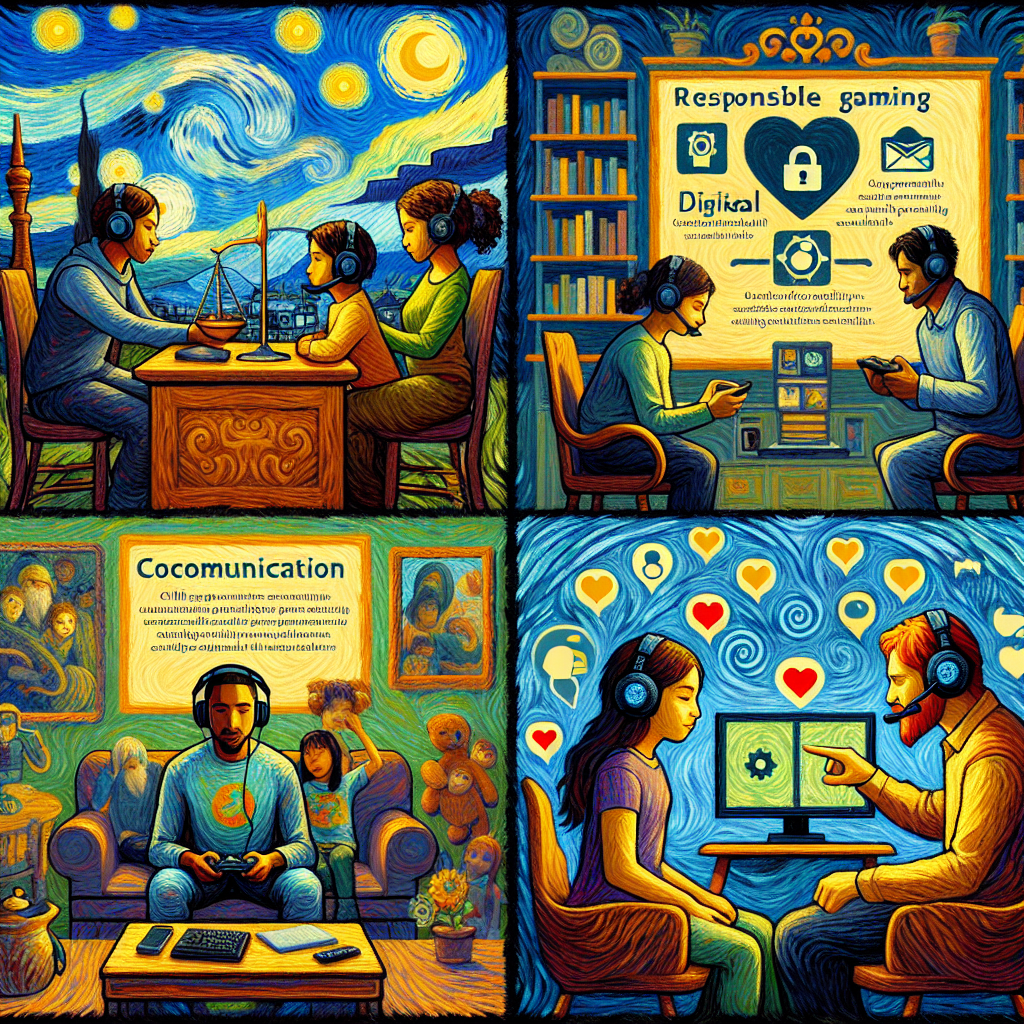
Let’s face it: life is a series of challenges, setbacks, and triumphs, much like a video game. You’ve got your enemies, your health points, and a whole world of quests waiting to be tackled. And while some folks may still squint at the notion of online games, the truth is that many of these virtual adventures can serve as a powerful tool for building emotional resilience in kids.
Now, let’s talk about gamification—the art of using game-like elements and mechanics to engage players in non-gaming experiences. Think of it as a secret sauce that transforms everyday tasks into exciting challenges! When children encounter difficulties in a game, like a particularly tricky level or a fearsome boss, they learn something invaluable: perseverance. They have to strategize, adapt, and sometimes even fail before they achieve victory. That’s a lesson that extends far beyond the screen.
Imagine your child navigating through an online obstacle course, feeling that rush of adrenaline when they finally conquer a tough challenge. It’s in these moments that they’re developing grit—resilience, the ability to bounce back when life throws the unexpected at them. They’re not just forging virtual paths; they’re building a robust emotional framework to hold them steady when the real world gets rocky.
Let’s not ignore the social aspect of online gaming either. Many of these games foster collaboration and teamwork, teaching kids the importance of communication and support. They’re strategizing together, problem-solving, and navigating conflicts in real-time. Those late-night gaming sessions with friends? They’re more than just entertainment; they’re invaluable social lessons that prepare them to face life’s complexities.
So, before you dismiss online gaming as simply a pastime, consider the potential it has for teaching life skills. It’s not about letting kids escape from reality; it’s about giving them tools to engage with it more effectively. Encourage your young adventurer to embrace those digital quests, and you might just find that those experiences translate into a resilient mindset that serves them well in the journey of life ahead. Let the games begin, because every quest—both on-screen and off—offers an opportunity to learn and grow.
Can Online Games Help With Emotional Resilience In Kids?
Can Online Games Help With Emotional Resilience In Kids?
- Life parallels a video game with challenges, setbacks, and triumphs.
- Online games can build emotional resilience in children.
- Gamification transforms everyday tasks into engaging challenges.
- Children learn perseverance by overcoming difficult game levels.
- Navigating online obstacles helps develop grit and resilience.
- Online gaming fosters collaboration, teaching communication and support.
- Encouraging digital quests equips children with essential life skills.

Can Online Games Help With Emotional Resilience In Kids?
How Can Parents Select Appropriate Games For Their Children?
Let’s face it—navigating the world of games for our kids can feel like trying to find your way through a maze in the dark. With so many options out there, figuring out what’s suitable can be overwhelming. But fear not! Selecting the right games doesn’t have to be a daunting task; it can be an enjoyable journey if you approach it with the right mindset.
First things first—consider what makes a game not just entertaining but also enriching. A well-designed game can be an incredible tool for learning. Enter gamification: the process of using game-like elements in non-game contexts. Many educational games now leverage this concept to turn learning into a playful adventure. When kids engage with content that rewards them for progress (think points, badges, and levels), they’re not just playing; they’re stepping into a world where learning becomes second nature. It’s invigorating to watch your child unlock new skills while having a blast!
Don’t hesitate to explore the themes and mechanics that resonate with your child. If they have an interest in dinosaurs, find a game that dives into that world—maybe one that includes puzzles or strategic thinking. Games that align with their passions will keep them engaged and promote critical thinking. Plus, involving them in the process helps build trust. Ask them what they want to play, and take some time together to check reviews or watch gameplay videos. This not only enhances their sense of ownership but also sends a message that their opinions matter.
Next, take a peek at the game’s age rating. The Entertainment Software Rating Board (ESRB) has created a handy guide to help you understand what’s suitable for your child’s age group. These ratings can save you time and angst, acting as a reliable filter for content. While the rating isn’t the end-all, be-all, it’s a good starting point.
Lastly, remember you’re not venturing into these decisions alone. Reach out to other parents, teachers, or gaming groups for recommendations. Your community can be a treasure trove of insights, and often, peer-reviewed suggestions lead to better choices.
The right game can be a catalyst for creativity, critical thinking, and teamwork—all while ensuring your child has a good time. Embrace this opportunity, and let your exploration begin! After all, choosing games for your kids can ignite their imagination in ways you never thought possible.

How Can Parents Select Appropriate Games For Their Children?
How Can Parents Select Appropriate Games For Their Children?
- Navigating kids’ gaming options can be overwhelming, but it can be enjoyable with the right approach.
- Select games that are both entertaining and enriching, leveraging the concept of gamification for learning.
- Involve your child in the game selection process to align with their interests, fostering engagement and critical thinking.
- Check the game’s age rating using the Entertainment Software Rating Board (ESRB) as a reliable filter for content.
- Seek recommendations from parents, teachers, or gaming groups for better game choices.
- The right game can enhance creativity, critical thinking, and teamwork while providing entertainment.
- Choosing games for your kids can ignite their imagination in unexpected ways.

How Can Parents Select Appropriate Games For Their Children?
Conclusion
So, what’s the final word on the world of online gaming? If you thought it was just a frivolous pastime, boy, are you in for a surprise. It’s time we pull back the curtain and recognize online games as not just another screen-sucking distraction, but as valuable tools that can help our kids navigate the choppy waters of daily life. These digital adventures are much more than just blips on a radar—they’re evolving into innovative learning platforms, finely crafted to help kids tackle real-life challenges.
Now, let’s start by discussing gamification. This isn’t some fancy, corporate buzzword – it’s the backbone of how these games keep kids engaged and learning. When your child is knee-deep in a fantastical realm, each level they conquer is like a mini life lesson. They’re honing problem-solving skills, learning resilience, and even discovering how to adapt when things get tough. Think of it as building emotional muscles; every game over doesn’t signal defeat but rather a chance to bounce back stronger, a vital skill for real-life adversities.
And let’s not forget the social dynamics at play. Online gaming often requires kids to work together—communicating, strategizing, and collaborating—with friends or even strangers. They’re not just playing solo; they’re learning to navigate complex social networks, understanding different perspectives, and building empathy—all critical skills for forming meaningful relationships in the real world.
Sure, as caregivers and mentors, it’s natural to worry about the time kids spend in front of screens. But what if we flipped the script? What if those hours in the digital realm weren’t wasted time but opportunities ripe for growth and development? By engaging with their gaming experiences, asking questions, and playing alongside them, we can turn screen time into shared moments of discovery.
As parents, our role is to steer the ship—selecting appropriate games that foster creativity, critical thinking, and teamwork. Dive into the gaming universe together, and you might just uncover hidden gems that unleash potential you never knew was there. The adventure doesn’t end when the console is turned off; it’s all part of growing up.
So next time you hear those familiar sounds of clicking controllers, remember: deep within those pixelated battles and strategic quests lies a world of learning, resilience, and connection. Embrace it, celebrate it, and help your young adventurers turn their virtual experiences into real-world triumphs. After all, who said growing up couldn’t be an epic quest?

Conclusion
Conclusion:
- Online gaming is recognized as a valuable tool for children, aiding them in navigating daily life challenges.
- Gamification keeps kids engaged, teaching them problem-solving, resilience, and adaptability through gameplay.
- Each gaming level conquered serves as a mini life lesson, building emotional strength and coping skills.
- Online gaming promotes social dynamics, requiring collaboration, communication, and understanding different perspectives.
- Screen time can be reframed as an opportunity for growth and development through meaningful engagement with games.
- Parents should guide their children towards appropriate games that foster creativity, critical thinking, and teamwork.
- Embracing the lessons within gaming can turn virtual experiences into real-world successes and connections.

Conclusion
Other Resources
Other Resources
Here is a list of other resources you can review online to learn more:
- IGN
- Munchkin
- Huch!
- Mindclash Games
- Aeon’s End
- Clank!: A Deck-Building Adventure
- Renegade Game Studios
- White Wizard Games
- Gamelyn Games
- Stonemaier Games
Use This Prompt To Get More Resources With Your Favorite Online AI Tool: Please provide me with a list of online articles with their URLs in a bulleted list that I can read regarding Can Online Games Offer Kids Tools for Navigating Daily Problems?

Other Resources
Glossary Terms
Can Online Games Offer Kids Tools for Navigating Daily Problems? – Glossary Of Terms
1. Adaptive Learning: A personalized learning approach that adjusts the content and difficulty based on the player’s abilities and responses.
2. Skill Development: The process through which players enhance their cognitive, social, and emotional skills while engaging with games.
3. Problem-Solving: The ability to find solutions to challenges presented in gameplay, fostering critical thinking.
4. Social Interaction: The communication and collaboration that occurs among players, which can help develop teamwork and interpersonal skills.
5. Resilience: The capacity of players to cope with setbacks in games, teaching them to bounce back and try again in real-life situations.
6. Emotional Regulation: The ability to manage and respond to emotional experiences, which can improve through game scenarios that evoke various feelings.
7. Goal Setting: Establishing objectives within games that encourage players to set and achieve targets, assisting with real-life motivation strategies.
8. Collaborative Play: Multiplayer gaming experiences that require cooperation and coordination among players to succeed.
9. Responsibility: Acknowledging the consequences of decisions made in games, which can translate into understanding accountability outside of gaming.
10. Virtual Environment: The digital settings in which games occur, creating immersive experiences that can simulate real-world challenges.
11. Leadership Skills: The ability to guide and motivate others during team-based gameplay, fostering confidence and leadership abilities.
12. Conflict Resolution: Strategies learned through navigating disputes or competition in games, preparing players for resolving issues in daily life.
13. Cognitive Flexibility: The capacity to adapt to new challenges and perspectives in changing game environments, enhancing problem-solving skills.
14. Scenario-Based Learning: Learning through role-play or simulated experiences in games, enabling players to practice decision-making in a safe context.
15. Feedback: Information provided during gameplay that helps players understand their performance and encourages improvement.
16. Motivation: The drive to engage and persist in games, which can inspire similar persistence in real-life tasks and challenges.
17. Attention Management: The skill of focusing on relevant tasks while avoiding distractions, a crucial component of many online games.
18. Goal Orientation: The mindset that emphasizes the importance of achieving specific objectives, helping players remain focused in both gaming and daily tasks.
19. Entertainment Factor: The enjoyment and fun derived from gaming, which can make learning and problem-solving more appealing.
20. Game Mechanics: The rules and systems that structure how players interact with a game, influencing learning experiences.
21. Simulation: The imitation of real-world scenarios in a game environment, allowing players to practice real-life skills in a controlled setting.
22. Narrative Structure: The storytelling aspect of games that provides context and emotional depth, helping players connect experiences to real-life situations.
23. Identity Exploration: The opportunity for players to experiment with different roles and identities through character selection and gameplay.
24. Mindfulness: The practice of being present in the moment, which can be cultivated through focused gameplay and reflection.
25. Digital Literacy: The ability to effectively navigate, understand, and create information in the digital age, which includes online gaming.
26. Community Building: Forming connections and friendships through gaming networks, fostering a sense of belonging and support.
27. Sorting and Categorizing: Organizational skills developed by managing resources and inventory in games, applicable to time management in real life.
28. De-escalation Techniques: Strategies learned through gameplay to calmly resolve tensions or conflicts that arise during play or in real situations.
29. Creativity: The capacity to think outside the box while playing games, fostering innovative approaches to problem-solving.
30. Life Skills: The fundamental abilities that can be enhanced through gaming, such as communication, planning, and adaptive thinking.
These terms and descriptions create a comprehensive glossary related to the potential benefits of online games in helping kids navigate daily problems.

Glossary Of Terms
Other Questions
Can Online Games Offer Kids Tools for Navigating Daily Problems? – Other Questions
If you wish to explore and discover more, consider looking for answers to these questions:
- What specific online games are recommended for skill development?
- How can parents monitor their children’s gaming to ensure it remains beneficial?
- What are the potential negative effects of excessive online gaming on children?
- How do different types of online games compare in their educational value?
- What evidence exists to support the claims that online games improve problem-solving skills?
- Can online games replace traditional forms of learning and education?
- What role do age ratings play in selecting games for kids?
- Are there specific age groups that benefit more from online games than others?
- How can parents cultivate a balanced approach to gaming in their households?
- Can the social skills learned in online gaming translate to real-life interactions?
- What are the best practices for encouraging healthy gaming habits in children?
- How can discussions about gaming experiences enhance the learning process?

Other Questions
Haiku
Can Online Games Offer Kids Tools for Navigating Daily Problems? – A Haiku
Digital realms teach,
Problem-solving through play’s path,
Growth in every quest.

Haiku
Poem
Can Online Games Offer Kids Tools for Navigating Daily Problems? – A Poem
Level Up: The Game of Growth
In worlds where dragons roam and quests unfold,
Children face challenges both brave and bold.
With pixels as allies, they learn through play,
Navigating life’s puzzles in a vivid ballet.
In digital realms, where adventure awaits,
Gamification transforms mundane fates.
From math in treasure hunts to science’s great lore,
Lessons emerge that enrich and restore.
Resilience is forged as they tackle their fears,
“Game over” means learning, not shedding of tears.
Each victory celebrated, each challenge embraced,
In these vibrant adventures, real skills are traced.
Through teamwork and strategy, friendships entwine,
Communication and empathy—skills they refine.
In pixelated battles, they dance as a crew,
Bonding through trials, together they grew.
So as parents, let’s guide through the digital maze,
Select games that empower, let their spirits blaze.
Engage in their journeys, be part of the quest,
For in these online realms, they’re learning the best.
Let’s celebrate learning in each playful round,
Where screens can ignite treasures yet to be found.
With each joyful click, may their futures ignite,
In the game of their lives, let them flourish and fight.

Poem
Checklist
Can Online Games Offer Kids Tools for Navigating Daily Problems? – A Checklist
Checklist for Parents: Navigating the World of Online Games for Skill Development
Understanding the Benefits of Online Games
_____ Recognize the Educational Potential: Acknowledge that online games can promote problem-solving, critical thinking, and emotional resilience in children.
_____ Emphasize Gamification: Understand how gamification transforms learning into interactive experiences that can boost engagement.
Choosing the Right Games
_____ Assess Educational Value: Look for games that reinforce educational concepts or skills, such as math, science, or language.
_____ Check Age Ratings: Utilize resources like the Entertainment Software Rating Board (ESRB) to ensure the game is appropriate for your child’s age.
_____ Explore Interests: Seek games that align with your child’s interests to enhance engagement and learning.
Facilitating Healthy Gaming Habits
_____ Encourage Open Conversations: Discuss the games your child is playing, including what they enjoy and what they’re learning from them.
_____ Participate Together: Play games with your child to better understand their gaming world and values.
_____ Set Time Limits: Monitor gaming duration to ensure a healthy balance between screen time and other activities.
Fostering Social Skills Through Gaming
_____ Encourage Team-Based Games: Look for multiplayer or cooperative games that require teamwork and communication.
_____ Discuss Social Interactions: Talk about the social dynamics in games—how they collaborate with others and handle conflict.
Monitoring and Supporting Development
_____ Reflect on Gameplay Experiences: Encourage your child to share challenges encountered in games and how they overcame them.
_____ Celebrate Achievements: Acknowledge and reward your child’s milestones in gaming as you would with academic achievements.
Utilizing Community Resources
_____ Seek Recommendations: Connect with other parents and educators for game suggestions and insights.
_____ Review Online Resources: Check out game reviews and educational articles to find quality games focused on skill development.
Advocating for Lifelong Learning
_____ Reframe Gaming as Learning: Encourage views of gaming as a pathway to skill acquisition rather than merely a leisure activity.
_____ Support Lifelong Interests: Identify how interests developed in gaming can translate to offline skills and pursuits.
By following this checklist, you can make informed decisions about your child’s gaming experiences, promoting growth and development through thoughtfully selected online games. Embrace the journey and enjoy shared adventures in the gaming world!

Checklist
At HowDoYouGame, we help people who love board games by collating information and news about games.
Be sure to read our other related stories at HowDoYouGame to learn more about games.