The Surprising Power Of Video Games For Kids
By Tom Seest
At HowDoYouGame, we help people who love board games by collating information and news about games.
Be sure to read our other related stories at HowDoYouGame to learn more about games.
Are Video Games The Unsung Heroes Of Child Development?
In a world where parenting often feels like a never-ending journey through a twisting labyrinth of advice, one unexpected path might just lead to some surprising discoveries. Video games, often dismissed as mere distractions or guilty pleasures, may actually hold key ingredients for a child’s development. You wouldn’t know it by reading the headlines, but let’s take a moment to peel back the layers and see what’s really going on.
Now, I get it. The knee-jerk reaction for many parents is to raise an eyebrow when they hear “video games.” Images of kids glued to screens, lost in fantastical worlds, pop into mind. But what if I told you that those very screens could actually nurture creativity, problem-solving skills, and teamwork? Enter the world of *gamification*, a neat little concept that wraps learning into a fun package. Think about it: when kids are engrossed in games, they’re not just playing; they’re strategizing, negotiating, and overcoming challenges, all while having a blast.
Imagine your child immersed in a game—gripping a controller like they’re wielding Excalibur. Every jump, every puzzle they solve, is a mini-milestone. They learn perseverance when they fail a level for the umpteenth time, yet still press on, armed with motivation and the allure of “just one more try.” This resilience doesn’t just vanish when they step away from the console; it seeps into their real-life endeavors, be it academics, sports, or friendships. And isn’t nurturing this type of grit and determination what we want for our kids?
Furthermore, many games today are designed to be social experiences. Gaming can encourage collaboration and communication, building partnerships among players far and wide. Consider a group of friends coordinating their efforts for a common goal, sharing strategies and celebrating victories together. This social dynamic isn’t just for fun; it’s a powerful force for fostering relationships and developing empathy.
So, the next time you’re tempted to toss the gaming console aside or utter a well-meaning warning, pause for a moment. Dive deep. Recognize that these interactive experiences can shape tomorrow’s leaders, thinkers, and compassionate beings. Embrace the potential, and instead of shunning the screen, join in the adventure. After all, every level completed is a step toward growth—and who wouldn’t want to be part of that journey?

Are Video Games The Unsung Heroes Of Child Development?
Are Video Games The Unsung Heroes Of Child Development?
- Parenting can feel overwhelming, but video games may provide unexpected benefits for child development.
- Common perception of video games is as mere distractions, but they can nurture creativity, problem-solving, and teamwork.
- Gamification combines learning with fun, as children engage in strategizing and overcoming challenges while playing.
- Playing video games fosters resilience and perseverance, skills that extend into academics, sports, and friendships.
- Modern games often promote social experiences, encouraging collaboration and communication among players.
- Gaming can help build relationships and develop empathy through shared goals and celebrations of victories.
- Rather than dismissing gaming, parents should recognize its potential to shape future leaders and compassionate individuals.

Are Video Games The Unsung Heroes Of Child Development?
Table Of Contents
- Are Video Games The Unsung Heroes Of Child Development?
- Is Gaming Beneficial For Cognitive Development In Children?
- How Do Video Games Impact Social Skills Among Kids?
- Can Video Games Enhance Problem-Solving Abilities In Youth?
- What Role Do Video Games Play In Emotional Development?
- Are There Specific Genres Of Games That Promote Learning?
- How Do Video Games Influence Attention Span In Children?
- Can Gaming Provide An Avenue For Creativity In Kids?
- Conclusion
- Other Resources
- Glossary Of Terms
- Other Questions
- Haiku
- Poem
- Checklist
Is Gaming Beneficial For Cognitive Development In Children?
Let’s dive into the intriguing world of gaming and explore its potential benefits for our young ones. First off, when you think of video games, you might conjure up images of kids glued to their screens, eyes wide, fingers flying across controllers. And while there’s certainly plenty of that, what if I told you there’s a bit more to the story? Gaming, at its core, isn’t just about entertainment; it can serve as an engaging tool for cognitive development, thanks in part to the concept of gamification.
Now, let’s break it down. Think about gamification—what’s happening here is that games transform learning into an engaging experience. By integrating fun elements like points, badges, and challenges, games encourage kids to dive deeper into problem-solving and critical thinking. Ever seen a child conquer a complex puzzle or strategize their way through an adventure? That’s not just play; that’s brain-building in real-time.
Research shows that certain types of games can enhance various cognitive skills. For example, action games often require players to make split-second decisions, boosting their reflexes and quick-thinking abilities. Other genres, like puzzle or strategy games, encourage planning ahead and foresight, nurturing longer-term cognitive faculties. When children navigate these virtual realms, they’re actually honing skills that can translate into real-world situations—whether that’s in the classroom or on the playground.
But let’s not overlook the social aspect, either. Many modern games encourage teamwork and communication. Picture a group of friends collaborating to overcome challenges, developing teamwork and social skills while having a blast. It’s a win-win; they’re not just players in a game, but also learning valuable life lessons that extend far beyond the gaming console.
Now, before you rush to hand over that controller, consider moderation. Just like any tool, gaming can yield positive results if wielded with care. It’s crucial to balance gaming with other activities, ensuring a well-rounded approach to development.
So, next time you hear a child cheering over a gaming victory, recognize it as more than just a fun moment. It’s a step toward cognitive growth, social learning, and perhaps that brighter future we all hope for. In a world where learning can often seem daunting, gaming has emerged as an unexpectedly powerful ally, turning challenges into opportunities—both on-screen and off.

Is Gaming Beneficial For Cognitive Development In Children?
Is Gaming Beneficial For Cognitive Development In Children?
- Gaming has potential benefits for children beyond mere entertainment.
- Gamification transforms learning into engaging experiences through points, badges, and challenges.
- Action games enhance reflexes and quick-thinking by requiring split-second decisions.
- Puzzle and strategy games encourage planning and foresight, nurturing long-term cognitive skills.
- Modern games promote teamwork and communication, fostering social skills among players.
- Moderation in gaming is essential to ensure a balanced approach to development.
- Gaming can be a powerful tool for cognitive growth and social learning, turning challenges into opportunities.

Is Gaming Beneficial For Cognitive Development In Children?
How Do Video Games Impact Social Skills Among Kids?
In today’s world, video games have evolved from simple pixelated adventures to sprawling digital universes where everything from teamwork to strategy plays a critical role. But amidst the chatter about screen time and “gaming addiction,” it’s essential to cut through the noise and recognize the hidden benefits these experiences can offer our kids—particularly when it comes to social skills.
Think about it: many games thrive on the concept of gamification. This isn’t just a buzzword; it’s the art of turning activities into exciting quests that draw players in. Your child may be racking up points, earning badges, or leveling up, but what they might not realize is they’re also learning how to interact with others in a fast-paced environment where communication is key.
Consider team-based multiplayer games, where players must work together to achieve a common goal. Whether they’re strategizing on how to defeat a formidable boss or coordinating a plan to conquer a virtual territory, kids are practicing vital social skills without even breaking a sweat. These scenarios require negotiation, compromise, and understanding—essential components of any strong relationship.
And let’s not forget about the diverse communities that form around these games. When kids engage with players from different backgrounds and cultures, they’re exposed to various perspectives that enrich their understanding of the world. It’s one thing to hear about diversity in a classroom, but it’s another to experience it firsthand while teaming up for a virtual heist.
Now, let’s touch briefly on the great equalizer: failure. Video games don’t shy away from it; they embrace it. When kids face obstacles, whether it’s losing a match or missing a target, they learn resilience and the importance of perseverance. They discover that it’s okay to fall short sometimes—and it’s essential to pick themselves back up and try again. Such lessons translate directly into real-world interactions, making them more empathetic and understanding friends.
So, the next time you find your child deeply engrossed in their gaming session, remember that behind that screen, valuable skills are being developed. Instead of dismissing gaming as an isolating activity, engage with them. Ask about their adventures. Share in their triumphs and setbacks. You might just find that through these virtual journeys, they’re not just gaming; they’re growing—one pixel at a time.
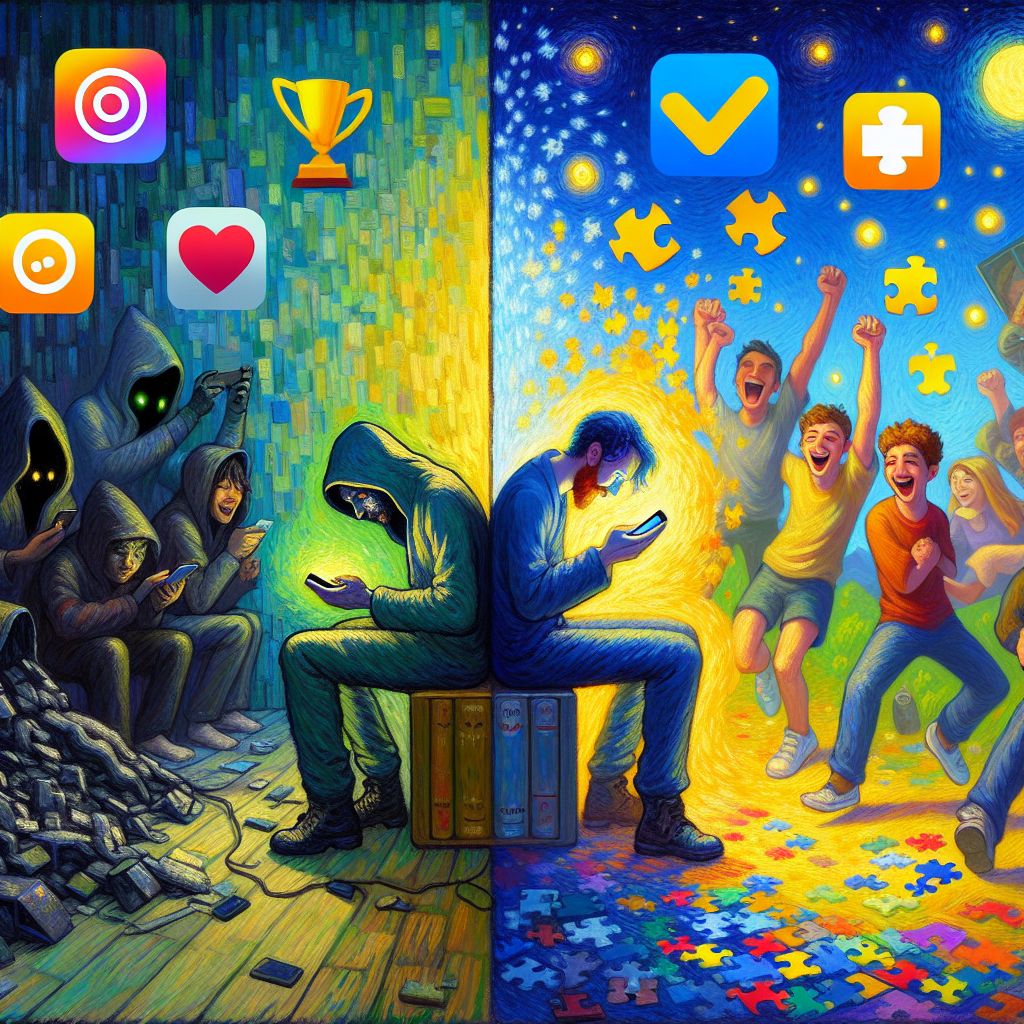
How Do Video Games Impact Social Skills Among Kids?
How Do Video Games Impact Social Skills Among Kids?
- Video games have transformed into complex digital universes, fostering teamwork and strategy.
- Gamification turns activities into engaging quests, helping children learn communication skills.
- Team-based multiplayer games teach negotiation, compromise, and understanding through collaborative play.
- Gaming exposes kids to diverse communities and perspectives, enhancing their understanding of diversity.
- Failure in video games promotes resilience and perseverance, valuable traits in real-world interactions.
- Gaming experiences can foster empathy and understanding in children by teaching them to handle setbacks.
- Engaging with children about their gaming experiences can reveal the valuable skills they are developing.

How Do Video Games Impact Social Skills Among Kids?
Can Video Games Enhance Problem-Solving Abilities In Youth?
Picture this: a child, controller in hand, eyes glued to the screen, strategizing their next move in a pixelated world. Sounds familiar? It’s easy to dismiss video games as mere entertainment, but buried beneath those vibrant graphics and high scores is a treasure trove of cognitive development. Let’s take a moment to dive into how this dynamic medium, often shunned by traditionalists, can actually foster critical problem-solving skills in our young ones.
At their core, many popular games are built around the concept of *gamification*—the process of turning tasks into engaging challenges. This technique, initially designed to boost motivation in mundane tasks, finds a home in gaming where players are rewarded for overcoming complex obstacles. When children navigate through intricate game scenarios, they’re not just having fun; they’re learning. They must analyze situations, weigh options, and make decisions on the fly, skills that are increasingly vital in the real world.
Consider strategy games like “Civilization” or “StarCraft.” These aren’t just pastimes; they’re mental workouts. Players must think several steps ahead, anticipating not only their own moves but also those of their adversaries. Every game session becomes a training ground for critical thinking and adaptive strategies. Imagine cultivating those skills in the leaders of tomorrow! The beauty is that they’re applying these techniques instinctively, learning to pivot and adapt when plans go awry.
Now, let’s bring it home: how many of us have faced a tough challenge that felt insurmountable? Many of us took a moment, stepped back, and approached it differently. Video games offer that exact experience, but with the added bonus of a supportive environment where trial and error is encouraged. There’s no harsh judgment—just an opportunity to learn and grow from mistakes. When kids take risks in a game, they learn that failure isn’t the end of the road. It’s just another path to victory.
So, why not harness this medium to enhance our children’s potential? Encouraging a balanced play with educational video games could yield immense benefits. Parents should view gaming not as a hindrance but as a dynamic tool for growth, creativity, and essential problem-solving skills. After all, the future is uncertain, but with practice, our young ones can navigate through it like pros—one game at a time.
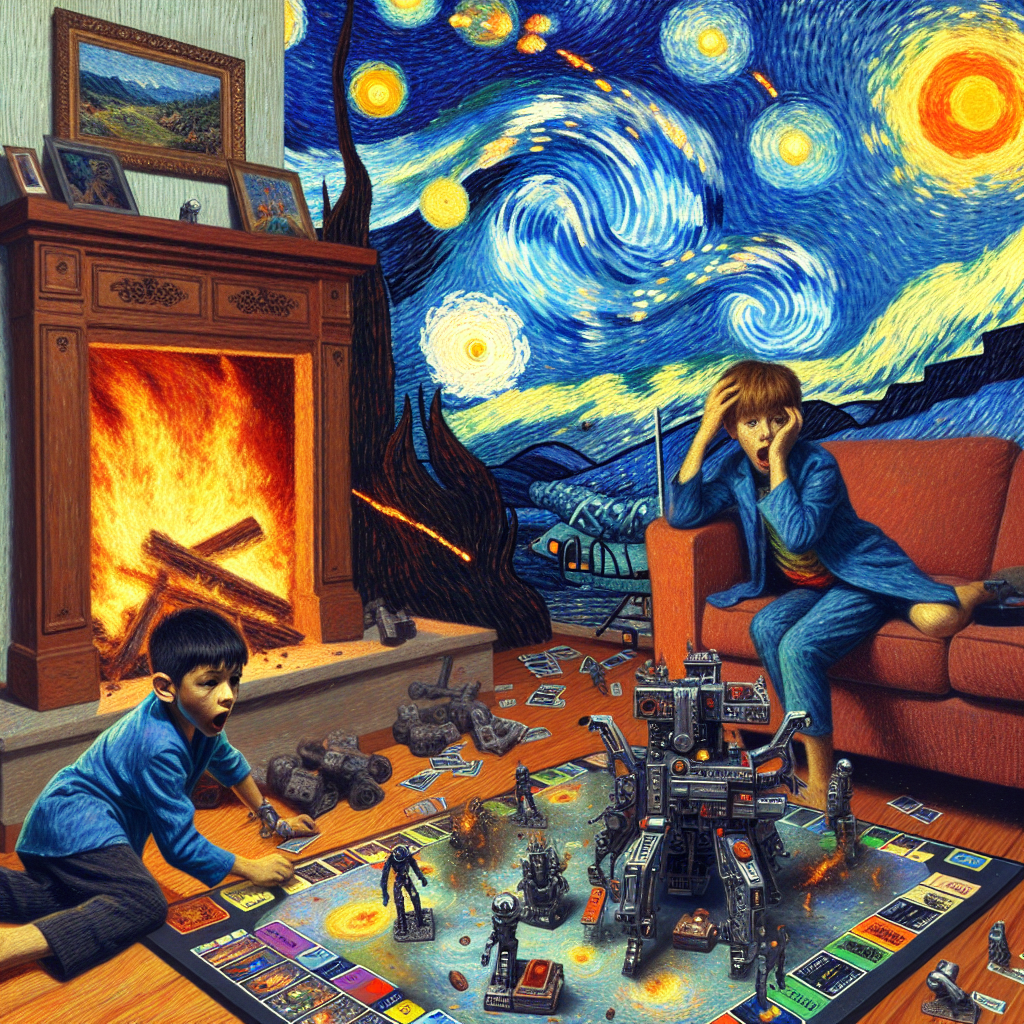
Can Video Games Enhance Problem-Solving Abilities In Youth?
Can Video Games Enhance Problem-Solving Abilities In Youth?
- Video games are often dismissed as mere entertainment, but they contribute significantly to cognitive development.
- Many games incorporate *gamification*, transforming tasks into engaging challenges and boosting motivation.
- Players in strategy games like “Civilization” and “StarCraft” practice critical thinking and adaptive strategies.
- Gaming encourages players to analyze situations and make on-the-fly decisions, vital skills in the real world.
- Video games provide a supportive environment for trial and error, teaching children that failure can lead to growth.
- Encouraging educational video games can enhance children’s potential and problem-solving abilities.
- Parents should view gaming as a tool for creativity and growth rather than a hindrance.

Can Video Games Enhance Problem-Solving Abilities In Youth?
What Role Do Video Games Play In Emotional Development?
In the vibrant tapestry of childhood and adolescence, few threads stand out quite like the impact of video games. While some might dismiss gaming as mere entertainment, let’s take a closer look at what’s happening behind the screen. Picture this: a teenager, controller in hand, navigating challenging quests, strategizing with friends, and facing virtual dilemmas that mirror real-life challenges. These experiences are more than just pixelated fun; they’re vital pieces of emotional development.
At their core, video games utilize a concept known as gamification—an innovative way to engage players by transforming mundane tasks into interactive challenges. Think of it as turning skill-building into a game. When a young player faces a tough boss or collaborates to solve a puzzle, they’re not just aiming for a high score. They’re learning to cope with success and, just as importantly, failure. Each victory can build confidence, sending a clear message: “I can do this!” But every defeat offers something equally valuable—resilience. It’s the ability to pick yourself up, brush off the digital dirt, and try again that turns a game into a life lesson.
Moreover, the social element of gaming cannot be overlooked. In multiplayer environments, kids engage in teamwork, navigate conflicts, and forge friendships—often with peers who are continents away. This virtual camaraderie fosters empathy, as players learn to understand and support one another in both triumph and disappointment. The consequences of their decisions form a simulation of life’s complexities, teaching invaluable lessons about respect, communication, and the emotional weight of collaboration.
Of course, moderation is key. Like anything in life, a balance must be struck. Quality interactions and constructive gameplay help guide emotional development in a positive direction. It’s about harnessing that energy, channeling it into constructive, engaging experiences that bridge the digital and real worlds.
So, next time you see a young gamer fully immersed in their virtual universe, remember this: Beyond the graphics and soundtracks lies a profound platform for growth. These games are providing a training ground for navigating life’s emotional landscape, one quest at a time. Embrace the conversation around gaming, because the heartfelt connections forged in these digital realms may just lead to stronger, more resilient individuals ready to conquer the world outside their screens.

What Role Do Video Games Play In Emotional Development?
What Role Do Video Games Play In Emotional Development?
- Video games play a significant role in childhood and adolescent emotional development.
- They utilize gamification to turn mundane tasks into engaging interactive challenges.
- Players develop coping skills through both success and failure during gameplay.
- The social aspect of gaming fosters teamwork, conflict resolution, and friendships, often across great distances.
- Gamers learn valuable life lessons about respect, communication, and emotional support through their virtual experiences.
- Moderation is crucial for ensuring positive emotional development through gaming.
- Gaming serves as a training ground for real-life challenges, promoting growth and resilience in young individuals.

What Role Do Video Games Play In Emotional Development?
Are There Specific Genres Of Games That Promote Learning?
Are There Specific Genres of Games That Promote Learning?
When you think about video games, you might picture epic battles, fantastical realms, or fast-paced racing. But let’s take a step back and appreciate another side of the gaming universe: the side that quietly nurtures our brains while we have fun. Yes, certain genres of games can genuinely promote learning, and they do so through the magic of gamification—a term that wraps a whole lot of engaging ideas into one neat package.
Let’s face it: traditional learning can sometimes feel like a slog. Textbook after textbook, lecture after lecture — it’s easy to lose interest. But what if I told you that the solution lies within the colorful worlds of puzzles, strategy, and simulation? Games like these harness the essence of gamification to turn learning into an interactive experience. In these worlds, you become the hero of your journey, tackling challenges that sharpen your mind rather than dulling it.
Take puzzle games, for instance. They encourage critical thinking and problem-solving skills as you maneuver through levels, each presenting a unique challenge. These digital conundrums often require you to analyze, strategize, and think outside the box—all skills that translate to real-world scenarios. You’re not just playing; you’re training your brain to think critically in a way that feels instinctive, like second nature.
Then there’s the realm of simulation games. Here, you can build cities, manage resources, and even explore the depths of space—all while picking up valuable insights about economics, geography, and even teamwork. It’s a thrilling way to learn about systems and processes that govern our world. Instead of memorizing facts, you’re experiencing them firsthand, immersing yourself in an environment that mirrors reality.
And let’s not forget the social aspect. Multiplayer games foster connections that provide a fertile ground for collaboration and communication. Players find themselves exchanging ideas, strategies, and knowledge, reinforcing what they learn along the way.
So, as you dive into the world of gaming, remember this: It’s not all about mindless fun. The right genres can empower you to think critically, solve problems, and engage with complex systems—and guess what? You can do all of this while having a blast. Next time you pick up a controller or boot up a game, keep an eye out for those gems that mix learning with excitement. You might be surprised at what you discover!

Are There Specific Genres Of Games That Promote Learning?
Are There Specific Genres Of Games That Promote Learning?
- Certain game genres can promote learning through gamification, making education engaging.
- Traditional learning methods can be tedious, while interactive games offer a more stimulating experience.
- Puzzle games enhance critical thinking and problem-solving skills through unique challenges.
- Simulation games teach valuable concepts such as economics, geography, and teamwork through real-world scenarios.
- Multiplayer games encourage collaboration and communication among players, reinforcing learning through social interaction.
- Gaming is not just entertainment; it can help develop cognitive skills and complex system engagement.
- Players should look for games that combine learning and excitement for a surprising educational experience.

Are There Specific Genres Of Games That Promote Learning?
How Do Video Games Influence Attention Span In Children?
Let’s take a moment to dive into the world of video games and how they shape our little ones’ attention spans. Chances are, you’ve encountered a parent lamenting that their child can’t focus on homework but can easily get lost in a game for hours. It can feel perplexing, right? Here’s the kicker: Video games aren’t just a distraction; they offer a fascinating element called gamification.
Gamification is that magical sprinkle of game-like elements infused into educational tasks. Think about it—when kids engage in games that reward them for completing levels or achieving milestones, they’re learning to focus their energy in ways that traditional homework just can’t compete with. In essence, games are arming children with the ability to concentrate deeply, albeit in a context they find exciting and rewarding. They turn task completion into an achievement, creating a sense of accomplishment that can inspire kids to tackle challenges with ease.
But let’s be clear: the digital landscape is like a double-edged sword. While games cultivate higher attention spans in certain situations, it’s crucial to strike a balance. Kids can become adept at maintaining focus in fast-paced environments, yet they may struggle with slower-paced activities. This isn’t a question of whether video games are good or bad; it’s about understanding their nuanced impact.
Engaging with video games allows children to hone their decision-making skills and problem-solving abilities. They have to pay attention to ever-changing game dynamics, strategizing on the fly and adjusting their approach with each level. All of this requires a level of focus that can be positively reinforced through play.
So, what can parents do? Let’s channel that energy! Encourage a healthy blend of gaming and traditional learning. Set designated times for both to ensure your little ones are experiencing a well-rounded childhood. Combine gamification with homework or book reading; turn learning into a fun, engaging challenge. After all, life is much like a game, filled with quests to complete and levels to conquer.
It’s about striking that balance—embracing the benefits of video games while guiding our children towards a broader understanding of focus. It fosters resilience, creativity, and adaptability, skills that will serve them in countless ways as they grow. Remember, it’s not just about finding them a path through these vibrant worlds; it’s about helping them navigate the real world, too.

How Do Video Games Influence Attention Span In Children?
How Do Video Games Influence Attention Span In Children?
- Video games can significantly shape children’s attention spans, often leading to longer focus durations in gaming compared to traditional homework.
- Gamification infuses game-like elements into educational tasks, making learning more engaging for children.
- Games provide a sense of accomplishment through task completion, inspiring kids to tackle challenges with enthusiasm.
- The digital landscape poses a double-edged sword; games can enhance focus in dynamic environments but may lead to struggles with slower-paced tasks.
- Video games help children develop decision-making and problem-solving skills by requiring them to adapt strategies in real-time.
- Parents can encourage a balance between gaming and traditional learning to ensure a well-rounded upbringing.
- Emphasizing resilience, creativity, and adaptability through gaming can help children navigate both virtual and real-world challenges.

How Do Video Games Influence Attention Span In Children?
Can Gaming Provide An Avenue For Creativity In Kids?
Let’s face it—when most of us think about gaming, the first images that spring to mind are usually some kid glued to a screen for hours, battling space aliens or racing cartoon cars. But hold on just a second. Beyond the flashy graphics and catchy soundtracks, there’s a treasure trove of creativity waiting to be unlocked in the virtual world. It’s time to open our eyes and recognize gaming for what it truly can be: an avenue to foster imagination, problem-solving skills, and innovative thinking in our kids.
Consider this: many modern games now incorporate a concept called gamification. This approach doesn’t just make learning fun; it transforms tasks and challenges into engaging adventures. Maybe your child is developing a new level in a game or crafting an elaborate base with their friends online. What might seem like mere entertainment is actually a chance for them to think critically and creatively. Each choice they make helps them understand not just the mechanics of the game, but the art of collaboration and the beauty of improvisation.
Take Minecraft, for instance. This popular sandbox game has become a beacon for creativity, empowering kids to build entire worlds from scratch. They’re not just playing; they’re architects and storytellers, crafting grand castles and secret lairs, all while mastering the intricacies of resource management. It’s remarkable when you think about it—through blocks and pixels, children are learning to express themselves, visualize concepts, and work through obstacles.
And let’s not forget the thriving community that surrounds gaming. From online forums to in-game collaborations, children are sharing ideas, art, and stories on an unprecedented scale. They aren’t just passive consumers; they’re active participants in a global tapestry of creativity. This connectivity can give them a broader perspective, igniting a passion for creation that extends beyond their favorite games.
So why not embrace this side of gaming? Engage with your kids, discover the worlds they’re diving into, and recognize that these experiences can lay the groundwork for creativity and critical thinking in ways we might not have expected. Gaming doesn’t have to be a solitary activity in a darkened room; it can be a launchpad for imagination, shaping the innovators and creators of tomorrow. In a world where creativity is key, let’s harness the potential of gaming and watch our kids soar.

Can Gaming Provide An Avenue For Creativity In Kids?
Can Gaming Provide An Avenue For Creativity In Kids?
- Gaming is often perceived as just entertainment, but it fosters imagination, problem-solving, and innovative thinking.
- Modern games use gamification to transform learning into engaging adventures for children.
- Games like Minecraft empower kids to be architects and storytellers while developing critical thinking and resource management skills.
- Through gaming, children learn to express themselves and visualize concepts effectively.
- Active online communities encourage kids to share ideas, art, and stories, enhancing their creative engagement.
- Gaming can promote collaboration and teamwork, allowing kids to connect with others globally.
- By embracing gaming, parents can help their children harness creativity and critical thinking for future innovation.

Can Gaming Provide An Avenue For Creativity In Kids?
Conclusion
When it comes to the world of parenting, it often feels like we’re navigating a winding road filled with advice and warnings, especially when video games come into play. But before we toss the console aside, let’s take a moment to reassess and recognize how these seemingly innocent games might actually serve as vital building blocks in our children’s development. What if I told you that instead of being just mindless distractions, video games could actually be transformative tools for learning, creativity, and social interaction?
Here’s the real deal: within those bright screens and immersive worlds lies a potent mix of problem-solving, teamwork, and resilience. Through gamification, kids aren’t simply playing—they’re engaged in mini-milestones, learning to strategize, negotiate, and bounce back from setbacks. Picture your child mulling over a tricky puzzle, sweating it out as they frame their next move. Each challenge is a chance to build grit and determination, translating to real-life scenarios, whether it’s tackling homework or navigating friendships.
Moreover, let’s consider the social dynamics at play. Many modern games foster collaboration and communication, whisking children into communities that transcend geographical boundaries. They’re negotiating alliances, strategizing together, and celebrating victories. In the process, they’re developing empathy and social skills that are as vital off-screen as they are in-game.
And while moderation isn’t just a catchphrase—it’s crucial—it’s also essential to recognize the learning potential nested within various gaming genres. Puzzle and strategy games, for example, are fabulous for critical thinking. Rather than squashing creativity, games like Minecraft invite kids to unleash their inner architects. Suddenly, they’re not just playing; they’re actively participating in building narrative and innovation.
As we venture deeper into the digital age, it’s time to flip the narrative. Instead of shaking our heads at the mention of gaming, let’s engage. Listen to their adventures and celebrate their victories. Who knows, the emotional connections forged in these virtual landscapes could very well shape our kids into compassionate, resilient individuals ready to tackle the complex world outside. There’s a treasure trove of hidden benefits within the realm of gaming, and embracing it might just be the key to supporting our children’s growth as they level up through life. So, join the quest—because in the end, every gaming session can lead to meaningful developmental experiences, one pixel at a time.

Conclusion
Conclusion:
- Video games can be vital building blocks in children’s development, rather than mere distractions.
- Games promote problem-solving, teamwork, and resilience through engaging challenges.
- Children develop grit and determination by overcoming in-game obstacles, which translates to real-life scenarios.
- Many games foster collaboration and communication, creating communities beyond geographical boundaries.
- Gaming enhances social skills and empathy while allowing children to negotiate and strategize with peers.
- Moderation is key, but various gaming genres offer critical thinking and creativity opportunities.
- Embracing gaming can lead to meaningful developmental experiences and shape compassionate, resilient individuals.
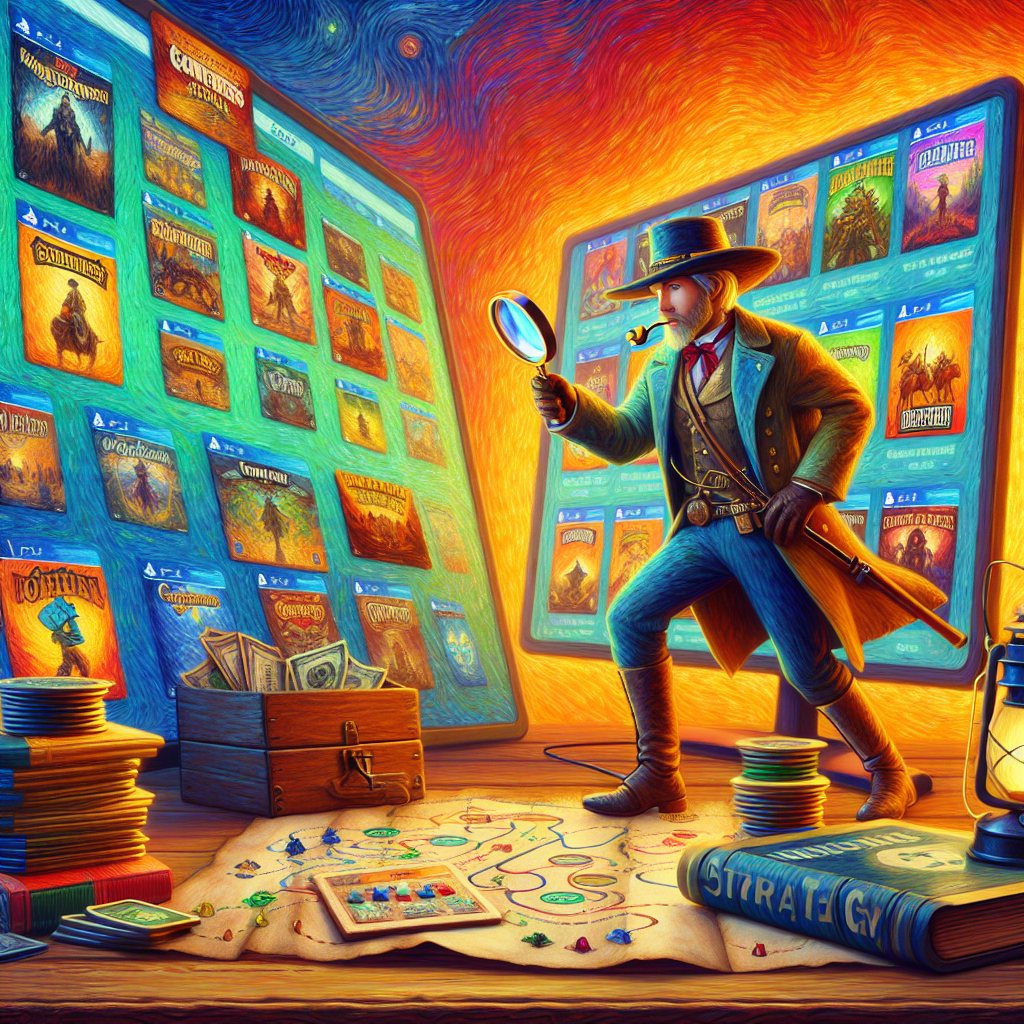
Conclusion
Other Resources

Other Resources
Here is a list of other resources you can review online to learn more:
Use This Prompt To Get More Resources With Your Favorite Online AI Tool: Please provide me with a list of online articles with their URLs in a bulleted list that I can read regarding Are Video Games The Unsung Heroes Of Child Development?

Other Resources
Glossary Terms
Are Video Games The Unsung Heroes Of Child Development? – Glossary Of Terms
1. Cognitive Development: The process of development in which a child learns and matures in their ability to think, reason, and understand complex ideas.
2. Multitasking: The ability to juggle multiple tasks or processes at the same time, often enhanced by fast-paced video games that require players to manage various elements simultaneously.
3. Hand-Eye Coordination: The skill of coordinating visual input with physical movement, which can be improved through activities such as playing video games.
4. Problem-Solving Skills: The ability to identify problems and determine effective solutions, often cultivated through gameplay that presents challenges and puzzles.
5. Social Skills: The skills needed to communicate and interact effectively with others, which can be fostered in multiplayer video game environments.
6. Critical Thinking: The ability to think clearly and rationally about what to do or believe, often enhanced by strategic gameplay that requires analysis and evaluation.
7. Creativity: The ability to generate new ideas or concepts, which can be nurtured through sandbox games that allow for imaginative play and exploration.
8. Resilience: The capacity to recover quickly from difficulties or failures, a trait that can be built through the trial-and-error nature of many video games.
9. Attention Span: The length of time a child can focus on a task without becoming distracted, which may be positively influenced by engaging and immersive video games.
10. Teamwork: The collaborative effort of a group to achieve a common goal, often emphasized in cooperative gameplay experiences.
11. Goal Setting: The process of establishing objectives to achieve, a skill that can be developed through the achievement-based nature of many games.
12. Digital Literacy: The ability to effectively navigate, evaluate, and create information using a range of digital technologies, fostered by video game interfaces.
13. Executive Functioning: The set of mental skills that include working memory, flexible thinking, and self-control, which can be exercised through strategic gameplay.
14. Emotional Regulation: The ability to manage and respond to emotional experiences, which can be developed by facing challenges and setbacks in gaming.
15. Spatial Awareness: The understanding of space and the relationships between objects, often improved through 3D gameplay scenarios.
16. Narrative Skills: The ability to understand and create stories, which can be enhanced by games with rich storytelling elements.
17. Motor Skills: The physical abilities required for movement and coordination, which can be developed through gameplay involving physical interaction.
18. Interactive Learning: A teaching method that involves active engagement with the material, as seen in educational video games.
19. Simulation: A type of game designed to mimic real-world activities or environments, providing experiential learning opportunities.
20. Virtual Reality (VR): Technology that immerses players in a digitally created environment, offering unique opportunities for experiential learning and engagement.
21. Augmented Reality (AR): An experience that enhances the real world with digital overlays, which can create interactive educational experiences.
22. Peer Interaction: The social exchanges and relationships formed between children as they engage in gaming together, impacting social development.
23. Time Management: The ability to plan and control how much time to spend on specific activities, which can be practiced through time-limited gaming scenarios.
24. Intrinsic Motivation: Motivation driven by internal rewards and personal interest, often fostered by the engaging nature of video games.
25. Failure Tolerance: The ability to accept and learn from mistakes, a valuable skill developed through the trial-and-error process of gaming.
26. Role-Playing: A type of gameplay where players assume the roles of characters, which can enhance empathy and understanding of diverse perspectives.
27. Achievement Unlocked: A common gaming term that refers to completing objectives, reinforcing goal-setting and achievement-related behaviors.
28. Cognitive Flexibility: The ability to adapt one’s thinking to new, changing, or unexpected events, developed through dynamic gaming scenarios.
29. Feedback Loops: Systems in games that provide players with regular feedback on their performance, helping to enhance learning and adaptation.
30. Relaxation Response: A state of reduced stress often experienced by players during immersive gaming sessions, which can contribute to emotional well-being.

Glossary Of Terms
Other Questions
Are Video Games The Unsung Heroes Of Child Development? – Other Questions
If you wish to explore and discover more, consider looking for answers to these questions:
- What are the specific benefits of video games for cognitive development in different age groups?
- How can parents ensure that gaming remains beneficial for their children?
- What types of video games are most effective for developing social skills?
- Are there certain video games that parents should avoid due to negative effects?
- How do video games compare to other forms of play in terms of learning and development?
- What research supports the claim that video games can enhance emotional development?
- How can parents balance gaming with other essential activities in a child’s life?
- Are there studies that specifically measure the impact of gaming on attention span?
- What role do multiplayer games play in developing empathy and collaboration?
- How can gaming be integrated into educational settings to enhance learning?
- What precautions should parents take when allowing their children to play video games?
- In what ways can video games stimulate creativity beyond just gameplay?
- How can parents engage with their children about the games they’re playing?
- What are the long-term effects of video gaming on children’s development?

Other Questions
Haiku
Are Video Games The Unsung Heroes Of Child Development? – A Haiku
Gaming fuels growth,
Creativity and skills bloom,
Kids learn through the quest.

Haiku
Poem
Are Video Games The Unsung Heroes Of Child Development? – A Poem
The Unsung Heroes in Pixelated Lands
In a world of glowing screens and endless play,
Lies a realm where young minds learn and sway.
Dismissed as mere distractions, we often sigh,
But hidden in games, there’s more than meets the eye.
Through quests and puzzles, creativity blooms,
As players craft worlds in their brightly-lit rooms.
Collaboration unfolds in teams of delight,
Teaching friendship and empathy, igniting sparks of light.
Perseverance is gained with each challenge faced,
Turning failures to lessons, resilience embraced.
In strategy’s web, quick thinking takes flight,
As kids learn to adapt, navigating their plight.
Gamification beckons, making learning a game,
With each badge earned and each level they tame.
From critical thinking to problem-solving flair,
Every victory echoes the growth found in there.
Across many genres, the seeds of knowledge spread,
Simulation, puzzles—where imagination is fed.
Cultivating focus, attention’s span tight,
They learn to concentrate, emerging from the night.
So let’s not cast aside this dynamic tool,
For within the pixels, potential can rule.
Embrace the adventure, join in the fun,
For video games may be where growth has begun.
As our children traverse these vast digital lands,
They gather skills and wisdom life demands.
In the canvas of gaming, a future unfolds,
With resilience and creativity, bright with aspirations bold.

Poem
Checklist
Are Video Games The Unsung Heroes Of Child Development? – A Checklist
Checklist: Exploring the Benefits of Video Games for Child Development
Understanding Video Games as Developmental Tools
1. Awareness of Gamification
_____ Recognize how gamification transforms learning into engaging experiences.
_____ Identify games that incorporate points, badges, and challenges to encourage deep engagement.
2. Fostering Creativity
_____ Explore games that promote creativity, such as sandbox games (e. g. , *Minecraft*).
_____ Encourage children to design their own levels, characters, or stories within games.
3. Building Problem-Solving Skills
_____ Look for games that require strategic thinking and problem-solving (e. g. , *Civilization*, *StarCraft*).
_____ Discuss the decision-making process with your child as they play through challenges.
4. Enhancing Cognitive Skills
_____ Observe improvements in attention, quick thinking, and planning as a result of gameplay.
_____ Engage in reflective conversations about the skills they’ve learned through gaming.
Encouraging Social Interaction Through Gaming
5. Promoting Teamwork and Cooperation
_____ Encourage participation in multiplayer games that require collaboration and communication.
_____ Discuss the importance of negotiation and compromise illustrated through gameplay.
6. Building Empathy and Perspective
_____ Highlight the benefits of interacting with players from diverse backgrounds and cultures.
_____ Foster discussions about the experiences shared in gaming communities that promote respect and understanding.
Emphasizing Emotional Development
7. Teaching Resilience and Perseverance
_____ Use experiences of failure in games as teaching moments about resilience and grit.
_____ Encourage children to reflect on their emotions related to winning and losing.
8. Developing Emotional Intelligence
_____ Discuss the dynamics of friendships that form through gaming and the importance of emotional support.
_____ Encourage them to express their feelings about in-game events and real-life parallels.
Maintaining Balance
9. Setting Healthy Gaming Boundaries
_____ Establish time limits for gaming to ensure balance with other activities.
_____ Encourage a mix of gaming and non-digital leisure activities (e. g. , outdoor play, reading).
10. Integrating Learning with Gaming
_____ Look for educational games that reinforce concepts learned in school.
_____ Foster a home environment where learning and gaming complement each other.
Engaging as a Parent
11. Participating in Your Child’s Gaming Experience
_____ Play games together to understand their interests and the skills they’re developing.
_____ Create opportunities for family gaming nights that promote bonding and conversation.
12. Discussing the Role of Gaming
_____ Have open conversations about the role of video games in your child’s life.
_____ Explore and challenge any negative perceptions about gaming while acknowledging potential drawbacks.
By utilizing this checklist, parents can better appreciate the multifaceted role video games can play in their child’s development and encourage a productive approach to gaming.

Checklist
At HowDoYouGame, we help people who love board games by collating information and news about games.
Be sure to read our other related stories at HowDoYouGame to learn more about games.