Leveling Up: How Video Games Impact Problem Solving Skills
By Tom Seest
At HowDoYouGame, we help people who love board games by collating information and news about games.
Be sure to read our other related stories at HowDoYouGame to learn more about games.
Are Video Games The Shortcut to Quick Problem Solving for Kids?
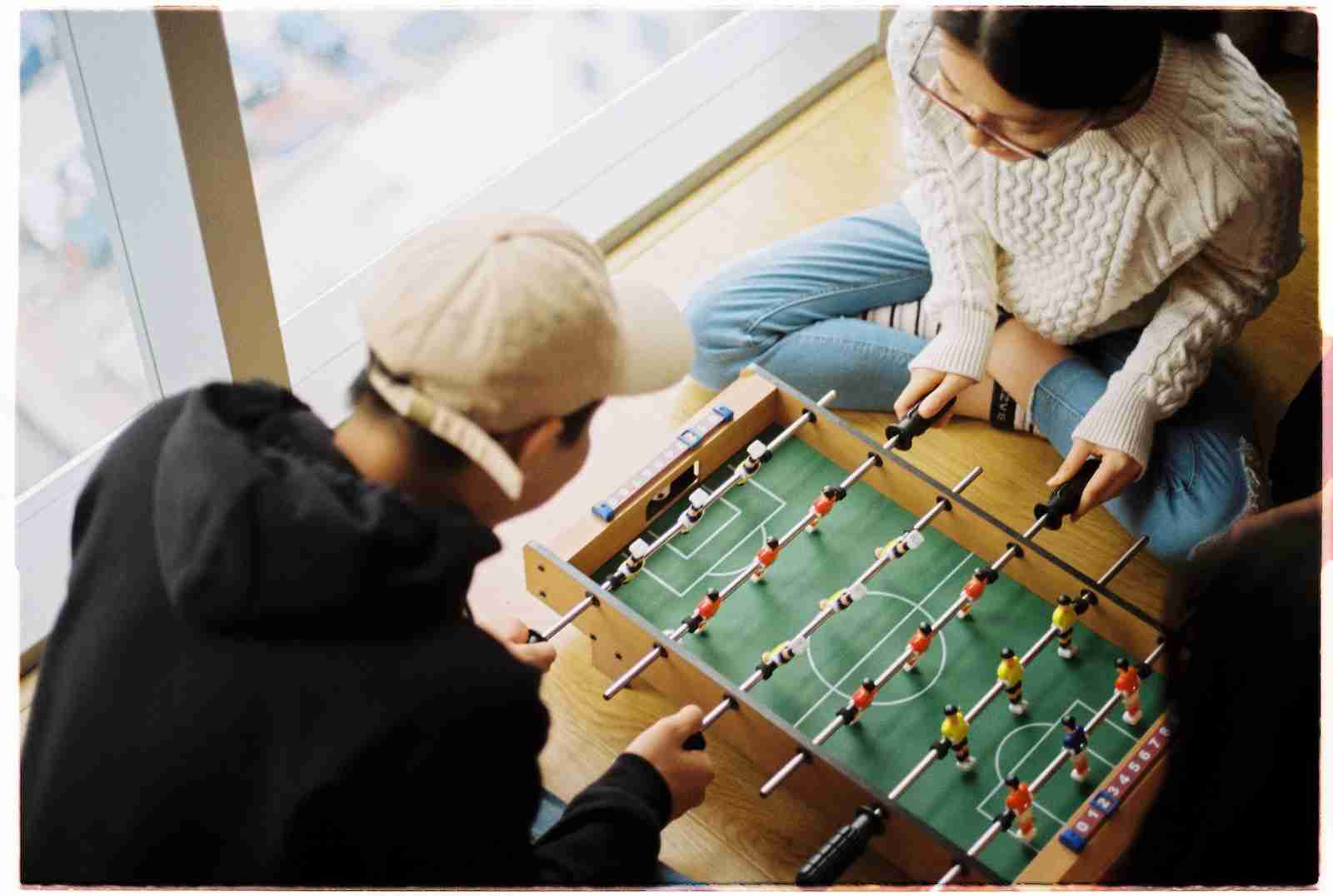
Picture this: a group of kids gathered around a console, their fingers dancing across controllers, eyes locked on glowing screens, fully immersed in a pixelated world where every challenge is met with excitement and determination. It’s a scene we’ve all witnessed—yet, what often goes unnoticed is the underlying skill-building taking place. Sure, you might feel a twinge of concern when your child spends hours navigating virtual landscapes, but let’s take a step back and consider the remarkable benefits of this so-called “gamification” of learning.
At their core, video games are not just mindless entertainment; they’re complex puzzles designed to push players to strategize, adapt, and think critically. Each level presents new obstacles, requiring players to assess their surroundings, learn from failures, and tweak their approaches on the fly. Isn’t that a gem of real-world problem-solving? In the realm of gaming, there’s no room for passivity. Kids quickly learn that resilience is key; they can’t just sit back and hope for the best—they’ve got to get in there, make decisions, and deal with the consequences.
Imagine your child as a knight in shining armor, charging into a virtual dungeon, battling foes and overcoming obstacles that can’t be resolved with a simple button press. Each victory not only earns them points but teaches them the essential skills needed to confront challenges head-on, whether in a game or in life. This transformative aspect of gamification encourages critical thinking, as well as collaboration when kids team up to tackle tough quests together.
But let’s not forget the social element! In an age where kids are often glued to their screens, multiplayer games provide them with a community. They learn to communicate, negotiate, and thrive amidst competition. It’s a world where friendships are forged, and teamwork becomes essential, mirroring real-life dynamics they’ll encounter outside the vibrant glow of their favorite game.
So, as parents, perhaps it’s time to shift our perspective. Instead of seeing video games as a distraction, let’s recognize them as powerful tools for growth. By engaging with games, kids are honing skills that will serve them in the long run—skills that translate into effective problem-solving. Embrace this digital medium; after all, the path to becoming a real-life hero could very well begin in a realm filled with dragons and quests.

Are Video Games The Shortcut to Quick Problem Solving for Kids?
Are Video Games The Shortcut to Quick Problem Solving for Kids?
- A group of kids engages in gaming, developing skills while having fun.
- Video games promote strategic thinking, adaptability, and critical problem-solving.
- Resilience is cultivated as players learn from failures and make decisions.
- Gamification fosters essential life skills through overcoming virtual challenges.
- Multiplayer games enhance social skills, encouraging communication and teamwork.
- Video games should be viewed as tools for growth rather than mere distractions.
- Engagement in gaming can lead to effective problem-solving skills applicable in real life.

Are Video Games The Shortcut to Quick Problem Solving for Kids?
Table Of Contents
- Are Video Games The Shortcut to Quick Problem Solving for Kids?
- How Do Video Games Promote Critical Thinking In Children?
- What Specific Skills Can Kids Develop From Playing Video Games?
- How Can Parents Choose The Right Video Games For Their Children?
- Do Video Games Teach Real-World Problem-Solving Skills?
- What Role Does Age Play In The Benefits Of Gaming For Problem-Solving?
- Can Video Games Help Kids Handle Frustration And Setbacks Better?
- How Do Online Multiplayer Games Foster Collaboration And Teamwork?
- Conclusion
- Other Resources
- Glossary Of Terms
- Other Questions
- Haiku
- Poem
- Checklist
How Do Video Games Promote Critical Thinking In Children?
Let’s dive into the digital playground that has captivated millions of kids around the world. Video games aren’t just about bright colors and catchy tunes; they’re complex puzzles that challenge the brain in ways we’re only beginning to understand. Imagine a world where problem-solving is as thrilling as an epic adventure, and every level completed is akin to mastering a new skill. This is where gamification comes into play.
Now, when you think of games, it’s easy to picture mindless hours spent glued to a screen. But what if I told you that many of these games are designed to promote critical thinking? You see, behind the graphics and sound effects lies a web of strategic thinking. Games ask players to assess risks, weigh consequences, and make quick decisions—all essential skills in our fast-paced world. When kids navigate through challenges, they’re not just leveling up; they’re training their brains.
Take a closer look at your child’s favorite games. Think of racing games where they must anticipate turns or battle games that require careful resource management. Every obstacle is an opportunity to learn. Players often need to analyze patterns, devise strategies, and adapt quickly when things don’t go as planned. Each of these actions reinforces critical thinking, pushing kids to think outside the box and develop solutions on the fly.
And let’s not overlook the social aspect. Many games foster teamwork and collaboration, whether they’re strategizing to defeat a common enemy or solving puzzles together. This interaction teaches kids to communicate their ideas, negotiate, and reflect on different perspectives. It’s not just about winning; it’s about understanding the value of teamwork and collaboration, skills that will serve them well beyond the screen.
As parents and guardians, it’s essential to embrace the potential for learning tucked within these digital adventures. Instead of viewing video games solely as a source of distraction, consider them as valuable tools that engage our children’s minds. So, have a chat with your kids about their favorite games. Ask them how they tackle challenges and what strategies they employ. You might just find your connection deepening, and who knows? You might even learn a thing or two about critical thinking from the next generation.
It’s all about balance. Channeling the excitement of gamification and turning it into a platform for growth can inspire our children to think critically and creatively, paving the way for a brighter future. So, let’s plug in and get started!

How Do Video Games Promote Critical Thinking In Children?
How Do Video Games Promote Critical Thinking In Children?
- Video games are complex puzzles that enhance brain function and problem-solving skills.
- Many games promote critical thinking through strategic assessments and quick decision-making.
- Child favorites like racing and battle games provide opportunities for learning through challenges.
- Players analyze patterns, devise strategies, and adapt, reinforcing their critical thinking abilities.
- Games foster teamwork and collaboration, teaching kids communication and negotiation skills.
- Parents should view video games as valuable learning tools rather than mere distractions.
- Encouraging discussions about games can strengthen connections and promote critical thinking skills.

How Do Video Games Promote Critical Thinking In Children?
What Specific Skills Can Kids Develop From Playing Video Games?
Let’s be honest—when we think of video games, the first images that often come to mind are flashy screens, epic battles, and the heady thrill of “leveling up.” Yet, beneath that engaging veneer of lights and sounds lies a world of development opportunities that can enrich our kids in ways we might never have considered. Through the art of gamification, these digital playgrounds are evolving into dynamic learning spaces where kids cultivate critical life skills.
First up, let’s talk about problem-solving. You see, many video games present challenges that require players to think critically and strategize on-the-fly. Whether it’s dodging digital bullets in a fast-paced shoot-’em-up or piecing together clues in an immersive mystery, children are often thrust into situations that stretch their imaginations and cognitive capabilities. This isn’t just mindless play; it’s a workout for their brains, honing their ability to assess situations, identify solutions, and make quick decisions—all in the name of fun.
Next on the list is teamwork, an essential skill we often associate with sports but is just as prevalent in the world of gaming. Online multiplayer experiences foster cooperation among players. Your child might not even realize it, but they’re learning how to communicate effectively, share responsibilities, and support peers to achieve a common goal. Whether they’re strategizing with friends to capture a flag or unite against a formidable game boss, they’re gaining social skills that are vital in everyday life.
And let’s not overlook the boost to creativity and innovation. Many games encourage players to build, design, and create their own virtual worlds—offering a playground for imagination. As they immerse themselves in this interactive environment, kids begin thinking outside the box. They learn that failure isn’t the end; it’s a stepping stone to something greater. Failure in a game often means a fresh opportunity to learn, tweak strategies, and try again. This mindset? It’s a keeper.
So here’s the takeaway: as we navigate this intricate dance of gaming, let’s not merely dismiss it as a trivial pastime. Instead, let’s lean into the potential it holds for our kids. With a balanced approach, we can turn screen time into a platform for personal growth, empowering them with the tools they need to tackle life head-on. It’s time we embrace the game, acknowledge its virtues, and encourage our kids to thrive both on and off the screen.

What Specific Skills Can Kids Develop From Playing Video Games?
What Specific Skills Can Kids Develop From Playing Video Games?
- Video games are often seen as mere entertainment, but they provide valuable development opportunities for children.
- Gamification creates dynamic learning spaces that help kids cultivate critical life skills.
- Video games challenge players with problem-solving tasks that enhance cognitive capabilities and decision-making skills.
- Online multiplayer games foster teamwork, communication, and social skills among players.
- Games encourage creativity and innovation by allowing kids to build and design their own virtual worlds.
- Failure in games is viewed as a learning opportunity, teaching resilience and a growth mindset.
- With a balanced approach, gaming can be transformed into a platform for personal growth, empowering children for life’s challenges.

What Specific Skills Can Kids Develop From Playing Video Games?
How Can Parents Choose The Right Video Games For Their Children?
Choosing the right video games for your kids might sound as daunting as picking the right college—or navigating a cluttered garage on a Saturday morning. With a mind-boggling array of choices lining store shelves and screens, it’s easy to feel overwhelmed. Fear not! Finding the right game for your child can be a rewarding journey, not a chore. Let’s break it down together, just like a good buddy would over a cup of coffee.
First things first, get to know the gamification of it all. This term often gets tossed around, but in simple terms, it refers to the use of game elements in non-game contexts. It’s like turning learning or chores into a fun activity—basically, it’s about making the dry stuff exciting. Many video games are built on this principle, engaging players’ interests and encouraging skills that benefit them outside the virtual world.
Now, let’s pivot to age-appropriateness. Just because a game is popular doesn’t mean it’s suitable for your little one. Check those ratings! The Entertainment Software Rating Board (ESRB) provides detailed ratings and descriptors to guide you. This is not just a suggestion; it’s a road map to ensuring your kids are playing games that not only entertain but also align with their maturity level.
Next, consider what your child enjoys. Are they into puzzles? Action-packed adventures? Story-driven experiences? Engaging with your child about their gaming preferences can turn this into a delightful bonding exercise. Play a few games together! Just think, you could end up dancing through a colorful platformer or strategizing through a challenging puzzle. It’s a chance to dive into their interests and establish trust—showing them you’re not just a parent, but a partner in exploration.
Furthermore, keep an eye on gameplay duration. Balancing time spent in front of screens with outdoor activities and family bonding is crucial. Encourage game time to be rewarding—not the main event of their day-to-day lives. After all, video games should complement life, not replace it.
Lastly, tap into community knowledge. Connect with other parents or gaming enthusiasts who can offer insights on games that promote creativity, learning, or just plain fun. The more you can tap into shared experiences, the more confidence you’ll build in your choices.
So, gear up, parents! You’re not just choosing games; you’re crafting moments, creating connections, and instilling valuable skills all while keeping it fun.

How Can Parents Choose The Right Video Games For Their Children?
How Can Parents Choose The Right Video Games For Their Children?
- Choosing video games for kids can be overwhelming, similar to major life decisions.
- Understanding gamification is key; it makes non-game activities engaging and fun.
- Check game ratings from the Entertainment Software Rating Board (ESRB) for age-appropriateness.
- Engage with your child’s interests by discussing their gaming preferences and playing together.
- Monitor gameplay duration to ensure a balanced lifestyle with outdoor activities and family time.
- Seek advice from other parents and gaming enthusiasts to find enriching and enjoyable games.
- Choosing the right games nurtures connections, valuable skills, and shared experiences.

How Can Parents Choose The Right Video Games For Their Children?
Do Video Games Teach Real-World Problem-Solving Skills?
In the age of immersive technology, video games have become more than just a source of entertainment; they’ve evolved into a breeding ground for real-world problem-solving skills. Think about it: when you pick up a controller, you’re not just navigating a virtual world; you’re stepping into an intricate puzzle where critical thinking and decision-making are your most trusted allies. This notion often gets dismissed by skeptics, who see gaming as little more than distraction. But let’s unpack this a bit.
First, consider the concept of gamification. It’s a fancy word that simply means taking game-like elements and applying them to non-game settings. Companies use it in training seminars, educators utilize it in classrooms, and yes, gamers experience it every day. When you’re tasked with analyzing a situation, formulating a strategy, and executing a plan—all while facing a countdown timer—what you’re doing is sharpening those same skills you’ll need in the real world.
In many video games, every choice has consequences. You’re not just an observer; you’re an active participant in your story, constantly weighing risks against rewards. Whether it’s deciding to save a teammate or strategically retreating, each decision echoes the complexities of real-life challenges. Think of those moments where you’ve had to adapt on the fly, re-evaluate your strategy, or pivot to stay ahead of an opponent. These scenarios mirror the pressure we face daily, whether it be at work, in relationships, or even within ourselves.
Moreover, let’s not overlook the collaboration aspect. Modern gaming often embodies teamwork, where success hinges on communication and synergy among players. These experiences cultivate empathy and interpersonal skills—qualities that are just as important as analytical prowess when tackling life’s hurdles.
So the next time someone raises an eyebrow at your gaming habit, feel a sense of pride rather than shame. You’re honing skills that might not just get you to the next level in a game but can also translate into your professional endeavors and personal growth. Embrace this unique learning opportunity, for it’s not merely about escaping reality; it’s about preparing yourself to tackle it head-on, one quest at a time. The tools to problem-solve are right there, waiting for you—so why not level up?

Do Video Games Teach Real-World Problem-Solving Skills?
Do Video Games Teach Real-World Problem-Solving Skills?
- Video games have evolved from simple entertainment to platforms for real-world problem-solving skills.
- Gamification applies game-like elements to various non-game settings, enhancing learning and training.
- Playing video games sharpens critical thinking, decision-making, and strategizing skills under pressure.
- Every choice in video games has consequences, fostering an understanding of risk versus reward.
- Gaming often requires adapting strategies and re-evaluating tactics, mirroring real-life challenges.
- Collaboration in modern games Cultivates empathy and interpersonal skills essential for teamwork.
- Engaging in gaming can prepare individuals for personal and professional growth, making it a valuable experience.

Do Video Games Teach Real-World Problem-Solving Skills?
What Role Does Age Play In The Benefits Of Gaming For Problem-Solving?
Whether you’re a sprightly ten-year-old or celebrating your golden years with a wise grin, there’s no denying that gaming has something to offer for everybody. When we dive into the world of gamification, the line between age and the ability to enhance problem-solving skills starts to blur. And isn’t that just a tad exciting?
Let’s break it down with a story we can all recognize—remember your first encounter with a complex puzzle? For kids, gaming introduces challenges wrapped in colorful graphics and captivating narratives. For them, levels and avatars aren’t just fun—they’re methods of exploring critical thinking and strategy. When a child faces a tricky level, they learn to analyze their options, adapt their strategies, and ultimately persevere to uncover the solution. They develop an essential toolkit for tackling obstacles not just in gaming, but in life.
But hold on—don’t think this is just kid stuff. As we approach adulthood and even our senior years, the narrative shifts from “look what I can do” to “here’s what I can navigate.” Adults and seniors who engage in gaming may find themselves in virtual worlds that encourage them to employ their life experience. Whether it’s a strategic game where foresight is key or a mystery unraveling with every play, the cognitive engagement can reinvigorate natural problem-solving abilities.
Imagine this: A group of retirees huddled around a console, working together to strategize their way out of a complex game scenario. They’re not just having fun; they’re sharpening communication skills, fostering teamwork, and recalling strategies from decades past. This kind of interactive experience fosters a sense of community, connection, and mutual support.
Age isn’t just a number here; it’s a vantage point that broadens our understanding of the world, enriching our problem-solving skills through diverse experiences. So let’s embrace the spirit of gamification at every stage of life. Whatever your age, there’s a game waiting for you that can stretch those mental muscles, stimulate creativity, and help build confidence.
Whether you’re in your formative years or enjoying retirement, there’s an adventure just waiting to be played. You might just find that the challenges we face in the gaming realm can be remarkably similar to those life throws at us. So, let’s suit up, get in the game, and see how much sharper our minds can become—together!

What Role Does Age Play In The Benefits Of Gaming For Problem-Solving?
What Role Does Age Play In The Benefits Of Gaming For Problem-Solving?
- Gaming is inclusive and beneficial for all age groups, from children to seniors.
- Gamification blurs the lines between age and problem-solving abilities.
- For children, gaming promotes critical thinking and strategy through engaging challenges.
- Adults and seniors can use gaming to navigate complex scenarios, reflecting their life experiences.
- Playing games together fosters communication, teamwork, and mutual support, especially among retirees.
- Age enhances perspective, enriching problem-solving skills through diverse experiences.
- Embrace gaming across all life stages to stimulate creativity, build confidence, and sharpen minds.

What Role Does Age Play In The Benefits Of Gaming For Problem-Solving?
Can Video Games Help Kids Handle Frustration And Setbacks Better?
Picture this: a child is glued to the screen, fingers flying over buttons, heart racing as they maneuver a daring escape or a tricky puzzle. For many parents, this scene might evoke concern— “Shouldn’t they be outside playing?” you might wonder. But let’s take a closer look at what’s really happening in that virtual world. Yes, they’re gaming, but they’re also dabbling in something far more profound: the art of resilience.
You see, gamification—transforming everyday challenges into engaging, game-like experiences—has a unique ability to teach kids about handling frustration. Think of it as training wheels for real life. When a child fails to complete a level or can’t beat that tough opponent, they’re not just hitting a brick wall. They’re learning valuable lessons about persistence and grit. Each setback translates to a chance to learn and an opportunity to strategize for the next round. That’s right! Every “game over” becomes a rebuttal to defeat, teaching kids not to crumble in the face of adversity.
Now, let’s be real: not every game is created equal. But many modern games are designed with clever mechanics that reward players for trying again after failure. Those bright splash screens that reward them with points, badges, or virtual stickers? That’s not mere fluff—it’s positive reinforcement! It hits on those natural instincts to challenge oneself, to rise from the ashes of frustration and come back stronger.
Imagine if life’s challenges came with the same elements. What if every lost opportunity inspired a save point, a second chance to try again? In the world of gaming, players learn that setbacks are simply part of the journey—and so can our kids! While they’re effortlessly navigating vibrant worlds, they’re also practicing patience, problem-solving, and the important knack of learning from mistakes.
Instead of dismissing their gaming habits with trepidation, let’s consider how those experiences can shape their emotional toolkit. Encouraging children to embrace the cycle of challenge and triumph within video games can help construct a sturdy framework for life beyond the screen. So, the next time you hear those familiar sounds of joystick maneuvers, remember: your child might just be gearing up for a lifelong lesson in resilience.

Can Video Games Help Kids Handle Frustration And Setbacks Better?
Can Video Games Help Kids Handle Frustration And Setbacks Better?
- Children engaged in video games may appear disconnected from outdoor play.
- Gaming fosters resilience through gamification, turning challenges into engaging experiences.
- Failing in games teaches kids valuable lessons about persistence and grit.
- Every setback in gaming provides opportunities for learning and strategizing.
- Many modern games use positive reinforcement to encourage players to try again after failure.
- Children learn patience, problem-solving, and how to learn from mistakes through gaming.
- Embracing gaming as a tool can help children build emotional resilience for real-life challenges.

Can Video Games Help Kids Handle Frustration And Setbacks Better?
How Do Online Multiplayer Games Foster Collaboration And Teamwork?
When we think of online multiplayer games, it’s easy to picture pixelated heroes battling monsters or racing through fantastical worlds. But these vibrant universes offer more than just escapism; they serve as modern arenas where collaboration and teamwork are put to the ultimate test. It’s a bit like working on a big project with your buddies, where everyone has a role to play. These virtual gatherings give us that taste of real-world cooperation, but wrapped up in layers of gamification that make the whole experience feel a bit lighter and a lot more enjoyable.
Picture this: you and a team of players are dropped into a complex mission. Each of you has unique skills and abilities to contribute. Whether you’re strategizing how to breach enemy defenses or figuring out how to share vital resources, you quickly learn that you can’t go it alone. The beauty lies in the delicate balance between individual strengths and collective goals. This cooperative dynamic sharpens your communication skills—because let’s face it, nobody likes a lone wolf who ignores the team chat. The constant back-and-forth, whether it’s coordinating an assault or providing cover, mirrors real-life teamwork, where listening, feedback, and support play pivotal roles.
The magic doesn’t stop there. These games create a rich tapestry of shared experiences, building camaraderie that spills over into real life. You forge friendships with people you might never meet in person, yet you find trust and respect simmering beneath the surface. You develop a genuine sense of accountability to one another. Miss a crucial moment, and you’re not just letting yourself down; you’re letting down your team. And in that moment of shared highs and lows, you grow, not just as a player but as a collaborator.
This is the power of collaboration and teamwork in the realm of online gaming. It’s not merely about scoring points or leveling up; it’s about harnessing a shared experience that fosters empathy, respect, and unity. So, whether you’re rallying your friends for a late-night raid or strategizing with new allies halfway across the globe, remember: you’re not just playing a game. You’re honing skills, building relationships, and stepping into the larger world of teamwork—with every looted treasure and shared victory reinforcing the bonds that connect us all. Embrace that spirit, and you might just find that those lessons extend far beyond the screen.

How Do Online Multiplayer Games Foster Collaboration And Teamwork?
How Do Online Multiplayer Games Foster Collaboration And Teamwork?
- Online multiplayer games offer more than escapism; they test collaboration and teamwork.
- Each player has unique skills, emphasizing the balance between individual strengths and collective goals.
- Games enhance communication skills, promoting teamwork through coordination and support.
- Shared experiences in games build camaraderie and friendships that may extend beyond in-person interactions.
- Players develop accountability, recognizing that their actions affect the entire team.
- The essence of gaming collaboration fosters empathy, respect, and unity among players.
- Engaging in these games helps players hone skills and build relationships, impacting their real-world teamwork abilities.

How Do Online Multiplayer Games Foster Collaboration And Teamwork?
Conclusion
Alright folks, let’s wrap this up and level up our thinking about video games and their surprising potential beyond mere entertainment. As we’ve explored, that scene of kids huddled around a screen, engrossed in their digital quests, might raise an eyebrow or two among parents—and understandably so. But here’s the kicker: these pixelated adventures are so much more than just mindless fun. They’re essentially intricate training grounds for critical problem-solving skills.
Imagine a kid navigating a challenging level while racing against the clock. Each obstacle faced isn’t just a hurdle; it’s an opportunity—a chance to assess, adapt, and strategize. Every failure isn’t just a setback; it’s a stepping stone toward growth. In the vibrant landscape of gaming, kids learn resilience. They figure out that real success comes from picking themselves back up after every “game over” screen, honing an invaluable skill for real life: perseverance.
Now let’s be clear: we’re not saying every game is a silver bullet for developing life skills. Choosing the right games matters—after all, you wouldn’t feed a toddler a five-alarm chili, would you? As parents, it’s essential to guide game choices based on age-appropriateness and personal interests, creating a balanced blend of fun, learning, and healthful gameplay habits.
And while some might dismiss gaming as a solitary venture, multiplayer experiences are particularly fascinating. These games are social labs where kids learn the ropes of teamwork, negotiation, and communication—all while leveling up together. They’re not merely punching buttons; they’re forging bonds and mastering the art of collaboration, skills that will pay dividends in every facet of life down the line.
So, let’s flip the narrative. Instead of seeing video games as distractions from the “real world,” let’s recognize them as tools for growth and development. With the right perspective and responsible integration into our children’s lives, these digital experiences can help shape sharper thinkers, better collaborators, and resilient young adults ready to tackle whatever challenges await them—both in-game and in life. Now, who knew battling dragons and solving mysteries could prime our kids to face the world head-on? Embrace the power of play, and let’s champion this path to growth. After all, in this ever-evolving landscape of technology, we might just be nurturing the problem solvers of tomorrow—one game at a time.

Conclusion
Conclusion:
- Video games offer more than entertainment; they serve as training grounds for critical problem-solving skills.
- Children learn resilience by navigating challenges and overcoming failures, equipping them for real-life perseverance.
- Choosing age-appropriate games is essential to ensure a balance of fun, learning, and healthy gameplay habits.
- Multiplayer games facilitate teamwork, negotiation, and communication skills among peers.
- Video games can be viewed as tools for growth rather than distractions from reality.
- With responsible integration, gaming can help shape children into sharper thinkers and resilient young adults.
- Embracing video games as a positive force can nurture the problem solvers of tomorrow.

Conclusion
Other Resources

Other Resources
Here is a list of other resources you can review online to learn more:
- Keyforge
- Gaia Project
- Beasts of War
- The Crew: The Quest for Planet Nine
- Board Game Quest
- Mindclash Games
- EverythingBoardGames.com
- Gloom
- Ravensburger
- The Broken Meeple
Use This Prompt To Get More Resources With Your Favorite Online AI Tool: Please provide me with a list of online articles with their URLs in a bulleted list that I can read regarding Are Video Games The Shortcut to Quick Problem Solving for Kids?

Other Resources
Glossary Terms
Are Video Games The Shortcut to Quick Problem Solving for Kids? – Glossary Of Terms
1. Cognitive Skills: Mental capabilities that include reasoning, problem-solving, and planning.
2. Problem-Solving: The process of identifying solutions to specific issues or challenges.
3. Critical Thinking: The ability to analyze situations and make informed decisions.
4. Spatial Awareness: Understanding one’s position in relation to the surrounding environment, often enhanced by video games.
5. Strategy Games: A genre of video games that emphasize thoughtful decision-making and planning.
6. Attention Span: The length of time a person can concentrate on a task without getting distracted.
7. Multitasking: The ability to handle multiple tasks simultaneously; often used in gaming environments.
8. Simulation Games: Games that mimic real-world processes and objects, often requiring problem-solving skills.
9. Imagination: The ability to create ideas or scenarios in one’s mind; can be stimulated through gameplay.
10. Team Collaboration: Working together with others to solve problems and achieve goals, common in multiplayer games.
11. Feedback Loop: A system in which the output influences the input, often used to enhance learning in video games.
12. Gaming Mechanics: The rules and systems that govern gameplay, influencing problem-solving strategies.
13. Exploration: The act of investigating new environments in a game, often leading to creative problem-solving.
14. Goal Orientation: A focus on achieving objectives, which video games often encourage.
15. Adaptability: The ability to adjust strategies based on changing circumstances, fostered through gaming.
16. Decision-Making: The process of making choices; critical in both games and real-life situations.
17. Flow State: A mental state where a person is fully immersed and focused, often achieved during gameplay.
18. Game Literacy: The ability to understand and engage with video games, an important skill for children.
19. Risk Assessment: Evaluating potential negative outcomes in order to make informed decisions, a key element in many games.
20. Engagement: The level of interest and involvement in a task; video games can boost engagement in problem-solving activities.
21. Persistence: The ability to continue trying despite difficulties; often developed through challenging game scenarios.
22. Emotional Regulation: Managing one’s emotions during stressful situations, a skill that can be practiced in gaming environments.
23. Visual-Spatial Skills: The ability to visualize and manipulate objects in space; enhanced through gameplay, especially in puzzle games.
24. Simulation Theory: The concept that playing simulations can result in a better understanding of real-world processes.
25. Reward System: Mechanisms within games that reinforce successful behaviors, encouraging kids to solve problems creatively.
26. Digital Literacy: The ability to effectively find, evaluate, and communicate information using digital technologies.
27. Neuroplasticity: The brain’s ability to reorganize itself through learning and experience, which can be enhanced through gaming.
28. Role-Playing Games (RPGs): Games in which players assume characters and embark on storytelling quests, often requiring complex problem-solving.
29. Game-Based Learning: An educational approach that uses games to facilitate learning and problem-solving.
30. Stress Management: Techniques that help control stress levels, which can be practiced in high-pressure gaming scenarios.

Glossary Of Terms
Other Questions
Are Video Games The Shortcut to Quick Problem Solving for Kids? – Other Questions
If you wish to explore and discover more, consider looking for answers to these questions:
- What are the long-term effects of video games on children’s problem-solving abilities?
- How do different genres of video games affect the development of skills in children?
- What specific types of video games are best for promoting critical thinking?
- Are there any studies that support the claim that video games improve problem-solving skills?
- What age is appropriate for kids to start playing video games?
- How can parents monitor their children’s gaming habits effectively?
- What role does parental involvement play in children’s gaming experiences?
- Can video games be integrated into educational curriculums?
- How do video games help children cope with anxiety or stress?
- What alternatives exist to video games for developing similar skills?
- How can parents balance gaming with other activities?
- What indicators should parents look for to ensure a positive gaming experience for their child?
- Are there specific gaming platforms that are better for problem-solving development?
- How can video games enhance communication skills among children?
- What challenges do parents face in recognizing the educational value of video games?

Other Questions
Haiku
Are Video Games The Shortcut to Quick Problem Solving for Kids? – A Haiku
Video games as tools,
Teaching kids to solve and think,
Quest for skills unfolds.

Haiku
Poem
Are Video Games The Shortcut to Quick Problem Solving for Kids? – A Poem
Level Up: A Poem on Gaming Growth
In realms of pixels, children play,
Through vibrant quests and bright display,
They wield their minds with each decision,
Gamifying growth, a path, a vision.
Knights, adventurers, on screens they charge,
With every challenge, their skills enlarge.
Resilience blooms in the face of defeat,
“Game Over” teaches them to rise to their feet.
Complex puzzles, they strategize,
Analyzing risks, they become wise.
In multiplayer lands, friends unite,
Teamwork and trust in every plight.
Communicating, negotiating, they learn the art,
Of collaboration, where each plays a part.
Creativity sparked in worlds they create,
Imagination flourishes, they innovate.
From frustrations faced, they gather strength,
Turning each setback to triumph at length.
With controllers in hand, they navigate life,
Finding in gameplay both joy and strife.
So let’s cherish this digital dance,
Where kids level up through every chance.
For in those adventures, we clearly see,
Video games shape problem solvers, wild and free.

Poem
Checklist
Are Video Games The Shortcut to Quick Problem Solving for Kids? – A Checklist
Checklist: Maximizing the Benefits of Video Games for Problem Solving in Kids
Title: Are Video Games The Shortcut to Quick Problem Solving for Kids?
1. Understand Gamification
_____ Learn about the concept of gamification and its role in engaging children.
_____ Identify games that incorporate learning elements.
2. Assess Age Appropriateness
_____ Check the Entertainment Software Rating Board (ESRB) ratings for games.
_____ Discuss age-related benefits and risks with your child.
3. Encourage Critical Thinking
_____ Play strategic or puzzle games with your child that require planning and problem-solving.
_____ Ask your child how they approached challenges in the games they play.
4. Promote Teamwork and Collaboration
_____ Choose multiplayer games that encourage cooperative play.
_____ Engage in discussions about teamwork, communication, and collective strategies used during gameplay.
5. Monitor Screen Time
_____ Set limits on daily or weekly gameplay to maintain a healthy balance.
_____ Encourage alternative activities to complement gaming (e. g. , outdoor play, reading).
6. Foster Emotional Resilience
_____ Support your child in viewing failures in games as learning opportunities.
_____ Celebrate persistence and effort rather than just achievements.
7. Explore Creative Games
_____ Introduce games that allow for creativity and building, such as simulation or sandbox games.
_____ Encourage discussion about innovative strategies used in these games.
8. Engage With Your Child’s Gaming Experience
_____ Participate in gaming sessions to better understand their interests and challenges.
_____ Ask open-ended questions about their strategies and thought processes during play.
9. Seek Community Knowledge
_____ Connect with other parents to share experiences and recommendations for educational games.
_____ Join online forums or groups focusing on gaming and child development.
10. Reflect on Real-World Applications
_____ Discuss how skills learned in games can translate to real-life problem-solving, teamwork, and emotional resilience.
_____ Encourage your child to articulate the lessons they’ve learned from gaming.
By following this checklist, you can enhance the positive impact that video games have on your child’s problem-solving skills and overall development.

Checklist
At HowDoYouGame, we help people who love board games by collating information and news about games.
Be sure to read our other related stories at HowDoYouGame to learn more about games.