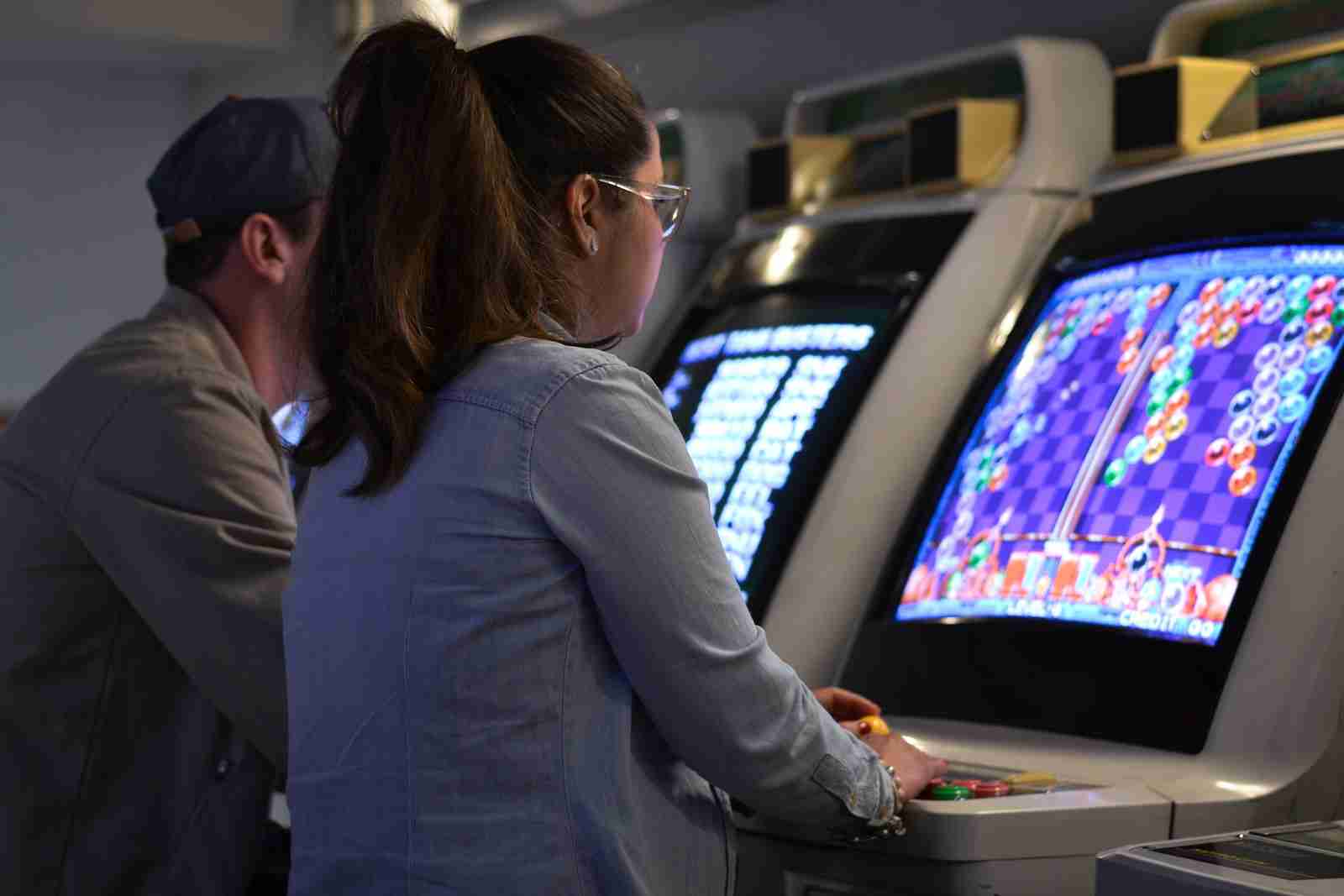

Discover The Power Of Intergenerational Gaming
By Tom Seest
At HowDoYouGame, we help people who love board games by collating information and news about games.
Be sure to read our other related stories at HowDoYouGame to learn more about games.
Why More Grandparents Than Ever Are Becoming Gamers
Picture this: a cozy living room, laughter echoing off the walls, and a grandparent seated comfortably with a game controller in hand, as they embark on epic quests that take them to faraway lands, where they battle dragons or solve cosmic puzzles. It’s a scene that’s becoming increasingly common, and it’s about more than just the allure of flashing lights and the thrill of competition; it’s a heartwarming testament to the resilience and adaptability of the human spirit.
Let’s start with the emotional impact of gaming. For many grandparents, the transition into the world of games is not just a hobby; it’s a lifeline to connect with their grandchildren. Amid the hustle and bustle of daily life, orchestrating a moment to sit down and play together nurtures bonds that transcend generations. Those virtual adventures become shared experiences, offering a rare chance to laugh, learn, and cheer together—reminding us all that family isn’t just about sharing genes; it’s about shared joy.
Now, pivoting to the rational side, consider the cognitive benefits. Research shows that engaging in games can enhance memory, improve strategic thinking, and sharpen reflexes—even at an advanced age. In a time when keeping our minds sharp is paramount, why not embrace a medium that delivers both entertainment and mental exercise? Those seemingly trivial rewards in games translate into real-world triumphs, blurring the lines between play and purpose.
And let’s not forget the ethical angle. Somewhere along the way, we’ve been led to believe that gaming is a pastime for the young. This misconception fosters a culture of exclusion. It’s time we celebrate inclusivity by advocating for a shared experience across all ages. When grandparents pick up a controller, they’re challenging stereotypes, embracing change, and promoting a culture that says, “We’re all in this together.”
The narrative here is simple: this is not just a story about older folks adapting to new technology; it’s about forging connections in a fractured world. By stepping into the realm of gaming, grandparents are not merely spectators in their grandchildren’s lives; they are active participants, ready to engage, learn, and love through play. As we embrace this trend, let’s honor the spirit of family and connection amidst the endless realms of possibility that games offer. Here’s to the gamers of all ages; may the quest for connection continue to thrive.

Why More Grandparents Than Ever Are Becoming Gamers
Why More Grandparents Than Ever Are Becoming Gamers
- A cozy living room scene with grandparents gaming alongside their grandchildren highlights the emotional impact of video games.
- Gaming serves as a lifeline for grandparents to connect with their grandchildren, nurturing intergenerational bonds.
- Shared virtual adventures provide opportunities for laughter, learning, and joy, reinforcing the idea of family beyond genetics.
- Cognitive benefits of gaming include enhanced memory, improved strategic thinking, and sharper reflexes, promoting mental agility.
- Engaging in games delivers both entertainment and mental exercise, making play a purposeful activity.
- The misconception that gaming is solely for the young fosters exclusion, while inclusivity should be celebrated across all ages.
- Grandparents participating in gaming challenge stereotypes and contribute to forging stronger family connections in a fractured world.

Why More Grandparents Than Ever Are Becoming Gamers
Table Of Contents
- Why More Grandparents Than Ever Are Becoming Gamers
- What Emotions Drive Grandparents to Seek Connection Through Gaming?
- How Can Gaming Improve Cognitive Skills In Older Adults?
- Are Video Games a Safe Way for Seniors to Socialize?
- What Ethical Considerations Arise When Seniors Engage In Gaming?
- How Have Gaming Technologies Evolved to Support Older Players?
- What Stories Illustrate the Joy Gaming Brings to Grandparents?
- Why Are Gaming Communities Welcoming to Senior Players?
- Conclusion
- Other Resources
- Glossary Of Terms
- Other Questions
- Haiku
- Poem
- Checklist
What Emotions Drive Grandparents to Seek Connection Through Gaming?
In a world increasingly dominated by screens and clicks, the simple act of connecting remains a deeply human endeavor. When it comes to grandparents seeking connection through games, the motivations can be as richly layered as the experiences they bring to the table. Picture this: a grandparent, perhaps feeling the weight of loneliness, longing to bridge the gap that generations have created. They’ve watched their grandchildren grow, yet the allure of games offers not just entertainment, but a lifeline – a means to step into familiar shoes and walk beside them.
It starts with emotions—a fundamental craving for connection. Games, with their interactive essence, create an environment where bonding can flourish. Through each level conquered or quest completed, there’s laughter echoing from living rooms and stories being built together, nurturing relationships that might otherwise fall prey to distance. But on a deeper level, there’s a palpable fear of being left behind. The digital age can feel like a foreign land to some older folks, and gaming transforms that fear into excitement. It’s a chance to learn, to adapt, and to remain relevant in their grandchildren’s world.
Rationally, the benefits are undeniable. Research shows that engaging in games can enhance cognitive function and even improve social skills, making them feel empowered and active participants in family life. When they challenge their grandchildren in a friendly competition or collaborate to achieve a common goal, they’re not just playing a game; they’re reaffirming their role in the family unit. The moral fabric of connection is woven tighter as these bonds are forged through cooperation, respect, and shared laughter.
Narratively, every gamer has a story, and this one is no different. Imagine a grandchild regaling their peers about the epic victories shared with Grandma and the unforgettable moments spent strategizing over the latest adventure. One game session at a time, the narratives grow richer, illustrating the universal truth that regardless of age, the desire to belong remains.
Socially, the ripple effects are profound. The joyous moments shared over virtual landscapes ripple outward, affecting not just the players but their wider families and circles. It’s a chance for other family members to witness this growth, to recognize that age alone doesn’t define one’s capabilities or interests. In a society that often forgets the wisdom of elders, gaming reminds us of the joy that comes from intergenerational connection.
It’s more than just games; it’s about reigniting the spark of human connection in the most creative and engaging way possible.

What Emotions Drive Grandparents to Seek Connection Through Gaming?
What Emotions Drive Grandparents to Seek Connection Through Gaming?
- Connecting through games serves as a crucial human endeavor, especially for grandparents.
- Games offer not just entertainment but a lifeline for grandparents feeling lonely and wanting to connect with their grandchildren.
- The emotional drive for connection through gaming nurtures relationships and fosters shared laughter and stories.
- Engagement in games transforms fear of being left behind into excitement, enabling older generations to adapt to the digital age.
- Research indicates that gaming can enhance cognitive function and social skills, empowering grandparents as active family participants.
- Shared gaming experiences create rich narratives that illustrate the universal desire for belonging regardless of age.
- Intergenerational gaming fosters joy and connection, bridging gaps and celebrating the wisdom of elders in a modern context.

What Emotions Drive Grandparents to Seek Connection Through Gaming?
How Can Gaming Improve Cognitive Skills In Older Adults?
As we age, it can feel like we’re drifting further away from the vibrant tapestry of our once-engaging lives. The routines may settle in, and before we know it, the vibrant colors start to fade. But what if I told you that something as simple as playing games could reignite that spark, enhancing cognitive skills and breathing new life into our brains?
Imagine gathering around a table with friends, laughter dancing through the air as you strategize your next move in a board game. That sense of camaraderie isn’t just enjoyable; it’s vital. Engaging in games isn’t merely about competition; it’s about connection. It encourages social interactions that combat loneliness and foster a sense of belonging. As we play, our minds are challenged, forcing us to think critically and adapt quickly. It’s not only about winning; it’s about exercising our brains in ways we might not even realize we need.
Games, whether they are video, board, or card games, provide a rich tapestry of cognitive challenges. They stimulate memory recall, sharpen problem-solving skills, and enhance decision-making capabilities. Research shows that engaging in these mental workouts can slow cognitive decline, making those late-night chess matches or puzzle-solving sessions a small investment with big returns. And let’s not overlook the emotional side; the thrill of achieving something new—whether that’s mastering a difficult video game level or finally winning a tricky card game—fuels motivation and boosts self-esteem.
Ethically, the benefits of gaming extend beyond the individual. As older adults engage in these cognitive activities, they also help redefine societal perceptions about aging—showing that one should never stop learning, growing, and participating in the world. There’s a responsibility we all share to embrace this phase of life with vigor and curiosity.
Notably, we look to the growing community around gaming among older adults. The narratives we share—stories of success, lessons learned, and even the occasional mishap—can inspire others to unearth their hidden potential. So, gather your loved ones, dive into the world of games, and be part of a movement that says age is nothing but a number. Feel that connection to others, your mind expanding, and rediscover the joy of play. Let’s show the world that getting older doesn’t mean stepping back; it means stepping up.

How Can Gaming Improve Cognitive Skills In Older Adults?
How Can Gaming Improve Cognitive Skills In Older Adults?
- Aging can lead to a feeling of drifting away from a vibrant life.
- Playing games can reignite a sense of engagement and enhance cognitive skills.
- Games foster social interactions that combat loneliness and promote a sense of belonging.
- Engaging in games challenges the mind, improving critical thinking and adaptability.
- Cognitive challenges from games can slow down cognitive decline and improve memory and decision-making.
- Participating in gaming helps redefine societal perceptions about aging and encourages lifelong learning.
- The growing community of older gamers showcases shared narratives that inspire others to embrace their potential.

How Can Gaming Improve Cognitive Skills In Older Adults?
Are Video Games a Safe Way for Seniors to Socialize?
In the realm of connectivity, video games are emerging as a surprising bridge for seniors seeking companionship. Picture this: a sunny afternoon in a cozy living room, where a group of older adults gathers around a gaming console, laughter echoing as they navigate quirky worlds and tackle challenges together. These games aren’t just pixels on a screen; they’re gateways to engagement, camaraderie, and, quite simply, joy.
At the heart of the matter is connection. In an age where isolation can creep in uninvited, video games offer a platform for seniors to forge new friendships, reconnect with family, or maintain bonds with old friends. The once-derided notion of gaming is fading, replaced by a newfound respect for its power to unite. The emotional fabric woven through shared victories and friendly competition can heal wounds of loneliness. The stories exchanged while locked in a digital battle can resonate deeply, proving that age is just a number when it comes to building relationships.
From a rational perspective, we can’t ignore the cognitive benefits of engaging with games. Studies have shown that strategic gaming can sharpen problem-solving skills and improve memory. Isn’t it fascinating that something often dismissed as mere entertainment can actually bolster mental acuity? With each puzzle solved, every team victory, seniors are not just playing; they are actively sharpening their minds, cultivating resilience, and fostering a sense of achievement.
Ethically, there’s a responsibility to embrace what invigorates life. Just as we encourage our loved ones to pursue hobbies, so too should we support their venture into gaming. It’s not just a pastime; it’s a means to claim agency and enhance their quality of life. What’s wrong with enjoying a little friendly competition?
Moreover, within a community where gaming is increasingly recognized, the societal stigma is lifting. Local clubs and online forums are springing up, bringing together seniors from all walks of life. The warmth and camaraderie found in these social spaces redefine what it means to connect.
So, let’s celebrate this evolution. Let’s suggest that grandma grab the controller and dive into a world where adventure awaits. Because, in the grand narrative of life, these games can be more than just fun; they can be the spark that ignites a social renaissance for our seniors. It’s time to embrace the digital age and its boundless promise of connection.

Are Video Games a Safe Way for Seniors to Socialize?
Are Video Games a Safe Way for Seniors to Socialize?
- Video games are becoming a surprising source of companionship for seniors.
- They provide a platform for forging new friendships and maintaining family ties.
- Shared gaming experiences can help combat loneliness and enrich emotional connections.
- Engaging with games offers cognitive benefits like improved problem-solving skills and memory.
- Supporting seniors in gaming is a way to enhance their quality of life and promote agency.
- Seniors are increasingly participating in community clubs and online forums dedicated to gaming.
- Embracing gaming can ignite a social renaissance for older adults, fostering connection and joy.

Are Video Games a Safe Way for Seniors to Socialize?
What Ethical Considerations Arise When Seniors Engage In Gaming?
When we delve into the world of gaming for seniors, we encounter a landscape rich in opportunity but also fraught with ethical complexities. Picture this: a grandmother, her fingers deftly navigating the screen, a smile on her face as she battles foes or solves puzzles. It’s heartwarming, isn’t it? Yet, beneath that surface lies a multitude of ethical considerations that we must confront.
The heart of the matter is simple. Gaming can be a lifeline, a social connector for seniors who might otherwise feel isolated. But let’s be honest—how do we balance enjoyment with the potential pitfalls? As elders engage in these games, they reap significant cognitive and emotional benefits, such as improved memory and increased feelings of belonging. However, we must be vigilant. Are they gaming responsibly, or are they being lured into predatory monetization schemes designed to exploit them?
From a rational perspective, it’s essential to reflect on the types of games seniors are playing. Many are well-designed for engagement and empathy, but some may promote unhealthy behaviors or unrealistic expectations. Are we equipping our elders with the knowledge they need to navigate these waters? The role of families and caregivers becomes crucial here, necessitating an active approach to understanding the content and implications of these games.
On an ethical level, we must consider the industry’s responsibility. Are developers crafting games with sensitivity and respect towards an older demographic, or are they merely focused on profit? This poses questions about inclusivity and representation. Enhancing feelings of agency and connection in gaming requires players to see themselves, their struggles, and their triumphs reflected in the virtual world.
Moreover, we need to think about the social aspect. Gaming can foster communities, building friendships that span not just generations but geographical boundaries. But what happens when these communities foster negative behavior or exclusion? We have a collective duty to ensure that the environments surrounding these games encourage positivity and support.
As we reflect on these considerations, let’s remember that the act of gaming is more than just play; it’s a conduit for connection and growth. The challenge lies in ensuring that this journey is safe, inclusive, and rewarding. In doing so, we strengthen the bonds that tether us, bridging gaps and nurturing a culture of respect and care for our seniors in the digital age.

What Ethical Considerations Arise When Seniors Engage In Gaming?
What Ethical Considerations Arise When Seniors Engage In Gaming?
- Gaming for seniors presents both opportunities and ethical complexities.
- It serves as a social connector, helping isolated seniors engage and benefit cognitively and emotionally.
- There are potential risks, including exploitation through predatory monetization schemes.
- Not all games are created equal; some may promote unhealthy behaviors or unrealistic expectations.
- Families and caregivers play a crucial role in guiding seniors to understand game content and implications.
- The gaming industry has a responsibility to create inclusive, respectful games for older players.
- Communities formed through gaming can foster positive relationships, but must be monitored to prevent negativity and exclusion.

What Ethical Considerations Arise When Seniors Engage In Gaming?
How Have Gaming Technologies Evolved to Support Older Players?
In the vast landscape of gaming, there’s a revolution quietly unfolding, one that doesn’t just focus on flashy graphics or complex storylines but genuinely addresses the needs of older players. It seems odd at first, doesn’t it? When we think of gamified joy, we often conjure images of young enthusiasts, absorbed in their quests and victories. Yet, as the gaming industry evolves, so too does its understanding of who sits behind the controller.
Older adults, once marginalized in this vibrant world, are being invited in. Developers are finally recognizing that age does not equate to disinterest; rather, it reflects a lifetime of experiences and a thirst for connection. The consequences of this understanding are profound. Games now come equipped with simplified interfaces and adjustable difficulty levels, allowing seasoned players to engage without the frustration that often comes with modern gaming. It’s not just about player satisfaction; it’s about inclusivity—a chance for grandparents to bond with grandchildren over shared victories and playful banter.
A key factor in this transformation is the growing body of research highlighting the cognitive and emotional benefits of gaming for older adults. Games can enhance memory, improve hand-eye coordination, and even provide a sense of accomplishment. Furthermore, through social platforms within these gaming experiences, players can forge friendships, share strategies, and create communities. This sense of belonging can discharge the weight of loneliness, an all-too-common companion for many in the older demographic.
Imagine a retired veteran, now at home with more time on his hands, finding solace in an online community of fellow gamers who understand his journey—who laugh with him and perhaps even challenge him. This isn’t mere entertainment; this is a lifeline, a forge of connections that span generations. There’s a beauty in how gaming brings people together and carves out common ground amid generations, showcasing shared humanity in the simplest of joys.
As we look to the horizon of gaming technologies, one thing becomes abundantly clear: gaming is no longer just for the young and restless. It’s becoming a universal language that transcends age, an open door inviting older players into a world rich with opportunity, connection, andJoy. Let’s champion that evolution, because every player’s story deserves to be part of the narrative.

How Have Gaming Technologies Evolved to Support Older Players?
How Have Gaming Technologies Evolved to Support Older Players?
- A revolution in gaming is focusing on the needs of older players, moving beyond just graphics and storylines.
- Older adults are being recognized as valuable players, dispelling myths of disinterest based on age.
- Developers are creating games with simplified interfaces and adjustable difficulty to enhance engagement.
- Gaming offers cognitive and emotional benefits for older adults, like improved memory and hand-eye coordination.
- Social gaming platforms allow older players to build friendships, share strategies, and form communities.
- Gaming fosters intergenerational connections, allowing grandparents and grandchildren to bond over shared experiences.
- The evolution of gaming champions inclusivity, making it a universal language that welcomes everyone, regardless of age.

How Have Gaming Technologies Evolved to Support Older Players?
What Stories Illustrate the Joy Gaming Brings to Grandparents?
There’s something undeniably charming about the way gaming can light up a grandparent’s eyes. Picture this: a grandmother, lovingly referred to as “Nana,” holding a controller like it’s a treasured heirloom, her laughter spilling over as she navigates through fantastical worlds with her grandkids. These games, not just artifacts of entertainment, are bridges connecting generations. They invite laughter, foster connection, and illuminate the simple joy of shared experiences.
Consider the story of Tom and his grandfather, Charlie, who once fumbled with technology but found a passion for racing games. What started as an awkward gaming session turned into spirited competitions that echoed through their home. Tom remembers Charlie’s triumphant fist pump when he achieved a personal best, an achievement that was celebrated with high-fives and hearty laughs. It transformed their relationship, offering a unique rhythm to their dynamic—a ritual of encouragement and camaraderie that has nurtured mutual respect and understanding. This isn’t just gaming; it’s a testament to how shared victories can fuel personal bonds.
There’s a powerful ethical component to this. Gaming introduces grandparents to the digital world their grandchildren inhabit. It’s an effort to embrace change, to learn, and ultimately, to remain relevant in a rapidly evolving societal landscape. By engaging in these games, they transcend age barriers, proving that the desire for adventure, connection, and growth knows no numerical bounds. In a sociocultural context, these tales of connection underscore how gaming is as much about community as it is about competition.
You’ve likely heard stories of grandfathers revisiting cherished childhood stories through interactive adventures, or a group of friends organizing gaming sessions to escape the daily grind. Each game played opens doors to building trust, patience, and strategy—skills applicable both in-game and in life.
So, when grandkids urge, “Come on, just one game!” it’s never just about the pixels on the screen; it’s about laughter echoing off the walls, hearts swelling with pride, and the creation of memories that will be cherished for years to come. Those moments, filled with joy and shared discovery, illuminate the very essence of family life and remind us that gaming has the potential to bring even the most unlikely players together. With each virtual victory or defeat, a deeper connection is forged—one that transcends generations and resonates through time.

What Stories Illustrate the Joy Gaming Brings to Grandparents?
What Stories Illustrate the Joy Gaming Brings to Grandparents?
- Gaming brings joy and connection between grandparents and grandchildren.
- A grandmother, affectionately called “Nana,” enjoys playing games with her grandkids, fostering laughter and shared experiences.
- Tom and his grandfather, Charlie, bond over racing games, enhancing their relationship through spirited competitions.
- Gaming helps to overcome technological barriers, allowing grandparents to engage with their grandchildren’s digital world.
- Playing games together fosters important life skills such as trust, patience, and strategy.
- Grandkids’ invitations to play go beyond gaming; they create lasting memories and deeper family connections.
- Each gaming experience emphasizes the power of shared discovery and transcends generational divides.

What Stories Illustrate the Joy Gaming Brings to Grandparents?
Why Are Gaming Communities Welcoming to Senior Players?
When you step into the pixelated worlds of modern games, you might notice an unexpected but heartwarming trend: senior players are finding a home there. These gaming communities don’t just have space for the younger crowd; they welcome the wisdom, experience, and stories of older adults. That alone should make you sit up and take notice.
Think about it. Gaming is often seen as a haven for the young. Fast-paced action, flashy graphics, and complex strategies—it seems tailored for a generation raised on screens. Yet, what these games offer is more than just amusement; they create an avenue for connection, bridging generations. Seniors bring a unique perspective honed over years of life experience, resilience, and knowledge. These aren’t just games; in many ways, they’re a canvas for shared narratives, where every player’s story matters.
This welcoming atmosphere provides a safe space for seniors, free from the judgment that sometimes colors our real-world interactions. It’s ethical and refreshing to see communities rally around the idea that gaming has no age limit. In these virtual realms, you’re not just a number or part of a demographic; you’re a valued player whose contributions—whether through strategic insight or just a shared laugh—enrich the experience for everyone.
Rationally, engaging with gaming offers seniors more than just entertainment; it’s a way to maintain cognitive function, develop new skills, and even make friends, often resulting in friendships that outlast the games themselves. Moreover, platforms make it easy to connect with others who share similar interests, regardless of geographic boundaries. The camaraderie built through teamwork or friendly competition is a powerful antidote to loneliness, which is an all-too-familiar foe for many seniors.
So, as we step into this brave new world of gaming, let’s honor the notion that these virtual landscapes can be as much a gathering place as a coffee shop or a bowling alley. When we welcome senior players, we’re not just enriching their lives; we’re enriching our own. Every player, regardless of age, possesses the potential to uplift and inspire one another.
All we have to do is embrace the opportunity to connect and share our journeys—because in the realm of gaming, we’re all just players at the same table, ready to embark on an epic quest together.

Why Are Gaming Communities Welcoming to Senior Players?
Why Are Gaming Communities Welcoming to Senior Players?
- Senior players are increasingly finding a home in gaming communities, adding their wisdom and experience.
- Gaming is often seen as designed for younger players, but it can create bridges between generations.
- Seniors bring valuable perspectives that enrich the shared narratives within games.
- These communities provide safe spaces free from judgment, reinforcing that gaming has no age limit.
- Engaging with games helps seniors maintain cognitive function, develop skills, and form lasting friendships.
- Teamwork and competition in gaming combat loneliness, a common challenge for many seniors.
- Welcoming senior players enriches not only their lives but also the experiences of younger players, fostering connection.

Why Are Gaming Communities Welcoming to Senior Players?
Conclusion
In an era where screens dominate our lives, the world of gaming stands as a surprising bridge for connection, particularly for grandparents eager to engage with their grandchildren. Imagine a cozy living room where the sound of laughter mingles with the clicking of controllers—this is not just a sign of changing times but a heartfelt resurgence of connection across generations. For many grandparents, gaming is not merely a pastime but a means to bond and create lasting memories with their grandkids. Amidst busy lives, these shared gaming experiences become sacred rituals that transcend age, nurturing relationships in ways that traditional activities often cannot.
The benefits extend beyond emotional connections. Engaging in games has been shown to enhance cognitive abilities, sharpening memory and strategic thinking while invigorating the mind. Grandparents, often portrayed as relics of the past in a tech-driven world, are challenging those stereotypes through gaming, embracing change with open arms. As they immerse themselves in this vibrant culture, they’re not just passive observers—they become active participants in their grandchildren’s lives, reinforcing their roles in the family narrative.
Yet, amid the joy of gaming lies an ethical responsibility to ensure these experiences remain positive and constructive. While the gaming industry evolves to include more inclusive designs, we must remain vigilant about the content our seniors engage with. Are we equipping them with the knowledge to navigate potential pitfalls while enjoying the advantages of gaming? Communities are forming, welcoming senior players, which fosters an environment of respect and belonging, proving that age is not a barrier but rather a shared journey through digital landscapes filled with adventure.
Every gaming session invites stories rich with laughter—like a grandmother discovering the thrill of racing games with her grandson or a group of seniors rallying for a team competition. These narratives illustrate that gaming is about more than just a screen; it’s about stitching together the fabric of family and friends through shared joy and learning.
As we celebrate the growth of gaming among seniors, let’s champion this evolution—a movement towards inclusivity and connection that invites all ages to come together. In this digital age, where loneliness can linger, gaming can ignite excitement, offering a vibrant tapestry of collaboration, strategy, and laughter. Here’s to the grand adventure of becoming gamers, where every elder’s story matters, and every connection counts. Let’s play on!

Conclusion
Conclusion:
- Gaming serves as a bridge for connection between grandparents and grandchildren amidst a screen-dominated era.
- Shared gaming experiences nurture lasting relationships and create cherished memories across generations.
- Engaging in games enhances cognitive abilities, improving memory and strategic thinking in seniors.
- Grandparents are challenging stereotypes by actively participating in their grandchildren’s lives through gaming.
- There is an ethical responsibility to ensure positive and constructive gaming experiences for seniors.
- Communities are forming to support senior players, fostering an environment of respect and belonging.
- Gaming creates rich narratives that stitch together family bonds, promoting joy and learning across ages.

Conclusion
Other Resources

Other Resources
Here is a list of other resources you can review online to learn more:
- Eagle-Gryphon Games
- PC Gamer
- Arkham Horror: The Card Game
- Piatnik
- Cyclades
- Blogger
- Gaming Rules!
- GMT Games
- Quined Games
- Robinson Crusoe: Adventures on the Cursed Island
- Arkham Horror: The Card Game – The Dunwich Legacy Expansion
- VK
- North Star Games
- Sherlock Holmes Consulting Detective: The Thames Murders & Other Cases
- No Pun Included
- GameSpot
- Agricola (Revised Edition)
- Tantrum House
- Blue Peg, Pink Peg
Use This Prompt To Get More Resources With Your Favorite Online AI Tool: Please provide me with a list of online articles with their URLs in a bulleted list that I can read regarding Why More Grandparents Than Ever Are Becoming Gamers

Other Resources
Glossary Terms
Why More Grandparents Than Ever Are Becoming Gamers – Glossary Of Terms
1. Gaming: The act of playing electronic games, either on consoles, computers, or mobile devices.
2. Grandparents: Older adults who are the parents of someone’s mother or father, often involved in nurturing and educating younger family members.
3. Gamers: Individuals who engage in playing video games, regardless of age or skill level.
4. Technology Adoption: The process by which individuals or groups start using new technology, often influenced by social trends and accessibility.
5. Social Interaction: The exchange of information, feelings, and thoughts between individuals, often enhanced through multiplayer gaming.
6. Cognitive Skills: Mental abilities involved in processes such as thinking, learning, memory, and problem-solving, which can be improved through gaming.
7. Online Communities: Virtual groups where individuals connect and interact over shared interests, including gaming.
8. Co-op Games: Cooperative video games that require players to work together to achieve objectives, promoting teamwork among gamers.
9. Nostalgia: A sentimental longing for the past, often driving older adults to engage in gaming genres reminiscent of their youth.
10. Health Benefits: Positive effects on physical or mental health, including stress relief and improved memory, associated with gaming among older adults.
11. Accessibility: The extent to which video games are designed to be usable by everyone, including those with disabilities or limited experience with technology.
12. Casual Gaming: Games that are easy to pick up and play, not requiring extensive time or commitment, appealing to older adults.
13. Virtual Reality (VR): A technology that creates immersive, interactive experiences, allowing users to engage in a simulated environment.
14. Gaming Consoles: Dedicated devices designed specifically for playing video games, such as PlayStation or Xbox, which are increasingly popular among older gamers.
15. Mobile Gaming: Playing video games on smartphones or tablets, providing convenience and accessibility for older adults.
16. Digital Literacy: The skills required to effectively use technology and navigate online spaces, vital for older adults entering the gaming world.
17. Game Genres: Categories of video games based on gameplay style, such as role-playing, strategy, or puzzle games.
18. Multiplayer: Gaming involving multiple players, often fostering social connections and competitive spirit among grandparents and their peers.
19. Streaming: The process of transmitting live or recorded video content over the internet, popular among gamers who share their gameplay experiences.
20. Esports: Competitive gaming events where players or teams compete for recognition and prizes, attracting diverse audiences, including older participants.
21. Game Mechanics: The rules and systems that govern gameplay, including scoring, rewards, and player interactions, affecting enjoyment and engagement.
22. User Experience (UX): The overall satisfaction and enjoyment a player derives from interacting with a game, crucial for retaining older gamers.
23. Family Bonding: Strengthening relationships among family members through shared gaming experiences and activities.
24. Mindfulness: The practice of being present and engaged in the moment, which can be enhanced through immersive gaming experiences.
25. Competitive Gaming: A form of gaming where individuals or teams compete against each other, appealing to those who enjoy challenges and rivalry.
26. Game Streaming Platforms: Websites or applications where users can watch or broadcast live gameplay, facilitating community engagement.
27. In-Game Purchases: Additional content or features bought within a game, contributing to an evolving gaming experience.
28. Retention: The ability to keep players engaged with a game over time, an important factor in growing the gaming demographic among older adults.
29. Cultural Shift: The change in societal attitudes and perceptions towards gaming as a hobby suitable for all ages, including seniors.
30. Gamification: The application of game elements in non-game contexts to encourage participation and enhance motivation in various activities.

Glossary Of Terms
Other Questions
Why More Grandparents Than Ever Are Becoming Gamers – Other Questions
If you wish to explore and discover more, consider looking for answers to these questions:
- What types of games are most popular among grandparents?
- How do different genres of games appeal to older players?
- What role do family members play in supporting grandparents’ gaming experiences?
- Are there specific gaming platforms that are easier for seniors to use?
- How can families encourage grandparents to start gaming?
- What precautions should seniors take when gaming online?
- How can gaming help combat loneliness in seniors beyond family connections?
- What resources are available for seniors to learn about gaming?
- Are there particular gaming communities or organizations focused on older players?
- How does gaming impact the mental health of older adults?
- What are the potential downsides of gaming for seniors?
- How can seniors balance gaming with other activities in their lives?

Other Questions
Haiku
Why More Grandparents Than Ever Are Becoming Gamers – A Haiku
Grandparents now play,
Joy and connection bloom bright,
A bridge through the games.

Haiku
Poem
Why More Grandparents Than Ever Are Becoming Gamers – A Poem
In living rooms bright with laughter, amid quests both near and far,
Grandparents grasp controllers, shining bright like evening stars.
A digital bridge unfolds, where once there stood a gap,
In pixels and adventure, they find love’s cozy lap.
With each quest embarked together, a bond begins to weave,
Through laughter shared and victories, in moments they believe.
A heart that yearns for connection, a mind that seeks to grow,
As games ignite their spirits, new adventures overflow.
No longer just the young who play, but all with stories vast,
The wisdom of the ages blends with the joy of the past.
Cognitive sparks ignite anew, as strategies unfold,
Navigating realms not just for wins, but connections we hold.
In worlds where dragons roam and puzzles call their names,
They challenge age-old notions, rewriting all the games.
For gaming is a tapestry, rich with threads of life’s embrace,
An ethical commitment to see each player’s face.
Communities arise, where laughter echoes loud,
Welcoming the seniors, proud, unbowed, and unbowed.
They gather, share their stories, their laughter spirals high,
In this realm of endless journeys, they soar and learn to fly.
So here’s to every gamer, with silver strands of grace,
Who pick up their controllers and step boldly into space.
With each push of a button, connections redefine,
In every game, a heartbeat—forever intertwined.

Poem
Checklist
Why More Grandparents Than Ever Are Becoming Gamers – A Checklist
Checklist for Embracing Intergenerational Gaming
Emotional Appeals
_____ Reflect on the Joy: Recall a memorable gaming moment shared with a grandchild or loved one.
_____ Nurture Connections: Plan a regular gaming session to strengthen family bonds.
_____ Embrace New Experiences: Keep an open heart towards trying new games, regardless of familiarity.
Rational Appeals
_____ Cognitive Benefits: Research games that enhance memory and strategic thinking.
_____ Choose Wisely: Select games that offer both entertainment and intellectual engagement.
_____ Monitor Progress: Track improvements in cognitive skills and personal enjoyment during gaming sessions.
Ethical Considerations
_____ Promote Inclusivity: Challenge stereotypes about age and gaming within your community.
_____ Educate on Safety: Ensure understanding of responsible gaming practices and monetization issues.
_____ Champion Representation: Support games that respectfully represent older adults and their experiences.
Authority and Expertise
_____ Stay Informed: Follow reputable sources on gaming trends and their benefits for older adults.
_____ Join Groups: Engage with communities or clubs focused on intergenerational gaming.
_____ Share Knowledge: Teach others about the positive impacts of gaming on cognitive health and social connection.
Narrative and Storytelling
_____ Share Your Story: Document personal experiences as a grandparent gamer to inspire others.
_____ Encourage Others: Invite friends to share their own gaming stories, emphasizing the fun and connection it brings.
_____ Create New Traditions: Establish family gaming nights that become cherished memories.
Social Appeal
_____ Connect with Others: Reach out to fellow gamers, both young and old, to broaden your social network.
_____ Participate in Events: Attend gaming events or local meet-ups designed for older players.
_____ Celebrate Community: Acknowledge and support online communities that welcome senior players.
Practical Steps
_____ Select Games: Compile a list of beginner-friendly games suitable for all ages.
_____ Set Up Gaming Spaces: Create a comfortable and inviting area for gaming sessions.
_____ Encourage Feedback: Ask family members about their gaming preferences to enhance enjoyment.

Checklist
At HowDoYouGame, we help people who love board games by collating information and news about games.
Be sure to read our other related stories at HowDoYouGame to learn more about games.