
Unleashing The Power Of Gaming For Success
By Tom Seest
At HowDoYouGame, we help people who love board games by collating information and news about games.
Be sure to read our other related stories at HowDoYouGame to learn more about games.
Could Gaming Be a Vital Tool for Future Success?
Let’s face it, when most people hear the word “gaming,” their minds tend to drift toward late-night marathons, energy drinks, and the occasional outburst of frustration when a mission goes sideways. But hold onto your controllers—it’s time to dig a little deeper. What if I told you that this seemingly innocuous pastime could actually hold the key to developing essential skills that are becoming more and more valuable in today’s fast-paced world?
Enter the concept of gamification. This term refers to the integration of game-like elements into non-game settings, and it’s not just a trend; it’s reshaping education, business training, and even personal development. Just think about it: when was the last time you found yourself fully engaged in a learning experience that didn’t feel like a chore? Games draw us in, captivate our attention, and motivate us to push through challenges—all through rewards, levels, and engaging storylines.
Imagine a classroom where students earn points for mastering math problems or engage in friendly competitions to solve real-world issues. Suddenly, learning isn’t just another box to check off; it becomes a dynamic journey filled with hands-on experiences and tangible rewards. Just as importantly, these principles can also be applied to workplace training, transforming mundane sessions into interactive encounters that foster teamwork and ignite creativity.
Now, let’s not overlook personal growth. Is it possible to take the principles of gaming and apply them outside of the screen? Absolutely! Whether it’s tracking your own fitness goals with an app that rewards your progress or completing life challenges via a friendly competition with family or friends, gamification encourages us to engage in our evolution actively.
In a world where adaptability and continuous learning are paramount, the skills honed through gaming—strategic thinking, problem-solving, and even emotional resilience—can be directly applicable in the real world. So, don’t look down your nose at gaming too hastily. Instead, consider opening your mind to how it can be repurposed to equip yourself for future success. It’s time to put on your game face, because engaging with these tools might just provide the edge we need to thrive in an ever-changing environment. Let’s embrace it, one level at a time.

Could Gaming Be a Vital Tool for Future Success?
Could Gaming Be a Vital Tool for Future Success?
- Gaming is often associated with late-night marathons and frustration but holds deeper potential.
- Gamification incorporates game-like elements into non-game settings, enhancing engagement.
- This concept is reshaping education, business training, and personal development.
- It transforms learning into an engaging journey through rewards, levels, and storylines.
- Gamification in classrooms and workplaces fosters teamwork and creativity.
- It can also support personal growth through tracking goals and encouraging competition.
- The skills developed through gaming, such as strategic thinking and emotional resilience, are applicable in real-world scenarios.

Could Gaming Be a Vital Tool for Future Success?
Table Of Contents
- Could Gaming Be a Vital Tool for Future Success?
- How Does Gaming Enhance Problem-Solving Abilities?
- Can Gaming Improve Teamwork And Collaboration Skills?
- In What Ways Does Gaming Teach Adaptability To Change?
- How Do Different Game Genres Impact Skill Development?
- Can Gaming Be A Motivational Tool For Learning?
- What Role Does Gaming Play In Enhancing Creativity?
- How Can Games Foster Critical Thinking In Players?
- Conclusion
- Other Resources
- Glossary Of Terms
- Other Questions
- Haiku
- Poem
- Checklist
How Does Gaming Enhance Problem-Solving Abilities?
When we think about gaming, our minds often gravitate toward entertainment and escapism. Who doesn’t like to kick back after a long day, slip into a virtual world, and trade the mundane for the extraordinary? However, amid the laser-focused adventures and epic quests, there lies a treasure trove of cognitive benefits—most notably, the enhancement of problem-solving abilities. Let’s dive into this a bit deeper.
First off, let’s talk about *gamification*. That’s a fancy term for putting game elements into non-game situations. Businesses employ it to motivate employees, educators use it to engage students, and, inevitably, gamers are reaping the rewards without even realizing it. You see, every time you navigate through crazed mazes, battle fierce opponents, or tackle physics-defying challenges, your brain is getting a workout, too. Each of those virtual conquests requires analytical thinking, adaptability, and strategy. And this isn’t mere play; it’s a rehearsal for real-life conundrums.
Take puzzle-based games, for example. They don’t just entertain; they compel players to think critically and develop strategies under pressure. If you’ve ever spent a sleepless night analyzing which move would save your virtual kingdom, you’ve already mastered a valuable skill—anticipating problems before they arise and crafting solutions accordingly. That kind of thinking doesn’t just stay confined to the screen. It seeps into everyday life. Whether it’s figuring out how to solve an interpersonal conflict or undertaking a DIY home project, the basic principles remain the same. The way gamers approach challenges can revolutionize their ability to tackle problems in any sphere of life.
Moreover, let’s not forget the element of collaboration. Multiplayer games foster teamwork and communication, creating environments where players must share ideas and strategies. When faced with a shared goal, gamers learn to leverage their diverse perspectives. This kind of cooperative problem solving can combat the isolation we sometimes feel in the real world. The skills honed online can translate to our interactions offline—strengthening not just personal relationships but also professional collaborations.
So, whether you’re a casual player or a dedicated enthusiast, remember this: while you’re out there slaying dragons or solving mysteries, you’re sharpening your mind, preparing yourself to tackle the unpredictabilities of life. Embrace the adventure; your brain will thank you later.

How Does Gaming Enhance Problem-Solving Abilities?
How Does Gaming Enhance Problem-Solving Abilities?
- Gaming often serves as a source of entertainment and escapism.
- Gaming improves problem-solving abilities and cognitive functions.
- Gamification applies game elements to non-game contexts to motivate and engage.
- Puzzle-based games enhance critical thinking and strategic planning skills.
- Skills learned in gaming, like anticipating problems, apply to real-life scenarios.
- Multiplayer games promote teamwork and communication, helping combat isolation.
- Gaming sharpens the mind, preparing players for life’s unpredictabilities.

How Does Gaming Enhance Problem-Solving Abilities?
Can Gaming Improve Teamwork And Collaboration Skills?
Can Gaming Improve Teamwork and Collaboration Skills?
Let’s face it: gaming is often dismissed as a frivolous pursuit, something that competes for our attention like a pesky fly at a barbecue. You’ve heard the familiar tune—“Get off that screen and do something productive!” Yet, if we take a moment to consider the very essence of gaming, we discover a world where teamwork and collaboration aren’t just encouraged; they’re essential.
At its core, gaming is a modern-day arena where individuals step outside their comfort zones and into a digital gladiatorial pit, often alongside their friends, family, or even strangers. Picture it: a group of players, each unique in their abilities, coming together to tackle challenges that would be impossible to conquer alone. It’s not unlike a well-oiled machine, where every cog—whether it be the strategist, the sharpshooter, or the healer—plays a pivotal role. This is where gamification shines, transforming everyday tasks into engaging experiences that require synergy and communication.
Consider a popular multiplayer game, in which teams must navigate through a labyrinth of obstacles. If players don’t communicate effectively, they’ll find themselves ensnared by the very challenges they sought to overcome. Suddenly, that delightful experience of slaying fantasy monsters becomes a crash course in conflict resolution, strategy negotiation, and resource management. Whether one is diving headfirst into the fray or hanging back to provide support, the focus shifts from “me” to “we.”
And therein lies the magic: players learn to cherish each other’s strengths while compensating for weaknesses. There’s a lesson here—one that transcends the screen. The skills sharpened in these virtual environments can, and should, be applied to real life. As we build rapport and foster collaboration in these digital landscapes, we equip ourselves with tools that enhance our workplace dynamics and social relationships.
So, the next time you glance at someone engrossed in their gaming, consider that they’re not just playing; they’re flying the flag for teamwork in a world that often prioritizes individual success. They’re honing skills that, when applied thoughtfully, can bridge divides in boardrooms, classrooms, and beyond. Embrace it. Dive into the realm of gaming—not just to slay dragons, but to foster connections that matter. After all, when we come together, we’re stronger than we are alone, whether in a fantasy world or the family room.

Can Gaming Improve Teamwork And Collaboration Skills?
Can Gaming Improve Teamwork And Collaboration Skills?
- Gaming is often viewed as a frivolous pursuit, competing for attention against more productive activities.
- At its core, gaming requires teamwork and collaboration, essential for overcoming challenges.
- Players with unique abilities come together, functioning like a well-oiled machine in gaming scenarios.
- Effective communication is critical; without it, players face obstacles that hinder progress.
- Gaming teaches conflict resolution, strategy negotiation, and resource management skills.
- Skills developed in gaming can enhance real-life rapport and collaboration in various settings.
- Engagement in gaming promotes teamwork, which can bridge divides in professional and personal relationships.

Can Gaming Improve Teamwork And Collaboration Skills?
In What Ways Does Gaming Teach Adaptability To Change?
You know, there’s something remarkable about the way gaming mirrors the unpredictable twists of life. Picture this: you’re dropped into a sprawling fantasy world, weapons in hand, but your mission isn’t just to slay dragons or gather treasure—it’s to navigate a landscape that shifts beneath your very feet. This is where the magic happens; gaming teaches us about adaptability in a way that resonates with our everyday experiences.
At its core, gamification—the application of game elements in non-game contexts—has a profound impact on how we approach challenges. It’s not just about playing for fun; it’s about understanding that change is inevitable and learning how to pivot when the unexpected happens. Every level you conquer, every obstacle you face, aligns with the reality of life beyond the screen: adaptability isn’t just a useful trait; it’s a necessary survival skill.
Think back to a time you faced a significant hurdle, perhaps in a job, a relationship, or maybe even just mastering a new skill. You had to adjust your approach, reassess your strategy, and maybe even rethink your goals. This is a common thread we find in gaming. One moment, you think you have it all figured out, and the next, the rules change. Maybe a character dies, or the enemy has a new tactic that forces you to rethink your game plan on the fly. You either adapt, or you watch your carefully-built empire crumble.
This constant cycle of learning, unlearning, and relearning mirrors life in its most raw form. In real life, just like in many games, expectations can be upended, and we must remain nimble. When we embrace this fluidity, we become better equipped to handle curveballs, whether it’s a sudden job loss, a tough personal situation, or an unforeseen opportunity that requires immediate action.
Games invite us to cultivate resilience, patience, and creativity—the very qualities that make us adept at adjusting to change. They challenge us to think outside the box and to embrace the wild unpredictability of life. So the next time you sit down to conquer a virtual world, remember that each quest you embark on is more than just a pastime—it’s a vivid classroom for the real world. It’s an opportunity to step outside your comfort zone, explore the unknown, and come out stronger on the other side.

In What Ways Does Gaming Teach Adaptability To Change?
In What Ways Does Gaming Teach Adaptability To Change?
- Gaming reflects life’s unpredictable nature, encouraging adaptability.
- Gamification applies game elements to real-world challenges, emphasizing the importance of change.
- Success in gaming mirrors real-life scenarios that require shifting strategies and goals.
- Players learn to adapt quickly in response to unexpected events, a crucial survival skill.
- The cycle of learning and relearning in games parallels real-life experiences.
- Games foster resilience, patience, and creativity, essential for managing change.
- Every gaming experience serves as a lesson, helping players face real-world challenges.

In What Ways Does Gaming Teach Adaptability To Change?
How Do Different Game Genres Impact Skill Development?
When we think about gaming, it’s easy to brush it aside as a frivolous pastime. But hold on a minute! Behind the flashy graphics and captivating storylines, there’s a world of skill development just waiting to be explored. Different game genres offer unique paths for growth, and understanding this can open doors to new possibilities in your personal and professional life.
Let’s start with role-playing games (RPGs). These immersive adventures are not only about slaying dragons and deciphering ancient mysteries; they’re a crash course in decision-making and strategy. Players are constantly faced with choices that can lead to unforeseen consequences. This isn’t just fantasy; it’s a training ground for real-world critical thinking. You learn to evaluate risks, weigh pros and cons, and navigate complex social situations. That’s invaluable whether you’re managing a project at work or trying to decide what to do on a Saturday night.
Then there are puzzle games—those brain-bending challenges that often feel like a delightful workout for your mind. These games emphasize logic, pattern recognition, and problem-solving. Diving into a challenging puzzle game can sharpen your cognitive skills, teaching you to approach problems from various angles. This kind of gamification of thought processes encourages you to think outside the box, a trait that can set you apart in any field.
Now, let’s talk about first-person shooters and competitive multiplayer games. Here, the focus is on teamwork and hand-eye coordination. These games require swift decision-making under pressure and can boost your ability to collaborate and communicate with others. You might find that skills honed in a virtual battlefield translate seamlessly to team dynamics in the office. Trust me, mastering a tactical shooter can make those high-stakes meetings feel like a walk in the park!
Let’s not overlook simulation games, which offer a unique blend of practice and theory. Whether it’s flying a plane or managing a city, these genres provide experiential learning opportunities that can be both enjoyable and educational. You’re not just playing; you’re experimenting with real-life scenarios, developing skills that can be directly applied to your everyday life or career.
So, the next time you pick up a controller, remember that you’re not just gaming—you’re building valuable, transferrable skills. Embrace the variety of genres out there, and let your gaming journey be a solid step towards personal growth. After all, who wouldn’t want to level up in life while having a little fun?
How Do Different Game Genres Impact Skill Development?
How Do Different Game Genres Impact Skill Development?
- Gaming is often dismissed as a trivial pastime, but it offers valuable skill development opportunities.
- Role-playing games (RPGs) enhance decision-making and strategy through complex choices, improving critical thinking.
- Puzzle games boost cognitive skills such as logic, pattern recognition, and problem-solving by encouraging creative thinking.
- First-person shooters and competitive multiplayer games improve teamwork, communication, and decision-making under pressure.
- Simulation games provide real-life scenarios for experiential learning, helping players develop useful skills.
- Each game genre offers unique paths for personal and professional growth.
- Gaming can be a fun way to build transferrable skills that enhance everyday life.

How Do Different Game Genres Impact Skill Development?
Can Gaming Be A Motivational Tool For Learning?
Let’s face it: we live in a world where the daily grind can feel about as enticing as watching paint dry. But what if I told you that tapping into the spirit of play could revolutionize how we learn? Enter the concept of gamification—a term that’s become the rallying cry for educators and trainers alike, and for good reason. The idea is simple: infuse elements of gaming—points systems, levels, and flashy rewards—into traditional learning environments. But why stop there? Let’s unpack how this approach can spark a fire under even the most indifferent learners.
Consider this: when was the last time you sat down to game? Maybe it was a late night with friends, racing cars or conquering kingdoms. What you may not have realized while you were elbow-deep in action is that you were also unknowingly sharpening your problem-solving skills, honing your ability to think on your feet, and boosting your resilience. The thrill of leveling up, the satisfaction of completing a quest—these aren’t just distractions; they’re powerful motivators that encourage us to learn from our mistakes and keep pushing forward.
Incorporating gamification into educational settings transforms rote memorization into captivating adventures. Imagine kids excitedly tackling math problems as if they were battling mythical beasts or nursing a deadly virus through a simulation rather than consuming a tedious textbook. This approach doesn’t just foster engagement; it builds perseverance and creativity. Learning becomes less about passively absorbing information and more about actively participating in a thrilling experience.
Moreover, let’s talk about the all-important element of community. Online games often create experiences that bring strangers together, fostering a sense of belonging. This camaraderie can easily spill over into the classroom or workplace, where learners collaborate and share knowledge rather than compete in a cutthroat environment. When supported by a network, learners feel empowered to take risks, try new approaches, and ultimately thrive.
So next time you find yourself dragging your feet about diving into a concept that feels all too dull, remember that the magic of gamification might be just what you need to light the way. Embrace the challenge, discover the joy of learning, and who knows? You may find that the journey is just as rewarding as the destination. After all, when we approach learning as an adventure, we unlock a realm of possibilities—and isn’t that what we’re all after?

Can Gaming Be A Motivational Tool For Learning?
Can Gaming Be A Motivational Tool For Learning?
- Daily routines can feel monotonous, prompting the exploration of gamification in education.
- Gamification integrates gaming elements like points systems, levels, and rewards into learning.
- This approach enhances problem-solving skills, resilience, and engagement with educational content.
- Learning becomes an active adventure, encouraging creativity and perseverance in students.
- Community and collaboration in learning are fostered through gamification, mirroring online gaming experiences.
- Supportive environments empower learners to take risks and explore new ideas.
- Viewing learning as an adventure expands possibilities and makes the journey enjoyable.

Can Gaming Be A Motivational Tool For Learning?
What Role Does Gaming Play In Enhancing Creativity?
When you think of gaming, what comes to mind? Maybe it’s the frantic clicking of buttons, the immersive worlds, or the pulse-pounding thrill of competition. But peel back the layers, and you’ll discover something deeper: a treasure trove of creative potential waiting to be unearthed. That’s right, gaming isn’t just about dodging digital arrows or racing through imaginary landscapes; it’s a platform for creative exploration and expression.
At its core, gaming is a form of gamification, an ingenious way to transform the mundane into something engaging. This isn’t just about adding points and badges to a task; it’s about harnessing the principles of play to ignite our imaginations. Think about the last time you found yourself wholeheartedly immersed in a game. Chances are, you weren’t just following a strict set of rules; you were crafting strategies, inventing narratives, and thinking outside the box to overcome challenges. This process isn’t merely play; it’s a rehearsal for real-life problem-solving that demands creativity and innovation.
Many games invite you to build intricate worlds, create unique characters, or solve complex puzzles, tapping into your personal expression. Remember those late nights spent refining your avatar or constructing the perfect fortress? Those moments were more than just pixels on a screen; they were opportunities to flex your creative muscles. It’s in these digital realms that we can explore new ideas, make mistakes, and learn to innovate without the fear of failure.
The beauty of gaming lies in its ability to foster collaboration and communication. Multiplayer environments encourage players to share ideas, brainstorm solutions, and work together to achieve common goals. In doing so, they cultivate an atmosphere rich in creativity. After all, creativity isn’t a solitary journey; it flourishes in community. Gaming creates a dynamic space where individuals from diverse backgrounds come together, each contributing their own unique perspectives.
So, whether you’re a seasoned gamer or a curious newcomer, consider how gaming can enhance your creativity. Embrace the opportunity to experiment, explore, and express yourself. Dive into that world, whether it’s a fantasy realm or a strategic battlefield, and unleash the power of your imagination. You just might surprise yourself with what you can create, both in the game and in your daily life.

What Role Does Gaming Play In Enhancing Creativity?
What Role Does Gaming Play In Enhancing Creativity?
- Gaming is not just about entertainment; it serves as a platform for creative exploration and expression.
- It embodies the principles of gamification, transforming mundane tasks into engaging experiences.
- Immersion in gaming allows players to craft strategies, invent narratives, and think creatively to solve problems.
- Players can build worlds, create characters, and solve puzzles, enhancing personal expression and creativity.
- Gaming fosters a collaborative environment, encouraging communication and teamwork among players.
- The community aspect of gaming enriches creativity by bringing together diverse perspectives.
- Engaging with gaming can enhance creativity in real life, allowing for experimentation and self-expression.

What Role Does Gaming Play In Enhancing Creativity?
How Can Games Foster Critical Thinking In Players?
You know that feeling when you’re sitting around with friends, engaged in a friendly competition over a game? There’s something electric about it, isn’t there? But beyond the laughter and playful banter, games are secretly doing something far more profound: they’re sharpening our minds. When you think about it, gamification — the use of game mechanics in non-game contexts — pushes us to embrace challenges, make decisions on the fly, and navigate complex scenarios. It’s everything we need to keep our brains buzzing.
Games invite us into worlds where every choice matters. Imagine navigating a dense forest in an adventure game. You can’t just sprint through; you have to assess the situation. Do you take the left path, known for its lurking dangers, or the right one, shrouded in mystery? Each decision demands analysis and foresight. By presenting us with puzzles and dilemmas, games train us to weigh our options and consider the consequences of our choices. As we face these challenges, we naturally develop critical thinking skills that transcend the joystick. Isn’t that fascinating?
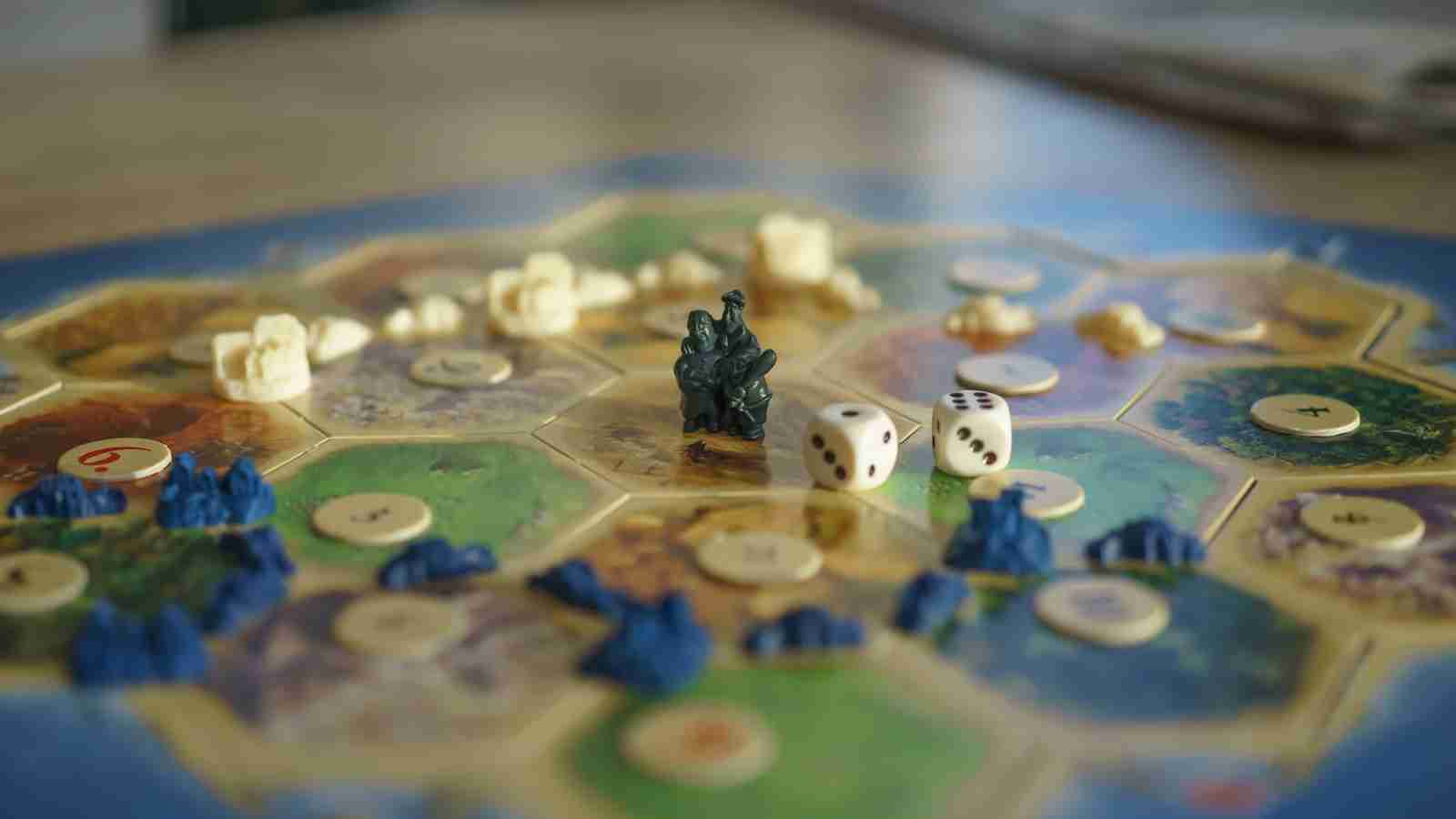
Let’s not just linger in the realm of fantasy. Think about strategy-based board games you might have played, like chess or Settlers of Catan. Every move forces you to anticipate your opponent’s actions and think several steps ahead. You’re not just reacting; you’re actively constructing a plan. This strategic foresight is a life skill that translates beautifully into the real world — whether it’s decision-making at work or even resolving everyday conflicts.
Moreover, games foster collaboration and communication. When players team up, they share ideas, debate strategies, and brainstorm solutions. This back-and-forth creates an environment rich in diverse perspectives, pushing us to critically assess not just our ideas but also those of others. These interactions can strengthen our trust in collaboration, making us more confident in our ability to work with others, both in-game and outside of it.
So the next time you pick up a game, remember: you’re not just playing; you’re honing your mind. Each challenge faced and each decision made finesses those critical thinking skills. Gamification isn’t just about having fun; it’s about growth and connection. So, dive in, enjoy the journey, and let your gaming adventure sharpen those mental tools. After all, every game is an opportunity to build not just strategies, but your very own critical thinking toolbox.

How Can Games Foster Critical Thinking In Players?
How Can Games Foster Critical Thinking In Players?
- Games create an engaging environment that sharpens our minds beyond mere entertainment.
- Gamification encourages us to tackle challenges and make quick decisions in complex scenarios.
- Games involve critical decision-making, motivating players to assess options and anticipate consequences.
- Strategy-based games like chess teach players to plan ahead and think several moves in advance.
- Playing games enhances collaboration and communication by fostering idea sharing and strategic discussions.
- Interactions during gameplay help build trust and confidence in teamwork, beneficial in real-life situations.
- Engaging in games promotes growth and connection, refining critical thinking skills and mental tools.
How Can Games Foster Critical Thinking In Players?
Conclusion
So, there you have it—a new perspective on gaming that transcends the stereotype of couch-bound escapism. This isn’t just about high scores and pixelated victories; it’s a realm ripe with potential for personal and professional development. When we strip away the stigma, what emerges is a powerful tool for cultivating essential skills in our rapidly changing world. From the classroom to the boardroom, the principles of gamification are transforming how we learn, work, and even grow personally.
You know, the next time someone rolls their eyes at a gaming session, remind them that what’s happening on that screen has real-world implications. Think about the strategic thinking and problem-solving abilities honed during a quest to outrun a monstrous dragon or the communication skills forged when collaborating with teammates in a multiplayer environment. These aren’t just games; they’re dynamic training grounds for the challenges we all face in day-to-day life.
And let’s not forget adaptability. Life rarely goes as planned, and gaming reflects that unpredictability beautifully. Each twist or turn in a game teaches us to rethink our strategy on the fly, to readjust our approach, and to embrace creativity in the face of the unknown. These attributes translate to enrichment in every sphere—be it tackling a tough project at work or reinventing a personal goal.
So, when we embrace gaming as a tool—yes, a tool for motivation, learning, creativity, and collaboration—we unlock a treasure trove of skills. Instead of viewing it as mere entertainment, let’s recognize its potential to inspire growth and foster real human connection. After all, lessons learned in the virtual world can aid in steering us through the complexities of life, relationships, and careers.
To put it bluntly, it’s time to give gaming the credit it deserves. So grab your controller, collaborate with friends, solve those puzzles, and face those challenges. The next session could be a stepping stone to leveling up not just in the game, but in life itself. As we journey together through this adventure, let’s harness the power of play to prepare us for whatever lies ahead—one level at a time. Game on!

Conclusion
Conclusion:
- Gaming transcends the stereotype of couch-bound escapism, offering potential for personal and professional development.
- Gamification principles are transforming learning, work, and personal growth across various environments.
- Games develop strategic thinking, problem-solving, and communication skills through interactive experiences.
- Gaming teaches adaptability and creativity in facing unpredictable challenges in both virtual and real life.
- Embracing gaming as a motivational and educational tool can unlock essential life skills.
- Lessons learned in gaming can enhance real-world relationships, careers, and personal endeavors.
- Engaging in gaming can be a stepping stone to personal growth and success beyond the screen.

Conclusion
Other Resources

Other Resources
Here is a list of other resources you can review online to learn more:
- Level 99 Games
- Google My Business
- LiveJournal
- Cards Against Humanity
- Blogger
- Jumbo
- Cosmic Encounter
- Descent: Journeys in the Dark (Second Edition)
- Alchemists
- Mombasa
Use This Prompt To Get More Resources With Your Favorite Online AI Tool: Please provide me with a list of online articles with their URLs in a bulleted list that I can read regarding Could Gaming Be a Vital Tool for Future Success?

Other Resources
Glossary Terms
Could Gaming Be a Vital Tool for Future Success? – Glossary Of Terms
1. Gamification: The application of game design elements in non-game contexts to enhance engagement and motivation.
2. Engagement: The level of involvement and interest that users exhibit while interacting with a game or gaming environment.
3. Skill Development: The process of improving and acquiring new abilities through practice and gameplay, often including strategic thinking and decision-making.
4. Collaboration: Working together with others in a gaming environment to achieve shared objectives, fostering teamwork and communication skills.
5. Problem-Solving: The ability to analyze issues, develop creative solutions, and implement strategies, often enhanced through gameplay challenges.
6. Cognitive Skills: Mental capabilities that include perception, memory, reasoning, and emotional intelligence; can be sharpened through gaming.
7. Multitasking: The capacity to handle multiple tasks simultaneously, which can be improved through fast-paced gaming scenarios.
8. Social Interaction: Engaging with others, either in-person or online, often facilitated by multiplayer gaming formats that create social bonds.
9. Digital Literacy: The ability to effectively use digital technology and communication tools, increasingly critical in a gaming-oriented world.
10. VR (Virtual Reality): A simulated environment created through computer technology that allows players to interact in a 3D space, used for training and education.
11. AR (Augmented Reality): A technology that overlays digital information onto the real world, enhancing gameplay and learning experiences.
12. Critical Thinking: The ability to think clearly and rationally about what to do or believe, often exercised through strategic aspects of games.
13. Emotional Intelligence: The capacity to be aware of, control, and express one’s emotions while also understanding the emotions of others, often cultivated in team-based gaming.
14. Resilience: The ability to bounce back from failures and challenges, a trait often developed through gameplay that involves overcoming obstacles.
15. Incentives: Rewards or benefits offered to motivate players to achieve certain goals within the game, which can also apply to real-world scenarios.
16. Scenario-Based Learning: An educational approach that uses realistic scenarios, common in games, to encourage experiential learning and decision-making.
17. Training Simulations: Realistic gaming environments designed for skill development and practice in various fields, such as medical or military training.
18. E-sports: Competitive gaming at a professional level, highlighting teamwork, strategy, and the potential for lucrative careers.
19. User Experience (UX): The overall experience of a person using a game or application, focusing on design elements that enhance usability and enjoyment.
20. Mindfulness: The practice of being present and fully engaged, which can be fostered through gameplay that requires focus and attention.
21. Feedback Loops: Systems in gaming that provide players with immediate responses to their actions, helping to reinforce learning and adaptation.
22. Adaptive Learning: A personalized approach where educational content is tailored to the learner’s specific needs, often utilized in game-based learning.
23. Interdisciplinary Learning: The integration of concepts from various fields, encouraged by games that merge storytelling, mathematics, science, and technology.
24. Community Building: The process of creating supportive networks among players, fostering friendships and collaboration through shared gaming experiences.
25. Remote Collaboration: Working effectively with others from different locations, facilitated by online gaming platforms that enable teamwork and communication.
26. Narrative Structure: The framework of storytelling within games, which engages players emotionally and cognitively, enhancing critical thinking and empathy.
27. Goal Orientation: The focus on achieving specific objectives, a key element in gameplay that can transfer to professional and personal success.
28. Personal Development: The lifelong process of self-improvement, which can be accelerated through experiences gained in gaming.
29. Soft Skills: Non-technical skills such as communication, teamwork, and emotional intelligence that are often honed through collaborative gaming experiences.
30. Career Opportunities: The increasing range of professions emerging in the gaming industry, including those in game design, development, marketing, and e-sports.

Glossary Of Terms
Other Questions
Could Gaming Be a Vital Tool for Future Success? – Other Questions
If you wish to explore and discover more, consider looking for answers to these questions:
- How can educators implement gamification effectively in classrooms?
- What are the long-term benefits of gaming on professional skills?
- Can gaming be beneficial for different age groups?
- How do different gaming platforms (console, PC, mobile) affect skill development?
- What are some successful real-life examples of gamification in business?
- How does gaming foster emotional intelligence and social skills?
- What potential downsides are associated with gaming and its impact on success?
- How can parents facilitate gaming to enhance their children’s skills?
- Are there specific game genres that are more effective for skill-building?
- How does the competitive nature of gaming influence personal development?

Other Questions
Haiku
Could Gaming Be a Vital Tool for Future Success? – A Haiku
Gaming as a tool,
Fosters skills in life’s realm—
Play leads to success.

Haiku
Poem
Could Gaming Be a Vital Tool for Future Success? – A Poem
Gaming’s Hidden Forge
In realms where dragons soar and quests unfold,
A simple pastime dances, a treasure untold.
Not mere escapism wrapped in pixel delight,
But a forge for skills, igniting futures bright.
Imagine classrooms echoing joy,
Where students earn points, each saga a ploy.
Learning transforms, no longer a chore,
Engagement blooms, curiosity ignites to soar.
In teamwork’s embrace, we delve into play,
Collaboration flourishes in a digital ballet.
Through shared tactics and diverse minds,
New paths emerge, where connection unwinds.
Adapting with grace when the game takes a spin,
Life lessons unravel as we rise and begin.
Challenges beckon, we pivot and sway,
Resilience grows stronger with each game we play.
Puzzle and strategy sharpen our wit,
In choices we ponder, the deeper we sit.
From crusades in realms to discussions of old,
Critical thinking blooms, as our stories unfold.
So hold fast your controllers, embrace every quest,
For gaming’s true power lies in skills we invest.
Unlock creativity, let imagination break,
In the heart of the game, the future we shape.
With every adventure, a lesson is spun,
Through laughter and struggle, a journey begun.
For in this enchanting digital embrace,
We’re crafting our destinies, one level, one chase.

Poem
Checklist
Could Gaming Be a Vital Tool for Future Success? – A Checklist
Checklist: Unleashing the Power of Gaming for Success
This checklist will help you harness the skills and benefits of gaming as discussed in the article, “Could Gaming Be a Vital Tool for Future Success?” by Tom Seest. Use this guide to explore how gaming can influence your personal and professional growth.
Understanding Gamification
_____ Familiarize yourself with the concept of gamification and how it applies to education, business, and personal development.
_____ Think of ways to integrate game-like elements into your daily tasks or learning experiences.
Enhancing Problem-Solving Abilities
_____ Play puzzle-based games or strategy games that require critical thinking and adaptability.
_____ Reflect on recent challenges you’ve faced in life; consider how gaming has influenced your problem-solving skills.
Improving Teamwork and Collaboration Skills
_____ Engage in multiplayer games that emphasize teamwork; focus on roles and communication strategies.
_____ Participate in gaming communities to strengthen your ability to collaborate with diverse groups.
Cultivating Adaptability
_____ Acknowledge and embrace the unexpected changes you encounter while gaming as practice for real-life adaptability.
_____ Implement a growth mindset: when faced with obstacles, identify how to pivot and adjust your approach.
Exploring Different Game Genres
_____ Experiment with various game genres (RPGs, puzzles, first-person shooters) to discover different styles of skill development.
_____ Assess which genres resonate most with you and how they align with your personal and career goals.
Using Gaming as a Motivational Tool for Learning
_____ Identify areas of learning (academic or personal) where you can apply gamification techniques to increase engagement.
_____ Track your progress using gamified methods (e. g. , points, rewards, levels).
Enhancing Creativity
_____ Engage in games that encourage creative expression, such as building or simulation games.
_____ Set aside time for creative gaming sessions where the goal is to explore and innovate without fear of failure.
Fostering Critical Thinking
_____ Play strategy games or board games that challenge your decision-making and critical thinking skills.
_____ After each gaming session, analyze the decisions you made and their potential real-world applications.
Conclusion
Use this checklist to actively engage with the principles of gaming as a tool for personal and professional development. Embrace each challenge as a learning opportunity and level up your skills one game at a time!

Checklist
At HowDoYouGame, we help people who love board games by collating information and news about games.
Be sure to read our other related stories at HowDoYouGame to learn more about games.