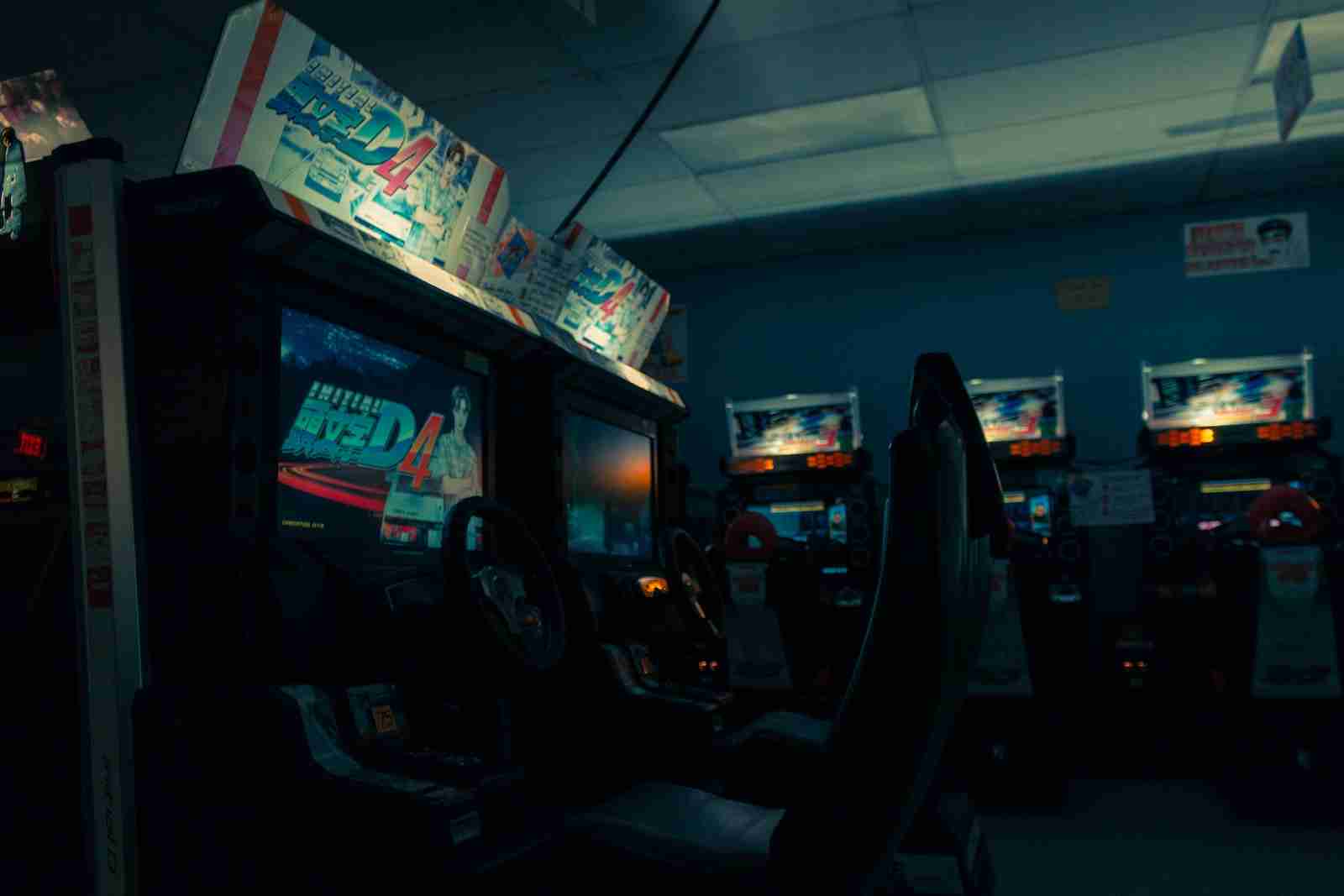
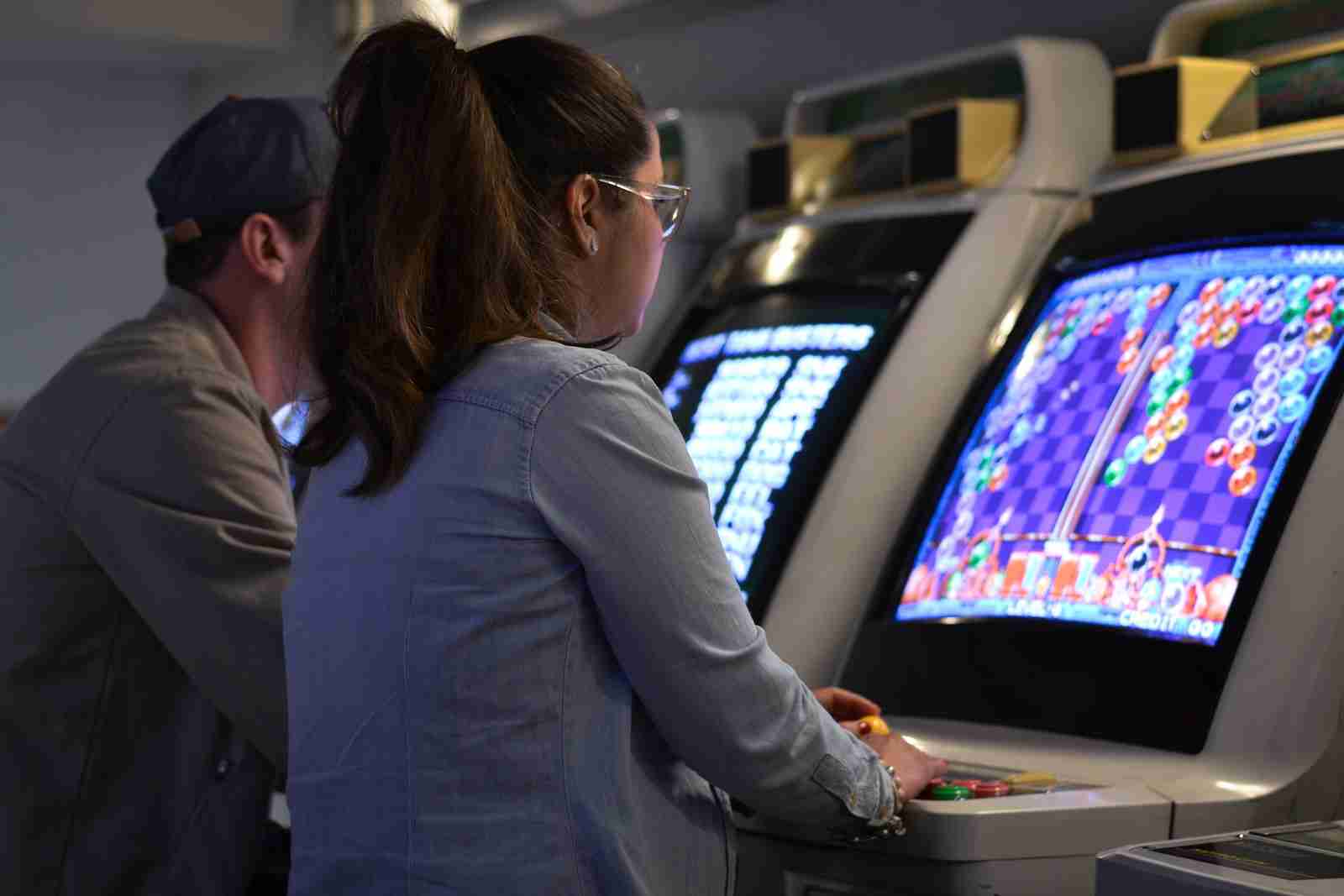
Uncovering The Impact Of Gaming On Cognitive Development
By Tom Seest
At HowDoYouGame, we help people who love board games by collating information and news about games.
Be sure to read our other related stories at HowDoYouGame to learn more about games.
Are Games Developing Strategic Thinkers Or Just Training Passive Participants?
In a world teeming with opportunities for play, we must ask ourselves: Are games truly cultivating strategic thinkers, or are they just crafting passive participants who simply follow instructions? It’s easy to chalk it up to childish whims and distractions, but let’s dig a little deeper. There’s magic in the right kind of play—when we harness gamification effectively, it can nurture the mind, ignite creativity, and sharpen critical thinking skills.
Consider the typical gaming experience. Picture a young player, immersed in a fantastical realm. They’re not just button-mashing to get to the next level; they’re strategizing, planning, and reconsidering their approaches with each setback. The game pulls them in with enchanting visuals, but beneath the surface, they’re forging mental pathways—navigating complex scenarios, evaluating risks, and making split-second decisions. It’s not just a game; it’s mental gymnastics that sneaks in the backdoor of their consciousness.
Now, let’s broaden our scope. Think about team-based games. They aren’t merely about individual prowess but about collaboration. Each player has a role. They learn to communicate, delegate, and trust in one another. That’s real-world stuff right there—skills they can take off the screen and into their classrooms, workplaces, and communities. It’s a two-for-one deal: players develop strategic thinking while fostering social skills. Sounds simple, doesn’t it? But this complexity is what makes gamification a potent tool for growth.
Of course, we can’t ignore the flip side. There are games designed to keep you locked in a cycle of repetition, where the only strategy is submitting to the next drop of virtual currency. It’s crucial to recognize these as the distractions they are. A balance is necessary; we need to be discerning consumers of our digital experiences. Parents and educators, let’s not write off gaming entirely. Instead, let’s encourage those games that challenge minds and build connections.
So, the next time you see a group of kids huddled around a screen, take a moment. They might not be sitting still; they could be plotting their next great victory in a world where strategy reigns king. Yes, games can develop strategic thinkers—but only if we champion the right kind, and as a community, encourage a more mindful approach to play. Are you in?

Are Games Developing Strategic Thinkers Or Just Training Passive Participants?
Are Games Developing Strategic Thinkers Or Just Training Passive Participants?
- Games can either cultivate strategic thinkers or create passive participants who merely follow instructions.
- Effective gamification can nurture the mind, ignite creativity, and enhance critical thinking skills.
- Players engage in mental gymnastics, strategizing and making decisions within complex gaming scenarios.
- Team-based games foster essential skills like communication, delegation, and trust among players.
- Gamification offers a dual benefit: developing strategic thinking while building social skills.
- Not all games are beneficial; some trap players in repetitive cycles without genuine strategy.
- Encouraging thoughtful gaming choices can lead to the development of strategic thinkers in children.

Are Games Developing Strategic Thinkers Or Just Training Passive Participants?
Table Of Contents
- Are Games Developing Strategic Thinkers Or Just Training Passive Participants?
- What Skills Do Games Teach About Strategic Thinking?
- Are Players Becoming More Strategic Through Gameplay?
- What Types Of Games Best Develop Strategic Thinking Skills?
- Is There Evidence That Games Improve Decision-Making Abilities?
- How Do Multiplayer Games Foster Teamwork And Strategy?
- Are Players Learning To Adapt Their Strategies In Real-Time?
- Do Games Encourage Creativity In Problem-Solving?
- Conclusion
- Other Resources
- Glossary Of Terms
- Other Questions
- Haiku
- Poem
- Checklist
What Skills Do Games Teach About Strategic Thinking?
In our fast-paced world, where decisions can make or break us, understanding the art of strategic thinking has never been more crucial. Enter the realm of gaming—a place where millions are honing their minds under the guise of “just playing.” It may sound trivial, but there’s a treasure trove of lessons buried in your favorite games, thanks largely to a concept known as gamification.
When we think of gamification, it’s easy to imagine points, badges, and leaderboards. But it’s much deeper than that. The brilliance of gamification lies in its power to transform mundane tasks into engaging challenges. In doing so, it teaches us how to analyze situations, anticipate outcomes, and formulate plans—all essential components of strategic thinking. Picture a game of chess, where every move counts and one misstep can lead to defeat.
Games encourage us to think several moves ahead like a seasoned strategist. Whether you’re building a civilization, leading a raid, or navigating a virtual battlefield, you learn to assess your environment, calculate risks, and adjust your strategy based on changing dynamics. Believe it or not, you’re not just honing your ability to dominate in a pixelated world; you’re equipping yourself with the skills to tackle real-life challenges that require the same foresight and adaptability.
Moreover, games foster collaboration and communication. Multiplayer environments compel us to work in teams, pooling knowledge and skills to achieve a common objective. It’s here that we learn the importance of differing perspectives and the value of each team member’s contribution. So the next time you’re strategizing a raid or coordinating a mission, remember that effective strategy isn’t just about individual prowess; it’s about unifying strengths for a greater goal.
So, when you hear someone say they’re “just playing games,” encourage them to recognize the deeper value in what they’re doing. Gaming is more than an escape; it’s a powerful platform for developing strategic thinking skills that we can carry into our everyday lives. Instead of dismissing gaming as mere entertainment, let’s embrace it as a legitimate tool for growth and learning. Who knows? The next time a tough decision crosses your path, those skills sharpened in the digital arena might just give you the edge you need to succeed. Embrace the journey—because every game is a chance to level up not just in play, but in life.
What Skills Do Games Teach About Strategic Thinking?
What Skills Do Games Teach About Strategic Thinking?
- Strategic thinking is essential in today’s fast-paced world for effective decision-making.
- Gaming serves as a platform for developing strategic skills through the concept of gamification.
- Gamification transforms mundane tasks into engaging challenges, enhancing analytical and planning abilities.
- Games like chess teach players to think multiple moves ahead, developing foresight and adaptability.
- Multiplayer gaming environments foster collaboration and communication, highlighting the strength of teamwork.
- Gaming is more than entertainment; it offers invaluable skills that can be applied in real-life situations.
- Encouraging recognition of gaming’s deeper value can help individuals grow and level up in life.

What Skills Do Games Teach About Strategic Thinking?
Are Players Becoming More Strategic Through Gameplay?
In a world where the hustle and bustle of everyday life can often feel like a never-ending race, gamification has emerged as a beacon of engagement, drawing in players from all walks of life. It’s no longer just about hitting a high score; it’s about tapping into deeper levels of strategy, planning, and critical thinking. You see, games are evolving — and so are the players.
Think back to those classic arcade days, when your only goal was to survive the next wave of pixelated adversaries. Fast forward to today, and you’ll find intricate narratives interwoven with complex mechanics, creating not just a game, but an experience that requires shrewd decision-making. Players no longer approach their challenges haphazardly; they’re mapping out strategies like chess grandmasters, weighing every move with a calculated precision.
Now, why is this shift happening? Well, it boils down to our natural curiosity, that inherent desire to not just play but to master. Gamification has injected a sense of purpose into a myriad of activities, turning the mundane into exciting quests. Whether it’s a fitness app rewarding you for your steps or a productivity tool gamifying your to-do list, players are finding ways to reshape their reality. They’re not just playing — they’re strategizing.
The beauty of this transformation lies in its relatability. We’ve all had those moments when we felt overwhelmed by life’s tasks — whether it’s hitting the gym, keeping up with work, or even tackling that home improvement project. But here’s the magic: by adopting a strategic mindset, everything becomes an opportunity, a challenge worthy of our best effort. Imagine approaching your workday with the same enthusiasm as you would in a role-playing game, where every completed task is a victory.
Players today are learning not just to survive, but to thrive by embracing strategy in every aspect of life. Every decision counts, and each small victory builds your confidence. It’s about seeing the bigger picture, understanding that every choice leads to a consequence, rewarding you for thinking ahead.
So, strap in and embrace the adventure that is strategy. Trust the process, find joy in the game, and immerse yourself in a world where every move is a step toward growth and victory. After all, life is the ultimate game, and with the right strategy, you’re bound to come out ahead.

Are Players Becoming More Strategic Through Gameplay?
Are Players Becoming More Strategic Through Gameplay?
- Gamification enhances engagement, attracting diverse players through strategic thinking.
- Modern games feature complex narratives and mechanics, requiring critical decision-making.
- The shift in gaming reflects players’ natural curiosity and desire for mastery.
- Gamification transforms mundane tasks into exciting challenges and quests.
- Adopting a strategic mindset can turn everyday tasks into opportunities for success.
- Players are learning to thrive by making informed decisions and celebrating small victories.
- Life is viewed as a game where strategy leads to growth and success.

Are Players Becoming More Strategic Through Gameplay?
What Types Of Games Best Develop Strategic Thinking Skills?
What Types of Games Best Develop Strategic Thinking Skills?
When you think about playing games, it’s easy to get lost in the thrill of competition or the joy of camaraderie. But beneath the surface, many games offer a treasure trove of opportunities to sharpen your strategic thinking skills. It’s not just about having fun; it’s about flexing that mental muscle. And believe me, that muscle needs as much exercise as any other.
Let’s talk about the magic of gamification. While it might sound like a buzzword thrown around in tech conventions, gamification is simply the application of game-like elements in non-game contexts. Think about a corporate training module where you earn points and rewards as you navigate challenges. This isn’t just a distraction; it’s a way to engage your mind and foster critical thinking. By incorporating strategic elements into the learning process, you can transform a mundane task into a competitive challenge that keeps you sharp.
Now, when it comes to specific types of games, board games are classic powerhouses for developing strategic thinking. Ever played chess? It’s not just about moving pieces; it’s about anticipating your opponent’s moves, understanding complex patterns, and outsmarting your adversary. Games like Settlers of Catan and Risk require a mix of negotiation, resource management, and tactical planning, which encourage players to think multiple steps ahead. Getting friends or family involved can double the fun and the learning. Trust me, a little friendly rivalry can go a long way!
Digital games also have a lot to offer. Many strategy video games—like StarCraft or Civilization—push you to think critically under pressure. They challenge you to build empires, manage resources, and adapt to ever-changing scenarios. Each decision you make can alter your outcome significantly, so it’s a constant exercise in weighing options and foreseeing consequences.
Don’t overlook role-playing games (RPGs), either! When you dive into a character-driven story, you’re not just embarking on an adventure—you’re collaborating with others and making strategic decisions that impact the entire group. Whether you’re saving the day as the party’s wizard or navigating intricate narratives, you’re continually refining your strategic thought processes.
So, take a moment to embrace that leisure time. Whether you find yourself rolling dice around a table or conquering virtual worlds, remember: you’re not just playing; you’re building a framework for critical thinking that will serve you well beyond the game. The next time you pick up a game, think of it as a gym for your brain. Let the games begin!

What Types Of Games Best Develop Strategic Thinking Skills?
What Types Of Games Best Develop Strategic Thinking Skills?
- Games provide valuable opportunities to enhance strategic thinking skills beyond just entertainment.
- Gamification applies game-like elements in non-game contexts, fostering engagement and critical thinking.
- Board games like chess, Settlers of Catan, and Risk develop anticipation, negotiation, and tactical planning abilities.
- Digital strategy games, such as StarCraft and Civilization, challenge players to think critically under pressure and adapt to changing scenarios.
- Role-playing games (RPGs) promote collaborative decision-making and strategic thinking within character-driven narratives.
- Engaging in games fosters a mental workout that sharpens critical thinking applicable in real-life situations.
- Consider games as a “gym for your brain” to build a foundation for strategic thought in everyday life.

What Types Of Games Best Develop Strategic Thinking Skills?
Is There Evidence That Games Improve Decision-Making Abilities?
When you think about video games, what comes to mind? For some, it’s the thrill of conquering a raid boss or achieving that elusive high score. For others, it’s just a fun way to unwind after a long day. But beneath the surface of those vibrant worlds and pixelated characters, there’s an interesting question we ought to ponder: do games actually enhance our decision-making abilities?
Let’s take a stroll through the landscape of research. Various studies are stepping up to the plate with compelling evidence that suggests games—especially those that incorporate elements of gamification—can boost our cognitive skills and make us sharper decision-makers in real life. Think about it: in many games, you’re constantly assessing risks, strategizing in real time, and weighing your options under pressure. Whether you’re navigating a complex RPG or racing against the clock in a puzzle game, you’re honing skills that translate to everyday choices.
Now, imagine if every decision you faced in life came with a little bit of that game-like flair. It’s not just about defeating enemies or collecting virtual rewards; it’s about training your mind. Those split-second choices and the ability to adapt on the fly can increase your overall resilience, whether you’re figuring out how to juggle work projects or deciding on your next big life move.
And let’s not overlook the social elements! Many games are collaborative, encouraging you to communicate and forge partnerships with others—skills that are just as valuable outside the gaming world. Building a successful team in a league or rallying friends for an online quest invokes critical human interaction, teaching you how to navigate group dynamics and make decisions in a collaborative setting.
As we dive deeper into our increasingly digital lives, embracing aspects of gamification in the real world could be a game-changer—pun intended. Whether it’s through apps designed to make mundane tasks a bit more competitive or integrating game mechanics into traditional methods, there’s a widening landscape of opportunity right in front of us.
So, as you sit down next time with your controller in hand or your smartphone glowing, consider that you’re not just playing—you’re training your brain. Each decision you make in that digital realm is a stepping stone to being more decisive, more confident, and ultimately, more adept at tackling whatever life throws your way. It’s about leveling up—not just in the game, but in everyday life. Let’s take a page from the playbook and start making choices that matter!

Is There Evidence That Games Improve Decision-Making Abilities?
Is There Evidence That Games Improve Decision-Making Abilities?
- Video games evoke various thoughts, from thrilling challenges to relaxing entertainment.
- Research suggests that video games, particularly those utilizing gamification, enhance cognitive skills and decision-making abilities.
- Games often involve assessing risks, strategizing, and making quick decisions under pressure.
- Gaming experiences can increase resilience, aiding in both professional and personal decision-making.
- Collaborative gaming fosters communication and teamwork, valuable skills in real-life social interactions.
- Incorporating gamification in daily life can create unique opportunities for motivation and engagement.
- Playing video games serves as brain training, helping to build confidence and decisiveness in everyday situations.

Is There Evidence That Games Improve Decision-Making Abilities?
How Do Multiplayer Games Foster Teamwork And Strategy?
In a world buzzing with distractions, multiplayer games have emerged as a haven for those seeking connection and collaboration. It’s fascinating to watch players come together, not just to win, but to forge relationships, strategize, and quite frankly, have a blast. Picture this: you and a motley crew of friends—or even strangers from opposite ends of the globe—are teaming up in an online arena, each of you bouncing ideas off one another like an old-school brainstorming session. That’s the magic of multiplayer gaming.
At its core, gameplay is a form of gamification, where the challenges are not just obstacles but opportunities. With every quest cleared and every foe vanquished, players learn to lean into their strengths and rely on others. Suddenly, the quiet gamer in the corner becomes the sharpshooter, providing cover fire while the strategist lays out the plan. Each player takes on roles that complement one another, unearthing latent skills and fostering a sense of trust that can be hard to find in the hustle and bustle of everyday life.
But it’s more than just play; it’s teamwork and strategy at its finest. Think about it—when you dive into a multiplayer showdown, you’re not just joining a match; you’re entering a lively dialogue about tactics, adapting on the fly as situations evolve. Maybe the rogue flanks the enemy while the healer keeps everyone standing tall. Or perhaps it’s the team’s sniper who calls the shots, guiding others on where to strike next. Every choice counts, and victory often hinges on understanding not just your own abilities, but the strengths and weaknesses of those around you.
We need to remember that the skills learned in these pixelated battlegrounds translate powerfully to real life. Communication, critical thinking, and the ability to remain calm under pressure—these are the qualities forged in the fires of friendly competition. When the stakes are high, and the clock is ticking, teamwork becomes second nature. It teaches us that success is never a solo achievement.
So why not dive in and connect with others? Join that next multiplayer adventure. Whether it’s a heated match or a casual raid, get out there, strategize, and learn something about yourself and your teammates. You might be surprised at what you uncover—both in-game and in your everyday interactions. After all, we’re stronger together, and every great journey begins with a single click.

How Do Multiplayer Games Foster Teamwork And Strategy?
How Do Multiplayer Games Foster Teamwork And Strategy?
- Multiplayer games offer connection and collaboration amidst distractions.
- Players engage not just to win, but to build relationships and strategize.
- Gameplay fosters teamwork and allows players to discover and rely on each other’s strengths.
- In multiplayer settings, players adapt strategies in real-time, showcasing tactical dialogue.
- Collaboration in games enhances skills like communication, critical thinking, and pressure management.
- Success in these games emphasizes the importance of teamwork over individual achievement.
- Joining multiplayer adventures can lead to self-discovery and strengthen everyday interactions.

How Do Multiplayer Games Foster Teamwork And Strategy?
Are Players Learning To Adapt Their Strategies In Real-Time?
Picture this: you’re knee-deep in a virtual battleground, a flurry of colors and sounds enveloping you like a whirlwind. Your heart races as you navigate obstacles and enemies, and suddenly, a shift happens. A colleague yells a warning—an opponent is exploiting a weakness you didn’t even realize existed. In that split second, your brain kicks into overdrive, and without hesitation, you adjust your strategy. This isn’t just gaming; it’s a masterclass in real-time adaptability.
In the world of gamification, the essence of the experience isn’t just about completing levels or amassing points; it’s about tapping into a deeper layer of engagement and learning. Gamification transforms mundane tasks into something vibrant and impactful, encouraging players to think on their feet and respond to the unexpected. Whether it’s in an online arena or a training simulation, participants find themselves transformed from passive players into active strategists, honing their skills as the game unfolds.
Just like in life, the ability to adapt and respond in real-time is more than a competitive edge; it’s a survival skill. Consider your favorite sports team, where players swiftly adjust their plays based on the opposing team’s tactics. The same principle applies in gaming—or even in the workplace. It’s about being aware, staying flexible, and adjusting your approach based on the developing landscape. It’s astonishing how quickly the virtual world can mirror our reality.
And while some may wonder if these lessons translate beyond the screen, the answer resoundingly echoes—absolutely. Many of us face challenges daily that require quick thinking and adaptation. The dynamic nature of gameplay teaches us to anticipate shifts, embrace change, and see obstacles as opportunities. What’s more, this process fosters a sense of community. Players share their experiences, adapt together, and inspire one another, creating a rich tapestry of shared learning.
So, the next time you find yourself in a game, remember—it’s not just a pastime. It’s a chance to refine your skills, adapt strategies, and perhaps even foster connections with those alongside you. Embrace the gamification of your experiences; it might just help you thrive not only in the virtual realm but in the unpredictable landscape of everyday life.

Are Players Learning To Adapt Their Strategies In Real-Time?
Are Players Learning To Adapt Their Strategies In Real-Time?
- Engaging in virtual gaming involves real-time adaptability and strategic adjustment.
- Gamification enhances engagement and transforms mundane tasks into vibrant experiences.
- Participants evolve from passive players to active strategists as the game progresses.
- Real-time adaptability is an essential survival skill applicable in various contexts, including sports and the workplace.
- Gaming teaches players to anticipate shifts and embrace change effectively.
- Shared experiences in gaming foster community and collaborative learning.
- Gamification not only enhances gaming experiences but also equips individuals to thrive in everyday life.
Are Players Learning To Adapt Their Strategies In Real-Time?
Do Games Encourage Creativity In Problem-Solving?
Let’s face it: life tosses more challenges our way than an overzealous basket of laundry. Between balancing work, family, and personal aspirations, it can feel like we’re caught in a never-ending game of Tetris. So, how about we take a closer look at the idea that games, yes, those colorful distractions that often seem trivial, might actually offer a gateway to sharpening our problem-solving skills.
You see, gamification isn’t just a buzzword tossed around in boardrooms or classrooms; it’s a powerful tool that brings the spirit of play into daily tasks. Think about it—when you’re knee-deep in a complex puzzle or strategizing to defeat that impossible level, your mind is doing something remarkable. It’s stretching, bending, and reshaping itself to find solutions. The very nature of games encourages you to experiment without the fear of real-world consequences. Failing repeatedly is not just possible; it’s expected and, dare I say, welcomed.
From the moment you jump into a virtual world, you’re confronted with decisions that require creative thinking. Should you save your resources or invest them? Do you take the high road or the low one? Every choice leads to a cascade of outcomes, compelling you to think on your feet. This is the essence of creativity in problem-solving—being able to navigate paths that may not have been initially visible. Your brain lights up not just with information, but with inspiration, allowing you to connect dots in novel ways.
But here’s the kicker: the skills you cultivate in the land of make-believe aren’t bound to the screen. Whether it’s coming up with an innovative solution at work or tackling tricky situations at home, those same thought processes apply. The creativity you flex while gaming can translate into real-life victories. Imagine approaching your next real-world challenge with the same enthusiasm and strategic mindset as you would a high-stakes level in a video game.
So, the next time someone looks at you sideways for immersing yourself in games, take a moment to reflect. You’re not just passing time; you’re honing your problem-solving skills and boosting your creativity. Who knew that by navigating virtual challenges, you could become a more adept navigator of life’s unpredictable twists and turns? Embrace the grind, approach each challenge with that gamer’s spirit, and watch as your problem-solving creativity flourishes.

Do Games Encourage Creativity In Problem-Solving?
Do Games Encourage Creativity In Problem-Solving?
- Life presents numerous challenges, resembling a complex game of Tetris with work, family, and personal aspirations.
- Gamification serves as a valuable tool, integrating play into everyday tasks to enhance problem-solving skills.
- Engaging in games promotes experimentation and creativity, allowing for failure without real-world consequences.
- Games encourage decision-making that fosters creative thinking and quick problem resolution.
- The skills developed during gaming can be applied to real-life situations, enhancing strategic thinking.
- Gaming encourages approaching challenges with enthusiasm and a problem-solving mindset.
- Embracing gaming can lead to improved creativity and adaptability in navigating life’s unpredictable challenges.

Do Games Encourage Creativity In Problem-Solving?
Conclusion
In conclusion, let’s take a moment to reflect on the profound impact games wield over our cognitive development. We live in a world that often dismisses gaming as a trivial pastime, but the truth is, there’s a lot more under the surface. It’s time to recognize that gaming can serve as an impressive training ground for strategic thinking, creativity, and teamwork. These digital realms demand our engagement, drawing us into complex scenarios that require planning, decision-making, and adaptability. We’re not just smashing buttons; we’re actively navigating challenges that sharpen our minds.
Think about it: when you’re engrossed in a game, every choice matters. Whether you’re orchestrating a grand strategy in “Civilization” or coordinating a team in a multiplayer shooter, you’re exercising the same mental muscles required in the real world. A misstep could lead to defeat, both on screen and off. Players learn to embrace failure as a vital part of the learning curve, honing their problem-solving skills and fostering creativity in ways that traditional learning might not achieve. The sheer act of thinking several moves ahead, adapting on the fly, and collaborating with others turns the gaming experience into a powerful tool for cognitive development.
Moreover, the social dynamics at play in multiplayer games turn solitary experiences into community-building ventures. Through communication and collaboration, players learn to recognize diverse perspectives and value each team member’s contributions. These experiences cultivate interpersonal skills that extend far beyond the confines of the gaming world, helping individuals thrive in any collaborative environment.
But let’s not kid ourselves—there are pitfalls too. Some games can encourage passivity, leading players to fall into loops of repetitive behavior devoid of deeper engagement. As consumers of digital experiences, we must develop a discerning eye, choosing games that truly challenge us to think critically and strategically.
So the next time you find yourself or your kids settling down for a gaming session, remember: they’re likely not just indulging in a mindless distraction. They might be embracing a mental workout that builds resilience and the critical thinking skills necessary for navigating life’s unpredictable obstacles. In the end, it comes down to one question: are we championing the right kind of games? If so, let’s keep playing—and learning—together. Are you ready to level up?

Conclusion
Conclusion:
- Games have a profound impact on cognitive development, often underestimated in their value.
- Gaming serves as a training ground for strategic thinking, creativity, and teamwork.
- Engagement in games requires planning, decision-making, and adaptability.
- Players learn to embrace failure, enhancing problem-solving skills and fostering creativity.
- Multiplayer games promote social dynamics, enhancing communication and collaboration among players.
- There are pitfalls, such as games that encourage passivity and repetitive behavior.
- Choosing the right games can provide critical mental workouts, preparing individuals for real-life challenges.

Conclusion
Other Resources

Other Resources
Here is a list of other resources you can review online to learn more:
- AEG
- White Wizard Games
- Rahdo Runs Through
- Telegram
- Arcane Wonders
- Google My Business
- 7 Wonders Duel
- Mindclash Games
- Through the Ages: A New Story of Civilization
Use This Prompt To Get More Resources With Your Favorite Online AI Tool: Please provide me with a list of online articles with their URLs in a bulleted list that I can read regarding Are Games Developing Strategic Thinkers Or Just Training Passive Participants?

Other Resources
Glossary Terms
Are Games Developing Strategic Thinkers Or Just Training Passive Participants? – Glossary Of Terms
1. Abstraction: The simplification of complex systems or strategies in games, allowing players to focus on key elements to make better decisions.
2. Active Learning: A learning approach where participants engage actively with material, often seen in games that require thoughtful participation rather than passive observation.
3. Cognitive Load: The amount of mental effort being used in the working memory, critical in determining if a game encourages strategic thinking or overwhelming participants.
4. Critical Thinking: The ability to analyze and evaluate an issue in order to form a judgment, often developed through strategic games that require decision-making skills.
5. Decision-Making: The process of making choices in uncertain situations, enhanced through games that present players with strategic dilemmas.
6. Engagement: The level of involvement or emotional commitment a player has with a game, indicative of whether they are being actively strategic or passively participating.
7. Feedback Loops: Mechanisms in games that provide players with information about the consequences of their actions, encouraging adaptive strategic thinking.
8. Gamification: The application of game-design elements in non-game contexts to enhance participation and engagement, potentially fostering strategic thought.
9. Immediate Rewards: Short-term incentives given to players for actions taken in a game, which can lead players to prioritize immediate gains over strategic planning.
10. Long-term Strategy: Planning over extended periods within gameplay to achieve overarching goals, essential for players developing strategic thinking skills.
11. Metacognition: Awareness and understanding of one’s own thought processes, which is often required for players to reflect on their strategies and decision-making.
12. Player Agency: The degree to which players can make meaningful choices in a game that influence the outcome, crucial for fostering strategic thinking.
13. Problem Solving: The process of finding solutions to complex issues, often a core mechanic in strategic games that challenges players’ thinking abilities.
14. Role-playing: Assume specific roles within narratives in games that can develop empathy and flexible thinking, leading to deeper strategic insights.
15. Scaffolding: Supportive structures in games that help players gradually develop skills and strategies over time rather than overwhelming them from the start.
16. Simulation: A representation of real-world processes that can provide players with strategic thinking opportunities through scenario-based challenges.
17. Social Dynamics: The interaction of players within a game, which can influence strategic choices and the development of teamwork and negotiation skills.
18. Strategic Flexibility: The ability to adapt strategies based on changing circumstances within a game, highlighting a player’s critical thinking capabilities.
19. Sunk Cost Fallacy: A cognitive bias where players continue investing in a poor strategy due to previously invested resources, often highlighted in strategic games.
20. Tactical Thinking: The immediate and short-term decisions made by players to navigate challenges effectively, contrasting with broader strategic planning.
21. Transferable Skills: Skills gained in gaming contexts, such as critical thinking and problem solving, that can be applied in real-life situations.
22. User Interface (UI): The means by which players interact with a game, affecting how easily they can engage in strategic thought and decision-making.
23. Win Condition: The specific requirements that determine victory in a game, often requiring players to think strategically about how to achieve their goals.
24. Competitive Edge: An advantage gained in gameplay through strategies that can foster critical thinking, originality, and adaptability.
25. Game Mechanics: The rules and systems governing gameplay, which can encourage strategic or passive participation depending on their design.
26. Flow State: A mental state of complete absorption in an activity, often achieved in games that challenge players to think strategically.
27. Narrative Engagement: The immersion in a game’s story, which can influence players’ strategic decisions and emotional investment in gameplay.
28. Skill Acquisition: The process through which players develop and refine their abilities, often a goal of games designed for strategic thinking.
29. Time Pressure: The limitations imposed on players to make decisions quickly, which can enhance the need for strategic thinking under stress.
30. ZPD (Zone of Proximal Development): A concept from psychology that refers to the difference between what a learner can do without help and what they can achieve with guidance; important in game design that fosters strategic skills through appropriate challenges.

Glossary Of Terms
Other Questions
Are Games Developing Strategic Thinkers Or Just Training Passive Participants? – Other Questions
If you wish to explore and discover more, consider looking for answers to these questions:
- What types of games are most effective for developing strategic thinking skills?
- How can parents and educators determine which games foster critical thinking?
- Are there specific age groups that benefit more from gaming for cognitive development?
- What evidence exists to support the claim that gaming improves decision-making skills?
- How does teamwork in multiplayer games translate to real-world skills?
- What are some examples of games that encourage creativity in problem-solving?
- How can players effectively balance gaming to avoid becoming passive participants?
- Do different genres of games (e.g., strategy vs. action) cultivate different types of strategic thinking?
- How can gamification be applied in educational settings to enhance learning?
- What impact does gaming have on real-life social interactions and communication skills?
- Can gaming negatively affect cognitive or social skills in certain individuals?

Other Questions
Haiku
Are Games Developing Strategic Thinkers Or Just Training Passive Participants? – A Haiku
Games teach us to think,
Crafting minds with strategy,
Play’s depth fuels our growth.

Haiku
Poem
Are Games Developing Strategic Thinkers Or Just Training Passive Participants? – A Poem
In realms of play where minds ignite,
We ponder deep what games incite:
Do they shape the strategic mind,
Or mere followers leave behind?
Behind the screens, where worlds unfold,
Children plot, brave and bold,
Amidst the quests and vivid scenes,
They forge their skills, chase fitting dreams.
From chess to Catan, decisions weigh,
In every move, a price to pay,
A dance of risk, a thread of chance,
In playful realms, minds advance.
Communal battles, teamwork thrives,
In virtual fights, collaboration drives,
Trust and roles, they learn to see,
The strength of many makes victory.
Yet caution whispers in the night,
Not all games lead to insight;
Some chains are forged in endless play,
Distractions that just pull away.
So, let’s embrace the games that teach,
That reach beyond mere pixels, each
A doorway to a brighter fate,
Where strategy and growth await.
As players adapt in life’s grand game,
Each failure a lesson, no two the same,
Real-time choices, quick and sound,
In every challenge, new strengths found.
Creativity blooms in puzzles spun,
As gamers learn how solutions run,
From screen to real, the skills coalesce,
A tapestry of thoughts, they express.
So heed the call, let worries cease,
For in our play, we find our peace,
As strategies sharpen, and friendships blend,
In the world of games, we all transcend.

Poem
Checklist
Are Games Developing Strategic Thinkers Or Just Training Passive Participants? – A Checklist
1. Choose the Right Games
_____ Identify games that require strategic thinking (e. g. , chess, Settlers of Catan, Civilization).
_____ Look for multiplayer games that emphasize collaboration and teamwork.
_____ Select role-playing games (RPGs) that involve complex narratives and decision-making.
2. Set Clear Objectives
_____ Define what strategic skills you want to develop (e. g. , critical thinking, risk assessment).
_____ Create short-term and long-term gaming goals to track your progress.
3. Foster Collaboration
_____ Organize a gaming group with friends or family to enhance teamwork skills.
_____ Assign roles in multiplayer games to practice delegation and communication.
_____ Hold discussions after games to reflect on strategies used and lessons learned.
4. Reflect on Gameplay
_____ After each session, take time to analyze the strategies that worked or didn’t work.
_____ Ask yourself how the skills you developed in-game can apply to real-life situations.
_____ Maintain a gaming journal to track insights and improvements in strategic thinking.
5. Embrace Challenges
_____ Seek out games with increasing difficulty to push your strategic limits.
_____ Try games that encourage creative problem-solving (e. g. , puzzle or simulation games).
_____ Experiment with different roles and strategies to broaden your approach.
6. Incorporate Gamification in Daily Life
_____ Utilize gamification elements in tasks such as work projects or personal goals (e. g. , setting rewards for achievements).
_____ Use apps or tools that apply game-like mechanics to daily tasks.
7. Encourage Mindful Consumption of Games
_____ Be discerning about the games you choose—prioritize those that promote strategic thinking over mere entertainment.
_____ Limit time spent on games that encourage passive behavior to maintain a balance.
8. Share Insights with Others
_____ Discuss your experiences and newfound strategic skills with peers or in gaming communities.
_____ Consider teaching others the strategic lessons learned through gaming.
9. Keep Learning and Adapting
_____ Stay curious and continuously explore new games that challenge your strategic thinking.
_____ Adapt your strategies as you encounter different gaming scenarios and challenges.
10. Enjoy the Process
_____ Remember to have fun while embracing the journey of learning through gaming.
_____ Celebrate small victories in both the digital realm and real-life applications of strategic thinking skills.
Note: This checklist is designed to help players maximize the cognitive benefits of gaming, transforming their experiences into opportunities for strategic growth and real-life skills development. Use it to guide your gaming sessions and personal growth journey!

Checklist
At HowDoYouGame, we help people who love board games by collating information and news about games.
Be sure to read our other related stories at HowDoYouGame to learn more about games.