Unlocking Real-World Skills: The Impact Of Gaming On Children
By Tom Seest
At HowDoYouGame, we help people who love board games by collating information and news about games.
Be sure to read our other related stories at HowDoYouGame to learn more about games.
Is Your Child Missing Out on Crucial Life Skills Through Gaming?
Ah, the world of gaming! To many, it’s a dazzling realm of adventure, where heroes rise and quests unfold with every click and swipe. But let’s take a moment to pause and ponder: in our quest for entertainment, are our children inadvertently skipping out on some vital life skills? It’s a question worth exploring, especially in a digital age that can dazzle and distract.
You see, gaming comes with its own brand of magic—let’s call it gamification. It’s a clever technique that wraps learning into a fun experience, making it seem as easy as pie. Kids can level up skills, tackle challenges, and even collaborate with teammates, all while competing for bragging rights. But amidst the colorful landscapes and adrenaline-pumping missions, let’s not lose sight of the foundational skills that are built through good old-fashioned human interaction.
Now, don’t get me wrong; I’m not suggesting we put the controllers down altogether. Games can teach problem-solving and strategic thinking in ways that traditional methods often can’t. However, it’s essential to balance the virtual with the practical. After all, can a player learn conflict resolution through a frenetic online battle, when the nuances of a face-to-face disagreement are left untouched? Or can they fully grasp the value of teamwork when every victory is celebrated with a digital high-five instead of a firm handshake?
So, what can you do? Start by setting limits—encourage your child to experience both worlds. Perhaps create a game night where digital meets tangible, weaving in activities like board games or outdoor sports. Consider these moments as opportunities to foster communication, empathy, and resilience—skills that are irreplaceable in the real world.
And here’s the kicker: invite your child into the conversation about their gaming experiences. Ask them what they enjoy and how it feels to win and lose. This connection isn’t just about monitoring; it’s a chance to learn from each other, to guide your child toward a more balanced approach to life’s grand adventure.
Gaming can be a powerful tool, but let’s ensure our kids don’t miss out on the valuable life skills waiting just outside the screen. Because at the heart of it, it’s not just about gaming; it’s about growing.

Is Your Child Missing Out on Crucial Life Skills Through Gaming?
Is Your Child Missing Out on Crucial Life Skills Through Gaming?
- Gaming is an enticing world of adventure but may lead children to miss out on vital life skills.
- Gamification makes learning enjoyable, helping kids develop skills through fun experiences.
- While gaming promotes problem-solving and strategic thinking, traditional human interactions are crucial for foundational skills.
- Balancing virtual experiences with real-world interactions is essential for comprehensive skill development.
- Encourage a mix of digital and tangible activities, such as game nights with board games and sports.
- Engage your child in conversations about their gaming experiences to foster connection and balance.
- Ensure that gaming assists in growth without overshadowing irreplaceable life skills outside of the screen.

Is Your Child Missing Out on Crucial Life Skills Through Gaming?
Table Of Contents
- Is Your Child Missing Out on Crucial Life Skills Through Gaming?
- How Does Excessive Gaming Affect Real-Life Problem-Solving?
- Are Children Learning Teamwork From Online Gaming Interactions?
- What Life Skills Can Kids Gain From Playing Video Games?
- How Can I Balance Gaming With Essential Life Skills?
- Are There Educational Games That Teach Important Life Skills?
- Is Gaming Causing My Child To Miss Out On Outdoor Activities?
- How Can Parents Encourage Skill Development Alongside Gaming?
- Conclusion
- Other Resources
- Glossary Of Terms
- Other Questions
- Haiku
- Poem
- Checklist
How Does Excessive Gaming Affect Real-Life Problem-Solving?
Picture this: You’ve just saved the galaxy, defeated relentless foes, and completed quests that would make Odysseus proud—all thanks to a few hours in front of a screen. Gaming, with its vibrant worlds and challenges, can feel exhilarating and rewarding, almost like a second life. That’s the allure of gamification—the application of game-like mechanics to real-world tasks. It’s designed to motivate and engage, promising to make even the most mundane chores seem like epic quests.
But what happens when the thrill of gaming spills over into our everyday lives? Excessive gaming can create a rarefied bubble, where victories come at the click of a button, and failure is just a reset away. While those pixelated triumphs can boost your confidence, they can also warp your approach to actual problem-solving. Imagine tackling a relationship issue or fixing a car. In the real world, there are no respawns; glitches don’t vanish with a simple update. The more time spent in digital realms, the more one can lose touch with the complexity of real interactions and the subtleties of nuanced decision-making.
Consider this: Gamification is a fantastic tool that teaches you to strategize, adapt, and think critically under pressure. But relying solely on virtual problem-solving can dull those same skills when it’s time to tackle the real stuff. It’s like training to be an astronaut while forgetting about gravity. Reality isn’t necessarily a game over; it’s a series of challenges where every decision has weight, a lesson for the ages.
Now, we’re not saying to hang up your controller. Balance is key. Embrace the benefits of your gaming experience—those quick reactions, critical thinking, and creativity—but be mindful of the boundaries between the screen and the tangible world. Take aspects of your game into your daily life. Use that strategic mindset to break down tasks, approach problems like goals, and focus on the joy of progress, not just the end rewards.
At the end of the day, it’s about weaving those thrilling moments into the tapestry of real-life challenges. So, take a break from the screen occasionally. Step outside, feel that fresh air, and apply those skills in ways that leave a mark in the real world. Trust me, it’s all part of leveling up in the game of life.

How Does Excessive Gaming Affect Real-Life Problem-Solving?
How Does Excessive Gaming Affect Real-Life Problem-Solving?
- Gaming can feel exhilarating and rewarding, often resembling a second life.
- Gamification applies game-like mechanics to real-world tasks, aiming to motivate and engage.
- Excessive gaming can create a bubble where victories are instant, but can warp real-world problem-solving skills.
- Unlike gaming, real-life challenges have no respawns, making decision-making more significant.
- While gamification teaches critical skills like strategizing and adapting, overreliance can dull these abilities in real situations.
- Balance is essential; embrace gaming skills while recognizing the importance of real-world interactions.
- Apply gaming skills to daily life by breaking down tasks and focusing on progress, all while enjoying experiences outside the screen.

How Does Excessive Gaming Affect Real-Life Problem-Solving?
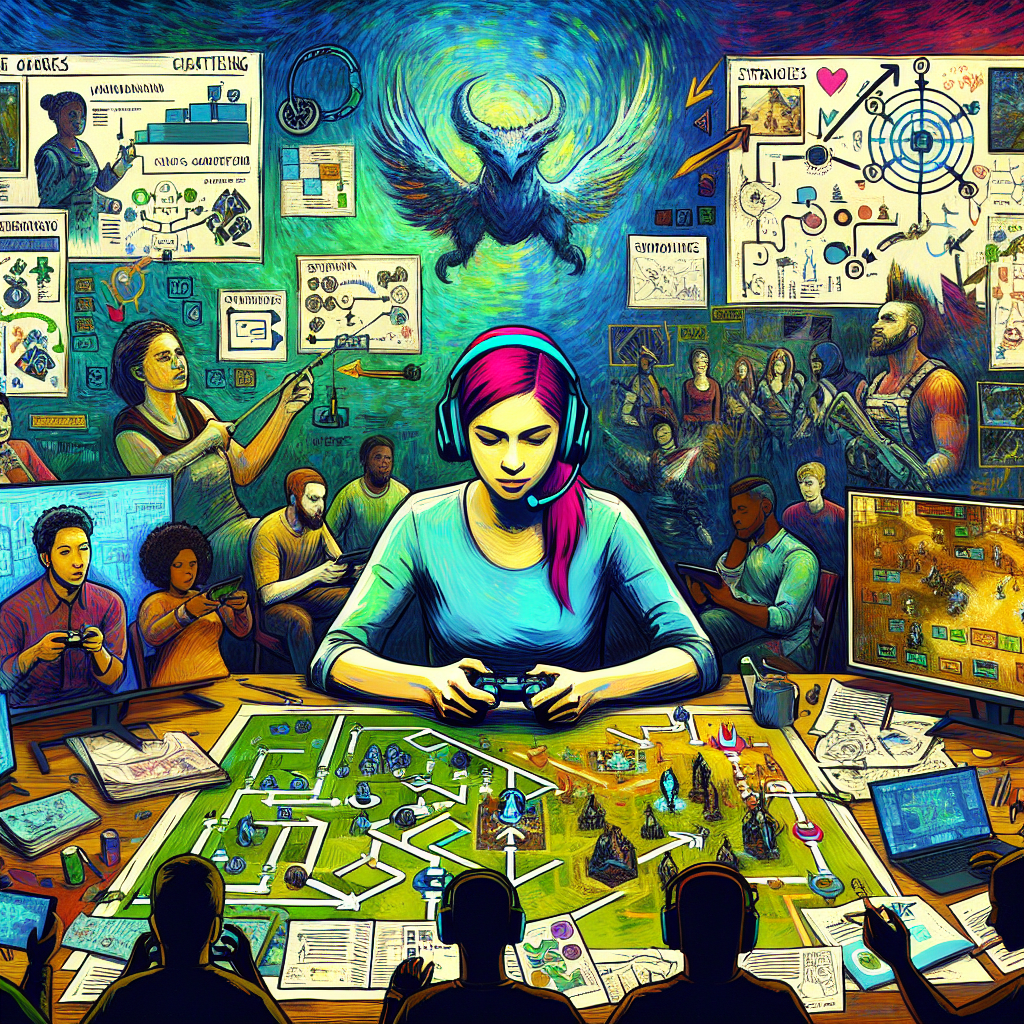
Are Children Learning Teamwork From Online Gaming Interactions?
In today’s digital world, the living room has transformed into a frontier of virtual landscapes where young gamers embark on quests, build empires, and fight dragons—all in a matter of minutes. Yet, there’s a compelling question we should ponder: amidst the excitement and adventure, are our kids actually picking up valuable life skills? When we think about online gaming, it’s easy to picture children staring at screens, immersed in their digital realities, but dig a little deeper, and you might find that these environments are not just about entertainment—they could be key to teaching teamwork.
Imagine a group of players collaborating to achieve a common goal, strategizing as they navigate challenges that require trust and communication. This is where gamification comes into play. The principles behind gamification focus on applying game-like elements to real-world scenarios, motivating individuals to engage and excel. And guess what? This same ethos is prevalent in countless multiplayer games where kids are not just passive observers, but active participants in a larger team dynamic. When children work together online, they learn to negotiate roles and responsibilities—skills that transcend the screen and may very well translate into the boardroom.
Think of it this way: during a heated online battle, a player might need to take charge, coordinating attacks and ensuring everyone is on the same page. Meanwhile, others might hang back, offering support and strategy from afar. These experiences can foster a sense of belonging and cultivate a deeper understanding of group dynamics. They learn that communication isn’t just about talking; it’s also about listening, adapting, and executing decisions as a unit. What’s more, these interactions teach them to embrace both victory and defeat together, shaping resilience and camaraderie in the face of challenges.
Of course, the concern often arises about the impact of screen time, but let’s be clear: gaming can be a platform for connection, rather than isolation. So, before we dismiss online gaming as mere distractions, let’s consider the rich opportunities it presents. As parents and guardians, we can choose to engage with our children in their virtual worlds, fostering meaningful conversations about the skills they’re honing. In this collaborative realm, we might just discover that teamwork is not only being learned but celebrated—one epic quest at a time.

Are Children Learning Teamwork From Online Gaming Interactions?
Are Children Learning Teamwork From Online Gaming Interactions?
- The living room has evolved into a virtual arena for young gamers, facilitating various adventures.
- Online gaming offers opportunities for children to develop valuable life skills, particularly teamwork.
- Players collaborate to achieve common goals, requiring trust and communication.
- Gamification principles motivate engagement and can be applied to real-world situations.
- Children learn to negotiate roles and responsibilities, skills transferrable to real-life scenarios.
- Online experiences foster a sense of belonging and understanding of group dynamics.
- Gaming can facilitate connection rather than isolation, creating opportunities for meaningful discussions.
Are Children Learning Teamwork From Online Gaming Interactions?
What Life Skills Can Kids Gain From Playing Video Games?
Now, before you roll your eyes and dismiss video games as mere child’s play, let’s take a closer look at what these digital adventures can really offer. It’s high time we demystify the world of gaming and tap into the treasure trove of skills it cultivates. When kids immerse themselves in these virtual worlds, they’re not just staring at a screen—they’re engaging in a rich form of learning. Yes, I said learning!
Let’s start with gamification. This isn’t just a buzzword; it’s a gateway. Gamification turns everyday tasks—whether in school or at home—into challenges or quests. When kids tackle problems in video games, they learn the art of setting goals, developing strategies, and working through failures to achieve success. Think about it: when a child struggles to defeat that tricky level or build a virtual fortress, they’re inadvertently honing their resilience and perseverance. Gaming teaches them that setbacks are just stepping stones toward eventual triumph.
And consider the social aspect. Many online games promote teamwork and collaboration, requiring players to strategize, communicate, and cooperate to reach a common goal. In these moments, friendships are forged over virtual victories and defeats, teaching kids the invaluable lessons of camaraderie and respect. They learn that communication isn’t just about talking; it involves listening, understanding, and seeing things from someone else’s perspective.
Problem-solving happens at lightning speed in the gaming arena. Each challenge presents an opportunity to think critically and adapt strategies in real-time. When faced with complex puzzles or formidable foes on screen, kids are essentially training their brains to dissect problems and devise innovative solutions—skills that translate seamlessly into the real world.
Lastly, let’s not overlook creativity. Many games encourage players to build their worlds, craft stories, or invent characters. This artistic expression nurtures imagination and allows children to become unbound from the limitations of reality. It’s like handing a paintbrush to a young artist; they can create and innovate without the fear of judgment or failure.
So yes, video games are more than just a pastime. They’re a rich landscape offering invaluable life skills that kids can carry into adulthood. So the next time you hear the familiar sounds of gaming from the next room, consider taking a moment to appreciate the lessons being learned in that digital playground.

What Life Skills Can Kids Gain From Playing Video Games?
What Life Skills Can Kids Gain From Playing Video Games?
Here’s a formatted bulleted HTML list summarizing the text:
- Video games offer valuable skills beyond mere entertainment.
- Gamification helps children set goals, develop strategies, and build resilience through challenges.
- Online gaming fosters teamwork and collaboration, teaching kids camaraderie and respect.
- Children enhance their communication skills by strategizing and listening to teammates.
- Gaming promotes rapid problem-solving and critical thinking through real-time challenges.
- Many games encourage creativity, allowing players to build worlds and create stories.
- Overall, video games provide life skills that are beneficial into adulthood.

What Life Skills Can Kids Gain From Playing Video Games?
How Can I Balance Gaming With Essential Life Skills?
You’ve got that new game pulled up, and it’s calling to you—like a siren luring you to the shores of distraction. I get it. The thrill of leveling up, the thrill of conquering quests, and maybe even the satisfaction of a perfectly timed combo can be deeply rewarding. But here’s the kicker: life isn’t just one big, flashy screen filled with pixelated rewards. If we’re not careful, we might find ourselves staring at that screen while the real world passes us by.
Now, let’s talk about this magical concept called gamification. At its heart, it’s about applying game-like principles to everyday tasks. Imagine if balancing your responsibilities felt as rewarding as tackling a tough boss? The good news is that it absolutely can. Picture this: you create a points system for chores or studying. Completing a task earns you “XP”—extra points that can be redeemed for gaming time or other fun experiences. Suddenly, you’re not just washing the dishes; you’re on a mission to unlock the “Clean Kitchen” achievement. That shift in perspective turns life’s mundanities into adventures.
One key to balancing gaming and essential life skills is setting boundaries—and I mean healthy ones. Decide when and how long you’ll game. Carve out dedicated time for your passions, but also make sure you set aside moments for personal growth, whether that’s hitting the gym, cooking a meal, or even picking up a new skill. Remember, just like in games, you need to level up in real life too.
But here’s where it really clicks: share your goals with friends or fellow gamers. Find accountability partners who can help you on this journey. Challenging each other to balance gaming with life skills can turn it into a friendly competition—and a whole lot of fun. Imagine celebrating a friend’s success in mastering a new skill, all while keeping your own gaming session intact.
Remember this: game smart, not just hard. Harness the thrill of achievements and the rush of competition, but don’t forget the ultimate quest—leading a fulfilled life. You’ve got the controller in your hands; it’s time to make them move in the real world! Let’s get started, shall we?

How Can I Balance Gaming With Essential Life Skills?
How Can I Balance Gaming With Essential Life Skills?
- Gaming can be tempting, distracting us from real life experiences.
- Gamification applies game-like principles to everyday tasks for motivation.
- Creating a points system can make chores feel rewarding and fun.
- Setting healthy boundaries for gaming is key to maintaining life balance.
- Sharing goals with friends and finding accountability partners enhances motivation.
- Friendly competition can make balancing gaming with personal growth enjoyable.
- Focus on leading a fulfilled life while harnessing the thrill of gaming achievements.

How Can I Balance Gaming With Essential Life Skills?
Are There Educational Games That Teach Important Life Skills?
Imagine this: you’re sitting at a table, surrounded by friends or family, and instead of staring at your phones or flipping through Netflix, you’re all deeply engaged in a game that challenges your critical thinking, collaboration, and creativity. Sounds like a pipe dream, right? But here’s the twist: this isn’t just a game night; it’s a powerful lesson in life skills, all thanks to the magic of gamification.
The beauty of educational games lies in their ability to make learning feel like…well, fun! They cleverly disguise essential life skills behind layers of competition, strategy, and teamwork. Take, for example, a game that requires players to barter resources or strategize to overcome obstacles together. It’s not just about winning; it’s about communication, negotiation, and understanding others’ perspectives—skills that are vital in real-life scenarios, be it at work or in personal relationships.
Furthermore, games like this often promote resilience. When you lose—or should I say, learn—through setbacks, you’re given the chance to adapt, pivot, and try again. Those moments of failure? They’re not the end; they’re lessons masked in a veil of entertainment. This approach fosters a mindset that welcomes challenges rather than shying away from them.
You might be surprised to know how many life skills you can hone while sitting around a table rolling dice or drawing cards. There’s a potpourri of options out there: cooking simulators that teach meal planning, budgeting games that make financial literacy engaging, or even role-playing scenarios that boost empathy and emotional intelligence. The possibilities are as vast as your imagination!
What’s more, these games often create a rich environment for social interaction, reinforcing the importance of teamwork and collaboration. When you’re strategizing with others, even in the most competitive of settings, you’re developing your ability to work as part of a team, understand dynamics, and lead when necessary.
So, if you’re looking for a way to learn some of life’s biggest lessons without enduring the grind, consider bringing some educational games into your routine. Who knows? You might just cultivate skills that serve you well beyond the game board, proving that fun and learning can—and should—go hand in hand. Grab your friends and dive in!

Are There Educational Games That Teach Important Life Skills?
Are There Educational Games That Teach Important Life Skills?
- Engaging in games with friends or family enhances critical thinking, collaboration, and creativity.
- Educational games make learning enjoyable by hiding essential life skills within competition and teamwork.
- Games promote communication, negotiation, and understanding others’ perspectives, valuable in personal and professional settings.
- Experiencing setbacks in games fosters resilience, teaching players to adapt and embrace challenges.
- A variety of educational games exist, such as cooking simulators and budgeting games, which teach important life skills.
- Games encourage social interaction, developing teamwork abilities and leadership skills in competitive situations.
- Incorporating educational games into your routine can help cultivate life skills while having fun with others.

Are There Educational Games That Teach Important Life Skills?
Is Gaming Causing My Child To Miss Out On Outdoor Activities?
Picture this: it’s a sunny Saturday afternoon, the birds are chirping, and you can almost hear the rustle of leaves in the breeze. Kids are outside playing tag, riding bikes, and exploring the wonders of nature. Meanwhile, your child is glued to the screen, deep into a world filled with epic battles and digital quests. As a parent, it’s natural to wonder if gaming is stealing precious outdoor time from your child. But before we jump to conclusions, let’s unpack this a bit.
Certainly, gaming has transformed into a captivating pastime, using what we call *gamification*—that clever sprinkle of game mechanics in non-game contexts. Think about it: leveling up, earning achievements, and competing with friends. These elements can make the digital world incredibly enticing. It’s not surprising that kids are drawn to these virtual adventures; the thrill of accomplishment in a game can rival that of scoring the winning goal on the soccer field.
But here’s the twist: the allure of gaming doesn’t have to compete against outdoor activities; it can complement them. The skills developed in gaming—like strategic thinking, problem-solving, and teamwork—are just as applicable under the open sky as they are in pixelated realms. So why not harness this energy instead of fearing it?
As parents, we have a golden opportunity here. By finding a balanced approach, we can encourage our children to venture outside after a gaming session. Perhaps challenge them to a football match against you or set up a treasure hunt inspired by their favorite game. You might be surprised how quickly the allure of the digital world transforms into an exhilarating outdoor adventure when blended with a familiar theme.
Moreover, consider setting aside specific time for outdoor play. With established boundaries, kids can still indulge in their favorite gaming worlds without sacrificing the physical benefits and social skills that come from outdoor play.
At the end of the day, the goal isn’t to remain at odds with technology; it’s about fostering a healthy relationship with it. By communicating openly about their interests, you’re nurturing a family dynamic where both gaming and outdoor activities coexist. Before long, you might even find yourselves laughing together around a campfire discussing the “epic raids” you both conquered—inside and outside the virtual realm.

Is Gaming Causing My Child To Miss Out On Outdoor Activities?
Is Gaming Causing My Child To Miss Out On Outdoor Activities?
- On a sunny Saturday, children enjoy outdoor play while others may be absorbed in gaming.
- Gaming has evolved through *gamification*, making it an attractive and engaging pastime for kids.
- Gaming can evoke feelings of accomplishment similar to winning in sports.
- Gaming skills like strategic thinking and teamwork are transferable to outdoor activities.
- Parents can create opportunities for outdoor play that tie into their child’s gaming interests.
- Setting boundaries for gaming can help maintain a balance with outdoor activities.
- The goal is to foster a healthy relationship with technology, allowing both gaming and outdoor play to coexist.

Is Gaming Causing My Child To Miss Out On Outdoor Activities?
How Can Parents Encourage Skill Development Alongside Gaming?
Let’s be honest: gaming often gets a bad rap. Parents see their kids glued to screens for hours on end, and immediate concerns about health, socialization, and academic performance kick in. But what if I told you that those very games can be powerful tools for skill development? Yes, you heard me right! By weaving learning into the fabric of gaming, you can turn what some might view as a rabbit hole into a path for growth and development.
First off, embrace the concept of *gamification*. If you aren’t familiar, think of it as transforming mundane tasks—like chores or studying—into engaging challenges. Kids love awards, points, and badges. So why not turn pizza making into a timed race, or create an educational treasure hunt around the house? Incorporating elements that make it feel like a game can inspire them to tackle real-life tasks with the same enthusiasm they have for their favorite video games.
Next, consider the games themselves. Not all games are created equal, and research has shown that many can develop cognitive abilities like problem-solving, strategic thinking, and teamwork. Encourage your kids to dive into games that require some finesse—a puzzle, a strategy game, or even a cooperative multiplayer experience. Connect their gaming experiences to the skills you’re keen for them to develop. Ask them questions: “What strategy did you use?” or “How did you work with your team to achieve that goal?” This not only enhances their critical thinking but also strengthens your bond as you explore those shared experiences.
Furthermore, set limits that foster balance. Let’s be real; moderation is key. Schedule family gaming nights where everyone joins in on the fun. Make it a mixed bag of gaming and real-life activities, where you can then connect each virtual achievement back to real-world skills. After all, a little healthy competition never hurt anyone!
Lastly, show your interest. Ask them about what they’re playing, what they enjoy, and which skills they believe they are developing through it. When they feel your enthusiasm, they’re more likely to view gaming as a conduit for growth rather than just a means of entertainment.
In a world that can sometimes feel overwhelming, turning gaming into a growth opportunity can transform screens from solitary escapes into shared adventures. Let’s harness that potential and embark on a journey that celebrates both play and progress. Your kids may just surprise you by turning passion into prowess!

How Can Parents Encourage Skill Development Alongside Gaming?
How Can Parents Encourage Skill Development Alongside Gaming?
- Gaming often faces criticism for its impact on health, socialization, and academics.
- Games can be powerful tools for skill development through *gamification* of mundane tasks.
- Transform everyday activities into engaging challenges using rewards and competition.
- Encourage kids to play games that build cognitive skills like problem-solving and teamwork.
- Connect gaming experiences to desired skills by asking reflective questions.
- Establish limits for balanced gaming, scheduling family gaming nights with varied activities.
- Show interest in their games to foster a positive perspective on gaming as a growth opportunity.

How Can Parents Encourage Skill Development Alongside Gaming?
Conclusion
As we wrap up this exploration of gaming’s impact on children, it’s essential to take a step back and recognize that gaming is not simply about mindless entertainment; it’s a double-edged sword that can either facilitate skill development or hinder it. Now, don’t get me wrong, I’m not here to demonize gaming. As we’ve seen, it can absolutely equip youngsters with critical skills like problem-solving, teamwork, and even creativity—qualities that will serve them well in life. But amid the flashing screens and exhilarating escapades, we mustn’t overlook the lessons only taught in the great outdoors or face-to-face interactions.
Picture this: your kid, immersed in a world of quests, slaying virtual dragons, and achieving epic victories. Sure, they’re learning to strategize and think quickly on their toes, but what about the fundamentals? What about the art of conversation? The nuances of real-life conflict resolution? The deep bonds fostered through shared laughter and face-to-face teamwork? That, my friends, is where balance comes in.
So, what’s a parent to do? Setting boundaries is crucial. Encourage your young adventurers to step outside and embrace activities that promote real-world skills, like outdoor sports or board games with the family. Better yet, make it collaborative! Blend their gaming interests into outdoor activities. Set up a treasure hunt in the backyard based on their favorite game. You’d be surprised how that digital engagement can fuel excitement in the real world.
Here’s the kicker: engage your kids in conversations about their gaming experiences. Ask them how they feel when they win or lose. Get them to share their strategies and collaborate in understanding the skills they’re building. This opens up a treasure chest of insights and creates deeper connections, turning screen time from mere consumption into meaningful dialogue.
In the end, it’s not about eradicating gaming; it’s about harnessing its power. Let’s embrace this transformative opportunity and shape our kids not just into savvy gamers, but well-rounded individuals ready to tackle life’s many challenges. After all, the game of life is the ultimate quest, and it’s up to us to make sure they’re equipped with the essential skills to navigate every twist and turn. Let’s strike that balance and raise a generation of players who know that there’s more to conquering challenges than just pressing ‘start.’ It’s about playing smart and living life to the fullest, both on the screen and off. Now, let’s level up!

Conclusion
Conclusion:
- Gaming can be a double-edged sword, contributing both to skill development and potential hindrance.
- It provides opportunities for learning problem-solving, teamwork, and creativity essential for life.
- Face-to-face interactions and outdoor experiences are also crucial for well-rounded development.
- Parents should set boundaries and encourage outdoor sports and family games to promote real-world skills.
- Blend gaming interests with real-life activities, like treasure hunts, to enhance excitement and engagement.
- Engage kids in conversations about their gaming experiences to deepen connections and insights.
- The goal is to harness gaming’s power to develop well-rounded individuals who can tackle life’s challenges.

Conclusion
Other Resources

Other Resources
Here is a list of other resources you can review online to learn more:
- Memoir ’44
- The Board Game Family
- Rio Grande Games
- Star Wars: Rebellion
- Ravensburger
- Tasty Minstrel Games
- Eagle-Gryphon Games
- Rising Sun
- Dominion (Second Edition)
- Carcassonne
Use This Prompt To Get More Resources With Your Favorite Online AI Tool: Please provide me with a list of online articles with their URLs in a bulleted list that I can read regarding Is Your Child Missing Out on Crucial Life Skills Through Gaming?

Other Resources
Glossary Terms
Is Your Child Missing Out on Crucial Life Skills Through Gaming? – Glossary Of Terms
1. Gaming: Activities involving electronic games, including video games, mobile games, and computer games, which can be played alone or with others.
2. Life Skills: Essential abilities that enable individuals to effectively handle various challenges encountered in daily life, such as communication, problem-solving, and decision-making.
3. Socialization: The process by which individuals, especially children, learn and develop social skills and behaviors through interaction with others.
4. Cognitive Development: The progression of mental processes such as thinking, reasoning, memory, and problem-solving in children and adolescents.
5. Critical Thinking: The ability to analyze information, evaluate evidence, and make informed decisions, which can be fostered through strategic gameplay.
6. Teamwork: The collaborative effort of a group of individuals to achieve a common goal, often emphasized in multiplayer and cooperative games.
7. Decision-Making: The cognitive process of selecting a course of action from multiple alternatives, which can be honed through gameplay that involves choices and consequences.
8. Conflict Resolution: The skills necessary to resolve disagreements or disputes, which can be practiced in competitive gaming environments.
9. Emotional Regulation: The ability to manage and respond to emotional experiences, which can be affected by the highs and lows of gaming.
10. Impulse Control: The ability to delay gratification or resist urges, which can be both challenged and developed in gaming scenarios.
11. Adaptability: The capability to adjust to new conditions or changes, crucial in dynamic gaming environments and life situations.
12. Learning through Failure: The process by which individuals understand the value of failure as a stepping stone to success, often experienced in challenging gaming scenarios.
13. Time Management: The ability to plan and control how much time to spend on various activities, notably relevant for balancing gaming with other responsibilities.
14. Goal Setting: The practice of defining objectives and developing plans to achieve them, frequently mirrored in gaming quests and missions.
15. Motivation: The intrinsic or extrinsic drive to engage in activities, which can be inspired by gaming achievements and rewards.
16. Creativity: The ability to generate new ideas or concepts, often stimulated by open-world games that allow for exploration and innovation.
17. Spatial Awareness: The understanding of how objects relate to each other in space, a skill enhanced by many 3D and strategic games.
18. Resource Management: The skill of managing limited resources effectively, a concept often integral in strategy and simulation games.
19. Attention to Detail: The ability to notice and consider the finer points of a task or situation, practiced in games that require focus and precision.
20. Persistence: The quality of continuing steadfastly despite challenges or difficulties, reinforced by the retry-and-try-again nature of many games.
21. Interpersonal Skills: Abilities used to interact effectively with others, which can be developed through online gaming communities and social interactions.
22. Digital Literacy: The ability to effectively navigate and utilize technology and digital environments, a skill increasingly important in modern life.
23. Risk Assessment: The process of evaluating potential hazards or benefits before making decisions, often a critical element in gameplay strategies.
24. Strategic Thinking: The capacity to develop effective plans and approaches to achieving goals, a skill cultivated through tactical or strategy games.
25. Networking: The skill of building and maintaining relationships, which can be enhanced through online gaming networks and collaborations.
26. Empathy: The ability to understand and share the feelings of others, which may be nurtured through narrative-driven games that explore complex characters and situations.
27. Cultural Awareness: Understanding and appreciating cultural differences, often explored through diverse characters and storylines in games from various regions.
28. Self-Discipline: The ability to control one’s emotions, behaviors, and desires in the pursuit of long-term goals, applicable to managing gaming habits.
29. Feedback Reception: The skill of receiving and processing constructive criticism, a common feature in competitive gaming environments.
30. Health Awareness: The understanding of the impact of gaming on physical and mental health, important for fostering a balanced approach to gameplay and overall well-being.

Glossary Of Terms
Other Questions
Is Your Child Missing Out on Crucial Life Skills Through Gaming? – Other Questions
If you wish to explore and discover more, consider looking for answers to these questions:
- What are some examples of life skills that might be missed due to excessive gaming?
- How can parents effectively monitor their child’s gaming habits?
- Are there specific games known for teaching valuable life skills?
- What strategies can be implemented to prevent gaming from interfering with outdoor activities?
- How can parents initiate conversations about gaming with their children?
- What are the potential negative impacts of excessive gaming on physical health?
- Is there research supporting the idea that gaming can enhance problem-solving skills?
- How do different types of games (single-player vs. multiplayer) impact skill development?
- What are some recommended balance techniques for children who enjoy gaming?
- How can educational games be incorporated into family activities?
- What role does social interaction in gaming play in a child’s development?
- How can gamification be applied to everyday skills outside of gaming?
- What are some ways to encourage teamwork through gaming?

Other Questions
Haiku
Is Your Child Missing Out on Crucial Life Skills Through Gaming? – A Haiku
Gaming teaches skills,
Balance learning with real life—
Play and grow together.

Haiku
Poem
Is Your Child Missing Out on Crucial Life Skills Through Gaming? – A Poem
In the Realm of Play: A Child’s Quest
In a world where pixel dreams take flight,
Children embark on quests, bold and bright.
Heroes rise with each click, a dazzling show,
Yet beneath the surface, what do they sow?
Through vibrant realms, skills are honed,
Problem-solving sparked, creativity loaned.
Yet in this land, so alluring and vast,
Are vital life lessons left far in the past?
With screens aglow, they strategize and scheme,
But face-to-face ties often slip from the beam.
Can teamwork be learned through a high-def display,
When true connection may fade away?
Balance is key in this digital dance,
A game night of board games gives skills a chance.
Let them wield controllers, but not in retreat,
The real world’s a classroom—experience complete.
As they conquer foes in their virtual space,
Encourage them, parents, to embrace.
For every defeat is but a chance to grow,
Resilience is born from setbacks we know.
The laughter of friends, the joy of the game,
In both worlds of play, there’s much to acclaim.
So set healthy limits, create a fair blend,
For a life well-lived is the ultimate end.
Outside the screens, let them run free,
With nature as teacher, oh how they’ll see—
That gaming can build, inspire, and mold,
But the greatest adventures are those yet untold.
So guide them, embrace their digital spree,
And in their hearts, root the seeds of esprit.
For in this grand quest, both real and surreal,
Life skills await, waiting to reveal.

Poem
Checklist
Is Your Child Missing Out on Crucial Life Skills Through Gaming? – A Checklist
Checklist: Balancing Gaming and Life Skills for Your Child
Setting Limits
_____ Establish daily or weekly screen time limits for gaming.
_____ Schedule specific times for board games or outdoor activities.
_____ Designate “gamification” days where household chores are turned into fun tasks with rewards.
Engaging in Discussions
_____ Regularly ask your child about their gaming experiences and what they enjoy.
_____ Discuss the skills they believe they are developing through gaming.
_____ Share your own experiences with games and how they relate to real-life skills.
Incorporating Learning through Gamification
_____ Turn everyday activities into games (e. g. , cooking as a timed challenge).
_____ Use points or rewards systems for completed tasks.
_____ Create a shared family scoreboard to track achievements in household chores or goals.
Encouraging Outdoor Activities
_____ Plan outdoor games or activities that echo themes from their favorite video games.
_____ Organize family outings that naturally incorporate physical activity, like hiking or team sports.
_____ Set a routine where gaming sessions are followed by some outdoor play.
Fostering Teamwork and Communication
_____ Encourage your child to play cooperative games that require team effort.
_____ Facilitate discussions about strategy and collaboration after playing multiplayer games.
_____ Organize regular family game nights that involve games focused on teamwork and communication.
Promoting Creative and Critical Thinking
_____ Provide access to puzzle and strategy games that encourage problem-solving.
_____ Engage in discussions about different strategies used during gaming.
_____ Encourage creative expression through games that allow them to build and design their own worlds.
Monitoring Game Content
_____ Research and select educational games that promote essential skills.
_____ Ensure the games your child plays align with positive behavioral learning.
_____ Discuss the themes of the games and how they relate to real-world skills.
Balancing Real-World and Digital Experiences
_____ Create mixed gaming nights that include both digital and tabletop games.
_____ Discuss real-world applications of skills learned through gaming experiences.
_____ Set family goals that integrate lessons learned from gaming into daily life.
Showing Interest in Their Gaming
_____ Actively participate in gaming sessions where appropriate.
_____ Ask your child to teach you about their favorite games and what they find appealing.
_____ Celebrate milestones and achievements both in gaming and in real life.
By following this checklist, you can help your child balance their gaming with essential life skills, ensuring that they grow into well-rounded individuals ready to take on the adventures of both virtual and real worlds.

Checklist
At HowDoYouGame, we help people who love board games by collating information and news about games.
Be sure to read our other related stories at HowDoYouGame to learn more about games.