The Legacy Of Gen X In Competitive Gaming
By Tom Seest
At HowDoYouGame, we help people who love board games by collating information and news about games.
Be sure to read our other related stories at HowDoYouGame to learn more about games.
How Gen X Helped Build the Foundation for Competitive Gaming
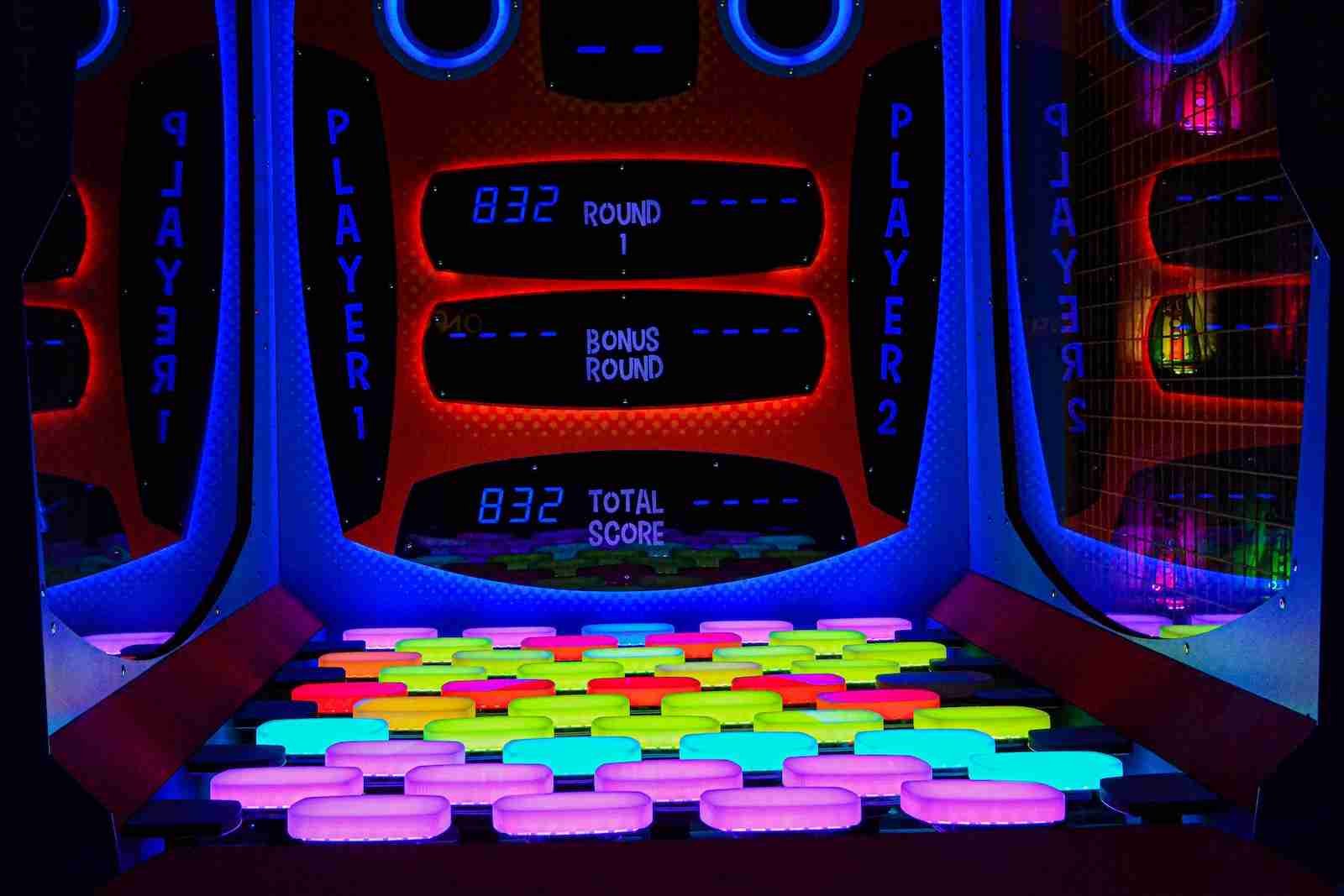
In the golden glow of arcade neon, Generation X found its home—an unlikely sanctuary where competition and camaraderie intertwined. These kids, armed with pocketfuls of quarters and hearts full of ambition, turned mundane Mondays into epic quests. They carved their names in the annals of gaming history, every joystick pull and button mash resonating with the rhythm of resilience.
Think back to those dimly lit rooms buzzing with excitement. Each game was a challenge, a test of skill that called for focus and strategy. The stakes? Not just bragging rights, but the thrill of outsmarting an opponent, of pushing boundaries, and of redefining what it meant to play. Whether it was Pac-Man’s relentless chase or Street Fighter’s pixelated brawls, these encounters taught young minds about competition, sportsmanship, and the value of practice. It was about more than just scoring high; it was about becoming part of something larger than oneself.
Yet, this journey wasn’t devoid of struggles. The feelings of defeat were real, echoing louder than the digital bleeps of victory. Generation X learned to navigate the highs and lows of competition, building resilience in the face of failure. That grit would carry over into adulthood, shaping a generation that could adapt and persevere in a rapidly changing world. Meets in basements and local tournaments fueled a community rooted in shared experiences. Those friendships forged over avatars battling in a virtual arena transcended screens, creating bonds that still endure today, framed by nostalgia and mutual respect.
We owe much to those daring pioneers in plaid shirts and scrunchies. Their gatherings laid the groundwork for the expansive landscape of competitive gaming we see today—a world where that very same spirit thrives in arenas packed with roaring fans and streams watched by millions. The seeds they planted helped revolutionize the industry, merging gaming with professionalism, while still retaining the heartfelt connection that made it all worthwhile.
So, the next time you boot up your favorite game, take a moment to appreciate those early days. Celebrate the determination and creativity of a generation that dared to dream, boxing against the odds to not just play, but to rewrite the very rules of the game. That legacy lives on—each time we connect, compete, and celebrate the artistry that is gaming.

How Gen X Helped Build the Foundation for Competitive Gaming
How Gen X Helped Build the Foundation for Competitive Gaming
- Generation X found a home in arcades, merging competition and camaraderie.
- Armed with quarters, they turned mundane Mondays into epic gaming quests.
- Experiences in arcades taught resilience, sportsmanship, and the value of practice.
- The journey included both victories and defeats, building character and adaptability.
- Friendships formed through gaming transcended screens and continue to endure.
- Pioneers of Generation X laid the groundwork for the competitive gaming landscape today.
- Their legacy lives on in modern gaming, celebrated for its creativity and community spirit.

How Gen X Helped Build the Foundation for Competitive Gaming
Table Of Contents
- How Gen X Helped Build the Foundation for Competitive Gaming
- What Drives Your Passion for Competitive Gaming?
- How Did Gen X Shape Gaming Culture?
- Can Gaming Be a Valid Career Path for the Next Generation?
- What Ethical Implications Arise From Competitive Gaming?
- How Do Social Dynamics Impact Player Communities?
- What Skills Did Gen X Bring That Are Vital Today?
- Are Competitive Gaming Events Inclusive for All Generations?
- Conclusion
- Other Resources
- Glossary Of Terms
- Other Questions
- Haiku
- Poem
- Checklist
What Drives Your Passion for Competitive Gaming?
What drives your passion for competitive gaming? At first glance, it might seem like just pixels on a screen or numbers crunching in a vast virtual landscape. But delve deeper, and you’ll find a pulse of humanity behind every match, every tournament, every victory and defeat.
Think about it. Games have always been more than entertainment; they are pivotal moments in our lives. They foster friendships forged through teamwork, moments that resonate with the heart. Think of those evenings spent strategizing with friends, voices crackling through headsets, laughter and triumph mingling like a symphony. Competitive gaming creates a community where collaboration is key and bonds are strengthened. That connection fuels the drive, making every battle feel like a personal quest rather than just another round.
Now, let’s turn to the mind, where the thrill of strategy takes the forefront. It’s not merely about reflexes; it’s about understanding the nuances of your adversaries, anticipating their moves, and creating a roadmap for victory. These games challenge us, forcing us to think critically and adapt quickly. They engage our cognitive faculties, asking us to outsmart opponents through quick decisions and meticulous planning. The rush of outmaneuvering a rival, laying the perfect trap, or making that nail-biting comeback is not just exhilarating—it’s the triumph of intellect over chaos.
But let’s not overlook the ethical side of competitive gaming. There’s an unwritten code that governs the realm of competition, emphasizing respect and sportsmanship. Every gamer knows that with every victory comes the responsibility of honor—acknowledging the skill of the opponent and embracing both the cheers and the jeers. This integrity creates a sense of trust and builds a richer community where everyone, regardless of their skill level, feels valued.
As you navigate this vibrant tapestry of competition and camaraderie, remember the narrative that drives you. Whether you’re a casual player or a seasoned veteran, the heart of gaming lies in the stories woven through each match—your journey, struggles, and triumphs. Embrace these tales, share them, and invite others into your fold.
Finally, consider the social aspect. As you dive deeper, you become part of something greater—a shared experience, a network that transcends borders and backgrounds. So, what drives your passion for competitive gaming? It’s more than just a hobby; it’s a colorful community, a mental battlefield, and a personal journey, waiting for you to take the plunge and embrace it all.

What Drives Your Passion for Competitive Gaming?
What Drives Your Passion for Competitive Gaming?
- Competitive gaming involves more than just gameplay; it’s rooted in human connection and community.
- Games create friendships through teamwork and shared experiences, enhancing social bonds.
- The strategic nature of gaming requires critical thinking and adaptability to outsmart opponents.
- Success in gaming comes from understanding strategies, anticipating moves, and effective planning.
- Ethics and sportsmanship play a vital role, promoting respect and integrity within the gaming community.
- Every match is a personal narrative filled with struggles and triumphs that shape the player’s journey.
- Competitive gaming fosters a colorful community that transcends borders, inviting inclusivity and shared experiences.

What Drives Your Passion for Competitive Gaming?
How Did Gen X Shape Gaming Culture?
When you think about gaming culture today, you might not pause to consider the invisible threads spun by Generation X. This group, caught between the analog and digital worlds, didn’t just play games; they redefined what games could mean in our lives. With a joystick in one hand and a cassette in the other, they ventured into realms that mixed imagination with a dash of rebellion. It wasn’t just about pixelated characters on a screen—it was a cultural awakening that connected the heart, head, and gut.
Picture this: a teenager, holed up in a basement, pizza boxes stacked high, the flicker of a TV illuminating the room as they navigate through levels of “Super Mario” or “Sonic the Hedgehog.” The thrill of those games was more than mere diversion; it was an escape, a way to forge friendships across the lunchroom. Generation X, often dubbed the “latchkey kids,” found solace in the escapism of their games, discovering that virtual worlds could offer camaraderie in ways that real life sometimes didn’t. This created a generation that values the connections formed through shared experiences, whether it was huddling over an arcade machine or bonding over strategy guides.
As these gamers matured, they took their passion beyond adolescence. They became the writers, designers, and innovators in an emerging industry. And as they pushed the boundaries of creativity, they also championed ideas of inclusion and diversity. They understood that representation mattered, paving the way for more varied stories that resonate with a broader audience. It was an ethical commitment to ensure everyone had a seat at the table, a theme later echoed across various platforms and communities today.
With their unwavering determination, Generation X became authority figures in a still-burgeoning landscape. They led the charge, fostering a vibrant community where gamers could thrive, collaborate, and exchange tales. It was about more than winning or losing; it was about the friendships forged in pixelated battlegrounds and the life lessons learned through virtual quests.
In embracing their role as creators, innovators, and storytellers, Generation X left an indelible mark on gaming culture. They didn’t just stand by as players; they actively shaped a vibrant community that celebrates creativity, connection, and resilience. As we dive into our own gaming journeys today, let’s channel that same spirit of innovation and kinship. After all, whether it’s a friendly competition or a heartfelt collaboration, the true magic of gaming lies in the connections we build along the way.

How Did Gen X Shape Gaming Culture?
How Did Gen X Shape Gaming Culture?
- Generation X redefined gaming culture, bridging analog and digital worlds.
- Their gaming experiences mixed imagination and rebellion, fostering cultural connections.
- Gaming served as an escape and a way to build friendships for the “latchkey kids.”.
- As they grew, they became writers and designers, driving innovation in the industry.
- They championed inclusion and diversity, ensuring representation in gaming narratives.
- Generation X fostered a vibrant community focused on collaboration and shared experiences.
- They left a lasting impact, emphasizing the importance of connections in gaming today.

How Did Gen X Shape Gaming Culture?
Can Gaming Be a Valid Career Path for the Next Generation?
When we think about careers, we often picture hard hats, suits, or lab coats. But today, a new breed of professionals is emerging—those whose tools are not wrenches or spreadsheets, but screens and controllers. The gaming industry is a vibrant ecosystem where creativity intersects with technology, offering pathways to not just a job, but meaningful careers that resonate deeply with the next generation.
Picture this: a young person sitting in their room, surrounded by the echoes of laughter and the exhilaration of competition. As they navigate through intricate worlds, they are not just playing games; they are honing skills like problem-solving, teamwork, and strategic thinking. These are the very attributes that employers crave. It’s like being part of a grand narrative, where every level completed is a chapter in a larger story of growth and achievement.
This isn’t mere escapism; it’s a legitimate expression of talent and determination. The industry is now a multi-billion dollar powerhouse, employing designers, programmers, and marketers who once shared the same passion for games. The opportunities are vast, with roles ranging from narrative design to esports management, catering to a wide array of interests and skills. It’s a world where art meets science and where innovation knows no bounds.
Moreover, gaming fosters a sense of community. Through online platforms, players collaborate and connect, building relationships that transcend geographical barriers. Every victory and defeat is shared, creating a tapestry of experience that weaves tightly into the fabric of friendship and camaraderie. This is about more than just pixels on a screen; it is about forging connections in a rapidly changing society.
But let’s get ethical. Are we encouraging our youth to step into a realm often dismissed as frivolous? The truth is, behind every great game, there’s a legion of professionals working tirelessly to create immersive experiences that inspire and challenge. By validating gaming as a career, we empower the next generation to pursue their passions—while also understanding the hard work and dedication required to succeed.
We must embrace this shift in perspective. If we nurture these budding talents, we’re not just preparing them for jobs; we’re equipping them with the tools to thrive in a future where creativity and technology are intertwined. So let’s cheer them on as they turn their favorite pastime into a fulfilling career. Because who knows? The next great innovator might just be sitting in their room, controller in hand, ready to change the world.

Can Gaming Be a Valid Career Path for the Next Generation?
Can Gaming Be a Valid Career Path for the Next Generation?
- The gaming industry is a vibrant blend of creativity and technology, providing meaningful career paths for the next generation.
- Young gamers develop essential skills like problem-solving, teamwork, and strategic thinking, which are highly valued by employers.
- The industry is a multi-billion dollar powerhouse, with Career opportunities in design, programming, marketing, and more.
- Gaming fosters community and connection, allowing players to build relationships across geographical barriers.
- Behind every successful game is a dedicated team of professionals who create immersive experiences worthy of respect.
- By embracing gaming as a legitimate career, we encourage youth to pursue their passions with hard work and dedication.
- Nurturing young talents in gaming prepares them for a future where creativity and technology are increasingly intertwined.

Can Gaming Be a Valid Career Path for the Next Generation?
What Ethical Implications Arise From Competitive Gaming?
In the exhilarating world of competitive gaming, where lightning-fast reflexes and strategic minds collide, a haunting question lingers in the background: what are the ethical implications that emerge from this battleground? It’s more than just games; it’s a reflection of who we are as a society.
Picture a young player, sweating bullets during a high-stakes tournament, eyes glued to the screen, fueled by the thrill of competition. They’ve sacrificed countless hours honing their craft, but at what cost? When ambition overshadows integrity, the very essence of fair play begins to erode. The allure of quick fame can tempt players to make choices that compromise their morals, whether it’s cheating or engaging in toxic behavior. These decisions not only tarnish their personal brand but also ripple through the gaming community, affecting every aspiring gamer who looks up to them.
Let’s talk about the responsibility that comes with being a competitor. Weighing the thrill of victory against the well-being of the players, both on and off-screen, demands a thoughtful approach. For those in positions of authority—developers, tournament organizers, influencers—the onus is to cultivate an environment where sportsmanship thrives. With great power comes profound influence, and they hold the keys to ensuring that ethical standards are etched into the fabric of competitive gaming.
But it’s not just about the big names at the top; it’s also about each gamer who picks up a controller. We all share the responsibility to engage thoughtfully, to support one another rather than tear each other down. The gaming community thrives on connection, and when players stop and consider the ethical implications of their actions, it enriches the entire experience.
Imagine a scene where competitors cheer for one another rather than jeer, where friendships bloom across virtual boundaries, and where respect is just as crucial as skill. Here lies the heart of competitive gaming: a chance to forge connections, inspire trust, and uplift one another through shared experiences.
As we continue to navigate this dynamic landscape, recognizing the ethical dimensions will shape the future of gaming. It’s time to hold ourselves accountable and create a culture that values integrity as much as it values victory. In this journey, let’s ask ourselves: what will we choose to stand for? After all, the games we play should reflect the best of humanity, even in the heat of competition.

What Ethical Implications Arise From Competitive Gaming?
What Ethical Implications Arise From Competitive Gaming?
- The competitive gaming landscape poses ethical implications that reflect societal values.
- Players often face dilemmas between ambition and integrity, risking fair play for quick fame.
- Decisions to cheat or engage in toxic behavior can harm personal brands and the gaming community.
- Competitors have a responsibility to balance the thrill of victory with the well-being of all players.
- Developers, organizers, and influencers must foster an environment that promotes sportsmanship.
- Every gamer shares the responsibility to engage positively and support one another in the community.
- A commitment to ethical behavior can enrich the competitive gaming experience and reflect humanity’s best qualities.

What Ethical Implications Arise From Competitive Gaming?
How Do Social Dynamics Impact Player Communities?
Take a moment to imagine the last time you dove into a game that captured your heart. Maybe it was a sprawling adventure or an intense competition. Now, think about the people who shared that experience with you—friends who cheered you on, adversaries who pushed you to your limits, or even strangers who turned into allies along the way. That shared passion creates a unique bond, a sense of belonging that transcends the screen and threads itself into the fabric of our everyday lives.
Games are more than just a pastime; they are a reflection of our social dynamics. Within these virtual realms, the way we interact shapes not only our individual experiences but also the communities we inhabit. Each player, with their quirks and stories, contributes to a larger narrative that can bolster confidence and foster connection. It’s this collective energy that can transform a simple game into a rich tapestry of human emotion, ethics, and understanding.
Consider the alpha player, the one who exudes skill and bravado. They often set the tone for the community, becoming a figure of authority within the game. But what happens when their bravado turns toxic? A number of players may withdraw, silencing their passion out of fear or insecurity. Here, we see the dual-edged sword of social dynamics. Healthy interactions can lift players, nurturing their confidence and encouraging collaboration. But unhealthy dynamics can create division, breeding an atmosphere of mistrust and resentment. It’s vital, then, to cultivate an environment that welcomes both the novice and the expert, to strike a balance where everyone feels seen and valued.
Leaders—whether intentional or by circumstance—have an ethical responsibility to not just play the game but to shape the community surrounding it. The impact of kindness, encouragement, and constructive feedback cannot be overstated. These actions ripple through the community, reminding everyone that, at the end of the day, we’re all in it together.
So, as you venture into your next game, remember: every move, every comment, every moment creates waves. Let’s strive to ensure those waves carry trust, empathy, and connection. The more inclusive and open-hearted we are, the richer our gaming experiences become. Together, let’s build player communities that reflect the best of who we are, both in the game and beyond.

How Do Social Dynamics Impact Player Communities?
How Do Social Dynamics Impact Player Communities?
- Games create unique bonds through shared experiences among friends, adversaries, and allies.
- They reflect our social dynamics, influencing individual experiences and community building.
- Each player’s unique story contributes to a collective narrative that fosters connection and boosts confidence.
- The presence of alpha players can shape community dynamics, but toxic behavior can deter participation.
- Healthy social interactions can uplift players, while unhealthy dynamics may create division.
- Leaders have ethical responsibilities to foster an inclusive and supportive gaming environment.
- Every action in gaming influences the community, highlighting the importance of empathy and connection.

How Do Social Dynamics Impact Player Communities?
What Skills Did Gen X Bring That Are Vital Today?
Generation X is often portrayed as the bridge between two culturally distinct eras, but what truly sets them apart is a toolkit brimming with resilience, adaptability, and authenticity. These traits resonate deeply today, in a world that constantly demands change and innovation.
First, let’s talk about resilience. Growing up during economic uncertainty and the evolving landscape of technology, Gen X learned to endure. With a work ethic honed in the fires of real-life challenges, they developed a knack for solving problems on the fly. Picture a Gen Xer faced with a broken-down car on the side of the road, an unexpected hiccup that leads to a resourcefulness born not from convenience but from necessity. They learned to fix things, not just mechanically but also in life—because every setback was a game to be won, a puzzle to be solved. This relentless tenacity is a crucial asset today, where businesses face setbacks and upheaval in equal measure.
Then we have adaptability. Growing up with the dawn of the digital age, Gen X navigated the transition from VHS to streaming services with ease. As they jumped into new opportunities—whether it was tackling the internet, embracing social media, or finding innovative solutions in fast-paced environments—they did so without a manual, just grit and ingenuity. This adaptability resonates with younger generations who are facing rapidly changing job markets, echoing the call for a workforce that can pivot and evolve.
Lastly, authenticity fuels trust. In a world sometimes bogged down by superficial connections and filtered images, Gen X stands out as a group that values honesty and integrity. They built relationships grounded in genuine interaction—one that prefers face-to-face conversations over likes and follows. This ethical approach to communication fosters a climate where ideas can flourish, and trust can be nurtured.
So, as leaders, innovators, and everyday doers, it’s time we recognize the tremendous skills Gen X has to offer. They may not be the loudest voice in the room, but their quiet determination speaks volumes. By tapping into their unique talents—resilience, adaptability, and authenticity—we can foster a workspace where collaboration thrives, encouraging all generations to unite and tackle the challenges ahead. Embrace these qualities, and you open the door to a future where innovation knows no bounds; a future where every setback is just another game waiting to be played—and won.

What Skills Did Gen X Bring That Are Vital Today?
What Skills Did Gen X Bring That Are Vital Today?
- Generation X serves as a cultural bridge between distinct eras, characterized by resilience, adaptability, and authenticity.
- Resilience: Gen X grew up during economic uncertainty, developing a strong work ethic and problem-solving skills in challenging situations.
- Adaptability: They navigated the transition from traditional media to digital platforms, embracing new opportunities with creativity and ingenuity.
- Authenticity: Values of honesty and integrity guide Gen X, leading to genuine relationships and face-to-face communication over superficial interactions.
- These qualities—resilience, adaptability, and authenticity—are crucial in today’s rapidly changing work environments.
- Gen X’s quiet determination and unique talents can foster collaboration across generations in the workplace.
- Recognizing and embracing these traits can lead to innovation and solutions to future challenges.

What Skills Did Gen X Bring That Are Vital Today?
Are Competitive Gaming Events Inclusive for All Generations?
Competitive gaming events, or esports, have transformed into a cultural phenomenon, drawing in participants and spectators from every corner of our diverse society. As we navigate this digital realm together, it’s crucial to examine whether these gatherings truly welcome players of all generations. After all, the essence of gaming goes beyond mere pixels and strategies; it taps into our very humanity.
Imagine a grand arena filled with cheers, the air thick with anticipation. On one end, a teenage prodigy is working the controls like a maestro with his orchestra. On the other, a grandmother, maybe not so adept at the latest controller, engaging in a game that brings back vibrant memories of her childhood. This scene isn’t just a clash of skill; it’s a bridge between generations, showcasing the unique power of games to unite us in shared experiences.
Yet, the question remains: Are these events genuinely inclusive? Sure, anyone can register and compete, but inclusivity is about more than who gets a ticket. It’s about fostering environments where everyone feels valued, not just as competitors, but as contributors to an ongoing narrative—a story woven with threads of resilience, learning, and collaboration.
Consider the ethical implications of accessibility. If competitive gaming serves as a community, then shouldn’t we ensure that our platforms are open and welcoming? This is especially important to those from older generations who might feel intimidated by flashy interfaces or complicated rules. Game developers and organizers have a profound responsibility to create experiences that resonate with people of all ages, offering opportunities for mentorship and learning.
There’s authority in the collective voices of gamers, young and old alike. When those seasoned warriors of the joystick share their wisdom with novices, they forge connections that transcend age barriers. Watching as a group of diverse gamers strategizes together creates a palpable energy—proof that learning knows no age limit.
Let’s not forget the emotional pull of gaming. The thrill of victory, the camaraderie of teamwork, or even the lessons from defeat—they all stir something deep within us. Competitive gaming events can become vibrant community gatherings—a place where laughter, competition, and mutual respect thrive.
By ensuring that all generations feel represented and empowered at these events, we not only enrich the gaming landscape but also strengthen the bonds that tie us together. Whether you’re a fresh-faced challenger or a seasoned veteran, there’s a place for you at the table. So, let’s turn the page on exclusion and write a new chapter of inclusivity in this thrilling narrative.

Are Competitive Gaming Events Inclusive for All Generations?
Are Competitive Gaming Events Inclusive for All Generations?
- Esports has become a cultural phenomenon, attracting diverse participants and spectators.
- Competitive gaming events can bridge generational gaps, uniting players of all ages in shared experiences.
- Inclusivity goes beyond just participation; it involves fostering environments where all players feel valued.
- Accessibility is crucial, especially for older generations who may struggle with complex interfaces.
- Mentorship opportunities can be created by connecting seasoned gamers with novices.
- Gaming events can serve as vibrant community gatherings, promoting teamwork and mutual respect.
- By empowering all generations, we enrich the gaming landscape and strengthen community bonds.

Are Competitive Gaming Events Inclusive for All Generations?
Conclusion
Generation X, the often-overlooked architects of modern gaming culture, forged a legacy built on competitive spirit, camaraderie, and creativity. Picture them in those neon-lit arcades, each joystick maneuver a symbolic act of rebellion against a mundane world. They transformed weekends into communal quests, banding together as they conquered pixelated challenges, forging friendships in the process. With each high score and each lost life, they learned resilience—a life skill that transcended the gaming screen. The grit honed in those arcade battles prepared them to navigate the complexities of adulthood, shaping a generation that could adapt and thrive amid change.
These pioneers—often deemed the “latchkey kids”—understood that gaming was about more than just pixels. It was a sanctuary that connected them to one another, a lifeline that transformed rivalry into respect. They became the storytellers, designers, and innovators of an industry they grew up with, dedicating themselves to creating immersive experiences that fostered inclusion and representation. As they shifted from players to creators, they ushered in a new era of gaming defined by diverse narratives and shared values.
But what about the future? Today’s aspiring gamers can tap into this fertile ground, where passion meets opportunity. Competitive gaming isn’t merely a fleeting hobby; it’s a legitimate career path brimming with roles that demand creativity and strategy. In this vibrant landscape, every match is more than just entertainment; it’s a chance to forge connections and develop skills vital in today’s workforce. The thrill of gaming can seamlessly translate into teamwork, critical thinking, and problem-solving—the very traits employers crave.
However, with great power comes great responsibility. The gaming community must uphold ethical standards, encouraging fair play while nurturing an environment where respect is paramount. Each player, from newcomers to seasoned veterans, plays a role in either uplifting or undermining the community’s integrity. As we embrace gaming’s evolution, we’re called to reflect on our shared narrative—the stories that unite us, regardless of age or skill level.
Going forward, we must ensure competitive gaming events are inclusive spaces, welcoming participants from all walks of life. The true spirit of gaming lies in its power to connect and inspire. As we navigate this vibrant tapestry, it’s vital to foster an ethos of kindness and understanding, creating a culture that values both competition and camaraderie. Together, let’s celebrate this dynamic community and carry forward the legacy of Gen X as we wield our controllers with purpose and passion, crafting new stories that inspire the generations to come.

Conclusion
Conclusion:
- Generation X laid the foundation of modern gaming culture, marked by competitiveness and creativity.
- Arcade experiences fostered friendships and resilience, preparing them for the complexities of adulthood.
- Gaming served as a connection and sanctuary, transforming rivalry into respect within the community.
- Former players became storytellers and innovators, advocating for diverse narratives and inclusive gaming experiences.
- Today’s aspiring gamers can pursue competitive gaming as a legitimate career, enhancing teamwork and problem-solving skills.
- The gaming community must prioritize ethical standards, promoting respect and integrity among all players.
- Future gaming events should be inclusive, fostering a culture of kindness and camaraderie while celebrating the legacy of Gen X.

Conclusion
Other Resources

Other Resources
Here is a list of other resources you can review online to learn more:
- Race for the Galaxy
- AEG
- Hearts
- Through the Ages: A New Story of Civilization
- Concordia
- Battlestar Galactica: The Board Game
- Scoop.It
- Gamelyn Games
- A Feast for Odin
- The Mind
- War of the Ring (Second Edition)
- Arkham Horror: The Card Game – The Dunwich Legacy Expansion
- Cardboard Republic
- Memoir ’44: Pacific Theater
- Pandemic
- Dominion: Intrigue (Second Edition)
- Pegasus Spiele
- Goliath Games
- Watch It Played
- Cranio Creations
Use This Prompt To Get More Resources With Your Favorite Online AI Tool: Please provide me with a list of online articles with their URLs in a bulleted list that I can read regarding How Gen X Helped Build the Foundation for Competitive Gaming

Other Resources
Glossary Terms
How Gen X Helped Build the Foundation for Competitive Gaming – Glossary Of Terms
1. Competitive Gaming: Organized multiplayer video gaming where players or teams compete for recognition or prizes.
2. Esports: A branch of competitive gaming that involves professional players and teams competing in tournaments for cash prizes and sponsorships.
3. LAN Parties: Local Area Network gatherings where gamers connect their computers or consoles to play multiplayer games in person.
4. Multiplayer Online Battle Arena (MOBA): A genre of video games where players control a single character in a team and compete to destroy the opposing team’s base.
5. Role-Playing Game (RPG): A genre where players assume the roles of characters in a fictional setting and make choices that determine the outcome of the game.
6. First-Person Shooter (FPS): A genre of video games focused on gun and projectile weapon-based combat through the first-person perspective of the player.
7. Game Culture: The social environment and community formed around video gaming, encompassing behaviors, norms, and customs.
8. Online Gaming: Playing video games over the internet, which connects players from diverse locations.
9. Streaming: Broadcasting live gameplay on platforms like Twitch or YouTube, allowing viewers to watch and interact in real time.
10. Speedrunning: A playstyle where gamers complete a game as quickly as possible, often leveraging glitches and optimized strategies.
11. Community Management: The process of building and managing relationships within a gaming community, often led by dedicated leaders or moderators.
12. Game Development: The process of creating a video game, which includes design, programming, art, and sound elements.
13. Modding: The act of altering a game to create new content or gameplay experiences, often performed by fans.
14. Early Adopters: Innovators who are among the first to engage with new technology or gaming trends, often influencing others.
15. Pixel Art: A visual art style characterized by the use of small, square pixels, often reminiscent of early video games.
16. Gaming Consoles: Dedicated devices designed specifically for playing video games, such as the NES, PlayStation, and Xbox.
17. Cloud Gaming: Streaming games remotely from powerful servers, allowing users to play without high-end hardware.
18. Game Mechanics: The rules and systems that govern how a game operates, affecting player interaction and strategies.
19. Competitive Scene: The organized structure surrounding tournaments and leagues within competitive gaming, including player rankings and sponsorship.
20. Tournaments: Competitive events where players or teams compete to win prizes, recognition, or enhancement of skills.
21. Gamification: The application of game-design elements in non-game contexts to engage users and encourage participation.
22. Nostalgia: A sentimental longing for the past, particularly in relation to the classic games that defined generations of gamers.
23. Player Versus Environment (PvE): A gameplay mode where players cooperate to defeat computer-controlled opponents.
24. Player Versus Player (PvP): A competitive gameplay mode in which players compete against each other.
25. Game Streaming Platforms: Websites that allow players to broadcast gameplay and share their experiences with viewers.
26. Beta Testing: The phase in the development process where a game is tested by players to identify bugs and gather feedback.
27. Esports Organizations: Professional teams or groups that participate in esports competitions and manage player rosters.
28. Netcode: The programming that facilitates online multiplayer interactions, significantly influencing game performance and player experience.
29. Fandom: A community of enthusiasts who share a strong interest in a particular game or genre, often producing fan content.
30. Digital Distribution: The delivery of video games via online platforms, allowing players to purchase and download directly.

Glossary Of Terms
Other Questions
How Gen X Helped Build the Foundation for Competitive Gaming – Other Questions
If you wish to explore and discover more, consider looking for answers to these questions:
- What specific games were popular among Generation X?
- How did local tournaments influence the rise of competitive gaming?
- In what ways did Generation X’s gaming experiences differ from today’s gaming culture?
- What are some key milestones in the history of competitive gaming?
- How has technology changed the landscape of competitive gaming since Gen X?
- What role do female gamers play in the history and future of competitive gaming?
- How can today’s gamers learn from the experiences of Generation X?
- What are the most common career paths in the gaming industry today?
- What are some examples of ethical dilemmas faced by gamers in competitive settings?
- How do esports organizations ensure fair play and integrity in competitions?
- What initiatives are in place to promote diversity and inclusion in competitive gaming?
- How do different cultures around the world engage with competitive gaming?
- What impact does streaming and content creation have on competitive gaming?
- How can the gaming community foster a better environment for collaboration?
- What educational resources are available for those interested in a career in gaming?

Other Questions
Haiku
How Gen X Helped Build the Foundation for Competitive Gaming – A Haiku
Pixelated battles,
Resilience in our hearts,
Unity through play.

Haiku
Poem
How Gen X Helped Build the Foundation for Competitive Gaming – A Poem
In neon-lit arcades, where echoes of laughter ring,
Generation X forged a legacy, a vibrant fling,
With pocketfuls of quarters, they danced on the brink,
Battling foes in pixels—more than just a game to think.
They learned resilience in defeat, strength in every loss,
Crafting bonds through each joystick pull, their passion the gloss.
From Pac-Man’s chase to fighters’ duels, they came to see,
That competition wasn’t just a fight—it was community.
With every match, friendships blossomed, forged in fire and sweat,
In basements and tournaments, their camaraderie set.
From simple joys to grand arenas, gaming grew vast,
From playful rebellion to shaping the future, their shadows were cast.
For them, gaming was not a mere escape from the grind,
But a ladder to careers, where creativity intertwined,
A realm to hone skills—problem-solving, teamwork, and joy,
Crafting a vibrant culture, where every gamer is a buoy.
Yet as the stakes rise high, ethical choices come to light,
Victory tempted with shortcuts, in the heat of the fight.
With great power comes responsibility, a lesson to heed,
For we are stewards of integrity, as we plant the seed.
In gaming’s tapestry, the threads of social dynamics weave,
Leadership and kindness, a tapestry that we believe,
Every move in game or life sends ripples in the sea,
Creating a richer narrative for all, like a symphony.
So celebrate the legacy of those who ventured before,
Let their grit and passion open inclusive doors,
For every player, young and old, has a story to share,
In this colorful world of gaming, there’s space for all to care.
Embrace the journey, let the heart connect,
For in every quest and rivalry, it’s respect we must protect.
Through competition and creation, a richness we can gain,
Together in this vast domain—we all have much to gain.

Poem
Checklist
How Gen X Helped Build the Foundation for Competitive Gaming – A Checklist
Competitive Gaming Checklist: Engaging Heart, Head, and Gut
Emotional Appeals
_____ Reflect on your own gaming journey: What moments brought you joy or forged friendships?
_____ Consider the thrill of shared experiences: How can you create more opportunities for connection in gaming?
_____ Embrace nostalgia: What memories from your early gaming days inspire you today?
Rational Appeals
_____ Analyze your strategic thinking: How do your gaming skills translate to real-life problem-solving?
_____ Explore career opportunities: What paths within the gaming industry align with your passions and skills?
_____ Assess your community involvement: How do you contribute to fostering a positive gaming environment?
Ethical Appeals
_____ Commit to sportsmanship: Are you respecting your opponents and upholding integrity during competitions?
_____ Reflect on inclusivity: How can you ensure everyone, regardless of skill level, feels valued in gaming spaces?
_____ Advocate for mental health: Are you considering the balance between passion for gaming and personal well-being?
Authority Appeals
_____ Recognize the influence of pioneers: How did Generation X shape the gaming landscape you are part of today?
_____ Seek mentorship: Who in your gaming community can guide you as you navigate your own journey?
_____ Acknowledge the responsibility of leaders: How can you lead by example and support others in the gaming community?
Narrative Appeals
_____ Share your story: What has your journey in gaming taught you about resilience and teamwork?
_____ Document your progress: How can you keep a record of your achievements to inspire yourself and others?
_____ Create a narrative for future gamers: What legacy do you want to leave for the next generation of players?
Social Appeals
_____ Engage with diverse communities: What steps can you take to form relationships with players from different backgrounds?
_____ Create inclusive events: How can you help organize gaming sessions that welcome those from all age groups and skill levels?
_____ Spread kindness: What small acts of support can you offer in gaming communities to foster a sense of belonging for all?

Checklist
At HowDoYouGame, we help people who love board games by collating information and news about games.
Be sure to read our other related stories at HowDoYouGame to learn more about games.